Prior to the early 1940s, death from infection was common.
Catch a bug like pneumonia or strep throat and you may very well have died from it.
Enter Alexander Fleming, the scientist who discovered the first antibiotic, penicillin. He didn’t create this compound however, he merely isolated it from a common mould, the type that you may find on old orange peels or bread.
Thanks to this medical advancement, death from infectious disease is no longer an everyday threat for most people. This development came to us through a process known as bioprospecting.
There are many other examples of medicines sourced through bioprospecting — including chemotherapy drugs, pain medications, antibiotics, and even psychedelic drugs like LSD — and we walk through nine of the most famous further down this page. Bioprospecting remains today an essential element of new drug discovery.

The Search For New Drugs
The human body is incredibly complex. This means that there are an unfathomable number of things that can go wrong with the human body. We’re constantly trying to search for new solutions to old problems, like our age-old war with cancer, as well as improvements to old medicines that have limited efficacy (like antidepressants, and seizure medications).
Additionally, drugs that were effective in the past, may no longer be effective today. A great example of this is antibiotics. These medications are essential for public health, but are losing their effectiveness as bacteria becomes resistant to their effects. This places a heavy burden on researchers to develop new drugs to replace them before it’s too late and global outbreak occurs.
Finding new drug candidates is no easy task. The majority of drug research falls flat on its back despite years of hard work and rigorous testing.
Additionally, searching for new chemicals from scratch is like trying to find a needle in a haystack… while blindfolded with your hands tied behind your back. There are simply too many chemical combinations possible to brute force effective medicines.
This is why many scientists look for prospective new drugs from plants and fungi. It’s not a fringe approach, either: when researchers tallied every new drug approved over the four decades to 2019, a striking share turned out to be natural products or compounds derived directly from them 1Reference 1Natural Products as Sources of New Drugs over the Nearly Four Decades from 01/1981 to 09/20192Reference 2Natural products derived from plants as a source of drugs.
With a long history of use, and incredible chemical diversity, plants offer us a boost in drug discovery. Based on traditional uses, scientists can take a closer look at the active constituents of plants used for a certain condition. Based on these findings, these chemicals can then be isolated or synthesised to create new drugs.

Drug Development Is Driven By Patent Law
The pharmaceutical industry is notoriously cut-throat. The high cost of drug discovery and new drug development makes it important that the final profits produced from the drug remains in the hands of those who worked hard to create it. This is controlled by patent laws.
Patent laws are important. Let’s put ourselves in the shoes of these drug companies for just a moment. Imagine you spend 10 years and 100 million dollars developing a treatment for multiple sclerosis. The drug is completed and released… you can finally begin off-setting the insane development costs you spent making it.
Once the drug is released, however, other companies realise the usefulness of this medication, and begin manufacturing and selling it at a cheaper price. The reason they can sell it cheaper than you is because they didn’t dump 100 million dollars into its development like you did.
People begin to buy your competitors version of the drug over yours because it’s cheaper. All your hard work and investment of both time and money was for nothing.
This example is exactly what would happen without patent laws, and would be enough to completely halt future drug development. It wouldn’t be a sustainable business practice to spend all your money paving the way for all your competitors to profit from.
Patent laws ensure that the companies spending the time and money developing new, innovative drugs hold exclusive rights to them for a limited window — patents typically run around 20 years from the filing date. Because much of that term is eaten up by years of development and trials before a drug ever reaches the market, the effective period of exclusivity is often considerably shorter. Due to the high cost required to produce these drugs, it’s necessary for these companies to justify spending this money to do it.
Tangent warning:
Many people will argue that developing new drugs to cure disease should be done regardless of cost and that locking in profits through patent laws is unethical. It’s important to remember that drug companies need to turn a profit in order to avoid bankruptcy. Profits are used for paying back the cost of drug discovery, as well as funding the development of new drugs. I’m not arguing that medicines shouldn’t be free for any inhabitant of earth, because I believe they should. However, the only way to achieve this is to transition from market driven drug development (pharmaceutical companies in the private sector) to government-funded development (aka higher taxes and less efficiency). We can weigh out the options of both but I don’t see how either one is much better than the other.
Searching For New Chemicals From Natural Sources
Plants, fungi, and animals are master chemists. In fact, life itself could be isolated down to a chemical reaction.
Whenever we add chemicals into our body, either from plants, animals, or man-made compounds, it’s going to have an effect in some way on our bodies natural chemical processes. The trick is to figure out which ones cause positive changes, and what the best way to use it is.
Plants offer a headstart in this search through traditional medical practices. We can identify a long list of herbal medicines for nearly any condition, in nearly any part of the world. From here we can begin the long and tedious process of sifting through it using the scientific method and high-tech chemical analysis to push this understanding even further.
Pharmacognosy & Plant Medicine Definitions
Medical ethnobotany:
The study of the traditional use of plants for medicinal purposes.
Ethnopharmacology:
The study of the pharmacological qualities of traditional medicinal substances.
Pharmacognosy:
A branch of knowledge dealing with the use of medicinal ingredients from plants and animals.
Phytochemistry:
The study of the chemicals derived from plants, including the identification of new drug candidates from plant sources.
Zoopharmacognosy:
The process by which animals self-medicate, by selecting and using plants, soils, and insects to treat and prevent disease.
Marine pharmacognosy:
The study of chemicals derived from marine organisms.
Pharmacovigilance:
The constant checking and reassurance that drugs are safe and effective even after development has been completed.
Bioprospecting:
The search for medicinal or industrially relevant constituents from organic material.
Biopiracy:
The exploitation of genetic, or biochemically active constituents from plants, animals or fungi without adequate compensation to the community from which it originated.
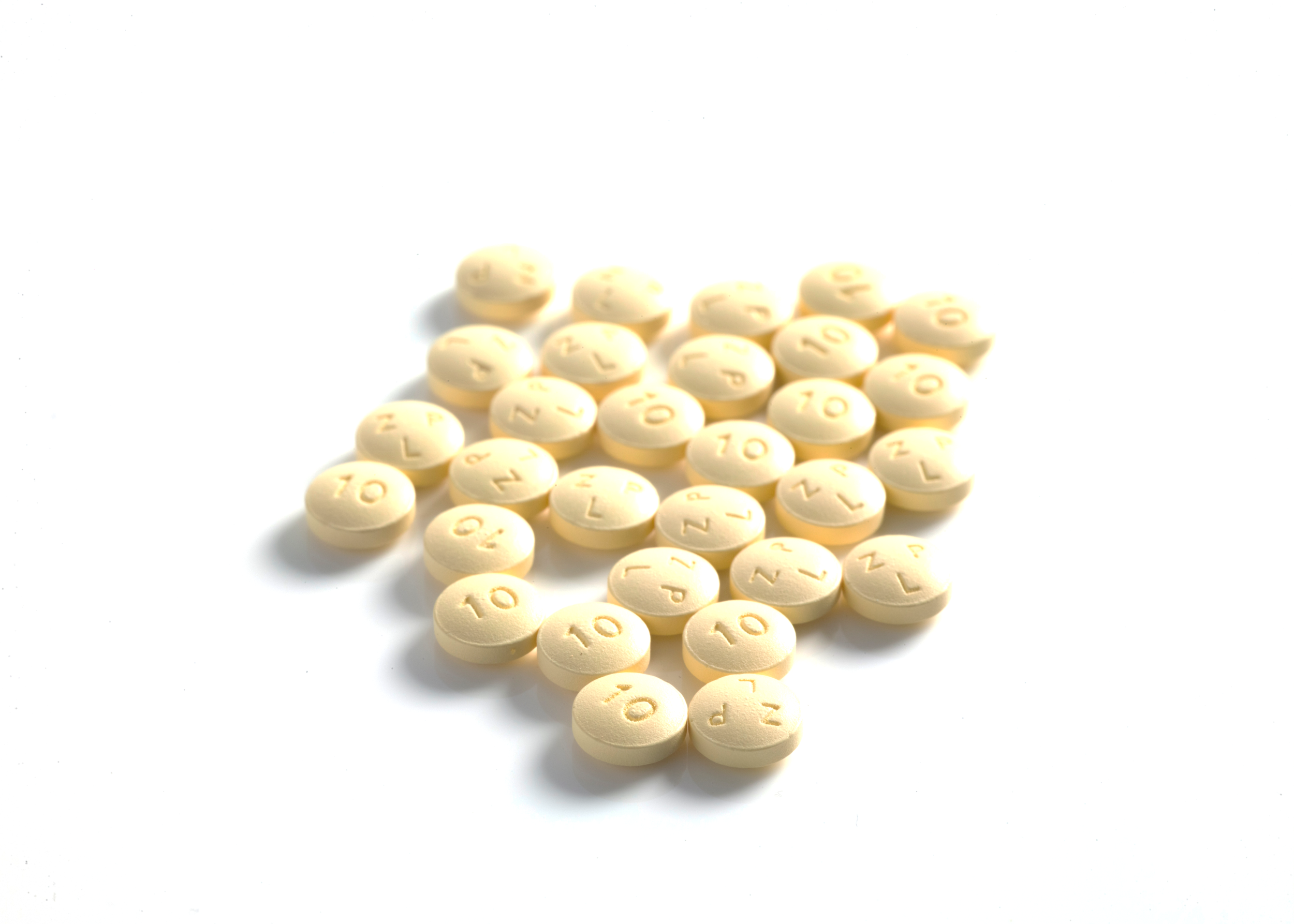
Worked Examples: Drugs Discovered From Nature
The best way to understand bioprospecting is to look at what it has already given us. Each of the drugs below began as a compound made by a plant or fungus, and each followed the same broad path: a natural source, an active constituent, and finally an isolated or refined drug. Here are nine of the most famous.
Aspirin
- Source → drug: Salicin from Salix alba (white willow) and Filipendula ulmaria (meadowsweet) → salicylic acid → acetylated to acetylsalicylic acid (aspirin).
- Use: Pain, inflammation, and fever, by inhibiting the cyclooxygenase (COX) enzymes. Willow and meadowsweet were traditionally used for injury, pain, and inflammation.
- Note: Felix Hoffmann’s acetylation of salicylic acid in 1897 produced aspirin proper. Adding the acetyl group improved tolerability and bioavailability, and aspirin also has an antiplatelet (antithrombotic) effect that underpins its modern use in cardiovascular medicine.
Quinine
- Source → drug: An alkaloid extracted from the bark of the Cinchona tree of South America.
- Use: Malaria and babesiosis, sold under the brand name Qualaquin. It was used by the Quechua peoples of the Andes before the Jesuits carried it to Europe.
- Note: Quinine can be synthesised, but extraction from cinchona bark remains the most economical route. Side effects can be serious.
Opiates (morphine, codeine, and derivatives)
- Source → drug: Benzylisoquinoline alkaloids from the opium poppy, Papaver somniferum (family Papaveraceae) → codeine and morphine.
- Use: Pain relief, acting on the body’s opioid receptors. Morphine, codeine, methadone, and fentanyl remain in wide clinical use at varying potencies.
- Note: In 1874 C. R. Alder Wright synthesised diamorphine (heroin) from morphine; it was later commercialised by Bayer and has since been banned in most countries for its addiction potential.
Myriocin
- Source → drug: A compound from the fungi Mycelia sterilia and the insect-pathogenic Isaria sinclairii → modified to produce fingolimod (FTY720).
- Use: Fingolimod is used to treat autoimmune conditions such as multiple sclerosis. Myriocin itself acts as an antibiotic and immunosuppressant.
Penicillin
- Source → drug: A compound produced by Penicillium mould. Alexander Fleming isolated the active constituent from Penicillium notatum in 1928; the high-yield strain Penicillium chrysogenum was adopted later for large-scale production.
- Use: The first class of antibiotics, lethal to gram-positive bacteria such as Streptococcus and Staphylococcus. Penicillins are beta-lactam antibiotics that block bacterial cell-wall formation (peptidoglycan cross-linking).
- Note: Fleming’s findings drew little attention at first; penicillin was not mass-produced until around 1940.
Digoxin
- Source → drug: Isolated from foxglove, Digitalis lanata, in 1930. Foxglove preparations were recorded as a treatment for “dropsy” (fluid retention from heart failure) as far back as 1785.
- Use: Heart failure and cardiac arrhythmias such as atrial fibrillation and flutter. It strengthens the heartbeat by inhibiting the sodium–potassium ATPase, raising intracellular calcium, and also acts on the vagus nerve to influence rhythm.
Paclitaxel (Taxol)
- Source → drug: Originally extracted from the bark of the Pacific yew, Taxus brevifolia.
- Use: A chemotherapy agent that binds tubulin and blocks cell division, making it effective against rapidly dividing cancer cells.
- Note: Early production killed the yew trees and raised ecological concerns; the drug is now made by semisynthetic methods from lab-grown plant cultures, sparing wild populations.
Vincristine & Vinblastine
- Source → drug: Alkaloids from the Madagascar periwinkle, Catharanthus roseus (vinblastine isolated in 1958, vincristine in 1961).
- Use: Intravenous chemotherapy agents for cancers such as Hodgkin’s disease and neuroblastoma. Like paclitaxel, they block tubulin to stop cancer cells dividing.
LSD (lysergic acid diethylamide)
- Source → drug: A semisynthetic derivative of lysergic acid, which in turn comes from ergot alkaloids (e.g. ergotamine) produced by the fungus Claviceps purpurea.
- Use: First synthesised by Albert Hofmann in Switzerland in 1938, though its psychoactivity was not recognised until several years later. It was later explored as a psychiatric treatment and acts on serotonin (5-HT2A, 5-HT2B) and dopamine (D2) receptors.
The Process Of Bioprospecting & Drug Development
The process of drug development can take a very long time and is exceptionally expensive.
A widely cited analysis of the development costs of cancer medications reported an average spend of around $648 million and 7.3 years to bring a single drug to market 3Reference 3Research and Development Spending to Bring a Single Cancer Drug to Market and Revenues After Approval.
The process is also not as direct as you might think. The development of the drug itself is usually performed by a pharmaceutical company with the tools and materials to create and test it, along with the marketing and legal channels to bring it to market.
But the process often starts elsewhere — with the collaborative efforts of passionate independent researchers, the traditional knowledge of the communities who first used a plant, and the slow work of identifying and isolating an active constituent. As the worked examples above show, a single molecule can travel a long road from a willow tree, a poppy, or a patch of mould to a finished medicine on a pharmacy shelf.
A Future Prospect
As our understanding of biochemistry, phytochemistry, and medical science improves, we’re identifying promising new drug candidates at an ever-increasing rate. The same pattern that gave us aspirin, penicillin, and the chemotherapy alkaloids is still playing out today.
At the time this article was written, for example, researchers at the Queensland University of Technology had reported a native Australian plant whose compounds showed activity against the Zika virus — with the species kept unnamed while the work was protected (see the discussion on patents above for why). Lines of research like this matter beyond a single disease: a compound effective against Zika might also point toward treatments for its relatives in the Flaviviridae family, such as dengue, West Nile virus, and hepatitis C.
This is the promise of bioprospecting. Plants and fungi have spent millions of years refining their chemistry, and we have barely begun to read it. Each new molecule we isolate is both a potential medicine in its own right and a blueprint for the next generation of drugs.
Author
The Sunlight Experiment
References
- Newman, D. J., & Cragg, G. M. (2020). Natural Products as Sources of New Drugs over the Nearly Four Decades from 01/1981 to 09/2019. Journal of Natural Products, 83(3), 770–803. Link
- Veeresham, C. (2012). Natural products derived from plants as a source of drugs. Journal of Advanced Pharmaceutical Technology & Research, 3(4), 200–201. Link
- Prasad, V., & Mailankody, S. (2017). Research and Development Spending to Bring a Single Cancer Drug to Market and Revenues After Approval. JAMA Internal Medicine, 177(11), 1569–1575. Link
- Braun, L., & Cohen, M. (2015). Herbs and Natural Supplements: An Evidence-Based Guide (Vol. 2). Elsevier Health Sciences.
Justin Cooke
Clinical herbalist and the writer behind The Sunlight Experiment — an evidence-based pharmacopoeia of herbs, supplements, and the chemistry behind them.