Botany
Plant Families
The botanical families in the pharmacopoeia, A–Z. Select a family to see the herbs within it — or follow the arrow to its full page.
-
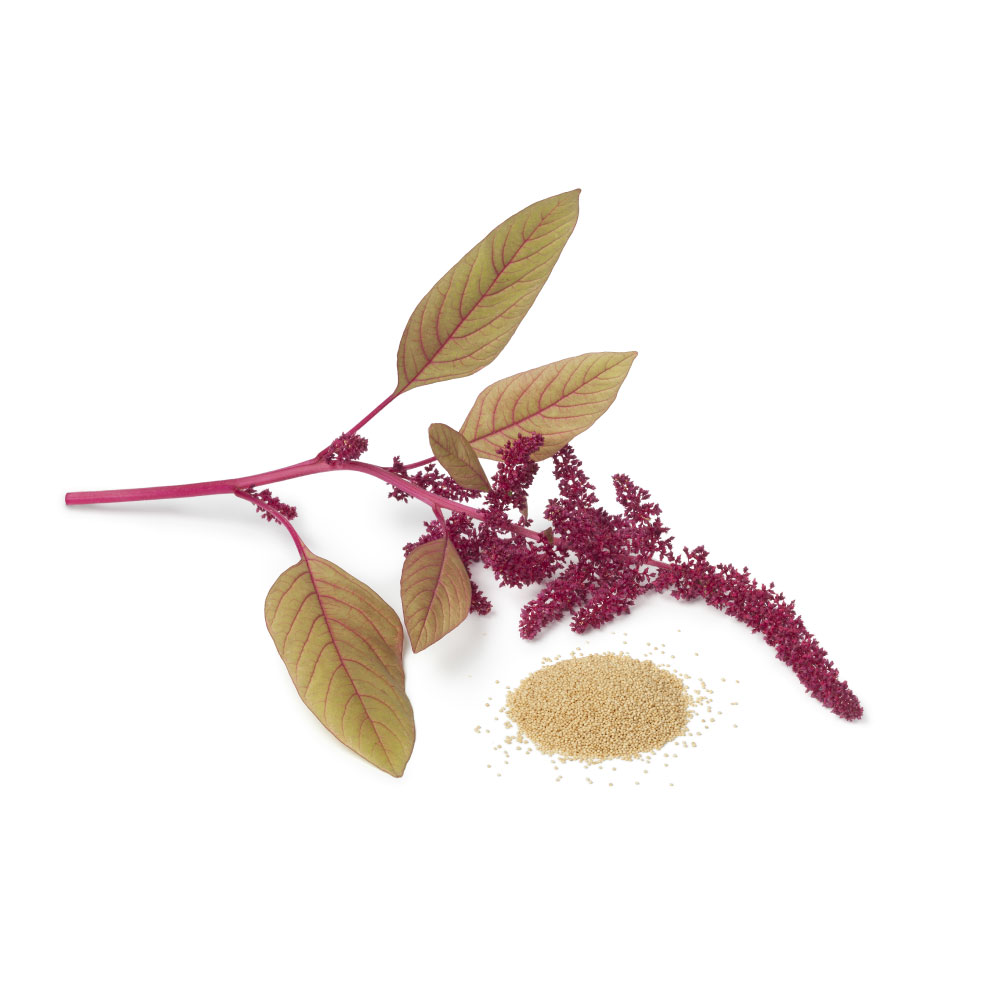
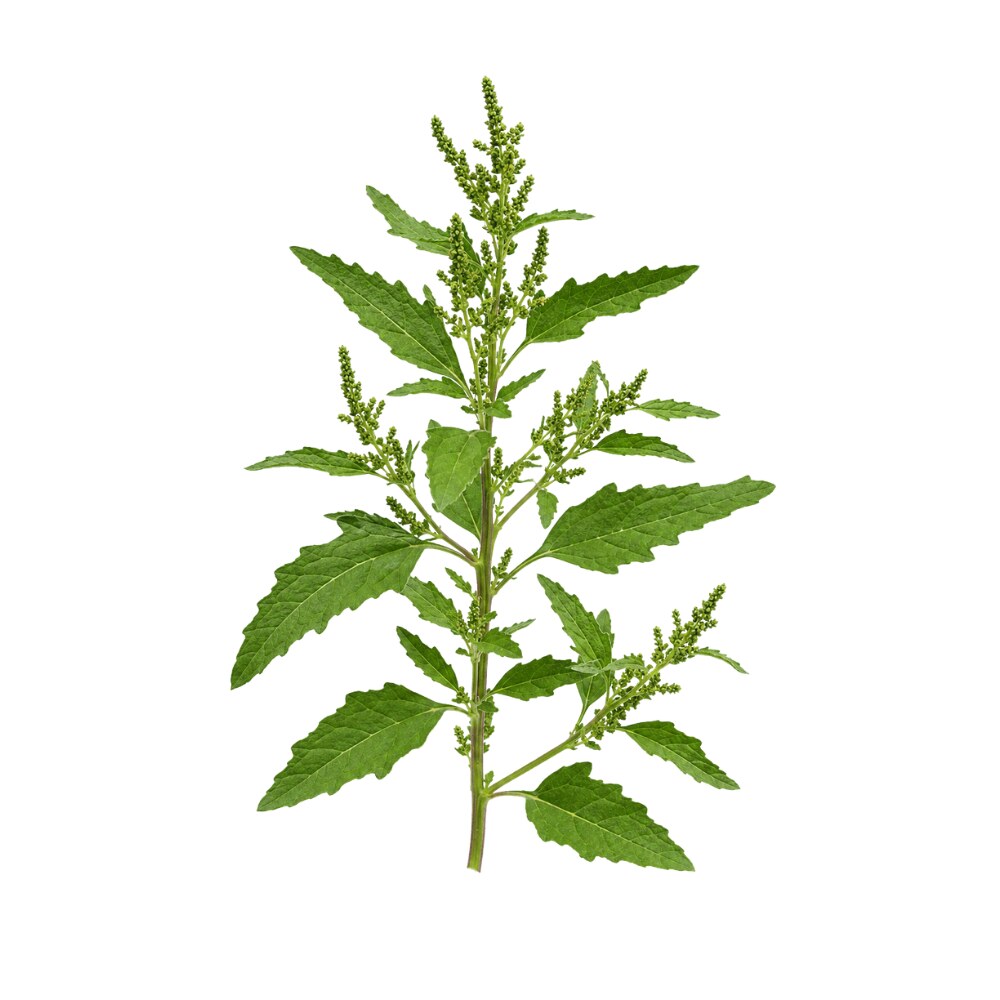
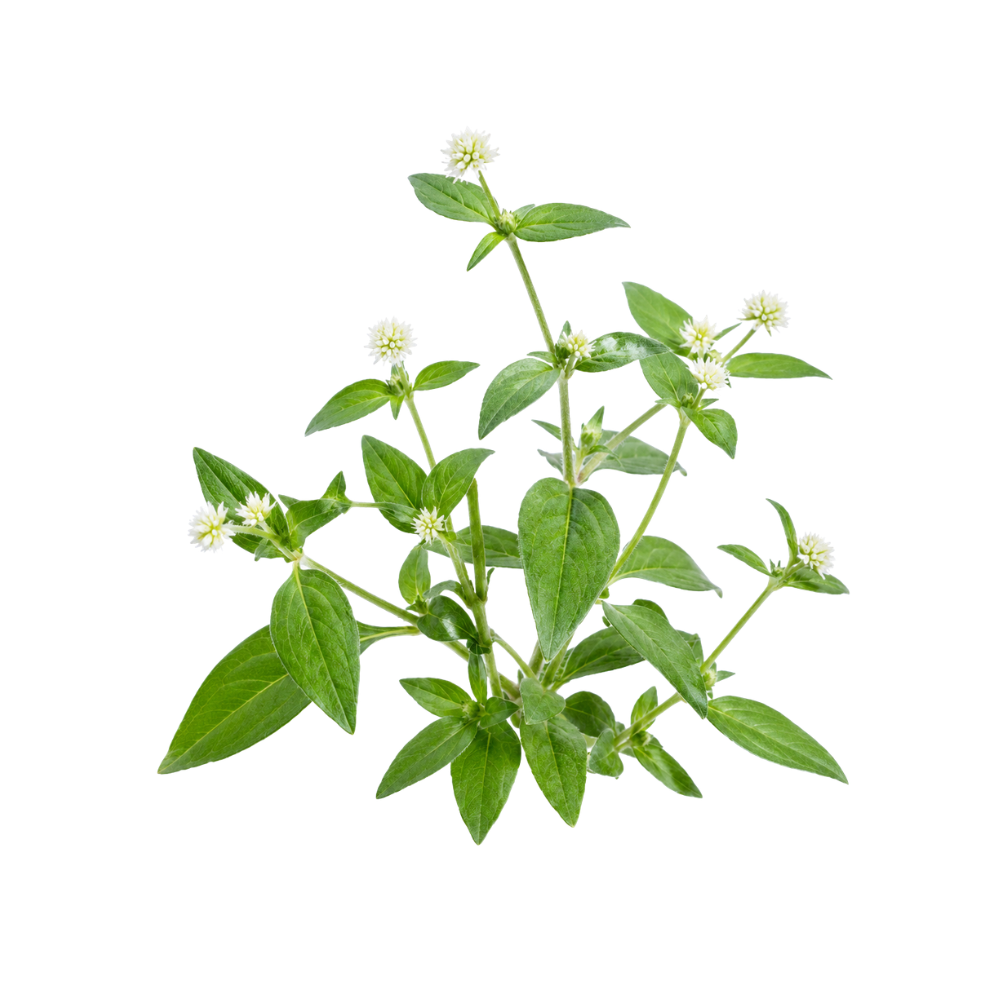
Amaranthaceae Amaranth family 3
Hardy, often weedy herbs (now including the old goosefoot family) — many are nutritive pseudo-grains and saponin-rich tonics.
-
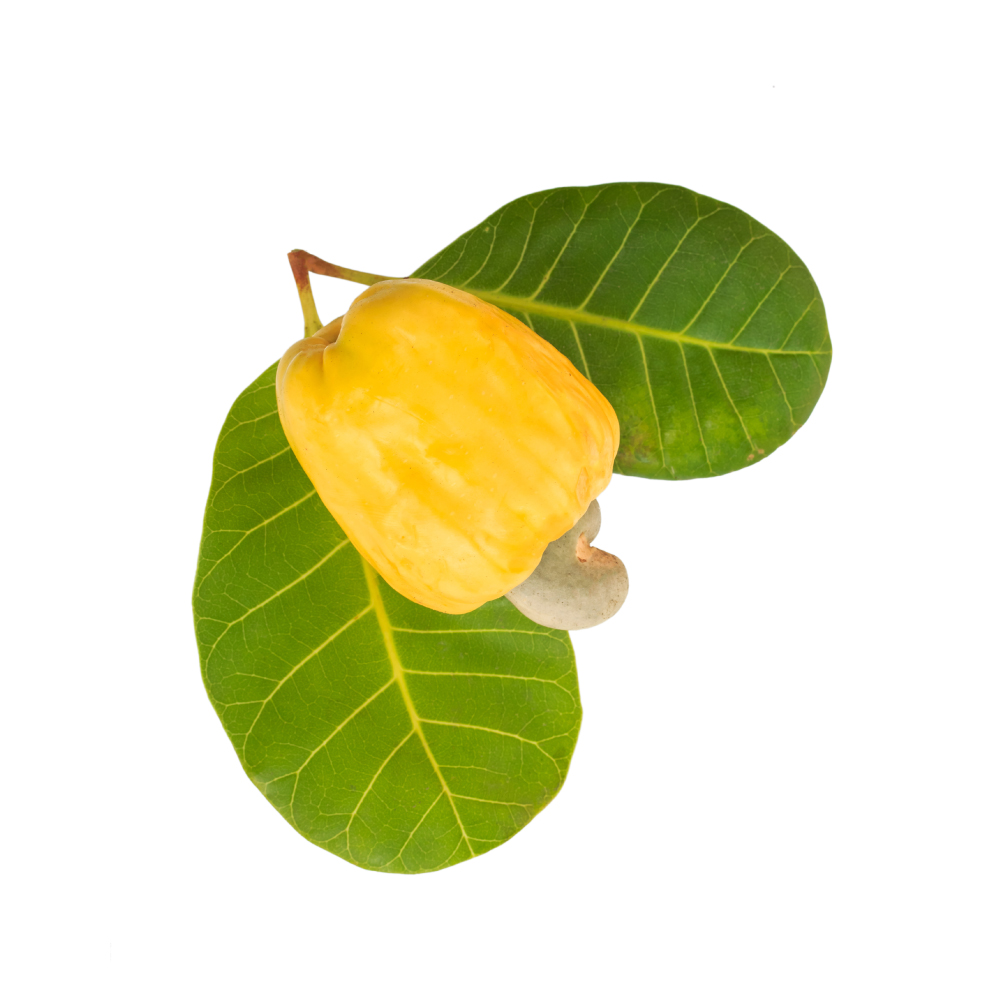
Anacardiaceae Cashew / sumac family 1
Resinous trees and shrubs, several producing urushiol — the family of cashew, mango, and the sumacs.
-
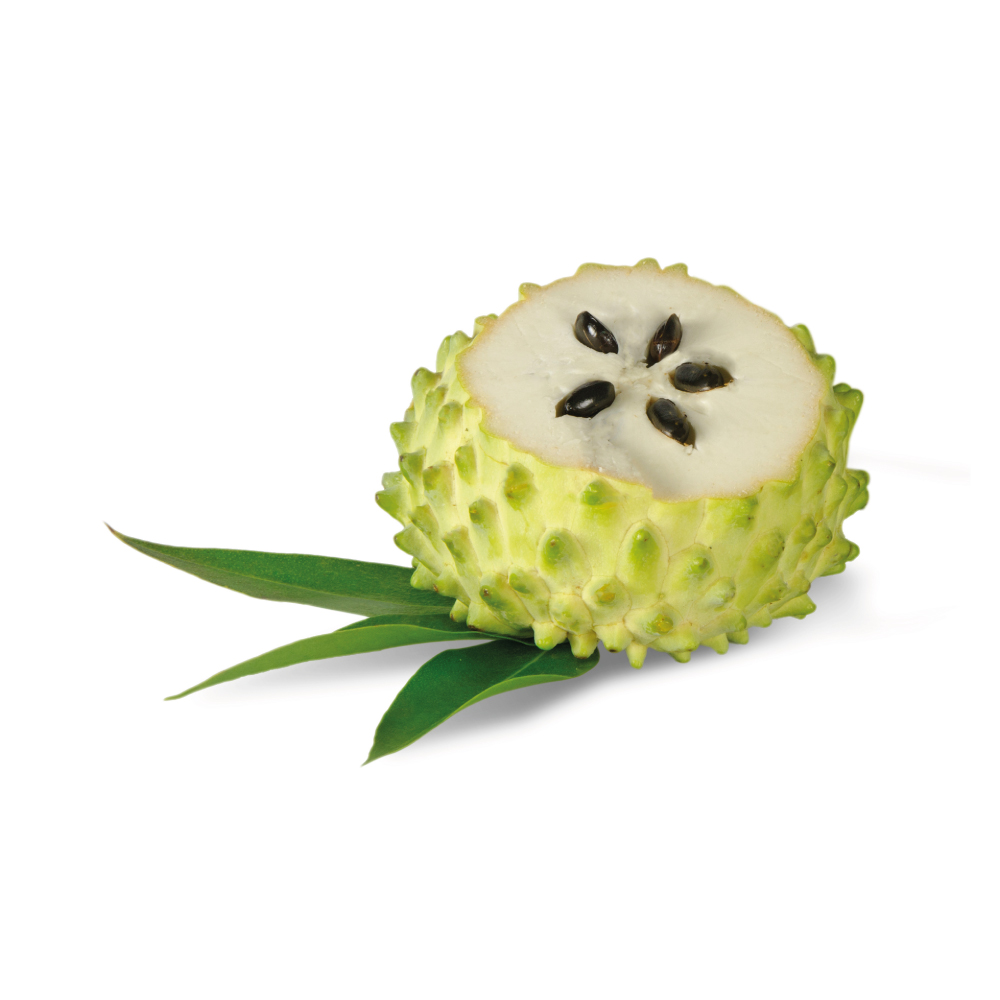
Annonaceae Custard-apple family 2
Tropical trees with aromatic, alkaloid- and acetogenin-rich bark, leaves, and fruit.
-
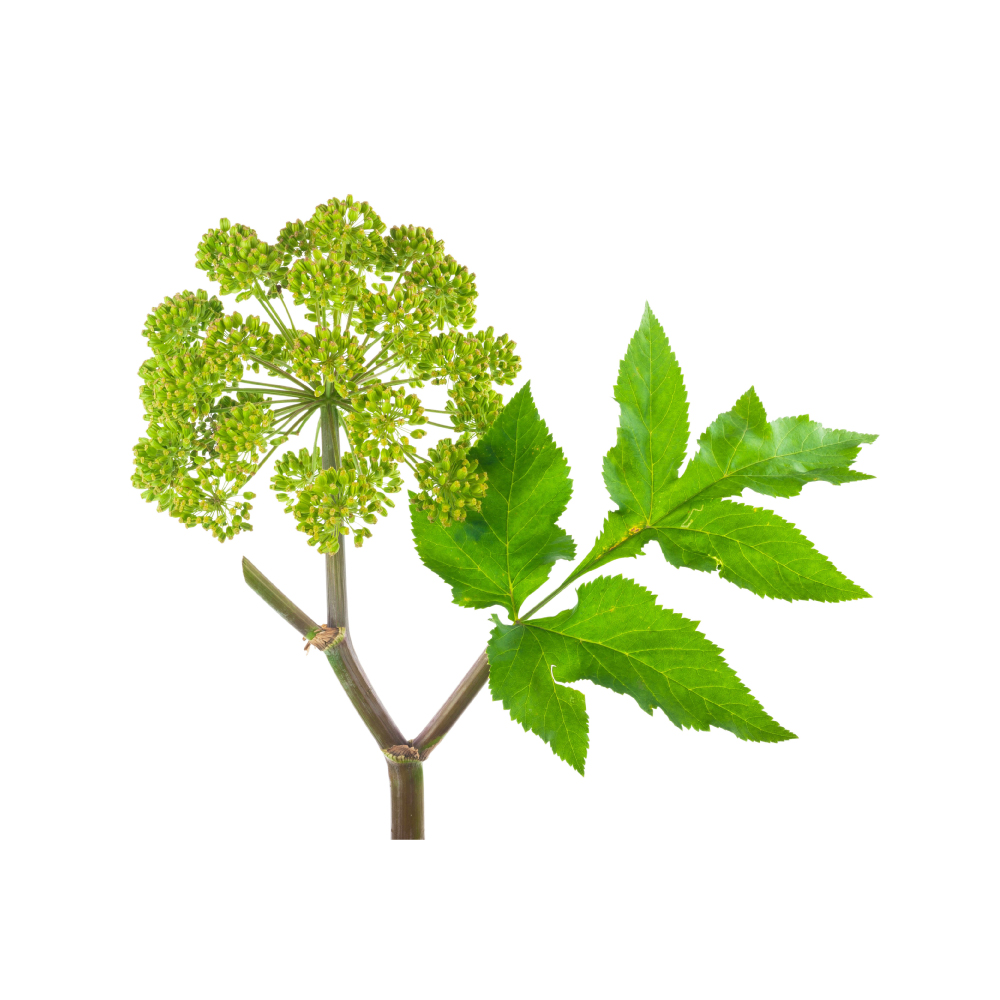
Apiaceae Carrot / parsley family 4
Umbel-flowered aromatics, many carminative and many highly toxic — the family demands accurate identification. Includes key spice and digestive herbs.
-
Apocynaceae Dogbane family 3
A largely tropical family famous for potent alkaloids and milky latex; several members are important (and sometimes dangerous) cardiac and anticancer plants.
-
Aquifoliaceae Holly family 1
Evergreen hollies; a few species accumulate caffeine and are brewed as stimulant teas.
-
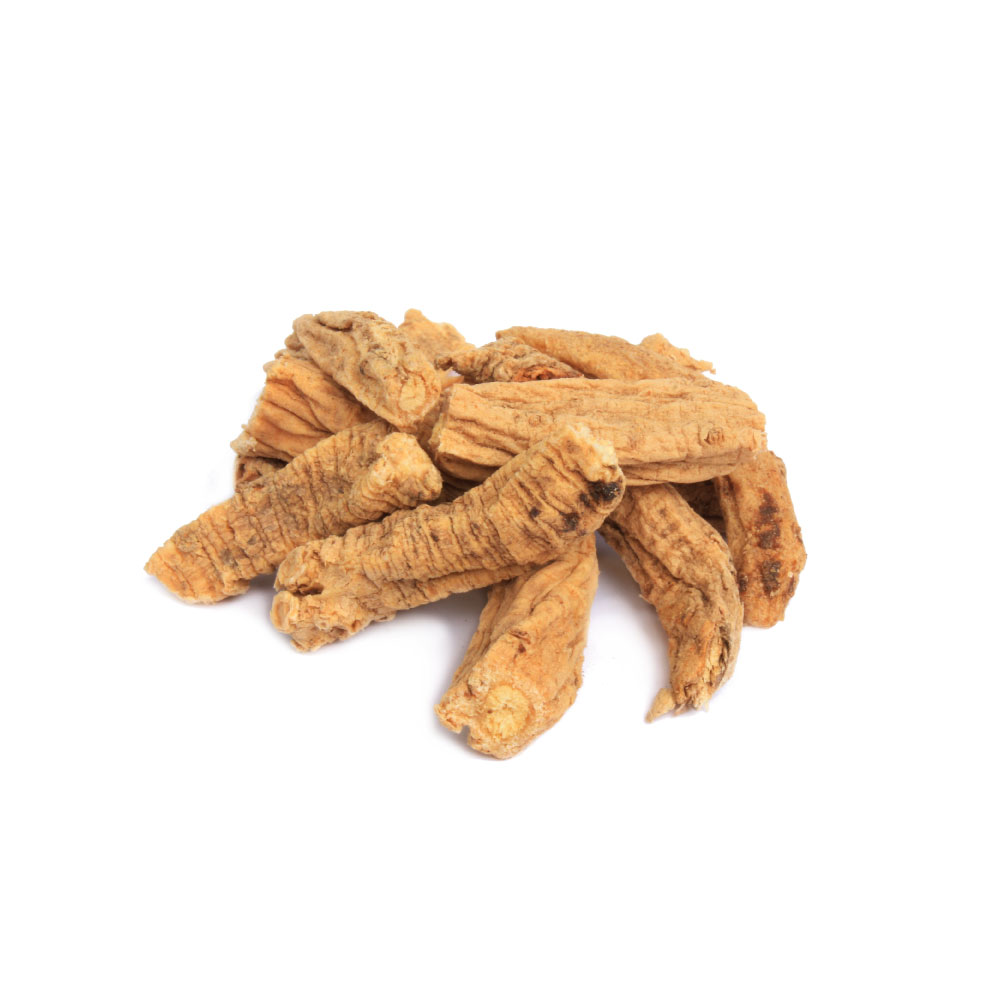
Araliaceae Ginseng / ivy family 3
Aromatic, often saponin-rich woodland and tropical plants — the classic adaptogenic ginsengs sit here.
-
Arecaceae Palm family 1
The palms — monocot trees of the tropics and subtropics; several fruits and saw-toothed species are medicinal.
-
Asphodelaceae Aloe family 1
Succulent and rhizomatous monocots rich in soothing mucilage and anthraquinones.
-
Asteraceae Daisy / sunflower family 19
One of the largest flowering-plant families, recognised by composite flower heads made of many tiny florets. Rich in bitter sesquiterpene lactones and a frequent source of both medicines and allergens.
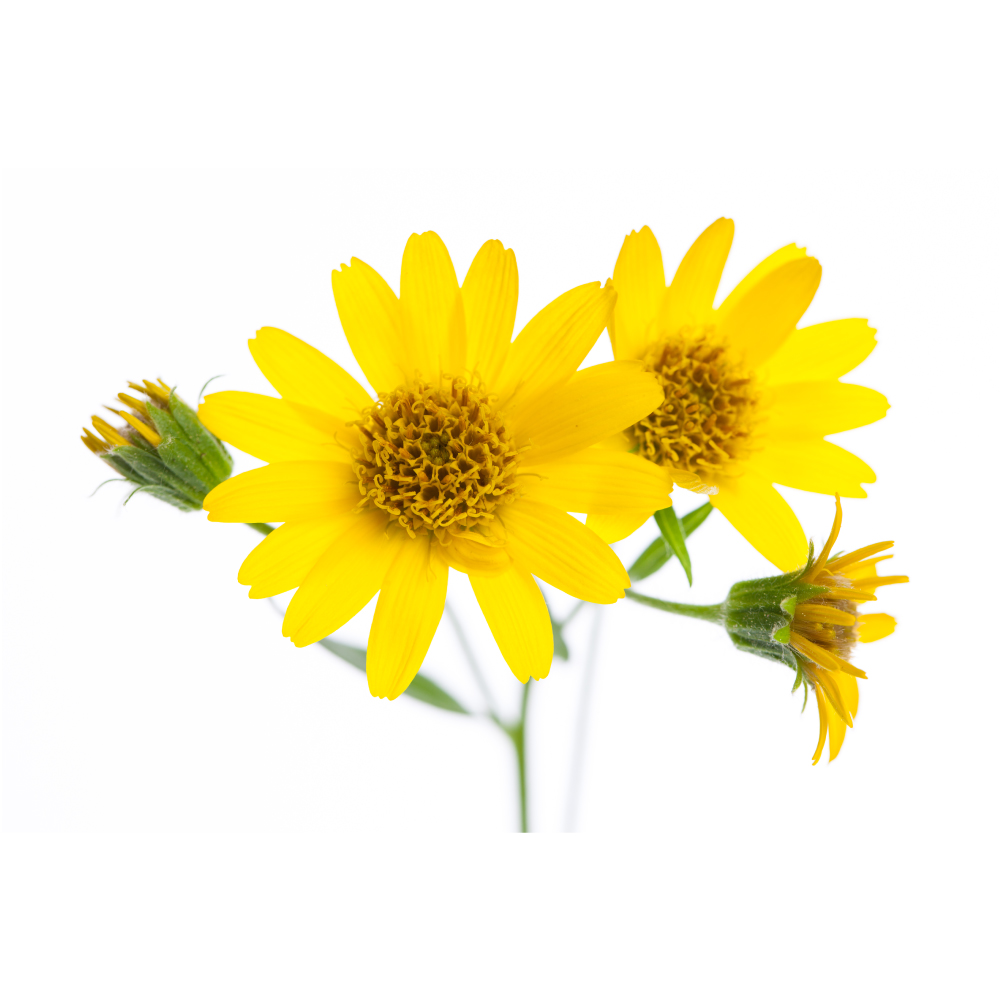 Arnica Arnica montana
 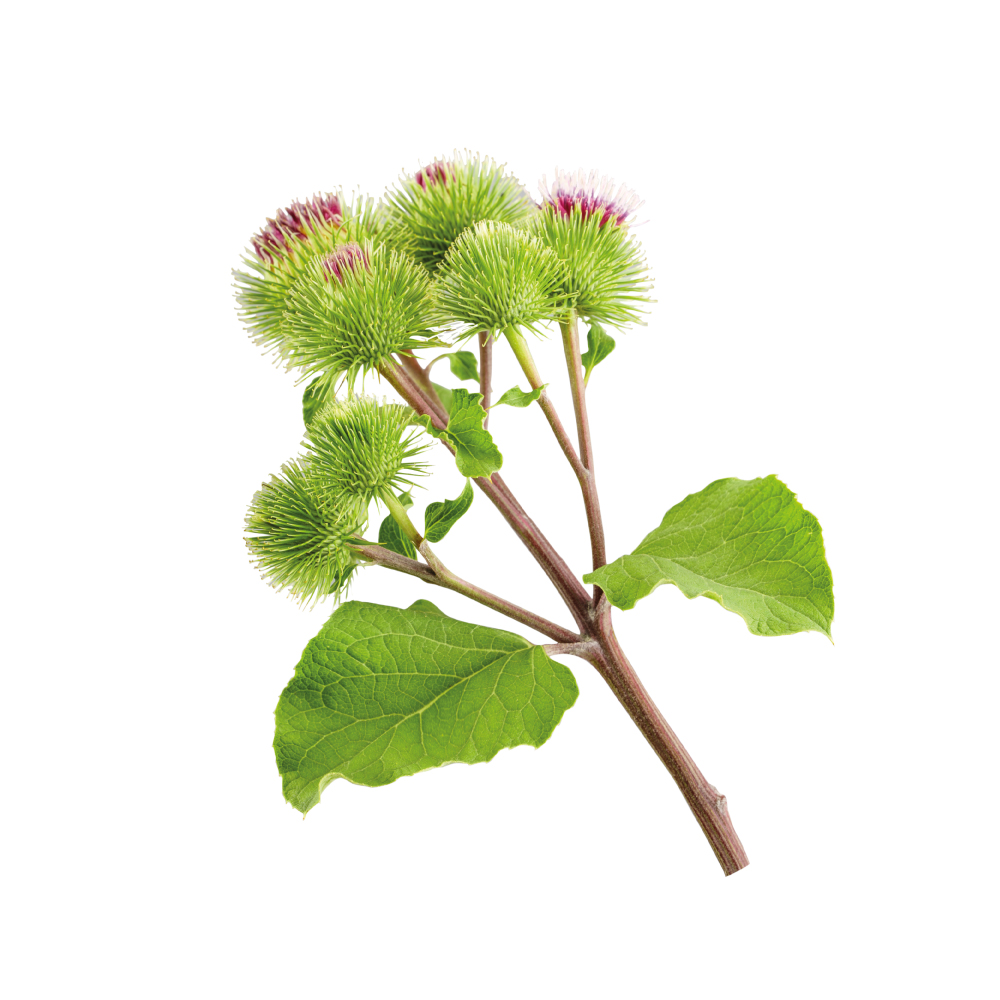 Burdock Arctium lappa
 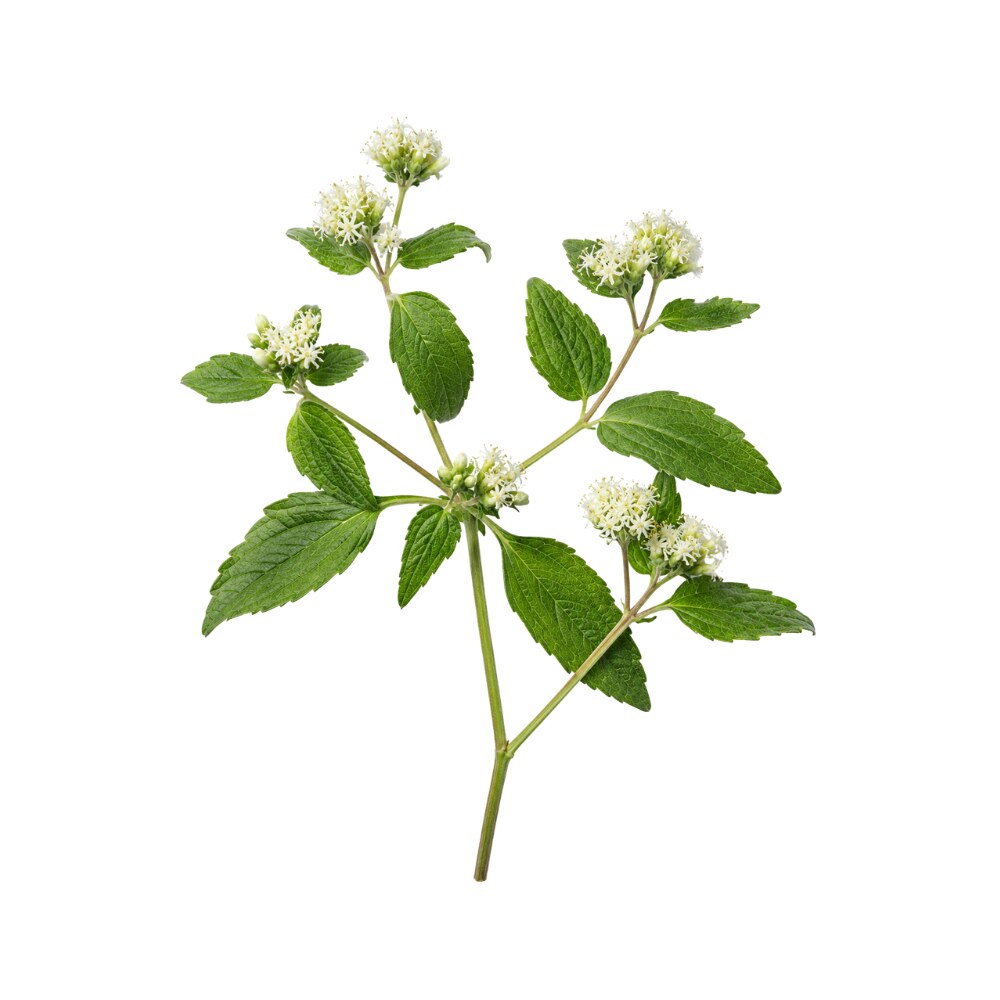 Calea zacatechichi Calea ternifolia
 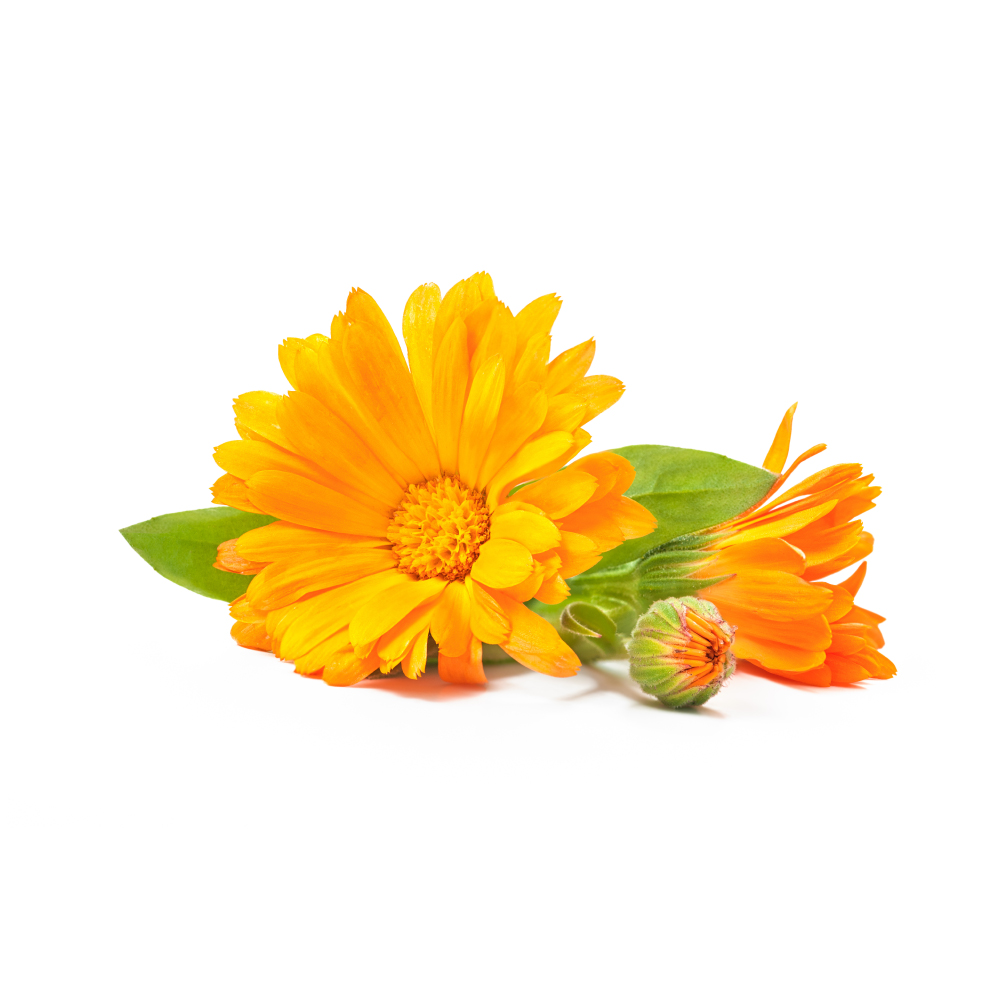 Calendula Calendula officinalis
 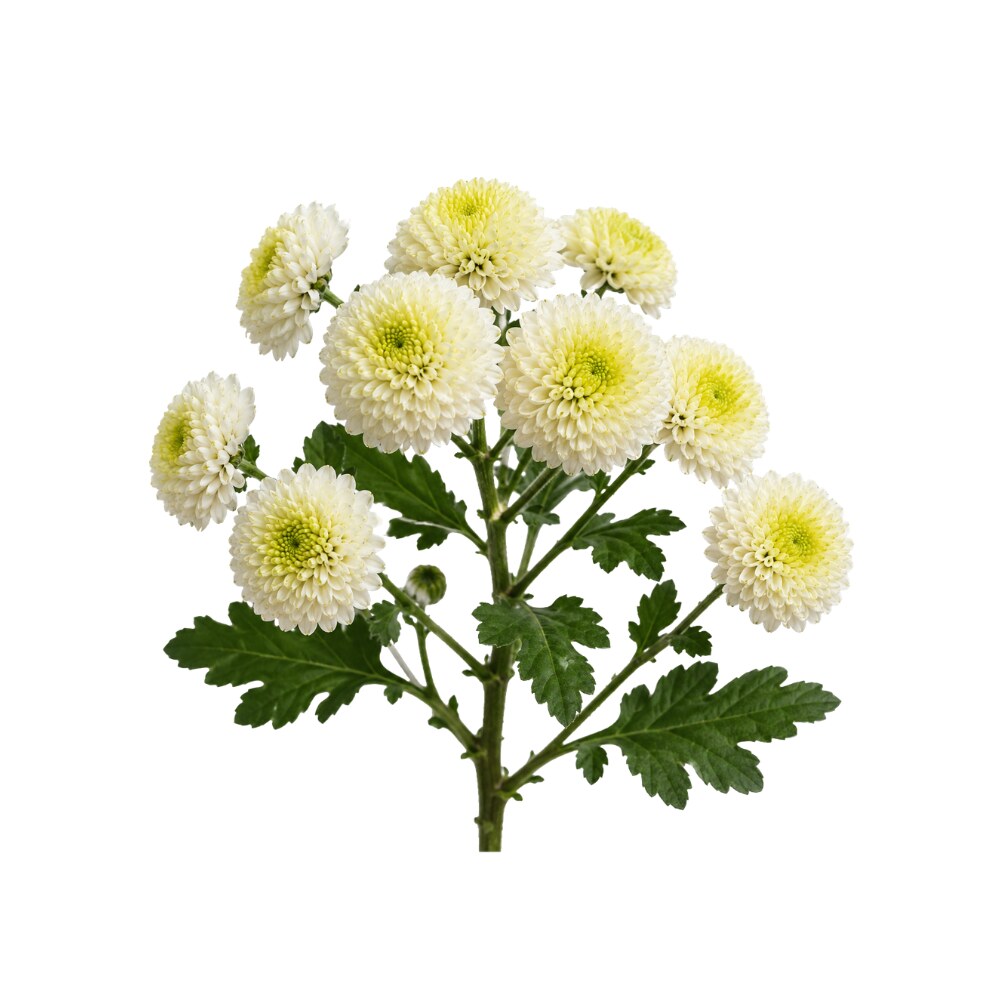 Chrysanthemum Chrysanthemum morifolium
 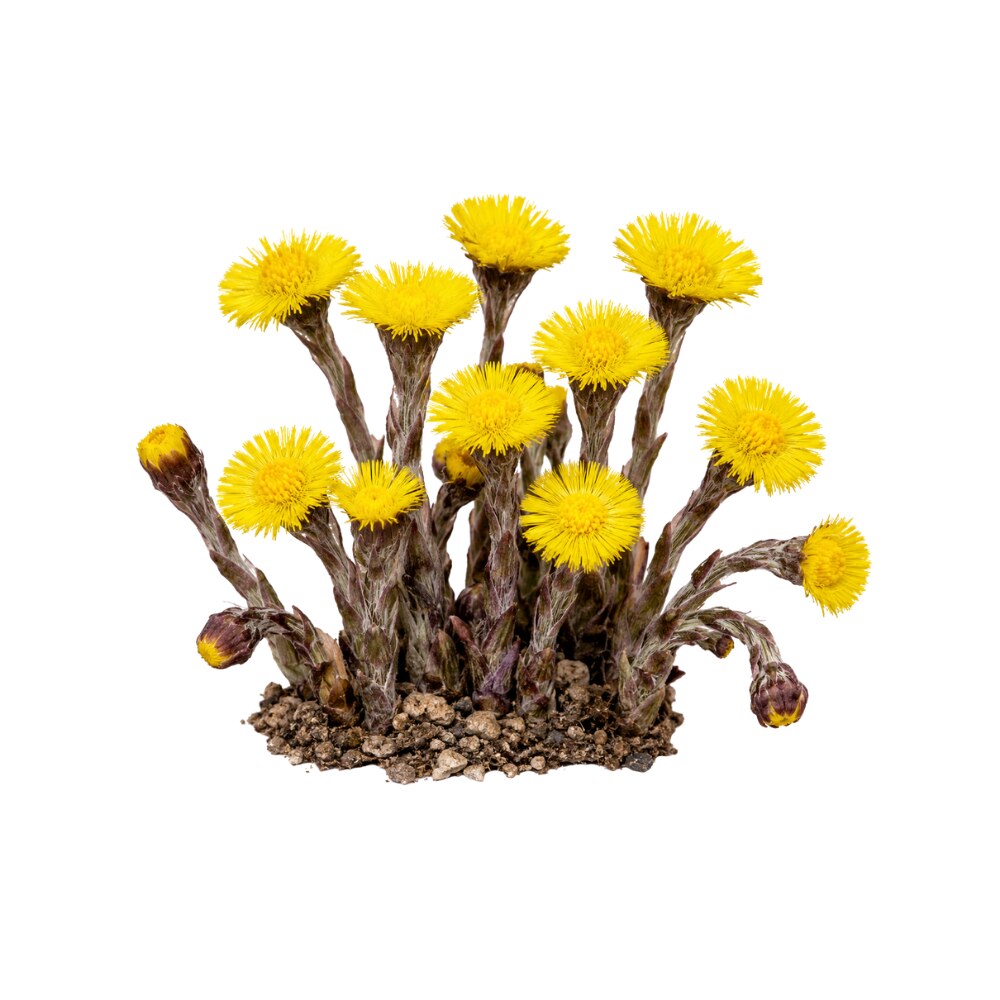 Coltsfoot Tussilago farfara
 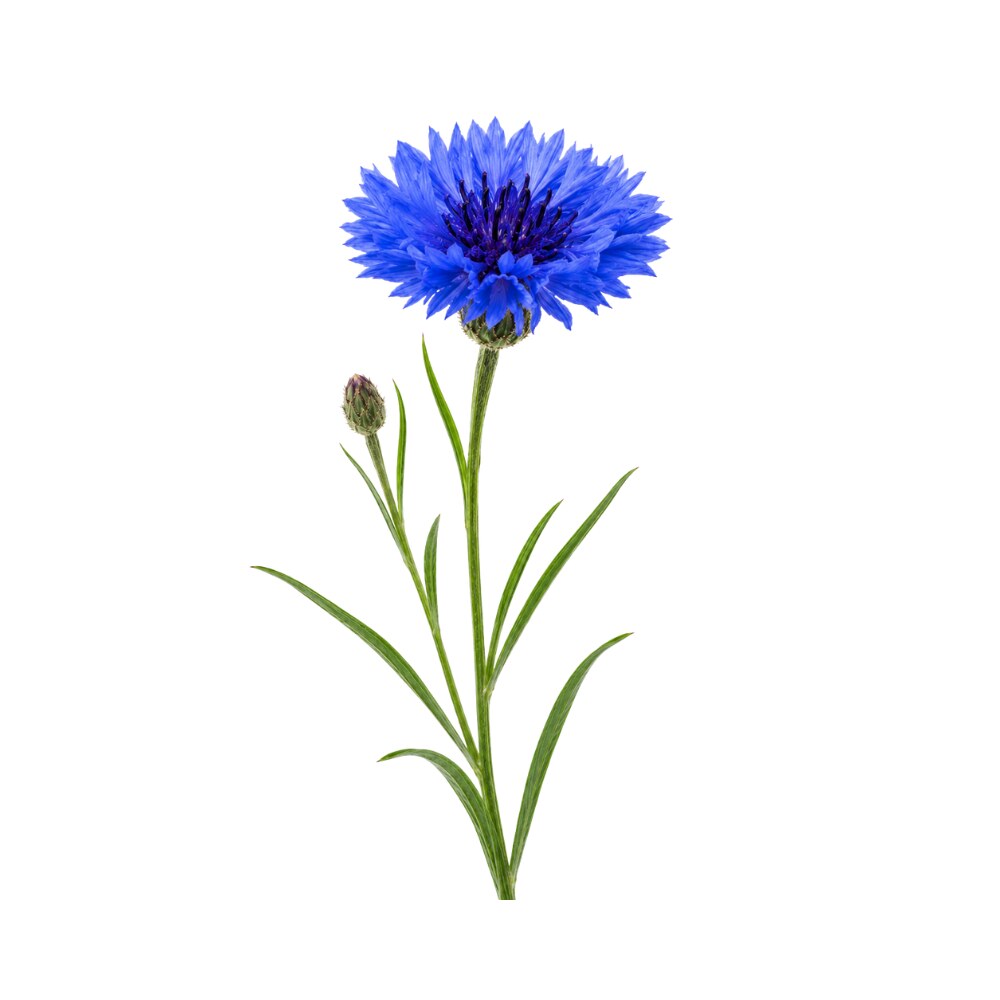 Cornflower Centaurea cyanus
 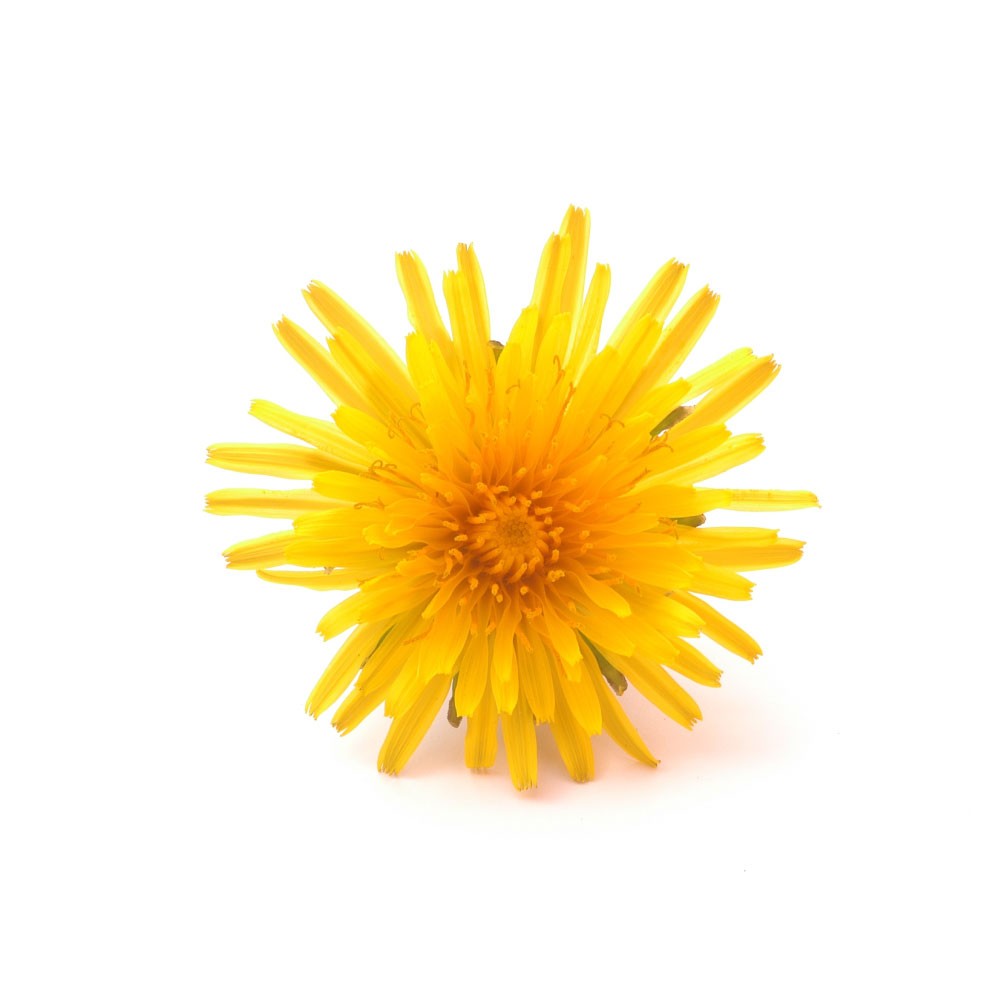 Dandelion Taraxacum officinale
  Echinacea Echinacea purpurea
 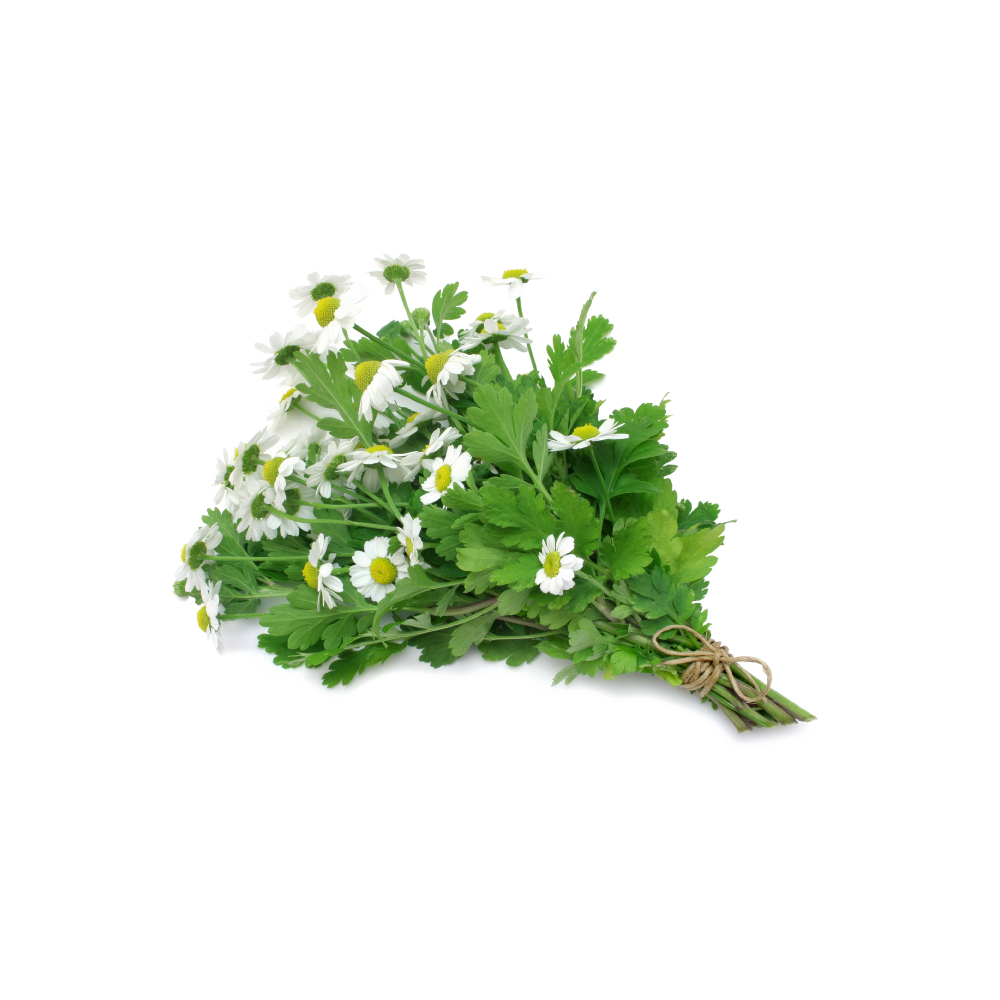 Feverfew Tanacetum parthenium
 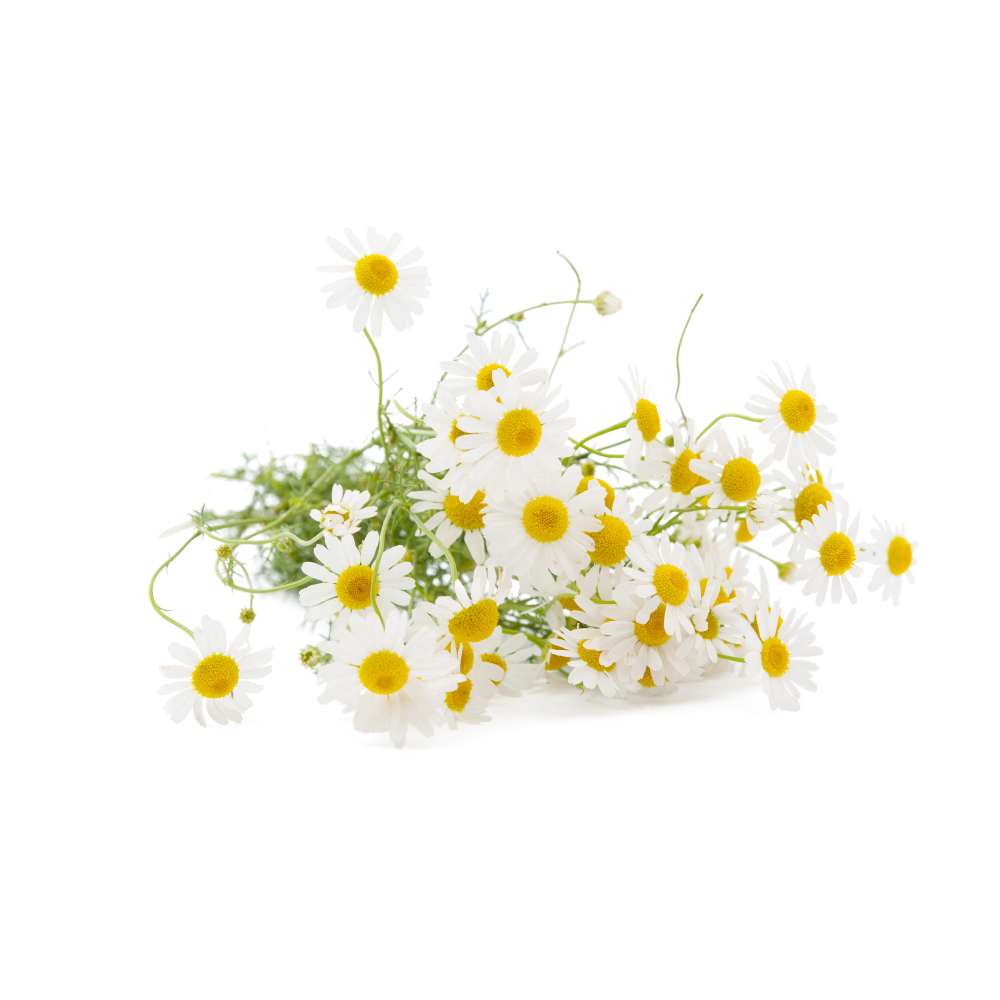 German Chamomile Matricaria chamomilla
 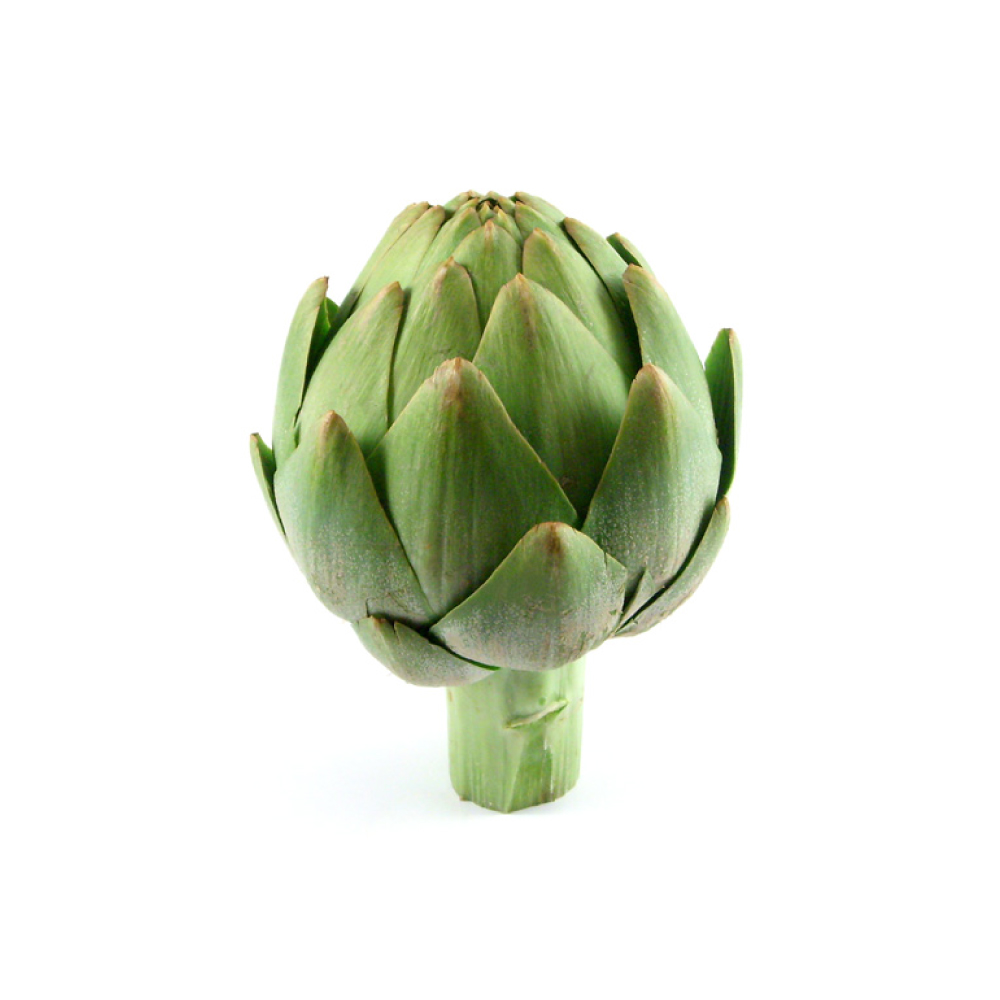 Globe Artichoke Cynara scolymus
 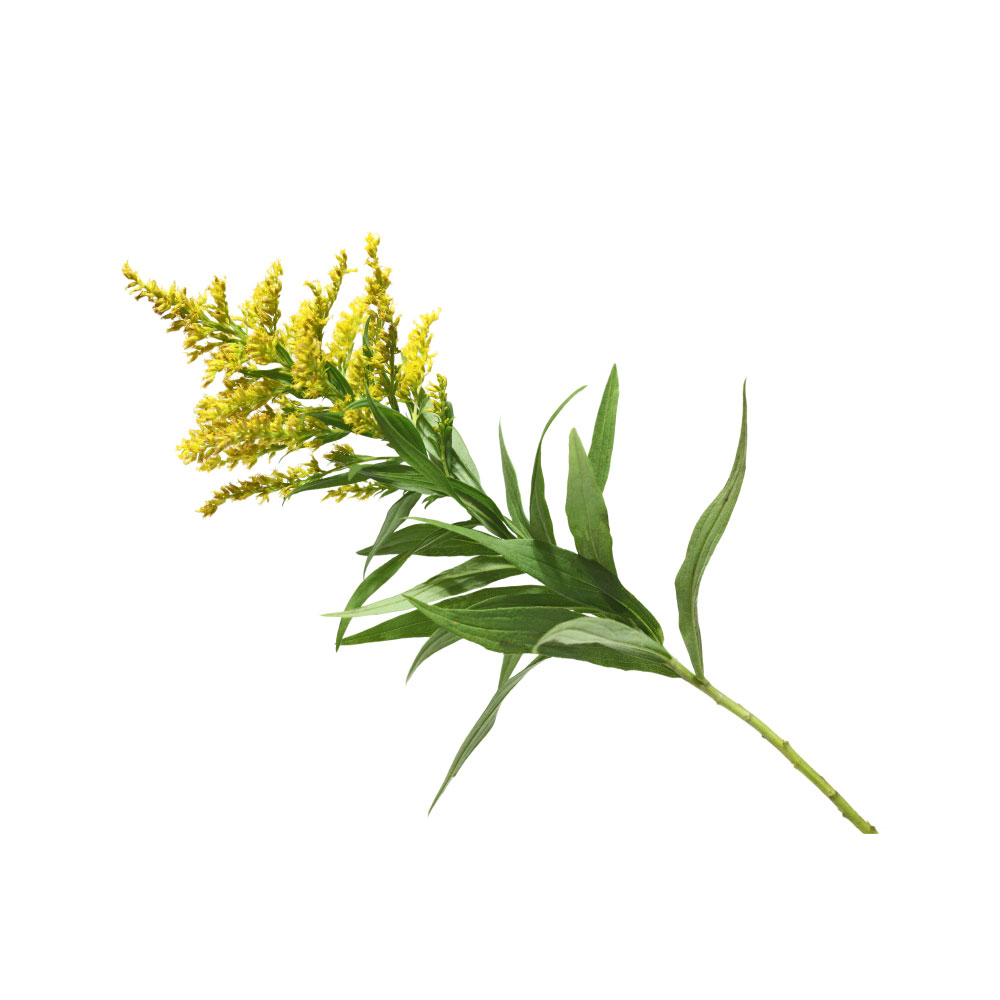 Goldenrod Solidago virgaurea
 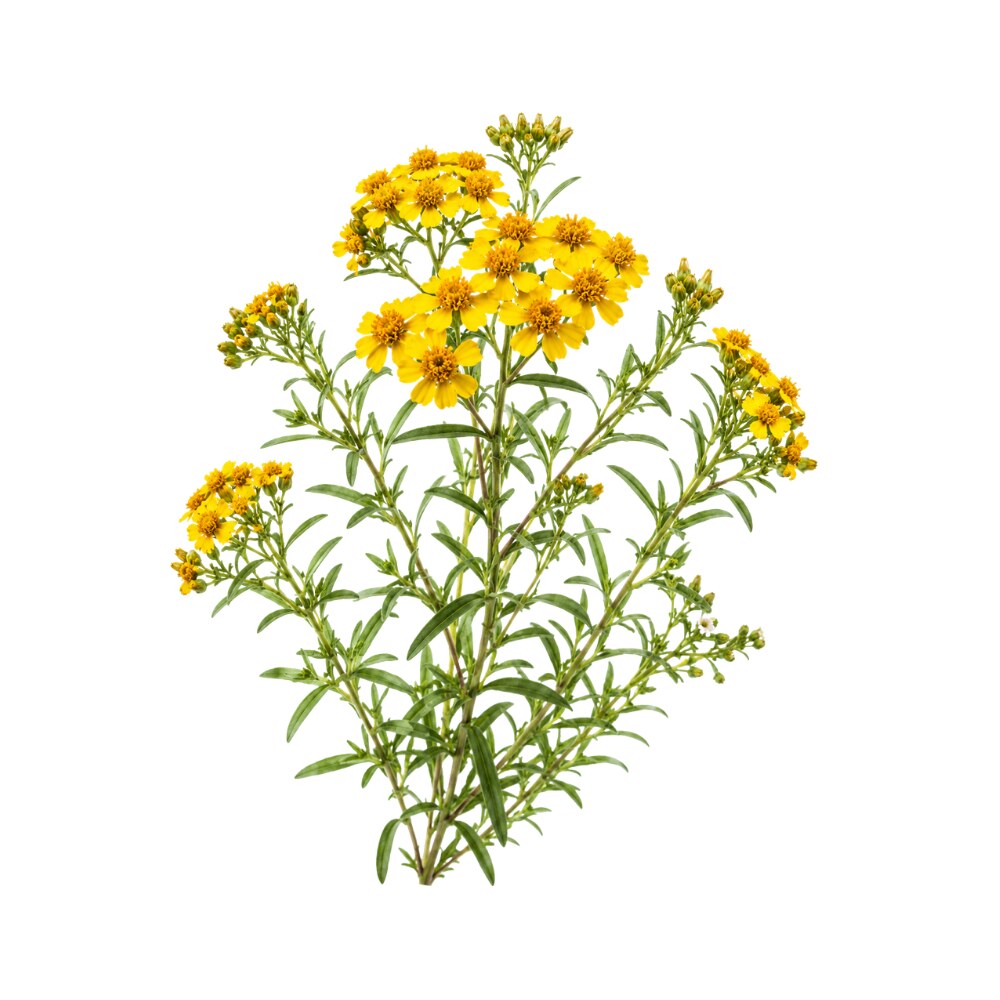 Mexican Tarragon Tagetes lucida
 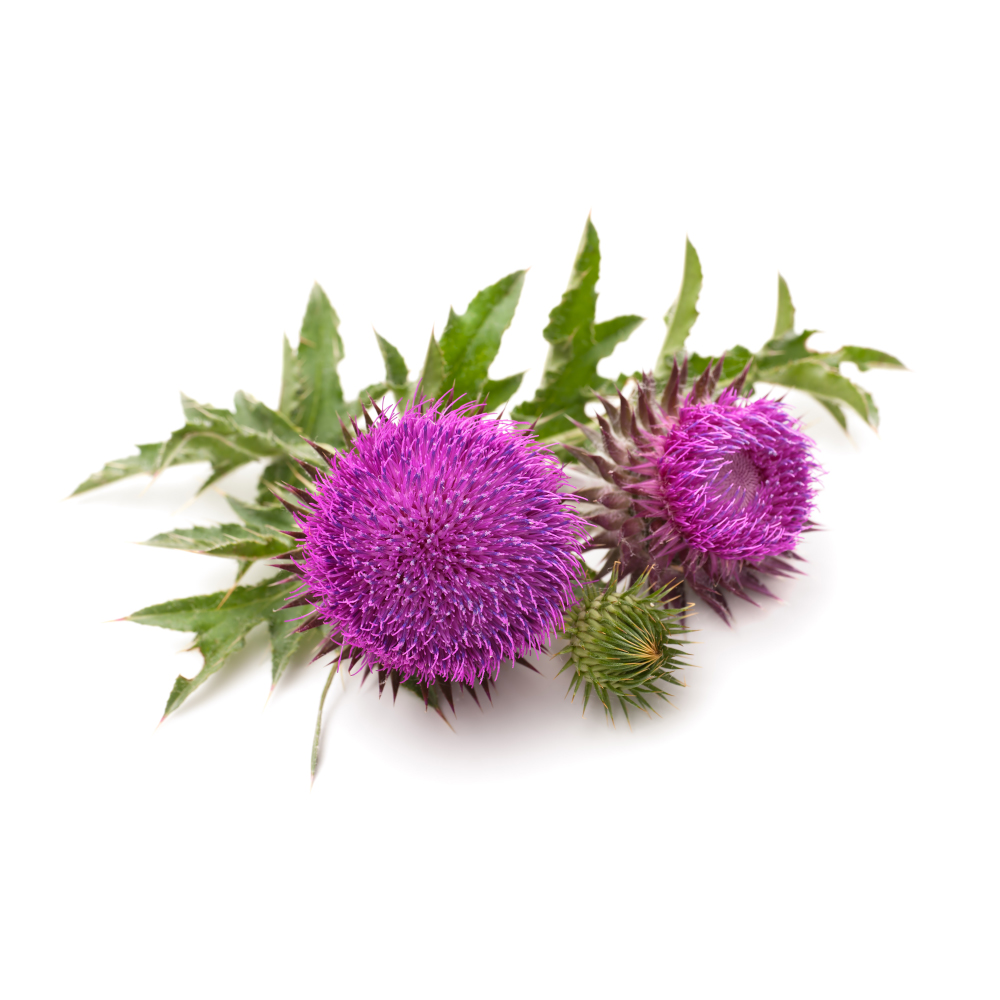 Milk Thistle Silybum marianum
 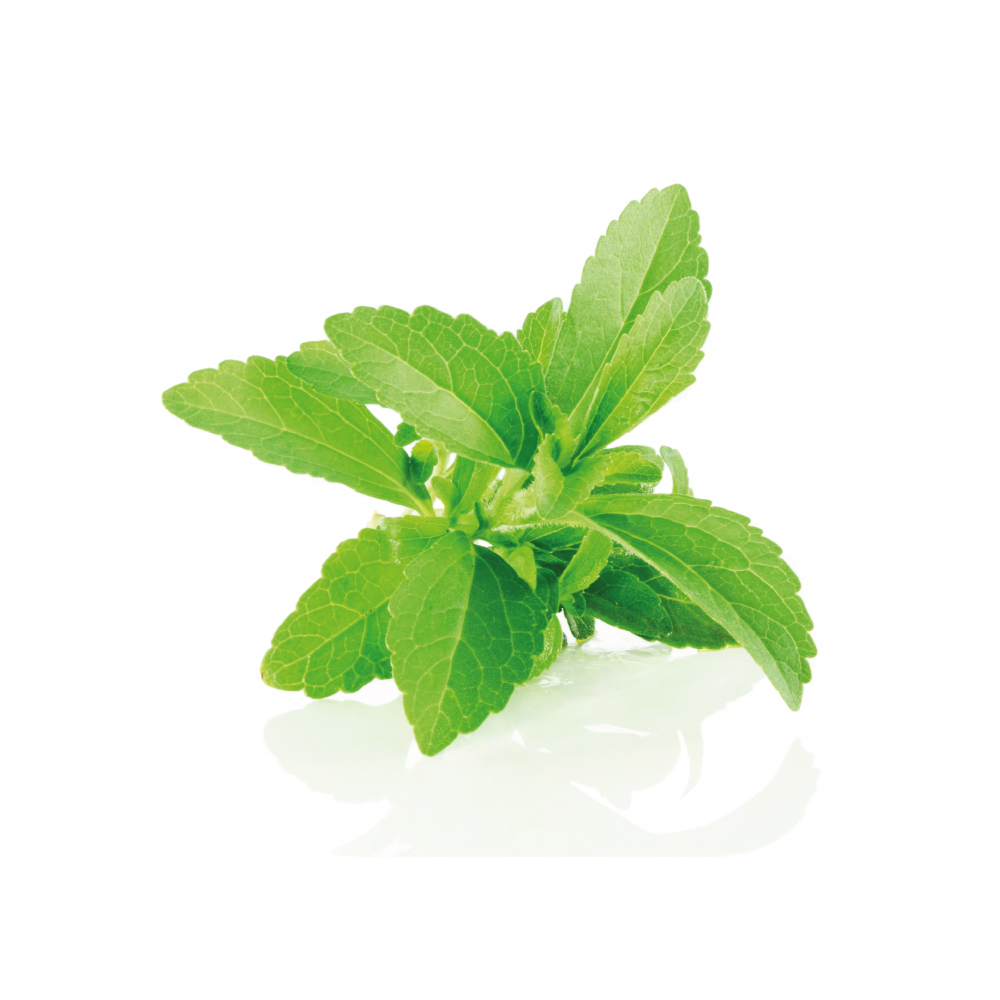 Stevia Stevia rebaudiana
 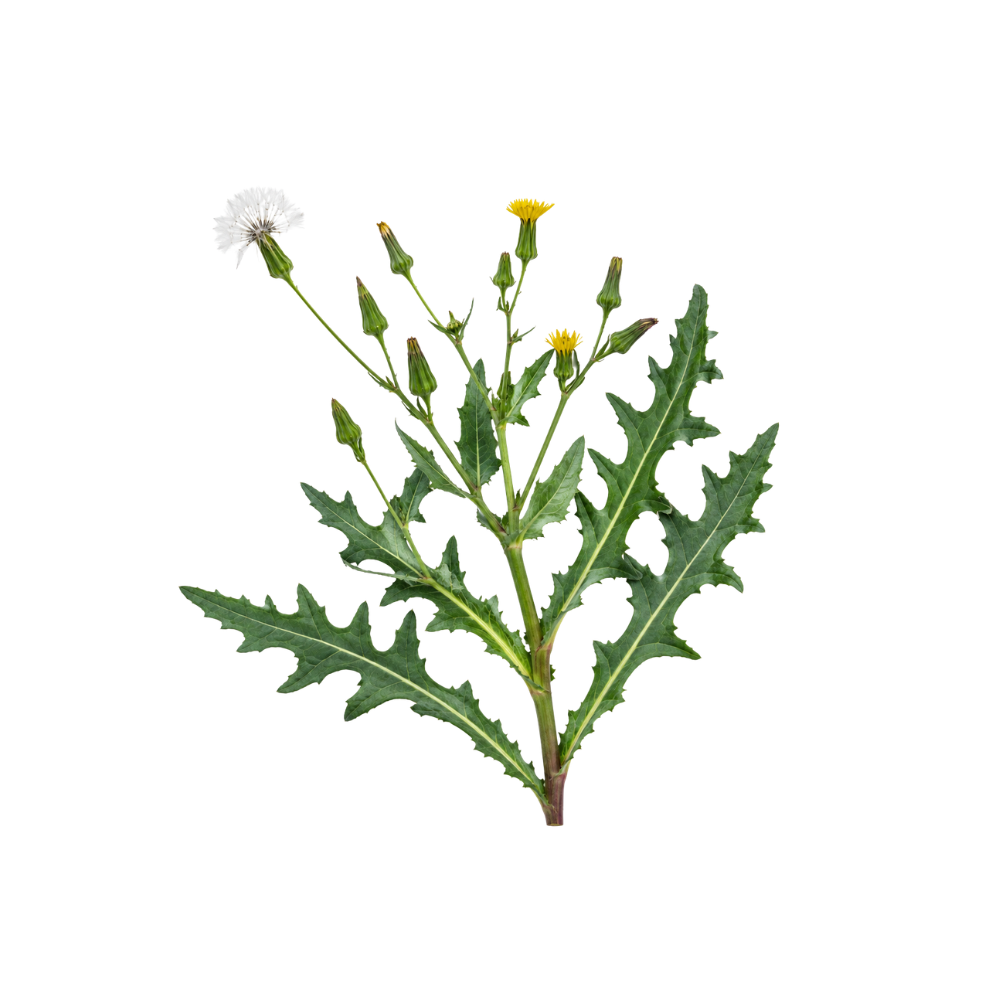 Wild Lettuce Lactuca virosa
 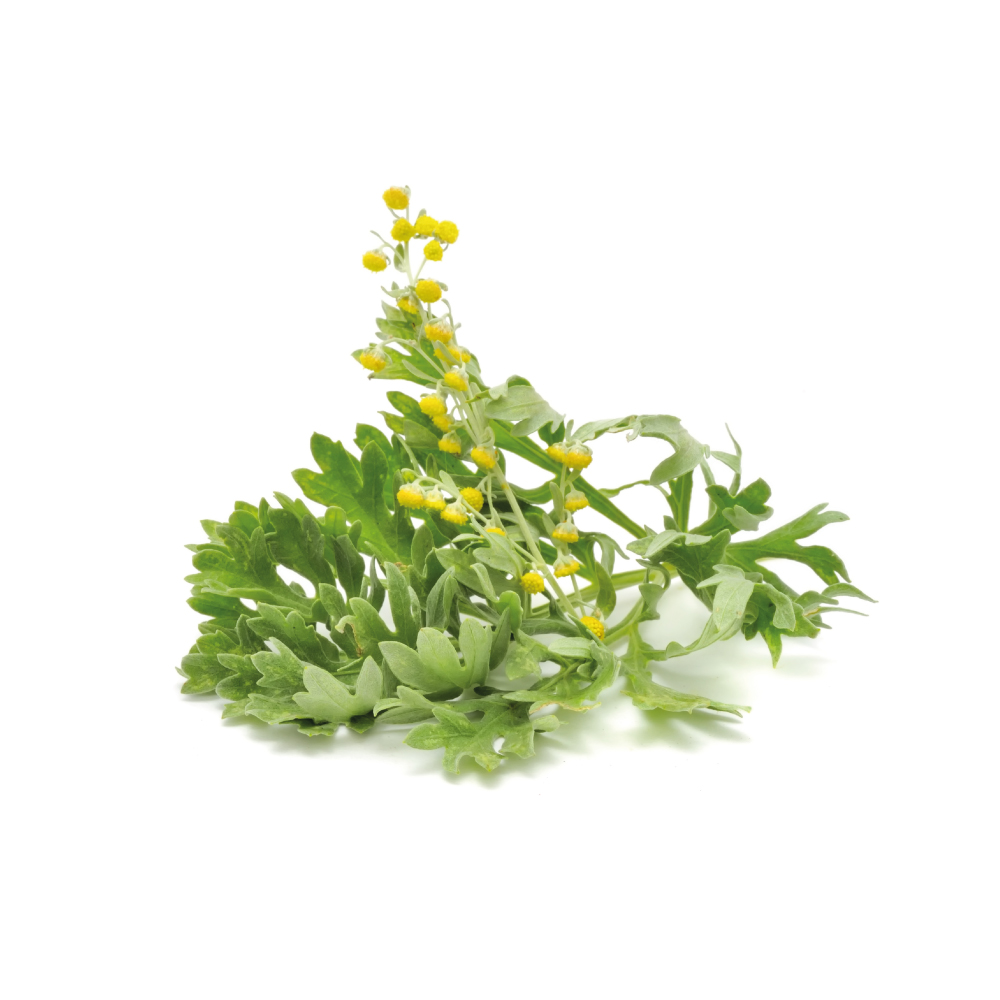 Wormwood Artemisia absinthium
 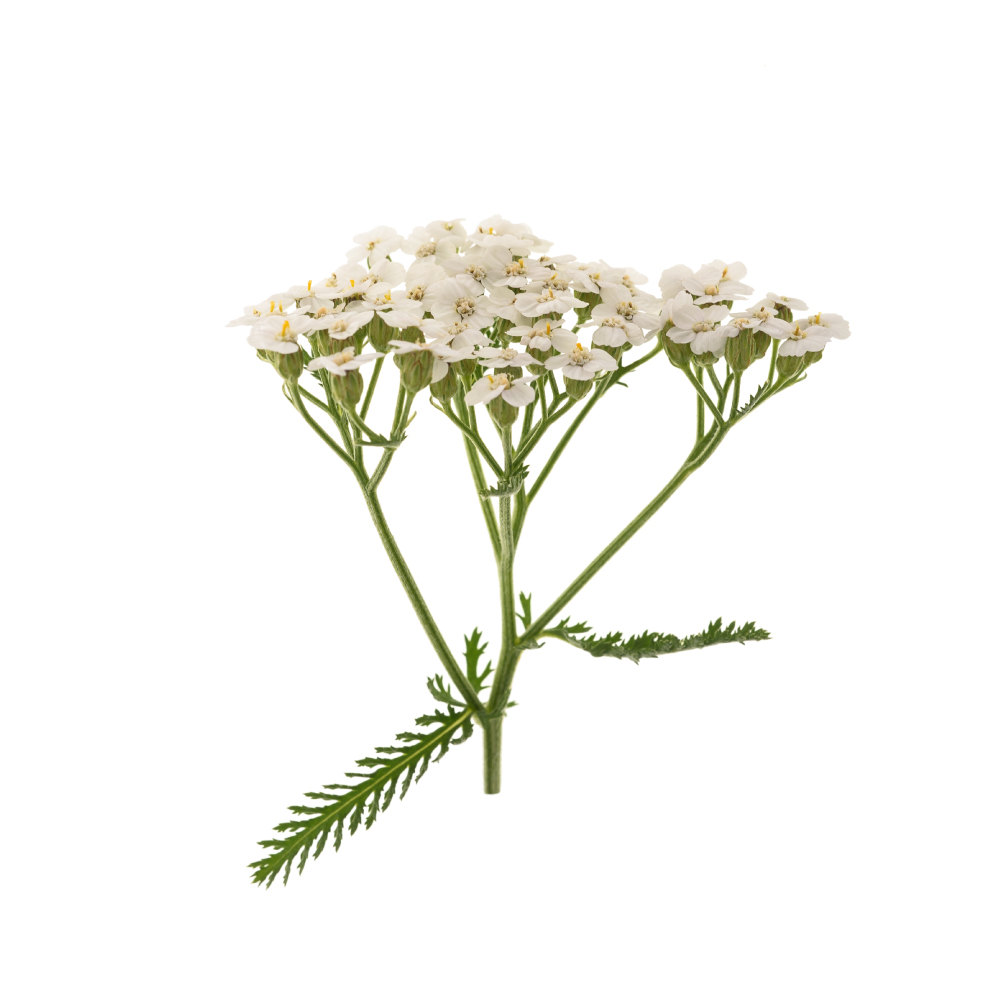 Yarrow Achillea millefolium
 -
Berberidaceae Barberry family 1
Shrubs and herbs characterised by yellow berberine-bearing roots and wood, used as bitters and antimicrobials.
-
Bignoniaceae Trumpet-creeper family 2
Mostly tropical trees and vines with showy trumpet flowers; several yield prized medicinal barks.
-
Brassicaceae Cabbage / mustard family 1
Pungent, glucosinolate-rich crucifers — sulphurous, warming, and detox-supportive.
-
Burseraceae Frankincense / myrrh family 1
Tropical trees yielding fragrant oleo-gum-resins prized as anti-inflammatory incense and medicines.
-
Campanulaceae Bellflower family 1
Often milky-sapped herbs with bell-shaped flowers; several Asian species are valued qi tonics.
-
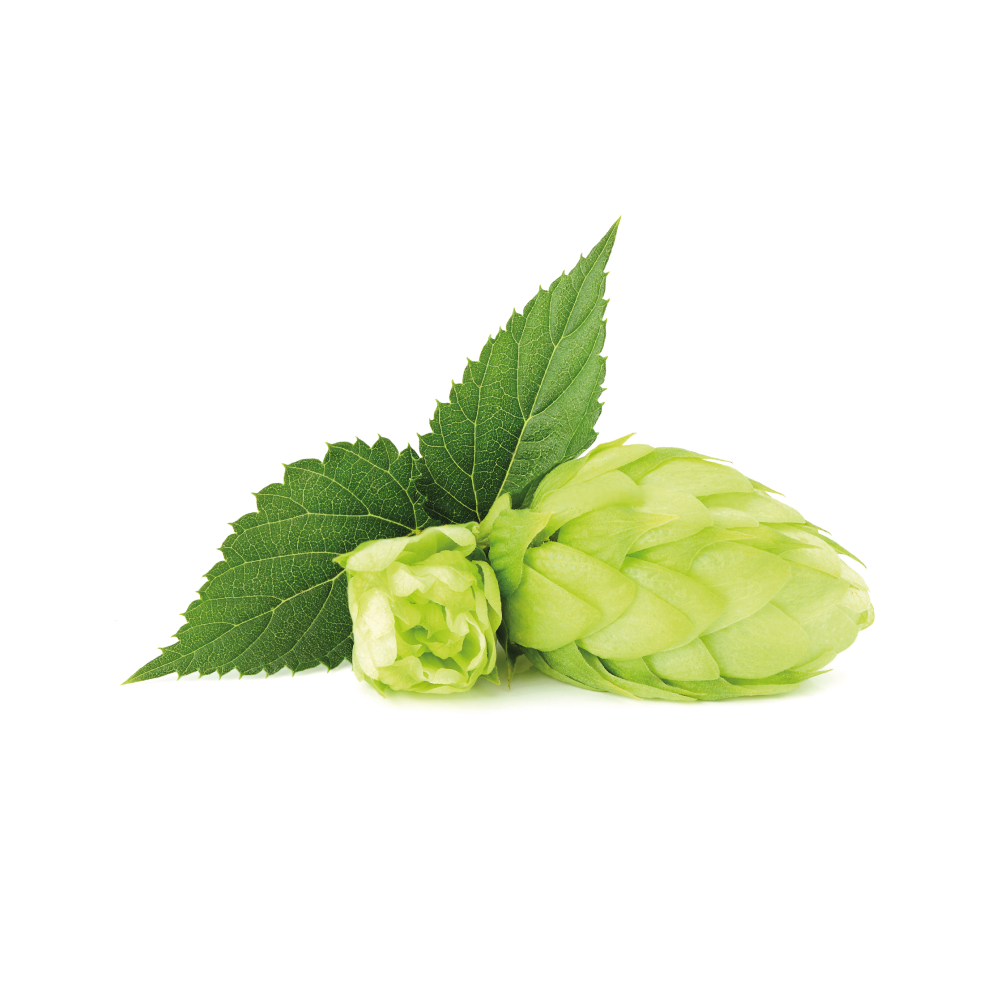
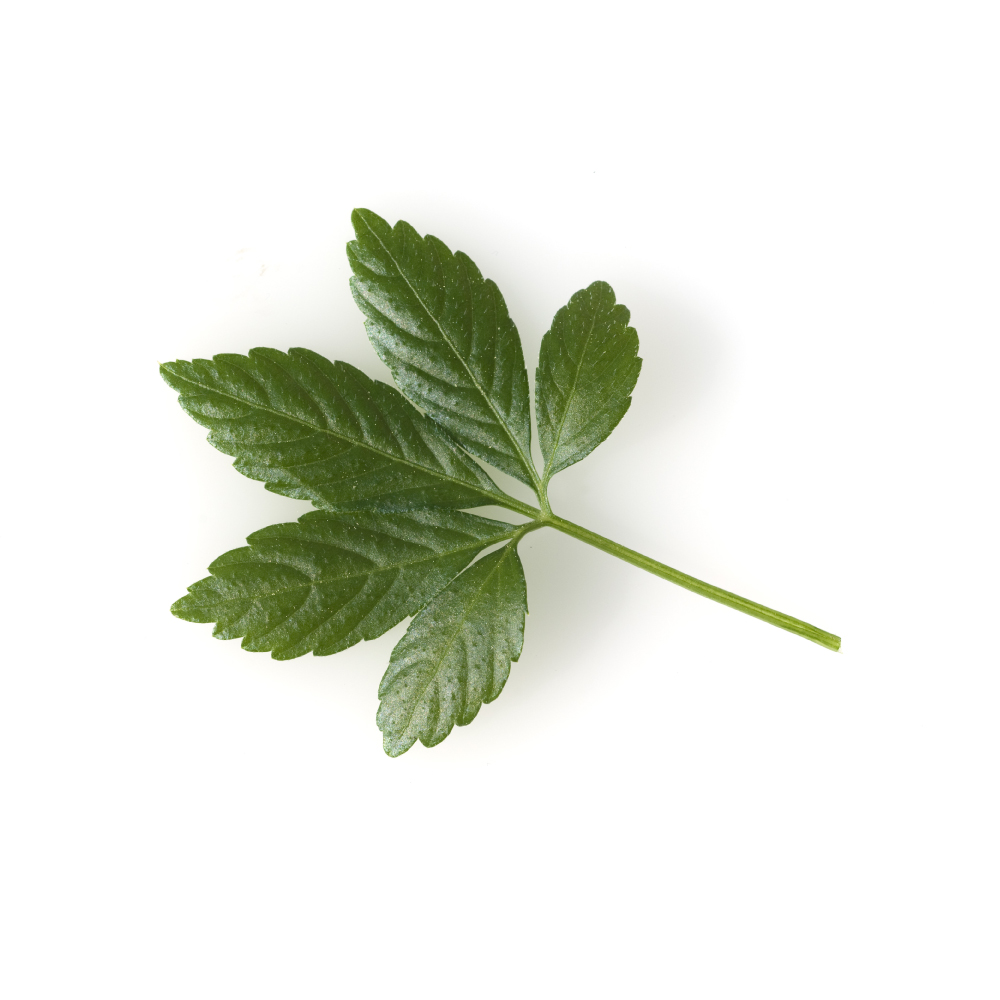
Cannabaceae Hemp / hop family 2
A small family of resin-gland-rich plants whose bitter and aromatic compounds are strongly sedative and bitter.
-
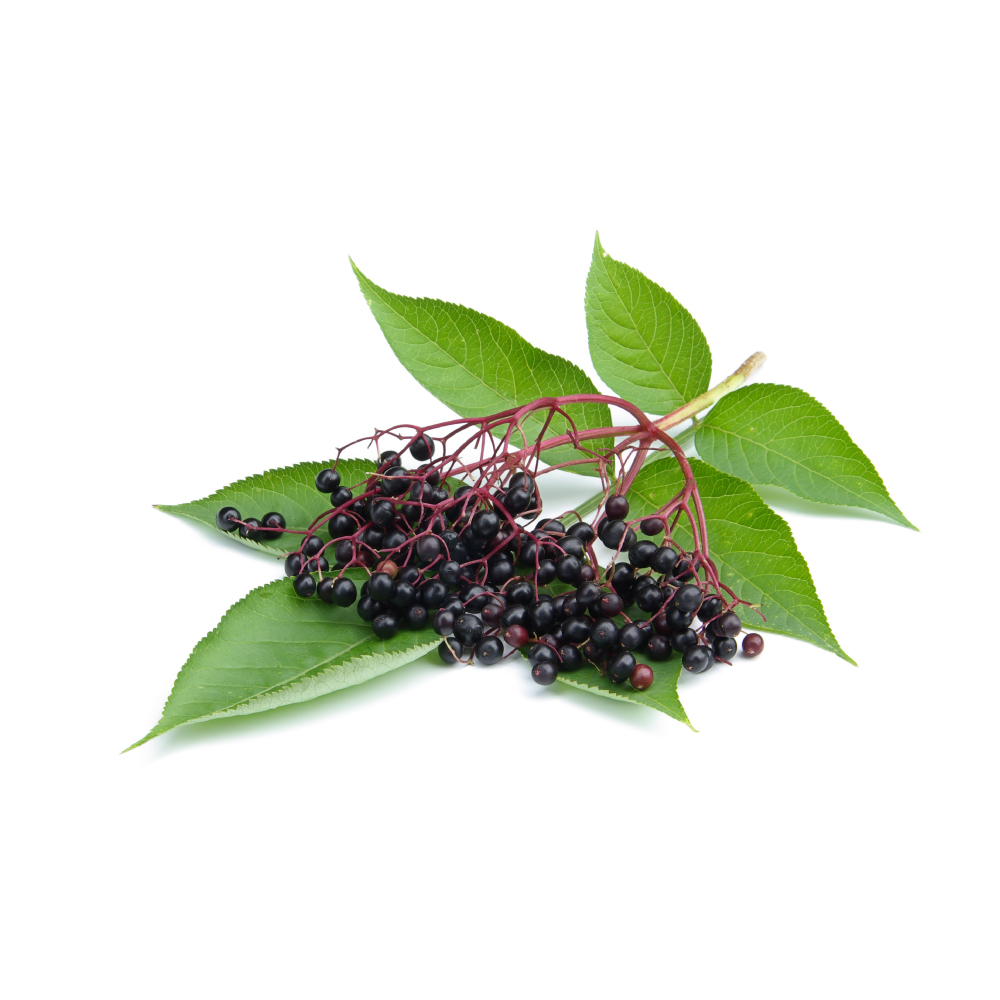
Caprifoliaceae Honeysuckle family 2
Shrubs and vines, many with immune-active flowers and berries used in cold and flu care.
-
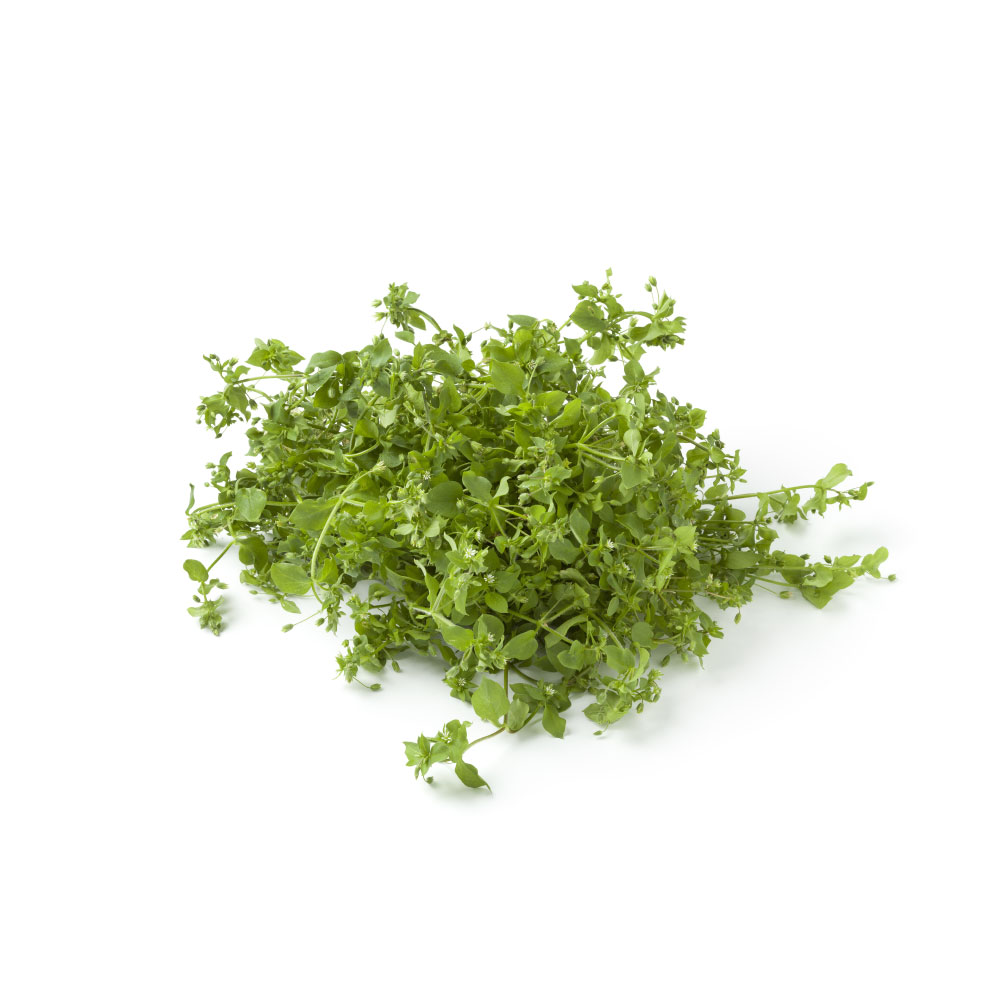
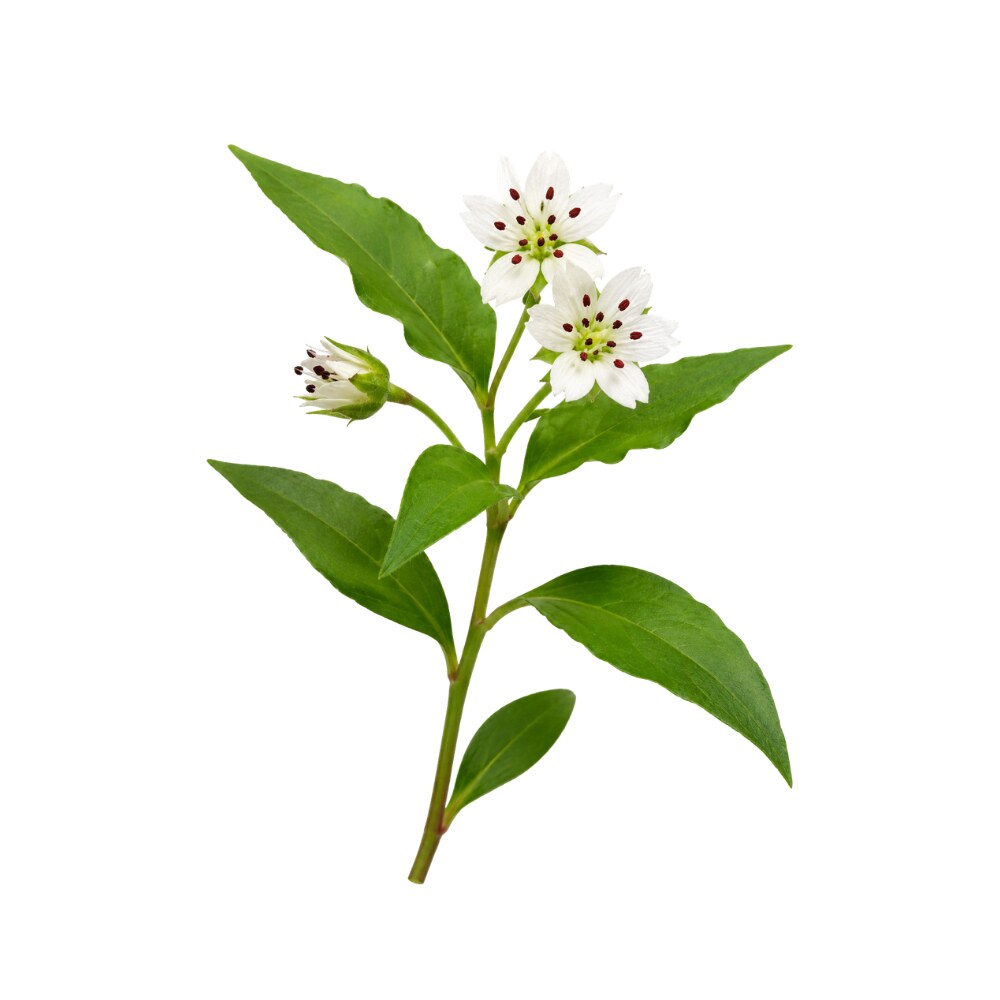
Caryophyllaceae Pink / carnation family 2
Slender herbs with swollen leaf nodes; several are gentle saponin-bearing nutritive and cooling plants.
-
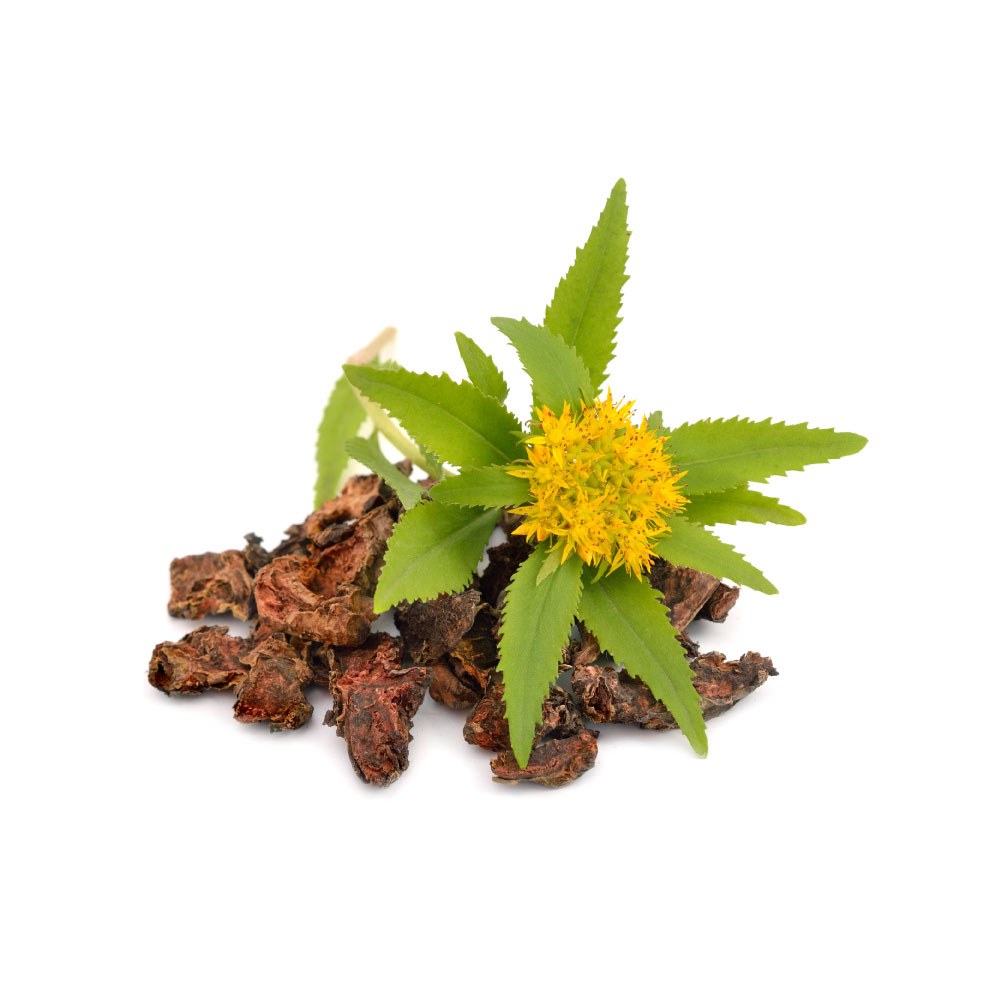
Crassulaceae Stonecrop family 1
Succulent, often cold-hardy rosette plants; the rose-scented roots of Rhodiola are the standout adaptogen.
-
Cucurbitaceae Gourd / cucumber family 1
Sprawling vines with tendrils; many bear cucurbitacin-bitter fruit used for blood sugar and as tonics.
-
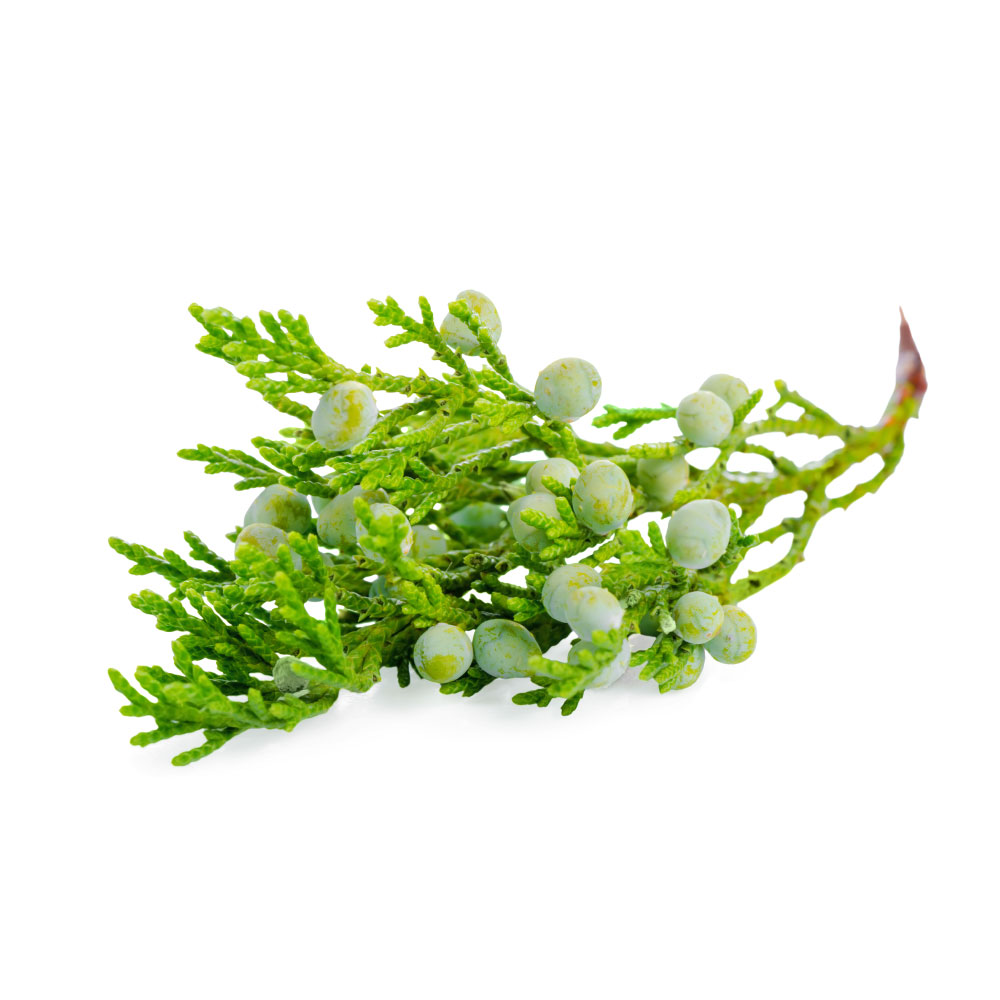
Cupressaceae Cypress / juniper family 1
Resinous, aromatic conifers; juniper 'berries' (cones) are classic urinary and digestive remedies.
-
Ephedraceae Ephedra family 1
Primitive jointed-stemmed gymnosperm shrubs; the source of the stimulant alkaloid ephedrine.
-
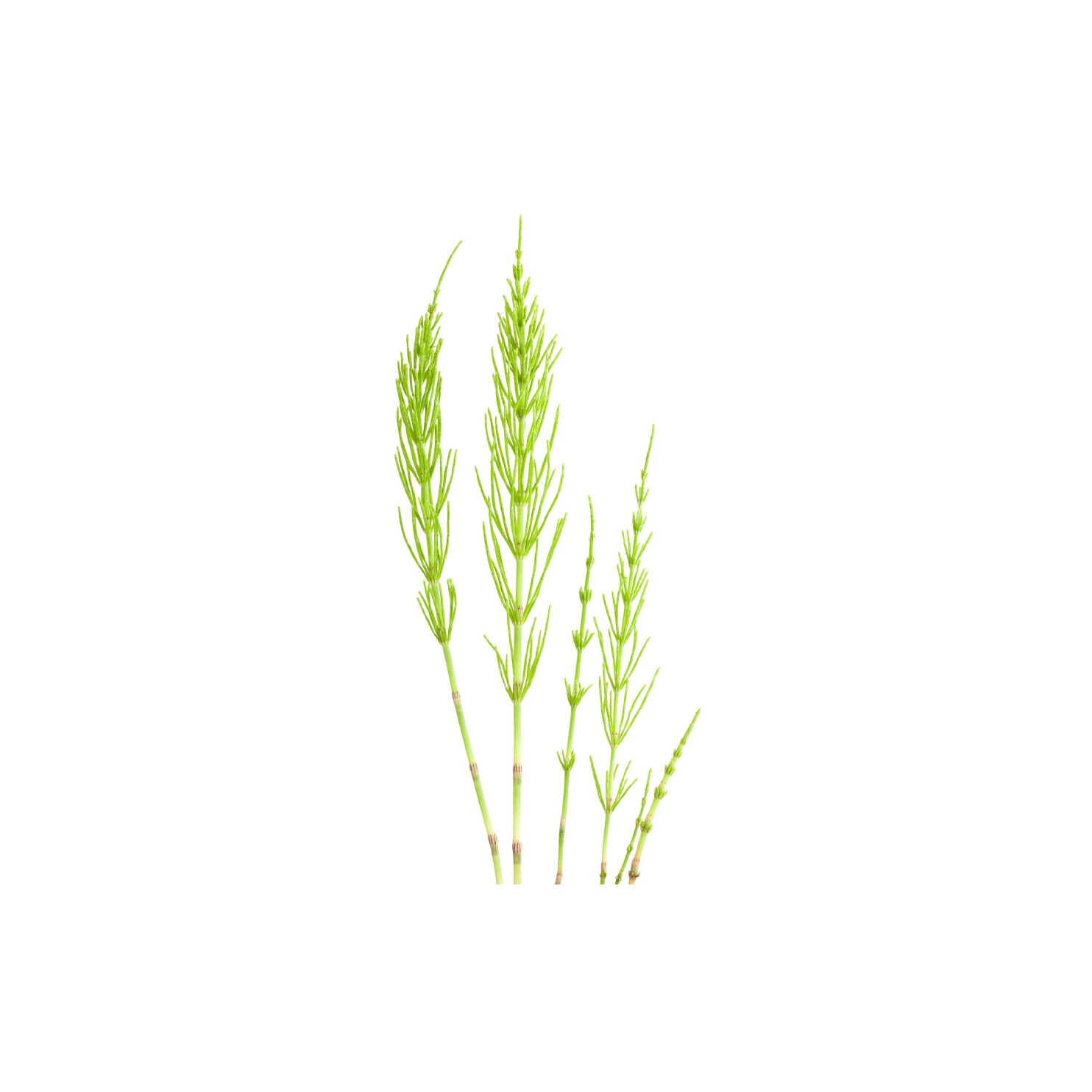
Equisetaceae Horsetail family 1
Ancient spore-bearing 'living fossils' with silica-rich stems used as mineralising and astringent diuretics.
-
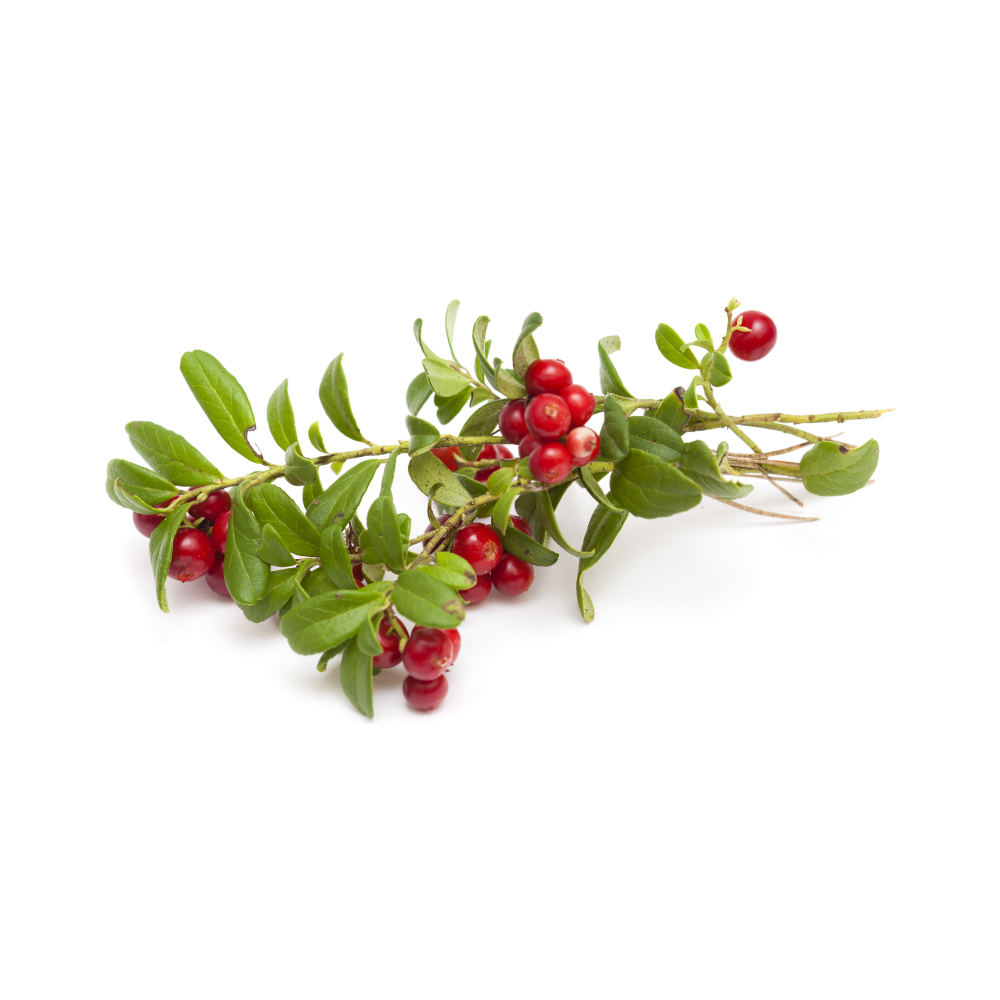
Ericaceae Heath family 1
Acid-soil shrubs, many with arbutin-rich leaves used as urinary antiseptics.
-
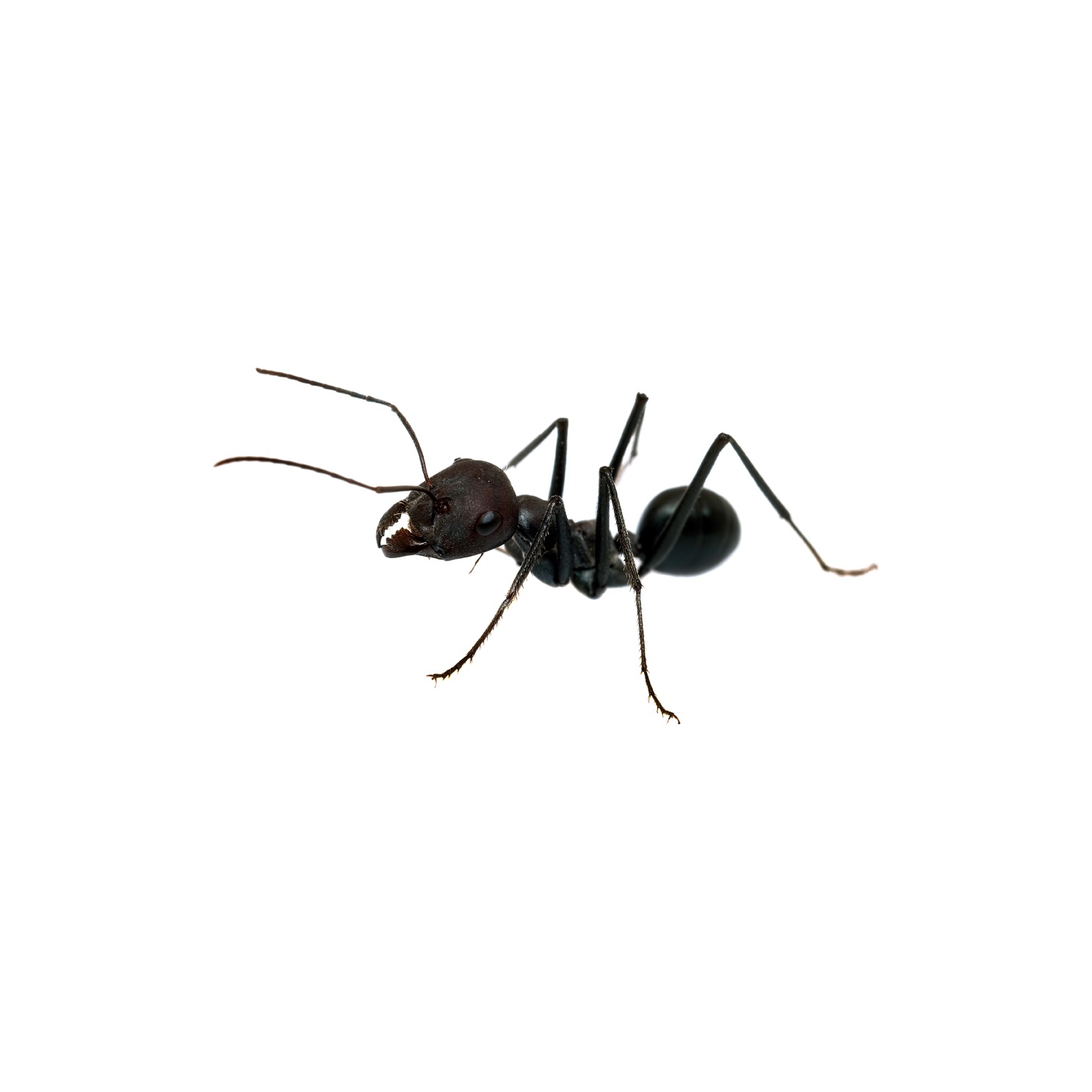
Formicidae (Polyrhachis) Ants (animal product) 1
Not a plant but an insect family: the mountain/black ants used in Traditional Chinese Medicine as a kidney-yang and qi tonic.
-
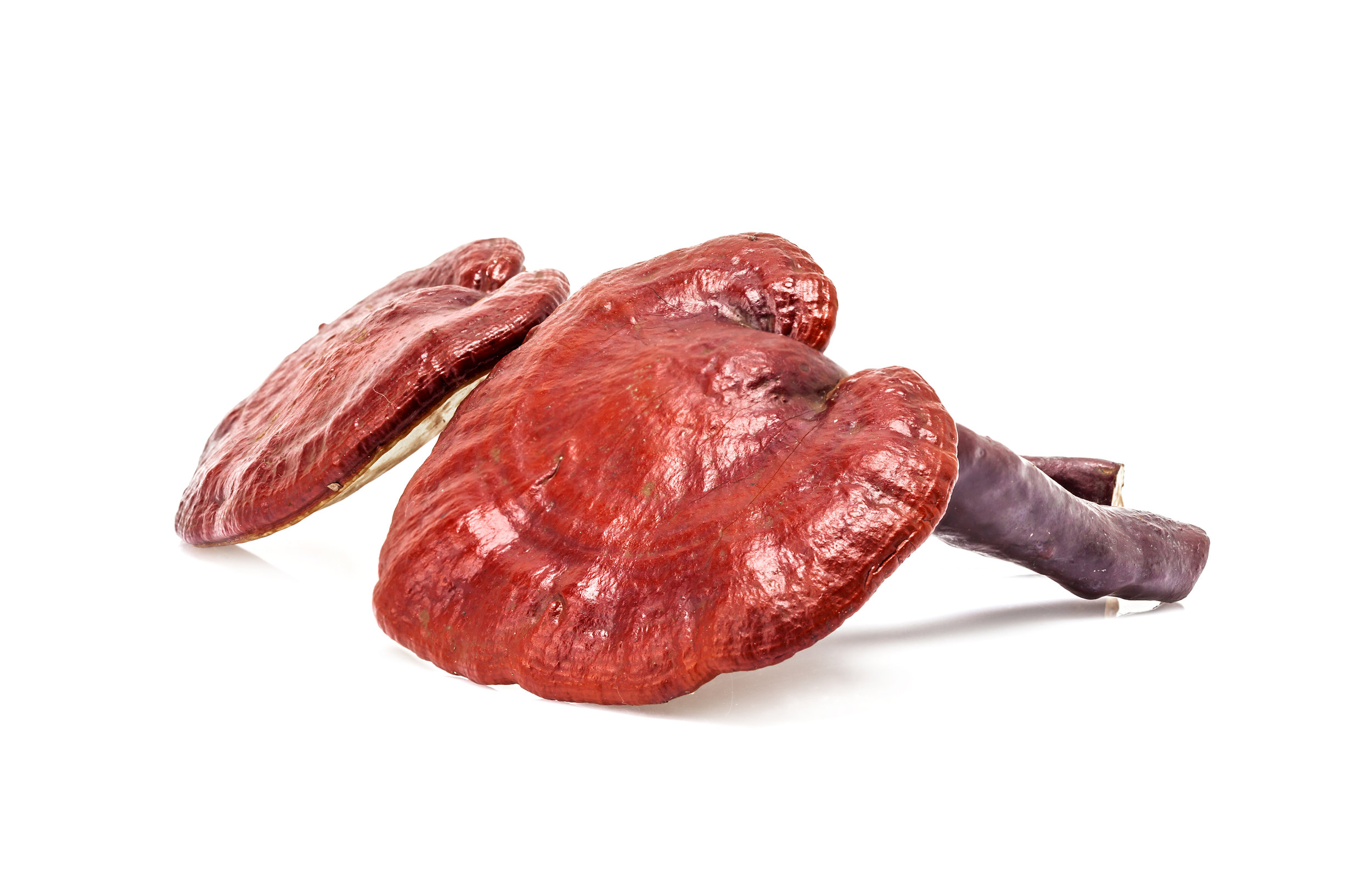
Ganodermataceae Reishi / lacquered-bracket fungi 1
A family of woody, varnished polypore mushrooms (not plants) valued as immune and adaptogenic tonics.
-
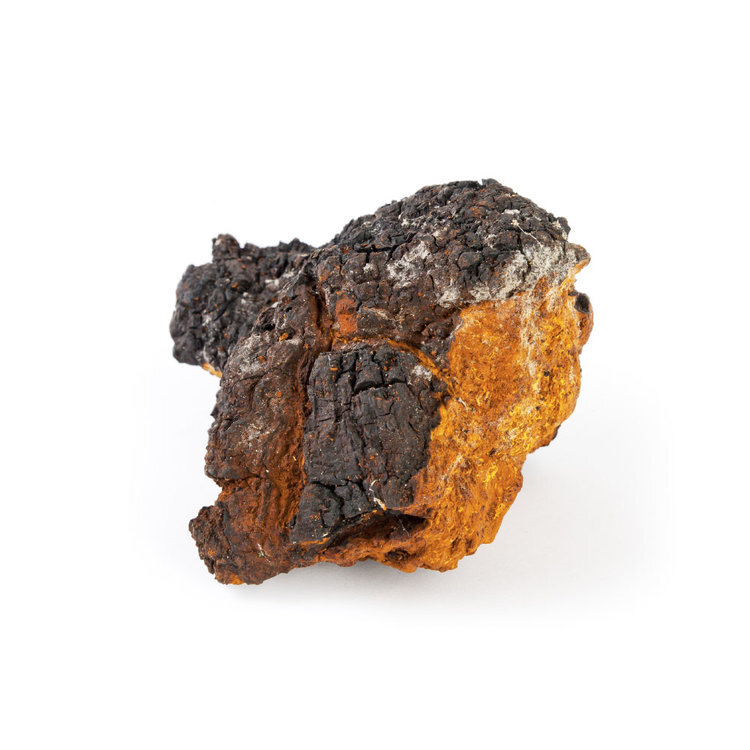
Hymenochaetaceae Chaga / bracket fungi 1
Tough, often woody parasitic bracket fungi (not plants); chaga is a melanin- and antioxidant-rich tonic.
-
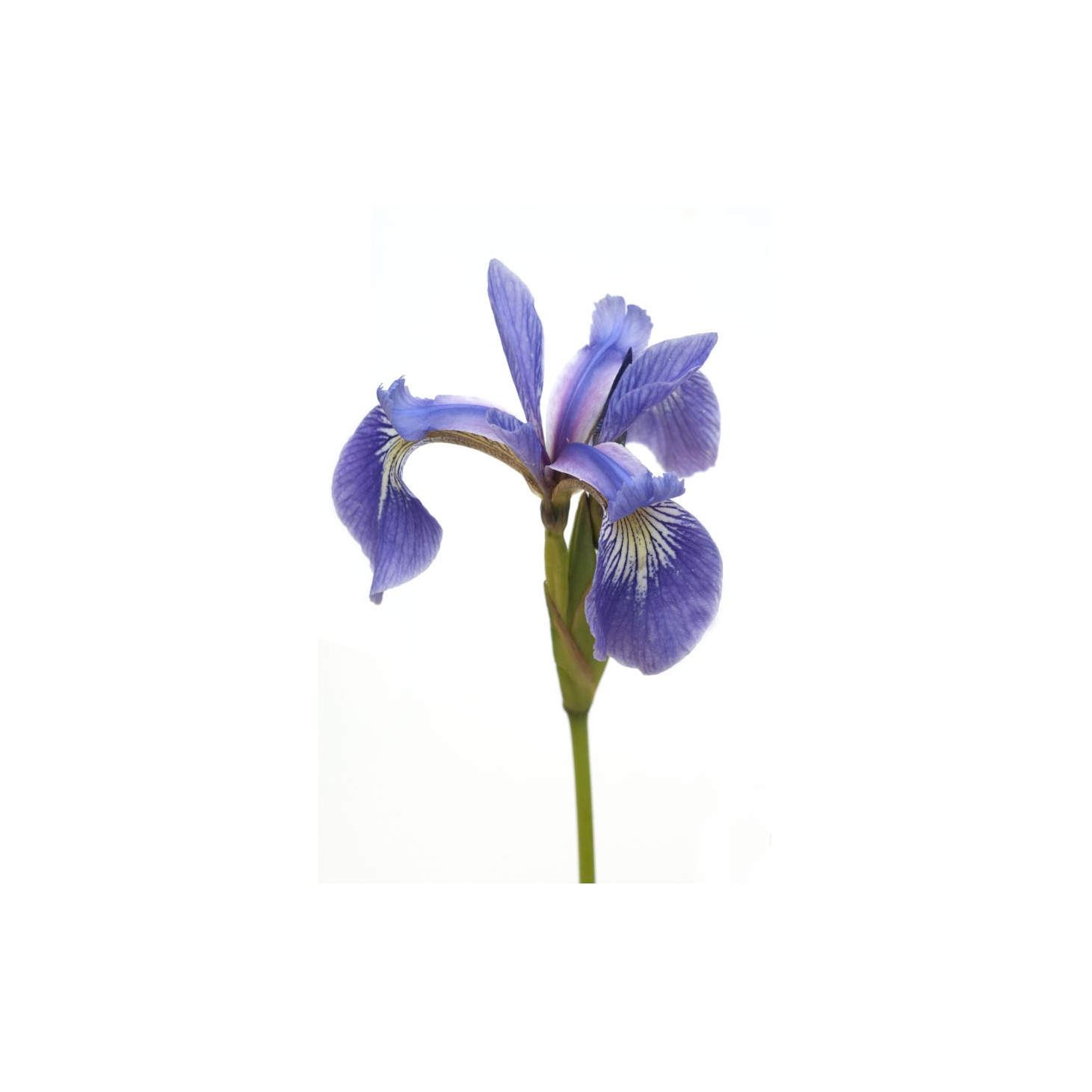
Iridaceae Iris family 1
Showy monocots with rhizomes or corms; orris (iris) root is used as a fragrant expectorant and fixative.
-
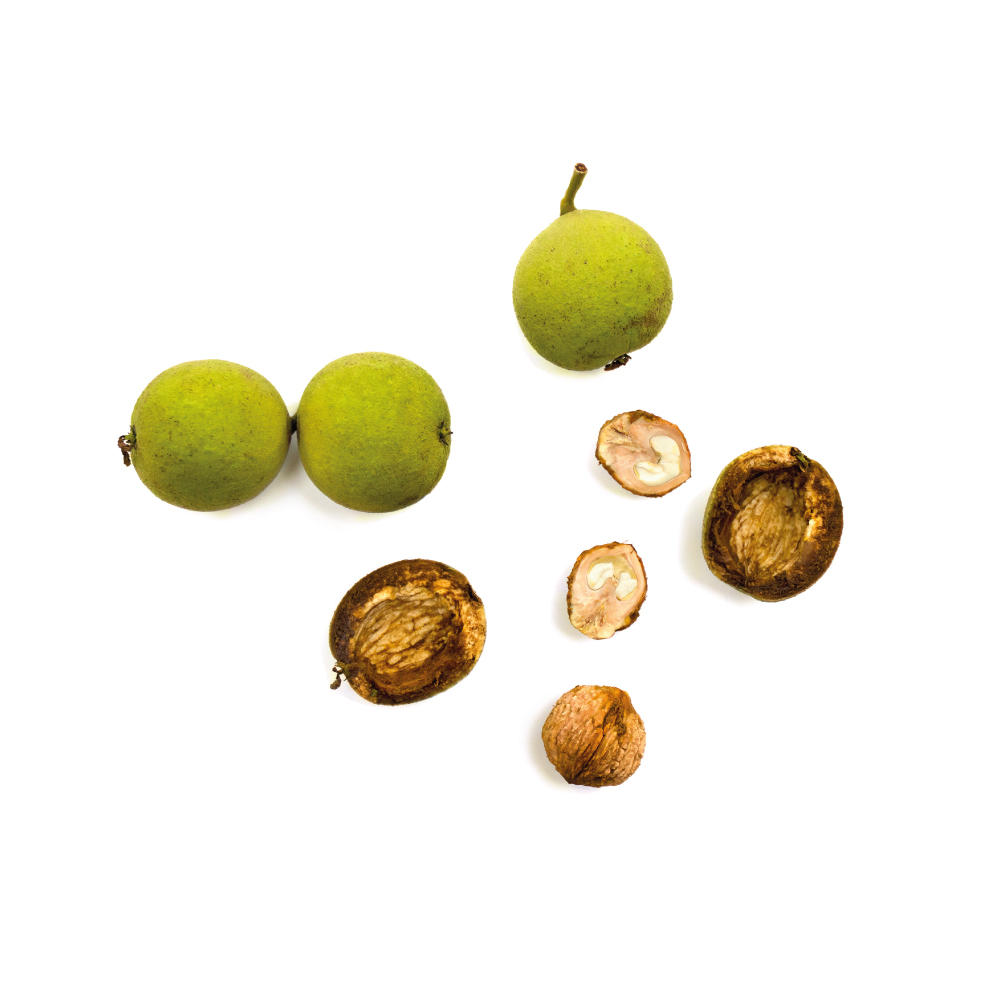
Juglandaceae Walnut family 1
Aromatic trees with astringent, tannin- and juglone-rich leaves, hulls, and bark.
-
Lamiaceae Mint / deadnettle family 15
The aromatic mint family — square stems, opposite leaves, and abundant essential oils. A treasure-house of carminative, nervine, and antimicrobial culinary herbs.
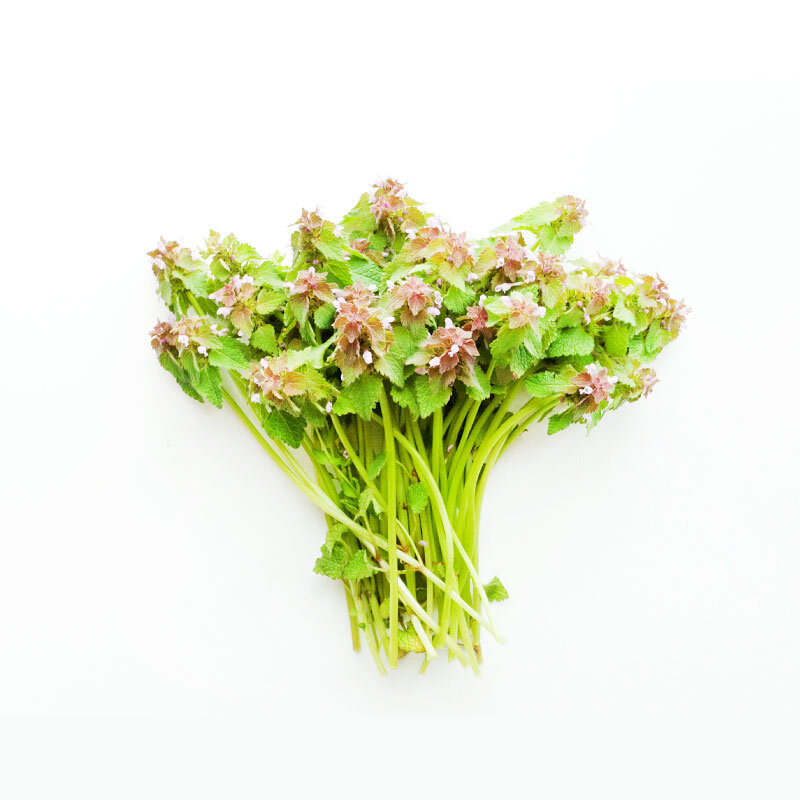 Black Horehound Ballota nigra
 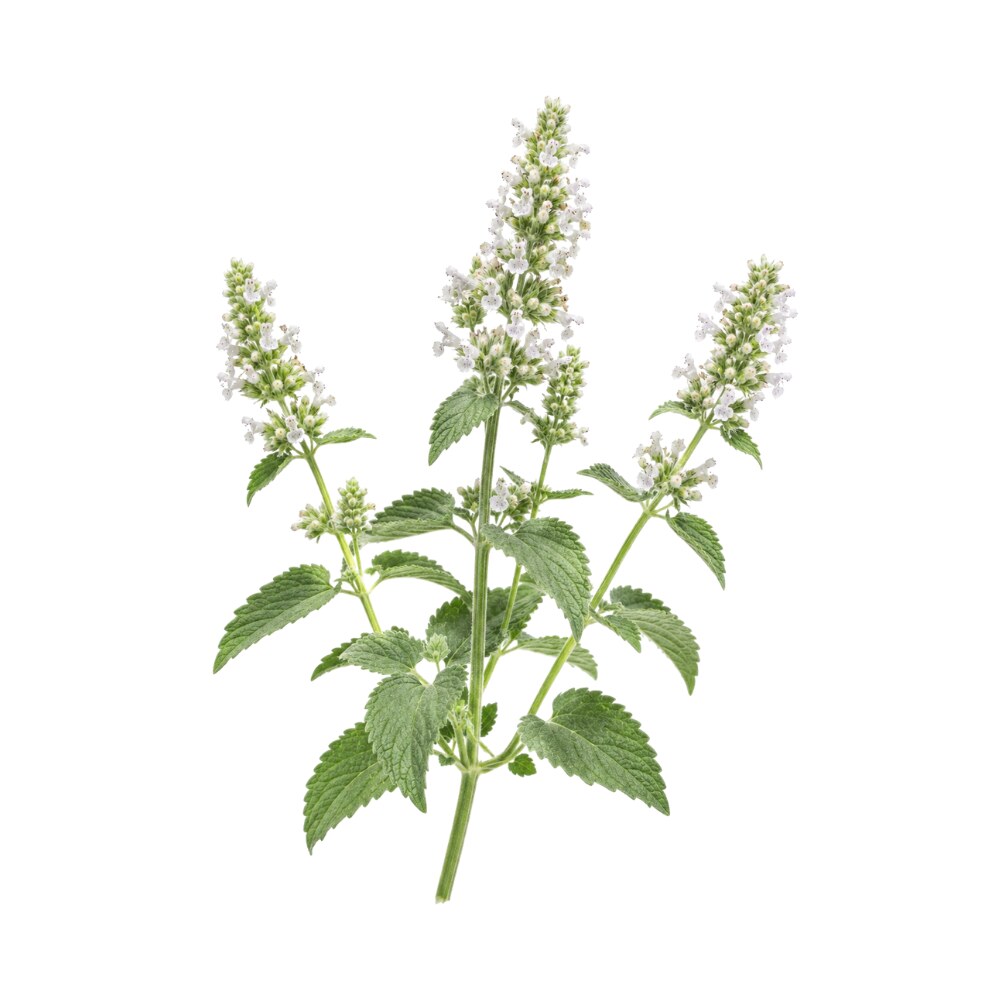 Catnip Nepeta cataria
 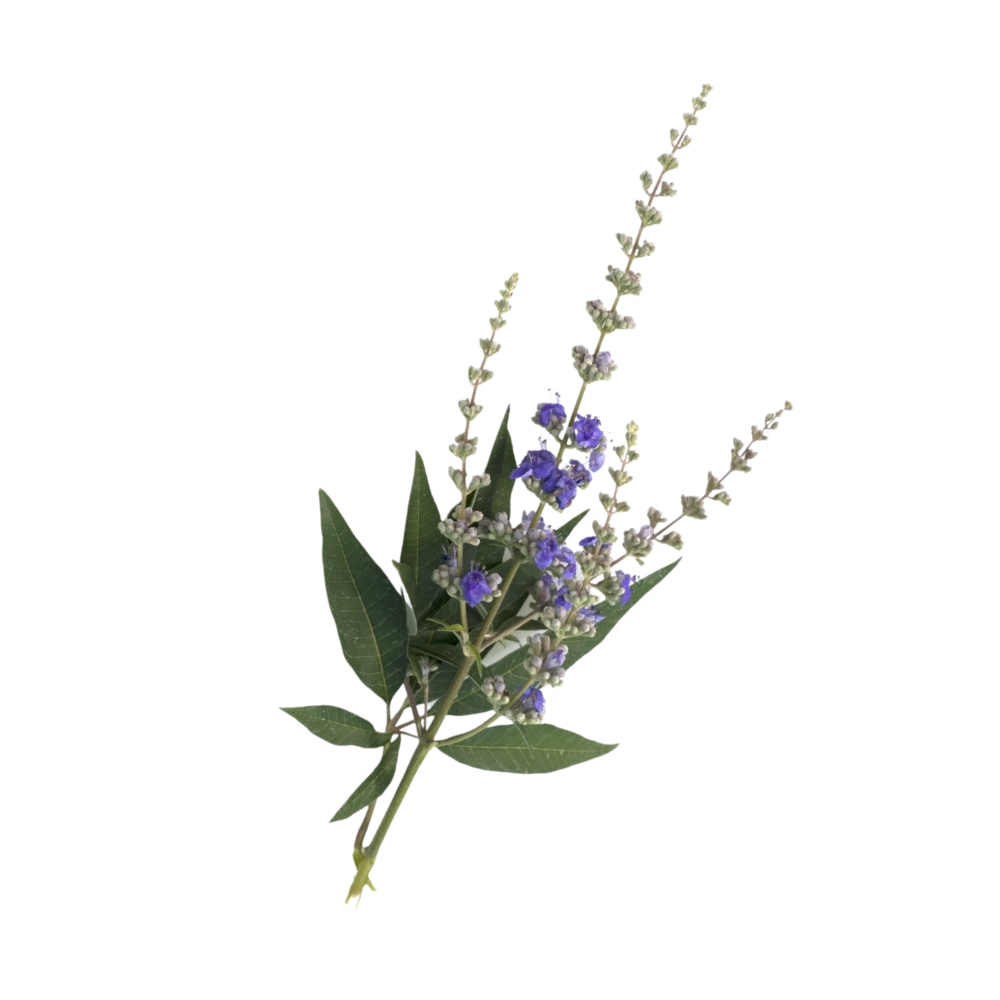 Chaste Tree Vitex agnus-castus
 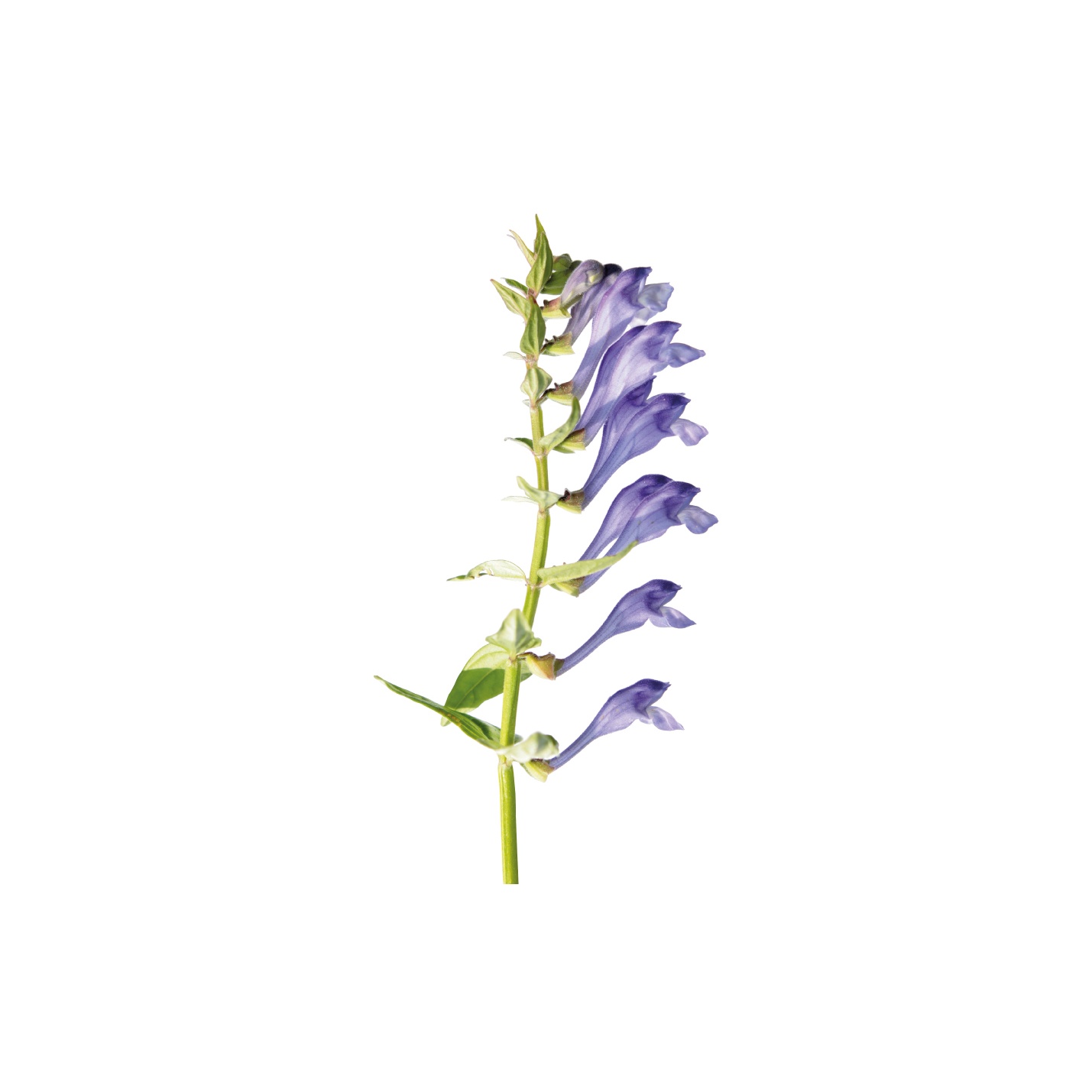 Chinese Skullcap Scutellaria baicalensis
 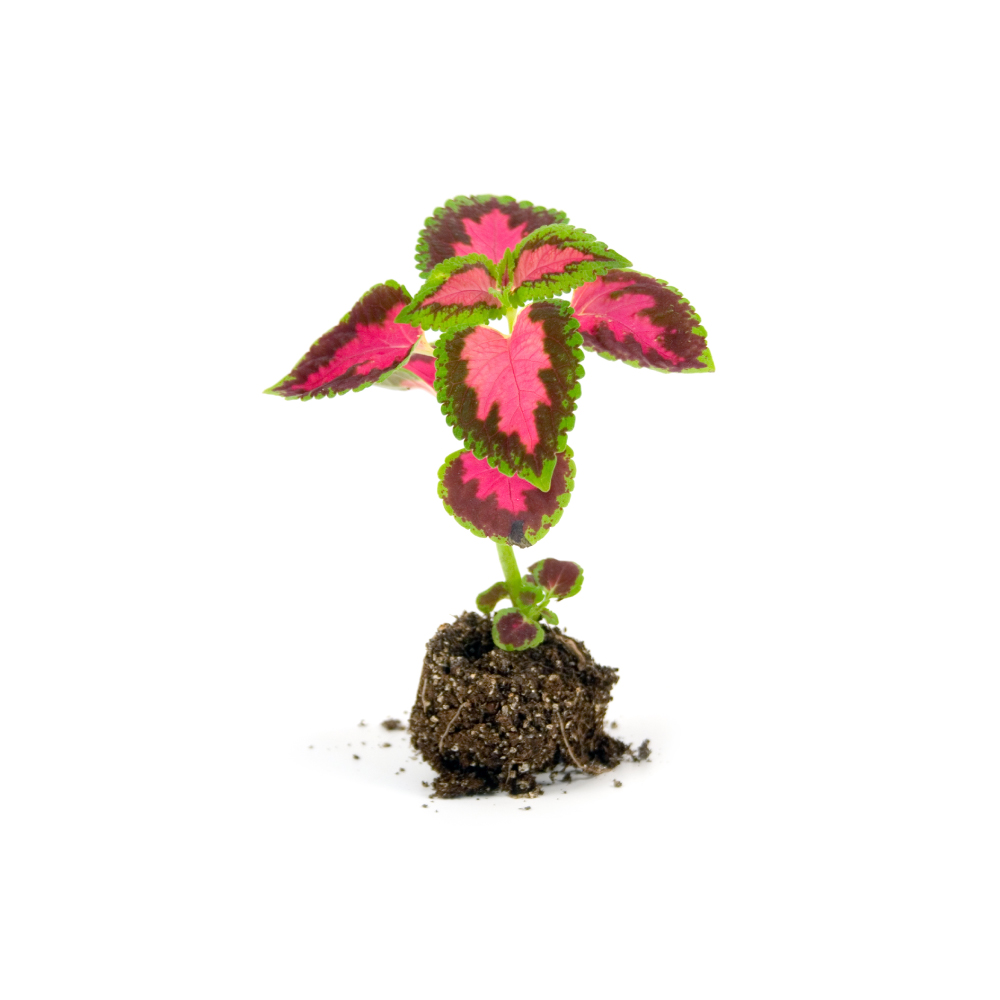 Coleus Coleus forskohlii
 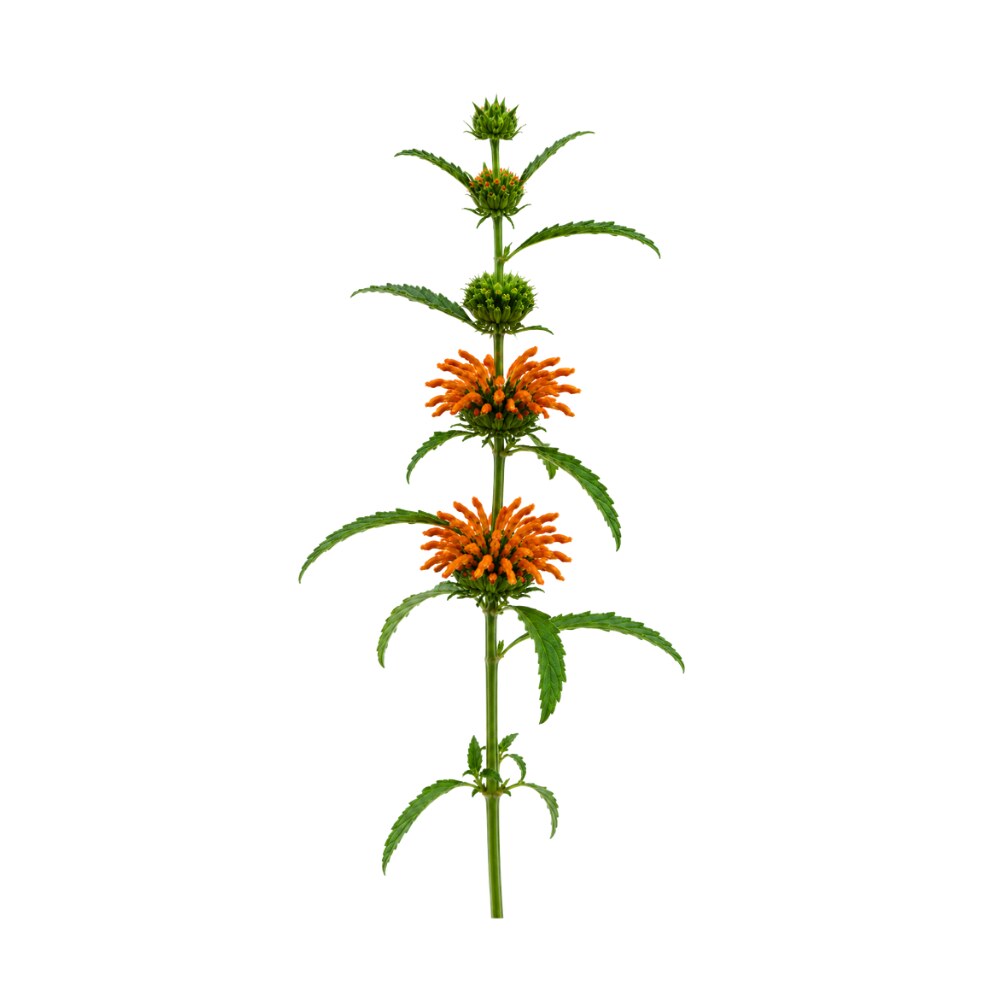 Dagga Leonotis nepetifolia
 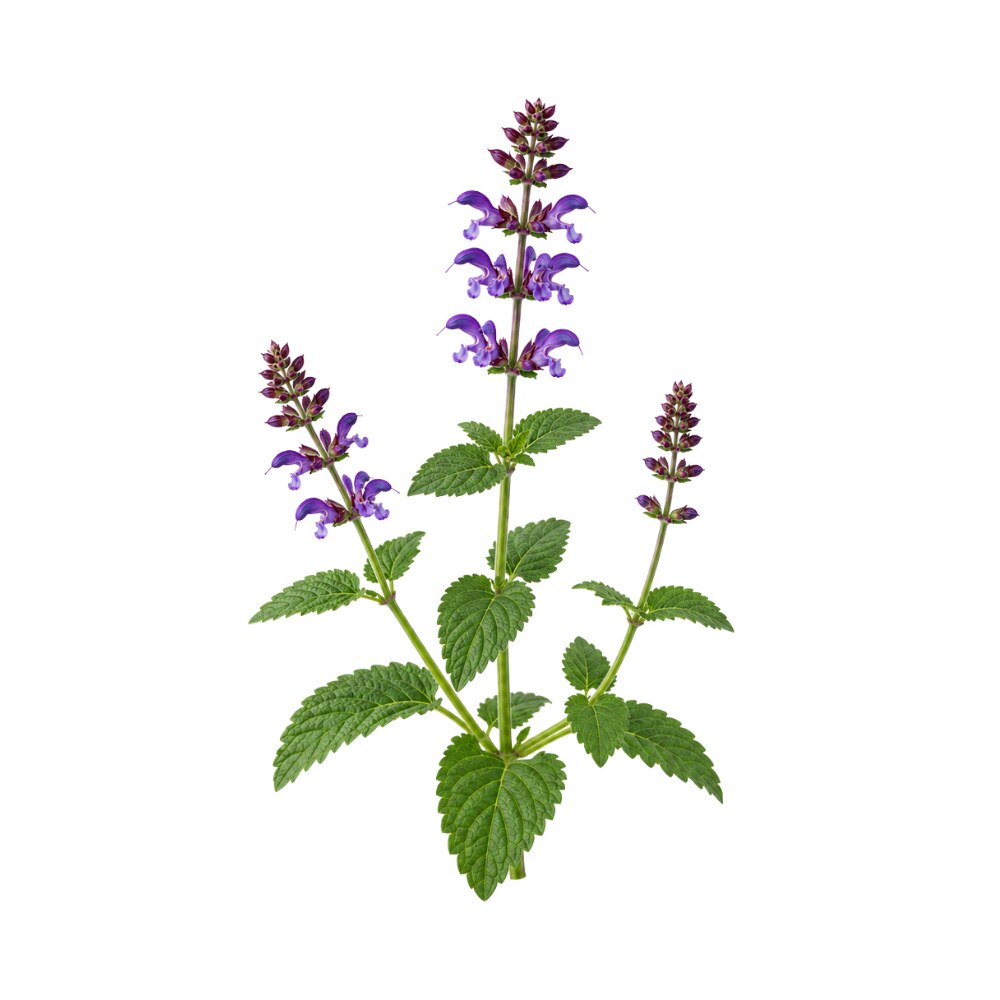 Dan Shen Salvia miltiorrhiza
 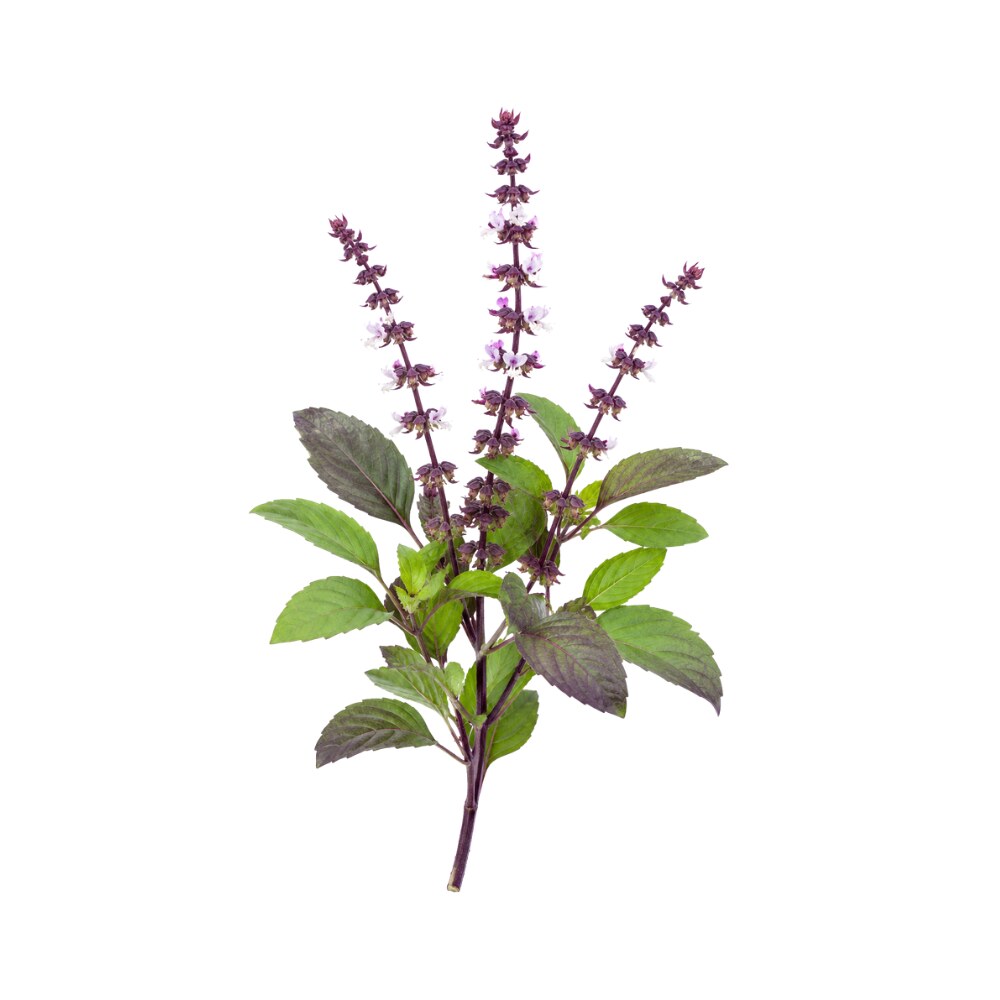 Holy Basil Ocimum tenuiflorum H Hyssop Hyssopus officinalis
 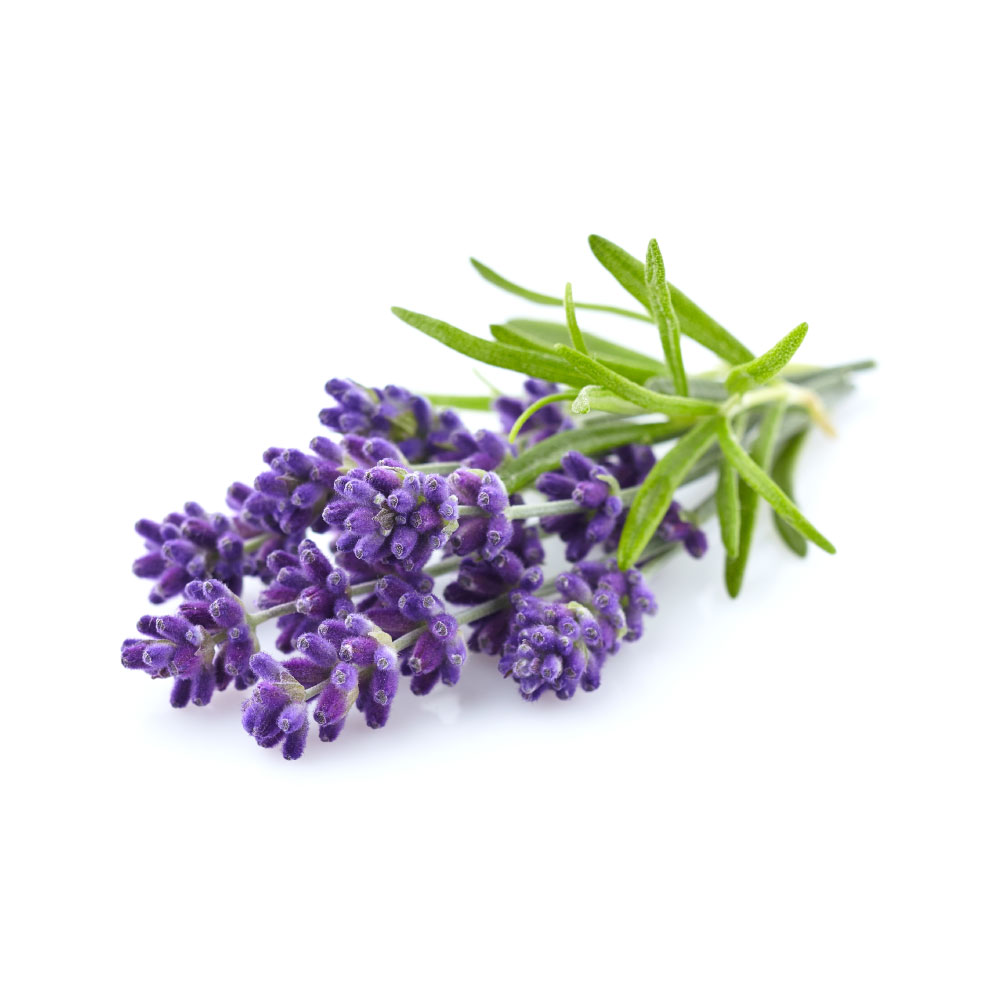 Lavender Lavandula angustifolia
 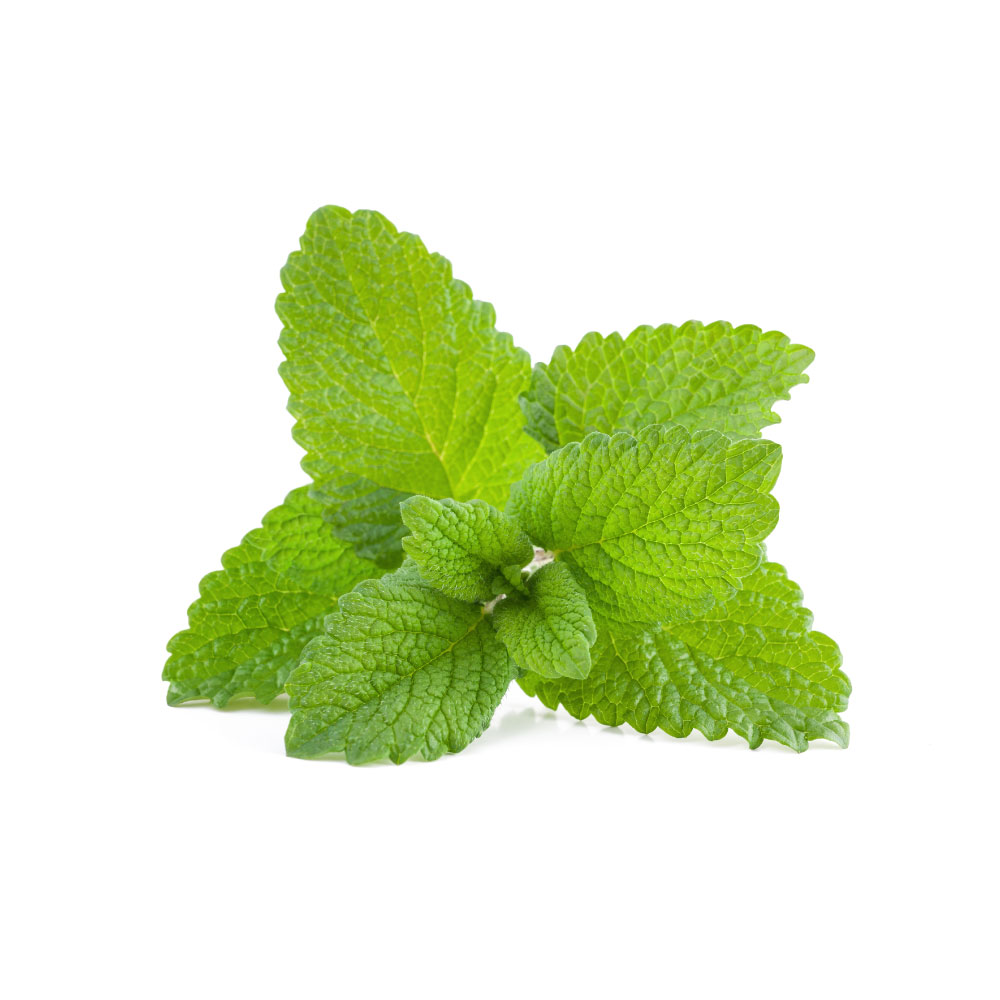 Melissa Melissa officinalis
 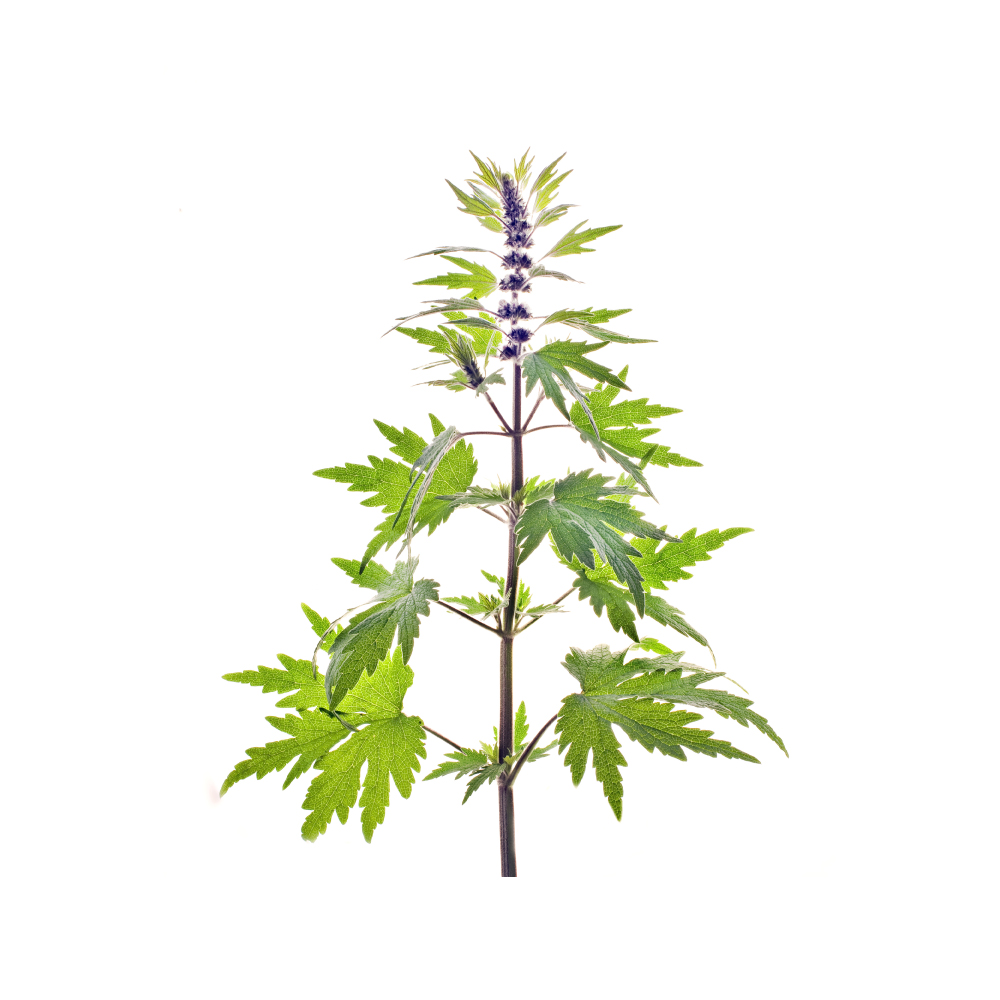 Motherwort Leonurus cardiaca
 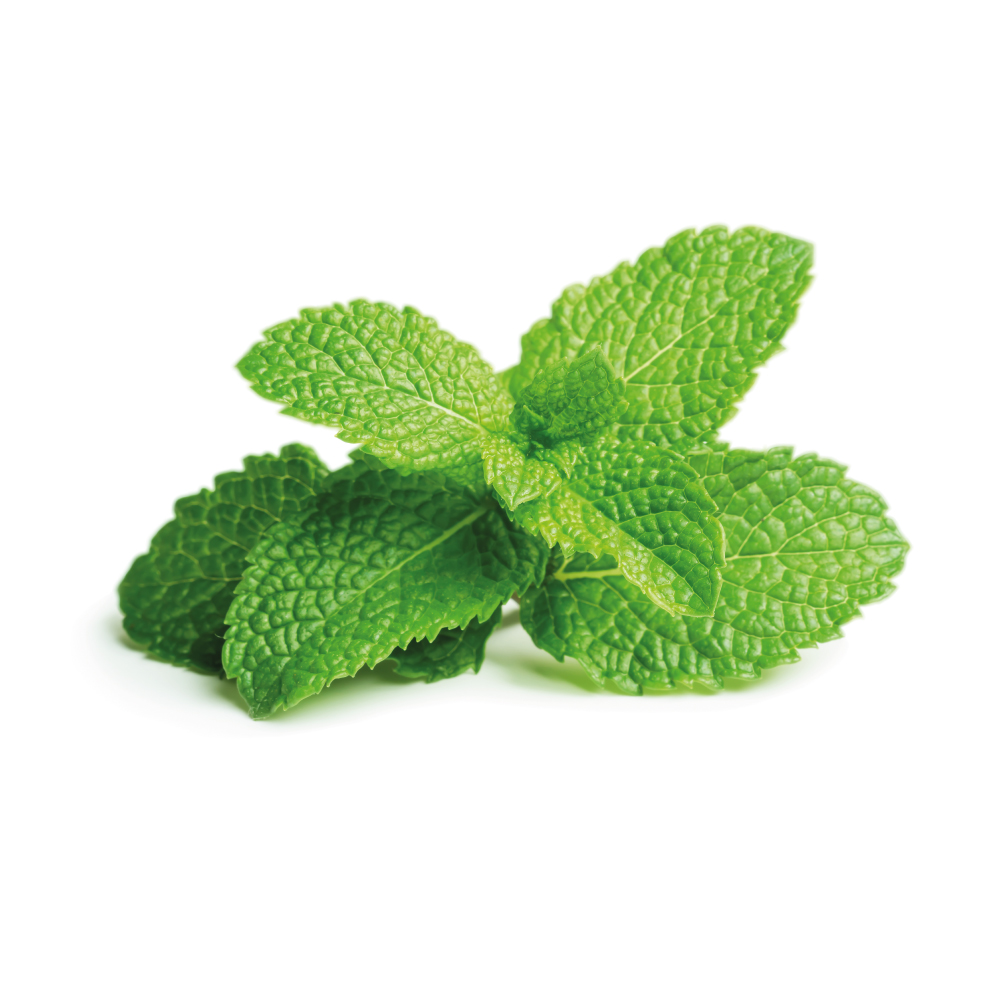 Peppermint Mentha × piperita
 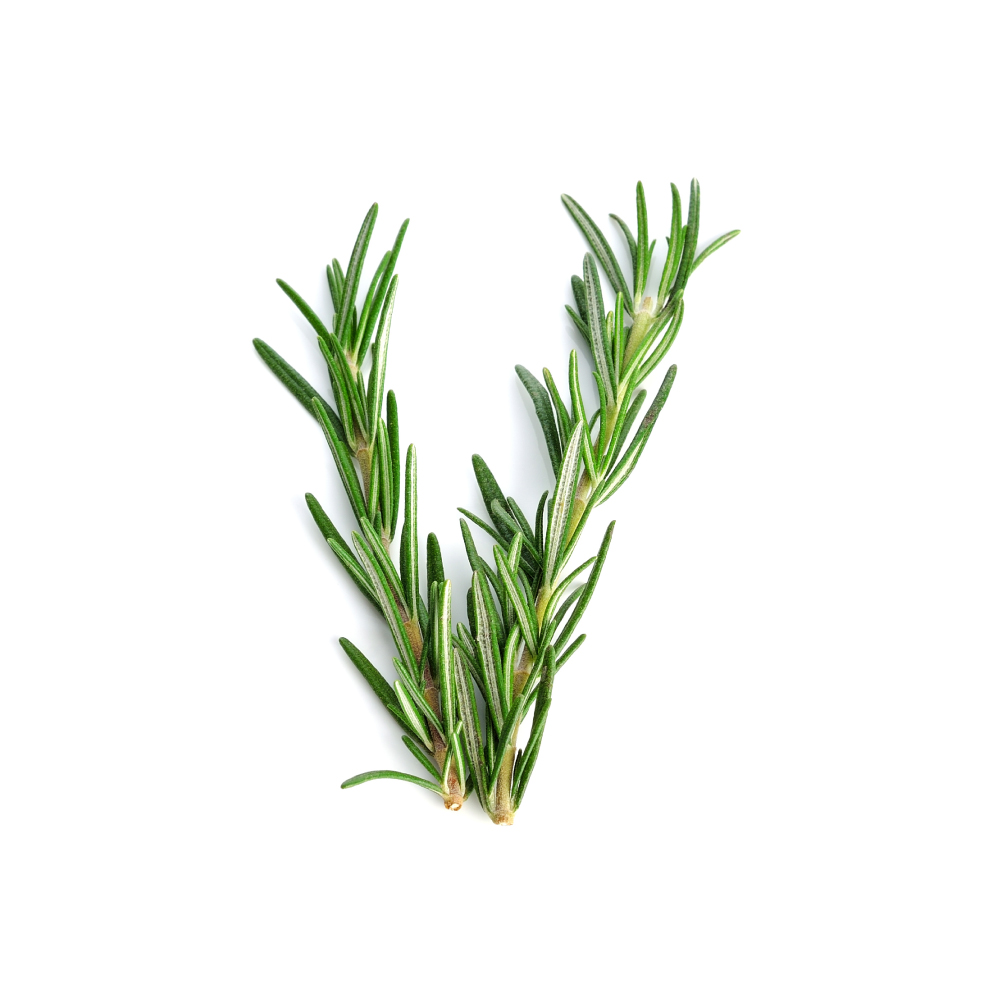 Rosemary Rosmarinus officinalis
 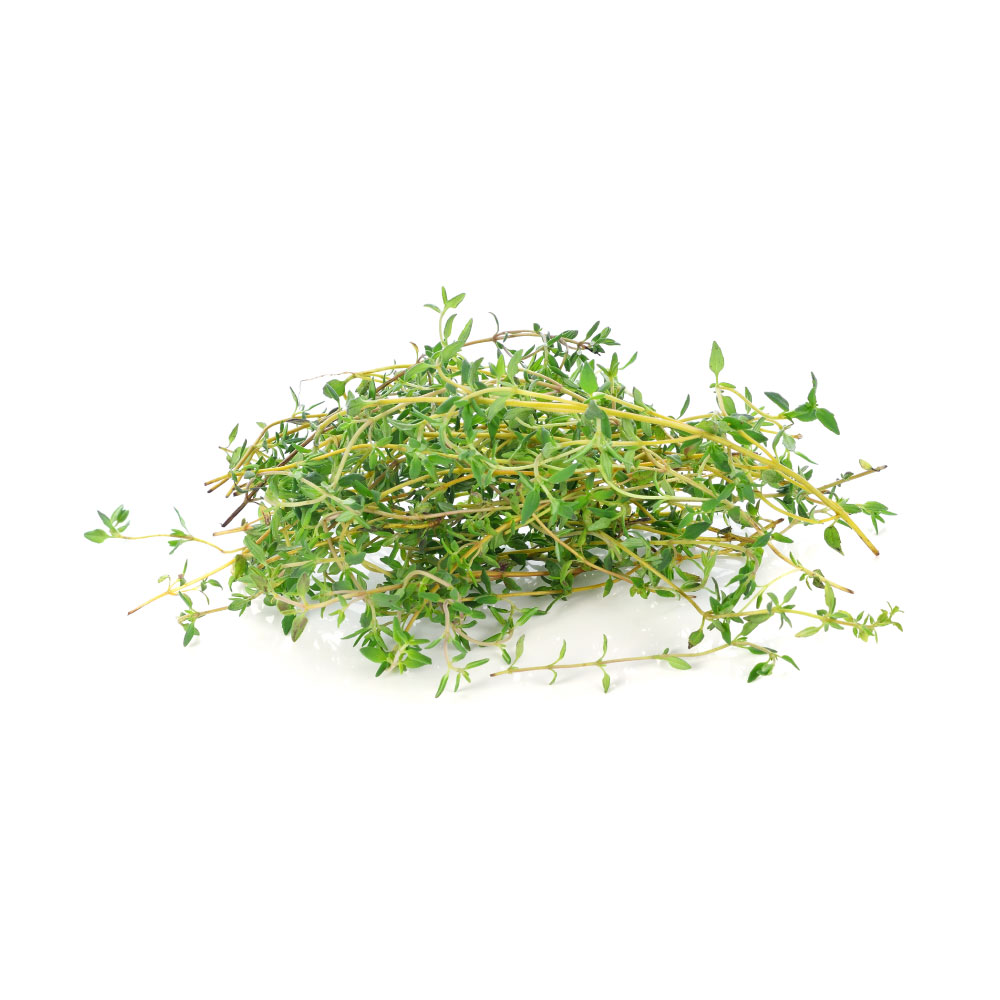 Thyme Thymus vulgaris
 -
Lauraceae Laurel family 3
Aromatic evergreen trees and shrubs rich in essential oils; the source of many warming spices and woods.
-
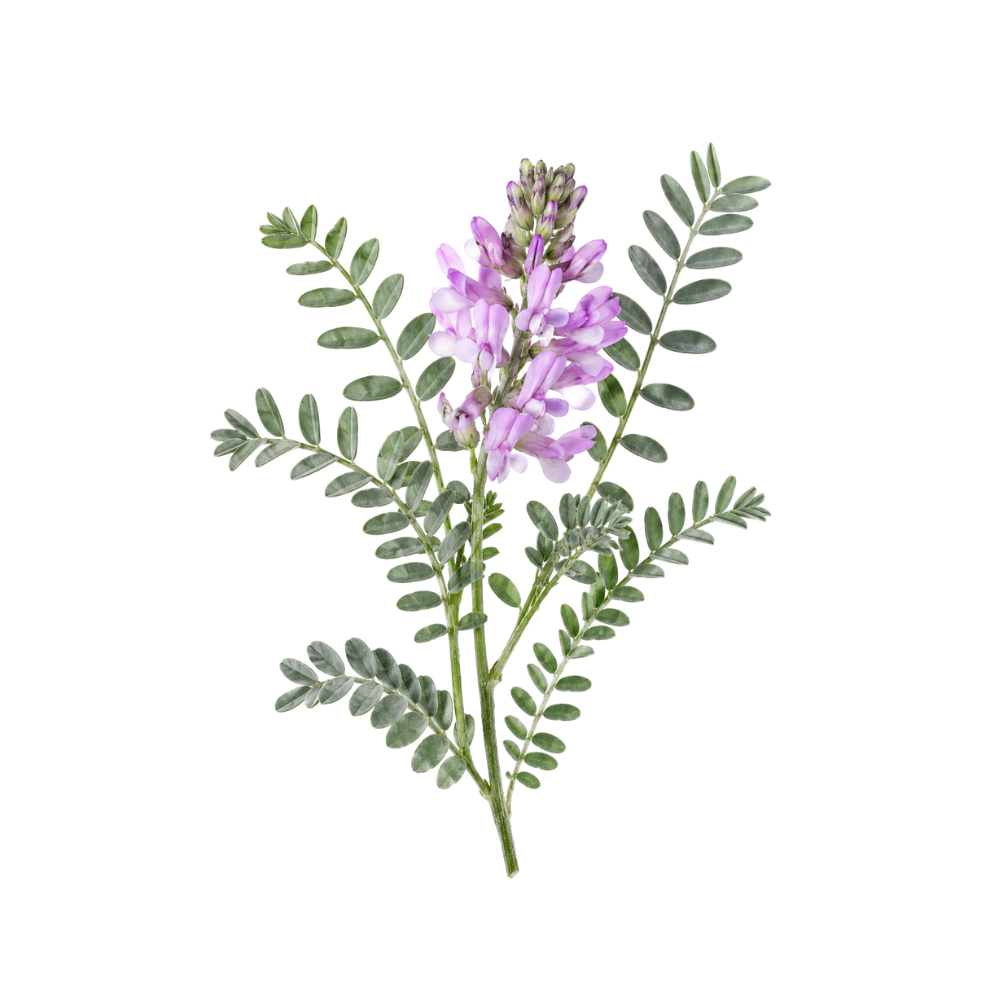
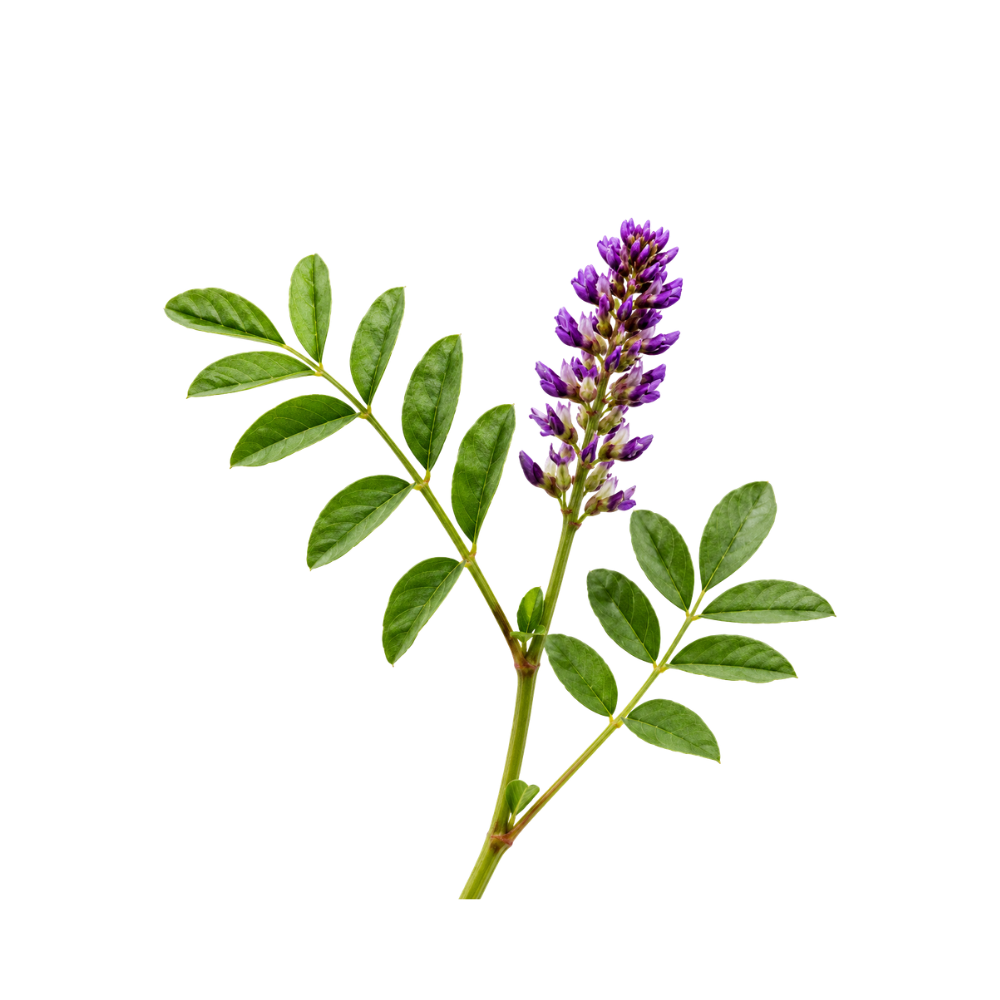
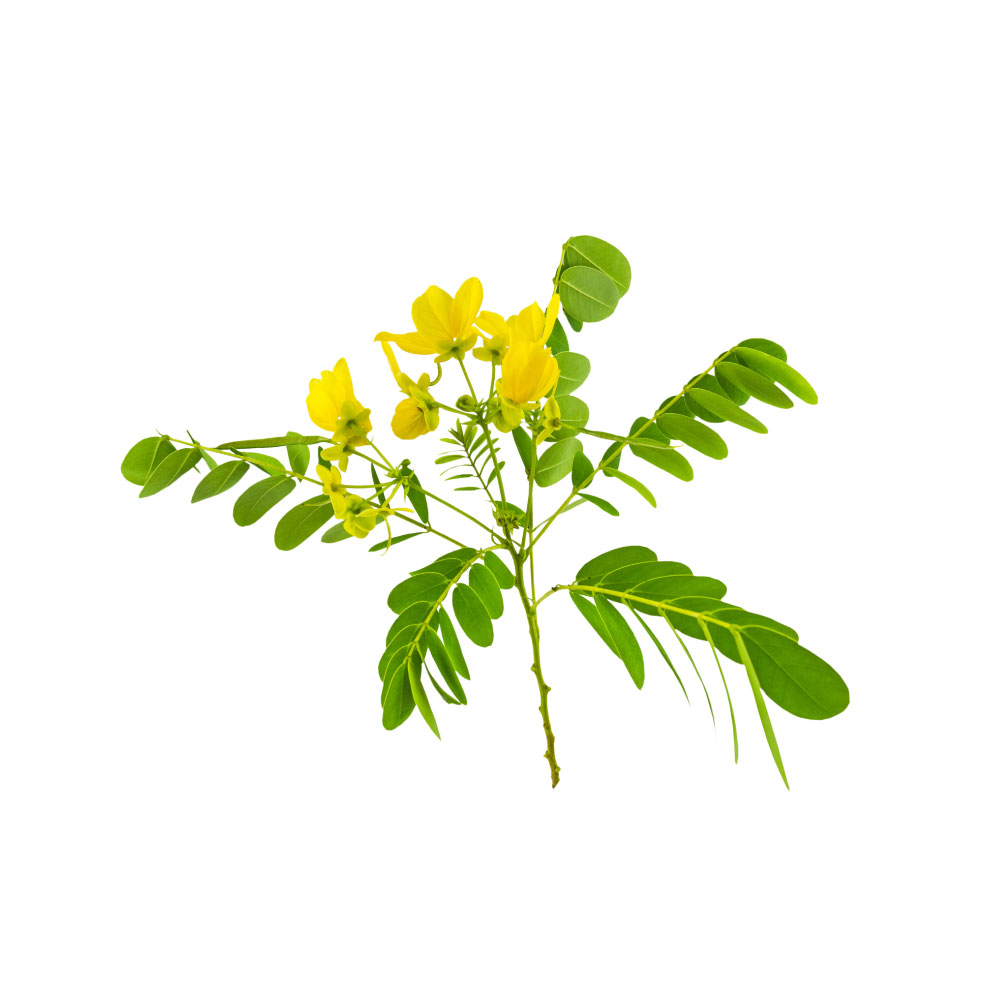
Leguminosae Legume / pea family (Fabaceae) 5
The third-largest plant family, nitrogen-fixing via root nodules, yielding many tonics, saponin-rich roots, and gums.
-
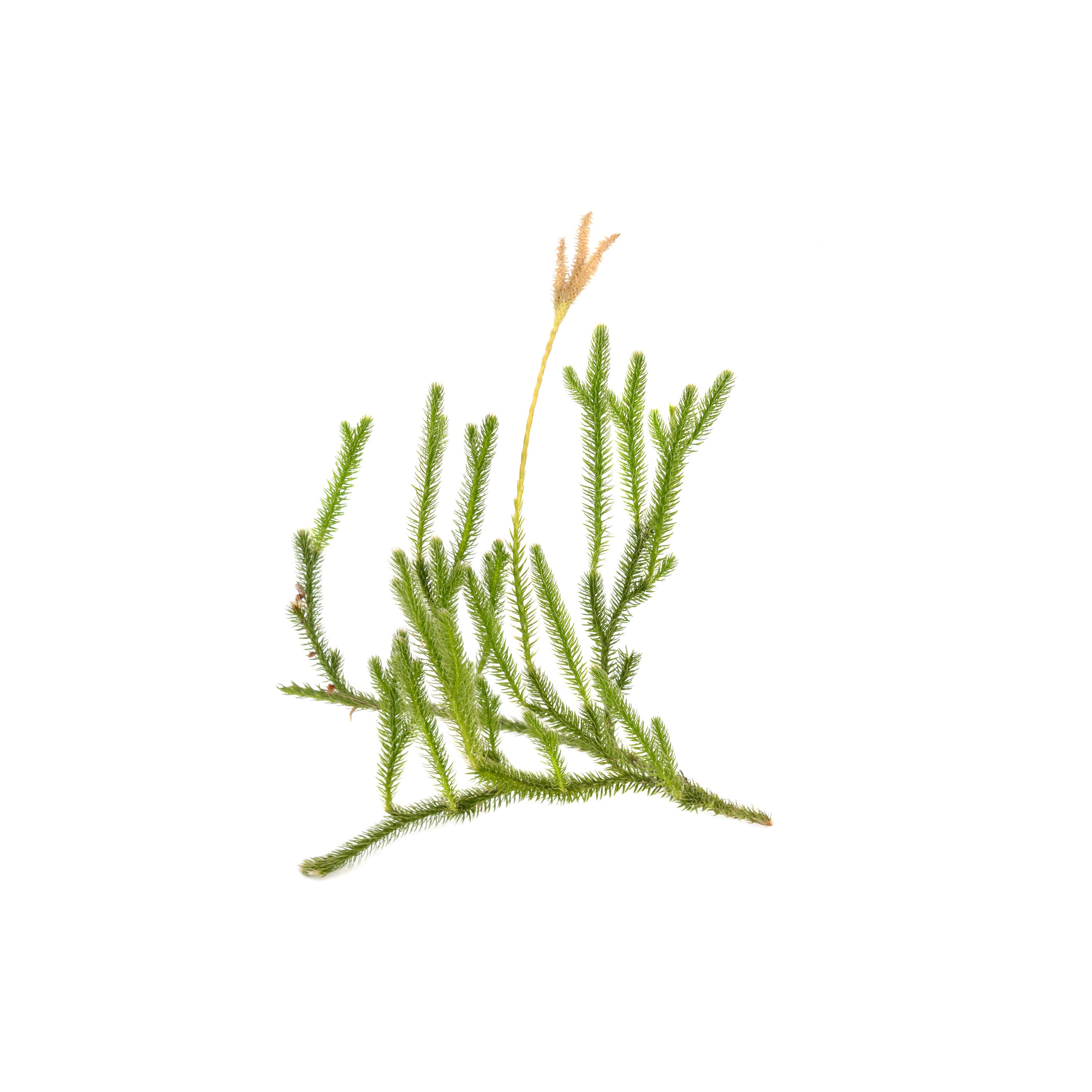
Lycopodiaceae Clubmoss family 1
Primitive spore-bearing plants; Huperzia yields huperzine A, studied for memory and cognition.
-
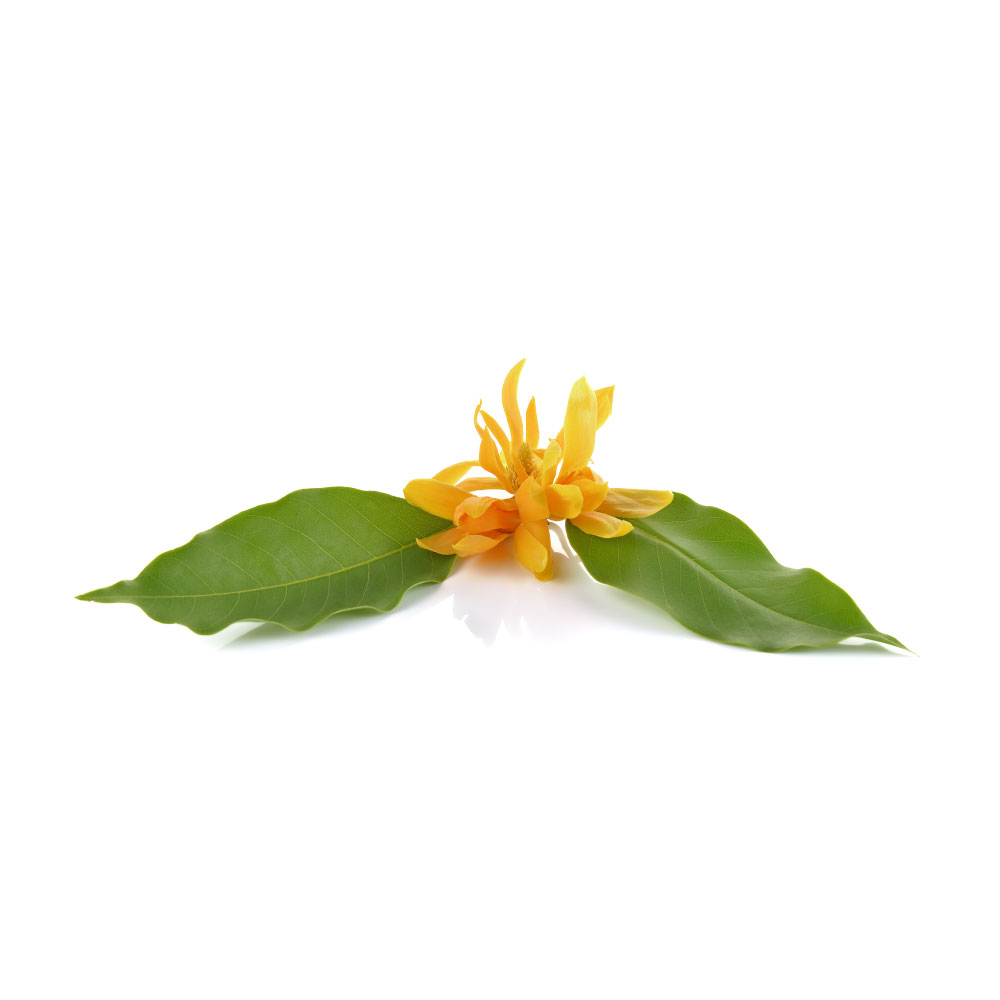
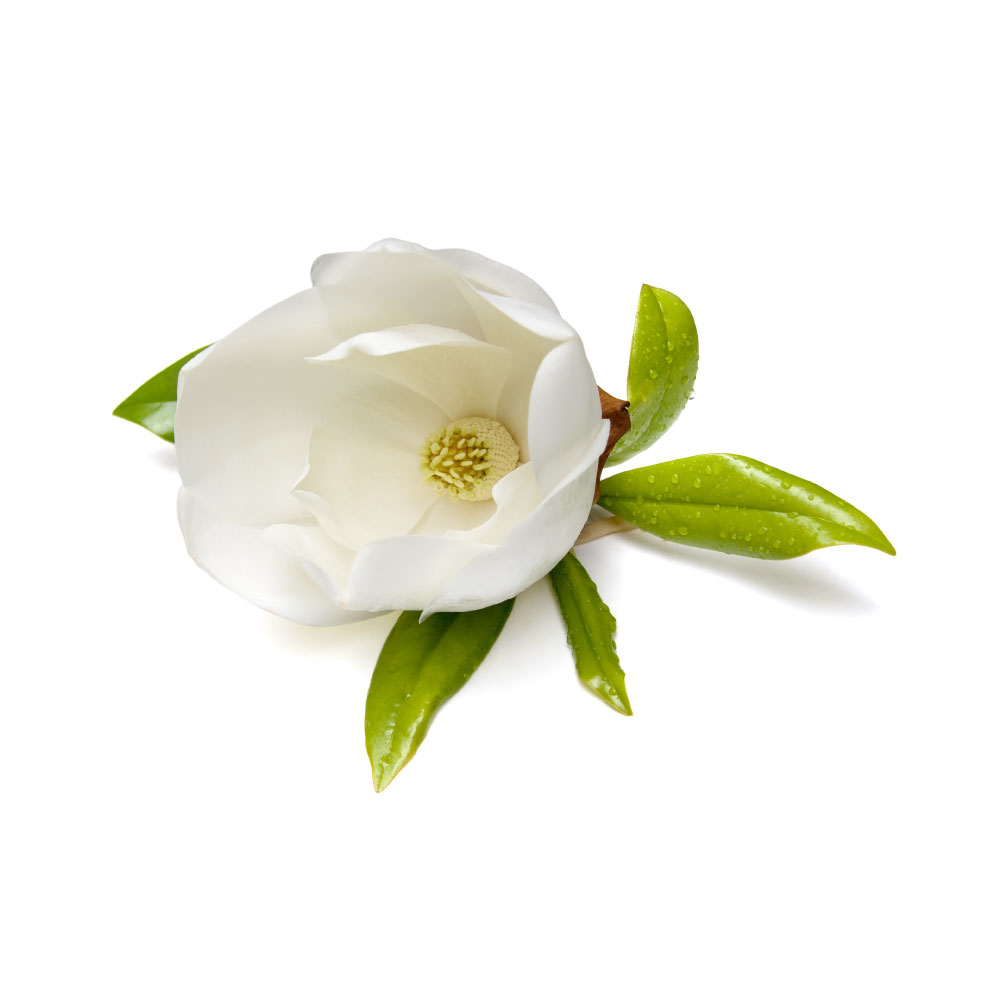
Magnoliaceae Magnolia family 1
Ancient flowering trees and shrubs with aromatic bark used as calming, digestive remedies.
-
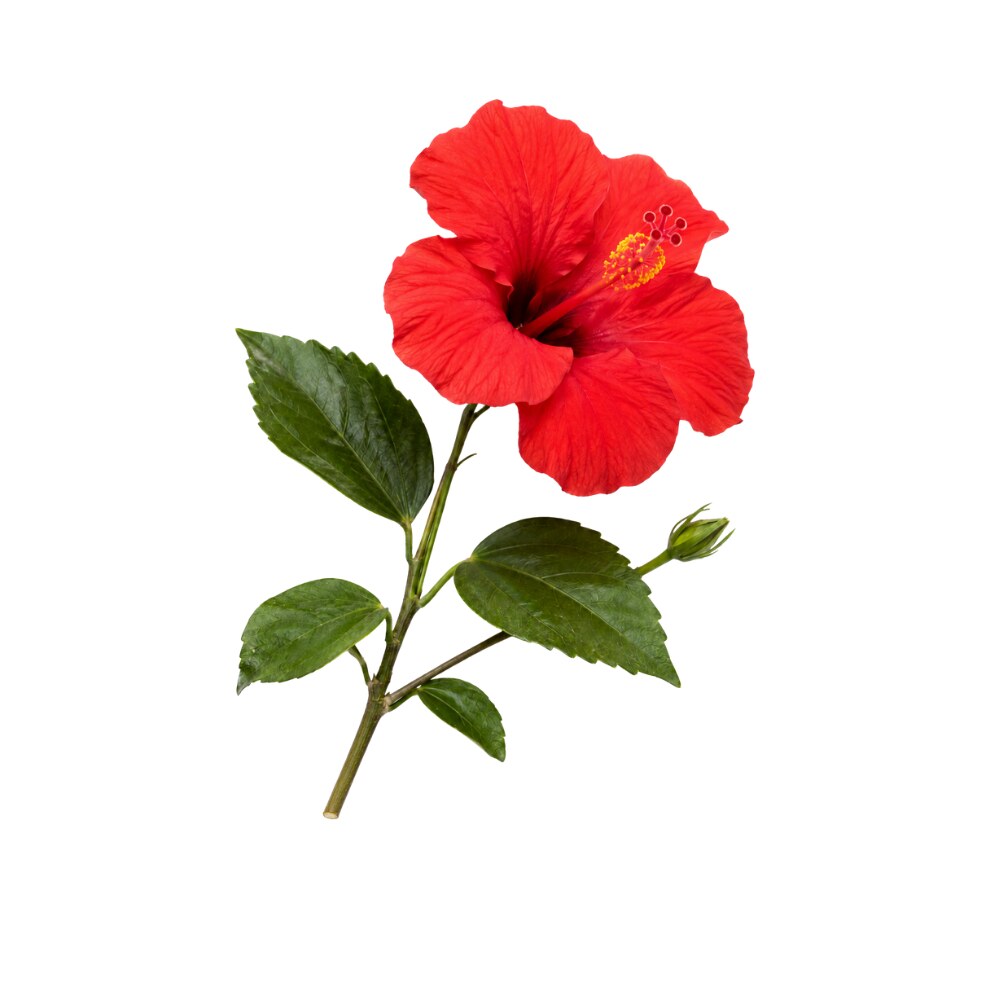
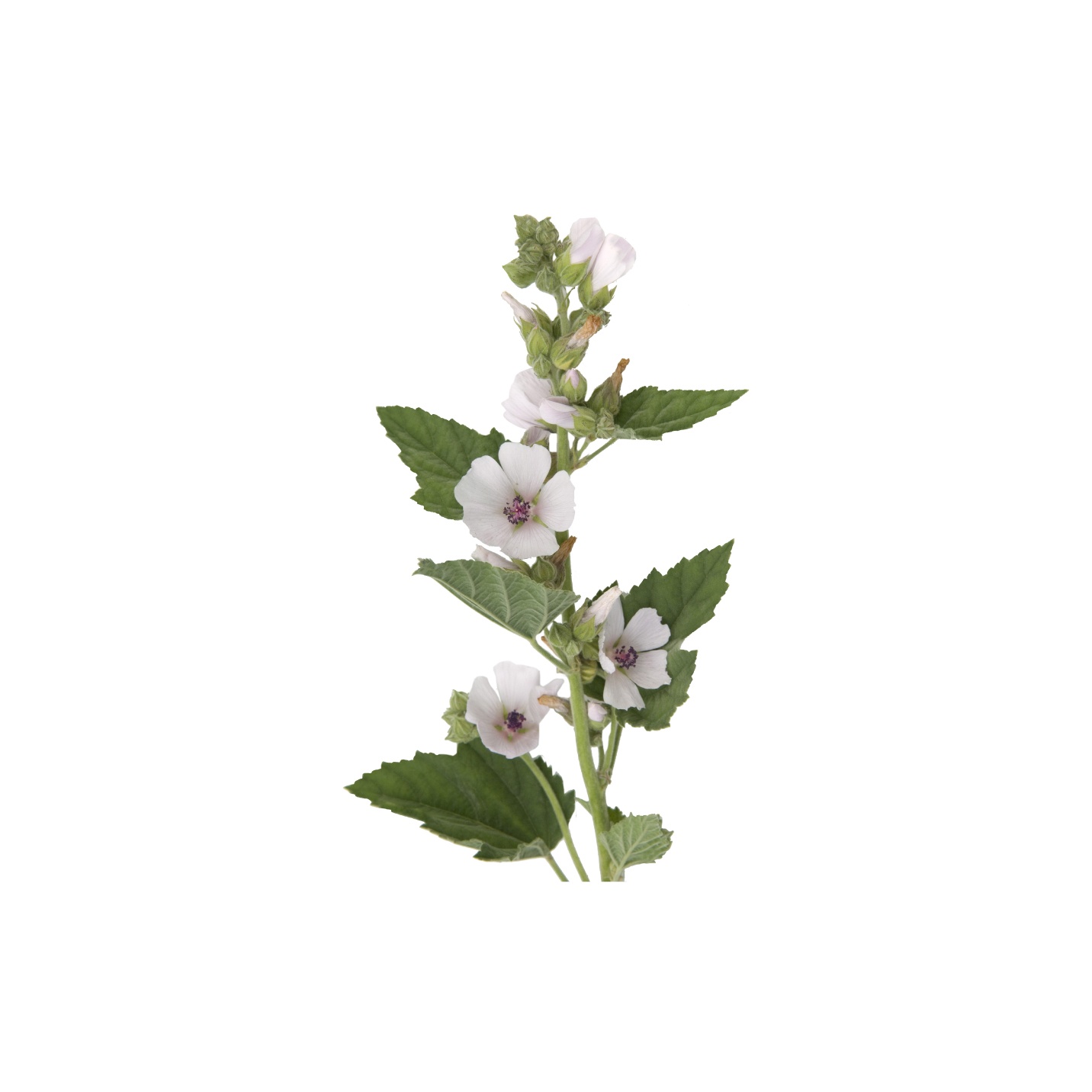
Malvaceae Mallow family 3
Mucilage-rich herbs and trees (now including the cacao and hibiscus groups) — soothing demulcents.
-
Meliaceae Mahogany family 1
Tropical trees with bitter, often insecticidal limonoids; several yield medicinal and timber species.
-
Menispermaceae Moonseed family 1
Tropical climbing vines rich in bitter alkaloids, traditionally used as tonics and febrifuges.
-
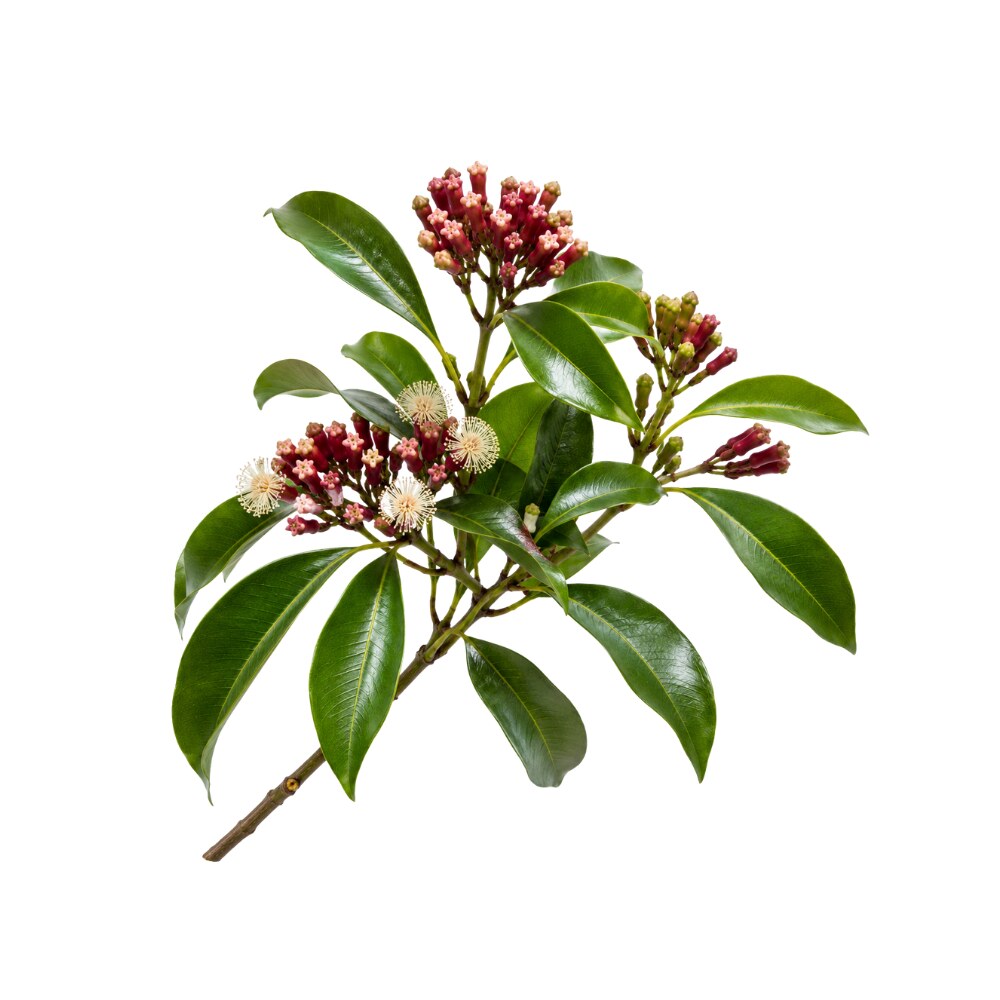
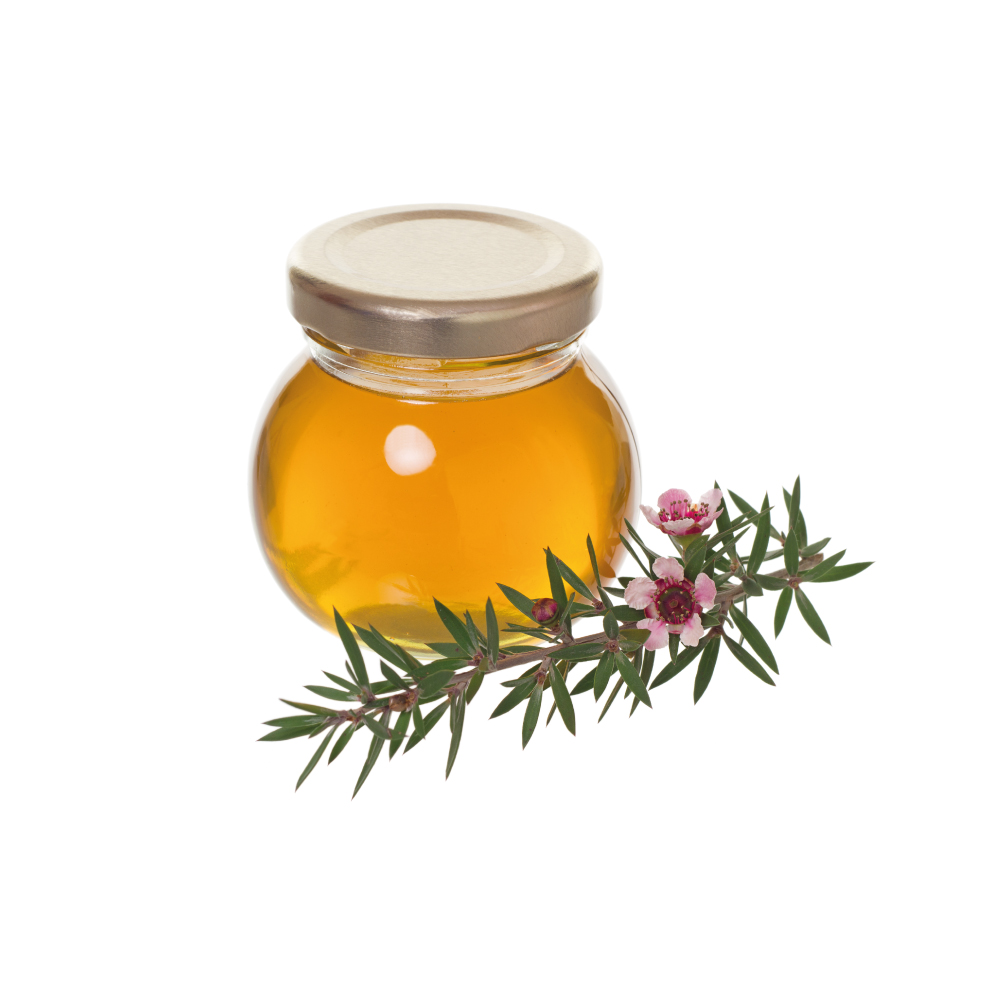
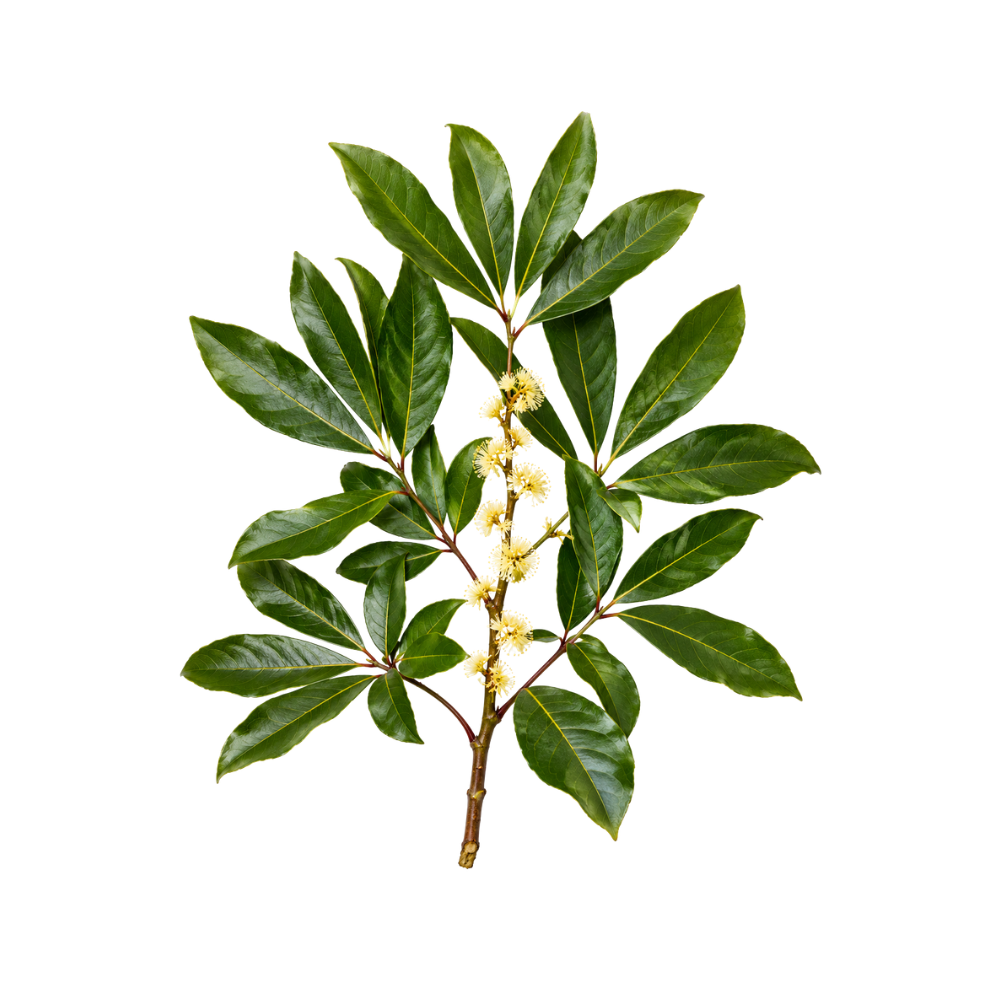
Myrtaceae Myrtle family 3
Aromatic, oil-gland-rich trees and shrubs of the southern hemisphere — a major source of antimicrobial essential oils.
-
Olacaceae Olax family 1
Tropical trees and shrubs; the bark and wood of muira puama are used as nerve and libido tonics.
-
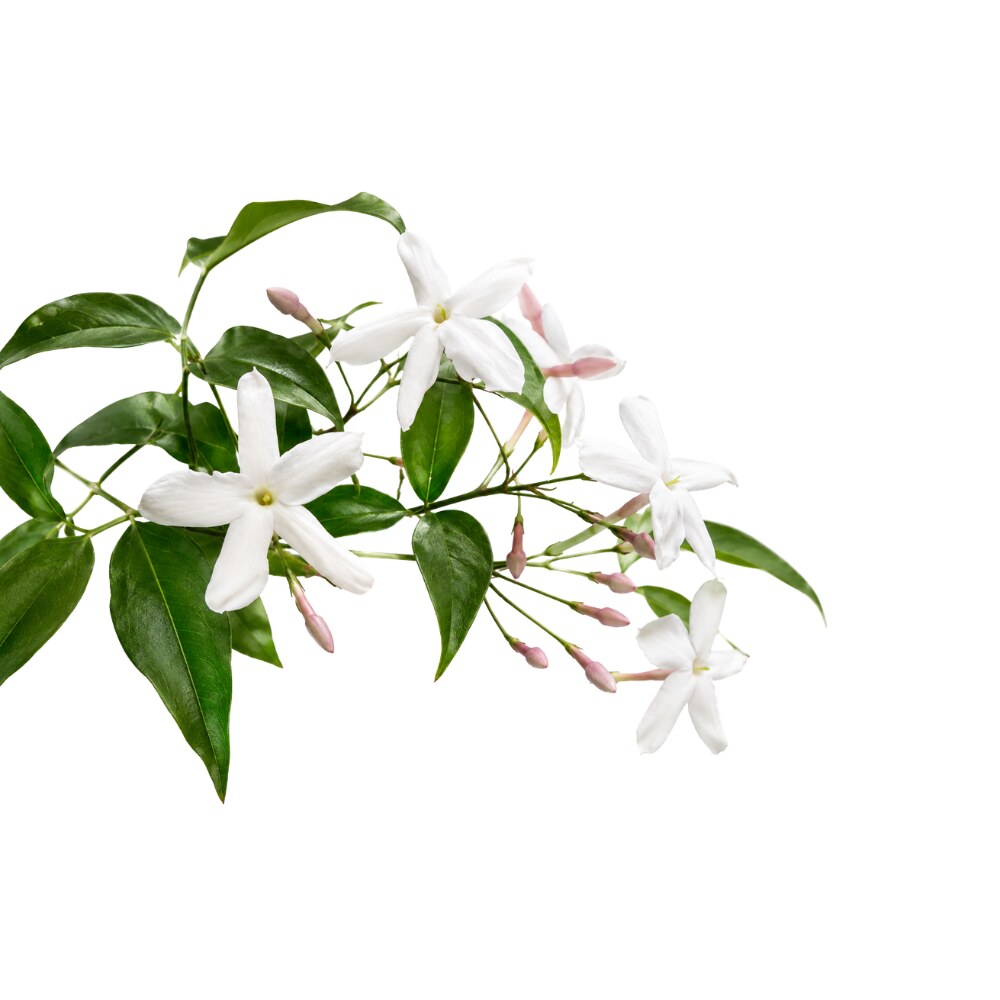
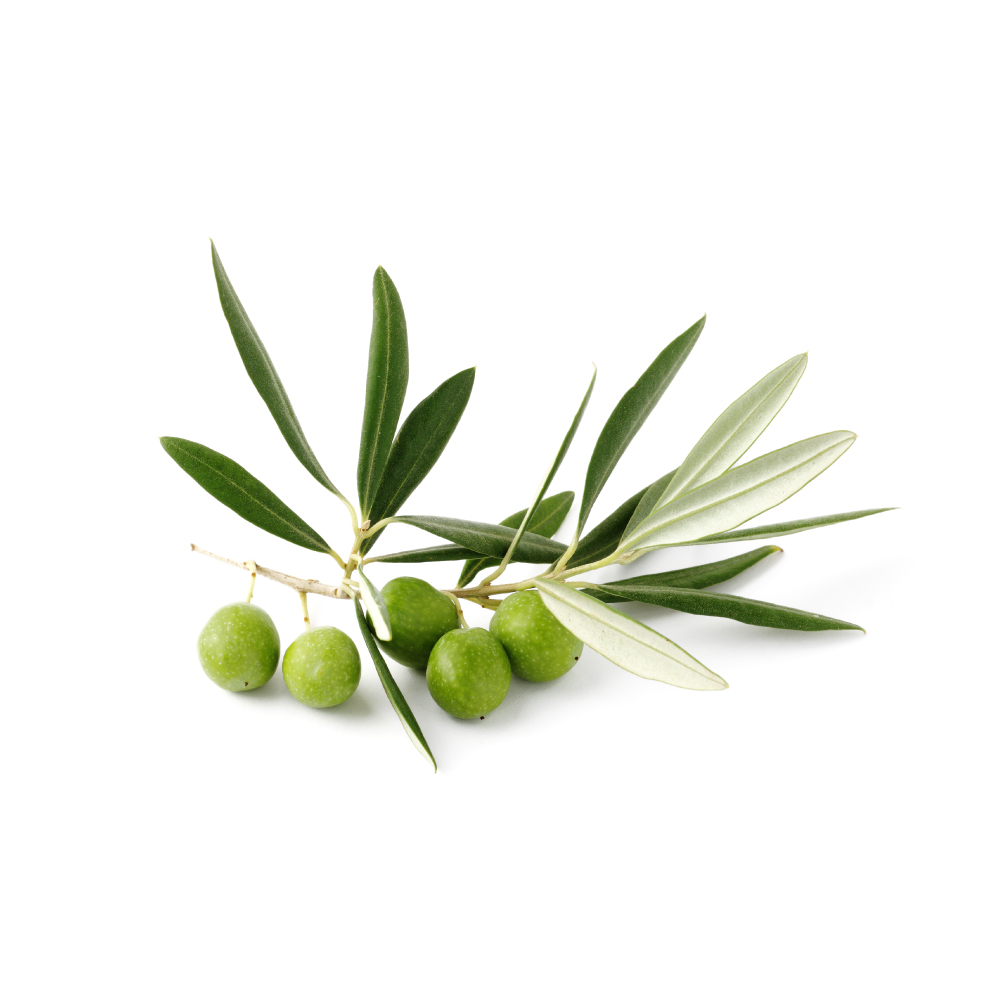
Oleaceae Olive / ash family 2
Trees and shrubs, several with bitter secoiridoid-rich leaves used for blood pressure and immunity.
-
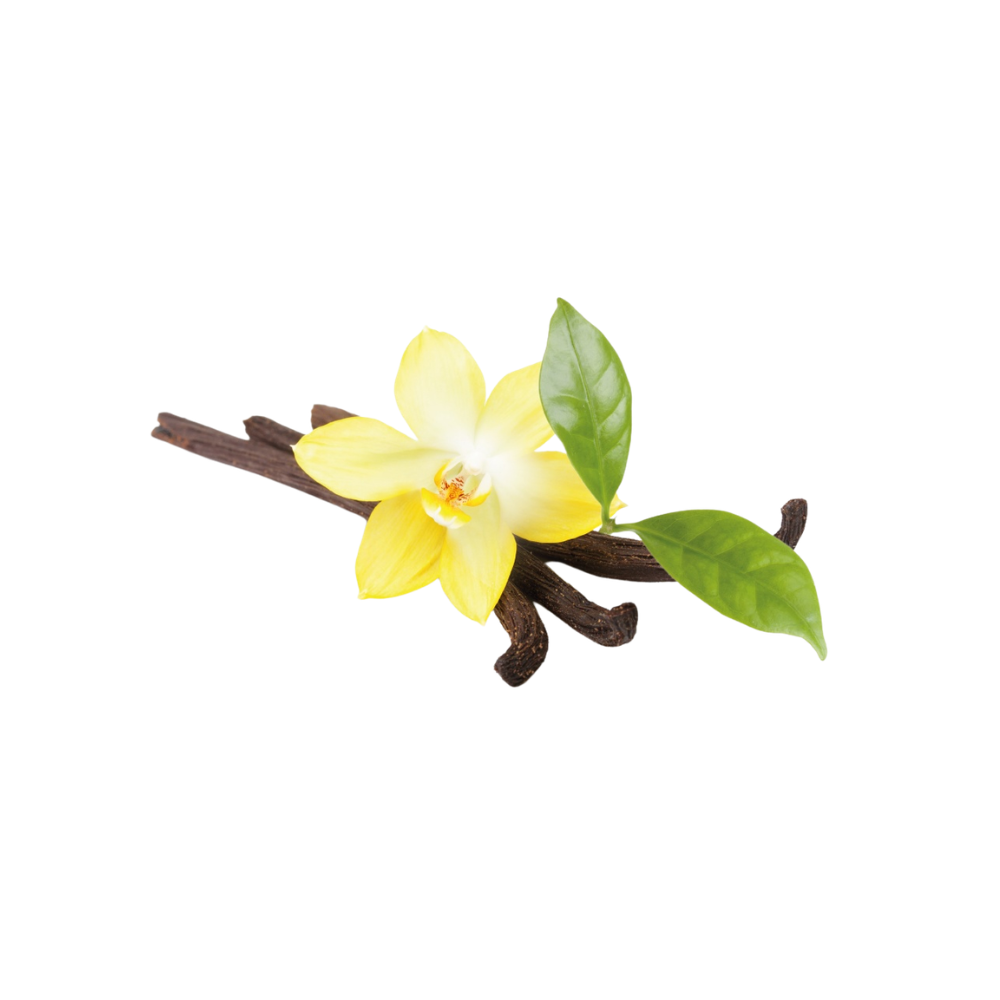
Orchidaceae Orchid family 1
The largest flowering-plant family; a few species (notably vanilla) are aromatic and tonic.
-
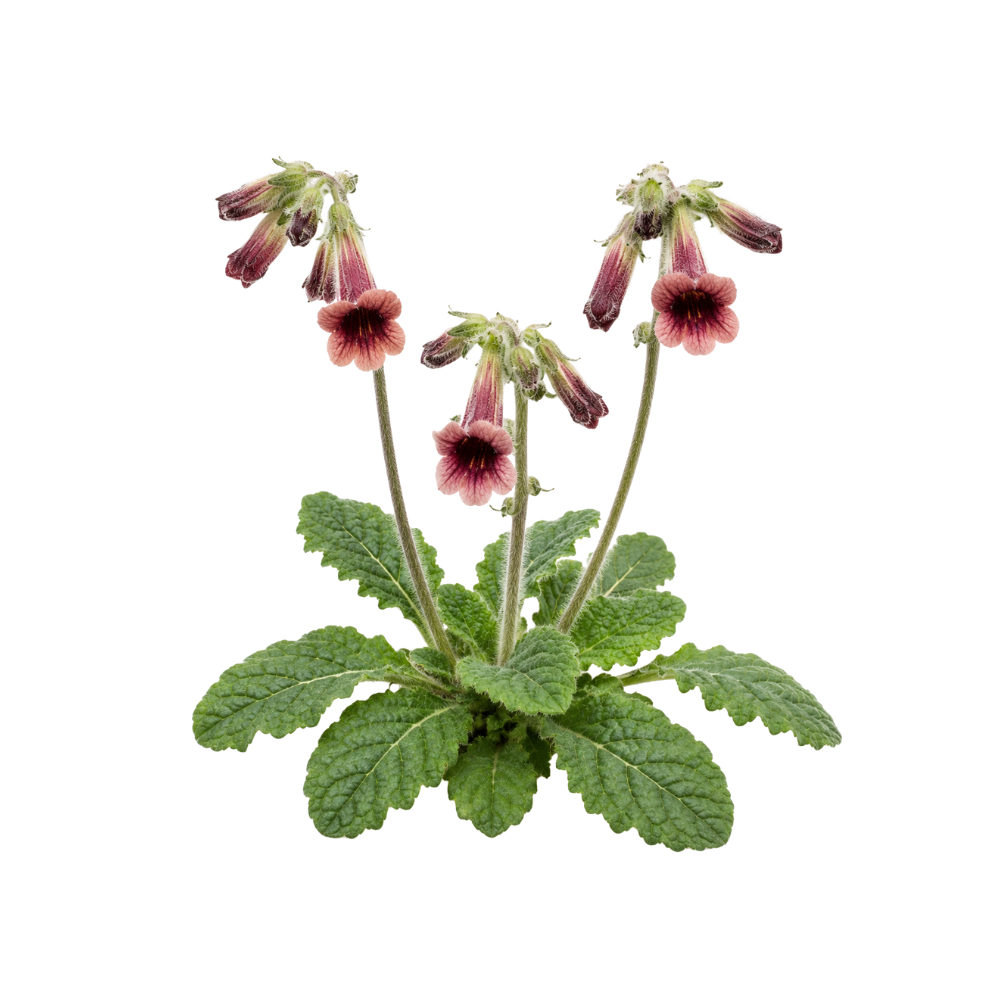
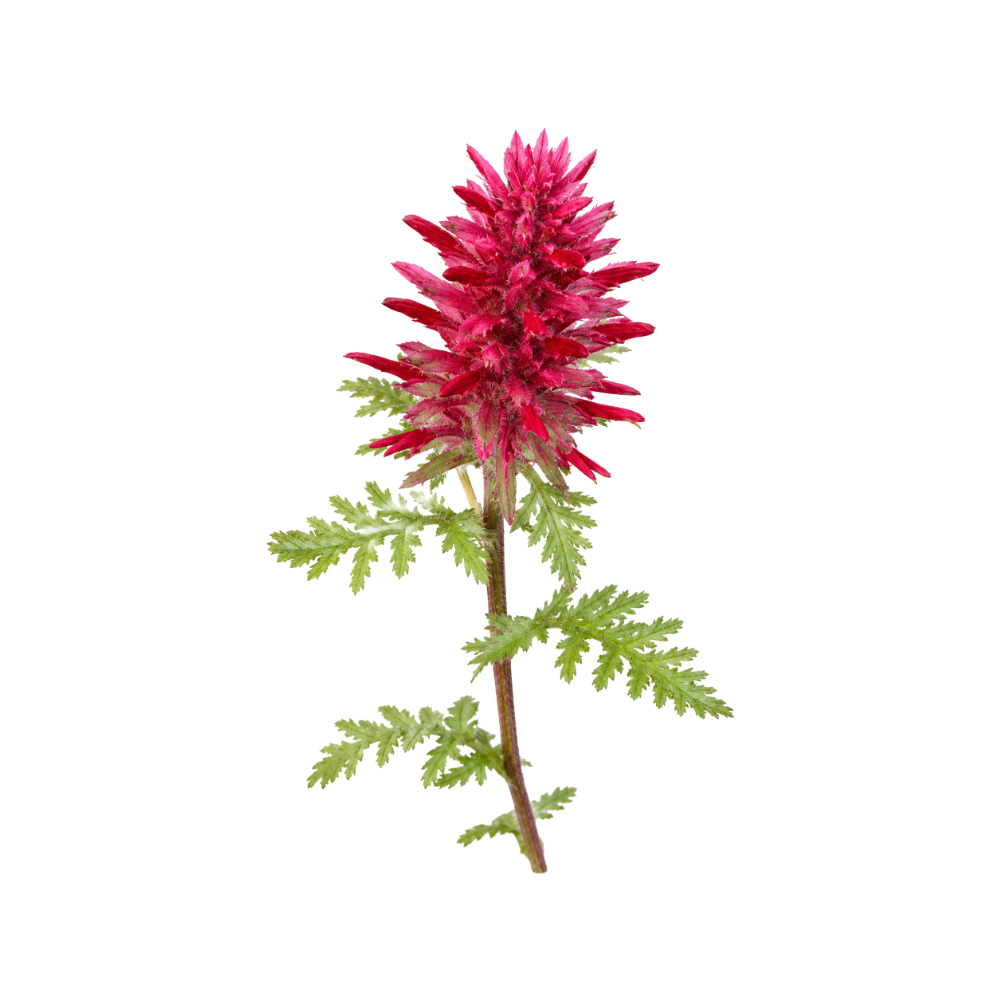
Orobanchaceae Broomrape family 2
Root-parasitic and hemiparasitic herbs; Rehmannia's prepared root is a major TCM blood and yin tonic.
-
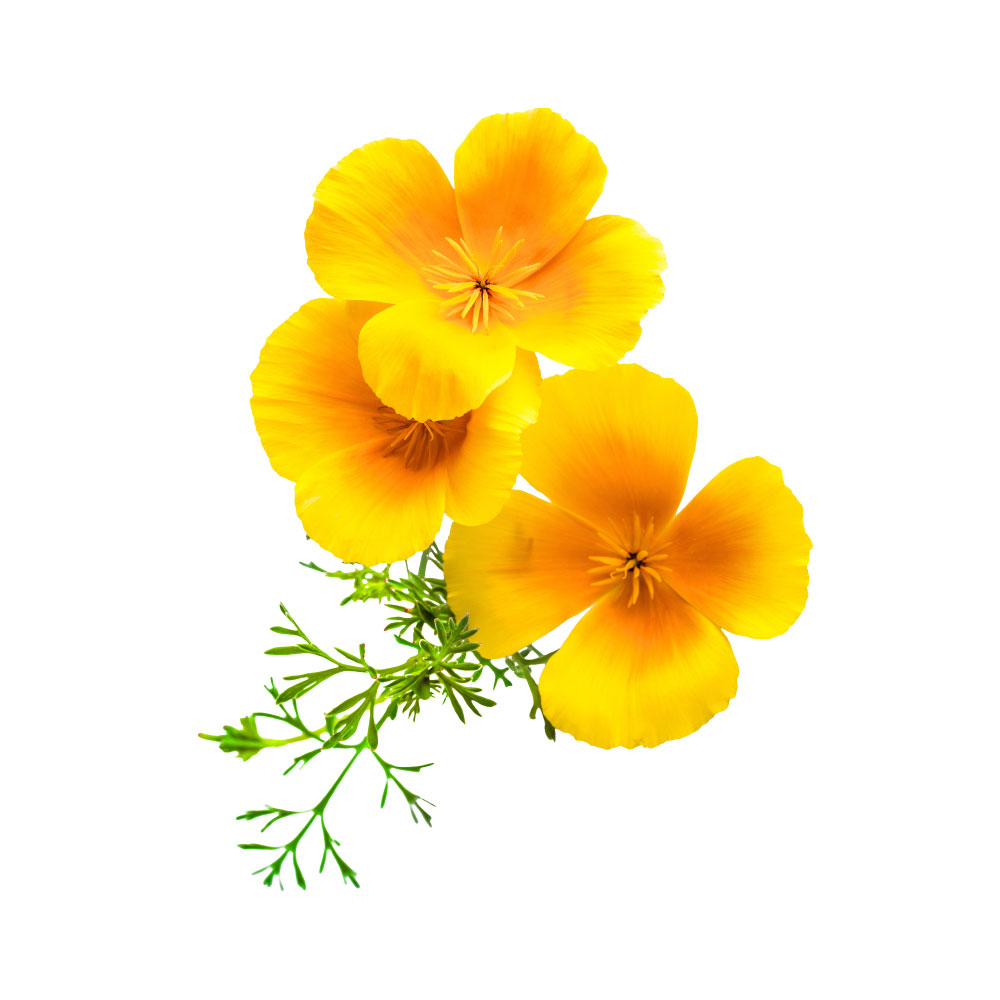
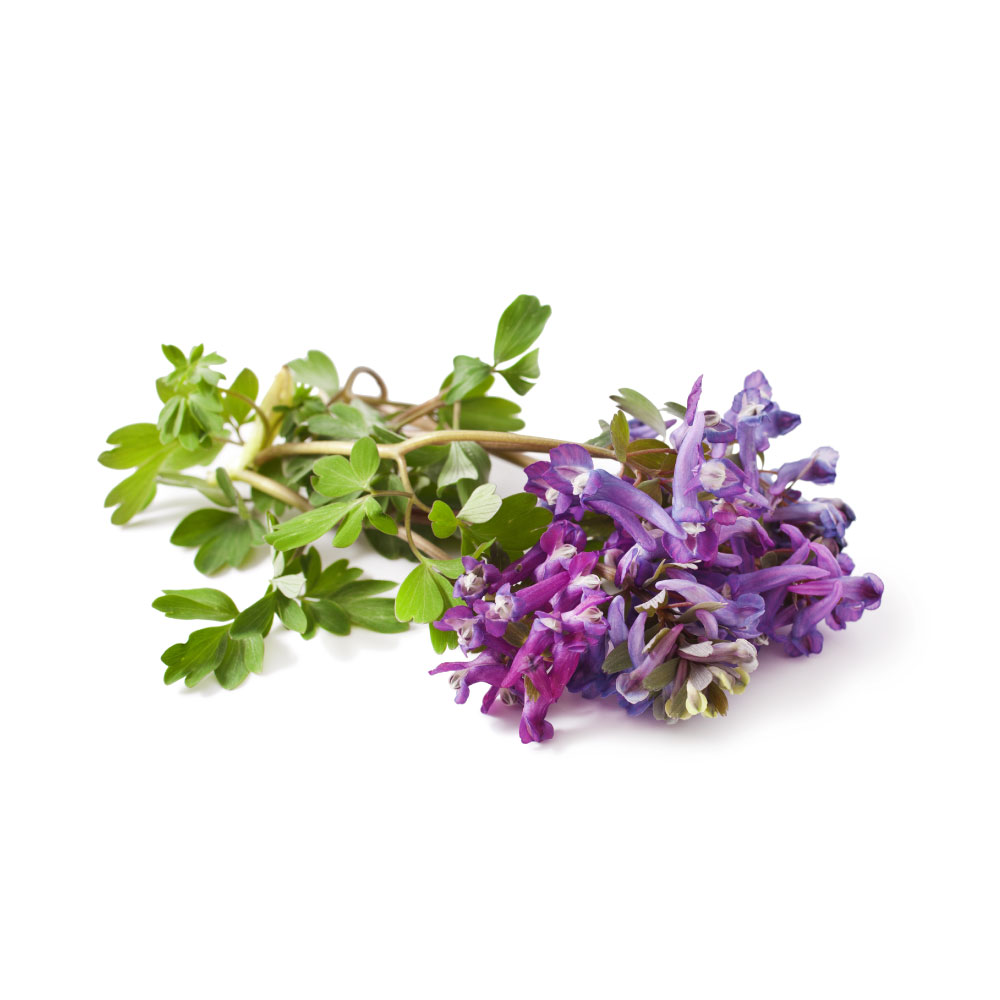
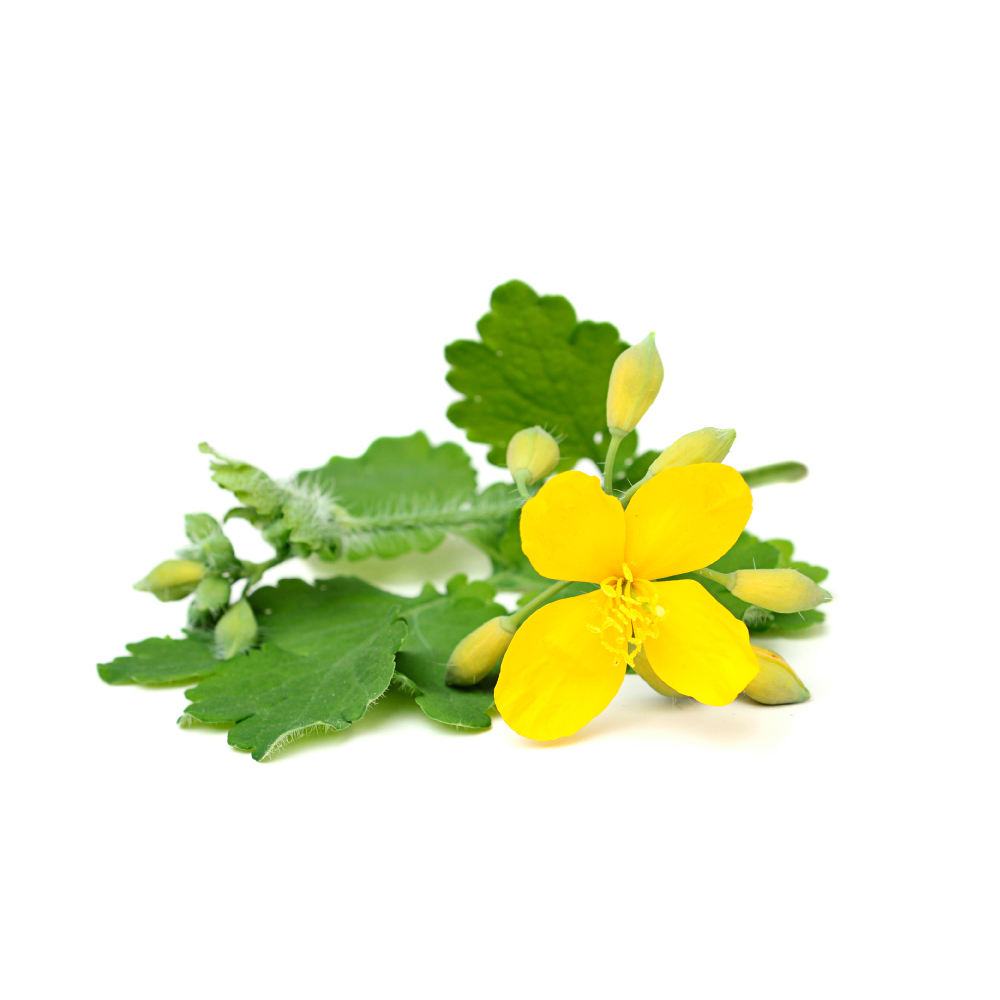
Papaveraceae Poppy family 3
Plants with milky or coloured latex and isoquinoline alkaloids — the family of sedative, analgesic, and antispasmodic herbs.
-
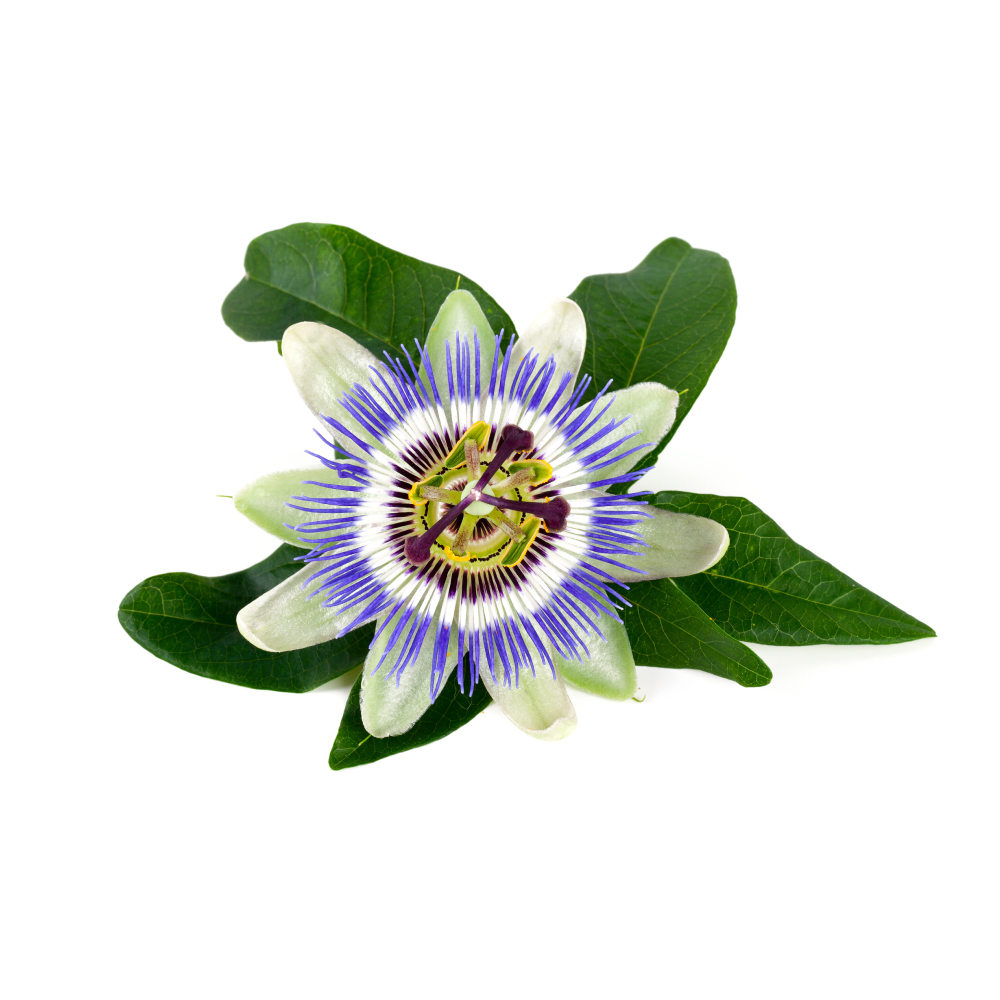
Passifloraceae Passionflower family 1
Climbing vines with intricate flowers; the aerial parts are gentle nervines and sedatives.
-
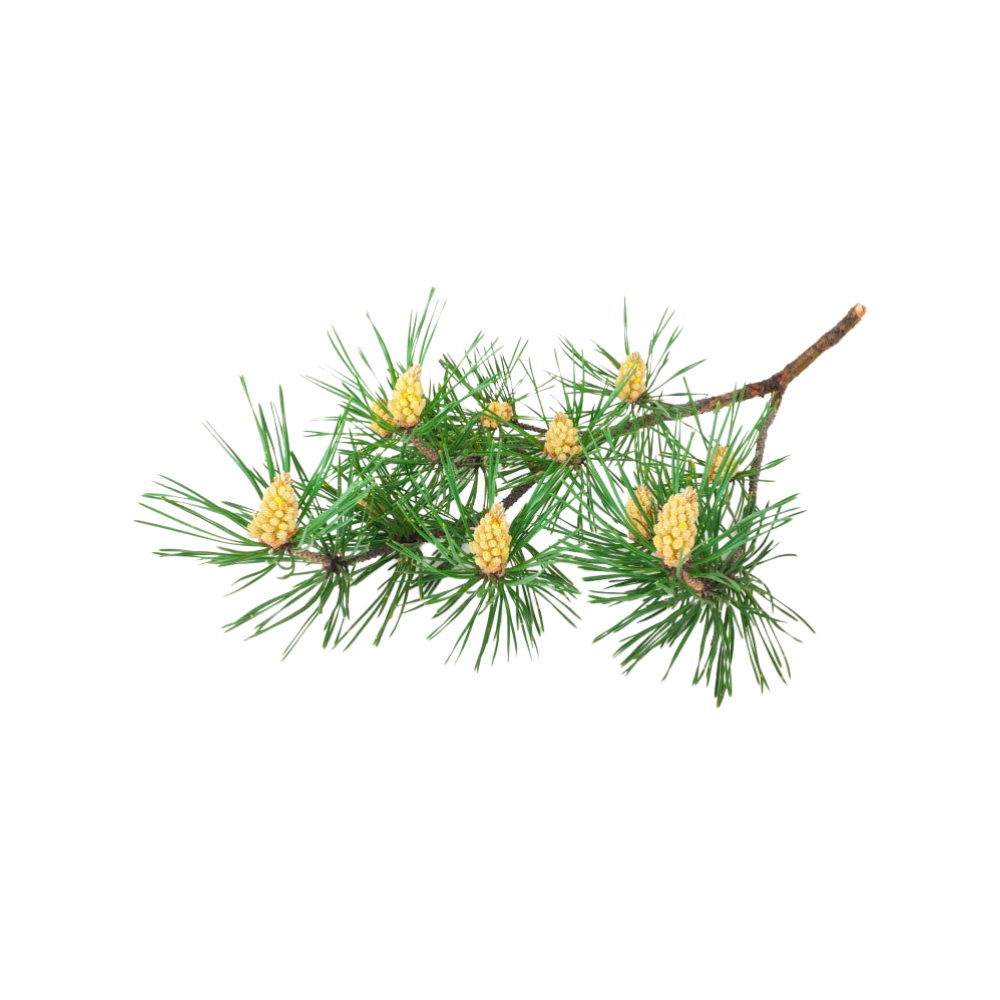
Pinaceae Pine family 1
Resinous conifers whose needles, bark, and pollen are antioxidant, antimicrobial, and nutritive.
-
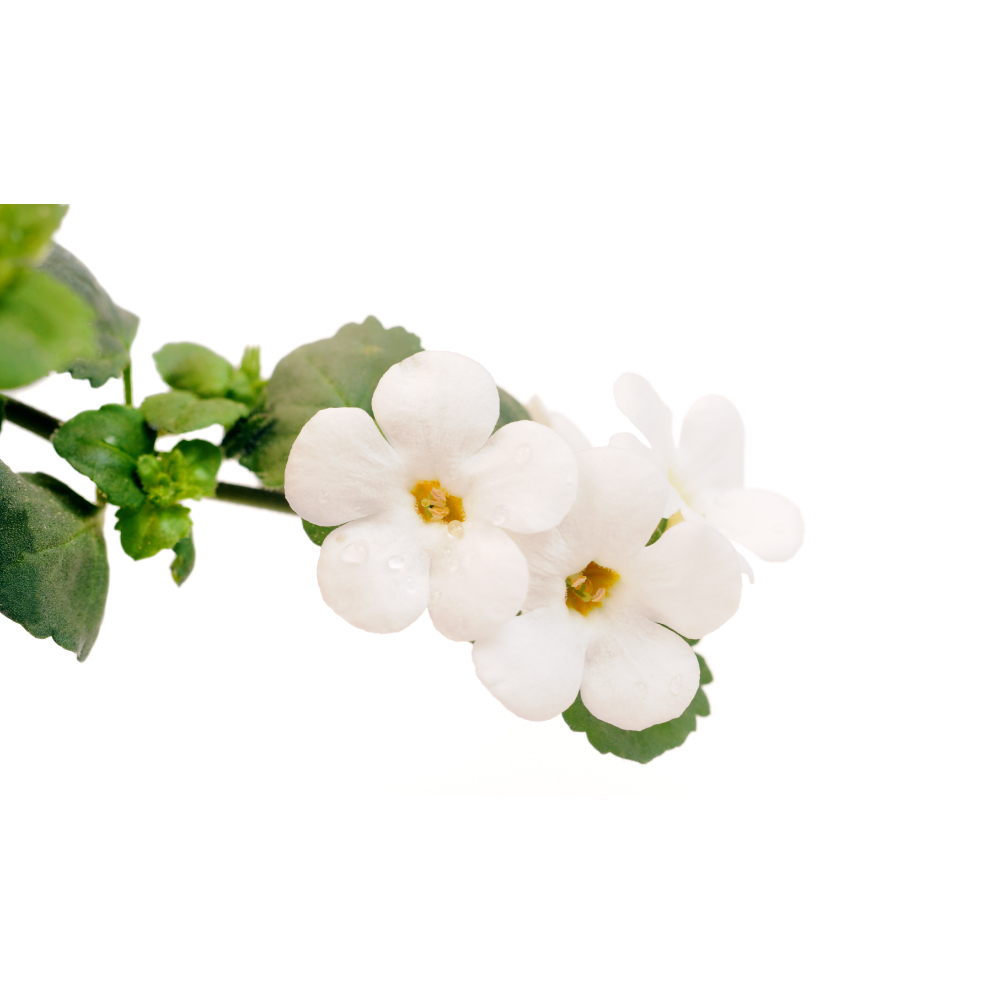
Plantaginaceae Plantain family 1
A reshaped family of herbs (now including Bacopa and snapdragons) — soothing, mucilaginous, and nervine.
-
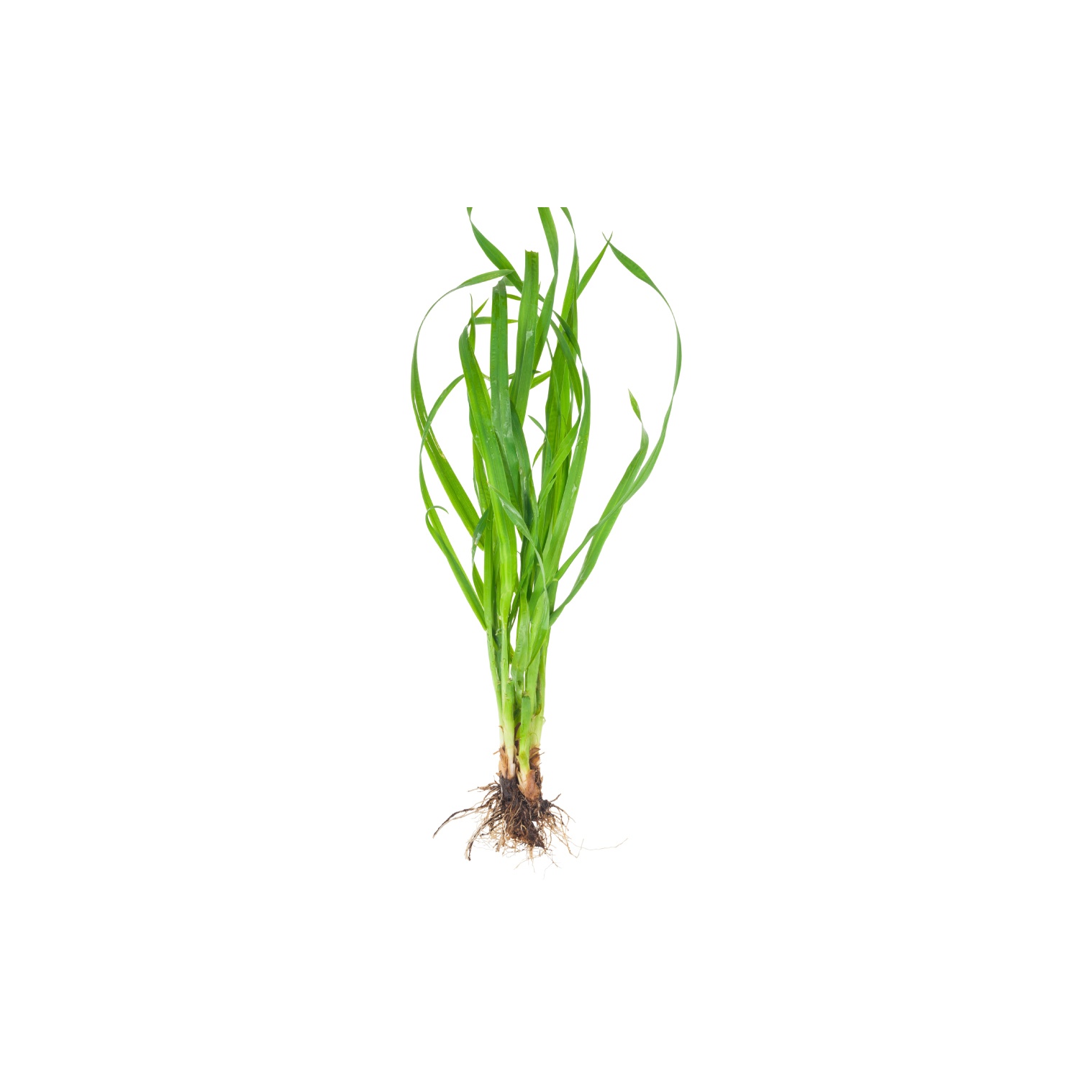
Poaceae Grass family 2
The grasses — the agriculturally vital monocots; several rhizomatous species are soothing diuretics.
-
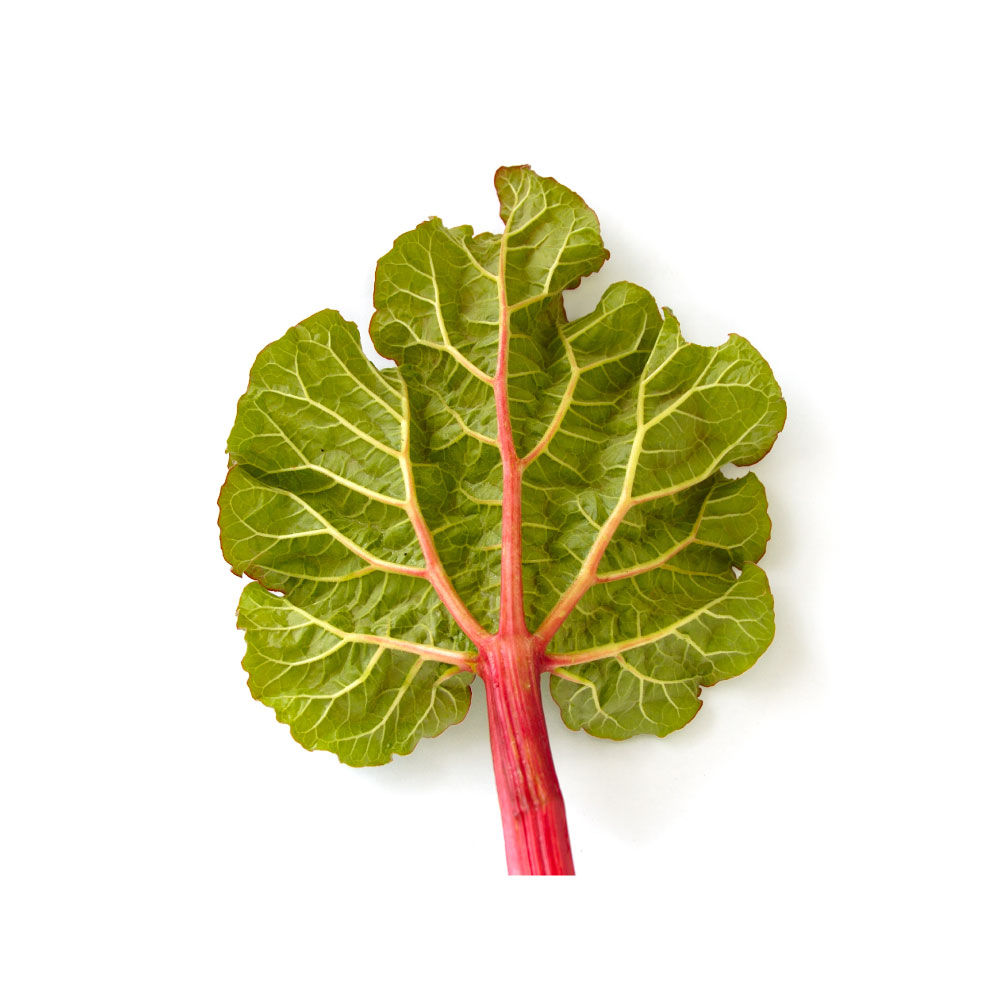
Polygonaceae Knotweed / buckwheat family 2
Herbs with swollen leaf-node sheaths (ochreae); many are anthraquinone-rich laxatives or astringents.
-
Polypodiaceae Polypody fern family 1
Epiphytic and terrestrial ferns; samambaia (Polypodium) is used for skin and photoprotection.
-
Rhamnaceae Buckthorn family 2
Shrubs and trees, several with anthraquinone-rich bark used as stimulant laxatives.
-
Rosaceae Rose family 2
A large, astringent, often tannin- and flavonoid-rich family of fruits, leaves, and flowers.
-
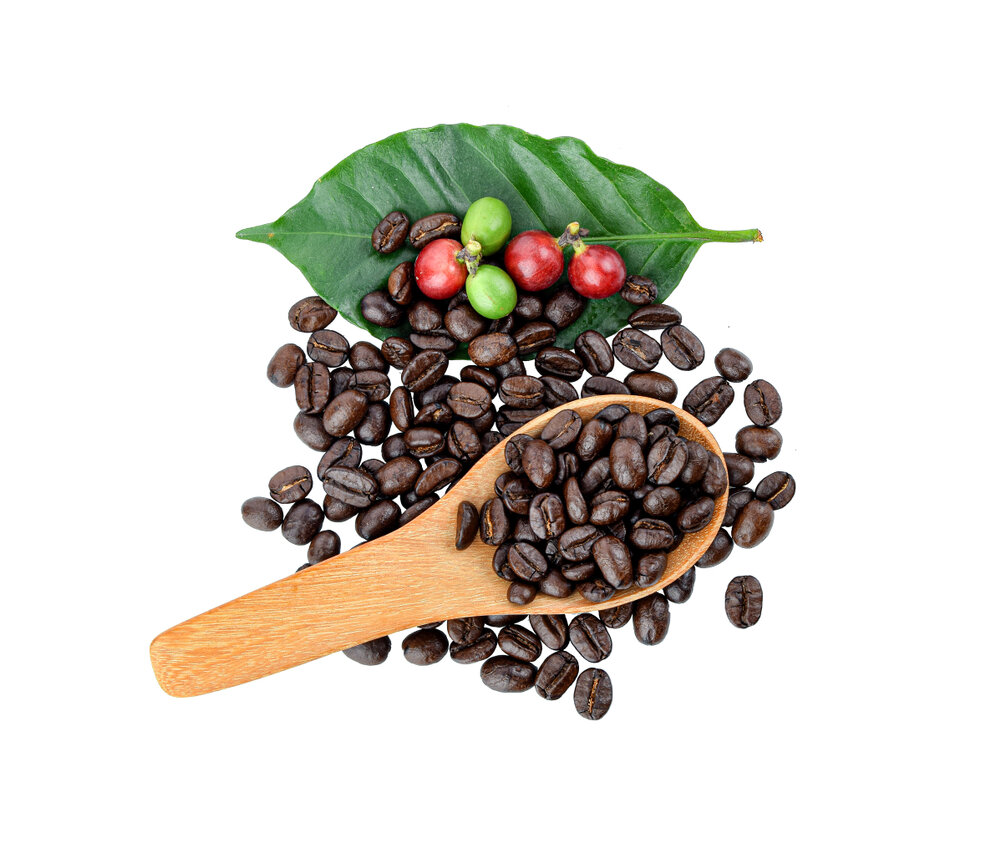
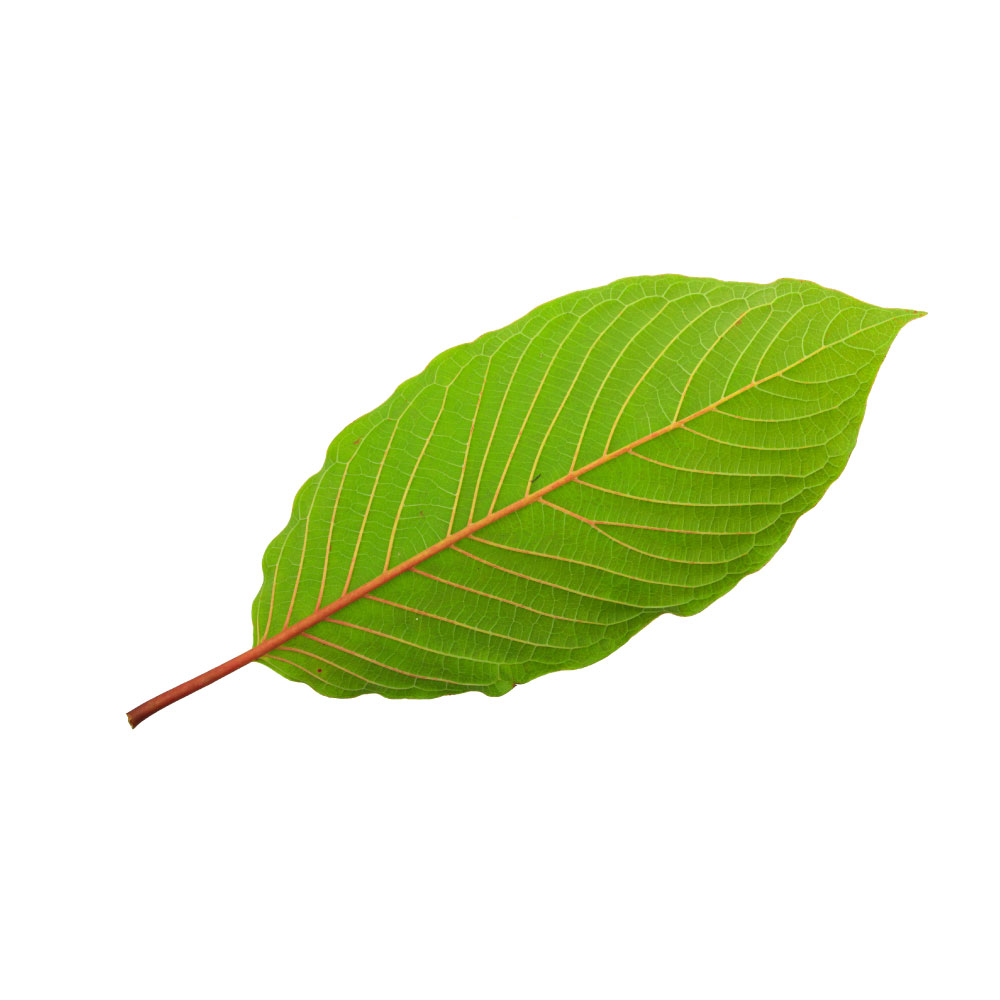
Rubiaceae Madder / coffee family 4
A huge mostly-tropical family of alkaloid- and iridoid-rich plants, including major stimulant and febrifuge herbs.
-
Rutaceae Citrus / rue family 1
Aromatic, oil-gland-dotted trees and shrubs with bitter, carminative, and antimicrobial oils.
-
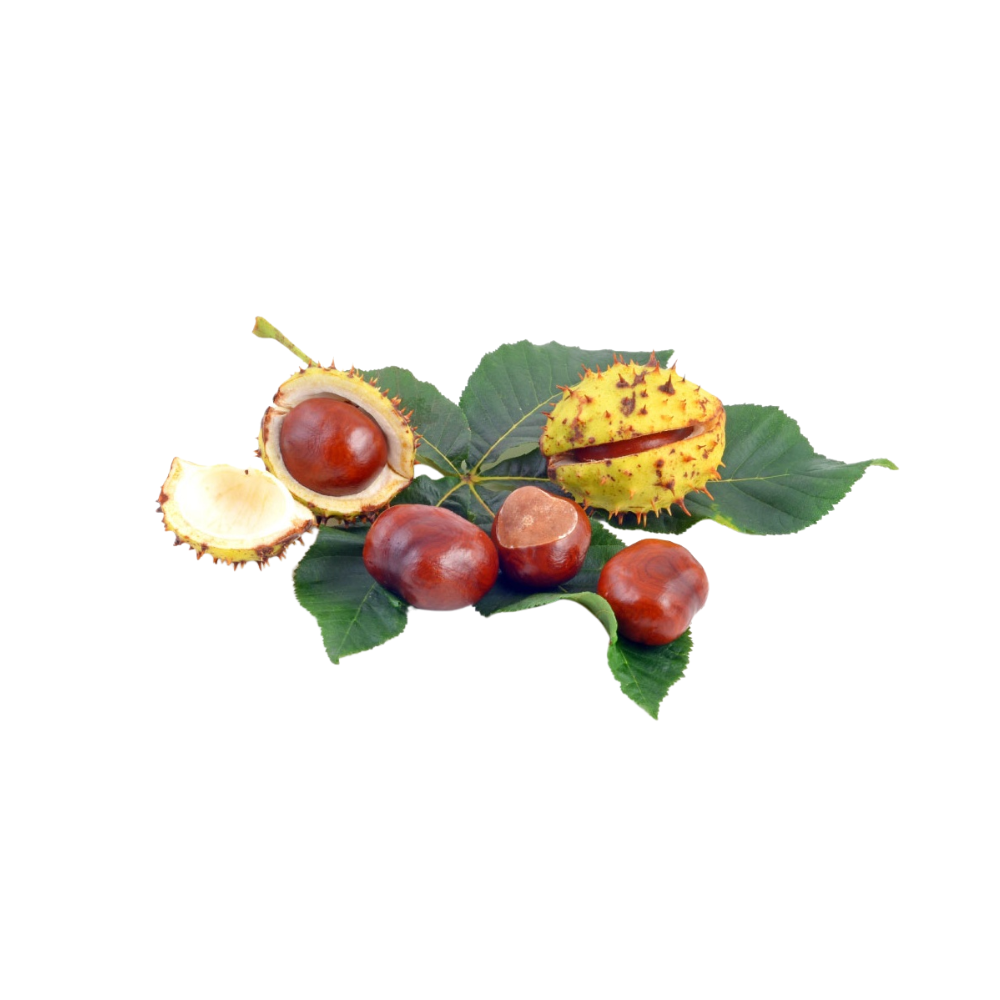
Sapindaceae Soapberry family 2
Saponin-rich trees and climbers (the name means 'soap'); includes caffeine-bearing and vaso-protective species.
-
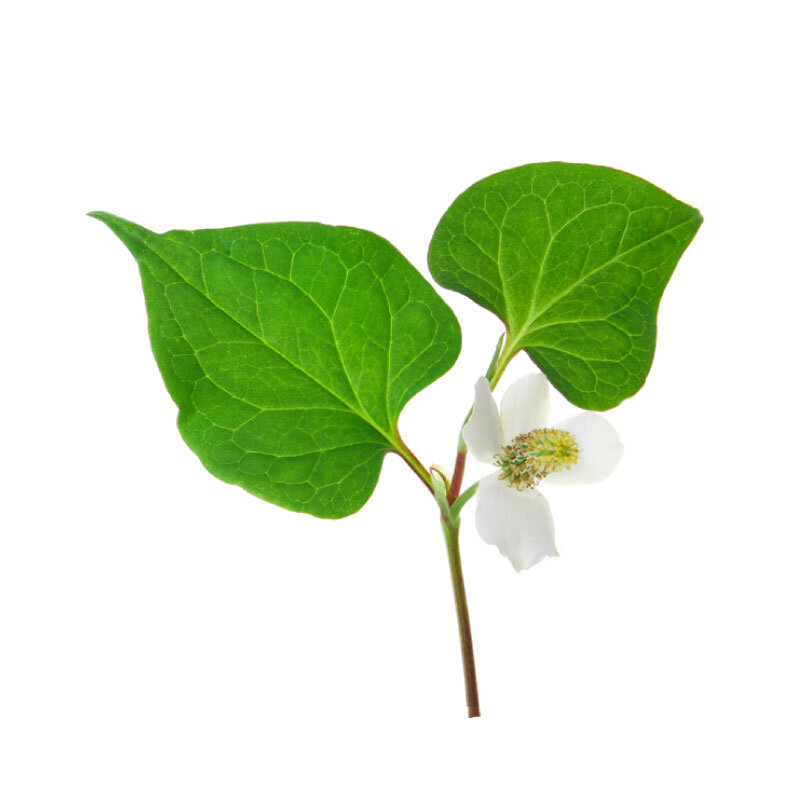
Saururaceae Lizard's-tail family 1
Wetland herbs with pungent, antimicrobial aerial parts; houttuynia (fish mint) is the key species.
-
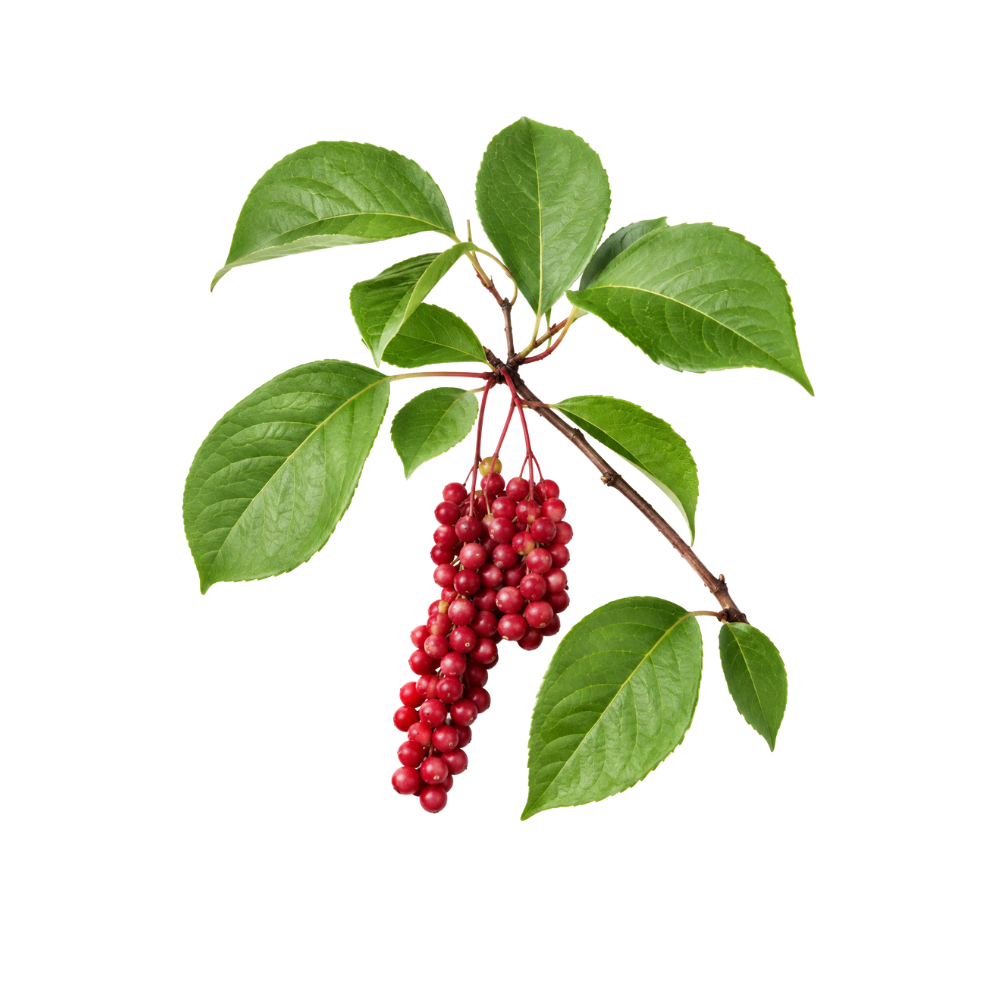
Schisandraceae Schisandra / star-anise family 1
Aromatic woody vines and trees; schisandra's five-flavour berry is an adaptogenic liver tonic.
-
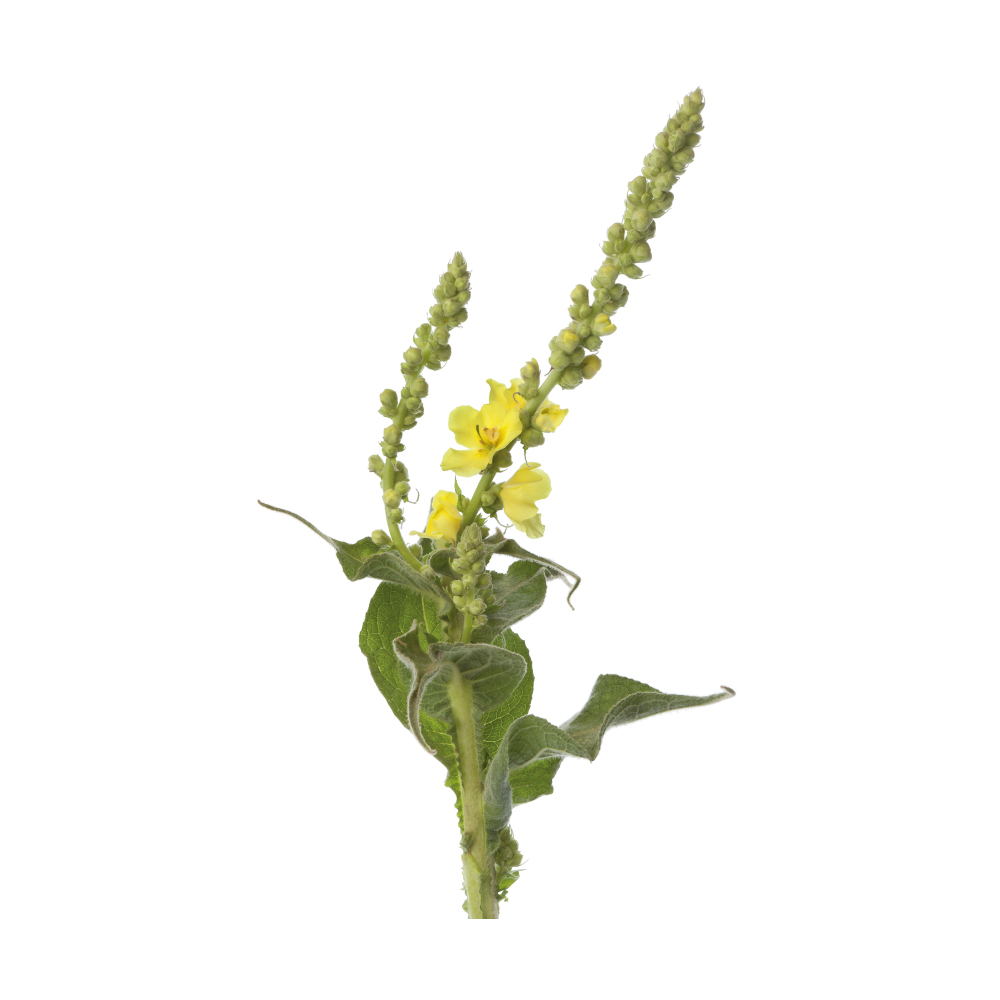
Scrophulariaceae Figwort family 1
A family of herbs and shrubs, many bitter or mucilaginous, traditionally used for skin, lymphatic, and respiratory complaints; recent reclassification has moved several former members to other families.
-
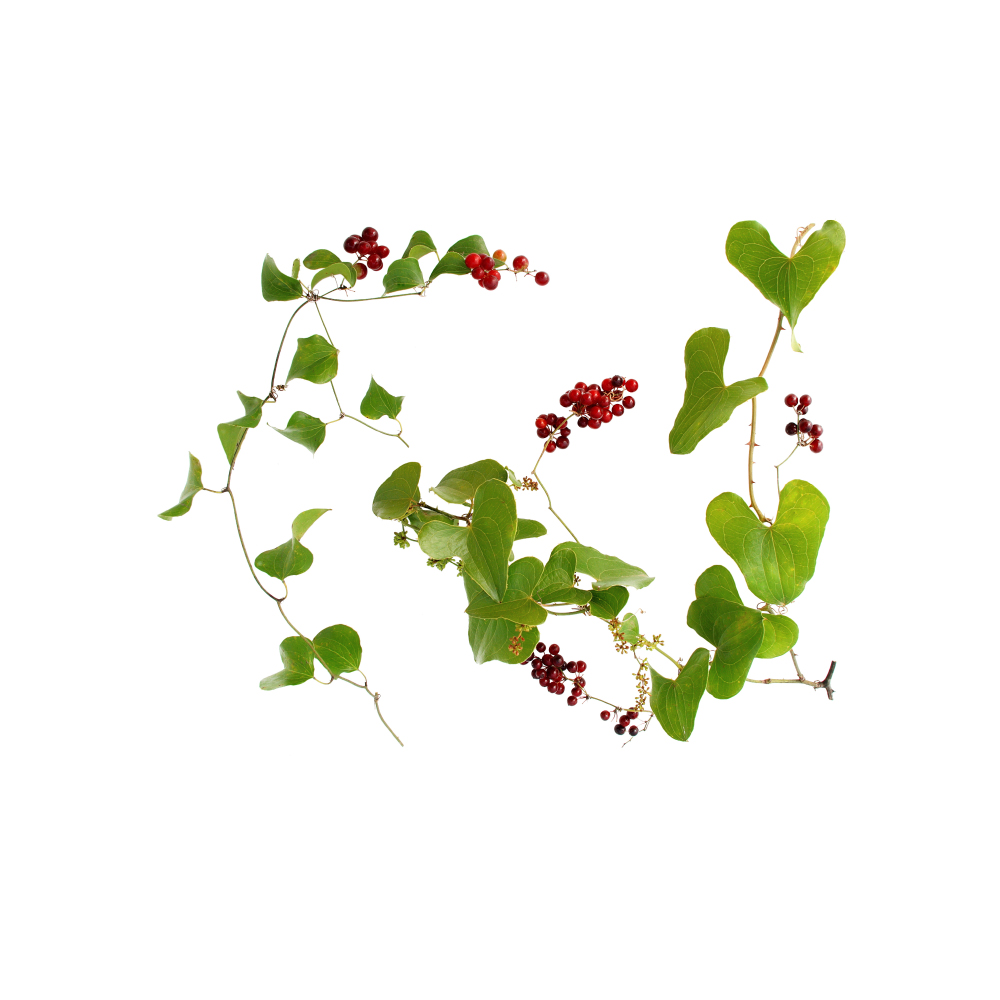
Smilacaceae Greenbrier family 1
Tough, often spiny climbing vines with saponin-rich rhizomes used as alteratives.
-
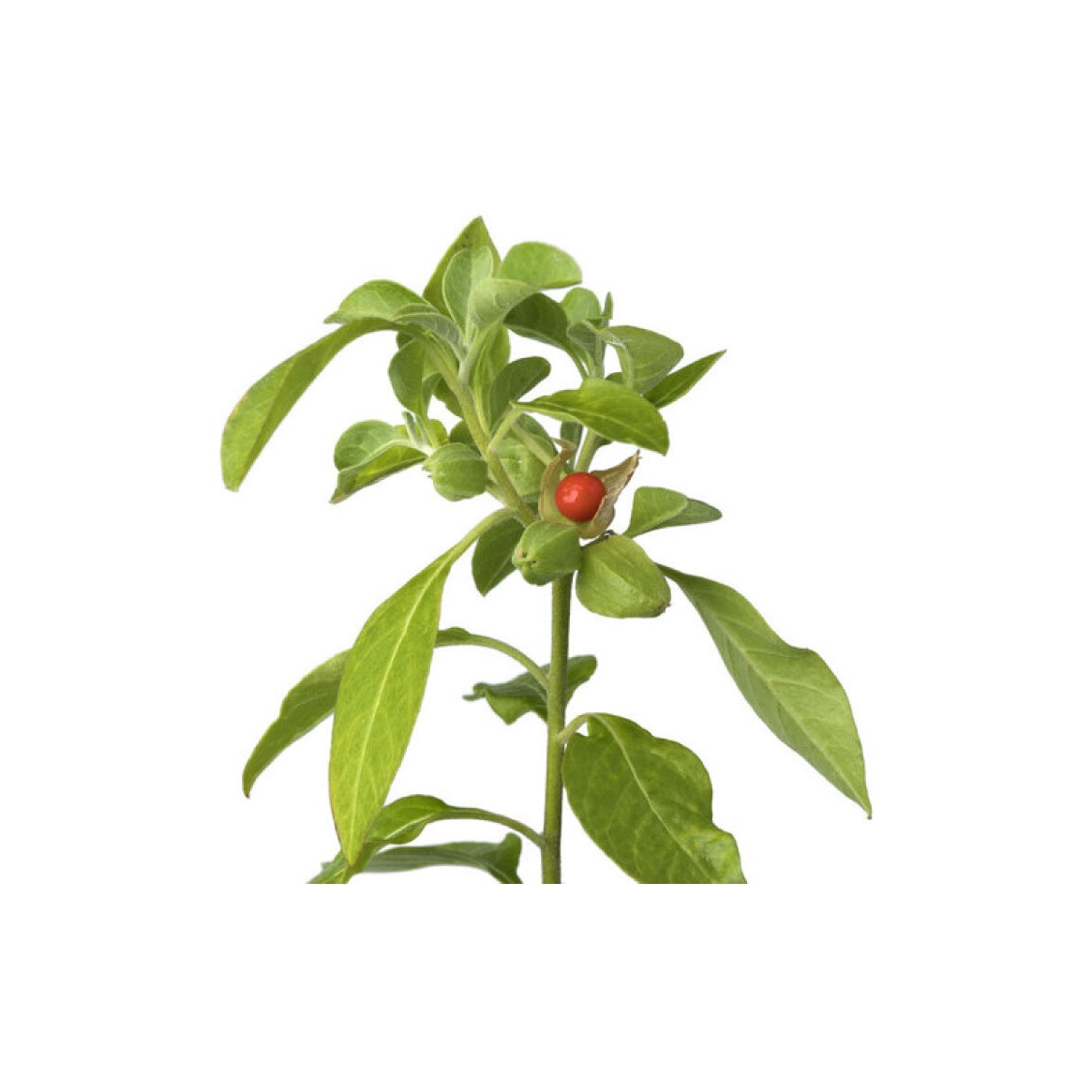
Solanaceae Nightshade family 1
A chemically potent family of tropane- and steroidal-alkaloid plants — both food crops and powerful medicines/poisons.
-
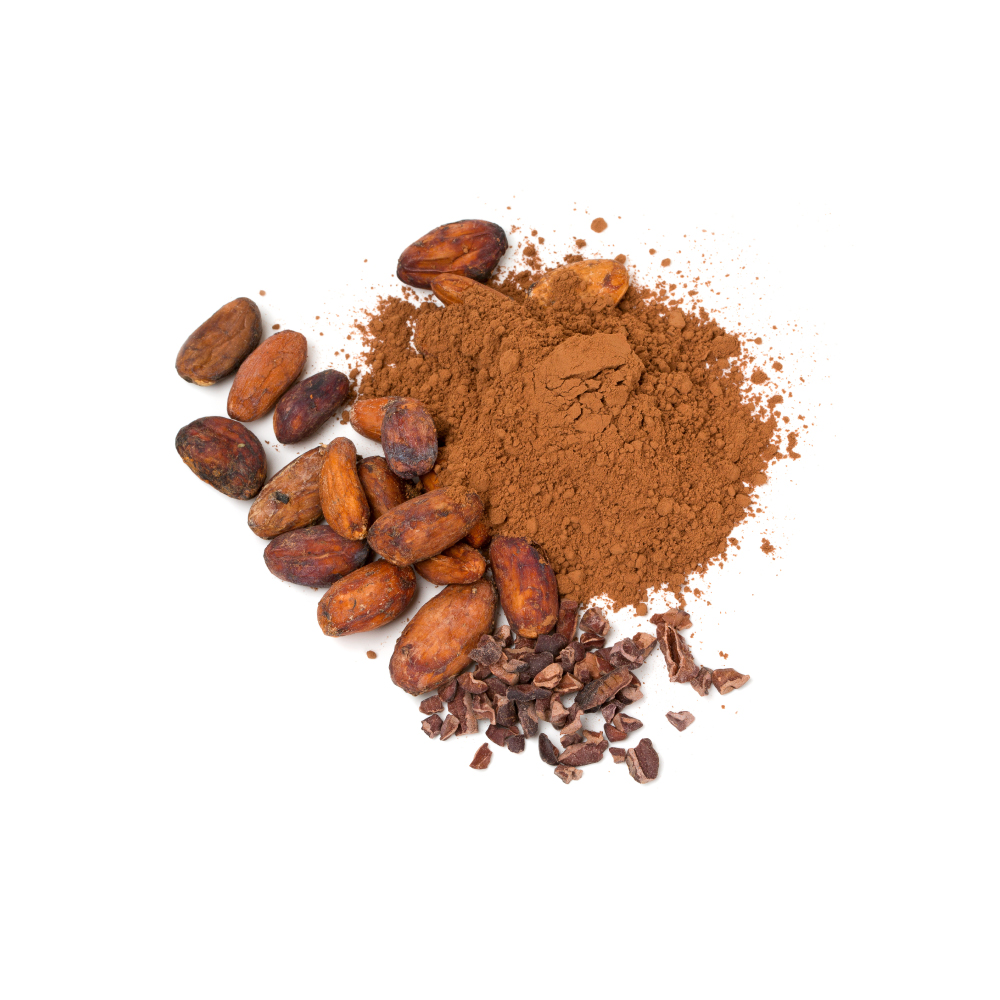
Sterculiaceae Cacao group (now Malvaceae) 1
An older family grouping of tropical trees, including cacao and cola — sources of stimulant methylxanthines.
-
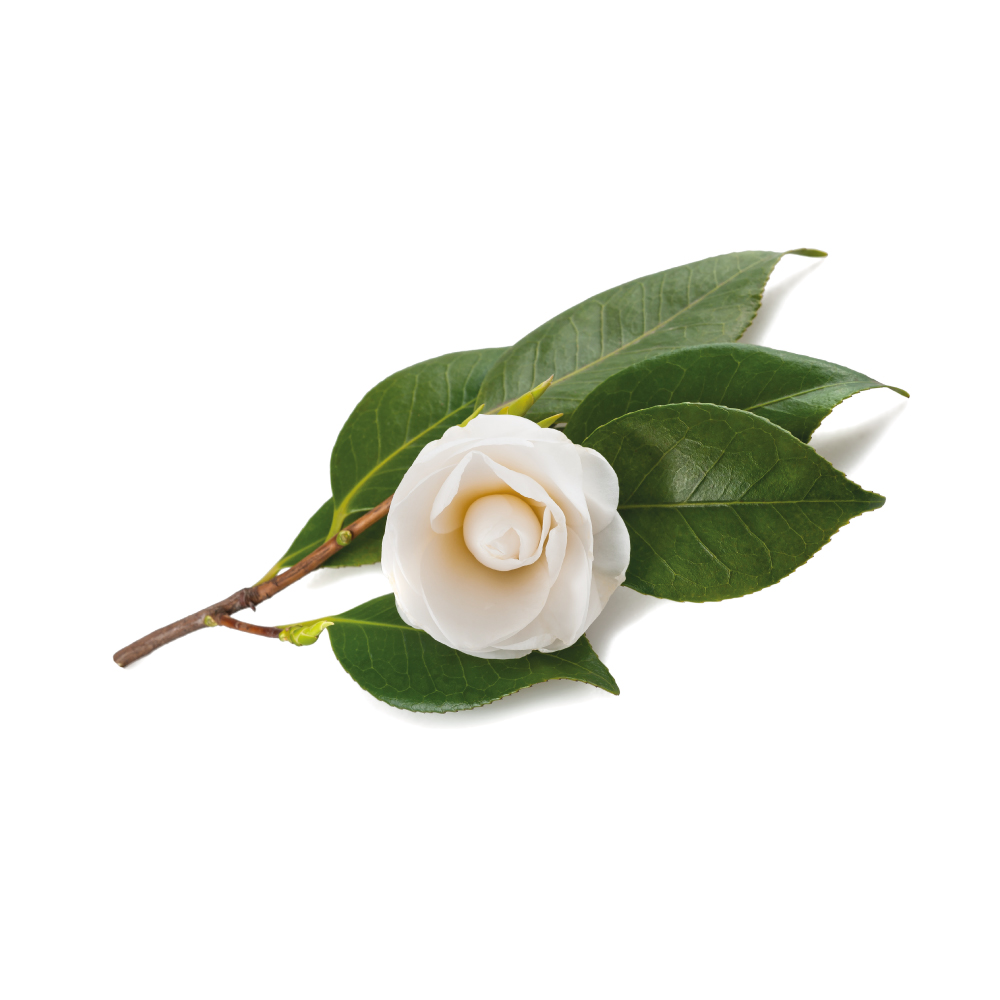
Theaceae Tea / camellia family 1
Evergreen trees and shrubs; Camellia sinensis is the source of all true teas, rich in polyphenols and caffeine.
-
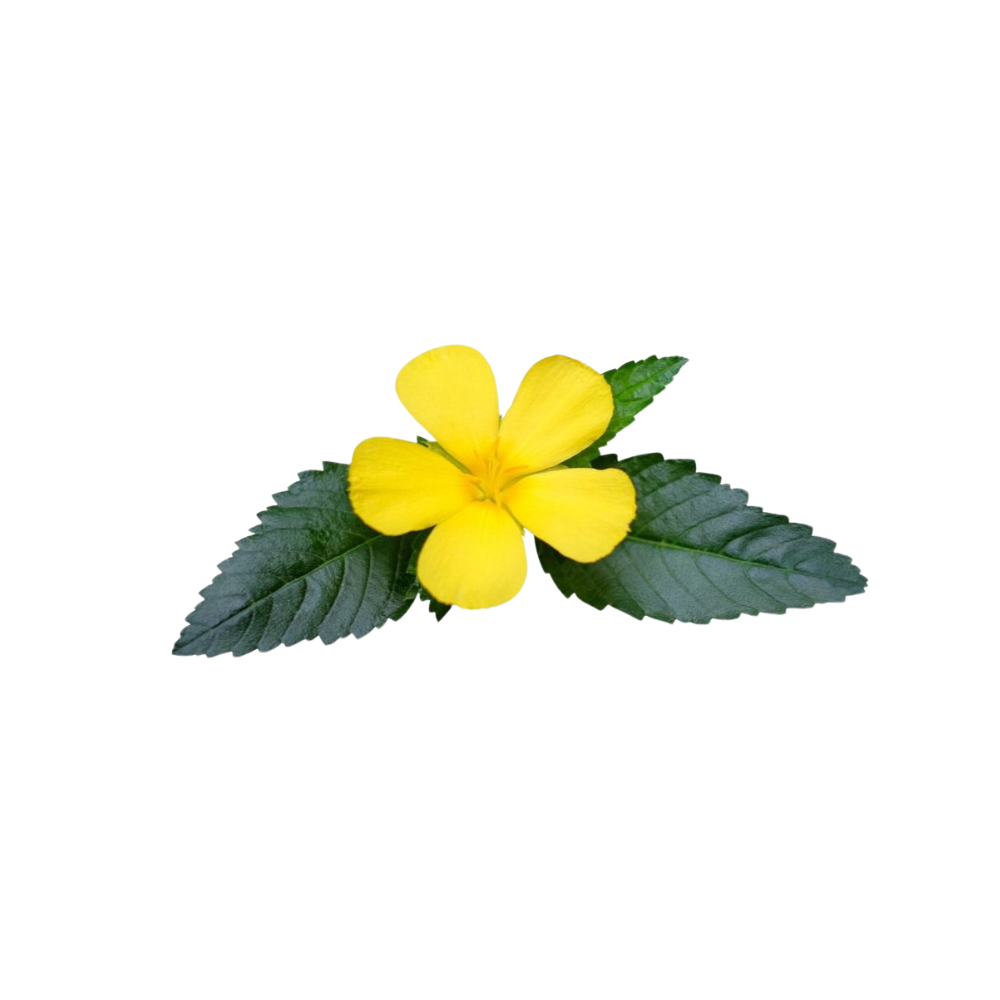
Turneraceae Damiana family 1
Small aromatic shrubs of the Americas; damiana's leaf is a traditional nervine aphrodisiac.
-
Ulmaceae Elm family 1
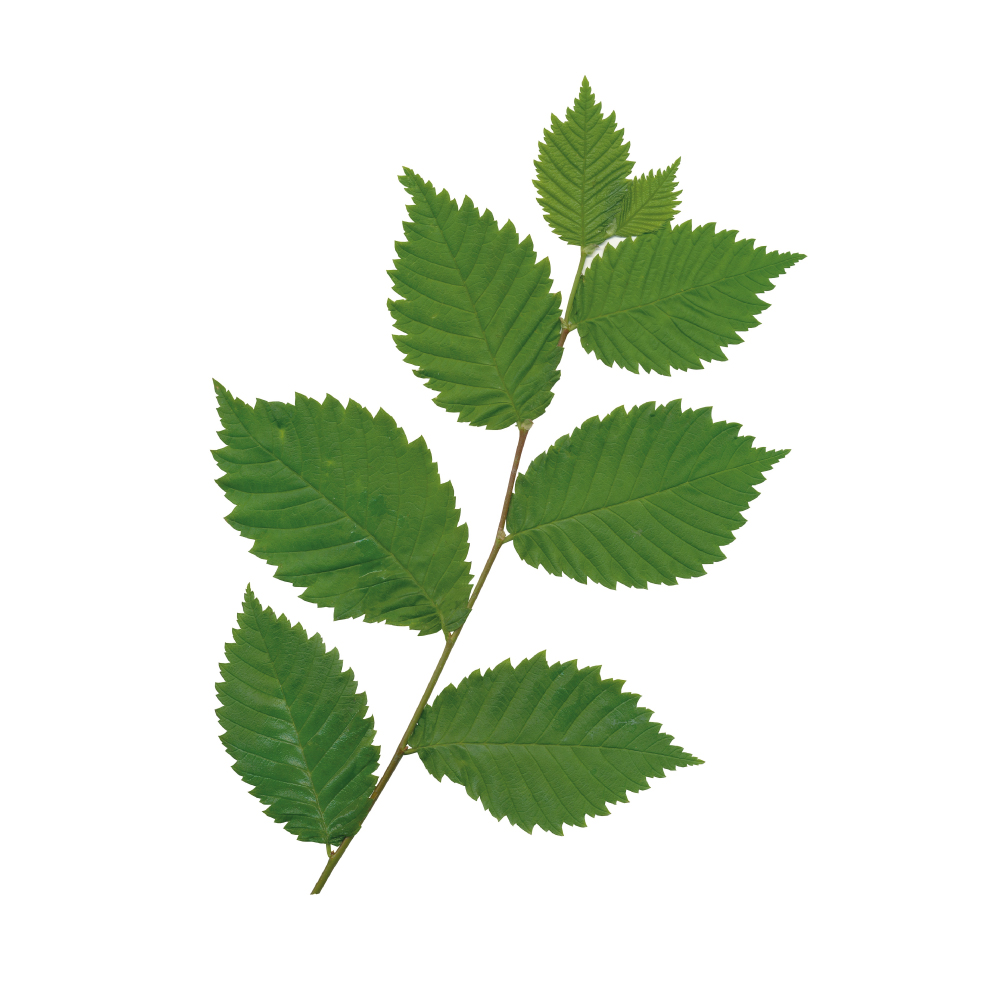
Trees with mucilage-rich inner bark; slippery elm is a classic soothing demulcent.
-
Urticaceae Nettle family 2
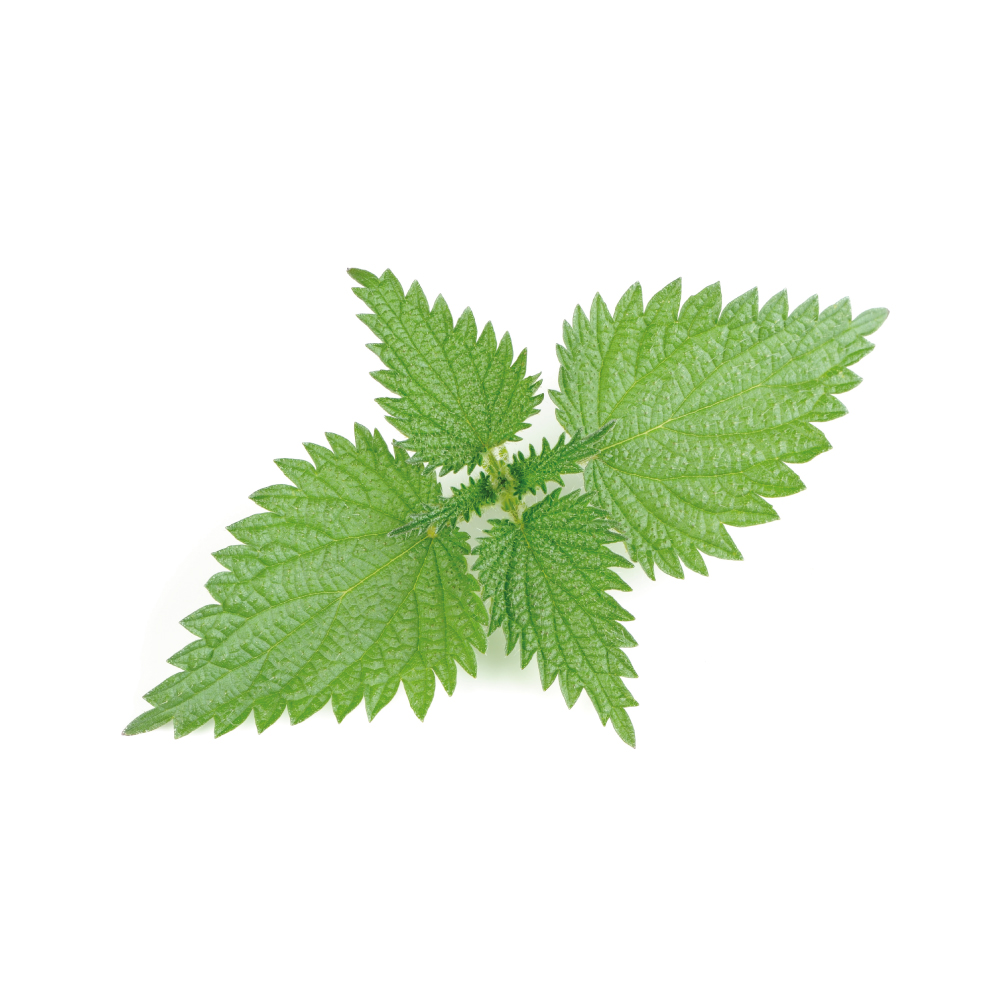
Often stinging herbs with mineral-rich leaves and tonic roots used as nutritives and for the prostate.
-
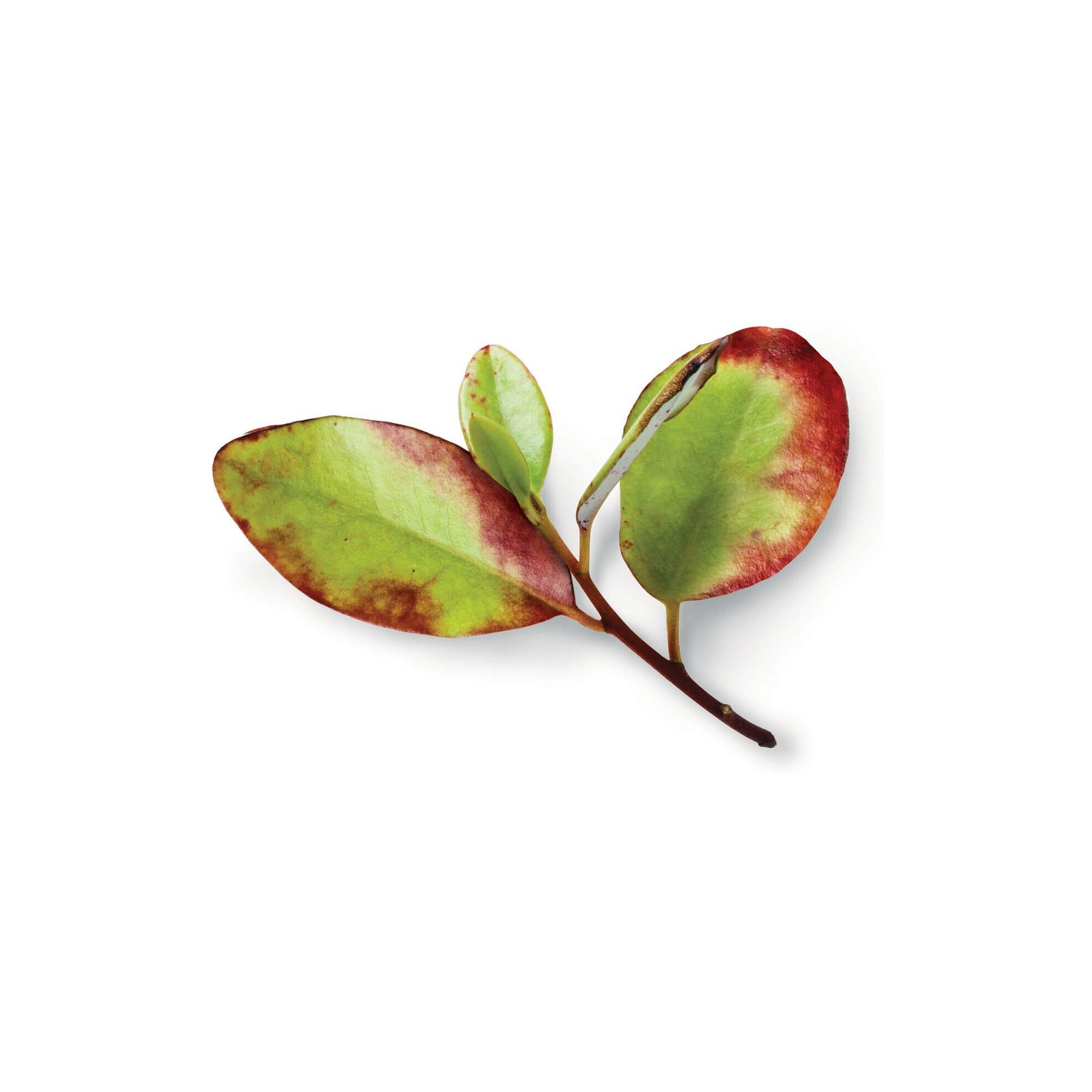
Winteraceae Winter's-bark family 1
Ancient, vessel-less aromatic trees and shrubs; horopito's peppery leaves are strongly antifungal.
-
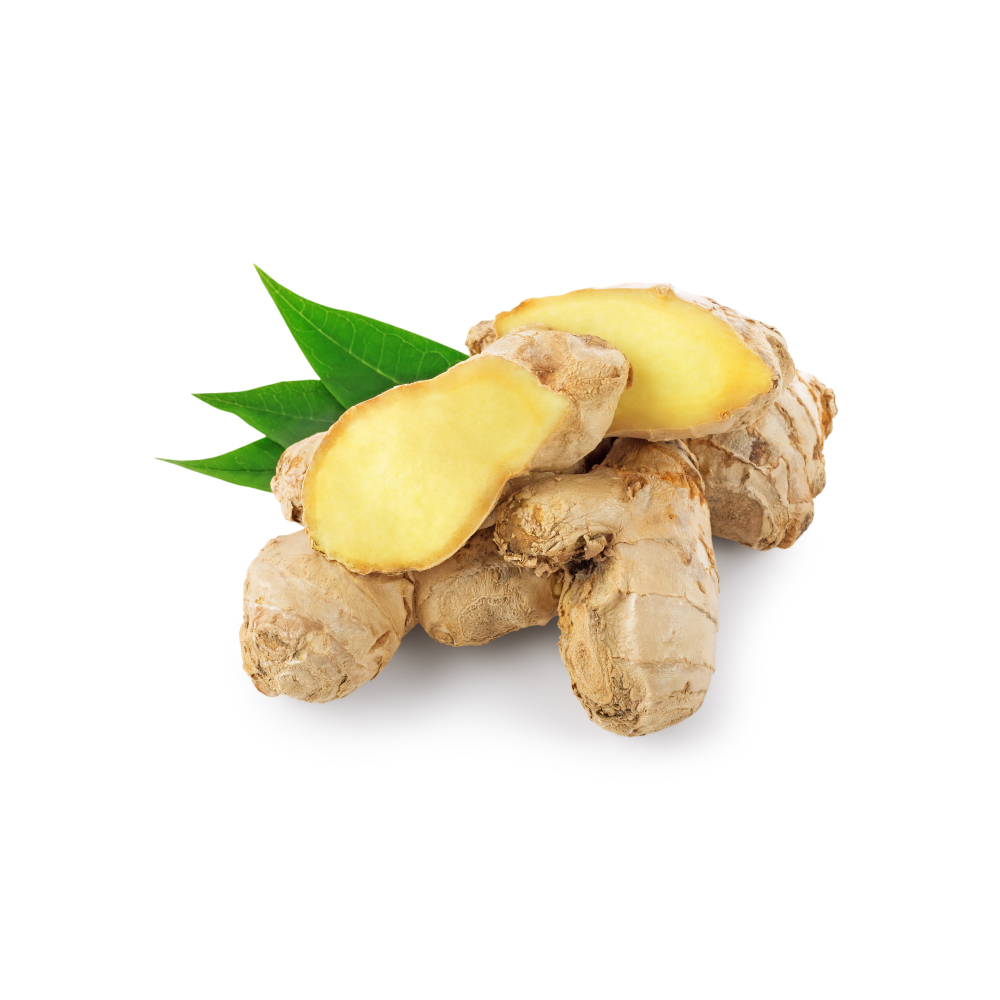
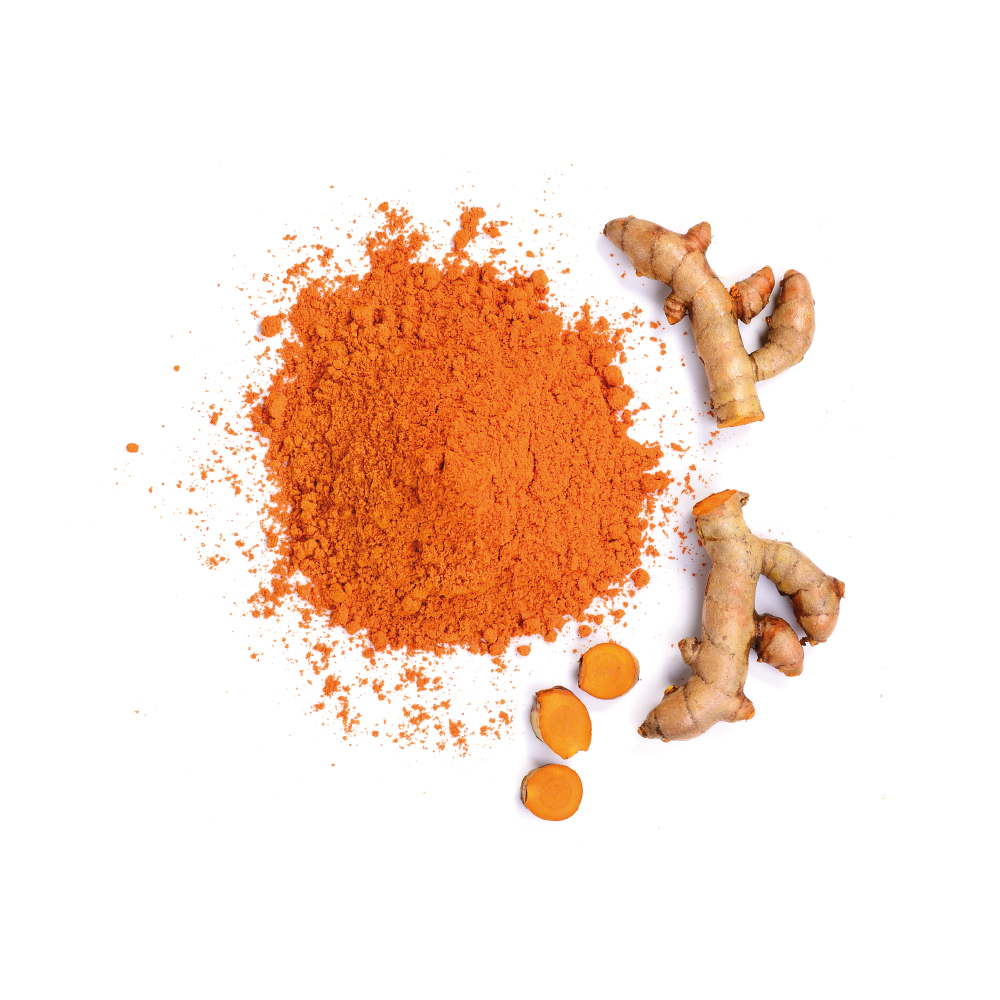
Zingiberaceae Ginger family 2
Tropical aromatic rhizome-formers packed with pungent, anti-inflammatory, and digestive constituents.
-
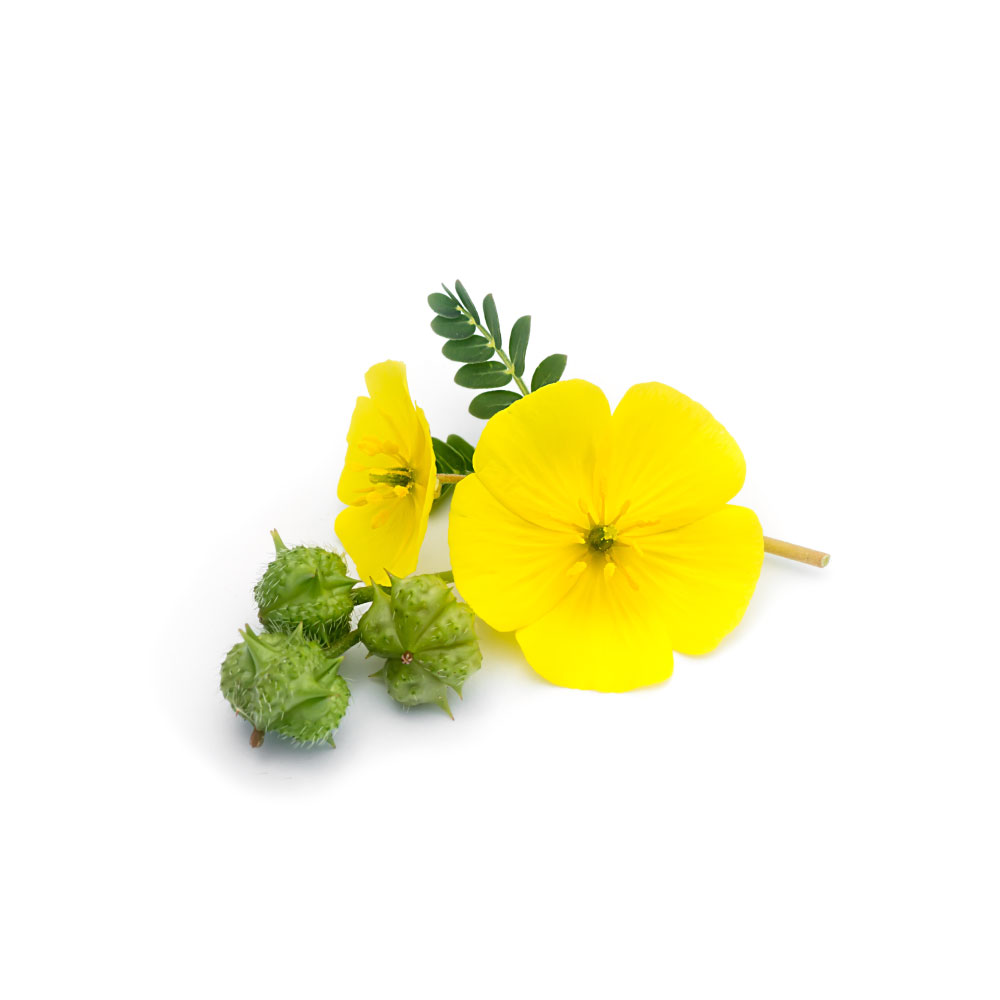
Zygophyllaceae Caltrop family 1
Hardy shrubs and herbs of arid regions; Tribulus is used as a libido and hormonal tonic.