
Materia Medica
Arnica
Arnica montana
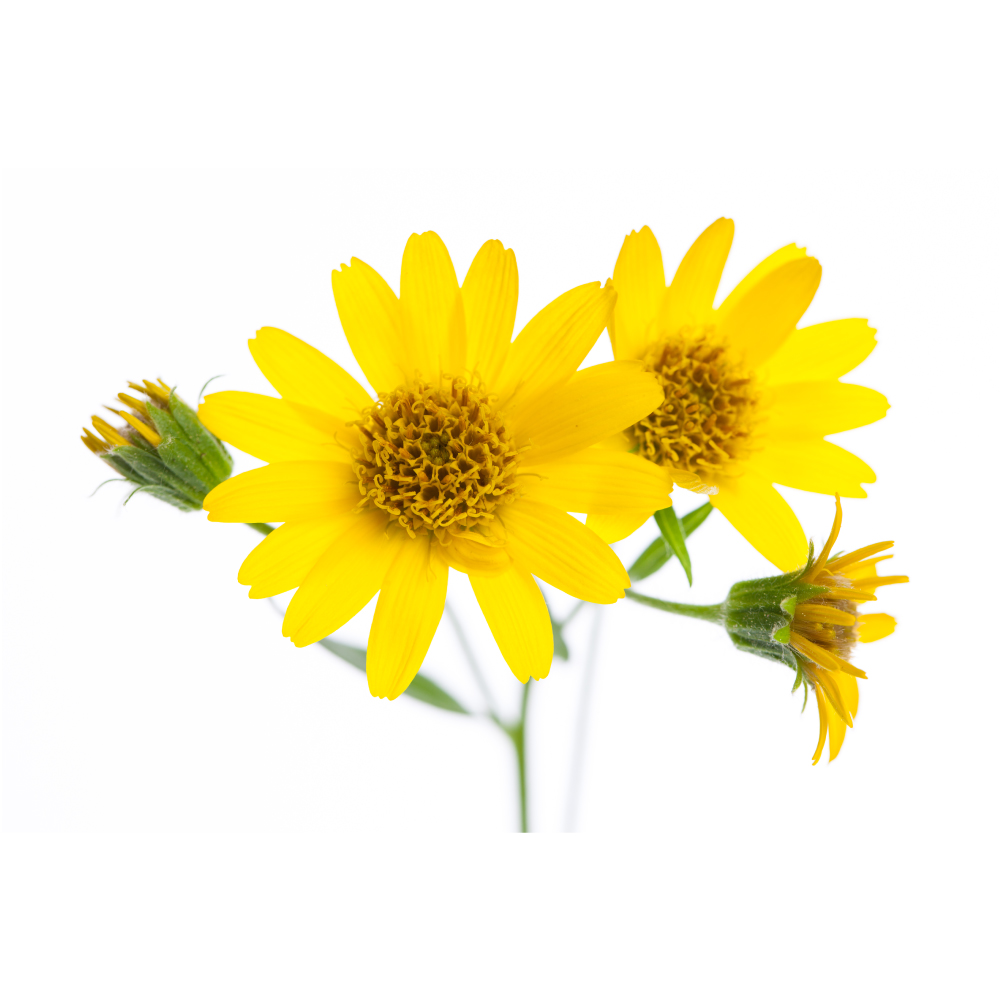
Arnica (Arnica montana) — a mountain flower used topically for bruises, sprains, strains and injury, easing swelling, pain and inflammation.
What Is Arnica?
Arnica is a flower found in mountainous regions of both Europe and North America.
It has a long traditional reputation as a first-aid herb for strains, sprains and bruising — the fracture-healing (“broken bones”) use is traditional and unsupported by clinical trials.
Traditionally it is credited with limiting the swelling and pain of blunt injury; in modern terms its best-evidenced action is topical anti-inflammatory relief (see Pharmacology & Research below).
Most accounts don’t recommend arnica internally, and some case reports have suggested liver toxicity as a result.
As such, arnica shouldn’t be used on broken skin, which offers a direct route to the bloodstream, and eventually the liver.
Topical creams, salves, and liniments are typical methods of applying arnica and are a great thing to have around in a first aid kit.
What Is Arnica Used For?
Arnica is used for treating minor wounds, bruising, and inflammation of the skin. It makes for a great first aid herb.
Indications
- Bruises
- Sprains
- Muscle soreness/aches
- Chronic venous insufficiency
- Haemorrhoids
- Inflamed insect bites
- Haemotomas
- Oedema resulting from fracture
- Rheumatic arthritis
- Furunculosis
- Alopecia neurotica
Traditional Uses
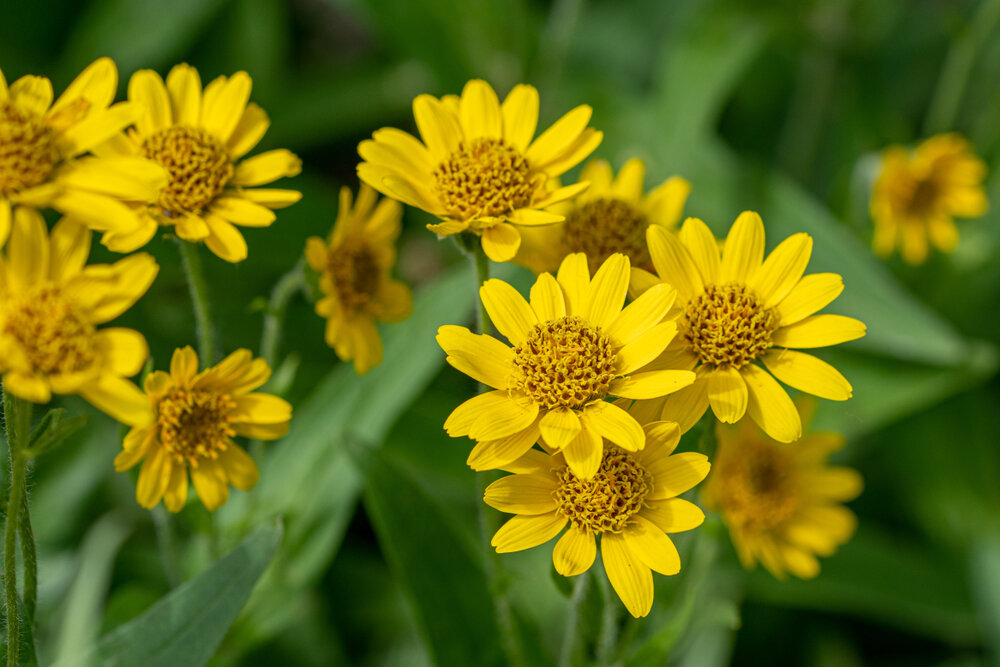
Arnica has a long history of use for its anti-inflammatory, and vulnerary actions. It was mainly used for the treatment of sprains, bruises, hemotomas, and other injuries 26Reference 26The importance of Arnica species in phytomedicine.
Botany
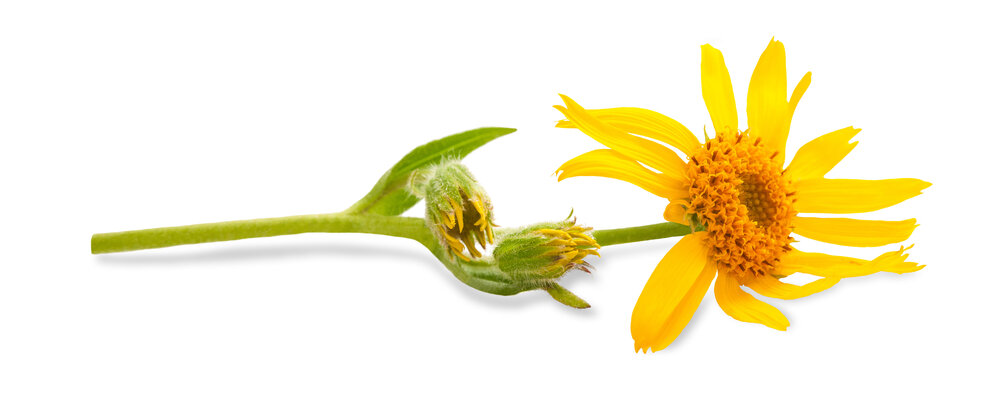
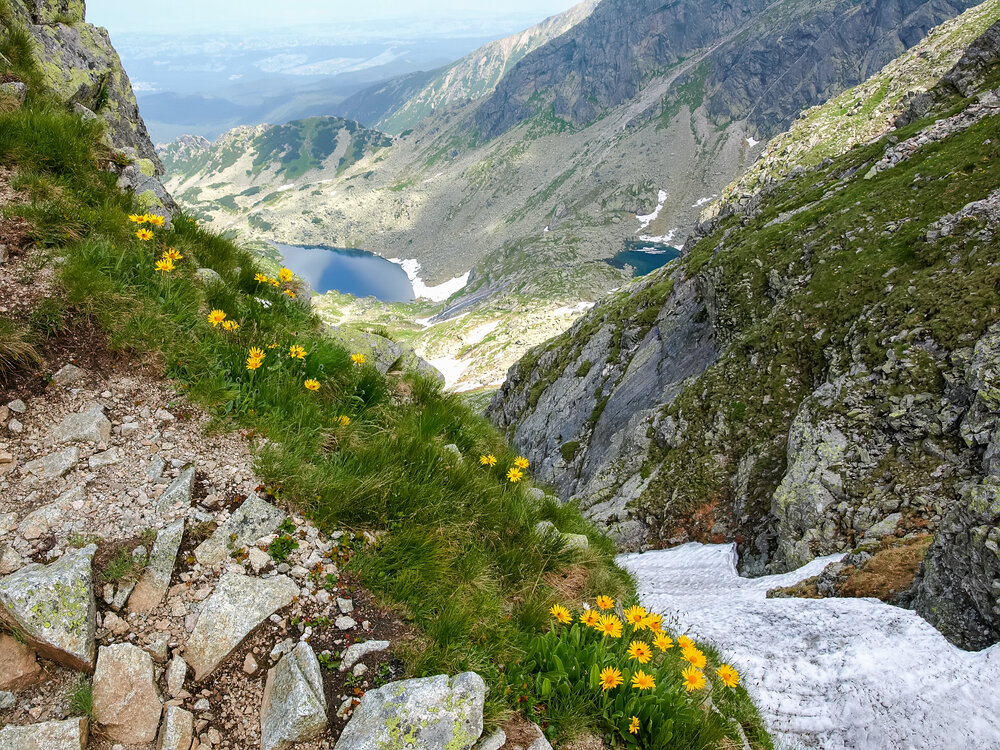
Mountain arnica is a rosette-forming perennial herb in the daisy family (Asteraceae — the largest flowering-plant family, with roughly 1,900+ genera, including Arnica, and 33,000 species), sending up a single flower stalk to about 60 cm bearing a bright yellow, daisy-like head 27Reference 27A Modern Herbal. (n.d.). Arnica. Retrieved August 13, 2016, from http://www.botanical.com/botanical/mgmh/a/arnic058.htmlView study →.
Distribution
Arnica montana is native to the mountain highlands of northern and central Europe, occurring widely across the continent but absent from the Celtic Isles and the Italian and Balkan peninsulas. It has some weedy tendency in disturbed mountain pasture but is not invasive; wild populations face harvesting pressure in parts of Europe, since most commercial material is still wild-collected rather than cultivated.
Growing Conditions
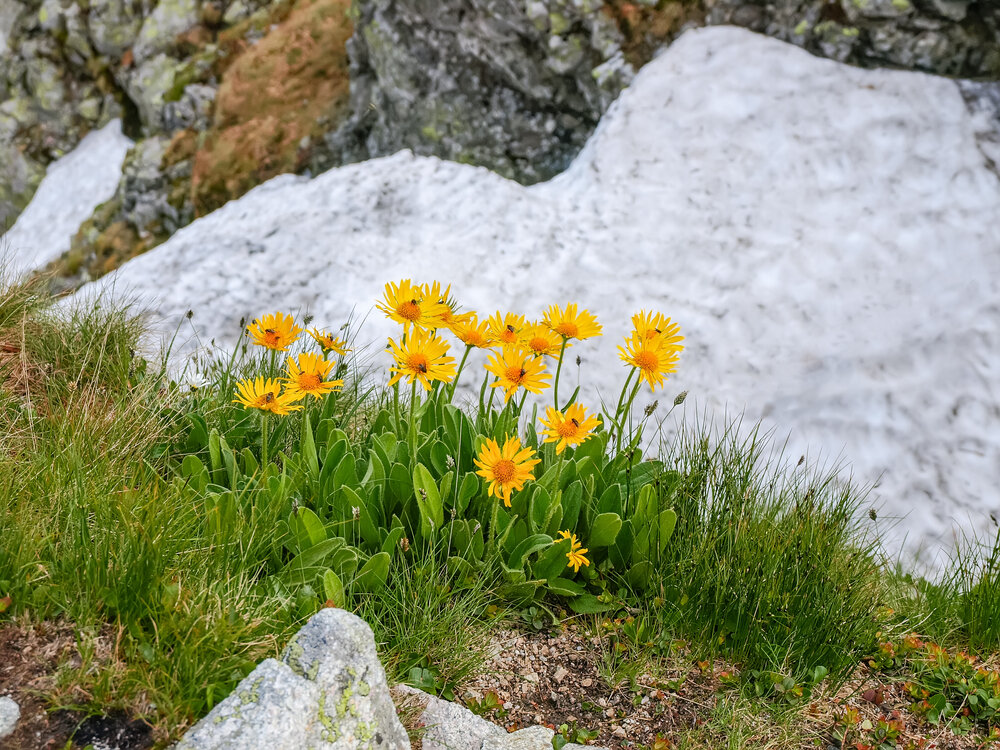
- Hardy mountain perennial, full sun to part shade, roughly USDA zone 4–9.
- Full cultivation detail lives on the companion farm-wiki grow guide for Arnica montana (link to be added once that project’s public URL is confirmed).
Harvesting, Collection & Preparation
The flowering heads are often made into a macerated oil, or tincture and used topically 25Reference 25The Complete Guide to Aromatherapy (2nd ed.). Sesquiterpene-lactone content is concentrated in the disk florets and rises with flower maturity, so harvest timing and flower selection affect potency 21Reference 21Sesquiterpene lactones in Arnica montana: a rapid analytical method and the effects of flower maturity and simulated mechanical harvesting on quality and yieldView study →.
Pharmacology & Research
Arnica montana has a modest but genuine clinical literature, and almost all of it concerns topical use 14,15Reference 14Clinical trialClinical trials, potential mechanisms, and adverse effects of Arnica as an adjunct medication for pain management — reviewView study →Reference 15ReviewEffectiveness and safety of Arnica montana in post-surgical setting, pain and inflammation — reviewView study →. Two human trials anchor the strongest claim — symptomatic relief in osteoarthritis — where an arnica gel matched ibuprofen gel in a 204-patient double-blind study 1Reference 1RCTChoosing between NSAID and arnica for topical treatment of hand osteoarthritis in a randomised, double-blind study — randomised, double-blindView study → and improved WOMAC scores in an open knee-OA trial 2Reference 2Clinical trialArnica montana gel in osteoarthritis of the knee: an open, multicenter clinical trial — clinical trialView study →, though neither was placebo-controlled. The mechanistic backbone is unusually well characterised for a herb: the sesquiterpene lactone helenalin directly alkylates the p65 subunit of NF-κB 3Reference 3In vitroThe anti-inflammatory sesquiterpene lactone helenalin inhibits the transcription factor NF-κB by directly targeting p65 — in vitroView study →, giving a concrete molecular basis for the anti-inflammatory action seen in animal edema models 4Reference 4In vitroStudies on the anti-inflammatory activity of phytopharmaceuticals prepared from Arnica flowers — in vitro / animal model (mouse ear edema)View study →. Everything else is preclinical or mixed — bruise-resolution trials disagree 5,6Reference 5RCTAccelerated resolution of laser-induced bruising with topical 20% arnica: a rater-blinded randomised controlled trial — randomisedView study →Reference 6RCTEffects of topical arnica gel on post-laser treatment bruises — randomised, placebo-controlledView study →, antioxidant and antimicrobial data are in vitro 7,9Reference 7In vitroEvaluation of antioxidant and cytoprotective activities of Arnica montana L. and Artemisia absinthium L. ethanolic extracts — in vitroView study →Reference 9In vitroIn vitro antimicrobial activity of propolis and Arnica montana against oral pathogens — in vitroView study →, and helenalin’s striking anticancer activity is a cell-line phenomenon at concentrations unrelated to how the herb is used 10,11,12Reference 10In vitroHelenalin triggers a CD95 death receptor-independent apoptosis that is not affected by overexpression of Bcl-xL or Bcl-2 — in vitroView study →Reference 11In vitroCytotoxic sesquiterpene lactones mediate their death-inducing effect in leukemia T cells by triggering apoptosis — in vitroView study →Reference 12In vitroNF-κB p65 repression by the sesquiterpene lactone, helenalin, contributes to the induction of autophagy cell death — in vitroView study →. Two caveats dominate the whole page: arnica is a topical-only herb (helenalin is toxic ingested), and the widely cited “arnica trials” for post-surgical bruising are overwhelmingly homeopathic ultra-dilutions — a separate, non-herbal preparation whose trials are largely null 16,17,18Reference 16Systematic reviewEfficacy of homeopathic arnica: a systematic review of placebo-controlled clinical trials — systematic reviewView study →Reference 17RCTDouble-blind, placebo-controlled, randomised clinical trial of homoeopathic arnica C30 for pain and infection after total abdominal hysterectomy — randomisedView study →Reference 18ReviewHomeopathic agents or vitamins in reducing ecchymosis after oculofacial surgery: a report by the American Academy of Ophthalmology — reviewView study →.
- Best-supported: symptomatic osteoarthritis relief from topical gel, non-inferior to ibuprofen gel over 3 weeks 1,2Reference 1RCTChoosing between NSAID and arnica for topical treatment of hand osteoarthritis in a randomised, double-blind study — randomised, double-blindView study →Reference 2Clinical trialArnica montana gel in osteoarthritis of the knee: an open, multicenter clinical trial — clinical trialView study →; anti-inflammatory action with a defined NF-κB mechanism 3,4Reference 3In vitroThe anti-inflammatory sesquiterpene lactone helenalin inhibits the transcription factor NF-κB by directly targeting p65 — in vitroView study →Reference 4In vitroStudies on the anti-inflammatory activity of phytopharmaceuticals prepared from Arnica flowers — in vitro / animal model (mouse ear edema)View study →.
- Emerging, worth watching: accelerated resolution of laser-induced bruising with a high-concentration (20%) topical 5Reference 5RCTAccelerated resolution of laser-induced bruising with topical 20% arnica: a rater-blinded randomised controlled trial — randomisedView study →; reduced muscle tenderness after eccentric exercise 8Reference 8RCTThe effects of topical Arnica on performance, pain and muscle damage after intense eccentric exercise — randomised, placebo-controlledView study →.
- Mechanistically thin: antioxidant, antimicrobial and anticancer signals rest on in vitro/cell-line work or isolated helenalin at doses the herb is never used at 7,9,10,11,12Reference 7In vitroEvaluation of antioxidant and cytoprotective activities of Arnica montana L. and Artemisia absinthium L. ethanolic extracts — in vitroView study →Reference 9In vitroIn vitro antimicrobial activity of propolis and Arnica montana against oral pathogens — in vitroView study →Reference 10In vitroHelenalin triggers a CD95 death receptor-independent apoptosis that is not affected by overexpression of Bcl-xL or Bcl-2 — in vitroView study →Reference 11In vitroCytotoxic sesquiterpene lactones mediate their death-inducing effect in leukemia T cells by triggering apoptosis — in vitroView study →Reference 12In vitroNF-κB p65 repression by the sesquiterpene lactone, helenalin, contributes to the induction of autophagy cell death — in vitroView study →.
- The caveat: herbal (topical) arnica and homeopathic (ultra-dilute) arnica are different things — the large post-surgical/bruising trial literature is homeopathic and largely null 16,17,18Reference 16Systematic reviewEfficacy of homeopathic arnica: a systematic review of placebo-controlled clinical trials — systematic reviewView study →Reference 17RCTDouble-blind, placebo-controlled, randomised clinical trial of homoeopathic arnica C30 for pain and infection after total abdominal hysterectomy — randomisedView study →Reference 18ReviewHomeopathic agents or vitamins in reducing ecchymosis after oculofacial surgery: a report by the American Academy of Ophthalmology — reviewView study →, and does not transfer to the gel.
1. Osteoarthritis (topical)
This is arnica’s strongest human indication, and it rests on the topical preparation the herb is actually used as. A randomised, double-blind trial in 204 patients with radiologically confirmed hand osteoarthritis found an arnica tincture gel (50 g tincture/100 g, DER 1:20) not inferior to 5% ibuprofen gel for pain and hand function over 21 days, with similar adverse-event rates 1Reference 1RCTChoosing between NSAID and arnica for topical treatment of hand osteoarthritis in a randomised, double-blind study — randomised, double-blindView study →. An earlier open, multicenter study of a fresh-plant arnica gel in 79 patients with mild-to-moderate knee OA reported significant WOMAC improvements in pain, stiffness and function at 3 and 6 weeks, with good tolerability 2Reference 2Clinical trialArnica montana gel in osteoarthritis of the knee: an open, multicenter clinical trial — clinical trialView study →. The honest limitation is design: one was an active-comparator non-inferiority trial and the other was uncontrolled — neither included a placebo arm, so the effect size relative to no treatment is unquantified.
Gap: no placebo-controlled RCT of topical arnica in OA exists, so “as good as ibuprofen gel” is the ceiling of what can be claimed — and the ibuprofen comparator was itself topical.
2. Anti-inflammatory
Arnica’s anti-inflammatory action has a defined molecular mechanism, which is rare for a herbal preparation. The sesquiterpene lactone helenalin selectively inhibits the transcription factor NF-κB — not by blocking IκB degradation as older models proposed, but by directly alkylating the p65 subunit, preventing it from binding DNA 3Reference 3In vitroThe anti-inflammatory sesquiterpene lactone helenalin inhibits the transcription factor NF-κB by directly targeting p65 — in vitroView study →. Arnica flower preparations inhibit NF-κB and NF-AT activation and reduce croton-oil-induced ear edema in mice, with potency tracking the sesquiterpene-lactone content and the esterification pattern of dihydrohelenalin derivatives 4Reference 4In vitroStudies on the anti-inflammatory activity of phytopharmaceuticals prepared from Arnica flowers — in vitro / animal model (mouse ear edema)View study →. These lactones do penetrate the stratum corneum from alcoholic tinctures and fresh-plant gels, supporting topical delivery 19Reference 19In vitroSkin penetration studies of Arnica preparations and of their sesquiterpene lactones — in vitroView study →. Potency depends heavily on chemotype and preparation: European populations split into helenalin-dominant and dihydrohelenalin-dominant chemotypes, and total sesquiterpene-lactone content rises with flower maturity and is concentrated in the disk florets 20,21Reference 20Sesquiterpene lactones in Arnica montana: helenalin and dihydrohelenalin chemotypes in SpainView study →Reference 21Sesquiterpene lactones in Arnica montana: a rapid analytical method and the effects of flower maturity and simulated mechanical harvesting on quality and yieldView study →. The human OA and DOMS signals are the clinical read-out of this pathway.
Gap: the mechanism is proven in vitro and in mouse edema; there is no human anti-inflammatory biomarker trial, and effect depends heavily on chemotype and preparation.
3. Bruising & ecchymosis
Results are genuinely mixed, and concentration seems to matter. A rater-blinded RCT using standardised pulsed-dye-laser bruises found a 20% arnica topical produced significantly faster bruise resolution than white petrolatum (and better than a vitamin-K/retinol mix), though not better than 5% vitamin K 5Reference 5RCTAccelerated resolution of laser-induced bruising with topical 20% arnica: a rater-blinded randomised controlled trial — randomisedView study →. A separate double-blind, placebo-controlled trial of an arnica gel on post-laser facial bruising found no significant difference versus vehicle 6Reference 6RCTEffects of topical arnica gel on post-laser treatment bruises — randomised, placebo-controlledView study →. Systematic reviews of arnica for post-procedure ecchymosis conclude the data are insufficient and inconsistent 18Reference 18ReviewHomeopathic agents or vitamins in reducing ecchymosis after oculofacial surgery: a report by the American Academy of Ophthalmology — reviewView study →. Note that most “arnica for bruising” trials test oral homeopathic arnica, which is a separate preparation and does not support the topical herbal claim 16,18Reference 16Systematic reviewEfficacy of homeopathic arnica: a systematic review of placebo-controlled clinical trials — systematic reviewView study →Reference 18ReviewHomeopathic agents or vitamins in reducing ecchymosis after oculofacial surgery: a report by the American Academy of Ophthalmology — reviewView study →.
Gap: the positive signal appears tied to high-concentration (20%) topicals; lower-strength gels have failed, and no trial has standardised the preparation across studies.
4. Antioxidant
Ethanolic extracts of arnica flowers are rich in phenolics and flavonoids and show measurable free-radical scavenging (DPPH, ORAC, Trolox-equivalent assays). In a mouse fibroblast (NCTC) model, arnica extract protected cells against hydrogen-peroxide-induced oxidative damage at 10 mg/L, preserving viability and morphology 7Reference 7In vitroEvaluation of antioxidant and cytoprotective activities of Arnica montana L. and Artemisia absinthium L. ethanolic extracts — in vitroView study →. The activity is attributed largely to quercetin and its glycosides. This is a plausible contributor to the herb’s topical wound/skin-protective reputation, but the evidence is entirely at the cell-and-chemistry level.
Gap: in vitro and single-cell-line only; notably, a companion Artemisia absinthium extract outperformed arnica in the same assays 7Reference 7In vitroEvaluation of antioxidant and cytoprotective activities of Arnica montana L. and Artemisia absinthium L. ethanolic extracts — in vitroView study →, and there is no human antioxidant outcome.
5. Muscle soreness (DOMS)
One double-blind, randomised, placebo-controlled trial tested topical arnica in 20 well-trained men after a downhill-running protocol designed to induce delayed-onset muscle soreness, reapplied every 4 waking hours 8Reference 8RCTThe effects of topical Arnica on performance, pain and muscle damage after intense eccentric exercise — randomised, placebo-controlledView study →. The arnica group reported less pain (VAS and muscle tenderness) at 72 hours post-exercise. However, arnica had no effect on any performance measure (peak torque, jump height) or on blood markers of muscle damage and inflammation (creatine kinase, myoglobin, IL-1β, IL-6, TNF-α, CRP).
Gap: a single small trial (n=20) showing a subjective-pain benefit with no objective correlate — the analgesic reading is real but unreplicated and not matched by any biochemical change.
6. Antimicrobial
Arnica extract shows activity against oral micro-organisms in vitro. A 10% w/v Arnica montana extract produced growth-inhibition zones by agar diffusion against a panel including Streptococcus mutans, Staphylococcus aureus and Candida albicans, and affected mutans-streptococcal adherence, in a comparison with propolis 9Reference 9In vitroIn vitro antimicrobial activity of propolis and Arnica montana against oral pathogens — in vitroView study →. Review-level summaries repeat antibacterial and antifungal activity as a class property of the extract 13Reference 13ReviewArnica montana L. — a plant of healing: review — reviewView study →.
Gap: in vitro agar-diffusion data only, at whole-extract concentrations; no in vivo infection model and no clinical antimicrobial use.
7. Anticancer
This is a laboratory phenomenon of the isolated constituent, not a use of the herb. Purified helenalin induces apoptosis in leukemia (Jurkat) T cells at 10-50 µM — independent of the CD95 death receptor and not blocked by Bcl-2/Bcl-xL overexpression — via caspase-3/-8 activation 10Reference 10In vitroHelenalin triggers a CD95 death receptor-independent apoptosis that is not affected by overexpression of Bcl-xL or Bcl-2 — in vitroView study →, a property shared with related sesquiterpene lactones 11Reference 11In vitroCytotoxic sesquiterpene lactones mediate their death-inducing effect in leukemia T cells by triggering apoptosis — in vitroView study →. The same NF-κB p65 repression that drives its anti-inflammatory action also triggers autophagic cell death in cancer cells 12Reference 12In vitroNF-κB p65 repression by the sesquiterpene lactone, helenalin, contributes to the induction of autophagy cell death — in vitroView study →. Because helenalin is systemically toxic and arnica is restricted to external use on intact skin 22,23Reference 22ReviewFinal report on the safety assessment of Arnica montana extract and Arnica montanaView study →Reference 23ReviewThe Complete German Commission E Monographs: Therapeutic Guide to Herbal Medicine — pharmacopoeial monograph (external use only), none of this represents a therapeutic anticancer application of the herb.
Gap: cell-line only, at micromolar concentrations of an isolated toxic constituent — there is no whole-herb, in vivo, or clinical anticancer evidence, and the route of use precludes it.
8. Cholinesterase inhibition
A methanolic extract of Arnica montana flowerheads showed moderate anti-acetylcholinesterase activity in vitro, alongside antioxidant capacity 24Reference 24In vitroAntioxidant and acetylcholinesterase inhibitory potential of Arnica montana cultivated in Bulgaria — in vitroView study →. Because cholinesterase inhibitors are used symptomatically in Alzheimer’s disease, this has been floated as a neurological angle — but the leap from an enzyme assay to cognitive benefit is entirely unmade, and much of the cholinesterase literature in this genus concerns the related species Arnica chamissonis, not A. montana.
Gap: a single in vitro extract assay with no animal, human, or even whole-preparation follow-up; the Alzheimer’s framing is inference, not evidence.
Mechanisms
| Mechanism | Drives | Key compounds |
|---|---|---|
| NF-κB p65 alkylation (direct DNA-binding block) | anti-inflammatoryanticancer | helenalin, dihydrohelenalin |
| Neutrophil/lysosomal-enzyme modulation, croton-oil edema ↓ | anti-inflammatory | helenalin |
| Free-radical scavenging (phenolic/flavonoid) | antioxidant | quercetin, rutin |
| Caspase-3/-8 activation, autophagy induction | anticancer (in vitro) | helenalin |
| Acetylcholinesterase inhibition (in vitro) | cholinesterase inhibition | — (whole extract) |
Clinical trials
Registered/published human trials of topical herbal arnica are few (osteoarthritis, laser bruising, DOMS); the much larger post-surgical/bruising trial literature tests homeopathic ultra-dilutions and is a separate, largely null body of evidence 16,17,18Reference 16Systematic reviewEfficacy of homeopathic arnica: a systematic review of placebo-controlled clinical trials — systematic reviewView study →Reference 17RCTDouble-blind, placebo-controlled, randomised clinical trial of homoeopathic arnica C30 for pain and infection after total abdominal hysterectomy — randomisedView study →Reference 18ReviewHomeopathic agents or vitamins in reducing ecchymosis after oculofacial surgery: a report by the American Academy of Ophthalmology — reviewView study →.
| Completed | Planned | Terminated | Preclinical |
|---|---|---|---|
| ~5(topical herbal) | 0 | 0 | ~30+ |
Last checked: July 2026.
Phytochemistry
Arnica’s pharmacology is dominated by its sesquiterpene lactones of the pseudoguaianolide type — chiefly helenalin and 11α,13-dihydrohelenalin, present as esters with tiglic, methacrylic, isobutyric and 2-methylbutyric acids 4,20Reference 4In vitroStudies on the anti-inflammatory activity of phytopharmaceuticals prepared from Arnica flowers — in vitro / animal model (mouse ear edema)View study →Reference 20Sesquiterpene lactones in Arnica montana: helenalin and dihydrohelenalin chemotypes in SpainView study →. These are the anti-inflammatory principles (acting largely through direct alkylation of NF-κB p65) and also the chief toxic constituents, which is why arnica is restricted to external use 3,22Reference 3In vitroThe anti-inflammatory sesquiterpene lactone helenalin inhibits the transcription factor NF-κB by directly targeting p65 — in vitroView study →Reference 22ReviewFinal report on the safety assessment of Arnica montana extract and Arnica montanaView study →. Helenalin in A. montana flowers runs in the order of 5–10 mg/g dry weight, with total sesquiterpene lactone content reaching roughly 0.3–1.5% of the dried flower head depending on origin and maturity 20,21Reference 20Sesquiterpene lactones in Arnica montana: helenalin and dihydrohelenalin chemotypes in SpainView study →Reference 21Sesquiterpene lactones in Arnica montana: a rapid analytical method and the effects of flower maturity and simulated mechanical harvesting on quality and yieldView study →.
A second layer of activity comes from the flavonoids — including quercetin and its glycosides isoquercitrin, astragalin and rutin — which total about 0.4–0.6% of the dried flowers and contribute antioxidant and capillary-stabilising effects 7Reference 7In vitroEvaluation of antioxidant and cytoprotective activities of Arnica montana L. and Artemisia absinthium L. ethanolic extracts — in vitroView study →. The flowers also carry an essential oil rich in thymol derivatives and fatty acids, plus coumarins, the bitter principle arnicin, and the storage carbohydrate inulin 27Reference 27A Modern Herbal. (n.d.). Arnica. Retrieved August 13, 2016, from http://www.botanical.com/botanical/mgmh/a/arnic058.htmlView study →.
Constituent Summary
Figures are share of the dried flower head and vary widely with provenance, plant maturity and harvest method. † marks the two sesquiterpene-lactone types that define Arnica montana’s chemotypes: European populations split into helenalin-dominant and dihydrohelenalin-dominant chemotypes, and young flowers shift from helenalin- to dihydrohelenalin-rich as they mature 20,21Reference 20Sesquiterpene lactones in Arnica montana: helenalin and dihydrohelenalin chemotypes in SpainView study →Reference 21Sesquiterpene lactones in Arnica montana: a rapid analytical method and the effects of flower maturity and simulated mechanical harvesting on quality and yieldView study →.
Sesquiterpene lactone3 compounds3 with data
Flavonoid5 compounds3 with data
Monoterpene1 compound1 with data
Coumarin1 compoundno data
Terpenoid1 compoundno data
Fructan1 compoundno data
Clinical Applications
Arnica is used topically to heal minor wounds, bruising, and inflammation. It should not be used on broken skin or internally.
Dosage
Arnica is a topical-only herb — the research and traditional doses below are all for external application to intact skin; it is never dosed internally. In trials the preparations are mostly proprietary or fresh-plant gels with no marker-standardised percentage, so a dried-herb equivalent generally can’t be back-calculated.
Research doses
| Indication | Preparation | Dose | Est. dried-herb equivalent | Source |
|---|---|---|---|---|
| Hand osteoarthritis | Arnica tincture gel, 50 g tincture/100 g (DER 1:20) | applied topically over 21 days | — (proprietary gel; marker % not stated) | 1Reference 1RCTChoosing between NSAID and arnica for topical treatment of hand osteoarthritis in a randomised, double-blind study — randomised, double-blindView study → |
| Knee osteoarthritis | Fresh-plant arnica gel | twice daily, up to 6 weeks | — (fresh-plant gel; no dry-weight ratio) | 2Reference 2Clinical trialArnica montana gel in osteoarthritis of the knee: an open, multicenter clinical trial — clinical trialView study → |
| Laser bruising | 20% arnica topical (ointment) | twice daily under occlusion, 2 weeks | ~0.2 g dried-flower equivalent per g product (assuming 20% w/w flower) | 5Reference 5RCTAccelerated resolution of laser-induced bruising with topical 20% arnica: a rater-blinded randomised controlled trial — randomisedView study → |
| Muscle soreness (DOMS) | Topical arnica preparation | every 4 waking hours after exercise | — (preparation strength not specified) | 8Reference 8RCTThe effects of topical Arnica on performance, pain and muscle damage after intense eccentric exercise — randomised, placebo-controlledView study → |
Dried-herb equivalents are left blank where the trial used a proprietary or fresh-plant gel with no stated marker %; the laser-bruising figure is a rough guide on a stated 20% w/w assumption, not a conversion factor.
Traditional Dosage
Western herbal practice (German Commission E) uses arnica as a diluted tincture, oil or ointment applied externally to unbroken skin only.
| System | Preparation | Dose |
|---|---|---|
| Western herbal (Commission E) | Tincture diluted 3–10× for compresses; or infusion 2 g/100 mL | topical, external, intact skin only 23Reference 23ReviewThe Complete German Commission E Monographs: Therapeutic Guide to Herbal Medicine — pharmacopoeial monograph (external use only) |
| Western herbal (Commission E) | Arnica oil (1 part flowers : 5 parts fixed oil); ointment ≤ 20–25% tincture / ≤ 15% oil | applied topically to unbroken skin 23Reference 23ReviewThe Complete German Commission E Monographs: Therapeutic Guide to Herbal Medicine — pharmacopoeial monograph (external use only) |
Safety & Pregnancy
Arnica is a topical-only herb — its sesquiterpene lactone helenalin is toxic if swallowed and must never be ingested, and it should not go on broken skin; Asteraceae allergy is the main real-world side effect.
- Never ingest. Helenalin is toxic — internal use can cause severe gastroenteritis, cardiac arrhythmia and organ damage. Topical use only.
- Not on broken skin. The sesquiterpene lactones penetrate skin and reach the circulation from open wounds or alcoholic preparations; keep away from the eyes.
- Pregnancy — no internal use. Internal arnica is contraindicated in pregnancy; topical use is unstudied.
- Asteraceae allergy. Can cause allergic contact dermatitis, especially with prolonged or repeated use — cross-reacts with ragweed, chamomile and marigold.
- Homeopathic ≠ herbal. Ultra-dilute homeopathic arnica is a separate preparation not covered by these cautions.
Full safety & interactions detail
Arnica is a topical-only herb: it is applied to intact skin as a gel, cream, oil or tincture and must not be taken internally, because its sesquiterpene lactone helenalin is toxic and can cause severe gastroenteritis, cardiac arrhythmia and organ damage if ingested 22,23Reference 22ReviewFinal report on the safety assessment of Arnica montana extract and Arnica montanaView study →Reference 23ReviewThe Complete German Commission E Monographs: Therapeutic Guide to Herbal Medicine — pharmacopoeial monograph (external use only). It should not be applied to broken skin or open wounds — the sesquiterpene lactones penetrate the stratum corneum and reach the circulation from alcoholic preparations 19Reference 19In vitroSkin penetration studies of Arnica preparations and of their sesquiterpene lactones — in vitroView study → — nor near the eyes.
As a member of the Asteraceae (daisy) family, arnica can provoke allergic contact dermatitis and cross-reactivity in people sensitised to ragweed, chamomile, marigold or related plants; this is the most common real-world adverse effect, and prolonged or repeated topical use raises the risk 22Reference 22ReviewFinal report on the safety assessment of Arnica montana extract and Arnica montanaView study →. The German Commission E restricts arnica to external application on unbroken skin 23Reference 23ReviewThe Complete German Commission E Monographs: Therapeutic Guide to Herbal Medicine — pharmacopoeial monograph (external use only). Homeopathic ultra-dilutions of arnica are a separate, non-herbal preparation and are not covered by these cautions.
Scope note: no herb–drug interaction studies were identified for arnica — the only interaction concern is theoretical (systemic helenalin absorbed through broken skin), so interactions are best described as not assessed rather than absent.
Contraindications: Do not take internally.
Avoid internal use; topical use is not specifically researched. Internal arnica is contraindicated in pregnancy given its established systemic toxicity 22,23Reference 22ReviewFinal report on the safety assessment of Arnica montana extract and Arnica montanaView study →Reference 23ReviewThe Complete German Commission E Monographs: Therapeutic Guide to Herbal Medicine — pharmacopoeial monograph (external use only). Topical use during pregnancy and lactation has not been formally studied — there are no safety data either way, so limited application to small areas of intact skin should be approached with caution and ideally professional guidance; do not apply to the breast area during lactation.
References
- Widrig, R., Suter, A., Saller, R., & Melzer, J. (2007). Choosing between NSAID and arnica for topical treatment of hand osteoarthritis in a randomised, double-blind study — randomised, double-blind. Rheumatology International. https://pubmed.ncbi.nlm.nih.gov/17318618/
- Knuesel, O., Weber, M., & Suter, A. (2002). Arnica montana gel in osteoarthritis of the knee: an open, multicenter clinical trial — clinical trial. Advances in Therapy. https://pubmed.ncbi.nlm.nih.gov/12539881/
- Lyss, G., Knorre, A., Schmidt, T. J., Pahl, H. L., & Merfort, I. (1998). The anti-inflammatory sesquiterpene lactone helenalin inhibits the transcription factor NF-κB by directly targeting p65 — in vitro. Journal of Biological Chemistry. https://pubmed.ncbi.nlm.nih.gov/9837931/
- Klaas, C. A., Wagner, G., Laufer, S., et al. (2002). Studies on the anti-inflammatory activity of phytopharmaceuticals prepared from Arnica flowers — in vitro / animal model (mouse ear edema). Planta Medica. https://pubmed.ncbi.nlm.nih.gov/12058311/
- Leu, S., Havey, J., White, L. E., et al. (2010). Accelerated resolution of laser-induced bruising with topical 20% arnica: a rater-blinded randomised controlled trial — randomised. British Journal of Dermatology. https://pubmed.ncbi.nlm.nih.gov/20412090/
- Alonso, D., Lazarus, M. C., & Baumann, L. (2002). Effects of topical arnica gel on post-laser treatment bruises — randomised, placebo-controlled. Dermatologic Surgery. https://pubmed.ncbi.nlm.nih.gov/12174058/
- Craciunescu, O., Constantin, D., Gaspar, A., et al. (2012). Evaluation of antioxidant and cytoprotective activities of Arnica montana L. and Artemisia absinthium L. ethanolic extracts — in vitro. Chemistry Central Journal. https://pubmed.ncbi.nlm.nih.gov/22958433/
- Pumpa, K. L., Fallon, K. E., Bensoussan, A., & Papalia, S. (2014). The effects of topical Arnica on performance, pain and muscle damage after intense eccentric exercise — randomised, placebo-controlled. European Journal of Sport Science. https://pubmed.ncbi.nlm.nih.gov/23947690/
- Koo, H., Gomes, B. P., Rosalen, P. L., et al. (2000). In vitro antimicrobial activity of propolis and Arnica montana against oral pathogens — in vitro. Archives of Oral Biology. https://pubmed.ncbi.nlm.nih.gov/10716618/
- Dirsch, V. M., Stuppner, H., & Vollmar, A. M. (2001). Helenalin triggers a CD95 death receptor-independent apoptosis that is not affected by overexpression of Bcl-xL or Bcl-2 — in vitro. Cancer Research. https://pubmed.ncbi.nlm.nih.gov/11479221/
- Dirsch, V. M., Stuppner, H., & Vollmar, A. M. (2001). Cytotoxic sesquiterpene lactones mediate their death-inducing effect in leukemia T cells by triggering apoptosis — in vitro. Planta Medica. https://pubmed.ncbi.nlm.nih.gov/11509981/
- Lim, C. B., Fu, P. Y., Ky, N., et al. (2012). NF-κB p65 repression by the sesquiterpene lactone, helenalin, contributes to the induction of autophagy cell death — in vitro. BMC Complementary and Alternative Medicine. https://pubmed.ncbi.nlm.nih.gov/22784363/
- Kriplani, P., Guarve, K., & Baghael, U. S. (2017). Arnica montana L. — a plant of healing: review — review. Journal of Pharmacy and Pharmacology. https://pubmed.ncbi.nlm.nih.gov/28401567/
- Smith, A. G., Miles, V. N., Holmes, D. T., et al. (2021). Clinical trials, potential mechanisms, and adverse effects of Arnica as an adjunct medication for pain management — review. Medicines (Basel). https://pubmed.ncbi.nlm.nih.gov/34677487/
- Iannitti, T., Morales-Medina, J. C., Bellavite, P., et al. (2016). Effectiveness and safety of Arnica montana in post-surgical setting, pain and inflammation — review. American Journal of Therapeutics. https://pubmed.ncbi.nlm.nih.gov/25171757/
- Ernst, E., & Pittler, M. H. (1998). Efficacy of homeopathic arnica: a systematic review of placebo-controlled clinical trials — systematic review. Archives of Surgery. https://pubmed.ncbi.nlm.nih.gov/9820349/
- Hart, O., Mullee, M. A., Lewith, G., & Miller, J. (1997). Double-blind, placebo-controlled, randomised clinical trial of homoeopathic arnica C30 for pain and infection after total abdominal hysterectomy — randomised. Journal of the Royal Society of Medicine. https://pubmed.ncbi.nlm.nih.gov/9068434/
- Tao, J. P., Aakalu, V. K., Wladis, E. J., et al. (2022). Homeopathic agents or vitamins in reducing ecchymosis after oculofacial surgery: a report by the American Academy of Ophthalmology — review. Ophthalmology. https://pubmed.ncbi.nlm.nih.gov/34176651/
- Wagner, S., & Merfort, I. (2004). Skin penetration studies of Arnica preparations and of their sesquiterpene lactones — in vitro. Planta Medica. https://pubmed.ncbi.nlm.nih.gov/15490315/
- Perry, N. B., Burgess, E. J., Rodríguez Guitián, M. A., et al. (2009). Sesquiterpene lactones in Arnica montana: helenalin and dihydrohelenalin chemotypes in Spain. Planta Medica. https://pubmed.ncbi.nlm.nih.gov/19235681/
- Douglas, J. A., Smallfield, B. M., Burgess, E. J., et al. (2004). Sesquiterpene lactones in Arnica montana: a rapid analytical method and the effects of flower maturity and simulated mechanical harvesting on quality and yield. Planta Medica. https://pubmed.ncbi.nlm.nih.gov/14994196/
- Cosmetic Ingredient Review Expert Panel. (2001). Final report on the safety assessment of Arnica montana extract and Arnica montana. International Journal of Toxicology. https://doi.org/10.1080/10915810160233712
- Blumenthal, M. (Ed.). (1998). The Complete German Commission E Monographs: Therapeutic Guide to Herbal Medicine — pharmacopoeial monograph (external use only). American Botanical Council.
- Zheleva-Dimitrova, D., & Balabanova, V. (2012). Antioxidant and acetylcholinesterase inhibitory potential of Arnica montana cultivated in Bulgaria — in vitro. Turkish Journal of Biology, 36, 732-737. https://doi.org/10.3906/biy-1204-70
- Battaglia, S. (2003). The Complete Guide to Aromatherapy (2nd ed.). Brisbane, Australia: The International Centre of Holistic Aromatherapy. (Pg 313)
- Wijnsma, R., Woerdenbag, H. J., & Busse, W. (1995). The importance of Arnica species in phytomedicine. Zeitschrift für Phytotherapie, 16, 48–62.
- A Modern Herbal. (n.d.). Arnica. Retrieved August 13, 2016, from http://www.botanical.com/botanical/mgmh/a/arnic058.html