Materia Medica
Frankincense
Boswellia serrata
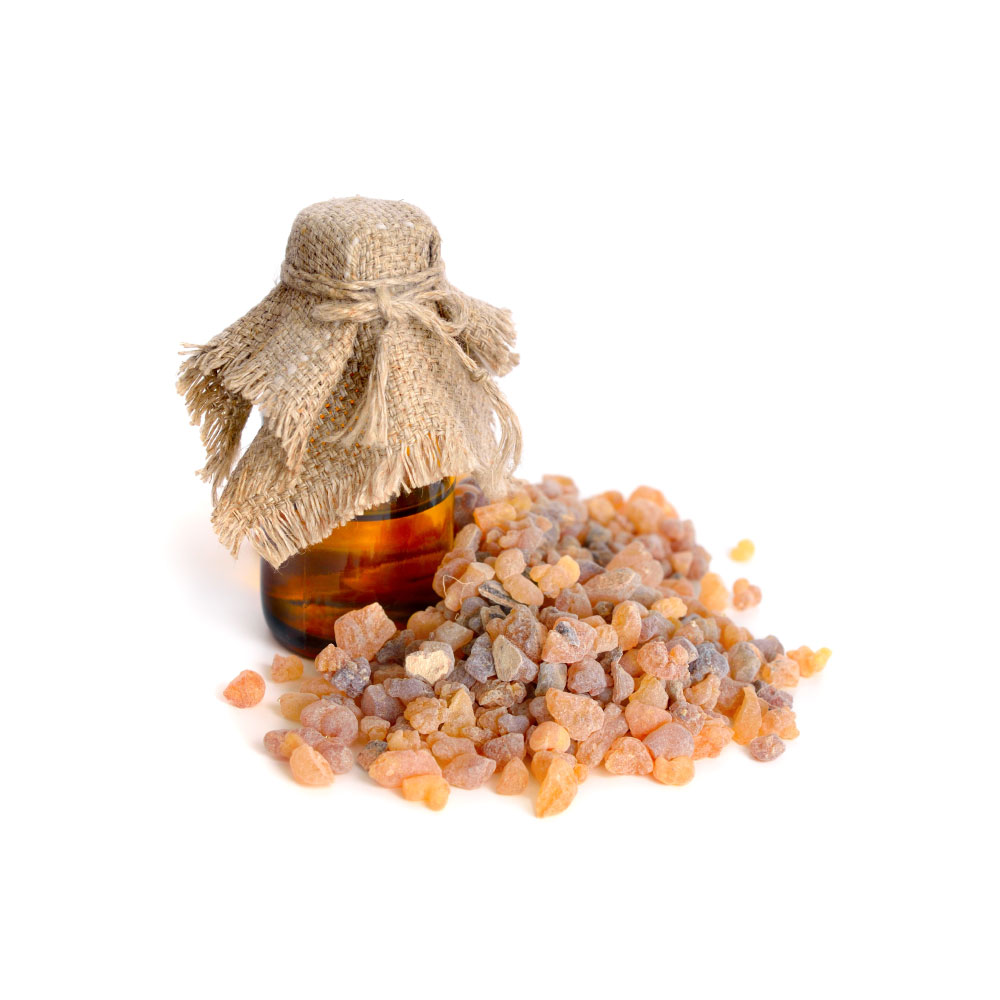
Frankincense (Boswellia serrata) — an aromatic resin with powerful anti-inflammatory and antiseptic actions, used for arthritis and joint pain.
What Is Frankincense?
Frankincense has been a valuable herb for a long time. It was so valuable at the time, it was one of the three precious gifts given to Jesus at his birth along with Myrrh, and gold.
The value of frankincense comes from its powerful medicinal actions, which we now understand to be through antiseptic and anti-inflammatory activities.
The wide range of conditions anti-inflammatories can address makes frankincense a bit of a panacea of its time.
On top of this, the rich volatile oil content made frankincense an excellent source of incense for celebrations and ceremonies.
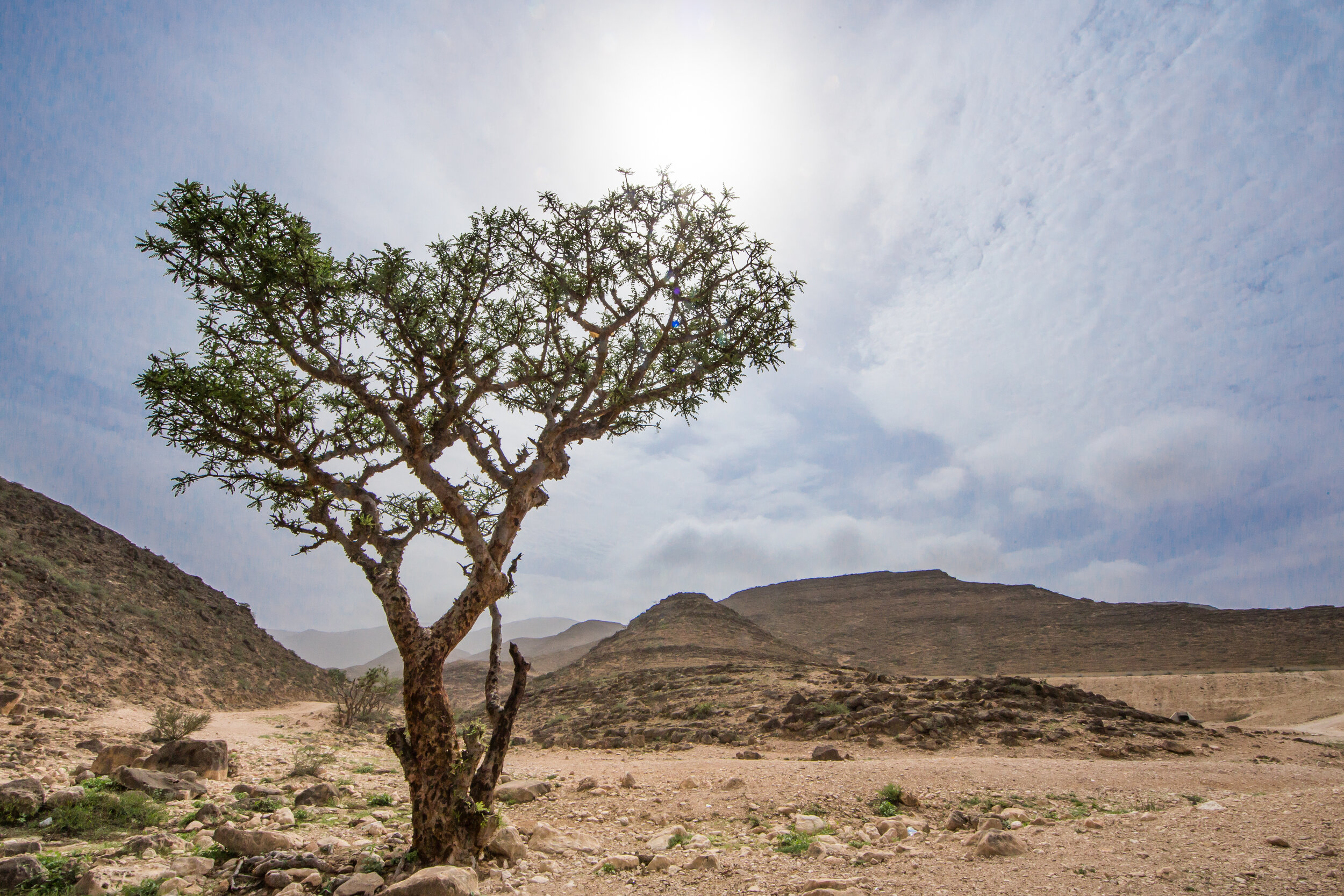
Frankincense is incredibly hardy, growing out of rock faces in the scorching Somali sun, often going months without water.
What Is Frankincense Used For?
The main use for frankincense internally is for its potent anti-inflammatory effects.
It works mainly as a 5-LOX inhibitor, which differentiates it from COX inhibitors like Aspirin, *Salix alba*, or *Curcuma longa*.
Frankincense is best used for conditions like osteoarthritis and vascular/neural inflammation and in combination with COX inhibitors for inflammatory bowel disease or hyper-permeability of the gastrointestinal lining.
Topically frankincense is used in salves or as a linament for wounds and infection.
The essential oil is inhaled for asthma, lung infection, or as a mild sedative.
Traditional Uses
Ayurvedic Medical System
Boswellia was commonly used in Ayurveda as an astringent and anti-inflammatory agent topically and as a stimulant and expectorant internally.
It was used for pulmonary conditions, diarrhea, rheumatism, dysentery, gonorrhea, dysmenorrhea, syphilis, weakness, poor appetite, and various liver conditions.
Botany
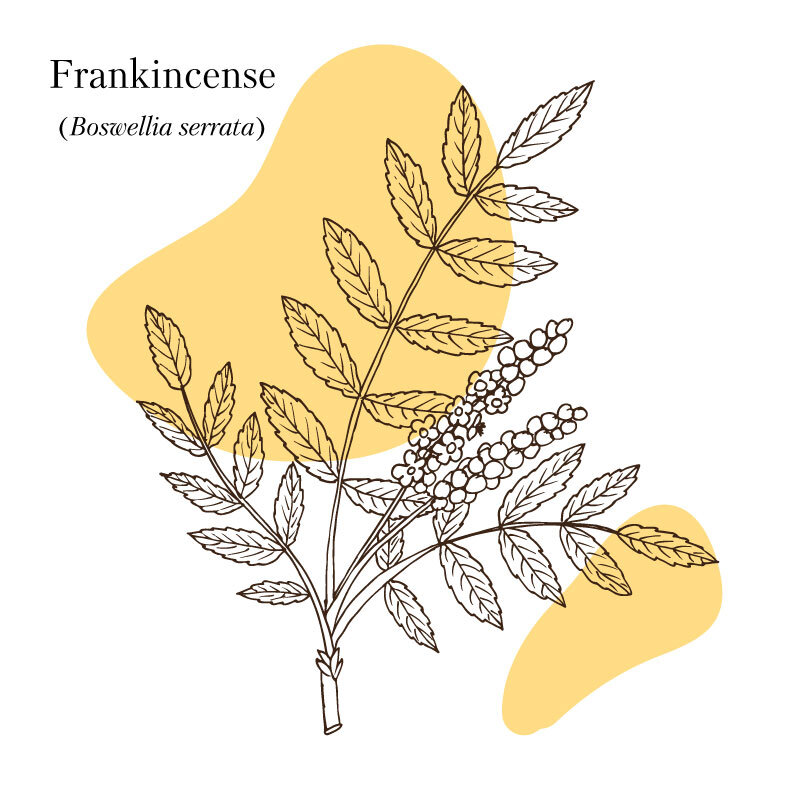
Frankincense comes from trees of the genus Boswellia, in the family Burseraceae — the same resin-producing family as myrrh. These are moderate deciduous trees of dry tropical country, with thin, pale, papery bark and pinnate leaves. The part that matters medicinally is not the leaf or flower but the bark’s response to injury: when the trunk is deliberately wounded (“tapped”), it weeps an aromatic oleo-gum-resin that hardens into the material known as frankincense.
A distinction here is genuinely important and often blurred. The species used in Ayurvedic and Western herbal medicine for its anti-inflammatory boswellic acids is Boswellia serrata, the Indian tree, whose tapped resin is the “salai guggul” of Indian tradition. This is not the same as the Arabian and Horn-of-Africa perfume-frankincense species — Boswellia sacra and B. carterii (Biblical frankincense is thought to have been B. sacra). The species share a genus and a resin-tapping habit, but when a boswellic-acid supplement is meant, it is B. serrata that is intended.
Distribution
Boswellia serrata grows in the dry deciduous hill forests of the Indian subcontinent, across much of India and into neighbouring Pakistan. It is a tree of hot, seasonally arid country rather than of wet or temperate ground — so it is the Indian dry tropics, not Arabia, that supply the boswellic-acid frankincense used medicinally.
Growing Conditions
- Thrives in hot, seasonally dry tropical and subtropical climates (roughly USDA zones 10–12); it is not frost-tolerant.
- Wants full sun and well-drained, often rocky or poor hill soils — a tree of dry deciduous forest, not rich moist ground.
- Drought-adapted: it drops its leaves through the dry season and tolerates lean conditions.
- The medicinal resin is obtained by carefully tapping mature bark; over-tapping harms the tree, so sustainable harvest matters.
- Full cultivation detail lives on the companion farm-wiki grow guide for Boswellia serrata (link to be added once that project’s public URL is confirmed).
Harvesting, Collection & Preparation
Due to the high alcohol content needed to extract the resin, this herb is generally given as a tablet or capsule, rather than a tincture or liquid extract.
Phytochemistry
Frankincense gum resin is a two-part material: a non-volatile, triterpene-rich resin and a fragrant essential oil. The medicinal anti-inflammatory reputation rests on the pentacyclic boswellic acids, of which acetyl-11-keto-β-boswellic acid (AKBA) is the most potent — a direct, non-redox 5-lipoxygenase inhibitor 14Reference 14In vitroAcetyl-11-keto-beta-boswellic acid (AKBA): structure requirements for binding and 5-lipoxygenase inhibitory activity — [in vitro enzyme study]View study →. Boswellic acids as a class make up roughly 16% of the gum resin (around 30% of an alcoholic extract), while AKBA itself is present at only about 0.7% of dried resin; claims of “30% AKBA” reflect concentrated, standardised extracts rather than the raw resin 31Reference 31Quantitative Determination of 3-O-Acetyl-11-Keto-βBoswellic Acid (AKBA) and Other Boswellic Acids in Boswellia sacra Flueck (synView study →.
The volatile fraction (around 5–6% of the resin by hydrodistillation) is dominated by monoterpenes, principally α-pinene and alpha-thujene; α-pinene has been reported in the range of roughly 9–16% of B. serrata oil, with α-thujene sometimes the single largest component 32Reference 32Song Z, Xia L, Wei Z, Cao Y, Zhang L, & Liu Z (2012). [Determination of alpha-pinene and octyl acetate contents in Boswellia serrata] — [analytical chemistry study]. Zhongguo Zhong Yao Za Zhi, 37(10), 1431-3. https://pubmed.ncbi.nlm.nih.gov/22860456/View study →. This aromatic fraction underlies the carminative and traditional incense uses.
Constituent Summary
Mixed basis — boswellic-acid figures are percent of dried gum resin; oil monoterpene figures are share of essential oil. Both vary widely with origin, season and processing. Constituents grouped by class below.
Triterpene11 compounds2 with data
Monoterpene2 compounds2 with data
Sterol1 compoundno data
Terpenoid1 compoundno data
Tannin1 compoundno data
Carbohydrate1 compoundno data
Organic Acid1 compoundno data
Pharmacology & Research
Frankincense (the oleogum resin of Boswellia serrata) has one of the deeper clinical literatures of any resin herb — enough that a BMJ systematic review took it seriously as far back as 2008 30Reference 30Systematic reviewFrankincense: systematic review — [systematic review]View study → — and that literature is unusually lopsided in a useful way: nearly all of the human trial evidence sits on a single indication — knee osteoarthritis — where at least eight randomised controlled trials and several meta-analyses converge on real reductions in pain and stiffness 1,2,3,8,9,10,11Reference 1RCTEfficacy and tolerability of Boswellia serrata extract in treatment of osteoarthritis of knee—a randomized double blind placebo controlled trial — [randomized double-blind placebo-controlled trial]View study →Reference 2RCTA double blind, randomized, placebo controlled study of the efficacy and safety of 5-Loxin for treatment of osteoarthritis of the knee — [randomized controlled trial]View study →Reference 3RCTA double blind, randomized, placebo controlled clinical study evaluates the early efficacy of aflapin in subjects with osteoarthritis of knee — [randomized controlled trial]View study →Reference 8Meta-analysisEffectiveness of Boswellia and Boswellia extract for osteoarthritis patients: a systematic review and meta-analysis — [systematic review and meta-analysis]View study →Reference 9Meta-analysisEfficacy of curcumin and Boswellia for knee osteoarthritis: Systematic review and meta-analysis — [systematic review and meta-analysis]View study →Reference 10Meta-analysisDietary supplements for treating osteoarthritis: a systematic review and meta-analysis — [systematic review and meta-analysis]View study →Reference 11Meta-analysisEfficacy evaluation of standardized Boswellia serrata extract (AflapinⓇ) in osteoarthritis: A systematic review and sub-group meta-analysis study — [systematic review and meta-analysis]View study →. Everything else is a mix of small, old, or single trials (asthma, ulcerative colitis, a Crohn’s non-inferiority study, one brain-edema pilot) and a large preclinical body built almost entirely on one class of molecules, the pentacyclic boswellic acids, and their standout member acetyl-11-keto-β-boswellic acid (AKBA), a direct 5-lipoxygenase inhibitor 14Reference 14In vitroAcetyl-11-keto-beta-boswellic acid (AKBA): structure requirements for binding and 5-lipoxygenase inhibitory activity — [in vitro enzyme study]View study →. The single most important caveat runs through the whole page: the human results come from concentrated, standardised extracts (5-Loxin, Aflapin, Boswellin — typically 20-30% AKBA), not from the raw gum resin or a tea, and AKBA is present at under 1% of the crude resin 31Reference 31Quantitative Determination of 3-O-Acetyl-11-Keto-βBoswellic Acid (AKBA) and Other Boswellic Acids in Boswellia sacra Flueck (synView study →. Read the scores below as evidence for specific standardised preparations, not for frankincense in general.
- Best-supported: knee osteoarthritis — repeated RCTs and meta-analyses show clinically meaningful pain and function gains, though trial quality is low and most studies are industry-linked 1,2,3,8,9Reference 1RCTEfficacy and tolerability of Boswellia serrata extract in treatment of osteoarthritis of knee—a randomized double blind placebo controlled trial — [randomized double-blind placebo-controlled trial]View study →Reference 2RCTA double blind, randomized, placebo controlled study of the efficacy and safety of 5-Loxin for treatment of osteoarthritis of the knee — [randomized controlled trial]View study →Reference 3RCTA double blind, randomized, placebo controlled clinical study evaluates the early efficacy of aflapin in subjects with osteoarthritis of knee — [randomized controlled trial]View study →Reference 8Meta-analysisEffectiveness of Boswellia and Boswellia extract for osteoarthritis patients: a systematic review and meta-analysis — [systematic review and meta-analysis]View study →Reference 9Meta-analysisEfficacy of curcumin and Boswellia for knee osteoarthritis: Systematic review and meta-analysis — [systematic review and meta-analysis]View study →; and the underlying 5-LOX/anti-inflammatory mechanism, which is well characterised at the molecular level 14,15Reference 14In vitroAcetyl-11-keto-beta-boswellic acid (AKBA): structure requirements for binding and 5-lipoxygenase inhibitory activity — [in vitro enzyme study]View study →Reference 15In vitroPure compound from Boswellia serrata extract exhibits anti-inflammatory property in human PBMCs and mouse macrophages through inhibition of TNFalpha, IL-1beta, NO and MAP kinases — [in vitro / animal model]View study →.
- Emerging, worth watching: glycemic and lipid improvement in type-2 diabetes (a 2024 meta-analysis of five small RCTs) 18Reference 18Meta-analysisEffect of boswellia (Boswellia serrata L.) supplementation on glycemic markers and lipid profile in type 2 diabetic patients: a systematic review and meta-analysis — [systematic review and meta-analysis]View study →, and a single striking pilot trial showing reduced radiotherapy-related cerebral edema 25Reference 25RCTBoswellia serrata acts on cerebral edema in patients irradiated for brain tumors: a prospective, randomized, placebo-controlled, double-blind pilot trial — [randomized controlled trial]View study →.
- Mechanistically thin: anticancer, neuroprotective, antioxidant and antimicrobial claims — each rests on AKBA or the essential-oil fraction in cell and rodent models, with no human data and, for anticancer, effective doses far above anything achievable by ingesting the resin 17,27,29Reference 17Systematic reviewAnti-inflammatory and anti-cancer activities of frankincense: Targets, treatments and toxicities — [systematic review]View study →Reference 27AnimalAcetyl-11-keto-β-boswellic acid ameliorates cognitive deficits and reduces amyloid-β levels in APPswe/PS1dE9 mice through antioxidant and anti-inflammatory pathways — [animal model]View study →Reference 29In vitroComposition and antibacterial activity of the essential oils of four commercial grades of Omani luban, the oleo-gum resin of Boswellia sacra FLUECK — [in vitro]View study →.
- The caveat: “frankincense” in the trials means a standardised high-AKBA extract. Those results do not transfer to raw resin, incense smoke, or the essential oil, and there is no single agreed dose across studies.
1. Osteoarthritis
Knee osteoarthritis is the one indication where frankincense has been tested repeatedly in humans. The foundational trial was a small randomised, double-blind, placebo-controlled crossover study (n=30) in which Boswellia serrata extract reduced knee pain and swelling and improved walking distance versus placebo 1Reference 1RCTEfficacy and tolerability of Boswellia serrata extract in treatment of osteoarthritis of knee—a randomized double blind placebo controlled trial — [randomized double-blind placebo-controlled trial]View study →. It was followed by a series of dose-ranging RCTs on standardised, AKBA-enriched extracts: 5-Loxin (30% AKBA) improved WOMAC pain and function at 90 days and lowered synovial matrix metalloproteinase-3 2Reference 2RCTA double blind, randomized, placebo controlled study of the efficacy and safety of 5-Loxin for treatment of osteoarthritis of the knee — [randomized controlled trial]View study →, and the more bioavailable Aflapin produced significant improvement in as little as 5-7 days 3,4Reference 3RCTA double blind, randomized, placebo controlled clinical study evaluates the early efficacy of aflapin in subjects with osteoarthritis of knee — [randomized controlled trial]View study →Reference 4RCTComparative efficacy and tolerability of 5-Loxin and AflapinAgainst osteoarthritis of the knee: a double blind, randomized, placebo controlled clinical study — [randomized controlled trial]View study →. More recent RCTs report the same direction of effect with added biomarker and imaging endpoints — reduced hs-CRP and MMP-3 5,7Reference 5RCTEfficacy and Safety of Aflapin®, a Novel Boswellia Serrata Extract, in the Treatment of Osteoarthritis of the Knee: A Short-Term 30-Day Randomized, Double-Blind, Placebo-Controlled Clinical Study — [randomized controlled trial]View study →Reference 7RCTA pilot, randomized, double-blind, placebo-controlled trial to assess the safety and efficacy of a novel Boswellia serrata extract in the management of osteoarthritis of the knee — [randomized controlled trial]View study →, and, in a 2025 six-month MRI study (n=80), measurable increases in cartilage thickness and joint-space width alongside symptom relief 6Reference 6RCTA Standardized Boswellia serrata Extract Improves Knee Joint Function and Cartilage Morphology in Human Volunteers with Mild to Moderate Osteoarthritis in a Randomized Placebo-Controlled Study — [randomized controlled trial]View study →. Meta-analyses pool this into a consistent signal: seven RCTs (n=545) favoured Boswellia for VAS pain and WOMAC scores 8Reference 8Meta-analysisEffectiveness of Boswellia and Boswellia extract for osteoarthritis patients: a systematic review and meta-analysis — [systematic review and meta-analysis]View study →, and eleven RCTs (n=1009) found both boswellia and curcumin superior to placebo 9Reference 9Meta-analysisEfficacy of curcumin and Boswellia for knee osteoarthritis: Systematic review and meta-analysis — [systematic review and meta-analysis]View study →; a British Journal of Sports Medicine network review ranked Boswellia serrata among the supplements with large short-term effect sizes for OA pain 10Reference 10Meta-analysisDietary supplements for treating osteoarthritis: a systematic review and meta-analysis — [systematic review and meta-analysis]View study →. The honest counterweight is a 2024 meta-analysis of 13 studies that found no significant effect once high between-study heterogeneity was modelled 12Reference 12Meta-analysisEfficacy of Extracts of Oleogum Resin of Boswellia in the Treatment of Knee Osteoarthritis: A Systematic Review and Meta-Analysis — [systematic review and meta-analysis]View study →, and the recurring finding across all reviews that trial quality is low and many studies are conducted or funded by extract manufacturers. A 2026 network meta-analysis (20 RCTs, n=1633) again placed Boswellia — alone and combined with curcumin — above placebo for pain and function, but rated the certainty of evidence low 13Reference 13Meta-analysisEvaluating the efficacy and safety of Curcuma longa, Boswellia serrata, and their mixed formulation in treating knee osteoarthritis: A systematic review and network meta-analysis — [systematic review and network meta-analysis]View study →.
Gap: the effect is real but the evidence is low-quality and preparation-specific — it belongs to particular standardised extracts (5-Loxin, Aflapin, Boswellin), not to raw resin or a generic “boswellia,” and head-to-head data against NSAIDs remain thin.
2. Anti-inflammatory
This is the mechanism the whole herb rests on, and it is the best-characterised thing about frankincense at the molecular level. AKBA is a direct, non-redox, non-competitive inhibitor of 5-lipoxygenase (5-LOX), the enzyme that initiates leukotriene synthesis — a mode of action distinct from the COX inhibition of aspirin or NSAIDs, which is why frankincense is often positioned as a leukotriene-pathway anti-inflammatory 14Reference 14In vitroAcetyl-11-keto-beta-boswellic acid (AKBA): structure requirements for binding and 5-lipoxygenase inhibitory activity — [in vitro enzyme study]View study →. Beyond 5-LOX, a purified boswellic-acid compound suppressed TNFα, IL-1β, nitric oxide and MAP-kinase signalling in human peripheral blood mononuclear cells and mouse macrophages 15Reference 15In vitroPure compound from Boswellia serrata extract exhibits anti-inflammatory property in human PBMCs and mouse macrophages through inhibition of TNFalpha, IL-1beta, NO and MAP kinases — [in vitro / animal model]View study →, and boswellic acids also show cyclooxygenase-inhibitory activity in screening assays 16Reference 16In vitroDiscovery of cyclooxygenase inhibitors from medicinal plants used to treat inflammation — [in vitro]View study →. A 2022 systematic review catalogues the breadth of these targets — leukotriene synthesis, COX-1/2, oxidative stress and immune-cell regulation — as the shared basis for the resin’s anti-arthritic, gastrointestinal and oncologic effects 17Reference 17Systematic reviewAnti-inflammatory and anti-cancer activities of frankincense: Targets, treatments and toxicities — [systematic review]View study →. The limitation is that this is largely enzyme- and cell-level work on isolated constituents; the clinical read-out of the anti-inflammatory action is what the osteoarthritis and IBD trials measured, not a standalone human anti-inflammatory endpoint.
Gap: the mechanism is well mapped but the strongest evidence is on purified AKBA in vitro — the leap from “AKBA inhibits 5-LOX in a test tube” to “the resin dose you took is anti-inflammatory in your joint” is bridged only by the extract-based OA trials.
3. Glycemic & lipid control
A 2024 systematic review and meta-analysis pooled five randomised controlled trials in type-2 diabetes (total n=287) and found Boswellia serrata supplementation significantly reduced HbA1c (standardised mean difference −1.01) and total cholesterol versus placebo or control, with signals toward lower triglycerides 18Reference 18Meta-analysisEffect of boswellia (Boswellia serrata L.) supplementation on glycemic markers and lipid profile in type 2 diabetic patients: a systematic review and meta-analysis — [systematic review and meta-analysis]View study →. This is a genuinely human, genuinely metabolic result — but the constituent trials are small, several test boswellia inside curcumin co-formulations rather than alone, and the pooled estimate carries wide confidence intervals. The plausible mechanism links back to the same anti-inflammatory chemistry: chronic low-grade inflammation is a driver of insulin resistance, and boswellic-acid suppression of inflammatory signalling is the proposed route.
Gap: promising but early — five small trials, some in combination products, no long-term or hard-endpoint (complication) data, and no established antidiabetic dose for the resin.
4. Inflammatory bowel disease
The rationale here is clean: leukotriene B4 helps sustain mucosal inflammation in IBD, and boswellic acids block its synthesis. Early human data were encouraging — a 1997 controlled trial in ulcerative colitis (grade II-III) found a Boswellia serrata gum-resin preparation (350 mg three times daily) improved stool, histology and blood parameters to a degree similar to sulfasalazine 19Reference 19Clinical trialEffects of Boswellia serrata gum resin in patients with ulcerative colitis — [controlled clinical trial]View study →, and a 2001 randomised trial of the extract H15 in active Crohn’s disease met its non-inferiority endpoint against mesalazine, reducing the Crohn’s Disease Activity Index by a mean of 90 points 20Reference 20RCTGerhardt H, Seifert F, Buvari P, Vogelsang H, & Repges R (2001). [Therapy of active Crohn disease with Boswellia serrata extract H 15] — [randomized controlled trial]. Z Gastroenterol, 39(1), 11-7. https://pubmed.ncbi.nlm.nih.gov/11215357/View study →. The picture darkened with the largest and most rigorous trial: a 2011 multicentre, 52-week RCT (n=108) of a new Boswellia extract for maintaining Crohn’s remission was terminated early for futility — the drug did not separate from placebo, though it was well tolerated 21Reference 21RCTRandomized, placebo-controlled, double-blind trial of Boswellia serrata in maintaining remission of Crohn’s disease: good safety profile but lack of efficacy — [randomized controlled trial]View study →. A separate 2007 multicentre RCT in collagenous colitis showed higher clinical remission with Boswellia extract than placebo but did not reach its per-protocol significance threshold cleanly 22Reference 22RCTBoswellia serrata extract for the treatment of collagenous colitisView study →.
Gap: the positive trials are small, old, and used different preparations; the one large, modern, well-powered maintenance trial was null. Frankincense is at best an adjunct here, not a standalone IBD therapy.
5. Bronchial asthma
The asthma evidence is a single, much-cited trial: a 1998 double-blind, placebo-controlled study (n=40) in which Boswellia serrata gum resin (300 mg three times daily for six weeks) improved symptoms and lung-function measures (FEV1, FVC, PEFR) and lowered eosinophil counts in 70% of patients, versus 27% on placebo 23Reference 23RCTEffects of Boswellia serrata gum resin in patients with bronchial asthma: results of a double-blind, placebo-controlled, 6-week clinical study — [randomized controlled trial]View study →. The leukotriene-inhibition mechanism makes this biologically coherent — leukotrienes are central to bronchoconstriction, which is why pharmaceutical leukotriene antagonists exist. But a 2010 Cochrane-style systematic review of herbal asthma interventions flagged the Boswellia result as promising yet unreplicated, with methodological limits typical of its era 24Reference 24Meta-analysisHerbal interventions for chronic asthma in adults and children: a systematic review and meta-analysis — [systematic review and meta-analysis]View study →. No modern trial has confirmed it.
Gap: one small trial from 1998, never replicated with contemporary methods or standardised extract — the mechanism is sound but the clinical evidence is a single data point.
6. Peritumoral cerebral edema
One of the more striking single trials in the frankincense literature: a 2011 prospective, randomised, placebo-controlled, double-blind pilot (n=44) gave patients undergoing brain-tumour radiotherapy either Boswellia serrata 4200 mg/day or placebo 25Reference 25RCTBoswellia serrata acts on cerebral edema in patients irradiated for brain tumors: a prospective, randomized, placebo-controlled, double-blind pilot trial — [randomized controlled trial]View study →. Cerebral edema on T2-weighted MRI was reduced by more than 75% in 60% of the Boswellia group versus 26% of placebo, and boswellic acids (AKBA, KBA) were detectable in serum — evidence the compounds reached the circulation at the dose used. The proposed mechanism is the same anti-leukotriene, anti-inflammatory action reducing vascular permeability, offering a potential steroid-sparing adjunct to dexamethasone.
Gap: a single pilot trial in a narrow radiotherapy setting; the finding is provocative and worth larger confirmation, but it is one study and does not generalise to other causes of brain swelling.
7. Anticancer
The oncology signal is entirely preclinical but mechanistically detailed. AKBA induces apoptosis and cell-cycle arrest and inhibits NF-κB signalling across a range of cancer cell lines, and in an APC-Min mouse model of intestinal adenomatous polyposis it reduced polyp burden, performing comparably to aspirin in one head-to-head study 17,26Reference 17Systematic reviewAnti-inflammatory and anti-cancer activities of frankincense: Targets, treatments and toxicities — [systematic review]View study →Reference 26AnimalThe comparative study of acetyl-11-keto-beta-boswellic acid (AKBA) and aspirin in the prevention of intestinal adenomatous polyposis in APC(Min/+) mice — [animal model]View study →. A 2022 systematic review maps these anti-cancer targets in depth across multiple boswellic acids and tumour types 17Reference 17Systematic reviewAnti-inflammatory and anti-cancer activities of frankincense: Targets, treatments and toxicities — [systematic review]View study →. The unavoidable limitation is dose and exposure: the concentrations that kill cancer cells in vitro are far above what boswellic-acid blood levels reach after oral resin, and there is no human oncology trial of frankincense as an anticancer agent — the one human cancer-adjacent RCT concerns edema control, not tumour treatment 25Reference 25RCTBoswellia serrata acts on cerebral edema in patients irradiated for brain tumors: a prospective, randomized, placebo-controlled, double-blind pilot trial — [randomized controlled trial]View study →.
Gap: no human anticancer data at all; effective preclinical doses are not achievable by ingesting the resin, so this remains a mechanism of research interest, not a therapy.
8. Neuroprotective & cognitive
Boswellic acids cross the blood-brain barrier — confirmed by the serum-and-brain pharmacology in the edema trial 25Reference 25RCTBoswellia serrata acts on cerebral edema in patients irradiated for brain tumors: a prospective, randomized, placebo-controlled, double-blind pilot trial — [randomized controlled trial]View study → — which makes them a plausible candidate for inflammation-driven neurological disease. In an APPswe/PS1dE9 transgenic mouse model of Alzheimer’s disease, AKBA improved learning and memory, reduced cerebral amyloid-β levels and plaque burden, and lowered oxidative stress through antioxidant and anti-inflammatory pathways 27Reference 27AnimalAcetyl-11-keto-β-boswellic acid ameliorates cognitive deficits and reduces amyloid-β levels in APPswe/PS1dE9 mice through antioxidant and anti-inflammatory pathways — [animal model]View study →. Related work shows AKBA activating the Nrf2/HO-1 axis to reduce oxidative damage and promote nerve repair in a rat sciatic-injury model 28Reference 28AnimalAcetyl-11-Keto-Beta-Boswellic Acid Activates the Nrf2/HO-1 Signaling Pathway in Schwann Cells to Reduce Oxidative Stress and Promote Sciatic Nerve Injury Repair — [animal model]View study →. This is a coherent, mechanism-rich preclinical story — and it is entirely preclinical.
Gap: animal and cell models only, no human cognitive or neurodegenerative trial; the blood-brain-barrier penetration is established but the clinical benefit is unproven.
9. Antimicrobial
The traditional use of frankincense as an antiseptic wound dressing and purifying incense maps onto the essential-oil fraction rather than the boswellic acids. GC-MS studies of Boswellia oleogum-resin oils show modest, variable antibacterial activity, driven by the monoterpene fraction — principally α-pinene — with the composition and potency differing sharply between resin grades and geographic origins 29Reference 29In vitroComposition and antibacterial activity of the essential oils of four commercial grades of Omani luban, the oleo-gum resin of Boswellia sacra FLUECK — [in vitro]View study →. This supports the topical and fumigation tradition at a plausibility level, but the data are in-vitro zone-of-inhibition and MIC work on the oil, not the ingested resin, and there is no controlled study of frankincense treating a human infection.
Gap: activity is real but modest, oil-fraction-specific and highly variable by source; no clinical infection data, so the “antiseptic” reputation rests on tradition plus in-vitro plausibility.
10. Antioxidant
Frankincense’s antioxidant action is indirect and constituent-level rather than a direct free-radical-scavenging effect of the whole resin. AKBA activates the Nrf2/HO-1 signalling pathway — the cell’s master antioxidant response — and reduces markers of oxidative stress in rodent models of nerve injury and Alzheimer’s disease 27,28Reference 27AnimalAcetyl-11-keto-β-boswellic acid ameliorates cognitive deficits and reduces amyloid-β levels in APPswe/PS1dE9 mice through antioxidant and anti-inflammatory pathways — [animal model]View study →Reference 28AnimalAcetyl-11-Keto-Beta-Boswellic Acid Activates the Nrf2/HO-1 Signaling Pathway in Schwann Cells to Reduce Oxidative Stress and Promote Sciatic Nerve Injury Repair — [animal model]View study →. This is a more interesting mechanism than simple radical scavenging, because it upregulates the body’s own antioxidant enzymes, but it has only been shown for the isolated compound in animals and cells.
Gap: no human antioxidant-endpoint data; the effect is an isolated-AKBA, Nrf2-mediated action in rodents, and there is even a countervailing signal — AKBA induced oxidative-stress-linked developmental and cardiotoxicity in zebrafish embryos 33Reference 33In vitroInduction of developmental toxicity and cardiotoxicity in zebrafish embryos/larvae by acetyl-11-keto-β-boswellic acid (AKBA) through oxidative stress — [in vitro / zebrafish developmental toxicity]View study → — so “antioxidant” is not an unqualified property of the resin.
Mechanisms
| Mechanism | Drives | Key compounds |
|---|---|---|
| Direct non-redox 5-LOX inhibition → ↓ leukotrienes; NF-κB ↓, TNFα/IL-1β ↓, MMP-3 ↓, COX modulation | anti-inflammatoryosteoarthritisIBDasthmacerebral edema | AKBA, 11-keto-β-boswellic acid, β-boswellic acid |
| Nrf2/HO-1 activation → ↑ endogenous antioxidant enzymes; pro-apoptotic / NF-κB ↓ in tumour cells | antioxidantneuroprotectiveanticancer | AKBA |
| Membrane-disruptive antibacterial activity; carminative/aromatic action | antimicrobialcarminativetraditional incense use | α-pinene, α-thujene |
Clinical trials
The human trial base is real but concentrated in osteoarthritis (8+ RCTs plus several meta-analyses), with only single trials scattered across asthma, ulcerative colitis, Crohn’s disease, collagenous colitis and radiotherapy-related cerebral edema — and the largest, most rigorous Crohn’s maintenance trial was stopped early for futility.
| Completed | Planned | Terminated | Preclinical |
|---|---|---|---|
| ~12 | 0 | 1 | ~200+ |
Last checked: July 2026.
Dosage
In research, frankincense is almost always given as a standardised Boswellia serrata extract titrated to a set AKBA (acetyl-11-keto-β-boswellic acid) content, not as the raw gum resin — so a trial dose in milligrams of a 20-30% AKBA extract is not comparable to the same weight of crude resin. The osteoarthritis trials in particular used quite small doses of high-potency standardised extract, while the older whole-resin trials (asthma, ulcerative colitis) and the cerebral-edema pilot used gram-scale gum-resin doses.
| Indication | Preparation | Dose | Est. dried-herb equivalent | Source |
|---|---|---|---|---|
| Knee osteoarthritis | 5-Loxin (30% AKBA standardised extract) | 100–250 mg/day | order-of-magnitude higher as crude resin (AKBA ≈ 0.7% of resin) | 2,4Reference 2RCTA double blind, randomized, placebo controlled study of the efficacy and safety of 5-Loxin for treatment of osteoarthritis of the knee — [randomized controlled trial]View study →Reference 4RCTComparative efficacy and tolerability of 5-Loxin and AflapinAgainst osteoarthritis of the knee: a double blind, randomized, placebo controlled clinical study — [randomized controlled trial]View study → |
| Knee osteoarthritis | Aflapin (enriched B. serrata extract) | 100 mg/day | order-of-magnitude higher as crude resin | 3,5Reference 3RCTA double blind, randomized, placebo controlled clinical study evaluates the early efficacy of aflapin in subjects with osteoarthritis of knee — [randomized controlled trial]View study →Reference 5RCTEfficacy and Safety of Aflapin®, a Novel Boswellia Serrata Extract, in the Treatment of Osteoarthritis of the Knee: A Short-Term 30-Day Randomized, Double-Blind, Placebo-Controlled Clinical Study — [randomized controlled trial]View study → |
| Ulcerative colitis | Gum-resin preparation | 350 mg ×3/day (1050 mg/day) | ~1 g/day gum resin | 19Reference 19Clinical trialEffects of Boswellia serrata gum resin in patients with ulcerative colitis — [controlled clinical trial]View study → |
| Bronchial asthma | Gum resin | 300 mg ×3/day (900 mg/day) | ~0.9 g/day gum resin | 23Reference 23RCTEffects of Boswellia serrata gum resin in patients with bronchial asthma: results of a double-blind, placebo-controlled, 6-week clinical study — [randomized controlled trial]View study → |
| Peritumoral cerebral edema | B. serrata extract | 4200 mg/day | gram-scale extract | 25Reference 25RCTBoswellia serrata acts on cerebral edema in patients irradiated for brain tumors: a prospective, randomized, placebo-controlled, double-blind pilot trial — [randomized controlled trial]View study → |
The dried-herb equivalent is a rough guide, not a conversion factor or a dose recommendation: it rests on the stated assumption that crude resin is ~0.7% AKBA 31Reference 31Quantitative Determination of 3-O-Acetyl-11-Keto-βBoswellic Acid (AKBA) and Other Boswellic Acids in Boswellia sacra Flueck (synView study →, so a small milligram dose of a 20-30% AKBA extract represents far more whole resin. Where a source reports only a proprietary-extract weight without a marker %, the equivalent is order-of-magnitude at best.
Traditional Dosage
Traditional systems use the whole gum resin (or a tincture/decoction of it) rather than a titrated extract, at gram-scale daily doses; because of the high alcohol needed to dissolve the resin it is most often taken as a powder, tablet or capsule.
| System | Preparation | Dose |
|---|---|---|
| Western herbal | Powdered gum resin (capsule/tablet) | ~2100–3500 mg/day |
| Ayurveda (Sallaki / Shallaki) | Gum-resin powder | ~1–3 g/day |
Safety & Pregnancy
Frankincense extract is well tolerated in trials — mild gastrointestinal upset is the main complaint and no serious adverse events appear up to six months — with the notable cautions being a precautionary avoid in pregnancy and an unproven drug-interaction potential.
- Avoid in pregnancy. Traditionally an emmenagogue; isolated AKBA was developmentally and cardiotoxic in zebrafish embryos.
- Possible drug interactions. Preclinical CYP450 modulation — clinician oversight with narrow-therapeutic-index medicines.
- Lactation unstudied. No safety data; treat as untested.
- Well tolerated. Mild GI effects (nausea, reflux, loose stools) the main complaint; no serious events or organ-toxicity signals to six months.
Full safety & interactions detail
Frankincense (Boswellia serrata) extract is well tolerated in clinical trials — the most consistent adverse effects across osteoarthritis and IBD studies are mild and gastrointestinal (nausea, reflux, loose stools), and repeated trials up to six months report no serious adverse events or clinically significant changes in blood chemistry, liver or kidney parameters 5,6,7,21Reference 5RCTEfficacy and Safety of Aflapin®, a Novel Boswellia Serrata Extract, in the Treatment of Osteoarthritis of the Knee: A Short-Term 30-Day Randomized, Double-Blind, Placebo-Controlled Clinical Study — [randomized controlled trial]View study →Reference 6RCTA Standardized Boswellia serrata Extract Improves Knee Joint Function and Cartilage Morphology in Human Volunteers with Mild to Moderate Osteoarthritis in a Randomized Placebo-Controlled Study — [randomized controlled trial]View study →Reference 7RCTA pilot, randomized, double-blind, placebo-controlled trial to assess the safety and efficacy of a novel Boswellia serrata extract in the management of osteoarthritis of the knee — [randomized controlled trial]View study →Reference 21RCTRandomized, placebo-controlled, double-blind trial of Boswellia serrata in maintaining remission of Crohn’s disease: good safety profile but lack of efficacy — [randomized controlled trial]View study →. It is not a sedative or a high-toxicity herb, and long-term use of standardised extract appears safe on current evidence.
Two cautions belong on the page. First, formal human drug-interaction data are lacking: boswellic acids modulate cytochrome-P450 enzymes in preclinical systems, so a theoretical interaction with CYP3A4, CYP2C9 or CYP1A2 substrates (including many prescription drugs) cannot be excluded, and co-administration with narrow-therapeutic-index medicines warrants clinician oversight. The three enzymes listed in this monograph’s sidebar reflect that preclinical signal, not a demonstrated clinical interaction. No dedicated human herb–drug interaction trial was identified; the absence of reports should not be read as evidence of safety.
Human pregnancy and lactation safety has not been studied. Frankincense is traditionally classed as an emmenagogue, and isolated AKBA caused oxidative-stress-mediated developmental and cardiac toxicity in zebrafish embryos 33Reference 33In vitroInduction of developmental toxicity and cardiotoxicity in zebrafish embryos/larvae by acetyl-11-keto-β-boswellic acid (AKBA) through oxidative stress — [in vitro / zebrafish developmental toxicity]View study → — grounds for a precautionary avoidance in pregnancy rather than a demonstrated human harm. Lactation has not been evaluated at all; treat it as unstudied.
References
- Kimmatkar N, Thawani V, Hingorani L, & Khiyani R (2003). Efficacy and tolerability of Boswellia serrata extract in treatment of osteoarthritis of knee—a randomized double blind placebo controlled trial — [randomized double-blind placebo-controlled trial]. Phytomedicine, 10(1), 3-7. https://pubmed.ncbi.nlm.nih.gov/12622457/
- Sengupta K, Alluri KV, Satish AR, Mishra S, Golakoti T, Sarma KV, et al. (2008). A double blind, randomized, placebo controlled study of the efficacy and safety of 5-Loxin for treatment of osteoarthritis of the knee — [randomized controlled trial]. Arthritis Res Ther, 10(4), R85. https://pubmed.ncbi.nlm.nih.gov/18667054/
- Vishal AA, Mishra A, & Raychaudhuri SP (2011). A double blind, randomized, placebo controlled clinical study evaluates the early efficacy of aflapin in subjects with osteoarthritis of knee — [randomized controlled trial]. Int J Med Sci, 8(7), 615-22. https://pubmed.ncbi.nlm.nih.gov/22022214/
- Sengupta K, Krishnaraju AV, Vishal AA, Mishra A, Trimurtulu G, Sarma KV, et al. (2010). Comparative efficacy and tolerability of 5-Loxin and AflapinAgainst osteoarthritis of the knee: a double blind, randomized, placebo controlled clinical study — [randomized controlled trial]. Int J Med Sci, 7(6), 366-77. https://pubmed.ncbi.nlm.nih.gov/21060724/
- Karlapudi V, Sunkara KB, Konda PR, Sarma KV, & Rokkam MP (2023). Efficacy and Safety of Aflapin®, a Novel Boswellia Serrata Extract, in the Treatment of Osteoarthritis of the Knee: A Short-Term 30-Day Randomized, Double-Blind, Placebo-Controlled Clinical Study — [randomized controlled trial]. J Am Nutr Assoc, 42(2), 159-168. https://pubmed.ncbi.nlm.nih.gov/35512759/
- Kumar B, Ghaytidak AB, Pandey AK, Somepalli RR, Sarda P, Raychaudhuri SP, et al. (2025). A Standardized Boswellia serrata Extract Improves Knee Joint Function and Cartilage Morphology in Human Volunteers with Mild to Moderate Osteoarthritis in a Randomized Placebo-Controlled Study — [randomized controlled trial]. J Am Nutr Assoc, 44(5), 375-386. https://pubmed.ncbi.nlm.nih.gov/39700461/
- Majeed M, Majeed S, Narayanan NK, & Nagabhushanam K (2019). A pilot, randomized, double-blind, placebo-controlled trial to assess the safety and efficacy of a novel Boswellia serrata extract in the management of osteoarthritis of the knee — [randomized controlled trial]. Phytother Res, 33(5), 1457-1468. https://pubmed.ncbi.nlm.nih.gov/30838706/
- Yu G, Xiang W, Zhang T, Zeng L, Yang K, & Li J (2020). Effectiveness of Boswellia and Boswellia extract for osteoarthritis patients: a systematic review and meta-analysis — [systematic review and meta-analysis]. BMC Complement Med Ther, 20(1), 225. https://pubmed.ncbi.nlm.nih.gov/32680575/
- Bannuru RR, Osani MC, Al-Eid F, & Wang C (2018). Efficacy of curcumin and Boswellia for knee osteoarthritis: Systematic review and meta-analysis — [systematic review and meta-analysis]. Semin Arthritis Rheum, 48(3), 416-429. https://pubmed.ncbi.nlm.nih.gov/29622343/
- Liu X, Machado GC, Eyles JP, Ravi V, & Hunter DJ (2018). Dietary supplements for treating osteoarthritis: a systematic review and meta-analysis — [systematic review and meta-analysis]. Br J Sports Med, 52(3), 167-175. https://pubmed.ncbi.nlm.nih.gov/29018060/
- Dubey V, Kheni D, & Sureja V (2024). Efficacy evaluation of standardized Boswellia serrata extract (AflapinⓇ) in osteoarthritis: A systematic review and sub-group meta-analysis study — [systematic review and meta-analysis]. Explore (NY), 20(5), 102983. https://pubmed.ncbi.nlm.nih.gov/38365549/
- Dalmonte T, Andreani G, Rudelli C, & Isani G (2024). Efficacy of Extracts of Oleogum Resin of Boswellia in the Treatment of Knee Osteoarthritis: A Systematic Review and Meta-Analysis — [systematic review and meta-analysis]. Phytother Res, 38(12), 5672-5689. https://pubmed.ncbi.nlm.nih.gov/39314013/
- Inprasit C, Bunyamahote S, Boonpattharatthiti K, Thimkorn P, Intakhiao S, & Dhippayom T (2026). Evaluating the efficacy and safety of Curcuma longa, Boswellia serrata, and their mixed formulation in treating knee osteoarthritis: A systematic review and network meta-analysis — [systematic review and network meta-analysis]. Complement Ther Med, 96, 103256. https://pubmed.ncbi.nlm.nih.gov/41082950/
- Sailer ER, Subramanian LR, Rall B, Hoernlein RF, Ammon HP, & Safayhi H (1996). Acetyl-11-keto-beta-boswellic acid (AKBA): structure requirements for binding and 5-lipoxygenase inhibitory activity — [in vitro enzyme study]. Br J Pharmacol, 117(4), 615-8. https://pubmed.ncbi.nlm.nih.gov/8646405/
- Gayathri B, Manjula N, Vinaykumar KS, Lakshmi BS, & Balakrishnan A (2007). Pure compound from Boswellia serrata extract exhibits anti-inflammatory property in human PBMCs and mouse macrophages through inhibition of TNFalpha, IL-1beta, NO and MAP kinases — [in vitro / animal model]. Int Immunopharmacol, 7(4), 473-82. https://pubmed.ncbi.nlm.nih.gov/17321470/
- Cao H, Yu R, Choi Y, Ma ZZ, Zhang H, Xiang W, et al. (2010). Discovery of cyclooxygenase inhibitors from medicinal plants used to treat inflammation — [in vitro]. Pharmacol Res, 61(6), 519-24. https://pubmed.ncbi.nlm.nih.gov/20188172/
- Efferth T, & Oesch F (2022). Anti-inflammatory and anti-cancer activities of frankincense: Targets, treatments and toxicities — [systematic review]. Semin Cancer Biol, 80, 39-57. https://pubmed.ncbi.nlm.nih.gov/32027979/
- Karimi M, Vakili K, Rashidian P, Razavi-Amoli SK, Akhbari M, & Kazemi K (2024). Effect of boswellia (Boswellia serrata L.) supplementation on glycemic markers and lipid profile in type 2 diabetic patients: a systematic review and meta-analysis — [systematic review and meta-analysis]. Front Clin Diabetes Healthc, 5, 1466408. https://pubmed.ncbi.nlm.nih.gov/39449720/
- Gupta I, Parihar A, Malhotra P, Singh GB, Lüdtke R, Safayhi H, et al. (1997). Effects of Boswellia serrata gum resin in patients with ulcerative colitis — [controlled clinical trial]. Eur J Med Res, 2(1), 37-43. https://pubmed.ncbi.nlm.nih.gov/9049593/
- Gerhardt H, Seifert F, Buvari P, Vogelsang H, & Repges R (2001). [Therapy of active Crohn disease with Boswellia serrata extract H 15] — [randomized controlled trial]. Z Gastroenterol, 39(1), 11-7. https://pubmed.ncbi.nlm.nih.gov/11215357/
- Holtmeier W, Zeuzem S, Preiss J, Kruis W, Böhm S, Maaser C, et al. (2011). Randomized, placebo-controlled, double-blind trial of Boswellia serrata in maintaining remission of Crohn’s disease: good safety profile but lack of efficacy — [randomized controlled trial]. Inflamm Bowel Dis, 17(2), 573-82. https://pubmed.ncbi.nlm.nih.gov/20848527/
- Madisch A, Miehlke S, Eichele O, Mrwa J, Bethke B, Kuhlisch E, et al. (2007). Boswellia serrata extract for the treatment of collagenous colitis. A double-blind, randomized, placebo-controlled, multicenter trial — [randomized controlled trial]. Int J Colorectal Dis, 22(12), 1445-51. https://pubmed.ncbi.nlm.nih.gov/17764013/
- Gupta I, Gupta V, Parihar A, Gupta S, Lüdtke R, Safayhi H, et al. (1998). Effects of Boswellia serrata gum resin in patients with bronchial asthma: results of a double-blind, placebo-controlled, 6-week clinical study — [randomized controlled trial]. Eur J Med Res, 3(11), 511-4. https://pubmed.ncbi.nlm.nih.gov/9810030/
- Clark CE, Arnold E, Lasserson TJ, & Wu T (2010). Herbal interventions for chronic asthma in adults and children: a systematic review and meta-analysis — [systematic review and meta-analysis]. Prim Care Respir J, 19(4), 307-14. https://pubmed.ncbi.nlm.nih.gov/20640388/
- Kirste S, Treier M, Wehrle SJ, Becker G, Abdel-Tawab M, Gerbeth K, et al. (2011). Boswellia serrata acts on cerebral edema in patients irradiated for brain tumors: a prospective, randomized, placebo-controlled, double-blind pilot trial — [randomized controlled trial]. Cancer, 117(16), 3788-95. https://pubmed.ncbi.nlm.nih.gov/21287538/
- Wang R, Wang Y, Gao Z, & Qu X (2014). The comparative study of acetyl-11-keto-beta-boswellic acid (AKBA) and aspirin in the prevention of intestinal adenomatous polyposis in APC(Min/+) mice — [animal model]. Drug Discov Ther, 8(1), 25-32. https://pubmed.ncbi.nlm.nih.gov/24647155/
- Wei C, Fan J, Sun X, Yao J, Guo Y, Zhou B, et al. (2020). Acetyl-11-keto-β-boswellic acid ameliorates cognitive deficits and reduces amyloid-β levels in APPswe/PS1dE9 mice through antioxidant and anti-inflammatory pathways — [animal model]. Free Radic Biol Med, 150, 96-108. https://pubmed.ncbi.nlm.nih.gov/32109514/
- Zhou C, Wang Y, Zhang Q, Zhou G, Ma X, Jiang X, et al. (2023). Acetyl-11-Keto-Beta-Boswellic Acid Activates the Nrf2/HO-1 Signaling Pathway in Schwann Cells to Reduce Oxidative Stress and Promote Sciatic Nerve Injury Repair — [animal model]. Planta Med, 89(15), 1468-1482. https://pubmed.ncbi.nlm.nih.gov/37541437/
- Al-Saidi S, Rameshkumar KB, Hisham A, Sivakumar N, & Al-Kindy S (2012). Composition and antibacterial activity of the essential oils of four commercial grades of Omani luban, the oleo-gum resin of Boswellia sacra FLUECK — [in vitro]. Chem Biodivers, 9(3), 615-24. https://pubmed.ncbi.nlm.nih.gov/22422529/
- Ernst E (2008). Frankincense: systematic review — [systematic review]. BMJ, 337, a2813. https://pubmed.ncbi.nlm.nih.gov/19091760/
- Mannino G, Occhipinti A, & Maffei ME (2016). Quantitative Determination of 3-O-Acetyl-11-Keto-βBoswellic Acid (AKBA) and Other Boswellic Acids in Boswellia sacra Flueck (syn. B. carteri Birdw) and Boswellia serrata Roxb — [analytical chemistry study]. Molecules, 21(10). https://pubmed.ncbi.nlm.nih.gov/27782055/
- Song Z, Xia L, Wei Z, Cao Y, Zhang L, & Liu Z (2012). [Determination of alpha-pinene and octyl acetate contents in Boswellia serrata] — [analytical chemistry study]. Zhongguo Zhong Yao Za Zhi, 37(10), 1431-3. https://pubmed.ncbi.nlm.nih.gov/22860456/
- Han L, Xia Q, Zhang L, Zhang X, Li X, Zhang S, et al. (2022). Induction of developmental toxicity and cardiotoxicity in zebrafish embryos/larvae by acetyl-11-keto-β-boswellic acid (AKBA) through oxidative stress — [in vitro / zebrafish developmental toxicity]. Drug Chem Toxicol, 45(1), 143-150. https://pubmed.ncbi.nlm.nih.gov/31656113/