Materia Medica
Fennel
Foeniculum vulgare
Fennel (Foeniculum vulgare) — an aromatic carminative that eases bloating, gas and digestive cramping, and supports milk flow.
What Is Fennel?
Fennel is a popular culinary herb and medicinal species across the world. It’s so widely distributed that there are reportedly over 100 common names for the herb depending on where you are in the world.
The best use of fennel is likely to be its activity on the digestive tract. It’s high in volatile oils, and works to relax the smooth muscle of the digestive tract, and reduce the buildup of gas in the digestive tract. The carminative action of fennel is among the most reliable in the world.
Traditional uses of fennel mainly combine it with cooking, such as with fatty meals like fish or meat to eliminate any side effects from the large meal, while imparting its own unique flavour.
Indications
Internal
- Dyspepsia
- Bloating
- Flatulence
- Infantile colic
- Spasmodic gastric complaints
- Chronic non-specific colitis
- Anorexia
- Obesity
- Vomiting
- Diarrhoea
- IBS
- Abdominal pains
- Abdominal pain
- Upper respiratory catarrh
- Pharyngitis (gargle)
- Suppressed lactation
- Amenorrhoea
- Cancer
- Leukorrhoea
- Improving milk flow in nursing mothers
- To improve memory
- Mild depression
Topically
- Inhibit facial hair in women with idiopathic hirsutism (not touched upon here, see references 24Reference 24RCTAntihirsutism activity of fennel extract — double-blind placebo-controlled studyView study →)
- Eye infection (as a wash)
- Strengthen eyesight (as a wash)
- Arthritis
- Mouth ulcers (as a wash)
Contraindications
- Don’t use in therapeutic doses long-term.
What Is Fennel Used For?
Fennel is mainly used for the digestive system as a carminative to relieve gas and bloating, and to relax the smooth muscle of the digestive tract with dyspepsia, cramping, colic, vomiting, and diarrhea. It can also be used for IBS and other inflammatory conditions of the bowel and is a useful appetite stimulant for anorexia.
In the respiratory tract, fennel is used as an expectorant, and spasmolytic for coughs. Fennel is also used to stimulate the production of milk in breastfeeding mothers, and as a nootropic to improve learning and memory.
Topically, fennel is used for ulcerations, cuts, bruises, eye infections, and arthritis.
Traditional Uses
Western Herbal Medicine
Fennel was commonly used by the ancient Romans for its succulent shoots, and for the strong flavour and aromatic nature of the seeds. It was said to promote longevity, and provide both strength and courage 45Reference 45Fennel. https://www.botanical.com/botanical/mgmh/f/fennel01.htmlView study →.
It was mentioned by Pliny, and other old herbalists for its use in strengthening sight 45Reference 45Fennel. https://www.botanical.com/botanical/mgmh/f/fennel01.htmlView study →.
Fennel was also a common culinary herb, especially used in combination with fish 45Reference 45Fennel. https://www.botanical.com/botanical/mgmh/f/fennel01.htmlView study →, where it’s still a common pairing today.
It was used traditionally to improve appetite in anorexic individuals, as well as to decrease appetite in obese individuals 44Reference 44Principles and Practice of Phytotherapy (2nd ed.).
Traditional Chinese Medicine
Pinyin: Xiao Hui Xiang
Taste: Pungent 48Reference 48An Illustrated Chinese Materia Medica
Energy: Warm 48Reference 48An Illustrated Chinese Materia Medica
Channels: Liver, kidney, spleen, stomach 48Reference 48An Illustrated Chinese Materia Medica
Actions: Expels cold, relieves pain, regulates the flow of Qi in the stomach 48Reference 48An Illustrated Chinese Materia Medica
Fennel is known as xian hui xiang in China. It’s used in Chinese medicine to treat cold conditions of any kind in the lower abdominal region. This includes cold hernia like conditions involving pain, cold stomach conditions, and may be identified by the presence of abdominal pain, indigestion, weak appetite, and vomiting. 44Reference 44Principles and Practice of Phytotherapy (2nd ed.). Used to dispel cold 47Reference 47A Clinical Guide to Blending Liquid Herbs.
Other Traditional Medical Systems
Fennel seeds have been found in the tombs of Egyptian pharaohs 44Reference 44Principles and Practice of Phytotherapy (2nd ed.).
Fennel also has a long history of use in the traditional Chinese medical system (See below), as well as Ayurvedic, Unani, Siddha, and Indian and Iranian traditional systems 11,46Reference 11ReviewFoeniculum vulgare Mill: a review of its botany, phytochemistry, pharmacology and toxicology — reviewView study →Reference 46Medicinal properties of Foeniculum vulgare Mill. in traditional Iranian medicine and modern phytotherapy.
Botany
Fennel is a tall, graceful umbellifer in the carrot family — all soft, feathery, thread-fine foliage on hollow ribbed stems that can reach head height. Crush any part of it and the scent is unmistakably of anise or licorice, a signature of the aromatic essential oil the plant carries throughout its tissues. The small yellow flowers gather into wide, spoke-like umbels that dry down to the ribbed, oval fruits most people call fennel “seeds.”
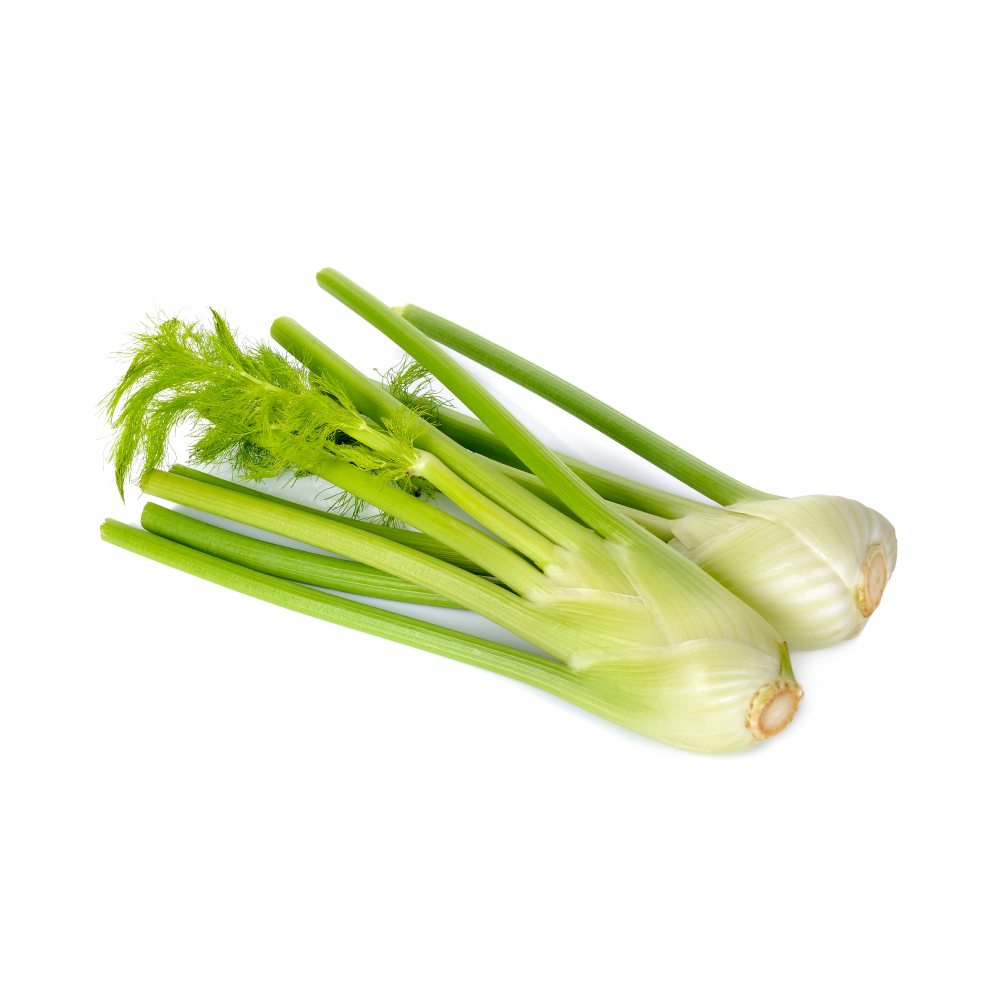
Those seeds are the workhorse of the herb. It is the ripe seed that herbalists reach for most often — warming, sweet and carminative — though the aromatic leaf and the crisp bulb both carry the same character in gentler form. The distinction between the two garden types matters here: herb (or seed) fennel is the leggy plant grown for its foliage and fruit, while Florence fennel (finocchio) is a stouter selection bred for the pale, layered bulb eaten as a vegetable. They are the same species wearing different clothes.
One caution deserves real weight. Fennel belongs to a family that includes some of the most poisonous plants in the temperate world, and to an untrained eye its lacy, umbel-topped growth can echo poison hemlock, as well as harmless kin like dill. The reliable tell is the aroma: fennel smells sweetly of anise, poison hemlock smells rank and mousy, and no wild carrot-family plant should ever be gathered on looks alone.
Distribution
A Mediterranean native, fennel has spread with human hands into warm and temperate regions worldwide and now grows wild well beyond its home ground. It self-sows so readily that in places like coastal California and parts of Australia it has become a genuinely troublesome invasive, forming dense stands that push out native plants.
Growing Conditions
- Full sun and well-drained soil suit it best; it tolerates poor, dry ground once established.
- A short-lived perennial hardy roughly in zones 4–9, often simply grown fresh each year.
- Reaches 4–6 ft tall — give it room; it needs little coddling.
- Self-seeds freely and can become weedy or invasive; deadhead spent flower umbels before the seed drops to keep it contained.
- Full cultivation detail lives on the companion farm-wiki grow guide for Foeniculum vulgare (link to be added once that project’s public URL is confirmed).
Harvesting, Collection & Preparation
Fennel seed, or fennel seed essential oil can be used as a flavouring for alcoholic beverages or teas, and is often added to mouthwashes and toothpastes to add flavour and antimicrobial actions 44Reference 44Principles and Practice of Phytotherapy (2nd ed.).
Phytochemistry
The volatile oil of the seed (fruit) is the most medicinal part of fennel and the source of its carminative action. It is overwhelmingly dominated by the phenylpropanoid trans-anethole, the herb’s defining marker, which typically makes up the bulk of the oil. The next most abundant components are the ketone fenchone, responsible for fennel’s bitter note, and the anethole isomer estragole (methylchavicol) 11,44Reference 11ReviewFoeniculum vulgare Mill: a review of its botany, phytochemistry, pharmacology and toxicology — reviewView study →Reference 44Principles and Practice of Phytotherapy (2nd ed.).
Lesser oil components include limonene, alpha-phellandrene and d-pinene, with anisic acid and anisic aldehyde as oxidation products of anethole. The anethole dimers dianethole and photoanethole are implicated in fennel’s estrogenic and galactagogue effects. Beyond the oil the seed carries flavonoids, protein, fixed oils, sugars, vitamins and minerals (notably calcium and potassium) 11,44,45Reference 11ReviewFoeniculum vulgare Mill: a review of its botany, phytochemistry, pharmacology and toxicology — reviewView study →Reference 44Principles and Practice of Phytotherapy (2nd ed.)Reference 45Fennel. https://www.botanical.com/botanical/mgmh/f/fennel01.htmlView study →.
Constituent Summary
Figures are share of the seed essential oil by GC-MS; composition varies markedly with chemotype, origin and stage of fruit development (estragole-rich chemotypes exist). Entries marked No Data are documented qualitatively only 11,44Reference 11ReviewFoeniculum vulgare Mill: a review of its botany, phytochemistry, pharmacology and toxicology — reviewView study →Reference 44Principles and Practice of Phytotherapy (2nd ed.).
Phenylpropanoid3 compounds2 with data
Phenolic1 compoundno data
Pharmacology & Research
Fennel is one of the better-studied culinary herbs, but its evidence is lopsided: a genuinely large clinical literature clusters around women’s health — primary dysmenorrhea, menopausal symptoms and infantile colic all have randomised controlled trials and dedicated meta-analyses — while the herb’s defining digestive, antioxidant, hepatoprotective and neuroprotective actions rest almost entirely on animal and in-vitro work. Several human meta-analyses now exist, so this is not a preclinical-only herb, yet the trials are small, overwhelmingly Iranian, and frequently used non-standardised preparations, which the dedicated Cochrane review flagged as low-quality with detectable publication bias 4Reference 4Systematic reviewDietary supplements for dysmenorrhoea — Cochrane systematic reviewView study →. The most interesting emerging signal is mechanistic: a 2025 organ-bath study showed fennel tea relaxes the proximal stomach but stimulates the antrum, giving the traditional carminative action a concrete physiological basis for the first time 7Reference 7Fennel tea has a region-specific effect on the motility of the stomach — ex vivoView study →. Throughout, the caveat that matters most is preparation: results from a standardised seed-oil emulsion or a 2% topical extract do not transfer to a cup of fennel-seed tea.
- Best-supported: primary dysmenorrhea, where fennel performs comparably to mefenamic acid across several RCTs 1,2Reference 1Meta-analysisFennel for reducing pain in primary dysmenorrhea — systematic review and meta-analysis of RCTsView study →Reference 2Meta-analysisEffect of fennel on primary dysmenorrhea — systematic review and meta-analysisView study →; infantile colic, where a seed-oil emulsion and pooled fennel preparations reduced crying time 12,13Reference 12RCTThe effect of fennel seed oil emulsion in infantile colic — randomised placebo-controlled studyView study →Reference 13Systematic reviewInfant colic — what works: a systematic review of interventions for breast-fed infantsView study →; and menopausal vasomotor symptoms in placebo-controlled trials 15,16Reference 15Meta-analysisFennel for the management of menopausal women’s health — systematic review and meta-analysisView study →Reference 16RCTEffect of fennel on menopausal symptoms in postmenopausal women — randomised, triple-blind, placebo-controlled trialView study →.
- Emerging, worth watching: region-specific gastric motility effects that explain the carminative action 7,8Reference 7Fennel tea has a region-specific effect on the motility of the stomach — ex vivoView study →Reference 8AnimalAnethole restores delayed gastric emptying and impaired gastric accommodation in rodents — animal modelView study →, and topical fennel for idiopathic hirsutism 24,25Reference 24RCTAntihirsutism activity of fennel extract — double-blind placebo-controlled studyView study →Reference 25RCTEffect of fennel gel 3% in decreasing hair thickness in idiopathic mild-to-moderate hirsutism — RCTView study →.
- Mechanistically thin: antioxidant, hepatoprotective, nootropic, antidiabetic and anticancer claims are real in the lab but have no human data — they rest on animal models and cell lines 11,34Reference 11ReviewFoeniculum vulgare Mill: a review of its botany, phytochemistry, pharmacology and toxicology — reviewView study →Reference 34In vitroFoeniculum vulgare seed extract exerts anti-cancer effects on hepatocellular carcinoma — in vitroView study →.
- The caveat: most trials are small, single-region and use varied preparations; the herb’s signature volatile oil ranges from ~35% to ~90% anethole by chemotype, so dose and effect are hard to standardise 11,14Reference 11ReviewFoeniculum vulgare Mill: a review of its botany, phytochemistry, pharmacology and toxicology — reviewView study →Reference 14ReviewCan estragole in fennel seed decoctions really be considered a danger for human health? — safety reviewView study →.
1. Primary dysmenorrhea
This is fennel’s strongest clinical indication. Three independent meta-analyses of randomised trials conclude that fennel reduces menstrual pain comparably to NSAIDs: pooling seven trials, fennel was statistically indistinguishable from conventional drug therapy (SMD 0.07, 95% CI −0.08 to 0.21) and superior to placebo, though with very high heterogeneity (I²=98%) 1Reference 1Meta-analysisFennel for reducing pain in primary dysmenorrhea — systematic review and meta-analysis of RCTsView study →. A second meta-analysis found fennel significantly better than placebo (SMD −0.632) and no different from mefenamic acid across six trials 2,3Reference 2Meta-analysisEffect of fennel on primary dysmenorrhea — systematic review and meta-analysisView study →Reference 3Meta-analysisEfficacy of herbal medicine (cinnamon/fennel/ginger) for primary dysmenorrhea — systematic review and meta-analysis of RCTsView study →. Individual RCTs support this — an early head-to-head study in adolescents reported ~80% pain relief with fennel versus 73% with mefenamic acid 5Reference 5RCTComparison of fennel and mefenamic acid on pain intensity in dysmenorrhoea — RCTView study →, and a 3-month trial found reduced pain, nausea and menstrual duration 6Reference 6RCTEffect of fennel on pain quality, symptoms, and menstrual duration in primary dysmenorrhea — RCTView study →. The important dissent is the Cochrane review, which analysed the single fennel-vs-placebo trial suitable for its methodology, found no significant benefit (MD −0.34 points), rated all dysmenorrhea-supplement evidence low or very low quality, and warned of publication bias from many small favourable studies 4Reference 4Systematic reviewDietary supplements for dysmenorrhoea — Cochrane systematic reviewView study →. Mechanistically, anethole-rich fennel oil suppresses prostaglandin-driven uterine contraction in isolated tissue 32Reference 32In vitroThe effect of fennel essential oil on uterine contraction as a model for dysmenorrhea — in vitro (isolated rat uterus)View study →.
Gap: the positive meta-analyses draw almost entirely on small Iranian trials using different preparations and doses; a large, standardised, multi-region RCT — and independent replication outside a single research culture — is missing.
2. Infantile colic
Fennel has real human trial data here, unusual for a colic remedy. A randomised placebo-controlled trial in 125 infants found that a fennel seed-oil emulsion eliminated colic (by Wessel criteria) in 65% of treated infants versus 24% on placebo, an absolute risk reduction of 41% and a number-needed-to-treat of just 2, with no reported side effects 12Reference 12RCTThe effect of fennel seed oil emulsion in infantile colic — randomised placebo-controlled studyView study →. A systematic review of interventions for breast-fed infants pooled three fennel-containing preparations and found a mean reduction of 72 minutes of crying per day versus control 13Reference 13Systematic reviewInfant colic — what works: a systematic review of interventions for breast-fed infantsView study →. The plausible mechanism is antispasmodic relaxation of intestinal smooth muscle by the volatile oil 7Reference 7Fennel tea has a region-specific effect on the motility of the stomach — ex vivoView study →.
Gap: the trials use specific seed-oil emulsions and combination products (often with other Apiaceae), not the fennel-water or tea a parent would brew; the estragole content of infant fennel decoctions has also drawn safety scrutiny 14Reference 14ReviewCan estragole in fennel seed decoctions really be considered a danger for human health? — safety reviewView study →, so preparation and dose control matter more here than anywhere.
3. Menopausal symptoms
A 2021 systematic review and meta-analysis identified seven RCTs of fennel in menopausal women; the two placebo-controlled trials pooled in favour of fennel for overall menopausal symptoms (SMD −1.32, 95% CI −1.76 to −0.87) with no serious adverse events 15Reference 15Meta-analysisFennel for the management of menopausal women’s health — systematic review and meta-analysisView study →. The signal is endpoint-specific. A triple-blind RCT (n=90, 100 mg twice daily, 8 weeks) significantly lowered Menopause Rating Scale scores 16Reference 16RCTEffect of fennel on menopausal symptoms in postmenopausal women — randomised, triple-blind, placebo-controlled trialView study →, and vaginal fennel creams improved vaginal atrophy and maturation indices in two trials 17Reference 17RCTEffect of fennel vaginal cream on vaginal atrophy in postmenopausal women — double-blind RCTView study →. Against this, trials of fennel for sleep quality 19Reference 19RCTEffect of fennel on sleep quality of menopausal women — double-blind RCTView study →, serum lipids 20Reference 20RCTThe effect of short-term treatment with fennel on lipid profile in postmenopausal women — RCTView study → and depression/anxiety 18Reference 18RCTEffect of fennel on depression and anxiety in postmenopausal women — double-blind RCTView study → were essentially null or only borderline, the anxiety benefit appearing only in the subgroup that actually had a disorder. The effect is consistent with fennel’s documented estragole- and anethole-linked estrogenic activity 31Reference 31ReviewFennel and anise as estrogenic agents — reviewView study →.
Gap: benefits concentrate on vasomotor and urogenital symptoms; claims for mood, sleep and cardiometabolic markers are not supported, and effective doses/forms vary widely between oral capsules and vaginal creams.
4. Carminative & functional GI
Fennel’s oldest and most reliable use — relieving bloating, gas and cramping — finally has a mechanism. A 2025 organ-bath study showed freshly brewed fennel tea relaxes guinea-pig fundus and corpus (spasmolytic) while stimulating antral contractions (prokinetic), a store-operated calcium-channel effect independent of nerves 7Reference 7Fennel tea has a region-specific effect on the motility of the stomach — ex vivoView study →; in rodents, anethole restored delayed gastric emptying and impaired accommodation 8Reference 8AnimalAnethole restores delayed gastric emptying and impaired gastric accommodation in rodents — animal modelView study →. Direct human trials of fennel alone for dyspepsia are scarce, but two RCTs of a curcumin-plus-fennel-essential-oil combination improved IBS symptom severity and quality of life versus placebo over 30 days 9,10Reference 9RCTCurcumin and fennel essential oil improve symptoms and quality of life in IBS — RCTView study →Reference 10RCTBio-optimized turmeric and essential fennel oil on quality of life in IBS — RCTView study → — though the fennel contribution can’t be isolated from curcumin. Aqueous fennel extract also raised gastric acid and digestive-enzyme secretion in rats 11Reference 11ReviewFoeniculum vulgare Mill: a review of its botany, phytochemistry, pharmacology and toxicology — reviewView study →.
Gap: the human evidence is combination-product data; there is no modern placebo-controlled RCT of standardised fennel monotherapy for functional dyspepsia or bloating, so the strongest support remains traditional plus mechanistic.
5. Antihirsutism (topical)
Two small placebo-controlled RCTs support topical fennel for idiopathic hirsutism — excess hair in women with normal androgens. A double-blind study of creams containing 1% and 2% fennel extract reduced hair diameter by 7.8% and 18.3% respectively versus −0.5% for placebo, dose-dependently 24Reference 24RCTAntihirsutism activity of fennel extract — double-blind placebo-controlled studyView study →. A second trial of 3% fennel gel in 44 women reduced facial-hair thickness from ~98 to ~76 µm over 24 weeks (p<0.001), with only mild, non-significant local irritation 25Reference 25RCTEffect of fennel gel 3% in decreasing hair thickness in idiopathic mild-to-moderate hirsutism — RCTView study →. The proposed basis is fennel’s estrogenic/antiandrogenic activity acting on peripheral androgen metabolism 31Reference 31ReviewFennel and anise as estrogenic agents — reviewView study →.
Gap: both trials are small, single-centre and short; this is a topical, cosmetic-scale effect on hair calibre, not a treatment for the underlying endocrinology, and it does not generalise to ingested fennel.
6. Anti-inflammatory
Fennel fruit extracts are anti-inflammatory and analgesic in animal models, acting through the cyclooxygenase and lipoxygenase pathways 21Reference 21AnimalAntiinflammatory, analgesic and antioxidant activities of the fruit of Foeniculum vulgare — animal modelView study →. The activity tracks to specific constituents: coumarins isolated from fennel suppressed pro-inflammatory mediators in LPS-stimulated macrophages and reduced oedema in mice 22Reference 22In vitroAnti-inflammatory and antioxidant effects of coumarins isolated from Foeniculum vulgare — in vitro / mouseView study →, and the effect overlaps with fennel’s antioxidant capacity 21Reference 21AnimalAntiinflammatory, analgesic and antioxidant activities of the fruit of Foeniculum vulgare — animal modelView study →. This anti-inflammatory/immunosuppressive profile is the proposed basis for its traditional anti-allergy use.
Gap: entirely animal and in-vitro; no human trial has tested oral fennel as an anti-inflammatory, and effective animal doses used concentrated extracts far above culinary intake.
7. Antioxidant
Fennel essential oil and phenolic extracts show consistent free-radical-scavenging and lipid-peroxidation-inhibiting activity across in-vitro assays, driven by phenolic acids and flavonoids rather than the volatile oil alone 23Reference 23In vitroFoeniculum vulgare essential oils: chemical composition, antioxidant and antimicrobial activities — in vitroView study →. In rats, fennel seed and sprout extracts raised endogenous antioxidant enzymes and limited oxidative organ damage 28Reference 28AnimalNephroprotective effect of fennel seeds and sprouts on CCl₄-induced nephrotoxicity in rats — animal modelView study →. The antioxidant action is the mechanistic thread running through fennel’s hepato-, nephro- and neuroprotective claims.
Gap: no human antioxidant-biomarker trial exists; the effect is measured chemically or in rodents, and antioxidant capacity in a test tube is a weak predictor of clinical benefit.
8. Hepatoprotective
Fennel essential oil protected rat liver against carbon tetrachloride-induced hepatotoxicity, a standard chemical liver-injury model, with delta-limonene and beta-myrcene proposed as the active fraction 11,26Reference 11ReviewFoeniculum vulgare Mill: a review of its botany, phytochemistry, pharmacology and toxicology — reviewView study →Reference 26AnimalHepatoprotective effect of Foeniculum vulgare essential oil — rat in vivoView study →. A separate study found fennel root-bark extract reduced CCl₄-induced hepatic fibrosis in mice 27Reference 27AnimalProtective effects of fennel root bark extract against CCl₄-induced hepatic fibrosis in mice — animal modelView study →, and the same protective pattern extends to the kidney 28Reference 28AnimalNephroprotective effect of fennel seeds and sprouts on CCl₄-induced nephrotoxicity in rats — animal modelView study →.
Gap: confined to acute chemical-injury rodent models; there is no evidence in human liver disease, and the page’s caution to avoid high doses in existing hepatic disorders reflects that the safety margin in compromised livers is untested.
9. Galactagogue
Fennel’s use to promote breast-milk flow is ancient and near-universal across traditional systems, and it has a specific proposed mechanism: the anethole dimers dianethole and photoanethole are structurally similar to dopamine and may competitively block dopamine’s inhibition of prolactin, the milk-producing hormone 31Reference 31ReviewFennel and anise as estrogenic agents — reviewView study →. Registered trials of fennel infusion in breastfeeding mothers exist, and the herb remains one of the most commonly used galactagogues worldwide.
Gap: high-quality human evidence for fennel alone increasing milk volume is thin — most data are traditional, mechanistic, or from mixed herbal teas — and the same estrogenic constituents raise unresolved questions about infant exposure through milk.
10. Antimicrobial
Fennel essential oil is active in vitro against a broad range of bacteria, fungi, yeasts and some viruses and parasites 23Reference 23In vitroFoeniculum vulgare essential oils: chemical composition, antioxidant and antimicrobial activities — in vitroView study →, and this antimicrobial property underpins its traditional inclusion in mouthwashes and toothpastes. The activity is attributed to the volatile oil, with trans-anethole and fenchone as likely contributors 33Reference 33In vitroChemical composition and antimicrobial and cytotoxic activities of Foeniculum vulgare essential oils — in vitroView study →.
Gap: all evidence is in-vitro against cultured organisms; fennel is not used, or tested, as a systemic antimicrobial in humans, and disc-diffusion potency does not establish clinical efficacy.
11. Estrogenic activity
Fennel has documented estrogenic activity — historically one of the plant’s defining pharmacological features 31Reference 31ReviewFennel and anise as estrogenic agents — reviewView study →. In isolated rat uterus, fennel essential oil inhibited prostaglandin E2 and reduced oxytocin- and PGE2-induced contractions, which the authors read as estrogen-like 32Reference 32In vitroThe effect of fennel essential oil on uterine contraction as a model for dysmenorrhea — in vitro (isolated rat uterus)View study →; older reports describe promotion of menstruation and libido in women 31Reference 31ReviewFennel and anise as estrogenic agents — reviewView study →. This activity is the common mechanistic root of the menopause, dysmenorrhea, hirsutism and galactagogue effects rather than a therapeutic end in itself.
Gap: the estrogenicity is characterised in tissue and animal models; its clinical magnitude in humans is unquantified, and it doubles as a safety consideration (hormone-sensitive conditions, children, pregnancy) as much as a benefit.
12. Nootropic / memory
Whole-plant fennel extract inhibited acetylcholinesterase in mouse brain and reversed scopolamine-induced and age-related memory deficits — a cholinergic mechanism shared with conventional cognitive-enhancing drugs 29Reference 29AnimalCholinergic basis of the memory-strengthening effect of Foeniculum vulgare — mouse in vivoView study →. A 2025 study reported that fennel mitigated scopolamine-induced cognitive deficits in zebrafish through combined antioxidant and neuroprotective actions 30Reference 30AnimalFoeniculum vulgare mitigates scopolamine-induced cognitive deficits in zebrafish — animal modelView study →, reinforcing the signal.
Gap: entirely animal; there is no human cognition trial, and the leap from anticholinesterase activity in a mouse to a treatment for dementia — as older sources speculate — is not supported.
13. Antidiabetic / hypoglycemic
Aqueous and methanolic fennel extracts lowered blood glucose in normal and streptozotocin-induced diabetic rats, improving glycaemic and related biochemical markers 36,37Reference 36AnimalAntihyperglycemic effect of the aqueous extract of Foeniculum vulgare in diabetic rats — animal modelView study →Reference 37AnimalHypoglycemic activity of methanolic extract of Foeniculum vulgare in diabetic Wistar rats — animal modelView study →. The effect is consistent across rodent studies but modest and mechanistically underspecified.
Gap: no human data at all; the herb is not a glucose-lowering agent in clinical use, and diabetic-rodent results routinely fail to translate.
14. Appetite suppressant / weight
Evidence here is mixed and weak. A placebo-controlled crossover trial in nine overweight women found that a single serving of fennel tea reduced subjective hunger and prospective food intake versus placebo — but did not change actual food consumed at the subsequent buffet 38Reference 38RCTFennel and fenugreek tea drinking suppresses subjective short-term appetite in overweight women — randomised crossover trialView study →. In overweight women with PCOS, adding fennel to a hypocaloric diet produced no additional improvement in weight or androgen indices beyond diet alone 39Reference 39RCTHypocaloric high-protein diet supplemented with fennel on androgenic/anthropometric indices in overweight women with PCOS — RCTView study →. The traditional record paradoxically lists fennel both to stimulate appetite in the underweight and to blunt it in the overweight.
Gap: the only positive human result is on subjective appetite over hours, not measured intake or weight; the controlled weight-loss RCT was null for fennel’s added contribution.
15. Anticancer
Fennel seed and essential-oil extracts induce apoptosis and cell-cycle arrest in cultured cancer cells — hepatocellular carcinoma 34Reference 34In vitroFoeniculum vulgare seed extract exerts anti-cancer effects on hepatocellular carcinoma — in vitroView study →, lung cancer (partly via Bcl-2 down-regulation) 35Reference 35In vitroFoeniculum vulgare seed extract induces apoptosis in lung cancer cells partly via Bcl-2 down-regulation — in vitroView study →, and others, with cytotoxicity linked to the essential-oil fraction 33Reference 33In vitroChemical composition and antimicrobial and cytotoxic activities of Foeniculum vulgare essential oils — in vitroView study →.
Gap: strictly cell-line data; there are no in-vivo tumour models of note, no human evidence, and cytotoxicity to a cancer cell in vitro is the weakest tier of anticancer evidence. The page’s listing of “Anticancer” as an action overstates this considerably.
Mechanisms
| Mechanism | Drives | Key compounds |
|---|---|---|
| Smooth-muscle relaxation via store-operated Ca²⁺ channels; prokinetic in antrum | carminativeantispasmodiccolicfunctional GI | anethole, fenchone |
| Prostaglandin (PGE2) synthesis ↓, uterine-contraction ↓ | dysmenorrhea | trans-anethole |
| Estrogen-receptor-like activity | menopausal symptomshirsutismestrogenic effects | dianethole, photoanethole, estragole |
| Dopamine-receptor antagonism → prolactin ↑ | galactagogue | dianethole, photoanethole |
| COX ↓, LOX ↓; radical scavenging | anti-inflammatoryantioxidanthepatoprotective | coumarins, flavonoids, phenolic acids |
| Acetylcholinesterase inhibition | nootropic / memory | anethole, whole-extract fraction |
| Apoptosis induction, Bcl-2 ↓ | anticancer (in vitro) | limonene, essential-oil fraction |
Clinical trials
Registered clinical trials exist and cluster on fennel’s digestive and postoperative-gut indications; several completed studies are listed (e.g. infantile colic, postoperative ileus, constipation) and none terminated, while the largest bodies of published trial evidence — dysmenorrhea and menopause — sit in regional registries and journals.
| Completed | Planned | Terminated | Preclinical |
|---|---|---|---|
| 6+ | 0identified | 0 | majority of the pharmacology base |
Last checked: July 2026.
Dosage
Most of fennel’s human dosing comes from women’s-health trials using seed capsules, topical creams or a standardised infant seed-oil emulsion — not the whole-seed tea people usually brew.
| Indication | Preparation | Dose | Est. dried-herb equivalent | Source |
|---|---|---|---|---|
| Primary dysmenorrhea | Fennel soft capsule | 30 mg every 4 h, days −3 to +5 of cycle | ~1–3 g seed/day (assumed) | 6Reference 6RCTEffect of fennel on pain quality, symptoms, and menstrual duration in primary dysmenorrhea — RCTView study → |
| Menopausal symptoms | Fennel soft capsule (oral) | 100 mg twice daily, 8 weeks | ~2–5 g dried seed/day (rough) | 16Reference 16RCTEffect of fennel on menopausal symptoms in postmenopausal women — randomised, triple-blind, placebo-controlled trialView study → |
| Vaginal atrophy | Fennel 5% vaginal cream | 5 g cream/day, 8 weeks | — (topical) | 17Reference 17RCTEffect of fennel vaginal cream on vaginal atrophy in postmenopausal women — double-blind RCTView study → |
| Infantile colic | Fennel seed-oil emulsion | 12 mg/kg/day seed oil (standardised) | — (infant emulsion) | 12Reference 12RCTThe effect of fennel seed oil emulsion in infantile colic — randomised placebo-controlled studyView study → |
| Idiopathic hirsutism | Topical fennel extract cream/gel | 2–3%, applied 24 weeks | — (topical) | 24,25Reference 24RCTAntihirsutism activity of fennel extract — double-blind placebo-controlled studyView study →Reference 25RCTEffect of fennel gel 3% in decreasing hair thickness in idiopathic mild-to-moderate hirsutism — RCTView study → |
| Appetite (subjective) | Fennel seed tea | single ~2 g infusion | ~2 g dried seed | 38Reference 38RCTFennel and fenugreek tea drinking suppresses subjective short-term appetite in overweight women — randomised crossover trialView study → |
Dried-herb equivalents assume dried seed ≈ 2–5% essential oil — a guide, not a conversion factor; topical/infant/proprietary preparations are left ”—”. These are research doses, not recommendations.
Traditional Dosage
| System | Preparation | Dose |
|---|---|---|
| Western herbal | Dried seed (crushed), infusion | 1.5–2.5 g per cup, up to 3× daily |
| Western herbal | Liquid extract 1:2 | 20–40 mL/week (sidebar figure) |
| Western herbal | Tincture 1:5 | 3–6 mL, 3× daily |
| TCM (Xiao Hui Xiang) | Decoction of dried fruit | 3–8 g/day |
Safety & Pregnancy
Fennel has a high margin of safety in culinary and short-term use; the main cautions are the genotoxic constituent estragole at high essential-oil doses, its estrogenic activity in hormone-sensitive conditions, and rare Apiaceae allergy.
- Estragole in the oil. Genotoxic/carcinogenic in isolated high-dose studies (attenuated in the whole-plant matrix) — avoid high essential-oil doses long-term and in children.
- Estrogenic activity. Caution in hormone-sensitive conditions and with prolonged high-dose use.
- Apiaceae allergy. Rare IgE-mediated allergy, chiefly in people sensitised to celery, carrot or anise.
- Quality & sourcing. Some lower-grade seed is pre-distilled (faint smell, sinks in water) and occasionally re-coloured to look fresh.
- Well tolerated. High margin of safety in food and short-term doses; human trials report no serious adverse events.
Full safety & interactions detail
Fennel has a high margin of safety in culinary use and short-term therapeutic doses, and human trials of seed, capsule and topical preparations report no serious adverse events 15,16Reference 15Meta-analysisFennel for the management of menopausal women’s health — systematic review and meta-analysisView study →Reference 16RCTEffect of fennel on menopausal symptoms in postmenopausal women — randomised, triple-blind, placebo-controlled trialView study →. The principal chemical concern is estragole, a naturally occurring constituent of the volatile oil that is genotoxic and carcinogenic in isolated high-dose animal and in-vitro studies 41Reference 41In vitroCytotoxic, genotoxic and apoptosis-inducing effects of estragole isolated from fennel — in vitroView study →; however, analyses of whole fennel decoctions argue that estragole is substantially inactivated within the plant matrix, so the risk from teas and seeds is far lower than from the purified compound 14Reference 14ReviewCan estragole in fennel seed decoctions really be considered a danger for human health? — safety reviewView study →. Because fennel has documented estrogenic activity 31Reference 31ReviewFennel and anise as estrogenic agents — reviewView study →, caution is warranted in hormone-sensitive conditions and with prolonged high-dose use in children 11Reference 11ReviewFoeniculum vulgare Mill: a review of its botany, phytochemistry, pharmacology and toxicology — reviewView study →. High doses of the essential oil should be avoided where liver disorders are present, as hepatoprotection has only been shown in healthy animals 11Reference 11ReviewFoeniculum vulgare Mill: a review of its botany, phytochemistry, pharmacology and toxicology — reviewView study →. Rare IgE-mediated allergy occurs, chiefly in people sensitised to other Apiaceae (celery, carrot, anise) 40Reference 40ReviewCardiovascular effects, phytochemistry, drug interactions, and safety profile of Foeniculum vulgare — comprehensive reviewView study →. The Commission E recommends fennel not be taken for longer than several weeks, though many authorities regard culinary amounts as safe long-term 44Reference 44Principles and Practice of Phytotherapy (2nd ed.); the reported oral LD50 of fennel oil is roughly 1.3–4.5 g/kg 44Reference 44Principles and Practice of Phytotherapy (2nd ed.).
A practical quality note: some lower-grade fennel seed on the market has already been steam-distilled (removing most of the volatile oil that carries the activity) — such seed looks darker, smells faint, and sinks immediately in water; occasionally it is re-coloured to look fresh, which rubs off on the fingers 45Reference 45Fennel. https://www.botanical.com/botanical/mgmh/f/fennel01.htmlView study →.
Avoid therapeutic and essential-oil doses in pregnancy. Fennel is a documented emmenagogue with estrogenic and uterine-active constituents, and its essential oil has disrupted steroidogenesis in laboratory models 31,32Reference 31ReviewFennel and anise as estrogenic agents — reviewView study →Reference 32In vitroThe effect of fennel essential oil on uterine contraction as a model for dysmenorrhea — in vitro (isolated rat uterus)View study →; dedicated pregnancy safety trials have not been done, so therapeutic doses are not established as safe. Culinary amounts as a food and spice are generally regarded as acceptable. In lactation, fennel is one of the most widely used traditional galactagogues, but robust trials of fennel alone increasing milk volume are lacking, and the same estrogenic anethole polymers that may drive the effect also reach the infant — so the benefit-versus-exposure balance is not settled 31Reference 31ReviewFennel and anise as estrogenic agents — reviewView study →.
Clinical Applications
Fennel is reliable as a digestive aid for conditions including dyspepsia, irritable bowel syndrome, bloating and gas, diarrhea, and colic. It’s also useful for lactating mothers to stimulate the flow of bile. The essential oil is antiseptic and anti-inflammatory and can be useful in topical applications to improve the skin, treat wounds, and can be diluted to be used as a gentle eyewash.
There has been a lot of evidence recently for fennels application as a nootropic to improve learning and memory.
Synergy
For dyspepsia combine with wormwood, caraway, and peppermint
For colic mix with lemon balm, chamomile, vervain, and liquorice.
References
- Lee, H. W., et al. (2020). Fennel for reducing pain in primary dysmenorrhea — systematic review and meta-analysis of RCTs. Nutrients. https://pubmed.ncbi.nlm.nih.gov/33182553/
- Shahrahmani, H., et al. (2021). Effect of fennel on primary dysmenorrhea — systematic review and meta-analysis. Journal of Complementary and Integrative Medicine. https://pubmed.ncbi.nlm.nih.gov/34187122/
- Xu, Y., et al. (2020). Efficacy of herbal medicine (cinnamon/fennel/ginger) for primary dysmenorrhea — systematic review and meta-analysis of RCTs. Journal of International Medical Research. https://pubmed.ncbi.nlm.nih.gov/32603204/
- Pattanittum, P., et al. (2016). Dietary supplements for dysmenorrhoea — Cochrane systematic review. Cochrane Database of Systematic Reviews. https://pubmed.ncbi.nlm.nih.gov/27000311/
- Modaress Nejad, V., & Asadipour, M. (2006). Comparison of fennel and mefenamic acid on pain intensity in dysmenorrhoea — RCT. Eastern Mediterranean Health Journal. https://pubmed.ncbi.nlm.nih.gov/17037712/
- Ghodsi, Z., & Asltoghiri, M. (2014). Effect of fennel on pain quality, symptoms, and menstrual duration in primary dysmenorrhea — RCT. Journal of Pediatric and Adolescent Gynecology. https://pubmed.ncbi.nlm.nih.gov/25085020/
- Annahazi, A., et al. (2025). Fennel tea has a region-specific effect on the motility of the stomach — ex vivo. Neurogastroenterology & Motility. https://pubmed.ncbi.nlm.nih.gov/41214408/
- Asano, T., et al. (2016). Anethole restores delayed gastric emptying and impaired gastric accommodation in rodents — animal model. Biochemical and Biophysical Research Communications. https://pubmed.ncbi.nlm.nih.gov/26915803/
- Portincasa, P., et al. (2016). Curcumin and fennel essential oil improve symptoms and quality of life in IBS — RCT. Journal of Gastrointestinal and Liver Diseases. https://pubmed.ncbi.nlm.nih.gov/27308645/
- Di Ciaula, A., et al. (2018). Bio-optimized turmeric and essential fennel oil on quality of life in IBS — RCT. Annals of Gastroenterology. https://pubmed.ncbi.nlm.nih.gov/30386118/
- Badgujar, S. B., et al. (2014). Foeniculum vulgare Mill: a review of its botany, phytochemistry, pharmacology and toxicology — review. BioMed Research International. https://pubmed.ncbi.nlm.nih.gov/25162032/
- Alexandrovich, I., et al. (2003). The effect of fennel seed oil emulsion in infantile colic — randomised placebo-controlled study. Alternative Therapies in Health and Medicine. https://pubmed.ncbi.nlm.nih.gov/12868253/
- Harb, T., et al. (2016). Infant colic — what works: a systematic review of interventions for breast-fed infants. Journal of Pediatric Gastroenterology and Nutrition. https://pubmed.ncbi.nlm.nih.gov/26655941/
- Gori, L., et al. (2012). Can estragole in fennel seed decoctions really be considered a danger for human health? — safety review. Evidence-Based Complementary and Alternative Medicine. https://pubmed.ncbi.nlm.nih.gov/22899959/
- Lee, H. W., et al. (2021). Fennel for the management of menopausal women’s health — systematic review and meta-analysis. Complementary Therapies in Clinical Practice. https://pubmed.ncbi.nlm.nih.gov/33725577/
- Rahimikian, F., et al. (2017). Effect of fennel on menopausal symptoms in postmenopausal women — randomised, triple-blind, placebo-controlled trial. Menopause. https://pubmed.ncbi.nlm.nih.gov/28509813/
- Yaralizadeh, M., et al. (2016). Effect of fennel vaginal cream on vaginal atrophy in postmenopausal women — double-blind RCT. Maturitas. https://pubmed.ncbi.nlm.nih.gov/26617271/
- Ghazanfarpour, M., et al. (2018). Effect of fennel on depression and anxiety in postmenopausal women — double-blind RCT. Journal of Obstetrics and Gynaecology. https://pubmed.ncbi.nlm.nih.gov/28891367/
- Afiat, M., et al. (2018). Effect of fennel on sleep quality of menopausal women — double-blind RCT. Journal of Menopausal Medicine. https://pubmed.ncbi.nlm.nih.gov/30671414/
- Afiat, M., et al. (2018). The effect of short-term treatment with fennel on lipid profile in postmenopausal women — RCT. Journal of Menopausal Medicine. https://pubmed.ncbi.nlm.nih.gov/29765924/
- Choi, E. M., & Hwang, J. K. (2004). Antiinflammatory, analgesic and antioxidant activities of the fruit of Foeniculum vulgare — animal model. Fitoterapia. https://pubmed.ncbi.nlm.nih.gov/15351109/
- Yang, I. J., et al. (2015). Anti-inflammatory and antioxidant effects of coumarins isolated from Foeniculum vulgare — in vitro / mouse. Immunopharmacology and Immunotoxicology. https://pubmed.ncbi.nlm.nih.gov/25990850/
- Miguel, M. G., et al. (2010). Foeniculum vulgare essential oils: chemical composition, antioxidant and antimicrobial activities — in vitro. Natural Product Communications. https://pubmed.ncbi.nlm.nih.gov/20334152/
- Javidnia, K., et al. (2003). Antihirsutism activity of fennel extract — double-blind placebo-controlled study. Phytomedicine. https://pubmed.ncbi.nlm.nih.gov/13678227/
- Akha, O., et al. (2014). Effect of fennel gel 3% in decreasing hair thickness in idiopathic mild-to-moderate hirsutism — RCT. Caspian Journal of Internal Medicine. https://pubmed.ncbi.nlm.nih.gov/24490010/
- Ozbek, H., et al. (2003). Hepatoprotective effect of Foeniculum vulgare essential oil — rat in vivo. Fitoterapia. https://pubmed.ncbi.nlm.nih.gov/12727504/
- Zhang, C., et al. (2017). Protective effects of fennel root bark extract against CCl₄-induced hepatic fibrosis in mice — animal model. World Journal of Gastroenterology. https://pubmed.ncbi.nlm.nih.gov/28883697/
- Barakat, H., et al. (2023). Nephroprotective effect of fennel seeds and sprouts on CCl₄-induced nephrotoxicity in rats — animal model. Antioxidants. https://pubmed.ncbi.nlm.nih.gov/36829884/
- Joshi, H., & Parle, M. (2006). Cholinergic basis of the memory-strengthening effect of Foeniculum vulgare — mouse in vivo. Journal of Medicinal Food. https://pubmed.ncbi.nlm.nih.gov/17004908/
- Brinza, I., et al. (2025). Foeniculum vulgare mitigates scopolamine-induced cognitive deficits in zebrafish — animal model. Molecules. https://pubmed.ncbi.nlm.nih.gov/40649373/
- Albert-Puleo, M. (1980). Fennel and anise as estrogenic agents — review. Journal of Ethnopharmacology. https://pubmed.ncbi.nlm.nih.gov/6999244/
- Ostad, S. N., et al. (2001). The effect of fennel essential oil on uterine contraction as a model for dysmenorrhea — in vitro (isolated rat uterus). Journal of Ethnopharmacology. https://pubmed.ncbi.nlm.nih.gov/11448553/
- Ghasemian, A., et al. (2020). Chemical composition and antimicrobial and cytotoxic activities of Foeniculum vulgare essential oils — in vitro. Journal of Gastrointestinal Cancer. https://pubmed.ncbi.nlm.nih.gov/31069662/
- Ke, W., et al. (2021). Foeniculum vulgare seed extract exerts anti-cancer effects on hepatocellular carcinoma — in vitro. Food & Function. https://pubmed.ncbi.nlm.nih.gov/33502415/
- Ke, W., et al. (2021). Foeniculum vulgare seed extract induces apoptosis in lung cancer cells partly via Bcl-2 down-regulation — in vitro. Biomedicine & Pharmacotherapy. https://pubmed.ncbi.nlm.nih.gov/33395604/
- El-Ouady, F., et al. (2020). Antihyperglycemic effect of the aqueous extract of Foeniculum vulgare in diabetic rats — animal model. Cardiovascular & Hematological Disorders Drug Targets. https://pubmed.ncbi.nlm.nih.gov/31195951/
- Bougrine, S., et al. (2024). Hypoglycemic activity of methanolic extract of Foeniculum vulgare in diabetic Wistar rats — animal model. Cardiovascular & Hematological Disorders Drug Targets. https://pubmed.ncbi.nlm.nih.gov/39648420/
- Bae, J., et al. (2015). Fennel and fenugreek tea drinking suppresses subjective short-term appetite in overweight women — randomised crossover trial. Clinical Nutrition Research. https://pubmed.ncbi.nlm.nih.gov/26251835/
- Nadjarzadeh, A., et al. (2021). Hypocaloric high-protein diet supplemented with fennel on androgenic/anthropometric indices in overweight women with PCOS — RCT. Complementary Therapies in Medicine. https://pubmed.ncbi.nlm.nih.gov/33271298/
- Zahi, A., et al. (2025). Cardiovascular effects, phytochemistry, drug interactions, and safety profile of Foeniculum vulgare — comprehensive review. Pharmaceuticals. https://pubmed.ncbi.nlm.nih.gov/41305003/
- Villarini, M., et al. (2014). Cytotoxic, genotoxic and apoptosis-inducing effects of estragole isolated from fennel — in vitro. Journal of Natural Products. https://pubmed.ncbi.nlm.nih.gov/24617303/
- Bashir, A., et al. (2023). Fenchone, a monoterpene: toxicity and diuretic profiling in rats — animal model. Frontiers in Pharmacology. https://pubmed.ncbi.nlm.nih.gov/36778012/
- Muckensturm, B., Foechterlen, D., Reduron, J. P., Danton, P., & Hildenbrand, M. (1997). Phytochemical and chemotaxonomic studies of Foeniculum vulgare. Biochemical Systematics and Ecology, 25(4), 353–358.
- Bone, K., & Mills, S. (2013). Principles and Practice of Phytotherapy (2nd ed.). Elsevier Health.
- A Modern Herbal (1931). Fennel. https://www.botanical.com/botanical/mgmh/f/fennel01.html
- Rahimi, R., & Ardekani, M. R. S. (2013). Medicinal properties of Foeniculum vulgare Mill. in traditional Iranian medicine and modern phytotherapy. Chinese Journal of Integrative Medicine, 19(1), 73–79.
- Bone, K. (2003). A Clinical Guide to Blending Liquid Herbs. Churchill Livingstone.
- Wu, J. N. (2005). An Illustrated Chinese Materia Medica. Oxford University Press.