Materia Medica
Andrographis
Andrographis paniculata
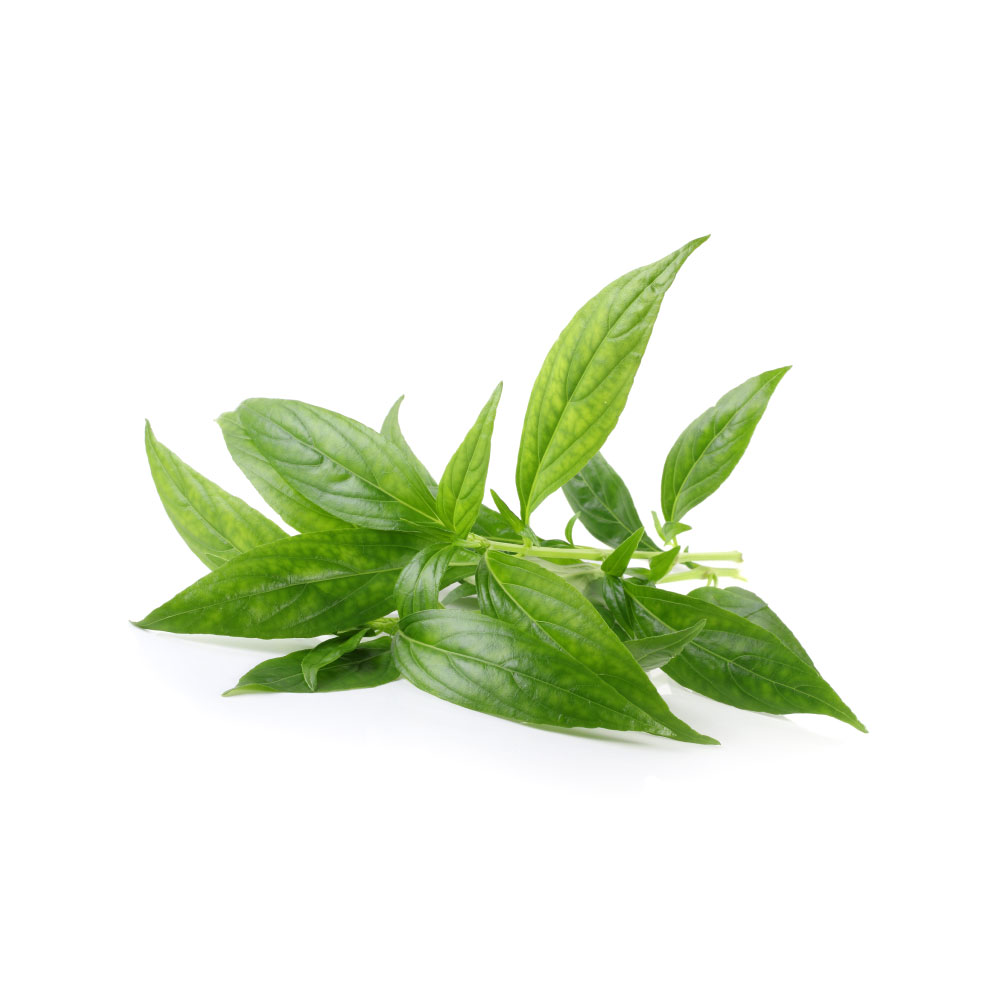
Andrographis (Andrographis paniculata) — the intensely bitter 'king of bitters', used for colds, flu, immune support and digestive complaints.
What Is Andrographis?
Andrographis is a bitter annual herb native to India and Southeast Asia, widely used in Ayurvedic medicine, Traditional Chinese Medicine, and modern herbal practice. The aerial parts of the plant are valued for their strong bitter taste and high concentration of diterpene lactones, particularly andrographolide.
Traditionally associated with infections, fever, and digestive disturbance, andrographis has become especially popular as an acute immune-support herb during colds and upper respiratory infections.
Its intensely bitter flavor reflects its traditional role as both a digestive stimulant and “heat-clearing” herb in multiple medical systems.
How Is Andrographis Used?
Andrographis is most commonly used as a short-term herbal remedy during acute infections, particularly colds, influenza-like illnesses, sore throats, and upper respiratory congestion.
The herb is typically prepared as capsules, tablets, tinctures, teas, or standardized extracts rich in andrographolide. Due to its extreme bitterness, encapsulated preparations are often preferred clinically.
Traditional use also includes digestive complaints associated with sluggish digestion, gastrointestinal infection, poor appetite, or excess heat. In some systems, the herb is used as a bitter tonic to stimulate digestion and support elimination.
Modern formulations frequently combine andrographis with herbs such as echinacea, elecampane, licorice, or elderberry for respiratory and immune support.
Traditional Uses
Western Herbal Medicine
Modern Western herbalism primarily uses andrographis as an antimicrobial, immune-supportive, and anti-inflammatory herb during acute respiratory infections.
Its strong bitterness also makes it useful as a digestive bitter for sluggish digestion, poor appetite, and gastrointestinal stagnation.
Andrographis became especially prominent in modern herbal medicine through research and clinical use for upper respiratory tract infections and immune modulation.
Traditional Chinese Medicine
In Traditional Chinese Medicine, andrographis (Chuan Xin Lian) is considered intensely bitter and cold. It is used to clear heat, resolve toxicity, cool inflammation, and treat febrile conditions.
Traditional indications include sore throat, dysentery, respiratory infections, abscesses, and damp-heat conditions.
The herb is strongly associated with “heat-toxin” patterns involving inflammation, fever, and infection.
Ayurvedic Medicine
Ayurvedic medicine regards andrographis (Kalmegh) as a potent bitter herb used to reduce excess Pitta and support liver and digestive function.
Traditional uses include fever, liver congestion, digestive disturbances, skin conditions, and infectious disease. The herb is also valued for stimulating digestion while simultaneously reducing inflammatory heat.
Indications
Andrographis is primarily indicated for acute infectious and inflammatory conditions.
Common traditional and modern indications include:
- Common cold
- Influenza-like illness
- Sore throat
- Upper respiratory tract infections
- Fever
- Digestive infection
- Poor appetite
- Sluggish digestion
- Heat conditions
- Inflammatory skin conditions
- Immune support during acute illness
Clinically, the herb is most commonly used short term at the onset of respiratory infections.
Botany
Andrographis is a small, upright annual herb in the acanthus family (Acanthaceae), with slender green stems, narrow lance-shaped leaves, and small white flowers marked with purple. The aerial parts — especially the leaves — are intensely bitter, particularly at flowering, when diterpene lactone content peaks; most medicinal preparations use the dried aerial portions harvested at that stage.
Distribution
The species is native to the Indian subcontinent, and has long been cultivated as a medicinal plant well beyond that range — across Indo-China, China, Thailand, Peninsular Malaysia, Indonesia, the Philippines and Australia, and introduced into the West Indies and Central America. It has since naturalized widely in most of these introduced regions, growing as a weed of roadsides, pastures, village groves and waste ground from sea level to about 1,600 m. Its ready seed spread and broad climate tolerance have earned it a “high risk” flag from at least one regional weed-risk assessment (Hawaii), though it is not formally listed as noxious.
Growing Conditions
- Fast-growing tropical annual, full sun to part shade.
- Thrives in disturbed ground — roadsides, village groves, waste areas — from sea level to ~1,600 m.
- Full cultivation detail lives on the companion farm-wiki grow guide for Andrographis paniculata (link to be added once that project’s public URL is confirmed).
Pharmacology & Research
Andrographis is one of the most clinically investigated herbs in the Western materia medica, with dozens of randomised controlled trials and several independent meta-analyses — a depth of human data that most botanicals never accumulate. The strongest and most consistent signal is symptomatic relief of acute upper respiratory tract infection, where meta-analyses of RCTs favour andrographis over placebo, though many trials tested fixed combinations (notably the Andrographis–Eleutherococcus product Kan Jang) rather than the herb alone, and methodological quality is mixed. A second, genuinely notable human signal is inflammatory bowel disease: two controlled trials of the standardised extract HMPL-004 showed activity in mild-to-moderate ulcerative colitis, one of them non-inferior to mesalazine — although the phase III programme was later terminated. Most other indications (hepatoprotection, antiviral, neuroprotective, antidiabetic, anticancer) rest on animal and in-vitro work centred on the diterpene lactone andrographolide. Almost all clinical data are for standardised extracts delivering a defined andrographolide dose, so results do not transfer to bitter teas or unstandardised powder.
- Best-supported: symptomatic relief and shortened course of the common cold and acute respiratory infection, backed by meta-analyses of RCTs 1,2,3,4Reference 1Systematic reviewAndrographis paniculata in the treatment of upper respiratory tract infections: a systematic review of safety and efficacy — systematic reviewView study →Reference 2Meta-analysisAndrographis paniculata in the symptomatic treatment of uncomplicated upper respiratory tract infection: systematic review of randomized controlled trials — meta-analysisView study →Reference 3Meta-analysisAndrographis paniculata for symptomatic relief of acute respiratory tract infections in adults and children: a systematic review and meta-analysis — systematic reviewView study →Reference 4Meta-analysisHerbal medicine for cough: a systematic review and meta-analysis — meta-analysisView study →; and activity in mild-to-moderate ulcerative colitis (standardised extract HMPL-004) 6,7Reference 6RCTAndrographis paniculata extract (HMPL-004) for active ulcerative colitis — randomised controlled trialView study →Reference 7RCTRandomised clinical trial: herbal extract HMPL-004 in active ulcerative colitis — a double-blind comparison with sustained release mesalazine — randomised controlled trialView study →.
- Emerging, worth watching: anti-inflammatory activity via NF-κB / TNF-α / IL-1β suppression 6,13Reference 6RCTAndrographis paniculata extract (HMPL-004) for active ulcerative colitis — randomised controlled trialView study →Reference 13ReviewOverview of pharmacological activities of Andrographis paniculata and its major compound andrographolide — reviewView study →, and small human signals in rheumatoid arthritis 8Reference 8RCTEfficacy of an Andrographis paniculata composition for the relief of rheumatoid arthritis symptoms: a prospective randomized placebo-controlled trial — RCTView study → and autoimmune-related fatigue 9Reference 9RCTAndrographis paniculata decreases fatigue in patients with relapsing-remitting multiple sclerosis: a 12-month double-blind placebo-controlled pilot study — randomised controlled trialView study →.
- Mechanistically thin: antiviral, neuroprotective, antidiabetic and anticancer effects rest on andrographolide in animal and cell models 11,12,13,14Reference 11In vitroAndrographolide alleviates Parkinsonism in MPTP-PD mice via targeting mitochondrial fission mediated by dynamin-related protein 1 — animal model (mouse) / in vitroView study →Reference 12ReviewAntiviral activities of andrographolide and its derivatives: mechanism of action and delivery system — reviewView study →Reference 13ReviewOverview of pharmacological activities of Andrographis paniculata and its major compound andrographolide — reviewView study →Reference 14Clinical trialAndrographolide: a review of its pharmacology, pharmacokinetics, toxicity and clinical trials and pharmaceutical researches — reviewView study →, not on human trials of the herb.
- The caveat: the evidence base is built on standardised extracts titrated to andrographolide, often in combination products; there is no standardised dose for the whole herb, and preclinical potency does not imply oral clinical efficacy.
1. Acute respiratory infection / common cold
This is the herb’s flagship indication and its best human evidence. A meta-analysis of RCTs found andrographis (alone or combined with Eleutherococcus senticosus) more effective than placebo for symptom severity in uncomplicated upper respiratory tract infection, with a mean between-group difference of about 10.85 points on the symptom score for the herb versus placebo 2Reference 2Meta-analysisAndrographis paniculata in the symptomatic treatment of uncomplicated upper respiratory tract infection: systematic review of randomized controlled trials — meta-analysisView study →. An earlier systematic review of seven double-blind controlled trials (n≈896) reached the same directional conclusion 1Reference 1Systematic reviewAndrographis paniculata in the treatment of upper respiratory tract infections: a systematic review of safety and efficacy — systematic reviewView study →. The largest synthesis to date pooled 33 RCTs (7,175 patients) and reported improvement in cough and sore throat with a good safety profile, while flagging generally low-to-moderate trial quality 3Reference 3Meta-analysisAndrographis paniculata for symptomatic relief of acute respiratory tract infections in adults and children: a systematic review and meta-analysis — systematic reviewView study →; a separate meta-analysis focused on cough found strong evidence favouring andrographis (standardised mean difference −1.00, 95% CI −1.85 to −0.15) 4Reference 4Meta-analysisHerbal medicine for cough: a systematic review and meta-analysis — meta-analysisView study →. A 2023 RCT (n=60) of a topical andrographis throat spray in acute viral pharyngitis reported significant symptom relief versus a chamomile-spray control 5Reference 5RCTEfficacy of Andrographis paniculata spray in acute pharyngitis: a randomized controlled trial — RCTView study →.
Gap: Many pivotal trials tested fixed combination products (Kan Jang) rather than andrographis alone, doses and extract standardisation vary, and Cochrane-style risk-of-bias assessments rate much of the literature as low-to-moderate quality.
2. Anti-inflammatory
Anti-inflammatory activity is the mechanistic hub linking most of andrographis’s plausible uses. In vitro, andrographolide suppresses NF-κB signalling and lowers TNF-α and IL-1β, the same pathway invoked to explain the ulcerative colitis and rheumatoid arthritis findings 6,13Reference 6RCTAndrographis paniculata extract (HMPL-004) for active ulcerative colitis — randomised controlled trialView study →Reference 13ReviewOverview of pharmacological activities of Andrographis paniculata and its major compound andrographolide — reviewView study →. Comprehensive pharmacology reviews consolidate a large body of cell and animal work showing andrographolide dampens pro-inflammatory cytokine cascades and inflammatory-mediator production across multiple tissue models 13,14Reference 13ReviewOverview of pharmacological activities of Andrographis paniculata and its major compound andrographolide — reviewView study →Reference 14Clinical trialAndrographolide: a review of its pharmacology, pharmacokinetics, toxicity and clinical trials and pharmaceutical researches — reviewView study →. Unlike most anti-inflammatory herbs, this mechanism has been probed in downstream human trials (colitis, arthritis), which gives it more weight than a purely preclinical claim.
Gap: There is no human trial with anti-inflammatory biomarkers as a primary endpoint for the whole herb; the mechanism is inferred from cell/animal data and read backwards from disease-specific clinical trials.
3. Ulcerative colitis
The standardised extract HMPL-004 produced the herb’s most rigorous disease-specific human data. A randomised, double-blind, placebo-controlled trial in 224 adults with mild-to-moderate ulcerative colitis found 60% of patients on 1,800 mg/day in clinical response at week 8 versus 40% on placebo (p=0.0183), while the 1,200 mg dose and remission endpoints did not separate from placebo 6Reference 6RCTAndrographis paniculata extract (HMPL-004) for active ulcerative colitis — randomised controlled trialView study →. An earlier randomised trial (n=120) compared HMPL-004 1,200 mg/day against slow-release mesalazine 4,500 mg/day and found no significant difference in clinical or endoscopic remission and response, suggesting non-inferiority to a standard drug 7Reference 7RCTRandomised clinical trial: herbal extract HMPL-004 in active ulcerative colitis — a double-blind comparison with sustained release mesalazine — randomised controlled trialView study →. The mechanism aligns with the anti-inflammatory data — inhibition of TNF-α, IL-1β and NF-κB 6Reference 6RCTAndrographis paniculata extract (HMPL-004) for active ulcerative colitis — randomised controlled trialView study →.
Gap: The phase III HMPL-004 programme (and a maintenance trial) were terminated, so the promising phase II signal was never confirmed at scale; these results apply only to that specific proprietary extract, not to generic andrographis.
4. Hepatoprotective
Liver protection is a strong traditional claim (Kalmegh in Ayurveda; a bitter “heat-clearing” liver herb) with supportive animal data but no human trials. In mice, oral Andrographis paniculata extract (100–200 mg/kg) gave dose-dependent protection against paracetamol-induced (150 mg/kg) hepatotoxicity, normalising serum transaminases and improving liver histology 10Reference 10AnimalHepatoprotective activity of Andrographis paniculata and Swertia chirayita — animal model (mouse)View study →. Pharmacology reviews attribute this to andrographolide’s antioxidant and anti-inflammatory actions on hepatocytes 13,17Reference 13ReviewOverview of pharmacological activities of Andrographis paniculata and its major compound andrographolide — reviewView study →Reference 17ReviewAndrographis paniculata (Burm. f.) Wall. ex Nees: a review of ethnobotany, phytochemistry, and pharmacology — reviewView study →.
Gap: Entirely preclinical — no controlled human study of liver endpoints exists, and the protective doses were given before or alongside the toxin in animals, not as treatment of established human liver disease.
5. Rheumatoid arthritis
One well-designed trial supports a modest role. In a prospective, randomised, double-blind, placebo-controlled study, 60 patients with active rheumatoid arthritis took an andrographis extract standardised to 30% total andrographolides (Paractin) three times daily for 14 weeks 8Reference 8RCTEfficacy of an Andrographis paniculata composition for the relief of rheumatoid arthritis symptoms: a prospective randomized placebo-controlled trial — RCTView study →. The primary endpoint — pain intensity on a visual analogue scale — did not reach statistical significance, but secondary measures improved significantly, including reductions in the number of tender joints, number of swollen joints and total swollen-joint grade 8Reference 8RCTEfficacy of an Andrographis paniculata composition for the relief of rheumatoid arthritis symptoms: a prospective randomized placebo-controlled trial — RCTView study →.
Gap: A single trial (n=60) with a non-significant primary endpoint; the positive findings are secondary outcomes and need independent replication before the indication is more than provisional.
7. Neuroprotective
Preclinical neuroprotection centres on the parent diterpene. In a Parkinson’s disease mouse model (MPTP), andrographolide alleviated motor deficits by targeting mitochondrial fission mediated by dynamin-related protein 1, protecting dopaminergic neurons 11Reference 11In vitroAndrographolide alleviates Parkinsonism in MPTP-PD mice via targeting mitochondrial fission mediated by dynamin-related protein 1 — animal model (mouse) / in vitroView study →. Related animal work reports anti-inflammatory and antifibrotic effects in neurological models 9,13Reference 9RCTAndrographis paniculata decreases fatigue in patients with relapsing-remitting multiple sclerosis: a 12-month double-blind placebo-controlled pilot study — randomised controlled trialView study →Reference 13ReviewOverview of pharmacological activities of Andrographis paniculata and its major compound andrographolide — reviewView study →.
Gap: All neuroprotective data are from rodent and cell models of andrographolide; there is no human neurological trial of the herb for a neurodegenerative indication.
8. Fatigue (autoimmune / MS)
A small pilot trial provides the only direct human signal. In a randomised, double-blind, placebo-controlled 12-month study, patients with relapsing-remitting multiple sclerosis on interferon-beta received Andrographis paniculata dried extract 170 mg twice daily; those on the herb showed reduced fatigue on the Fatigue Severity Scale 9Reference 9RCTAndrographis paniculata decreases fatigue in patients with relapsing-remitting multiple sclerosis: a 12-month double-blind placebo-controlled pilot study — randomised controlled trialView study →. The rationale draws on an anti-fatigue effect previously noted in autoimmune conditions such as rheumatoid arthritis 9Reference 9RCTAndrographis paniculata decreases fatigue in patients with relapsing-remitting multiple sclerosis: a 12-month double-blind placebo-controlled pilot study — randomised controlled trialView study →.
Gap: Only 22 patients were analysed — a pilot study, underpowered and unblinded to definitive conclusions; fatigue is a subjective secondary-type endpoint and the finding needs a larger confirmatory trial.
9. Antidiabetic / metabolic
Glucose-handling effects are mostly animal and constituent-level. Pharmacology reviews summarise andrographolide’s anti-hyperglycaemic and anti-obesity activity in rodent models, with proposed effects on insulin signalling and glucose uptake 13,14Reference 13ReviewOverview of pharmacological activities of Andrographis paniculata and its major compound andrographolide — reviewView study →Reference 14Clinical trialAndrographolide: a review of its pharmacology, pharmacokinetics, toxicity and clinical trials and pharmaceutical researches — reviewView study →. A small registered human study examined andrographis effects on GLP-1, fasting insulin and insulin resistance, but robust efficacy data are lacking.
Gap: No adequately powered RCT demonstrates glycaemic benefit in people; the indication rests on animal pharmacology and one small mechanistic human study.
10. Anticancer
This is the thinnest of the scored indications — pure constituent-level inference. Andrographolide induces apoptosis and cell-cycle arrest and modulates NF-κB and other oncogenic signalling in a range of cancer cell lines, as catalogued in pharmacology reviews 13,14Reference 13ReviewOverview of pharmacological activities of Andrographis paniculata and its major compound andrographolide — reviewView study →Reference 14Clinical trialAndrographolide: a review of its pharmacology, pharmacokinetics, toxicity and clinical trials and pharmaceutical researches — reviewView study →. No claim of clinical anticancer efficacy is warranted; one registered palliative-care trial in oesophageal cancer exists but does not establish a treatment effect.
Gap: Evidence is confined to in-vitro and limited animal models of the isolated compound; there is no clinical trial demonstrating benefit of the herb in cancer, and pharmacokinetic limits on andrographolide bioavailability further temper translation.
Mechanisms
| Mechanism | Drives | Key compounds |
|---|---|---|
| NF-κB ↓, TNF-α ↓, IL-1β ↓; antioxidant | anti-inflammatoryulcerative colitishepatoprotectiverheumatoid arthritis | andrographolide, neoandrographolide, 14-deoxyandrographolide |
| Inhibition of viral entry / replication in vitro | antiviral | andrographolide |
| Modulation of Drp1-mediated mitochondrial fission; neuronal protection | neuroprotective | andrographolide |
| Pro-apoptotic, cell-cycle arrest, insulin-signalling modulation (preclinical) | anticancerantidiabetic | andrographolide |
| Antioxidant, adjunct anti-inflammatory | anti-inflammatory (supporting) | flavonoids (root-concentrated) |
Clinical trials
Andrographis is unusually well represented in trial registries — roughly a dozen completed interventional trials span respiratory infection, ulcerative colitis, rheumatoid arthritis, multiple sclerosis, type 2 diabetes and COVID-19, though the HMPL-004 ulcerative-colitis phase III programme was terminated before the phase II signal could be confirmed.
| Completed | Planned | Terminated | Preclinical |
|---|---|---|---|
| ~13 | 2 | 2 | Hundreds |
Last checked: June 2026.
Phytochemistry
Andrographis is defined by one intensely bitter compound: andrographolide, a diterpene lactone that gives the plant its “king of bitters” name and most of its immune and anti-inflammatory activity — and, in preclinical models, its antiviral activity 13,17Reference 13ReviewOverview of pharmacological activities of Andrographis paniculata and its major compound andrographolide — reviewView study →Reference 17ReviewAndrographis paniculata (Burm. f.) Wall. ex Nees: a review of ethnobotany, phytochemistry, and pharmacology — reviewView study →. It is the marker to which extracts are standardised, and its level swings widely with plant part and source — from well under 1% up to around 5% of the dry herb, and higher still in the leaf 17Reference 17ReviewAndrographis paniculata (Burm. f.) Wall. ex Nees: a review of ethnobotany, phytochemistry, and pharmacology — reviewView study →.
It travels with a family of structurally related lactones — 14-deoxyandrographolide, neoandrographolide and 14-deoxy-11,12-didehydroandrographolide — plus a range of flavonoids concentrated in the root 17Reference 17ReviewAndrographis paniculata (Burm. f.) Wall. ex Nees: a review of ethnobotany, phytochemistry, and pharmacology — reviewView study →. Because the medicinal preparations use the aerial parts, these root-concentrated flavonoids are largely not present in the part used, and are not thought to drive the herb’s activity.
Constituent Summary
Diterpene-lactone content varies widely with plant part, accession and growing conditions; the figure below is an approximate dry-herb range 17Reference 17ReviewAndrographis paniculata (Burm. f.) Wall. ex Nees: a review of ethnobotany, phytochemistry, and pharmacology — reviewView study →.
Diterpene4 compounds1 with data
Flavonoid1 compoundno data
Dosage
In research, andrographis is almost always given as a standardised extract titrated to a set andrographolide dose. Here’s a roundup of the doses used:
| Indication | Preparation | Dose | Est. dried-herb equivalent | Source |
|---|---|---|---|---|
| Common cold / acute respiratory infection | Standardised extract | ~60 mg andrographolide/day (up to 360 mg short-term) | ~6 g/day | RCTs 1,2,3,4Reference 1Systematic reviewAndrographis paniculata in the treatment of upper respiratory tract infections: a systematic review of safety and efficacy — systematic reviewView study →Reference 2Meta-analysisAndrographis paniculata in the symptomatic treatment of uncomplicated upper respiratory tract infection: systematic review of randomized controlled trials — meta-analysisView study →Reference 3Meta-analysisAndrographis paniculata for symptomatic relief of acute respiratory tract infections in adults and children: a systematic review and meta-analysis — systematic reviewView study →Reference 4Meta-analysisHerbal medicine for cough: a systematic review and meta-analysis — meta-analysisView study → |
| Ulcerative colitis | HMPL-004 standardised extract | 1,200–1,800 mg/day | ≈ 12–18 g/day (extract-based) | RCTs 6,7Reference 6RCTAndrographis paniculata extract (HMPL-004) for active ulcerative colitis — randomised controlled trialView study →Reference 7RCTRandomised clinical trial: herbal extract HMPL-004 in active ulcerative colitis — a double-blind comparison with sustained release mesalazine — randomised controlled trialView study → |
| Rheumatoid arthritis | Paractin (30% andrographolides) | 3× daily for 14 weeks | ≈ 9 g/day (extract-based) | RCT 8Reference 8RCTEfficacy of an Andrographis paniculata composition for the relief of rheumatoid arthritis symptoms: a prospective randomized placebo-controlled trial — RCTView study → |
| MS-related fatigue | Dried extract | 170 mg twice daily | ≈ 3–4 g/day (extract-based) | RCT 9Reference 9RCTAndrographis paniculata decreases fatigue in patients with relapsing-remitting multiple sclerosis: a 12-month double-blind placebo-controlled pilot study — randomised controlled trialView study → |
Dried-herb equivalents are rough estimates. The respiratory row converts a known andrographolide dose (assuming dried aerial parts ≈ 1% andrographolide); rows marked “(extract-based)” are order-of-magnitude only, since the proprietary extracts’ andrographolide fraction isn’t established. Treat all as a guide, not a conversion.
Traditional Dosage
In Western herbal medicine and Traditional Chinese Medicine, andrographis is used as the whole herb rather than a standardised isolate — most often the dried aerial parts, a tincture, or a liquid extract, taken short term during acute illness rather than continuously.
| System | Preparation | Dose |
|---|---|---|
| Western herbal | Dried-herb infusion | 2–5 g/day |
| Western herbal | Tincture (1:5) | 2–5 mL, up to 3× daily |
| Western herbal | 1:2 liquid extract | 15–30 mL/week |
| TCM — Chuan Xin Lian | Dried aerial parts (decoction) | 2–5 g/day |
Safety & Pregnancy
Andrographis is well tolerated in short-term use, with gastrointestinal upset and reduced appetite the usual complaints; its notable cautions are immunomodulating activity (autoimmune disease and immunosuppressants) and a theoretical anticoagulant interaction.
- Avoid in pregnancy & lactation. Safety not established; animal studies raise possible reproductive concerns.
- Autoimmune & immunosuppressants. Documented immunomodulating activity — take care in autoimmune disease and alongside immunosuppressant drugs.
- Anticoagulants. May theoretically potentiate warfarin and other antiplatelet/anticoagulant drugs.
- Well tolerated short term. GI upset, reduced appetite, headache and fatigue are common but non-serious; serious events are very rare.
- Allergy. Rare allergic/urticarial reactions occur.
Full safety & interactions detail
Andrographis is well tolerated in short-term use: a systematic review and meta-analysis of RCTs found serious adverse events very rare (pooled ~0.02 per 1,000 patients), though non-serious effects — chiefly gastrointestinal upset, reduced appetite, headache and fatigue — are common, and rare allergic/urticarial reactions occur 15Reference 15Meta-analysisSafety of Andrographis paniculata: a systematic review and meta-analysis — systematic reviewView study →. Standardised extracts delivering up to ~360 mg andrographolide per day have been used short term in the respiratory trials 1,2,3,4Reference 1Systematic reviewAndrographis paniculata in the treatment of upper respiratory tract infections: a systematic review of safety and efficacy — systematic reviewView study →Reference 2Meta-analysisAndrographis paniculata in the symptomatic treatment of uncomplicated upper respiratory tract infection: systematic review of randomized controlled trials — meta-analysisView study →Reference 3Meta-analysisAndrographis paniculata for symptomatic relief of acute respiratory tract infections in adults and children: a systematic review and meta-analysis — systematic reviewView study →Reference 4Meta-analysisHerbal medicine for cough: a systematic review and meta-analysis — meta-analysisView study → without a signal of serious harm 15Reference 15Meta-analysisSafety of Andrographis paniculata: a systematic review and meta-analysis — systematic reviewView study →. A separate safety review distinguished the good tolerability of whole-herb preparations from a higher adverse-reaction rate seen with injectable andrographolide-derivative medications, which are not the oral herb 16Reference 16Systematic reviewAdverse effects of andrographolide derivative medications compared to the safe use of herbal preparations of Andrographis paniculata — systematic reviewView study →. Because of documented immunomodulating activity, caution is warranted in autoimmune disease and alongside immunosuppressants, and the herb may theoretically potentiate anticoagulant/antiplatelet drugs such as warfarin 13,14Reference 13ReviewOverview of pharmacological activities of Andrographis paniculata and its major compound andrographolide — reviewView study →Reference 14Clinical trialAndrographolide: a review of its pharmacology, pharmacokinetics, toxicity and clinical trials and pharmaceutical researches — reviewView study →.
The interaction cautions above are mechanism-based; no dedicated human pharmacokinetic (CYP450) drug-interaction trial was identified, and long-term safety has not been formally assessed in humans. The low adverse-event rate comes from short-term acute-illness trials and should not be read as evidence of safety with prolonged use.
Avoid in pregnancy and lactation. Andrographis is not established as safe — human pregnancy and lactation data are lacking, and animal studies raise possible reproductive concerns 14,16Reference 14Clinical trialAndrographolide: a review of its pharmacology, pharmacokinetics, toxicity and clinical trials and pharmaceutical researches — reviewView study →Reference 16Systematic reviewAdverse effects of andrographolide derivative medications compared to the safe use of herbal preparations of Andrographis paniculata — systematic reviewView study →. Traditional practice also cautions against andrographis in pregnancy, so the recommendation is precautionary rather than a demonstrated harm.
References
- Coon, J. T., & Ernst, E. (2004). Andrographis paniculata in the treatment of upper respiratory tract infections: a systematic review of safety and efficacy — systematic review. Planta Medica. https://pubmed.ncbi.nlm.nih.gov/15095142/
- Poolsup, N., et al. (2004). Andrographis paniculata in the symptomatic treatment of uncomplicated upper respiratory tract infection: systematic review of randomized controlled trials — meta-analysis. Journal of Clinical Pharmacy and Therapeutics. https://pubmed.ncbi.nlm.nih.gov/14748896/
- Hu, X. Y., et al. (2017). Andrographis paniculata for symptomatic relief of acute respiratory tract infections in adults and children: a systematic review and meta-analysis — systematic review. PLoS One. https://pubmed.ncbi.nlm.nih.gov/28783743/
- Wagner, L., et al. (2015). Herbal medicine for cough: a systematic review and meta-analysis — meta-analysis. Forschende Komplementärmedizin. https://pubmed.ncbi.nlm.nih.gov/26840418/
- Okonogi, R., et al. (2023). Efficacy of Andrographis paniculata spray in acute pharyngitis: a randomized controlled trial — RCT. Drug Discoveries & Therapeutics. https://pubmed.ncbi.nlm.nih.gov/37821383/
- Sandborn, W. J., et al. (2013). Andrographis paniculata extract (HMPL-004) for active ulcerative colitis — randomised controlled trial. The American Journal of Gastroenterology. https://pubmed.ncbi.nlm.nih.gov/23044768/
- Tang, T., et al. (2011). Randomised clinical trial: herbal extract HMPL-004 in active ulcerative colitis — a double-blind comparison with sustained release mesalazine — randomised controlled trial. Alimentary Pharmacology & Therapeutics. https://pubmed.ncbi.nlm.nih.gov/21114791/
- Burgos, R. A., et al. (2009). Efficacy of an Andrographis paniculata composition for the relief of rheumatoid arthritis symptoms: a prospective randomized placebo-controlled trial — RCT. Clinical Rheumatology. https://pubmed.ncbi.nlm.nih.gov/19408036/
- Bertoglio, J. C., et al. (2016). Andrographis paniculata decreases fatigue in patients with relapsing-remitting multiple sclerosis: a 12-month double-blind placebo-controlled pilot study — randomised controlled trial. BMC Neurology. https://pubmed.ncbi.nlm.nih.gov/27215274/
- Nagalekshmi, R., et al. (2011). Hepatoprotective activity of Andrographis paniculata and Swertia chirayita — animal model (mouse). Food and Chemical Toxicology. https://pubmed.ncbi.nlm.nih.gov/21983487/
- Geng, J., et al. (2019). Andrographolide alleviates Parkinsonism in MPTP-PD mice via targeting mitochondrial fission mediated by dynamin-related protein 1 — animal model (mouse) / in vitro. British Journal of Pharmacology. https://pubmed.ncbi.nlm.nih.gov/31389613/
- Adiguna, S. P., et al. (2021). Antiviral activities of andrographolide and its derivatives: mechanism of action and delivery system — review. Molecules. https://pubmed.ncbi.nlm.nih.gov/34832884/
- Dai, Y., et al. (2019). Overview of pharmacological activities of Andrographis paniculata and its major compound andrographolide — review. Critical Reviews in Food Science and Nutrition. https://pubmed.ncbi.nlm.nih.gov/30040451/
- Zeng, B., et al. (2022). Andrographolide: a review of its pharmacology, pharmacokinetics, toxicity and clinical trials and pharmaceutical researches — review. Phytotherapy Research. https://pubmed.ncbi.nlm.nih.gov/34818697/
- Worakunphanich, W., et al. (2021). Safety of Andrographis paniculata: a systematic review and meta-analysis — systematic review. Pharmacoepidemiology and Drug Safety. https://pubmed.ncbi.nlm.nih.gov/33372366/
- Shang, Y. X., et al. (2022). Adverse effects of andrographolide derivative medications compared to the safe use of herbal preparations of Andrographis paniculata — systematic review. Frontiers in Pharmacology. https://pubmed.ncbi.nlm.nih.gov/35153776/
- Hossain, M. S., et al. (2014). Andrographis paniculata (Burm. f.) Wall. ex Nees: a review of ethnobotany, phytochemistry, and pharmacology — review. The Scientific World Journal. https://pubmed.ncbi.nlm.nih.gov/25950015/