Materia Medica
Barberry
Berberis spp.
Barberry (Berberis spp.) — a bitter, berberine-rich herb used as a potent antibacterial for gut and sinus infections and to support the liver.
What Is Barberry?
Barberry is a member of the Berberis genus. This genus contains a group of similar plants containing the active constituent, “berberine”.
Berberine is a potent antibacterial, but has low oral bioavailability. This makes it especially useful for gastrointestinal infections, and topically for sinus infections. The bitter tasting, yellow pigmented extract of Barberry is one of the most popular antibacterial herbs in Western herbal medicine, valued for its reliability. Worth noting, though: the strong modern research base is largely for isolated berberine and standardised extracts — the best human evidence is actually metabolic (cholesterol, triglycerides, blood sugar), not the traditional antibacterial use of the whole-root tincture (see the research section below).
This herb is very bitter tasting, which makes it useful as a bitter tonic for liver or gallbladder dysfunctions (see cautions to see why you should stay clear of contraindications associated with this herb).
What Is Barberry Used For?
Barberry is used for topical bacterial, fungal, and parasitic skin infections, gastrointestinal infections, poor digestion, liver or gallbladder insufficiencies, elevated blood lipid levels, fatty liver disease, and high cholesterol.
Traditional Uses
Western Herbal Medicine
Berberis has a long history of use in western herbal medicine. It was used as a decoction as a blood purifier in the spring months, and topically as a mouth and eyewash 25Reference 25Principles and Practice of Phytotherapy (2nd ed.).
The eclectics generally regarded berberis as a tonic, and for liver and gallbladder issues. They also used berberis for diarrhea, dysentery, and parasitic infections (including malaria) 25Reference 25Principles and Practice of Phytotherapy (2nd ed.).
Botany
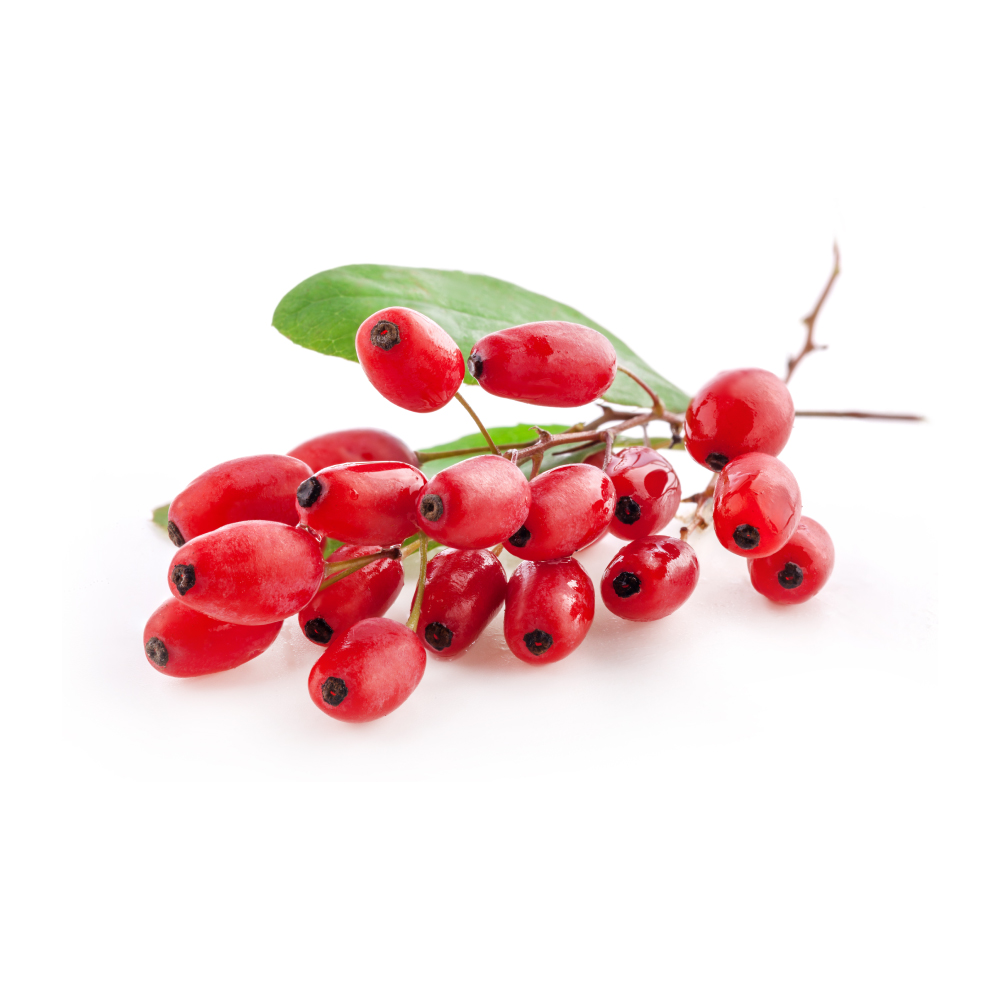
Barberry is the common name for Berberis, a large genus of spiny woody shrubs (family Berberidaceae) of roughly 500 species 25Reference 25Principles and Practice of Phytotherapy (2nd ed.). Modern taxonomy folds the formerly separate genus Mahonia into Berberis, so Oregon grape now sits in the same genus as European barberry. The bark appears brown outside, but a cut reveals a bright yellow interior — the colour of its high berberine content.
The two barberries that matter medicinally sit on either side of the old Berberis/Mahonia divide. Berberis vulgaris — European or common barberry — is a deciduous shrub to about 3–4 m with clustered spines; its leaves are obovate to oblong-obovate, up to ~4 cm long, arranged in clusters on short axillary shoots 25Reference 25Principles and Practice of Phytotherapy (2nd ed.). Berberis aquifolium (Oregon grape, long known as Mahonia aquifolium) is an evergreen shrub with glossy holly-like leaves, growing to about 2 m and extremely hardy 26Reference 26Grape, Mountain. https://www.botanical.com/botanical/mgmh/g/gramou33.htmlView study →. Both are berberine-rich in root and root-bark, which is what makes them interchangeable in Western herbal practice.
Distribution
Berberis vulgaris is native to Europe and temperate western and central Asia (hardy across roughly USDA zones 4–8); B. aquifolium is native to western North America, from British Columbia to northern California and inland to the Rockies. European barberry was carried to North America by settlers and naturalized widely across the east.
B. vulgaris carries a serious weed reputation and appears on state noxious-plant lists — not only because it spreads aggressively, but because it is the alternate host on which wheat stem rust (Puccinia graminis) completes its life cycle and spins off new virulent strains. That role drove the large federal-state Barberry Eradication Program across the North American wheat belt in the twentieth century. Oregon grape, by contrast, is not classed as noxious and is widely planted as a native ornamental.
Growing Conditions
- Hardy deciduous or evergreen shrubs; full sun to part shade. B. vulgaris roughly USDA zones 4–8, B. aquifolium about 5–8.
- Note the regulatory catch: because B. vulgaris is a wheat-rust host, planting or moving it is restricted or prohibited in some jurisdictions — check local rules before growing it.
- Full cultivation detail lives on the companion farm-wiki grow guide for Berberis (link to be added once that project’s public URL is confirmed).
Phytochemistry
Barberry’s chemistry is defined by its isoquinoline alkaloids, concentrated in the root and stem bark — which is what gives the cut wood its bright yellow colour. The signature compound is the protoberberine alkaloid berberine, responsible for most of the antibacterial, antiparasitic, bitter and lipid-lowering activity attributed to the herb 25,11Reference 25Principles and Practice of Phytotherapy (2nd ed.)Reference 11ReviewPhytochemistry and pharmacology of Berberis species — reviewView study →. Root and root-bark material is rich in it: total alkaloid content of root tissue has been reported around 4% by weight, and berberine itself can reach roughly 5–10% of dried root or root-bark extracts 11Reference 11ReviewPhytochemistry and pharmacology of Berberis species — reviewView study →.
Alongside berberine, Berberis roots carry a suite of related alkaloids: the protoberberines palmatine and jatrorrhizine, the bisbenzylisoquinolines berbamine and oxycanthine (oxyacanthine), and lambertine 11Reference 11ReviewPhytochemistry and pharmacology of Berberis species — reviewView study →. Berberine has low oral bioavailability, which is precisely why it works so well topically and within the gut lumen for infections 25Reference 25Principles and Practice of Phytotherapy (2nd ed.).
Constituent Summary
Figures are share of dried root or root-bark and vary with species (B. vulgaris, B. aquifolium/Mahonia and others), plant part and tissue; root bark is the richest source 25,11Reference 25Principles and Practice of Phytotherapy (2nd ed.)Reference 11ReviewPhytochemistry and pharmacology of Berberis species — reviewView study →.
Isoquinoline alkaloid6 compounds1 with data
Pharmacology & Research
Barberry’s pharmacology is essentially the pharmacology of berberine, the yellow protoberberine alkaloid concentrated in the root and stem bark. This creates an unusual evidence profile: the whole herb has a thin clinical record, but the isolated alkaloid — often sourced from other berberine-rich plants such as Coptis — has been tested in dozens of human trials and multiple meta-analyses for lipids, glycaemic control and fatty-liver markers. The strongest human data are metabolic: barberry-specific RCTs and berberine meta-analyses consistently lower total cholesterol, triglycerides and LDL, and a large multicentre RCT showed berberine cuts colorectal-adenoma recurrence 2,8Reference 2RCTThe effects of Berberis vulgaris fruit extract on serum lipoproteins, apoB, apoA-I, homocysteine, glycemic control and total antioxidant capacity in type 2 diabetic patients — randomised controlled trialView study →Reference 8RCTBerberine versus placebo for the prevention of recurrence of colorectal adenoma — multicentre, double-blinded, randomised controlled studyView study →. The classic antimicrobial and antiparasitic claims that fill older monographs rest largely on in vitro work, and the single most important caveat runs through everything below — berberine has very low oral bioavailability, so systemic effects seen with concentrated extracts do not transfer cleanly to a whole-root tincture or decoction.
- Best-supported: lowers total cholesterol, triglycerides and LDL in human RCTs and meta-analyses 1,2,6Reference 1Meta-analysisBarberry (Berberis vulgaris L.) is a safe approach for management of lipid parameters — systematic review and meta-analysis of randomized controlled trialsView study →Reference 2RCTThe effects of Berberis vulgaris fruit extract on serum lipoproteins, apoB, apoA-I, homocysteine, glycemic control and total antioxidant capacity in type 2 diabetic patients — randomised controlled trialView study →Reference 6Meta-analysisMeta-analysis of the effect and safety of berberine in the treatment of type 2 diabetes mellitus, hyperlipidaemia and hypertensionView study →; improves fasting insulin/HOMA-IR and reduces NAFLD transaminases 3,4,5Reference 3Meta-analysisThe effect of barberry (Berberis vulgaris L.) on glycemic indices — systematic review and meta-analysis of randomized controlled trialsView study →Reference 4Meta-analysisThe effect of berberine on metabolic profiles in type 2 diabetic patients — systematic review and meta-analysis of randomized controlled trialsView study →Reference 5Meta-analysisEfficacy and safety of berberine on the components of metabolic syndrome — systematic review and meta-analysis of randomized placebo-controlled trialsView study →.
- Emerging, worth watching: berberine reduced colorectal-adenoma recurrence in a 1,108-patient RCT 8Reference 8RCTBerberine versus placebo for the prevention of recurrence of colorectal adenoma — multicentre, double-blinded, randomised controlled studyView study →; topical Mahonia aquifolium cream improved plaque psoriasis 10Reference 10Clinical trialA report on three recent clinical trials using Mahonia aquifolium 10% topical cream and a review of the worldwide clinical experience with Mahonia aquifolium for the treatment of plaque psoriasisView study →.
- Mechanistically thin: antibacterial, antifungal and antiparasitic activity is real in vitro but almost entirely preclinical, and turns on berberine staying in the gut lumen rather than being absorbed 11,12,13Reference 11ReviewPhytochemistry and pharmacology of Berberis species — reviewView study →Reference 12RCTRandomized controlled trial of berberine sulfate therapy for diarrhoea due to enterotoxigenic Escherichia coli and Vibrio choleraeView study →Reference 13In vitroSynergy in a medicinal plant: antimicrobial action of berberine potentiated by 5′-methoxyhydnocarpin, a multidrug pump inhibitor — in vitroView study →.
- The caveat: berberine’s low oral bioavailability means systemic-extract results do not transfer to whole-herb teas or tinctures; most “barberry” clinical data actually test isolated berberine or standardised fruit extracts, not the traditional root preparation.
1. Hypolipidemic
This is barberry’s most robust human signal. A meta-analysis of five RCTs (339 participants) found that barberry supplementation significantly lowered total cholesterol (−23.6 mg/dL), triglycerides (−29.2 mg/dL) and LDL (−13.8 mg/dL), with a non-significant rise in HDL 1Reference 1Meta-analysisBarberry (Berberis vulgaris L.) is a safe approach for management of lipid parameters — systematic review and meta-analysis of randomized controlled trialsView study →. A double-blind RCT of Berberis vulgaris fruit extract (3 g/day, 3 months) in type-2 diabetics independently reduced triglycerides, total cholesterol, LDL and apoB 2Reference 2RCTThe effects of Berberis vulgaris fruit extract on serum lipoproteins, apoB, apoA-I, homocysteine, glycemic control and total antioxidant capacity in type 2 diabetic patients — randomised controlled trialView study →. The effect is mechanistically consistent with isolated berberine: meta-analyses of berberine confirm reductions in triglycerides and total cholesterol across metabolic-syndrome and diabetic populations 5,6Reference 5Meta-analysisEfficacy and safety of berberine on the components of metabolic syndrome — systematic review and meta-analysis of randomized placebo-controlled trialsView study →Reference 6Meta-analysisMeta-analysis of the effect and safety of berberine in the treatment of type 2 diabetes mellitus, hyperlipidaemia and hypertensionView study →.
Gap: Most trials use standardised fruit extracts or isolated berberine, not the traditional root/bark tincture; head-to-head data on the whole-herb preparation are absent, and trials are small and largely single-country.
2. Antidiabetic
A meta-analysis of seven RCTs (452 participants) found barberry significantly reduced fasting insulin, though fasting glucose and HbA1c were not consistently affected 3Reference 3Meta-analysisThe effect of barberry (Berberis vulgaris L.) on glycemic indices — systematic review and meta-analysis of randomized controlled trialsView study →. Isolated berberine has a much larger evidence base: a meta-analysis of 46 trials reported reductions in HbA1c (−0.73%), fasting glucose, HOMA-IR and BMI 4Reference 4Meta-analysisThe effect of berberine on metabolic profiles in type 2 diabetic patients — systematic review and meta-analysis of randomized controlled trialsView study →, and earlier meta-analyses found berberine comparable to oral hypoglycaemics for glycaemic control while adding a lipid benefit 7Reference 7Meta-analysisBerberine in the treatment of type 2 diabetes mellitus — systematic review and meta-analysisView study →. Effects are attributed to AMPK activation and improved insulin sensitivity rather than insulin secretion.
Gap: Whole-barberry data show improved insulin but not clear glucose/HbA1c lowering; the strong glycaemic results belong to concentrated berberine, whose absorption differs from a whole-herb preparation.
3. Hepatoprotective
Two randomised trials of Berberis vulgaris extract in non-alcoholic fatty liver disease (NAFLD) reported significant falls in liver transaminases. In an 80-patient RCT, 750 mg/day (two capsules once daily) for three months lowered ALT (49 → 27 U/L) and AST (48 → 30 U/L) versus placebo 9Reference 9Clinical trialThe effect of Berberis vulgaris extract on transaminase activities in non-alcoholic fatty liver disease — clinical trialView study →. Because NAFLD tracks with dyslipidaemia and insulin resistance, the transaminase benefit is plausibly downstream of barberry’s lipid and glycaemic effects rather than a distinct hepatic mechanism 1,3Reference 1Meta-analysisBarberry (Berberis vulgaris L.) is a safe approach for management of lipid parameters — systematic review and meta-analysis of randomized controlled trialsView study →Reference 3Meta-analysisThe effect of barberry (Berberis vulgaris L.) on glycemic indices — systematic review and meta-analysis of randomized controlled trialsView study →. An animal study links berberine’s fatty-liver effect to reduced MTTP-promoter methylation 22Reference 22AnimalBerberine reduces methylation of the MTTP promoter and alleviates fatty liver induced by a high-fat diet in rats — animal modelView study →.
Gap: Both RCTs are small and from one research setting; there is no histological (biopsy) endpoint, and durability beyond three months is untested.
4. Antibacterial
Barberry’s traditional reputation as an antibacterial rests almost entirely on in vitro data for berberine, which inhibits gram-positive and gram-negative organisms including E. coli, Staphylococcus aureus (including MRSA) and S. epidermidis 11Reference 11ReviewPhytochemistry and pharmacology of Berberis species — reviewView study →. The one genuinely human result is antisecretory rather than bactericidal: an RCT in 165 adults found a single 400 mg dose of berberine sulfate reduced stool volume and shortened diarrhoea from enterotoxigenic E. coli 12Reference 12RCTRandomized controlled trial of berberine sulfate therapy for diarrhoea due to enterotoxigenic Escherichia coli and Vibrio choleraeView study →. Berberine is a substrate of bacterial multidrug-efflux pumps, and plants co-produce the efflux inhibitor 5′-methoxyhydnocarpin, a proposed natural synergy 13Reference 13In vitroSynergy in a medicinal plant: antimicrobial action of berberine potentiated by 5′-methoxyhydnocarpin, a multidrug pump inhibitor — in vitroView study →.
Gap: No trials show barberry clears an established systemic infection; berberine’s low oral bioavailability confines meaningful antibacterial action to the gut lumen and topical surfaces.
5. Colorectal chemoprevention
A multicentre, double-blind RCT randomised 1,108 post-polypectomy patients to berberine 0.3 g twice daily or placebo; recurrent adenoma occurred in 36% of the berberine group versus 47% of placebo (relative risk 0.77) over follow-up, with constipation the main adverse event and no serious events 8Reference 8RCTBerberine versus placebo for the prevention of recurrence of colorectal adenoma — multicentre, double-blinded, randomised controlled studyView study →. An umbrella review of berberine meta-analyses independently graded the colorectal-adenoma signal as one of its better-supported outcomes 14Reference 14ReviewBerberine and health outcomes: an umbrella reviewView study →.
Gap: This is isolated berberine, not barberry; the finding needs replication outside China, and no data address whether a whole-herb preparation reaches equivalent luminal exposure.
6. Antipsoriatic (topical)
Topical Mahonia aquifolium (Oregon grape, a Berberis relative) has small but positive dermatological trials. A report on three trials — an open-label safety study (39 patients) and comparative/controlled designs — found a 10% cream significantly improved PASI scores and quality-of-life measures in plaque psoriasis 10Reference 10Clinical trialA report on three recent clinical trials using Mahonia aquifolium 10% topical cream and a review of the worldwide clinical experience with Mahonia aquifolium for the treatment of plaque psoriasisView study →. Activity is attributed to the bisbenzylisoquinoline alkaloid berbamine and to berberine’s anti-inflammatory and antiproliferative actions on keratinocytes.
Gap: Trials are small, several open-label, and specific to Mahonia cream applied topically — they do not validate oral barberry for skin disease.
7. Antioxidant
Berberis vulgaris fruit, leaf and stem show measurable radical-scavenging activity in vitro, driven by anthocyanins and other polyphenols rather than by berberine itself 15,16Reference 15In vitroEvaluation of the antioxidant and anti-lipoxygenase activity of Berberis vulgaris L. leaves, fruits and stem and their LC-MS/MS polyphenolic profile — in vitroView study →Reference 16In vitroEffect of extraction conditions on antioxidant activity of barberry (Berberis vulgaris) fruit — in vitroView study →. There is a modest human correlate: the fruit-extract RCT in diabetics reported a significant rise in serum total antioxidant capacity 2Reference 2RCTThe effects of Berberis vulgaris fruit extract on serum lipoproteins, apoB, apoA-I, homocysteine, glycemic control and total antioxidant capacity in type 2 diabetic patients — randomised controlled trialView study →. The antioxidant fraction is largely distinct from the alkaloid fraction responsible for the herb’s antimicrobial and metabolic effects.
Gap: Human evidence is limited to one serum-marker outcome; clinical antioxidant benefit is inferred from in vitro assays and does not yet map to disease endpoints.
8. Antiparasitic
Berberine inhibits Entamoeba histolytica, Giardia lamblia and Trichomonas vaginalis in vitro, causing chromatin clumping and autophagic vacuolation 17Reference 17In vitroIn vitro effects of berberine sulphate on the growth and structure of Entamoeba histolytica, Giardia lamblia and Trichomonas vaginalis — in vitroView study →. Against Leishmania, berberine chloride disrupts mitochondrial membrane potential and depletes ATP in promastigotes 18Reference 18In vitroBerberine chloride mediates its antileishmanial activity by inhibiting Leishmania mitochondria — in vitroView study →. Historic antimalarial testing found berberine and related protoberberines (palmatine, jatrorrhizine) potent against Plasmodium falciparum in vitro but inactive in vivo in P. berghei-infected mice 19Reference 19In vitroProtoberberine alkaloids as antimalarials — in vitro and animal modelView study →.
Gap: The in-vitro-to-in-vivo failure in malaria is the cautionary case: potent in a dish, absent orally. No controlled human antiparasitic trials of barberry or berberine exist.
9. Antifungal
Berberine inhibits Candida albicans in vitro, including fluconazole-resistant strains, acting on biofilm formation and membrane integrity 20Reference 20In vitroBerberine antifungal activity in fluconazole-resistant pathogenic yeasts: action mechanism evaluated by flow cytometry and biofilm growth inhibition in Candida spp. — in vitroView study →, and extracts of B. vulgaris show antifungal activity alongside their antileishmanial effect 21Reference 21In vitroAntifungal, antileishmanial and cytotoxicity activities of various extracts of Berberis vulgaris (Berberidaceae) and its active principle berberine — in vitroView study →. Older screens report activity against Aspergillus, Fusarium and other moulds 11Reference 11ReviewPhytochemistry and pharmacology of Berberis species — reviewView study →.
Gap: Entirely preclinical — no human antifungal trials, and the low systemic bioavailability again limits plausible use to topical or mucosal surfaces rather than invasive fungal disease.
Mechanisms
| Mechanism | Drives | Key compounds |
|---|---|---|
| AMPK activation, hepatic lipogenesis ↓ | hypolipidemicantidiabetichepatoprotective | berberine |
| Intestinal anti-secretory action, gut-lumen antimicrobial | antibacterialantidiarrhoeal | berberine |
| Bacterial FtsZ / cell-division disruption; efflux-pump substrate | antibacterial | berberine |
| Parasite/fungal mitochondrial depolarisation, ROS generation | antiparasiticantifungal | berberine |
| Radical scavenging (polyphenol/anthocyanin fraction) | antioxidant | anthocyanins (fruit) |
| Keratinocyte antiproliferative / anti-inflammatory | antipsoriatic | berbamine, berberine |
Clinical trials
Human trials exist but almost all test isolated berberine or standardised fruit extracts, not the traditional whole root/bark preparation — the largest being a 1,108-patient colorectal-adenoma RCT 8Reference 8RCTBerberine versus placebo for the prevention of recurrence of colorectal adenoma — multicentre, double-blinded, randomised controlled studyView study →; no trials of barberry root tincture for its classic antimicrobial indications have been registered.
| Completed | Planned | Terminated | Preclinical |
|---|---|---|---|
| ~12(berberine/barberry metabolic & GI) | — | 0identified | ~30+ |
Last checked: July 2026.
Dosage
In research, most “barberry” data actually test isolated berberine or a standardised fruit extract rather than the traditional root/bark tincture — so the doses below are not interchangeable with a whole-root preparation.
| Indication | Preparation | Dose | Est. dried-herb equivalent | Source |
|---|---|---|---|---|
| Hypolipidemic / antidiabetic | B. vulgaris fruit extract | 3 g/day × 3 months | ~3 g fruit extract (as given; berberine content unstated) | 2Reference 2RCTThe effects of Berberis vulgaris fruit extract on serum lipoproteins, apoB, apoA-I, homocysteine, glycemic control and total antioxidant capacity in type 2 diabetic patients — randomised controlled trialView study → |
| Hepatoprotective (NAFLD) | B. vulgaris extract capsules | 750 mg/day × 3 months | ≈15–40 mg berberine (assuming root/bark ≈ 5% berberine); whole-root equivalent uncertain | 9Reference 9Clinical trialThe effect of Berberis vulgaris extract on transaminase activities in non-alcoholic fatty liver disease — clinical trialView study → |
| Antibacterial (antisecretory diarrhoea) | Berberine sulfate | 400 mg single oral dose | isolated alkaloid — no whole-herb equivalent | 12Reference 12RCTRandomized controlled trial of berberine sulfate therapy for diarrhoea due to enterotoxigenic Escherichia coli and Vibrio choleraeView study → |
| Colorectal chemoprevention | Berberine (isolated) | 0.3 g twice daily (0.6 g/day) | isolated alkaloid — no whole-herb equivalent | 8Reference 8RCTBerberine versus placebo for the prevention of recurrence of colorectal adenoma — multicentre, double-blinded, randomised controlled studyView study → |
Est. dried-herb equivalent is a rough guide on a stated assumption (root/bark ≈ 5–10% berberine 11Reference 11ReviewPhytochemistry and pharmacology of Berberis species — reviewView study →), not a conversion factor or recommendation. Where only isolated berberine or a proprietary extract mg is given, no ratio is invented. These are research doses, not recommendations.
Traditional Dosage
| System | Preparation | Dose |
|---|---|---|
| Western herbal | 1:2 liquid extract (root/bark) | 20–40 mL/week |
| Western herbal (Eclectic) | Decoction of root/bark | as a bitter / blood tonic, taken seasonally |
Safety & Pregnancy
Barberry and its alkaloid berberine are generally well tolerated; the meaningful risks are drug interactions (berberine raises cyclosporine levels) and its conventional contraindication in pregnancy, rather than high intrinsic toxicity.
- Avoid in pregnancy & near term. Berberine displaces bilirubin from albumin — a neonatal jaundice / kernicterus concern.
- Drug interactions. Raises blood cyclosporine; avoid with narrow-therapeutic-index CYP3A4 substrates.
- Gallstones. Traditionally contraindicated because of its cholagogue action.
- Otherwise well tolerated. Constipation and mild diarrhoea are the usual complaints in trials.
Full safety & interactions detail
Barberry and its principal alkaloid berberine are generally well tolerated in trials, with gastrointestinal effects — constipation and mild diarrhoea — the most common adverse events 8,14Reference 8RCTBerberine versus placebo for the prevention of recurrence of colorectal adenoma — multicentre, double-blinded, randomised controlled studyView study →Reference 14ReviewBerberine and health outcomes: an umbrella reviewView study →. The clinically important concern is drug interactions: in renal-transplant recipients, berberine 0.2 g three times daily significantly raised blood cyclosporine (CsA) concentrations, indicating inhibition of CYP3A4/P-glycoprotein-mediated clearance, so barberry should be avoided with CsA and other narrow-therapeutic-index CYP3A4 substrates 23Reference 23Effects of berberine on the blood concentration of cyclosporin A in renal transplanted recipients — clinical and pharmacokinetic studyView study →. Berberine also displaces bilirubin from albumin in vitro and in animals — roughly tenfold more potently than phenylbutazone — which is the basis for avoiding it in neonates and in pregnancy near term 24Reference 24In vitroDisplacement of bilirubin from albumin by berberine — in vitro / animalView study →. Barberry is traditionally contraindicated in the presence of gallstones because of its cholagogue action.
Avoid. Berberine crosses the placenta and displaces bilirubin from albumin, raising a theoretical risk of neonatal jaundice/kernicterus, and berberine-containing preparations are conventionally contraindicated in pregnancy and lactation 24Reference 24In vitroDisplacement of bilirubin from albumin by berberine — in vitro / animalView study →. No controlled pregnancy or lactation safety studies of barberry exist; the contraindication is precautionary rather than founded on human outcome data.
References
- Hadi, A. et al. (2019). Barberry (Berberis vulgaris L.) is a safe approach for management of lipid parameters — systematic review and meta-analysis of randomized controlled trials. Complementary Therapies in Medicine. https://pubmed.ncbi.nlm.nih.gov/30935518/
- Shidfar, F. et al. (2012). The effects of Berberis vulgaris fruit extract on serum lipoproteins, apoB, apoA-I, homocysteine, glycemic control and total antioxidant capacity in type 2 diabetic patients — randomised controlled trial. Iranian Journal of Pharmaceutical Research. https://pubmed.ncbi.nlm.nih.gov/24250489/
- Safari, Z. et al. (2020). The effect of barberry (Berberis vulgaris L.) on glycemic indices — systematic review and meta-analysis of randomized controlled trials. Complementary Therapies in Medicine. https://pubmed.ncbi.nlm.nih.gov/32507431/
- Guo, J. et al. (2021). The effect of berberine on metabolic profiles in type 2 diabetic patients — systematic review and meta-analysis of randomized controlled trials. Oxidative Medicine and Cellular Longevity. https://pubmed.ncbi.nlm.nih.gov/34956436/
- Liu, D. et al. (2025). Efficacy and safety of berberine on the components of metabolic syndrome — systematic review and meta-analysis of randomized placebo-controlled trials. Frontiers in Pharmacology. https://pubmed.ncbi.nlm.nih.gov/40740996/
- Lan, J. et al. (2015). Meta-analysis of the effect and safety of berberine in the treatment of type 2 diabetes mellitus, hyperlipidaemia and hypertension. Journal of Ethnopharmacology. https://pubmed.ncbi.nlm.nih.gov/25498346/
- Dong, H. et al. (2012). Berberine in the treatment of type 2 diabetes mellitus — systematic review and meta-analysis. Evidence-Based Complementary and Alternative Medicine. https://pubmed.ncbi.nlm.nih.gov/23118793/
- Chen, Y.-X. et al. (2020). Berberine versus placebo for the prevention of recurrence of colorectal adenoma — multicentre, double-blinded, randomised controlled study. The Lancet Gastroenterology & Hepatology. https://pubmed.ncbi.nlm.nih.gov/31926918/
- Iloon Kashkooli, R. et al. (2015). The effect of Berberis vulgaris extract on transaminase activities in non-alcoholic fatty liver disease — clinical trial. Hepatitis Monthly. https://pubmed.ncbi.nlm.nih.gov/25788958/
- Gulliver, W. P. & Donsky, H. J. (2005). A report on three recent clinical trials using Mahonia aquifolium 10% topical cream and a review of the worldwide clinical experience with Mahonia aquifolium for the treatment of plaque psoriasis. American Journal of Therapeutics. https://pubmed.ncbi.nlm.nih.gov/16148424/
- Mokhber-Dezfuli, N. et al. (2014). Phytochemistry and pharmacology of Berberis species — review. Pharmacognosy Reviews. https://pubmed.ncbi.nlm.nih.gov/24600191/
- Rabbani, G. H. et al. (1987). Randomized controlled trial of berberine sulfate therapy for diarrhoea due to enterotoxigenic Escherichia coli and Vibrio cholerae. Journal of Infectious Diseases. https://pubmed.ncbi.nlm.nih.gov/3549923/
- Stermitz, F. R. et al. (2000). Synergy in a medicinal plant: antimicrobial action of berberine potentiated by 5′-methoxyhydnocarpin, a multidrug pump inhibitor — in vitro. PNAS. https://pubmed.ncbi.nlm.nih.gov/10677479/
- Li, Z. et al. (2023). Berberine and health outcomes: an umbrella review. Phytotherapy Research. https://pubmed.ncbi.nlm.nih.gov/36999891/
- Och, A. et al. (2023). Evaluation of the antioxidant and anti-lipoxygenase activity of Berberis vulgaris L. leaves, fruits and stem and their LC-MS/MS polyphenolic profile — in vitro. Antioxidants. https://pubmed.ncbi.nlm.nih.gov/37508005/
- Aliakbarlu, J. et al. (2018). Effect of extraction conditions on antioxidant activity of barberry (Berberis vulgaris) fruit — in vitro. Veterinary Research Forum. https://pubmed.ncbi.nlm.nih.gov/30713616/
- Kaneda, Y. et al. (1991). In vitro effects of berberine sulphate on the growth and structure of Entamoeba histolytica, Giardia lamblia and Trichomonas vaginalis — in vitro. Annals of Tropical Medicine and Parasitology. https://pubmed.ncbi.nlm.nih.gov/1796883/
- De Sarkar, S. et al. (2019). Berberine chloride mediates its antileishmanial activity by inhibiting Leishmania mitochondria — in vitro. Parasitology Research. https://pubmed.ncbi.nlm.nih.gov/30470927/
- Vennerstrom, J. L. et al. (1988). Protoberberine alkaloids as antimalarials — in vitro and animal model. Journal of Medicinal Chemistry. https://pubmed.ncbi.nlm.nih.gov/3286870/
- Da Silva, A. R. et al. (2016). Berberine antifungal activity in fluconazole-resistant pathogenic yeasts: action mechanism evaluated by flow cytometry and biofilm growth inhibition in Candida spp. — in vitro. Antimicrobial Agents and Chemotherapy. https://pubmed.ncbi.nlm.nih.gov/27021328/
- Mahmoudvand, H. et al. (2014). Antifungal, antileishmanial and cytotoxicity activities of various extracts of Berberis vulgaris (Berberidaceae) and its active principle berberine — in vitro. ISRN Pharmacology. https://pubmed.ncbi.nlm.nih.gov/24977052/
- Chang, X. et al. (2010). Berberine reduces methylation of the MTTP promoter and alleviates fatty liver induced by a high-fat diet in rats — animal model. Journal of Lipid Research. https://pubmed.ncbi.nlm.nih.gov/20567026/
- Wu, X. et al. (2005). Effects of berberine on the blood concentration of cyclosporin A in renal transplanted recipients — clinical and pharmacokinetic study. European Journal of Clinical Pharmacology. https://pubmed.ncbi.nlm.nih.gov/16133554/
- Chan, E. (1993). Displacement of bilirubin from albumin by berberine — in vitro / animal. Biology of the Neonate. https://pubmed.ncbi.nlm.nih.gov/8513024/
- Bone, K., & Mills, S. (2013). Principles and Practice of Phytotherapy (2nd ed.). Elsevier Health.
- A Modern Herbal (1931). Grape, Mountain. https://www.botanical.com/botanical/mgmh/g/gramou33.html