
Materia Medica
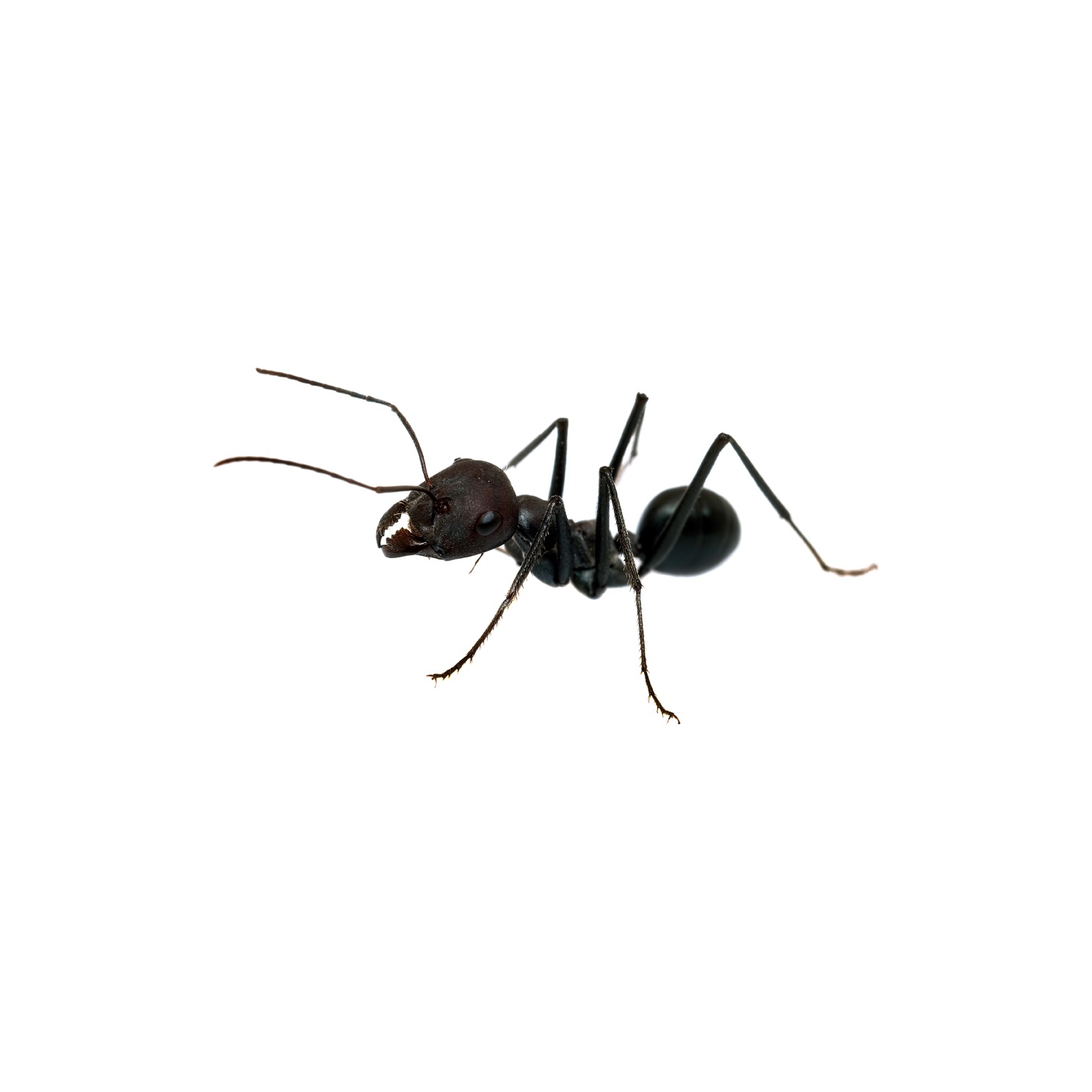
Black Ant
Polyrhachis spp.
Black ant (Polyrhachis spp.) — a mineral-rich tonic high in zinc and protein, traditionally used for energy, stamina and joint health.
What Is Black Ant?
Black ant is exactly as it sounds… black ants. They contain a rich source of zinc, and other trace minerals, and provide a potent dose of protein. They are low in fat and carbohydrates, and contain a fibre known as chitin. As a nutritional supplement black ants are perfect for the body builder or athlete. The zinc, complete protein, and high fiber makes them one of the most well rounded protein sources available.
Aside from the nutritional value, black ants have a few reported medicinal actions. They contain the insect steroid ecdysterone (20-hydroxyecdysone); isolated ecdysterone showed a mild anabolic effect in one human strength-training trial, but that was the purified compound at high doses — black ant’s own ecdysterone content is unquantified and the ant itself has never been tested for muscle or performance outcomes (see the research section below).
In Chinese medicine where its use is most popular, black ant is used as a cognitive enhancer for students, to promote the repair of broken or damaged bone and muscle tissue, as an athletic performance enhancer, and to treat sexual dysfunctions in both men and women.
Consuming black ant is easy, as it can be taken as a powder in a smoothie or protein shake, made into baked goods, capsulated, or taken as a liquid extract.
What Is Black Ant Used For?
Black ant is mainly used as an athletic performance enhancer as an addition to the supplementing regimen. It’s also popular amongst students looking to increase their cognitive endurance for long hours of study.
The nutritional content of black ant, especially the protein and zinc make it useful for a wide range of conditions from a nutritional standpoint, including anemia, poor immune function, malnutrition, and weak sexual function.
Traditional Uses
In places like Taiwan, Hong Kong, and Shanghai, where this supplement is very popular, it’s sold in many health clubs as a pre-workout elixir. Students in these areas also commonly consume this to prevent burnout from a busy workload, and to improve their concentration.
Traditional Chinese Medicine
In traditional Chinese medicine, black ant is considered a premier Qi tonic, considered by some to be even more powerful than the highly esteemed Ginseng. It’s considered an adaptogen and is in the same class of “superstar” Chinese tonics as Eleuthero (Siberian ginseng), cordyceps, reishi (Ganoderma), and schizandra (Teeguarden, 1998).
A Note on Consuming Insects
Consuming insects as food or medicine is not a new concept, and likely predates human history. Fortunately in modern times we have the ability to extract the desired constituents from these insects in either a liquid extract, or powder form where it can then be encapsulated, added to smoothies, or baked with. In this way we can consume bugs, without having to actually eat them.
Entomological Info
Black ant is not a plant but an insect — one of the “spiny ants” of the genus Polyrhachis. Taxonomically it belongs to the animal kingdom (phylum Arthropoda, class Insecta), in the order Hymenoptera (the ants, bees and wasps) and the ant family Formicidae, subfamily Formicinae. The genus name Polyrhachis means “many spines” — a nod to the sharp spines and hooks on the body and thorax that set these ants apart and serve as the group’s easiest field marker.
The genus is large, with around 700 described species spread across the Old World tropics and subtropics — from Africa through Asia to Australia — with its greatest diversity in Southeast Asia. The species used medicinally is chiefly Polyrhachis vicina (the Chinese black mountain ant, known in Chinese medicine as xuan ju, 玄驹), with close relatives such as P. dives and P. lamellidens sometimes used in the same way. Only P. vicina has been studied in any depth, but the genus is chemically consistent enough that related species are assumed to carry a broadly similar profile.
These are wild, forest-dwelling ants, gathered from the wild rather than farmed as a crop. Unlike the plant herbs on this site there is no cultivation guide and no companion farm-wiki grow page: the material is a wild-harvested whole insect, dried and processed into powder or extract.
Chemical Constituents of Black Ant
The nutritional content of black ant is quite impressive, containing between 42% and 67% protein of total weight, and only 10% fat content. On top of this, black ant contains high amounts of chitin, which is an insoluble fibre found in the exoskeletons of insects as well as in fungi.
The amino acid content in black ants is also impressive, with the limiting amino acids being methionine, and cysteine. Phenylalanine, tyrosine, and tryptophan are all contained in high amounts in black ant. These amino acids all are used as precursors to various neurotransmitters in the brain and throughout the body, it’s important to have a healthy dose of these amino acids in order to maintain healthy levels of these neurotransmitters. This may play a role in some of black ant’s effects in combatting low libido, improving sexual health, and enhancing athletic performance.
Black ant also contains high amounts of the minerals calcium, zinc, magnesium, and manganese, and also includes potassium, phosphorous, iron, selenium, chromium, and sodium.
Vitamins included in black ant are B1, B2, B12, D, and E. On top of this, black ant contains high amounts of the steroid ecdysterone. This compound has been the study of a lot of recent research for its growth stimulating effects.
Phytochemistry
Black ant is best understood as a dense nutritional matrix rather than a single-active herb. Its defining feature is a very high protein content — analyses of Polyrhachis vicina report roughly 42–67% of dry weight as protein, with a complete amino-acid profile, against only about 9–10% fat 1Reference 1Nutritional composition of Polyrhachis vicina Roger (Edible Chinese black ant) — compositional analysis. The exoskeleton contributes chitin, an insoluble polysaccharide fibre 1Reference 1Nutritional composition of Polyrhachis vicina Roger (Edible Chinese black ant) — compositional analysis.
The trace-mineral fraction is the second signature, dominated by zinc — black ants are often cited as among the most zinc-dense organisms known — alongside calcium, magnesium, manganese, iron and selenium 1Reference 1Nutritional composition of Polyrhachis vicina Roger (Edible Chinese black ant) — compositional analysis. The amino acids phenylalanine, tyrosine and tryptophan are present in quantity (with methionine and cysteine the limiting pair), serving as neurotransmitter precursors 1Reference 1Nutritional composition of Polyrhachis vicina Roger (Edible Chinese black ant) — compositional analysis.
The most-discussed single bioactive is the steroid hormone ecdysterone (20-hydroxyecdysone), structurally androgen-like and studied for mild anabolic and growth-promoting effects; the sterol beta-sitosterol and B-group vitamins are also reported 1Reference 1Nutritional composition of Polyrhachis vicina Roger (Edible Chinese black ant) — compositional analysis.
Constituent Summary
Figures are share of dry weight unless noted, from compositional analysis of Polyrhachis vicina; values vary with species, season and processing 1Reference 1Nutritional composition of Polyrhachis vicina Roger (Edible Chinese black ant) — compositional analysis.
Protein1 compound1 with data
Amino acid6 compounds3 with data
Mineral6 compounds5 with data
Vitamin1 compound1 with data
Polysaccharide1 compoundno data
Pharmacology & Research
Black ant (Polyrhachis spp., usually P. vicina / P. dives) has a modest but surprisingly active preclinical literature — a few dozen papers, the great majority produced by a single line of Chinese research on an ethanol/petroleum-ether “active fraction of Polyrhachis vicina Rogers” (abbreviated AFPR). That work maps consistent anti-inflammatory, antioxidant and monoaminergic-antidepressant signals across rat and cell models, with narrower reports on anticancer, neuroprotective, analgesic, bone, hyperuricaemia and immune activity. The evidence tier is almost entirely animal in vivo and in vitro — there is no registered clinical trial of black ant in any form, and the one human RCT often invoked for its “anabolic” reputation tested isolated ecdysterone, not the ant. The central caveat runs through everything below: AFPR is a concentrated solvent fraction, not the whole-ant powder or liquid extract people actually consume, so potency and even which compounds are present may not transfer to the marketed tonic.
- Best-supported: antidepressant-like activity via monoamine/MAO and cAMP–CREB–BDNF signalling 2,3Reference 2AnimalAntidepressant-like effect of active fraction of Polyrhachis vicina Roger in a rat depression model — animal in vivoView study →Reference 3In vitroIntegrating network pharmacology, molecular docking and pharmacological evaluation for exploring Polyrhachis vicina Rogers in ameliorating depression — in vitro and in vivoView study →, and anti-inflammatory/antioxidant activity (cytokine and ROS suppression) reproduced across several models 5,6,8Reference 5AnimalAnalgesic and anti-inflammatory activities of total extract and individual fractions of Chinese medicinal ants Polyrhachis lamellidens — mouse in vivoView study →Reference 6In vitroCharacterization, antioxidant activities, and pancreatic lipase inhibitory effect of extract from the edible insect Polyrhachis vicina — in vitroView study →Reference 8AnimalHypouricemic and nephroprotective effects of an active fraction from Polyrhachis vicina Roger on potassium-oxonate-induced hyperuricemia in rats — animal in vivoView study →.
- Emerging, worth watching: anticancer (breast, colorectal) and neuroprotective (stroke, Alzheimer’s) fraction studies with in vivo confirmation 9,10,11,12Reference 9In vitroActive fraction of Polyrhachis vicina Rogers suppressed breast cancer growth and progression via the EGR1/lncRNA-NKILA/NF-κB axis — xenograft and in vitroView study →Reference 10In vitroThe active fraction of Polyrhachis vicina Roger activates ERK to cause necroptosis in colorectal cancer — in vivo and in vitroView study →Reference 11AnimalActive fraction of Polyrhachis vicina (Roger) alleviated cerebral ischemia/reperfusion injury by targeting SIRT3-mediated mitophagy and angiogenesis — rat modelView study →Reference 12AnimalPolyrhachis vicina Roger alleviates memory impairment in a rat model of Alzheimer’s disease through the EGR1/BACE1/APP axis — animal in vivoView study →.
- Mechanistically thin: the “anabolic/athletic” reputation rests on ecdysterone studied in isolation 14,15,16Reference 14AnimalTreatment of intrauterine growth retardation with ant Polyrhachis vicina Roger — rat modelView study →Reference 15RCTEcdysteroids as non-conventional anabolic agent: performance enhancement by ecdysterone supplementation in humans — randomised controlled trialView study →Reference 16AnimalPoststerone increases muscle fibre size partly similar to its metabolically parent compound, 20-hydroxyecdysone — rat in vivoView study →; the ant’s own ecdysterone dose is unquantified.
- The caveat: nearly all data use the solvent-extracted AFPR fraction in rodents, not the whole-ant tonic — no standardised dose, and species/preparation variance is large.
1. Antidepressant
This is the most-developed strand. In a reserpine-induced rat depression model, AFPR (160 and 320 mg/kg) shortened immobility in forced-swim and tail-suspension tests without altering locomotion, raised dopamine, serotonin and noradrenaline, and normalised monoamine-oxidase (MAO) activity 2Reference 2AnimalAntidepressant-like effect of active fraction of Polyrhachis vicina Roger in a rat depression model — animal in vivoView study →. A network-pharmacology study backed by in vitro and in vivo validation found AFPR raised PRKACA, CREB and beta-sitosterol-adjacent cAMP-signalling proteins and BDNF, pointing to a neuroplasticity mechanism 3Reference 3In vitroIntegrating network pharmacology, molecular docking and pharmacological evaluation for exploring Polyrhachis vicina Rogers in ameliorating depression — in vitro and in vivoView study →. A third study tied AFPR’s antidepressant effect to reduced neuroinflammation through an FTO/miR-221-3p/SOCS1 axis that lowered NF-κB, IL-6 and IL-7 4Reference 4AnimalActive fraction of Polyrhachis vicina Roger ameliorates depression-induced inflammation via the FTO/miR-221-3p/SOCS1 axis — rat and cell modelView study →. The convergence across independent models is the strength here.
Gap: every result is in rodents using the AFPR solvent fraction; no human trial, and the whole-ant tonic has never been tested for mood effects.
2. Anti-inflammatory
Anti-inflammatory activity is the mechanistic thread most other AFPR findings hang on. An ethanol extract of the related medicinal ant Polyrhachis lamellidens inhibited xylene-induced ear oedema and acetic-acid-induced vascular permeability in mice, supporting the traditional use in inflammatory conditions 5Reference 5AnimalAnalgesic and anti-inflammatory activities of total extract and individual fractions of Chinese medicinal ants Polyrhachis lamellidens — mouse in vivoView study →. In a rat hyperuricaemia model, AFPR significantly lowered serum IL-1β, IL-6 and TNF-α alongside its urate-lowering effect 8Reference 8AnimalHypouricemic and nephroprotective effects of an active fraction from Polyrhachis vicina Roger on potassium-oxonate-induced hyperuricemia in rats — animal in vivoView study →. Across the anticancer and antidepressant work, NF-κB down-regulation recurs as the shared node 4,9Reference 4AnimalActive fraction of Polyrhachis vicina Roger ameliorates depression-induced inflammation via the FTO/miR-221-3p/SOCS1 axis — rat and cell modelView study →Reference 9In vitroActive fraction of Polyrhachis vicina Rogers suppressed breast cancer growth and progression via the EGR1/lncRNA-NKILA/NF-κB axis — xenograft and in vitroView study →. Reported active constituents include the fatty acid elaidic acid and polyphenols such as gallic acid 6,10Reference 6In vitroCharacterization, antioxidant activities, and pancreatic lipase inhibitory effect of extract from the edible insect Polyrhachis vicina — in vitroView study →Reference 10In vitroThe active fraction of Polyrhachis vicina Roger activates ERK to cause necroptosis in colorectal cancer — in vivo and in vitroView study →.
Gap: the cleanest in vivo anti-inflammatory data are from a different Polyrhachis species, and no study used the whole-ant preparation at a dietary dose.
3. Antioxidant
A hydro-ethanolic extract of P. vicina showed strong in vitro radical-scavenging and pancreatic-lipase inhibition; LC-MS/GC-MS identified ~60 components, with salicylic acid, gallic acid, liquiritigenin and naringenin as the major polyphenols driving the activity 6Reference 6In vitroCharacterization, antioxidant activities, and pancreatic lipase inhibitory effect of extract from the edible insect Polyrhachis vicina — in vitroView study →. Antioxidant capacity also appears as a secondary readout in the disease models — AFPR raised superoxide dismutase and lowered malondialdehyde in hyperuricaemic rats 8Reference 8AnimalHypouricemic and nephroprotective effects of an active fraction from Polyrhachis vicina Roger on potassium-oxonate-induced hyperuricemia in rats — animal in vivoView study →, and scavenged RANKL-induced reactive oxygen species in osteoclast assays 7Reference 7In vitroActive fraction of Polyrhachis vicina (Rogers) inhibits osteoclastogenesis by targeting Trim38-mediated proteasomal degradation of TRAF6 — mouse model and in vitroView study →.
Gap: the primary antioxidant evidence is a test-tube chemistry profile; whether these polyphenols survive digestion and reach tissue at meaningful levels from an ant supplement is untested.
4. Anticancer
Two AFPR studies reach in vivo. In breast cancer, AFPR suppressed MCF-7 proliferation, migration and xenograft tumour growth by up-regulating the long non-coding RNA NKILA (via EGR1) to inactivate NF-κB 9Reference 9In vitroActive fraction of Polyrhachis vicina Rogers suppressed breast cancer growth and progression via the EGR1/lncRNA-NKILA/NF-κB axis — xenograft and in vitroView study →. In colorectal cancer, AFPR triggered ERK-dependent necroptosis and slowed tumour growth in a xenograft model, with elaidic acid identified by GC-MS as a driver 10Reference 10In vitroThe active fraction of Polyrhachis vicina Roger activates ERK to cause necroptosis in colorectal cancer — in vivo and in vitroView study →. Both are mechanistically detailed but disease-specific and use the concentrated fraction.
Gap: no whole-animal survival or human data; effects are for a solvent fraction at pharmacological doses, not a food-level intake.
5. Neuroprotective
Beyond mood, two rat studies show structural neuroprotection. In cerebral ischaemia/reperfusion (middle-cerebral-artery-occlusion) rats, oral AFPR improved neurological scores, reduced infarct area and promoted mitophagy and angiogenesis through SIRT3 11Reference 11AnimalActive fraction of Polyrhachis vicina (Roger) alleviated cerebral ischemia/reperfusion injury by targeting SIRT3-mediated mitophagy and angiogenesis — rat modelView study →. In an amyloid-β Alzheimer’s rat model, AFPR improved Morris-water-maze memory and suppressed β-amyloid deposition by down-regulating the EGR1/BACE1/APP axis, dose-dependently 12Reference 12AnimalPolyrhachis vicina Roger alleviates memory impairment in a rat model of Alzheimer’s disease through the EGR1/BACE1/APP axis — animal in vivoView study →.
Gap: single studies per condition, rodent-only, AFPR fraction; the recurring EGR1 mechanism needs independent replication.
6. Analgesic
In mice, an ethanol extract of Polyrhachis lamellidens raised the hot-plate pain threshold and inhibited acetic-acid-induced writhing at 1.5-3.0 g crude drug/kg, with the diethyl-ether fraction contributing most of the analgesic effect 5Reference 5AnimalAnalgesic and anti-inflammatory activities of total extract and individual fractions of Chinese medicinal ants Polyrhachis lamellidens — mouse in vivoView study →. This is a plausible correlate of the traditional use for rheumatic and inflammatory pain.
Gap: one mouse study, on a related species rather than the marketed P. vicina/dives, at high crude-drug doses; no human analgesia data.
7. Bone support
Relevant to the page’s “bone and joint” positioning: AFPR inhibited RANKL-induced osteoclast differentiation and bone resorption in vitro without cytotoxicity, scavenged osteoclast ROS, and reduced bone loss in an ovariectomy-induced osteoporosis mouse model, acting through Trim38-mediated proteasomal degradation of TRAF6 to shut down NF-κB 7Reference 7In vitroActive fraction of Polyrhachis vicina (Rogers) inhibits osteoclastogenesis by targeting Trim38-mediated proteasomal degradation of TRAF6 — mouse model and in vitroView study →. An older rat study also reported that P. vicina feeding improved fetal growth indices, attributed partly to amino acids, minerals and ecdysterone 14Reference 14AnimalTreatment of intrauterine growth retardation with ant Polyrhachis vicina Roger — rat modelView study →.
Gap: a single dedicated osteoporosis study; the “repairs broken bone” tradition is not directly tested, and the anabolic contribution is inferred from ecdysterone rather than measured.
8. Hypouricemic
In potassium-oxonate-induced hyperuricaemic rats, 12 weeks of oral AFPR lowered serum uric acid, inhibited hepatic and serum xanthine oxidase, reduced creatinine and BUN, and down-regulated the renal urate transporters URAT1 and GLUT9 while up-regulating OAT1 — a coherent urate-lowering and kidney-protective profile 8Reference 8AnimalHypouricemic and nephroprotective effects of an active fraction from Polyrhachis vicina Roger on potassium-oxonate-induced hyperuricemia in rats — animal in vivoView study →.
Gap: one rat model; no human gout or hyperuricaemia data, and the effective dose was a concentrated fraction given for three months.
9. Immunomodulatory
This underpins the traditional “immune tonic” claim. In mice, P. vicina had no effect on immune organ weight or delayed-type hypersensitivity in healthy animals, but restored non-specific and humoral immune function in hydrocortisone-immunosuppressed mice and normalised both suppressed and over-activated DTH responses — i.e. bidirectional immunoregulation rather than blanket stimulation 13Reference 13AnimalThe effects of Polyrhachis vicina on immunoregulation in mice — animal in vivoView study →.
Gap: a single older study with limited mechanistic detail; the popular framing of black ant as a broad immune stimulant overstates what one normalising mouse study shows.
10. Athletic performance
The marketed “natural anabolic” identity rests on the ecdysteroid content, not on the ant. Isolated ecdysterone (20-hydroxyecdysone) produced significant gains in muscle mass and one-repetition bench press over a 10-week randomised strength-training study in men, with a parallel hypertrophic effect in C2C12 myotubes — the effect appears to be estrogen-receptor mediated 15Reference 15RCTEcdysteroids as non-conventional anabolic agent: performance enhancement by ecdysterone supplementation in humans — randomised controlled trialView study →. In rats, the metabolite poststerone and 20-hydroxyecdysone both enlarged muscle-fibre cross-sectional area 16Reference 16AnimalPoststerone increases muscle fibre size partly similar to its metabolically parent compound, 20-hydroxyecdysone — rat in vivoView study →. Black ant does contain ecdysterone 1,14Reference 1Nutritional composition of Polyrhachis vicina Roger (Edible Chinese black ant) — compositional analysisReference 14AnimalTreatment of intrauterine growth retardation with ant Polyrhachis vicina Roger — rat modelView study →, which is the mechanistic bridge — but the ant’s actual ecdysterone content is unquantified and almost certainly far below the hundreds of milligrams used in the human trial.
Gap: no study has tested black ant itself for performance or muscle outcomes; this is constituent-level inference across a large preparation and dose mismatch.
Mechanisms
| Mechanism | Drives | Key compounds |
|---|---|---|
| NF-κB ↓, pro-inflammatory cytokines ↓ | anti-inflammatoryanticancerbone support | elaidic acid, gallic acid |
| ROS scavenging, SOD ↑ / MDA ↓ | antioxidantneuroprotectivebone support | naringenin, beta-sitosterol |
| Monoamine ↑, MAO modulation; cAMP–CREB–BDNF ↑ | antidepressantneuroprotective | AFPR (multi-component fraction) |
| Xanthine oxidase ↓, URAT1/GLUT9 ↓ | hypouricemic | AFPR (multi-component fraction) |
| EGR1/BACE1/APP ↓; SIRT3 mitophagy ↑ | neuroprotective (Alzheimer’sstroke) | AFPR (multi-component fraction) |
| Estrogen-receptor-mediated anabolism | athletic performance | ecdysterone, poststerone |
Clinical trials
No registered clinical trials of black ant were identified in ClinicalTrials.gov in any preparation — the human RCT evidence (NCT03452488 and related) covers isolated ecdysterone, not the ant, so the ant’s own evidence base is entirely preclinical.
| Completed | Planned | Terminated | Preclinical |
|---|---|---|---|
| 0 | 0 | 0 | ~20+ |
Last checked: July 2026.
Dosage
In research, black ant is almost always studied as the concentrated solvent fraction AFPR, dosed in rodents — not the whole-ant powder or tincture people take. The one human “anabolic” trial used isolated ecdysterone, not the ant, so none of these translate to a supplement serving.
| Indication | Preparation | Dose | Est. dried-herb equivalent | Source |
|---|---|---|---|---|
| Antidepressant | AFPR (ethanol/petroleum-ether fraction), oral, rat | 160–320 mg/kg/day | — (fraction, not whole ant; no marker % to back-convert) | 2Reference 2AnimalAntidepressant-like effect of active fraction of Polyrhachis vicina Roger in a rat depression model — animal in vivoView study → |
| Neuroprotective (Alzheimer’s) | AFPR, oral, rat | 3.65–30 mg/kg/day | — | 12Reference 12AnimalPolyrhachis vicina Roger alleviates memory impairment in a rat model of Alzheimer’s disease through the EGR1/BACE1/APP axis — animal in vivoView study → |
| Neuroprotective (stroke) | AFPR, oral, rat | 4–8 g raw drug/kg/day | order-of-magnitude above any dietary intake | 11Reference 11AnimalActive fraction of Polyrhachis vicina (Roger) alleviated cerebral ischemia/reperfusion injury by targeting SIRT3-mediated mitophagy and angiogenesis — rat modelView study → |
| Hypouricemic | AFPR, oral, rat, 12 weeks | fraction dose (as reported) | — | 8Reference 8AnimalHypouricemic and nephroprotective effects of an active fraction from Polyrhachis vicina Roger on potassium-oxonate-induced hyperuricemia in rats — animal in vivoView study → |
| Analgesic / anti-inflammatory | Ethanol extract (P. lamellidens), oral, mouse | 1.5–3.0 g crude drug/kg | high crude-drug dose | 5Reference 5AnimalAnalgesic and anti-inflammatory activities of total extract and individual fractions of Chinese medicinal ants Polyrhachis lamellidens — mouse in vivoView study → |
| Athletic (ecdysterone, isolated) | Isolated ecdysterone capsules, human | up to several hundred mg/day | not derivable — ant’s ecdysterone content unquantified; no ratio invented | 15Reference 15RCTEcdysteroids as non-conventional anabolic agent: performance enhancement by ecdysterone supplementation in humans — randomised controlled trialView study → |
Most rows are the concentrated AFPR fraction with no published marker-to-whole-ant ratio, so a back-conversion would be invented — left ”—” deliberately. These are research doses, not recommendations.
Traditional Dosage
| System | Preparation | Dose |
|---|---|---|
| Traditional Chinese Medicine | Dried whole-ant powder / capsules | ~1–3 g/day as a tonic (traditional range; not standardised) |
| Western supplement use | Liquid extract / tincture | Per product labelling — no pharmacopoeial standard exists |
Clinical Applications
Black ant is very useful as an athletic enhancement supplement, and for treating damaged bone and muscle. Its nutritional content makes it useful for blood deficiencies like some anemias, poor immune function (low WBC), and low albumin levels. It’s also useful for sexual dysfunction of various sources, and symptoms of malnutrition.
Safety & Pregnancy
Black ant is a food-grade edible insect with low reported toxicity, but it shares shellfish cross-reactive allergens — a real anaphylaxis risk for anyone with a shellfish or dust-mite allergy — and its ecdysterone content puts it on WADA’s radar for tested athletes.
- Shellfish-allergy cross-reactivity. Shares tropomyosin with crustaceans and dust mites and can provoke anaphylaxis — avoid if shellfish- or dust-mite-allergic.
- Anti-doping flag. Ecdysterone appears on WADA’s monitoring list — relevant for tested athletes.
- Chitin & GI upset. Exoskeleton chitin is an insoluble fibre that can cause digestive discomfort in sensitive people.
- Mild stimulation. May disturb sleep if taken late in the day (a traditional observation, not a documented adverse effect).
- Low toxicity overall. Long food-use history with no serious toxicity reported in the preclinical literature.
Full safety & interactions detail
Black ant is a food-grade edible insect with a long consumption history and no serious toxicity reported in the preclinical literature; the practical caution the page notes — mild stimulation and possible sleep disturbance if taken late in the day — is reasonable but is a traditional observation rather than a documented adverse effect. The most important omission is allergenicity: edible insects share the pan-allergen tropomyosin with crustaceans and dust mites, and insect ingestion can provoke anaphylaxis through shellfish cross-reactivity, so anyone with a shellfish or dust-mite allergy should treat black ant as a likely cross-reactive food 17,18Reference 17In vitroShellfish tropomyosin IgE cross-reactivity differs among edible insect species — in vitro immunoassayView study →Reference 18ReviewInsect (food) allergy and allergens — reviewView study →. Chitin from the exoskeleton is an insoluble fibre that can cause gastrointestinal discomfort in sensitive individuals. Because the ecdysterone content is unquantified and the compound is under investigation as a performance-enhancing agent, athletes subject to anti-doping testing should be aware that ecdysterone appears on WADA’s monitoring list.
Not established — traditional use exists but human safety data do not. In traditional Chinese use Polyrhachis has been given as a tonic during pregnancy, and one rat study reported improved fetal growth indices with maternal supplementation 14Reference 14AnimalTreatment of intrauterine growth retardation with ant Polyrhachis vicina Roger — rat modelView study →; however, no human pregnancy or lactation safety data exist, and the ecdysteroid content has hormone-like (estrogen-receptor-binding) activity of unknown relevance in pregnancy 15Reference 15RCTEcdysteroids as non-conventional anabolic agent: performance enhancement by ecdysterone supplementation in humans — randomised controlled trialView study →. Absence of harm reports is not evidence of safety — avoid or use only under professional supervision.
Synergy
In the Chinese medical system, black ant is thought to have synergy with ginseng and codonopsis as a powerful Qi tonic.
References
- Wang, X., Ji, X., Liu, Q., Hong, X., & Wang, J. (2010). Nutritional composition of Polyrhachis vicina Roger (Edible Chinese black ant) — compositional analysis. Songklanakarin Journal of Science and Technology, 32(6), 621-626.
- Wei, G. et al. (2018). Antidepressant-like effect of active fraction of Polyrhachis vicina Roger in a rat depression model — animal in vivo. Journal of Traditional Chinese Medicine. https://pubmed.ncbi.nlm.nih.gov/32185947/
- He, J. et al. (2023). Integrating network pharmacology, molecular docking and pharmacological evaluation for exploring Polyrhachis vicina Rogers in ameliorating depression — in vitro and in vivo. Drug Design, Development and Therapy. https://pubmed.ncbi.nlm.nih.gov/36923105/
- He, J. et al. (2023). Active fraction of Polyrhachis vicina Roger ameliorates depression-induced inflammation via the FTO/miR-221-3p/SOCS1 axis — rat and cell model. Journal of Inflammation Research. https://pubmed.ncbi.nlm.nih.gov/38152570/
- Kou, J. et al. (2005). Analgesic and anti-inflammatory activities of total extract and individual fractions of Chinese medicinal ants Polyrhachis lamellidens — mouse in vivo. Biological & Pharmaceutical Bulletin. https://pubmed.ncbi.nlm.nih.gov/15635188/
- Zhang, Z. et al. (2022). Characterization, antioxidant activities, and pancreatic lipase inhibitory effect of extract from the edible insect Polyrhachis vicina — in vitro. Frontiers in Nutrition. https://pubmed.ncbi.nlm.nih.gov/35464030/
- Feng, X. et al. (2024). Active fraction of Polyrhachis vicina (Rogers) inhibits osteoclastogenesis by targeting Trim38-mediated proteasomal degradation of TRAF6 — mouse model and in vitro. Phytomedicine. https://pubmed.ncbi.nlm.nih.gov/39033726/
- Su, Q. et al. (2018). Hypouricemic and nephroprotective effects of an active fraction from Polyrhachis vicina Roger on potassium-oxonate-induced hyperuricemia in rats — animal in vivo. Kidney & Blood Pressure Research. https://pubmed.ncbi.nlm.nih.gov/29490297/
- Li, D. et al. (2020). Active fraction of Polyrhachis vicina Rogers suppressed breast cancer growth and progression via the EGR1/lncRNA-NKILA/NF-κB axis — xenograft and in vitro. Biomedicine & Pharmacotherapy. https://pubmed.ncbi.nlm.nih.gov/31881485/
- Li, D. et al. (2023). The active fraction of Polyrhachis vicina Roger activates ERK to cause necroptosis in colorectal cancer — in vivo and in vitro. Journal of Ethnopharmacology. https://pubmed.ncbi.nlm.nih.gov/37059246/
- Wei, J. et al. (2023). Active fraction of Polyrhachis vicina (Roger) alleviated cerebral ischemia/reperfusion injury by targeting SIRT3-mediated mitophagy and angiogenesis — rat model. Phytomedicine. https://pubmed.ncbi.nlm.nih.gov/37797433/
- He, L. et al. (2022). Polyrhachis vicina Roger alleviates memory impairment in a rat model of Alzheimer’s disease through the EGR1/BACE1/APP axis — animal in vivo. ACS Chemical Neuroscience. https://pubmed.ncbi.nlm.nih.gov/35675207/
- Cai, Y. et al. (2001). The effects of Polyrhachis vicina on immunoregulation in mice — animal in vivo. Zhong Yao Cai. https://pubmed.ncbi.nlm.nih.gov/11668743/
- Duan, T. et al. (1999). Treatment of intrauterine growth retardation with ant Polyrhachis vicina Roger — rat model. Zhonghua Fu Chan Ke Za Zhi. https://pubmed.ncbi.nlm.nih.gov/11326937/
- Isenmann, E. et al. (2019). Ecdysteroids as non-conventional anabolic agent: performance enhancement by ecdysterone supplementation in humans — randomised controlled trial. Archives of Toxicology. https://pubmed.ncbi.nlm.nih.gov/31123801/
- Csábi, J. et al. (2019). Poststerone increases muscle fibre size partly similar to its metabolically parent compound, 20-hydroxyecdysone — rat in vivo. Fitoterapia. https://pubmed.ncbi.nlm.nih.gov/30923008/
- Palmer, L. et al. (2020). Shellfish tropomyosin IgE cross-reactivity differs among edible insect species — in vitro immunoassay. Molecular Nutrition & Food Research. https://pubmed.ncbi.nlm.nih.gov/32067335/
- de Gier, S., & Verhoeckx, K. (2018). Insect (food) allergy and allergens — review. Molecular Immunology. https://pubmed.ncbi.nlm.nih.gov/29731166/