
Materia Medica
Camu-camu
Myrciaria dubia
Camu-camu (Myrciaria dubia) — the world's richest plant source of vitamin C, used as an antioxidant and immune-supporting tonic.
Camu-Camu Summary
Camu-camu contains the highest concentration of vitamin C out of any plant in the world. It has roughly 30 times as much vitamin C as an orange, 10 times the iron, and 3 times the niacin.
Unfortunately, due to the rapid breakdown of vitamin C, camu-camus are not a mainstream fruit outside of South America. The dried, powdered fruit can be used, but has a short shelf life before most of the vitamin C content has been broken down. This is why it’s important to only purchase the freshest camu-camu powder available, and only from reputable sources.
What Is Camu-Camu Used For?
Camu-camu is mainly used for its high vitamin C content. It’s used as a supplement for strengthening the immune system, improving blood production, wound healing, and supporting natural growth.
Indications
- Scurvy
- To boost immune function
- Cold/flu
- Adrenal fatigue
Contraindications
- May cause gastrointestinal discomfort in some individuals due to the high vitamin C content.
Traditional Uses
Camu-camu is not usually used as a medicine in traditional amazonian medical systems, and in fact was not even often consumed as a food because of its highly sour taste (from the vitamin C content) 32Reference 32The Healing Power of Rainforest Herbs: A Guide to Understanding and Using Herbal Medicinals. Only in recent years has camu-camu become popular and is commonly used to give a sour flavor to ice cream in the jungle city of Iquitos, Peru.
Botany
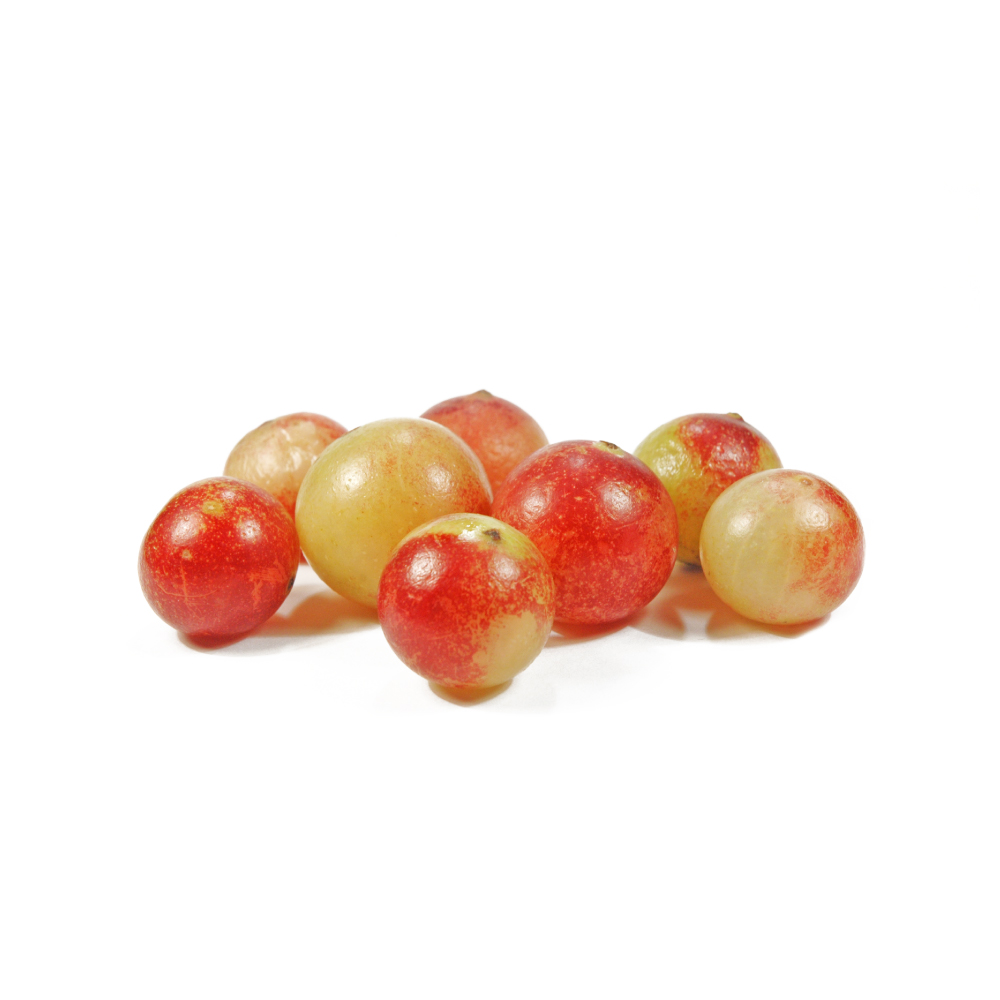
Camu-camu is a shrubby riverside tree in the myrtle family (Myrtaceae — roughly 5,950 species across 132 genera, also home to bay rum, clove, guava, allspice, eucalyptus and myrtle, all known for their essential-oil content). It is low-growing, reaching 2-3 m, with large feathery leaves and a light-orange, lemon-sized fruit exceptionally rich in vitamin C — the basis of its popularity as a health-food product.
Distribution
Myrciaria dubia is native to the Amazonian lowlands of Peru, Brazil, Bolivia, Colombia, Ecuador and Venezuela, growing especially in floodplain areas and blackwater river systems. It shows no invasive or weedy tendencies. A standing stand of camu-camu in the Amazon has been estimated as worth roughly twice as much left standing as it would be cleared for cattle farming 32Reference 32The Healing Power of Rainforest Herbs: A Guide to Understanding and Using Herbal Medicinals.
Growing Conditions
- Riverine floodplain shrub, full sun to part shade; tolerates seasonal flooding along blackwater rivers. Roughly USDA zone 10-12.
- Full cultivation detail lives on the companion farm-wiki grow guide for Myrciaria dubia (link to be added once that project’s public URL is confirmed).
Harvesting, Collection & Preparation
The traditional method of harvesting is via canoes because the fruit generally ripens during the wet season when widespread flooding occurs throughout the rainforest 32Reference 32The Healing Power of Rainforest Herbs: A Guide to Understanding and Using Herbal Medicinals.
The vitamin C content in camu-camu, much like other natural vitamin C products, has a relatively low shelf life and is best consumed quickly.
Phytochemistry
Camu-camu’s defining feature is its vitamin C (ascorbic acid) content — the highest of any known fruit. Reported levels in the pulp run from roughly 1.8 to over 6 g per 100 g, with figures up to ~2.8 g/100 g of fresh fruit commonly cited; the total ascorbic-acid content has been recorded at up to 500,000 ppm 32,28Reference 32The Healing Power of Rainforest Herbs: A Guide to Understanding and Using Herbal MedicinalsReference 28Ellagic acid derivatives, ellagitannins, proanthocyanidins and other phenolics, vitamin C and antioxidant capacity of two powder products from camu-camu fruit (Myrciaria dubia)View study →. By comparison, acerola carries 16,000–172,000 ppm and oranges only 500–4,000 ppm 32Reference 32The Healing Power of Rainforest Herbs: A Guide to Understanding and Using Herbal Medicinals. As with any natural vitamin C source the shelf life is low — the fruit can lose up to a quarter of its ascorbic acid after a month of storage, frozen or not — but its starting level is so high that it retains a large edge over conventional sources 32Reference 32The Healing Power of Rainforest Herbs: A Guide to Understanding and Using Herbal Medicinals.
Beyond ascorbic acid, the ripe red fruit is rich in phenolics. Anthocyanins give it its colour, with cyanidin-3-glucoside making up the large majority (~88–90%) of total anthocyanins; total anthocyanin content has been measured around 30–54 mg/100 g 29Reference 29Determination of anthocyanins from camu-camu (Myrciaria dubia) by HPLC-PDA, HPLC-MS and NMRView study →. Hydrolysable tannins — ellagitannins (vescalagin, castalagin) and ellagic acid derivatives — together with proanthocyanidins and flavonols are the other main polyphenols 28Reference 28Ellagic acid derivatives, ellagitannins, proanthocyanidins and other phenolics, vitamin C and antioxidant capacity of two powder products from camu-camu fruit (Myrciaria dubia)View study →. The volatile fraction contributes alpha-Pinene and D-Limonene, and the fruit also supplies beta-Carotene, niacin, riboflavin, thiamin, iron and several amino acids needed for vitamin C uptake 32Reference 32The Healing Power of Rainforest Herbs: A Guide to Understanding and Using Herbal Medicinals.
Constituent Summary
Figures refer to fresh fruit/pulp unless noted; vitamin C and anthocyanin levels vary enormously with ripeness, ecotype and storage. Anthocyanin share figures are a percent of total anthocyanins. “No Data” marks constituents recorded in the fruit but without a reliable published figure.
Vitamin4 compounds1 with data
Anthocyanin2 compounds2 with data
Tannin2 compounds1 with data
Phenolic Acid1 compound1 with data
Carotenoid1 compoundno data
Ellagitannin2 compounds2 with data
Triterpene1 compound1 with data
Pharmacology & Research
The camu-camu literature has grown well past the “just a vitamin C berry” framing: roughly 120 indexed papers, most of them phytochemistry and preclinical, but now anchored by a handful of human trials. The overall evidence tier is preclinical-heavy — cell, mouse and rat work dominates — with two genuinely informative human readouts: a 2024 double-blind, placebo-controlled crossover trial showing reduced liver fat in overweight adults 2Reference 2RCTCamu-camu decreases hepatic steatosis and liver injury markers in overweight, hypertriglyceridemic individuals: a randomized crossover trialView study →, and a small 2008 randomised trial in smokers in which camu-camu juice lowered oxidative-stress and inflammatory markers more than an equivalent dose of vitamin C tablets 1Reference 1Tropical fruit camu-camu (Myrciaria dubia) has anti-oxidative and anti-inflammatory propertiesView study →. That last result is the interpretive key to the whole herb: the most interesting signals — gut-microbiota remodelling, bile-acid/energy-expenditure effects, and an immuno-oncology thread built on the ellagitannin castalagin — come from the fruit’s polyphenols, not its ascorbic acid. Almost all of this rests on whole-fruit extracts, juice or powder; results do not transfer cleanly between the pulp, the seed and the peel, which differ markedly in chemistry.
- Best-supported: reduced hepatic steatosis and liver enzymes in a human RCT 2Reference 2RCTCamu-camu decreases hepatic steatosis and liver injury markers in overweight, hypertriglyceridemic individuals: a randomized crossover trialView study →; antioxidant and anti-inflammatory biomarker shifts in a human RCT plus broad preclinical replication 1,11,26Reference 1Tropical fruit camu-camu (Myrciaria dubia) has anti-oxidative and anti-inflammatory propertiesView study →Reference 11Camu-camu fruit extract inhibits oxidative stress and inflammatory responses by regulating NFAT and Nrf2 signaling in high glucose-induced human keratinocytesView study →Reference 26AnimalAntigenotoxic effect of acute, subacute and chronic treatments with camu-camu (Myrciaria dubia) juice on mice blood cellsView study →.
- Emerging, worth watching: camu-camu (castalagin) as a gut-microbiota-directed adjuvant to cancer immunotherapy — mouse mechanism, two case reports, and active trials 19,20Reference 19A natural polyphenol exerts antitumor activity and circumvents anti-PD-1 resistance through effects on the gut microbiotaView study →Reference 20Two cases of durable and deep responses to immune checkpoint inhibition-refractory metastatic melanoma after addition of camu camu prebioticView study →; anti-obesity/metabolic effects with causal microbiota-transplant evidence in mice 3,4Reference 3AnimalTreatment with camu camu (Myrciaria dubia) prevents obesity by altering the gut microbiota and increasing energy expenditure in diet-induced obese miceView study →Reference 4AnimalCamu-Camu reduces obesity and improves diabetic profiles of obese and diabetic mice: a dose-ranging studyView study →.
- Mechanistically thin: antimicrobial, antihypertensive and anti-allergic claims rest on in-vitro work, often on seed or leaf fractions the fruit isn’t consumed as 17,21,14Reference 17In vitroIn vitro antioxidant and antihypertensive compounds from camu-camu (Myrciaria dubia) seed coatView study →Reference 21Antimicrobial constituents of peel and seeds of camu-camu (Myrciaria dubia)View study →Reference 14Anti-allergic effects of Myrciaria dubia fruit extract by inhibiting histamine H1 and H4 receptors and histidine decarboxylase in RBL-2H3 cellsView study →.
- The caveat: almost entirely preclinical; no standardised dose or extract; ascorbic-acid content (and likely activity) degrades quickly with storage, so product form matters more here than for most herbs.
1. Hepatoprotective
The strongest human result for camu-camu is hepatic. In a randomised, double-blind, placebo-controlled crossover trial, 30 overweight, hypertriglyceridemic adults took 1.5 g of camu-camu powder in capsules daily for 12 weeks; liver fat fell by 7.43% on camu-camu while rising 8.42% on placebo — a net 15.85% difference — alongside reduced plasma AST and ALT and shifts in gut-microbiota composition 2Reference 2RCTCamu-camu decreases hepatic steatosis and liver injury markers in overweight, hypertriglyceridemic individuals: a randomized crossover trialView study →. This builds on mouse work in which a camu-camu extract fully protected high-fat/high-sucrose-fed mice from hepatic steatosis, an effect transferable by faecal microbiota transplant 3Reference 3AnimalTreatment with camu camu (Myrciaria dubia) prevents obesity by altering the gut microbiota and increasing energy expenditure in diet-induced obese miceView study →. Mechanistically, an organic acid isolated from the juice — 1-methylmalate — suppressed D-galactosamine-induced liver injury in rats (lower ALT/AST), while malate, citrate and tartrate did not 15Reference 15AnimalAkachi T, et al. 1-Methylmalate from camu-camu (Myrciaria dubia) suppressed D-galactosamine-induced liver injury in rats. Bioscience, Biotechnology, and Biochemistry. 2010;74(3):573–578. https://pubmed.ncbi.nlm.nih.gov/20208347/View study →, and a camu-camu extract reduced hepatic NF-κB, lipid droplets and inflammatory infiltrate in a chick-embryo gut-liver-axis model 16Reference 16An extract from camu-camu (Myrciaria dubia) attenuates DSS-induced gut–liver axis alterations in ovo (Gallus gallus)View study →.
Gap: A single 12-week human trial in one metabolic phenotype; no dose-ranging in humans, no histology, and durability beyond 12 weeks is untested.
2. Antioxidant
Antioxidant capacity is the most-measured property of camu-camu, and the one human trial that matters here is instructive: in 20 male smokers randomised to 70 mL of camu-camu juice (≈1050 mg vitamin C) or 1050 mg of vitamin C tablets for 7 days, urinary 8-hydroxy-deoxyguanosine and total reactive oxygen species fell significantly in the juice group but not the tablet group 1Reference 1Tropical fruit camu-camu (Myrciaria dubia) has anti-oxidative and anti-inflammatory propertiesView study → — implying non-ascorbate constituents, or altered vitamin C kinetics, drive the effect. Preclinically the signal is broad and consistent: the fruit activates the Nrf2/NQO1 pathway and blunts ROS in high-glucose-exposed human keratinocytes 11Reference 11Camu-camu fruit extract inhibits oxidative stress and inflammatory responses by regulating NFAT and Nrf2 signaling in high glucose-induced human keratinocytesView study →, and camu-camu juice was antigenotoxic (protecting against H₂O₂- and ethanol-induced DNA damage) in mice without itself being genotoxic 26,27Reference 26AnimalAntigenotoxic effect of acute, subacute and chronic treatments with camu-camu (Myrciaria dubia) juice on mice blood cellsView study →Reference 27AnimalAntigenotoxic and antimutagenic effects of Myrciaria dubia juice in mice submitted to ethanol treatmentView study →. Honesty check: a separate randomised crossover trial of a blended açai/camu-camu/blackberry juice in 12 healthy non-smokers found no change in oxidative-stress markers 31Reference 31Bolus consumption of a specifically designed fruit juice rich in anthocyanins and ascorbic acid did not influence markers of antioxidative defense in healthy humansView study →, so the human effect may depend on oxidative baseline (smokers vs. healthy) and on camu-camu being the sole ingredient. Much of the in-vitro potency also comes from phenolics — ellagic acid, cyanidin-3-glucoside and ellagitannins — not vitamin C alone 28,29Reference 28Ellagic acid derivatives, ellagitannins, proanthocyanidins and other phenolics, vitamin C and antioxidant capacity of two powder products from camu-camu fruit (Myrciaria dubia)View study →Reference 29Determination of anthocyanins from camu-camu (Myrciaria dubia) by HPLC-PDA, HPLC-MS and NMRView study →, a point echoed by a systematic review of the herb’s antioxidant capacity 30Reference 30Systematic reviewAntioxidant and associated capacities of camu camu (Myrciaria dubia): a systematic reviewView study →.
Gap: Human evidence is one small, short trial in a high-oxidative-stress group; a matched null result exists for a mixed-fruit juice, and no hard clinical endpoint has been tested.
3. Anti-inflammatory
The anti-inflammatory and antioxidant stories share their key human data point: in the smoker RCT, serum high-sensitivity CRP, IL-6 and IL-8 all fell significantly with camu-camu juice but not with vitamin C tablets 1Reference 1Tropical fruit camu-camu (Myrciaria dubia) has anti-oxidative and anti-inflammatory propertiesView study →. Preclinical support is replicated across models — a camu-camu seed extract suppressed carrageenan-induced paw oedema in mice and nitric-oxide release from macrophages, with the active principle identified as the triterpenoid betulinic acid 12Reference 12Anti-inflammatory effects of seeds of the tropical fruit camu-camu (Myrciaria dubia)View study →; the fruit extract downregulated NF-κB, NFAT and MAPK/AP-1 signalling in keratinocytes 11Reference 11Camu-camu fruit extract inhibits oxidative stress and inflammatory responses by regulating NFAT and Nrf2 signaling in high glucose-induced human keratinocytesView study →; and camu-camu juice showed antinociceptive and anti-oedematogenic activity in mice 13Reference 13AnimalMyrciaria dubia juice (camu-camu) exhibits analgesic and antiedematogenic activities in miceView study →. A chick-embryo model added reduced hepatic NF-κB and iNOS expression 16Reference 16An extract from camu-camu (Myrciaria dubia) attenuates DSS-induced gut–liver axis alterations in ovo (Gallus gallus)View study →.
Gap: Human data are limited to circulating biomarkers in a 7-day, 20-person study; no trial has tested a clinical inflammatory endpoint, and the strongest mechanistic compound (betulinic acid) sits in the seed, not the consumed pulp.
4. Anti-obesity
The anti-obesity case is preclinical but unusually well-built. In high-fat/high-sucrose-fed mice, a crude camu-camu extract prevented weight gain, lowered fat accumulation, improved glucose tolerance and insulin sensitivity, and raised energy expenditure via brown-adipose-tissue UCP1 — linked to the bile-acid receptor TGR5 and to a remodelled microbiota (a bloom of Akkermansia muciniphila). Critically, germ-free mice colonised with microbiota from camu-camu-treated donors gained less weight, establishing a causal microbiota role 3Reference 3AnimalTreatment with camu camu (Myrciaria dubia) prevents obesity by altering the gut microbiota and increasing energy expenditure in diet-induced obese miceView study →. A dose-ranging study confirmed that the higher dose (200 mg/kg) prevented body-weight and fat-mass gain and hepatic steatosis, though metabolic benefits were only partly tied to A. muciniphila 4Reference 4AnimalCamu-Camu reduces obesity and improves diabetic profiles of obese and diabetic mice: a dose-ranging studyView study →. Rat models of diet-induced obesity echo the lipid and adiposity improvements 5Reference 5AnimalEffects of diet supplementation with camu-camu fruit in a rat model of diet-induced obesityView study →.
Gap: No dedicated human weight-loss trial; the NAFLD trial’s subjects were overweight but weight was not the primary endpoint, and effective mouse doses (≈62–200 mg/kg) do not translate simply to the human 1.5 g/day used for the liver work.
5. Antidiabetic
Glycemic evidence is mixed and mostly acute or in-vitro. In healthy adults, clarified camu-camu juice significantly lowered postprandial blood glucose after a carbohydrate meal 8Reference 8Effect of clarified Brazilian native fruit juices on postprandial glycemia in healthy subjectsView study →. Mechanistically, malic-acid-derived alkyl malate esters from the fruit are potent inhibitors of pancreatic α-amylase and α-glucosidase 9Reference 9Mono-n-butyl malate-derived compounds from camu-camu malic acid: the alkyl-dependent antihyperglycemic-related activityView study →, ellagic acid derivatives from the leaves are strong aldose-reductase inhibitors 10Reference 10Aldose reductase inhibitors from the leaves of Myrciaria dubiaView study →, and camu-camu ranks among Brazilian native fruits with notable α-glucosidase/α-amylase inhibition in vitro 7Reference 7Chemical composition and antioxidant/antidiabetic potential of Brazilian native fruits and commercial frozen pulpsView study →. Against this, the mouse obesity work showed improved insulin sensitivity 3Reference 3AnimalTreatment with camu camu (Myrciaria dubia) prevents obesity by altering the gut microbiota and increasing energy expenditure in diet-induced obese miceView study → — but in streptozotocin-induced type-1 diabetic rats, camu-camu improved lipids without affecting glucose at all 6Reference 6AnimalFrozen pulp extracts of camu-camu attenuate the hyperlipidemia and lipid peroxidation of Type 1 diabetic ratsView study →.
Gap: The only human data are a single acute postprandial study in healthy (not diabetic) subjects; no trial has tested HbA1c or fasting glucose, and at least one animal model shows no glucose effect.
6. Cancer immunotherapy adjuvant
This is the most novel — and most carefully caveated — thread. In mice, oral camu-camu shifted gut-microbial composition and enhanced anti-PD-1 activity; the active compound was identified as the ellagitannin castalagin, which enriches immunotherapy-favourable bacteria (Ruminococcaceae, Alistipes), improves the intratumoural CD8⁺/regulatory-T-cell ratio, and restored anti-PD-1 response even after faecal transplant from checkpoint-refractory patients 19Reference 19A natural polyphenol exerts antitumor activity and circumvents anti-PD-1 resistance through effects on the gut microbiotaView study →. Two published case reports describe patients with checkpoint-refractory metastatic melanoma achieving near-complete or complete responses after camu-camu was added to nivolumab 20Reference 20Two cases of durable and deep responses to immune checkpoint inhibition-refractory metastatic melanoma after addition of camu camu prebioticView study →. This is why camu-camu now appears in registered oncology trials (see Clinical trials).
Gap: Human evidence is two anecdotal case reports plus early-phase trials with no published efficacy readout; there is no controlled demonstration of benefit, and self-supplementation during immunotherapy is unstudied for safety.
7. Antihypertensive
Blood-pressure evidence is preliminary. Camu-camu seed-coat extracts inhibit angiotensin-converting enzyme (ACE) in vitro, correlated with their phenolic content 17Reference 17In vitroIn vitro antioxidant and antihypertensive compounds from camu-camu (Myrciaria dubia) seed coatView study →, and the fruit’s malate esters were flagged for cardiovascular-relevant activity 9Reference 9Mono-n-butyl malate-derived compounds from camu-camu malic acid: the alkyl-dependent antihyperglycemic-related activityView study →. The only human data is a single-dose crossover dataset recording flow-mediated vasodilation and blood pressure after camu-camu pericarp extract in 20 young healthy adults — reported as a data article without a clear efficacy conclusion 18Reference 18Data on a single oral dose of camu camu pericarp extract on flow-mediated vasodilation and blood pressure in young adult humansView study →.
Gap: No controlled antihypertensive trial; the mechanistic work uses the seed coat (a by-product, not the consumed fruit), and the one human dataset is uncontrolled for a clinical endpoint.
8. Antimicrobial
Camu-camu shows broad in-vitro antimicrobial activity, concentrated in the peel and seed. Novel acylphloroglucinols (myrciarones A/B) and rhodomyrtone isolated from peel and seeds inhibited bacteria at MICs comparable to or below kanamycin 21Reference 21Antimicrobial constituents of peel and seeds of camu-camu (Myrciaria dubia)View study →, and a systematic review of 11 in-vitro studies found consistent activity against oral (mainly gram-positive) microorganisms, while noting a high risk of bias throughout 22Reference 22Systematic reviewAntimicrobial activity in vitro of camu-camu against oral microorganisms: a systematic reviewView study →. Seed and leaf extracts also show antimalarial and antischistosomal activity in vitro, attributed to methylvescalagin 23,24Reference 23Camu-camu (Myrciaria dubia) seeds as a novel source of bioactive compounds with promising antimalarial and antischistosomicidal propertiesView study →Reference 24Evaluation of the antiplasmodial and leishmanicidal potential of Myrciaria dubia extractView study →.
Gap: Entirely in vitro; the active fractions are the peel/seed rather than the pulp people consume, and no in-vivo infection model or clinical work exists.
9. Anti-allergic
A single in-vitro study reported that a 70% ethanol camu-camu fruit extract stabilised mast cells (RBL-2H3), reducing histamine and β-hexosaminidase release, inhibiting histamine H1 and H4 receptors and histidine decarboxylase, and activating Nrf2 14Reference 14Anti-allergic effects of Myrciaria dubia fruit extract by inhibiting histamine H1 and H4 receptors and histidine decarboxylase in RBL-2H3 cellsView study →. It is mechanistically coherent with the herb’s antioxidant/anti-inflammatory profile.
Gap: One cell-line study only — no animal, no human, no allergic-disease endpoint.
Mechanisms
| Mechanism | Drives | Key compounds |
|---|---|---|
| Nrf2/NQO1 activation + direct ROS scavenging | antioxidantanti-inflammatory | vitamin C, ellagic acid, cyanidin-3-glucoside |
| NF-κB ↓, NFAT ↓, MAPK/AP-1 ↓ (↓IL-6, IL-8, hsCRP, iNOS) | anti-inflammatoryhepatoprotective | castalagin, betulinic acid, ellagitannins |
| Gut-microbiota remodelling (↑Akkermansia, ↑Ruminococcaceae), bile-acid/TGR5 signalling, ↑BAT UCP1 | anti-obesityhepatoprotectivecancer immunotherapy adjuvant | castalagin |
| α-amylase / α-glucosidase / aldose-reductase inhibition | antidiabetic | ellagic acid, malate esters |
| ACE inhibition | antihypertensive | phenolic acids |
| HIF-1α / VEGF downregulation (retinal pigment epithelium, in vitro) | anti-angiogenic (ocularpreliminary) | — |
Clinical trials
Registered human trials exist and are concentrated in metabolic and immuno-oncology settings — the headline being a gut-microbiota-directed cancer-immunotherapy programme (a completed phase 1 camu-camu + checkpoint-inhibitor study, NCT05303493, and an active/ongoing renal-cell-carcinoma trial, NCT06049576) alongside a completed metabolic/NAFLD prebiotic trial (NCT04130321) and a completed HIV immune-activation pilot (NCT04058392); none have been terminated. (One trial is active/ongoing rather than merely planned — noted in the table’s Planned column, the closest of the fixed buckets.)
| Completed | Planned | Terminated | Preclinical |
|---|---|---|---|
| 3 | 1(active/ongoing) | 0 | ~40 |
Last checked: July 2026.
Dosage
Camu-camu is eaten as a food and taken as a fruit powder or juice; the human trials used whole-fruit powder or juice, and the doses below are what those studies actually gave — research doses, not recommendations.
| Indication | Preparation | Dose | Est. dried-fruit equivalent | Source |
|---|---|---|---|---|
| Hepatoprotective (NAFLD) | Fruit powder, capsules | 1.5 g/day, 12 weeks | ~1.5 g dried fruit (powder ≈ whole dried fruit) | 2Reference 2RCTCamu-camu decreases hepatic steatosis and liver injury markers in overweight, hypertriglyceridemic individuals: a randomized crossover trialView study → |
| Antioxidant / anti-inflammatory | 100% camu-camu juice | 70 mL/day (≈1050 mg vitamin C), 7 days | ~2–4 g dried pulp (rough) | 1Reference 1Tropical fruit camu-camu (Myrciaria dubia) has anti-oxidative and anti-inflammatory propertiesView study → |
| Antidiabetic (postprandial) | Clarified juice | single acute dose with a meal | — (juice volume not standardised to dried weight) | 8Reference 8Effect of clarified Brazilian native fruit juices on postprandial glycemia in healthy subjectsView study → |
| Antihypertensive / vascular | Pericarp extract | single oral dose | — (proprietary extract, no marker %) | 18Reference 18Data on a single oral dose of camu camu pericarp extract on flow-mediated vasodilation and blood pressure in young adult humansView study → |
| Anti-obesity (preclinical) | Crude fruit extract, mouse | 62.5–200 mg/kg (murine — not human-applicable) | — | 3,4Reference 3AnimalTreatment with camu camu (Myrciaria dubia) prevents obesity by altering the gut microbiota and increasing energy expenditure in diet-induced obese miceView study →Reference 4AnimalCamu-Camu reduces obesity and improves diabetic profiles of obese and diabetic mice: a dose-ranging studyView study → |
The dried-fruit equivalents rest on a stated assumption (pulp ≈ 2.8 g vitamin C/100 g fresh, ~10:1 fresh-to-dried) and are a rough guide, not a conversion factor or a dosing recommendation. Where only a proprietary-extract mg or a juice volume was reported, the equivalent is left blank.
Traditional Dosage
Camu-camu has little classical materia-medica use — it was historically a sour food, not a traditional medicine 32Reference 32The Healing Power of Rainforest Herbs: A Guide to Understanding and Using Herbal Medicinals — so traditional dosing is thin.
| System | Preparation | Dose |
|---|---|---|
| Western herbal / supplement | Dried fruit powder | 1–5 g/day (food/supplement use) |
Safety & Pregnancy
Camu-camu is eaten as a food in South America and is generally well tolerated; the main practical caution is gastrointestinal upset from its very high vitamin C content. Because it meaningfully remodels the gut microbiota, people on immune-checkpoint inhibitors or with hepatobiliary disease should not self-supplement without oversight.
- Well tolerated as a food. eaten widely in South America; no toxicity at doses tested
- GI upset at high intake. the very high vitamin C load can cause loose stools, nausea or cramps
- Immunotherapy & liver disease. it remodels the gut microbiota — don’t self-supplement on checkpoint inhibitors or with hepatobiliary disease
- Kidney-stone risk (theoretical). the ascorbic-acid load may concern people prone to calcium-oxalate stones
- Pregnancy & breastfeeding. food amounts fine; concentrated supplements not established
Full safety & interactions detail
Camu-camu is consumed as a food in South America and is generally well tolerated; the main practical caution is gastrointestinal — the very high vitamin C content (up to ~2–3 g per 100 g of fresh pulp) can cause loose stools, nausea or abdominal discomfort at high intakes, and the same ascorbic-acid load is a theoretical concern for people prone to calcium-oxalate kidney stones. In mice, camu-camu juice was not genotoxic and was in fact antigenotoxic and antimutagenic against chemically-induced DNA damage 26,27Reference 26AnimalAntigenotoxic effect of acute, subacute and chronic treatments with camu-camu (Myrciaria dubia) juice on mice blood cellsView study →Reference 27AnimalAntigenotoxic and antimutagenic effects of Myrciaria dubia juice in mice submitted to ethanol treatmentView study →, and no toxicity was seen at the doses tested 26Reference 26AnimalAntigenotoxic effect of acute, subacute and chronic treatments with camu-camu (Myrciaria dubia) juice on mice blood cellsView study → — reassuring but not a substitute for human safety data. Two emerging cautions deserve flagging even though neither is a proven harm: because camu-camu meaningfully remodels the gut microbiota and bile-acid pool 3Reference 3AnimalTreatment with camu camu (Myrciaria dubia) prevents obesity by altering the gut microbiota and increasing energy expenditure in diet-induced obese miceView study →, and because it is being trialled as an adjuvant to cancer immunotherapy 19,20Reference 19A natural polyphenol exerts antitumor activity and circumvents anti-PD-1 resistance through effects on the gut microbiotaView study →Reference 20Two cases of durable and deep responses to immune checkpoint inhibition-refractory metastatic melanoma after addition of camu camu prebioticView study →, patients on immune-checkpoint inhibitors or with significant hepatobiliary disease should not self-supplement without medical oversight.
Scope: no human drug-interaction or contraindication study has been published, so the cyp450 field is left unset. The camu-camu + checkpoint-inhibitor pairing under trial 19,20Reference 19A natural polyphenol exerts antitumor activity and circumvents anti-PD-1 resistance through effects on the gut microbiotaView study →Reference 20Two cases of durable and deep responses to immune checkpoint inhibition-refractory metastatic melanoma after addition of camu camu prebioticView study → is a deliberate therapeutic combination, not a safety assessment. Absence of reports is not evidence of safety.
Not specifically researched. No clinical or animal reproductive-toxicity studies of camu-camu in pregnancy or lactation were identified. As a food eaten in normal dietary amounts it has no reported pregnancy concern, but concentrated extracts and high-dose supplements have not been assessed — treat supplemental doses as not established in pregnancy and lactation rather than assuming safety.
References
- Inoue T, et al. Tropical fruit camu-camu (Myrciaria dubia) has anti-oxidative and anti-inflammatory properties. Journal of Cardiology. 2008. https://pubmed.ncbi.nlm.nih.gov/18922386/
- Agrinier AL, et al. Camu-camu decreases hepatic steatosis and liver injury markers in overweight, hypertriglyceridemic individuals: a randomized crossover trial. Cell Reports Medicine. 2024. https://pubmed.ncbi.nlm.nih.gov/39168095/
- Anhê FF, et al. Treatment with camu camu (Myrciaria dubia) prevents obesity by altering the gut microbiota and increasing energy expenditure in diet-induced obese mice. Gut. 2019. https://pubmed.ncbi.nlm.nih.gov/30064988/
- Abot A, et al. Camu-Camu reduces obesity and improves diabetic profiles of obese and diabetic mice: a dose-ranging study. Metabolites. 2022. https://pubmed.ncbi.nlm.nih.gov/35448490/
- Nascimento OV, et al. Effects of diet supplementation with camu-camu fruit in a rat model of diet-induced obesity. Anais da Academia Brasileira de Ciências. 2013. https://pubmed.ncbi.nlm.nih.gov/23460435/
- de Souza Schmidt Gonçalves AE, et al. Frozen pulp extracts of camu-camu attenuate the hyperlipidemia and lipid peroxidation of Type 1 diabetic rats. Food Research International. 2014. https://pubmed.ncbi.nlm.nih.gov/30011628/
- de Souza Schmidt Gonçalves AE, et al. Chemical composition and antioxidant/antidiabetic potential of Brazilian native fruits and commercial frozen pulps. Journal of Agricultural and Food Chemistry. 2010;58(8):4666–4674. https://pubmed.ncbi.nlm.nih.gov/20337450/
- Balisteiro DM, et al. Effect of clarified Brazilian native fruit juices on postprandial glycemia in healthy subjects. Food Research International. 2017;100:196–203. https://pubmed.ncbi.nlm.nih.gov/28888441/
- García-Chacón JM, et al. Mono-n-butyl malate-derived compounds from camu-camu malic acid: the alkyl-dependent antihyperglycemic-related activity. ACS Omega. 2022;7(43):39335–39346. https://pubmed.ncbi.nlm.nih.gov/36340106/
- Ueda H, et al. Aldose reductase inhibitors from the leaves of Myrciaria dubia. Phytomedicine. 2004. https://pubmed.ncbi.nlm.nih.gov/15636180/
- Do NQ, et al. Camu-camu fruit extract inhibits oxidative stress and inflammatory responses by regulating NFAT and Nrf2 signaling in high glucose-induced human keratinocytes. Molecules. 2021;26(11):3174. https://pubmed.ncbi.nlm.nih.gov/34073317/
- Yazawa K, et al. Anti-inflammatory effects of seeds of the tropical fruit camu-camu (Myrciaria dubia). Journal of Nutritional Science and Vitaminology. 2011;57(1):104–107. https://pubmed.ncbi.nlm.nih.gov/21512298/
- da Silva FC, et al. Myrciaria dubia juice (camu-camu) exhibits analgesic and antiedematogenic activities in mice. Journal of Medicinal Food. 2021. https://pubmed.ncbi.nlm.nih.gov/33337272/
- Do NQ, et al. Anti-allergic effects of Myrciaria dubia fruit extract by inhibiting histamine H1 and H4 receptors and histidine decarboxylase in RBL-2H3 cells. Antioxidants. 2021;11(1):104. https://pubmed.ncbi.nlm.nih.gov/35052608/
- Akachi T, et al. 1-Methylmalate from camu-camu (Myrciaria dubia) suppressed D-galactosamine-induced liver injury in rats. Bioscience, Biotechnology, and Biochemistry. 2010;74(3):573–578. https://pubmed.ncbi.nlm.nih.gov/20208347/
- Pereira SMS, et al. An extract from camu-camu (Myrciaria dubia) attenuates DSS-induced gut–liver axis alterations in ovo (Gallus gallus). British Journal of Nutrition. 2026 (epub). https://pubmed.ncbi.nlm.nih.gov/42290501/
- Fidelis M, et al. In vitro antioxidant and antihypertensive compounds from camu-camu (Myrciaria dubia) seed coat. Food and Chemical Toxicology. 2018;120:479–490. https://pubmed.ncbi.nlm.nih.gov/30055315/
- Miyashita T, et al. Data on a single oral dose of camu camu pericarp extract on flow-mediated vasodilation and blood pressure in young adult humans. Data in Brief. 2018. https://pubmed.ncbi.nlm.nih.gov/29322080/
- Messaoudene M, et al. A natural polyphenol exerts antitumor activity and circumvents anti-PD-1 resistance through effects on the gut microbiota. Cancer Discovery. 2022;12(4):1070–1087. https://pubmed.ncbi.nlm.nih.gov/35031549/
- Pang SA, et al. Two cases of durable and deep responses to immune checkpoint inhibition-refractory metastatic melanoma after addition of camu camu prebiotic. Current Oncology. 2023;30(9):8600–8605. https://pubmed.ncbi.nlm.nih.gov/37754485/
- Kaneshima T, et al. Antimicrobial constituents of peel and seeds of camu-camu (Myrciaria dubia). Bioscience, Biotechnology, and Biochemistry. 2017;81(8):1461–1465. https://pubmed.ncbi.nlm.nih.gov/28475419/
- Pardo-Aldave K, et al. Antimicrobial activity in vitro of camu-camu against oral microorganisms: a systematic review. Revista Peruana de Medicina Experimental y Salud Pública. 2019. https://pubmed.ncbi.nlm.nih.gov/31967248/
- do Carmo MAV, et al. Camu-camu (Myrciaria dubia) seeds as a novel source of bioactive compounds with promising antimalarial and antischistosomicidal properties. Food Research International. 2020;136:109334. https://pubmed.ncbi.nlm.nih.gov/32846532/
- Correia VCS, et al. Evaluation of the antiplasmodial and leishmanicidal potential of Myrciaria dubia extract. Revista da Sociedade Brasileira de Medicina Tropical. 2016;49(5):586–592. https://pubmed.ncbi.nlm.nih.gov/27812653/
- Nakai A, et al. Modulation of hypoxia-inducible factors and VEGF expression by camu-camu in ARPE-19 and fetal human RPE cells. Journal of Ophthalmology. 2023. https://pubmed.ncbi.nlm.nih.gov/38187496/
- da Silva FC, et al. Antigenotoxic effect of acute, subacute and chronic treatments with camu-camu (Myrciaria dubia) juice on mice blood cells. Food and Chemical Toxicology. 2012;50(7):2275–2281. https://pubmed.ncbi.nlm.nih.gov/22542553/
- da Silva FC, et al. Antigenotoxic and antimutagenic effects of Myrciaria dubia juice in mice submitted to ethanol treatment. Journal of Toxicology and Environmental Health, Part A. 2019;82(17):956–968. https://pubmed.ncbi.nlm.nih.gov/31570063/
- Fracassetti D, Costa C, Moulay L, Tomás-Barberán FA. Ellagic acid derivatives, ellagitannins, proanthocyanidins and other phenolics, vitamin C and antioxidant capacity of two powder products from camu-camu fruit (Myrciaria dubia). Food Chemistry. 2013;139(1–4):578–588. https://pubmed.ncbi.nlm.nih.gov/23561148/
- Zanatta CF, Cuevas E, Bobbio FO, Winterhalter P, Mercadante AZ. Determination of anthocyanins from camu-camu (Myrciaria dubia) by HPLC-PDA, HPLC-MS and NMR. Journal of Agricultural and Food Chemistry. 2005;53(24):9531–9535. https://pubmed.ncbi.nlm.nih.gov/16302773/
- Langley PC, et al. Antioxidant and associated capacities of camu camu (Myrciaria dubia): a systematic review. Journal of Alternative and Complementary Medicine. 2015;21(1):8–14. https://pubmed.ncbi.nlm.nih.gov/25275221/
- Ellinger S, et al. Bolus consumption of a specifically designed fruit juice rich in anthocyanins and ascorbic acid did not influence markers of antioxidative defense in healthy humans. Journal of Agricultural and Food Chemistry. 2012;60(45):11292–11300. https://pubmed.ncbi.nlm.nih.gov/23072538/
- Taylor L. The Healing Power of Rainforest Herbs: A Guide to Understanding and Using Herbal Medicinals. Garden City Park, NY: Square One Publishers; 2005. (Ethnobotanical/secondary source — used for traditional-use, harvesting and comparative-composition context only.)