Materia Medica
Cat's Claw
Uncaria tomentosa
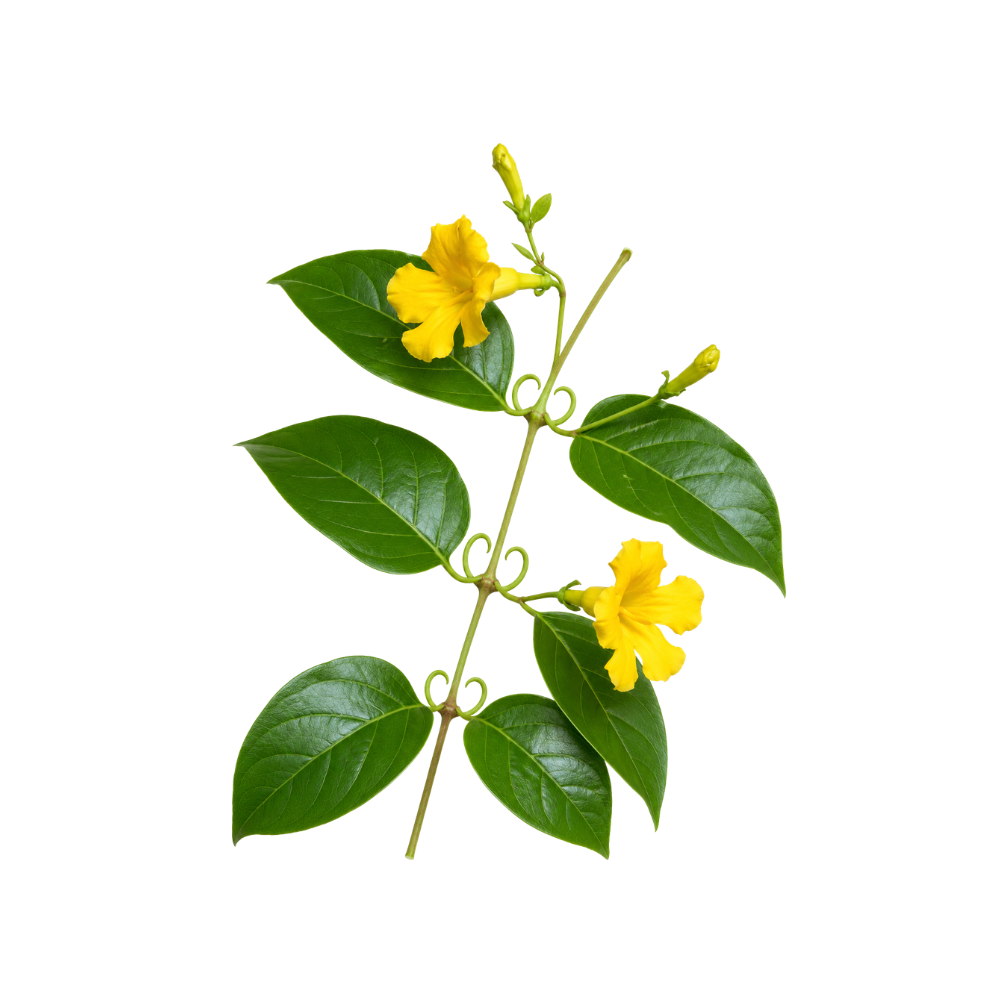
Cat's claw (Uncaria tomentosa) — an Amazonian immune herb used for inflammation, arthritis, and as an adjunct in cancer and viral care.
What Is Cat’s Claw?
Cat’s claw is an Amazonian immune and anti-inflammatory herb with a long traditional record and a lopsided modern evidence base. Its best-substantiated human effect is anti-inflammatory — small trials in osteoarthritis and rheumatoid arthritis — while the “immune herb” reputation rests largely on one proprietary water-soluble extract (C-Med-100 / Saventaro) tested in very small volunteer studies. Its most consistent laboratory actions are anti-inflammatory (NF-κB / TNF-α) and antioxidant.
In an oncology setting, the strongest human finding is as a chemotherapy adjunct: a standardised dry extract reduced the incidence and severity of chemotherapy-induced neutropenia and helped restore DNA-damage markers. This is support alongside cancer treatment, not treatment of the cancer itself — the anticancer data on the tumour cells themselves are entirely preclinical.
What Is Cat’s Claw Used For?
Cat’s claw is best supported as an anti-inflammatory for joint conditions (osteoarthritis, rheumatoid arthritis) and as an adjunct alongside chemotherapy to reduce neutropenia. It is traditionally used for immune support, inflammatory bowel conditions and gastric ulcers, and — chiefly on the basis of the C-Med-100 extract — for general immune and DNA-repair support.
The popular use for viral infection (HIV, herpes, EBV) is not supported by human efficacy data. Note in particular that the one documented human HIV-related finding is a drug interaction — cat’s claw raised the blood levels of HIV protease inhibitors 27Reference 27Case reportInteraction between cat’s claw and protease inhibitors atazanavir, ritonavir and saquinavir — case reportView study → — so for anyone on antiretroviral (or other CYP3A4-metabolised) medication this is a caution, not a benefit (see Safety). Although it stimulates the immune system, it does not appear to flare autoimmune disease and showed modest benefit in a small rheumatoid-arthritis trial 2Reference 2RCTRandomized double blind trial of an extract from the pentacyclic alkaloid-chemotype of Uncaria tomentosa for the treatment of rheumatoid arthritis — randomised controlled trialView study →.
Traditional Uses
Traditional Amazonian Medicine
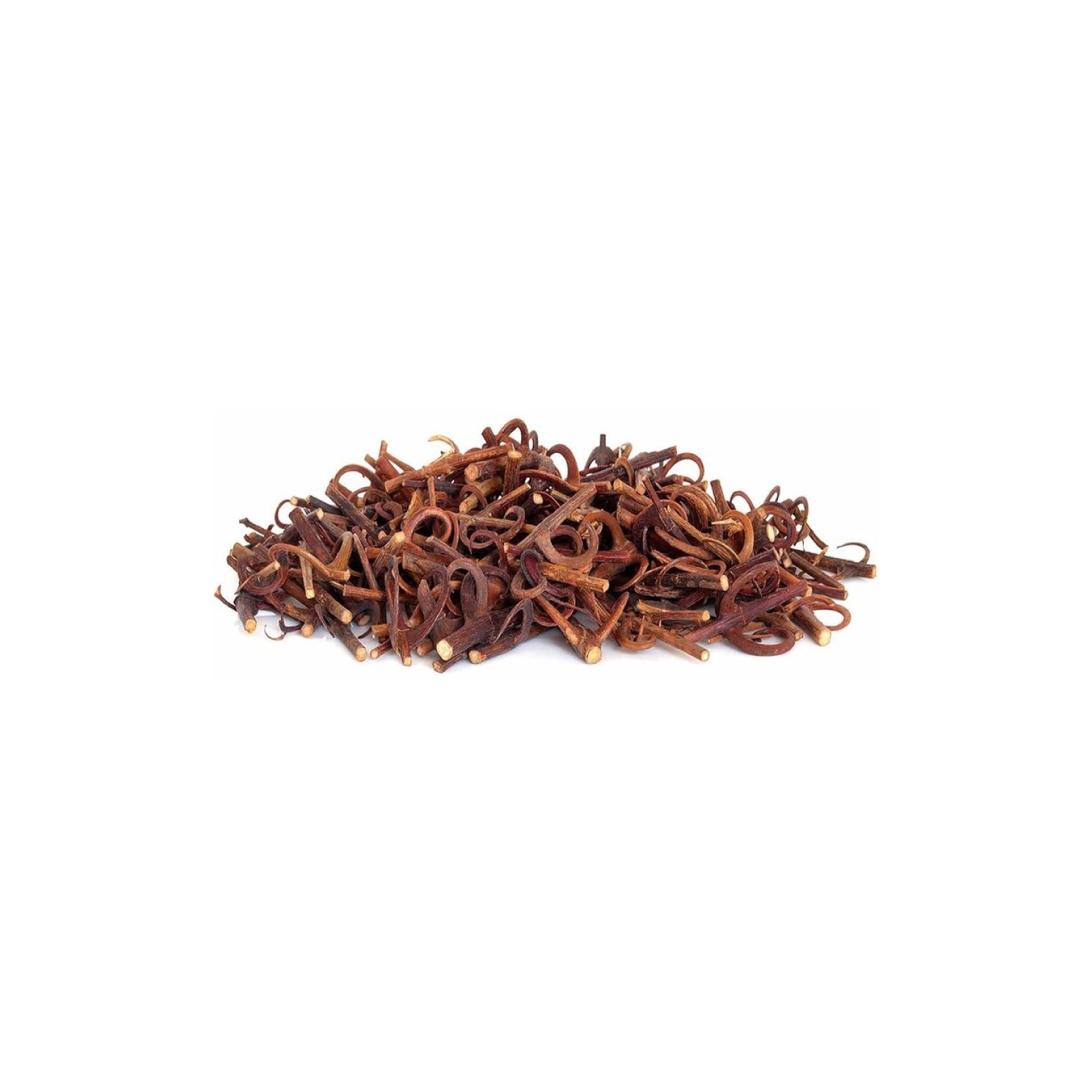
Cat’s claw has been used by various Amazonian Indigenous cultures including Aguaruna, Asháninka, Cashibo, Conibo, and Shipibo tribes for at least the past 2000 years 33,30,5,29Reference 33The healing power of rainforest herbs: A guide to understanding and using herbal medicinalsReference 30ReviewUncaria tomentosa — ethnomedicinal use and new pharmacological, toxicological and botanical results — reviewView study →Reference 5In vitroAnti-inflammatory and antioxidant activities of cat’s claw are independent of their alkaloid content — in vitroView study →Reference 29ReviewEthnobotany, phytochemistry and pharmacology of Uncaria (Rubiaceae) — reviewView study →.
The Asháninka Indian tribe of Peru have the longest recorded history of use for this herb. They have used cat’s claw to treat asthma, urinary tract inflammation, arthritis, rheumatism, bone pain, recovery from childbirth, as a kidney cleanser, as a vulnerary for deep wounds, control general inflammation, gastric ulcers, and cancer. 33,30Reference 33The healing power of rainforest herbs: A guide to understanding and using herbal medicinalsReference 30ReviewUncaria tomentosa — ethnomedicinal use and new pharmacological, toxicological and botanical results — reviewView study →.
Other Peruvian indigenous cultures used cat’s claw to treat tumors, Inflammation, rheumatism, diabetes, urinary tract cancer in females, hemorrhages, menstrual irregularities cirrhosis, fevers, abscesses, gastritis, rheumatism, gastritis, abscesses, tumors, gastric ulcers, viruses and to normalise the body. 33,30,29Reference 33The healing power of rainforest herbs: A guide to understanding and using herbal medicinalsReference 30ReviewUncaria tomentosa — ethnomedicinal use and new pharmacological, toxicological and botanical results — reviewView study →Reference 29ReviewEthnobotany, phytochemistry and pharmacology of Uncaria (Rubiaceae) — reviewView study →.
Cat’s claw has reportedly been used as a contraceptive by several different tribes in Peru. They used very concentrated and large doses to achieve this. The Asháninka for example would boil 5-6 kg (12 pounds) of the root in water until it has been reduced to around 250 ml (1 cup), and consumed by females during menstruation periods for 3 months. Supposedly this will cause sterility for 3 or 4 years. 33Reference 33The healing power of rainforest herbs: A guide to understanding and using herbal medicinals.
Traditional Chinese Medicine (TCM)
(Chinese species: Uncaria rhyncophylla)
Taste
Sweet 34Reference 34A materia medica for Chinese medicine: plants, minerals, and animal products
Energy
Cold 34Reference 34A materia medica for Chinese medicine: plants, minerals, and animal products
Channels
Liver, pericardium 34Reference 34A materia medica for Chinese medicine: plants, minerals, and animal products
Actions
Clears heat, Expels wind, extinguishes internal wind, calms and anchors the shen, settles tremors, anchors the yang 34Reference 34A materia medica for Chinese medicine: plants, minerals, and animal products.
Indications
Headaches, irritability, red eyes, vertigo, fever, dizziness, seizures. Acceptable to use during pregnancy. 34Reference 34A materia medica for Chinese medicine: plants, minerals, and animal products.
Dose
6-15g decocted 10 mins 34Reference 34A materia medica for Chinese medicine: plants, minerals, and animal products
In Chinese medicine, the related species Uncaria rhynchophylla is considered to act on the liver, and expell wind conditions. It’s often used for central nervous system conditions such as tremor, seizure, and epilepsy 35Reference 35In vitroEffects of the hook of Uncaria rhynchophylla on neurotoxicity in the 6-hydroxydopamine model of Parkinson’s disease — in vitro/animal (U. rhynchophylla).
Botany
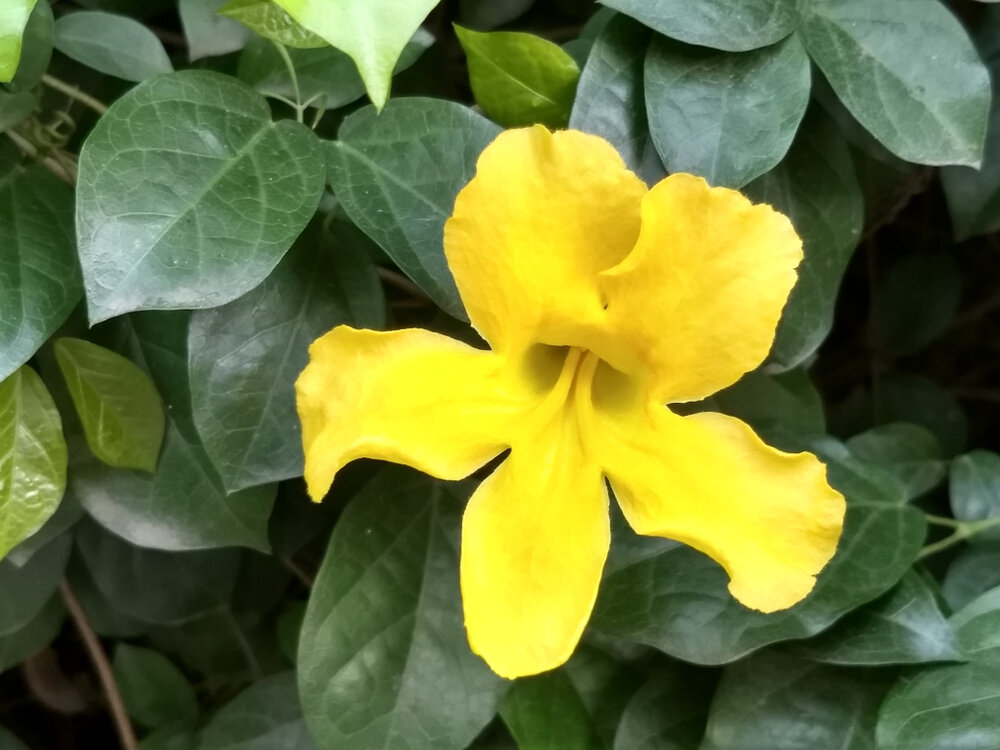
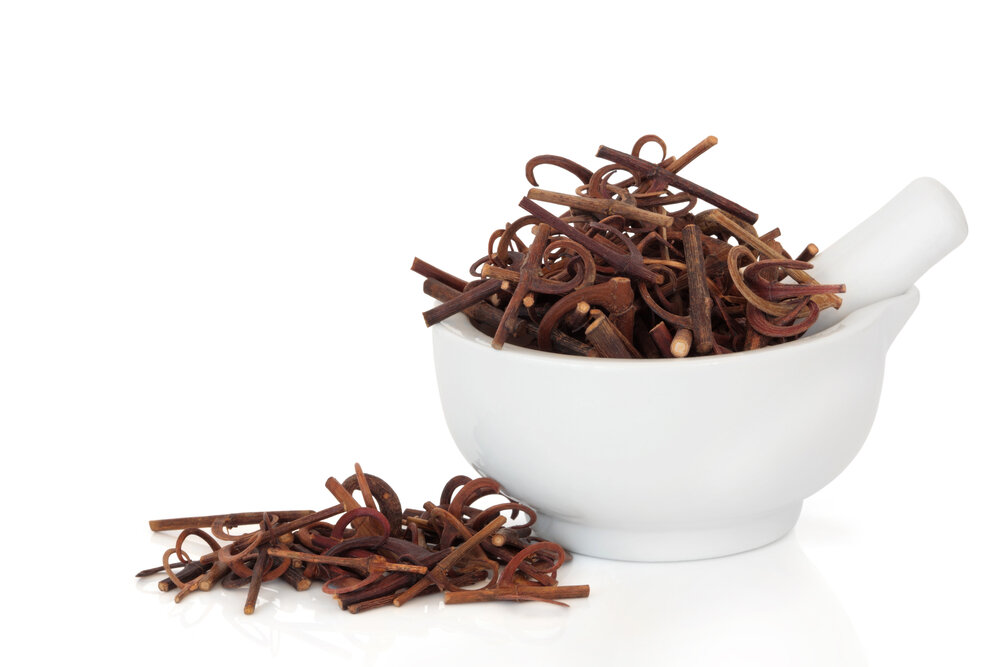
Cat’s claw (Uncaria tomentosa) is a large woody vine of the madder family (Rubiaceae) — the same family as coffee, Cinchona and Psychotria. It climbs up to 30 m into the Amazonian canopy, catching hold with the curved, hook-like thorns along its stem that resemble a cat’s claws and give the plant both its English name and its Spanish one, uña de gato.
Two Amazonian species are used interchangeably as “cat’s claw”: Uncaria tomentosa and Uncaria guianensis. They can be told apart by their flowers — U. tomentosa bears small yellowish-white flowers, U. guianensis reddish-orange ones with generally more curved thorns. A separate and medicinally important caution: several unrelated plants are also sold as “cat’s claw” or uña de gato, and some of them are toxic — and the Asian Uncaria rhynchophylla used in Chinese medicine is a different plant again. Knowing the botanical name, and sourcing from a trustworthy supplier, genuinely matters here.
Distribution
Uncaria tomentosa is native across the Amazon basin and adjacent tropical forest — Peru, northern Brazil, Bolivia, Colombia, Ecuador, Venezuela and the Guianas — and north through Central America to Trinidad. It grows in primary forest, on seasonally flooded ground and along watercourses.
It is not a weed or invasive anywhere. The conservation concern is harvest pressure instead: because the prized material is the inner bark and root, sustained wild collection for the international supplement trade has raised over-harvesting concerns for wild Amazonian stands, and there is growing interest in cultivating it.
Growing Conditions
- Tropical, frost-tender woody liana (roughly USDA zones 10–12); full sun to part shade; a wet lowland-forest plant.
- Full cultivation detail lives on the companion farm-wiki grow guide for Uncaria tomentosa (link to be added once that project’s public URL is confirmed).
Pharmacology & Research
Cat’s claw has a sizeable but lopsided literature: several hundred papers, overwhelmingly in vitro and animal work on the bark’s oxindole alkaloids and quinovic acid glycosides, sitting above a thin layer of small human trials 29Reference 29ReviewEthnobotany, phytochemistry and pharmacology of Uncaria (Rubiaceae) — reviewView study →. The strongest human signal is anti-inflammatory — two modest randomised trials (osteoarthritis and rheumatoid arthritis) plus a well-mapped NF-κB/TNF-α mechanism — while the most-marketed “immune” claims rest almost entirely on one proprietary water extract (C-Med-100 / Saventaro) studied in tiny volunteer cohorts. Much of what is sold as “cat’s claw research” is actually work on the Chinese species Uncaria rhynchophylla, a different plant used for different purposes; that distinction matters and is flagged throughout. Effects are also chemotype- and preparation-dependent: whole hydroalcoholic extracts, alkaloid-enriched fractions and the water-soluble C-Med-100 do not behave interchangeably, so a result in one form does not transfer to a tea or a generic capsule.
- Best-supported: anti-inflammatory action, with symptom relief in small osteoarthritis and rheumatoid-arthritis RCTs and a consistent NF-κB/TNF-α mechanism 1,2,3,4Reference 1RCTEfficacy and safety of freeze-dried cat’s claw in osteoarthritis of the knee — randomised controlled trialView study →Reference 2RCTRandomized double blind trial of an extract from the pentacyclic alkaloid-chemotype of Uncaria tomentosa for the treatment of rheumatoid arthritis — randomised controlled trialView study →Reference 3In vitroAntiinflammatory actions of cat’s claw: the role of NF-κB — in vitro/animalView study →Reference 4In vitroUncaria tomentosa acts as a potent TNF-α inhibitor through NF-κB — in vitroView study →; and reduced chemotherapy-induced neutropenia as an adjuvant 10Reference 10Clinical trialUncaria tomentosa — adjuvant treatment for breast cancer — clinical trialView study →.
- Emerging, worth watching: enhanced DNA repair and vaccine/immune responsiveness from the water-soluble C-Med-100 extract 8,9Reference 8RCTDNA repair enhancement of aqueous extracts of Uncaria tomentosa in a human volunteer study — randomisedView study →Reference 9RCTPersistent response to pneumococcal vaccine in individuals supplemented with C-Med-100 — randomised controlled trialView study →; antiviral effects on dengue-infected monocytes 21Reference 21In vitroImmunomodulating and antiviral activities of Uncaria tomentosa on human monocytes infected with Dengue Virus-2 — in vitroView study →.
- Mechanistically thin: most anticancer, antihypertensive and Alzheimer’s claims are in vitro or animal only — and the Alzheimer’s data are largely from a different species, U. rhynchophylla.
- The caveat: almost no efficacy claim rests on a form the average buyer uses; the human data use standardised or proprietary extracts, not the whole-bark tea, and doses are not standardised across products.
1. Anti-inflammatory
This is the best-substantiated action and the only one with more than one human trial. A 4-week randomised placebo-controlled trial in knee osteoarthritis (n=45) using freeze-dried Uncaria guianensis found significant reductions in pain with activity within the first week, with no effect on liver or blood parameters 1Reference 1RCTEfficacy and safety of freeze-dried cat’s claw in osteoarthritis of the knee — randomised controlled trialView study →. A 52-week randomised, partly double-blind trial in rheumatoid arthritis (n=40, on background sulfasalazine or hydroxychloroquine) using a purified pentacyclic-chemotype U. tomentosa extract reported a modest reduction in tender joints versus placebo (53% vs 24%) 2Reference 2RCTRandomized double blind trial of an extract from the pentacyclic alkaloid-chemotype of Uncaria tomentosa for the treatment of rheumatoid arthritis — randomised controlled trialView study →. Mechanistically, the anti-inflammatory effect is well mapped in vitro and in animals to inhibition of NF-κB and downstream TNF-α, IL-1β and PGE2 3,4,5Reference 3In vitroAntiinflammatory actions of cat’s claw: the role of NF-κB — in vitro/animalView study →Reference 4In vitroUncaria tomentosa acts as a potent TNF-α inhibitor through NF-κB — in vitroView study →Reference 5In vitroAnti-inflammatory and antioxidant activities of cat’s claw are independent of their alkaloid content — in vitroView study →, and a whole-bark extract protected mice from ozone-induced lung inflammation 6Reference 6AnimalAn Uncaria tomentosa (cat’s claw) extract protects mice against ozone-induced lung inflammation — animal modelView study →. Notably, this activity appears largely independent of alkaloid content, pointing to the quinovic acid glycosides and antioxidant phenolics rather than the oxindoles 5Reference 5In vitroAnti-inflammatory and antioxidant activities of cat’s claw are independent of their alkaloid content — in vitroView study →.
Gap: Both human trials are small, single-site and used specific standardised preparations; a 2017 systematic review/meta-analysis found the osteoarthritis evidence too low-quality to confirm benefit over control 7Reference 7Meta-analysisOral herbal medicines marketed in Brazil for the treatment of osteoarthritis — systematic review and meta-analysisView study →, and neither trial has been replicated at scale.
2. Immune support & DNA repair
Cat’s claw’s headline “immune” reputation rests overwhelmingly on one proprietary hot-water extract, C-Med-100 (marketed as Saventaro), tested in very small volunteer studies. A randomised human study (n=12) found supplementation for 8 weeks significantly increased DNA repair and reduced DNA damage after a hydrogen-peroxide challenge 8Reference 8RCTDNA repair enhancement of aqueous extracts of Uncaria tomentosa in a human volunteer study — randomisedView study →, and a controlled study showed a more durable antibody response to pneumococcal vaccine with a reduced decay in titres at 5 months 9Reference 9RCTPersistent response to pneumococcal vaccine in individuals supplemented with C-Med-100 — randomised controlled trialView study →. Supporting animal and ex vivo work shows myeloid/white-cell stimulation, prolonged lymphocyte survival and enhanced DNA repair in skin organ cultures 11,12,13,14,31Reference 11Enhanced DNA repair, immune function and reduced toxicity of C-MED-100 — animal and humanView study →Reference 12AnimalTreatment of chemotherapy-induced leukopenia in a rat model with aqueous extract from Uncaria tomentosa — animal modelView study →Reference 13In vitroUncaria tomentosa stimulates the proliferation of myeloid progenitor cells — in vitroView study →Reference 14In vitroAn extract of Uncaria tomentosa inhibiting cell division and NF-κB activity without inducing cell death — in vitroView study →Reference 31In vitroA water-soluble extract from Uncaria tomentosa is a potent enhancer of DNA repair in primary organ cultures of human skin — in vitroView study →, and the water-extract’s active component has been narrowed to quinic acid rather than the alkaloids 32Reference 32In vitroQuinic acid is a biologically active component of the Uncaria tomentosa extract C-Med-100 — in vitroView study →. In an oncology setting, a randomised adjuvant trial in stage-II breast cancer (n≈40) found 300 mg/day dry extract alongside FAC chemotherapy reduced neutropenia and restored DNA damage markers 10Reference 10Clinical trialUncaria tomentosa — adjuvant treatment for breast cancer — clinical trialView study →.
Gap: The human trials are tiny (n=12–40), several from the same group, and nearly all use the single C-Med-100 water extract — results do not transfer to whole-bark powder, tinctures or teas. None tested clinical infection outcomes.
3. Antioxidant
Cat’s claw is a consistent free-radical scavenger in vitro. Ethanolic and aqueous bark extracts show dose-dependent antioxidant activity attributed to tannins, catechins and procyanidins 15Reference 15In vitroAntioxidant activity of ethanolic and aqueous extracts of Uncaria tomentosa — in vitroView study →, and DPPH scavenging is comparable between U. tomentosa and U. guianensis 1Reference 1RCTEfficacy and safety of freeze-dried cat’s claw in osteoarthritis of the knee — randomised controlled trialView study →. Repeatedly, whole hydroalcoholic extracts outperform fractions enriched in either alkaloid or non-alkaloid components, which the authors read as intra-plant synergy 5,16Reference 5In vitroAnti-inflammatory and antioxidant activities of cat’s claw are independent of their alkaloid content — in vitroView study →Reference 16AnimalUncaria tomentosa exerts extensive anti-neoplastic effects against the Walker-256 tumour by modulating oxidative stress and not by alkaloid activity — animal modelView study →. In the Walker-256 rat tumour model this antioxidant capacity — not alkaloid content — tracked with the anti-neoplastic effect 16,17Reference 16AnimalUncaria tomentosa exerts extensive anti-neoplastic effects against the Walker-256 tumour by modulating oxidative stress and not by alkaloid activity — animal modelView study →Reference 17AnimalAntitumoral and antioxidant effects of a hydroalcoholic extract of cat’s claw — animal modelView study →.
Gap: All evidence is in vitro or animal; no human study has measured a clinical oxidative-stress endpoint, and antioxidant capacity in a cuvette does not establish benefit in the body.
4. Anticancer
Preclinical anticancer data are broad but entirely non-clinical for tumour response. Oxindole alkaloids from U. tomentosa induce apoptosis in acute lymphoblastic leukaemia cells, including bcl-2-expressing and G0/G1-arrested cells 18Reference 18In vitroOxindole alkaloids from Uncaria tomentosa induce apoptosis in proliferating, G0/G1-arrested and bcl-2-expressing acute lymphoblastic leukaemia cells — in vitroView study →; mitraphylline is cytotoxic to Ewing’s sarcoma, breast, glioma and neuroblastoma lines 19,20Reference 19In vitroCytotoxic effect of the pentacyclic oxindole alkaloid mitraphylline on human Ewing’s sarcoma and breast cancer cell lines — in vitroView study →Reference 20In vitroAntiproliferative effects of mitraphylline on human glioma and neuroblastoma cell lines — in vitroView study →; and whole extracts slow the Walker-256 tumour in rats via oxidative-stress modulation 16,17Reference 16AnimalUncaria tomentosa exerts extensive anti-neoplastic effects against the Walker-256 tumour by modulating oxidative stress and not by alkaloid activity — animal modelView study →Reference 17AnimalAntitumoral and antioxidant effects of a hydroalcoholic extract of cat’s claw — animal modelView study →. The only human data are supportive rather than curative: the breast-cancer adjuvant trial reduced chemotherapy toxicity, not tumour burden 10Reference 10Clinical trialUncaria tomentosa — adjuvant treatment for breast cancer — clinical trialView study →. Traditional Amazonian use against tumours is long-documented but is not efficacy evidence 30Reference 30ReviewUncaria tomentosa — ethnomedicinal use and new pharmacological, toxicological and botanical results — reviewView study →.
Gap: No human trial has tested cat’s claw as an anticancer agent — only as a chemotherapy adjuvant. All antitumour claims are cell-line or rodent data, and the “adjunct cancer therapy” framing should not be read as treatment of cancer itself.
6. Neuroprotective
The neuroprotective and Alzheimer’s literature attached to “cat’s claw” is mostly about a different plant — the Chinese species Uncaria rhynchophylla, not the Amazonian U. tomentosa. In that species, extracts inhibit β-amyloid fibril aggregation and can disassemble preformed fibrils 23Reference 23In vitroUncaria rhynchophylla has potent antiaggregation effects on Alzheimer’s β-amyloid proteins — in vitroView study →, and bioassay-guided work identified rhynchophylline and isorhynchophylline as the compounds that reduce β-amyloid-induced cell death, calcium overload and tau hyperphosphorylation in PC12 cells 24Reference 24In vitroBioassay-guided isolation of neuroprotective compounds from Uncaria rhynchophylla against β-amyloid-induced neurotoxicity — in vitroView study →. These alkaloids do also occur in U. tomentosa, but at different ratios and with no human cognitive data for either species.
Gap: Nearly all data are in vitro or from U. rhynchophylla, a distinct species with a distinct traditional use; extrapolating to the Amazonian cat’s claw sold for “immune” support is not justified, and no human cognitive trial exists.
7. Antihypertensive
The cardiovascular claims rest on old, constituent-level pharmacology. Alkaloids of Uncaria hooks — rhynchophylline, hirsutine and related compounds — produce hypotensive and vasodilatory effects in isolated-tissue and animal preparations 25Reference 25In vitroHypotensive principles of Uncaria hooks — in vitro/animalView study →. These findings again derive largely from the Asian Uncaria species used in Chinese medicine for hypertension-related conditions.
Gap: In vitro/animal only, decades old, and mostly in non-Amazonian species; there is no human blood-pressure trial of cat’s claw, so this remains a mechanistic footnote rather than a use.
Mechanisms
| Mechanism | Drives | Key compounds |
|---|---|---|
| NF-κB inhibition → TNF-α, IL-1β, PGE2 ↓ | anti-inflammatoryimmune modulation | quinovic acid glycosides, pentacyclic oxindole alkaloids |
| Free-radical scavenging / oxidative-stress modulation | antioxidantanti-neoplastic | catechins, procyanidins, pteropodine |
| Apoptosis induction, G0/G1 arrest in tumour lines | anticancer | mitraphylline |
| Myelopoiesis / white-cell stimulation, enhanced DNA repair | immune supportchemo-adjuvant | quinic acid |
| β-amyloid anti-aggregation, anti-acetylcholinesterase | neuroprotective (mainly U. rhynchophylla) | rhynchophylline, isorhynchophylline |
| Vasodilation / hypotension | antihypertensive | hirsutine |
Clinical trials
A handful of small human trials have been published (osteoarthritis, rheumatoid arthritis, DNA-repair, pneumococcal-vaccine response and a breast-cancer chemotherapy adjuvant, 2001–2012), most single-site and using standardised or proprietary extracts. Separately, the ClinicalTrials.gov registry lists only a few records for U. tomentosa — one Phase II study at unknown/stale status and one cognitive-formulation study not-yet-recruiting — so there is no active large registered programme. The table below counts the published human trials, not registry entries.
| Published human trials | Planned/registered | Terminated | Preclinical |
|---|---|---|---|
| ~5 | 1 (not-yet-recruiting) | 0 | dozens |
Last checked: July 2026.
Phytochemistry
Cat’s claw’s defining constituents are its oxindole alkaloids — a group documented to produce immune-stimulant, antioxidant, antineoplastic and anti-leukemic actions 33,36,18,20Reference 33The healing power of rainforest herbs: A guide to understanding and using herbal medicinalsReference 36Antigenotoxic, antioxidant and lymphocyte induction effects produced by pteropodineReference 18In vitroOxindole alkaloids from Uncaria tomentosa induce apoptosis in proliferating, G0/G1-arrested and bcl-2-expressing acute lymphoblastic leukaemia cells — in vitroView study →Reference 20In vitroAntiproliferative effects of mitraphylline on human glioma and neuroblastoma cell lines — in vitroView study →. The two pentacyclic markers pteropodine and isopteropodine, along with mitraphylline (the species chemical marker) and the tetracyclic rhynchophylline, are the most studied of these. Alongside the alkaloids sit a set of quinovic acid glycosides (triterpene saponins) with anti-inflammatory and antiviral activity, plus antioxidant tannins, catechins and procyanidins 33,15Reference 33The healing power of rainforest herbs: A guide to understanding and using herbal medicinalsReference 15In vitroAntioxidant activity of ethanolic and aqueous extracts of Uncaria tomentosa — in vitroView study →. The water-soluble extract’s DNA-repair activity has separately been narrowed to quinic acid rather than the alkaloids 32Reference 32In vitroQuinic acid is a biologically active component of the Uncaria tomentosa extract C-Med-100 — in vitroView study →.
A long-running marketing claim held that Uncaria tomentosa splits into “good” pentacyclic and “bad” tetracyclic alkaloid types. The chemotype distinction is real — one chemotype is dominated by pentacyclic oxindole alkaloids and the other by tetracyclic ones, and the ratio varies by individual plant and season — but the “good/bad” framing is not: both alkaloid classes occur in both species in differing ratios, and both have shown immunostimulating and anti-cancer effects 33Reference 33The healing power of rainforest herbs: A guide to understanding and using herbal medicinals. Compounds below marked † are the oxindole alkaloids whose relative balance defines these pentacyclic vs. tetracyclic chemotypes.
Constituent Summary
Individual-compound figures for cat’s claw alkaloids are not well established in the cited literature, so most entries read No Data; total oxindole alkaloid content is low (bark extracts on the order of tenths of a percent). † marks the oxindole alkaloids whose relative balance defines the pentacyclic vs. tetracyclic chemotypes. Isopteropodine and mitraphylline are the recognised chemical markers of the species 29Reference 29ReviewEthnobotany, phytochemistry and pharmacology of Uncaria (Rubiaceae) — reviewView study →. Amounts vary widely by plant part, chemotype and season.
Oxindole alkaloid13 compounds13 with data
Indole alkaloid8 compounds8 with data
Saponin1 compound1 with data
Triterpene1 compound1 with data
Sterol4 compounds4 with data
Tannin1 compound1 with data
Flavanol3 compounds3 with data
Phenolic acid1 compound1 with data
Flavonoid2 compounds2 with data
Iridoid1 compound1 with data
Organic Acid1 compound1 with data
Dosage
In research, cat’s claw is almost always given as a standardised, freeze-dried or proprietary extract titrated to a set dose — not as the whole-bark tea most buyers use — so the trial doses below do not translate directly to home preparations.
| Indication | Preparation | Dose | Est. dried-herb equivalent | Source |
|---|---|---|---|---|
| Osteoarthritis (knee) | Freeze-dried U. guianensis | 100 mg/day | ~100 mg freeze-dried (concentrate; whole-bark equivalent not stated) | 1Reference 1RCTEfficacy and safety of freeze-dried cat’s claw in osteoarthritis of the knee — randomised controlled trialView study → |
| Rheumatoid arthritis | Purified pentacyclic-chemotype extract | 60 mg/day | — (highly purified; no marker % to back-convert) | 2Reference 2RCTRandomized double blind trial of an extract from the pentacyclic alkaloid-chemotype of Uncaria tomentosa for the treatment of rheumatoid arthritis — randomised controlled trialView study → |
| Immune / DNA repair | C-Med-100 water extract | 250–700 mg/day | — (proprietary extract; not whole-herb) | 8,9Reference 8RCTDNA repair enhancement of aqueous extracts of Uncaria tomentosa in a human volunteer study — randomisedView study →Reference 9RCTPersistent response to pneumococcal vaccine in individuals supplemented with C-Med-100 — randomised controlled trialView study → |
| Breast-cancer chemo adjuvant | Dry U. tomentosa extract | 300 mg/day | — (dry extract; no stated extract ratio) | 10Reference 10Clinical trialUncaria tomentosa — adjuvant treatment for breast cancer — clinical trialView study → |
Whole-bark equivalents are not calculable here — the trials used concentrated freeze-dried, purified or proprietary extracts with no reported marker-content ratio, so equivalents are left ”—” rather than invented. These are research doses, not recommendations.
Traditional Dosage
Western herbal practice uses the whole bark as a liquid extract or decoction; the related Chinese species U. rhynchophylla is dosed differently in TCM and is not interchangeable with Amazonian cat’s claw.
| System | Preparation | Dose |
|---|---|---|
| Western herbal | 1:2 liquid extract | 30–75 mL/week |
| Western herbal | Dried bark decoction | ~1 g bark simmered, up to 3×/day (traditional range) |
| TCM (U. rhynchophylla, related species) | Decoction (add late, ~10 min) | 6–15 g |
Safety & Pregnancy
Cat’s claw is well tolerated in short trials, but it is a potent CYP3A4 inhibitor that can raise drug levels, stimulates the immune system, and may add bleeding risk.
- CYP3A4 drug interactions. A potent in-vitro CYP3A4 inhibitor; a case report shows it raising HIV protease-inhibitor levels — caution with any CYP3A4-metabolised medication.
- Immunostimulant. Generally avoided with immunosuppressant therapy and around organ, bone-marrow or skin-graft transplantation.
- Bleeding risk. Reported anticoagulant/antiplatelet activity — caution with warfarin and other blood thinners, and stop at least a week before surgery.
- GI upset. Large single doses (3–4 g) can cause transient gastrointestinal upset that usually settles.
- Well tolerated short-term. No significant blood, liver or kidney changes reported over 4–52 weeks of trials.
Full safety & interactions detail
Cat’s claw is generally well tolerated in short human trials, with no significant changes to blood, liver or kidney parameters reported over 4–52 weeks and only minor, mostly gastrointestinal, side effects 1,2,8Reference 1RCTEfficacy and safety of freeze-dried cat’s claw in osteoarthritis of the knee — randomised controlled trialView study →Reference 2RCTRandomized double blind trial of an extract from the pentacyclic alkaloid-chemotype of Uncaria tomentosa for the treatment of rheumatoid arthritis — randomised controlled trialView study →Reference 8RCTDNA repair enhancement of aqueous extracts of Uncaria tomentosa in a human volunteer study — randomisedView study →. Large single doses (3–4 g) can cause transient gastrointestinal upset that usually settles with continued use.
The most important documented risk is a pharmacokinetic drug interaction: cat’s claw inhibits CYP3A4 in vitro — one of the most potent herbal inhibitors tested 26Reference 26In vitroAn in vitro evaluation of human cytochrome P450 3A4 inhibition by selected commercial herbal extracts and tinctures — in vitroView study → — and a clinical case report describes it raising blood levels of the HIV protease inhibitors atazanavir, ritonavir and saquinavir 27Reference 27Case reportInteraction between cat’s claw and protease inhibitors atazanavir, ritonavir and saquinavir — case reportView study →, a mechanism that could plausibly affect many CYP3A4-metabolised drugs. This is the strongest reason for caution in anyone on prescription medication, and it means the traditional/popular use of cat’s claw for HIV is potentially hazardous rather than helpful.
Because of its immunostimulating activity, cat’s claw is generally avoided alongside immunosuppressant therapy and around organ, bone-marrow or skin-graft transplantation, where enhanced immune activity could increase the risk of rejection or counteract the medication. Its reported anticoagulant/antiplatelet activity means caution with warfarin (Coumadin) and other blood thinners, and discontinuation at least a week before surgery.
Scope of the evidence. Interactions have been partly assessed: the CYP3A4 inhibition (in vitro) and the protease-inhibitor case report are documented, while the warfarin and immunosuppressant cautions are inferred from pharmacology and traditional practice rather than from trials. Pregnancy and lactation have not been formally studied — the “avoid” verdict below rests on traditional anti-fertility use plus the absence of safety data, not on a toxicology study. Absence of reported problems is not evidence of safety.
Cat’s claw has a documented traditional use as a contraceptive/abortifacient in high doses among Amazonian peoples 30Reference 30ReviewUncaria tomentosa — ethnomedicinal use and new pharmacological, toxicological and botanical results — reviewView study →, and its safety in human pregnancy and lactation has not been formally studied. Given the absence of reproductive-toxicity data and the traditional anti-fertility use, it should be avoided during pregnancy, when breastfeeding, and by anyone trying to conceive. (The Chinese species U. rhynchophylla is used differently in TCM, and its traditional pregnancy status does not transfer to the Amazonian U. tomentosa.)
Synergy
Cat’s claw has been suggested to provide protection from non steroidal anti inflammatory drugs such as ibuprofen in the gastrointestinal wall.
References
- Piscoya, J., Rodriguez, Z., Bustamante, S. A., Okuhama, N. N., Miller, M. J., & Sandoval, M. (2001). Efficacy and safety of freeze-dried cat’s claw in osteoarthritis of the knee — randomised controlled trial. Inflammation Research. https://pubmed.ncbi.nlm.nih.gov/11603848/
- Mur, E., Hartig, F., Eibl, G., & Schirmer, M. (2002). Randomized double blind trial of an extract from the pentacyclic alkaloid-chemotype of Uncaria tomentosa for the treatment of rheumatoid arthritis — randomised controlled trial. Journal of Rheumatology. https://pubmed.ncbi.nlm.nih.gov/11950006/
- Sandoval-Chacón, M., Thompson, J. H., Zhang, X. J., et al. (1998). Antiinflammatory actions of cat’s claw: the role of NF-κB — in vitro/animal. Alimentary Pharmacology & Therapeutics. https://pubmed.ncbi.nlm.nih.gov/9882039/
- Allen-Hall, L., Arnason, J. T., Cano, P., & Lafrenie, R. M. (2010). Uncaria tomentosa acts as a potent TNF-α inhibitor through NF-κB — in vitro. Journal of Ethnopharmacology. https://pubmed.ncbi.nlm.nih.gov/19995599/
- Sandoval, M., Okuhama, N. N., Zhang, X. J., et al. (2002). Anti-inflammatory and antioxidant activities of cat’s claw are independent of their alkaloid content — in vitro. Phytomedicine. https://pubmed.ncbi.nlm.nih.gov/12120814/
- Cisneros, F. J., Jayo, M., & Niedziela, L. (2005). An Uncaria tomentosa (cat’s claw) extract protects mice against ozone-induced lung inflammation — animal model. Journal of Ethnopharmacology. https://pubmed.ncbi.nlm.nih.gov/15619552/
- Del Grossi Moura, M., Lopes, L. C., Biavatti, M. W., et al. (2017). Oral herbal medicines marketed in Brazil for the treatment of osteoarthritis — systematic review and meta-analysis. Phytotherapy Research. https://pubmed.ncbi.nlm.nih.gov/28872719/
- Sheng, Y., Li, L., Holmgren, K., & Pero, R. W. (2001). DNA repair enhancement of aqueous extracts of Uncaria tomentosa in a human volunteer study — randomised. Phytomedicine. https://pubmed.ncbi.nlm.nih.gov/11515717/
- Lamm, S., Sheng, Y., & Pero, R. W. (2001). Persistent response to pneumococcal vaccine in individuals supplemented with C-Med-100 — randomised controlled trial. Phytomedicine. https://pubmed.ncbi.nlm.nih.gov/11515716/
- Santos Araújo, M. C., Farias, I. L., Gutierres, J., et al. (2012). Uncaria tomentosa — adjuvant treatment for breast cancer — clinical trial. Evidence-Based Complementary and Alternative Medicine. https://pubmed.ncbi.nlm.nih.gov/22811748/
- Sheng, Y., Bryngelsson, C., & Pero, R. W. (2000). Enhanced DNA repair, immune function and reduced toxicity of C-MED-100 — animal and human. Journal of Ethnopharmacology. https://pubmed.ncbi.nlm.nih.gov/10687868/
- Sheng, Y., Pero, R. W., & Wagner, H. (2000). Treatment of chemotherapy-induced leukopenia in a rat model with aqueous extract from Uncaria tomentosa — animal model. Phytomedicine. https://pubmed.ncbi.nlm.nih.gov/10839217/
- Farias, I., do Carmo Araújo, M., Zimmermann, E. S., et al. (2011). Uncaria tomentosa stimulates the proliferation of myeloid progenitor cells — in vitro. Journal of Ethnopharmacology. https://pubmed.ncbi.nlm.nih.gov/21771655/
- Åkesson, C., Lindgren, H., Pero, R. W., et al. (2003). An extract of Uncaria tomentosa inhibiting cell division and NF-κB activity without inducing cell death — in vitro. International Immunopharmacology. https://pubmed.ncbi.nlm.nih.gov/14636838/
- Pilarski, R., Zieliński, H., Ciesiołka, D., & Gulewicz, K. (2006). Antioxidant activity of ethanolic and aqueous extracts of Uncaria tomentosa — in vitro. Journal of Ethnopharmacology. https://pubmed.ncbi.nlm.nih.gov/16202551/
- Dreifuss, A. A., Bastos-Pereira, A. L., Fabossi, I. A., et al. (2013). Uncaria tomentosa exerts extensive anti-neoplastic effects against the Walker-256 tumour by modulating oxidative stress and not by alkaloid activity — animal model. PLoS ONE. https://pubmed.ncbi.nlm.nih.gov/23408945/
- Dreifuss, A. A., Bastos-Pereira, A. L., Ávila, T. V., et al. (2010). Antitumoral and antioxidant effects of a hydroalcoholic extract of cat’s claw — animal model. Journal of Ethnopharmacology. https://pubmed.ncbi.nlm.nih.gov/20435132/
- Bacher, N., Tiefenthaler, M., Sturm, S., et al. (2006). Oxindole alkaloids from Uncaria tomentosa induce apoptosis in proliferating, G0/G1-arrested and bcl-2-expressing acute lymphoblastic leukaemia cells — in vitro. British Journal of Haematology. https://pubmed.ncbi.nlm.nih.gov/16445836/
- García Giménez, D., García Prado, E., Sáenz Rodríguez, T., et al. (2010). Cytotoxic effect of the pentacyclic oxindole alkaloid mitraphylline on human Ewing’s sarcoma and breast cancer cell lines — in vitro. Planta Medica. https://pubmed.ncbi.nlm.nih.gov/19724995/
- García Prado, E., García Giménez, M. D., De la Puerta Vázquez, R., et al. (2007). Antiproliferative effects of mitraphylline on human glioma and neuroblastoma cell lines — in vitro. Phytomedicine. https://pubmed.ncbi.nlm.nih.gov/17296291/
- Reis, S. R., Valente, L. M., Sampaio, A. L., et al. (2008). Immunomodulating and antiviral activities of Uncaria tomentosa on human monocytes infected with Dengue Virus-2 — in vitro. International Immunopharmacology. https://pubmed.ncbi.nlm.nih.gov/18279801/
- Lima-Junior, R. S., Mello, C. S., Siani, A. C., et al. (2013). Uncaria tomentosa alkaloidal fraction reduces paracellular permeability, IL-8 and NS1 production on dengue-infected endothelial cells — in vitro. Natural Product Communications. https://pubmed.ncbi.nlm.nih.gov/24427938/
- Fujiwara, H., Iwasaki, K., Furukawa, K., et al. (2006). Uncaria rhynchophylla has potent antiaggregation effects on Alzheimer’s β-amyloid proteins — in vitro. Journal of Neuroscience Research. https://pubmed.ncbi.nlm.nih.gov/16676329/
- Xian, Y. F., Lin, Z. X., Mao, Q. Q., et al. (2012). Bioassay-guided isolation of neuroprotective compounds from Uncaria rhynchophylla against β-amyloid-induced neurotoxicity — in vitro. Evidence-Based Complementary and Alternative Medicine. https://pubmed.ncbi.nlm.nih.gov/22778778/
- Endo, K., Oshima, Y., Kikuchi, H., et al. (1983). Hypotensive principles of Uncaria hooks — in vitro/animal. Planta Medica. https://pubmed.ncbi.nlm.nih.gov/6657789/
- Budzinski, J. W., Foster, B. C., Vandenhoek, S., & Arnason, J. T. (2000). An in vitro evaluation of human cytochrome P450 3A4 inhibition by selected commercial herbal extracts and tinctures — in vitro. Phytomedicine. https://pubmed.ncbi.nlm.nih.gov/10969720/
- López Galera, R. M., Ribera Pascuet, E., Esteban Mur, J. I., et al. (2008). Interaction between cat’s claw and protease inhibitors atazanavir, ritonavir and saquinavir — case report. European Journal of Clinical Pharmacology. https://pubmed.ncbi.nlm.nih.gov/18712519/
- Lei, S., Yang, J., Chen, C., et al. (2023). Identification of PXR activators from Uncaria rhynchophylla and Uncaria tomentosa — in vitro. Drug Metabolism and Disposition. https://pubmed.ncbi.nlm.nih.gov/36797057/
- Heitzman, M. E., Neto, C. C., Winiarz, E., et al. (2005). Ethnobotany, phytochemistry and pharmacology of Uncaria (Rubiaceae) — review. Phytochemistry. https://pubmed.ncbi.nlm.nih.gov/15649507/
- Keplinger, K., Laus, G., Wurm, M., et al. (1999). Uncaria tomentosa — ethnomedicinal use and new pharmacological, toxicological and botanical results — review. Journal of Ethnopharmacology. https://pubmed.ncbi.nlm.nih.gov/10075119/
- Mammone, T., Åkesson, C., Gan, D., et al. (2006). A water-soluble extract from Uncaria tomentosa is a potent enhancer of DNA repair in primary organ cultures of human skin — in vitro. Phytotherapy Research. https://pubmed.ncbi.nlm.nih.gov/16521105/
- Åkesson, C., Pero, R. W., & Ivars, F. (2005). Quinic acid is a biologically active component of the Uncaria tomentosa extract C-Med-100 — in vitro. International Immunopharmacology. https://pubmed.ncbi.nlm.nih.gov/15589483/
- Taylor, L. (2005). The healing power of rainforest herbs: A guide to understanding and using herbal medicinals. Garden City Park, NY: Square One Publishers.
- Hempen, C. H., & Fischer, T. (2009). A materia medica for Chinese medicine: plants, minerals, and animal products. Elsevier Health Sciences.
- Shim, J. S., Kim, H. G., Ju, M. S., Choi, J. G., Jeong, S. Y., & Oh, M. S. (2009). Effects of the hook of Uncaria rhynchophylla on neurotoxicity in the 6-hydroxydopamine model of Parkinson’s disease — in vitro/animal (U. rhynchophylla). Journal of Ethnopharmacology, 126(2), 361-365.
- Paniagua‐Pérez, R., Madrigal‐Bujaidar, E., Molina‐Jasso, D., et al. (2009). Antigenotoxic, antioxidant and lymphocyte induction effects produced by pteropodine. Basic & Clinical Pharmacology & Toxicology, 104(3), 222-227.