Materia Medica
Coleus
Coleus forskohlii
Coleus (Coleus forskohlii; syn. Plectranthus barbatus) — the source of forskolin, studied for intraocular pressure, body composition, asthma, and cAMP-driven cardiovascular effects.
What Is Coleus?
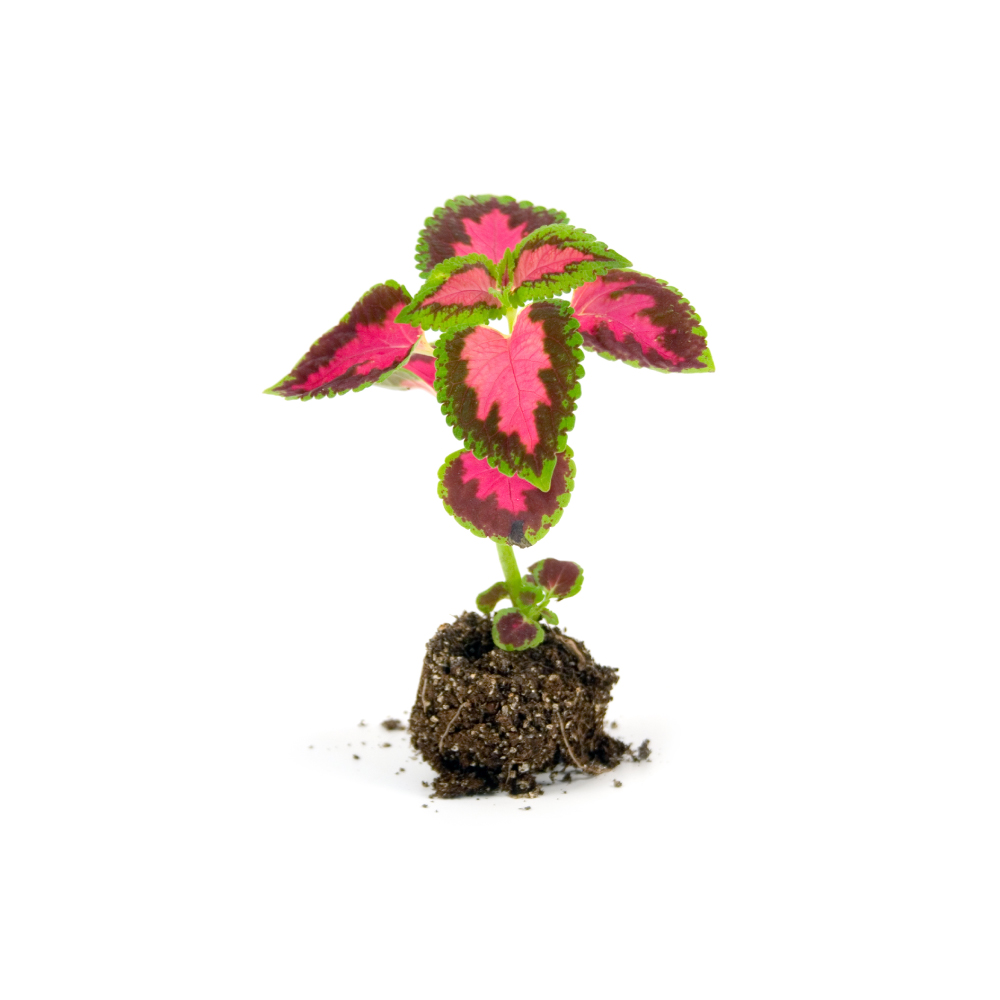
Coleus is easily identified by its bright colors, for which it’s popular as an attractive garden plant. Being a member of the mint family, it’s no surprise that it’s considered an invasive species in many parts of the world.
Medicinally, coleus is known almost entirely for a single constituent — forskolin, a labdane diterpene that directly activates the enzyme adenylate cyclase and raises intracellular cyclic-AMP. That one mechanism sits behind its scattered reputation across the cardiovascular system, the airways, the eye, and fat metabolism, and has more recently made it popular as a nootropic ingredient.
Indications
- Intraocular-pressure support (glaucoma, as an adjunct)
- Body-composition / weight-loss support
- Asthma (chiefly as inhaled forskolin)
- Hypertension
- Weight loss support
Contraindications
- Existing low blood pressure (hypotension)
- Concurrent antihypertensive, nitrate or other vasodilator therapy — additive blood-pressure lowering
- Concurrent anticoagulant or antiplatelet therapy, and the period before surgery — additive bleeding risk
What Is Coleus Used For?
Forskolin concentrates are popular as a nootropic ingredient in formulas, and coleus root extract standardised to a fixed forskolin content is the form sold for body-composition support.
The plant also carries a long cardiovascular and respiratory reputation — hypertension, angina, asthma — but the strongest human evidence for its cardiac and airway effects comes from isolated forskolin given by injection or inhalation, not from swallowing the root. Those cardiovascular uses belong under medical supervision, not self-treatment (see Safety and the research section below).
Additional Usage (not well studied)
One of the lesser-studied, and more speculative, suggested uses of forskolin is as a protectant against organophosphate and neurotoxic chemical-warfare agents such as sarin. This is a fringe preclinical idea rather than an established use, and is presented without a specific supporting study.
Traditional Uses
Similar species are reportedly used in India as medicine, however Coleus forskohlii has more often been eaten as a condiment than dosed as a medicine. Its roots can be found in pickled form 30Reference 30A clinical guide to blending liquid herbs: Herbal formulations for the individual patient — [reference text].
Other traditional uses include hypertension, congestive heart failure, eczema, colic, respiratory disorders, painful urination, insomnia, and convulsions 31Reference 31ReviewAlternative Medicine Review, 11(1), 47–51. https://pubmed.ncbi.nlm.nih.gov/16597194/View study →.
Botany
Coleus is an aromatic member of the Lamiaceae (mint) family, growing as a soft herb or small subshrub to about 60 cm, with the square stems and opposite, toothed leaves typical of the family; the ornamental forms are famous for brightly coloured leaves, though the medicinal plant’s foliage is more modestly green. The species epithet forskohlii honours the Swedish botanist Peter Forsskål 31Reference 31ReviewAlternative Medicine Review, 11(1), 47–51. https://pubmed.ncbi.nlm.nih.gov/16597194/View study →.
Its most important feature medicinally is below ground: a cluster of golden-brown, fleshy, radially spreading tuberous roots that concentrate the labdane diterpene forskolin — which is why cultivation targets the root. The taxonomy has shifted: the plant has long been sold as Coleus forskohlii and, more recently, as Plectranthus barbatus, but Kew resurrected the genus Coleus from Plectranthus in 2019 and the currently accepted name is Coleus barbatus; all three names refer to the same plant.
Distribution
Coleus (the forskolin plant) is native across a broad Old-World tropical belt — tropical and subtropical eastern Africa (Ethiopia through the Great Lakes states), the Arabian Peninsula, and the Indian subcontinent to south-central China and Thailand. In India it grows on sun-exposed, arid to semi-arid hill slopes and plateaus, where most cultivation for forskolin is concentrated.
It has been introduced and locally naturalized as an ornamental in southern Africa, Madeira, St Helena and El Salvador, but is not regarded as an aggressive or noxious weed.
Growing Conditions
- Frost-tender aromatic perennial with a tuberous root (roughly USDA zones 10–11); full sun; a warm, dry-slope plant.
- Full cultivation detail lives on the companion farm-wiki grow guide for Coleus forskohlii (link to be added once that project’s public URL is confirmed).
Harvesting, Collection & Preparation
The roots should be collected in the fall when the forskolin content is at its peak, which also gives a brighter-colored root 31Reference 31ReviewAlternative Medicine Review, 11(1), 47–51. https://pubmed.ncbi.nlm.nih.gov/16597194/View study →. Because forskolin content is strongly cultivar- and season-dependent, commercial material is standardised to a fixed forskolin percentage rather than relied on as grown.
Phytochemistry
Coleus is essentially a one-molecule herb: its medicinal reputation rests almost entirely on the labdane diterpene forskolin, a direct activator of adenylate cyclase that raises cyclic-AMP 1,2,3Reference 1In vitroForskolin: unique diterpene activator of adenylate cyclase in membranes and in intact cells — [in vitro]View study →Reference 2In vitroActivation of adenylate cyclase by the diterpene forskolin does not require the guanine nucleotide regulatory protein — [in vitro]View study →Reference 3ReviewForskolin: from an ayurvedic remedy to a modern agent — [review]View study →. Forskolin sits inside a wider diterpene fraction that includes the related coleonols, the co-occurring diterpene isoforskolin — quantified alongside forskolin by HPLC in standardised root extract 29Reference 29AnimalA standardized extract of Coleus forskohlii root protects rats from ovariectomy-induced bone loss — [animal model]View study → — and other minor diterpenoids, plus a volatile oil 3,31Reference 3ReviewForskolin: from an ayurvedic remedy to a modern agent — [review]View study →Reference 31ReviewAlternative Medicine Review, 11(1), 47–51. https://pubmed.ncbi.nlm.nih.gov/16597194/View study →.
Forskolin is considered by many to be the main active constituent in coleus. It was originally called coleonol when first isolated in 1974, and was renamed forskolin after other coleonols were found in the plant, with a later structure revision confirming coleonol and forskolin as the same molecule 31,32Reference 31ReviewAlternative Medicine Review, 11(1), 47–51. https://pubmed.ncbi.nlm.nih.gov/16597194/View study →Reference 32Identity of coleonol with forskolin: structure revision of a base-catalysed rearrangement product — [journal article]. The root carries only a small amount of it — typically around 0.2–0.3% by dry weight — which is why the herb is almost always sold as a concentrated extract standardised to a fixed forskolin content (commercial extracts commonly run 10–20% forskolin) 3,31Reference 3ReviewForskolin: from an ayurvedic remedy to a modern agent — [review]View study →Reference 31ReviewAlternative Medicine Review, 11(1), 47–51. https://pubmed.ncbi.nlm.nih.gov/16597194/View study →. Although forskolin dominates the research, early work suggests the volatile oil, other diterpenes and coleonols also contribute to the plant’s overall action 3Reference 3ReviewForskolin: from an ayurvedic remedy to a modern agent — [review]View study →.
Constituent Summary
Figures are for the dried root (Coleus forskohlii); forskolin content peaks when roots are harvested in autumn and varies with cultivar, so commercial material is standardised rather than relied on as-grown.
Diterpene4 compounds1 with data
Pharmacology & Research
Coleus forskohlii is effectively a single-molecule herb, and almost the entire research literature is about that molecule — the labdane diterpene forskolin, a direct activator of the enzyme adenylate cyclase that raises intracellular cyclic-AMP independently of cell-surface receptors 1,2Reference 1In vitroForskolin: unique diterpene activator of adenylate cyclase in membranes and in intact cells — [in vitro]View study →Reference 2In vitroActivation of adenylate cyclase by the diterpene forskolin does not require the guanine nucleotide regulatory protein — [in vitro]View study →. That one mechanism explains the whole scattered indication list: lower blood pressure, lower intraocular pressure, bronchodilation, cardiac inotropy, lipolysis and platelet inhibition are all downstream of the same cAMP rise. The evidence tier is modest — a handful of small human trials sit on top of a large preclinical and in-vitro base, and there is no large, well-replicated RCT for any indication. The single most important caveat runs through everything below: the dried root carries only ~0.2–0.3% forskolin 3Reference 3ReviewForskolin: from an ayurvedic remedy to a modern agent — [review]View study →, so most of the compelling human data uses isolated forskolin given by inhalation or injection, or a standardised extract concentrated to 10–20% forskolin — none of which behaves like the whole root or a simple tincture.
- Best-supported: adjunctive intraocular-pressure lowering in glaucoma (three human trials of oral forskolin-containing supplements) 9,10,11Reference 9RCTOral administration of forskolin and rutin contributes to intraocular pressure control in primary open angle glaucoma patients under maximum tolerated medical therapy — [randomised controlled trial]View study →Reference 10RCTOral administration of forskolin, homotaurine, carnosine, and folic acid in patients with primary open angle glaucoma — [randomised controlled trial]View study →Reference 11Clinical trialForskolin and rutin prevent intraocular pressure spikes after Nd:YAG laser iridotomy — [clinical trial]View study →; body-composition change from the standardised 10% extract — positive in men, null for fat loss in women 4,5Reference 4RCTBody composition and hormonal adaptations associated with forskolin consumption in overweight and obese men — [randomised, placebo-controlled trial]View study →Reference 5RCTEffects of Coleus forskohlii supplementation on body composition and hematological profiles in mildly overweight women — [randomised, placebo-controlled trial]View study →.
- Emerging, worth watching: bronchodilation (inhaled forskolin beat placebo and rivalled a β-agonist in an asthma crossover) 15,16Reference 15RCTPharmacodynamic effects of inhaled dry powder formulations of fenoterol and colforsin in asthma — [randomised, placebo-controlled trial]View study →Reference 16RCTForskolin versus sodium cromoglycate for prevention of asthma attacks: a single-blinded clinical trial — [randomised controlled trial]View study →; anti-inflammatory/antiallergic cAMP effects in human mast cells and leukocytes 13,14Reference 13In vitroForskolin inhibits the release of histamine from human basophils and mast cells — [in vitro]View study →Reference 14In vitroIsoforskolin and forskolin attenuate lipopolysaccharide-induced inflammation through TLR4/MyD88/NF-κB cascades in human mononuclear leukocytes — [in vitro]View study →.
- Mechanistically thin: nootropic and anticancer claims rest on the cAMP→CREB and cAMP-cytostatic pathways in animals and cell lines, with no human data 23,24Reference 23ReviewThe natural cAMP elevating compound forskolin in cancer therapy: is it time? — [review]View study →Reference 24AnimalBiphasic effects of forskolin on tau phosphorylation and spatial memory in rats — [animal model]View study →.
- The caveat: the herb’s strongest cardiac and respiratory effects appear only with parenteral or inhaled isolated forskolin; the oral root has no standardised dose and will not reproduce them.
1. Intraocular pressure / glaucoma
This is the indication with the most direct human testing, though never as the whole herb. Mechanistically it is well grounded: forskolin raises cAMP in the ciliary body, and in rabbits an intracameral or topical dose lowered intraocular pressure (IOP) by increasing aqueous-humour outflow facility 12Reference 12AnimalForskolin stimulates cyclic AMP synthesis, lowers intraocular pressure and increases outflow facility in rabbits — [animal model]View study →. In people, three trials tested oral forskolin as an add-on to standard therapy. A multicentre study in primary open-angle glaucoma already on maximum tolerated medical therapy found that a forskolin-plus-rutin supplement produced a further IOP reduction beyond drops alone 9Reference 9RCTOral administration of forskolin and rutin contributes to intraocular pressure control in primary open angle glaucoma patients under maximum tolerated medical therapy — [randomised controlled trial]View study →; a smaller randomised study of a forskolin/homotaurine/carnosine/folic-acid tablet reported IOP and retinal-function benefits over a year 10Reference 10RCTOral administration of forskolin, homotaurine, carnosine, and folic acid in patients with primary open angle glaucoma — [randomised controlled trial]View study →; and a controlled study showed the forskolin+rutin combination blunted the IOP spike after Nd:YAG laser iridotomy 11Reference 11Clinical trialForskolin and rutin prevent intraocular pressure spikes after Nd:YAG laser iridotomy — [clinical trial]View study →. The consistent signal is real but the design is limited — these are adjunctive, the products are multi-ingredient (rutin and other actives confound attribution to forskolin), and none tests coleus root itself.
Gap: No trial isolates forskolin from co-formulated actives or tests the whole herb; all are adjunctive to existing glaucoma drugs, so standalone effect size is unknown.
2. Weight loss / body composition
This is the indication most people buy coleus for, and unusually the human trials used the actual marketed preparation — a root extract standardised to ~10% forskolin (ForsLean). Results are genuinely mixed. In a 12-week randomised, double-blind, placebo-controlled trial in overweight/obese men (n=30, 250 mg of 10% extract twice daily), forskolin significantly reduced body-fat percentage and fat mass by DXA and raised free testosterone, with a non-significant trend toward increased lean mass 4Reference 4RCTBody composition and hormonal adaptations associated with forskolin consumption in overweight and obese men — [randomised, placebo-controlled trial]View study →. A parallel 12-week trial in mildly overweight women at the same dose found no significant fat loss but reported that forskolin appeared to blunt weight gain and was well tolerated 5Reference 5RCTEffects of Coleus forskohlii supplementation on body composition and hematological profiles in mildly overweight women — [randomised, placebo-controlled trial]View study →. The proposed mechanism is cAMP-driven lipolysis — forskolin stimulates fat breakdown in isolated rat adipocytes 6Reference 6AnimalRelationship between cyclic AMP production and lipolysis induced by forskolin in rat fat cells — [animal model]View study → — and animal work with the standardised extract shows reduced lipid accumulation via lipolytic and gut-microbiota pathways 8Reference 8AnimalColeus forskohlii and Garcinia indica extracts attenuated lipid accumulation by regulating energy metabolism and modulating gut microbiota in obese mice — [animal model]View study →. An earlier trial embedded forskolin in a topical thigh cream alongside yohimbine and aminophylline, so it says nothing about the oral herb 7Reference 7Clinical trialTopical fat reduction — [clinical trial]View study →. Overall: a plausible, correctly-prepared human signal, but small, sex-divergent, and not consistently a fat-loss result.
Gap: Two small trials, opposite fat-loss outcomes by sex, no large replication; the men’s-trial benefit has not been independently reproduced.
3. Bronchodilation / asthma
Coleus has a traditional respiratory reputation, and the cAMP mechanism directly relaxes airway smooth muscle — the same pathway β-agonists use, reached from inside the cell. The strongest human evidence is inhaled: in a randomised, double-masked, placebo-controlled crossover in asthmatics, an inhaled dry-powder forskolin (colforsin) significantly increased airway conductance, comparable in effect to the β-agonist fenoterol 15Reference 15RCTPharmacodynamic effects of inhaled dry powder formulations of fenoterol and colforsin in asthma — [randomised, placebo-controlled trial]View study →. A separate small single-blinded trial found oral forskolin (10 mg/day) reduced the proportion of patients having asthma attacks versus inhaled sodium cromoglycate over six months 16Reference 16RCTForskolin versus sodium cromoglycate for prevention of asthma attacks: a single-blinded clinical trial — [randomised controlled trial]View study →. Preclinically, forskolin prevented antigen-induced bronchospasm in sensitised guinea pigs and blocked leukotriene and histamine release 18Reference 18AnimalBronchodilator and antiallergy activity of forskolin — [animal model]View study →, and a coleus root/leaf extract eased cough and airway remodelling in ovalbumin-sensitised rodents by dampening inflammation and matrix turnover 17Reference 17AnimalExtracts of Coleus forskohlii relieves cough and asthma symptoms via modulating inflammation and the extracellular matrix — [animal model]View study →. The honest reading: the clearest bronchodilation comes from inhaled forskolin, a route and preparation quite unlike swallowing the root.
Gap: The convincing effect is inhaled isolated forskolin; the one oral trial was small and single-blinded, and no study tests inhaled or oral whole-herb coleus against modern controller therapy.
4. Cardiac inotropy (heart failure)
Forskolin is a textbook direct activator of cardiac adenylate cyclase, and this is real pharmacology — but it belongs to the molecule given parenterally, not the herb. In failing human myocardial preparations, forskolin was a more powerful activator of adenylate cyclase than isoproterenol and, crucially, retained full activity in tissue from failing hearts where β-agonists lose potency 20Reference 20In vitroPharmacology and inotropic potential of forskolin in the human heart — [in vitro]View study →. When infused intravenously into 12 patients with NYHA stage III congestive (dilated) cardiomyopathy, it acted as a positive inotrope and vasodilator, lowering systemic vascular resistance and filling pressure — though at higher doses only, and with a narrower margin than dobutamine 19,21Reference 19The positive inotropic-acting forskolin, a potent adenylate cyclase activator — [journal article]View study →Reference 21Clinical trialCardiovascular effects of forskolin (HL 362) in patients with idiopathic congestive cardiomyopathy — a comparative study with dobutamine and sodium nitroprusside — [clinical trial]View study →. The related diterpene coleonol lowered blood pressure in early animal work 22Reference 22AnimalPharmacological studies on coleonol, a hypotensive diterpene from Coleus forskohlii — [animal model]View study →. None of this transfers to an oral root product: forskolin’s oral bioavailability is poor and these effects were achieved by IV infusion at controlled doses in a monitored setting.
Gap: Every positive cardiac result is ex-vivo tissue or IV infusion; there is no evidence that oral coleus root produces meaningful inotropy, and self-treating heart failure with the herb is unsupported and unsafe.
5. Anti-inflammatory / antiallergic
The cAMP rise that relaxes airways also restrains inflammatory-cell activation, and this has been shown in human cells. Forskolin caused dose-dependent inhibition of antigen-induced histamine release from human basophils and lung mast cells, tracking the rise in leukocyte cAMP 13Reference 13In vitroForskolin inhibits the release of histamine from human basophils and mast cells — [in vitro]View study →. In human mononuclear leukocytes, forskolin and its analogue isoforskolin blunted lipopolysaccharide-induced inflammation by suppressing the TLR4/MyD88/NF-κB cascade and lowering IL-6, TNF-α and related cytokines 14Reference 14In vitroIsoforskolin and forskolin attenuate lipopolysaccharide-induced inflammation through TLR4/MyD88/NF-κB cascades in human mononuclear leukocytes — [in vitro]View study →. Its antiallergy activity was also evident in the guinea-pig airway model above 18Reference 18AnimalBronchodilator and antiallergy activity of forskolin — [animal model]View study →. All of this is in-vitro or animal — the mechanism is credible and consistently anti-inflammatory, but no clinical inflammatory or allergic endpoint has been tested in people taking the herb.
Gap: Human evidence is confined to isolated cells; no clinical trial in an allergic or inflammatory condition, and no oral-herb data.
6. Nootropic / cognitive
The nootropic reputation is a mechanistic extrapolation, not a clinical finding. cAMP activates PKA and phosphorylates the transcription factor CREB, a pathway central to long-term memory formation, and forskolin is a standard laboratory tool for switching it on. In animals the cognitive picture is mixed and dose-dependent: one rat study found biphasic effects, with forskolin improving spatial memory at some doses but increasing tau phosphorylation (a neurodegeneration marker) at others 24Reference 24AnimalBiphasic effects of forskolin on tau phosphorylation and spatial memory in rats — [animal model]View study →, and forskolin rescued hypoxia-induced cognitive deficits in zebrafish 25Reference 25AnimalForskolin rescues hypoxia-induced cognitive dysfunction in zebrafish — [animal model]View study →. There is no human cognition trial, and forskolin’s poor oral bioavailability and uncertain blood–brain-barrier penetration make it unclear whether an oral dose even reaches the brain at active concentrations.
Gap: No human cognitive data; animal results are biphasic and include a potentially harmful tau signal; oral CNS bioavailability unproven.
7. Anticancer
This is a preclinical research theme, not a use of the herb. Because many tumour types are restrained by elevated cAMP, forskolin has been explored as a cytostatic and pro-apoptotic agent, and a narrative review has argued its cAMP-elevating action warrants formal cancer investigation 23Reference 23ReviewThe natural cAMP elevating compound forskolin in cancer therapy: is it time? — [review]View study →. The evidence is entirely cell-line and mechanistic, spanning several tumour models, with no in-vivo efficacy in the herb’s normal form and no human data. It is included for completeness because the literature volume is large, but it carries no clinical weight.
Gap: In-vitro and review-level only; no animal efficacy for the herb, no clinical trials, and cAMP elevation is a double-edged signal that can also favour some cancers.
Mechanisms
| Mechanism | Drives | Key compounds |
|---|---|---|
| Adenylate cyclase ↑ → cAMP ↑ (receptor-independent) | the master switch behind every effect below | forskolin |
| cAMP → PKA → smooth-muscle relaxation | bronchodilationvasodilation↓ blood pressure | forskolin |
| cAMP ↑ in ciliary body → ↑ aqueous outflow | ↓ intraocular pressure | forskolin |
| cAMP → PKA → hormone-sensitive lipase | lipolysisbody-composition change | forskolin |
| Direct activation of cardiac adenylate cyclase | positive inotropy (parenteral only) | forskolin |
| cAMP ↑ → ↓ mast-cell/basophil degranulation; NF-κB ↓ | antiallergicanti-inflammatory | forskolin, isoforskolin |
| cAMP → PKA → CREB phosphorylation | nootropic hypothesis (preclinical) | forskolin |
Clinical trials
A small number of human trials exist — chiefly oral standardised-extract weight-loss RCTs and adjunctive forskolin-supplement glaucoma studies — but no large, definitive, whole-herb RCT for any indication, and the strongest cardiac and respiratory results used isolated forskolin given by injection or inhalation.
| Completed | Planned | Terminated | Preclinical |
|---|---|---|---|
| ~7 | 0identified | 0identified | ~50+ |
Last checked: July 2026.
Dosage
In research, coleus is almost always given as isolated forskolin or as a standardised root extract titrated to a set forskolin dose — not as whole root or a simple tincture. The table below lists the doses each trial actually used; the strongest cardiac and respiratory effects came from inhaled or intravenous forskolin, routes no oral herb preparation reproduces.
| Indication | Preparation | Dose | Est. dried-herb equivalent | Source |
|---|---|---|---|---|
| Weight loss / body composition | Standardised extract (ForsLean, 10% forskolin) | 250 mg (= 25 mg forskolin) twice daily, 12 wk | ~8–12 g dried root/day (assuming root ≈ 0.2–0.3% forskolin; large and impractical as raw root) | 4,5Reference 4RCTBody composition and hormonal adaptations associated with forskolin consumption in overweight and obese men — [randomised, placebo-controlled trial]View study →Reference 5RCTEffects of Coleus forskohlii supplementation on body composition and hematological profiles in mildly overweight women — [randomised, placebo-controlled trial]View study → |
| Bronchodilation / asthma (oral) | Forskolin capsules | 10 mg/day oral | ~3–5 g dried root/day (same 0.2–0.3% assumption) | 16Reference 16RCTForskolin versus sodium cromoglycate for prevention of asthma attacks: a single-blinded clinical trial — [randomised controlled trial]View study → |
| Bronchodilation / asthma (inhaled) | Colforsin dry-powder inhaler | 10 mg single inhaled dose | — (route not achievable with whole herb) | 15Reference 15RCTPharmacodynamic effects of inhaled dry powder formulations of fenoterol and colforsin in asthma — [randomised, placebo-controlled trial]View study → |
| Intraocular pressure / glaucoma | Oral forskolin + rutin (+ nutrient) supplement | ~10–15 mg forskolin/day in combination products | ~4–7 g dried root/day (assumption as above); combination product, not attributable to root alone | 9,10,11Reference 9RCTOral administration of forskolin and rutin contributes to intraocular pressure control in primary open angle glaucoma patients under maximum tolerated medical therapy — [randomised controlled trial]View study →Reference 10RCTOral administration of forskolin, homotaurine, carnosine, and folic acid in patients with primary open angle glaucoma — [randomised controlled trial]View study →Reference 11Clinical trialForskolin and rutin prevent intraocular pressure spikes after Nd:YAG laser iridotomy — [clinical trial]View study → |
| Cardiac inotropy | IV forskolin infusion | 3–4 µg/kg/min IV | — (parenteral only; not applicable to oral herb) | 19,21Reference 19The positive inotropic-acting forskolin, a potent adenylate cyclase activator — [journal article]View study →Reference 21Clinical trialCardiovascular effects of forskolin (HL 362) in patients with idiopathic congestive cardiomyopathy — a comparative study with dobutamine and sodium nitroprusside — [clinical trial]View study → |
The Est. dried-herb equivalent back-converts the marker dose on the stated assumption that dried root ≈ 0.2–0.3% forskolin. These are illustrative order-of-magnitude figures to show how much raw root a marker dose implies — not a conversion factor or a dosing recommendation. Inhaled and IV rows are left ”—” because no whole-herb preparation reproduces those routes.
Traditional Dosage
Traditional whole-herb use is not a dosed medicine in the way the trials are, and these preparations are not interchangeable with the standardised-extract doses above.
| System | Preparation | Dose |
|---|---|---|
| Western herbal (per existing page) | 1:1 liquid extract | 40–90 mL/week (existing sidebar value — basis and source unverified) |
| Ayurveda / Indian traditional | Root, culinary/pickled or decoction | Not standardised; historically used as a condiment and folk remedy rather than a dosed medicine 30Reference 30A clinical guide to blending liquid herbs: Herbal formulations for the individual patient — [reference text] |
Clinical Applications
Coleus is still short on definitive human research, but the modern evidence base is clearer than it once was. The two indications with actual human trials are body composition (a standardised 10% root extract, positive for fat loss in men and null in women) and intraocular pressure in glaucoma (oral forskolin-containing supplements as an adjunct to standard therapy). Its cardiac and respiratory reputation rests on isolated forskolin given intravenously or by inhalation, not on the oral herb, and those uses belong under medical supervision. In practice the herb is most useful as a standardised forskolin extract within a formula, and it continues to appear in nootropic products for its cAMP-raising action.
Safety & Pregnancy
Coleus is well tolerated in short human trials, but its cAMP mechanism produces additive blood-pressure lowering and a plausible bleeding risk alongside medication, and the standardised extract induces liver CYP enzymes in animals — so treat its interactions as unknown, not cleared.
- Blood-pressure lowering. Mild hypotensive/vasodilatory effect — use cautiously with antihypertensives and in existing hypotension.
- Additive bleeding risk. Inhibits platelet aggregation; plausible additive risk with anticoagulant/antiplatelet drugs, best stopped before surgery.
- CYP induction. The standardised extract induces liver and intestinal CYP enzymes in mice, potentially lowering co-administered drug levels (human-unconfirmed).
- Not for self-treating heart disease. Its strongest cardiac and respiratory effects need medical supervision, not self-treatment.
- Well tolerated short-term. Standardised 10% extract at 250 mg twice daily caused no serious adverse effects over 12 weeks.
Full safety & interactions detail
Coleus forskohlii is generally well tolerated in the short human trials conducted, where standardised 10% extract at 250 mg twice daily produced no serious adverse effects over 12 weeks 4,5Reference 4RCTBody composition and hormonal adaptations associated with forskolin consumption in overweight and obese men — [randomised, placebo-controlled trial]View study →Reference 5RCTEffects of Coleus forskohlii supplementation on body composition and hematological profiles in mildly overweight women — [randomised, placebo-controlled trial]View study →; the most consistent signal is a mild blood-pressure–lowering and vasodilatory effect, so the herb should be used cautiously alongside antihypertensive medication and by people who are already hypotensive 22Reference 22AnimalPharmacological studies on coleonol, a hypotensive diterpene from Coleus forskohlii — [animal model]View study →. Because forskolin directly activates adenylate cyclase and inhibits platelet aggregation, it carries a plausible additive bleeding risk with anticoagulant and antiplatelet drugs and is best stopped before surgery. The most concrete interaction concern is metabolic: standardised Coleus forskohlii extract induces cytochrome P450 enzymes (notably CYP3A, CYP2B and CYP2C) in the liver and intestine of mice, which could in principle lower blood levels of co-administered CYP-substrate drugs, though this has not been confirmed in humans 26,27Reference 26AnimalColeus forskohlii extract induces hepatic cytochrome P450 enzymes in mice — [animal model]View study →Reference 27AnimalComparison of CYP induction by Coleus forskohlii extract and recovery in the small intestine and liver of mice — [animal model]View study →; in one mouse study the standardised extract even blunted the liver benefit of dietary treatment for non-alcoholic steatohepatitis, a reminder that its metabolic effects are not uniformly favourable 28Reference 28AnimalColeus forskohlii extract attenuated the beneficial effect of diet-treatment on NASH in a mouse model — [animal model]View study →. It should not be used to self-treat serious cardiovascular disease, and forskolin is best avoided where its vasodilatory or intraocular-pressure–lowering actions are unwanted without medical supervision.
Herb–drug interactions in humans and long-term safety beyond 12 weeks have not been formally studied for coleus; the CYP-induction signal is animal-only, and the additive blood-pressure and antiplatelet interactions are mechanistically expected rather than clinically demonstrated. Treat both as unknown, not as cleared — absence of reported problems is not evidence of safety.
Avoid — not established as safe. No human pregnancy or lactation safety studies of Coleus forskohlii or forskolin have been performed. Beyond the absence of data, forskolin’s smooth-muscle and vasodilatory activity gives a theoretical concern in pregnancy, so use during pregnancy and breastfeeding is not recommended.
References
- Seamon KB, Padgett W, Daly JW (1981). Forskolin: unique diterpene activator of adenylate cyclase in membranes and in intact cells — [in vitro]. Proc Natl Acad Sci U S A. https://pubmed.ncbi.nlm.nih.gov/6267587/
- Seamon K, Daly JW (1981). Activation of adenylate cyclase by the diterpene forskolin does not require the guanine nucleotide regulatory protein — [in vitro]. J Biol Chem. https://pubmed.ncbi.nlm.nih.gov/6268630/
- Ammon HP, Müller AB (1985). Forskolin: from an ayurvedic remedy to a modern agent — [review]. Planta Med. https://pubmed.ncbi.nlm.nih.gov/3006108/
- Godard MP, Johnson BA, Richmond SR (2005). Body composition and hormonal adaptations associated with forskolin consumption in overweight and obese men — [randomised, placebo-controlled trial]. Obes Res. https://pubmed.ncbi.nlm.nih.gov/16129715/
- Henderson S, Magu B, Rasmussen C, et al. (2005). Effects of Coleus forskohlii supplementation on body composition and hematological profiles in mildly overweight women — [randomised, placebo-controlled trial]. J Int Soc Sports Nutr. https://pubmed.ncbi.nlm.nih.gov/18500958/
- Okuda H, Morimoto C, Tsujita T (1992). Relationship between cyclic AMP production and lipolysis induced by forskolin in rat fat cells — [animal model]. J Lipid Res. https://pubmed.ncbi.nlm.nih.gov/1314877/
- Greenway FL, Bray GA, Heber D (1995). Topical fat reduction — [clinical trial]. Obes Res. https://pubmed.ncbi.nlm.nih.gov/8697059/
- Tung YC, Shih YA, Nagabhushanam K, et al. (2021). Coleus forskohlii and Garcinia indica extracts attenuated lipid accumulation by regulating energy metabolism and modulating gut microbiota in obese mice — [animal model]. Food Res Int. https://pubmed.ncbi.nlm.nih.gov/33773654/
- Vetrugno M, Uva MG, Russo V, et al. (2012). Oral administration of forskolin and rutin contributes to intraocular pressure control in primary open angle glaucoma patients under maximum tolerated medical therapy — [randomised controlled trial]. J Ocul Pharmacol Ther. https://pubmed.ncbi.nlm.nih.gov/22731245/
- Mutolo MG, Albanese G, Rusciano D, et al. (2016). Oral administration of forskolin, homotaurine, carnosine, and folic acid in patients with primary open angle glaucoma — [randomised controlled trial]. J Ocul Pharmacol Ther. https://pubmed.ncbi.nlm.nih.gov/26771282/
- Nebbioso M, Belcaro G, Librando A, et al. (2012). Forskolin and rutin prevent intraocular pressure spikes after Nd:YAG laser iridotomy — [clinical trial]. Panminerva Med. https://pubmed.ncbi.nlm.nih.gov/23241939/
- Bartels SP, Lee SR, Neufeld AH (1982). Forskolin stimulates cyclic AMP synthesis, lowers intraocular pressure and increases outflow facility in rabbits — [animal model]. Curr Eye Res. https://pubmed.ncbi.nlm.nih.gov/6137323/
- Marone G, Columbo M, Triggiani M, et al. (1986). Forskolin inhibits the release of histamine from human basophils and mast cells — [in vitro]. Agents Actions. https://pubmed.ncbi.nlm.nih.gov/2425602/
- Du X, Shi R, Wang Y, et al. (2019). Isoforskolin and forskolin attenuate lipopolysaccharide-induced inflammation through TLR4/MyD88/NF-κB cascades in human mononuclear leukocytes — [in vitro]. Phytother Res. https://pubmed.ncbi.nlm.nih.gov/30637903/
- Bauer K, Dietersdorfer F, Sertl K, et al. (1993). Pharmacodynamic effects of inhaled dry powder formulations of fenoterol and colforsin in asthma — [randomised, placebo-controlled trial]. Clin Pharmacol Ther. https://pubmed.ncbi.nlm.nih.gov/8422745/
- González-Sánchez R, Trujillo X, Trujillo-Hernández B, et al. (2006). Forskolin versus sodium cromoglycate for prevention of asthma attacks: a single-blinded clinical trial — [randomised controlled trial]. J Int Med Res. https://pubmed.ncbi.nlm.nih.gov/16749416/
- Ma C, Zou L, Xia Y, et al. (2019). Extracts of Coleus forskohlii relieves cough and asthma symptoms via modulating inflammation and the extracellular matrix — [animal model]. J Cell Biochem. https://pubmed.ncbi.nlm.nih.gov/30520122/
- Kreutner W, Chapman RW, Gulbenkian A, et al. (1985). Bronchodilator and antiallergy activity of forskolin — [animal model]. Eur J Pharmacol. https://pubmed.ncbi.nlm.nih.gov/2410281/
- Metzger H, Lindner E (1981). The positive inotropic-acting forskolin, a potent adenylate cyclase activator — [journal article]. Arzneimittelforschung. https://pubmed.ncbi.nlm.nih.gov/7197529/
- Bristow MR, Ginsburg R, Strosberg A, et al. (1984). Pharmacology and inotropic potential of forskolin in the human heart — [in vitro]. J Clin Invest. https://pubmed.ncbi.nlm.nih.gov/6330174/
- Baumann G, Felix S, Sattelberger U, et al. (1990). Cardiovascular effects of forskolin (HL 362) in patients with idiopathic congestive cardiomyopathy — a comparative study with dobutamine and sodium nitroprusside — [clinical trial]. J Cardiovasc Pharmacol. https://pubmed.ncbi.nlm.nih.gov/1696672/
- Dubey MP, Srimal RC, Nityanand S, et al. (1981). Pharmacological studies on coleonol, a hypotensive diterpene from Coleus forskohlii — [animal model]. J Ethnopharmacol. https://pubmed.ncbi.nlm.nih.gov/7193263/
- Sapio L, Gallo M, Illiano M, et al. (2017). The natural cAMP elevating compound forskolin in cancer therapy: is it time? — [review]. J Cell Physiol. https://pubmed.ncbi.nlm.nih.gov/27739063/
- Tian Q, Zhang JX, Zhang Y, et al. (2009). Biphasic effects of forskolin on tau phosphorylation and spatial memory in rats — [animal model]. J Alzheimers Dis. https://pubmed.ncbi.nlm.nih.gov/19433899/
- Nguyen QTN, Park J, Kim DY, et al. (2024). Forskolin rescues hypoxia-induced cognitive dysfunction in zebrafish — [animal model]. Biochem Pharmacol. https://pubmed.ncbi.nlm.nih.gov/38281601/
- Virgona N, Yokotani K, Yamazaki Y, et al. (2012). Coleus forskohlii extract induces hepatic cytochrome P450 enzymes in mice — [animal model]. Food Chem Toxicol. https://pubmed.ncbi.nlm.nih.gov/22178802/
- Yokotani K, Yamazaki Y, Shimura F, et al. (2020). Comparison of CYP induction by Coleus forskohlii extract and recovery in the small intestine and liver of mice — [animal model]. Biol Pharm Bull. https://pubmed.ncbi.nlm.nih.gov/31902916/
- Suzuki S, Nishijima C, Sato Y, et al. (2020). Coleus forskohlii extract attenuated the beneficial effect of diet-treatment on NASH in a mouse model — [animal model]. J Nutr Sci Vitaminol (Tokyo). https://pubmed.ncbi.nlm.nih.gov/32350181/
- Kulkarni C, Sharma S, Porwal K, et al. (2023). A standardized extract of Coleus forskohlii root protects rats from ovariectomy-induced bone loss — [animal model]. Front Endocrinol (Lausanne). https://pubmed.ncbi.nlm.nih.gov/36926021/
- Bone, K. (2003). A clinical guide to blending liquid herbs: Herbal formulations for the individual patient — [reference text]. Churchill Livingstone, Edinburgh.
- Coleus forskohlii. Monograph — [review]. (2006). Alternative Medicine Review, 11(1), 47–51. https://pubmed.ncbi.nlm.nih.gov/16597194/
- Saksena AK, Green MJ, Shue HJ, et al. (1985). Identity of coleonol with forskolin: structure revision of a base-catalysed rearrangement product — [journal article]. Tetrahedron Lett, 26, 551–554.