

Materia Medica
Cryptolepis
Cryptolepis sanguinolenta
Cryptolepis (Cryptolepis sanguinolenta) — a potent African antimicrobial used for resistant bacteria, malaria and parasitic infection.
What Is Cryptolepis?
Cryptolepis is a potent antimicrobial herb originating from Africa and Southeast Asia. It’s become one of the go-to herbal species for treating resistant bacteria and malaria.
The active constituents of the plant are a group of alkaloids, each of which have been proven effective against a wide variety of bacterial, mycobacterial, fungal, and parasitic organisms (specific strains listed below).
The roots also contain a rich yellow pigment that makes the herb useful for dying fabrics and leather a deep yellow color.
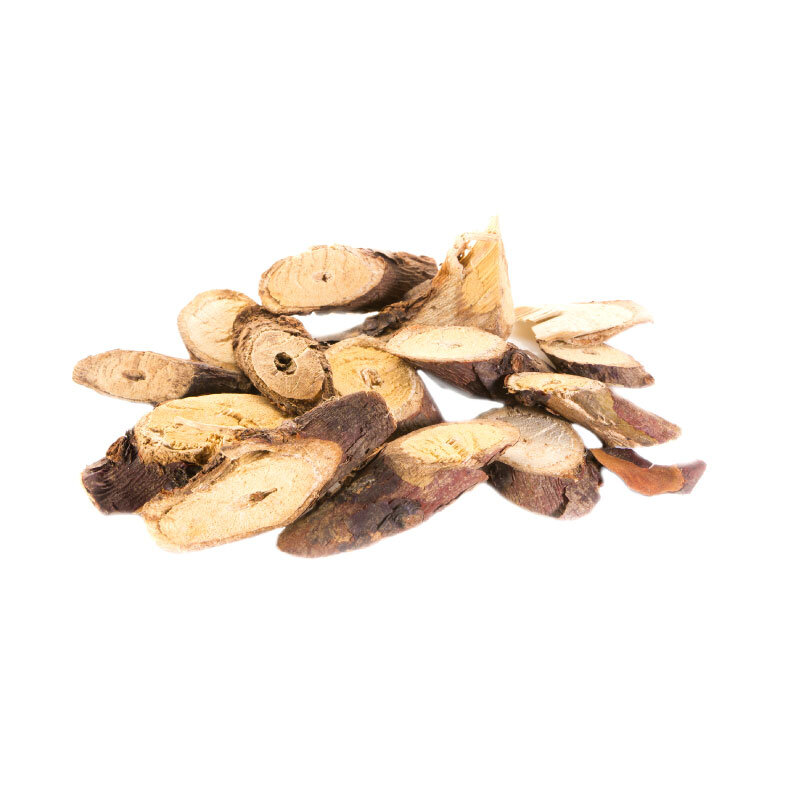
What Is Cryptolepis Used For?
Cryptolepis is almost exclusively used as an antimicrobial against parasitic, bacterial, amoebic, and fungal infections. This herb is very useful for infections of all kinds. It’s a popular herb for digestive disorders and infection, topically for skin infections, or orally for urinary tract infections.
Outside of medicine cryptolepis is used as a source of yellow dye — lending to one of its common names, yellow dye root.
[caption id="" align=“alignnone” width=“2500”] Brewing a Decoction of Cryptolepis [/caption]
Traditional Uses
Africa
Cryptolepis originates from Africa, where it was primarily used to treat malaria, amoebic dysentery, and both urinary and respiratory infection.
The herb’s success with malaria patients is what made the plant so popular today, and there is now large plots of land dedicated to its cultivation to meet the demand for the herb within Africa, as well as elsewhere in the world.
Asia & Indonesia
A closely related but separate species — Cryptolepis buchanii — grows throughout Indonesia, Thailand, China, India, and Nepal. Its alkaloid profile differs from the studied West African species, so the uses below belong to C. buchanii and should not be attributed to C. sanguinolenta.
This species was used in Thailand for treating systemic inflammation, arthritis, and muscle pain.
In India, this species was used to treat diarrhea, bacterial infection, ulcers, and for treating rickets in children.
Botany
Cryptolepis (Cryptolepis sanguinolenta) is a slender, woody twining climber of the dogbane family (Apocynaceae) — older sources place it in Periplocaceae, now treated as the subfamily Periplocoideae within Apocynaceae, both names referring to the same plant. Like many in the family it bleeds a latex that runs yellow to orange and reddens in air.
The medicine is the yellow-orange root and root bark, which hold the highest concentration of the plant’s signature indoloquinoline alkaloid, cryptolepine (with the isomers neocryptolepine and isocryptolepine). That yellow root also gives the plant its “yellow-dye root” name and a long use dyeing leather and textiles. It should not be confused with Cryptolepis buchananii, a separate, more Asian species with a different chemical profile that is not interchangeable with the West African “Ghana quinine.”

Distribution
Cryptolepis sanguinolenta is native to West and Central tropical Africa, running from Senegal and Guinea east to the Central African Republic and south to Uganda and Angola — taking in Ghana, Nigeria, Togo and Cameroon. It grows in rainforest, gallery and secondary forest and thickets, usually near water and from sea level to about 850 m; in Ghana, where it is best known as an antimalarial, it concentrates along the Akwapim and Kwahu ranges.
The species is not weedy. The concern runs the other way: because the alkaloid-rich roots are the harvested part, destructive whole-plant collection has already thinned wild populations, pushing harvesters deeper into the forest.
Growing Conditions
- Frost-tender tropical woody climber (roughly USDA zones 11–12); full sun to part shade; a wet-forest species of moist ground near water.
- Full cultivation detail lives on the companion farm-wiki grow guide for Cryptolepis sanguinolenta (link to be added once that project’s public URL is confirmed).
Harvesting, Collection & Preparation
Both the roots and stems of the plant have been used as medicine, but the roots contain nearly twice as much of the active alkaloids than the stem — so most people tend to just use the roots instead.
Preparation matters more than it might seem: most of the research activity comes from ethanol or solvent extracts (and from isolated cryptolepine), whereas traditional use is a water decoction — and the two do not extract the same alkaloids in the same amounts. Traditional water decoctions are often simmered for several hours to pull more of the active material into the tea.
Pharmacology & Research
Cryptolepis sanguinolenta is one of the better-studied African antimicrobial herbs, but the literature is lopsided: it is deep on chemistry and in vitro pharmacology of its indoloquinoline alkaloids — cryptolepine above all — and thin on human data. Almost every therapeutic claim traces to isolated cryptolepine rather than the whole root decoction people actually drink, and the two are not interchangeable: cryptolepine is a DNA-intercalating cytotoxin, which is exactly why it kills microbes, tumour cells and, at high enough exposure, host cells. The single strongest human signal is a small open-label Ghanaian trial in uncomplicated malaria 1Reference 1Clinical trialClinical efficacy of a tea-bag formulation of Cryptolepis sanguinolenta root in the treatment of acute uncomplicated falciparum malaria — clinical trialView study →; the most interesting recent signals — striking in vitro activity against Borrelia burgdorferi and Babesia duncani from the Johns Hopkins botanical screens 5,6Reference 5In vitroEvaluation of natural and botanical medicines for activity against growing and non-growing forms of B. burgdorferi — in vitroView study →Reference 6In vitroBotanical medicines Cryptolepis sanguinolenta, Artemisia annua, Scutellaria baicalensis, Polygonum cuspidatum, and Alchornea cordifolia demonstrate inhibitory activity against Babesia duncani — in vitroView study → — are laboratory-only and drive much of the herb’s current popularity in Lyme-disease circles despite no clinical testing. Read the scores below as “how well is the antimicrobial/antiproliferative activity established,” not “how safe or proven in people.”
- Best-supported: antimalarial activity (one human open-label trial plus consistent in vitro and rodent data) 1,2,4Reference 1Clinical trialClinical efficacy of a tea-bag formulation of Cryptolepis sanguinolenta root in the treatment of acute uncomplicated falciparum malaria — clinical trialView study →Reference 2In vitroIn vitro and in vivo antiplasmodial activity of cryptolepine and related alkaloids from Cryptolepis sanguinolenta — in vitro and animal in vivoView study →Reference 4In vitroSynergistic anti-malarial action of cryptolepine and artemisinins — in vitro and animal modelView study → and broad antibacterial activity across many strains in vitro 7,8,10Reference 7In vitroIn vitro antimicrobial activity of ethanolic fractions of Cryptolepis sanguinolenta — in vitroView study →Reference 8In vitroIn vitro antibacterial screening of Cryptolepis sanguinolenta alkaloids — in vitroView study →Reference 10In vitroThe killing effect of cryptolepine on Staphylococcus aureus — in vitroView study →.
- Emerging, worth watching: anti-Borrelia and anti-Babesia activity — cryptolepine and the ethanol extract were top performers in controlled botanical screens, with subculture eradication of stationary-phase B. burgdorferi 5,6Reference 5In vitroEvaluation of natural and botanical medicines for activity against growing and non-growing forms of B. burgdorferi — in vitroView study →Reference 6In vitroBotanical medicines Cryptolepis sanguinolenta, Artemisia annua, Scutellaria baicalensis, Polygonum cuspidatum, and Alchornea cordifolia demonstrate inhibitory activity against Babesia duncani — in vitroView study →.
- Mechanistically thin: antifungal and antitrypanosomal/antileishmanial claims rest mostly on isolated alkaloids or synthetic analogues in vitro, not the root 11,26Reference 11In vitroAntibacterial and antifungal activities of neocryptolepine, biscryptolepine and cryptoquindoline, alkaloids isolated from Cryptolepis sanguinolenta — in vitroView study →Reference 26In vitroAntileishmanial activity of cryptolepine analogues and apoptotic effects of 2,7-dibromocryptolepine against Leishmania donovani promastigotes — in vitroView study →.
- The caveat: the active alkaloid is a cytotoxic DNA intercalator 27,28Reference 27In vitroThe popular herbal antimalarial, extract of Cryptolepis sanguinolenta, is potently cytotoxic — in vitroView study →Reference 28In vitroIn vitro genotoxicity of the West African antimalarial herbal Cryptolepis sanguinolenta and its major alkaloid cryptolepine — in vitroView study →. Most efficacy data are preclinical and use cryptolepine or ethanol extracts, not the traditional water decoction, and there is no standardised human dose outside the malaria trial.
1. Antimalarial
This is the herb’s traditional core use and its best-evidenced one. In vitro, cryptolepine and related alkaloids strongly inhibit both chloroquine-sensitive and chloroquine-resistant Plasmodium falciparum, and cryptolepine hydrochloride was chemosuppressive in P. berghei-infected mice 2Reference 2In vitroIn vitro and in vivo antiplasmodial activity of cryptolepine and related alkaloids from Cryptolepis sanguinolenta — in vitro and animal in vivoView study →; activity is retained across leaf and root alkaloid fractions 3Reference 3In vitroAntiplasmodial activity of Cryptolepis sanguinolenta alkaloids from leaves and roots — in vitroView study →. Cryptolepine also acts synergistically with artemisinin derivatives against P. falciparum in vitro and in a rodent model 4Reference 4In vitroSynergistic anti-malarial action of cryptolepine and artemisinins — in vitro and animal modelView study →. The one human study — an open-label, uncontrolled trial (n=44) of a standardised root tea-bag (2.5 g equivalent, three times daily for 5 days) in acute uncomplicated falciparum malaria — cleared parasitaemia in 50% of patients by 72 hours and all by day 7, with fever, chills, nausea and vomiting resolving by day 3 and a 93.5% overall cure rate (two late recrudescences on days 21 and 28); no laboratory toxicity was seen over the trial 1Reference 1Clinical trialClinical efficacy of a tea-bag formulation of Cryptolepis sanguinolenta root in the treatment of acute uncomplicated falciparum malaria — clinical trialView study →.
Gap: the human evidence is a single small open-label trial with no comparator and short follow-up; there is no randomised controlled trial, and the tea’s efficacy against severe or non-falciparum malaria is untested.
2. Antibacterial
Cryptolepis is the herb most West African practitioners reach for as a systemic antibacterial, and the in vitro record is broad. Ethanolic and solvent fractions of the root inhibit a wide panel of Gram-positive and Gram-negative organisms; in one fractionation study the chloroform fraction inhibited 100% of test organisms and was the only fraction that was bactericidal rather than merely bacteriostatic, while the water fraction inhibited ~75–88% of strains 7Reference 7In vitroIn vitro antimicrobial activity of ethanolic fractions of Cryptolepis sanguinolenta — in vitroView study →. Isolated alkaloids reproduce the effect: cryptolepine and neocryptolepine are active against enteric and diarrhoeal pathogens including Shigella, Salmonella, Vibrio cholerae and Campylobacter 8,9Reference 8In vitroIn vitro antibacterial screening of Cryptolepis sanguinolenta alkaloids — in vitroView study →Reference 9In vitroCryptolepis sanguinolenta activity against diarrhoeal bacteria — in vitroView study →, and cryptolepine is directly bactericidal against Staphylococcus aureus, killing via membrane disruption and DNA intercalation 10Reference 10In vitroThe killing effect of cryptolepine on Staphylococcus aureus — in vitroView study →. Neocryptolepine, biscryptolepine and cryptoquindoline add further activity, with neocryptolepine reported as more bacteriostatic than bactericidal 11Reference 11In vitroAntibacterial and antifungal activities of neocryptolepine, biscryptolepine and cryptoquindoline, alkaloids isolated from Cryptolepis sanguinolenta — in vitroView study →.
Gap: all human-relevant data are in vitro. No clinical trial has tested cryptolepis for any bacterial infection (UTI, respiratory, enteric), so the traditional systemic-antibacterial use remains mechanistically supported but clinically unproven — and the most bactericidal fraction (chloroform) is not the traditional water decoction.
3. Anticancer
Cryptolepine is a topoisomerase II poison and DNA intercalator, and a large mechanistic literature maps this onto multiple cancer pathways — almost all of it in cell lines, with a few mouse xenografts. In colorectal cancer cells it suppresses proliferation, stemness and metastatic behaviour by inhibiting WNT/β-catenin signalling, outperforming a reference WNT inhibitor 15Reference 15In vitroCryptolepine suppresses colorectal cancer cell proliferation, stemness, and metastatic processes by inhibiting WNT/β-catenin signaling — in vitroView study →; in hepatocellular carcinoma cells it downregulates IL-6/STAT3 signalling 16Reference 16In vitroCryptolepine inhibits hepatocellular carcinoma growth through inhibiting interleukin-6/STAT3 signalling — in vitroView study →; in breast cancer models it blocks HIF-1-mediated glycolysis and slowed tumour growth in a 4T1 xenograft 17Reference 17In vitroCryptolepine suppresses breast adenocarcinoma via inhibition of HIF-1 mediated glycolysis — in vitro and mouse xenograftView study →; and in triple-negative breast cancer cells it modulates mutant p53 to trigger cell-cycle arrest and apoptosis 19Reference 19In vitroMutant p53 modulation by cryptolepine through cell cycle arrest and apoptosis in triple negative breast cancer — in vitroView study →. The most complete in vivo work is in melanoma, where cryptolepine inhibited human melanoma (but not normal melanocyte) growth in vitro and reduced A375 xenograft growth in nude mice via AMPKα-LKB1 activation and disrupted mitochondrial dynamics 18Reference 18In vitroCryptolepine inhibits melanoma cell growth through coordinated changes in mitochondrial biogenesis, dynamics and the metabolic tumor suppressor AMPKα1/2-LKB1 — in vitro and mouse xenograftView study →. Reviews frame cryptolepine as a genuine anticancer lead 14Reference 14ReviewA review of the anticancer potential of the antimalarial herbal Cryptolepis sanguinolenta and its major alkaloid cryptolepine — reviewView study →.
Gap: entirely preclinical and centred on isolated cryptolepine, not the herb; the same DNA-intercalating cytotoxicity that kills tumour cells is nonspecific (see Safety), and no data establish a therapeutic window in humans.
4. Anti-inflammatory
Cryptolepine has reproducible anti-inflammatory activity in rodent models. Given intraperitoneally (10–40 mg/kg), it produced dose-dependent inhibition of carrageenan-induced paw oedema and pleurisy in rats — comparable to indomethacin — plus reduced LPS-induced microvascular permeability and analgesia in the writhing test, without causing gastric lesions on four days of oral dosing 20Reference 20AnimalAnti-inflammatory properties of cryptolepine — animal modelView study →. Mechanistically it suppresses NF-κB DNA binding and, in LPS-activated microglia and IL-1β-stimulated neuroblastoma cells, lowers TNF-α, IL-6, IL-1β, nitric oxide and PGE2 while downregulating iNOS and COX-2 via NF-κB and p38 MAPK inhibition 21,22Reference 21In vitroInhibition of neuroinflammation in LPS-activated microglia by cryptolepine — in vitroView study →Reference 22In vitroAnti-neuroinflammatory properties of synthetic cryptolepine in human neuroblastoma cells: possible involvement of NF-κB and p38 MAPK inhibition — in vitroView study →.
Gap: the in vivo data use injected isolated cryptolepine at doses far above anything achievable from the root tea; there is no human anti-inflammatory data and no oral dose-response for the whole herb.
5. Anti-borrelial (Lyme)
This is the signal driving much of cryptolepis’s current Western popularity. In a controlled screen of botanical medicines against Borrelia burgdorferi, cryptolepis was one of the two most active herbs, showing strong activity against both growing (MIC 0.03–0.06%) and non-growing stationary-phase spirochetes; critically, a 1% cryptolepis extract achieved complete eradication in subculture, whereas the standard antibiotics doxycycline and cefuroxime did not 5Reference 5In vitroEvaluation of natural and botanical medicines for activity against growing and non-growing forms of B. burgdorferi — in vitroView study →.
Gap: in vitro only, from a single research group, using an ethanol extract; there are no animal or human studies, and in vitro eradication of cultured spirochetes does not establish clinical efficacy against Lyme disease or its persistent symptoms.
6. Anti-babesial
In the companion Johns Hopkins screen, cryptolepis was among the botanicals with good in vitro activity against Babesia duncani in a hamster-erythrocyte model, and its alkaloid cryptolepine had an IC50 of ~3.4 μM — comparable to or lower than the clinical drugs quinine (~10 μM) and clindamycin (~37 μM). Cryptolepine at ≥1× IC50 and the 90% ethanol extract at 2–8× IC50 prevented parasite regrowth in subculture 6Reference 6In vitroBotanical medicines Cryptolepis sanguinolenta, Artemisia annua, Scutellaria baicalensis, Polygonum cuspidatum, and Alchornea cordifolia demonstrate inhibitory activity against Babesia duncani — in vitroView study →.
Gap: a single in vitro study; no animal or human data exist for babesiosis, and the favourable IC50 is for isolated cryptolepine, not the drunk preparation.
7. Antidiabetic
Cryptolepine was identified through ethnobotanically-directed fractionation as the antihyperglycemic principle of the root: it stimulates glucose uptake in 3T3-L1 adipocytes and lowers blood glucose in rodent models of type II diabetes 23Reference 23In vitroEthnobotanical-directed discovery of the antihyperglycemic properties of cryptolepine: its isolation from Cryptolepis sanguinolenta, synthesis, and in vitro and in vivo activities — in vitro and animal in vivoView study →. A later study attributed part of the effect to inhibition of intestinal glucose absorption and transport by the ethanol stem extract 24Reference 24In vitroEffect of ethanolic extract of Cryptolepis sanguinolenta stem on in vivo and in vitro glucose absorption and transport — animal and in vitroView study →; a dedicated review collates the mechanism and rodent efficacy 25Reference 25ReviewPhytochemical and pharmacological review of Cryptolepis sanguinolenta — reviewView study →.
Gap: all data are rodent or in vitro and centre on isolated cryptolepine; there is no human trial, and the hypoglycaemic activity is more a pharmacological curiosity (and interaction hazard — see Safety) than an established use.
8. Antimycobacterial
Cryptolepis has consistent in vitro activity against mycobacteria. Cryptolepine hydrochloride is a potent antimycobacterial alkaloid active against several Mycobacterium species 12Reference 12In vitroCryptolepine hydrochloride: a potent antimycobacterial alkaloid derived from Cryptolepis sanguinolenta — in vitroView study →, the root aqueous extract had the highest antimycobacterial activity among seven Ghanaian plants tested against M. ulcerans (Buruli ulcer), MIC 64 μg/mL 13Reference 13In vitroIn vitro anti-Mycobacterium ulcerans and cytotoxic activities of some selected medicinal plants and an indoloquinoline alkaloid — in vitroView study →, and methanolic root extracts are active against M. smegmatis and both pan-sensitive and rifampicin-resistant M. tuberculosis strains, positioning the herb as a source of anti-TB drug leads 32Reference 32In vitroIn vitro antimycobacterial activity of medicinal plants Lantana camara, Cryptolepis sanguinolenta, and Zanthoxylum leprieurii — in vitroView study →.
Gap: in vitro only, and the cytotoxicity of cryptolepine complicates its use as a systemic anti-TB agent; no in vivo or clinical antimycobacterial data.
9. Antifungal
Several of the alkaloids active against bacteria also inhibit fungi in vitro. Cryptolepine, neocryptolepine, biscryptolepine and cryptoquindoline show activity against Candida albicans, dermatophytes (Trichophyton, Microsporum, Epidermophyton), Aspergillus niger and Saccharomyces cerevisiae 11Reference 11In vitroAntibacterial and antifungal activities of neocryptolepine, biscryptolepine and cryptoquindoline, alkaloids isolated from Cryptolepis sanguinolenta — in vitroView study →.
Gap: antifungal potency is generally weaker than the antibacterial activity, the data are in vitro and alkaloid-based, and no clinical antifungal use is documented.
10. Antitrypanosomal & antileishmanial
Cryptolepine and its derivatives have antiprotozoal activity beyond malaria. Cryptolepine induces apoptosis-like death in Leishmania donovani promastigotes, and the synthetic analogue 2,7-dibromocryptolepine is more active than the parent alkaloid 26Reference 26In vitroAntileishmanial activity of cryptolepine analogues and apoptotic effects of 2,7-dibromocryptolepine against Leishmania donovani promastigotes — in vitroView study →; various cryptolepine and neocryptolepine derivatives show antitrypanosomal activity against Trypanosoma brucei and T. cruzi targets in vitro.
Gap: the useful activity is largely in semisynthetic analogues rather than the natural alkaloid or the herb; all data are in vitro, with no in vivo or clinical support.
Mechanisms
| Mechanism | Drives | Key compounds |
|---|---|---|
| DNA intercalation, topoisomerase II inhibition | anticancerantibacterialantiplasmodialcytotoxicity | cryptolepine, neocryptolepine |
| NF-κB ↓, COX-2/iNOS ↓, p38 MAPK ↓ | anti-inflammatoryneuroprotective | cryptolepine |
| Membrane disruption / lysis, direct bactericidal action | antibacterialantimycobacterial | cryptolepine, cryptoheptine |
| β-haematin (haemozoin) inhibition, DNA binding in parasite | antimalarialanti-babesial | cryptolepine, isocryptolepine |
| WNT/β-catenin ↓, IL-6/STAT3 ↓, HIF-1/glycolysis ↓, AMPK-LKB1 ↑ | anticancer | cryptolepine |
| Glucose-uptake stimulation, intestinal glucose-transport inhibition | antidiabetic | cryptolepine |
Clinical trials
One human study exists — a small open-label Ghanaian trial of a cryptolepis root tea-bag in uncomplicated falciparum malaria 1Reference 1Clinical trialClinical efficacy of a tea-bag formulation of Cryptolepis sanguinolenta root in the treatment of acute uncomplicated falciparum malaria — clinical trialView study →; no randomised controlled trials and no registered trials on ClinicalTrials.gov were identified, so the rest of the evidence base is preclinical.
| Completed | Planned | Terminated | Preclinical |
|---|---|---|---|
| 1(open-label) | 0 | 0 | ~40+ |
Last checked: July 2026.
Phytochemistry
The medicinal activity of cryptolepis comes almost entirely from a family of indoloquinoline alkaloids that also give the root its yellow dye. The dominant marker is cryptolepine, accompanied by the structural variants neocryptolepine and isocryptolepine and a string of minor relatives (cryptoheptine, biscryptolepine, cryptospirolepine, cryptoquindoline, hydroxycryptolepine and norcryptolepine). The roots carry roughly twice the alkaloid load of the stems, with cryptolepine itself measured at about 2.1–2.3 mg per 100 mg of dried root 31Reference 31Increasing the planting density of Cryptolepis sanguinolenta (Lindl.) Schlt increased root biomass and cryptolepine yieldView study →.
Cryptolepine also occurs in Sida (Sida acuta), another systemic antimicrobial plant — though Sida’s antimicrobial activity is not attributed to cryptolepine alone, so the two herbs shouldn’t be treated as equivalent.
Constituent Summary
Constituents of the dried root (Cryptolepis sanguinolenta); all are indoloquinoline-type alkaloids. The cryptolepine figure is a cultivation-dependent maximum; minor alkaloids are reported qualitatively (No Data).
Indole Alkaloid9 compounds1 with data
Cryptolepine is an indoloquinoline alkaloid with significant antimicrobial activity. This compound has been shown to have direct antimalarial, antibacterial, anticancer, and anti-inflammatory activities 2,10,14,20Reference 2In vitroIn vitro and in vivo antiplasmodial activity of cryptolepine and related alkaloids from Cryptolepis sanguinolenta — in vitro and animal in vivoView study →Reference 10In vitroThe killing effect of cryptolepine on Staphylococcus aureus — in vitroView study →Reference 14ReviewA review of the anticancer potential of the antimalarial herbal Cryptolepis sanguinolenta and its major alkaloid cryptolepine — reviewView study →Reference 20AnimalAnti-inflammatory properties of cryptolepine — animal modelView study →.
A separate alkaloid, cryptoheptine, has also been shown to possess significant antibacterial activity against both gram-negative and gram-positive bacteria 11Reference 11In vitroAntibacterial and antifungal activities of neocryptolepine, biscryptolepine and cryptoquindoline, alkaloids isolated from Cryptolepis sanguinolenta — in vitroView study →. Other alkaloids including neocryptolepine and biscryptolepine have also shown activity against gram-positive bacteria, but aren’t as well studied as cryptoheptine or cryptolepine. Neocryptolepine is reported to provide more bacteriostatic activity than bacteriocidal 11Reference 11In vitroAntibacterial and antifungal activities of neocryptolepine, biscryptolepine and cryptoquindoline, alkaloids isolated from Cryptolepis sanguinolenta — in vitroView study →.
Dosage
In research, cryptolepis is almost always given either as isolated cryptolepine or as an ethanol/solvent extract rather than the traditional water decoction, so most of the doses below are in-vitro concentrations or injected rodent mg/kg that do not convert to a human whole-herb dose. The one usable human dose is the malaria tea-bag trial.
| Indication | Preparation | Dose | Est. dried-herb equivalent | Source |
|---|---|---|---|---|
| Malaria (uncomplicated falciparum) | Standardised root tea-bag infusion | 2.5 g root equivalent, 3×/day × 5 days (~7.5 g/day) | ~7.5 g dried root/day (dose already expressed as root-equivalent) | 1Reference 1Clinical trialClinical efficacy of a tea-bag formulation of Cryptolepis sanguinolenta root in the treatment of acute uncomplicated falciparum malaria — clinical trialView study → |
| Antibacterial / antifungal / anticancer / anti-inflammatory / antidiabetic (mechanistic) | In vitro (extract or isolated cryptolepine) or rodent i.p. (cryptolepine 10–40 mg/kg) | Not human-applicable | — (do not back-convert cell-line MIC/IC50 or i.p. rodent doses) | 7,8,11,15,20,23Reference 7In vitroIn vitro antimicrobial activity of ethanolic fractions of Cryptolepis sanguinolenta — in vitroView study →Reference 8In vitroIn vitro antibacterial screening of Cryptolepis sanguinolenta alkaloids — in vitroView study →Reference 11In vitroAntibacterial and antifungal activities of neocryptolepine, biscryptolepine and cryptoquindoline, alkaloids isolated from Cryptolepis sanguinolenta — in vitroView study →Reference 15In vitroCryptolepine suppresses colorectal cancer cell proliferation, stemness, and metastatic processes by inhibiting WNT/β-catenin signaling — in vitroView study →Reference 20AnimalAnti-inflammatory properties of cryptolepine — animal modelView study →Reference 23In vitroEthnobotanical-directed discovery of the antihyperglycemic properties of cryptolepine: its isolation from Cryptolepis sanguinolenta, synthesis, and in vitro and in vivo activities — in vitro and animal in vivoView study → |
The est. dried-herb equivalent is a note, not a conversion: the malaria trial dose is already stated in grams of root-equivalent, so no marker back-conversion is needed. Every other cited dose is an in-vitro concentration (µg/mL, µM) or an injected rodent mg/kg dose and cannot be converted to a human whole-herb amount — those rows are deliberately left ”—”. This is a guide only, never a recommendation.
Traditional Dosage
| System | Preparation | Dose |
|---|---|---|
| Western herbal (contemporary practitioner) | 1:2 liquid extract | 30–100 mL/week; high-dose ≈4–6 mL/day short-term, low-dose 1–2 mL/day for longer use |
| West African traditional | Root decoction (water) | Roots decocted (often several hours); tea-bag formulation ≈2.5 g root, up to 3×/day |
Safety & Pregnancy
Cryptolepis is acutely well tolerated as a traditional short-term root decoction, but its principal alkaloid, cryptolepine, is a genotoxic DNA-intercalating cytotoxin — so concentrated, isolated-alkaloid or long-term high-dose use carries real risk.
- Genotoxic alkaloid. Cryptolepine is a DNA-intercalating cytotoxin that induces chromosomal damage at higher exposures — avoid isolated-alkaloid and long-term high-dose use.
- Avoid in pregnancy & breastfeeding. Embryotoxic and teratogenic in animal models.
- Long-term Lyme/Babesia protocols. The anti-Borrelia/Babesia data are in-vitro only and don’t validate the prolonged high-dose regimens now common.
- Antidiabetic & CNS-depressant drugs. May add to their glucose-lowering and sedative effects (pharmacodynamic, not trial-derived).
- Acutely well tolerated as the traditional tea. Rodent LD50 >5000 mg/kg; the malaria trial saw no toxicity over five days.
Full safety & interactions detail
Cryptolepis has a reassuring acute-toxicity profile as traditionally used — a rodent LD50 above 5000 mg/kg and an open-label malaria trial reporting no clinical or laboratory toxicity over five days of root tea 1Reference 1Clinical trialClinical efficacy of a tea-bag formulation of Cryptolepis sanguinolenta root in the treatment of acute uncomplicated falciparum malaria — clinical trialView study → — but this should not be read as “harmless.” The herb’s principal alkaloid, cryptolepine, is a DNA-intercalating topoisomerase inhibitor that is potently and non-selectively cytotoxic to mammalian cells in vitro 27Reference 27In vitroThe popular herbal antimalarial, extract of Cryptolepis sanguinolenta, is potently cytotoxic — in vitroView study →, and both the aqueous root extract and cryptolepine induce micronuclei (a marker of chromosomal damage) in mammalian cells, indicating genotoxic potential at higher exposures 28Reference 28In vitroIn vitro genotoxicity of the West African antimalarial herbal Cryptolepis sanguinolenta and its major alkaloid cryptolepine — in vitroView study →. Because the active constituent lowers blood glucose in animal models 23Reference 23In vitroEthnobotanical-directed discovery of the antihyperglycemic properties of cryptolepine: its isolation from Cryptolepis sanguinolenta, synthesis, and in vitro and in vivo activities — in vitro and animal in vivoView study →, cryptolepis may add to the effect of antidiabetic drugs, and it should be treated with caution alongside CNS depressants; concentrated, isolated-alkaloid, or long-term high-dose use carries more risk than short-term traditional decoctions.
The herb’s growing popularity in long-term, high-dose Lyme and Babesia protocols deserves an explicit caution: the anti-Borrelia and anti-Babesia data are in-vitro only 5,6Reference 5In vitroEvaluation of natural and botanical medicines for activity against growing and non-growing forms of B. burgdorferi — in vitroView study →Reference 6In vitroBotanical medicines Cryptolepis sanguinolenta, Artemisia annua, Scutellaria baicalensis, Polygonum cuspidatum, and Alchornea cordifolia demonstrate inhibitory activity against Babesia duncani — in vitroView study → and do not validate the prolonged high-dose regimens now common — a concern sharpened by the genotoxicity findings above.
No dedicated human drug-interaction or CYP450 study has been performed, so interactions with cryptolepis are not formally established; the antidiabetic and CNS-depressant cautions above are pharmacodynamic and traditional, not trial-derived. The absence of reported interaction problems is not evidence of safety.
Avoid in pregnancy and while breastfeeding. Cryptolepine is toxic to developing embryos — causing dose- and time-dependent mortality and malformations in zebrafish embryos (LC50 ~260 μM) 29Reference 29AnimalCryptolepine, the main alkaloid of the antimalarial Cryptolepis sanguinolenta, induces malformations in zebrafish embryos — animal modelView study → and embryotoxicity in rodents — and a separate rodent study found reduced sperm count with cryptolepis leaf extract 30Reference 30AnimalAntifertility activity of Cryptolepis sanguinolenta leaf ethanolic extract in male rats — animal modelView study →. Human pregnancy and lactation safety has not been studied, and given the alkaloid’s DNA-intercalating, genotoxic and embryotoxic activity, avoidance is the appropriate default.
References
- Bugyei, K. A., Boye, G. L., & Addy, M. E. (2010). Clinical efficacy of a tea-bag formulation of Cryptolepis sanguinolenta root in the treatment of acute uncomplicated falciparum malaria — clinical trial. Ghana Medical Journal. https://pubmed.ncbi.nlm.nih.gov/21326984/
- Cimanga, K., De Bruyne, T., Pieters, L., Vlietinck, A. J., & Turger, C. A. (1997). In vitro and in vivo antiplasmodial activity of cryptolepine and related alkaloids from Cryptolepis sanguinolenta — in vitro and animal in vivo. Journal of Natural Products. https://pubmed.ncbi.nlm.nih.gov/9249972/
- Paulo, A., Gomes, E. T., Steele, J., Warhurst, D. C., & Houghton, P. J. (2000). Antiplasmodial activity of Cryptolepis sanguinolenta alkaloids from leaves and roots — in vitro. Planta Medica. https://pubmed.ncbi.nlm.nih.gov/10705730/
- Forkuo, A. D., Ansah, C., Boadu, K. M., et al. (2016). Synergistic anti-malarial action of cryptolepine and artemisinins — in vitro and animal model. Malaria Journal. https://pubmed.ncbi.nlm.nih.gov/26879905/
- Feng, J., Leone, J., Schweig, S., & Zhang, Y. (2020). Evaluation of natural and botanical medicines for activity against growing and non-growing forms of B. burgdorferi — in vitro. Frontiers in Medicine. https://pubmed.ncbi.nlm.nih.gov/32154254/
- Zhang, Y., Alvarez-Manzo, H., Leone, J., Schweig, S., & Zhang, Y. (2021). Botanical medicines Cryptolepis sanguinolenta, Artemisia annua, Scutellaria baicalensis, Polygonum cuspidatum, and Alchornea cordifolia demonstrate inhibitory activity against Babesia duncani — in vitro. Frontiers in Cellular and Infection Microbiology. https://pubmed.ncbi.nlm.nih.gov/33763384/
- Mills-Robertson, F. C., Tay, S. C., Duker-Eshun, G., Walana, W., & Badu, K. (2012). In vitro antimicrobial activity of ethanolic fractions of Cryptolepis sanguinolenta — in vitro. Annals of Clinical Microbiology and Antimicrobials. https://pubmed.ncbi.nlm.nih.gov/22709723/
- Paulo, A., Duarte, A., & Gomes, E. T. (1994). In vitro antibacterial screening of Cryptolepis sanguinolenta alkaloids — in vitro. Journal of Ethnopharmacology. https://pubmed.ncbi.nlm.nih.gov/7853864/
- Paulo, A., Pimentel, M., Viegas, S., et al. (1994). Cryptolepis sanguinolenta activity against diarrhoeal bacteria — in vitro. Journal of Ethnopharmacology. https://pubmed.ncbi.nlm.nih.gov/7853867/
- Sawer, I. K., Berry, M. I., & Ford, J. L. (2005). The killing effect of cryptolepine on Staphylococcus aureus — in vitro. Letters in Applied Microbiology. https://pubmed.ncbi.nlm.nih.gov/15612998/
- Cimanga, K., De Bruyne, T., Pieters, L., et al. (1998). Antibacterial and antifungal activities of neocryptolepine, biscryptolepine and cryptoquindoline, alkaloids isolated from Cryptolepis sanguinolenta — in vitro. Phytomedicine. https://pubmed.ncbi.nlm.nih.gov/23195843/
- Gibbons, S., Fallah, F., & Wright, C. W. (2003). Cryptolepine hydrochloride: a potent antimycobacterial alkaloid derived from Cryptolepis sanguinolenta — in vitro. Phytotherapy Research. https://pubmed.ncbi.nlm.nih.gov/12722159/
- Amponsah, I. K., et al. (2021). In vitro anti-Mycobacterium ulcerans and cytotoxic activities of some selected medicinal plants and an indoloquinoline alkaloid — in vitro. International Journal of Mycobacteriology. https://pubmed.ncbi.nlm.nih.gov/33707373/
- Ansah, C., & Mensah, K. B. (2013). A review of the anticancer potential of the antimalarial herbal Cryptolepis sanguinolenta and its major alkaloid cryptolepine — review. Ghana Medical Journal. https://pubmed.ncbi.nlm.nih.gov/24391229/
- Quarshie, J. T., et al. (2023). Cryptolepine suppresses colorectal cancer cell proliferation, stemness, and metastatic processes by inhibiting WNT/β-catenin signaling — in vitro. Pharmaceuticals. https://pubmed.ncbi.nlm.nih.gov/37513937/
- Domfeh, S. A., et al. (2021). Cryptolepine inhibits hepatocellular carcinoma growth through inhibiting interleukin-6/STAT3 signalling — in vitro. BMC Complementary Medicine and Therapies. https://pubmed.ncbi.nlm.nih.gov/34078370/
- Zheng, Z., et al. (2022). Cryptolepine suppresses breast adenocarcinoma via inhibition of HIF-1 mediated glycolysis — in vitro and mouse xenograft. Biomedicine & Pharmacotherapy. https://pubmed.ncbi.nlm.nih.gov/35753261/
- Pal, H. C., et al. (2017). Cryptolepine inhibits melanoma cell growth through coordinated changes in mitochondrial biogenesis, dynamics and the metabolic tumor suppressor AMPKα1/2-LKB1 — in vitro and mouse xenograft. Scientific Reports. https://pubmed.ncbi.nlm.nih.gov/28473727/
- Qayoom, H., & Mir, M. A. (2024). Mutant p53 modulation by cryptolepine through cell cycle arrest and apoptosis in triple negative breast cancer — in vitro. Biomedicine & Pharmacotherapy. https://pubmed.ncbi.nlm.nih.gov/39216450/
- Olajide, O. A., Bhatia, H. S., de Oliveira, A. C., et al. (2009). Anti-inflammatory properties of cryptolepine — animal model. Phytotherapy Research. https://pubmed.ncbi.nlm.nih.gov/19288476/
- Olajide, O. A., Ajayi, A. M., & Wright, C. W. (2013). Inhibition of neuroinflammation in LPS-activated microglia by cryptolepine — in vitro. Evidence-Based Complementary and Alternative Medicine. https://pubmed.ncbi.nlm.nih.gov/23737832/
- Olajide, O. A., et al. (2013). Anti-neuroinflammatory properties of synthetic cryptolepine in human neuroblastoma cells: possible involvement of NF-κB and p38 MAPK inhibition — in vitro. European Journal of Medicinal Chemistry. https://pubmed.ncbi.nlm.nih.gov/23507189/
- Bierer, D. E., Fort, D. M., Mendez, C. D., et al. (1998). Ethnobotanical-directed discovery of the antihyperglycemic properties of cryptolepine: its isolation from Cryptolepis sanguinolenta, synthesis, and in vitro and in vivo activities — in vitro and animal in vivo. Journal of Medicinal Chemistry. https://pubmed.ncbi.nlm.nih.gov/9526563/
- Ajayi, A. F., et al. (2012). Effect of ethanolic extract of Cryptolepis sanguinolenta stem on in vivo and in vitro glucose absorption and transport — animal and in vitro. Indian Journal of Endocrinology and Metabolism. https://pubmed.ncbi.nlm.nih.gov/22701855/
- Osafo, N., Mensah, K. B., & Yeboah, O. K. (2017). Phytochemical and pharmacological review of Cryptolepis sanguinolenta — review. Advances in Pharmacological Sciences. https://pubmed.ncbi.nlm.nih.gov/29750083/
- Hazra, S., et al. (2012). Antileishmanial activity of cryptolepine analogues and apoptotic effects of 2,7-dibromocryptolepine against Leishmania donovani promastigotes — in vitro. Parasitology Research. https://pubmed.ncbi.nlm.nih.gov/22297912/
- Ansah, C., & Gooderham, N. J. (2002). The popular herbal antimalarial, extract of Cryptolepis sanguinolenta, is potently cytotoxic — in vitro. Toxicological Sciences. https://pubmed.ncbi.nlm.nih.gov/12441369/
- Ansah, C., Khan, A., & Gooderham, N. J. (2005). In vitro genotoxicity of the West African antimalarial herbal Cryptolepis sanguinolenta and its major alkaloid cryptolepine — in vitro. Toxicology. https://pubmed.ncbi.nlm.nih.gov/15664441/
- Mensah, K. B., et al. (2019). Cryptolepine, the main alkaloid of the antimalarial Cryptolepis sanguinolenta, induces malformations in zebrafish embryos — animal model. Biochemistry Research International. https://pubmed.ncbi.nlm.nih.gov/31360547/
- Ajayi, A. F., & Akhigbe, R. E. (2012). Antifertility activity of Cryptolepis sanguinolenta leaf ethanolic extract in male rats — animal model. Journal of Human Reproductive Sciences. https://pubmed.ncbi.nlm.nih.gov/22870014/
- Amissah, J. N., Opoku-Agyemang, F., Asem, F. E., Osei-Safo, D., & Addae-Mensah, I. (2024). Increasing the planting density of Cryptolepis sanguinolenta (Lindl.) Schlt increased root biomass and cryptolepine yield. Heliyon. https://pubmed.ncbi.nlm.nih.gov/38770341/
- Tuyiringire, N., Taremwa Mugisha, I., Tusubira, D., et al. (2022). In vitro antimycobacterial activity of medicinal plants Lantana camara, Cryptolepis sanguinolenta, and Zanthoxylum leprieurii — in vitro. Journal of Clinical Tuberculosis and Other Mycobacterial Diseases. https://pubmed.ncbi.nlm.nih.gov/35284659/