Materia Medica
Dan Shen
Salvia miltiorrhiza
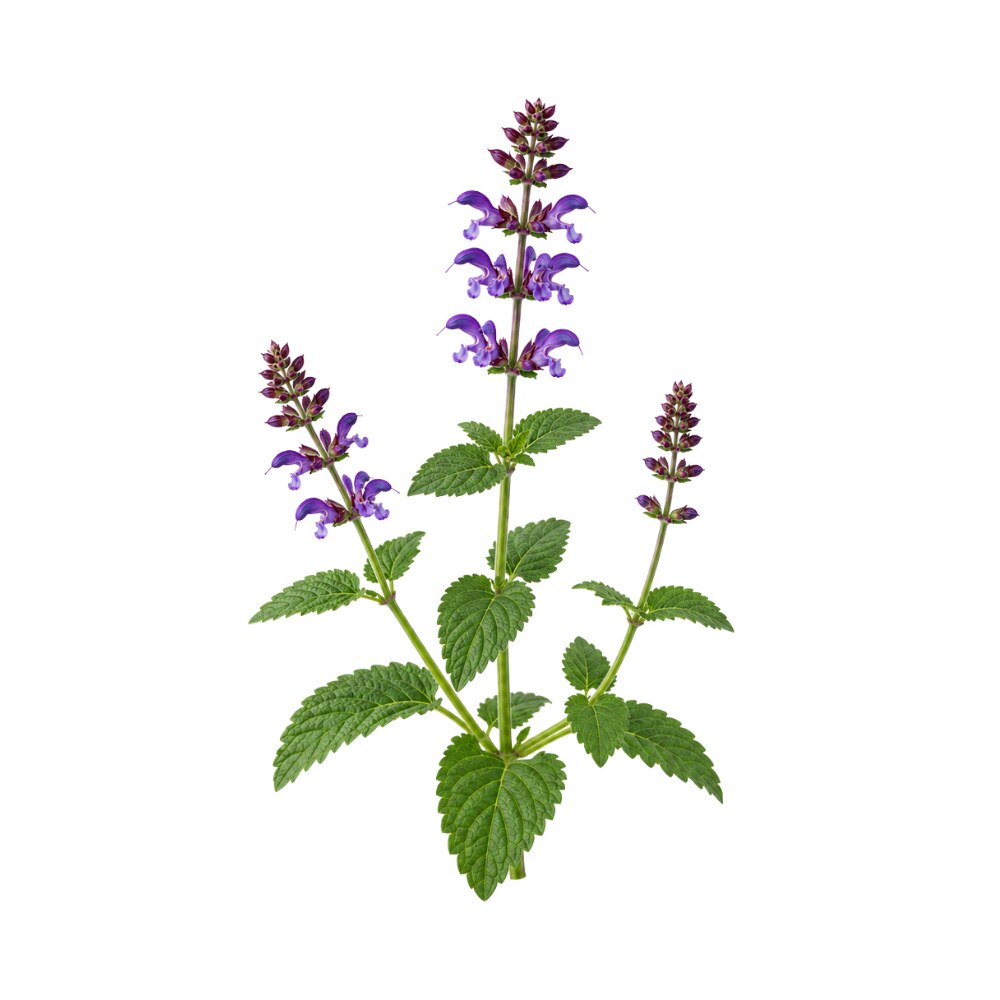
Dan shen (Salvia miltiorrhiza) — a major Chinese cardiovascular herb, its tanshinone-rich root used to support circulation and protect the heart.
What Is Dan Shen?
Dan shen is the dried root of Salvia miltiorrhiza (red sage, Chinese sage), a perennial in the mint family and one of the most important cardiovascular herbs in Traditional Chinese Medicine, where it is classified as cool and bitter and used to “invigorate the blood and dispel stasis.” Unlike most herbs on this site, its reputation is not carried by folk tradition alone: dan shen has attracted an extraordinary volume of clinical study, with more than 230 randomised trials in angina pectoris alone, plus meta-analyses, a Cochrane review and formal GRADE assessments 1,2Reference 1Meta-analysisHow efficacious is danshen (Salvia miltiorrhiza) dripping pill in treating angina pectoris? Evidence assessment for meta-analysis of randomized controlled trials — meta-analysis with GRADE assessmentView study →Reference 2Systematic reviewCompound danshen (Salvia miltiorrhiza) dripping pill for coronary heart disease: an overview of systematic reviews — systematic reviewView study →.
What sets it apart is a two-family chemistry that maps cleanly onto that research. The lipophilic tanshinones — orange-red diterpene quinones such as tanshinone IIA, cryptotanshinone and tanshinone I — carry much of the cardioprotective and antibacterial activity, while the water-soluble salvianolic acids (chiefly salvianolic acid B, the most abundant single constituent) and their precursor rosmarinic acid drive the antioxidant and antiplatelet effects 11Reference 11ReviewPharmacological activity and mechanism of tanshinone IIA in related diseases — reviewView study →. The Chinese Pharmacopoeia treats tanshinone IIA and salvianolic acid B as the two marker compounds for quality 26,27Reference 26ReviewSalvia miltiorrhiza: traditional medicinal uses, chemistry, and pharmacology — reviewView study →Reference 27ReviewTanshinones: sources, pharmacokinetics and anti-cancer activities — reviewView study →.
The honest reading of the evidence is “large but low-certainty.” The strong human signal sits almost entirely on cardiovascular indications, and most of it tests compound formulas (danshen combined with notoginseng and borneol) or injectable extracts rather than the dried root taken as a decoction — hard-endpoint benefits like reduced mortality remain unproven 2Reference 2Systematic reviewCompound danshen (Salvia miltiorrhiza) dripping pill for coronary heart disease: an overview of systematic reviews — systematic reviewView study →. Everything outside the cardiovascular block, from anticancer to antifibrotic activity, is still preclinical. The single most important practical fact about dan shen is a safety one: it strongly potentiates warfarin and other anticoagulant/antiplatelet drugs, one of the best-documented herb–drug interactions in the literature 5,6,7Reference 5Case reportInteraction between warfarin and danshen (Salvia miltiorrhiza) — review of case reportsView study →Reference 6AnimalThe effects of danshen (Salvia miltiorrhiza) on pharmacokinetics and pharmacodynamics of warfarin in rats — animal pharmacokinetic studyView study →Reference 7Systematic reviewSystematic overview of warfarin and its drug and food interactions — systematic reviewView study →.
How Is Dan Shen Used?
The traditional and most common form is the dried root taken as a decoction — simmered rather than steeped as an infusion — at roughly 9–15 g/day, reflecting its use as a substantial “food-like” root medicine rather than a dilute tonic. Practitioners outside China more often reach for a 1:2 liquid extract, dosed around 30–60 mL/week, which is easier to combine into a formula and easier to titrate for someone already on cardiovascular medication.
In practice it’s taken for its cardiovascular effects — usually as one component of a formula rather than alone — with the goal of supporting circulation, easing angina-type chest discomfort, or backing up standard treatment for coronary heart disease. Because of its strong interaction with warfarin and other anticoagulant/antiplatelet drugs, anyone already on blood-thinning medication needs medical supervision before adding it, and it should be stopped well ahead of any planned surgery.
Traditional Uses
Western Herbal Medicine
Dan shen has no deep-rooted history in Western herbalism — it is a Chinese import, and its adoption in Western practice is recent and largely downstream of the modern cardiovascular research rather than an independent folk tradition. Where it appears in contemporary Western herbal formulas, it’s typically for the same circulatory and cardioprotective purposes documented in the Pharmacology & Research section above, borrowed directly from its Chinese use rather than reinterpreted.
Traditional Chinese Medicine
Dan shen (丹参) is one of the best-known herbs in the Chinese materia medica, classified as cool and bitter and said to enter the Heart and Liver channels. Classically it is used to “invigorate the blood and dispel stasis” — the traditional framing for chest pain, angina-type symptoms (“chest bi”) and heart palpitations that modern research on its antiplatelet and cardioprotective activity broadly echoes. It is also traditionally used to cool the blood and calm the Shen (mind/spirit), which maps onto its long-standing use for insomnia and restlessness, and to promote menstruation in cases of blood stasis. Externally, crushed or prepared root has traditionally been applied to sores, boils and carbuncles, consistent with its listed vulnerary and antibacterial actions.
Ayurvedic Medicine
Dan shen has no traditional role in Ayurveda. Salvia miltiorrhiza is native to China and is not part of the classical Ayurvedic materia medica, so there is no historical Ayurvedic use to draw on here.
Indications
Grounded in the evidence reviewed above, dan shen is best regarded as an adjunctive herb for cardiovascular indications, not a monotherapy replacement for standard treatment:
- Angina pectoris and coronary heart disease, as an adjunct alongside conventional therapy 1,2,3Reference 1Meta-analysisHow efficacious is danshen (Salvia miltiorrhiza) dripping pill in treating angina pectoris? Evidence assessment for meta-analysis of randomized controlled trials — meta-analysis with GRADE assessmentView study →Reference 2Systematic reviewCompound danshen (Salvia miltiorrhiza) dripping pill for coronary heart disease: an overview of systematic reviews — systematic reviewView study →Reference 3Meta-analysisDanshen injection as adjuvant treatment for unstable angina pectoris: a systematic review and meta-analysis — meta-analysis of randomised controlled trialsView study →
- Adjunctive support in ischemic stroke recovery, where evidence is more preliminary and largely limited to injectable preparations 8,9,10Reference 8Systematic reviewDan Shen agents for acute ischaemic stroke — Cochrane systematic reviewView study →Reference 9Meta-analysisSafety and effectiveness of Salvia miltiorrhiza and ligustrazine injection for acute cerebral infarction — systematic review and meta-analysis of randomised controlled trialsView study →Reference 10Meta-analysisA systematic review and meta-analysis of randomized controlled trials on the efficacy and safety of tanshinone IIA sodium sulfonate injection in ischemic stroke — meta-analysisView study →
- Adjunctive use in heart failure, on top of standard pharmacotherapy 14Reference 14Meta-analysisClinical effect of danshen decoction in patients with heart failure: a systematic review and meta-analysis — meta-analysis of randomised controlled trialsView study →
- Hypertension, based on a single well-designed but intravenous-only trial — not yet established for the oral root 16Reference 16RCTEffects of Dan Shen (Salvia miltiorrhiza) on blood pressure management in hypertensive patients — randomised double-blind placebo-controlled trialView study →
- Cor pulmonale, as an adjunct to routine treatment 17Reference 17Meta-analysisSalvia miltiorrhiza injection on pulmonary heart disease: a systematic review and meta-analysis — meta-analysis of randomised controlled trialsView study →
- Early-stage diabetic kidney disease, as an add-on to conventional care 18,19Reference 18Meta-analysisEfficacy and safety of Salvia miltiorrhiza (Salvia miltiorrhiza Bunge) and ligustrazine injection in the adjuvant treatment of early-stage diabetic kidney disease — systematic review and meta-analysisView study →Reference 19Meta-analysisEfficacy and potential pharmacological mechanism of Astragalus–Salvia miltiorrhiza combination in diabetic nephropathy — meta-analysis with network pharmacologyView study →
- Chronic liver disease with fibrotic changes, supported mainly by traditional use and animal mechanism data rather than controlled human trials 15Reference 15Salvianolic acid A attenuates CCl4-induced liver fibrosis by regulating the PI3K/AKT/mTOR pathway — animal studyView study →
- Situations requiring monitored antiplatelet/antithrombotic support — though this is better understood as a safety consideration (via the warfarin interaction) than a standalone therapeutic use 5,6,7Reference 5Case reportInteraction between warfarin and danshen (Salvia miltiorrhiza) — review of case reportsView study →Reference 6AnimalThe effects of danshen (Salvia miltiorrhiza) on pharmacokinetics and pharmacodynamics of warfarin in rats — animal pharmacokinetic studyView study →Reference 7Systematic reviewSystematic overview of warfarin and its drug and food interactions — systematic reviewView study →
Botany
Dan shen belongs squarely to the sage clan — genus Salvia, in the mint family (Lamiaceae) — so it shares the family’s signatures: square stems, aromatic glandular foliage and hooded, two-lipped flowers carried in tiered whorls. Above ground it reads as an open, rather leggy sage: a knee-high perennial with divided leaves and spikes of soft lavender-blue to purple blooms in summer. Anyone who grows kitchen sage will recognise the flower form at a glance.
What sets dan shen apart from its culinary cousins is entirely below the soil line. Where common sage is grown for its leaves, dan shen is grown for its root. The plant produces stout, finger-like roots stained a vivid brick-red — the trait behind both its Latin name (miltiorrhiza, “red-ochre root”) and its English name, red sage. This red root, not the foliage, is the medicinal part and the material prized in traditional practice; the colour is the reliable identity check in the field and in dried form.
Distribution
Dan shen is native to temperate East Asia, centred on China, where it grows wild in grassy forest edges, hillsides and along streams at low-to-middle elevations. It has long been cultivated as a field crop across China to supply the root for medicine.
Growing Conditions
- Hardy roughly across USDA zones 6–9; tolerates winter cold to about −10 °C.
- Prefers rich, well-drained soil; dislikes waterlogging despite tolerating ample moisture.
- Happy in part shade to about half a day of sun — a woodland-edge plant rather than a full-baking-sun sage.
- Grown for its roots, so it is typically lifted after one or more seasons rather than kept as a permanent ornamental.
- Full cultivation detail lives on the companion farm-wiki grow guide for Salvia miltiorrhiza (link to be added once that project’s public URL is confirmed).
Pharmacology & Research
Dan shen is one of the most heavily studied herbs in the Chinese materia medica, and its evidence base is lopsided in an instructive way: an enormous volume of human trial data sits on cardiovascular indications, while almost everything else remains preclinical. More than 230 randomised trials of danshen dripping pill and related preparations have been run in angina alone 1,2Reference 1Meta-analysisHow efficacious is danshen (Salvia miltiorrhiza) dripping pill in treating angina pectoris? Evidence assessment for meta-analysis of randomized controlled trials — meta-analysis with GRADE assessmentView study →Reference 2Systematic reviewCompound danshen (Salvia miltiorrhiza) dripping pill for coronary heart disease: an overview of systematic reviews — systematic reviewView study →, and formal meta-analyses, a Cochrane review and GRADE assessments now exist 1,8Reference 1Meta-analysisHow efficacious is danshen (Salvia miltiorrhiza) dripping pill in treating angina pectoris? Evidence assessment for meta-analysis of randomized controlled trials — meta-analysis with GRADE assessmentView study →Reference 8Systematic reviewDan Shen agents for acute ischaemic stroke — Cochrane systematic reviewView study → — a level of clinical scrutiny almost no other single herb has attracted. The signal is genuine but heavily qualified: most trials test compound formulas (danshen combined with notoginseng and borneol) or intravenous injections rather than the dried root taken as a decoction, trial quality is generally low-to-moderate, and the strongest mechanistic story — potent antiplatelet and antioxidant activity from the salvianolic acids and tanshinones — is corroborated indirectly by a well-documented, clinically important potentiation of warfarin 5,6,7Reference 5Case reportInteraction between warfarin and danshen (Salvia miltiorrhiza) — review of case reportsView study →Reference 6AnimalThe effects of danshen (Salvia miltiorrhiza) on pharmacokinetics and pharmacodynamics of warfarin in rats — animal pharmacokinetic studyView study →Reference 7Systematic reviewSystematic overview of warfarin and its drug and food interactions — systematic reviewView study →. Read the cardiovascular scores as “large but low-certainty human evidence, mostly on preparations you can’t buy as loose root,” and everything below the cardiovascular block as promising animal pharmacology awaiting a first human trial.
- Best-supported: adjunctive use in angina and coronary heart disease, where dozens of RCTs and multiple meta-analyses show symptomatic and ECG improvement 1,2,3Reference 1Meta-analysisHow efficacious is danshen (Salvia miltiorrhiza) dripping pill in treating angina pectoris? Evidence assessment for meta-analysis of randomized controlled trials — meta-analysis with GRADE assessmentView study →Reference 2Systematic reviewCompound danshen (Salvia miltiorrhiza) dripping pill for coronary heart disease: an overview of systematic reviews — systematic reviewView study →Reference 3Meta-analysisDanshen injection as adjuvant treatment for unstable angina pectoris: a systematic review and meta-analysis — meta-analysis of randomised controlled trialsView study →; and a real, mechanistically-grounded antiplatelet/antithrombotic activity 5,6Reference 5Case reportInteraction between warfarin and danshen (Salvia miltiorrhiza) — review of case reportsView study →Reference 6AnimalThe effects of danshen (Salvia miltiorrhiza) on pharmacokinetics and pharmacodynamics of warfarin in rats — animal pharmacokinetic studyView study →.
- Emerging, worth watching: cardioprotection against ischemia-reperfusion injury (salvianolic acid B, tanshinone IIA) 12,13Reference 12Meta-analysisProtective effect of salvianolic acid B against myocardial ischemia/reperfusion injury: a preclinical systematic review and meta-analysis of animal studies — animal-model meta-analysisView study →Reference 13Meta-analysisEfficacy of tanshinone IIA in rat models with myocardial ischemia-reperfusion injury: a systematic review and meta-analysis — animal-model meta-analysisView study →, and a first placebo-controlled hypertension RCT 16Reference 16RCTEffects of Dan Shen (Salvia miltiorrhiza) on blood pressure management in hypertensive patients — randomised double-blind placebo-controlled trialView study →.
- Mechanistically thin: anticancer and antibacterial claims rest almost entirely on cell-line and isolated-constituent data 22,23Reference 22Systematic reviewThe anticancer properties of Salvia miltiorrhiza Bunge (danshen): a systematic review — reviewView study →Reference 23In vitroSalvia miltiorrhiza extract dihydrotanshinone induces apoptosis and inhibits proliferation of glioma cells — in vitro studyView study →.
- The caveat: most positive human data come from compound formulas or injections, not the dried root as used in Western practice; trial quality is typically low, and hard-endpoint (mortality/MI) benefits remain unproven 2Reference 2Systematic reviewCompound danshen (Salvia miltiorrhiza) dripping pill for coronary heart disease: an overview of systematic reviews — systematic reviewView study →.
1. Angina & coronary heart disease
This is the herb’s most-tested indication by a wide margin. A GRADE-assessed meta-analysis found more than 230 RCTs comparing danshen dripping pill with isosorbide dinitrate for angina, reporting improvement in both symptomatic and ECG outcomes — though the authors flagged low evidence quality and prior methodological flaws 1Reference 1Meta-analysisHow efficacious is danshen (Salvia miltiorrhiza) dripping pill in treating angina pectoris? Evidence assessment for meta-analysis of randomized controlled trials — meta-analysis with GRADE assessmentView study →. An overview of 13 systematic reviews (34,071 participants) of compound danshen dripping pill for coronary heart disease reached the same shape of conclusion: consistent symptomatic and ECG benefit with few adverse events, but “hard” endpoint benefits (mortality, myocardial infarction) unproven, and few reviews assessing quality of life 2Reference 2Systematic reviewCompound danshen (Salvia miltiorrhiza) dripping pill for coronary heart disease: an overview of systematic reviews — systematic reviewView study →. A meta-analysis of 17 RCTs (1,433 patients) of danshen injection added to conventional Western therapy for unstable angina found a significantly higher angina-relief rate (RR 1.23, 95% CI 1.17–1.29) 3Reference 3Meta-analysisDanshen injection as adjuvant treatment for unstable angina pectoris: a systematic review and meta-analysis — meta-analysis of randomised controlled trialsView study →, and a network meta-analysis compared eight distinct Salvia injection classes for unstable angina 4Reference 4Meta-analysisEfficacy and safety of eight types of Salvia miltiorrhiza injections in the treatment of unstable angina pectoris — network meta-analysisView study →. The dominant caveat: nearly all of this evidence tests borneol-containing compound formulas or injections, not the dried root as a decoction.
Gap: No high-quality, low-bias trial of danshen root monotherapy in the preparation Western herbalists actually use, and no demonstrated effect on mortality or infarction rates.
2. Antiplatelet & antithrombotic
Antiplatelet and antithrombotic activity is the mechanistic core of dan shen’s cardiovascular reputation, and unusually it is corroborated by human pharmacology. The water-soluble salvianolic acid B and salvianolic acid A inhibit platelet aggregation and promote fibrinolysis, while the tanshinones contribute additional antithrombotic effects 11Reference 11ReviewPharmacological activity and mechanism of tanshinone IIA in related diseases — reviewView study →. The clearest human evidence is inadvertent: multiple case reports document that danshen potentiates warfarin, raising INR and causing over-anticoagulation and bleeding 5Reference 5Case reportInteraction between warfarin and danshen (Salvia miltiorrhiza) — review of case reportsView study →, with rat pharmacokinetic/pharmacodynamic work showing danshen increases warfarin absorption and prolongs prothrombin time 6Reference 6AnimalThe effects of danshen (Salvia miltiorrhiza) on pharmacokinetics and pharmacodynamics of warfarin in rats — animal pharmacokinetic studyView study →, and the interaction is catalogued in systematic reviews of warfarin drug–food interactions 7Reference 7Systematic reviewSystematic overview of warfarin and its drug and food interactions — systematic reviewView study →. That an herb can meaningfully shift a titrated anticoagulant’s effect is direct evidence its own antithrombotic activity is pharmacologically real.
Gap: The antithrombotic effect is well-established, but no trial tests danshen as an antiplatelet therapy against a validated comparator — the human evidence is a safety signal, not an efficacy endpoint.
3. Ischemic stroke
Dan shen preparations are widely used in China as adjunctive therapy for acute ischemic stroke, on the rationale that they improve cerebral microcirculation. The Cochrane review of Dan Shen agents for acute ischaemic stroke found the trials too few and too low in quality to support or refute an effect — the honest verdict is insufficient evidence 8Reference 8Systematic reviewDan Shen agents for acute ischaemic stroke — Cochrane systematic reviewView study →. More recent meta-analyses of injectable compound preparations are more upbeat: Salvia miltiorrhiza and ligustrazine injection improved overall response, NIHSS and activity-of-daily-living scores for acute cerebral infarction 9Reference 9Meta-analysisSafety and effectiveness of Salvia miltiorrhiza and ligustrazine injection for acute cerebral infarction — systematic review and meta-analysis of randomised controlled trialsView study →, and a meta-analysis of tanshinone IIA sodium sulfonate injection reported efficacy and biomarker improvements in ischemic stroke 10Reference 10Meta-analysisA systematic review and meta-analysis of randomized controlled trials on the efficacy and safety of tanshinone IIA sodium sulfonate injection in ischemic stroke — meta-analysisView study →. All positive results involve injectable, often compound, preparations added to standard care.
Gap: The Cochrane-level verdict is “insufficient evidence”; newer positive meta-analyses draw on low-quality, China-only trials of injectable products, not oral root.
4. Antioxidant
Antioxidant activity is a foundational mechanism rather than a standalone clinical indication, and it is well characterised in vitro and in animal models. The salvianolic acids — especially salvianolic acid B — are potent free-radical scavengers, and tanshinone IIA and tanshinone I upregulate the Nrf2 antioxidant pathway, reducing oxidative damage in models of myocardial and hepatic injury 11Reference 11ReviewPharmacological activity and mechanism of tanshinone IIA in related diseases — reviewView study →. This activity underpins the herb’s cardioprotective, hepatoprotective and neuroprotective signals rather than standing alone.
Gap: No human trial measures a clinical outcome attributable specifically to dan shen’s antioxidant activity; the evidence is mechanistic.
5. Cardioprotection — ischemia-reperfusion
Beyond symptomatic angina relief, dan shen constituents show consistent protection against myocardial ischemia-reperfusion (I/R) injury in animals. A preclinical systematic review of salvianolic acid B pooled 32 studies (732 animals) and found it significantly reduced myocardial infarct size through multiple pathways 12Reference 12Meta-analysisProtective effect of salvianolic acid B against myocardial ischemia/reperfusion injury: a preclinical systematic review and meta-analysis of animal studies — animal-model meta-analysisView study →. A parallel meta-analysis of 15 rat studies found tanshinone IIA raised superoxide dismutase, lowered malondialdehyde and shrank infarct area in I/R models 13Reference 13Meta-analysisEfficacy of tanshinone IIA in rat models with myocardial ischemia-reperfusion injury: a systematic review and meta-analysis — animal-model meta-analysisView study →. Separately, a systematic review of 35 studies concluded dan shen protects against doxorubicin-induced cardiotoxicity in preclinical models 25Reference 25Systematic reviewSalviae Miltiorrhizae Radix et Rhizoma protects against doxorubicin-induced cardiotoxicity: a systematic review — review of preclinical studiesView study →. The signal is strong and replicated — but these are pooled animal studies, not patient trials.
Gap: Every cardioprotection meta-analysis here pools rodent experiments; the leap to a human I/R or cardiotoxicity-prevention endpoint has not been made.
6. Heart failure
Danshen decoction is used adjunctively for heart failure, and a meta-analysis of RCTs found that adding it to conventional treatment improved clinical efficacy versus conventional treatment alone 14Reference 14Meta-analysisClinical effect of danshen decoction in patients with heart failure: a systematic review and meta-analysis — meta-analysis of randomised controlled trialsView study →. As with the angina data, the trials are small, of low methodological quality, and test the herb on top of standard pharmacotherapy rather than head-to-head, so the increment attributable to dan shen is uncertain.
Gap: Low-certainty evidence on surrogate/efficacy-rate endpoints; no adequately powered trial with hard outcomes (hospitalisation, mortality).
7. Hepatoprotective
Dan shen has a long traditional role in liver disease, and preclinical work gives it a plausible antifibrotic mechanism. Salvianolic acid A attenuated carbon-tetrachloride-induced liver fibrosis in rats by suppressing hepatic stellate-cell activation and downregulating PI3K/AKT/mTOR signalling 15Reference 15Salvianolic acid A attenuates CCl4-induced liver fibrosis by regulating the PI3K/AKT/mTOR pathway — animal studyView study →, consistent with the antioxidant and anti-inflammatory activities of the phenolic-acid fraction. The traditional use is well documented and the mechanism maps cleanly, but controlled human trials of dan shen monotherapy for liver disease are lacking.
Gap: No controlled human trial of dan shen (as monotherapy) for hepatic fibrosis or chronic liver disease; the antifibrotic case rests on rodent and cell-line data.
8. Hypertension
A 2025 randomised, double-blind, placebo-controlled trial (n=320, primary hypertension, 12 weeks) reported that dan shen significantly reduced systolic and diastolic blood pressure from week 4, improved lipid and glucose parameters and quality of life, with mild side effects 16Reference 16RCTEffects of Dan Shen (Salvia miltiorrhiza) on blood pressure management in hypertensive patients — randomised double-blind placebo-controlled trialView study →. This is among the better-designed single trials in the whole dan shen literature — but it used an intravenous danshen preparation, so it does not validate the oral dried root, and it is a single-centre study awaiting replication.
Gap: One well-designed RCT, but intravenous administration and single-centre — no evidence the oral root lowers blood pressure comparably.
9. Cor pulmonale
For cor pulmonale (pulmonary heart disease), a systematic review pooled 35 RCTs (2,715 patients) of Salvia miltiorrhiza and compound Salvia injection and reported benefit as an adjunct to routine treatment 17Reference 17Meta-analysisSalvia miltiorrhiza injection on pulmonary heart disease: a systematic review and meta-analysis — meta-analysis of randomised controlled trialsView study →. The pattern repeats: a sizeable human dataset, but injectable preparations, low trial quality, and adjunctive rather than standalone use.
Gap: Injectable preparations and low study quality; no data on the oral root and no long-term outcome endpoints.
10. Diabetic kidney disease
Salvia-based injections are used adjunctively in early diabetic kidney disease. A meta-analysis found Salvia miltiorrhiza and ligustrazine injection improved renal function markers in early-stage diabetic kidney disease as an add-on to conventional therapy 18Reference 18Meta-analysisEfficacy and safety of Salvia miltiorrhiza (Salvia miltiorrhiza Bunge) and ligustrazine injection in the adjuvant treatment of early-stage diabetic kidney disease — systematic review and meta-analysisView study →, and a separate meta-analysis of 15 studies (1,443 patients) of an Astragalus–Salvia combination reported improved clinical outcomes and renal function in diabetic nephropathy, with a time-dependent glucose effect beyond 12 weeks 19Reference 19Meta-analysisEfficacy and potential pharmacological mechanism of Astragalus–Salvia miltiorrhiza combination in diabetic nephropathy — meta-analysis with network pharmacologyView study →. Both test combination/injectable products in early disease.
Gap: Evidence is confined to combination injections in early-stage disease; no monotherapy data and no progression-to-dialysis endpoints.
11. Pulmonary fibrosis
Tanshinone IIA shows a consistent antifibrotic effect in the lung. A preclinical systematic review pooling 22 experiments (12 studies, 248 animals) found tanshinone IIA significantly lowered fibrotic score, collagen I/III and hydroxyproline versus model controls, acting via reduced inflammation, antioxidation and suppression of TGF-β1 20Reference 20Meta-analysisPulmonary fibrosis: preclinical evidence and mechanisms of the lipophilic constituent tanshinone IIA — animal-model systematic review and meta-analysisView study →. The consistency is notable but the evidence is entirely animal.
Gap: No human data whatsoever; pulmonary fibrosis is a hard indication where many preclinically-promising agents have failed in trials.
12. Neuroprotective
Tanshinone IIA is neuroprotective in animal models of cerebral ischemia. A meta-analysis of 13 rodent studies found it reduced infarct volume and improved neurological outcomes, attributed to antioxidant and anti-inflammatory mechanisms 21Reference 21Meta-analysisThe protective effect of an extract of Salvia miltiorrhiza Bunge (danshen, tanshinone IIA) on cerebral ischemic injury — animal-model systematic review and meta-analysisView study →. This overlaps with the stroke-adjunct data but is distinct in being purely preclinical mechanism rather than clinical trial evidence.
Gap: Rodent-only efficacy; the human stroke trials (indication 3) test compound injections, not isolated tanshinone IIA, so this mechanism is not yet clinically anchored.
13. Anticancer
The lipophilic tanshinones are cytotoxic across many cancer cell lines and some xenograft models. A systematic review of dan shen’s anticancer properties emphasised the tanshinones’ pro-apoptotic and antiproliferative activity and their value as chemical scaffolds 22Reference 22Systematic reviewThe anticancer properties of Salvia miltiorrhiza Bunge (danshen): a systematic review — reviewView study →, and, illustratively, dihydrotanshinone I induced apoptosis and inhibited proliferation in human glioma cells 23Reference 23In vitroSalvia miltiorrhiza extract dihydrotanshinone induces apoptosis and inhibits proliferation of glioma cells — in vitro studyView study →. None of this has reached clinical testing for cancer.
Gap: Entirely in-vitro and animal; no clinical anticancer evidence, and cytotoxicity in a dish routinely fails to translate.
14. Antibacterial
The tanshinones — particularly cryptotanshinone and dihydrotanshinone I — inhibit Gram-positive bacteria in vitro, and the isolated lipophilic fraction also shows anti-inflammatory activity in cell and animal models 24Reference 24In vitroSimultaneous purification of dihydrotanshinone, tanshinone I, cryptotanshinone and tanshinone IIA from Salvia miltiorrhiza and their anti-inflammatory activities — in vitro and animal modelView study →. This supports the herb’s traditional topical/vulnerary use but has not been developed into any in-vivo antibacterial or clinical demonstration.
Gap: In-vitro inhibition only; no in-vivo infection model or clinical data, and no evidence oral dosing achieves antibacterial tissue concentrations.
Mechanisms
| Mechanism | Drives | Key compounds |
|---|---|---|
| Nrf2 antioxidant pathway ↑, TGF-β1 ↓, NF-κB ↓, pro-apoptotic in tumour cells, Gram-positive antibacterial | cardioprotectionantifibrotic (lung/liver)neuroprotectionanticancerantibacterial | tanshinone IIA, cryptotanshinone, tanshinone I, dihydrotanshinone I |
| Free-radical scavenging, platelet-aggregation inhibition, fibrinolysis promotion, hepatic stellate-cell suppression | antiplatelet/antithromboticantioxidanthepatoprotectioncardioprotection | salvianolic acid B, salvianolic acid A, rosmarinic acid |
Clinical trials
Dan shen is one of the rare herbs with a large registered and published human trial base — but almost all of it is in cardiovascular disease and tests compound preparations (danshen dripping pill / compound danshen tablet) or injectable extracts rather than the dried root. Endpoint outcomes (mortality, myocardial infarction) remain largely unproven; most trials report symptomatic and surrogate endpoints.
| Completed | Planned | Terminated | Preclinical |
|---|---|---|---|
| Hundreds(230+ in angina alone) | Multiple(China-based, cardiovascular & metabolic) | Not tracked | Thousands(in vitro + animal) |
Last checked: July 2026.
Phytochemistry
Dan shen’s activity is split between two chemically distinct families. The lipophilic fraction is dominated by the tanshinones — orange-red diterpene quinones such as tanshinone IIA, cryptotanshinone and tanshinone I — which carry much of the herb’s cardioprotective, vasodilatory and antibacterial reputation. The water-soluble fraction is built around polyphenolic phenolic acids, chiefly salvianolic acid B (the most abundant single constituent), salvianolic acid A and their biosynthetic precursor rosmarinic acid, which underpin the antioxidant and antiplatelet effects.
The Chinese Pharmacopoeia treats tanshinone IIA and salvianolic acid B as the two marker compounds for quality: dried root must contain not less than 0.25% combined tanshinone IIA, cryptotanshinone and tanshinone I, and not less than 3.0% salvianolic acid B 26,27Reference 26ReviewSalvia miltiorrhiza: traditional medicinal uses, chemistry, and pharmacology — reviewView study →Reference 27ReviewTanshinones: sources, pharmacokinetics and anti-cancer activities — reviewView study →.
Constituent Summary
Figures are percent of dried root, drawn from Chinese Pharmacopoeia minimums and survey data; actual content varies widely with origin, harvest and processing.
Diterpene4 compounds3 with data
Phenolic Acid3 compounds1 with data
Dosage
There is no single “research dose” for dan shen, because the herbalist’s preparation and the trialled preparation are rarely the same thing. Traditional practice uses the dried root as a decoction — simmered, not steeped — at roughly 9–15 g/day, with Western practitioners more often using a 1:2 liquid extract at around 30–60 mL/week; these are the whole-root amounts shown in the table below. The large clinical literature, by contrast, overwhelmingly tests standardised compound formulas (danshen dripping pill / compound danshen tablet) or intravenous and injectable extracts rather than loose root, so a well-established oral-root dose validated by trials does not really exist. The figures below are the preparations the evidence actually used, not doses of the dried root you can weigh out, and not recommendations.
| Indication | Preparation | Dose | Source |
|---|---|---|---|
| Angina & coronary heart disease | Danshen (dripping pill / compound formula, with notoginseng + borneol) | As trialled — proprietary compound preparations, not loose root | 1,2,3Reference 1Meta-analysisHow efficacious is danshen (Salvia miltiorrhiza) dripping pill in treating angina pectoris? Evidence assessment for meta-analysis of randomized controlled trials — meta-analysis with GRADE assessmentView study →Reference 2Systematic reviewCompound danshen (Salvia miltiorrhiza) dripping pill for coronary heart disease: an overview of systematic reviews — systematic reviewView study →Reference 3Meta-analysisDanshen injection as adjuvant treatment for unstable angina pectoris: a systematic review and meta-analysis — meta-analysis of randomised controlled trialsView study → |
| Unstable angina (adjunctive) | Danshen injection, added to conventional therapy | Injectable — dose per product, not orally applicable | 3,4Reference 3Meta-analysisDanshen injection as adjuvant treatment for unstable angina pectoris: a systematic review and meta-analysis — meta-analysis of randomised controlled trialsView study →Reference 4Meta-analysisEfficacy and safety of eight types of Salvia miltiorrhiza injections in the treatment of unstable angina pectoris — network meta-analysisView study → |
| Ischemic stroke (adjunctive) | Salvia miltiorrhiza + ligustrazine / tanshinone IIA sodium sulfonate injection | Injectable — hospital-administered | 9,10Reference 9Meta-analysisSafety and effectiveness of Salvia miltiorrhiza and ligustrazine injection for acute cerebral infarction — systematic review and meta-analysis of randomised controlled trialsView study →Reference 10Meta-analysisA systematic review and meta-analysis of randomized controlled trials on the efficacy and safety of tanshinone IIA sodium sulfonate injection in ischemic stroke — meta-analysisView study → |
| Hypertension | Intravenous danshen preparation (12-week RCT) | Intravenous — does not translate to oral root | 16Reference 16RCTEffects of Dan Shen (Salvia miltiorrhiza) on blood pressure management in hypertensive patients — randomised double-blind placebo-controlled trialView study → |
| Heart failure (adjunctive) | Danshen decoction, added to standard care | Decoction on top of conventional treatment | 14Reference 14Meta-analysisClinical effect of danshen decoction in patients with heart failure: a systematic review and meta-analysis — meta-analysis of randomised controlled trialsView study → |
| Traditional use (dried root) | Dried root decoction | ~9–15 g/day | 26Reference 26ReviewSalvia miltiorrhiza: traditional medicinal uses, chemistry, and pharmacology — reviewView study → |
These are reported doses from the cited studies and traditional sources, not therapeutic recommendations, and most of the positive human data come from compound or injectable products rather than the dried root. Critically, dan shen strongly potentiates warfarin and other anticoagulant/antiplatelet drugs 5,6,7Reference 5Case reportInteraction between warfarin and danshen (Salvia miltiorrhiza) — review of case reportsView study →Reference 6AnimalThe effects of danshen (Salvia miltiorrhiza) on pharmacokinetics and pharmacodynamics of warfarin in rats — animal pharmacokinetic studyView study →Reference 7Systematic reviewSystematic overview of warfarin and its drug and food interactions — systematic reviewView study →: anyone on blood-thinning medication should not add it without medical supervision, and it should be discontinued well before surgery.
Safety & Pregnancy
Dan shen is well tolerated as the dried root, with few and mild adverse events; its one clinically important risk is a pharmacological one — it strongly potentiates warfarin and other anticoagulant/antiplatelet drugs, raising bleeding risk.
- Bleeding & warfarin. Potentiates warfarin and other anticoagulant/antiplatelet drugs — one of the best-documented herb–drug interactions; avoid the combination.
- Before surgery. Discontinue well ahead of any planned surgery because of its own antiplatelet/fibrinolytic activity.
- Pregnancy & lactation. Traditionally contraindicated — a precaution, not a studied finding.
- Root well tolerated. Low intrinsic toxicity; adverse events few and mild across large cardiovascular datasets.
Full safety & interactions detail
Dan shen’s most important safety issue is a pharmacological interaction, not intrinsic toxicity: it potentiates warfarin and other anticoagulant/antiplatelet drugs, with multiple case reports of raised INR, over-anticoagulation and bleeding 5Reference 5Case reportInteraction between warfarin and danshen (Salvia miltiorrhiza) — review of case reportsView study →, a mechanism confirmed by rat pharmacokinetic/pharmacodynamic studies showing danshen increases warfarin absorption and prolongs prothrombin time 6Reference 6AnimalThe effects of danshen (Salvia miltiorrhiza) on pharmacokinetics and pharmacodynamics of warfarin in rats — animal pharmacokinetic studyView study → and catalogued in systematic reviews of warfarin interactions 7Reference 7Systematic reviewSystematic overview of warfarin and its drug and food interactions — systematic reviewView study →. This combination should be avoided, and dan shen discontinued well before surgery because of its own antiplatelet/fibrinolytic activity 11Reference 11ReviewPharmacological activity and mechanism of tanshinone IIA in related diseases — reviewView study →. By the same mechanism, the caution extends theoretically to all antiplatelet agents and other anticoagulants. The dried root itself is well tolerated in trials, with adverse events few and mild across large cardiovascular datasets 2Reference 2Systematic reviewCompound danshen (Salvia miltiorrhiza) dripping pill for coronary heart disease: an overview of systematic reviews — systematic reviewView study → — though nearly all of that safety data comes from compound preparations and injections rather than the loose root, so the low adverse-event rate does not automatically transfer to every preparation or to high-dose extracts.
Scope: the warfarin/anticoagulant interaction is one of the best-documented herb–drug interactions in the literature (case reports + animal PK/PD + interaction reviews); antiplatelet drugs and other anticoagulants share the theoretical risk by mechanism. Absence of reports is not evidence of safety.
Traditional sources contraindicate dan shen in both pregnancy and lactation, but this is a precautionary position rather than one established by controlled studies. No controlled reproductive- or developmental-toxicology data were identified, so the avoidance rests on tradition and the absence of evidence rather than a demonstrated harm — treat it as an avoid.
References
- Jia, Y., & Leung, S. W. (2017). How efficacious is danshen (Salvia miltiorrhiza) dripping pill in treating angina pectoris? Evidence assessment for meta-analysis of randomized controlled trials — meta-analysis with GRADE assessment. Journal of Alternative and Complementary Medicine. https://pubmed.ncbi.nlm.nih.gov/28650203/
- Luo, J., et al. (2015). Compound danshen (Salvia miltiorrhiza) dripping pill for coronary heart disease: an overview of systematic reviews — systematic review. American Journal of Chinese Medicine. https://pubmed.ncbi.nlm.nih.gov/25582415/
- Wu, J. R., et al. (2017). Danshen injection as adjuvant treatment for unstable angina pectoris: a systematic review and meta-analysis — meta-analysis of randomised controlled trials. Chinese Journal of Integrative Medicine. https://pubmed.ncbi.nlm.nih.gov/27921196/
- Li, M., et al. (2022). Efficacy and safety of eight types of Salvia miltiorrhiza injections in the treatment of unstable angina pectoris — network meta-analysis. Frontiers in Pharmacology. https://pubmed.ncbi.nlm.nih.gov/36263128/
- Chan, T. Y. (2001). Interaction between warfarin and danshen (Salvia miltiorrhiza) — review of case reports. Annals of Pharmacotherapy. https://pubmed.ncbi.nlm.nih.gov/11302416/
- Lo, A. C., et al. (1992). The effects of danshen (Salvia miltiorrhiza) on pharmacokinetics and pharmacodynamics of warfarin in rats — animal pharmacokinetic study. European Journal of Drug Metabolism and Pharmacokinetics. https://pubmed.ncbi.nlm.nih.gov/1301354/
- Holbrook, A. M., et al. (2005). Systematic overview of warfarin and its drug and food interactions — systematic review. Archives of Internal Medicine. https://pubmed.ncbi.nlm.nih.gov/15911722/
- Wu, B., et al. (2007). Dan Shen agents for acute ischaemic stroke — Cochrane systematic review. Cochrane Database of Systematic Reviews. https://pubmed.ncbi.nlm.nih.gov/17443544/
- Ma, Z., et al. (2024). Safety and effectiveness of Salvia miltiorrhiza and ligustrazine injection for acute cerebral infarction — systematic review and meta-analysis of randomised controlled trials. Frontiers in Pharmacology. https://pubmed.ncbi.nlm.nih.gov/39687295/
- Liu, F., et al. (2025). A systematic review and meta-analysis of randomized controlled trials on the efficacy and safety of tanshinone IIA sodium sulfonate injection in ischemic stroke — meta-analysis. Journal of Ethnopharmacology. https://pubmed.ncbi.nlm.nih.gov/40816584/
- Guo, R., et al. (2020). Pharmacological activity and mechanism of tanshinone IIA in related diseases — review. Drug Design, Development and Therapy. https://pubmed.ncbi.nlm.nih.gov/33192051/
- Yang, Y., et al. (2024). Protective effect of salvianolic acid B against myocardial ischemia/reperfusion injury: a preclinical systematic review and meta-analysis of animal studies — animal-model meta-analysis. Frontiers in Pharmacology. https://pubmed.ncbi.nlm.nih.gov/39323645/
- Zhang, X., et al. (2024). Efficacy of tanshinone IIA in rat models with myocardial ischemia-reperfusion injury: a systematic review and meta-analysis — animal-model meta-analysis. PeerJ. https://pubmed.ncbi.nlm.nih.gov/39161965/
- Li, Z., et al. (2023). Clinical effect of danshen decoction in patients with heart failure: a systematic review and meta-analysis — meta-analysis of randomised controlled trials. PLoS One. https://pubmed.ncbi.nlm.nih.gov/37146072/
- Wang, R., et al. (2019). Salvianolic acid A attenuates CCl4-induced liver fibrosis by regulating the PI3K/AKT/mTOR pathway — animal study. Drug Design, Development and Therapy. https://pubmed.ncbi.nlm.nih.gov/31213776/
- Li, P., et al. (2025). Effects of Dan Shen (Salvia miltiorrhiza) on blood pressure management in hypertensive patients — randomised double-blind placebo-controlled trial. Blood Pressure. https://pubmed.ncbi.nlm.nih.gov/40658027/
- Liu, Y., et al. (2014). Salvia miltiorrhiza injection on pulmonary heart disease: a systematic review and meta-analysis — meta-analysis of randomised controlled trials. American Journal of Chinese Medicine. https://pubmed.ncbi.nlm.nih.gov/25395310/
- Xie, F., et al. (2021). Efficacy and safety of Salvia miltiorrhiza (Salvia miltiorrhiza Bunge) and ligustrazine injection in the adjuvant treatment of early-stage diabetic kidney disease — systematic review and meta-analysis. Journal of Ethnopharmacology. https://pubmed.ncbi.nlm.nih.gov/34153447/
- Liang, H., et al. (2025). Efficacy and potential pharmacological mechanism of Astragalus–Salvia miltiorrhiza combination in diabetic nephropathy — meta-analysis with network pharmacology. Renal Failure. https://pubmed.ncbi.nlm.nih.gov/40015687/
- Peng, L. Y., et al. (2024). Pulmonary fibrosis: preclinical evidence and mechanisms of the lipophilic constituent tanshinone IIA — animal-model systematic review and meta-analysis. International Journal of Clinical Pharmacology and Therapeutics. https://pubmed.ncbi.nlm.nih.gov/39120081/
- Xie, X., et al. (2023). The protective effect of an extract of Salvia miltiorrhiza Bunge (danshen, tanshinone IIA) on cerebral ischemic injury — animal-model systematic review and meta-analysis. Journal of Ethnopharmacology. https://pubmed.ncbi.nlm.nih.gov/37400004/
- Chen, X., et al. (2014). The anticancer properties of Salvia miltiorrhiza Bunge (danshen): a systematic review — review. Medicinal Research Reviews. https://pubmed.ncbi.nlm.nih.gov/24123144/
- Cao, Y., et al. (2017). Salvia miltiorrhiza extract dihydrotanshinone induces apoptosis and inhibits proliferation of glioma cells — in vitro study. Bosnian Journal of Basic Medical Sciences. https://pubmed.ncbi.nlm.nih.gov/28485251/
- Gao, H., et al. (2018). Simultaneous purification of dihydrotanshinone, tanshinone I, cryptotanshinone and tanshinone IIA from Salvia miltiorrhiza and their anti-inflammatory activities — in vitro and animal model. Scientific Reports. https://pubmed.ncbi.nlm.nih.gov/29855534/
- Yue, M. Y., et al. (2025). Salviae Miltiorrhizae Radix et Rhizoma protects against doxorubicin-induced cardiotoxicity: a systematic review — review of preclinical studies. Phytomedicine. https://pubmed.ncbi.nlm.nih.gov/41138578/
- Su, C. Y., Ming, Q. L., Rahman, K., Han, T., & Qin, L. P. (2015). Salvia miltiorrhiza: traditional medicinal uses, chemistry, and pharmacology — review. Chinese Journal of Natural Medicines, 13(3), 163–182. https://pubmed.ncbi.nlm.nih.gov/25835361/
- Zhang, Y., Jiang, P., Ye, M., Kim, S. H., Jiang, C., & Lü, J. (2012). Tanshinones: sources, pharmacokinetics and anti-cancer activities — review. International Journal of Molecular Sciences, 13(11), 13621–13666. https://pubmed.ncbi.nlm.nih.gov/23202971/
Original notes (from the old site — sort into the sections above)
Herbal Actions:
- Cardioprotective
- Hypotensive
- Anticoagulant
- Antiplatelet
- Fibrinolytic
- Hepatoprotective
- Vulnerary
- Antibacterial
Botanical Name:
Salvia miltiorrhiza
Family:
Lamiaceae
Part used:
Root
Dosage:
Indications:
- Ischemic heart disease
- Hypertension
- Heart palpitations
- Insomnia
- Buergers disease
- Acute and chronic liver disease
- Pulmonary fibrosis
- As a vulnerary
- Diabetic neuropathy
- Scleroderma
- Acne and other skin disorders
Common Names:
- Dan Shen
- Red sage
- Chinese sage
Traditional Uses:
Botanical Description:
Habitat Ecology, and Distribution:
Harvesting Collection, and Preparation:
Constituents:
- Diterpene dikotones
- Tanishones
Pharmacology and Medical Research:
Toxicity and Contraindications:
- Contraindicated during pregnancy and lactation (IS THIS FROM LACK OF STUDY OR PROVEN?)
Cautions:
- Caution advised if thier is a tendency for bleeding or if the patient is on anticoagulants or an antiplatelet medication.
Traditional Chinese Medicine:
Synergy:
Justin Cooke @JuzzieCooke
- The Sunlight Experiment @TheSunlightExp