
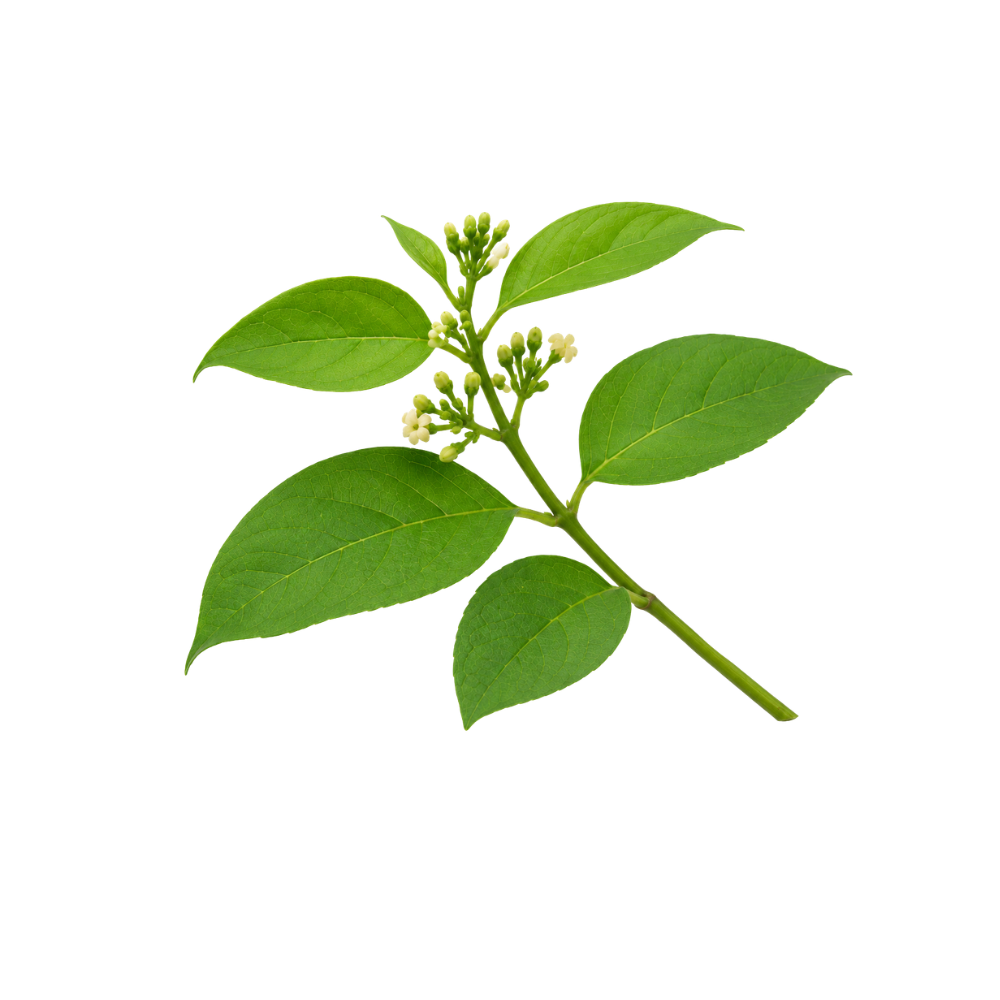
What Is Gymnema?
Gymnema is known as “the sugar destroyer” because of its unique ability to inhibit our ability to taste sweet foods.
This quality is used to combat sugar cravings in diabetics to control blood sugar levels.
It’s been used for thousands of years in India for treating conditions involving “sweet urine.” This is a common symptom of diabetes as sugar diffuses into the urinary tract. Old methods of diagnosis involved tasting the urine to identify a sweet taste.
Gymnema offers a variety of unique benefits towards conditions like diabetes, including effects on the pancreatic beta-cells responsible for releasing insulin into the blood.
Gymnema leaves also inhibit the sweet sensation on the taste buds, making food taste bland and dull, which can be used to reduce the cravings for sweet (high sugar) foods responsible for maintaining the pathophysiology of diabetes and metabolic syndromes.
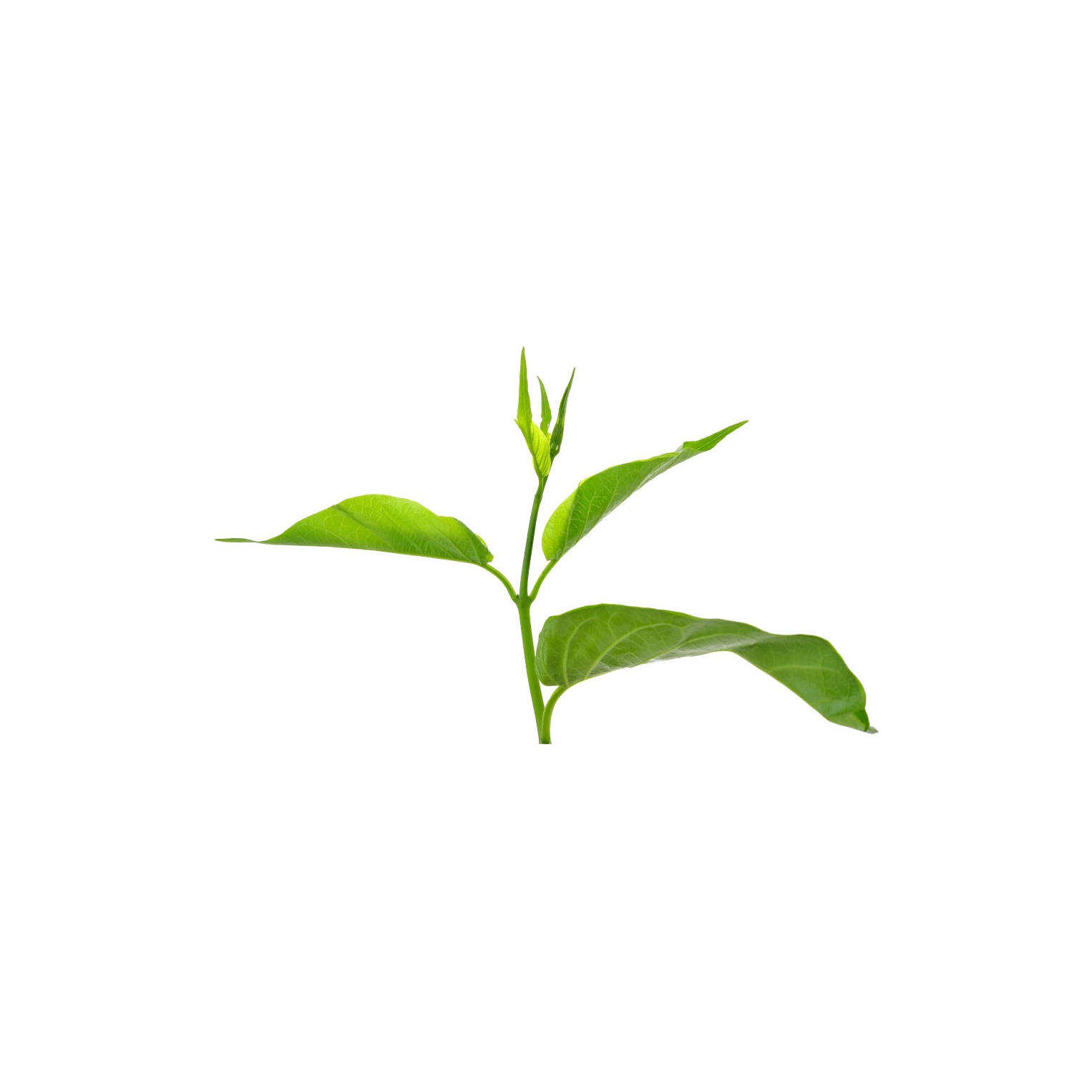
What Is Gymnema Used For?
Gymnema is mainly used to treat metabolic conditions like diabetes, PCOS, and metabolic syndrome. It’s also used traditionally for dental caries and poor digestion.
Botany
Gymnema is a woody climbing vine in the Apocynaceae (the milkweed and dogbane family, formerly separated as the Asclepiadaceae). It twines through dry forest and scrub across tropical India and the wider Old World tropics, with opposite, softly hairy leaves and small, unshowy pale-yellow flowers clustered in the leaf axils. The genus holds around fifty species, several of which are used interchangeably.
The leaf is the medicinal part, and it is the leaf that gives the plant its identity in herbal practice. The Hindi name gurmar means “sugar destroyer” — chewing a fresh or dried leaf transiently abolishes the ability to taste sweetness, leaving sugar tasting like grit for up to an hour or two. That vivid, unmistakable effect is how the plant has long been recognised and named.
Distribution
Gymnema is native to the tropical and subtropical Old World, with its heartland in central and southern India and its range extending into Southeast Asia, southern China, tropical Africa and Australia. Most of the leaf reaching the herbal market is still gathered from wild Indian forests rather than cultivated.
Growing Conditions
- A frost-tender tropical vine — it needs genuinely warm, roughly USDA zone 10–12 conditions and cannot survive a cold winter outdoors.
- Give it full sun to partial shade and a support (trellis, fence or shrub) to climb, as it naturally scrambles over other vegetation.
- Prefers well-drained soil and tolerates the seasonally dry conditions of its native scrub and forest.
- In cooler climates grow it in a large container that can be moved into a greenhouse or indoors over winter.
- Full cultivation detail lives on the companion farm-wiki grow guide for Gymnema sylvestre (link to be added once that project’s public URL is confirmed).
Phytochemistry
Gymnema’s signature constituents are the gymnemic acids — a family of oleanane-type triterpenoid saponins that account for both the antisweet effect on the tongue and much of the blood-sugar activity. Their concentration in the raw leaf is modest and variable, reported at roughly 0.67–1.06% of leaf dry weight, which is why commercial material is concentrated to standardised extracts of 25% or 75% gymnemic acids 19Reference 19ReviewPhytochemical and pharmacological properties of Gymnema sylvestre: an important medicinal plant — reviewView study →. Closely related gymnemasaponins and other triterpenoid saponins add to the same activity. The gymnemic acids share a common triterpenoid sapogenin, gymnemagenin, which is detected alongside them by LC/MS in active leaf extracts 13Reference 13AnimalHypoglycemic activity of Gymnema sylvestre extracts on oxidative stress and antioxidant status in diabetic rats — animal modelView study →.
A second, structurally unrelated antisweet principle is gurmarin, a 35-amino-acid polypeptide that suppresses sweet-taste signalling in some species 19Reference 19ReviewPhytochemical and pharmacological properties of Gymnema sylvestre: an important medicinal plant — reviewView study →. The leaf also contains the quaternary amine betaine.
Constituent Summary
Figures are percent of leaf dry weight; gymnemic acid content varies with cultivation site and harvest, and extracts are typically standardised well above raw-leaf levels.
Saponin3 compounds1 with data
Sapogenin1 compoundno data
Protein/Peptide1 compoundno data
Amino Acid1 compoundno data
Clinical Applications
Gymnema is mainly used for metabolic conditions including hyperglycemia, hyperinsulinemia, metabolic syndrome, PCOS, hypertriglyceridemia, and both type 1 and type 2 diabetes.
One of the more unique effects of gymnema is its ability to inhibit sweet flavor. By simply chewing on the leaves, our ability to perceive sweet flavors gradually fades away — helping to prevent excessive sugar intake in habituated individuals.
Pharmacology & Research
Gymnema (Gymnema sylvestre) has one of the larger clinical footprints among Ayurvedic antidiabetic herbs, but the quality of that literature lags its quantity. Two systematic reviews with meta-analysis now pool human trials for glycemic and cardiometabolic endpoints, both finding statistically significant reductions in fasting blood glucose and lipids while explicitly flagging small samples, heterogeneity, and low study quality 1,2Reference 1Meta-analysisThe effect of Gymnema sylvestre supplementation on glycemic control in type 2 diabetes patients: A systematic review and meta-analysisView study →Reference 2Meta-analysisThe effects of Gymnema sylvestre supplementation on lipid profile, glycemic control, blood pressure, and anthropometric indices in adults: A systematic review and meta-analysisView study →. The signature pharmacology — reversible suppression of sweet taste on the tongue by the gymnemic acids and the peptide gurmarin — is well characterised biochemically, though whether that translates into reduced food intake is genuinely contested 10,11,12Reference 10Systematic reviewSuppression of sweet taste-related responses by plant-derived bioactive compounds and eatingView study →Reference 11The crystal structure of gurmarin, a sweet taste-suppressing protein: identification of the amino acid residues essential for inhibitionView study →Reference 12Novel gurmarin-like peptides from Gymnema sylvestre and their interactions with the sweet taste receptor T1R2/T1R3 — in silicoView study →. The strongest mechanistic story is at the pancreatic β-cell, where a proprietary extract raised circulating insulin and C-peptide in a small T2DM cohort and stimulated insulin release from isolated human islets 6Reference 6Clinical trialA novel Gymnema sylvestre extract stimulates insulin secretion from human islets in vivo and in vitro — clinical trialView study →. Most other activities (antioxidant, anti-inflammatory, anticancer, antimicrobial) rest on animal and cell-line work, and nearly all clinical data use standardised leaf extracts (often 25% or 75% gymnemic acids), not the raw leaf or the 1:2 liquid extract the monograph lists as its typical form.
- Best-supported: modest lowering of fasting blood glucose and HbA1c in type 2 diabetes, pooled across RCTs in two meta-analyses 1,2Reference 1Meta-analysisThe effect of Gymnema sylvestre supplementation on glycemic control in type 2 diabetes patients: A systematic review and meta-analysisView study →Reference 2Meta-analysisThe effects of Gymnema sylvestre supplementation on lipid profile, glycemic control, blood pressure, and anthropometric indices in adults: A systematic review and meta-analysisView study →; improvement in triglycerides, total and LDL cholesterol 2Reference 2Meta-analysisThe effects of Gymnema sylvestre supplementation on lipid profile, glycemic control, blood pressure, and anthropometric indices in adults: A systematic review and meta-analysisView study →.
- Emerging, worth watching: direct stimulation of insulin secretion from human β-cells 6Reference 6Clinical trialA novel Gymnema sylvestre extract stimulates insulin secretion from human islets in vivo and in vitro — clinical trialView study →, and reversible sweet-taste suppression as an appetite lever 10,12Reference 10Systematic reviewSuppression of sweet taste-related responses by plant-derived bioactive compounds and eatingView study →Reference 12Novel gurmarin-like peptides from Gymnema sylvestre and their interactions with the sweet taste receptor T1R2/T1R3 — in silicoView study →.
- Mechanistically thin: antioxidant, anti-inflammatory, anticancer and antimicrobial effects — all preclinical, mostly single studies or green-synthesised nanoparticle constructs 13,14,16,17Reference 13AnimalHypoglycemic activity of Gymnema sylvestre extracts on oxidative stress and antioxidant status in diabetic rats — animal modelView study →Reference 14AnimalAnti-inflammatory and antioxidant activities of Gymnema sylvestre extract rescue acute respiratory distress syndrome in rats via modulating the NF-κB/MAPK pathway — animal modelView study →Reference 16In vitroAntihyperglycemic drug Gymnema sylvestre also shows anticancer potentials in human melanoma A375 cells via reactive oxygen species generation and mitochondria-dependent caspase pathway — in vitroView study →Reference 17In vitroAntimicrobial action of four herbal plants over mixed-species biofilms of Candida albicans with four different microorganisms — in vitroView study →.
- The caveat: trials are small, heterogeneous and often rated low-quality; most use standardised extracts, so results do not transfer cleanly to teas or whole-leaf powder, and there is no consensus standardised dose.
1. Blood glucose control
This is Gymnema’s best-evidenced use. A 2021 systematic review and meta-analysis of 10 studies (419 participants) found that supplementation significantly reduced fasting blood glucose in type 2 diabetes, and a 2023 meta-analysis of six RCTs likewise reported significant falls in fasting blood sugar 1,2Reference 1Meta-analysisThe effect of Gymnema sylvestre supplementation on glycemic control in type 2 diabetes patients: A systematic review and meta-analysisView study →Reference 2Meta-analysisThe effects of Gymnema sylvestre supplementation on lipid profile, glycemic control, blood pressure, and anthropometric indices in adults: A systematic review and meta-analysisView study →. The foundational human work is the GS4 water-soluble leaf extract programme: 400 mg/day cut blood glucose, HbA1c and glycosylated plasma proteins in type 2 diabetics on oral agents over 18–20 months, allowing five of 22 to discontinue conventional drugs, with parallel findings in insulin-dependent patients 3,4Reference 3Clinical trialAntidiabetic effect of a leaf extract from Gymnema sylvestre in non-insulin-dependent diabetes mellitus patients — clinical trialView study →Reference 4Clinical trialUse of Gymnema sylvestre leaf extract in the control of blood glucose in insulin-dependent diabetes mellitus — clinical trialView study →. Later open-label and controlled work (500 mg/day, 3 months) reproduced reductions in fasting and post-prandial glucose and HbA1c 7Reference 7Clinical trialAn open label study on the supplementation of Gymnema sylvestre in type 2 diabetics — controlled clinical trialView study →. Effects are consistent in direction but the trials are small, largely open-label or low-quality, and use standardised extracts rather than raw leaf.
Gap: No large, long-duration, double-blind RCT with HbA1c as a primary endpoint; both meta-analyses rate the underlying trials as low-quality and heterogeneous.
2. Hypolipidemic
A 2023 meta-analysis of RCTs found significant reductions in triglycerides, total cholesterol and LDL cholesterol (and diastolic blood pressure) with Gymnema supplementation 2Reference 2Meta-analysisThe effects of Gymnema sylvestre supplementation on lipid profile, glycemic control, blood pressure, and anthropometric indices in adults: A systematic review and meta-analysisView study →. A randomised trial combining Gymnema with inositols, α-lactalbumin and zinc in type 2 diabetes improved the lipid profile — notably total cholesterol — although the multi-ingredient design makes the Gymnema-specific contribution hard to isolate 20Reference 20RCTCombined inositols, α-lactalbumin, Gymnema sylvestre and zinc improve the lipid metabolic profile of patients with type 2 diabetes mellitus: a randomised clinical trialView study →. Preclinical reviews attribute the effect to gymnemic acid–driven inhibition of intestinal fat and glucose absorption and reduced triglyceride accumulation in liver and muscle, mediated by the leaf’s oleanane-type triterpenoid saponins 8,22Reference 8Systematic reviewA systematic review of Gymnema sylvestre in obesity and diabetes managementView study →Reference 22ReviewTriterpenoids from Gymnema sylvestre and their pharmacological activities — reviewView study →. Signals are consistent but the human data are thin and often embedded in combination products.
Gap: Few single-agent human lipid trials; the strongest RCT evidence comes from polyherbal formulations, so causal attribution to Gymnema alone is limited.
3. Sweet-taste suppression
Chewing the leaf or holding a gymnemic-acid solution in the mouth temporarily abolishes the perception of sweetness — the property behind the Hindi name gurmar, “sugar destroyer.” A 2023 systematic review of human studies confirmed that oral gymnemic acids reliably and reversibly suppress sweet taste, but found the evidence that this reduces actual food intake to be contradictory 10Reference 10Systematic reviewSuppression of sweet taste-related responses by plant-derived bioactive compounds and eatingView study →. The second antisweet principle, the 35-amino-acid peptide gurmarin, has a well-resolved crystal structure and defined receptor-binding residues, yet suppresses sweetness in rodents while being inactive or only weakly active in humans; newer gurmarin-like peptides (Gur-2) may bind the human T1R2/T1R3 receptor, but this is a predicted, not demonstrated, effect 11,12Reference 11The crystal structure of gurmarin, a sweet taste-suppressing protein: identification of the amino acid residues essential for inhibitionView study →Reference 12Novel gurmarin-like peptides from Gymnema sylvestre and their interactions with the sweet taste receptor T1R2/T1R3 — in silicoView study →. So the acute human effect is genuine and rests on the gymnemic acids, not gurmarin.
Gap: No consistent evidence that sweet-taste suppression translates into sustained lower sugar intake or weight change; gurmarin’s human relevance remains unproven.
4. Anti-obesity & appetite
A randomised, double-blind, placebo-controlled trial in metabolic-syndrome patients (600 mg/day, 12 weeks) produced significant reductions in body weight and BMI alongside metabolic improvements 5Reference 5RCTEffect of Gymnema sylvestre administration on metabolic syndrome, insulin sensitivity, and insulin secretion — randomised, double-blind, placebo-controlled trialView study →. A three-month comparative RCT in obese adults found Gymnema had a favourable effect on fasting glucose and insulin-resistance–related adipokines, though berberine outperformed it on body composition and blood pressure 21Reference 21RCTComparative effects of Gymnema sylvestre and berberine on adipokines, body composition, and metabolic parameters in obesity — randomised controlled trialView study →. Systematic reviews of appetite-suppressing plant extracts include Gymnema on the strength of gymnemic acid’s anti-obesity and glucose-absorption–inhibiting actions 8Reference 8Systematic reviewA systematic review of Gymnema sylvestre in obesity and diabetes managementView study →. The weight effects are real but modest, from small and short studies.
Gap: Trials are small (n≈24–50) and brief; no long-term weight-maintenance data, and the appetite mechanism (taste vs. absorption) is not disentangled.
5. Insulin secretion & β-cell effects
The most interesting mechanistic thread. A novel high-molecular-weight extract (OSA) at 1 g/day for 60 days raised circulating insulin and C-peptide with lower fasting and post-prandial glucose in a small T2DM cohort, and directly stimulated insulin release from isolated human islets of Langerhans 6Reference 6Clinical trialA novel Gymnema sylvestre extract stimulates insulin secretion from human islets in vivo and in vitro — clinical trialView study →. The classic GS4 trials proposed regeneration or revitalisation of residual β-cells to explain rising endogenous insulin 3,4Reference 3Clinical trialAntidiabetic effect of a leaf extract from Gymnema sylvestre in non-insulin-dependent diabetes mellitus patients — clinical trialView study →Reference 4Clinical trialUse of Gymnema sylvestre leaf extract in the control of blood glucose in insulin-dependent diabetes mellitus — clinical trialView study →. Rodent work confirms extracts stimulate insulin release from β-cell lines and islets — but partly by increasing membrane permeability rather than physiological exocytosis, which raises a cytotoxicity question at higher concentrations 9Reference 9In vitroGymnema sylvestre stimulates insulin release in vitro by increased membrane permeability — in vitro/rat studyView study →. Promising and partly human, but mechanistically unsettled.
Gap: The permeability-based secretion mechanism 9Reference 9In vitroGymnema sylvestre stimulates insulin release in vitro by increased membrane permeability — in vitro/rat studyView study → suggests part of the effect could be membrane damage; β-cell “regeneration” in humans is inferred from insulin/C-peptide rises, not directly demonstrated.
6. Antioxidant
An ethanol leaf extract showed strong radical-scavenging activity in vitro (SOD-like, ABTS, TBA assays) and, in streptozotocin-diabetic rats, normalised blood glucose while cutting lipid peroxidation in serum, liver and kidney and restoring glutathione peroxidase activity 13Reference 13AnimalHypoglycemic activity of Gymnema sylvestre extracts on oxidative stress and antioxidant status in diabetic rats — animal modelView study →. The activity tracks with gymnemagenin and the gymnemic acids identified by LC/MS 13Reference 13AnimalHypoglycemic activity of Gymnema sylvestre extracts on oxidative stress and antioxidant status in diabetic rats — animal modelView study →. Antioxidant effects are consistently reported but entangled with the glucose-lowering effect and confined to animal and in vitro models.
Gap: No human antioxidant-biomarker data; effects are inseparable from glycemic improvement in the diabetic-rat models used.
7. Anti-inflammatory
A hydroalcoholic leaf extract reduced lipopolysaccharide-induced lung injury in a rat model of acute respiratory distress syndrome, suppressing inflammatory cytokines and reactive oxygen species by modulating the NF-κB/MAPK and NRF2 pathways 14Reference 14AnimalAnti-inflammatory and antioxidant activities of Gymnema sylvestre extract rescue acute respiratory distress syndrome in rats via modulating the NF-κB/MAPK pathway — animal modelView study →. Isolated gymnemic acid also showed anti-stress, anti-allergic and anti-ulcer activity in mice, inhibiting milk-induced eosinophilia and aspirin-induced gastric ulcers 15Reference 15AnimalIn vivo anti-ulcer, anti-stress, anti-allergic, and functional properties of gymnemic acid isolated from Gymnema sylvestre RView study →. The mechanism is plausibly mapped but entirely preclinical.
Gap: No human anti-inflammatory data; findings come from single animal models at doses not benchmarked to human use.
8. Antimicrobial
A glycolic extract of Gymnema stem and leaf eliminated or strongly reduced mixed-species biofilms of Candida albicans with Streptococcus mutans, Staphylococcus aureus, Enterococcus faecalis or Pseudomonas aeruginosa in vitro, supporting a possible role as an endodontic irrigant 17Reference 17In vitroAntimicrobial action of four herbal plants over mixed-species biofilms of Candida albicans with four different microorganisms — in vitroView study →. Green-synthesised zinc-oxide nanoparticles made with Gymnema extract inhibited gram-positive and gram-negative bacteria and biofilms 17Reference 17In vitroAntimicrobial action of four herbal plants over mixed-species biofilms of Candida albicans with four different microorganisms — in vitroView study →. These are laboratory findings, several using nanoparticle constructs rather than the herb as consumed.
Gap: No clinical or in vivo antimicrobial/dental data; several “Gymnema” results actually test nanoparticles synthesised with the extract, not the extract itself.
9. Anticancer
An ethanolic leaf extract killed human A375 melanoma cells in a dose-dependent way via reactive-oxygen-species generation and a mitochondria-dependent caspase pathway, with less effect on normal liver cells 16Reference 16In vitroAntihyperglycemic drug Gymnema sylvestre also shows anticancer potentials in human melanoma A375 cells via reactive oxygen species generation and mitochondria-dependent caspase pathway — in vitroView study →. Other reports describe cytotoxicity toward breast-cancer lines using Gymnema-synthesised zinc-oxide or gold nanoparticles rather than the plant extract 16,17Reference 16In vitroAntihyperglycemic drug Gymnema sylvestre also shows anticancer potentials in human melanoma A375 cells via reactive oxygen species generation and mitochondria-dependent caspase pathway — in vitroView study →Reference 17In vitroAntimicrobial action of four herbal plants over mixed-species biofilms of Candida albicans with four different microorganisms — in vitroView study →. This is early cell-line work only.
Gap: In vitro single-cell-line evidence with no animal or human data; nanoparticle studies do not test the herb as used.
Mechanisms
| Mechanism | Drives | Key compounds |
|---|---|---|
| Blockade of intestinal glucose & lipid absorption | blood glucose controlhypolipidemicanti-obesity | gymnemic acids, gymnemasaponins |
| Reversible sweet-taste receptor (T1R2/T1R3) suppression | sweet-taste suppressionappetite | gymnemic acids, gurmarin |
| Stimulation of insulin secretion / possible β-cell restoration | insulin secretion & β-cell effectsblood glucose control | gymnemic acids |
| NF-κB ↓, MAPK ↓, NRF2 ↑ (redox & cytokine modulation) | anti-inflammatoryantioxidant | gymnemagenin, gymnemic acids |
| ROS generation → mitochondrial caspase apoptosis | anticancer | gymnemic acids |
Clinical trials
Registered human trials exist and several are complete, but the majority test Gymnema inside multi-ingredient formulations rather than as a single agent, and one commercial-supplement programme (CuraLin, NCT05267925) was terminated.
| Completed | Planned | Terminated | Preclinical |
|---|---|---|---|
| 9 | 5 | 1 | ~100+ |
Last checked: July 2026.
Dosage
In research, Gymnema is almost always given as a standardised or proprietary leaf extract dosed in milligrams — not as raw leaf or the traditional liquid extract — so trial doses do not map cleanly onto whole-herb preparations.
| Indication | Preparation | Dose | Est. dried-herb equivalent | Source |
|---|---|---|---|---|
| Blood glucose control (T2DM) | GS4 water-soluble leaf extract | 400 mg/day | — (proprietary extract; no marker % stated) | 3Reference 3Clinical trialAntidiabetic effect of a leaf extract from Gymnema sylvestre in non-insulin-dependent diabetes mellitus patients — clinical trialView study → |
| Blood glucose control (IDDM) | GS4 water-soluble leaf extract | 400 mg/day | — | 4Reference 4Clinical trialUse of Gymnema sylvestre leaf extract in the control of blood glucose in insulin-dependent diabetes mellitus — clinical trialView study → |
| Blood glucose control (T2DM) | Standardised leaf extract | 500 mg/day | — | 7Reference 7Clinical trialAn open label study on the supplementation of Gymnema sylvestre in type 2 diabetics — controlled clinical trialView study → |
| Metabolic syndrome / weight | Standardised leaf extract | 600 mg/day (300 mg twice daily), 12 wk | — | 5Reference 5RCTEffect of Gymnema sylvestre administration on metabolic syndrome, insulin sensitivity, and insulin secretion — randomised, double-blind, placebo-controlled trialView study → |
| Insulin secretion (T2DM) | OSA high-MW extract | 1 g/day, 60 days | — | 6Reference 6Clinical trialA novel Gymnema sylvestre extract stimulates insulin secretion from human islets in vivo and in vitro — clinical trialView study → |
Dried-herb equivalents are left blank because trials report proprietary or standardised extract weights without a consistent gymnemic-acid percentage or extract-to-herb ratio, so inventing a conversion would mislead. As an order-of-magnitude note only, a 25%-gymnemic-acid extract at 400–1000 mg would supply roughly 100–250 mg gymnemic acids — a guide, not a recommendation.
Traditional Dosage
Traditional practice uses the whole leaf, its powder, or a liquid extract rather than a standardised concentrate.
| System | Preparation | Dose |
|---|---|---|
| Western herbal | 1:2 liquid extract | 25–75 mL/week |
| Western herbal | Dried leaf | ~2–4 g/day |
| Ayurveda | Powdered leaf (churna) | ~2–4 g/day |
Safety & Pregnancy
Gymnema is generally well tolerated short-term; its main concern is additive hypoglycemia when combined with insulin or other diabetes drugs, so blood sugar needs monitoring. A rare fatal liver-injury case has been reported, so idiosyncratic hepatotoxicity cannot be fully excluded.
- Additive hypoglycemia. with insulin or other glucose-lowering drugs it can drop blood sugar too far — monitor and supervise
- Rare liver injury. a fatal hepatitis-associated aplastic anaemia case has been reported; idiosyncratic hepatotoxicity cannot be excluded
- CYP3A4 signal. some Gymnema “slimming” products may induce CYP3A4 — use cautiously alongside CYP3A4 substrates
- GI upset. high-saponin leaf can cause stomach upset at higher doses
- Well tolerated. in short-term trials at usual doses
Full safety & interactions detail
Gymnema is generally well tolerated in short-term trials, with high-saponin leaf material occasionally causing gastrointestinal upset at higher doses. Its most important interaction is additive: because Gymnema lowers blood glucose and may stimulate insulin secretion, combining it with insulin or other hypoglycemic drugs can cause hypoglycemia, so blood-sugar monitoring and clinical supervision are advised 3,6Reference 3Clinical trialAntidiabetic effect of a leaf extract from Gymnema sylvestre in non-insulin-dependent diabetes mellitus patients — clinical trialView study →Reference 6Clinical trialA novel Gymnema sylvestre extract stimulates insulin secretion from human islets in vivo and in vitro — clinical trialView study →. Although rare, a fatal case of hepatitis-associated aplastic anaemia has been reported following combined use of Gymnema and homeopathic remedies, and mechanistic work suggests some Gymnema-containing “slimming” products can induce CYP3A4 — so idiosyncratic liver injury cannot be excluded, and the herb should be used cautiously alongside CYP3A4 substrates 18Reference 18Case reportToxic hepatitis-associated aplastic anaemia after dual homeopathic remedies and Gymnema sylvestre use — case reportView study →.
No dedicated pharmacokinetic interaction trials have been located, so interactions beyond the additive-hypoglycemia and the possible CYP3A4 signals are not established rather than ruled out.
No controlled human studies have assessed the safety of Gymnema in pregnancy or lactation, and pharmacopoeial monographs do not establish it as safe. Given its blood-glucose–lowering activity and lack of reproductive-safety data, avoid use during pregnancy and breastfeeding unless directed by a qualified practitioner. Absence of reported harm should not be read as evidence of safety.
References
- Devangan, S., Varghese, B., Johny, E., Gurram, S., & Adela, R. (2021). The effect of Gymnema sylvestre supplementation on glycemic control in type 2 diabetes patients: A systematic review and meta-analysis. Phytotherapy Research. https://pubmed.ncbi.nlm.nih.gov/34467577/
- Zamani, M., et al. (2023). The effects of Gymnema sylvestre supplementation on lipid profile, glycemic control, blood pressure, and anthropometric indices in adults: A systematic review and meta-analysis. Phytotherapy Research. https://pubmed.ncbi.nlm.nih.gov/36580574/
- Baskaran, K., Kizar Ahamath, B., Radha Shanmugasundaram, K., & Shanmugasundaram, E. R. B. (1990). Antidiabetic effect of a leaf extract from Gymnema sylvestre in non-insulin-dependent diabetes mellitus patients — clinical trial. Journal of Ethnopharmacology. https://pubmed.ncbi.nlm.nih.gov/2259217/
- Shanmugasundaram, E. R. B., et al. (1990). Use of Gymnema sylvestre leaf extract in the control of blood glucose in insulin-dependent diabetes mellitus — clinical trial. Journal of Ethnopharmacology. https://pubmed.ncbi.nlm.nih.gov/2259216/
- Zuñiga, L. Y., et al. (2017). Effect of Gymnema sylvestre administration on metabolic syndrome, insulin sensitivity, and insulin secretion — randomised, double-blind, placebo-controlled trial. Journal of Medicinal Food. https://pubmed.ncbi.nlm.nih.gov/28459647/
- Al-Romaiyan, A., et al. (2010). A novel Gymnema sylvestre extract stimulates insulin secretion from human islets in vivo and in vitro — clinical trial. Phytotherapy Research. https://pubmed.ncbi.nlm.nih.gov/20812281/
- Kumar, S. N., Mani, U. V., & Mani, I. (2010). An open label study on the supplementation of Gymnema sylvestre in type 2 diabetics — controlled clinical trial. Journal of Dietary Supplements. https://pubmed.ncbi.nlm.nih.gov/22432517/
- Pothuraju, R., Sharma, R. K., Chagalamarri, J., Jangra, S., & Kumar Kavadi, P. (2014). A systematic review of Gymnema sylvestre in obesity and diabetes management. Journal of the Science of Food and Agriculture. https://pubmed.ncbi.nlm.nih.gov/24166097/
- Persaud, S. J., Al-Majed, H., Raman, A., & Jones, P. M. (1999). Gymnema sylvestre stimulates insulin release in vitro by increased membrane permeability — in vitro/rat study. Journal of Endocrinology. https://pubmed.ncbi.nlm.nih.gov/10556769/
- Rayo-Morales, R., et al. (2023). Suppression of sweet taste-related responses by plant-derived bioactive compounds and eating. Part I: A systematic review in humans. Heliyon. https://pubmed.ncbi.nlm.nih.gov/37817998/
- Sigoillot, M., et al. (2018). The crystal structure of gurmarin, a sweet taste-suppressing protein: identification of the amino acid residues essential for inhibition. Chemical Senses. https://pubmed.ncbi.nlm.nih.gov/30137256/
- Maaroufi, H., et al. (2024). Novel gurmarin-like peptides from Gymnema sylvestre and their interactions with the sweet taste receptor T1R2/T1R3 — in silico. Chemical Senses. https://pubmed.ncbi.nlm.nih.gov/38695158/
- Kang, M. H., Lee, M. S., Choi, M. K., Min, K. S., & Shibamoto, T. (2012). Hypoglycemic activity of Gymnema sylvestre extracts on oxidative stress and antioxidant status in diabetic rats — animal model. Journal of Agricultural and Food Chemistry. https://pubmed.ncbi.nlm.nih.gov/22360666/
- Jangam, A., et al. (2023). Anti-inflammatory and antioxidant activities of Gymnema sylvestre extract rescue acute respiratory distress syndrome in rats via modulating the NF-κB/MAPK pathway — animal model. Inflammopharmacology. https://pubmed.ncbi.nlm.nih.gov/36662401/
- Arun, L. B., et al. (2014). In vivo anti-ulcer, anti-stress, anti-allergic, and functional properties of gymnemic acid isolated from Gymnema sylvestre R. Br. — animal model. BMC Complementary and Alternative Medicine. https://pubmed.ncbi.nlm.nih.gov/24559073/
- Chakraborty, D., Ghosh, S., Bishayee, K., Mukherjee, A., Sikdar, S., & Khuda-Bukhsh, A. R. (2013). Antihyperglycemic drug Gymnema sylvestre also shows anticancer potentials in human melanoma A375 cells via reactive oxygen species generation and mitochondria-dependent caspase pathway — in vitro. Integrative Cancer Therapies. https://pubmed.ncbi.nlm.nih.gov/23615751/
- Domingues, N., et al. (2023). Antimicrobial action of four herbal plants over mixed-species biofilms of Candida albicans with four different microorganisms — in vitro. Australian Endodontic Journal. https://pubmed.ncbi.nlm.nih.gov/36057926/
- Philips, C. A., et al. (2022). Toxic hepatitis-associated aplastic anaemia after dual homeopathic remedies and Gymnema sylvestre use — case report. BMJ Case Reports. https://pubmed.ncbi.nlm.nih.gov/35318201/
- Tiwari, P., Mishra, B. N., & Sangwan, N. S. (2014). Phytochemical and pharmacological properties of Gymnema sylvestre: an important medicinal plant — review. BioMed Research International. https://pubmed.ncbi.nlm.nih.gov/24511547/
- Nani, A., et al. (2023). Combined inositols, α-lactalbumin, Gymnema sylvestre and zinc improve the lipid metabolic profile of patients with type 2 diabetes mellitus: a randomised clinical trial. Journal of Clinical Medicine. https://pubmed.ncbi.nlm.nih.gov/38137721/
- Bandala, C., et al. (2024). Comparative effects of Gymnema sylvestre and berberine on adipokines, body composition, and metabolic parameters in obesity — randomised controlled trial. Nutrients. https://pubmed.ncbi.nlm.nih.gov/39064727/
- Di Fabio, G., et al. (2014). Triterpenoids from Gymnema sylvestre and their pharmacological activities — review. Molecules. https://pubmed.ncbi.nlm.nih.gov/25072200/