
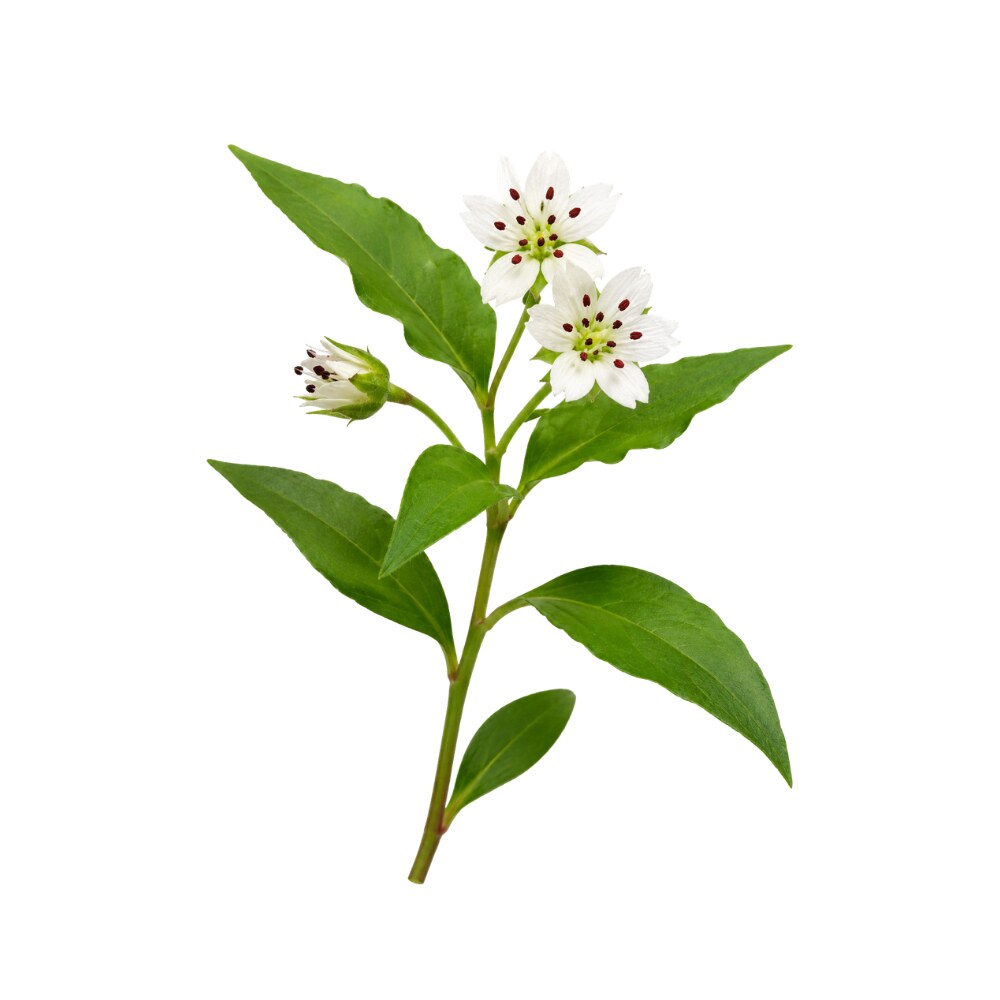
Materia Medica
Kid Ginseng
Pseudostellaria heterophylla
Kid ginseng (Pseudostellaria heterophylla) — a gentle Chinese qi tonic, also called prince ginseng, used to nourish energy and the lungs.
What Is Kid Ginseng?
Kid ginseng is a mild tonic root used in Traditional Chinese Medicine under the names Tai Zi Shen, Hai Er Shen, and prince ginseng. Despite its common name, it is not a true Panax ginseng. It belongs to the carnation family (Caryophyllaceae) rather than the ginseng family.
The herb is valued as a gentler alternative to stronger Qi tonics such as Asian ginseng. It is traditionally used where fatigue, poor appetite, weak digestion, dryness, or mild respiratory weakness are present, especially in sensitive or depleted constitutions.
Kid ginseng is considered sweet, slightly bitter, and neutral in energy, making it less heating and stimulating than many stronger tonic herbs.
How Is Kid Ginseng Used?
Kid ginseng is most commonly prepared as a decoction, powder, capsule, extract, or component of traditional Chinese formulas.
It is used to support low energy, poor appetite, digestive weakness, thirst, dryness, and lingering weakness after illness. Because it is gentle, it is often used for children, older adults, and sensitive individuals who may not tolerate stronger tonics.
Traditional preparations often combine kid ginseng with herbs that support the Spleen, Lung, or fluids, depending on the pattern being treated.
It is generally used as a nourishing tonic rather than an acute stimulant.
Traditional Uses
Traditional Chinese Medicine
In Traditional Chinese Medicine, kid ginseng is known as Tai Zi Shen or Hai Er Shen.
It is considered sweet, slightly bitter, and neutral, entering primarily the Spleen, Lung, and Heart channels. Traditional actions include tonifying Qi, strengthening the Spleen and Stomach, generating fluids, and supporting Lung deficiency.
The herb is used for fatigue, poor appetite, spontaneous sweating, thirst, dry mouth, dry cough, weak digestion, and recovery after illness.
Kid ginseng is traditionally regarded as one of the milder Qi tonics and is sometimes used where stronger ginsengs would be too warming or stimulating.
Modern Western Herbal Use
Kid ginseng is less established in Western herbal medicine but is sometimes used by practitioners familiar with Chinese materia medica as a gentle adaptogenic-style tonic.
Modern use focuses on fatigue, convalescence, weak digestion, respiratory depletion, and general constitutional weakness.
Indications
Kid ginseng is primarily indicated for mild Qi deficiency and depletion.
Common traditional indications include:
- Fatigue
- Low energy
- Weak digestion
- Poor appetite
- Recovery after illness
- Dry mouth
- Thirst
- Dry cough
- Lung weakness
- Spontaneous sweating
- General weakness
- Sensitive or depleted constitutions
Clinically, the herb is most often used when a gentle restorative tonic is needed rather than a strong stimulating adaptogen.
Botany
Prince’s-feather (Pseudostellaria heterophylla) is a small perennial herb of the pink family, Caryophyllaceae — the same family as chickweed (Stellaria), not the true-ginseng family. This point matters: the Chinese herb name tai zi shen translates roughly as “prince’s ginseng” or “child ginseng,” and the plant is sometimes marketed as a gentle, child-friendly ginseng, but it is emphatically not a Panax species. It has no botanical relationship to Asian or American ginseng and does not contain the ginsenosides those plants are known for.
The medicinal part is the small, pale, spindle-shaped tuberous root, dug and dried as tai zi shen. Above ground the plant is modest — a low herb with slender stems, paired leaves and tiny white five-petalled flowers. In traditional Chinese practice the dried tuber is used as a mild qi tonic, valued precisely because it is gentle enough for children and for people who cannot tolerate stronger warming tonics — hence the “kid ginseng” nickname.
Distribution
The plant is native to cool montane woodlands of East Asia — China, Korea, Japan and the southern Russian Far East. Most of the tai zi shen in commerce is cultivated in central and eastern Chinese provinces, where it is a well-established field crop rather than a wild-gathered herb.
Growing Conditions
- A shade-loving woodland perennial — give it dappled to full shade, not open sun.
- Prefers cool, moist, humus-rich forest-type soil that never bakes dry.
- Suited to cool-temperate climates (roughly USDA zones 5–8); it dies back and rests over winter.
- Grown for its small tuberous roots, which are lifted and dried; plants are low and unassuming above ground.
- Full cultivation detail lives on the companion farm-wiki grow guide for Pseudostellaria heterophylla (link to be added once that project’s public URL is confirmed).
Pharmacology & Research
Pseudostellaria heterophylla has a sizeable but one-sided evidence base: roughly 160 PubMed-indexed studies address the herb directly, and essentially all of them are preclinical — isolated cells and rodent (or poultry) disease models. No randomised controlled trial of the herb as a single agent has been registered or published; the only clinical-trials entry containing it (NCT05290558) is a multi-herb TCM formula. The best-replicated activity is immunomodulation — the pharmacological correlate of its traditional role as a gentle Qi tonic — followed by a large and fast-growing body of work on glucose/metabolic regulation. The most interesting emerging signals sit with the cyclic octapeptide heterophyllin B, which is being pushed toward pulmonary fibrosis, diabetic complications and cognition. The load-bearing caveat throughout: the compelling data belong to fractions — immunoactive polysaccharides and heterophyllin B — often at injected or high oral doses, not to the whole decocted root the herb is actually taken as, so the read-across to a traditional tonic decoction is an assumption, not a finding.
- Best-supported: immunomodulation — raised antibody titres, corrected Th1/Th2 balance and macrophage/lymphocyte activation across several independent animal models 2,3,4,5,6Reference 2AnimalImmunomodulatory effects of Pseudostellaria heterophylla on Th1/Th2 levels in mice with atopic dermatitis — mouse model, in vivoView study →Reference 3AnimalThe effect of Radix Pseudostellariae from 8 habitats on spleen-deficiency and immunologic function — mice, in vivoView study →Reference 4AnimalDietary supplementation with Pseudostellaria heterophylla polysaccharide enhanced immunity and changed spleen mRNA expression in chicks — animal model, in vivoView study →Reference 5AnimalEffects of Pseudostellaria heterophylla polysaccharide on humoral immunity and splenic lymphocyte gene expression in chicks — animal model, in vivoView study →Reference 6In vitroRadix Pseudostellariae saponins promote immunocyte migration and chemotaxis via the CCL5/CCR4 axis — animal model, in vitroView study →; glycemic regulation by isolated polysaccharides and cyclic peptides 7,8,9,12Reference 7In vitroNovel polysaccharide H-1-2 from Pseudostellaria heterophylla alleviates type 2 diabetes mellitus — in vitro and rat, in vivoView study →Reference 8In vitroStructural elucidation of a novel polysaccharide from Pseudostellaria heterophylla and stimulating glucose uptake in cells — in vitroView study →Reference 9In vitroStructure of a pectic polysaccharide from Pseudostellaria heterophylla and stimulating insulin secretion of INS-1 cells — in vitroView study →Reference 12AnimalAn engineered micropatch for oral delivery of heterophyllin B in type 2 diabetes treatment — mouse model, in vivoView study →.
- Emerging, worth watching: heterophyllin B against bleomycin pulmonary fibrosis and in Alzheimer’s-model cognition 19,20,24,25Reference 19In vitroProtective effects of heterophyllin B against bleomycin-induced pulmonary fibrosis in mice via AMPK activation — mouse model, in vivo and in vitroView study →Reference 20AnimalSynergistic effects of heterophyllin B with nintedanib against experimental pulmonary fibrosis in mice — mouse model, in vivoView study →Reference 24AnimalHeterophyllin B, a cyclopeptide from Pseudostellaria heterophylla, improves memory via immunomodulation and neurite regeneration in Aβ-induced mice — mouse model, in vivoView study →Reference 25AnimalHeterophyllin B alleviates cognitive disorders in APP/PS1 mice via the spleen–gut-microbiota–brain axis — mouse model, in vivoView study →; antioxidant Nrf2 activation in diabetic vascular tissue 16Reference 16In vitroHeterophyllin B ameliorates diabetic lower-limb ischemia by inhibiting SMOX to activate the Nrf2 antioxidant pathway — mouse model, in vivo and in vitroView study →.
- Mechanistically thin: anticancer and cardioprotective claims rest on a handful of mouse models — a whole-herb aqueous extract 27Reference 27AnimalPseudostellaria heterophylla ameliorates colorectal cancer by remodeling the tumor immune microenvironment — mouse model, in vivoView study →, an engineered PD-L1 nanoparticle carrying purified heterophyllin B 28Reference 28AnimalPD-L1 antibody-modified nanocomposite loaded with heterophyllin B for gastric cancer — mouse model, in vivoView study →, and free heterophyllin B 29Reference 29In vitroHeterophyllin B alleviates diabetes-induced myocardial injury by regulating MAVS-mediated mitochondrial homeostasis — mouse model, in vivo and in vitroView study → — none yet independently replicated.
- The caveat: no human trial, no standardised human dose, and most positive results come from purified polysaccharide or heterophyllin B rather than the whole root.
1. Immunomodulatory
This is the most replicated activity and the clearest pharmacological echo of the herb’s traditional use for depletion and weak resistance. In a dinitrochlorobenzene atopic-dermatitis mouse model, topical whole extract lowered serum IgE, suppressed IL-4/IL-6/IFN-γ and downregulated NF-κB, rebalancing the Th1/Th2 axis 2Reference 2AnimalImmunomodulatory effects of Pseudostellaria heterophylla on Th1/Th2 levels in mice with atopic dermatitis — mouse model, in vivoView study →. A classic study of ethanol extracts from eight growing regions reversed reserpine-induced “spleen deficiency,” raising thymus and spleen indices and prolonging swim/anoxia survival — with clear provenance-dependent potency 3Reference 3AnimalThe effect of Radix Pseudostellariae from 8 habitats on spleen-deficiency and immunologic function — mice, in vivoView study →. Dietary polysaccharide raised specific antibody titres, IgG/IgA/IgM, CD3 and lysozyme with a quadratic dose-response in vaccinated chicks, and shifted splenic transcription toward IgA-production and cytokine-signalling pathways 4,5Reference 4AnimalDietary supplementation with Pseudostellaria heterophylla polysaccharide enhanced immunity and changed spleen mRNA expression in chicks — animal model, in vivoView study →Reference 5AnimalEffects of Pseudostellaria heterophylla polysaccharide on humoral immunity and splenic lymphocyte gene expression in chicks — animal model, in vivoView study →. Saponins promoted macrophage phagocytosis and lymphocyte chemotaxis via the CCL5/CCR4 axis 6Reference 6In vitroRadix Pseudostellariae saponins promote immunocyte migration and chemotaxis via the CCL5/CCR4 axis — animal model, in vitroView study →. Direction is consistent across models, but every study is animal or in vitro.
Gap: no human immune-function data, and the effective preparations (injected/high-dose polysaccharide, topical extract) are not the oral tonic decoction.
2. Antidiabetic
The fastest-growing area, driven by isolated polysaccharides and cyclic peptides rather than the root. A glucan fraction (H-1-2) increased glucose uptake in muscle and adipose cells in vitro and improved glucose/insulin tolerance in type-2-diabetic model systems, acting through suppression of hypoxia and restoration of SIRT1 7,8Reference 7In vitroNovel polysaccharide H-1-2 from Pseudostellaria heterophylla alleviates type 2 diabetes mellitus — in vitro and rat, in vivoView study →Reference 8In vitroStructural elucidation of a novel polysaccharide from Pseudostellaria heterophylla and stimulating glucose uptake in cells — in vitroView study →. A pectic polysaccharide stimulated insulin secretion from INS-1 β-cells 9Reference 9In vitroStructure of a pectic polysaccharide from Pseudostellaria heterophylla and stimulating insulin secretion of INS-1 cells — in vitroView study →, and H-1-2 protected diabetic-nephropathy podocytes by restoring SIRT1 and blocking epithelial–mesenchymal transition 10Reference 10In vitroPolysaccharide H-1-2 ameliorates high-glucose-induced podocyte dysfunction by restoring SIRT1 — mouse model, in vivo and in vitroView study →. An oligopeptide-enriched fraction lowered fasting glucose and improved lipids in streptozotocin-diabetic mice 11Reference 11AnimalIdentification of oligopeptide components from Pseudostellaria heterophylla and hypoglycemic effects in streptozotocin-induced type 2 diabetes mice — mouse model, in vivoView study →. Most strikingly, an engineered oral micropatch of heterophyllin B improved glycemic control more than metformin in diabetic mice — but that result is inseparable from its 66% bioavailability delivery system, not free herb 12,13Reference 12AnimalAn engineered micropatch for oral delivery of heterophyllin B in type 2 diabetes treatment — mouse model, in vivoView study →Reference 13In vitroIntestinal CD4+ T cells treated with Pseudostellaria heterophylla polysaccharide improve insulin resistance via PI3K/AKT signalling — in vitroView study →.
Gap: entirely preclinical; the standout results depend on purified fractions or a drug-delivery vehicle, and no clinical glycemic endpoint exists.
3. Antioxidant
Antioxidant capacity underpins several of the other indications and is itself well replicated. Root polysaccharides raised catalase, superoxide dismutase and glutathione peroxidase while lowering malondialdehyde in the skeletal muscle of exhaustively exercised rats 14Reference 14AnimalProtective effects of Radix Pseudostellariae polysaccharides against exercise-induced oxidative stress in male rats — rat, in vivoView study →. Fractionation work in cobalt-chloride-stressed H9c2 cardiomyocytes localised cytoprotective, MDA-lowering activity across polysaccharide, saponin and cyclopeptide fractions 15Reference 15In vitroProtective effects of fractions from Pseudostellaria heterophylla against cobalt-chloride-induced hypoxic injury in H9c2 cells — in vitroView study →. In diabetic vascular tissue, heterophyllin B drove Nrf2 nuclear translocation and NQO1 upregulation, tying the antioxidant mechanism to a defined pathway 16Reference 16In vitroHeterophyllin B ameliorates diabetic lower-limb ischemia by inhibiting SMOX to activate the Nrf2 antioxidant pathway — mouse model, in vivo and in vitroView study →.
Gap: antioxidant readouts are almost always secondary endpoints inside disease-model studies, measured in tissue rather than in humans, so magnitude and dose in people are unknown.
4. Anti-inflammatory
A consistent anti-inflammatory signature — suppression of NF-κB and Toll-like-receptor signalling with lower TNF-α, IL-6 and IL-1β — recurs across unrelated models. Whole extract downregulated NF-κB and MAPK in atopic-dermatitis skin 2Reference 2AnimalImmunomodulatory effects of Pseudostellaria heterophylla on Th1/Th2 levels in mice with atopic dermatitis — mouse model, in vivoView study →; a purified cyclic-peptide extract eased smoke-induced COPD in rats through the TLR4/MyD88 pathway 17Reference 17AnimalCyclic peptide extracts from Pseudostellaria heterophylla ameliorate COPD via the TLR4/MyD88 pathway — rat, in vivoView study →; and root polysaccharides reduced sepsis-induced liver injury via the gut-microbiota–TLR4/NF-κB axis 18Reference 18AnimalRadix Pseudostellariae polysaccharides alleviate sepsis-induced liver injury by modulating gut microbiota via the TLR4/NF-κB pathway — mouse model, in vivoView study →. The effect is mechanistically coherent but always measured alongside a specific disease endpoint.
Gap: no standalone anti-inflammatory trial and no human biomarker data; the pathway is inferred from animal tissue.
5. Antifibrotic
A focused line of work positions heterophyllin B as an antifibrotic. In bleomycin-induced pulmonary fibrosis, it reduced collagen deposition and epithelial–mesenchymal transition through AMPK activation and STING suppression 19Reference 19In vitroProtective effects of heterophyllin B against bleomycin-induced pulmonary fibrosis in mice via AMPK activation — mouse model, in vivo and in vitroView study →. Follow-up studies show it augments the approved antifibrotic nintedanib while easing that drug’s gut toxicity 20Reference 20AnimalSynergistic effects of heterophyllin B with nintedanib against experimental pulmonary fibrosis in mice — mouse model, in vivoView study →, and that its benefit depends on a gut-microbiota metabolite (3-hydroxybutyric acid) suppressing IDO1-mediated ferroptosis 21Reference 21AnimalMuribaculum intestinale-derived 3-hydroxybutyric acid from heterophyllin B attenuates pulmonary fibrosis through IDO1-mediated ferroptosis — mouse model, in vivoView study →. This maps neatly onto the traditional “moistens the Lung / dry cough” indication, but it is one compound studied by a small number of groups.
Gap: single-compound, single-disease evidence in mice; the whole root has not been tested for antifibrotic effect, and there is no clinical fibrosis data.
6. Anti-fatigue
The flagship traditional claim — a tonic for fatigue and post-illness weakness — has direct, if modest, animal support. Root polysaccharide dose-dependently restored forced-swim endurance and normalised neuroendocrine–immune disturbances in a poly(I:C)-induced chronic-fatigue mouse model 22Reference 22AnimalPolysaccharide of Radix Pseudostellariae improves chronic fatigue syndrome induced by poly(I:C) in mice — mouse model, in vivoView study →. Polysaccharide supplementation also raised exercise tolerance and lowered blood lactate in swim-tested rats 14Reference 14AnimalProtective effects of Radix Pseudostellariae polysaccharides against exercise-induced oxidative stress in male rats — rat, in vivoView study →, and the eight-region spleen-deficiency study prolonged swimming and anoxia survival 3Reference 3AnimalThe effect of Radix Pseudostellariae from 8 habitats on spleen-deficiency and immunologic function — mice, in vivoView study →. The preparation tested (water-extracted polysaccharide) is reasonably close to a decoction, which strengthens the read-across here relative to other indications.
Gap: a small number of rodent studies with surrogate endurance endpoints; no human fatigue or convalescence trial.
7. Hepatoprotective
Liver-protective effects appear in two mechanistically distinct mouse models. Heterophyllin B reduced hepatic lipid accumulation and oxidative stress in metabolic-dysfunction-associated steatotic liver disease, synergising with intermittent fasting via GLP-1R activation 23Reference 23In vitroHeterophyllin B enhances the benefits of intermittent fasting in MASLD via GLP-1R activation — mouse model, in vivo and in vitroView study →. Separately, root polysaccharides lowered liver-injury markers and restored the intestinal barrier in septic mice through the gut-microbiota–TLR4/NF-κB axis 18Reference 18AnimalRadix Pseudostellariae polysaccharides alleviate sepsis-induced liver injury by modulating gut microbiota via the TLR4/NF-κB pathway — mouse model, in vivoView study →.
Gap: only two models, both with a co-intervention or a specific insult; no direct hepatotoxin-protection or human liver data.
8. Neuroprotective
Three studies extend the immunomodulatory story to cognition. Brain-permeable heterophyllin B reversed amyloid-β-induced axonal atrophy and improved memory retrieval in mice, acting through splenic T-helper modulation and neurite regeneration 24Reference 24AnimalHeterophyllin B, a cyclopeptide from Pseudostellaria heterophylla, improves memory via immunomodulation and neurite regeneration in Aβ-induced mice — mouse model, in vivoView study →, and improved cognition in APP/PS1 mice via a vagus-nerve–spleen–gut-microbiota–brain circuit 25Reference 25AnimalHeterophyllin B alleviates cognitive disorders in APP/PS1 mice via the spleen–gut-microbiota–brain axis — mouse model, in vivoView study →. Root polysaccharide reduced amyloid burden and remodelled gut flora in 5×FAD mice 26Reference 26AnimalPseudostellaria heterophylla polysaccharide mitigates Alzheimer’s-like pathology via the microbiota–gut–brain axis in 5×FAD mice — mouse model, in vivoView study →. The mechanistic throughline (spleen–gut–brain immunomodulation) is consistent, but the endpoint is Alzheimer’s pathology in engineered mice — far from the herb’s traditional scope.
Gap: all in transgenic/insult AD models; a very large translational leap from a traditional Qi tonic to cognitive therapeutics, with no clinical signal.
9. Anticancer
Traditional use for digestive-system tumours has some modern preclinical backing. Aqueous extract suppressed MC38 colorectal tumour growth without overt toxicity by remodelling the immune microenvironment — reducing tumour CCL5, cutting M2 macrophage recruitment and increasing IFN-γ⁺ CD8⁺ T-cell infiltration via JNK inhibition 27Reference 27AnimalPseudostellaria heterophylla ameliorates colorectal cancer by remodeling the tumor immune microenvironment — mouse model, in vivoView study →. A PD-L1-targeted nanoparticle carrying heterophyllin B improved checkpoint-inhibitor efficacy in a gastric-cancer allograft 28Reference 28AnimalPD-L1 antibody-modified nanocomposite loaded with heterophyllin B for gastric cancer — mouse model, in vivoView study →. Signals are real but few, and the gastric-cancer result is a formulation study rather than a test of the herb.
Gap: two mouse tumour models, one dependent on an engineered nanoparticle; no whole-herb dose-finding and no human oncology data.
Mechanisms
| Mechanism | Drives | Key compounds |
|---|---|---|
| Th1/Th2 rebalancing, ↑antibody/lymphocyte activation | immunomodulatoryanti-fatigueneuroprotective | polysaccharides, heterophyllin B, saponins |
| NF-κB ↓, TLR4/MyD88 ↓, ↓TNF-α/IL-6/IL-1β | anti-inflammatoryhepatoprotectiveantifibrotic | polysaccharides, cyclic peptides |
| Nrf2 ↑, SOD/CAT/GSH-Px ↑, MDA ↓ | antioxidantcardioprotective | heterophyllin B, polysaccharides |
| SIRT1 ↑, PI3K/AKT & GLP-1R signalling, ↑insulin secretion/glucose uptake | antidiabetichepatoprotective | polysaccharides (H-1-2), oligopeptides, heterophyllin B |
| AMPK ↑, STING ↓, EMT/ferroptosis ↓ (gut-microbiota–dependent) | antifibrotic | heterophyllin B |
Clinical trials
No clinical trial of Pseudostellaria heterophylla as a single agent has been registered or published — the sole ClinicalTrials.gov record containing it (NCT05290558) is a multi-herb TCM formula for male fertility, so the evidence base is entirely preclinical.
| Completed | Planned | Terminated | Preclinical |
|---|---|---|---|
| 0 | 0 | 0 | ~160 |
Last checked: July 2026.
Phytochemistry
The characteristic chemistry of Pseudostellaria heterophylla (Tai Zi Shen) is its family of cyclic peptides, a distinctive feature of the tuberous root. Nineteen have been reported — nine heterophyllins and ten pseudostellarins — of which the cyclic octapeptide heterophyllin B is the most important; it serves as the official quality-control marker for Radix Pseudostellariae in the Chinese Pharmacopoeia, with pseudostellarin A among the other representatives. More recent mass-spectrometry work reports dozens more oligopeptides, so the classical count of nineteen is a floor, not a ceiling 11Reference 11AnimalIdentification of oligopeptide components from Pseudostellaria heterophylla and hypoglycemic effects in streptozotocin-induced type 2 diabetes mice — mouse model, in vivoView study →. The root also carries immunologically active polysaccharides (built mainly from glucose, galactose, galacturonic acid, arabinose and rhamnose), oleanane-type saponins such as pseudostellarinoside A, and the phytosterols β-sitosterol and its glycoside daucosterol.
Constituent Summary
Reported from the tuberous root of Pseudostellaria heterophylla. Per-compound percentages are largely unpublished and are given as No Data; the literature is predominantly qualitative isolation work, with heterophyllin B quantified in practice only as a pharmacopoeial assay threshold rather than a typical content figure 1Reference 1ReviewTraditional uses, phytochemical constituents, pharmacological properties, and quality control of Pseudostellaria heterophylla (Miq.) Pax — reviewView study →. The middle column gives the constituent type. † marks heterophyllin B as the official marker compound used to authenticate and quality-control the dried root.
Polysaccharide1 compoundno data
Saponin1 compoundno data
Dosage
No human dose has ever been established for Pseudostellaria heterophylla: every dose below the traditional table comes from animal studies of purified fractions, not the whole decocted root, and the two kinds of figure are not interchangeable. In research, activity is almost always demonstrated with an isolated polysaccharide or with heterophyllin B, frequently at high oral doses or via an engineered delivery system.
| Indication | Preparation | Dose | Est. dried-herb equivalent | Source |
|---|---|---|---|---|
| Anti-fatigue / antioxidant | Root polysaccharide (PRP/RPP), oral, rat/mouse | 100–400 mg/kg/day | — (marker % of dry root unpublished; no valid back-conversion) | 22,14Reference 22AnimalPolysaccharide of Radix Pseudostellariae improves chronic fatigue syndrome induced by poly(I:C) in mice — mouse model, in vivoView study →Reference 14AnimalProtective effects of Radix Pseudostellariae polysaccharides against exercise-induced oxidative stress in male rats — rat, in vivoView study → |
| Antidiabetic | Heterophyllin B via engineered micropatch, oral, mouse | not a whole-herb dose (delivery-system dependent) | — | 12Reference 12AnimalAn engineered micropatch for oral delivery of heterophyllin B in type 2 diabetes treatment — mouse model, in vivoView study → |
| Antifibrotic | Heterophyllin B, oral, mouse | 5–40 mg/kg/day | — (single purified compound; no herb equivalent) | 19,20Reference 19In vitroProtective effects of heterophyllin B against bleomycin-induced pulmonary fibrosis in mice via AMPK activation — mouse model, in vivo and in vitroView study →Reference 20AnimalSynergistic effects of heterophyllin B with nintedanib against experimental pulmonary fibrosis in mice — mouse model, in vivoView study → |
| COPD | Cyclic-peptide extract, oral, rat | 200–500 mg/kg/day | — (purified fraction) | 17Reference 17AnimalCyclic peptide extracts from Pseudostellaria heterophylla ameliorate COPD via the TLR4/MyD88 pathway — rat, in vivoView study → |
Est. dried-herb equivalent is deliberately left ”—” throughout: all effective doses come from purified polysaccharide or heterophyllin B, and the marker content of the dried root is unpublished (heterophyllin B exists only as a pharmacopoeial pass/fail threshold), so no defensible back-conversion ratio exists. These are research doses, not recommendations.
Traditional Dosage
Traditional Chinese practice uses the whole dried root as a decoction. These figures are not interchangeable with the research doses above.
| System | Preparation | Dose |
|---|---|---|
| Traditional Chinese Medicine | Dried root, decoction (~20 min) | 9–30 g daily (common range); 6–15 g typical |
| Traditional Chinese Medicine | In tonic formulas (with Spleen/Lung/fluid herbs) | per formula |
Safety & Pregnancy
Pseudostellaria heterophylla is a gentle, low-toxicity Qi tonic with a wide safety margin and no serious adverse effects reported; occasional mild digestive upset is the only common effect, and the main caution is a theoretical additive effect with glucose-lowering drugs.
- Glucose-lowering drugs. Use concentrated extracts cautiously given the herb’s consistent preclinical hypoglycemic activity.
- No human safety data. The clean record reflects a near-total absence of human study, not demonstrated safety at high or extract doses.
- Gentle & low-toxicity. A long food-and-medicine history and a wide safety margin, with no serious adverse effects reported.
- Mild digestive upset. The only commonly noted effect, consistent with its traditional status.
Full safety & interactions detail
Pseudostellaria heterophylla is regarded across its long food-and-medicine history as a gentle, low-toxicity Qi tonic, and no serious adverse effects have been reported in the modern literature; a 2025 pharmacological review classes it as a low-toxicity herb with a wide safety margin 1Reference 1ReviewTraditional uses, phytochemical constituents, pharmacological properties, and quality control of Pseudostellaria heterophylla (Miq.) Pax — reviewView study →. In animal disease models the whole extract is repeatedly given without observed organ toxicity — for example, an aqueous extract suppressed colorectal tumours in mice “without exhibiting obvious toxicity” 27Reference 27AnimalPseudostellaria heterophylla ameliorates colorectal cancer by remodeling the tumor immune microenvironment — mouse model, in vivoView study → — but no formal human safety study, dose-ceiling trial, or drug-interaction study exists. Occasional mild digestive upset is the only commonly noted effect, consistent with its traditional status. Because no interaction data exist, concentrated extracts should be used cautiously alongside multiple medications, particularly glucose-lowering drugs given the herb’s consistent preclinical hypoglycemic activity 7,11Reference 7In vitroNovel polysaccharide H-1-2 from Pseudostellaria heterophylla alleviates type 2 diabetes mellitus — in vitro and rat, in vivoView study →Reference 11AnimalIdentification of oligopeptide components from Pseudostellaria heterophylla and hypoglycemic effects in streptozotocin-induced type 2 diabetes mice — mouse model, in vivoView study →. Its regulatory basis is the Chinese Pharmacopoeia (as Radix Pseudostellariae, with heterophyllin B as the marker compound); there is no WHO, ESCOP, EMA-HMPC or Commission E monograph.
Scope note: interactions were not assessed in this research — the additive-hypoglycemic concern is mechanistic, inferred from consistent preclinical glucose-lowering activity, and no clinical or preclinical drug-interaction study was found. The clean modern safety record reflects a near-total absence of human study, not demonstrated safety at high or extract doses.
Not specifically researched. Traditional Chinese sources classify Tai Zi Shen as a mild tonic considered appropriate in pregnancy, and it is used in that context under practitioner supervision; however, no modern reproductive-toxicology, teratogenicity, or lactation study has assessed it. Traditional acceptability should not be read as demonstrated safety — the absence of research is a data gap, not a clearance.
References
- Lei, Z., et al. (2025). Traditional uses, phytochemical constituents, pharmacological properties, and quality control of Pseudostellaria heterophylla (Miq.) Pax — review. Journal of Ethnopharmacology. https://pubmed.ncbi.nlm.nih.gov/39368760/
- Choi, Y. Y., et al. (2017). Immunomodulatory effects of Pseudostellaria heterophylla on Th1/Th2 levels in mice with atopic dermatitis — mouse model, in vivo. Molecular Medicine Reports. https://pubmed.ncbi.nlm.nih.gov/28035398/
- Gong, Z., et al. (2001). The effect of Radix Pseudostellariae from 8 habitats on spleen-deficiency and immunologic function — mice, in vivo. Zhong Yao Cai. https://pubmed.ncbi.nlm.nih.gov/12587162/
- Zhu, Z., et al. (2024). Dietary supplementation with Pseudostellaria heterophylla polysaccharide enhanced immunity and changed spleen mRNA expression in chicks — animal model, in vivo. Developmental & Comparative Immunology. https://pubmed.ncbi.nlm.nih.gov/37951325/
- Wang, B., et al. (2025). Effects of Pseudostellaria heterophylla polysaccharide on humoral immunity and splenic lymphocyte gene expression in chicks — animal model, in vivo. Developmental & Comparative Immunology. https://pubmed.ncbi.nlm.nih.gov/40902815/
- Chen, J., et al. (2026). Radix Pseudostellariae saponins promote immunocyte migration and chemotaxis via the CCL5/CCR4 axis — animal model, in vitro. Animals (Basel). https://pubmed.ncbi.nlm.nih.gov/42353538/
- Fang, Z. H., et al. (2018). Novel polysaccharide H-1-2 from Pseudostellaria heterophylla alleviates type 2 diabetes mellitus — in vitro and rat, in vivo. Cellular Physiology and Biochemistry. https://pubmed.ncbi.nlm.nih.gov/30196291/
- Chen, J., et al. (2016). Structural elucidation of a novel polysaccharide from Pseudostellaria heterophylla and stimulating glucose uptake in cells — in vitro. Molecules. https://pubmed.ncbi.nlm.nih.gov/27649122/
- Chen, J., et al. (2018). Structure of a pectic polysaccharide from Pseudostellaria heterophylla and stimulating insulin secretion of INS-1 cells — in vitro. International Journal of Biological Macromolecules. https://pubmed.ncbi.nlm.nih.gov/28797815/
- Li, M., et al. (2023). Polysaccharide H-1-2 ameliorates high-glucose-induced podocyte dysfunction by restoring SIRT1 — mouse model, in vivo and in vitro. Tohoku Journal of Experimental Medicine. https://pubmed.ncbi.nlm.nih.gov/36858511/
- Chen, Y., et al. (2025). Identification of oligopeptide components from Pseudostellaria heterophylla and hypoglycemic effects in streptozotocin-induced type 2 diabetes mice — mouse model, in vivo. Fitoterapia. https://pubmed.ncbi.nlm.nih.gov/41075951/
- Chen, Y., et al. (2026). An engineered micropatch for oral delivery of heterophyllin B in type 2 diabetes treatment — mouse model, in vivo. Journal of Controlled Release. https://pubmed.ncbi.nlm.nih.gov/41786043/
- Kan, Y., et al. (2025). Intestinal CD4+ T cells treated with Pseudostellaria heterophylla polysaccharide improve insulin resistance via PI3K/AKT signalling — in vitro. Molecular Medicine Reports. https://pubmed.ncbi.nlm.nih.gov/40937578/
- Chen, Z., et al. (2013). Protective effects of Radix Pseudostellariae polysaccharides against exercise-induced oxidative stress in male rats — rat, in vivo. Experimental and Therapeutic Medicine. https://pubmed.ncbi.nlm.nih.gov/23596474/
- Wang, Z., et al. (2013). Protective effects of fractions from Pseudostellaria heterophylla against cobalt-chloride-induced hypoxic injury in H9c2 cells — in vitro. Journal of Ethnopharmacology. https://pubmed.ncbi.nlm.nih.gov/23542142/
- Lin, S., et al. (2026). Heterophyllin B ameliorates diabetic lower-limb ischemia by inhibiting SMOX to activate the Nrf2 antioxidant pathway — mouse model, in vivo and in vitro. Chinese Medicine. https://pubmed.ncbi.nlm.nih.gov/42271493/
- Lu, F., et al. (2020). Cyclic peptide extracts from Pseudostellaria heterophylla ameliorate COPD via the TLR4/MyD88 pathway — rat, in vivo. Frontiers in Pharmacology. https://pubmed.ncbi.nlm.nih.gov/32581806/
- Wang, Z., et al. (2025). Radix Pseudostellariae polysaccharides alleviate sepsis-induced liver injury by modulating gut microbiota via the TLR4/NF-κB pathway — mouse model, in vivo. Frontiers in Pharmacology. https://pubmed.ncbi.nlm.nih.gov/41069598/
- Shi, W., et al. (2022). Protective effects of heterophyllin B against bleomycin-induced pulmonary fibrosis in mice via AMPK activation — mouse model, in vivo and in vitro. European Journal of Pharmacology. https://pubmed.ncbi.nlm.nih.gov/35283110/
- Chen, C., et al. (2025). Synergistic effects of heterophyllin B with nintedanib against experimental pulmonary fibrosis in mice — mouse model, in vivo. Phytomedicine. https://pubmed.ncbi.nlm.nih.gov/40513322/
- Chen, C., et al. (2025). Muribaculum intestinale-derived 3-hydroxybutyric acid from heterophyllin B attenuates pulmonary fibrosis through IDO1-mediated ferroptosis — mouse model, in vivo. Pharmacological Research. https://pubmed.ncbi.nlm.nih.gov/39778639/
- Sheng, R., et al. (2011). Polysaccharide of Radix Pseudostellariae improves chronic fatigue syndrome induced by poly(I:C) in mice — mouse model, in vivo. Evidence-Based Complementary and Alternative Medicine. https://pubmed.ncbi.nlm.nih.gov/20008077/
- Li, K., et al. (2025). Heterophyllin B enhances the benefits of intermittent fasting in MASLD via GLP-1R activation — mouse model, in vivo and in vitro. International Journal of Molecular Medicine. https://pubmed.ncbi.nlm.nih.gov/40999976/
- Deng, J., et al. (2022). Heterophyllin B, a cyclopeptide from Pseudostellaria heterophylla, improves memory via immunomodulation and neurite regeneration in Aβ-induced mice — mouse model, in vivo. Food Research International. https://pubmed.ncbi.nlm.nih.gov/35840261/
- Jiang, J., et al. (2025). Heterophyllin B alleviates cognitive disorders in APP/PS1 mice via the spleen–gut-microbiota–brain axis — mouse model, in vivo. International Immunopharmacology. https://pubmed.ncbi.nlm.nih.gov/40194455/
- He, C., et al. (2024). Pseudostellaria heterophylla polysaccharide mitigates Alzheimer’s-like pathology via the microbiota–gut–brain axis in 5×FAD mice — mouse model, in vivo. International Journal of Biological Macromolecules. https://pubmed.ncbi.nlm.nih.gov/38750854/
- Gui, Y., Wu, H., & Fan, H. (2025). Pseudostellaria heterophylla ameliorates colorectal cancer by remodeling the tumor immune microenvironment — mouse model, in vivo. Journal of Ethnopharmacology. https://pubmed.ncbi.nlm.nih.gov/39828144/
- Wei, Y., et al. (2025). PD-L1 antibody-modified nanocomposite loaded with heterophyllin B for gastric cancer — mouse model, in vivo. Journal of Medicinal Chemistry. https://pubmed.ncbi.nlm.nih.gov/40702740/
- Li, L., et al. (2025). Heterophyllin B alleviates diabetes-induced myocardial injury by regulating MAVS-mediated mitochondrial homeostasis — mouse model, in vivo and in vitro. Journal of Nutritional Biochemistry. https://pubmed.ncbi.nlm.nih.gov/40812674/
Original notes (from the old site — sort into the sections above)
Herbal Actions:
Botanical Name:
Pseudostellaria heterophylla
Family:
Caryophyllaceae
Part used:
Dosage:
Indications:
Common Names:
- Kid ginseng
- Prince ginseng
- Hai Er Shen (Chinese: Kid Ginseng)
- Tai Zi Shen (Chinese: Prince Ginseng)
Traditional Uses:
Botanical Description:
Habitat Ecology, and Distribution:
Harvesting Collection, and Preparation:
Constituents:
Pharmacology and Medical Research:
Toxicity and Contraindications:
Cautions:
Traditional Chinese Medicine:
(Hai Er Shen)
Taste: Sweet, bitter
Energy: Neutral
Channels: Spleen, lung, heart
Actions: Harmonizes and tonifies Qi, strengthens the spleen and stomach, generates fluids.
Indications: Traditionally considered appropriate in pregnancy (materia-medica classification, not primary evidence — see Safety).
Dose: 6-15g decocted 20 min
Contraindications: None listed.
Synergy:
References:
- Hempen, C. H., & Fischer, T. (2009). A Materia Medica for Chinese Medicine: Plants, Minerals, and Animal Products (pp. 737–738).