
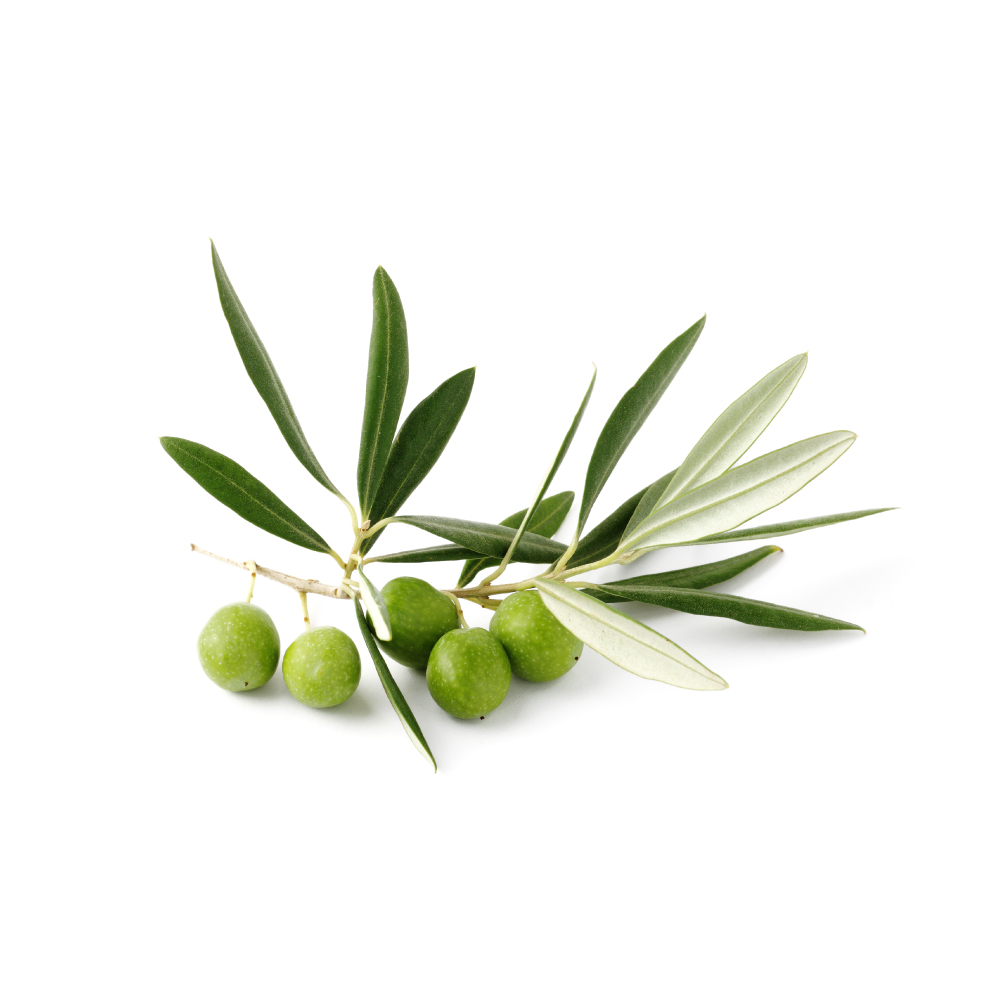
Materia Medica
Olive Leaf
Olea europaea
Olive leaf (Olea europaea) — a Mediterranean cardiovascular herb whose oleuropein-standardised extracts modestly lower blood pressure, with smaller effects on lipids, glucose and inflammation.
What Is Olive Leaf?
Olive leaf (Olea europaea) is the leaf of the same Mediterranean tree that gives us olives and olive oil. It has a long folk-medicine history for fevers and, in the modern supplement market, is sold heavily for immune support and cold-and-flu prevention. That reputation is the weakest part of its evidence base: direct antiviral and antibacterial data are preclinical and modest, and the one respiratory trial in athletes found no reduction in illness incidence 25,27Reference 25RCTThe effect of olive leaf extract on upper respiratory illness in high school athletes: a randomised control trialView study →Reference 27In vitroIn vitro biological evaluation and in silico insights into the antiviral activity of standardized olive leaves extract against SARS-CoV-2View study →.
Where olive leaf earns its place is cardiometabolic. Its signature compound, the secoiridoid oleuropein, lowers blood pressure across several human randomised controlled trials — including a 621-participant multicentre study — with smaller, less consistent signals for cholesterol, blood glucose and inflammatory markers 1,2,3,4,5,6Reference 1RCTOlive (Olea europaea) leaf extract effective in patients with stage-1 hypertension: comparison with Captopril — randomised controlled trialView study →Reference 2RCTImpact of phenolic-rich olive leaf extract on blood pressure, plasma lipids and inflammatory markers: a randomised controlled trialView study →Reference 3RCTEfficacy of olive leaf extracts in controlling blood pressure in hypertensive patients: a double-blind randomized clinical trial — multicentre RCTView study →Reference 4RCTEffects of a combination of olive leaf extract and potassium on blood pressure in participants with mild to moderate hypertension: a double-blind, randomized, placebo-controlled trialView study →Reference 5Meta-analysisOlive leaf extract effect on cardiometabolic risk factors: a systematic review and meta-analysis of randomized clinical trialsView study →Reference 6Meta-analysisMetabolic and inflammatory effects of oleuropein and olive leaf extract: a systematic review and meta-analysisView study →. A crucial caveat runs through the whole literature: almost all of the positive human data come from concentrated, oleuropein-standardised extracts, not from the traditional leaf tea or 1:2 liquid extract, so effect sizes do not transfer cleanly to those forms.
Traditional & Modern Uses
The olive is one of the oldest cultivated plants of the Mediterranean, and its leaf appears in some of the earliest medical writing. The Bible refers to the leaf as medicine (Ezekiel 47:12: “the fruit thereof shall be for meat and the leaf thereof for medicine”); the ancient Egyptians used the tree in mummification, and the Greeks used olive-leaf preparations to treat fevers 30Reference 30A Clinical Guide to Blending Liquid Herbs: Herbal Formulations for the Individual Patient.
In traditional Western herbal practice the leaf has been used for high blood pressure, angina, coughs and fevers, and as a diuretic, emmenagogue, liver stimulant and stomachic; topically it was applied to snakebites and mouth ulcers 30Reference 30A Clinical Guide to Blending Liquid Herbs: Herbal Formulations for the Individual Patient. Its most enduring modern use — as a cold-and-flu remedy — is the least supported by the evidence (see Pharmacology & Research below), while its best-supported use, blood-pressure lowering, was a traditional indication all along.
Botany & Varieties
Olive belongs to the Oleaceae, a family of roughly 700 species across some 26 genera of trees and shrubs, many bearing fragrant flowers — relatives include jasmine, ash, lilac, privet (Ligustrum) and the fringe trees. Olea europaea is a long-lived evergreen tree native to the Mediterranean basin; its leathery, silver-backed leaves are the medicinal part. Once confined to the Mediterranean and the Middle East, the olive is now cultivated commercially in Australia, the Americas and South Africa. Leaf oleuropein content is not fixed: it shifts with cultivar, harvest season and drying method, which is why standardised extracts — rather than raw leaf — are used in most clinical work.
Phytochemistry
The signature constituent of olive leaf is the secoiridoid oleuropein, which can reach roughly 6–9% of the dry leaf (higher in some samples) and underpins the herb’s ACE-inhibitory and hypotensive activity. Its content varies widely with cultivar, harvest season and drying or extraction method, and it degrades at low pH and high temperature 13,31Reference 13In vitroIn vitro antioxidant activity of olive leaf extract (Olea europaea L.) and its protective effect on oxidative damage in human erythrocytes — in vitroView study →Reference 31Superheated liquid extraction of oleuropein and related biophenols from olive leaves. On hydrolysis oleuropein yields hydroxytyrosol, a simple phenol that carries much of the leaf’s antioxidant capacity and rises as an extract ages 14Reference 14In vitroEnzymatic hydrolysis of oleuropein from Olea europea (olive) leaf extract and antioxidant activities — in vitroView study →. A second secoiridoid, oleacein, is the fraction responsible for the leaf’s potent ACE inhibition — notably, oleuropein itself is a much weaker ACE inhibitor in the same assay 19Reference 19In vitroIsolation of an angiotensin converting enzyme (ACE) inhibitor from Olea europaea and Olea lancea — in vitroView study →.
Alongside these, olive leaf carries a set of flavonoids — luteolin-7-glucoside, apigenin-7-glucoside, rutin and diosmin — the phenylpropanoid verbascoside, caffeic acid, elenolic acid and triterpenes such as oleanolic acid 31Reference 31Superheated liquid extraction of oleuropein and related biophenols from olive leaves.
Constituent Summary
Amounts are percent of the dried leaf and vary widely with cultivar, season and drying method; oleuropein is the standardisation marker 13,31Reference 13In vitroIn vitro antioxidant activity of olive leaf extract (Olea europaea L.) and its protective effect on oxidative damage in human erythrocytes — in vitroView study →Reference 31Superheated liquid extraction of oleuropein and related biophenols from olive leaves.
Phenylpropanoid1 compound1 with data
Flavonoid1 compound1 with data
Pharmacology & Research
Olive leaf sits on an unusually strong evidence base for a herbal remedy: alongside decades of preclinical work on its signature secoiridoid oleuropein, there is now a substantial body of human randomised controlled trials — including a 621-participant multicentre study — and two 2024–2026 meta-analyses of clinical data. The centre of gravity is cardiometabolic: modest but replicated reductions in blood pressure, and smaller signals for lipids, glycaemic control and inflammation 1,2,3,4,5,6Reference 1RCTOlive (Olea europaea) leaf extract effective in patients with stage-1 hypertension: comparison with Captopril — randomised controlled trialView study →Reference 2RCTImpact of phenolic-rich olive leaf extract on blood pressure, plasma lipids and inflammatory markers: a randomised controlled trialView study →Reference 3RCTEfficacy of olive leaf extracts in controlling blood pressure in hypertensive patients: a double-blind randomized clinical trial — multicentre RCTView study →Reference 4RCTEffects of a combination of olive leaf extract and potassium on blood pressure in participants with mild to moderate hypertension: a double-blind, randomized, placebo-controlled trialView study →Reference 5Meta-analysisOlive leaf extract effect on cardiometabolic risk factors: a systematic review and meta-analysis of randomized clinical trialsView study →Reference 6Meta-analysisMetabolic and inflammatory effects of oleuropein and olive leaf extract: a systematic review and meta-analysisView study →. The most interesting emerging directions (neuroprotection, anticancer activity) remain preclinical and rest largely on isolated oleuropein rather than the whole leaf. The overriding caveat is preparation: nearly all positive human data come from concentrated, oleuropein-standardised extracts (often ≥16–20% oleuropein, or a stated mg oleuropein dose), not from the traditional 1:2 liquid extract or a leaf tea, so effect sizes do not transfer cleanly to those forms.
- Best-supported: lowering blood pressure in (pre)hypertensive adults, shown across several RCTs and two meta-analyses 1,2,3,4,5Reference 1RCTOlive (Olea europaea) leaf extract effective in patients with stage-1 hypertension: comparison with Captopril — randomised controlled trialView study →Reference 2RCTImpact of phenolic-rich olive leaf extract on blood pressure, plasma lipids and inflammatory markers: a randomised controlled trialView study →Reference 3RCTEfficacy of olive leaf extracts in controlling blood pressure in hypertensive patients: a double-blind randomized clinical trial — multicentre RCTView study →Reference 4RCTEffects of a combination of olive leaf extract and potassium on blood pressure in participants with mild to moderate hypertension: a double-blind, randomized, placebo-controlled trialView study →Reference 5Meta-analysisOlive leaf extract effect on cardiometabolic risk factors: a systematic review and meta-analysis of randomized clinical trialsView study →; modest improvements in the lipid profile 1,2,5Reference 1RCTOlive (Olea europaea) leaf extract effective in patients with stage-1 hypertension: comparison with Captopril — randomised controlled trialView study →Reference 2RCTImpact of phenolic-rich olive leaf extract on blood pressure, plasma lipids and inflammatory markers: a randomised controlled trialView study →Reference 5Meta-analysisOlive leaf extract effect on cardiometabolic risk factors: a systematic review and meta-analysis of randomized clinical trialsView study →; and better insulin sensitivity in overweight men 9Reference 9RCTOlive (Olea europaea L.) leaf polyphenols improve insulin sensitivity in middle-aged overweight men: a randomized, placebo-controlled, crossover trialView study →.
- Emerging, worth watching: oleuropein-driven cardioprotection and anti-atherosclerotic effects in rodents 15,16,18Reference 15AnimalThe anti-atherosclerotic effect of olive leaf extract is related to suppressed inflammatory response in rabbits with experimental atherosclerosis — animal model (rabbit)View study →Reference 16AnimalOleuropein prevents oxidative myocardial injury induced by ischemia and reperfusion — animal model (rat)View study →Reference 18Systematic reviewOral administration of oleuropein and olive leaf extract has cardioprotective effects in rodents: a systematic review — animalView study →, and attenuation of neuroinflammation in an Alzheimer’s mouse model 21Reference 21AnimalOleuropein-rich olive leaf extract attenuates neuroinflammation in the Alzheimer’s disease mouse modelView study →; a single RCT also reported improved menopause-specific quality-of-life scores in postmenopausal women 20Reference 20RCTOlive leaf extract supplementation improves postmenopausal symptoms: a randomized, double-blind, placebo-controlled parallel study on postmenopausal womenView study →.
- Mechanistically thin: antiviral and anticancer claims rest on in-vitro, in-silico or constituent-level work with no clinical confirmation 27,28Reference 27In vitroIn vitro biological evaluation and in silico insights into the antiviral activity of standardized olive leaves extract against SARS-CoV-2View study →Reference 28ReviewAn updated review on the potential antineoplastic actions of oleuropein — reviewView study →.
- The caveat: benefits are demonstrated for standardised, oleuropein-rich extracts; the traditional tea and 1:2 liquid extract are far less well characterised, and trial results are heterogeneous (several well-run RCTs are null) 7,8Reference 7RCTAntihypertensive potential of combined extracts of olive leaf, green coffee bean and beetroot: a randomized, double-blind, placebo-controlled crossover trialView study →Reference 8RCTThe effect of olive leaf extract on cardiovascular health markers: a randomized placebo-controlled clinical trialView study →.
1. Hypotensive
This is the herb’s strongest indication. In a 12-week, active-controlled RCT, a standardised olive leaf extract (EFLA®943, 500 mg twice daily) lowered systolic blood pressure by about 11 mmHg in stage-1 hypertensives — statistically comparable to captopril 12.5–25 mg twice daily 1Reference 1RCTOlive (Olea europaea) leaf extract effective in patients with stage-1 hypertension: comparison with Captopril — randomised controlled trialView study →. A crossover RCT in pre-hypertensive men found phenolic-rich oleuropein extract cut 24-hour systolic BP by ~3.3 mmHg versus control 2Reference 2RCTImpact of phenolic-rich olive leaf extract on blood pressure, plasma lipids and inflammatory markers: a randomised controlled trialView study →, and a 2025 multicentre trial (n=621) reported a 24-hour systolic reduction of ~6.4 mmHg versus baseline in treated hypertensives 3Reference 3RCTEfficacy of olive leaf extracts in controlling blood pressure in hypertensive patients: a double-blind randomized clinical trial — multicentre RCTView study →. A 2024 meta-analysis of cardiometabolic RCTs and a 2026 meta-analysis of oleuropein/olive leaf both support a favourable blood-pressure direction, and a 2026 RCT combining extract with potassium found a ~5.4 mmHg fall in morning home systolic BP 4,5,6Reference 4RCTEffects of a combination of olive leaf extract and potassium on blood pressure in participants with mild to moderate hypertension: a double-blind, randomized, placebo-controlled trialView study →Reference 5Meta-analysisOlive leaf extract effect on cardiometabolic risk factors: a systematic review and meta-analysis of randomized clinical trialsView study →Reference 6Meta-analysisMetabolic and inflammatory effects of oleuropein and olive leaf extract: a systematic review and meta-analysisView study →. Not every trial is positive: a combination extract (olive leaf, green coffee bean, beetroot) showed no effect on ambulatory BP, underlining how much the result depends on dose and formulation 7Reference 7RCTAntihypertensive potential of combined extracts of olive leaf, green coffee bean and beetroot: a randomized, double-blind, placebo-controlled crossover trialView study →, whereas a citrus-plus-olive combination did lower systolic and diastolic BP alongside improved endothelial function in healthy subjects 29Reference 29RCTEffect of a combination of citrus flavones and flavanones and olive polyphenols for the reduction of cardiovascular disease risk: an exploratory randomized, double-blind, placebo-controlled study in healthy subjectsView study →. Mechanistically, the hypotensive action is attributed partly to ACE inhibition — bioassay-guided fractionation of the aqueous leaf extract isolated the secoiridoid oleacein as a potent ACE inhibitor 19Reference 19In vitroIsolation of an angiotensin converting enzyme (ACE) inhibitor from Olea europaea and Olea lancea — in vitroView study →.
Gap: effect sizes vary widely with extract standardisation and baseline BP; there is no clear dose-response established for the traditional tea or 1:2 liquid extract.
2. Hypolipidemic
Several blood-pressure RCTs measured lipids as secondary outcomes and found modest reductions. The captopril-comparison trial reported improved lipid profile with the extract 1Reference 1RCTOlive (Olea europaea) leaf extract effective in patients with stage-1 hypertension: comparison with Captopril — randomised controlled trialView study →; the pre-hypertensive crossover trial found total cholesterol down ~0.32 mmol/L, LDL down ~0.19 mmol/L and triglycerides down ~0.18 mmol/L 2Reference 2RCTImpact of phenolic-rich olive leaf extract on blood pressure, plasma lipids and inflammatory markers: a randomised controlled trialView study →; and the 2026 extract-plus-potassium trial reported total cholesterol −11.1 mg/dL, LDL −6.9 mg/dL and triglycerides ~−22 mg/dL, with oxidised LDL down ~23% 4Reference 4RCTEffects of a combination of olive leaf extract and potassium on blood pressure in participants with mild to moderate hypertension: a double-blind, randomized, placebo-controlled trialView study →. The 2024 cardiometabolic meta-analysis found a positive lipid signal in a subset of trials 5Reference 5Meta-analysisOlive leaf extract effect on cardiometabolic risk factors: a systematic review and meta-analysis of randomized clinical trialsView study →. Against this, an 8-week RCT in overweight/obese adults with mildly elevated cholesterol found no significant change in any blood lipid 8Reference 8RCTThe effect of olive leaf extract on cardiovascular health markers: a randomized placebo-controlled clinical trialView study →.
Gap: the effect is small and inconsistent; the one trial that recruited specifically for dyslipidaemia was null, so olive leaf is not a substitute for lipid-lowering therapy.
3. Anti-inflammatory
Human trials show olive leaf can move inflammatory markers. In hypertensive patients, 12 weeks of extract significantly reduced interleukin-6, interleukin-8 and TNF-α versus placebo 10Reference 10RCTEffects of olive leaf extract on metabolic response, liver and kidney functions and inflammatory biomarkers in hypertensive patients — randomized controlled trialView study →; the pre-hypertensive crossover trial found interleukin-8 fell after extract intake 2Reference 2RCTImpact of phenolic-rich olive leaf extract on blood pressure, plasma lipids and inflammatory markers: a randomised controlled trialView study →; and an acute crossover trial linked a single dose to reduced ex-vivo IL-8 production alongside improved vascular stiffness 11Reference 11RCTSecoiridoids delivered as olive leaf extract induce acute improvements in human vascular function and reduction of an inflammatory cytokine: a randomised, double-blind, placebo-controlled, cross-over trialView study →. Mechanistically, in-vitro work identifies oleuropein as the principal anti-inflammatory constituent, suppressing TNF-α release from stimulated leukocytes 22Reference 22In vitroOleuropein is responsible for the major anti-inflammatory effects of olive leaf extract — in vitroView study →.
Gap: marker changes are modest and not consistently accompanied by clinical inflammatory endpoints; trials use different extracts and cytokine panels, limiting comparability.
4. Glycemic control
The clearest human evidence is a 12-week crossover RCT in middle-aged overweight men, where olive leaf polyphenols (51 mg oleuropein, ~10 mg hydroxytyrosol daily) improved insulin sensitivity by ~15% and pancreatic β-cell responsiveness by ~28% versus placebo 9Reference 9RCTOlive (Olea europaea L.) leaf polyphenols improve insulin sensitivity in middle-aged overweight men: a randomized, placebo-controlled, crossover trialView study →. The 2024 cardiometabolic meta-analysis found fasting glycaemia improved significantly in trials using a lower extract dose 5Reference 5Meta-analysisOlive leaf extract effect on cardiometabolic risk factors: a systematic review and meta-analysis of randomized clinical trialsView study →, and the large 2025 multicentre trial reported reduced blood glucose as a secondary outcome 3Reference 3RCTEfficacy of olive leaf extracts in controlling blood pressure in hypertensive patients: a double-blind randomized clinical trial — multicentre RCTView study →. Results are not uniform — a hypertension RCT found no significant change in glucose-metabolism parameters 10Reference 10RCTEffects of olive leaf extract on metabolic response, liver and kidney functions and inflammatory biomarkers in hypertensive patients — randomized controlled trialView study →, and the 2026 combination trial left fasting glucose and HbA1c unchanged despite better insulin/HOMA indices 4Reference 4RCTEffects of a combination of olive leaf extract and potassium on blood pressure in participants with mild to moderate hypertension: a double-blind, randomized, placebo-controlled trialView study →.
Gap: no adequately powered trial in people with type 2 diabetes; the glycaemic effect appears real but small and dose-sensitive.
5. Antioxidant
A 2025 RCT in women with obesity found that adding olive leaf extract (250 mg/day) to a calorie-restricted diet lowered serum malondialdehyde (a lipid-peroxidation marker) more than diet alone, though total antioxidant capacity and liver enzymes were unchanged 12Reference 12RCTPhenolic-rich extract of olive leaf with a hypocaloric diet alleviates oxidative stress in obese females: a randomized double-blind placebo-controlled trialView study →. This is backed by consistent in-vitro data: olive leaf extract shows strong radical-scavenging and ferric-reducing activity that tracks its oleuropein content, with hydroxytyrosol — oleuropein’s hydrolysis product — carrying much of the antioxidant capacity 13,14Reference 13In vitroIn vitro antioxidant activity of olive leaf extract (Olea europaea L.) and its protective effect on oxidative damage in human erythrocytes — in vitroView study →Reference 14In vitroEnzymatic hydrolysis of oleuropein from Olea europea (olive) leaf extract and antioxidant activities — in vitroView study →.
Gap: most antioxidant data are in-vitro or on surrogate markers; whether the effect translates to clinically meaningful outcomes in vivo is largely untested.
6. Cardioprotective
Beyond blood pressure, preclinical work suggests direct cardiac and vascular protection. In cholesterol-fed rabbits, olive leaf extract reduced atherosclerotic lesion development, an effect linked to suppressed inflammatory response and improved lipid and antioxidant markers 15Reference 15AnimalThe anti-atherosclerotic effect of olive leaf extract is related to suppressed inflammatory response in rabbits with experimental atherosclerosis — animal model (rabbit)View study →. In isolated rat hearts, oleuropein limited oxidative myocardial injury from ischaemia–reperfusion, reducing creatine-kinase release and lipid peroxidation 16Reference 16AnimalOleuropein prevents oxidative myocardial injury induced by ischemia and reperfusion — animal model (rat)View study →, and in cardiomyocytes it reduced simulated ischaemia/reperfusion apoptosis via the reperfusion-injury salvage kinase (RISK) pathway 17Reference 17In vitroOleuropein protects cardiomyocyte against apoptosis via activating the reperfusion injury salvage kinase pathway in vitroView study →. A systematic review of rodent studies found a consistent, dose-related cardioprotective signal for oleuropein and olive leaf extract 18Reference 18Systematic reviewOral administration of oleuropein and olive leaf extract has cardioprotective effects in rodents: a systematic review — animalView study →.
Gap: all of this is animal or cell-based; there are no human trials of clinical cardiac endpoints (infarct size, arrhythmia, mortality), so the traditional cardiotonic claim remains preclinical.
7. Antimicrobial
Olive leaf’s reputation as an antimicrobial rests mainly on in-vitro work of modest potency. Extract and its phenolics inhibit Staphylococcus aureus and E. coli, and can potentiate ampicillin against these bacteria 23Reference 23In vitroPlant phenols as antibiotic boosters: in vitro interaction of olive leaf phenols with ampicillin — in vitroView study →; against Candida albicans and C. dubliniensis the minimum inhibitory concentrations are high (tens of mg/mL), indicating weak direct antifungal activity 24Reference 24In vitroOlive leaf extract activity against Candida albicans and C. dubliniensis — the in vitro viability studyView study →. The most clinically relevant signal is a 2025 RCT in which olive leaf extract as an adjunct to standard antifungal therapy (nystatin or miconazole) improved outcomes in Candida-related oral disease 26Reference 26RCTBeneficial effect of olive leaf extract as an adjunct to standard antifungal therapy in treating Candida-related oral diseases — randomized controlled trialView study →.
Gap: the in-vitro concentrations are far above what oral dosing achieves in tissue, so whole-body antibacterial or antiviral use is not supported; the one positive clinical result is as an adjunct, not a standalone treatment.
8. Neuroprotective
Interest here centres on oleuropein and its aglycone crossing into the brain. In a transgenic Alzheimer’s-disease mouse model, an oleuropein-rich olive leaf extract attenuated neuroinflammation and supported blood–brain-barrier integrity at a low dose 21Reference 21AnimalOleuropein-rich olive leaf extract attenuates neuroinflammation in the Alzheimer’s disease mouse modelView study →. This fits a broader preclinical literature on olive polyphenols and neurodegeneration, but the whole-leaf, oral-dose translation to humans is unstudied.
Gap: single-model, single-species evidence; no human cognitive or neurological trial of olive leaf exists.
10. Anticancer
Anticancer claims rest entirely on cell-line and review-level data for isolated oleuropein, which has shown antiproliferative and pro-apoptotic effects across several cancer cell types in vitro 28Reference 28ReviewAn updated review on the potential antineoplastic actions of oleuropein — reviewView study →. No animal efficacy studies of the whole leaf and no human data support a therapeutic role.
Gap: constituent-level, in-vitro evidence only; this is not an indication for which olive leaf can be recommended.
Mechanisms
| Mechanism | Drives | Key compounds |
|---|---|---|
| ACE inhibition (secoiridoid) | hypotensivecardioprotective | oleacein, oleuropein |
| L-type Ca²⁺ channel blockade → vasodilation | hypotensive | oleuropein |
| Radical scavenging, ferric reduction | antioxidantanti-atherosclerotic | hydroxytyrosol, oleuropein |
| TNF-α, IL-6, IL-8 suppression | anti-inflammatory | oleuropein |
| Improved insulin sensitivity / β-cell response | glycemic control | oleuropein, hydroxytyrosol |
| RISK-pathway activation, anti-apoptotic | cardioprotective | oleuropein |
Clinical trials
Olive leaf has a well-populated human trial record — the majority of registered trials are completed, and several are recruiting or planned, concentrated on blood pressure and cardiometabolic risk; a small number carry an unknown status.
| Completed | Planned | Terminated | Preclinical |
|---|---|---|---|
| 11 | 3 | 0 | ~40+ |
Last checked: July 2026.
Dosage
In research, olive leaf is almost always given as a concentrated, oleuropein-standardised extract dosed by weight (or by stated mg of oleuropein), not as the traditional tea or 1:2 liquid extract. The trial doses below are research doses, not recommendations, and because the extracts are oleuropein-enriched their dried-leaf equivalents are rough estimates only.
| Indication | Preparation | Dose | Est. dried-herb equivalent | Source |
|---|---|---|---|---|
| Hypotensive | Standardised extract (EFLA®943) | 500 mg twice daily (1,000 mg/day), 12 wk | order-of-magnitude only (oleuropein-enriched extract) | 1Reference 1RCTOlive (Olea europaea) leaf extract effective in patients with stage-1 hypertension: comparison with Captopril — randomised controlled trialView study → |
| Hypotensive | Standardised extract + potassium | 1,000 mg/day (≥160 mg oleuropein) + 300 mg K | — (proprietary; no clean marker ratio) | 4Reference 4RCTEffects of a combination of olive leaf extract and potassium on blood pressure in participants with mild to moderate hypertension: a double-blind, randomized, placebo-controlled trialView study → |
| Hypotensive / lipids | Phenolic-rich extract | ~136 mg oleuropein + ~6 mg hydroxytyrosol/day | ~1.5–2.3 g dried leaf | 2Reference 2RCTImpact of phenolic-rich olive leaf extract on blood pressure, plasma lipids and inflammatory markers: a randomised controlled trialView study → |
| Glycaemic control | Leaf-polyphenol capsules | 51 mg oleuropein + ~10 mg hydroxytyrosol/day | ~0.6–0.85 g dried leaf | 9Reference 9RCTOlive (Olea europaea L.) leaf polyphenols improve insulin sensitivity in middle-aged overweight men: a randomized, placebo-controlled, crossover trialView study → |
| Antioxidant | Olive leaf extract | 250 mg/day | — (proprietary; marker % not stated) | 12Reference 12RCTPhenolic-rich extract of olive leaf with a hypocaloric diet alleviates oxidative stress in obese females: a randomized double-blind placebo-controlled trialView study → |
| Postmenopausal symptoms | Olive leaf extract | 250 mg/day | — (proprietary; marker % not stated) | 20Reference 20RCTOlive leaf extract supplementation improves postmenopausal symptoms: a randomized, double-blind, placebo-controlled parallel study on postmenopausal womenView study → |
Dried-leaf equivalents assume the leaf is ~6–9% oleuropein (from the phytochemistry above) and are guides, not conversion factors. Standardised extracts are oleuropein-enriched above raw leaf, so mg-of-extract figures cannot be equated to leaf weight — those rows are left ”—”.
Traditional Dosage
Traditional Western herbal use is of the whole leaf as a liquid extract or infusion, dosed far below the concentration of the standardised research extracts.
| System | Preparation | Dose |
|---|---|---|
| Western herbal (Bone) | 1:2 liquid extract | 25–50 mL per week |
| Western herbal | Dried-leaf infusion (tea) | ~7–8 g dried leaf/day (traditional range; not standardised) |
Safety & Pregnancy
Olive leaf extract has a good safety record in human trials; the main caution is additive blood-pressure and glucose lowering when combined with cardiovascular or diabetes medication.
- Additive BP/glucose lowering. May compound antihypertensives and diabetes drugs, and can drop blood pressure in people already at or below target.
- Pregnancy not researched. Traditional emmenagogue use is a theoretical reason for caution.
- Interactions inferred, not measured. No human drug-interaction or CYP450 studies exist.
- Well tolerated. Adverse events uncommon and placebo-comparable across 8–12 week RCTs; as tolerable as captopril.
Full safety & interactions detail
Olive leaf extract has a good safety record in human trials: across multiple 8–12 week RCTs (including standardised extracts of 500–1,000 mg/day) adverse events were uncommon and comparable to placebo, and one active-controlled trial found it as well tolerated as captopril 1,3,4Reference 1RCTOlive (Olea europaea) leaf extract effective in patients with stage-1 hypertension: comparison with Captopril — randomised controlled trialView study →Reference 3RCTEfficacy of olive leaf extracts in controlling blood pressure in hypertensive patients: a double-blind randomized clinical trial — multicentre RCTView study →Reference 4RCTEffects of a combination of olive leaf extract and potassium on blood pressure in participants with mild to moderate hypertension: a double-blind, randomized, placebo-controlled trialView study →. The most credible concern is additive effects with cardiovascular medications — because olive leaf lowers blood pressure and glucose, it may compound the effect of antihypertensives, and its glycaemic action warrants caution alongside diabetes medication 3,9,10Reference 3RCTEfficacy of olive leaf extracts in controlling blood pressure in hypertensive patients: a double-blind randomized clinical trial — multicentre RCTView study →Reference 9RCTOlive (Olea europaea L.) leaf polyphenols improve insulin sensitivity in middle-aged overweight men: a randomized, placebo-controlled, crossover trialView study →Reference 10RCTEffects of olive leaf extract on metabolic response, liver and kidney functions and inflammatory biomarkers in hypertensive patients — randomized controlled trialView study →. It may also lower blood pressure meaningfully in people already at or below target 1,2,3Reference 1RCTOlive (Olea europaea) leaf extract effective in patients with stage-1 hypertension: comparison with Captopril — randomised controlled trialView study →Reference 2RCTImpact of phenolic-rich olive leaf extract on blood pressure, plasma lipids and inflammatory markers: a randomised controlled trialView study →Reference 3RCTEfficacy of olive leaf extracts in controlling blood pressure in hypertensive patients: a double-blind randomized clinical trial — multicentre RCTView study →. Formal drug-interaction and CYP450 studies in humans are lacking, so interaction risk is inferred from pharmacology rather than measured.
No controlled human trials have assessed olive leaf extract in pregnancy or lactation, and the identified clinical literature excluded pregnant and breastfeeding participants. Traditional texts note historical use of olive leaf as an emmenagogue, which is a theoretical reason for caution, but there is no modern safety data either way — absence of reported harm should not be read as evidence of safety.
References
- Susalit, E. et al. (2011). Olive (Olea europaea) leaf extract effective in patients with stage-1 hypertension: comparison with Captopril — randomised controlled trial. Phytomedicine. https://pubmed.ncbi.nlm.nih.gov/21036583/
- Lockyer, S. et al. (2017). Impact of phenolic-rich olive leaf extract on blood pressure, plasma lipids and inflammatory markers: a randomised controlled trial. Eur J Nutr. https://pubmed.ncbi.nlm.nih.gov/26951205/
- Lamti, F. et al. (2025). Efficacy of olive leaf extracts in controlling blood pressure in hypertensive patients: a double-blind randomized clinical trial — multicentre RCT. J Hypertens. https://pubmed.ncbi.nlm.nih.gov/40990594/
- Fladerer-Grollitsch, J. P. et al. (2026). Effects of a combination of olive leaf extract and potassium on blood pressure in participants with mild to moderate hypertension: a double-blind, randomized, placebo-controlled trial. Phytomedicine. https://pubmed.ncbi.nlm.nih.gov/41935461/
- Álvares, A. et al. (2024). Olive leaf extract effect on cardiometabolic risk factors: a systematic review and meta-analysis of randomized clinical trials. Nutr Rev. https://pubmed.ncbi.nlm.nih.gov/38287654/
- Câmara Rocha Menezes, R. et al. (2026). Metabolic and inflammatory effects of oleuropein and olive leaf extract: a systematic review and meta-analysis. Food Funct. https://pubmed.ncbi.nlm.nih.gov/41848522/
- Wong, R. et al. (2014). Antihypertensive potential of combined extracts of olive leaf, green coffee bean and beetroot: a randomized, double-blind, placebo-controlled crossover trial. Nutrients. https://pubmed.ncbi.nlm.nih.gov/25379688/
- Stevens, Y. et al. (2021). The effect of olive leaf extract on cardiovascular health markers: a randomized placebo-controlled clinical trial. Eur J Nutr. https://pubmed.ncbi.nlm.nih.gov/33034707/
- de Bock, M. et al. (2013). Olive (Olea europaea L.) leaf polyphenols improve insulin sensitivity in middle-aged overweight men: a randomized, placebo-controlled, crossover trial. PLoS One. https://pubmed.ncbi.nlm.nih.gov/23516412/
- Javadi, H. et al. (2019). Effects of olive leaf extract on metabolic response, liver and kidney functions and inflammatory biomarkers in hypertensive patients — randomized controlled trial. Pak J Biol Sci. https://pubmed.ncbi.nlm.nih.gov/31930845/
- Lockyer, S. et al. (2015). Secoiridoids delivered as olive leaf extract induce acute improvements in human vascular function and reduction of an inflammatory cytokine: a randomised, double-blind, placebo-controlled, cross-over trial. Br J Nutr. https://pubmed.ncbi.nlm.nih.gov/26051429/
- Haidari, F. et al. (2025). Phenolic-rich extract of olive leaf with a hypocaloric diet alleviates oxidative stress in obese females: a randomized double-blind placebo-controlled trial. Nutr Metab Cardiovasc Dis. https://pubmed.ncbi.nlm.nih.gov/40685267/
- Lins, P. et al. (2018). In vitro antioxidant activity of olive leaf extract (Olea europaea L.) and its protective effect on oxidative damage in human erythrocytes — in vitro. Heliyon. https://pubmed.ncbi.nlm.nih.gov/30255162/
- Yuan, J. et al. (2015). Enzymatic hydrolysis of oleuropein from Olea europea (olive) leaf extract and antioxidant activities — in vitro. Molecules. https://pubmed.ncbi.nlm.nih.gov/25679050/
- Wang, L. et al. (2008). The anti-atherosclerotic effect of olive leaf extract is related to suppressed inflammatory response in rabbits with experimental atherosclerosis — animal model (rabbit). Eur J Nutr. https://pubmed.ncbi.nlm.nih.gov/18654736/
- Manna, C. et al. (2004). Oleuropein prevents oxidative myocardial injury induced by ischemia and reperfusion — animal model (rat). J Nutr Biochem. https://pubmed.ncbi.nlm.nih.gov/15302080/
- Zhao, Q. et al. (2017). Oleuropein protects cardiomyocyte against apoptosis via activating the reperfusion injury salvage kinase pathway in vitro. Evid Based Complement Alternat Med. https://pubmed.ncbi.nlm.nih.gov/28491103/
- Menezes, R. et al. (2022). Oral administration of oleuropein and olive leaf extract has cardioprotective effects in rodents: a systematic review — animal. Rev Port Cardiol. https://pubmed.ncbi.nlm.nih.gov/36062705/
- Hansen, K. et al. (1996). Isolation of an angiotensin converting enzyme (ACE) inhibitor from Olea europaea and Olea lancea — in vitro. Phytomedicine. https://pubmed.ncbi.nlm.nih.gov/23194770/
- Imperatrice, M. et al. (2024). Olive leaf extract supplementation improves postmenopausal symptoms: a randomized, double-blind, placebo-controlled parallel study on postmenopausal women. Nutrients. https://pubmed.ncbi.nlm.nih.gov/39599665/
- Abdallah, I. et al. (2022). Oleuropein-rich olive leaf extract attenuates neuroinflammation in the Alzheimer’s disease mouse model. ACS Chem Neurosci. https://pubmed.ncbi.nlm.nih.gov/35263086/
- Qabaha, K. et al. (2018). Oleuropein is responsible for the major anti-inflammatory effects of olive leaf extract — in vitro. J Med Food. https://pubmed.ncbi.nlm.nih.gov/29099642/
- Lim, A. et al. (2016). Plant phenols as antibiotic boosters: in vitro interaction of olive leaf phenols with ampicillin — in vitro. Phytother Res. https://pubmed.ncbi.nlm.nih.gov/26931616/
- Zorić, N. et al. (2016). Olive leaf extract activity against Candida albicans and C. dubliniensis — the in vitro viability study. Acta Pharm. https://pubmed.ncbi.nlm.nih.gov/27383889/
- Somerville, V. et al. (2019). The effect of olive leaf extract on upper respiratory illness in high school athletes: a randomised control trial. Nutrients. https://pubmed.ncbi.nlm.nih.gov/30744092/
- Kinkela Devčić, M. et al. (2025). Beneficial effect of olive leaf extract as an adjunct to standard antifungal therapy in treating Candida-related oral diseases — randomized controlled trial. Int J Mol Sci. https://pubmed.ncbi.nlm.nih.gov/40943119/
- Majrashi, T. et al. (2024). In vitro biological evaluation and in silico insights into the antiviral activity of standardized olive leaves extract against SARS-CoV-2. PLoS One. https://pubmed.ncbi.nlm.nih.gov/38662719/
- Zheng, Y. et al. (2022). An updated review on the potential antineoplastic actions of oleuropein — review. Phytother Res. https://pubmed.ncbi.nlm.nih.gov/34808696/
- Sánchez Macarro, M. et al. (2020). Effect of a combination of citrus flavones and flavanones and olive polyphenols for the reduction of cardiovascular disease risk: an exploratory randomized, double-blind, placebo-controlled study in healthy subjects. Nutrients. https://pubmed.ncbi.nlm.nih.gov/32438719/
- Bone, K. (2003). A Clinical Guide to Blending Liquid Herbs: Herbal Formulations for the Individual Patient. Churchill Livingstone, Edinburgh.
- Japón-Luján, R., & Luque de Castro, M. D. (2006). Superheated liquid extraction of oleuropein and related biophenols from olive leaves. Journal of Chromatography A, 1136(2), 185–191.