
Materia Medica
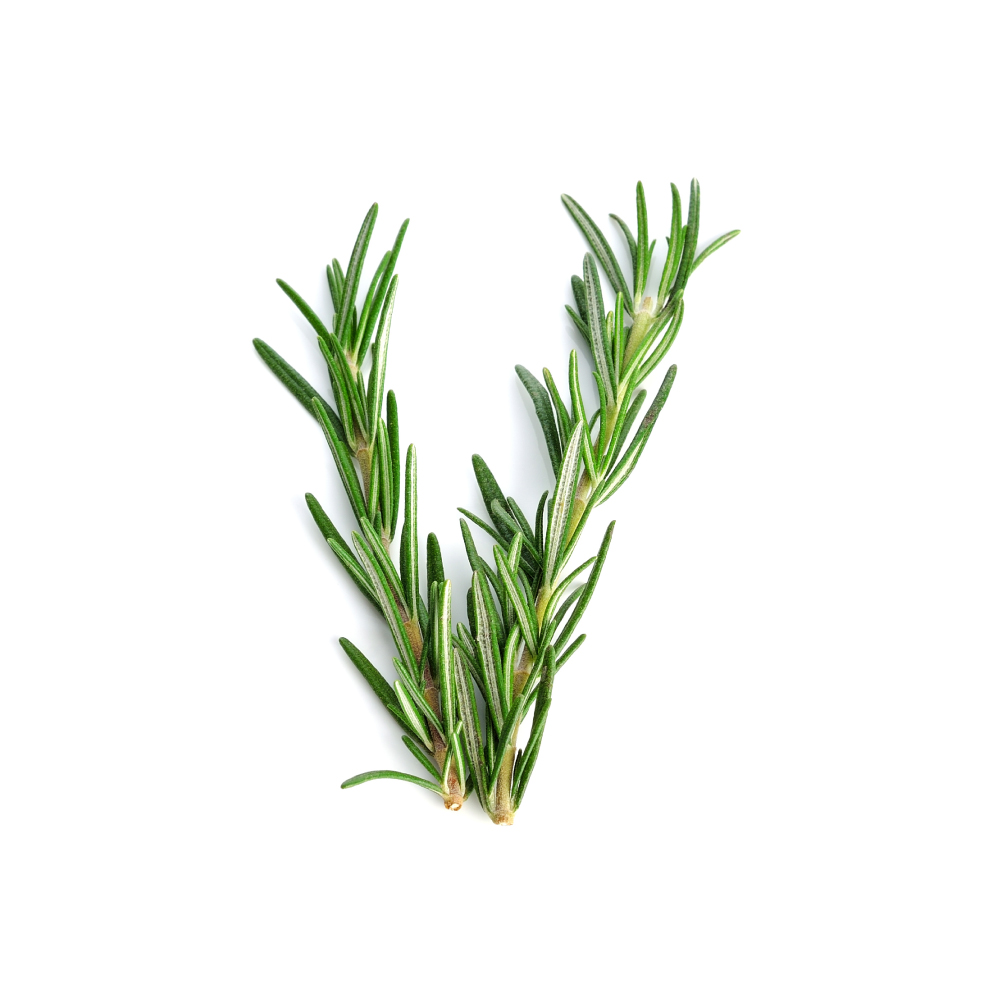
Rosemary
Rosmarinus officinalis
Rosemary (Rosmarinus officinalis / Salvia rosmarinus) — a Mediterranean culinary herb and circulatory nervine whose two fractions, an aromatic monoterpene oil and non-volatile diterpene-phenol antioxidants, drive its cognitive, antioxidant and topical hair-growth uses.
What Is Rosemary?
Rosemary (Rosmarinus officinalis, now taxonomically reclassified as Salvia rosmarinus) is an evergreen, needle-leaved shrub in the mint family (Lamiaceae), native to the Mediterranean and grown in gardens worldwide. Most of it is raised for the kitchen, but it has a long medicinal history as a circulatory stimulant, nervine and digestive.
Two chemically distinct fractions do the work, and they behave like different medicines. The aromatic essential oil is a blend of monoterpenes (1,8-cineole, camphor, α-pinene, verbenone) whose proportions vary by chemotype; it carries the antimicrobial, carminative and topical activity. The non-volatile diterpene-phenol fraction — chiefly carnosic acid and carnosol, alongside rosmarinic and ursolic acids — is the antioxidant backbone behind standardised rosemary extracts used industrially in food and cosmetics 1Reference 1In vitroChemotypic Characterization and Biological Activity of Rosmarinus officinalis — in vitroView study →.
Traditionally rosemary is used to stimulate blood flow to the body and brain, to support mental clarity, and to settle the digestion. Its two best-documented modern uses are narrower than its reputation: topical rosemary oil for pattern hair loss, and small, mostly acute effects of rosemary aroma or extract on cognition and mood.
Traditional & Modern Uses
In Western herbal practice rosemary is classed as a circulatory stimulant, nervine, carminative and mild antispasmodic. It has been used to move blood to the brain and periphery, for headaches and faintness, for nerve complaints such as neuralgia and sciatica, and for low mood associated with debility — though these are traditional indications, not effects demonstrated in controlled human trials.
Its digestive reputation is long-standing: the volatile oil relaxes gastrointestinal smooth muscle, and the leaf and oil are classed pharmacopoeially as carminative and spasmolytic, used for flatulence, dyspepsia and digestive upset. This use rests on tradition and general oil pharmacology rather than on trials of rosemary for digestive complaints.
Two applications now have direct human support. Topical rosemary essential oil applied to the scalp performed on par with 2% minoxidil for androgenetic alopecia over six months, with less itching 2Reference 2RCTRosemary oil vs minoxidil 2% for the treatment of androgenetic alopecia: a randomized comparative trialView study →. And rosemary’s “herb of remembrance” reputation has been probed in several small cognition trials — the aroma of the oil and a single dose of rosemary water produced modest improvements in memory measures in healthy adults 4,5Reference 4RCTAromas of rosemary and lavender essential oils differentially affect cognition and mood in healthy adults — randomisedView study →Reference 5RCTAcute ingestion of rosemary water: Evidence of cognitive and cerebrovascular effects in healthy adults — randomised controlled trialView study →, while dried-leaf powder showed a biphasic dose effect (a low dose helped, a high dose impaired) 6Reference 6RCTShort-term study on the effects of rosemary on cognitive function in an elderly population — randomised controlled trialView study →. Claims that rosemary treats Alzheimer’s disease or syncope overstate what is small, acute, healthy-adult data.
Botany & Habitat
Rosemary belongs to the mint family (Lamiaceae), one of the largest plant families, with roughly 236 genera and several thousand species. The Rosmarinus genus is small — historically about four species, of which Rosmarinus officinalis is the one used medicinally. Genetic work has since folded the genus into Salvia, so the plant is now formally Salvia rosmarinus; it shares its signature diterpenes (carnosic acid, carnosol) with sage, Salvia officinalis.
The plant is hardy and highly drought-resistant, tolerating long dry spells, but it is at its best in the warm, well-drained conditions of its native Mediterranean range. It is a woody perennial rather than a herbaceous annual, and once established will persist for years.
A defining feature is its chemotypes: the essential oil’s dominant monoterpene shifts with growing region and provenance, giving cineole-, camphor- and verbenone-type oils that differ markedly in composition and biological activity 1Reference 1In vitroChemotypic Characterization and Biological Activity of Rosmarinus officinalis — in vitroView study →.
Phytochemistry
Rosemary works through two very different fractions. The aromatic essential oil is a blend of monoterpenes — 1,8-cineole, camphor, α-pinene, borneol and camphene — whose proportions define the plant’s chemotypes (the cineole-, camphor- and verbenone-dominant oils of different growing regions) 1Reference 1In vitroChemotypic Characterization and Biological Activity of Rosmarinus officinalis — in vitroView study →. The non-volatile fraction carries most of rosemary’s antioxidant reputation: the diterpene phenols carnosolic (carnosic) acid and carnosol, with rosmarinic acid and the triterpene ursolic acid — the actives behind standardised rosemary-extract antioxidants used in food and cosmetics 1Reference 1In vitroChemotypic Characterization and Biological Activity of Rosmarinus officinalis — in vitroView study →.
Constituent Summary
Amounts are share of essential oil for the volatile monoterpenes (proportions swing widely by chemotype, season and region) and qualitative for the non-volatile antioxidants; † marks the monoterpenes whose dominance defines the cineole-, camphor- and verbenone-type oils 1Reference 1In vitroChemotypic Characterization and Biological Activity of Rosmarinus officinalis — in vitroView study →.
Monoterpene7 compounds6 with data
Diterpene3 compounds2 with data
Triterpene1 compoundno data
Phenolic acid1 compoundno data
Flavonoid1 compoundno data
Pharmacology & Research
Rosemary sits on an unusually lopsided evidence base: a very large preclinical and food-science literature centred on two chemical fractions — the volatile monoterpene oil and the non-volatile diterpene phenols (carnosic acid, carnosol) plus rosmarinic and ursolic acids — but only a scattering of small human trials, most of them acute-dose or pilot-scale. The strongest human signals are for topical rosemary oil in androgenetic alopecia (one active-comparator RCT against minoxidil) and for cognition/mood, where the effect is mostly acute and modest. Antioxidant and anti-inflammatory activity is the mechanistic backbone that most other claims lean on, and it is well characterised in vitro and in animals but thinly tested in people. Throughout, the single biggest caveat is chemotype and preparation: the essential oil (aroma or topical), a standardised carnosic-acid extract, a whole-leaf powder, and a tincture are chemically different medicines, and results rarely transfer between them.
- Best-supported: antioxidant and anti-inflammatory activity of the diterpene/rosmarinic-acid fraction 1,12,27Reference 1In vitroChemotypic Characterization and Biological Activity of Rosmarinus officinalis — in vitroView study →Reference 12ReviewA Review of the Anti-Inflammatory Effects of Rosmarinic Acid on Inflammatory Diseases — reviewView study →Reference 27In vitroAntioxidant and pro-oxidant properties of active rosemary constituents: carnosol and carnosic acid — in vitroView study →; topical rosemary oil for androgenetic alopecia, non-inferior to 2% minoxidil over 6 months 2Reference 2RCTRosemary oil vs minoxidil 2% for the treatment of androgenetic alopecia: a randomized comparative trialView study →; small acute cognitive/mood effects from rosemary aroma and rosemary water 4,5Reference 4RCTAromas of rosemary and lavender essential oils differentially affect cognition and mood in healthy adults — randomisedView study →Reference 5RCTAcute ingestion of rosemary water: Evidence of cognitive and cerebrovascular effects in healthy adults — randomised controlled trialView study →.
- Emerging, worth watching: carnosic acid as a neuroprotective agent in ischaemia and neurodegeneration models 20,22Reference 20ReviewNeuroprotective Effects of Carnosic Acid: Insight into Its Mechanisms of Action — reviewView study →Reference 22ReviewTherapeutic effects of rosemary (Rosmarinus officinalis L.) and its active constituents on nervous system disorders — reviewView study →; carnosic-acid-driven glucose uptake and metabolic effects 15,17Reference 15AnimalCarnosic acid as a major bioactive component in rosemary extract ameliorates high-fat-diet-induced obesity and metabolic syndrome — mouseView study →Reference 17In vitroCarnosic acid as a component of rosemary extract stimulates skeletal muscle cell glucose uptake via AMPK activation — in vitroView study →; carnosic-acid-accelerated wound healing via TRPA1 21Reference 21AnimalCarnosic acid in topical rosemary extract enhances skin repair via TRPA1 activation — mouseView study →.
- Mechanistically thin: hepatoprotective and anticancer claims rest almost entirely on animal and cell-line work with no confirmatory human trials 14,19Reference 14AnimalCarnosic acid suppressed the formation of NETs in alcoholic hepatosteatosis based on the P2X7R-NLRP3 axis — mouseView study →Reference 19ReviewRosemary and cancer prevention: preclinical perspectives — reviewView study →.
- The caveat: most human data are acute, pilot-sized, or use a specific extract/oil — there is no standardised oral dose, and effects seen with one preparation do not transfer to another.
1. Antioxidant
Rosemary’s antioxidant reputation rests on its non-volatile diterpene phenols — carnosic acid and carnosol — plus rosmarinic acid and ursolic acid. These are the actives in the standardised rosemary extracts used industrially as food and cosmetic antioxidants 1,26Reference 1In vitroChemotypic Characterization and Biological Activity of Rosmarinus officinalis — in vitroView study →Reference 26ReviewCarnosic acid — reviewView study →. Early mechanistic work showed carnosol and carnosic acid scavenge peroxyl and hydroxyl radicals and chelate metals, though carnosic acid can act as a pro-oxidant under some conditions 27Reference 27In vitroAntioxidant and pro-oxidant properties of active rosemary constituents: carnosol and carnosic acid — in vitroView study →. Much of the activity is now understood to run through induction of the Nrf2/phase-II antioxidant response rather than direct radical scavenging alone 26Reference 26ReviewCarnosic acid — reviewView study →. The gap is that almost all of this is in vitro or in food matrices — direct measures of systemic antioxidant benefit in humans taking rosemary are scarce.
Gap: abundant cell/food-chemistry data but very little human pharmacodynamic confirmation at realistic oral doses.
2. Androgenetic alopecia
This is rosemary’s strongest human indication, and it is specifically the topical oil, not the ingested herb. A 6-month randomised trial (n=100) compared rosemary oil against 2% minoxidil in men with androgenetic alopecia: both groups showed a significant increase in hair count at 6 months (but not at 3 months), with no significant difference between them, and rosemary caused less scalp itching 2Reference 2RCTRosemary oil vs minoxidil 2% for the treatment of androgenetic alopecia: a randomized comparative trialView study →. A 2025 double-blind three-arm RCT of rosemary-containing oil blends reported improvements in hair-growth and scalp-health measures versus a coconut-oil control 3Reference 3RCTRosmagain™ as a Natural Therapeutic for Hair Regrowth and Scalp Health: A Double-Blind, Randomized, Three-Armed, Placebo-Controlled Clinical Trial — RCTView study →. The proposed mechanism is enhanced microcapillary scalp perfusion plus anti-inflammatory and possibly anti-androgenic activity of carnosic acid 2,3Reference 2RCTRosemary oil vs minoxidil 2% for the treatment of androgenetic alopecia: a randomized comparative trialView study →Reference 3RCTRosmagain™ as a Natural Therapeutic for Hair Regrowth and Scalp Health: A Double-Blind, Randomized, Three-Armed, Placebo-Controlled Clinical Trial — RCTView study →. The caveats are real: the pivotal trial was open to placebo and expectancy effects (no vehicle-only arm), samples are small, and “rosemary oil” formulations differ between studies.
Gap: only one active-comparator RCT with no placebo arm; blends muddy attribution to rosemary specifically, and durability beyond 6 months is untested.
3. Anti-inflammatory
Anti-inflammatory activity is a mechanistic mainstay, driven mainly by rosmarinic acid and the diterpenes. Across arthritis, colitis and atopic-dermatitis models, rosmarinic acid suppresses NF-κB signalling and downstream inflammatory mediators (TNF-α, IL-1β, IL-6, COX-2) 12Reference 12ReviewA Review of the Anti-Inflammatory Effects of Rosmarinic Acid on Inflammatory Diseases — reviewView study →. Carnosic acid shows the same NF-κB/NLRP3-inflammasome suppression in tissue-injury models 14Reference 14AnimalCarnosic acid suppressed the formation of NETs in alcoholic hepatosteatosis based on the P2X7R-NLRP3 axis — mouseView study →. The essential oil itself has measurable anti-inflammatory activity in vitro, but this varies widely with chemotype — a survey of 71 Algerian oil samples found composition (and by extension activity) swinging dramatically with 1,8-cineole, camphor and verbenone content 13Reference 13In vitroChemical Variability and Anti-Inflammatory Activity of Rosmarinus officinalis LView study →. Human anti-inflammatory trials of rosemary as a discrete intervention are essentially absent; the review literature itself notes only sparse clinical data 12Reference 12ReviewA Review of the Anti-Inflammatory Effects of Rosmarinic Acid on Inflammatory Diseases — reviewView study →.
Gap: strong and consistent preclinical mechanism, but no controlled human trials isolating rosemary’s anti-inflammatory effect.
4. Cognitive & memory
Rosemary’s “herb of remembrance” reputation has been probed in several small human trials, with genuinely mixed results. In a controlled study (n=144), the aroma of rosemary essential oil significantly enhanced performance on quality-of-memory measures versus no-odour control 4Reference 4RCTAromas of rosemary and lavender essential oils differentially affect cognition and mood in healthy adults — randomisedView study →. A later RCT (n=80) found that acute ingestion of rosemary water produced small beneficial cognitive effects alongside cerebrovascular changes (raised deoxygenated haemoglobin during task) 5Reference 5RCTAcute ingestion of rosemary water: Evidence of cognitive and cerebrovascular effects in healthy adults — randomised controlled trialView study →. In older adults (n=28), dried rosemary leaf powder showed a biphasic dose effect — a low 750 mg dose improved speed of memory while a high 6,000 mg dose impaired it 6Reference 6RCTShort-term study on the effects of rosemary on cognitive function in an elderly population — randomised controlled trialView study →. A pilot of a combined sage/rosemary/melissa extract found no overall memory effect but a significant benefit in under-63s on subgroup analysis 7Reference 7RCTA randomised double-blind placebo-controlled pilot trial of a combined extract of sage, rosemary and melissa on memory in healthy subjects — RCTView study →, and an animal meta-analysis confirmed a consistent pro-cognitive effect across rodent studies 9Reference 9Meta-analysisCognition enhancing effect of rosemary (Rosmarinus officinalis L.) in lab animal studies: a systematic review and meta-analysisView study →. Effects are small, often acute, and preparation-dependent.
Gap: trials are small, short, and heterogeneous in preparation (aroma vs water vs powder); no adequately powered trial of a defined oral dose over months.
5. Antimicrobial
Rosemary essential oil and its diterpenes show broad in vitro antimicrobial activity. Carnosic acid and carnosol are potent inhibitors of Staphylococcus aureus quorum sensing (agr operon) at low micromolar concentrations, suppressing virulence in strains isolated from atopic-dermatitis patients 18Reference 18In vitroRosmarinus officinalis L. (Rosemary) Extracts Containing Carnosic Acid and Carnosol are Potent Quorum Sensing Inhibitors of Staphylococcus aureus Virulence — in vitroView study →. The whole oil has documented antibacterial, antifungal and antibiofilm activity that tracks with its monoterpene profile 1Reference 1In vitroChemotypic Characterization and Biological Activity of Rosmarinus officinalis — in vitroView study →. The consistent limitation is that this is entirely laboratory work — there are no human infection trials, and essential-oil concentrations effective in vitro are not the concentrations achieved by culinary or aromatic use.
Gap: no clinical antimicrobial data; activity is concentration-dependent in vitro and unlikely to be reached by ordinary oral use.
6. Neuroprotective
Beyond acute cognition, carnosic acid has an increasingly detailed neuroprotective mechanism. In cerebral ischaemia-reperfusion and neurodegeneration models it protects neurons by activating Nrf2, preserving mitochondrial function and dampening neuroinflammation 20,22Reference 20ReviewNeuroprotective Effects of Carnosic Acid: Insight into Its Mechanisms of Action — reviewView study →Reference 22ReviewTherapeutic effects of rosemary (Rosmarinus officinalis L.) and its active constituents on nervous system disorders — reviewView study →. Its structure lets it cross the blood-brain barrier and it is preferentially activated by oxidative stress (“redox-activated”), which has driven interest in Alzheimer’s and Parkinson’s contexts 20Reference 20ReviewNeuroprotective Effects of Carnosic Acid: Insight into Its Mechanisms of Action — reviewView study →. This is a coherent and well-reviewed preclinical story — but it remains preclinical: the neuroprotection is demonstrated in cells and rodents, not in patients with neurodegenerative disease.
Gap: compelling mechanism and animal efficacy, but no human neurodegenerative-disease trials of rosemary or carnosic acid.
7. Hepatoprotective
Rodent work supports a liver-protective effect. Carnosic acid reduced hepatic lipid accumulation and inflammation in an alcoholic-liver-disease mouse model by inhibiting the P2X7R–NLRP3 inflammasome axis and neutrophil extracellular trap formation 14Reference 14AnimalCarnosic acid suppressed the formation of NETs in alcoholic hepatosteatosis based on the P2X7R-NLRP3 axis — mouseView study →, and carnosic-acid-rich rosemary extract ameliorated high-fat-diet-induced liver steatosis in mice 15Reference 15AnimalCarnosic acid as a major bioactive component in rosemary extract ameliorates high-fat-diet-induced obesity and metabolic syndrome — mouseView study →. The one direct human test is a null: an 8-week randomised trial (n=110) of 4 g/day rosemary leaf powder in NAFLD found that liver enzymes and metabolic markers improved in both arms with weight loss, but with no significant difference between rosemary and placebo 16Reference 16RCTEffect of rosemary leaf powder with weight loss diet on lipid profile, glycemic status, and liver enzymes in patients with nonalcoholic fatty liver disease — randomized controlled trialView study →.
Gap: the strongest human trial to date was negative; benefit is confined to animal models and specific extracts.
8. Anticancer
There is a large chemoprevention literature but no human oncology data. Reviews of rosemary extract, carnosol, carnosic acid, ursolic acid and rosmarinic acid describe dose-related, non-tissue-specific suppression of tumour development across colon, breast, liver, stomach, melanoma and leukaemia models, acting on multiple stages of carcinogenesis 19Reference 19ReviewRosemary and cancer prevention: preclinical perspectives — reviewView study →. The mechanisms overlap heavily with the antioxidant/anti-inflammatory and phase-II-enzyme induction pathways above. As the reviewers themselves frame it, this is a “preclinical perspective” — the entire signal is animal and cell-line.
Gap: zero human cancer trials; all evidence is in vitro or animal, so no efficacy or dosing translation exists.
9. Anxiolytic & mood
Mood effects are real but contradictory, which is why this ranks low despite human data. A repeated intake trial in working-age Japanese men found rosemary extract improved mood-disturbance and vigour scores, especially in those with poorer baseline mental health 11Reference 11RCTEffects of Continuous Intake of Rosemary Extracts on Mental Health in Working Generation Healthy Japanese Men — randomized controlled trial (post-hoc)View study →, and the students’ RCT above reported reduced anxiety and depression scores alongside memory gains 8Reference 8RCTEffects of Rosmarinus officinalis L. on memory performance, anxiety, depression, and sleep quality in university students: a randomized clinical trialView study →. But in an anxiety-provoking-task study, the rosemary scent condition scored higher on tension-anxiety and confusion than lavender or control 10Reference 10Clinical trialScent and mood state following an anxiety-provoking task — clinical trialView study → — the opposite direction. The stimulant, “warming” character of rosemary aroma may not be anxiolytic at all, and results depend on route (ingested extract vs inhaled oil) and context.
Gap: directly conflicting results across small trials; aroma may increase rather than decrease acute tension.
10. Carminative & antispasmodic
Rosemary’s traditional use for flatulence, dyspepsia and digestive upset is long-standing and is reflected in pharmacopoeial classification of the leaf and oil as carminative and spasmolytic. Mechanistically this is attributed to the volatile oil’s relaxant effect on gastrointestinal smooth muscle, consistent with the broader antispasmodic activity described for the essential oil and its monoterpenes 22Reference 22ReviewTherapeutic effects of rosemary (Rosmarinus officinalis L.) and its active constituents on nervous system disorders — reviewView study →. However, this indication rests almost entirely on traditional documentation and general oil pharmacology rather than on trials of rosemary for digestive complaints.
Gap: no controlled human trials for dyspepsia or spasm; support is traditional plus indirect oil pharmacology.
11. Wound healing & skin repair
A 2025 mechanistic study gives this a real, if narrow, footing. In adult mouse wound models, an ethanol-based rosemary extract accelerated wound closure and reduced fibrosis, and the effect was traced to carnosic acid activating the TRPA1 nociceptor on cutaneous sensory neurons — mice lacking neuronal TRPA1 lost the benefit 21Reference 21AnimalCarnosic acid in topical rosemary extract enhances skin repair via TRPA1 activation — mouseView study →. This is a well-designed causal study, but it is a single animal report; the widespread public use of topical rosemary for wound healing is otherwise unsupported by human data.
Gap: one mouse study, however clean; no human wound-healing trials.
Mechanisms
| Mechanism | Drives | Key compounds |
|---|---|---|
| Nrf2 / phase-II antioxidant induction | antioxidanthepatoprotectiveneuroprotective | carnosic acid, carnosol |
| NF-κB ↓, COX-2 ↓, NLRP3 inflammasome ↓ | anti-inflammatoryhepatoprotective | rosmarinic acid, carnosic acid |
| Mitochondrial protection, anti-apoptotic (BBB-permeant) | neuroprotectivecognitive | carnosic acid |
| Microcapillary perfusion, cerebrovascular O₂ extraction | alopeciacognitive | essential oil, carnosic acid |
| AMPK activation → GLUT4 glucose uptake | metabolic (glucose) | carnosic acid |
| Quorum-sensing (agr) inhibition | antimicrobial | carnosic acid, carnosol |
| TRPA1 sensory-neuron activation | wound healing | carnosic acid |
Clinical trials
A handful of small human RCTs exist — for cognition/mood, androgenetic alopecia and NAFLD — but there is no large registered programme, and the one adequately sized metabolic RCT (NAFLD) was null; the great majority of the evidence remains preclinical.
| Completed | Planned | Terminated | Preclinical |
|---|---|---|---|
| ~8 | 0 | 0 | ~200+ |
Last checked: July 2026.
Dosage
Rosemary is used in chemically different forms — inhaled or topical essential oil, a rosemary-water extract, whole dried-leaf powder, and traditional tinctures/infusions — and the human trials rarely standardise to a marker compound. The doses below are the amounts used in research, not recommendations, and they do not transfer between preparations.
| Indication | Preparation | Dose | Est. dried-herb equivalent | Source |
|---|---|---|---|---|
| Androgenetic alopecia | Topical rosemary essential oil (scalp, daily) | Applied daily, 6 months | — (topical, not oral) | 2Reference 2RCTRosemary oil vs minoxidil 2% for the treatment of androgenetic alopecia: a randomized comparative trialView study → |
| Cognition (acute) | Rosemary water (extract + hydrolat) | 250 mL single dose | — (proprietary; no marker %) | 5Reference 5RCTAcute ingestion of rosemary water: Evidence of cognitive and cerebrovascular effects in healthy adults — randomised controlled trialView study → |
| Cognition (acute) | Dried rosemary leaf powder | 750 mg helped; 6,000 mg impaired | 750 mg–6 g dried leaf (direct) | 6Reference 6RCTShort-term study on the effects of rosemary on cognitive function in an elderly population — randomised controlled trialView study → |
| Memory / mood | Oral rosemary capsule | 500 mg twice daily, 1 month | ~1 g/day dried herb (direct) | 8Reference 8RCTEffects of Rosmarinus officinalis L. on memory performance, anxiety, depression, and sleep quality in university students: a randomized clinical trialView study → |
| NAFLD (null) | Dried rosemary leaf powder | 4 g/day, 8 weeks | 4 g dried leaf (direct) | 16Reference 16RCTEffect of rosemary leaf powder with weight loss diet on lipid profile, glycemic status, and liver enzymes in patients with nonalcoholic fatty liver disease — randomized controlled trialView study → |
| Memory (combined SRM) | Sage + rosemary + melissa ethanol extract | 2-week course | — (multi-herb) | 7Reference 7RCTA randomised double-blind placebo-controlled pilot trial of a combined extract of sage, rosemary and melissa on memory in healthy subjects — RCTView study → |
Where a trial used whole dried leaf powder (6Reference 6RCTShort-term study on the effects of rosemary on cognitive function in an elderly population — randomised controlled trialView study →, 8Reference 8RCTEffects of Rosmarinus officinalis L. on memory performance, anxiety, depression, and sleep quality in university students: a randomized clinical trialView study →, 16Reference 16RCTEffect of rosemary leaf powder with weight loss diet on lipid profile, glycemic status, and liver enzymes in patients with nonalcoholic fatty liver disease — randomized controlled trialView study →) the mg dose ≈ dried-leaf weight, so those rows double as a rough whole-herb guide. For the topical oil 2Reference 2RCTRosemary oil vs minoxidil 2% for the treatment of androgenetic alopecia: a randomized comparative trialView study → and the proprietary rosemary water 5Reference 5RCTAcute ingestion of rosemary water: Evidence of cognitive and cerebrovascular effects in healthy adults — randomised controlled trialView study → no marker % is reported, so no whole-herb equivalent can be derived. Note the biphasic result at 6Reference 6RCTShort-term study on the effects of rosemary on cognitive function in an elderly population — randomised controlled trialView study →: a high 6 g dose impaired cognition, so “more” is not better.
Traditional Dosage
Traditional Western use is of the whole dried leaf as an infusion or tincture, or a liquid extract. (The sidebar’s “1:2 liquid extract, 15–30 mL” reads as a weekly range, ~2–4 mL/day; a daily 15–30 mL of a 1:2 extract would be very high.)
| System | Preparation | Dose |
|---|---|---|
| Western herbal | Liquid extract 1:2 | 15–30 mL / week (~2–4 mL/day) |
| Western herbal | Dried leaf infusion | 2–4 g per cup, up to 3× daily |
| Western herbal | Tincture 1:5 (45%) | 2–4 mL, up to 3× daily |
Safety & Pregnancy
Culinary amounts and food-grade extracts are well tolerated; the essential oil is more irritant, and medicinal-dose preparations should be avoided in pregnancy on the strength of rosemary’s emmenagogue reputation and high-dose animal data.
- Avoid therapeutic doses in pregnancy. Traditional emmenagogue; high-dose animal data show reproductive and developmental effects — culinary amounts are considered safe.
- Essential oil is irritant. Undiluted oil can irritate skin and mucous membranes and is more hazardous than the leaf.
- Drug interactions. Inhibits several CYP450 enzymes and P-glycoprotein in vitro — caution with narrow-therapeutic-index drugs, though no clinical interaction is confirmed.
- Culinary amounts well tolerated. Main documented human reactions are allergic contact dermatitis and occasional hypersensitivity.
Full safety & interactions detail
Culinary amounts of rosemary and standardised food-grade rosemary extracts are well tolerated, and a comprehensive 2025 review concluded rosemary is generally safe for consumption and topical use, with the main documented human reactions being allergic contact dermatitis and occasional hypersensitivity in susceptible individuals 23Reference 23ReviewToxicity and safety of rosemary (Rosmarinus officinalis): a comprehensive review — reviewView study →. The essential oil is more hazardous than the leaf: in comparative in vitro/in vivo screens rosemary oil showed a slightly higher toxic potential than citrus or eucalyptus oils, and undiluted oil can irritate skin and mucous membranes 25Reference 25In vitroAcute, reproductive, and developmental toxicity of essential oils assessed with alternative in vitro and in vivo systems — in vitroView study →. Animal studies at high doses report reversible reproductive effects (reduced spermatogenesis, testosterone and sperm parameters) and, at very high solvent-extract doses, hepatic and renal changes, though a regulatory OECD-421 study found no reproductive or general toxicity up to ~316–401 mg/kg/day of a food-grade acetone extract 23,24Reference 23ReviewToxicity and safety of rosemary (Rosmarinus officinalis): a comprehensive review — reviewView study →Reference 24AnimalReproductive and developmental toxicity screening study of an acetone extract of rosemary — animal modelView study →. Rosemary also inhibits several cytochrome P450 enzymes and P-glycoprotein in vitro, so caution is warranted alongside narrow-therapeutic-index drugs, though no clinical interaction has been confirmed 23Reference 23ReviewToxicity and safety of rosemary (Rosmarinus officinalis): a comprehensive review — reviewView study →.
Rosemary has a traditional reputation as an emmenagogue, and high-dose animal data show reproductive and developmental effects, so concentrated extracts, the essential oil and therapeutic-dose preparations should be avoided in pregnancy 23,24Reference 23ReviewToxicity and safety of rosemary (Rosmarinus officinalis): a comprehensive review — reviewView study →Reference 24AnimalReproductive and developmental toxicity screening study of an acetone extract of rosemary — animal modelView study →. The ordinary use of rosemary as a cooking herb is not a concern. Lactation safety has not been specifically studied — treat medicinal doses as not established.
References
- Satyal, P., Jones, T. H., Lopez, E. M., McFeeters, R. L., et al. (2017). Chemotypic Characterization and Biological Activity of Rosmarinus officinalis — in vitro. Foods. https://pubmed.ncbi.nlm.nih.gov/28273883/
- Panahi, Y., Taghizadeh, M., Marzony, E. T., Sahebkar, A. (2015). Rosemary oil vs minoxidil 2% for the treatment of androgenetic alopecia: a randomized comparative trial. Skinmed. https://pubmed.ncbi.nlm.nih.gov/25842469/
- Patel, M. N., et al. (2025). Rosmagain™ as a Natural Therapeutic for Hair Regrowth and Scalp Health: A Double-Blind, Randomized, Three-Armed, Placebo-Controlled Clinical Trial — RCT. Cureus. https://pubmed.ncbi.nlm.nih.gov/40656290/
- Moss, M., Cook, J., Wesnes, K., Duckett, P. (2003). Aromas of rosemary and lavender essential oils differentially affect cognition and mood in healthy adults — randomised. International Journal of Neuroscience. https://pubmed.ncbi.nlm.nih.gov/12690999/
- Moss, M., Smith, E., Milner, M., McCready, J. (2018). Acute ingestion of rosemary water: Evidence of cognitive and cerebrovascular effects in healthy adults — randomised controlled trial. Journal of Psychopharmacology. https://pubmed.ncbi.nlm.nih.gov/30318972/
- Pengelly, A., Snow, J., Mills, S. Y., et al. (2012). Short-term study on the effects of rosemary on cognitive function in an elderly population — randomised controlled trial. Journal of Medicinal Food. https://pubmed.ncbi.nlm.nih.gov/21877951/
- Perry, N. S. L., Menzies, R., Hodgson, F., et al. (2018). A randomised double-blind placebo-controlled pilot trial of a combined extract of sage, rosemary and melissa on memory in healthy subjects — RCT. Phytomedicine. https://pubmed.ncbi.nlm.nih.gov/29433682/
- Nematolahi, P., Mehrabani, M., Karami-Mohajeri, S., Dabaghzadeh, F. (2018). Effects of Rosmarinus officinalis L. on memory performance, anxiety, depression, and sleep quality in university students: a randomized clinical trial. Complementary Therapies in Clinical Practice. https://pubmed.ncbi.nlm.nih.gov/29389474/
- Hussain, S. M., et al. (2022). Cognition enhancing effect of rosemary (Rosmarinus officinalis L.) in lab animal studies: a systematic review and meta-analysis. Brazilian Journal of Medical and Biological Research. https://pubmed.ncbi.nlm.nih.gov/35170682/
- Burnett, K. M., Solterbeck, L. A., Strapp, C. M. (2004). Scent and mood state following an anxiety-provoking task — clinical trial. Psychological Reports. https://pubmed.ncbi.nlm.nih.gov/15587240/
- Araki, R., Sasaki, K., Onda, H., et al. (2020). Effects of Continuous Intake of Rosemary Extracts on Mental Health in Working Generation Healthy Japanese Men — randomized controlled trial (post-hoc). Nutrients. https://pubmed.ncbi.nlm.nih.gov/33233510/
- Luo, C., Zou, L., Sun, H., et al. (2020). A Review of the Anti-Inflammatory Effects of Rosmarinic Acid on Inflammatory Diseases — review. Frontiers in Pharmacology. https://pubmed.ncbi.nlm.nih.gov/32184728/
- Bekhechi, A., et al. (2024). Chemical Variability and Anti-Inflammatory Activity of Rosmarinus officinalis L. Leaf Essential Oil — in vitro. Chemistry & Biodiversity. https://pubmed.ncbi.nlm.nih.gov/38388803/
- Zuo, R. M., et al. (2023). Carnosic acid suppressed the formation of NETs in alcoholic hepatosteatosis based on the P2X7R-NLRP3 axis — mouse. Phytomedicine. https://pubmed.ncbi.nlm.nih.gov/36577209/
- Zhao, Y., et al. (2015). Carnosic acid as a major bioactive component in rosemary extract ameliorates high-fat-diet-induced obesity and metabolic syndrome — mouse. Journal of Agricultural and Food Chemistry. https://pubmed.ncbi.nlm.nih.gov/25929334/
- Akbari, S., et al. (2022). Effect of rosemary leaf powder with weight loss diet on lipid profile, glycemic status, and liver enzymes in patients with nonalcoholic fatty liver disease — randomized controlled trial. Phytotherapy Research. https://pubmed.ncbi.nlm.nih.gov/35318738/
- Naimi, M., Tsakiridis, T., Stamatatos, T. C., et al. (2017). Carnosic acid as a component of rosemary extract stimulates skeletal muscle cell glucose uptake via AMPK activation — in vitro. Clinical and Experimental Pharmacology and Physiology. https://pubmed.ncbi.nlm.nih.gov/27716981/
- Nakagawa, S., Hillebrand, G. G., Nunez, G. (2020). Rosmarinus officinalis L. (Rosemary) Extracts Containing Carnosic Acid and Carnosol are Potent Quorum Sensing Inhibitors of Staphylococcus aureus Virulence — in vitro. Antibiotics (Basel). https://pubmed.ncbi.nlm.nih.gov/32244277/
- Ngo, S. N. T., Williams, D. B., Head, R. J. (2011). Rosemary and cancer prevention: preclinical perspectives — review. Critical Reviews in Food Science and Nutrition. https://pubmed.ncbi.nlm.nih.gov/21955093/
- Mirza, F. J., Zahid, S., Amber, S. (2023). Neuroprotective Effects of Carnosic Acid: Insight into Its Mechanisms of Action — review. Molecules. https://pubmed.ncbi.nlm.nih.gov/36903551/
- Rapp, E., et al. (2025). Carnosic acid in topical rosemary extract enhances skin repair via TRPA1 activation — mouse. JCI Insight. https://pubmed.ncbi.nlm.nih.gov/41129748/
- Ghasemzadeh Rahbardar, M., Hosseinzadeh, H. (2020). Therapeutic effects of rosemary (Rosmarinus officinalis L.) and its active constituents on nervous system disorders — review. Iranian Journal of Basic Medical Sciences. https://pubmed.ncbi.nlm.nih.gov/32963731/
- Ghasemzadeh Rahbardar, M., Hosseinzadeh, H. (2025). Toxicity and safety of rosemary (Rosmarinus officinalis): a comprehensive review — review. Naunyn-Schmiedeberg’s Archives of Pharmacology. https://pubmed.ncbi.nlm.nih.gov/39096378/
- Phipps, K. R., et al. (2021). Reproductive and developmental toxicity screening study of an acetone extract of rosemary — animal model. Regulatory Toxicology and Pharmacology. https://pubmed.ncbi.nlm.nih.gov/33321148/
- Lanzerstorfer, P., et al. (2021). Acute, reproductive, and developmental toxicity of essential oils assessed with alternative in vitro and in vivo systems — in vitro. Archives of Toxicology. https://pubmed.ncbi.nlm.nih.gov/33159585/
- Birtić, S., Dussort, P., Pierre, F. X., et al. (2015). Carnosic acid — review. Phytochemistry. https://pubmed.ncbi.nlm.nih.gov/25639596/
- Aruoma, O. I., Halliwell, B., Aeschbach, R., Löligers, J. (1992). Antioxidant and pro-oxidant properties of active rosemary constituents: carnosol and carnosic acid — in vitro. Xenobiotica. https://pubmed.ncbi.nlm.nih.gov/1378672/