
Materia Medica
Yellow Dock
Rumex crispus
Yellow dock (Rumex crispus) — an alterative and gentle laxative herb used for constipation, IBD, haemorrhoids, reflux and eczema.
What Is Yellow Dock?
Yellow dock is a perennial herb native to Europe and western Asia that has become naturalized throughout much of North America. The medicinal root has a long history of use in Western herbal medicine as a mild laxative, digestive tonic, alterative, and mineral-rich restorative herb.
Traditionally associated with chronic skin conditions, sluggish elimination, and digestive stagnation, yellow dock became especially valued in Eclectic and folk herbalism for constitutional formulas targeting eczema, hemorrhoids, chronic constipation, and inflammatory digestive complaints.
The root combines bitter digestive stimulation with anthraquinone laxative compounds, giving it a unique dual action on digestion and bowel motility.
How Is Yellow Dock Used?
Yellow dock is most commonly prepared as decoctions, tinctures, powders, syrups, or capsules.
Traditional use centers around sluggish digestion, constipation, poor bile flow, chronic skin conditions, and inflammatory digestive disorders. The herb is often included in alterative formulas intended to gradually improve elimination and digestive function over time.
Because the root combines bitter tonic and mild laxative properties, it is frequently used where constipation coexists with digestive weakness or hepatic sluggishness.
Yellow dock is commonly combined with herbs such as burdock, dandelion, red clover, nettle, or cleavers in long-term skin and detoxification formulas.
Traditional Uses
Western Herbal Medicine
In Western herbal medicine, yellow dock is regarded as an alterative, mild laxative, bitter tonic, and mineral-supportive herb.
Traditional indications include constipation, hemorrhoids, eczema, chronic skin eruptions, sluggish liver function, poor digestion, inflammatory bowel conditions, and reflux associated with digestive stagnation.
Eclectic physicians also valued the herb as a “blood purifier” and nutritive tonic during chronic inflammatory or debilitated states.
The root was frequently used in long-term constitutional formulas for chronic skin and digestive disorders.
Traditional Folk Uses
Traditional folk medicine additionally used yellow dock for anemia, weakness, spring cleansing tonics, and chronic inflammatory conditions associated with sluggish elimination.
Young leaves were occasionally consumed as cooked greens, though their oxalate content limits excessive use.
Indications
Yellow dock is primarily indicated for sluggish digestive and eliminative conditions.
Common traditional and modern indications include:
- Constipation
- Mild diarrhea associated with digestive weakness
- Inflammatory bowel disease (IBD)
- Hemorrhoids
- GERD and reflux
- Sluggish digestion
- Eczema
- Chronic skin eruptions
- Hepatic congestion
- General alterative support
The herb is especially useful where constipation and chronic inflammatory skin conditions coexist.
Botany
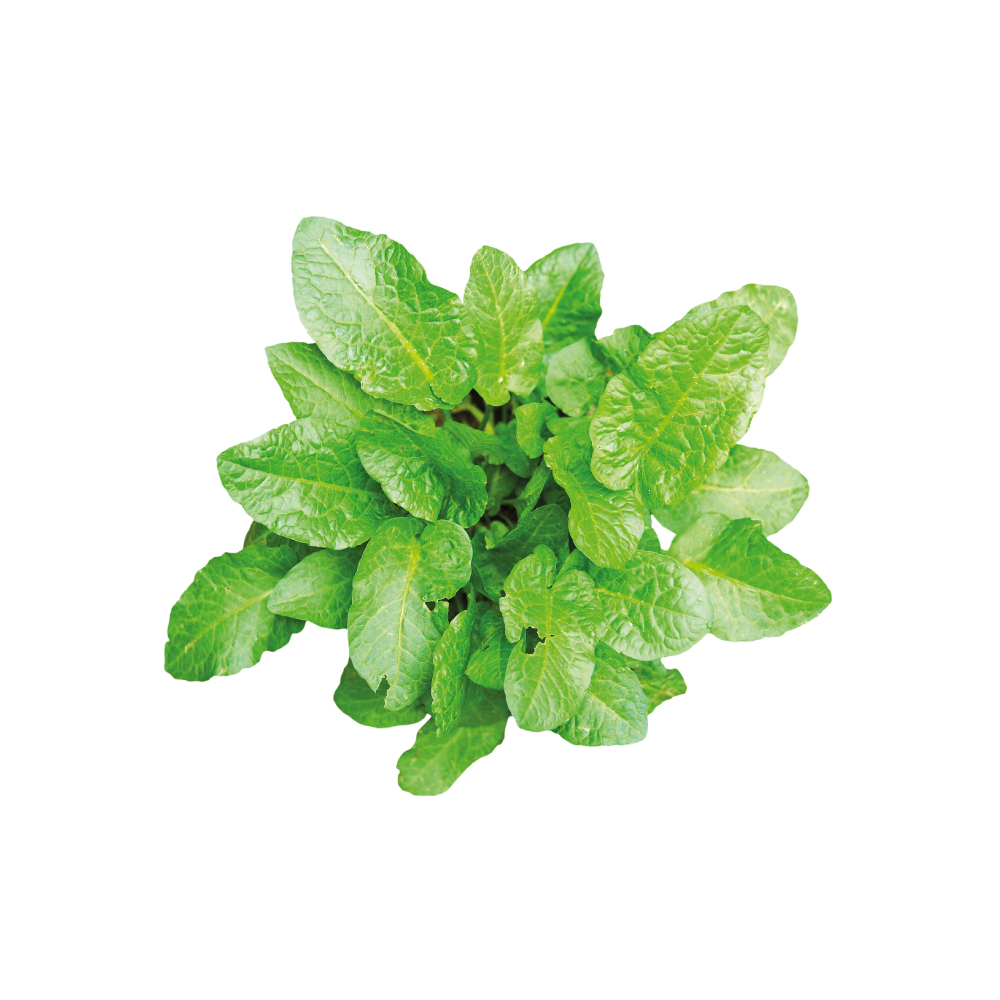
Yellow dock is Rumex crispus, a member of the knotweed family (Polygonaceae) and one of the true docks. It is an erect herbaceous perennial recognised by its narrow, lance-shaped leaves with wavy, curled margins — the source of its other common name, curly dock — and by tall panicles of tiny green flowers that ripen to rusty reddish-brown.
The medicinal part is the taproot: thick, branching and a characteristic yellow to orange inside. That yellow interior is both the plant’s namesake and a rough visual cue to its anthraquinone content.
Herbalists treat yellow dock and broad-leaved dock (Rumex obtusifolius) as broadly interchangeable — the two grow side by side, share the yellow root and similar constituents, and are used the same way; broad-leaved dock simply has wider, flatter leaves without the crimped edge. One distinction matters at harvest: the sorrels (Rumex acetosa, R. acetosella) are the sour-tasting, arrow-leaved members of the same genus grown as edible greens, a different remedy from the bitter, root-focused docks.
Distribution
Yellow dock is native to Europe and western Asia but has spread to nearly every temperate region on Earth. In North America it is a common weed of pastures, roadsides, ditches and damp disturbed ground — abundant, easy to find and free for the digging where harvesting is permitted.
Growing Conditions
- Thrives in full sun to part shade and tolerates a wide range of soils, but favours moist, heavy or disturbed ground.
- A hardy perennial across roughly USDA zones 3–9; dies back in winter and returns from the root each spring.
- Grows readily — often volunteers as a weed — and self-seeds prolifically from its rusty brown seed heads.
- The deep taproot is dug in autumn or early spring, when its medicinal constituents are most concentrated.
- Full cultivation detail lives on the companion farm-wiki grow guide for Rumex crispus (link to be added once that project’s public URL is confirmed).
Phytochemistry
The laxative action of yellow dock root rests on its anthraquinones, which occur largely as glycosides and total roughly 3–4% of the dried root 9Reference 9ReviewThe genus Rumex: Review of traditional uses, phytochemistry and pharmacology — reviewView study →. The principal aglycones are emodin, chrysophanol and physcion, with rhein also present 1Reference 1In vitroIn vitro antioxidant, anti-inflammation, and anticancer activities and anthraquinone content from Rumex crispus root extract and fractions — in vitro studyView study →. Set apart from these is nepodin (musizin), a naphthalene derivative characteristic of Rumex that co-occurs with the anthracene set 4Reference 4In vitroAntidiabetic effect of nepodin, a component of Rumex roots, and its modes of action in vitro and in vivo — in vitro and mouse studyView study →. A newer seco-anthraquinone glucoside, crispuside A, has also been isolated from the root 11Reference 11In vitroNew seco-anthraquinone glucoside from the roots of Rumex crispus — in vitro studyView study →. Astringency comes from catechol-type tannins (around 5% of the root), while the leaves and root also accumulate oxalic acid and oxalate salts, the basis of the herb’s caution in kidney-stone-prone individuals 9Reference 9ReviewThe genus Rumex: Review of traditional uses, phytochemistry and pharmacology — reviewView study →.
Constituent Summary
Reported from the root of Rumex crispus. Amounts use two different bases, stated per row: % of dried root is the bulk anthraquinone-glycoside estimate 9Reference 9ReviewThe genus Rumex: Review of traditional uses, phytochemistry and pharmacology — reviewView study →, whereas the mg/g figures are the contents of individual aglycones measured by HPLC in a dichloromethane fraction of the extract 1Reference 1In vitroIn vitro antioxidant, anti-inflammation, and anticancer activities and anthraquinone content from Rumex crispus root extract and fractions — in vitro studyView study → — an enriched fraction, not the whole root, so these values are not percentages of crude drug. Constituents identified but not individually quantified are marked No Data.
Anthraquinone6 compounds4 with data
Naphthalene1 compoundno data
Organic acid1 compoundno data
Catechol-type tannins are additionally reported at approximately 5% of the dried root 9Reference 9ReviewThe genus Rumex: Review of traditional uses, phytochemistry and pharmacology — reviewView study →.
Pharmacology & Research
The modern evidence for yellow dock is thin and almost entirely preclinical. Most published work studies Rumex crispus as isolated solvent fractions or single constituents in cell lines and rodents, not as the decoction or tincture people actually take, and no human efficacy trial of the herb exists 8Reference 8ReviewRumex crispus L.: A comprehensive review on botany, traditional uses, phytochemistry, pharmacology, and safety — reviewView study →. The best-characterised chemistry is the anthraquinone set (emodin, chrysophanol, physcion, with rhein), whose stimulant-laxative action is the one indication with a coherent mechanism, a matching traditional record, and centuries of documented use — though even here the direct clinical data are on the compound class rather than on the whole root 8,9Reference 8ReviewRumex crispus L.: A comprehensive review on botany, traditional uses, phytochemistry, pharmacology, and safety — reviewView study →Reference 9ReviewThe genus Rumex: Review of traditional uses, phytochemistry and pharmacology — reviewView study →. The most active single molecule in the herb is nepodin, a naphthalene derivative that carries most of the antidiabetic and antimalarial signal 4,7Reference 4In vitroAntidiabetic effect of nepodin, a component of Rumex roots, and its modes of action in vitro and in vivo — in vitro and mouse studyView study →Reference 7In vitroAntimalarial activity of nepodin isolated from Rumex crispus — in vitro and mouse studyView study →. Read everything below as mechanism and early screening: interesting, internally consistent, but a long way from the clinic, and heavily dependent on which extract or fraction was tested. On the safety side the one concrete human report is not an efficacy finding at all — a case of severe immune thrombocytopenia after a yellow dock–burdock tea 12Reference 12Case reportHerbal teas and thrombocytopenia: a curious case of yellow dock and burdock-induced thrombocytopenia — case reportView study → — and is covered in the monograph’s Safety section rather than scored here.
- Best-supported: the laxative action, resting on well-understood anthraquinone pharmacology and a deep traditional record 8,9Reference 8ReviewRumex crispus L.: A comprehensive review on botany, traditional uses, phytochemistry, pharmacology, and safety — reviewView study →Reference 9ReviewThe genus Rumex: Review of traditional uses, phytochemistry and pharmacology — reviewView study →; and antioxidant activity, replicated across solvent fractions of the root 1Reference 1In vitroIn vitro antioxidant, anti-inflammation, and anticancer activities and anthraquinone content from Rumex crispus root extract and fractions — in vitro studyView study →.
- Emerging, worth watching: antidiabetic effects of the constituent nepodin via AMPK/GLUT4 in muscle cells and diabetic mice 4Reference 4In vitroAntidiabetic effect of nepodin, a component of Rumex roots, and its modes of action in vitro and in vivo — in vitro and mouse studyView study →, and anti-inflammatory suppression of nitric oxide and cytokines in vitro 1Reference 1In vitroIn vitro antioxidant, anti-inflammation, and anticancer activities and anthraquinone content from Rumex crispus root extract and fractions — in vitro studyView study →.
- Mechanistically thin: anticancer, hepatoprotective, antimalarial, anti-adhesion and antimicrobial claims all rest on single studies, isolated compounds, or cell-line work with no whole-herb human data.
- The caveat: almost every positive result comes from an enriched fraction (often a dichloromethane or ethyl-acetate fraction), not the crude root — and there is no standardised extract and no clinical dose.
1. Laxative
This is the herb’s defining action and the one with a mechanism that maps cleanly onto how it is actually used. The root contains roughly 3–4% anthraquinones, largely as glycosides — emodin, chrysophanol and physcion, with rhein also present — and this is the same anthraquinone chemistry that drives the well-documented stimulant-laxative effect of senna and rhubarb: colonic glycosides are cleaved by gut bacteria to active aglycones that stimulate peristalsis and net fluid secretion 8,9Reference 8ReviewRumex crispus L.: A comprehensive review on botany, traditional uses, phytochemistry, pharmacology, and safety — reviewView study →Reference 9ReviewThe genus Rumex: Review of traditional uses, phytochemistry and pharmacology — reviewView study →. Yellow dock is a comparatively mild member of that class, which fits its traditional use as a gentle laxative and bitter digestive rather than a purgative 8Reference 8ReviewRumex crispus L.: A comprehensive review on botany, traditional uses, phytochemistry, pharmacology, and safety — reviewView study →. The honest limitation is that the direct efficacy data are for the anthraquinone class and related species, not for a controlled trial of R. crispus root itself.
Gap: No clinical trial of yellow dock for constipation; the evidence is class-level pharmacology plus traditional use, and anthraquinone content varies widely with harvest and preparation.
2. Antioxidant
Antioxidant activity is the most reproducibly measured property of the root in vitro. In a systematic fractionation of an ethanol extract, the dichloromethane and ethyl-acetate fractions were richest in polyphenols and flavonoids and showed the strongest free-radical scavenging, with positive FRAP, TEAC and ORAC results 1Reference 1In vitroIn vitro antioxidant, anti-inflammation, and anticancer activities and anthraquinone content from Rumex crispus root extract and fractions — in vitro studyView study →. The activity tracks the phenolic/anthraquinone content of the more lipophilic fractions rather than the water-soluble bulk of a tea or decoction 1Reference 1In vitroIn vitro antioxidant, anti-inflammation, and anticancer activities and anthraquinone content from Rumex crispus root extract and fractions — in vitro studyView study →. The 2024 comprehensive review catalogues antioxidant activity as one of the herb’s consistently reported pharmacological effects across studies 8Reference 8ReviewRumex crispus L.: A comprehensive review on botany, traditional uses, phytochemistry, pharmacology, and safety — reviewView study →.
Gap: All data are cell-free or cell-based assays on enriched fractions; there is no evidence that drinking a decoction raises antioxidant capacity in a person, and the active fractions are not the water-soluble ones.
3. Anti-inflammatory
The same fractionation study found the ethyl-acetate fraction reduced nitric oxide production and inflammatory cytokine output in stimulated cells, marking a measurable anti-inflammatory signal in vitro 1Reference 1In vitroIn vitro antioxidant, anti-inflammation, and anticancer activities and anthraquinone content from Rumex crispus root extract and fractions — in vitro studyView study →. Mechanistically this is consistent with anthraquinone/flavonoid suppression of the NF-κB → COX-2 axis reported across the genus, including COX inhibition and radical scavenging documented in related Rumex species 10Reference 10In vitroAnti-inflammatory, cyclooxygenase (COX)-2, COX-1 inhibitory, and free radical scavenging effects of Rumex nepalensis — in vitro studyView study →. No in vivo anti-inflammatory study of R. crispus root and no human data exist.
Gap: In vitro only; the effect has not been shown in a live animal or a person, and the COX/NF-κB mechanism is inferred partly from other Rumex species.
4. Antidiabetic
This signal belongs to a single constituent rather than the herb as a whole. Nepodin, a naphthalene derivative characteristic of Rumex roots, dose-dependently stimulated glucose uptake in L6 myotubes; the effect was abolished by an AMPK inhibitor, and nepodin both phosphorylated AMPK and drove GLUT4 translocation to the plasma membrane 4Reference 4In vitroAntidiabetic effect of nepodin, a component of Rumex roots, and its modes of action in vitro and in vivo — in vitro and mouse studyView study →. In db/db diabetic mice, nepodin lowered fasting glucose, improved glucose tolerance and restored impaired AMPK phosphorylation in skeletal muscle 4Reference 4In vitroAntidiabetic effect of nepodin, a component of Rumex roots, and its modes of action in vitro and in vivo — in vitro and mouse studyView study →. This is a clean, mechanistically complete story — but for one isolated molecule at defined doses, not for yellow dock root as taken.
Gap: No study links whole-herb yellow dock preparations to glycaemic effects; nepodin content of a typical root preparation, and whether it reaches active concentrations orally, is unquantified.
5. Anticancer
Water-soluble compounds from R. crispus were screened against human colorectal adenocarcinoma (DLD-1) cells; the most potent fraction (designated L19) showed dose-dependent antiproliferation and induced apoptosis via caspase activation, confirmed by RT-qPCR and transcript profiling 2Reference 2In vitroAnti-proliferative and apoptotic activities of Rumex crispus — in vitro cell-line studyView study →. Separately, the anthraquinone-rich dichloromethane fraction of the root showed apoptosis-inducing activity in the Eom fractionation study 1Reference 1In vitroIn vitro antioxidant, anti-inflammation, and anticancer activities and anthraquinone content from Rumex crispus root extract and fractions — in vitro studyView study →. Both are cell-line experiments framed by the authors as lead-identification, not therapy.
Gap: In vitro cell lines only, no animal tumour model for R. crispus, and the active “L19” material is an uncharacterised fraction rather than a defined compound.
6. Hepatoprotective
A 2026 phytochemical study isolated fourteen compounds from the root, including a new flavan-3-ol/chromone hybrid, and tested them in a HepG2 cell model of lipid accumulation (an in vitro model of non-alcoholic fatty liver): several compounds inhibited intracellular lipid droplet accumulation by 71–81%, and the new compound also lowered cellular cholesterol, triglycerides, AST and ALT at 100 μM 6Reference 6In vitroA new flavonoid isolated from the roots of Rumex crispus L. with anti-NAFLD activity — in vitro studyView study →. Hepatoprotective and cholagogue activity is reported across the genus and aligns with the herb’s traditional “hepatic” reputation 8Reference 8ReviewRumex crispus L.: A comprehensive review on botany, traditional uses, phytochemistry, pharmacology, and safety — reviewView study →, but no whole-root in vivo liver study of R. crispus is available.
Gap: Isolated-compound work in a hepatocyte cell line; the doses (100 μM of a purified molecule) do not translate to a root preparation, and there is no animal or human liver-outcome data.
7. Antimalarial
Bioassay-guided fractionation of a R. crispus ethanol extract identified nepodin as the active antimalarial constituent 7Reference 7In vitroAntimalarial activity of nepodin isolated from Rumex crispus — in vitro and mouse studyView study →. Nepodin inhibited the Plasmodium falciparum NADH:quinone oxidoreductase (PfNDH2) enzyme with sub-microgram IC50 values against both chloroquine-sensitive and -resistant strains, with a favourable selectivity index, and in infected mice reduced parasitaemia by ~97–99% and extended survival at 10–250 mg/kg 7Reference 7In vitroAntimalarial activity of nepodin isolated from Rumex crispus — in vitro and mouse studyView study →. It is a genuine, well-executed result — again for the isolated compound, given parenterally to mice, not the herb.
Gap: Single study, single compound at pharmacological doses; no evidence any yellow dock preparation delivers antimalarial nepodin levels, and malaria is not a use for which the herb is taken.
8. Anti-adhesion
In a surgically induced intra-abdominal adhesion model in rats, an aqueous-methanol root extract of R. crispus (with active sub-fractions) reduced post-surgical adhesion formation, an effect the authors attributed to combined anti-inflammatory, antioxidant and antifibrotic activity 5Reference 5AnimalPreventive effect of Rumex crispus L. on surgically induced intra-abdominal adhesion model in rats — animal modelView study →. The root extract was the most active of leaf/fruit/root and was applied into the peritoneal cavity, not taken orally 5Reference 5AnimalPreventive effect of Rumex crispus L. on surgically induced intra-abdominal adhesion model in rats — animal modelView study →.
Gap: One rodent study using intraperitoneal administration; the route and model are far from any oral human use, and the finding has not been replicated.
9. Antimicrobial / antifungal
Whole-fraction antimicrobial activity of R. crispus root is modest: in a study isolating a new seco-anthraquinone (crispuside A) alongside known anthraquinones, most isolates showed only weak antifungal activity against skin fungi, with a single compound reaching notable potency well below the terbinafine control 11Reference 11In vitroNew seco-anthraquinone glucoside from the roots of Rumex crispus — in vitro studyView study →. The more striking antimicrobial data are for isolated nepodin, which inhibited Candida albicans biofilm and hyphal formation and dual-species biofilms (with S. aureus and A. baumannii) at concentrations that spared planktonic growth, acting on hypha/biofilm genes 3Reference 3In vitroInhibition of biofilm formation by Candida albicans and polymicrobial microorganisms by nepodin — in vitro studyView study →. That work used nepodin from R. japonicus roots, so it is a genus/constituent signal rather than direct R. crispus whole-herb evidence.
Gap: Whole-herb activity is weak; the impressive antibiofilm results are for a purified constituent from a different Rumex species, with no whole-root or clinical confirmation.
Mechanisms
| Mechanism | Drives | Key compounds |
|---|---|---|
| Bacterial cleavage of anthraquinone glycosides → colonic peristalsis + fluid secretion | laxative | emodin, chrysophanol, physcion, rhein |
| Free-radical scavenging (FRAP/TEAC/ORAC), phenolic electron/proton donation | antioxidant | flavonoids, anthraquinones |
| NF-κB ↓ → COX-2 ↓, nitric-oxide and cytokine suppression | anti-inflammatory | anthraquinones, flavonoids |
| AMPK phosphorylation → GLUT4 translocation → glucose uptake | antidiabetic | nepodin |
| Caspase activation → apoptosis in carcinoma cell lines | anticancer | anthraquinone-rich / water-soluble fractions |
| PfNDH2 (parasite NADH:quinone oxidoreductase) inhibition | antimalarial | nepodin |
Clinical trials
No registered clinical trial studies yellow dock as a single herb — the one trial on ClinicalTrials.gov that lists Rumex crispus (NCT05879406, a completed placebo-controlled study of a multi-herb “Clear Skin” acne supplement) tests a proprietary formula, so it cannot be attributed to yellow dock; the herb’s evidence base is otherwise entirely preclinical.
| Completed | Planned | Terminated | Preclinical |
|---|---|---|---|
| 0(1 multi-herb formula only) | 0 | 0 | ~all published studies |
Last checked: February 2025.
Dosage
There is no evidence-based clinical dose for yellow dock: no study reports an oral human dose for any efficacy endpoint. Every research dose below is either an isolated constituent given to rodents or an in vitro assay concentration, so none can be back-converted to a whole-herb human dose — which is itself the finding. Practical dosing follows the traditional Western-herbal record: lower doses act as a bitter digestive and alterative, higher doses as a mild stimulant laxative.
Research doses
| Indication | Preparation | Dose | Est. dried-herb equivalent | Source |
|---|---|---|---|---|
| Antidiabetic | Isolated nepodin (in vivo, mice) | 10–250 mg/kg (mouse) — mechanistic doses | — (isolated compound; no marker % to back-convert) | 4Reference 4In vitroAntidiabetic effect of nepodin, a component of Rumex roots, and its modes of action in vitro and in vivo — in vitro and mouse studyView study → |
| Antimalarial | Isolated nepodin (in vivo, mice) | 10–250 mg/kg (mouse) | — (isolated compound) | 7Reference 7In vitroAntimalarial activity of nepodin isolated from Rumex crispus — in vitro and mouse studyView study → |
| Anti-adhesion | Aqueous-methanol root extract (rat, intraperitoneal) | 100 mg/kg, single IP dose | — (non-oral route; not convertible) | 5Reference 5AnimalPreventive effect of Rumex crispus L. on surgically induced intra-abdominal adhesion model in rats — animal modelView study → |
| Antioxidant / anti-inflammatory / anticancer | Root solvent fractions (in vitro) | assay concentrations only — no in vivo dose | — | 1,2Reference 1In vitroIn vitro antioxidant, anti-inflammation, and anticancer activities and anthraquinone content from Rumex crispus root extract and fractions — in vitro studyView study →Reference 2In vitroAnti-proliferative and apoptotic activities of Rumex crispus — in vitro cell-line studyView study → |
The dried-herb equivalents are left blank on purpose: each research dose is an isolated constituent in rodents or an in vitro concentration with no marker % to back-convert, and these are research values, never a recommendation.
Traditional Dosage
Western herbal practice gives the whole root as a decoction, liquid extract or tincture — figures from the reference texts, not from trials, and not interchangeable with the research doses above.
| System | Preparation | Dose |
|---|---|---|
| Western herbal medicine | Dried root, decoction | 2–4 g three times daily |
| Western herbal medicine | Liquid extract (1:2) | 15–40 mL / week |
| Western herbal medicine | Tincture (1:5) | 2–5 mL, up to three times daily |
Safety & Pregnancy
Yellow dock’s main risks come from its anthraquinone laxatives — cramping, potassium loss, and interactions with digoxin and diuretics on prolonged use — plus an oxalate load. One case report links a yellow-dock–burdock tea to severe thrombocytopenia.
- Thrombocytopenia case. One published report links a yellow-dock–burdock tea to severe immune thrombocytopenia (platelets 5 K/µL).
- Avoid medicinal doses in pregnancy. As a stimulant laxative it risks reflex uterine stimulation and electrolyte effects.
- Laxative excess. Overuse causes cramping and diarrhoea; prolonged use risks bowel dependence and potassium loss — short-term only.
- Drug interactions. Potassium loss can potentiate digoxin and compound thiazide/loop-diuretic depletion.
- Oxalate load. Use cautiously in people prone to kidney stones or with renal impairment.
Full safety & interactions detail
Yellow dock’s principal risks come from its anthraquinones: in excess the root causes abdominal cramping and diarrhoea, and prolonged stimulant-laxative use carries the class risks of bowel dependence and potassium loss, which can potentiate cardiac glycosides (digoxin) and compound the potassium depletion of thiazide/loop diuretics 8,9Reference 8ReviewRumex crispus L.: A comprehensive review on botany, traditional uses, phytochemistry, pharmacology, and safety — reviewView study →Reference 9ReviewThe genus Rumex: Review of traditional uses, phytochemistry and pharmacology — reviewView study →. The root and leaves also contain oxalic acid and oxalate salts, so the herb should be used cautiously by people prone to kidney stones or with significant renal impairment; large-quantity raw-leaf ingestion is the higher-risk oxalate route, and the root is the medicinal part 8Reference 8ReviewRumex crispus L.: A comprehensive review on botany, traditional uses, phytochemistry, pharmacology, and safety — reviewView study →. Allergic and idiosyncratic reactions are documented for the genus, and one published case links a herbal tea containing yellow dock and burdock to severe symptomatic immune thrombocytopenia (platelets 5 K/µL) that resolved on withdrawal — a rare but serious signal 12Reference 12Case reportHerbal teas and thrombocytopenia: a curious case of yellow dock and burdock-induced thrombocytopenia — case reportView study →. As a stimulant laxative, yellow dock is intended for short-term use only. Herb–drug interactions have not been assessed in dedicated R. crispus studies; the digoxin and diuretic cautions are inferred from the well-established pharmacology of stimulant-laxative anthraquinones and potassium loss, not from a trial of yellow dock itself.
Avoid medicinal doses. Yellow dock is a stimulant-laxative herb, and stimulant laxatives are generally cautioned against in pregnancy because of reflex uterine stimulation and fluid/electrolyte effects; its safety in pregnancy and lactation has not been formally studied 8Reference 8ReviewRumex crispus L.: A comprehensive review on botany, traditional uses, phytochemistry, pharmacology, and safety — reviewView study →. Anthraquinones can appear in breast milk as a class, so medicinal doses during lactation are also best avoided. Culinary use of small amounts of cooked young leaves is a separate, lower-dose exposure, but is still limited by oxalate content 8Reference 8ReviewRumex crispus L.: A comprehensive review on botany, traditional uses, phytochemistry, pharmacology, and safety — reviewView study →.
References
- Eom, T., Kim, E., & Kim, J. S. (2020). In vitro antioxidant, anti-inflammation, and anticancer activities and anthraquinone content from Rumex crispus root extract and fractions — in vitro study. Antioxidants (Basel), 9(8), 726. https://pubmed.ncbi.nlm.nih.gov/32784977/
- Mohammadhosseinpour, S., Bhandari, M., & Lee, D. A. (2023). Anti-proliferative and apoptotic activities of Rumex crispus — in vitro cell-line study. Life (Basel), 14(1), 8. https://pubmed.ncbi.nlm.nih.gov/38276257/
- Lee, J. H., Kim, Y. G., & Khadke, S. K. (2019). Inhibition of biofilm formation by Candida albicans and polymicrobial microorganisms by nepodin — in vitro study. ACS Infectious Diseases, 5(7), 1177–1187. https://pubmed.ncbi.nlm.nih.gov/31055910/
- Ha, B. G., Yonezawa, T., & Son, M. J. (2014). Antidiabetic effect of nepodin, a component of Rumex roots, and its modes of action in vitro and in vivo — in vitro and mouse study. BioFactors, 40(4), 436–447. https://pubmed.ncbi.nlm.nih.gov/24756979/
- Süntar, I., Demirel, M. A., & Ceribasi, A. O. (2021). Preventive effect of Rumex crispus L. on surgically induced intra-abdominal adhesion model in rats — animal model. Daru, 29(1), 145–156. https://pubmed.ncbi.nlm.nih.gov/33779947/
- Guo, Z., Zou, W., & Fan, L. (2026). A new flavonoid isolated from the roots of Rumex crispus L. with anti-NAFLD activity — in vitro study. Natural Product Research. https://pubmed.ncbi.nlm.nih.gov/41906860/
- Lee, K. H., & Rhee, K. H. (2013). Antimalarial activity of nepodin isolated from Rumex crispus — in vitro and mouse study. Archives of Pharmacal Research, 36(4), 430–435. https://pubmed.ncbi.nlm.nih.gov/23440579/
- Qian, H., Jia, Y., & Zheng, K. (2024). Rumex crispus L.: A comprehensive review on botany, traditional uses, phytochemistry, pharmacology, and safety — review. International Immunopharmacology, 143, 113569. https://pubmed.ncbi.nlm.nih.gov/39520965/
- Vasas, A., Orbán-Gyapai, O., & Hohmann, J. (2015). The genus Rumex: Review of traditional uses, phytochemistry and pharmacology — review. Journal of Ethnopharmacology, 175, 198–228. https://pubmed.ncbi.nlm.nih.gov/26384001/
- Gautam, R., Karkhile, K. V., Bhutani, K. K., & Jachak, S. M. (2010). Anti-inflammatory, cyclooxygenase (COX)-2, COX-1 inhibitory, and free radical scavenging effects of Rumex nepalensis — in vitro study. Planta Medica, 76(14), 1564–1569. https://pubmed.ncbi.nlm.nih.gov/20379952/
- Li, Y. X., Li, N., & Li, J. J. (2022). New seco-anthraquinone glucoside from the roots of Rumex crispus — in vitro study. Natural Products and Bioprospecting, 12(1), 27. https://pubmed.ncbi.nlm.nih.gov/35918556/
- Latif, A., Fichadiya, H., & Abid, F. (2022). Herbal teas and thrombocytopenia: a curious case of yellow dock and burdock-induced thrombocytopenia — case report. European Journal of Case Reports in Internal Medicine, 9(3), 003247. https://pubmed.ncbi.nlm.nih.gov/35402325/