
Materia Medica
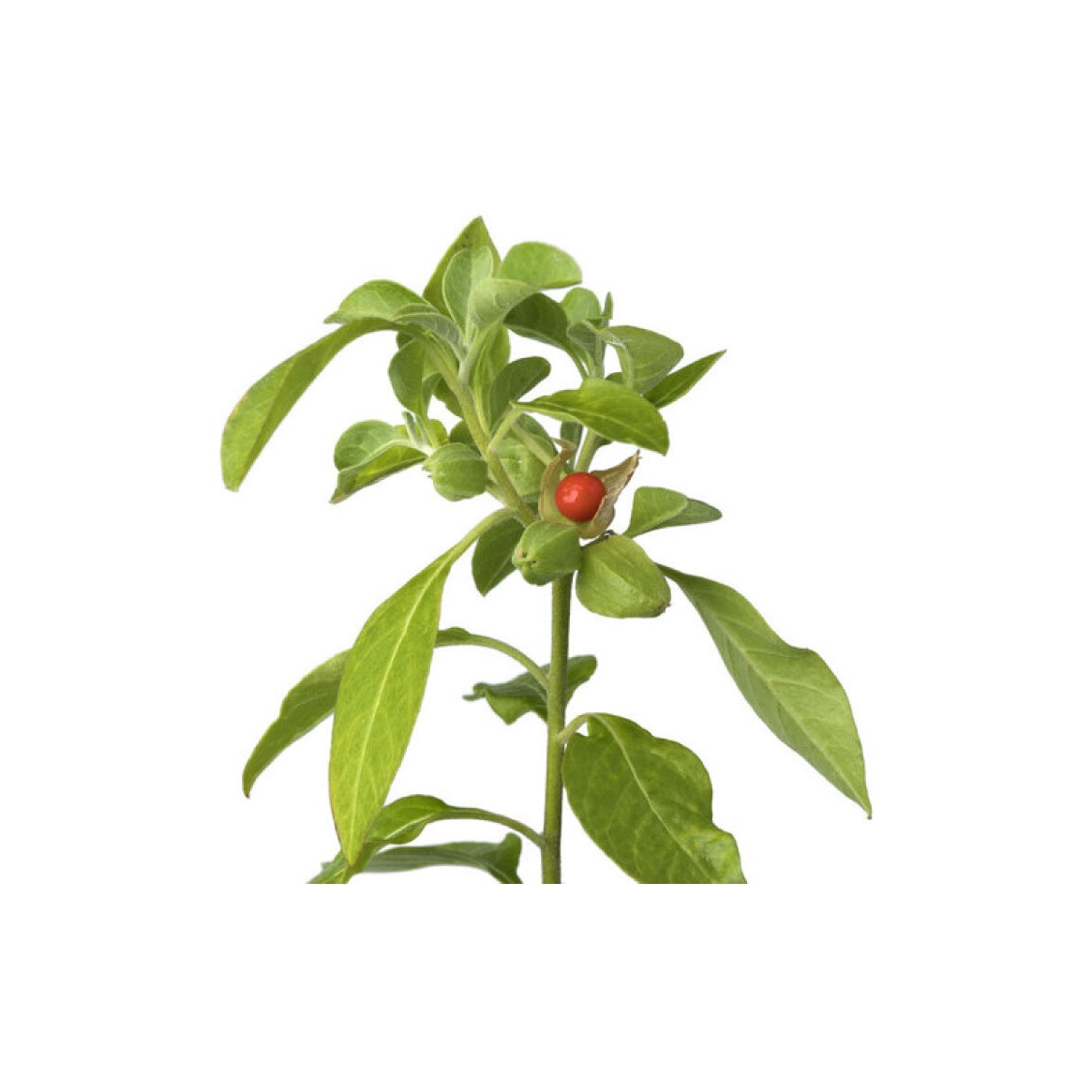
Ashwagandha
Withania somnifera
Ashwagandha (Withania somnifera) — a gentle adaptogen and adrenal tonic for stress, anxiety, overstimulation and nervous exhaustion.
What Is Ashwagandha?
Ashwagandha is perhaps the best adrenal tonic herb we have available. It’s most useful as a tonic herb for its non-specific, adaptogenic, and non-stimulating nature.
In India and surrounding regions, ashwagandha has a very long history of use and is one of the most popular herbs in the region for its long list of beneficial actions and high level of safety. Many herbalists will use it on children going through convalescence due to its gentle nature.
Modern uses mainly involve stress-related conditions and overstimulation.
It’s useful for turning down hyperactivity of the sympathetic nervous system.
To use it effectively, ashwagandha is best used in high doses for long periods of time.
What Is Ashwagandha Used For?
Ashwagandha is mainly used with fatigue-related conditions involving the endocrine system. It’s also a popular adjunctive treatment in cancer, immune deficiencies, and anxiety. It suits those with sympathetic nervous system dominance, chronic inflammation, and insomnia, and is gentle enough for long-term formulas in high-stress individuals, chronic fatigue and convalescence. Nearly all of the modern clinical evidence, however, has been generated with standardised root extracts rather than the whole herb — an important caveat when translating trial results to a tincture or decoction.
Traditional Uses
Ashwagandha is an important Ayurvedic herb for conditions involving debility, emaciation, impotence, bronchitis, wasting (children), insomnia, leukoderma, lumbago, arthritis, rheumatism, to promote conception, and premature aging. It was also used as a nutrient for pregnant women, and to improve energy for any constitutional diseases. 31,32Reference 31Principles and Practice of PhytotherapyReference 32A Clinical Guide to Blending Liquid Herbs: Herbal Formulations for the Individual Patient.
Botany
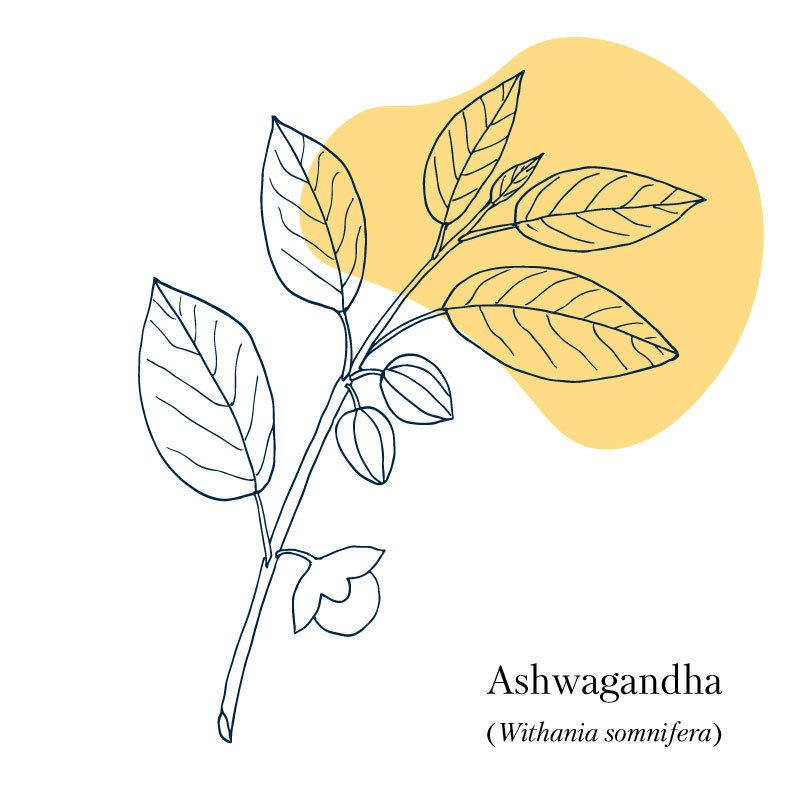
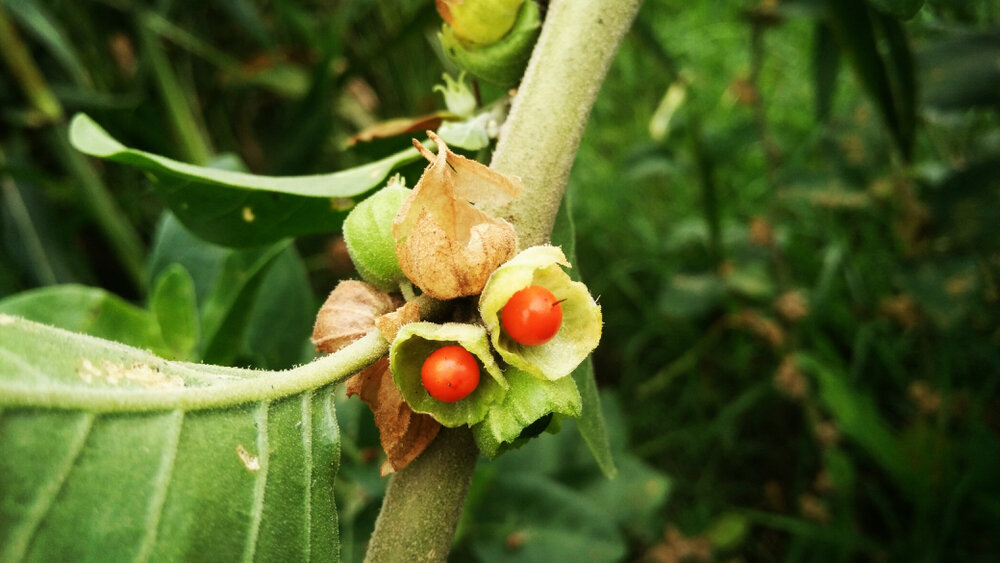
Ashwagandha is a subshrub or shrub in the nightshade family (Solanaceae) — a family spanning food crops like tomato, potato and capsicum alongside potent medicinal/poisonous plants like belladonna, datura and eggplant. It grows primarily in the subtropical biome, with soft, downy leaves and small greenish-yellow flowers that mature into papery, orange-red husked berries.
Distribution
Native across a broad Old World range: southern Europe and the Mediterranean, most of Africa, the Middle East, Central Asia, the Indian subcontinent and Myanmar into central-southern China. Also introduced outside that range to Mauritius, Réunion, Socotra and parts of Australia. No weed, invasive, or conservation concern is documented for this species.
Phytochemistry
The activity of Withania somnifera root is attributed chiefly to a family of C28 steroidal lactones, the withanolides. The marker compound is withaferin A, the most-studied withanolide and the basis for the herb’s anticancer and anti-inflammatory research 31,32Reference 31Principles and Practice of PhytotherapyReference 32A Clinical Guide to Blending Liquid Herbs: Herbal Formulations for the Individual Patient. Closely related are withanolide A and the anti-stress glycowithanolides (sitoindosides), notably sitoindoside IX and sitoindoside X, alongside the sterol beta-sitosterol.
A minor alkaloid fraction (tropane-type) contributes tropine, pseudotropine, isopelletierine and anaferine 31,32Reference 31Principles and Practice of PhytotherapyReference 32A Clinical Guide to Blending Liquid Herbs: Herbal Formulations for the Individual Patient. Commercial root extracts are typically standardised on their withanolide content — most often 1.5–5% total withanolides by HPLC, with some products reaching 10–35% withanolide glycosides; high-withanolide preparations have been measured at around 15% total withanolides (withaferin A up to ~6.5%) 33Reference 33Functional Foods in Health and Disease. (Standardised extract reported ~15.4% total withanolides, withaferin A ~6.47%; commercial extracts standardised to 1.5–5% withanolides or 10–35% withanolide glycosides.).
Constituent Summary
Figures are % of the standardised root extract by HPLC (not whole-root dry weight), and vary markedly with chemotype, extract type and standardisation target. † marks the chemotype differentiator: Indian germplasm splits into a withaferin A–rich chemotype and a withanolide-rich chemotype. “No Data” marks constituents present but without a reliable published figure.
Withanolide4 compounds2 with data
Saponin3 compoundsno data
Sterol1 compoundno data
Tropane Alkaloid4 compoundsno data
Pharmacology & Research
Ashwagandha is one of the better-studied medicinal herbs, and the literature has changed shape completely since this page was last revised: there are now more than a dozen randomised placebo-controlled trials in humans and several independent meta-analyses, most of them concentrated on stress, anxiety and sleep. The strongest signal — a consistent, meta-analysis-backed reduction in perceived stress, anxiety scores and serum cortisol — sits in the rare top tier of herbal evidence, though effect sizes are heterogeneous and most trials are small, short (6–10 weeks) and run on standardised root extracts rather than the whole herb. Emerging human signals in sleep, male fertility, exercise performance and cognition are real but rest on single small trials. The anticancer and anti-inflammatory research that dominated the old version of this page is almost entirely preclinical and centres on withaferin A, a minor withanolide that oral root preparations deliver in only trace amounts — an important preparation caveat. Trials are near-uniformly conducted on proprietary standardised extracts (KSM-66, Shoden, Sensoril), so results do not transfer cleanly to a 1:2 liquid extract or a decoction.
- Best-supported: reduction of stress, anxiety and serum cortisol in adults, backed by multiple RCTs and meta-analyses 1,2,4,5Reference 1Meta-analysisDoes Ashwagandha supplementation have a beneficial effect on the management of anxiety and stress? — systematic review and meta-analysis of randomised controlled trialsView study →Reference 2Meta-analysisEffects of Ashwagandha (Withania somnifera) on stress and anxiety — systematic review and meta-analysisView study →Reference 4RCTStress-relieving and pharmacological actions of an ashwagandha extract — a randomised, double-blind, placebo-controlled studyView study →Reference 5RCTA prospective, randomised double-blind, placebo-controlled study of a high-concentration full-spectrum ashwagandha root extract in reducing stress and anxiety — RCTView study →; improved sleep onset and quality, meta-analysed across five RCTs 7Reference 7Meta-analysisEffect of ashwagandha (Withania somnifera) extract on sleep — a systematic review and meta-analysisView study →.
- Emerging, worth watching: increased sperm count and testosterone in sub-fertile men 11Reference 11RCTClinical evaluation of the spermatogenic activity of ashwagandha root extract in oligospermic males — a pilot randomised studyView study →, gains in strength and lean mass with resistance training 10Reference 10RCTExamining the effect of Withania somnifera supplementation on muscle strength and recovery — a randomised controlled trialView study →, and small memory/cognition signals 12,13Reference 12RCTEfficacy and safety of ashwagandha root extract in improving memory and cognitive functions — RCT in mild cognitive impairmentView study →Reference 13RCTEffect of standardised aqueous extract of Withania somnifera on cognitive and psychomotor performance in healthy participants — randomised trialView study →.
- Mechanistically thin: the anticancer and anti-inflammatory story is preclinical and driven by withaferin A, which whole-root oral preparations barely deliver 18,19,20,21,22,23Reference 18ReviewMolecular targets and mechanisms of cancer prevention and treatment by withaferin A — reviewView study →Reference 19In vitroWithanolides potentiate apoptosis, inhibit invasion and abolish osteoclastogenesis through suppression of NF-κB — in vitroView study →Reference 20In vitroWithaferin A targets heat-shock protein 90 in pancreatic cancer cells — in vitroView study →Reference 21In vitroWithania somnifera induces cytotoxic and cytostatic effects on human T-leukaemia cells — in vitroView study →Reference 22In vitroWithaferin A is a potent inhibitor of angiogenesis — in vitro/animal modelView study →Reference 23In vitroWithaferin A inhibits Helicobacter pylori-induced production of IL-1β in dendritic cells by regulating NF-κB and NLRP3 inflammasome activation — in vitroView study →.
- The caveat: almost all human data come from proprietary standardised extracts (KSM-66, Shoden, Sensoril) at defined withanolide content — they do not validate a tea, powder or generic tincture, and there is no agreed whole-herb dose.
1. Stress & anxiety
This is the anchor of the modern evidence base. Multiple randomised, double-blind, placebo-controlled trials report reductions in perceived stress and anxiety alongside lower serum cortisol: a 60-day RCT of KSM-66 300 mg twice daily cut Perceived Stress Scale scores and serum cortisol by roughly 28% versus placebo 5Reference 5RCTA prospective, randomised double-blind, placebo-controlled study of a high-concentration full-spectrum ashwagandha root extract in reducing stress and anxiety — RCTView study →, and a 60-day trial of the concentrated Shoden extract (240 mg once daily) significantly reduced Hamilton Anxiety (HAM-A) scores with parallel falls in cortisol 4Reference 4RCTStress-relieving and pharmacological actions of an ashwagandha extract — a randomised, double-blind, placebo-controlled studyView study →. A dose-response RCT found benefit at both 250 mg and 600 mg/day, with the larger dose stronger 6Reference 6RCTAdaptogenic and anxiolytic effects of ashwagandha root extract in healthy adults — a double-blind, randomised, placebo-controlled clinical studyView study →. Independent meta-analyses agree on direction: pooling 12 RCTs (n≈1,002) found a significant drop in anxiety and stress 1Reference 1Meta-analysisDoes Ashwagandha supplementation have a beneficial effect on the management of anxiety and stress? — systematic review and meta-analysis of randomised controlled trialsView study →, a 2024 synthesis of 9 RCTs reported mean reductions on the Perceived Stress Scale, Hamilton Anxiety Scale and serum cortisol versus placebo 2Reference 2Meta-analysisEffects of Ashwagandha (Withania somnifera) on stress and anxiety — systematic review and meta-analysisView study →, and a further 2024 review of RCTs for anxiety and insomnia found significant HAM-A reductions while flagging the same small-sample, short-duration limits 3Reference 3Meta-analysisSafety and efficacy of Withania somnifera for anxiety and insomnia — systematic review and meta-analysisView study →. Earlier controlled evidence pointed the same way — a multi-arm naturopathic-care RCT found ashwagandha-containing treatment reduced anxiety versus psychotherapy control 30Reference 30RCTNaturopathic care for anxiety — a randomised controlled trial (ISRCTN78958974)View study →. The honest limits are real — effect sizes are highly heterogeneous (I² is large), trials are small and short, several are industry-funded, and almost all use one of a handful of standardised extracts rather than a traditional preparation.
Gap: No head-to-head against first-line anxiolytics, no data beyond ~12 weeks, and effect-size heterogeneity is high enough that the true magnitude is uncertain.
2. Sleep & insomnia
A 2021 systematic review and meta-analysis of five RCTs (n=400) found a small but significant improvement in overall sleep, with clearer effects in adults diagnosed with insomnia, at doses ≥600 mg/day and durations ≥8 weeks 7Reference 7Meta-analysisEffect of ashwagandha (Withania somnifera) extract on sleep — a systematic review and meta-analysisView study →. Underlying trials back this: a 10-week RCT using actigraphy in insomnia patients improved sleep-onset latency and sleep efficiency 9Reference 9RCTEfficacy and safety of ashwagandha root extract in insomnia and anxiety — a double-blind, randomised, placebo-controlled studyView study →, and an 8-week parallel-group RCT in both healthy volunteers and insomnia patients improved sleep parameters and Pittsburgh Sleep Quality Index scores 8Reference 8RCTClinical evaluation of ashwagandha root extract on sleep in healthy volunteers and insomnia patients — a double-blind, randomised, placebo-controlled studyView study →. Effects on sleep are modest and, again, tied to standardised full-spectrum root extracts. The withanolide glycoside sitoindoside constituents and the amino-acid tryptophan-adjacent GABA-mimetic activity are the proposed mediators, but the human trials measured outcomes, not mechanism.
Gap: Small pooled sample, subjective sleep measures dominate over polysomnography, and no long-term or dependence/withdrawal data.
3. Male fertility & testosterone
In oligospermic men, a 90-day RCT of full-spectrum root extract (675 mg/day) reported a 167% increase in sperm count, a 53% rise in semen volume and a 57% rise in motility from baseline, with only minimal change in placebo 11Reference 11RCTClinical evaluation of the spermatogenic activity of ashwagandha root extract in oligospermic males — a pilot randomised studyView study →. Testosterone rose as a secondary outcome in the resistance-training RCT (a ~96 ng/dL greater increase than placebo) 10Reference 10RCTExamining the effect of Withania somnifera supplementation on muscle strength and recovery — a randomised controlled trialView study →. The signal is consistent in direction across small trials in sub-fertile or older men, and plausibly linked to the herb’s stress- and cortisol-lowering effects (lower cortisol can permit higher gonadal output). Samples are small, populations are selected (sub-fertile men), and the effect in healthy eugonadal men is far less clear.
Gap: No fertility (pregnancy/live-birth) endpoints, small selected samples, and little evidence of a testosterone effect in men with normal baseline levels.
4. Exercise performance & strength
An 8-week randomised, double-blind, placebo-controlled trial in untrained young men (KSM-66 300 mg twice daily) alongside resistance training reported significantly greater gains in bench-press and leg-extension strength, larger muscle cross-sectional area, greater fat loss and better creatine-kinase recovery than placebo 10Reference 10RCTExamining the effect of Withania somnifera supplementation on muscle strength and recovery — a randomised controlled trialView study →. Supporting RCTs report improvements in maximal aerobic capacity (VO₂max) in athletes. The strength signal is credible but rests largely on one well-designed trial in a narrow population (young, previously untrained men) using a single extract.
Gap: Mostly young male samples, single dominant extract, and endurance/VO₂max data are more mixed than the strength data.
5. Cognition & memory
Two small RCTs support a cognitive signal: an 8-week trial in adults with mild cognitive impairment (300 mg root extract twice daily) improved immediate and general memory on Wechsler Memory Scale subtests plus executive function and attention 12Reference 12RCTEfficacy and safety of ashwagandha root extract in improving memory and cognitive functions — RCT in mild cognitive impairmentView study →, and a 14-day crossover-style RCT of a standardised aqueous extract improved reaction time and psychomotor performance in healthy adults 13Reference 13RCTEffect of standardised aqueous extract of Withania somnifera on cognitive and psychomotor performance in healthy participants — randomised trialView study →. Both are pilot-scale, short, and use different extracts, so replication is thin. The proposed mechanism — cholinergic support and antioxidant protection of neurons — is drawn from animal work, not measured in these trials.
Gap: Pilot samples, short durations, heterogeneous extracts and outcome batteries; no data in established dementia.
6. Thyroid modulation
An 8-week RCT in subclinical hypothyroid adults (600 mg/day root extract) significantly lowered TSH and raised T3 and T4 toward normal versus placebo 14Reference 14RCTEfficacy and safety of ashwagandha root extract in subclinical hypothyroid patients — a double-blind, randomised placebo-controlled trialView study →, and a substudy within a bipolar-disorder trial noted subtle rises in thyroid indices 15Reference 15RCTSubtle changes in thyroid indices during a placebo-controlled study of an extract of Withania somnifera in persons with bipolar disorderView study →. The consistent direction is thyroid-stimulating — which is exactly why this is also a safety issue: case reports describe ashwagandha precipitating thyrotoxicosis and painless thyroiditis 29Reference 29Case reportThyrotoxicosis following the use of ashwagandha — case reportView study →. So the “modulation” is real but two-edged: potentially useful in a hypothyroid setting, potentially harmful in a hyperthyroid or over-supplemented one.
Gap: One small efficacy RCT, no data on clinical (overt) hypothyroidism, and a genuine risk of over-stimulation flagged by case reports.
7. Anti-inflammatory
The anti-inflammatory account is mechanistic and preclinical. Withaferin A suppresses NF-κB signalling and, in dendritic cells, inhibits Helicobacter pylori-induced IL-1β production by regulating NF-κB and NLRP3 inflammasome activation 23Reference 23In vitroWithaferin A inhibits Helicobacter pylori-induced production of IL-1β in dendritic cells by regulating NF-κB and NLRP3 inflammasome activation — in vitroView study →; in a mouse model of fulminant hepatitis it reduced inflammation by targeting macrophage NLRP3 26Reference 26AnimalWithaferin A alleviates fulminant hepatitis by targeting macrophage and NLRP3 — mouse in vivoView study →. These are coherent pathways, but the work is in cells and rodents, uses purified withaferin A at doses unrelated to oral dosing, and there is no human anti-inflammatory trial. Crucially, oral whole-root preparations deliver very little withaferin A, so the mechanism does not straightforwardly transfer to how the herb is actually taken.
Gap: No human anti-inflammatory endpoint; the active molecule studied is barely present in oral root products.
8. Female sexual function
A single 8-week pilot RCT (n=50) of a high-concentration root extract (300 mg twice daily) reported significant improvement over placebo in Female Sexual Function Index total, arousal, lubrication, orgasm and satisfaction domains, plus more successful sexual encounters 16Reference 16RCTEfficacy and safety of ashwagandha root extract in improving sexual function in women — a pilot randomised controlled trialView study →. It is one small, industry-run study using subjective psychometric scales, so the finding is best read as hypothesis-generating.
Gap: Single small pilot, subjective endpoints only, no replication.
9. Glycaemic control
A 2020 systematic review and meta-analysis found that W. somnifera significantly restored blood glucose, HbA1c, insulin and lipid markers — but the pooled effect is dominated by in-vitro (6) and pre-clinical (13) studies against only five clinical studies, and the authors explicitly conclude the human data are not robust enough to support clinical use 17Reference 17Meta-analysisWithania somnifera (Indian ginseng) in diabetes mellitus — a systematic review and meta-analysisView study →. An old open-label report of a 12% fasting-glucose reduction in type-2 diabetics is the kind of uncontrolled study this signal rests on. Plausible mechanism, thin human evidence.
Gap: Human evidence is sparse, old and largely uncontrolled; the meta-analytic effect is carried by animal and cell data.
10. Anticancer
This was the most heavily promoted claim on the old page and it is the weakest in human terms. Withaferin A shows genuine anticancer activity in vitro and in animal models: it induces apoptosis and inhibits invasion and osteoclastogenesis by suppressing NF-κB 19Reference 19In vitroWithanolides potentiate apoptosis, inhibit invasion and abolish osteoclastogenesis through suppression of NF-κB — in vitroView study →, targets HSP90 to promote degradation of client oncoproteins in pancreatic cancer cells 20Reference 20In vitroWithaferin A targets heat-shock protein 90 in pancreatic cancer cells — in vitroView study →, is a potent inhibitor of angiogenesis 22Reference 22In vitroWithaferin A is a potent inhibitor of angiogenesis — in vitro/animal modelView study →, and produces cytotoxic and cytostatic effects on human T-leukaemia cells 21Reference 21In vitroWithania somnifera induces cytotoxic and cytostatic effects on human T-leukaemia cells — in vitroView study →; the mechanistic literature is reviewed comprehensively for withaferin A as a steroidal lactone 18Reference 18ReviewMolecular targets and mechanisms of cancer prevention and treatment by withaferin A — reviewView study →. But every one of these is preclinical, none is a human cancer trial, and — the decisive caveat — the studied molecule is a minor withanolide that standardised oral root preparations contain in only small amounts. Ashwagandha is not a cancer treatment; withaferin A is an interesting drug-discovery lead.
Gap: Zero human efficacy data; the active compound is a purified minor constituent, not what an oral root preparation delivers.
Mechanisms
| Mechanism | Drives | Key compounds |
|---|---|---|
| HPA-axis down-regulation, ↓ serum cortisol | stressanxietysleepfertility | sitoindosides, withanolide A |
| GABA-mimetic / GABAₐ modulation | anxiolyticsedativesleep | withanolide A |
| NF-κB ↓, NLRP3 inflammasome ↓, COX independent | anti-inflammatoryanticancerhepatic | withaferin A |
| HSP90 inhibition, pro-apoptotic, anti-angiogenic | anticancer (preclinical) | withaferin A |
| Antioxidant / free-radical scavenging | neuroprotectioncognition | withanolides, beta-sitosterol |
| Thyroid stimulation (↑T3/T4, ↓TSH) | thyroid modulation (two-edged) | root extract (constituent unresolved) |
Clinical trials
Ashwagandha is one of the more heavily trialled herbs on the register — dozens of completed human RCTs, concentrated on stress, anxiety and sleep, with more ongoing; the recurring caveat is that nearly all use proprietary standardised extracts rather than traditional preparations.
| Completed | Planned | Terminated | Preclinical |
|---|---|---|---|
| ~49 | ~13 | ~6 | hundreds |
Last checked: July 2026.
Dosage
In research, ashwagandha is almost always given as a standardised root extract titrated to a set withanolide content, rather than as the whole herb — so the trial doses below (mostly proprietary KSM-66, Shoden or Sensoril extracts) are not interchangeable with a tincture or decoction.
| Indication | Preparation | Dose | Est. dried-herb equivalent | Source |
|---|---|---|---|---|
| Stress & anxiety | KSM-66 standardised root extract | 300 mg twice daily, 60 days | ~6–12 g root/day | 5Reference 5RCTA prospective, randomised double-blind, placebo-controlled study of a high-concentration full-spectrum ashwagandha root extract in reducing stress and anxiety — RCTView study → |
| Stress & anxiety | Shoden concentrated extract (~35% withanolide glycosides) | 240 mg once daily, 60 days | ~8–12 g root/day (high-concentration; wide uncertainty) | 4Reference 4RCTStress-relieving and pharmacological actions of an ashwagandha extract — a randomised, double-blind, placebo-controlled studyView study → |
| Stress (dose-response) | Standardised root extract | 250 or 600 mg/day, 8 weeks | ~5–12 g root/day | 6Reference 6RCTAdaptogenic and anxiolytic effects of ashwagandha root extract in healthy adults — a double-blind, randomised, placebo-controlled clinical studyView study → |
| Sleep & insomnia | Full-spectrum root extract | 300 mg twice daily, 10 weeks | ~6–12 g root/day | 9Reference 9RCTEfficacy and safety of ashwagandha root extract in insomnia and anxiety — a double-blind, randomised, placebo-controlled studyView study → |
| Sleep & insomnia | Root extract | ≥600 mg/day, ≥8 weeks (meta-analysis threshold) | ~6–12 g root/day | 7Reference 7Meta-analysisEffect of ashwagandha (Withania somnifera) extract on sleep — a systematic review and meta-analysisView study → |
| Subclinical hypothyroid | Root extract | 600 mg/day, 8 weeks | ~6–12 g root/day | 14Reference 14RCTEfficacy and safety of ashwagandha root extract in subclinical hypothyroid patients — a double-blind, randomised placebo-controlled trialView study → |
| Male fertility (oligospermia) | Full-spectrum root extract | 675 mg/day in 3 doses, 90 days | ~7–13 g root/day | 11Reference 11RCTClinical evaluation of the spermatogenic activity of ashwagandha root extract in oligospermic males — a pilot randomised studyView study → |
| Strength / body composition | KSM-66 root extract | 300 mg twice daily, 8 weeks | ~6–12 g root/day | 10Reference 10RCTExamining the effect of Withania somnifera supplementation on muscle strength and recovery — a randomised controlled trialView study → |
| Cognition (MCI) | Root extract | 300 mg twice daily, 8 weeks | ~6–12 g root/day | 12Reference 12RCTEfficacy and safety of ashwagandha root extract in improving memory and cognitive functions — RCT in mild cognitive impairmentView study → |
| Female sexual function | High-concentration root extract | 300 mg twice daily, 8 weeks | ~6–12 g root/day | 16Reference 16RCTEfficacy and safety of ashwagandha root extract in improving sexual function in women — a pilot randomised controlled trialView study → |
The est. dried-herb equivalent is a stated-assumption back-conversion, not a recommendation: assuming standardised extracts run ~2.5–5% withanolides against ~0.2–0.3% in dried root implies a rough 1:15–1:40 concentration, so a 300 mg twice-daily extract dose is order-of-magnitude ~6–12 g dried root/day. This is a guide only; concentrated extracts (Shoden/Sensoril) sit at the high end and the ratio is uncertain.
Traditional Dosage
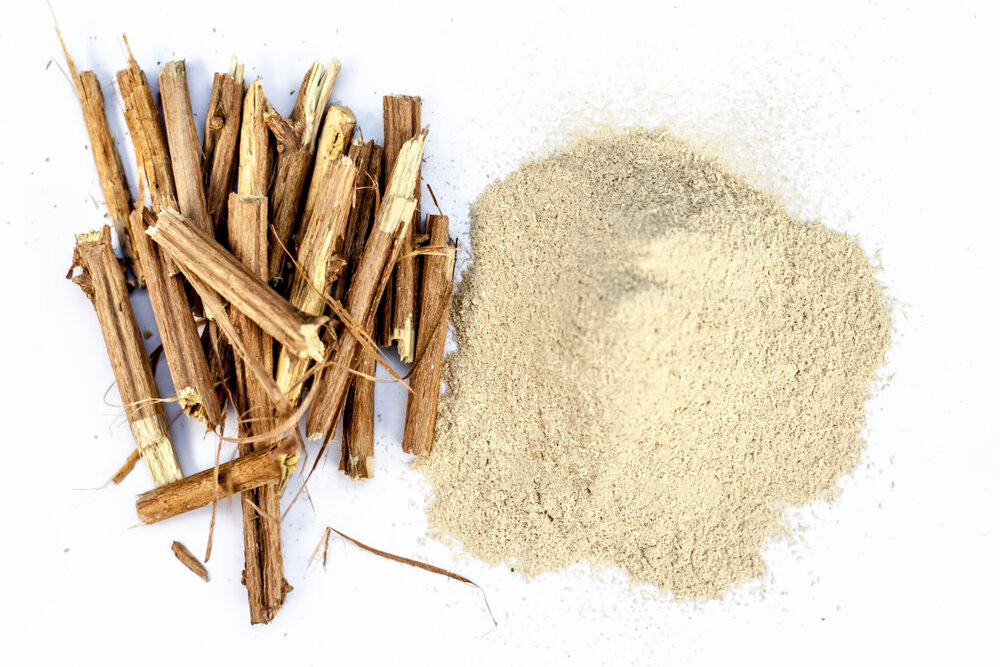
Traditional Western herbal and Ayurvedic practice dose the whole root — as a liquid extract, decoction or powder (often taken in warm milk with ghee) — at levels not directly comparable to the standardised-extract trials above.
| System | Preparation | Dose |
|---|---|---|
| Western herbal (Bone) | 1:2 liquid extract | 35–90 mL / week (≈ 5–13 mL/day) |
| Western herbal | Dried root (decoction/powder) | 3–6 g/day (up to ~10 g in tonic use) |
| Ayurveda | Root powder (churna), often with warm milk/ghee | 3–6 g/day |
Safety & Pregnancy
Ashwagandha is well tolerated in short-term trials, but carries two real signals — it is now an established cause of herb-induced liver injury and it can over-stimulate the thyroid — plus a lead-contamination quality concern; it should be avoided in pregnancy.
- Liver injury. An established cause of herb-induced liver injury — cholestatic or mixed, with jaundice, usually reversible on stopping.
- Thyroid over-stimulation. Can precipitate thyrotoxicosis and painless thyroiditis — a genuine risk if hyperthyroid or already on thyroid hormone.
- Avoid in pregnancy. Traditionally regarded as an abortifacient; safety in pregnancy and breastfeeding is unstudied.
- Drug interactions. Inferred caution alongside thyroid medication, sedatives/CNS depressants and immunosuppressants; magnitude unquantified.
- Quality & sourcing. Lead contamination reported in some Indian-sourced material — prefer tested or certified product.
- Otherwise well tolerated. Short-term adverse events are mild — nausea, loose stool, drowsiness.
Full safety & interactions detail
Ashwagandha is well tolerated in short-term trials, where adverse events are mild and mostly gastrointestinal (nausea, loose stool) or drowsiness 27,28Reference 27RCTSafety of ashwagandha root extract — a randomised, placebo-controlled study in healthy volunteersView study →Reference 28Systematic reviewSafety and clinical effectiveness of Withania somnifera root in human ailments — systematic reviewView study →. Two safety signals matter more than the page previously reflected. First, ashwagandha is now an established cause of herb-induced liver injury: case series from the Icelandic and US Drug-Induced Liver Injury Networks describe cholestatic or mixed injury with jaundice after 2–12 weeks of use, generally self-limiting on discontinuation 24,25Reference 24Case reportAshwagandha-induced liver injury — a case series from Iceland and the US Drug-Induced Liver Injury NetworkView study →Reference 25Herb-induced liver injury by Ayurvedic ashwagandha as assessed for causality by the updated RUCAM — an emerging causeView study →. Second, the herb stimulates thyroid hormone output, and case reports document it precipitating thyrotoxicosis and painless thyroiditis — a genuine risk in people who are hyperthyroid or already supplementing thyroid hormone 29Reference 29Case reportThyrotoxicosis following the use of ashwagandha — case reportView study →. Because it is thyroid-active and mildly sedating, caution is warranted alongside thyroid medication, sedatives/CNS depressants, and immunosuppressants; and lead contamination in some Indian-sourced material remains a real quality concern, so tested or certified material is preferable.
These plausible interactions with thyroid hormone, sedatives/CNS depressants and immunosuppressants are inferred from the herb’s actions and case reports; no dedicated human pharmacokinetic drug-interaction trials were identified in this package, so their real-world magnitude is unquantified rather than ruled out.
Avoid in pregnancy. Ashwagandha is traditionally regarded as an abortifacient in Ayurvedic and Western herbal texts, and no controlled human trials have established its safety in pregnancy; standard references (the Botanical Safety Handbook) classify it as contraindicated in pregnancy. Lactation safety has not been studied either, so treat both pregnancy and breastfeeding as an avoid.
References
- Akhgarjand C, et al. (2022). Does Ashwagandha supplementation have a beneficial effect on the management of anxiety and stress? — systematic review and meta-analysis of randomised controlled trials. Phytotherapy Research. https://pubmed.ncbi.nlm.nih.gov/36017529/
- Arumugam V, et al. (2024). Effects of Ashwagandha (Withania somnifera) on stress and anxiety — systematic review and meta-analysis. Explore (NY). https://pubmed.ncbi.nlm.nih.gov/39348746/
- Fatima K, et al. (2024). Safety and efficacy of Withania somnifera for anxiety and insomnia — systematic review and meta-analysis. Human Psychopharmacology. https://pubmed.ncbi.nlm.nih.gov/39083548/
- Lopresti AL, et al. (2019). Stress-relieving and pharmacological actions of an ashwagandha extract — a randomised, double-blind, placebo-controlled study. Medicine (Baltimore). https://pubmed.ncbi.nlm.nih.gov/31517876/
- Chandrasekhar K, et al. (2012). A prospective, randomised double-blind, placebo-controlled study of a high-concentration full-spectrum ashwagandha root extract in reducing stress and anxiety — RCT. Indian Journal of Psychological Medicine. https://pubmed.ncbi.nlm.nih.gov/23439798/
- Salve J, et al. (2019). Adaptogenic and anxiolytic effects of ashwagandha root extract in healthy adults — a double-blind, randomised, placebo-controlled clinical study. Cureus. https://pubmed.ncbi.nlm.nih.gov/32021735/
- Cheah KL, et al. (2021). Effect of ashwagandha (Withania somnifera) extract on sleep — a systematic review and meta-analysis. PLoS One. https://pubmed.ncbi.nlm.nih.gov/34559859/
- Langade D, et al. (2021). Clinical evaluation of ashwagandha root extract on sleep in healthy volunteers and insomnia patients — a double-blind, randomised, placebo-controlled study. Journal of Ethnopharmacology. https://pubmed.ncbi.nlm.nih.gov/32818573/
- Langade D, et al. (2019). Efficacy and safety of ashwagandha root extract in insomnia and anxiety — a double-blind, randomised, placebo-controlled study. Cureus. https://pubmed.ncbi.nlm.nih.gov/31728244/
- Wankhede S, et al. (2015). Examining the effect of Withania somnifera supplementation on muscle strength and recovery — a randomised controlled trial. Journal of the International Society of Sports Nutrition. https://pubmed.ncbi.nlm.nih.gov/26609282/
- Ambiye VR, et al. (2013). Clinical evaluation of the spermatogenic activity of ashwagandha root extract in oligospermic males — a pilot randomised study. Evidence-Based Complementary and Alternative Medicine. https://pubmed.ncbi.nlm.nih.gov/24371462/
- Choudhary D, et al. (2017). Efficacy and safety of ashwagandha root extract in improving memory and cognitive functions — RCT in mild cognitive impairment. Journal of Dietary Supplements. https://pubmed.ncbi.nlm.nih.gov/28471731/
- Pingali U, et al. (2014). Effect of standardised aqueous extract of Withania somnifera on cognitive and psychomotor performance in healthy participants — randomised trial. Pharmacognosy Research. https://pubmed.ncbi.nlm.nih.gov/24497737/
- Sharma AK, et al. (2018). Efficacy and safety of ashwagandha root extract in subclinical hypothyroid patients — a double-blind, randomised placebo-controlled trial. Journal of Alternative and Complementary Medicine. https://pubmed.ncbi.nlm.nih.gov/28829155/
- Gannon JM, et al. (2014). Subtle changes in thyroid indices during a placebo-controlled study of an extract of Withania somnifera in persons with bipolar disorder. Journal of Ayurveda and Integrative Medicine. https://pubmed.ncbi.nlm.nih.gov/25624699/
- Dongre S, et al. (2015). Efficacy and safety of ashwagandha root extract in improving sexual function in women — a pilot randomised controlled trial. BioMed Research International. https://pubmed.ncbi.nlm.nih.gov/26504795/
- Durg S, et al. (2020). Withania somnifera (Indian ginseng) in diabetes mellitus — a systematic review and meta-analysis. Phytotherapy Research. https://pubmed.ncbi.nlm.nih.gov/31975514/
- Vyas AR, Singh SV. (2014). Molecular targets and mechanisms of cancer prevention and treatment by withaferin A — review. AAPS Journal. https://pubmed.ncbi.nlm.nih.gov/24046237/
- Ichikawa H, et al. (2006). Withanolides potentiate apoptosis, inhibit invasion and abolish osteoclastogenesis through suppression of NF-κB — in vitro. Molecular Cancer Therapeutics. https://pubmed.ncbi.nlm.nih.gov/16818501/
- Yu Y, et al. (2010). Withaferin A targets heat-shock protein 90 in pancreatic cancer cells — in vitro. Biochemical Pharmacology. https://pubmed.ncbi.nlm.nih.gov/19769945/
- Turrini E, et al. (2016). Withania somnifera induces cytotoxic and cytostatic effects on human T-leukaemia cells — in vitro. Toxins (Basel). https://pubmed.ncbi.nlm.nih.gov/27187469/
- Mohan R, et al. (2004). Withaferin A is a potent inhibitor of angiogenesis — in vitro/animal model. Angiogenesis. https://pubmed.ncbi.nlm.nih.gov/15516832/
- Kim JE, et al. (2015). Withaferin A inhibits Helicobacter pylori-induced production of IL-1β in dendritic cells by regulating NF-κB and NLRP3 inflammasome activation — in vitro. Immune Network. https://pubmed.ncbi.nlm.nih.gov/26770181/
- Björnsson HK, et al. (2020). Ashwagandha-induced liver injury — a case series from Iceland and the US Drug-Induced Liver Injury Network. Liver International. https://pubmed.ncbi.nlm.nih.gov/31991029/
- Bokan G, et al. (2023). Herb-induced liver injury by Ayurvedic ashwagandha as assessed for causality by the updated RUCAM — an emerging cause. Pharmaceuticals (Basel). https://pubmed.ncbi.nlm.nih.gov/37631044/
- Xia Y, et al. (2021). Withaferin A alleviates fulminant hepatitis by targeting macrophage and NLRP3 — mouse in vivo. Cell Death & Disease. https://pubmed.ncbi.nlm.nih.gov/33574236/
- Verma N, et al. (2021). Safety of ashwagandha root extract — a randomised, placebo-controlled study in healthy volunteers. Complementary Therapies in Medicine. https://pubmed.ncbi.nlm.nih.gov/33338583/
- Tandon N, Yadav SS. (2020). Safety and clinical effectiveness of Withania somnifera root in human ailments — systematic review. Journal of Ethnopharmacology. https://pubmed.ncbi.nlm.nih.gov/32201301/
- van der Hooft CS, et al. (2005). Thyrotoxicosis following the use of ashwagandha — case report. Nederlands Tijdschrift voor Geneeskunde. https://pubmed.ncbi.nlm.nih.gov/16355578/
- Cooley K, et al. (2009). Naturopathic care for anxiety — a randomised controlled trial (ISRCTN78958974). PLoS One. https://pubmed.ncbi.nlm.nih.gov/19718255/
- Bone K, Mills S. (2013). Principles and Practice of Phytotherapy. Elsevier Health. China. (Pg. 949–959).
- Bone, K. (2003). A Clinical Guide to Blending Liquid Herbs: Herbal Formulations for the Individual Patient. Edinburgh; MO: Churchill Livingstone.
- Chemical, microbial and safety profiling of a standardized Withania somnifera (Ashwagandha) extract and Withaferin A. (2024). Functional Foods in Health and Disease. (Standardised extract reported ~15.4% total withanolides, withaferin A ~6.47%; commercial extracts standardised to 1.5–5% withanolides or 10–35% withanolide glycosides.)
- Kew Plants of the World Online — Withania somnifera (L.) Dunal — [botanical/distribution reference]. https://powo.science.kew.org/taxon/urn:lsid:ipni.org:names:821709-1