
Materia Medica
Astragalus
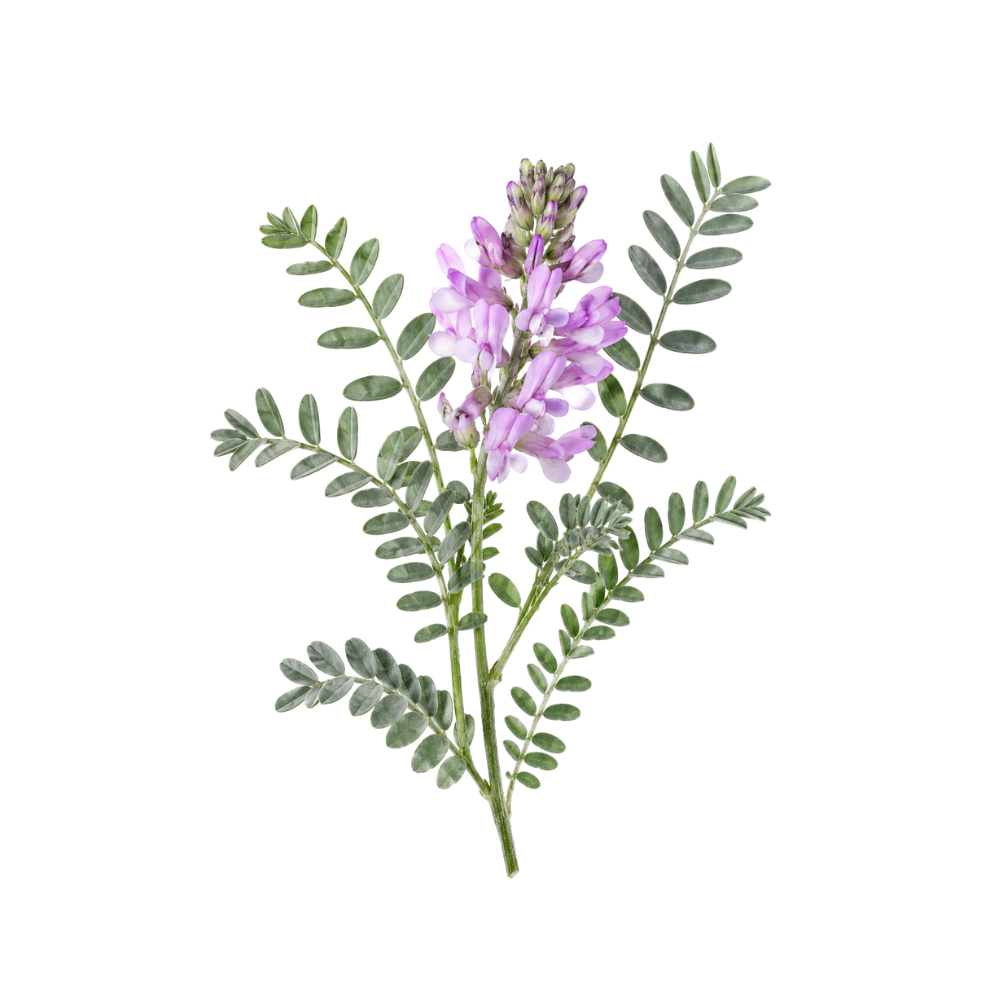
Astragalus membranaceus
Astragalus (Astragalus membranaceus) — a Chinese tonic herb used to strengthen immunity, prevent respiratory infection and support the heart.
What Is Astragalus?
Astragalus (aka milkvetch) is a member of the legume family — which makes it a relative of peanuts, peas, and soy.
This medicinal herb is common in both Western and Eastern herbal medicine. It has a long history of use for immune-related conditions for conditions of immune-excess (such as autoimmunity) as well as deficiency (during infection or immunodeficiencies).
Today, the most common use of the herb is for its benefits on immunity and cardiotonic. Astragalus supplements are used as a prophylaxis for infection (especially of the respiratory tract), and as a daily tonic for promoting overall vitality and stamina.
What Is Astragalus Used For?
Astragalus has many uses as a respiratory tonic, but the most common application of the herb in modern herbal medicine is for boosting or modulating the immune system.
It’s popular for use with various forms of immunodeficiency, including viral and bacterial infection (prophylaxis), and as an adjunctive cancer treatment.
The immune-boosting effects of this herb aren’t one-directional — astragalus is also useful for immune excess, such as with autoimmunity or allergic reaction.
Many people use astragalus as a general health supplement for preventing cold or flu, or to enhance cardiovascular function, vitality, and overall stamina.
Other uses include, hepatitis, diarrhea, hypertension, diabetes, and Lyme Disease (not late stage).
Botany
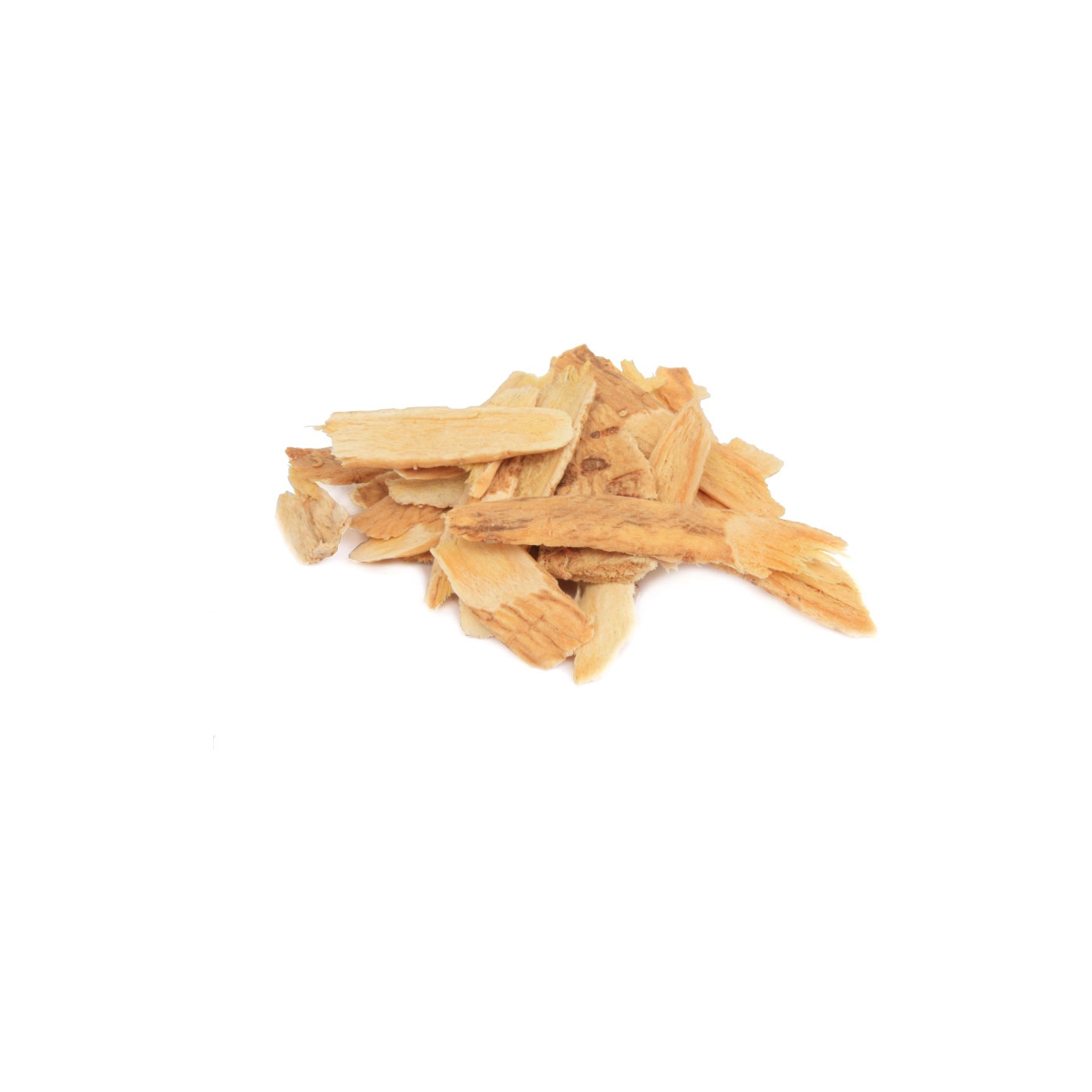
Astragalus is a herbaceous-to-shrubby perennial in the legume family (Fabaceae/Leguminosae — a close relative of peas, peanuts and soybean), one of roughly 3,000 species in one of the largest genera of flowering plants. Medicinal material comes from the root of cultivated plants, harvested at several years of age.
A naming note: Kew’s Plants of the World Online treats the name Astragalus membranaceus — used throughout the herbal literature and on this page — as a synonym of the currently accepted Astragalus mongholicus. Both names refer to the same medicinal plant.
Distribution
Under its accepted name, astragalus is native to Siberia, the Russian Far East, and the mountainous regions of west and north China and Mongolia, growing in temperate steppe and mountain habitats. It has long been cultivated well beyond that range for medicinal root production and shows no invasive or noxious-weed reports.
Growing Conditions
- Hardy temperate perennial, full sun.
- Full cultivation detail lives on the companion farm-wiki grow guide for Astragalus membranaceus (link to be added once that project’s public URL is confirmed).
Astragalus is one of the most heavily studied herbs in traditional Chinese medicine, but the literature is lopsided: a very large preclinical body — dominated by two constituents, the saponin astragaloside IV and the astragalus polysaccharides (APS) — sits on top of a human evidence base that is almost entirely Chinese-language, low in methodological quality, and built on intravenous astragalus injection or multi-herb decoctions rather than the oral dried root the sidebar describes. Randomised trials do exist, and several have been pooled into meta-analyses — most notably as an adjunct to platinum chemotherapy in lung cancer and as a renal-protective add-on in diabetic nephropathy — but nearly all carry a high risk of bias and publication bias 1,6Reference 1Meta-analysisAstragalus-based Chinese herbs and platinum-based chemotherapy for advanced non-small-cell lung cancer — meta-analysis of randomized trialsView study →Reference 6Systematic reviewAstragalus (a traditional Chinese medicine) for treating chronic kidney disease — Cochrane systematic review of randomised controlled trialsView study →. The single best-designed question, whether the whole root prevents respiratory infections, was assessed by Cochrane and found to have no qualifying placebo-controlled trials 11Reference 11Systematic reviewOral Astragalus (Huang qi) for preventing frequent episodes of acute respiratory tract infection in children — Cochrane systematic reviewView study →. Note also a naming point that recurs in the literature: Astragalus membranaceus, A. mongholicus and A. propinquus are the same medicinal species under different synonyms, so “TA-65 from a related species” is a misnomer.
- Best-supported: as an adjunct to platinum chemotherapy in advanced non-small-cell lung cancer, pooled RCTs associate astragalus-based regimens with better tumour response and lower 12-month mortality 1,2Reference 1Meta-analysisAstragalus-based Chinese herbs and platinum-based chemotherapy for advanced non-small-cell lung cancer — meta-analysis of randomized trialsView study →Reference 2Meta-analysisEvidence of Astragalus injection combined with platinum-based chemotherapy in advanced non-small cell lung cancer — a systematic review and meta-analysisView study →; as an add-on to RAAS blockers in diabetic nephropathy, meta-analyses show reduced proteinuria and serum creatinine 4,5Reference 4Meta-analysisMeta-analysis of the clinical value of Astragalus membranaceus in diabetic nephropathy — randomized/controlled trialsView study →Reference 5Meta-analysisEfficacy of astragalus combined with RAAS blockers in stage III diabetic nephropathy — a systematic review and meta-analysis of randomized controlled trialsView study →.
- Emerging, worth watching: astragalus injection for viral myocarditis (multiple RCT syntheses, consistent but low-quality) 8,9Reference 8Systematic reviewAstragalus membranaceus injection combined with conventional treatment for viral myocarditis — a systematic review of randomized controlled trialsView study →Reference 9Meta-analysisEffect of Astragalus injection on inflammatory mediators in patients with viral myocarditis — a systematic review and meta-analysisView study →; astragaloside IV as a cardioprotective agent in preclinical ischaemia/reperfusion models 15,16Reference 15Meta-analysisA preclinical systematic review and meta-analysis of astragaloside IV for myocardial ischemia/reperfusion injury (animal models)View study →Reference 16In vitroAstragaloside IV from Astragalus membranaceus shows cardioprotection during myocardial ischemia in vivo and in vitroView study →.
- Mechanistically thin: longevity/telomerase activation (in-vitro and small industry trials of TA-65) 27Reference 27ReviewTargeting telomere shortening in vascular aging and atherosclerosis — therapeutic promise of cycloastragenol/astragaloside IV (review)View study → and topical skin anti-ageing (a different preparation from the dried herb) 25,26Reference 25Systematic reviewAstragalus membranaceus extract as a botanical ingredient for pigmentary and anti-aging skincare — a systematic reviewView study →Reference 26In vitroCycloastragenol exerts protective effects against UVB irradiation in human dermal fibroblasts and HaCaT keratinocytes (in vitro)View study →.
- The caveat: most human data uses IV astragalus injection or combination formulas, not the oral root; trial quality is low and effect sizes should be read as provisional.
1. Adjunctive cancer therapy
The strongest human signal is as an adjunct to chemotherapy, not as a standalone anticancer agent. A 2006 meta-analysis in the Journal of Clinical Oncology pooled 34 randomised trials (2,815 patients) of astragalus-based Chinese herbal medicine added to platinum chemotherapy for advanced non-small-cell lung cancer, and reported a reduced risk of death at 12 months (RR 0.67, 95% CI 0.52–0.87) and improved tumour response (RR 1.34, 95% CI 1.24–1.46) 1Reference 1Meta-analysisAstragalus-based Chinese herbs and platinum-based chemotherapy for advanced non-small-cell lung cancer — meta-analysis of randomized trialsView study →. Later meta-analyses of astragalus injection and of astragalus-containing patent injections such as Kangai reproduce the direction — higher objective response and performance status, lower haematological toxicity — but again in Chinese-only RCTs of injectable or multi-herb products 2,3Reference 2Meta-analysisEvidence of Astragalus injection combined with platinum-based chemotherapy in advanced non-small cell lung cancer — a systematic review and meta-analysisView study →Reference 3Meta-analysisEffect of Kangai injection combined with platinum-based chemotherapy on immune function in advanced NSCLC — a meta-analysisView study →. Mechanistically this is plausibly immune-mediated: astragalus stimulates macrophage and NK-cell activity and shifts cytokine balance 1,12Reference 1Meta-analysisAstragalus-based Chinese herbs and platinum-based chemotherapy for advanced non-small-cell lung cancer — meta-analysis of randomized trialsView study →Reference 12ReviewAstragalus polysaccharide: a review of its immunomodulatory effectView study →.
Gap: every pooled trial is low-quality, unblinded, injection- or formula-based, and conducted in China with high publication-bias risk; no rigorous Western RCT of the oral root exists, and the JCO authors themselves called for confirmatory trials 1Reference 1Meta-analysisAstragalus-based Chinese herbs and platinum-based chemotherapy for advanced non-small-cell lung cancer — meta-analysis of randomized trialsView study →.
2. Renal protection
Diabetic nephropathy is the best-replicated non-oncology use. A 2011 meta-analysis (25 trials, 1,804 patients) found astragalus injection improved renal-function surrogates (BUN, serum creatinine, creatinine clearance, urinary protein) and serum albumin versus controls 4Reference 4Meta-analysisMeta-analysis of the clinical value of Astragalus membranaceus in diabetic nephropathy — randomized/controlled trialsView study →. A 2024 meta-analysis (32 RCTs, 2,462 patients) of astragalus added to renin–angiotensin–aldosterone-system (RAAS) blockers in stage III disease reported a higher total effective rate and reduced urinary protein, creatinine, BUN and HbA1c 5Reference 5Meta-analysisEfficacy of astragalus combined with RAAS blockers in stage III diabetic nephropathy — a systematic review and meta-analysis of randomized controlled trialsView study →. A 2014 Cochrane review of astragalus for chronic kidney disease (22 studies, 1,323 participants) found reduced proteinuria and raised haemoglobin and albumin — but flagged that hard endpoints (dialysis, mortality) were never reported and study quality was low overall 6Reference 6Systematic reviewAstragalus (a traditional Chinese medicine) for treating chronic kidney disease — Cochrane systematic review of randomised controlled trialsView study →. Animal work supports an antioxidant, anti-fibrotic renal mechanism 7Reference 7Systematic reviewSystematic review of the renal protective effect of Astragalus membranaceus on diabetic nephropathy in animal modelsView study →.
Gap: benefits are on surrogate markers only; no trial reported progression to dialysis or death, heterogeneity is high, and most protocols pair injectable astragalus with standard drugs rather than testing the root alone 6Reference 6Systematic reviewAstragalus (a traditional Chinese medicine) for treating chronic kidney disease — Cochrane systematic review of randomised controlled trialsView study →.
4. Immunomodulation
This is the herb’s traditional headline and its preclinical strength — but the flagship human claim is unproven. Astragalus polysaccharide activates macrophages, NK cells, dendritic cells and T and B lymphocytes and induces a broad cytokine response across in-vitro and animal models 12Reference 12ReviewAstragalus polysaccharide: a review of its immunomodulatory effectView study →. Yet a 2016 Cochrane review searching for RCTs of oral astragalus as a sole agent to prevent recurrent respiratory infections in children found that, of 6,080 records, no trial met inclusion criteria — leaving the “prevents colds/flu” claim without qualifying evidence 11Reference 11Systematic reviewOral Astragalus (Huang qi) for preventing frequent episodes of acute respiratory tract infection in children — Cochrane systematic reviewView study →. The one placebo-controlled human trial in this space (seasonal allergic rhinitis, n=48, 6 weeks) tested a herbal-mineral complex in which astragalus is the active, and only rhinorrhoea reached significance on the primary endpoints — a mixed, not positive, result 13Reference 13RCTEfficacy and safety of Astragalus membranaceus in the treatment of patients with seasonal allergic rhinitis — a double-blind, placebo-controlled randomized trialView study →.
Gap: no placebo-controlled RCT of the whole root for infection prevention or immune modulation; the human immune data that exist come from combination products or from oncology-adjunct trials, not from astragalus taken as a daily immune tonic 11,13Reference 11Systematic reviewOral Astragalus (Huang qi) for preventing frequent episodes of acute respiratory tract infection in children — Cochrane systematic reviewView study →Reference 13RCTEfficacy and safety of Astragalus membranaceus in the treatment of patients with seasonal allergic rhinitis — a double-blind, placebo-controlled randomized trialView study →.
5. Cardiotonic (heart failure)
A 2011 dose-ranging RCT (n=90) gave astragalus granule at three doses alongside perindopril for chronic heart failure and found dose-dependent improvements in left-ventricular ejection fraction and 6-minute walk distance, with the high and moderate doses outperforming the low dose 14Reference 14RCTClinical effect of Astragalus granule of different dosages on quality of life in patients with chronic heart failure — a randomized controlled trialView study →. The mechanistic base is substantial but preclinical: astragaloside IV reduces infarct size and improves post-ischaemic function in animal ischaemia/reperfusion models, acting through calcium-sensing-receptor and ERK-linked anti-apoptotic pathways 15,16,17Reference 15Meta-analysisA preclinical systematic review and meta-analysis of astragaloside IV for myocardial ischemia/reperfusion injury (animal models)View study →Reference 16In vitroAstragaloside IV from Astragalus membranaceus shows cardioprotection during myocardial ischemia in vivo and in vitroView study →Reference 17AnimalAstragaloside IV attenuates myocardial ischemia/reperfusion injury in rats via inhibition of calcium-sensing-receptor-mediated apoptotic signalingView study →, and a preclinical meta-analysis pooled this ischaemia/reperfusion signal 15Reference 15Meta-analysisA preclinical systematic review and meta-analysis of astragaloside IV for myocardial ischemia/reperfusion injury (animal models)View study →.
Gap: human trials are small, short and use combination regimens on top of ACE inhibitors, so astragalus’s independent contribution is hard to isolate; the strong cardioprotective data are almost entirely animal or isolated-constituent 14,15Reference 14RCTClinical effect of Astragalus granule of different dosages on quality of life in patients with chronic heart failure — a randomized controlled trialView study →Reference 15Meta-analysisA preclinical systematic review and meta-analysis of astragaloside IV for myocardial ischemia/reperfusion injury (animal models)View study →.
6. Antioxidant
Antioxidant activity underpins several of the other indications and is well-replicated preclinically. Astragaloside IV and astragalus polysaccharide reduce reactive oxygen species and lipid peroxidation and up-regulate the Nrf2/HO-1 cytoprotective pathway in endothelial and other cell models 18,28Reference 18ReviewAstragaloside IV derived from Astragalus membranaceus — a research review on the pharmacological effectsView study →Reference 28ReviewActivation of Nrf2/HO-1 signaling — an important molecular mechanism of herbal medicine in the treatment of atherosclerosis (review, includes astragalus constituents)View study →. A 2022 systematic review and meta-analysis of animal ulcerative-colitis studies found astragalus polysaccharide consistently lowered oxidative-stress and inflammatory markers 19Reference 19Meta-analysisAnti-inflammatory and antioxidant activity of astragalus polysaccharide in ulcerative colitis — a systematic review and meta-analysis of animal studiesView study →.
Gap: entirely in-vitro and animal — no human study measures an antioxidant endpoint after oral astragalus, and effects are largely attributed to isolated constituents rather than the whole root 18,19Reference 18ReviewAstragaloside IV derived from Astragalus membranaceus — a research review on the pharmacological effectsView study →Reference 19Meta-analysisAnti-inflammatory and antioxidant activity of astragalus polysaccharide in ulcerative colitis — a systematic review and meta-analysis of animal studiesView study →.
7. Anti-inflammatory
Astragaloside IV suppresses NF-κB signalling — often via TLR4 upstream — across a wide range of animal models, including neuroinflammation in Parkinson’s-model mice, glucocorticoid-induced bone loss, and hypoxic cardiac injury 7,18Reference 7Systematic reviewSystematic review of the renal protective effect of Astragalus membranaceus on diabetic nephropathy in animal modelsView study →Reference 18ReviewAstragaloside IV derived from Astragalus membranaceus — a research review on the pharmacological effectsView study →. A meta-analysis of animal colitis studies links this to reduced tissue inflammatory mediators 19Reference 19Meta-analysisAnti-inflammatory and antioxidant activity of astragalus polysaccharide in ulcerative colitis — a systematic review and meta-analysis of animal studiesView study →. The pathway is consistent and well-mapped, which is why anti-inflammatory action recurs as the shared mechanism behind the hepatoprotective, cardioprotective and renal-protective signals.
Gap: no human anti-inflammatory trial of astragalus; all data are animal or cell-based and centre on the isolated saponin rather than the root as consumed 18,19Reference 18ReviewAstragaloside IV derived from Astragalus membranaceus — a research review on the pharmacological effectsView study →Reference 19Meta-analysisAnti-inflammatory and antioxidant activity of astragalus polysaccharide in ulcerative colitis — a systematic review and meta-analysis of animal studiesView study →.
8. Hepatoprotective
Preclinical liver-protection data are consistent. Astragaloside IV attenuates alcoholic liver injury in rats (lowering ALT/AST, inflammatory cytokines and oxidative markers) 20Reference 20AnimalMetabolomics combined with network pharmacology reveals the protective effect of astragaloside IV on alcoholic liver disease (rat model)View study →; cycloastragenol reduces carbon-tetrachloride-induced fibrosis in mice 21Reference 21AnimalHepatoprotective efficacy of cycloastragenol alleviated the progression of liver fibrosis in carbon-tetrachloride-treated miceView study →; and astragalus polysaccharide shows synergistic protection with Schisandra lignans against chronic chemical liver injury 22Reference 22AnimalSynergistic hepatoprotective effect of Schisandra lignans with Astragalus polysaccharides on chronic liver injury in ratsView study →. The one human study is a 48-week RCT (n=92) in chronic hepatitis B liver fibrosis using an astragalus–Polygonum decoction, which improved serum fibrosis markers (HA, LN, PCIII, CIV) and liver function more than the comparator — but it tested a combination formula, not astragalus alone 29Reference 29RCTComparison of efficacy in treating liver fibrosis of chronic hepatitis B between Astragalus-Polygonum anti-fibrosis decoction and Jinshuibao capsule — a randomized controlled trialView study →.
Gap: the human trial is a multi-herb decoction with an active-comparator (not placebo) design; standalone-root efficacy in liver disease is untested, and the strong data are animal/constituent-level 20,21Reference 20AnimalMetabolomics combined with network pharmacology reveals the protective effect of astragaloside IV on alcoholic liver disease (rat model)View study →Reference 21AnimalHepatoprotective efficacy of cycloastragenol alleviated the progression of liver fibrosis in carbon-tetrachloride-treated miceView study →.
9. Antidiabetic (glycemic control)
Astragalus is a component of many Chinese anti-diabetic formulas, and its polysaccharides, saponins and flavonoids show glucose-lowering and insulin-sensitising activity in preclinical models 23Reference 23Systematic reviewBiological active ingredients of traditional Chinese herb Astragalus membranaceus on treatment of diabetes — a systematic reviewView study →. In humans, however, the trial evidence concentrates on diabetic complications — chiefly nephropathy (see Renal protection) — rather than on glycaemic control itself, and animal renal-protection reviews note fasting-glucose reduction as a secondary effect 7,23Reference 7Systematic reviewSystematic review of the renal protective effect of Astragalus membranaceus on diabetic nephropathy in animal modelsView study →Reference 23Systematic reviewBiological active ingredients of traditional Chinese herb Astragalus membranaceus on treatment of diabetes — a systematic reviewView study →.
Gap: no robust human RCT demonstrates that oral astragalus meaningfully lowers HbA1c or fasting glucose as a primary outcome; the antidiabetic case is largely mechanistic and constituent-based 23Reference 23Systematic reviewBiological active ingredients of traditional Chinese herb Astragalus membranaceus on treatment of diabetes — a systematic reviewView study →.
10. Anti-fatigue / adaptogenic
The traditional “tonic for vitality and stamina” use has thin trial support. A small 2002 RCT (12 athletes, 8 weeks) of Huangqi Jianzhong Tang — a combination formula in which astragalus is the lead herb — reported increased time-to-exhaustion and improved anaerobic threshold versus placebo 24Reference 24RCTReducing fatigue of athletes following oral administration of Huangqi Jianzhong Tang — a randomized placebo-controlled trialView study →. Several registry trials target cancer-related fatigue using PG2, an astragalus-polysaccharide injection, rather than the oral herb.
Gap: the only published RCT is tiny and tests a multi-herb decoction, not astragalus root; there is no adequately powered trial of the whole herb for fatigue or exercise performance 24Reference 24RCTReducing fatigue of athletes following oral administration of Huangqi Jianzhong Tang — a randomized placebo-controlled trialView study →.
11. Skin anti-ageing (topical)
A 2026 systematic review of astragalus as a skincare ingredient concluded its active compounds — astragaloside IV, cycloastragenol, flavonoids and polysaccharides — show photoprotective effects (ROS reduction, collagen promotion, telomere preservation) with some clinical improvements in hydration, tone and wrinkles 25Reference 25Systematic reviewAstragalus membranaceus extract as a botanical ingredient for pigmentary and anti-aging skincare — a systematic reviewView study →. Cell work supports this: cycloastragenol reduces UVB-induced matrix metalloproteinases and ROS and preserves collagen I in human dermal fibroblasts and keratinocytes 26Reference 26In vitroCycloastragenol exerts protective effects against UVB irradiation in human dermal fibroblasts and HaCaT keratinocytes (in vitro)View study →.
Gap: this is a topical/cosmetic application of isolated constituents; it does not transfer to the oral dried root, and the clinical evidence within the review is limited and heterogeneous 25,26Reference 25Systematic reviewAstragalus membranaceus extract as a botanical ingredient for pigmentary and anti-aging skincare — a systematic reviewView study →Reference 26In vitroCycloastragenol exerts protective effects against UVB irradiation in human dermal fibroblasts and HaCaT keratinocytes (in vitro)View study →.
12. Longevity (telomerase)
This was previously the page’s sole research entry and remains the thinnest indication. Cycloastragenol and astragaloside IV activate telomerase in vitro, and the commercial product TA-65 is derived from Astragalus membranaceus (not, as sometimes stated, a “related species”) 27Reference 27ReviewTargeting telomere shortening in vascular aging and atherosclerosis — therapeutic promise of cycloastragenol/astragaloside IV (review)View study →. Interest centres on vascular ageing, where telomere dysfunction contributes to endothelial senescence 27Reference 27ReviewTargeting telomere shortening in vascular aging and atherosclerosis — therapeutic promise of cycloastragenol/astragaloside IV (review)View study →. Human data are limited to small, largely industry-linked TA-65 trials (e.g. in metabolic syndrome) with surrogate endpoints.
Gap: telomerase activation is a cell-level finding; there is no rigorous human trial showing oral astragalus extends healthspan or lifespan, and pharmacological telomerase activation carries theoretical oncogenic concerns that remain unresolved 27Reference 27ReviewTargeting telomere shortening in vascular aging and atherosclerosis — therapeutic promise of cycloastragenol/astragaloside IV (review)View study →.
Mechanisms
| Mechanism | Drives | Key compounds |
|---|---|---|
| NF-κB/TLR4 ↓, CaSR-mediated anti-apoptosis, Nrf2/HO-1 ↑, telomerase activation | anti-inflammatorycardioprotectionhepatoprotectionlongevity | astragaloside IV, cycloastragenol |
| Macrophage / NK / dendritic / T- and B-cell activation, cytokine induction, ROS–NF-κB modulation | immunomodulationadjunctive cancerantioxidant | astragalus polysaccharides (class) |
| Antioxidant, vasoactive, anti-inflammatory signalling | antioxidantcardiovascular | formononetin, calycosin |
Clinical trials
Roughly 90 studies registered on ClinicalTrials.gov mention Astragalus membranaceus, but the majority test multi-herb TCM formulas or astragalus-derived injectables (e.g. PG2, an astragalus-polysaccharide injection for cancer-related fatigue) rather than the whole root as a single agent; the preclinical literature is far larger and is dominated by astragaloside IV and astragalus polysaccharide.
| Completed | Planned | Terminated | Preclinical |
|---|---|---|---|
| ~30 | ~28 | Not separately reported (~31 status-unknown registrations) | Several hundred |
Last checked: July 2026.
Phytochemistry
Astragalus root owes its tonic reputation to three families of compounds. The signature actives are the cycloartane saponins — chiefly astragaloside IV and its aglycone cycloastragenol — alongside the immune-active polysaccharides (the “astroglucans,” collectively APS) and a set of isoflavone flavonoids led by formononetin and calycosin. Astragaloside IV is the official marker compound used to standardise the herb.
Beyond these, the root carries phytosterols such as beta-sitosterol, choline, betaine, gluconic acid, amino acids including GABA and asparagine, and a broad spread of trace minerals (zinc, copper, magnesium, manganese, calcium, potassium, selenium and others).
Constituent Summary
Figures are for the dried root; values vary widely with origin, growth year and processing. Saponin and isoflavone figures are HPLC ranges; mineral and broad-class entries are reported only descriptively.
Saponin2 compounds1 with data
Carbohydrate1 compound1 with data
Sterol1 compoundno data
Amine1 compoundno data
Amino Acid1 compoundno data
Safety & Pregnancy
Astragalus has a strong traditional safety record and is well tolerated in trials; its most consequential concern is immunological — it stimulates immune activity, so it should be avoided with immunosuppressant drugs and after organ transplantation. Pregnancy and lactation data are simply absent.
- Immunosuppressant conflict. Stimulates macrophage, NK- and T-cell activity — avoid alongside immunosuppressants and after organ transplantation.
- Acute infection / TCM cautions. Traditional practice avoids it during the acute febrile stage of infection and in heat or yin-deficiency states.
- Legume allergy. As a member of the legume family, it carries a theoretical cross-reactivity risk.
- Unassessed in pregnancy. No controlled human data — treat as unassessed rather than cleared.
- Well tolerated. Adverse events in clinical studies are generally comparable to control.
Full safety & interactions detail
Astragalus root has a strong traditional safety record and is well tolerated in trials, with adverse events in clinical studies generally comparable to control 6,8Reference 6Systematic reviewAstragalus (a traditional Chinese medicine) for treating chronic kidney disease — Cochrane systematic review of randomised controlled trialsView study →Reference 8Systematic reviewAstragalus membranaceus injection combined with conventional treatment for viral myocarditis — a systematic review of randomized controlled trialsView study →. As a legume (family Leguminosae), it carries a theoretical cross-reactivity risk for people with legume allergies. Its most consequential concern is immunological: astragalus stimulates macrophage, NK-cell and T-cell activity 12Reference 12ReviewAstragalus polysaccharide: a review of its immunomodulatory effectView study →, so it should be avoided alongside immunosuppressant drugs and after organ transplantation, where enhancing immune function could oppose therapy. Traditional practice also advises against use during the acute febrile stage of an infection and in states of heat or yin deficiency.
Herb–drug interaction and pregnancy data are absent rather than reassuring, and should be treated as “not formally assessed” rather than “safe.” A late-stage Lyme disease contraindication is repeated in some clinical/traditional sources but was not traced to a primary study in this review — treat it as a cautious traditional note rather than a proven finding.
Not specifically researched. No controlled human data on astragalus in pregnancy or lactation were identified in this review. Given the herb’s demonstrated immune-stimulating activity, that absence of data should not be read as evidence of safety — treat as unassessed rather than cleared.
References
- McCulloch, M., et al. (2006). Astragalus-based Chinese herbs and platinum-based chemotherapy for advanced non-small-cell lung cancer — meta-analysis of randomized trials. Journal of Clinical Oncology. https://pubmed.ncbi.nlm.nih.gov/16421421/
- Cao, A., et al. (2019). Evidence of Astragalus injection combined with platinum-based chemotherapy in advanced non-small cell lung cancer — a systematic review and meta-analysis. Medicine. https://pubmed.ncbi.nlm.nih.gov/30882655/
- Zhu, D., et al. (2022). Effect of Kangai injection combined with platinum-based chemotherapy on immune function in advanced NSCLC — a meta-analysis. Phytomedicine. https://pubmed.ncbi.nlm.nih.gov/35397286/
- Li, M., et al. (2011). Meta-analysis of the clinical value of Astragalus membranaceus in diabetic nephropathy — randomized/controlled trials. Journal of Ethnopharmacology. https://pubmed.ncbi.nlm.nih.gov/20951192/
- Lin, Y.Q., et al. (2024). Efficacy of astragalus combined with RAAS blockers in stage III diabetic nephropathy — a systematic review and meta-analysis of randomized controlled trials. Renal Failure. https://pubmed.ncbi.nlm.nih.gov/38836372/
- Zhang, H.W., et al. (2014). Astragalus (a traditional Chinese medicine) for treating chronic kidney disease — Cochrane systematic review of randomised controlled trials. Cochrane Database of Systematic Reviews. https://pubmed.ncbi.nlm.nih.gov/25335553/
- Zhang, J., et al. (2009). Systematic review of the renal protective effect of Astragalus membranaceus on diabetic nephropathy in animal models. Journal of Ethnopharmacology. https://pubmed.ncbi.nlm.nih.gov/19735713/
- Piao, Y.L., et al. (2014). Astragalus membranaceus injection combined with conventional treatment for viral myocarditis — a systematic review of randomized controlled trials. Chinese Journal of Integrative Medicine. https://pubmed.ncbi.nlm.nih.gov/25098261/
- Guo, J., et al. (2022). Effect of Astragalus injection on inflammatory mediators in patients with viral myocarditis — a systematic review and meta-analysis. Phytomedicine. https://pubmed.ncbi.nlm.nih.gov/36115170/
- Zheng, Q., et al. (2020). Clinical and preclinical systematic review of Astragalus membranaceus for viral myocarditis. Oxidative Medicine and Cellular Longevity. https://pubmed.ncbi.nlm.nih.gov/33204391/
- Su, G., et al. (2016). Oral Astragalus (Huang qi) for preventing frequent episodes of acute respiratory tract infection in children — Cochrane systematic review. Cochrane Database of Systematic Reviews. https://pubmed.ncbi.nlm.nih.gov/27905672/
- Li, C.X., et al. (2022). Astragalus polysaccharide: a review of its immunomodulatory effect. Archives of Pharmacal Research (review). https://pubmed.ncbi.nlm.nih.gov/35713852/
- Matkovic, Z., et al. (2010). Efficacy and safety of Astragalus membranaceus in the treatment of patients with seasonal allergic rhinitis — a double-blind, placebo-controlled randomized trial. Phytotherapy Research. https://pubmed.ncbi.nlm.nih.gov/19504468/
- Yang, Q.Y., et al. (2011). Clinical effect of Astragalus granule of different dosages on quality of life in patients with chronic heart failure — a randomized controlled trial. Chinese Journal of Integrative Medicine. https://pubmed.ncbi.nlm.nih.gov/21390582/
- Zheng, Q., et al. (2018). A preclinical systematic review and meta-analysis of astragaloside IV for myocardial ischemia/reperfusion injury (animal models). Frontiers in Physiology. https://pubmed.ncbi.nlm.nih.gov/30018562/
- Zhang, W.D., et al. (2006). Astragaloside IV from Astragalus membranaceus shows cardioprotection during myocardial ischemia in vivo and in vitro. Planta Medica. https://pubmed.ncbi.nlm.nih.gov/16450288/
- Yin, B., et al. (2019). Astragaloside IV attenuates myocardial ischemia/reperfusion injury in rats via inhibition of calcium-sensing-receptor-mediated apoptotic signaling. Acta Pharmacologica Sinica (animal model). https://pubmed.ncbi.nlm.nih.gov/30030530/
- Zhang, J., et al. (2020). Astragaloside IV derived from Astragalus membranaceus — a research review on the pharmacological effects. Advances in Pharmacology (review). https://pubmed.ncbi.nlm.nih.gov/32089240/
- Hu, H.C., et al. (2022). Anti-inflammatory and antioxidant activity of astragalus polysaccharide in ulcerative colitis — a systematic review and meta-analysis of animal studies. Frontiers in Pharmacology. https://pubmed.ncbi.nlm.nih.gov/36532736/
- Hao, J., et al. (2024). Metabolomics combined with network pharmacology reveals the protective effect of astragaloside IV on alcoholic liver disease (rat model). Phytomedicine. https://pubmed.ncbi.nlm.nih.gov/39270570/
- Luangmonkong, T., et al. (2023). Hepatoprotective efficacy of cycloastragenol alleviated the progression of liver fibrosis in carbon-tetrachloride-treated mice. Biomedicines. https://pubmed.ncbi.nlm.nih.gov/36672739/
- Yan, F., et al. (2009). Synergistic hepatoprotective effect of Schisandra lignans with Astragalus polysaccharides on chronic liver injury in rats. Phytomedicine. https://pubmed.ncbi.nlm.nih.gov/19345075/
- Zhang, K., et al. (2015). Biological active ingredients of traditional Chinese herb Astragalus membranaceus on treatment of diabetes — a systematic review. Mini-Reviews in Medicinal Chemistry. https://pubmed.ncbi.nlm.nih.gov/25723453/
- Chen, K.T., et al. (2002). Reducing fatigue of athletes following oral administration of Huangqi Jianzhong Tang — a randomized placebo-controlled trial. Acta Pharmacologica Sinica. https://pubmed.ncbi.nlm.nih.gov/12147200/
- Jackson, S., et al. (2026). Astragalus membranaceus extract as a botanical ingredient for pigmentary and anti-aging skincare — a systematic review. Journal of Drugs in Dermatology. https://pubmed.ncbi.nlm.nih.gov/41493245/
- Yang, M.H., et al. (2023). Cycloastragenol exerts protective effects against UVB irradiation in human dermal fibroblasts and HaCaT keratinocytes (in vitro). Journal of Dermatological Science. https://pubmed.ncbi.nlm.nih.gov/37474410/
- Canale, P., et al. (2025). Targeting telomere shortening in vascular aging and atherosclerosis — therapeutic promise of cycloastragenol/astragaloside IV (review). Journal of Cardiovascular Development and Disease. https://pubmed.ncbi.nlm.nih.gov/41002620/
- Wang, M., et al. (2021). Activation of Nrf2/HO-1 signaling — an important molecular mechanism of herbal medicine in the treatment of atherosclerosis (review, includes astragalus constituents). Journal of Advanced Research. https://pubmed.ncbi.nlm.nih.gov/35024180/
- Yin, Y., et al. (2000). Comparison of efficacy in treating liver fibrosis of chronic hepatitis B between Astragalus-Polygonum anti-fibrosis decoction and Jinshuibao capsule — a randomized controlled trial. Chinese Journal of Integrated Traditional and Western Medicine. https://pubmed.ncbi.nlm.nih.gov/11789260/