
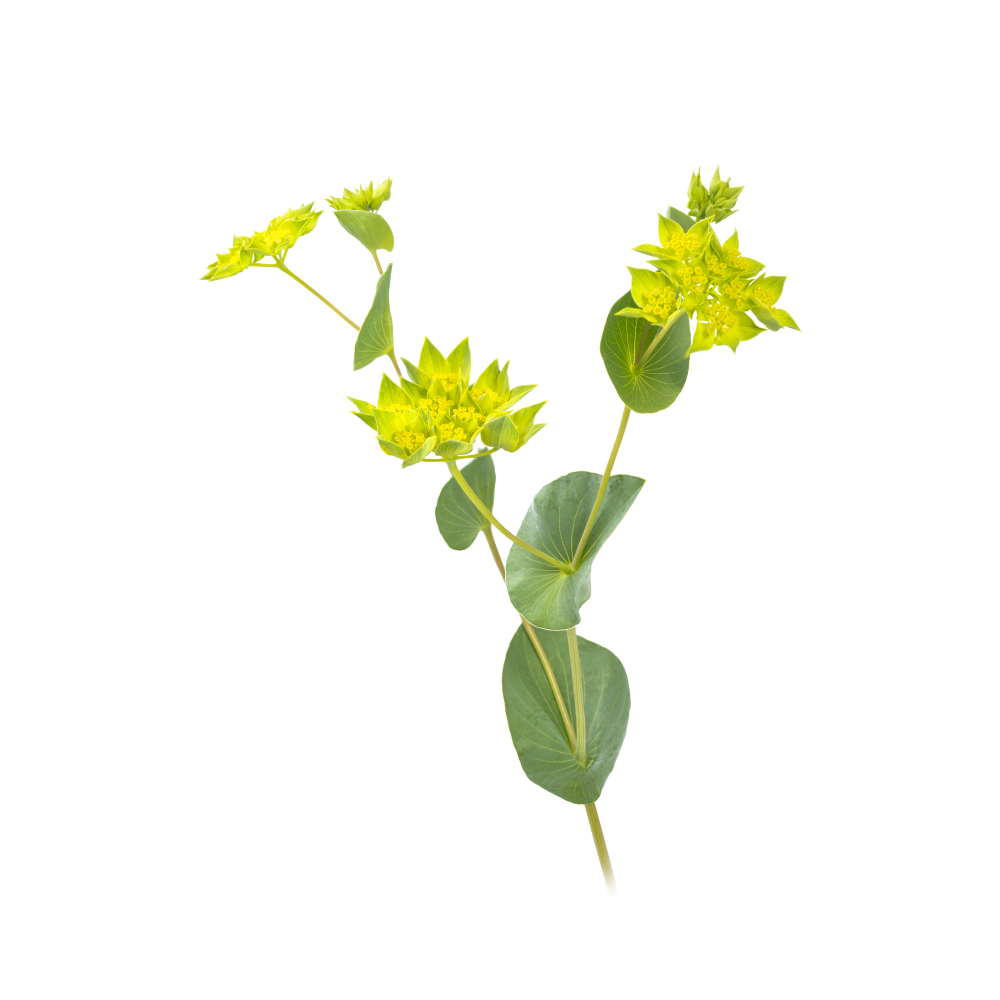
Materia Medica
Bupleurum
Bupleurum falcatum
Bupleurum (Bupleurum falcatum) — a Chinese liver herb and researched antiviral used for liver health, infection and inflammation.
What Is Bupleurum?
Bupleurum root (Chai Hu) is one of the most important herbs in traditional Chinese medicine, used chiefly for the liver and as the principal (“monarch”) herb in classic formulas such as Sho-saiko-to. Its best-characterised modern evidence is anti-inflammatory and hepatoprotective/antifibrotic, driven by its triterpenoid saikosaponins.
Its Western reputation as a broad-spectrum antiviral is overstated: those claims trace mostly to quercetin and rutin — flavonoids common to many plants — and to decades-old in-vitro assays. The one reasonably specific antiviral signal is against hepatitis B, and there the active compound is saikosaponin c, not the abundant a/d forms. Importantly, the same saikosaponins that drive its activity are dose-dependently hepatotoxic and cardiotoxic, and the bupleurum formula Sho-saiko-to is the leading cause of herb-induced interstitial pneumonitis in Japan — see Safety.
What Is Bupleurum Used For?
Bupleurum is used mainly as a liver herb and a bitter, and as a component of TCM formulas. Its Western reputation as an antiviral runs ahead of the single-herb evidence (see the research section below). Traditional Chinese medicine has a wide range of uses for bupleurum, mainly involving its interaction with the liver. It’s a common addition to many herbal formulas for a wide range of conditions.
Traditional Uses
Western Herbal Medicine
It has been used for colds and flu, and inflammation throughout Europe in the form of a herbal tea or decoction 34Reference 34In vitroAnti-infective and cytotoxic properties of Bupleurum marginatum — in vitroView study →. Some of its less common traditional uses include hepatitis, cancer, microbial infections, and fever associated with malaria 39,41,42Reference 39Encyclopedia of Traditional Chinese Medicines, VolReference 41An Illustrated Chinese Materia MedicaReference 42The Gale Encyclopedia of Alternative Medicine (3rd ed.).
Traditional Chinese Medicine
Bupleurum root is one of the most important herbs used in Chinese herbalism. It’s used to relieve liver tension and digestive disturbances. It’s detoxificating and antimicrobial as well. 40Reference 40The Ancient Wisdom of the Chinese Tonic Herbs.
Bupleurum is often combined with other herbs to clear stagnation anywhere in the body. It’s used to relieve muscle spasms, lumps, and bleeding due to heat, and menstrual irregularities. 40Reference 40The Ancient Wisdom of the Chinese Tonic Herbs.
The essential oil of Bupleurum root is used to relieve surface heat. 40Reference 40The Ancient Wisdom of the Chinese Tonic Herbs.
This herb is rarely used alone, but is very common in combinations. It’s usually added to improve the detoxification of a target organ, and regulate the flow of Qi through the body. 40Reference 40The Ancient Wisdom of the Chinese Tonic Herbs.
Bupleurum is commonly used in traditional Chinese medicine to detoxify various target organs (depending on the other herbs in combination), relieve liver tension, and regulate the flow of Qi throughout the body 40Reference 40The Ancient Wisdom of the Chinese Tonic Herbs.
Pinyin
Cháí Hú
Energy
Cold 46,47Reference 46A Clinical Guide to Blending Liquid HerbsReference 47Introduction to Chinese Materia Medica (3rd ed.) (Some list as slightly warm 41Reference 41An Illustrated Chinese Materia Medica).
Taste
Bitter 46,47Reference 46A Clinical Guide to Blending Liquid HerbsReference 47Introduction to Chinese Materia Medica (3rd ed.) (Some list this as sweet and pungent 41Reference 41An Illustrated Chinese Materia Medica).
Channels
Gallbladder, liver, pericardium, triple burner 41Reference 41An Illustrated Chinese Materia Medica.
Actions
Resolves lesser yang disorders to reduce fever, spreads liver Qi to relieve stagnation, raises center Qi, regulates gastrointestinal and liver functions 46,47Reference 46A Clinical Guide to Blending Liquid HerbsReference 47Introduction to Chinese Materia Medica (3rd ed.)
Indications
Liver tension, digestive disturbances, stagnation, muscle spasms, bleeding due to heat, menstrual irregularities, common cold, alternating chills and fever, malaria, chest and rib-side descending pain, sinking of clear Qi (lack of strength, chronic diarrhea) 40,47Reference 40The Ancient Wisdom of the Chinese Tonic HerbsReference 47Introduction to Chinese Materia Medica (3rd ed.).
Cautions & Safety
May cause rapid detoxification, with symptoms such as headaches and anger. In situations of severe toxicity skin sores may result 40Reference 40The Ancient Wisdom of the Chinese Tonic Herbs. Avoid using with tinnitus, deafness, dizziness, or headache caused by fire from yin deficiency and/or hyperactive liver yang 41,46Reference 41An Illustrated Chinese Materia MedicaReference 46A Clinical Guide to Blending Liquid Herbs.
Botany
Bupleurum is a perennial herb in the carrot family (Apiaceae — roughly 3,700 species across 434 genera, the 16th-largest flowering-plant family, also home to Angelica, chervil, coriander, lovage and the poisonous hemlock). The genus Bupleurum holds about 190 species; Bupleurum falcatum is by far the most common medicinal species, though several related East Asian species (notably B. chinense and B. scorzonerifolium) are also traded as “Chai Hu” in Chinese medicine and are not always distinguished in commerce.
Distribution
Bupleurum falcatum is native to Europe, extending east to the Caucasus. It shows no invasive or weedy tendencies and has long been cultivated for root production, particularly in Hebei, Henan, Liaoning, Shaanxi and Gansu provinces of China for the herbal trade 41Reference 41An Illustrated Chinese Materia Medica.
Growing Conditions
- Hardy temperate perennial, full sun to part shade; roughly USDA zone 5–8.
- Full cultivation detail lives on the companion farm-wiki grow guide for Bupleurum falcatum (link to be added once that project’s public URL is confirmed).
Harvesting, Collection & Preparation
Mainly cultivated in Hebei, Henan, Liaoning, Shananxi, and Gansu provinces of China, and collected in the spring or autumn 41Reference 41An Illustrated Chinese Materia Medica.
The root is generally sun-dried and sliced. It can be used raw this way, or fried in wine or vinegar. 41Reference 41An Illustrated Chinese Materia Medica.
Phytochemistry
The characteristic and most-studied constituents of bupleurum root are the saikosaponins — a family of oleanane-type triterpenoid saponins that are the principal anti-inflammatory, hepatoprotective, antiviral and cytotoxic agents 38,34,33Reference 38The antiproliferative activity of saponin-enriched fraction from Bupleurum kaoi is through a Fas-dependent apoptotic pathway in human non-small-cell lung cancer A549 cellsReference 34In vitroAnti-infective and cytotoxic properties of Bupleurum marginatum — in vitroView study →Reference 33ReviewGenus Bupleurum: a review of its phytochemistry, pharmacology and modes of action — reviewView study →. They are the largest class of secondary metabolites in the root, reported at roughly 2–8% of dry weight (around 7% in some analyses). Of the seven or so saikosaponins identified, saikosaponin a and saikosaponin d are the most abundant and the most pharmacologically active; saikosaponin c is also a major form 43,33Reference 43Characterization and identification of saikosaponins in crude extracts from three Bupleurum species using LC-ESI-MSReference 33ReviewGenus Bupleurum: a review of its phytochemistry, pharmacology and modes of action — reviewView study →.
A second, complementary group is the flavonoids, chiefly quercetin and its glycoside rutin, credited with hepatoprotective and antiviral effects — quercetin and rutin are active against HSV-1, HIV, poliovirus, parainfluenza and respiratory syncytial virus 34Reference 34In vitroAnti-infective and cytotoxic properties of Bupleurum marginatum — in vitroView study →. The root also contains aryltetralin lignans, which add antiviral (tubulin-, reverse-transcriptase- and topoisomerase-targeting) and cytotoxic activity, plus coumarins, polysaccharides, polyacetylenes and an essential oil 34,44,45Reference 34In vitroAnti-infective and cytotoxic properties of Bupleurum marginatum — in vitroView study →Reference 44A novel cytotoxic aryltetralin lactone from Bupleurum marginatum (Apiaceae)Reference 45Antiviral activity of lignans.
Constituent Summary
Figures are share of dried root and vary with Bupleurum species, provenance and processing 43,33Reference 43Characterization and identification of saikosaponins in crude extracts from three Bupleurum species using LC-ESI-MSReference 33ReviewGenus Bupleurum: a review of its phytochemistry, pharmacology and modes of action — reviewView study →.
Saponin4 compounds4 with data
Lignan1 compoundno data
Pharmacology & Research
Bupleurum root has a large but lopsided evidence base: several hundred preclinical papers on its triterpenoid saponins (the saikosaponins), a smaller flavonoid and polysaccharide literature, and almost no human data on the single herb. The one tier of clinical evidence that exists comes from multi-herb Japanese/Chinese formulas in which bupleurum is the principal ingredient — above all Sho-saiko-to (Xiao Chai Hu Tang, TJ-9) — so it cannot be cleanly attributed to bupleurum alone 1,3Reference 1RCTProspective study of chemoprevention of hepatocellular carcinoma with Sho-saiko-to (TJ-9) — randomized controlled trialView study →Reference 3Meta-analysisXiao Chai Hu Tang, a herbal medicine, for chronic hepatitis B — systematic review and meta-analysisView study →. The most consistent and mechanistically detailed signals are anti-inflammatory and hepatoprotective/antifibrotic, both driven by saikosaponin a and saikosaponin d acting on NF-κB 4,6Reference 4In vitroSaikosaponin a and its epimer saikosaponin d exhibit anti-inflammatory activity by suppressing activation of the NF-κB signaling pathway — in vitroView study →Reference 6AnimalInhibitory effects of saikosaponin-d on CCl₄-induced hepatic fibrogenesis in rats — animal modelView study →. The page’s headline framing as a “researched antiviral” overstates a body of work that is almost entirely in-vitro and, for hepatitis B, points to saikosaponin c rather than the abundant a/d forms 17,18Reference 17In vitroCytotoxicity and anti-hepatitis B virus activities of saikosaponins from Bupleurum species — in vitroView study →Reference 18In vitroSaikosaponin C exerts anti-HBV effects by attenuating HNF1α and HNF4α expression to suppress HBV pgRNA synthesis — in vitroView study →. Two cautions run through the whole literature and are absent from the current page: the same saikosaponins are dose-dependently hepatotoxic, and the bupleurum-containing formula Sho-saiko-to is the leading cause of herb-induced interstitial pneumonitis in Japan 11,28Reference 11AnimalSaikosaponins induced hepatotoxicity in mice via lipid metabolism dysregulation and oxidative stress: a proteomic study — animal modelView study →Reference 28ReviewJapanese herbal medicine-induced pneumonitis: a review of 73 patients — reviewView study →. Most studies use B. chinense, B. scorzonerifolium, B. kaoi or B. yinchowense rather than the B. falcatum named on this page — a species-transfer caveat that applies to nearly every claim below.
- Best-supported: anti-inflammatory and hepatoprotective/antifibrotic actions of saikosaponins a and d via NF-κB suppression, replicated across rodent liver-injury and colitis models 4,6,7Reference 4In vitroSaikosaponin a and its epimer saikosaponin d exhibit anti-inflammatory activity by suppressing activation of the NF-κB signaling pathway — in vitroView study →Reference 6AnimalInhibitory effects of saikosaponin-d on CCl₄-induced hepatic fibrogenesis in rats — animal modelView study →Reference 7AnimalCurcumin or saikosaponin a improves hepatic antioxidant capacity and protects against CCl₄-induced liver injury in rats — animal modelView study →; formula-level (Sho-saiko-to) human data on cirrhosis/HCC prevention that is suggestive but not attributable to the herb alone 1Reference 1RCTProspective study of chemoprevention of hepatocellular carcinoma with Sho-saiko-to (TJ-9) — randomized controlled trialView study →.
- Emerging, worth watching: antidepressant/neuroprotective effects of saikosaponins in chronic-stress rodent models 21,24Reference 21AnimalSaikosaponin-d alleviates depression by promoting NLRP3 ubiquitination and inhibiting inflammasome activation — mouse modelView study →Reference 24AnimalTotal saikosaponins of Bupleurum yinchowense reduce depressive, anxiety-like behavior and increase synaptic protein expression in chronic corticosterone-treated mice — animal modelView study →; anti-HBV activity of saikosaponin c (not a/d) in hepatoma cell lines 18Reference 18In vitroSaikosaponin C exerts anti-HBV effects by attenuating HNF1α and HNF4α expression to suppress HBV pgRNA synthesis — in vitroView study →.
- Mechanistically thin: the “broad antiviral” reputation — much of it rests on quercetin/rutin, flavonoids not specific to bupleurum, and on decades-old in-vitro assays 17,34Reference 17In vitroCytotoxicity and anti-hepatitis B virus activities of saikosaponins from Bupleurum species — in vitroView study →Reference 34In vitroAnti-infective and cytotoxic properties of Bupleurum marginatum — in vitroView study →.
- The caveat: no standardised single-herb human trials; effects are species- and preparation-dependent; the active saikosaponins are also hepatotoxic and cardiotoxic at higher exposure 11,13,14Reference 11AnimalSaikosaponins induced hepatotoxicity in mice via lipid metabolism dysregulation and oxidative stress: a proteomic study — animal modelView study →Reference 13In vitroContent decline of SERCA inhibitors saikosaponin a and d attenuates cardiotoxicity and hepatotoxicity during vinegar processing of Bupleurum — in vitroView study →Reference 14ReviewA comprehensive review and perspectives on pharmacology and toxicology of saikosaponins — reviewView study →.
1. Hepatoprotective & antifibrotic
This is bupleurum’s strongest efficacy signal, and also its most double-edged. In rats given carbon tetrachloride, saikosaponin-d (1.0–2.0 mg/kg/day) reduced hepatic fibrogenesis and downregulated NF-κB, TNF-α and IL-6 6Reference 6AnimalInhibitory effects of saikosaponin-d on CCl₄-induced hepatic fibrogenesis in rats — animal modelView study →; saikosaponin-a (dietary ~0.004%) improved hepatic antioxidant capacity and lowered ALT/AST over eight weeks 7Reference 7AnimalCurcumin or saikosaponin a improves hepatic antioxidant capacity and protects against CCl₄-induced liver injury in rats — animal modelView study →; and the hydrolysed congener saikosaponin B1 attenuated CCl₄-induced fibrosis via lactate/LDHA-axis signalling in mice 8Reference 8AnimalSaikosaponin B1 alleviates hepatic fibrosis by targeting the LDHA-MCT1/4 axis to inhibit lactate-driven profibrogenic signaling — mouse modelView study →. Mechanistically the antifibrotic effect is attributed to induction of hepatic stellate-cell apoptosis and modulation of PPARα/SREBP-1c lipid signalling 9Reference 9ReviewThe dual role of saikosaponins in liver disease treatment: a comprehensive review of pharmacology and toxicity — reviewView study →. At the human level, the only controlled data are for the seven-herb formula Sho-saiko-to, not isolated bupleurum: a 260-patient randomised trial in cirrhosis found a lower five-year cumulative incidence of hepatocellular carcinoma with 7.5 g/day, reaching significance in the HBsAg-negative subgroup 1Reference 1RCTProspective study of chemoprevention of hepatocellular carcinoma with Sho-saiko-to (TJ-9) — randomized controlled trialView study →. The critical counterweight — omitted from the current page — is that these same saikosaponins are dose-dependently hepatotoxic: SSd worsened acetaminophen-induced liver injury in mice by disrupting protective autophagy 10Reference 10AnimalSaikosaponin D exacerbates acetaminophen-induced liver injury by sabotaging GABARAP-SNARE complex assembly in protective autophagy — mouse modelView study →, triterpene saponins caused overt liver injury via CYP2E1 induction and oxidative stress 11Reference 11AnimalSaikosaponins induced hepatotoxicity in mice via lipid metabolism dysregulation and oxidative stress: a proteomic study — animal modelView study →, and reviews now frame saikosaponins as having a genuinely dual hepatic role 9,14Reference 9ReviewThe dual role of saikosaponins in liver disease treatment: a comprehensive review of pharmacology and toxicity — reviewView study →Reference 14ReviewA comprehensive review and perspectives on pharmacology and toxicology of saikosaponins — reviewView study →.
Gap: every positive result is either a rodent model or a multi-herb formula; there is no human trial of standardised bupleurum extract, and the therapeutic-versus-toxic dose window is undefined.
2. Anti-inflammatory
The anti-inflammatory action is the best-characterised mechanism in the herb. In LPS-stimulated macrophages, saikosaponin-a and its epimer saikosaponin-d suppress iNOS and COX-2 — lowering nitric oxide, PGE₂, TNF-α and IL-6 — by blocking activation of the NF-κB pathway 4Reference 4In vitroSaikosaponin a and its epimer saikosaponin d exhibit anti-inflammatory activity by suppressing activation of the NF-κB signaling pathway — in vitroView study →. The same axis carries through to disease models: SSd (8 mg/kg) eased dextran-sulfate-sodium colitis in mice while modulating the gut microbiota 5Reference 5AnimalSaikosaponin-d ameliorates dextran sulfate sodium-induced colitis by suppressing NF-κB activation and modulating the gut microbiota — mouse modelView study →, SSa ameliorated ulcerative colitis via the CH25H/25-OHC axis and NLRP3 inhibition 37Reference 37AnimalSaikosaponin A ameliorates ulcerative colitis by targeting the CH25H/25-OHC axis to inhibit NLRP3 inflammasome — mouse modelView study →, and SSd blunts T-cell activation through PKCθ/JNK/NF-κB signalling 36Reference 36In vitroSaikosaponin-d inhibits T-cell activation through modulation of PKCθ, JNK, and NF-κB — in vitroView study →. Beyond the gut, SSd has anti-inflammatory activity in osteoarthritis and metabolic-inflammation models 15Reference 15ReviewChemotherapeutic potential of saikosaponin D: experimental evidence — reviewView study →. Almost all of this is cell-line or rodent work; there is no controlled human anti-inflammatory trial of the isolated herb, and effects are consistently reported for purified saikosaponins rather than whole-root preparations.
Gap: no human data, and the doses used in rodents (mg/kg purified saponin) do not map cleanly onto a root decoction or 1:2 tincture.
3. Anticancer (antiproliferative)
Bupleurum’s cytotoxic reputation rests on a large and internally consistent in-vitro literature for saikosaponin-d, which induces apoptosis, autophagy, pyroptosis and ferroptosis across lung, gastric, pancreatic, colorectal, endometrial and breast cancer lines, typically through STAT3, COX-2, MKK4/JNK and PI3K/Akt/mTOR modulation 15,16Reference 15ReviewChemotherapeutic potential of saikosaponin D: experimental evidence — reviewView study →Reference 16In vitroSaikosaponin D inhibits proliferation and induces apoptosis of non-small cell lung cancer cells — in vitroView study →. Older work on saponin-enriched fractions showed Fas-dependent apoptosis in non-small-cell lung cancer cells, and the whole formula Sho-saiko-to is cytotoxic to hepatoma and lung lines in vitro. The strongest translational hint is again formula-level: the same 7.5 g/day Sho-saiko-to that lowered HCC incidence in cirrhotic patients 1Reference 1RCTProspective study of chemoprevention of hepatocellular carcinoma with Sho-saiko-to (TJ-9) — randomized controlled trialView study →. But no isolated bupleurum or saikosaponin has been tested as a single anticancer agent in humans, and the concentrations that kill cells in vitro overlap the range that is hepatotoxic and cardiotoxic 13,14Reference 13In vitroContent decline of SERCA inhibitors saikosaponin a and d attenuates cardiotoxicity and hepatotoxicity during vinegar processing of Bupleurum — in vitroView study →Reference 14ReviewA comprehensive review and perspectives on pharmacology and toxicology of saikosaponins — reviewView study →.
Gap: entirely preclinical for the single herb; selectivity between tumour cytotoxicity and normal-tissue toxicity has not been established in vivo at translatable doses.
4. Antidepressant & neuroprotective
A rapidly growing rodent literature — most of it published since this page was last updated — reports antidepressant and anxiolytic effects for bupleurum saikosaponins. Saikosaponin-a reduced depressive-like behaviour in chronic-unpredictable-mild-stress mice by acting on the TLR4/NF-κB/BDNF axis and lowering oxidative stress 22Reference 22AnimalTLR4 as a therapeutic target: antidepressant mechanism of saikosaponin A in regulating the NF-κB/BDNF axis and mitigating oxidative stress and inflammation — mouse modelView study →, and promoted hippocampal neurogenesis via Tet1/Dll3/Notch1 signalling 23Reference 23AnimalSaikosaponin a activates Tet1/Dll3/Notch1 signalling and promotes hippocampal neurogenesis to improve depression — mouse modelView study →; saikosaponin-d eased depression by promoting NLRP3 ubiquitination and inhibiting inflammasome activation 21Reference 21AnimalSaikosaponin-d alleviates depression by promoting NLRP3 ubiquitination and inhibiting inflammasome activation — mouse modelView study →; and total saikosaponins of B. yinchowense reduced depressive/anxiety behaviour and raised synaptic-protein expression through AMPA-receptor/mTOR signalling 24Reference 24AnimalTotal saikosaponins of Bupleurum yinchowense reduce depressive, anxiety-like behavior and increase synaptic protein expression in chronic corticosterone-treated mice — animal modelView study →. Reviews now treat bupleurum’s mood effects as a coherent theme, noting actions on 5-HT/dopamine, the NMDA system and BDNF 25Reference 25ReviewBupleurum in the treatment of depression disorder: a comprehensive review — reviewView study →. Every study is an animal model, frequently in B. scorzonerifolium or B. yinchowense rather than B. falcatum, with no human trial of the single herb.
Gap: no clinical data; the traditional use is as part of formulas (Xiaoyaosan, Chaihu-Shugan-San), so single-herb antidepressant efficacy in people is unproven.
6. Immunomodulatory
Distinct from the saponins, bupleurum root polysaccharides show reproducible immunomodulatory activity. Radix Bupleuri polysaccharides activate RAW264.7 macrophages through TLR2/TLR4 and MAPK/NF-κB signalling, and in cyclophosphamide-immunosuppressed mice they restored immune function partly by remodelling the gut microbiota 26Reference 26In vitroImmunomodulatory mechanism of Radix Bupleuri polysaccharide on RAW264.7 cells and cyclophosphamide-induced immunosuppressed mice — in vitro and animal modelView study →. A separate polysaccharide fraction inhibited LPS-driven inflammation by modulating the TLR4 pathway 27Reference 27In vitroBupleurum polysaccharides attenuate lipopolysaccharide-induced inflammation via modulating Toll-like receptor 4 signaling — in vitroView study →, and an arabinogalactan and pectic polysaccharides show related anti-inflammatory and mucosal effects. This is a mechanistically plausible, preclinical-only story; the polysaccharides are also a different preparation problem, being water-extractable and largely absent from an ethanolic tincture.
Gap: cell and mouse data only; the immunoactive polysaccharides are not captured by the alcohol-based liquid extract this herb is usually dosed as.
Mechanisms
| Mechanism | Drives | Key compounds |
|---|---|---|
| NF-κB ↓, iNOS/COX-2 ↓, TNF-α/IL-6 ↓ | anti-inflammatoryhepatoprotective | saikosaponin-a, saikosaponin-d |
| Hepatic stellate-cell apoptosis; PPARα/SREBP-1c lipid modulation | antifibrotic | saikosaponin-d, saikosaponin B1 |
| Mitochondrial + Fas/Bid apoptosis, autophagy, STAT3/JNK/mTOR | anticancer (and hepatotoxicity at higher dose) | saikosaponin-d |
| TLR4/NF-κB/BDNF, NLRP3 inflammasome ↓, AMPA/mTOR synaptic | antidepressantneuroprotective | saikosaponin-a, saikosaponin-d |
| HNF1α/HNF4α ↓ → HBV pgRNA ↓; viral-polymerase/capsid binding | antiviral (anti-HBV) | saikosaponin-c, quercetin, rutin |
| TLR2/TLR4 → MAPK/NF-κB macrophage activation | immunomodulatory | polysaccharides |
| SERCA (Ca²⁺-ATPase) inhibition; CYP2E1 induction, oxidative stress | cardiotoxicityhepatotoxicity | saikosaponin-a, saikosaponin-d |
Clinical trials
No registered trials test bupleurum or isolated saikosaponins as single agents; all human evidence comes from the multi-herb formula Sho-saiko-to / Xiao Chai Hu Tang (chronic hepatitis C, HCC after embolization, chemotherapy gut-toxicity), and the strongest single result — a cirrhosis/HCC-prevention RCT — was only borderline significant overall 1,3Reference 1RCTProspective study of chemoprevention of hepatocellular carcinoma with Sho-saiko-to (TJ-9) — randomized controlled trialView study →Reference 3Meta-analysisXiao Chai Hu Tang, a herbal medicine, for chronic hepatitis B — systematic review and meta-analysisView study →.
| Completed | Planned | Terminated | Preclinical |
|---|---|---|---|
| 3(formula) | 3(formula) | 1(withdrawn) | ~several hundred |
Last checked: February 2025.
Dosage
Human dosing exists only for the multi-herb formula, not for standardised single-herb bupleurum; the rest of the doses below are purified saikosaponins in rodents, which do not back-convert to a root decoction or tincture.
| Indication | Preparation | Dose | Est. dried-herb equivalent | Source |
|---|---|---|---|---|
| HCC prevention / hepatoprotective (formula) | Sho-saiko-to (TJ-9) granule extract, 7-herb | 7.5 g/day granules × 60 months | ~7 g/day raw Bupleurum root (bupleurum’s share of the ~24 g raw-crude formula; stated assumption) | 1Reference 1RCTProspective study of chemoprevention of hepatocellular carcinoma with Sho-saiko-to (TJ-9) — randomized controlled trialView study → |
| Anti-HBV (formula) | Xiao Chai Hu Tang decoction | varies by trial (low-quality) | — (proprietary/variable; no marker %) | 3Reference 3Meta-analysisXiao Chai Hu Tang, a herbal medicine, for chronic hepatitis B — systematic review and meta-analysisView study → |
| Antifibrotic (preclinical) | Saikosaponin-d, i.p. | 1.0–2.0 mg/kg/day, rat | — (purified saponin; not back-convertible to whole root) | 6Reference 6AnimalInhibitory effects of saikosaponin-d on CCl₄-induced hepatic fibrogenesis in rats — animal modelView study → |
| Anti-inflammatory / colitis (preclinical) | Saikosaponin-d, gavage | 4–8 mg/kg/day, mouse | — (purified saponin) | 5Reference 5AnimalSaikosaponin-d ameliorates dextran sulfate sodium-induced colitis by suppressing NF-κB activation and modulating the gut microbiota — mouse modelView study → |
| Antidepressant (preclinical) | Saikosaponin-a, oral | 20 mg/kg/day, mouse | — (purified saponin) | 22Reference 22AnimalTLR4 as a therapeutic target: antidepressant mechanism of saikosaponin A in regulating the NF-κB/BDNF axis and mitigating oxidative stress and inflammation — mouse modelView study → |
The Sho-saiko-to figure is an extract, not raw herb; the ~7 g whole-root equivalent is an order-of-magnitude guide, not a conversion factor or a recommendation. Purified-saponin mg/kg rodent doses cannot be back-converted to a human whole-herb weight and are left ”—”. These are research doses, not recommendations.
Traditional Dosage
| System | Preparation | Dose |
|---|---|---|
| Traditional Chinese Medicine | Dried root, decoction (Chai Hu) | 3–10 g/day |
| Western herbal medicine | 1:2 liquid extract | 25–60 mL/week (note: a weekly, not daily, range) |
| Western herbal medicine | Dried root, infusion/decoction | as part of a formula; rarely used alone |
Safety & Pregnancy
Bupleurum’s active saikosaponins are dose-dependently hepatotoxic and cardiotoxic, and its principal formula, Sho-saiko-to, is the leading cause of herbal-medicine-induced interstitial pneumonitis in Japan. This is a herb to keep to moderate doses and avoid in pregnancy.
- Hepatotoxic and cardiotoxic. Saikosaponins damage the liver (CYP2E1 induction, oxidative stress) and heart (SERCA inhibition) at higher exposures.
- Interstitial pneumonitis. The Sho-saiko-to formula is the most frequently implicated cause of Japanese herbal-medicine-induced pneumonitis, especially with interferon.
- Avoid in pregnancy and lactation. Saikosaponin d is phytoestrogenic and no human pregnancy safety data exist.
- Drug interactions. Saikosaponins induce CYP3A4 in vitro — caution with concurrent prescription medication.
Full safety & interactions detail
Bupleurum’s principal actives, the saikosaponins, are dose-dependently hepatotoxic and cardiotoxic: rodent studies show liver injury via CYP2E1 induction and oxidative stress at higher exposures, and saikosaponin d can worsen acetaminophen-induced liver damage by impairing protective autophagy 11,10Reference 11AnimalSaikosaponins induced hepatotoxicity in mice via lipid metabolism dysregulation and oxidative stress: a proteomic study — animal modelView study →Reference 10AnimalSaikosaponin D exacerbates acetaminophen-induced liver injury by sabotaging GABARAP-SNARE complex assembly in protective autophagy — mouse modelView study →. Saikosaponins a and d inhibit the SERCA calcium pump, the basis of their cardiotoxic potential, which is one reason vinegar-processing (which lowers their content) is traditional 13Reference 13In vitroContent decline of SERCA inhibitors saikosaponin a and d attenuates cardiotoxicity and hepatotoxicity during vinegar processing of Bupleurum — in vitroView study →. In-vitro data show saikosaponin d and total saikosaponins induce CYP3A4, creating a plausible interaction risk with the many drugs that enzyme metabolises, so caution is warranted with concurrent prescription medication 29,30Reference 29In vitroEffects of saikosaponin-d on CYP3A4 in HepaRG cells and protein-ligand docking study — in vitroView study →Reference 30In vitroEffects of total saikosaponins on CYP3A4 and CYP1A2 in HepaRG cells — in vitroView study →. Most importantly, the bupleurum-containing formula Sho-saiko-to is the single most frequently implicated cause of Japanese herbal-medicine-induced interstitial pneumonitis, a potentially fatal reaction especially reported when combined with interferon 28Reference 28ReviewJapanese herbal medicine-induced pneumonitis: a review of 73 patients — reviewView study →.
Avoid. Saikosaponin d shows estrogen-like activity — it has a structure similar to estradiol and stimulates estrogen-receptor-positive (MCF-7) cell proliferation in vitro, an effect blocked by an estrogen-receptor antagonist 31Reference 31In vitroEstrogen-like activities of saikosaponin-d in vitro: a pilot study — in vitroView study →. This phytoestrogenic behaviour, combined with the herb’s traditional use to move blood and regulate menstruation and the absence of any human pregnancy safety data, makes avoidance during pregnancy and lactation the prudent position. Reproductive and developmental toxicity have not been formally studied.
Synergy
Traditionally combined with Paeonia and Angelica sinensis for menstrual irregularities, PMS, dysmenorrhea in traditional Chinese medicine.
References
- Oka, H., Yamamoto, S., Kuroki, T., et al. (1995). Prospective study of chemoprevention of hepatocellular carcinoma with Sho-saiko-to (TJ-9) — randomized controlled trial. Cancer. https://pubmed.ncbi.nlm.nih.gov/8625175/
- Shimizu, I. (2000). Sho-saiko-to: Japanese herbal medicine for protection against hepatic fibrosis and carcinoma — review. Journal of Gastroenterology and Hepatology. https://pubmed.ncbi.nlm.nih.gov/10759225/
- Zhang, X., Wang, X., et al. (2019). Xiao Chai Hu Tang, a herbal medicine, for chronic hepatitis B — systematic review and meta-analysis. Cochrane Database of Systematic Reviews. https://pubmed.ncbi.nlm.nih.gov/31697415/
- Lu, C.-N., Yuan, Z.-G., Zhang, X.-L., et al. (2012). Saikosaponin a and its epimer saikosaponin d exhibit anti-inflammatory activity by suppressing activation of the NF-κB signaling pathway — in vitro. International Immunopharmacology. https://pubmed.ncbi.nlm.nih.gov/22728095/
- Chen, J., et al. (2020). Saikosaponin-d ameliorates dextran sulfate sodium-induced colitis by suppressing NF-κB activation and modulating the gut microbiota — mouse model. International Immunopharmacology. https://pubmed.ncbi.nlm.nih.gov/32062075/
- Chen, M.-F., Huang, C.-C., et al. (2007). Inhibitory effects of saikosaponin-d on CCl₄-induced hepatic fibrogenesis in rats — animal model. World Journal of Gastroenterology. https://pubmed.ncbi.nlm.nih.gov/17278221/
- Wu, S.-J., Lin, Y.-H., et al. (2008). Curcumin or saikosaponin a improves hepatic antioxidant capacity and protects against CCl₄-induced liver injury in rats — animal model. Journal of Medicinal Food. https://pubmed.ncbi.nlm.nih.gov/18598162/
- (2026). Saikosaponin B1 alleviates hepatic fibrosis by targeting the LDHA-MCT1/4 axis to inhibit lactate-driven profibrogenic signaling — mouse model. Naunyn-Schmiedeberg’s Archives of Pharmacology. https://pubmed.ncbi.nlm.nih.gov/42012661/
- (2026). The dual role of saikosaponins in liver disease treatment: a comprehensive review of pharmacology and toxicity — review. Biological & Pharmaceutical Bulletin. https://pubmed.ncbi.nlm.nih.gov/42091451/
- (2025). Saikosaponin D exacerbates acetaminophen-induced liver injury by sabotaging GABARAP-SNARE complex assembly in protective autophagy — mouse model. Phytomedicine. https://pubmed.ncbi.nlm.nih.gov/39874796/
- Li, X., et al. (2017). Saikosaponins induced hepatotoxicity in mice via lipid metabolism dysregulation and oxidative stress: a proteomic study — animal model. BMC Complementary and Alternative Medicine. https://pubmed.ncbi.nlm.nih.gov/28420359/
- (2016). Activation of Fas death receptor pathway and Bid in hepatocytes is involved in saikosaponin D induction of hepatotoxicity — in vitro and mouse. Environmental Toxicology and Pharmacology. https://pubmed.ncbi.nlm.nih.gov/26645133/
- (2017). Content decline of SERCA inhibitors saikosaponin a and d attenuates cardiotoxicity and hepatotoxicity during vinegar processing of Bupleurum — in vitro. Journal of Ethnopharmacology. https://pubmed.ncbi.nlm.nih.gov/28412648/
- Li, X., Li, X., et al. (2018). A comprehensive review and perspectives on pharmacology and toxicology of saikosaponins — review. Phytomedicine. https://pubmed.ncbi.nlm.nih.gov/30466994/
- (2022). Chemotherapeutic potential of saikosaponin D: experimental evidence — review. Journal of Xenobiotics. https://pubmed.ncbi.nlm.nih.gov/36547471/
- (2020). Saikosaponin D inhibits proliferation and induces apoptosis of non-small cell lung cancer cells — in vitro. Journal of International Medical Research. https://pubmed.ncbi.nlm.nih.gov/32962498/
- Chiang, L.-C., Ng, L.-T., Liu, L.-T., Shieh, D.-E., Lin, C.-C. (2003). Cytotoxicity and anti-hepatitis B virus activities of saikosaponins from Bupleurum species — in vitro. Planta Medica. https://pubmed.ncbi.nlm.nih.gov/14531019/
- (2019). Saikosaponin C exerts anti-HBV effects by attenuating HNF1α and HNF4α expression to suppress HBV pgRNA synthesis — in vitro. Inflammation Research. https://pubmed.ncbi.nlm.nih.gov/31531682/
- (2020). Combination of saikosaponin c and telbivudine synergistically enhances anti-HBV activity — in vitro. Inflammation Research. https://pubmed.ncbi.nlm.nih.gov/32313973/
- Chang, J.-S., Wang, K.-C., et al. (2007). Sho-saiko-to (Xiao-Chai-Hu-Tang) and crude saikosaponins inhibit hepatitis B virus in a stable HBV-producing cell line — in vitro. American Journal of Chinese Medicine. https://pubmed.ncbi.nlm.nih.gov/17436373/
- (2024). Saikosaponin-d alleviates depression by promoting NLRP3 ubiquitination and inhibiting inflammasome activation — mouse model. International Immunopharmacology. https://pubmed.ncbi.nlm.nih.gov/38070467/
- (2025). TLR4 as a therapeutic target: antidepressant mechanism of saikosaponin A in regulating the NF-κB/BDNF axis and mitigating oxidative stress and inflammation — mouse model. Frontiers in Pharmacology. https://pubmed.ncbi.nlm.nih.gov/40453654/
- (2024). Saikosaponin a activates Tet1/Dll3/Notch1 signalling and promotes hippocampal neurogenesis to improve depression — mouse model. Journal of Ethnopharmacology. https://pubmed.ncbi.nlm.nih.gov/37844745/
- Chen, X.-Q., et al. (2018). Total saikosaponins of Bupleurum yinchowense reduce depressive, anxiety-like behavior and increase synaptic protein expression in chronic corticosterone-treated mice — animal model. BMC Complementary and Alternative Medicine. https://pubmed.ncbi.nlm.nih.gov/29609584/
- (2024). Bupleurum in the treatment of depression disorder: a comprehensive review — review. Pharmaceuticals. https://pubmed.ncbi.nlm.nih.gov/38675471/
- (2025). Immunomodulatory mechanism of Radix Bupleuri polysaccharide on RAW264.7 cells and cyclophosphamide-induced immunosuppressed mice — in vitro and animal model. International Journal of Biological Macromolecules. https://pubmed.ncbi.nlm.nih.gov/40865834/
- Wu, J., et al. (2013). Bupleurum polysaccharides attenuate lipopolysaccharide-induced inflammation via modulating Toll-like receptor 4 signaling — in vitro. PLoS ONE. https://pubmed.ncbi.nlm.nih.gov/24167596/
- Enomoto, Y., et al. (2017). Japanese herbal medicine-induced pneumonitis: a review of 73 patients — review. Respiratory Investigation. https://pubmed.ncbi.nlm.nih.gov/28274529/
- (2021). Effects of saikosaponin-d on CYP3A4 in HepaRG cells and protein-ligand docking study — in vitro. Basic & Clinical Pharmacology & Toxicology. https://pubmed.ncbi.nlm.nih.gov/33369126/
- (2024). Effects of total saikosaponins on CYP3A4 and CYP1A2 in HepaRG cells — in vitro. Experimental and Therapeutic Medicine. https://pubmed.ncbi.nlm.nih.gov/38590569/
- Wang, X.-J., et al. (2010). Estrogen-like activities of saikosaponin-d in vitro: a pilot study — in vitro. European Journal of Pharmacology. https://pubmed.ncbi.nlm.nih.gov/19819234/
- (2018). High doses of Bupleurum falcatum partially prevent estrogen-deficiency-induced bone loss — rat model. Frontiers in Pharmacology. https://pubmed.ncbi.nlm.nih.gov/30524278/
- Ashour, M. L., Wink, M. (2011). Genus Bupleurum: a review of its phytochemistry, pharmacology and modes of action — review. Journal of Pharmacy and Pharmacology. https://pubmed.ncbi.nlm.nih.gov/21749378/
- Ashour, M. L., El-Readi, M. Z., Hamoud, R., et al. (2014). Anti-infective and cytotoxic properties of Bupleurum marginatum — in vitro. Chinese Medicine. https://pubmed.ncbi.nlm.nih.gov/24438177/
- (2024). A comprehensive review of Bupleuri Radix and its bioactive components, with a major focus on treating chronic liver diseases — systematic review. Journal of Ethnopharmacology. https://pubmed.ncbi.nlm.nih.gov/38663781/
- Sun, Y., et al. (2005). Saikosaponin-d inhibits T-cell activation through modulation of PKCθ, JNK, and NF-κB — in vitro. Biochemical and Biophysical Research Communications. https://pubmed.ncbi.nlm.nih.gov/16289105/
- (2025). Saikosaponin A ameliorates ulcerative colitis by targeting the CH25H/25-OHC axis to inhibit NLRP3 inflammasome — mouse model. Phytomedicine. https://pubmed.ncbi.nlm.nih.gov/40414048/
- Hsu, Y. L., Kuo, P. L., Weng, T. C., Yen, M. H., Chiang, L. C., & Lin, C. C. (2004). The antiproliferative activity of saponin-enriched fraction from Bupleurum kaoi is through a Fas-dependent apoptotic pathway in human non-small-cell lung cancer A549 cells. Biological & Pharmaceutical Bulletin, 27, 1112–1115.
- Zhou, J. (2011). Encyclopedia of Traditional Chinese Medicines, Vol. 1. Springer.
- Teeguarden, R. (2000). The Ancient Wisdom of the Chinese Tonic Herbs. Warner Books.
- Wu, J. N. (2005). An Illustrated Chinese Materia Medica. Oxford University Press.
- Fundukian, L. J. (Ed.). (2009). The Gale Encyclopedia of Alternative Medicine (3rd ed.). Gale.
- Huang, H. Q., Zhang, X., Lin, M., Shen, Y. H., Yan, S. K., & Zhang, W. D. (2008). Characterization and identification of saikosaponins in crude extracts from three Bupleurum species using LC-ESI-MS. Journal of Separation Science, 31, 3190–3201.
- Ashour, M. L., El-Readi, M. Z., Tahrani, A., Eid, S. Y., & Wink, M. (2012). A novel cytotoxic aryltetralin lactone from Bupleurum marginatum (Apiaceae). Phytochemistry Letters, 5, 387–392.
- Charlton, J. L. (1998). Antiviral activity of lignans. Journal of Natural Products, 61, 1447–1451.
- Bone, K. (2003). A Clinical Guide to Blending Liquid Herbs. Churchill Livingstone.
- Yang, J., Huang, H., Zhu, L.-J., & Chen, Y. (2013). Introduction to Chinese Materia Medica (3rd ed.).