
Materia Medica
Cassia Cinnamon
Cinnamomum cassia
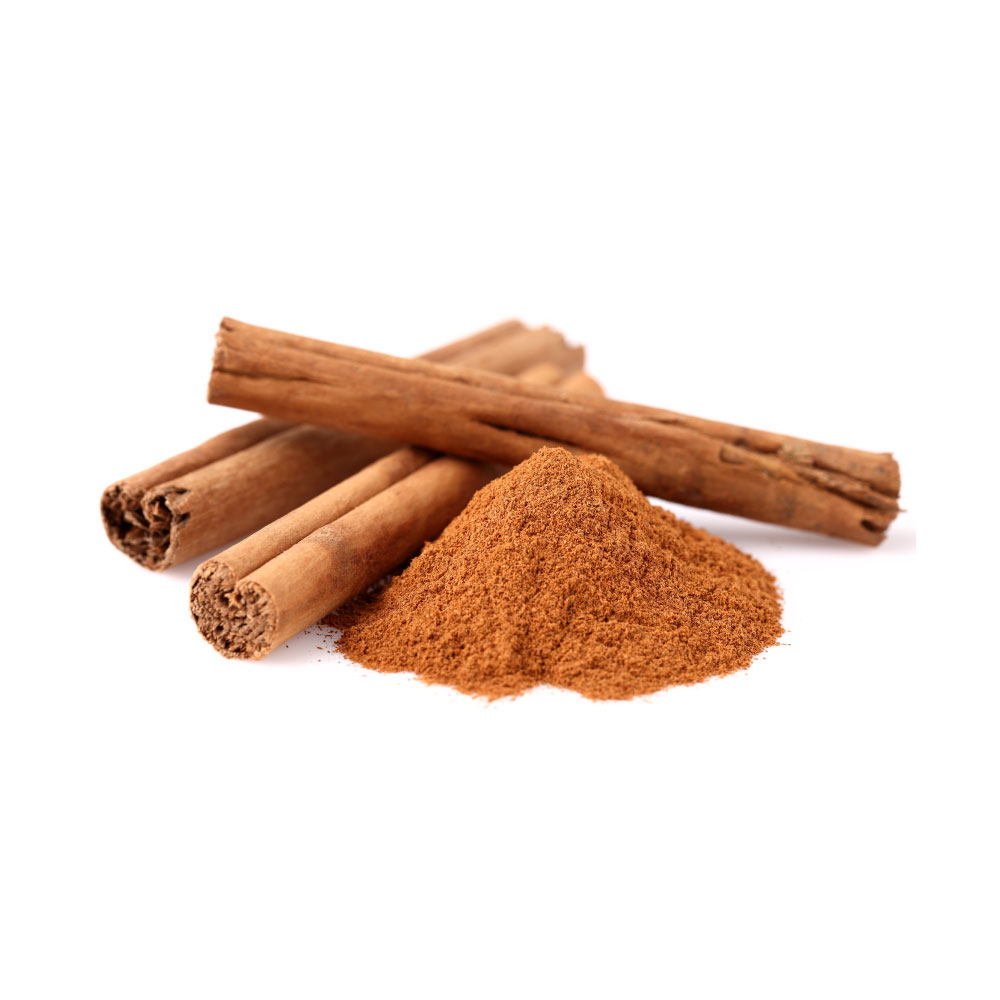
Cinnamon (Cinnamomum cassia) — a warming aromatic spice and medicine used across Western, Chinese and Ayurvedic traditions for circulation and digestion.
What Is Cinnamon?
Cinnamon is one of the world’s oldest and most widely used medicinal spices, valued across Western, Chinese, and Ayurvedic traditions for its warming, stimulating, and aromatic qualities. The medicinal material consists of the dried inner bark of evergreen trees belonging to the Cinnamomum genus.
Cinnamomum cassia, commonly known as cassia cinnamon, is the stronger, more pungent form most commonly used in traditional medicine and commercial spice blends. It differs chemically from true Ceylon cinnamon (Cinnamomum verum), particularly through its substantially higher coumarin content — the reason the two are kept as separate monographs here. Because cassia’s coumarin is hepatotoxic in quantity, prefer Ceylon when using cinnamon regularly or in larger amounts, and keep medicinal cassia short-term.
Traditionally, cinnamon has been associated with warming digestion, improving circulation, dispelling cold, and supporting metabolic function. Modern interest has focused largely on its antimicrobial activity and potential influence on blood sugar regulation.
How Is Cinnamon Used?
Cinnamon is used both as a culinary spice and medicinal herb.
Traditional preparations include teas, decoctions, powders, tinctures, syrups, and warming digestive formulas. The bark is commonly incorporated into formulas intended to improve circulation, support digestion, relieve coldness, and stimulate appetite.
Modern herbal practice frequently uses cinnamon in metabolic-support formulas, digestive bitters, cold and flu preparations, and blood sugar support blends.
Because of its warming and aromatic nature, cinnamon is also commonly combined with ginger, cardamom, clove, fennel, or licorice in traditional medicine systems.
Traditional Uses
Western Herbal Medicine
In Western herbal medicine, cinnamon is regarded as a warming circulatory stimulant, aromatic digestive, and antimicrobial spice.
Traditional indications include poor circulation, cold digestive states, bloating, nausea, diarrhea, sluggish digestion, and respiratory congestion associated with coldness.
The bark was also historically used in preserving preparations and during infectious outbreaks due to its aromatic antimicrobial properties.
Traditional Chinese Medicine
In Traditional Chinese Medicine, cassia bark (Rou Gui) is considered intensely warming and is used to warm the interior, dispel cold, and restore depleted Yang energy.
Traditional indications include cold extremities, weakness, abdominal pain, lower back weakness, poor circulation, and cold digestive conditions.
Cinnamon twig (Gui Zhi), derived from related plant material, is also widely used in Chinese medicine to release the exterior and harmonize circulation.
Ayurvedic Medicine
Ayurvedic medicine classifies cinnamon as warming, pungent, and stimulating.
The herb is traditionally used to support digestion, circulation, respiratory function, and metabolic balance. Cinnamon is especially associated with reducing excess Kapha and supporting sluggish or cold constitutions.
Traditional uses include digestive weakness, respiratory congestion, fatigue, and poor circulation.
Indications
Cinnamon is primarily indicated for cold, stagnant, and metabolically sluggish conditions.
Common traditional and modern indications include:
- Sluggish digestion
- Bloating
- Poor circulation
- Cold extremities
- Nausea
- Diarrhea
- Loss of appetite
- Respiratory congestion
- Type 2 diabetes support
- Blood sugar imbalance
- Fatigue associated with coldness
- General digestive weakness
Clinically, cinnamon is frequently used as a warming adjunct in digestive and metabolic formulas.
Botany
Cassia cinnamon (Cinnamomum cassia) is an evergreen tree of the laurel family (Lauraceae) — the same genus as true Ceylon cinnamon. The medicinal and culinary material is the bark, stripped from young branches and dried into the familiar rolled or flattened quills; its warm aroma comes from a volatile oil dominated by cinnamaldehyde.
Cassia bark is generally thicker, darker and more pungent than Ceylon cinnamon, and the two come from different species — a distinction that matters beyond flavour, because cassia carries substantially more coumarin (see Phytochemistry and Safety). A taxonomic footnote: global botanical databases now backbone Chinese cinnamon under the accepted name Cinnamomum aromaticum, with C. cassia retained as the widely-used name in regional floras and throughout the spice trade; this page uses C. cassia, as the herbal and culinary literature do.
Distribution
Cinnamomum cassia is native to southern China and northern Vietnam, and is cultivated for bark across warm Asia — southern China, Vietnam, Indonesia and neighbouring countries — with more local plantings in the Neotropics. It is grown as a spice and bark crop rather than escaping as a weed, and is not considered invasive.
Growing Conditions
- Tropical/subtropical evergreen tree; full sun; frost-tender (roughly USDA zones 10–12).
- Full cultivation detail lives on the companion farm-wiki grow guide for Cinnamomum cassia (link to be added once that project’s public URL is confirmed).
Phytochemistry
Cinnamon’s medicine is concentrated in the bark’s volatile oil, and that oil is overwhelmingly one compound: cinnamaldehyde, which makes up roughly 70–90% of cassia bark oil and carries both the flavour and most of the antimicrobial and blood-sugar–modulating activity 11,21Reference 11In vitroAntimicrobial activities of cinnamon oil and cinnamaldehyde from the Chinese medicinal herb Cinnamomum cassia — [in vitro]View study →Reference 21Cassia cinnamon as a source of coumarin in cinnamon-flavored food and food supplements — [analytical study]View study →. Around it sit smaller aromatic relatives — cinnamyl acetate, cinnamic acid, cinnamyl alcohol and a little eugenol and caryophyllene 11Reference 11In vitroAntimicrobial activities of cinnamon oil and cinnamaldehyde from the Chinese medicinal herb Cinnamomum cassia — [in vitro]View study →.
The feature that sets cassia (Cinnamomum cassia) apart from true Ceylon cinnamon is coumarin: cassia bark can carry appreciable amounts, and because coumarin is hepatotoxic in quantity this is the main reason heavy daily cassia use is cautioned 21Reference 21Cassia cinnamon as a source of coumarin in cinnamon-flavored food and food supplements — [analytical study]View study →. The non-volatile fraction adds astringent condensed tannins (procyanidins) 11Reference 11In vitroAntimicrobial activities of cinnamon oil and cinnamaldehyde from the Chinese medicinal herb Cinnamomum cassia — [in vitro]View study →.
Constituent Summary
Quantities are share of bark essential oil. † marks the compound used to distinguish cassia from Ceylon cinnamon: coumarin is highly variable and is the key compositional and safety difference between the two 11,21Reference 11In vitroAntimicrobial activities of cinnamon oil and cinnamaldehyde from the Chinese medicinal herb Cinnamomum cassia — [in vitro]View study →Reference 21Cassia cinnamon as a source of coumarin in cinnamon-flavored food and food supplements — [analytical study]View study →.
Phenylpropanoid4 compounds1 with data
Coumarin1 compound1 with data
Phenolic acid1 compoundno data
Sesquiterpene1 compoundno data
Flavanol1 compoundno data
Pharmacology & Research
Cassia cinnamon has an unusually large clinical literature for a culinary spice: dozens of randomised controlled trials and at least ten meta-analyses, concentrated almost entirely on metabolic endpoints — blood glucose, lipids and blood pressure. The overall evidence tier is therefore high in volume but middling in quality: the trials are mostly small, short (4–18 weeks), heavily heterogeneous, and use a patchwork of preparations (powdered bark, aqueous extract, proprietary capsules) at doses from 120 mg to 6 g/day, which makes pooling noisy. The strongest and most consistent signal is a reduction in fasting blood glucose in type 2 diabetes; the most interesting failure is that glycated haemoglobin (HbA1c) — the endpoint that actually matters for long-term outcomes — does not move reliably 2,5Reference 2Meta-analysisCinnamon use in type 2 diabetes: an updated systematic review and meta-analysis — [meta-analysis]View study →Reference 5Systematic reviewCinnamon for diabetes mellitus — [systematic review]View study →. Beyond metabolism, activity is genuine but preclinical: antimicrobial and anti-inflammatory effects rest largely on the essential oil and isolated cinnamaldehyde rather than the bark as swallowed, so they do not transfer cleanly to a decoction or powder. A caveat runs through everything: most “cinnamon” trials do not specify the species, and where they do it is often C. verum (Ceylon) or a mix rather than the cassia this page describes — so the metabolic results below should be read as “cinnamon-in-general,” not as cassia-specific, even though cassia’s high coumarin content (a genuine hepatotoxicant) is the reason its therapeutic dose is capped where Ceylon’s is not 19,20Reference 19Quantification of flavoring constituents in cinnamon: high variation of coumarin in cassia bark from the German retail market and in authentic samples from Indonesia — [comparative study]View study →Reference 20ReviewToxicology and risk assessment of coumarin: focus on human data — [review]View study →.
- Best-supported: modest lowering of fasting blood glucose and insulin resistance in type 2 diabetes 1,3,4Reference 1Meta-analysisThe effect of cinnamon supplementation on glycemic control in patients with type 2 diabetes mellitus: an updated systematic review and dose-response meta-analysis of randomized controlled trials — [meta-analysis]View study →Reference 3Meta-analysisEfficacy and safety of cinnamon in type 2 diabetes mellitus and pre-diabetes patients: a meta-analysis and meta-regression — [meta-analysis]View study →Reference 4Meta-analysisEffects of cinnamon supplementation on metabolic biomarkers in individuals with type 2 diabetes: a systematic review and meta-analysis — [meta-analysis]View study →; reductions in triglycerides and total cholesterol across metabolic populations 6,7Reference 6Meta-analysisThe effects of cinnamon supplementation on blood lipid concentrations: a systematic review and meta-analysis — [meta-analysis]View study →Reference 7Meta-analysisThe beneficial effects of cinnamon among patients with metabolic diseases: a systematic review and dose-response meta-analysis of randomized controlled trials — [meta-analysis]View study →; a small, dose-limited drop in blood pressure 9,10Reference 9Meta-analysisThe effect of cinnamon supplementation on blood pressure in adults: a systematic review and meta-analysis of randomized controlled trials — [meta-analysis]View study →Reference 10Meta-analysisEffect of cinnamon supplementation on blood pressure and anthropometric parameters in patients with type 2 diabetes: a systematic review and meta-analysis of clinical trials — [meta-analysis]View study →.
- Emerging, worth watching: antimicrobial activity against Helicobacter pylori and food-borne organisms 11,12Reference 11In vitroAntimicrobial activities of cinnamon oil and cinnamaldehyde from the Chinese medicinal herb Cinnamomum cassia — [in vitro]View study →Reference 12In vitroCinnamaldehyde: an effective component of Cinnamomum cassia inhibiting Helicobacter pylori — [in vitro and mouse in vivo]View study →; anti-inflammatory signalling via NF-κB/COX-2 suppression 13,14Reference 13In vitroAnti-inflammatory effect of cinnamaldehyde in Helicobacter pylori induced gastric inflammation — [in vitro]View study →Reference 14AnimalNovel anti-arthritic mechanisms of trans-cinnamaldehyde against complete Freund’s adjuvant-induced arthritis in mice — [mouse in vivo]View study →; liver-enzyme improvement in fatty liver disease 16Reference 16RCTCinnamon may have therapeutic benefits on lipid profile, liver enzymes, insulin resistance, and high-sensitivity C-reactive protein in nonalcoholic fatty liver disease patients — [randomized controlled trial]View study →.
- Mechanistically thin: neuroprotective and anticancer claims rest on animal and cell-line work with isolated cinnamaldehyde, not on the whole herb 17,18Reference 17ReviewCinnamon, a promising prospect towards Alzheimer’s disease — [review]View study →Reference 18ReviewThe role and mechanism of cinnamaldehyde in cancer — [review]View study →.
- The caveat: no standardised dose or extract, high between-trial heterogeneity, species rarely specified, HbA1c largely unchanged, and cassia-specific coumarin toxicity that caps how much can safely be used 2,5,19,20Reference 2Meta-analysisCinnamon use in type 2 diabetes: an updated systematic review and meta-analysis — [meta-analysis]View study →Reference 5Systematic reviewCinnamon for diabetes mellitus — [systematic review]View study →Reference 19Quantification of flavoring constituents in cinnamon: high variation of coumarin in cassia bark from the German retail market and in authentic samples from Indonesia — [comparative study]View study →Reference 20ReviewToxicology and risk assessment of coumarin: focus on human data — [review]View study →.
1. Glycemic control
This is cinnamon’s most-studied and best-supported effect, though “best” is relative. A 2024 dose-response meta-analysis of 24 RCTs in type 2 diabetes found significant reductions in fasting blood sugar, HOMA-IR (insulin resistance) and HbA1c, without changing fasting insulin 1Reference 1Meta-analysisThe effect of cinnamon supplementation on glycemic control in patients with type 2 diabetes mellitus: an updated systematic review and dose-response meta-analysis of randomized controlled trials — [meta-analysis]View study →; a 2019 meta-analysis of 16 trials likewise reported lower fasting glucose and HOMA-IR 3Reference 3Meta-analysisEfficacy and safety of cinnamon in type 2 diabetes mellitus and pre-diabetes patients: a meta-analysis and meta-regression — [meta-analysis]View study →, and a 2025 meta-analysis of 28 RCTs (3,054 patients) found fasting glucose down ~15 mg/dL and postprandial glucose down ~39 mg/dL 4Reference 4Meta-analysisEffects of cinnamon supplementation on metabolic biomarkers in individuals with type 2 diabetes: a systematic review and meta-analysis — [meta-analysis]View study →. The honest counterweight is that the largest earlier syntheses disagree on the endpoint that matters most: a 2013 meta-analysis of 10 RCTs saw fasting glucose fall but found no significant effect on HbA1c, with very high heterogeneity (I² up to 95%) 2Reference 2Meta-analysisCinnamon use in type 2 diabetes: an updated systematic review and meta-analysis — [meta-analysis]View study →, and the 2012 Cochrane review concluded there was insufficient evidence to support cinnamon for diabetes at all, noting most trials were at high risk of bias — its own included trials were predominantly C. cassia at a mean 2 g/day 5Reference 5Systematic reviewCinnamon for diabetes mellitus — [systematic review]View study →. The effect, where present, is a modest adjunct — the active constituent cinnamaldehyde is thought to improve insulin signalling and glucose uptake — not a substitute for glucose-lowering medication. Doses studied ran from 120 mg/day of extract to 6 g/day of powdered bark.
Gap: HbA1c — the marker of sustained glucose control — does not move consistently, trials are short and heterogeneous, and few specify or standardise the cassia preparation used.
2. Lipid profile
Cinnamon’s polyphenols have been tested repeatedly for cholesterol-lowering, with a consistent-but-partial signal. A 2017 meta-analysis of 13 RCTs (750 participants) found a significant reduction in triglycerides but no significant effect on LDL or HDL cholesterol 6Reference 6Meta-analysisThe effects of cinnamon supplementation on blood lipid concentrations: a systematic review and meta-analysis — [meta-analysis]View study →. A larger 2022 dose-response meta-analysis of 35 metabolic-disease trials reported significant falls in total cholesterol (~12 mg/dL), triglycerides (~16 mg/dL) and LDL (~6 mg/dL) 7Reference 7Meta-analysisThe beneficial effects of cinnamon among patients with metabolic diseases: a systematic review and dose-response meta-analysis of randomized controlled trials — [meta-analysis]View study →, and the 2013 diabetes meta-analysis similarly saw total cholesterol, LDL and triglycerides drop while HDL rose 2Reference 2Meta-analysisCinnamon use in type 2 diabetes: an updated systematic review and meta-analysis — [meta-analysis]View study →. A 2023 umbrella meta-analysis pooling eleven prior meta-analyses concluded cinnamon meaningfully improves total cholesterol, LDL and HDL — but not triglycerides — with benefit most evident in PCOS and diabetes 8Reference 8Meta-analysisThe effect of cinnamon consumption on lipid profile, oxidative stress, and inflammation biomarkers in adults: an umbrella meta-analysis of randomized controlled trials — [meta-analysis]View study →. The disagreement over which lipid fraction moves reflects the underlying heterogeneity rather than a clean class effect.
Gap: the specific lipid endpoint that reaches significance shifts between analyses, effect sizes are small, and it is unclear how much is independent of cinnamon’s glucose effect versus concurrent diet advice.
3. Blood pressure
Two 2020 meta-analyses converge on a small antihypertensive effect. Pooling 9 RCTs (641 adults), cinnamon lowered systolic pressure by ~5.2 mmHg and diastolic by ~3.4 mmHg — but a subgroup analysis found the effect held only at doses ≤2 g/day, an unusual inverse dose pattern that suggests the finding is fragile 9Reference 9Meta-analysisThe effect of cinnamon supplementation on blood pressure in adults: a systematic review and meta-analysis of randomized controlled trials — [meta-analysis]View study →. A second 2020 meta-analysis restricted to type 2 diabetes patients (9 trials) also reported significant systolic and diastolic reductions 10Reference 10Meta-analysisEffect of cinnamon supplementation on blood pressure and anthropometric parameters in patients with type 2 diabetes: a systematic review and meta-analysis of clinical trials — [meta-analysis]View study →. The magnitude is comparable to a modest dietary change and the trials are few and short.
Gap: small number of trials, short duration, a counter-intuitive dose ceiling, and no data on whether the effect persists or translates into cardiovascular outcomes.
4. PCOS metabolic support
Cinnamon has been trialled in polycystic ovary syndrome largely as a metabolic intervention. A 2020 meta-analysis pooling five small clinical trials found significant reductions in fasting blood sugar, fasting insulin, HOMA-IR, LDL, total cholesterol and triglycerides, but no significant effect on body weight or BMI 15Reference 15Meta-analysisEffects of cinnamon on controlling metabolic parameters of polycystic ovary syndrome: a systematic review and meta-analysis — [meta-analysis]View study →. The umbrella meta-analysis noted PCOS as one of the populations where the lipid benefit was clearest 8Reference 8Meta-analysisThe effect of cinnamon consumption on lipid profile, oxidative stress, and inflammation biomarkers in adults: an umbrella meta-analysis of randomized controlled trials — [meta-analysis]View study →. This is essentially the same insulin-sensitising signal seen in diabetes, applied to the insulin-resistant PCOS phenotype, rather than evidence of an effect on ovulation or androgens.
Gap: very few, small trials; effects are confined to metabolic markers, with no demonstrated impact on the reproductive or endocrine features that define the syndrome.
5. Antimicrobial
Antimicrobial activity is one of cinnamon’s most robust preclinical findings and underpins its traditional use as a preservative and digestive remedy — but the activity belongs mostly to the volatile oil, not the swallowed bark. cinnamaldehyde and cinnamon oil show broad in vitro inhibition of bacteria and fungi 11Reference 11In vitroAntimicrobial activities of cinnamon oil and cinnamaldehyde from the Chinese medicinal herb Cinnamomum cassia — [in vitro]View study →. More specifically, cinnamaldehyde inhibits Helicobacter pylori (the ulcer- and gastritis-causing bacterium) in vitro at a minimum inhibitory concentration of 8–16 µg/mL and reduced infection in an acute-gastritis mouse model, working partly by disrupting bacterial biofilm and energy metabolism 12Reference 12In vitroCinnamaldehyde: an effective component of Cinnamomum cassia inhibiting Helicobacter pylori — [in vitro and mouse in vivo]View study →. This maps neatly onto the traditional use of cassia for dyspepsia and gastrointestinal complaints.
Gap: the evidence is in vitro and animal, uses the essential oil or purified cinnamaldehyde at concentrations a person cannot safely reach by drinking bark tea, and there are no human eradication trials — so the effect does not transfer cleanly to the herb as actually consumed.
6. Anti-inflammatory
Cinnamaldehyde is a well-characterised anti-inflammatory molecule in preclinical models. In H. pylori–infected gastric cells it suppressed interleukin-8 secretion by blocking NF-κB activation 13Reference 13In vitroAnti-inflammatory effect of cinnamaldehyde in Helicobacter pylori induced gastric inflammation — [in vitro]View study →, and in a mouse adjuvant-arthritis model trans-cinnamaldehyde reduced paw swelling and arthritis severity while downregulating TNF-α, NF-κB, COX-2 and the IL-6/IL-17 axis 14Reference 14AnimalNovel anti-arthritic mechanisms of trans-cinnamaldehyde against complete Freund’s adjuvant-induced arthritis in mice — [mouse in vivo]View study →. The human evidence is far weaker and mixed: the 2023 umbrella meta-analysis found no significant effect on C-reactive protein and no change in the oxidative marker malondialdehyde, though it did report improved total antioxidant capacity 8Reference 8Meta-analysisThe effect of cinnamon consumption on lipid profile, oxidative stress, and inflammation biomarkers in adults: an umbrella meta-analysis of randomized controlled trials — [meta-analysis]View study →.
Gap: the mechanistic story is animal/cell-line only; in actual patients the headline inflammatory marker (CRP) does not move, so whole-herb anti-inflammatory benefit in humans is unproven.
7. Hepatoprotective
This indication carries a built-in irony, since cassia’s coumarin is itself hepatotoxic in quantity. Setting that aside, a 2014 double-blind RCT in 50 non-alcoholic fatty liver disease (NAFLD) patients found that 1.5 g/day of cinnamon for 12 weeks significantly reduced the liver enzymes ALT, AST and GGT alongside improvements in fasting glucose, insulin resistance, lipids and hs-CRP, versus placebo 16Reference 16RCTCinnamon may have therapeutic benefits on lipid profile, liver enzymes, insulin resistance, and high-sensitivity C-reactive protein in nonalcoholic fatty liver disease patients — [randomized controlled trial]View study →. The plausible mechanism is indirect — improving insulin resistance and oxidative stress, the drivers of hepatic fat accumulation — rather than a direct liver-protective action.
Gap: a single small trial using unspecified cinnamon species, no replication, and the confound that cassia’s own coumarin load argues against high-dose use in anyone with liver disease 19,20Reference 19Quantification of flavoring constituents in cinnamon: high variation of coumarin in cassia bark from the German retail market and in authentic samples from Indonesia — [comparative study]View study →Reference 20ReviewToxicology and risk assessment of coumarin: focus on human data — [review]View study →.
8. Neuroprotective
Neuroprotective interest is entirely preclinical and constituent-driven. Review-level work describes cinnamon polyphenols and cinnamaldehyde inhibiting tau-protein aggregation and the formation of neurotoxic amyloid-β oligomers — the two pathological hallmarks of Alzheimer’s disease — and modulating oxidative and pro-inflammatory signalling in the brain 17Reference 17ReviewCinnamon, a promising prospect towards Alzheimer’s disease — [review]View study →. Individual animal studies report memory protection in chemically-induced dementia models. None of this has been tested in people.
Gap: no human trials of any kind; the evidence is animal and in vitro, often with isolated compounds at doses and routes that do not correspond to oral bark use.
9. Anticancer
This is the thinnest efficacy claim. Cinnamaldehyde induces apoptosis (programmed cell death) and cell-cycle arrest in a range of cancer cell lines and modulates tumour-related signalling pathways, as summarised in mechanistic reviews 18Reference 18ReviewThe role and mechanism of cinnamaldehyde in cancer — [review]View study →. It is a genuine laboratory observation about an isolated molecule, not evidence that eating cinnamon prevents or treats cancer.
Gap: cell-line and review-level only, no whole-herb data, no animal efficacy tumour models cited at scale, and no human evidence — this is constituent-level inference, not a demonstrated effect of the herb.
Mechanisms
| Mechanism | Drives | Key compounds |
|---|---|---|
| Improved insulin signalling / glucose uptake | glycemic controlPCOShepatoprotective | cinnamaldehyde, procyanidins |
| NF-κB ↓, COX-2 ↓, TNF-α/IL-6 ↓ | anti-inflammatoryantimicrobial | cinnamaldehyde |
| Membrane / biofilm disruption, energy-metabolism interference | antimicrobial | cinnamaldehyde, eugenol |
| Antioxidant capacity ↑ (radical scavenging) | lipidhepatoprotectiveneuroprotective | procyanidins, cinnamic acid |
| Anti-amyloid / anti-tau aggregation | neuroprotective | cinnamaldehyde |
| Pro-apoptotic / cell-cycle arrest | anticancer | cinnamaldehyde |
Clinical trials
Cinnamon is one of the more heavily trialled botanicals in metabolic medicine: ClinicalTrials.gov lists 124 interventional studies of cinnamon, about 30 of them in diabetes or pre-diabetes, but the programme is dominated by small completed trials with no large confirmatory RCT. Of the 124, 80 are completed, 23 are planned or ongoing (17 recruiting, 5 not-yet-recruiting, 1 active/not-recruiting), 6 were stopped early (4 terminated, 2 withdrawn), and 15 have unknown status. The “Planned” column below groups the 23 ongoing/upcoming studies and the “Terminated” column the 6 stopped-early ones; the 15 unknown-status studies are not shown.
| Completed | Planned | Terminated | Preclinical |
|---|---|---|---|
| 80 | 23 | 6 | ~hundreds |
Last checked: July 2026.
Dosage
Dosage varies with preparation and intended use. Typical adult dosing ranges are:
- Powdered bark: 1–4 g daily
- Decoction or tea: 1–2 cups daily
- Tincture: 2–5 mL, up to three times daily
- Essential oil: only in very small professional doses
Cinnamon is used freely in culinary amounts, but medicinal doses are generally kept moderate and short-term — with cassia specifically, because of its coumarin load (see Safety).
In the clinical trials, cinnamon was given either as powdered whole bark or as a standardised/proprietary extract, at widely varying doses; the metabolic trials rarely specify the species.
| Indication | Preparation | Dose | Est. dried-herb equivalent | Source |
|---|---|---|---|---|
| Glycemic control | Powdered bark or aqueous extract | 120 mg/day (extract) to 6 g/day (powder), 4–18 wks | 120 mg extract ≈ order-of-magnitude 1–3 g bark; powder doses are whole-herb as stated | 2Reference 2Meta-analysisCinnamon use in type 2 diabetes: an updated systematic review and meta-analysis — [meta-analysis]View study → |
| Glycemic control | Cinnamon capsules | 1–2 g/day, 30–120 days | ~1–2 g (whole bark) | 4Reference 4Meta-analysisEffects of cinnamon supplementation on metabolic biomarkers in individuals with type 2 diabetes: a systematic review and meta-analysis — [meta-analysis]View study → |
| Lipid profile | Powdered bark / extract | ~1–6 g/day | ~1–6 g (whole bark where powder used) | 7Reference 7Meta-analysisThe beneficial effects of cinnamon among patients with metabolic diseases: a systematic review and dose-response meta-analysis of randomized controlled trials — [meta-analysis]View study → |
| Blood pressure | Cinnamon supplement | ≤2 g/day (effect lost above this) | ~≤2 g | 9Reference 9Meta-analysisThe effect of cinnamon supplementation on blood pressure in adults: a systematic review and meta-analysis of randomized controlled trials — [meta-analysis]View study → |
| PCOS | Cinnamon capsules | ~1.5 g/day | ~1.5 g | 15Reference 15Meta-analysisEffects of cinnamon on controlling metabolic parameters of polycystic ovary syndrome: a systematic review and meta-analysis — [meta-analysis]View study → |
| NAFLD (hepatoprotective) | Cinnamon capsules | 1.5 g/day (2 × 750 mg), 12 wks | ~1.5 g | 16Reference 16RCTCinnamon may have therapeutic benefits on lipid profile, liver enzymes, insulin resistance, and high-sensitivity C-reactive protein in nonalcoholic fatty liver disease patients — [randomized controlled trial]View study → |
Est. dried-herb equivalent, stated assumption: where trials used powdered whole bark, the dose already is the dried-herb weight. Where a proprietary aqueous extract was used (e.g. 120 mg/day), no reliable marker % is reported, so the whole-herb equivalent is only an order-of-magnitude estimate assuming ~5–10% extract yield — a guide, not a conversion factor, and never a recommendation.
Traditional Dosage
Traditional Western herbal and Asian systems use whole bark rather than a standardised extract, at broadly similar amounts to the trial doses.
| System | Preparation | Dose |
|---|---|---|
| Western herbal | Dried bark (decoction/powder) | 1–4 g/day |
| Western herbal | Tincture | 2–5 mL up to 3×/day |
| Traditional Chinese Medicine (Rou Gui) | Dried bark decoction | ~1–4.5 g/day |
| Ayurveda | Dried bark powder | 1–3 g/day |
Safety & Pregnancy
Culinary cassia is generally regarded as safe, but its high and variable coumarin content is hepatotoxic in quantity — the reason therapeutic doses are kept short-term and avoided in liver disease.
- Coumarin / liver toxicity. Cassia’s high, variable coumarin is hepatotoxic in susceptible people — keep therapeutic doses short-term and avoid in liver disease.
- Everyday exposure adds up. Regular culinary cassia can approach the tolerable daily intake for smaller individuals — not only a supplement concern.
- Antidiabetic drugs. Concentrated supplements may lower blood glucose additively — monitor if combined.
- Essential oil irritant. Concentrated cinnamon oil irritates mucous membranes and should not be taken internally without supervision.
- Culinary amounts safe. Ordinary food use of cassia has a long, well-tolerated record.
Full safety & interactions detail
Culinary amounts of cassia cinnamon are generally regarded as safe. The dominant safety concern is unique to cassia rather than to Ceylon cinnamon (Cinnamomum verum): cassia bark carries appreciable and highly variable coumarin (roughly 0.1–1.6% of the essential oil, with retail powders ranging from undetectable to ~10,000 mg/kg), and coumarin is hepatotoxic in a susceptible subset of people, which is why regulators set a tolerable daily intake of 0.1 mg/kg body weight 19,20Reference 19Quantification of flavoring constituents in cinnamon: high variation of coumarin in cassia bark from the German retail market and in authentic samples from Indonesia — [comparative study]View study →Reference 20ReviewToxicology and risk assessment of coumarin: focus on human data — [review]View study →. Therapeutic doses should therefore be kept short-term and avoided in anyone with liver disease. Because regular culinary use of cassia can, for smaller individuals, approach that tolerable intake, this is a real-world exposure route and not only a supplement concern 19Reference 19Quantification of flavoring constituents in cinnamon: high variation of coumarin in cassia bark from the German retail market and in authentic samples from Indonesia — [comparative study]View study →.
Because several trials show cinnamon lowers blood glucose, concentrated supplements may have additive effects with antidiabetic drugs and warrant blood-glucose monitoring if the two are combined 1,3Reference 1Meta-analysisThe effect of cinnamon supplementation on glycemic control in patients with type 2 diabetes mellitus: an updated systematic review and dose-response meta-analysis of randomized controlled trials — [meta-analysis]View study →Reference 3Meta-analysisEfficacy and safety of cinnamon in type 2 diabetes mellitus and pre-diabetes patients: a meta-analysis and meta-regression — [meta-analysis]View study →. A theoretical potentiation of anticoagulants such as warfarin is often cited on the basis of cassia’s coumarin content, but coumarin itself is not an anticoagulant (that is the distinct compound dicoumarol), and no controlled human study has demonstrated the interaction — treat it as precautionary, not established.
Large medicinal doses may irritate sensitive digestive tissue or aggravate heat conditions in susceptible individuals. Concentrated cinnamon essential oil is a mucous-membrane irritant and should not be taken internally except under professional supervision; note that the antimicrobial activity attributed to cinnamon elsewhere rests on that oil (or isolated cinnamaldehyde) at concentrations that are not safe to ingest, not on the bark as normally consumed.
Cassia cinnamon in normal culinary quantities has a long history of dietary use in pregnancy without documented harm, but medicinal doses and concentrated supplements have not been formally assessed for safety in pregnancy or lactation, and the coumarin load provides a reason for caution. There is no controlled-trial evidence establishing a safe therapeutic dose in these populations, so concentrated products are best avoided rather than assumed safe.
References
- Moridpour AH, et al. (2024). The effect of cinnamon supplementation on glycemic control in patients with type 2 diabetes mellitus: an updated systematic review and dose-response meta-analysis of randomized controlled trials — [meta-analysis]. Phytotherapy Research. https://pubmed.ncbi.nlm.nih.gov/37818728/
- Allen RW, et al. (2013). Cinnamon use in type 2 diabetes: an updated systematic review and meta-analysis — [meta-analysis]. Annals of Family Medicine. https://pubmed.ncbi.nlm.nih.gov/24019277/
- Deyno S, et al. (2019). Efficacy and safety of cinnamon in type 2 diabetes mellitus and pre-diabetes patients: a meta-analysis and meta-regression — [meta-analysis]. Diabetes Research and Clinical Practice. https://pubmed.ncbi.nlm.nih.gov/31425768/
- de Moura SL, et al. (2025). Effects of cinnamon supplementation on metabolic biomarkers in individuals with type 2 diabetes: a systematic review and meta-analysis — [meta-analysis]. Nutrition Reviews. https://pubmed.ncbi.nlm.nih.gov/38917435/
- Leach MJ, Kumar S. (2012). Cinnamon for diabetes mellitus — [systematic review]. Cochrane Database of Systematic Reviews. https://pubmed.ncbi.nlm.nih.gov/22972104/
- Maierean SM, et al. (2017). The effects of cinnamon supplementation on blood lipid concentrations: a systematic review and meta-analysis — [meta-analysis]. Journal of Clinical Lipidology. https://pubmed.ncbi.nlm.nih.gov/28887086/
- Kutbi EH, et al. (2022). The beneficial effects of cinnamon among patients with metabolic diseases: a systematic review and dose-response meta-analysis of randomized controlled trials — [meta-analysis]. Critical Reviews in Food Science and Nutrition. https://pubmed.ncbi.nlm.nih.gov/33739219/
- Sarmadi B, et al. (2023). The effect of cinnamon consumption on lipid profile, oxidative stress, and inflammation biomarkers in adults: an umbrella meta-analysis of randomized controlled trials — [meta-analysis]. Nutrition, Metabolism & Cardiovascular Diseases. https://pubmed.ncbi.nlm.nih.gov/37500345/
- Hadi A, et al. (2020). The effect of cinnamon supplementation on blood pressure in adults: a systematic review and meta-analysis of randomized controlled trials — [meta-analysis]. Clinical Nutrition ESPEN. https://pubmed.ncbi.nlm.nih.gov/32220351/
- Jamali N, et al. (2020). Effect of cinnamon supplementation on blood pressure and anthropometric parameters in patients with type 2 diabetes: a systematic review and meta-analysis of clinical trials — [meta-analysis]. Diabetes & Metabolic Syndrome. https://pubmed.ncbi.nlm.nih.gov/32032898/
- Ooi LS, et al. (2006). Antimicrobial activities of cinnamon oil and cinnamaldehyde from the Chinese medicinal herb Cinnamomum cassia — [in vitro]. American Journal of Chinese Medicine. https://pubmed.ncbi.nlm.nih.gov/16710900/
- Li CY, et al. (2024). Cinnamaldehyde: an effective component of Cinnamomum cassia inhibiting Helicobacter pylori — [in vitro and mouse in vivo]. Journal of Ethnopharmacology. https://pubmed.ncbi.nlm.nih.gov/38663778/
- Muhammad JS, et al. (2015). Anti-inflammatory effect of cinnamaldehyde in Helicobacter pylori induced gastric inflammation — [in vitro]. Biological & Pharmaceutical Bulletin. https://pubmed.ncbi.nlm.nih.gov/25744466/
- El-Tanbouly GS, et al. (2022). Novel anti-arthritic mechanisms of trans-cinnamaldehyde against complete Freund’s adjuvant-induced arthritis in mice — [mouse in vivo]. Inflammopharmacology. https://pubmed.ncbi.nlm.nih.gov/35648328/
- Heydarpour F, et al. (2020). Effects of cinnamon on controlling metabolic parameters of polycystic ovary syndrome: a systematic review and meta-analysis — [meta-analysis]. Journal of Ethnopharmacology. https://pubmed.ncbi.nlm.nih.gov/32151755/
- Askari F, et al. (2014). Cinnamon may have therapeutic benefits on lipid profile, liver enzymes, insulin resistance, and high-sensitivity C-reactive protein in nonalcoholic fatty liver disease patients — [randomized controlled trial]. Nutrition Research. https://pubmed.ncbi.nlm.nih.gov/24461315/
- Momtaz S, et al. (2018). Cinnamon, a promising prospect towards Alzheimer’s disease — [review]. Pharmacological Research. https://pubmed.ncbi.nlm.nih.gov/29258915/
- Peng J, et al. (2024). The role and mechanism of cinnamaldehyde in cancer — [review]. Journal of Food and Drug Analysis. https://pubmed.ncbi.nlm.nih.gov/38934689/
- Woehrlin F, et al. (2010). Quantification of flavoring constituents in cinnamon: high variation of coumarin in cassia bark from the German retail market and in authentic samples from Indonesia — [comparative study]. Journal of Agricultural and Food Chemistry. https://pubmed.ncbi.nlm.nih.gov/20853872/
- Abraham K, et al. (2010). Toxicology and risk assessment of coumarin: focus on human data — [review]. Molecular Nutrition & Food Research. https://pubmed.ncbi.nlm.nih.gov/20024932/
- Wang Y-H, et al. (2013). Cassia cinnamon as a source of coumarin in cinnamon-flavored food and food supplements — [analytical study]. Journal of Agricultural and Food Chemistry, 61(18), 4470–4476. https://pubmed.ncbi.nlm.nih.gov/23627682/