Materia Medica
Catuaba
Trichilia catigua
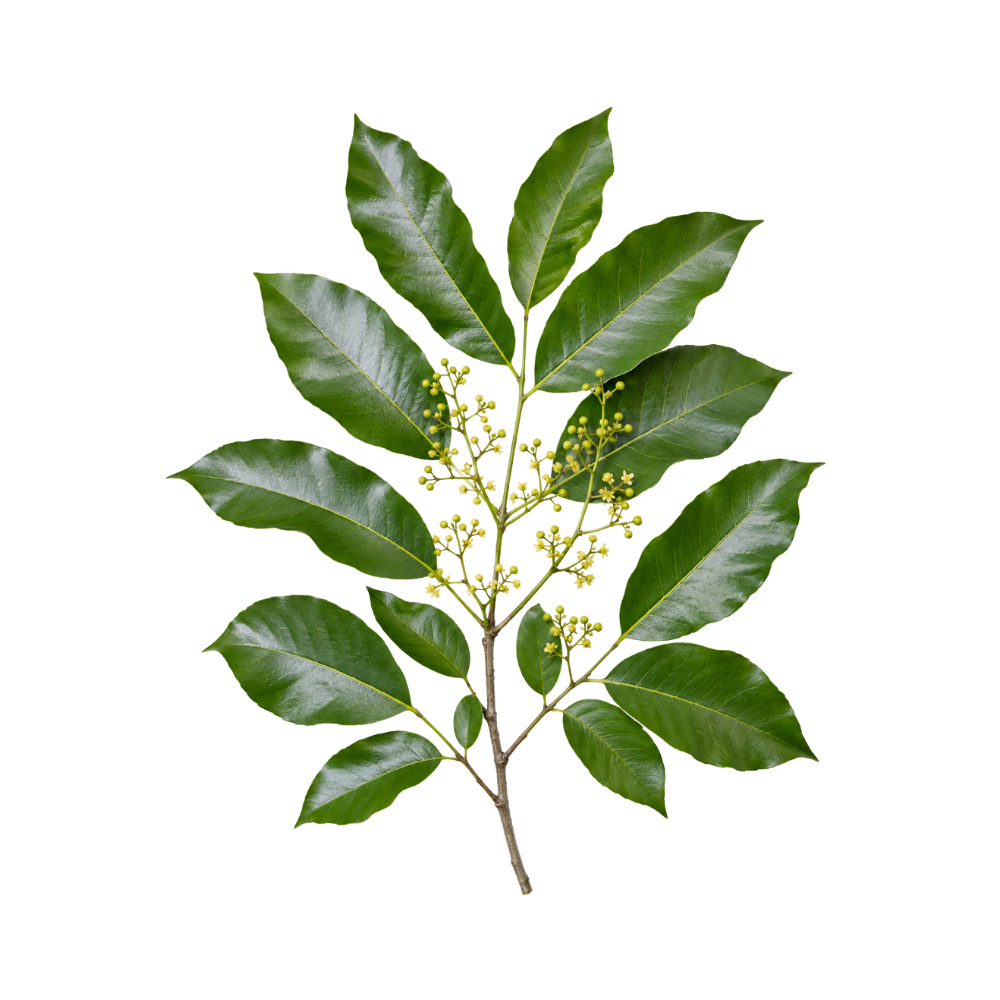
Catuaba (Trichilia catigua) — an Amazonian bark used as an aphrodisiac and nerve tonic for low libido, mood and age-related cognitive decline.
What Is Catuaba?
Catuaba is the common name for a group of unrelated Amazonian plants, the main two being Erythroxylum catuaba and Trichilia catigua. Because at least two botanically distinct trees are sold under the same name — and adulteration is common — the species confusion is itself part of the catuaba story (covered in Botanical Information below).
Big catuaba (Trichilia catigua) is both the most commonly used species and the most relevant for the actions catuaba is traditionally used for, which is why The Sunlight Experiment treats this species as the official catuaba species and scores it in the research section below.
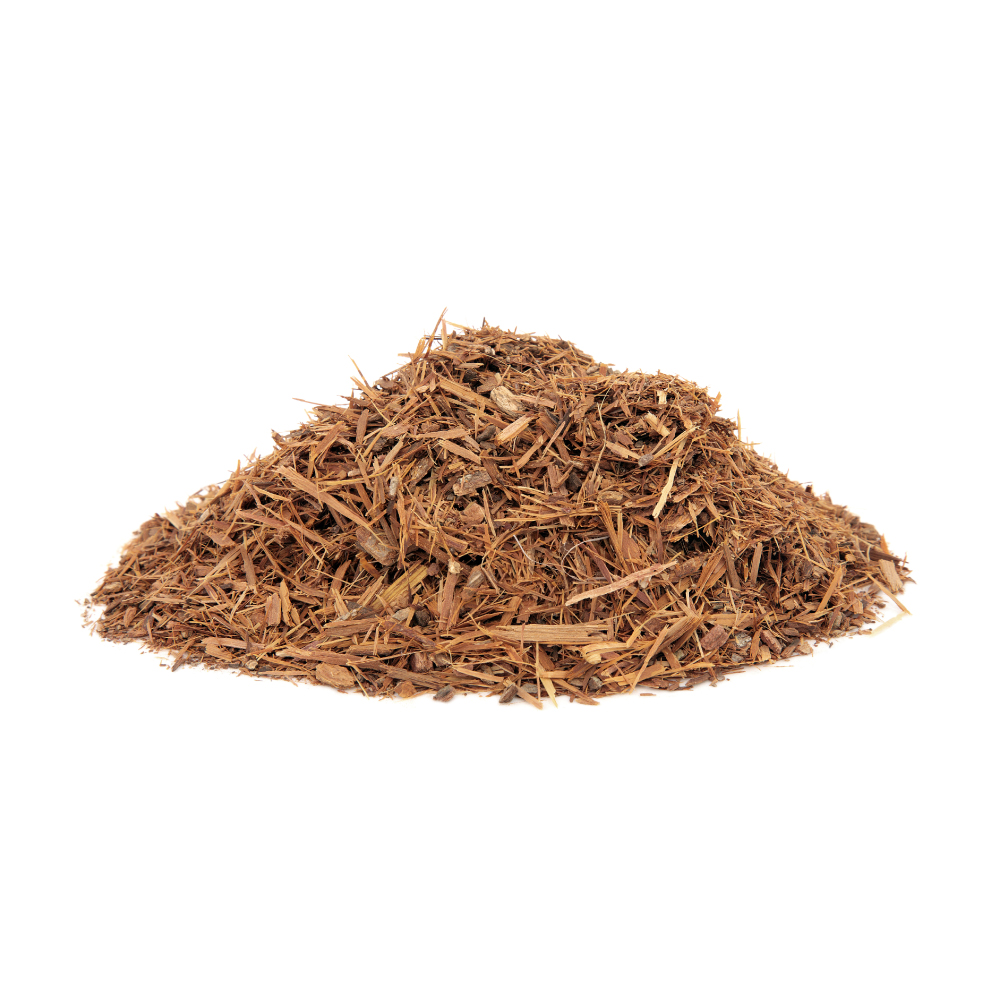
Trichilia catigua is a tall tree with dark, aromatic bark. This bark is traditionally used for age-related cognitive decline, depression, anxiety, and male sexual dysfunction — though, as the evidence below makes clear, most of that support is preclinical.
What Is Catuaba Used For?
The main traditional uses for catuaba include male sexual dysfunctions like erectile dysfunction or poor libido, age-related cognitive decline, depression, nerve pain, fatigue, and anxiety. The best-developed modern research does not sit on the aphrodisiac reputation, however — it sits on the bark’s antioxidant and neuroprotective activity in rodent models, and on a dopaminergic antidepressant-like effect that reached (but did not complete) a human trial.
Traditional Uses
Catuaba/Catigua have a long-standing history of use as an aphrodisiac. The Tupi indians discovered its use as an aphrodisiac centuries ago and have since composed many songs referring to its effects.
In the Brazilian state of Minas there goes a saying “until a father reaches 60, the son is his; after that, the son is Catuaba’s!” 9Reference 9AnimalDelayed administration of Trichilia catigua AView study →.
A 2024 ethnomedicinal review of native Brazilian plants used for male sexual dysfunction catalogues catuaba’s strong traditional aphrodisiac reputation, while concluding that the underlying pharmacological evidence for sexual function remains poorly developed 26Reference 26AnimalThe traditional use of native Brazilian plants for male sexual dysfunction: evidence from ethnomedicinal applications, animal models, and possible mechanisms of action — reviewView study →.
Botany
Trichilia catigua is a member of the Meliaceae family (the mahogany family). This family contains about 600 species, separated into 53 genera, all spread across the tropics. Other members of this family include neem, Carapa, Spanish-Cedar, and Toona.
Erythroxylum catuaba
Both Erythroxylum catuaba and Erythroxylum pulchrum fall under the common name “Small Catuaba” 6,9Reference 6AnimalTrichilia catigua ethyl-acetate fraction protects against cognitive impairments and hippocampal cell death induced by bilateral common carotid occlusion in mice — animal modelView study →Reference 9AnimalDelayed administration of Trichilia catigua AView study →.
Catuaba from the family Erythroxylaceae is a quick-growing, small tree, containing yellow and orange flowers.
The fruit of this tree is small, dark yellow, and inedible. This family, with its principal genus being Erythroxylum, contains several sources of the alkaloids for cocaine (such as the coca plant, Erythroxylum coca); however, none of these active alkaloids are found in catuaba 9Reference 9AnimalDelayed administration of Trichilia catigua AView study →.
Trichilia catigua (Big Catuaba)
Trichilia catigua is contained under the family Meliaceae. There are 80 species of the genus Trichilia throughout tropical America from Mexico down.
Trichilia catigua often goes by the common name “Big catuaba,” or preferably “Catigua.” This tree is dioecious, with a short trunk and brownish-coloured bark. Leaves are alternate, compound pinnate, 7–14 cm long, with 9–12 alternate or opposite leaflets. The leaf shape is elliptical, oblanceolate, or oblong. Inflorescences are axillary, 2–8 cm long, white to yellow in colour, and unisexual.
The flowers are long-lasting (up to 6 months), small (4 mm long), and have 4 sepals and 4 petals. The fruit produced by this tree is an ovoid, dehiscent capsule, with the seeds enclosed in a fleshy aril 6Reference 6AnimalTrichilia catigua ethyl-acetate fraction protects against cognitive impairments and hippocampal cell death induced by bilateral common carotid occlusion in mice — animal modelView study →.
Confusion Over Catuaba Common Names
There is a massive amount of confusion involving catuaba and what species the medicinal plant in use actually is, with several species being listed and sold as “catuaba.” (Our guide to catuaba species walks through which plant is which; the essentials are laid out here.)
Experienced Brazilian harvesters generally refer to 2 types: “big catuaba” and “small catuaba.”
Small Catuaba is Erythroxylum catuaba, which can be identified by its smaller size (2–6 m) and yellow-to-orange flowers.
Big Catuaba is botanically identified as Trichilia catigua, which is organised under the mahogany family (Meliaceae). Trichilia can be identified physically by its taller height (6–10 m) and its cream-coloured flowers. In Brazil, Trichilia catigua is referred to as either “Catigua” or “Angelim-Rosa” 9Reference 9AnimalDelayed administration of Trichilia catigua AView study →.
To confuse the matter further, other (unapproved) botanical names are used, including:
- Juniperus brasiliensis — thought to refer to “small catuaba.”
- Anemopaegma mirandum — in the Bignoniaceae family.
- Eriotheca candolleana — none of these species have any relation to the other catuabas and therefore should not be used as such 9Reference 9AnimalDelayed administration of Trichilia catigua AView study →.
The range of genera referred to as catuaba is staggering, spanning families including:
- Erythroxylaceae
- Bignoniaceae
- Sapotaceae
- Euphorbiaceae
- Myrtaceae
- Meliaceae
- Apocynaceae
- Burseraceae
The Brazilian Pharmacopoeia lists the species Anemopaegma arvense as the recommended species (particularly the root). However, this does not reflect what recent studies indicate is the most consumed species of catuaba, which is actually Trichilia catigua 3Reference 3AnimalPreclinical evaluation of Trichilia catigua extracts on the central nervous system of mice — animal modelView study →.
The export of these various species under the single heading of “catuaba” creates a great amount of confusion about what medicine is actually being used.
According to Leslie Taylor, ND (2005), “Erythroxylum catuaba and Trichilia catigua are the preferred Brazilian herbal medicine species, with the longest documented history of use as ‘big and little catuaba.’ Both types are used interchangeably in Brazilian herbal medicine systems for the same conditions” 9Reference 9AnimalDelayed administration of Trichilia catigua AView study →.
In an attempt to resolve this naming situation, a group of researchers 3Reference 3AnimalPreclinical evaluation of Trichilia catigua extracts on the central nervous system of mice — animal modelView study → investigated the identities of some of the various “catuabas” using new analytical methods to “fingerprint” 2 species of catuaba (Trichilia catigua and Anemopaegma arvense).
Using various metabolite-profiling techniques, these researchers determined that there is indeed a large difference in chemical composition between Trichilia catigua and A. arvense. The general metabolite regions investigated were aliphatic, carbohydrate, and aromatic. Trichilia catigua showed little in the aromatic region compared to A. arvense, while showing similarities in the carbohydrate region. The aliphatic region was inconclusive in this study.
These researchers then compared these results to various other “catuabas” purchased from herbal suppliers. The majority of these catuabas fell into the spectrum closely resembling Trichilia catigua.
They concluded that “based on results discussed in this work, it can also be concluded that the herbal medicine industries in Brazil do not employ the roots of A. arvense to manufacture the phytomedicine Catuaba, as recommended by the Brazilian Pharmacopoeia, but instead use the bark of Trichilia catigua” 3Reference 3AnimalPreclinical evaluation of Trichilia catigua extracts on the central nervous system of mice — animal modelView study →.
Erythroxylum catuaba was unfortunately not investigated in this study.
Other Species Referred To As Catuaba
Anemopaegma arvense, Juniperus brasiliensis, Eriotheca candolleana, Eriotheca vaccinifolium, Eriotheca ampliofolium.
Distribution
The preferred medicinal species, Trichilia catigua, is native to central and southern South America — Argentina, Bolivia, Paraguay and much of Brazil, with its core abundance in the south and southeast. It grows in seasonal deciduous and semi-deciduous forest on moist, alluvial soils and slopes, generally between about 200 and 600 m elevation.
It is a native forest tree with no recorded weedy or invasive tendency.
Growing Conditions
- Frost-sensitive tropical/subtropical tree (roughly USDA zones 10–12); full sun to part shade; a dioecious species, so both male and female trees are needed for seed.
- Full cultivation detail lives on the companion farm-wiki grow guide for Trichilia catigua (link to be added once that project’s public URL is confirmed).
Phytochemistry
Because two unrelated trees share the name “catuaba,” the chemistry differs sharply between them. The preferred medicinal species, Trichilia catigua, is characterised not by alkaloids but by a family of flavalignans — phenylpropanoid-substituted flavan-3-ols — most importantly the cinchonains (cinchonain Ia, Ib, Ic, Id, IIa and IIb) together with the closely related catiguanin A and catiguanin B, the proanthocyanidin procyanidin B2, the flavan-3-ol monomers epicatechin and catechin, and the plant sterols β-sitosterol, stigmasterol and campesterol 7,10Reference 7AnimalEthyl-acetate fraction of Trichilia catigua restores long-term retrograde memory and reduces oxidative stress and inflammation after global cerebral ischemia in rats — animal modelView study →Reference 10In vitroAntioxidant phenylpropanoid-substituted epicatechins from Trichilia catigua — in vitroView study →. These phenylpropanoid-substituted flavan-3-ols make up roughly four-fifths of the quantified phenolic mass in the aqueous extract and carry most of the bark’s antioxidant and CNS activity 30Reference 30In vitroIn vitro multimodal-effect of Trichilia catigua AView study →. Cinchonain Ib, also reported in quinine bark (Cinchona spp.), is the marker compound used to authenticate Trichilia catuaba via a validated HPLC method, and carries much of its antibacterial and antioxidant activity 19,32Reference 19In vitroImmunomodulatory, antibacterial and antineoplastic potential of Trichilia catigua AView study →Reference 32A validated higher-performance liquid chromatography method for quantification of cinchonain Ib in bark and phytopharmaceuticals of Trichilia catigua used as Catuaba — validation studyView study →. By contrast, the small-catuaba species Erythroxylum vacciniifolium owes its chemistry to tropane alkaloids (catuabines A, B and C) 34Reference 34In vitroTropane alkaloids from the bark of Erythroxylum vacciniifolium — in vitroView study →.
Trichilia catigua
Early chemical studies indicated the presence of omega-phenyl alkanes, omega-phenyl alkanoic acids, omega-phenyl-gamma-lactones, alkyl-gamma-lactones, alkenyl-gamma-lactones and fatty acids, besides β-sitosterol, stigmasterol, campesterol and a mixture of flavalignans 1Reference 1AnimalAntidepressant-like effects of Trichilia catigua (Catuaba) extract: evidence for dopaminergic-mediated mechanisms — animal modelView study →. The flavalignans cinchonain Ia, Ib and IIa are confirmed as the main constituents of the bark, with the new epicatechin derivatives catiguanin A and catiguanin B and additional cinchonains (Ic, Id) also isolated 10Reference 10In vitroAntioxidant phenylpropanoid-substituted epicatechins from Trichilia catigua — in vitroView study →; procyanidins are detected chiefly in the hydroalcoholic extract, and cinchonain Ib has a validated HPLC quantification method for authenticating Trichilia catuaba 32Reference 32A validated higher-performance liquid chromatography method for quantification of cinchonain Ib in bark and phytopharmaceuticals of Trichilia catigua used as Catuaba — validation studyView study →. Cinchonain Ib has been reported to produce antibacterial and antineoplastic effects 19Reference 19In vitroImmunomodulatory, antibacterial and antineoplastic potential of Trichilia catigua AView study →.
Erythroxylum catuaba / vacciniifolium
Tropane alkaloids (catuabines A, B and C) 34Reference 34In vitroTropane alkaloids from the bark of Erythroxylum vacciniifolium — in vitroView study →.
Constituent Summary
† distinguishes the chemotype-defining classes of the two different “catuaba” species: cinchonains/flavalignans mark the preferred Trichilia catigua, while catuabine tropane alkaloids mark Erythroxylum vacciniifolium. Quantitative figures for individual constituents in the raw dried bark are not established in the cited literature, so amounts read No Data (the ~81% phenylpropanoid-flavan-3-ol figure is for the lyophilised aqueous extract, not the whole bark 30Reference 30In vitroIn vitro multimodal-effect of Trichilia catigua AView study →). Composition varies by species, plant part and extract.
Flavonoid5 compounds5 with data
Proanthocyanidin1 compound1 with data
Flavan-3-ol2 compounds2 with data
Tropane alkaloid1 compound1 with data
Sterol3 compounds3 with data
Pharmacology & Research
Catuaba’s literature is moderate in size but almost entirely preclinical, and it is split across two botanically unrelated trees sold under the same name — a confusion that also fractures the evidence base. This monograph scores Trichilia catigua (Meliaceae, “big catuaba”), the species most commonly sold and studied and the one The Sunlight Experiment treats as official; results on Erythroxylum or Anemopaegma catuaba are flagged where they appear. The best-developed signals are antioxidant and neuroprotective activity — driven by a family of flavalignans (the cinchonains) — with consistent, independently replicated animal data for protection against cerebral ischemia and for antidepressant-like effects working chiefly through the dopamine system. One human trial exists: a Phase III comparison against escitalopram for depression, but it was terminated for recruitment reasons before reporting, so no controlled human efficacy data are available. Extract type matters enormously here — most active work uses a hydroalcoholic crude extract or a purified ethyl-acetate fraction, not the whole bark or a simple tea.
- Best-supported: antioxidant free-radical scavenging by the cinchonain flavalignans, and neuroprotection against cerebral ischemia in multiple independent rodent models 5,6,7,9,10Reference 5In vitroCatuaba (Trichilia catigua) prevents against oxidative damage induced by in vitro ischemia–reperfusion in rat hippocampal slices — in vitroView study →Reference 6AnimalTrichilia catigua ethyl-acetate fraction protects against cognitive impairments and hippocampal cell death induced by bilateral common carotid occlusion in mice — animal modelView study →Reference 7AnimalEthyl-acetate fraction of Trichilia catigua restores long-term retrograde memory and reduces oxidative stress and inflammation after global cerebral ischemia in rats — animal modelView study →Reference 9AnimalDelayed administration of Trichilia catigua AView study →Reference 10In vitroAntioxidant phenylpropanoid-substituted epicatechins from Trichilia catigua — in vitroView study →.
- Emerging, worth watching: dopaminergic antidepressant-like activity that reached a Phase III trial (terminated, unreported), and anti-inflammatory action in colitis and neuroinflammation models 1,2,15Reference 1AnimalAntidepressant-like effects of Trichilia catigua (Catuaba) extract: evidence for dopaminergic-mediated mechanisms — animal modelView study →Reference 2AnimalSubchronic administration of Trichilia catigua ethyl-acetate fraction promotes antidepressant-like effects and increases hippocampal cell proliferation in mice — animal modelView study →Reference 15AnimalTreatment with Trichilia catigua ethyl-acetate fraction improves healing and reduces oxidative stress in TNBS-induced colitis in rats — animal modelView study →.
- Mechanistically thin: the flagship aphrodisiac use — direct erectile data rest on a four-herb combination product, not catuaba alone 26,27Reference 26AnimalThe traditional use of native Brazilian plants for male sexual dysfunction: evidence from ethnomedicinal applications, animal models, and possible mechanisms of action — reviewView study →Reference 27AnimalThe relaxation of isolated rabbit corpus cavernosum by the herbal medicine Catuama and its constituents — animal modelView study →.
- The caveat: almost everything is animal or in vitro, uses standardised extracts rather than the traditional bark preparation, and no completed human trial has reported.
1. Antioxidant
The antioxidant activity of Trichilia catigua bark is its best-characterised property and the mechanistic engine behind most of its other effects. The activity tracks with a group of phenylpropanoid-substituted flavan-3-ols — chiefly the cinchonains and two compounds named catiguanin A and catiguanin B — which scavenge the DPPH radical with IC₅₀ values in the 2.3–9.4 µM range, comparable to reference antioxidants 10Reference 10In vitroAntioxidant phenylpropanoid-substituted epicatechins from Trichilia catigua — in vitroView study →. Independent studies confirm high total-polyphenol content and strong radical-scavenging and lipid-peroxidation-inhibiting activity across ethanolic and ethyl-acetate fractions, and show the effect scales with the polyphenol load rather than any single sterol 11,12,13Reference 11In vitroIn vitro antioxidant activity of stem bark of Trichilia catigua AdrView study →Reference 12In vitroStatistical mixture design selective extraction of compounds with antioxidant activity and total polyphenol content from Trichilia catigua — in vitroView study →Reference 13AnimalAntioxidant, anticholinesterase and antifatigue effects of Trichilia catigua (catuaba) — animal modelView study →. All of this is cell-free or tissue-level chemistry; there is no human antioxidant-biomarker study.
Gap: Every measurement is in vitro or ex vivo — no trial has shown a systemic antioxidant effect in people, or that oral dosing delivers these polyphenols intact.
2. Neuroprotective
This is the most-replicated in vivo signal. A purified ethyl-acetate fraction of the bark repeatedly protects the rodent brain against ischemia–reperfusion injury: it first prevented oxidative damage in rat hippocampal slices subjected to oxygen–glucose deprivation 5Reference 5In vitroCatuaba (Trichilia catigua) prevents against oxidative damage induced by in vitro ischemia–reperfusion in rat hippocampal slices — in vitroView study →, then in living mice and rats subjected to carotid or four-vessel occlusion it preserved spatial and long-term memory, limited hippocampal cell death, and lowered markers of oxidative stress and neuroinflammation 6,7,8Reference 6AnimalTrichilia catigua ethyl-acetate fraction protects against cognitive impairments and hippocampal cell death induced by bilateral common carotid occlusion in mice — animal modelView study →Reference 7AnimalEthyl-acetate fraction of Trichilia catigua restores long-term retrograde memory and reduces oxidative stress and inflammation after global cerebral ischemia in rats — animal modelView study →Reference 8AnimalEthyl-acetate fraction of Trichilia catigua protects against oxidative stress and neuroinflammation after cerebral ischemia/reperfusion — animal modelView study →. A 2023 study extended this to delayed dosing after the ischemic insult, mapping a time window of efficacy and effects on neural plasticity — closer to a clinically realistic scenario 9Reference 9AnimalDelayed administration of Trichilia catigua AView study →. The consistent thread is that the fraction’s antioxidant polyphenols blunt the post-ischemic oxidative and inflammatory cascade; several authors note it works better prophylactically than as a rescue.
Gap: All data are rodent stroke/ischemia models with pre- or peri-insult dosing; nothing tests the whole-bark preparation people actually use, and there is no human neuroprotection evidence.
3. Antidepressant
Trichilia catigua produces a robust antidepressant-like phenotype in rodents, and unusually the mechanism is dopaminergic rather than serotonergic. An acute hydroalcoholic extract cut immobility in the forced-swim test in both mice and rats and, in synaptosomes, inhibited monoamine reuptake — with dopamine uptake inhibition far outlasting any effect on serotonin 1Reference 1AnimalAntidepressant-like effects of Trichilia catigua (Catuaba) extract: evidence for dopaminergic-mediated mechanisms — animal modelView study →. A subchronic ethyl-acetate fraction (200–400 mg/kg for 14 days) sustained the effect and increased hippocampal cell proliferation, pointing to a neurogenesis component 2Reference 2AnimalSubchronic administration of Trichilia catigua ethyl-acetate fraction promotes antidepressant-like effects and increases hippocampal cell proliferation in mice — animal modelView study →. A broader preclinical screen confirmed the antidepressant-like action but found no anxiolytic effect and no change in locomotion, arguing against simple stimulation 3Reference 3AnimalPreclinical evaluation of Trichilia catigua extracts on the central nervous system of mice — animal modelView study →; the related four-herb product Catuama shows the same monoamine-uptake profile 4Reference 4AnimalPharmacological and neurochemical evidence for antidepressant-like effects of the herbal product Catuama — animal modelView study →. The clinical picture is a near-miss: a Phase III trial (NCT02532660) tested a standardised T. catigua extract (LABCAT, 1000 mg/day) head-to-head against escitalopram for depressive episodes, but it was terminated for recruitment difficulties without reporting results.
Gap: No completed human trial. The dopaminergic story is compelling but entirely animal, and the one registered efficacy trial ended before it could confirm or refute it.
4. Anti-inflammatory
Anti-inflammatory activity is documented at both the enzyme and whole-animal level. An early study found catuaba extract inhibits platelet phospholipase A₂, the enzyme that releases arachidonic acid to seed prostaglandin and leukotriene synthesis, suggesting an upstream brake on the inflammatory cascade 14Reference 14In vitroInhibition of platelet phospholipase A2 activity by catuaba extract suggests anti-inflammatory properties — in vitroView study →. In a rat model of TNBS-induced colitis, the ethyl-acetate fraction (200 mg/kg) improved mucosal healing and reduced oxidative-stress markers, whether given orally or intrarectally 15Reference 15AnimalTreatment with Trichilia catigua ethyl-acetate fraction improves healing and reduces oxidative stress in TNBS-induced colitis in rats — animal modelView study →. In vitro work on neuroinflammation shows the bark’s flavonoids interact with several enzymes and pathways engaged in that process 16Reference 16In vitroTrichilia catigua and Turnera diffusa extracts: in vitro inhibition of tyrosinase, antiglycation activity and effects on enzymes and pathways engaged in the neuroinflammatory process — in vitroView study →. As with the other actions, the anti-inflammatory effect appears to ride on the antioxidant polyphenol fraction.
Gap: No human anti-inflammatory data, and the mechanistic studies are extract-level rather than tied to a defined dose in an intact system.
5. Analgesic
A hydroalcoholic extract (200 mg/kg orally) produced antinociception in mice across the hot-plate, writhing and von Frey tests, with pharmacological blockade experiments implicating the dopaminergic system and, to a lesser extent, opioid signalling — the same dopaminergic theme as the antidepressant work 17Reference 17AnimalAntinociceptive activity of Trichilia catigua hydroalcoholic extract: new evidence on its dopaminergic effects — animal modelView study →. The combination product Catuama reduced inflammatory (CFA- and LPS-induced) mechanical allodynia in rats but failed against neuropathic pain from nerve ligation or diabetic neuropathy, and did not lower pro-inflammatory cytokines — so the analgesia is real but modality-specific 18Reference 18AnimalEvaluation of the effects of the herbal product Catuama in inflammatory and neuropathic models of nociception in rats — animal modelView study →.
Gap: Two rodent studies, one of them on a multi-herb product; no dose-ranging in humans and no evidence for neuropathic pain.
6. Antimicrobial
Recent work on Trichilia catigua itself shows genuine antibacterial activity: crude extract, the ethyl-acetate fraction and isolated cinchonain Ib inhibited Staphylococcus aureus, MRSA and a clinical S. epidermidis isolate, with cinchonain Ib giving a minimum inhibitory concentration of 31.25 µg/mL 19Reference 19In vitroImmunomodulatory, antibacterial and antineoplastic potential of Trichilia catigua AView study →. The ethyl-acetate fraction also inhibited Helicobacter pylori in vitro, with molecular docking proposing a mechanism 20Reference 20In vitroTrichilia catigua against Helicobacter pylori: an in vitro, molecular and in silico approach — in vitroView study →, and separate work reports antifungal activity of the extracts and isolated cinchonains and procyanidin B2 21Reference 21In vitroActivity of extracts and isolated compounds of Trichilia catigua against fungal pathogens — in vitroView study →. Note that the oldest and most-cited “catuaba protects mice from E. coli and S. aureus” claim comes from Erythroxylum catuaba, a different species 22Reference 22In vitroEffects of Catuaba extracts on microbial and HIV infection — animal model / in vitroView study →.
Gap: All T. catigua antimicrobial data are in vitro; the one in vivo protection study is on the wrong species, and clinical relevance is untested.
8. Antidiabetic
A single controlled animal study gives this indication its footing: in streptozotocin-induced type 1 diabetic rats, the ethyl-acetate fraction (200 mg/kg daily for 8 weeks) attenuated body-mass loss, reduced food and water intake, and improved hyperglycaemia and several biochemical parameters 25Reference 25AnimalAnti-diabetic effects of the ethyl-acetate fraction of Trichilia catigua in streptozotocin-induced type 1 diabetic rats — animal modelView study →. A companion study reported partial protection of enteric neurons in the jejunum of diabetic rats, consistent with the fraction’s antioxidant action rather than a glucose-lowering mechanism per se 35Reference 35AnimalEthyl acetate fraction from Trichilia catigua confers partial neuroprotection in components of the enteric innervation of the jejunum in diabetic rats — animal modelView study →.
Gap: One rodent model, type 1 diabetes only, single dose, no human data — the effect may be antioxidant/organ-protective rather than genuinely glucose-lowering.
9. Aphrodisiac
This is catuaba’s oldest and most famous use, but the direct pharmacology is thin. The one mechanistic experiment showed that the four-herb product Catuama — which contains T. catigua alongside guaraná, muirapuama and ginger — relaxed isolated rabbit corpus cavernosum dose-dependently, but the relaxation was not mediated by nitric oxide, cyclic GMP, muscarinic or K⁺-channel pathways, leaving the mechanism unexplained and not attributable to catuaba specifically 27Reference 27AnimalThe relaxation of isolated rabbit corpus cavernosum by the herbal medicine Catuama and its constituents — animal modelView study →. A 2024 ethnomedicinal review catalogues the strong traditional aphrodisiac reputation of native Brazilian plants including catuaba but concludes the pharmacological evidence for male sexual dysfunction remains poorly developed 26Reference 26AnimalThe traditional use of native Brazilian plants for male sexual dysfunction: evidence from ethnomedicinal applications, animal models, and possible mechanisms of action — reviewView study →. The indirect case — dopaminergic tone, antioxidant and anti-fatigue effects — is plausible but unproven for sexual function.
Gap: No study has tested catuaba alone for erectile function or libido in any model; the flagship claim rests on tradition plus one experiment on a combination product.
10. Anticancer
Antineoplastic activity is limited to cell-line cytotoxicity. In the 2026 study, crude extract and the ethyl-acetate fraction were cytotoxic to HL-60 and TOLEDO lines, the ethyl-acetate fraction to MCF-7 breast cells, and isolated cinchonain Ib to K562 cells 19Reference 19In vitroImmunomodulatory, antibacterial and antineoplastic potential of Trichilia catigua AView study →. This is constituent- and cell-level activity; the marker flavalignan cinchonain Ib has long been reported to carry antineoplastic effects.
Gap: In vitro cytotoxicity against a handful of cell lines is a screening signal, not evidence of anticancer efficacy — no animal tumour model or clinical data exist.
Mechanisms
| Mechanism | Drives | Key compounds |
|---|---|---|
| Free-radical (DPPH) scavenging, lipid-peroxidation inhibition | antioxidantneuroprotectiveanti-inflammatory | cinchonain Ia, cinchonain Ib, catiguanin A, procyanidin B2 |
| Dopamine (and lesser serotonin/noradrenaline) reuptake inhibition | antidepressantanalgesic | flavalignan fraction (constituent(s) not isolated) |
| MAO-A and acetylcholinesterase inhibition | antidepressantpro-memory | phenylpropanoid-substituted flavan-3-ols |
| Phospholipase A₂ inhibition; reduced neuroinflammatory signalling | anti-inflammatory | polyphenol fraction |
| Bacterial/viral growth and adsorption inhibition | antimicrobialantiviral | cinchonain Ib, epicatechin |
Clinical trials
One human efficacy trial has been registered — a Phase III comparison of a standardised Trichilia catigua extract against escitalopram for depression (NCT02532660) — but it was terminated for recruitment difficulties without reporting results; the only human safety data come from a 28-day tolerability study and a burning-mouth-syndrome trial of the multi-herb product Catuama.
| Completed | Planned | Terminated | Preclinical |
|---|---|---|---|
| 0 | 0 | 1 | ~30 |
Last checked: July 2025.
Dosage
In research, catuaba is almost always given as a concentrated hydroalcoholic extract or a purified ethyl-acetate fraction titrated to a set body-weight dose in animals — not as the whole bark or a simple tea. The doses below are the ones the cited studies used; they are research doses, not recommendations, and the human figures come from a standardised or multi-herb product.
| Indication | Preparation | Dose | Est. dried-herb equivalent | Source |
|---|---|---|---|---|
| Antidepressant | Ethyl-acetate fraction (EAF), oral, rats/mice | 200–400 mg/kg/day | — (fraction, not whole herb) | 2Reference 2AnimalSubchronic administration of Trichilia catigua ethyl-acetate fraction promotes antidepressant-like effects and increases hippocampal cell proliferation in mice — animal modelView study → |
| Neuroprotective | EAF, oral, rats/mice | 200–800 mg/kg/day | — (fraction) | 6Reference 6AnimalTrichilia catigua ethyl-acetate fraction protects against cognitive impairments and hippocampal cell death induced by bilateral common carotid occlusion in mice — animal modelView study → |
| Analgesic | Hydroalcoholic extract, oral, mice | 200 mg/kg | — (concentrated extract) | 17Reference 17AnimalAntinociceptive activity of Trichilia catigua hydroalcoholic extract: new evidence on its dopaminergic effects — animal modelView study → |
| Antidiabetic | EAF, oral, rats | 200 mg/kg/day × 8 wk | — (fraction) | 25Reference 25AnimalAnti-diabetic effects of the ethyl-acetate fraction of Trichilia catigua in streptozotocin-induced type 1 diabetic rats — animal modelView study → |
| Depression (human, terminated) | Standardised extract (LABCAT), oral | 1000 mg/day | — (standardised extract) | trial NCT02532660 |
| Tonic / aphrodisiac (human, as Catuama) | Multi-herb hydroalcoholic product | 25 mL twice daily | — (combination product) | 28Reference 28ObservationalClinical toxicology study of an herbal medicinal extract of Paullinia cupana, Trichilia catigua, Ptychopetalum olacoides and Zingiber officinale (Catuama) in healthy volunteers — cohortView study → |
The dried-herb equivalent is left blank throughout: every quantified dose is of a concentrated extract, a purified fraction, or a multi-herb product, and no marker-compound percentage for the raw bark is established in the cited literature — any back-conversion ratio would be invented rather than estimated.
Traditional Dosage
In Brazilian folk practice catuaba bark is taken as a tincture or an aqueous tonic/decoction; these whole-herb doses are traditional and not interchangeable with the standardised-extract research doses above.
| System | Preparation | Dose |
|---|---|---|
| Western herbal (Brazilian folk) | 1:1 liquid extract | 15–35 mL |
| Western herbal (Brazilian folk) | Bark decoction / aqueous tonic | Traditional, not standardised |
Safety & Pregnancy
Human safety data for catuaba are thin and come almost entirely from the multi-herb product Catuama rather than Trichilia catigua alone; the main flags are a theoretical interaction risk from the extract’s monoamine effects and the widespread adulteration of “catuaba” products.
- Avoid in pregnancy & lactation. animal data show impaired female fertility and altered offspring immunity; no human data.
- Theoretical drug interactions. animal-level monoamine-reuptake and MAO-A inhibition could in theory compound SSRIs, MAOIs and other serotonergic or dopaminergic drugs.
- Product identity. two botanically unrelated plants are sold as “catuaba,” and adulteration is common — identity is itself a safety variable.
- Largely unstudied. no dedicated human toxicology of T. catigua exists; absence of reported harm is not evidence of safety.
- Short-term tolerability. a 28-day human study of the Catuama product reported no severe reactions or blood-chemistry changes.
Full safety & interactions detail
Human safety data for catuaba are limited and come almost entirely from the multi-herb product Catuama rather than Trichilia catigua alone: a 28-day study in healthy volunteers taking 25 mL twice daily reported no severe adverse reactions and no haematological or biochemical changes 28Reference 28ObservationalClinical toxicology study of an herbal medicinal extract of Paullinia cupana, Trichilia catigua, Ptychopetalum olacoides and Zingiber officinale (Catuama) in healthy volunteers — cohortView study →, and an 8-week randomised trial for burning mouth syndrome recorded no notable safety concerns 29Reference 29RCTEffect of an herbal compound for treatment of burning mouth syndrome: randomized, controlled, double-blind clinical trial — randomised controlled trialView study →. No dedicated toxicology study of T. catigua extract in humans has been published, and drug-interaction studies are absent — a particular gap given the extract’s animal-level inhibition of monoamine reuptake and monoamine oxidase A 1,30Reference 1AnimalAntidepressant-like effects of Trichilia catigua (Catuaba) extract: evidence for dopaminergic-mediated mechanisms — animal modelView study →Reference 30In vitroIn vitro multimodal-effect of Trichilia catigua AView study →, which could in theory compound serotonergic or dopaminergic medications. The two botanically distinct plants sold as “catuaba” differ chemically, and adulteration is common, so product identity is itself a safety variable 33Reference 33Classification of commercial Catuaba samples by NMR, HPLC and chemometricsView study →.
Interactions have not been formally assessed in humans. The animal-level monoamine-reuptake and MAO-A inhibition raises a theoretical concern with SSRIs, MAOIs and other serotonergic or dopaminergic drugs, but this has not been tested clinically; the absence of reported interactions is not evidence of safety.
Avoid. Pregnancy and lactation have not been assessed in humans, and the available animal data are a caution rather than reassurance: daily oral T. catigua crude extract (400 mg/kg) throughout pregnancy and lactation impaired fertility in adult female rats 31Reference 31AnimalThe exposure to Trichilia catigua (catuaba) crude extract impairs fertility of adult female rats but does not cause reproductive damage to male offspring — animal modelView study →, and a separate study found maternal exposure altered antibody production in the offspring 36Reference 36AnimalEffects of maternal exposure to extract of Trichilia catigua on antibody production in the offspring of Wistar rats — animal modelView study →. Given the extract’s dopaminergic activity — a system central to maternal physiology — and the absence of any human safety data, catuaba is best avoided during pregnancy and breastfeeding.
Synergy
Often combined traditionally in aqueous extractions with Ptychopetalum olacoides in traditional medicine systems of the Amazon. It is worth noting that much of catuaba’s human and erectile evidence actually comes from these combinations rather than from catuaba alone.
One famous mixture, Catuama, is a combination of Trichilia catigua, Paullinia cupana, Ptychopetalum olacoides, and Zingiber officinalis. It has been used since the 1980s for a variety of disorders including mental fatigue, neuromuscular asthenia, and weakness disorders 10Reference 10In vitroAntioxidant phenylpropanoid-substituted epicatechins from Trichilia catigua — in vitroView study →. Various studies have been conducted on this formula, and most have shown strong synergy between these botanicals — including the corpus-cavernosum relaxation 27Reference 27AnimalThe relaxation of isolated rabbit corpus cavernosum by the herbal medicine Catuama and its constituents — animal modelView study →, the burning-mouth-syndrome RCT 29Reference 29RCTEffect of an herbal compound for treatment of burning mouth syndrome: randomized, controlled, double-blind clinical trial — randomised controlled trialView study → and the 28-day human tolerability study 28Reference 28ObservationalClinical toxicology study of an herbal medicinal extract of Paullinia cupana, Trichilia catigua, Ptychopetalum olacoides and Zingiber officinale (Catuama) in healthy volunteers — cohortView study → discussed above.
A Special Note From the Author
Trichilia catigua appears to have stronger effects on pain and depression, through its dopaminergic action.
Erythroxylum catuaba, on the other hand, appears to have stronger antibacterial effects — though the newest work shows Trichilia catigua is genuinely antibacterial in its own right, via cinchonain Ib.
However, both species exert effects specific to the CNS and are used for the same purposes of mental fatigue, depression, sexual impotence, and age-related conditions.
I prefer to call Trichilia catigua “catigua,” and Erythroxylum catuaba “catuaba,” or simply to use their botanical names, to end this confusion.
There will likely be more studies on each of these individual plants, and with them, more differences are likely to be found in the chemistry and how they should be used.
They should not be considered one and the same, despite having similar actions and related traditional uses.
References
- Campos, M. M., Fernandes, E. S., Ferreira, J., Santos, A. R. S., & Calixto, J. B. (2005). Antidepressant-like effects of Trichilia catigua (Catuaba) extract: evidence for dopaminergic-mediated mechanisms — animal model. Psychopharmacology (Berl). https://pubmed.ncbi.nlm.nih.gov/15991001/
- Bonassoli, V. T., et al. (2012). Subchronic administration of Trichilia catigua ethyl-acetate fraction promotes antidepressant-like effects and increases hippocampal cell proliferation in mice — animal model. Journal of Ethnopharmacology. https://pubmed.ncbi.nlm.nih.gov/22728168/
- Chassot, J. M., et al. (2011). Preclinical evaluation of Trichilia catigua extracts on the central nervous system of mice — animal model. Journal of Ethnopharmacology. https://pubmed.ncbi.nlm.nih.gov/21801825/
- Campos, M. M., et al. (2004). Pharmacological and neurochemical evidence for antidepressant-like effects of the herbal product Catuama — animal model. Pharmacology, Biochemistry, and Behavior. https://pubmed.ncbi.nlm.nih.gov/15301932/
- Kamdem, J. P., et al. (2012). Catuaba (Trichilia catigua) prevents against oxidative damage induced by in vitro ischemia–reperfusion in rat hippocampal slices — in vitro. Neurochemical Research. https://pubmed.ncbi.nlm.nih.gov/23001398/
- Truiti, M. T., et al. (2015). Trichilia catigua ethyl-acetate fraction protects against cognitive impairments and hippocampal cell death induced by bilateral common carotid occlusion in mice — animal model. Journal of Ethnopharmacology. https://pubmed.ncbi.nlm.nih.gov/26099636/
- Godinho, J., et al. (2018). Ethyl-acetate fraction of Trichilia catigua restores long-term retrograde memory and reduces oxidative stress and inflammation after global cerebral ischemia in rats — animal model. Behavioural Brain Research. https://pubmed.ncbi.nlm.nih.gov/28919157/
- Godinho, J., et al. (2018). Ethyl-acetate fraction of Trichilia catigua protects against oxidative stress and neuroinflammation after cerebral ischemia/reperfusion — animal model. Journal of Ethnopharmacology. https://pubmed.ncbi.nlm.nih.gov/29660468/
- de Oliveira, D. V., et al. (2023). Delayed administration of Trichilia catigua A. Juss. ethyl-acetate fraction after cerebral ischemia prevents spatial memory deficits, decreases oxidative stress, and impacts neural plasticity in rats — animal model. Journal of Ethnopharmacology. https://pubmed.ncbi.nlm.nih.gov/36682600/
- Tang, W., et al. (2007). Antioxidant phenylpropanoid-substituted epicatechins from Trichilia catigua — in vitro. Journal of Natural Products. https://pubmed.ncbi.nlm.nih.gov/18020420/
- Kamdem, J. P., et al. (2012). In vitro antioxidant activity of stem bark of Trichilia catigua Adr. Juss. — in vitro. Acta Pharmaceutica. https://pubmed.ncbi.nlm.nih.gov/23470349/
- Lonni, A. A. S. G., et al. (2012). Statistical mixture design selective extraction of compounds with antioxidant activity and total polyphenol content from Trichilia catigua — in vitro. Analytica Chimica Acta. https://pubmed.ncbi.nlm.nih.gov/22340531/
- Martins, N. O., et al. (2018). Antioxidant, anticholinesterase and antifatigue effects of Trichilia catigua (catuaba) — animal model. BMC Complementary and Alternative Medicine. https://pubmed.ncbi.nlm.nih.gov/29866157/
- Barbosa, N. R., et al. (2004). Inhibition of platelet phospholipase A2 activity by catuaba extract suggests anti-inflammatory properties — in vitro. Phytotherapy Research. https://pubmed.ncbi.nlm.nih.gov/15597313/
- Vicentini, F. A., et al. (2018). Treatment with Trichilia catigua ethyl-acetate fraction improves healing and reduces oxidative stress in TNBS-induced colitis in rats — animal model. Biomedicine & Pharmacotherapy. https://pubmed.ncbi.nlm.nih.gov/30089249/
- Bernardo, J., et al. (2021). Trichilia catigua and Turnera diffusa extracts: in vitro inhibition of tyrosinase, antiglycation activity and effects on enzymes and pathways engaged in the neuroinflammatory process — in vitro. Journal of Ethnopharmacology. https://pubmed.ncbi.nlm.nih.gov/33485975/
- Viana, A. F., et al. (2011). Antinociceptive activity of Trichilia catigua hydroalcoholic extract: new evidence on its dopaminergic effects — animal model. Evidence-Based Complementary and Alternative Medicine. https://pubmed.ncbi.nlm.nih.gov/19815648/
- Quintão, N. L. M., et al. (2008). Evaluation of the effects of the herbal product Catuama in inflammatory and neuropathic models of nociception in rats — animal model. Phytomedicine. https://pubmed.ncbi.nlm.nih.gov/17482443/
- Cordeiro, M. F., et al. (2026). Immunomodulatory, antibacterial and antineoplastic potential of Trichilia catigua A. Juss. (Meliaceae) bark extracts and isolated compound cinchonain Ib — in vitro. Brazilian Journal of Biology. https://pubmed.ncbi.nlm.nih.gov/41538575/
- Ritter, M. R., et al. (2024). Trichilia catigua against Helicobacter pylori: an in vitro, molecular and in silico approach — in vitro. Fitoterapia. https://pubmed.ncbi.nlm.nih.gov/38945495/
- Ritter, M. R., et al. (2025). Activity of extracts and isolated compounds of Trichilia catigua against fungal pathogens — in vitro. Future Microbiology. https://pubmed.ncbi.nlm.nih.gov/39711139/
- Manabe, H., et al. (1992). Effects of Catuaba extracts on microbial and HIV infection — animal model / in vitro. In Vivo. https://pubmed.ncbi.nlm.nih.gov/1525337/
- Espada, S. F., et al. (2015). Antiviral activity of Trichilia catigua bark extracts for herpesvirus and poliovirus — in vitro. Current Pharmaceutical Biotechnology. https://pubmed.ncbi.nlm.nih.gov/25941883/
- Ribelato, E. V., et al. (2023). Topical formulations containing Trichilia catigua extract as therapeutic options for a genital and an acyclovir-resistant strain of herpes recurrent infection — in vitro. Brazilian Journal of Microbiology. https://pubmed.ncbi.nlm.nih.gov/37338788/
- Gomes, R. M., et al. (2017). Anti-diabetic effects of the ethyl-acetate fraction of Trichilia catigua in streptozotocin-induced type 1 diabetic rats — animal model. Cellular Physiology and Biochemistry. https://pubmed.ncbi.nlm.nih.gov/28662504/
- Teixeira, T. M., et al. (2024). The traditional use of native Brazilian plants for male sexual dysfunction: evidence from ethnomedicinal applications, animal models, and possible mechanisms of action — review. Journal of Ethnopharmacology. https://pubmed.ncbi.nlm.nih.gov/37437795/
- Antunes, E., et al. (2001). The relaxation of isolated rabbit corpus cavernosum by the herbal medicine Catuama and its constituents — animal model. Phytotherapy Research. https://pubmed.ncbi.nlm.nih.gov/11507734/
- Oliveira, C. H., et al. (2005). Clinical toxicology study of an herbal medicinal extract of Paullinia cupana, Trichilia catigua, Ptychopetalum olacoides and Zingiber officinale (Catuama) in healthy volunteers — cohort. Phytotherapy Research. https://pubmed.ncbi.nlm.nih.gov/15798997/
- Spanemberg, J. C., et al. (2012). Effect of an herbal compound for treatment of burning mouth syndrome: randomized, controlled, double-blind clinical trial — randomised controlled trial. Oral Surgery, Oral Medicine, Oral Pathology, Oral Radiology. https://pubmed.ncbi.nlm.nih.gov/22669143/
- Bernardo, J., et al. (2018). In vitro multimodal-effect of Trichilia catigua A. Juss. (Meliaceae) bark aqueous extract in CNS targets — in vitro. Journal of Ethnopharmacology. https://pubmed.ncbi.nlm.nih.gov/28970152/
- Dos Santos, A. H., et al. (2015). The exposure to Trichilia catigua (catuaba) crude extract impairs fertility of adult female rats but does not cause reproductive damage to male offspring — animal model. Journal of Ethnopharmacology. https://pubmed.ncbi.nlm.nih.gov/25792016/
- Beltrame, F. L., et al. (2006). A validated higher-performance liquid chromatography method for quantification of cinchonain Ib in bark and phytopharmaceuticals of Trichilia catigua used as Catuaba — validation study. Journal of Chromatography A. https://pubmed.ncbi.nlm.nih.gov/16360665/
- Daolio, C., et al. (2008). Classification of commercial Catuaba samples by NMR, HPLC and chemometrics. Phytochemical Analysis. https://pubmed.ncbi.nlm.nih.gov/17890569/
- Zanolari, B., et al. (2003). Tropane alkaloids from the bark of Erythroxylum vacciniifolium — in vitro. Journal of Natural Products. https://pubmed.ncbi.nlm.nih.gov/12713400/
- do Nascimento Bonato Panizzon, C. P., et al. (2019). Ethyl acetate fraction from Trichilia catigua confers partial neuroprotection in components of the enteric innervation of the jejunum in diabetic rats — animal model. Cellular Physiology and Biochemistry. https://pubmed.ncbi.nlm.nih.gov/31192545/
- Fernandes, E. V., et al. (2019). Effects of maternal exposure to extract of Trichilia catigua on antibody production in the offspring of Wistar rats — animal model. Natural Product Research. https://pubmed.ncbi.nlm.nih.gov/29199474/