
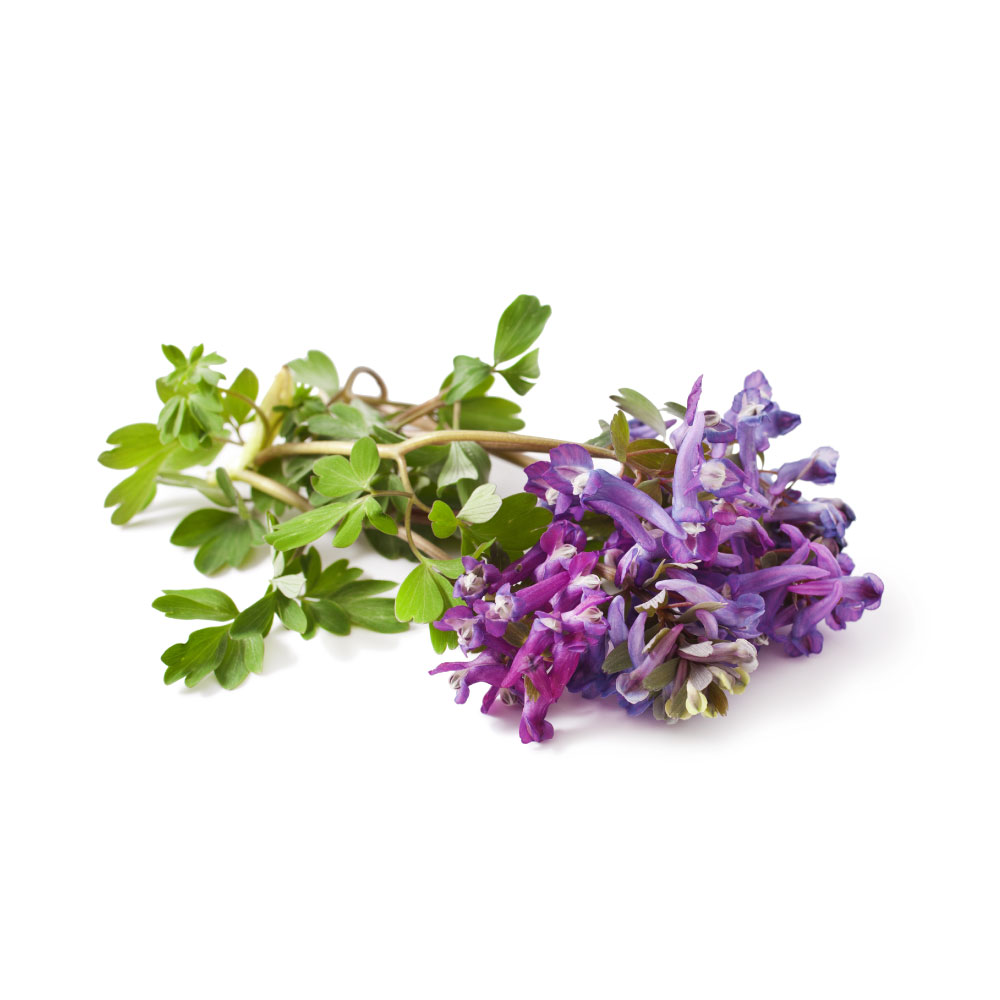
Materia Medica
Corydalis
Corydalis turtschaninovii
Corydalis (Corydalis turtschaninovii) — a Chinese medicinal herb best known as a natural analgesic, used for pain and rheumatoid arthritis.
What Is Corydalis?
Corydalis is a tuber-producing flowering plant used extensively in Traditional Chinese Medicine for pain relief and circulatory stagnation. The medicinal tuber is especially valued for its analgesic and sedative properties and has traditionally been used for both acute and chronic pain conditions.
In Chinese medicine, corydalis is strongly associated with the movement of Blood and Qi stagnation — patterns linked with fixed pain, trauma, menstrual discomfort, and arthritic conditions.
Modern research has focused primarily on the plant’s isoquinoline alkaloids, particularly tetrahydropalmatine and related compounds believed to contribute to its analgesic, sedative, and neuromodulating effects.
How Is Corydalis Used?
Corydalis is most commonly used as a decoction, powder, capsule, tincture, or standardized extract.
Traditional applications center primarily around pain conditions including musculoskeletal pain, menstrual pain, traumatic injury, abdominal pain, headaches, and arthritic disorders. The herb is often combined with circulatory and antispasmodic herbs in traditional formulas.
Modern herbal practice frequently uses corydalis for chronic pain states where tension, stagnation, or nervous system hypersensitivity are present.
Because the herb possesses mild sedative properties, it is also sometimes used to support rest and relaxation in pain-associated insomnia or agitation.
Traditional Uses
Traditional Chinese Medicine
In Traditional Chinese Medicine, corydalis (Yan Hu Suo) is considered acrid, bitter, and warm.
The herb is traditionally used to invigorate Blood, move Qi stagnation, and relieve pain. It is regarded as one of the more versatile herbal analgesics in Chinese medicine and is used for both internal and external pain syndromes.
Traditional indications include menstrual pain, chest pain, abdominal pain, traumatic injury, headaches, hernia pain, and rheumatic disorders.
Corydalis is especially associated with fixed, sharp, or stagnation-related pain patterns.
Western Herbal Medicine
Modern Western herbalism primarily uses corydalis as a botanical analgesic and mild sedative.
The herb is commonly used for chronic musculoskeletal pain, rheumatoid arthritis, nerve pain, menstrual discomfort, and tension-related pain conditions.
It is frequently grouped with herbs such as California poppy, Jamaican dogwood, cramp bark, and valerian in pain-support formulations.
Indications
Corydalis is primarily indicated for painful conditions associated with tension, inflammation, or stagnation.
Common traditional and modern indications include:
- Rheumatoid arthritis
- Musculoskeletal pain
- Menstrual pain
- Nerve pain
- Headaches
- Abdominal cramping
- Traumatic injury
- Chest pain
- Arthritic conditions
- Tension-related pain
- Pain-associated insomnia
Clinically, the herb is most commonly used for chronic pain management and inflammatory pain states.
Botany
Corydalis (Corydalis turtschaninovii) is a low-growing perennial herb in the poppy family (Papaveraceae), in the fumitory subfamily. It is a spring-ephemeral tuberous geophyte: each spring it sends up delicate, finely divided glaucous foliage and short racemes of spurred blue to purple-blue flowers from a small, round underground tuber, then dies back to that tuber for the rest of the year. The tuber — the starchy storage organ, not a true root — is the medicinal part, known in Chinese medicine as yan hu suo.
There is a species distinction worth flagging. The tuber sold and studied today as yan hu suo is most precisely Corydalis yanhusuo, a narrow endemic of central and eastern China that is the species brought into cultivation for the drug. It was originally described as a form of C. turtschaninovii and later raised to its own species; C. turtschaninovii itself is the broader wild relative ranging from southeast Siberia to Japan. The two are closely related, share a nomenclatural history, and accumulate the same isoquinoline alkaloids, so older and regional sources often use the names interchangeably.
Distribution
Corydalis turtschaninovii is native across temperate northeast Asia, from southeast Siberia south to northern China — including the Russian Far East (Amur, Khabarovsk, Primorye), Inner Mongolia, Manchuria, Korea and Japan. Its medicinal relative C. yanhusuo is by contrast a narrow endemic of central and eastern China (Anhui, Henan, Hubei, Hunan, Jiangsu, Zhejiang).
Neither is weedy; both are woodland-edge and grassland spring ephemerals.
Growing Conditions
- Spring-ephemeral tuberous perennial; part shade; cold-hardy across roughly USDA zones 5–8; blooms very early, before the tree canopy closes.
- Full cultivation detail lives on the companion farm-wiki grow guide for Corydalis turtschaninovii (link to be added once that project’s public URL is confirmed).
Pharmacology & Research
The modern literature on corydalis is substantial but lopsided: it concentrates almost entirely on the tuber’s isoquinoline alkaloids — chiefly tetrahydropalmatine (THP, and its levorotatory form l-THP/rotundine), dehydrocorydaline (DHC) and dehydrocorybulbine (DHCB) — and it is dominated by animal and in-vitro pharmacology rather than human trials 37Reference 37ReviewThe composition, pharmacological effects, related mechanisms and drug delivery of alkaloids from Corydalis yanhusuo — reviewView study →. The analgesic reputation is the best-developed strand, supported across acute, inflammatory and neuropathic pain models with several converging mechanisms, and anchored by a landmark 2014 study that isolated DHCB as a dopamine-receptor-active analgesic 1,3Reference 1AnimalA novel analgesic isolated from a traditional Chinese medicine — animal model, in vivoView study →Reference 3In vitroAnalgesic effect of the main components of Corydalis yanhusuo (yanhusuo in Chinese) is caused by inhibition of voltage gated sodium channels — in vivo, in vitroView study →. The strongest human data, however, is not for pain at all but for l-THP as an anti-relapse agent in addiction, where two small placebo-controlled trials exist 10,11Reference 10RCTMedication of l-tetrahydropalmatine significantly ameliorates opiate craving and increases the abstinence rate in heroin users: a pilot study — randomised, double-blind, placebo-controlledView study →Reference 11RCTPharmacokinetics and Safety Assessment of l-Tetrahydropalmatine in Cocaine Users: A Randomized, Double-Blind, Placebo-Controlled Study — randomised, double-blind, placebo-controlledView study →. Almost all of this work uses isolated alkaloids — often a single purified compound rather than the whole-tuber decoction the herb is traditionally taken as — and batch alkaloid content varies enormously between commercial samples 38Reference 38Large variability in the alkaloid content of Corydalis yanhusuo dietary supplements — analytical surveyView study →, so effect sizes do not transfer cleanly to a cup of decoction.
- Best-supported: analgesia across acute, inflammatory and neuropathic pain in animal models, via dopamine-D2, voltage-gated sodium-channel (Nav1.7) and opioid mechanisms 1,3,4Reference 1AnimalA novel analgesic isolated from a traditional Chinese medicine — animal model, in vivoView study →Reference 3In vitroAnalgesic effect of the main components of Corydalis yanhusuo (yanhusuo in Chinese) is caused by inhibition of voltage gated sodium channels — in vivo, in vitroView study →Reference 4AnimalAntinociceptive effects of dehydrocorydaline in mouse models of inflammatory pain involve the opioid receptor and inflammatory cytokines — mouse, in vivoView study →; and l-THP as an anti-craving / anti-relapse agent with genuine human trial signal 10,11Reference 10RCTMedication of l-tetrahydropalmatine significantly ameliorates opiate craving and increases the abstinence rate in heroin users: a pilot study — randomised, double-blind, placebo-controlledView study →Reference 11RCTPharmacokinetics and Safety Assessment of l-Tetrahydropalmatine in Cocaine Users: A Randomized, Double-Blind, Placebo-Controlled Study — randomised, double-blind, placebo-controlledView study →.
- Emerging, worth watching: dehydrocorydaline as the dominant anti-inflammatory alkaloid 20Reference 20In vitroDehydrocorydaline Accounts the Majority of Anti-Inflammatory Property of Corydalis Rhizoma in Cultured Macrophage — in vitroView study →, and l-THP’s anxiolytic / sedative and antidepressant activity 23,24Reference 23AnimalL-tetrahydropalmatine ameliorates development of anxiety and depression-related symptoms induced by single prolonged stress in rats — rat, in vivoView study →Reference 24AnimalDehydrocorydaline induced antidepressant-like effect in a chronic unpredictable mild stress mouse model via inhibiting uptake-2 monoamine transporters — mouse, in vivoView study →.
- Mechanistically thin: anticancer and gastroprotective claims rest on cell-line and single-compound data only 31,32,33Reference 31In vitroDehydrocorydaline inhibits breast cancer cells proliferation by inducing apoptosis in MCF-7 cells — in vitroView study →Reference 32In vitroDehydrocorydaline inhibits the tumorigenesis of breast cancer MDA‑MB‑231 cells — in vitroView study →Reference 33In vitroGastroprotective action of the extract of Corydalis yanhusuo in Helicobacter pylori infection and its bioactive component, dehydrocorydaline — in vitro, in vivoView study →.
- The caveat: most effects are shown for isolated alkaloids, not the whole tuber; there is no standardised dose, and supplement alkaloid content is highly variable 38Reference 38Large variability in the alkaloid content of Corydalis yanhusuo dietary supplements — analytical surveyView study →.
1. Analgesic
This is the herb’s flagship activity and the deepest part of its evidence base — though almost all of it is preclinical. A 2014 Current Biology study screened the tuber and isolated dehydrocorybulbine (DHCB), a moderate dopamine-receptor antagonist that relieved acute thermal, inflammatory and injury-induced neuropathic pain in mice — acting primarily through D2 receptors and, notably, without producing antinociceptive tolerance 1Reference 1AnimalA novel analgesic isolated from a traditional Chinese medicine — animal model, in vivoView study →. A systematic follow-up tested a whole Corydalis yanhusuo extract across acute, inflammatory and chronic-neuropathic assays and confirmed non-tolerance-forming antinociception at non-sedative doses 2Reference 2AnimalThe Antinociceptive Properties of the Corydalis yanhusuo Extract — animal model, knock-out miceView study →. Mechanistically the effect is multi-target: the main monomers (tetrahydropalmatine, corydaline, protopine, dehydrocorydaline) all inhibit voltage-gated Nav1.7 sodium channels 3Reference 3In vitroAnalgesic effect of the main components of Corydalis yanhusuo (yanhusuo in Chinese) is caused by inhibition of voltage gated sodium channels — in vivo, in vitroView study →; DHC’s antinociception in inflammatory pain is naloxone-reversible, implicating opioid receptors and suppression of spinal TNF-α/IL-1β/IL-6 4Reference 4AnimalAntinociceptive effects of dehydrocorydaline in mouse models of inflammatory pain involve the opioid receptor and inflammatory cytokines — mouse, in vivoView study →, and it dampens neuroinflammation in bone-cancer and chronic-constriction-injury neuropathic-pain models by shifting spinal microglia toward the anti-inflammatory M2 phenotype 5,6,9Reference 5AnimalDehydrocorydaline attenuates bone cancer pain by shifting microglial M1/M2 polarization toward the M2 phenotype — mouse model, in vivoView study →Reference 6AnimalAnalgesic Effect of Dehydrocorydaline on Chronic Constriction Injury-Induced Neuropathic Pain via Alleviating Neuroinflammation — mouse, in vivoView study →Reference 9ReviewEXPRESS: Dehydrocorydaline can be a suitable candidate for analgesic purposes: a review on the current preclinical evidence — reviewView study →; l-THP shows the same anti-neuropathic action via the Clec7a–NF-κB–NLRP3 inflammasome axis 7Reference 7AnimalLevo-tetrahydropalmatine ameliorates neuropathic pain by inhibiting the activation of the Clec7a-MAPK/NF-κB-NLRP3 inflammasome axis — rat, in vivoView study →; and in a trigeminal neuropathic-pain model the effect of dl-THP was blocked by a CB1 antagonist, pointing to a cannabinoid contribution 8Reference 8AnimalHuang JY et al. (2010). [Analgesic effect of Corydalis yanhusuo in a rat model of trigeminal neuropathic pain] — rat model, in vivo. Nan Fang Yi Ke Da Xue Xue Bao. https://pubmed.ncbi.nlm.nih.gov/20855279/View study →. l-THP (rotundine) itself has decades of clinical use as an analgesic-sedative in China, which lends the preclinical picture more real-world weight than most herbs enjoy.
Gap: despite this depth, there is no modern, registered, placebo-controlled trial of the whole herb for a defined pain condition; the human warrant rests on long clinical use of the isolated alkaloid, not on trial data for the tuber.
2. Anti-addiction
The most interesting — and most human-tested — story in corydalis is tetrahydropalmatine in its levo form (l-THP), a mixed dopamine D1/D2/D3 receptor antagonist 13Reference 13AnimalLevo-tetrahydropalmatine attenuates cocaine self-administration and cocaine-induced reinstatement in rats — rat, in vivoView study →. In a randomised, double-blind, placebo-controlled pilot in 120 heroin-dependent patients, four weeks of l-THP significantly reduced protracted-abstinence withdrawal symptoms and craving, and raised the three-month abstinence rate to 47.8% versus 15.2% on placebo 10Reference 10RCTMedication of l-tetrahydropalmatine significantly ameliorates opiate craving and increases the abstinence rate in heroin users: a pilot study — randomised, double-blind, placebo-controlledView study →. A separate randomised, double-blind, placebo-controlled safety/pharmacokinetic study in cocaine users found oral l-THP (30 mg twice daily) safe and well tolerated, with no adverse effect on cocaine’s cardiovascular profile 11Reference 11RCTPharmacokinetics and Safety Assessment of l-Tetrahydropalmatine in Cocaine Users: A Randomized, Double-Blind, Placebo-Controlled Study — randomised, double-blind, placebo-controlledView study →. These small trials sit atop an unusually consistent rodent literature: l-THP attenuates self-administration and relapse-like reinstatement for cocaine 12,13Reference 12AnimalOral administration of levo-tetrahydropalmatine attenuates reinstatement of extinguished cocaine seeking by cocaine, stress or drug-associated cues in rats — rat, in vivoView study →Reference 13AnimalLevo-tetrahydropalmatine attenuates cocaine self-administration and cocaine-induced reinstatement in rats — rat, in vivoView study →, heroin 14Reference 14AnimalThe dopamine receptor antagonist levo-tetrahydropalmatine attenuates heroin self-administration and heroin-induced reinstatement in rats — rat, in vivoView study →, nicotine 15Reference 15Animall-tetrahydropalmatine reduces nicotine self-administration and reinstatement in rats — rat, in vivoView study → and methamphetamine 17,18,19Reference 17ReviewLevo-tetrahydropalmatine: A new potential medication for methamphetamine addiction and neurotoxicity — reviewView study →Reference 18AnimalLevo-tetrahydropalmatine, a natural, mixed dopamine receptor antagonist, inhibits methamphetamine self-administration and methamphetamine-induced reinstatement — rat, in vivoView study →Reference 19AnimalLevo-tetrahydropalmatine attenuates methamphetamine reward behavior and the accompanying activation of ERK phosphorylation in mice — mouse, in vivoView study →, and a low-dose-naltrexone combination outperforms l-THP alone for cocaine relapse 16Reference 16AnimalCombination of Levo-Tetrahydropalmatine and Low Dose Naltrexone: A Promising Treatment for Prevention of Cocaine Relapse — rat, in vivoView study →.
Gap: the trials are small and preliminary, and all of this is the isolated l-THP enantiomer — not the whole-tuber preparation corydalis is sold and taken as; the herb itself has not been trialled for addiction.
3. Anti-inflammatory
Corydalis extracts suppress inflammatory signalling, and the activity has been traced to a specific alkaloid. In cultured LPS-stimulated macrophages, dehydrocorydaline accounted for the majority of the rhizome’s anti-inflammatory effect, lowering pro-inflammatory cytokine output 20Reference 20In vitroDehydrocorydaline Accounts the Majority of Anti-Inflammatory Property of Corydalis Rhizoma in Cultured Macrophage — in vitroView study →. Structure–activity work on newly isolated seco-protoberberines from C. yanhusuo confirmed nitric-oxide-suppressing activity in the same macrophage system 21Reference 21In vitroXia GY et al. (2022). 13,13a-seco-protoberberines from the tubers of Corydalis yanhusuo and their anti-inflammatory activity — in vitro. Phytochemistry. https://pubmed.ncbi.nlm.nih.gov/34839130/View study →, and in a collagen-induced arthritis model a related Corydalis species (C. decumbens) and its alkaloid reduced macrophage inflammation via the transcription factor Fosl2 22Reference 22In vitroCorydalis decumbens and tetrahydropalmatrubin inhibit macrophages inflammation to relieve rheumatoid arthritis by targeting Fosl2 — rat, in vivo, in vitroView study →. The same NF-κB / cytokine-suppressing thread extends to the liver: in a diet-induced non-alcoholic-fatty-liver model, tetrahydropalmatine reduced hepatic steatosis by re-balancing lipogenesis and fatty-acid oxidation through the AMPK–SREBP-1c–Sirt1 axis 34Reference 34In vitroTetrahydropalmatine ameliorates hepatic steatosis in nonalcoholic fatty liver disease by switching lipid metabolism via AMPK-SREBP-1c-Sirt1 signaling axis — in vitro, in vivoView study →.
Gap: the strongest data are in vitro, use a different Corydalis species, or (for the liver finding) an isolated alkaloid in a rodent model; there is no human anti-inflammatory trial, and whole-tuber dosing has not been mapped to these effects.
4. Anxiolytic & sedative
Sedation is one of corydalis’s oldest recognised properties — rotundine (l-THP) has been characterised pharmacologically as a sedative-hypnotic since the 1960s. In a rat model of single-prolonged-stress (a PTSD analogue), l-THP produced clear anxiolytic and antidepressant-like effects on the elevated-plus-maze and open-field tests 23Reference 23AnimalL-tetrahydropalmatine ameliorates development of anxiety and depression-related symptoms induced by single prolonged stress in rats — rat, in vivoView study →. Separately, dehydrocorydaline showed antidepressant-like activity in a chronic-unpredictable-mild-stress mouse model, apparently by inhibiting uptake-2 monoamine transporters and raising cortical monoamine tone 24Reference 24AnimalDehydrocorydaline induced antidepressant-like effect in a chronic unpredictable mild stress mouse model via inhibiting uptake-2 monoamine transporters — mouse, in vivoView study →. The dopaminergic-antagonist profile that drives the analgesic and anti-addiction effects plausibly underlies the calming action too.
Gap: the behavioural evidence is entirely animal-model; the sedative reputation rests on long clinical use rather than controlled trials, and the same CNS-depressant activity is the herb’s main interaction hazard.
5. Neuroprotective
A scattered set of studies reports neuroprotection, but across very different insults. Tetrahydropalmatine reduced neuronal injury, hyperthermia and cerebral ischaemia in a rat heatstroke model 26Reference 26AnimalThe neuroprotective effect of DL-tetrahydropalmatine in rat heatstroke — rat, in vivoView study → and lowered mortality and neuro-inflammation in Japanese-encephalitis-virus-infected mice 25Reference 25AnimalNeuroprotective effect of (-)-tetrahydropalmatine in Japanese encephalitis virus strain GP-78 infected mouse model — mouse, in vivoView study →. At the cellular level, dehydrocorydaline inhibits glutamate release from rat cortical nerve terminals, a plausible route to protection against excitotoxicity 27Reference 27In vitroInhibition of Glutamate Release from Rat Cortical Nerve Terminals by Dehydrocorydaline, an Alkaloid from — in vitroView study →.
Gap: the models are disparate and none translate to a human neurological condition; this is mechanism-level plausibility, not a coherent therapeutic case.
6. Cardioprotective
The cardiovascular literature is genuinely double-edged. In anaesthetised rats, dl-tetrahydropalmatine produces dose-dependent hypotension and bradycardia through central dopamine-D2 (and 5-HT2) antagonism 28,29Reference 28AnimalAntihypertensive effects of DL-tetrahydropalmatine: an active principle isolated from Corydalis — rat, in vivoView study →Reference 29AnimalDL-tetrahydropalmatine-produced hypotension and bradycardia in rats through the inhibition of central nervous dopaminergic mechanisms — rat, in vivoView study → — an “antihypertensive” effect that is simultaneously a caution for anyone with low blood pressure or on cardiac/antihypertensive drugs. A separate rat study reported cardioprotection against acute myocardial infarction 30Reference 30AnimalCardioprotective Effects of Tetrahydropalmatine on Acute Myocardial Infarction in Rats — rat, in vivoView study →.
Gap: all animal-model, and the blood-pressure-lowering / heart-rate-slowing action is as much a safety signal as a benefit; it should not be read as a cardiovascular therapy.
7. Anticancer
The anticancer signal is early and narrow. Dehydrocorydaline inhibited proliferation of MCF-7 breast-cancer cells by inducing caspase-dependent apoptosis 31Reference 31In vitroDehydrocorydaline inhibits breast cancer cells proliferation by inducing apoptosis in MCF-7 cells — in vitroView study →, and reduced tumorigenicity of the more aggressive MDA-MB-231 breast-cancer line via cell-cycle and apoptosis-gene changes 32Reference 32In vitroDehydrocorydaline inhibits the tumorigenesis of breast cancer MDA‑MB‑231 cells — in vitroView study →.
Gap: cell-line only, single compound, no animal-tumour or human data — this is a screening-stage observation, not evidence of anticancer use.
8. Gastroprotective
Consistent with corydalis’s traditional use for abdominal pain, a C. yanhusuo extract showed anti-Helicobacter pylori activity in vitro and gastroprotective action, with dehydrocorydaline identified as a bioactive component 33Reference 33In vitroGastroprotective action of the extract of Corydalis yanhusuo in Helicobacter pylori infection and its bioactive component, dehydrocorydaline — in vitro, in vivoView study →.
Gap: a single extract study spanning in-vitro and mouse work; no clinical confirmation, and the effective preparation is not defined.
Mechanisms
| Mechanism | Drives | Key compounds |
|---|---|---|
| Dopamine D1/D2/D3 antagonism; Nav1.7 sodium-channel block; opioid-receptor engagement; NF-κB / cytokine ↓ | analgesicanti-addictionanti-inflammatorysedative | tetrahydropalmatine, dehydrocorydaline, corydaline |
| Moderate D2-receptor antagonism (no antinociceptive tolerance) | analgesic (acuteinflammatoryneuropathic) | dehydrocorybulbine |
| Dopaminergic modulation; smooth-muscle / antitussive activity | sedativeantispasmodic (traditional) | glaucine, bulbocapnine |
| Ion-channel and platelet modulation; analgesic contribution | analgesicantispasmodic | protopine |
Clinical trials
Human trial evidence is confined almost entirely to isolated l-tetrahydropalmatine in addiction medicine; for corydalis as a pain herb, modern registered controlled trials are essentially absent and the pain evidence base is preclinical.
| Completed | Planned | Terminated | Preclinical |
|---|---|---|---|
| 2(l-THP in addiction) 10,11Reference 10RCTMedication of l-tetrahydropalmatine significantly ameliorates opiate craving and increases the abstinence rate in heroin users: a pilot study — randomised, double-blind, placebo-controlledView study →Reference 11RCTPharmacokinetics and Safety Assessment of l-Tetrahydropalmatine in Cocaine Users: A Randomized, Double-Blind, Placebo-Controlled Study — randomised, double-blind, placebo-controlledView study → | 0 | 0 | ~80+ |
Last checked: July 2026.
Phytochemistry
Corydalis tuber owes its analgesic reputation almost entirely to a rich complement of isoquinoline alkaloids. The signature marker — and the focus of most modern pharmacology — is tetrahydropalmatine (THP, also styled dl-THP or rotundine), a dopamine-receptor-active compound to which the sedative and pain-relieving effects are largely attributed. It is accompanied by corydaline, dehydrocorydaline and the analgesic dehydrocorybulbine (DHCB, isolated in 2014 as a non-tolerance-forming analgesic) 1Reference 1AnimalA novel analgesic isolated from a traditional Chinese medicine — animal model, in vivoView study →, the protopine-type and protoberberine alkaloids coptisine and palmatine, and the aporphines glaucine and bulbocapnine.
Constituent Summary
Figures below are expressed as % w/w within a standardised total-alkaloid extract (total alkaloids >50%) prepared from Corydalis yanhusuo tuber, per the optimised extraction study of Zhang et al. (2020) 39Reference 39Optimization of the extraction and purification of Corydalis yanhusuo W.TView study →; they are not percentages of the raw dried tuber, which carries far lower absolute alkaloid loads and varies widely between batches. For regulatory context, the Chinese Pharmacopoeia sets a minimum of 0.05% tetrahydropalmatine in raw Corydalis drug material. Values are No Data where the compound was identified but not quantified in this fraction.
Isoquinoline alkaloid9 compounds7 with data
Dosage
In research, corydalis is almost never given as the whole tuber — the human trials use isolated l-tetrahydropalmatine (l-THP) at a defined dose, which is a different intervention from the traditional decoction. The one clean clinical dose comes from the addiction trials:
| Indication | Preparation | Dose | Est. dried-herb equivalent | Source |
|---|---|---|---|---|
| Opioid / cocaine dependence (anti-craving) | Isolated l-THP — not the whole herb | 30 mg l-THP twice daily | Not derivable — isolated alkaloid, not a tuber extract | RCT 11Reference 11RCTPharmacokinetics and Safety Assessment of l-Tetrahydropalmatine in Cocaine Users: A Randomized, Double-Blind, Placebo-Controlled Study — randomised, double-blind, placebo-controlledView study → |
The dose above is purified l-THP, not corydalis tuber. Because l-THP is a small and highly variable fraction of the drug material 38Reference 38Large variability in the alkaloid content of Corydalis yanhusuo dietary supplements — analytical surveyView study →, it cannot be back-converted to a whole-herb dose and is not a recommendation.
For the whole herb, dosing follows traditional and pharmacopoeial practice rather than trial data.
Traditional Dosage
| System | Preparation | Dose |
|---|---|---|
| Western herbal | Dried tuber (decoction) | 3–9 g/day |
| Western herbal | Tincture | 2–4 mL, up to 3× daily |
| TCM — Yan Hu Suo | Dried / vinegar-processed tuber (decoction) | 3–9 g/day |
Vinegar-processing — the traditional preparation for pain use — alters alkaloid solubility and is standard for the pain indication 35Reference 35AnimalCorydalis rhizoma attenuates primary dysmenorrhea in rats by inhibiting the FAK/PI3K-AKT/NF-κB signaling pathway — rat, in vivoView study →. Commercial C. yanhusuo supplements show large batch-to-batch variability in alkaloid content, so a labelled weight is a poor guide to the actual alkaloid dose 38Reference 38Large variability in the alkaloid content of Corydalis yanhusuo dietary supplements — analytical surveyView study →. Corydalis is often used in combination formulas rather than as a standalone herb.
Safety & Pregnancy
Corydalis is well tolerated at traditional decoction doses, but its principal alkaloids are centrally active: sedative and CNS-depressant, blood-pressure- and heart-rate-lowering, and — most seriously — hepatotoxic in high or prolonged use (the “Jin Bu Huan” case series).
- Hepatotoxicity. l-THP (as in “Jin Bu Huan”) has caused acute hepatitis with prolonged use and life-threatening effects after overdose, including in children — avoid in liver disease.
- CNS depression. Sedative-hypnotic alkaloids — use cautiously with sedatives, sleep medication, alcohol and other CNS depressants.
- Blood pressure & heart rate. Lowers both in animal studies — caution with hypotension, bradyarrhythmia, or antihypertensive/cardiac medication.
- Unmapped interactions. No systematic human CYP450 study — absence of interaction reports is not clearance.
Full safety & interactions detail
Corydalis is generally well tolerated at traditional decoction doses, but its principal alkaloids are centrally active and carry real cautions. Tetrahydropalmatine (l-THP) is a dopamine-receptor antagonist with sedative-hypnotic activity, so corydalis should be used cautiously with sedatives, sleep medication, alcohol and other CNS depressants 10,11Reference 10RCTMedication of l-tetrahydropalmatine significantly ameliorates opiate craving and increases the abstinence rate in heroin users: a pilot study — randomised, double-blind, placebo-controlledView study →Reference 11RCTPharmacokinetics and Safety Assessment of l-Tetrahydropalmatine in Cocaine Users: A Randomized, Double-Blind, Placebo-Controlled Study — randomised, double-blind, placebo-controlledView study →. In rats, tetrahydropalmatine lowers blood pressure and slows heart rate through central dopaminergic mechanisms 28,29Reference 28AnimalAntihypertensive effects of DL-tetrahydropalmatine: an active principle isolated from Corydalis — rat, in vivoView study →Reference 29AnimalDL-tetrahydropalmatine-produced hypotension and bradycardia in rats through the inhibition of central nervous dopaminergic mechanisms — rat, in vivoView study →, which warrants caution in people with hypotension, bradyarrhythmia, or on antihypertensive or cardiac medication. The most serious documented hazard is hepatotoxicity: l-THP is the neuroactive alkaloid in the Chinese patent medicine “Jin Bu Huan,” which has caused acute hepatitis with prolonged use and life-threatening neurological and cardiovascular effects after acute overdose, including in children 36Reference 36Case reportThe clinical spectrum of Jin Bu Huan toxicity — case reportsView study →.
Interaction data are only partial. The pharmacodynamic additivity with CNS depressants above is well grounded, and a randomised study in cocaine users found oral l-THP did not alter cocaine’s pharmacokinetics 11Reference 11RCTPharmacokinetics and Safety Assessment of l-Tetrahydropalmatine in Cocaine Users: A Randomized, Double-Blind, Placebo-Controlled Study — randomised, double-blind, placebo-controlledView study →; but no systematic human herb–drug (CYP450) interaction study was identified, so the absence of interaction reports should not be read as clearance.
Individuals using prescription pain, sedative or neurological medications should consult a qualified healthcare practitioner before use.
Corydalis is traditionally contraindicated in pregnancy as a Blood-moving herb, and its CNS-active alkaloids cross into the brain, so the position is to avoid. There is no reproductive-toxicology or lactation dataset, so this is a precautionary stance — not a finding of either harm or safety 36Reference 36Case reportThe clinical spectrum of Jin Bu Huan toxicity — case reportsView study →.
References
- Zhang Y et al. (2014). A novel analgesic isolated from a traditional Chinese medicine — animal model, in vivo. Curr Biol. https://pubmed.ncbi.nlm.nih.gov/24388848/
- Wang L et al. (2016). The Antinociceptive Properties of the Corydalis yanhusuo Extract — animal model, knock-out mice. PLoS One. https://pubmed.ncbi.nlm.nih.gov/27622550/
- Xu Y et al. (2021). Analgesic effect of the main components of Corydalis yanhusuo (yanhusuo in Chinese) is caused by inhibition of voltage gated sodium channels — in vivo, in vitro. J Ethnopharmacol. https://pubmed.ncbi.nlm.nih.gov/34329712/
- Yin ZY et al. (2016). Antinociceptive effects of dehydrocorydaline in mouse models of inflammatory pain involve the opioid receptor and inflammatory cytokines — mouse, in vivo. Sci Rep. https://pubmed.ncbi.nlm.nih.gov/27272194/
- Huo W et al. (2018). Dehydrocorydaline attenuates bone cancer pain by shifting microglial M1/M2 polarization toward the M2 phenotype — mouse model, in vivo. Mol Pain. https://pubmed.ncbi.nlm.nih.gov/29882480/
- Hou BL et al. (2025). Analgesic Effect of Dehydrocorydaline on Chronic Constriction Injury-Induced Neuropathic Pain via Alleviating Neuroinflammation — mouse, in vivo. Chin J Integr Med. https://pubmed.ncbi.nlm.nih.gov/39762501/
- Wu D et al. (2023). Levo-tetrahydropalmatine ameliorates neuropathic pain by inhibiting the activation of the Clec7a-MAPK/NF-κB-NLRP3 inflammasome axis — rat, in vivo. Phytomedicine. https://pubmed.ncbi.nlm.nih.gov/37741158/
- Huang JY et al. (2010). [Analgesic effect of Corydalis yanhusuo in a rat model of trigeminal neuropathic pain] — rat model, in vivo. Nan Fang Yi Ke Da Xue Xue Bao. https://pubmed.ncbi.nlm.nih.gov/20855279/
- Dehghani M et al. (2025). EXPRESS: Dehydrocorydaline can be a suitable candidate for analgesic purposes: a review on the current preclinical evidence — review. Mol Pain. https://pubmed.ncbi.nlm.nih.gov/40913244/
- Yang Z et al. (2008). Medication of l-tetrahydropalmatine significantly ameliorates opiate craving and increases the abstinence rate in heroin users: a pilot study — randomised, double-blind, placebo-controlled. Acta Pharmacol Sin. https://pubmed.ncbi.nlm.nih.gov/18565275/
- Hassan HE et al. (2017). Pharmacokinetics and Safety Assessment of l-Tetrahydropalmatine in Cocaine Users: A Randomized, Double-Blind, Placebo-Controlled Study — randomised, double-blind, placebo-controlled. J Clin Pharmacol. https://pubmed.ncbi.nlm.nih.gov/27363313/
- Figueroa-Guzman Y et al. (2011). Oral administration of levo-tetrahydropalmatine attenuates reinstatement of extinguished cocaine seeking by cocaine, stress or drug-associated cues in rats — rat, in vivo. Drug Alcohol Depend. https://pubmed.ncbi.nlm.nih.gov/21196089/
- Mantsch JR et al. (2007). Levo-tetrahydropalmatine attenuates cocaine self-administration and cocaine-induced reinstatement in rats — rat, in vivo. Psychopharmacology (Berl). https://pubmed.ncbi.nlm.nih.gov/17361394/
- Yue K et al. (2012). The dopamine receptor antagonist levo-tetrahydropalmatine attenuates heroin self-administration and heroin-induced reinstatement in rats — rat, in vivo. Pharmacol Biochem Behav. https://pubmed.ncbi.nlm.nih.gov/22741173/
- Faison SL et al. (2016). l-tetrahydropalmatine reduces nicotine self-administration and reinstatement in rats — rat, in vivo. BMC Pharmacol Toxicol. https://pubmed.ncbi.nlm.nih.gov/27817750/
- Sushchyk S et al. (2016). Combination of Levo-Tetrahydropalmatine and Low Dose Naltrexone: A Promising Treatment for Prevention of Cocaine Relapse — rat, in vivo. J Pharmacol Exp Ther. https://pubmed.ncbi.nlm.nih.gov/26903543/
- Liu L et al. (2021). Levo-tetrahydropalmatine: A new potential medication for methamphetamine addiction and neurotoxicity — review. Exp Neurol. https://pubmed.ncbi.nlm.nih.gov/34256045/
- Gong X et al. (2016). Levo-tetrahydropalmatine, a natural, mixed dopamine receptor antagonist, inhibits methamphetamine self-administration and methamphetamine-induced reinstatement — rat, in vivo. Pharmacol Biochem Behav. https://pubmed.ncbi.nlm.nih.gov/26806555/
- Su H et al. (2020). Levo-tetrahydropalmatine attenuates methamphetamine reward behavior and the accompanying activation of ERK phosphorylation in mice — mouse, in vivo. Neurosci Lett. https://pubmed.ncbi.nlm.nih.gov/31398456/
- Kong X et al. (2020). Dehydrocorydaline Accounts the Majority of Anti-Inflammatory Property of Corydalis Rhizoma in Cultured Macrophage — in vitro. Evid Based Complement Alternat Med. https://pubmed.ncbi.nlm.nih.gov/33299450/
- Xia GY et al. (2022). 13,13a-seco-protoberberines from the tubers of Corydalis yanhusuo and their anti-inflammatory activity — in vitro. Phytochemistry. https://pubmed.ncbi.nlm.nih.gov/34839130/
- Gao P et al. (2025). Corydalis decumbens and tetrahydropalmatrubin inhibit macrophages inflammation to relieve rheumatoid arthritis by targeting Fosl2 — rat, in vivo, in vitro. J Ethnopharmacol. https://pubmed.ncbi.nlm.nih.gov/39805480/
- Lee B et al. (2014). L-tetrahydropalmatine ameliorates development of anxiety and depression-related symptoms induced by single prolonged stress in rats — rat, in vivo. Biomol Ther (Seoul). https://pubmed.ncbi.nlm.nih.gov/25009702/
- Jin L et al. (2019). Dehydrocorydaline induced antidepressant-like effect in a chronic unpredictable mild stress mouse model via inhibiting uptake-2 monoamine transporters — mouse, in vivo. Eur J Pharmacol. https://pubmed.ncbi.nlm.nih.gov/31604070/
- Lixia H et al. (2018). Neuroprotective effect of (-)-tetrahydropalmatine in Japanese encephalitis virus strain GP-78 infected mouse model — mouse, in vivo. Microb Pathog. https://pubmed.ncbi.nlm.nih.gov/29191708/
- Chang CK et al. (1999). The neuroprotective effect of DL-tetrahydropalmatine in rat heatstroke — rat, in vivo. Neurosci Lett. https://pubmed.ncbi.nlm.nih.gov/10400224/
- Lin TY et al. (2022). Inhibition of Glutamate Release from Rat Cortical Nerve Terminals by Dehydrocorydaline, an Alkaloid from — in vitro. Molecules. https://pubmed.ncbi.nlm.nih.gov/35164225/
- Lin MT et al. (1996). Antihypertensive effects of DL-tetrahydropalmatine: an active principle isolated from Corydalis — rat, in vivo. Clin Exp Pharmacol Physiol. https://pubmed.ncbi.nlm.nih.gov/8886500/
- Chueh FY et al. (1995). DL-tetrahydropalmatine-produced hypotension and bradycardia in rats through the inhibition of central nervous dopaminergic mechanisms — rat, in vivo. Pharmacology. https://pubmed.ncbi.nlm.nih.gov/8577817/
- Han BJ et al. (2022). Cardioprotective Effects of Tetrahydropalmatine on Acute Myocardial Infarction in Rats — rat, in vivo. Am J Chin Med. https://pubmed.ncbi.nlm.nih.gov/36056468/
- Xu Z et al. (2012). Dehydrocorydaline inhibits breast cancer cells proliferation by inducing apoptosis in MCF-7 cells — in vitro. Am J Chin Med. https://pubmed.ncbi.nlm.nih.gov/22298457/
- Huang Y et al. (2020). Dehydrocorydaline inhibits the tumorigenesis of breast cancer MDA‑MB‑231 cells — in vitro. Mol Med Rep. https://pubmed.ncbi.nlm.nih.gov/32377708/
- Wu H et al. (2023). Gastroprotective action of the extract of Corydalis yanhusuo in Helicobacter pylori infection and its bioactive component, dehydrocorydaline — in vitro, in vivo. J Ethnopharmacol. https://pubmed.ncbi.nlm.nih.gov/36681166/
- Yin X et al. (2023). Tetrahydropalmatine ameliorates hepatic steatosis in nonalcoholic fatty liver disease by switching lipid metabolism via AMPK-SREBP-1c-Sirt1 signaling axis — in vitro, in vivo. Phytomedicine. https://pubmed.ncbi.nlm.nih.gov/37562090/
- Zhang J et al. (2025). Corydalis rhizoma attenuates primary dysmenorrhea in rats by inhibiting the FAK/PI3K-AKT/NF-κB signaling pathway — rat, in vivo. J Ethnopharmacol. https://pubmed.ncbi.nlm.nih.gov/40825384/
- Horowitz RS et al. (1996). The clinical spectrum of Jin Bu Huan toxicity — case reports. Arch Intern Med. https://pubmed.ncbi.nlm.nih.gov/8774209/
- Feng JH et al. (2023). The composition, pharmacological effects, related mechanisms and drug delivery of alkaloids from Corydalis yanhusuo — review. Biomed Pharmacother. https://pubmed.ncbi.nlm.nih.gov/37729733/
- Luis P & Schneider C (2025). Large variability in the alkaloid content of Corydalis yanhusuo dietary supplements — analytical survey. Front Pharmacol. https://pmc.ncbi.nlm.nih.gov/articles/PMC11774941/
- Zhang Y, Wang Z, Xu J, Yang F & Dai C (2020). Optimization of the extraction and purification of Corydalis yanhusuo W.T. Wang based on the Q-marker uniform design method — analytical / extraction study. BMC Chemistry, 14, 13. https://bmcchem.biomedcentral.com/articles/10.1186/s13065-020-00666-6