
Materia Medica
Horopito
Pseudowintera colorata
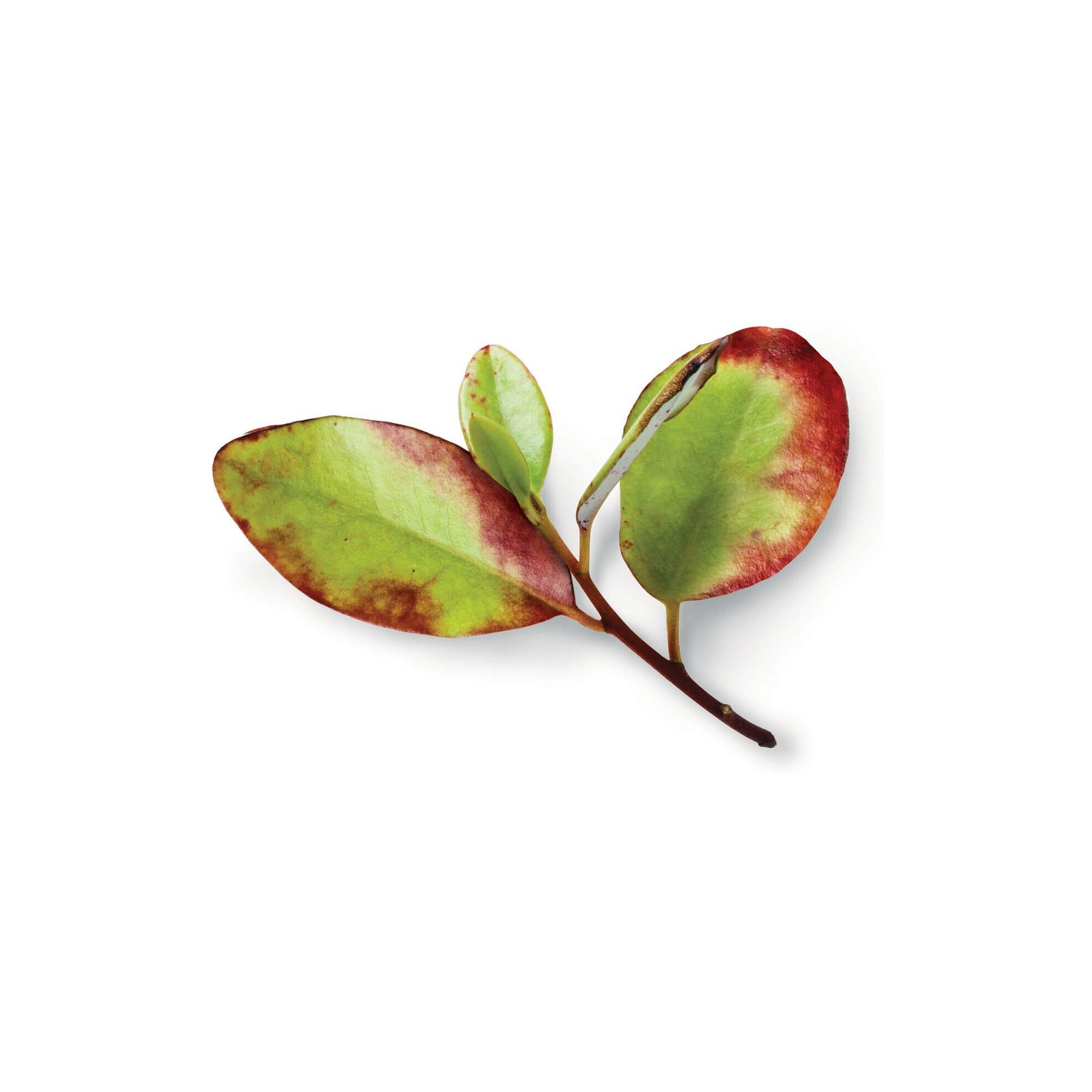
Horopito (Pseudowintera colorata), New Zealand pepperwood — a potent antifungal used for candida, skin and digestive infections.
What Is Horopito?
Horopito is commonly known as New Zealand pepperwood for its mild spicy flavor and exclusivity to the cooler islands of the south pacific ocean — including New Zealand.
This herb has a lot of traditional uses as medicine but went largely unnoticed by the international herbal medicine community. Recently there’s been a surge in interest in the plant after a series of studies were done to assess the medical value of traditional New Zealand herbs.
Horopito is used for skin and digestive conditions largely due to the plant’s potent antifungal actions. Its marquee compound, polygodial, is strongly active against Candida in the lab, and polygodial also shows anthelmintic activity against nematodes in vitro — a narrower, preclinical finding than older claims that horopito “kills parasitic worms” imply.
The mild spicy nature of the plant also brings some circulatory stimulant and analgesic activity.
This plant has a lot of practical applications, especially for infectious fungal or parasitic conditions. It’s likely this plant will become much more commonplace in western herbal medicine within the next 5 to 10 years.
What Is Horopito Used For?
The primary uses of horopito in modern herbal medicine are for fungal, bacterial, and parasitic infections.
A liquid extract of the herb is the most common form used today, but you can also find capsules and topical applications of the herb. For skin infections, such as ringworm or eczema, a poultice of the leaves can be applied directly, but a liniment is more common as the plant can be difficult to grow outside New Zealand.
Traditional Uses
The Maori of New Zealand have been using horopito for a long time and have a long list of applications for its leaves.
The Maori use horopito in the following ways:
- As a flavoring agent (spicy flavor profile)
- For sexually transmitted infection
- Ringworm
- Chaffed or damaged skin
When the early Europeans colonized New Zealand many of them began using the herb as a source of vitamin C to prevent or treat scurvy.
Botany
Horopito (Pseudowintera colorata) is a New Zealand member of Winteraceae, an archaic flowering-plant family whose members carry a sharp, peppery aromatic chemistry. The medicinal part is the leaf — leathery and evergreen, matt green and splashed with red and purple blotches in plants growing in full sun, which is where the common names “red horopito” and “pepper tree” come from.
Bite a leaf and it is immediately hot and pungent; this bite is the herbalist’s field marker for the plant. The red pigment is due to anthocyanins rather than the active sesquiterpenes themselves, but the two co-vary — redder margins signal higher polygodial content — so the leaf’s colour is a rough visual guide to the potency of its main medicinal compound 25Reference 25Red leaf margins indicate increased polygodial content and function as visual signals to reduce herbivory in Pseudowintera colorata — field/ecology studyView study →.
The plant is woven into Māori tradition, where the leaf was long valued as a remedy, and it remains identified with New Zealand’s forests today.
Distribution
Horopito grows only in New Zealand, where it is native to the forest margins and shrublands of the North, South and Stewart Islands. It is a common understory shrub rather than a rarity, and supplies of the leaf are drawn from these indigenous stands.
Growing Conditions
- Evergreen shrub of cool, moist temperate forests — think New Zealand bush understory, roughly hardiness zones 8–10.
- Tolerates part shade but develops its signature red-and-purple leaf blotching most strongly in brighter, more exposed positions.
- Prefers moist, free-draining, humus-rich soil and steady moisture; not a plant for hot, dry sites.
- Naturally very slow-growing, so expect patience — it forms a dense shrub to around 3.5 m over time.
- Full cultivation detail lives on the companion farm-wiki grow guide for Pseudowintera colorata (link to be added once that project’s public URL is confirmed).
Phytochemistry
Horopito’s pungency and its antifungal reputation come from a single standout compound: polygodial †, a sesquiterpene dialdehyde that disrupts fungal cell membranes and is strongly active against Candida albicans. It is present at roughly 1.4–2.9% of leaf dry weight, and concentrates in the red-pigmented leaves and leaf margins 1,2Reference 1In vitroAntibiotic substances from New Zealand plantsView study →Reference 2In vitroIn vitro antifungal susceptibilities of Candida albicans and other fungal pathogens to polygodial, a sesquiterpene dialdehyde — in vitroView study →. A second sesquiterpene dialdehyde, 9-deoxymuzigadial, co-occurs at 0–2.9% of leaf dry weight; the ratio of the two defines distinct chemotypes and, across the genus, these dialdehydes serve as species markers 2Reference 2In vitroIn vitro antifungal susceptibilities of Candida albicans and other fungal pathogens to polygodial, a sesquiterpene dialdehyde — in vitroView study →.
The red leaf colour itself is due to anthocyanins. The leaf essential oil carries around 29 components, including the phenylpropanoid eugenol, and the leaves were historically valued by European settlers as a source of vitamin C against scurvy.
Constituent Summary
Figures are percent of leaf dry weight. † polygodial and the related sesquiterpene dialdehydes are chemotaxonomic markers for Pseudowintera species and chemotypes; their levels vary with leaf colour, population and chemotype 2,24Reference 2In vitroIn vitro antifungal susceptibilities of Candida albicans and other fungal pathogens to polygodial, a sesquiterpene dialdehyde — in vitroView study →Reference 24Chemotaxonomy of Pseudowintera: sesquiterpene dialdehyde variants are species markers — phytochemistryView study →.
Sesquiterpene3 compounds2 with data
Anthocyanin1 compoundno data
Phenylpropanoid1 compoundno data
Vitamin1 compoundno data
Pharmacology & Research
The scientific literature on horopito is small and lopsided. Almost everything traces to a single molecule — polygodial, the pungent sesquiterpene dialdehyde that gives the leaf its bite — and most of that work was done on polygodial isolated from other Winteraceae and Canellaceae species (Drimys winteri, Drimys brasiliensis, Warburgia ugandensis), not on Pseudowintera colorata itself. The one genuine human signal is antifungal: two randomised trials of a standardised P. colorata oleoresin (30% polygodial) in recurrent vaginal thrush, both from the same research group 6,7Reference 6RCTProtective effect of an oral natural phytonutrient in recurrent vulvovaginal candidiasis: a 12-month randomised study — randomised controlled trialView study →Reference 7RCTProphylactic strategies in recurrent vulvovaginal candidiasis: a 2-year randomised study testing a phytonutrient vs itraconazole — randomised controlled trialView study →. Everything else — anti-inflammatory, analgesic, antibacterial, anthelmintic activity — is animal or in-vitro, mechanistically coherent but clinically unproven. The single most important caveat threads through the whole page: the tested forms are a standardised oleoresin and purified polygodial, not the 1:2 whole-leaf tincture horopito is actually sold and dosed as, and polygodial content swings roughly two-fold between plants and chemotypes 23,25Reference 23Infraspecific variation of insecticidal sesquiterpene dialdehydes in Pseudowintera colorata — phytochemistryView study →Reference 25Red leaf margins indicate increased polygodial content and function as visual signals to reduce herbivory in Pseudowintera colorata — field/ecology studyView study →.
- Best-supported: antifungal activity against Candida, with two human RCTs in recurrent vulvovaginal candidiasis plus deep in-vitro backing 2,6,7Reference 2In vitroIn vitro antifungal susceptibilities of Candida albicans and other fungal pathogens to polygodial, a sesquiterpene dialdehyde — in vitroView study →Reference 6RCTProtective effect of an oral natural phytonutrient in recurrent vulvovaginal candidiasis: a 12-month randomised study — randomised controlled trialView study →Reference 7RCTProphylactic strategies in recurrent vulvovaginal candidiasis: a 2-year randomised study testing a phytonutrient vs itraconazole — randomised controlled trialView study →.
- Emerging, worth watching: anti-inflammatory and TRP-mediated analgesic mechanisms, well mapped in animals 13,14,17Reference 13AnimalAdditional evidence for the anti-inflammatory and anti-allergic properties of the sesquiterpene polygodial — animal (rat/mouse) in vivoView study →Reference 14AnimalSesquiterpene polygodial from Drimys brasiliensis down-regulates implant-induced inflammation and fibrogenesis in mice — animal in vivoView study →Reference 17AnimalEvidence for the involvement of vanilloid receptor in the antinociception produced by the sesquiterpenes polygodial and drimanial in rats — animal in vivoView study →; semisynthetic polygodial analogues show anticancer activity in cell lines 19,20Reference 19In vitroPolygodial analog induces apoptosis in LNCaP prostate cancer cells — in vitroView study →Reference 20In vitroSynthetic and biological studies of sesquiterpene polygodial: activity of 9-epipolygodial against drug-resistant cancer cells — in vitroView study →.
- Mechanistically thin: antibacterial and anthelmintic effects rest on moderate in-vitro potency, mostly measured on polygodial from related species 9,10,11Reference 9In vitroAntibacterial activity of polygodial — in vitroView study →Reference 10In vitroAntimicrobial activity of drimanic sesquiterpene compounds from Drimys winteri against multiresistant microorganisms — in vitroView study →Reference 11In vitroBioassay-guided isolation of three anthelmintic compounds from Warburgia ugandensis, and the mechanism of action of polygodial — in vitro (C. elegans model)View study →.
- The caveat: nearly all data is preclinical or on isolated polygodial; the whole-leaf tincture form has never been clinically tested, and polygodial levels vary ~2-fold by leaf colour and chemotype 23,25Reference 23Infraspecific variation of insecticidal sesquiterpene dialdehydes in Pseudowintera colorata — phytochemistryView study →Reference 25Red leaf margins indicate increased polygodial content and function as visual signals to reduce herbivory in Pseudowintera colorata — field/ecology studyView study →.
1. Antifungal
This is horopito’s strongest and oldest claim, and the only one with human data. Polygodial was first isolated from P. colorata as an anti-Candida agent in 1982 1Reference 1In vitroAntibiotic substances from New Zealand plantsView study →, and later in-vitro work showed it is rapidly fungicidal against Candida albicans, C. krusei, Cryptococcus neoformans and dermatophytes at potency comparable to amphotericin B — but, unlike amphotericin B, without haemolysis and without losing activity in the presence of ergosterol 2Reference 2In vitroIn vitro antifungal susceptibilities of Candida albicans and other fungal pathogens to polygodial, a sesquiterpene dialdehyde — in vitroView study →. Mechanistically it acts as a non-ionic surfactant that deranges the fungal membrane and inhibits the plasma-membrane H⁺-ATPase 3Reference 3In vitroAntifungal mechanism of polygodial — in vitroView study →, with genome-wide screens adding vacuolar alkalinisation and disrupted Ca²⁺ signalling 4Reference 4In vitroInvestigating the antifungal mechanism of action of polygodial by phenotypic screening in Saccharomyces cerevisiae — in vitroView study →; activity rises under acidic conditions 2Reference 2In vitroIn vitro antifungal susceptibilities of Candida albicans and other fungal pathogens to polygodial, a sesquiterpene dialdehyde — in vitroView study →. In humans, two randomised trials by one group tested a standardised oleoresin (K-712: 10 mg P. colorata oleoresin at 30% polygodial) against itraconazole for recurrent vulvovaginal candidiasis: in an 82-woman, 12-month study, mycological cure at 6 months was comparable (78% vs 83%) but relapses over the following untreated 6 months were significantly fewer with the phytocompound (34.2% vs 65.7%) 6Reference 6RCTProtective effect of an oral natural phytonutrient in recurrent vulvovaginal candidiasis: a 12-month randomised study — randomised controlled trialView study →; a 122-woman, 2-year study reproduced the lower relapse rate and less azole-resistant/non-albicans overgrowth 7Reference 7RCTProphylactic strategies in recurrent vulvovaginal candidiasis: a 2-year randomised study testing a phytonutrient vs itraconazole — randomised controlled trialView study →. Both used a standardised extract, not the whole-leaf tincture, and neither has been independently replicated.
Gap: human evidence is one indication, one product, one research group, in a mid-tier journal — no independent replication, no registered trial, and nothing on the tincture or capsule forms most people actually buy.
2. Anti-inflammatory
Polygodial suppresses inflammation across several animal and cell models, though almost always as the isolated molecule from Drimys species rather than horopito. In mice it inhibits paw oedema evoked by prostaglandin E₂, bradykinin, substance P, PAF and carrageenan, and blunts ovalbumin-induced anaphylaxis 13Reference 13AnimalAdditional evidence for the anti-inflammatory and anti-allergic properties of the sesquiterpene polygodial — animal (rat/mouse) in vivoView study →. In a sponge-implant model it cut macrophage infiltration, pro-inflammatory chemokines (CXCL1, CCL2), mast-cell numbers and collagen deposition — the first evidence of an antifibrogenic action 14Reference 14AnimalSesquiterpene polygodial from Drimys brasiliensis down-regulates implant-induced inflammation and fibrogenesis in mice — animal in vivoView study →. Two mechanisms have been proposed: a glucocorticoid-like effect, with polygodial docking the glucocorticoid receptor and reproducing dexamethasone-like MKP1/ERK signalling in β-cells 15Reference 15In vitroPolygodial from Drimys brasiliensis triggers glucocorticoid-like effects on pancreatic β-cells — in vitro / in silicoView study →, and direct NF-κB pathway inhibition, where polygodial and its epimer isotadeonal blocked IκB-α phosphorylation and downstream reporter activity in THP-1 cells 16Reference 16In vitroInhibitory potential of the drimane sesquiterpenoids isotadeonal and polygodial in the NF-κB pathway — in vitro / in silicoView study →. No human anti-inflammatory data exist.
Gap: entirely preclinical, on purified polygodial from related species; no study connects a horopito preparation to an inflammatory outcome in people.
3. Analgesic
Horopito’s traditional name “Maori painkiller” has a coherent mechanistic basis, again built on polygodial. In rodents the compound is anti-hyperalgesic — 14- to 27-fold more potent than the crude bark extract in writhing models, and its effect is partly reversed by naloxone, implying opioid involvement 12Reference 12AnimalAnti-hyperalgesic properties of the extract and of the main sesquiterpene polygodial isolated from the barks of Drimys winteri — animal (mouse/rat) in vivoView study →. Its molecular targets are now partly mapped: polygodial is an agonist at the capsaicin receptor TRPV1 (and related TRPA1), and neonatal treatment mimics capsaicin by depleting sensory-neuron responses and reducing spinal resiniferatoxin binding 17Reference 17AnimalEvidence for the involvement of vanilloid receptor in the antinociception produced by the sesquiterpenes polygodial and drimanial in rats — animal in vivoView study →; separately, patch-clamp work shows it blocks the nociceptive voltage-gated sodium channels NaV1.7 and NaV1.8 18Reference 18In vitroPolygodial, a drimane sesquiterpenoid dialdehyde purified from Drimys winteri, inhibits voltage-gated sodium channels — in vitroView study →. This TRP agonism also explains the pungent, warming, “rubefacient” quality the herb is valued for. All efficacy data are from animals or heterologous cells, using isolated compound.
Gap: no human analgesia data; the antinociceptive doses are from injected purified polygodial in rodents, not oral horopito.
4. Antibacterial
Antibacterial activity is real but modest and untested clinically. Purified polygodial shows moderate potency against Gram-positive (Bacillus subtilis, Staphylococcus aureus) and Gram-negative (Escherichia coli, Salmonella) bacteria, with minimum bactericidal concentrations around 50–100 µg/mL 9Reference 9In vitroAntibacterial activity of polygodial — in vitroView study →. A 2024 panel of drimane sesquiterpenes from D. winteri found polygodial the most active member, with MICs of 16–64 µg/mL against Enterococcus avium, Klebsiella pneumoniae and others 10Reference 10In vitroAntimicrobial activity of drimanic sesquiterpene compounds from Drimys winteri against multiresistant microorganisms — in vitroView study →. Polygodial also acts as an antibiotic potentiator — by permeabilising the membrane it can smuggle poorly-penetrating drugs such as actinomycin D into cells, sharply raising their activity 5Reference 5In vitroPolygodial, an antifungal potentiator — in vitroView study →. These are single- to few-study, in-vitro findings on the isolated molecule.
Gap: potency is moderate and measured on purified polygodial from other species; no whole-herb, topical, or clinical antibacterial data.
5. Anthelmintic
The claim that horopito “kills parasitic worms” rests on one careful mechanistic study rather than folklore alone. Bioassay-guided fractionation of Warburgia ugandensis (a Canellaceae relative that also makes polygodial) against the nematode Caenorhabditis elegans identified polygodial (IC₅₀ 13.1 µM) and warburganal as the active anthelmintics, with polygodial acting synergistically with α-linolenic acid 11Reference 11In vitroBioassay-guided isolation of three anthelmintic compounds from Warburgia ugandensis, and the mechanism of action of polygodial — in vitro (C. elegans model)View study →. The structure–activity work points to the reactive α,β-unsaturated dialdehyde as essential. This is in-vitro, in a model nematode, using polygodial sourced from Warburgia — supportive of the mechanism but not a test of horopito against a human or veterinary parasite.
Gap: single in-vitro body of work in a model nematode; no Pseudowintera-specific or in-vivo antiparasitic data.
6. Anti-allergic
There is a genuine — and somewhat paradoxical — anti-allergic signal. In sensitised mice, polygodial dose-dependently inhibited ovalbumin-induced paw oedema and protected against anaphylactic shock, alongside suppressing substance-P/histamine-driven pleurisy 13Reference 13AnimalAdditional evidence for the anti-inflammatory and anti-allergic properties of the sesquiterpene polygodial — animal (rat/mouse) in vivoView study →; the implant study’s reduction in mast-cell numbers points the same way 14Reference 14AnimalSesquiterpene polygodial from Drimys brasiliensis down-regulates implant-induced inflammation and fibrogenesis in mice — animal in vivoView study →. The paradox: horopito preparations themselves can cause allergy — a documented case of allergic contact vulvitis from a topical P. colorata medicament 21Reference 21Case reportContact vulvitis due to Pseudowintera colorata in a topical herbal medicament — case reportView study →. So the systemic anti-allergic mechanism and a topical contact-sensitisation risk coexist.
Gap: anti-allergic efficacy is animal-only and on isolated polygodial, while the herb carries a real, if uncommon, contact-allergy risk that pulls against any “antiallergic” labelling.
7. Anticancer
This is the thinnest scored indication and is included only because the peer-reviewed work is genuine — with a large asterisk. The antiproliferative activity that has advanced furthest belongs to semisynthetic polygodial derivatives, not the native molecule: a polygodial analogue induces apoptosis in LNCaP prostate-cancer cells 19Reference 19In vitroPolygodial analog induces apoptosis in LNCaP prostate cancer cells — in vitroView study →, and 9-epipolygodial and the P3/P27 analogues are active against drug-resistant lines and disrupt tumour-cell mitochondria 20Reference 20In vitroSynthetic and biological studies of sesquiterpene polygodial: activity of 9-epipolygodial against drug-resistant cancer cells — in vitroView study →. These are medicinal-chemistry leads built from polygodial, tested in cell lines. Horopito is neither a traditional nor an evidence-based cancer therapy, and no whole-herb or in-vivo tumour data exist.
Gap: activity is chiefly from lab-made analogues in cell lines, not native polygodial or any horopito preparation — constituent-derivative inference, nothing more.
Mechanisms
| Mechanism | Drives | Key compounds |
|---|---|---|
| Non-ionic surfactant membrane disruption, plasma-membrane H⁺-ATPase inhibition, vacuolar alkalinisation, Ca²⁺ dysregulation | antifungalantibacterialanthelmintic | polygodial, warburganal, 9-deoxymuzigadial |
| TRPV1/TRPA1 agonism, NaV1.7 & NaV1.8 block, opioid-linked antinociception | analgesicpungencyrubefacient warmth | polygodial, drimanial |
| NF-κB / IκB-α inhibition, glucocorticoid-receptor binding, mast-cell & chemokine suppression | anti-inflammatoryanti-allergic | polygodial, isotadeonal |
| Red-margin pigment that co-varies with, and visually signals, polygodial content | chemotype/potency marker (not therapeutic) | anthocyanins |
| Minor essential-oil constituent | aroma/flavour | eugenol |
Clinical trials
No registered clinical trials of horopito or polygodial were identified — the human evidence is two non-registered randomised trials of the standardised P. colorata oleoresin K-712 in recurrent vulvovaginal candidiasis 6,7Reference 6RCTProtective effect of an oral natural phytonutrient in recurrent vulvovaginal candidiasis: a 12-month randomised study — randomised controlled trialView study →Reference 7RCTProphylactic strategies in recurrent vulvovaginal candidiasis: a 2-year randomised study testing a phytonutrient vs itraconazole — randomised controlled trialView study →, and the remaining evidence base is preclinical or traditional. (A “horopito” hit on ClinicalTrials.gov, NCT04851990, is an unrelated vitamin-D patch study; a 2026 Australian practitioner survey 8Reference 8ObservationalTreatment recommendations for recurrent vulvovaginal candidiasis across complementary and conventional disciplines: a national survey — observational surveyView study → measures recommendation patterns, not efficacy.)
| Completed | Planned | Terminated | Preclinical |
|---|---|---|---|
| 2(unregistered RCTs, recurrent VVC) | 0 | 0 | ~25+ |
Last checked: July 2026.
Safety & Pregnancy
Horopito is generally well tolerated, but two risks are documented rather than merely traditional: allergic contact reactions and an in-vitro glutamate mechanism that underlies a caution in epilepsy or seizure disorders.
- Epilepsy / seizure caution. In vitro, polygodial raises brain glutamate — a plausible excitotoxic mechanism; avoid in seizure disorders.
- Contact allergy. Allergic contact vulvitis documented from a topical preparation — patch-test before topical or intimate use.
- Mucosal irritant. As a pungent TRP agonist, concentrated extracts irritate mucosa; avoid large doses in acute gastritis or peptic ulcer.
- Interactions unstudied. No herb–drug interaction data — absence of reports is not evidence of safety.
- Pregnancy & lactation not assessed. Avoid medicinal use as a precaution.
- Generally well tolerated. Long-term use is acceptable and common in ordinary amounts.
Full safety & interactions detail
Horopito is generally well tolerated, but two specific risks are documented rather than merely traditional. First, the herb can cause allergic contact reactions: a case of allergic contact vulvitis was reported from a topical P. colorata medicament 21Reference 21Case reportContact vulvitis due to Pseudowintera colorata in a topical herbal medicament — case reportView study →, so patch-testing is prudent before topical or intimate use. Second, in vitro, polygodial and the related drimanial raise extracellular glutamate in rat brain tissue by inhibiting astrocytic uptake and increasing release — a plausible excitotoxic mechanism — which is the actual basis for advising caution in people with epilepsy or seizure disorders 22Reference 22In vitroThe sesquiterpenes polygodial and drimanial in vitro affect glutamatergic transport in rat brain — in vitroView study →. Because polygodial is a pungent TRPV1/TRPA1 agonist, concentrated extracts can irritate mucosa; large doses are best avoided in acute gastritis or peptic ulcer. Herb–drug interactions have not been studied for horopito or polygodial, and the absence of reported problems should not be read as evidence of safety.
The safety of horopito in pregnancy and lactation has not been formally evaluated; the long-standing “avoid in pregnancy” advice is precautionary rather than based on a reproductive-safety study. Because polygodial is a pungent, bioactive TRP agonist and no data exist either way, avoid medicinal use of horopito during pregnancy and breastfeeding.
References
- McCallion, R. F., Cole, A. L. J., Walker, J. R. L., Blunt, J. W., & Munro, M. H. G. (1982). Antibiotic substances from New Zealand plants. II. Polygodial, an anti-Candida agent from Pseudowintera colorata — in vitro. Planta Medica. https://pubmed.ncbi.nlm.nih.gov/7089094/
- Lee, S. H., Lee, J. R., Lunde, C. S., & Kubo, I. (1999). In vitro antifungal susceptibilities of Candida albicans and other fungal pathogens to polygodial, a sesquiterpene dialdehyde — in vitro. Planta Medica. https://pubmed.ncbi.nlm.nih.gov/10232062/
- Kubo, I., Fujita, K., & Lee, S. H. (2001). Antifungal mechanism of polygodial — in vitro. Journal of Agricultural and Food Chemistry. https://pubmed.ncbi.nlm.nih.gov/11312903/
- Kipanga, P. N., Demuyser, L., Vrijdag, J., et al. (2021). Investigating the antifungal mechanism of action of polygodial by phenotypic screening in Saccharomyces cerevisiae — in vitro. International Journal of Molecular Sciences. https://pubmed.ncbi.nlm.nih.gov/34071169/
- Kubo, I., & Taniguchi, M. (1988). Polygodial, an antifungal potentiator — in vitro. Journal of Natural Products. https://pubmed.ncbi.nlm.nih.gov/3286823/
- Kumari, A., Bishier, M. P., Naito, Y., et al. (2011). Protective effect of an oral natural phytonutrient in recurrent vulvovaginal candidiasis: a 12-month randomised study — randomised controlled trial. Journal of Biological Regulators and Homeostatic Agents. https://pubmed.ncbi.nlm.nih.gov/22217987/
- Chopra, V., Marotta, F., Kumari, A., et al. (2013). Prophylactic strategies in recurrent vulvovaginal candidiasis: a 2-year randomised study testing a phytonutrient vs itraconazole — randomised controlled trial. Journal of Biological Regulators and Homeostatic Agents. https://pubmed.ncbi.nlm.nih.gov/24152852/
- Everingham-Gordon, R., Steels, E., Watson, C. J., & Steadman, K. J. (2026). Treatment recommendations for recurrent vulvovaginal candidiasis across complementary and conventional disciplines: a national survey — observational survey. International Journal of Clinical Pharmacy. https://pubmed.ncbi.nlm.nih.gov/42189444/
- Kubo, I., Fujita, K., Lee, S. H., & Ha, T. J. (2005). Antibacterial activity of polygodial — in vitro. Phytotherapy Research. https://pubmed.ncbi.nlm.nih.gov/16372365/
- Montenegro, I., Pazmiño, R., Araque, I., et al. (2024). Antimicrobial activity of drimanic sesquiterpene compounds from Drimys winteri against multiresistant microorganisms — in vitro. Molecules. https://pubmed.ncbi.nlm.nih.gov/38930909/
- Liu, M., Kipanga, P., Mai, A. H., et al. (2018). Bioassay-guided isolation of three anthelmintic compounds from Warburgia ugandensis, and the mechanism of action of polygodial — in vitro (C. elegans model). International Journal for Parasitology. https://pubmed.ncbi.nlm.nih.gov/30031002/
- Mendes, G. L., Santos, A. R., Campos, M. M., et al. (1998). Anti-hyperalgesic properties of the extract and of the main sesquiterpene polygodial isolated from the barks of Drimys winteri — animal (mouse/rat) in vivo. Life Sciences. https://pubmed.ncbi.nlm.nih.gov/9714424/
- da Cunha, F. M., Fröde, T. S., Mendes, G. L., et al. (2001). Additional evidence for the anti-inflammatory and anti-allergic properties of the sesquiterpene polygodial — animal (rat/mouse) in vivo. Life Sciences. https://pubmed.ncbi.nlm.nih.gov/11787941/
- Ferreira, B. A., Norton Filho, A. F., Deconte, S. R., et al. (2020). Sesquiterpene polygodial from Drimys brasiliensis down-regulates implant-induced inflammation and fibrogenesis in mice — animal in vivo. Journal of Natural Products. https://pubmed.ncbi.nlm.nih.gov/33232149/
- Barrosa, K. H., Mecchi, M. C., Rando, D. G., et al. (2016). Polygodial from Drimys brasiliensis triggers glucocorticoid-like effects on pancreatic β-cells — in vitro / in silico. Chemico-Biological Interactions. https://pubmed.ncbi.nlm.nih.gov/27645309/
- Marín, V., Villegas, C., Ogundele, A. V., et al. (2025). Inhibitory potential of the drimane sesquiterpenoids isotadeonal and polygodial in the NF-κB pathway — in vitro / in silico. Molecules. https://pubmed.ncbi.nlm.nih.gov/40286191/
- André, E., Ferreira, J., Malheiros, A., Yunes, R. A., & Calixto, J. B. (2004). Evidence for the involvement of vanilloid receptor in the antinociception produced by the sesquiterpenes polygodial and drimanial in rats — animal in vivo. Neuropharmacology. https://pubmed.ncbi.nlm.nih.gov/14975683/
- Paz, C., Ortiz, L., Deuis, J. R., & Vetter, I. (2022). Polygodial, a drimane sesquiterpenoid dialdehyde purified from Drimys winteri, inhibits voltage-gated sodium channels — in vitro. Natural Product Research. https://pubmed.ncbi.nlm.nih.gov/35021940/
- Dasari, S., Samy, A. L. P. A., Narvekar, P., et al. (2018). Polygodial analog induces apoptosis in LNCaP prostate cancer cells — in vitro. European Journal of Pharmacology. https://pubmed.ncbi.nlm.nih.gov/29572068/
- Dasari, R., De Carvalho, A., Medellin, D. C., et al. (2015). Synthetic and biological studies of sesquiterpene polygodial: activity of 9-epipolygodial against drug-resistant cancer cells — in vitro. ChemMedChem. https://pubmed.ncbi.nlm.nih.gov/26434977/
- Corazza, M., Lauriola, M. M., Poli, F., & Virgili, A. (2007). Contact vulvitis due to Pseudowintera colorata in a topical herbal medicament — case report. Acta Dermato-Venereologica. https://pubmed.ncbi.nlm.nih.gov/17340033/
- Martini, L. H., Cereser, L., Junior, I. Z., et al. (2006). The sesquiterpenes polygodial and drimanial in vitro affect glutamatergic transport in rat brain — in vitro. Neurochemical Research. https://pubmed.ncbi.nlm.nih.gov/16733820/
- Perry, N. B., Foster, L. M., & Lorimer, S. D. (1996). Infraspecific variation of insecticidal sesquiterpene dialdehydes in Pseudowintera colorata — phytochemistry. Phytochemistry, 43(6), 1201–1203. https://doi.org/10.1016/S0031-9422(96)00427-X
- Wayman, K. A., de Lange, P. J., Larsen, L., Sansom, C. E., & Perry, N. B. (2010). Chemotaxonomy of Pseudowintera: sesquiterpene dialdehyde variants are species markers — phytochemistry. Phytochemistry, 71(7), 766–772. https://doi.org/10.1016/j.phytochem.2010.01.017
- Cooney, L. J., van Klink, J. W., Hughes, N. M., et al. (2012). Red leaf margins indicate increased polygodial content and function as visual signals to reduce herbivory in Pseudowintera colorata — field/ecology study. New Phytologist. https://pubmed.ncbi.nlm.nih.gov/22309352/