
Materia Medica
Lion's Mane
Hericium erinaceus
Lion's mane (Hericium erinaceus) — a medicinal mushroom and natural nootropic used to support the nervous system and cognitive health.
What is Lion’s Mane?
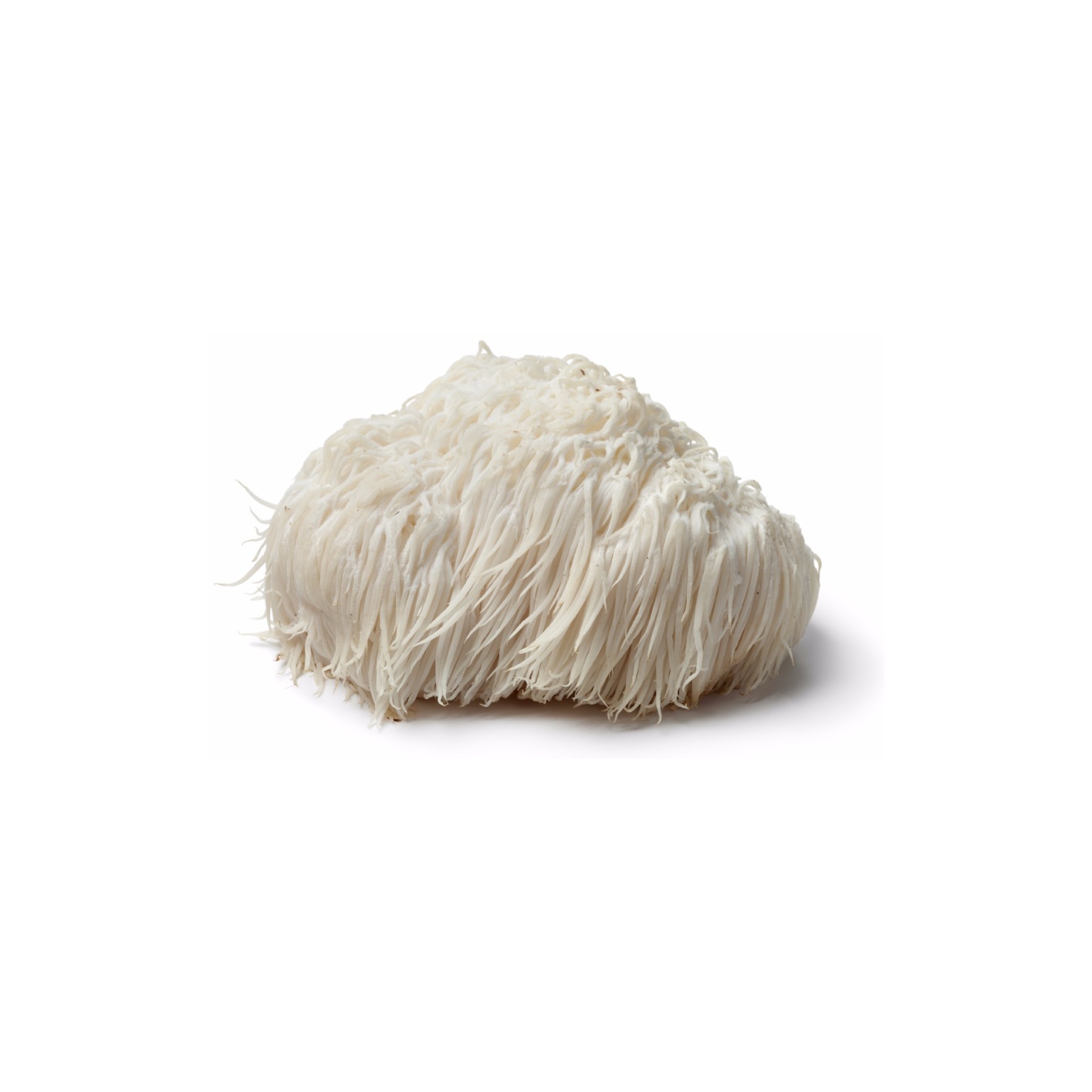
Lion’s mane is a medicinal wood-rotting fungus with a characteristic growth pattern that resembles the shaggy mane of a lion. It prefers temperate forests in North America, Europe, and Asia, where it thrives on living oak, beech, or conifer trees.
The medicinal benefits of lion’s mane primarily involve the nervous system, and modern applications use the mushroom for general cognitive health and as a natural nootropic. It is also eaten as a delicacy — with a flavour similar to lobster when cooked with butter. In recent years it has caught the eye of the nootropic community for its ability to up-regulate nerve growth factor.
How Is Lion’s Mane Used?
Lion’s mane is mainly used for neurodegenerative disorders like dementia and multiple sclerosis, and is popular as a nootropic for supporting optimal cognitive function long term. Most people take it as a powdered capsule or tincture on a daily basis. As with most medicinal mushrooms, the biggest benefit comes from regular use over long periods rather than short bursts.
Traditional Use
Lion’s mane has a long history of use in Eastern Asia — including China, Korea, and Japan — for treating neurological disorders such as neurasthenia and age-related cognitive decline, as well as for general health.
Pharmacology & Research
Lion’s mane has a large preclinical literature — well over a hundred in vitro and rodent studies — anchored by a small but genuine set of human trials, making it one of the better-evidenced medicinal mushrooms for cognition. The centre of gravity is neurological: the mushroom’s signature ability to stimulate nerve growth factor (NGF) via its hericenones and erinacines underpins most of its investigated uses 7,9Reference 7Systematic reviewUnveiling the role of erinacines in the neuroprotective effects of Hericium erinaceus — systematic reviewView study →Reference 9ReviewChemistry, nutrition, and health-promoting properties of Hericium erinaceus mushroom — reviewView study →. Human evidence is real but thin and mixed — at least five randomised controlled trials exist, the strongest in older adults with mild cognitive impairment, while trials in healthy young adults are largely null or task-specific 1,2,3,4Reference 1RCTImproving effects of the mushroom Yamabushitake (Hericium erinaceus) on mild cognitive impairment — randomised, double-blind, placebo-controlled trialView study →Reference 2RCTImprovement of cognitive functions by oral intake of Hericium erinaceus — randomised, double-blind, placebo-controlled trialView study →Reference 3RCTThe acute and chronic effects of lion’s mane mushroom supplementation on cognitive function, stress and mood in young adults — randomised, double-blind, placebo-controlled pilot trialView study →Reference 4RCTAcute effects of a standardised extract of Hericium erinaceus on cognition and mood — randomised, placebo-controlled crossover trialView study →. A critical caveat runs through the whole field: the two flagship compound families live in different tissues — hericenones in the fruiting body, erinacines in the submerged-culture mycelium — so results from a standardised erinacine-A mycelial extract do not transfer to a fruiting-body powder or a culinary preparation 5,7Reference 5RCTPrevention of early Alzheimer’s disease by erinacine A-enriched Hericium erinaceus mycelia — randomised, double-blind, placebo-controlled pilot trialView study →Reference 7Systematic reviewUnveiling the role of erinacines in the neuroprotective effects of Hericium erinaceus — systematic reviewView study →.
- Best-supported: modest cognitive benefit in older adults with mild cognitive impairment across several small RCTs 1,2Reference 1RCTImproving effects of the mushroom Yamabushitake (Hericium erinaceus) on mild cognitive impairment — randomised, double-blind, placebo-controlled trialView study →Reference 2RCTImprovement of cognitive functions by oral intake of Hericium erinaceus — randomised, double-blind, placebo-controlled trialView study →; a coherent NGF/neurotrophic mechanism mapped from molecule to animal model 6,7Reference 6In vitroHericerin derivatives activate a pan-neurotrophic pathway in central hippocampal neurons — in vitro and mouse studyView study →Reference 7Systematic reviewUnveiling the role of erinacines in the neuroprotective effects of Hericium erinaceus — systematic reviewView study →.
- Emerging, worth watching: mood (depression/anxiety) signals in small human trials 10,11Reference 10RCTReduction of depression and anxiety by 4 weeks Hericium erinaceus intake — randomised, placebo-controlled trialView study →Reference 11Clinical trialHericium erinaceus improves mood and sleep disorders in patients affected by overweight or obesity — controlled trialView study →, and an erinacine-A mycelial extract that slowed decline in a mild-Alzheimer’s pilot RCT 5Reference 5RCTPrevention of early Alzheimer’s disease by erinacine A-enriched Hericium erinaceus mycelia — randomised, double-blind, placebo-controlled pilot trialView study →.
- Mechanistically thin: anticancer, antidiabetic, hepatoprotective and anti-fatigue claims rest almost entirely on cell-line and rodent work, often with polysaccharide fractions rather than the whole mushroom.
- The caveat: no standardised dose, wide strain/substrate/extract variability, and fruiting-body vs mycelium chemistry that makes many findings non-transferable between products.
1. Cognitive function & MCI
The most-cited human evidence is a 2009 randomised, double-blind, placebo-controlled trial in 30 Japanese adults (aged 50-80) with mild cognitive impairment: 1 g of dried fruiting-body powder (as 250 mg tablets, 96% powder) three times daily for 16 weeks significantly raised cognitive-scale scores versus placebo, with improvement appearing by week 8 — but scores fell back within 4 weeks of stopping, so the effect requires continued intake and is not disease-modifying 1Reference 1RCTImproving effects of the mushroom Yamabushitake (Hericium erinaceus) on mild cognitive impairment — randomised, double-blind, placebo-controlled trialView study →. A 2019 randomised, double-blind, placebo-controlled trial (12 weeks, fruiting-body supplement) found improvement on the MMSE but not on two other cognitive tests 2Reference 2RCTImprovement of cognitive functions by oral intake of Hericium erinaceus — randomised, double-blind, placebo-controlled trialView study →. In healthy young adults the picture is weaker: a 2023 randomised, placebo-controlled trial (1.8 g, 41 adults) found faster Stroop performance 60 minutes after a single dose and only a non-significant trend toward reduced stress after 28 days 3Reference 3RCTThe acute and chronic effects of lion’s mane mushroom supplementation on cognitive function, stress and mood in young adults — randomised, double-blind, placebo-controlled pilot trialView study →, while a 2025 randomised, placebo-controlled crossover trial (3 g of a 10:1 fruiting-body extract, 18 adults) found no overall cognitive or mood effect, with benefit limited to a single pegboard task 4Reference 4RCTAcute effects of a standardised extract of Hericium erinaceus on cognition and mood — randomised, placebo-controlled crossover trialView study →. A 2025 systematic review pooling MMSE data from one RCT and one pilot trial reported a modest combined mean increase of ~1.2 points 28Reference 28Systematic reviewBenefits, side effects, and uses of Hericium erinaceus as a supplement — systematic reviewView study →.
Gap: All positive trials are small (n≤30 per arm), mostly in impaired or older cohorts, and use different preparations and dose forms; the healthy-adult data are largely null. No large, long-duration confirmatory RCT exists.
2. Neuroprotective (NGF-stimulating)
Lion’s mane’s neurological reputation rests on a genuinely well-mapped mechanism: its low-molecular-weight aromatic compounds stimulate synthesis of nerve growth factor (NGF), the dominant trophic factor for cholinergic neurons, which itself barely crosses the blood-brain barrier — so compounds that raise it within the CNS are of real interest 7,9Reference 7Systematic reviewUnveiling the role of erinacines in the neuroprotective effects of Hericium erinaceus — systematic reviewView study →Reference 9ReviewChemistry, nutrition, and health-promoting properties of Hericium erinaceus mushroom — reviewView study →. The fruiting-body hericenones and mycelial erinacines both drive NGF; a 2023 study isolated hericerin-derived compounds including hericene A that activated a pan-neurotrophic (TrkB/ERK) pathway and enhanced spatial memory in mice 6Reference 6In vitroHericerin derivatives activate a pan-neurotrophic pathway in central hippocampal neurons — in vitro and mouse studyView study →. Downstream neuroprotective effects shown in cell and rodent models include reduced endoplasmic-reticulum-stress cell death, attenuation of beta-amyloid toxicity, and enhanced oligodendrocyte maturation and myelination 8Reference 8In vitroHericium erinaceus mycelium and its small bioactive compounds promote oligodendrocyte maturation — in vitro studyView study →. The one clinical anchor is a 2020 randomised, double-blind, placebo-controlled pilot trial in mild Alzheimer’s disease: three erinacine-A-enriched mycelial capsules daily for 49 weeks improved MMSE and daily-living scores and contrast sensitivity versus placebo, and was well tolerated (registered as NCT04065061) 5Reference 5RCTPrevention of early Alzheimer’s disease by erinacine A-enriched Hericium erinaceus mycelia — randomised, double-blind, placebo-controlled pilot trialView study →. A 2025 systematic review of erinacines confirmed consistent neurotrophic and neuroprotective activity across cellular and rodent models but flagged the near-total reliance on preclinical work 7Reference 7Systematic reviewUnveiling the role of erinacines in the neuroprotective effects of Hericium erinaceus — systematic reviewView study →.
Gap: The neuroprotection evidence is overwhelmingly preclinical; the single mild-AD RCT is small and used a specific mycelial erinacine A extract that does not correspond to fruiting-body products.
3. Depression & anxiety
Two small human trials support a mood effect. A 2010 randomised, placebo-controlled trial gave 30 menopausal women fruiting-body cookies for 4 weeks and found significantly lower depression (CES-D) and several “indefinite complaint” scores versus placebo — the authors noted the effect appeared distinct from NGF-enhancement 10Reference 10RCTReduction of depression and anxiety by 4 weeks Hericium erinaceus intake — randomised, placebo-controlled trialView study →. A 2019 controlled trial in 77 overweight/obese volunteers reported reduced depression, anxiety and sleep disturbance after 8 weeks, alongside raised circulating pro-BDNF (but not mature BDNF) 11Reference 11Clinical trialHericium erinaceus improves mood and sleep disorders in patients affected by overweight or obesity — controlled trialView study →. Mechanistically, a 2018 mouse study showed a fruiting-body extract reduced anxiety- and depression-like behaviour while promoting hippocampal neurogenesis 12Reference 12AnimalHericium erinaceus extract reduces anxiety and depressive behaviors by promoting hippocampal neurogenesis in the adult mouse brain — animal modelView study →.
Gap: Both human trials are small, unblinded or single-population (menopausal, obese), and short; there is no trial in diagnosed major depression, and the biomarker findings (pro-BDNF up, BDNF unchanged) are hard to interpret.
4. Peripheral nerve regeneration
In rodent nerve-crush models, aqueous fruiting-body extract accelerated functional recovery: a study in rats with peroneal-nerve crush injury showed faster axonal regeneration and reinnervation, mediated through Akt/MAPK signalling and c-Jun/c-Fos in the dorsal root ganglia 13Reference 13AnimalHericium erinaceus activates peripheral nerve regeneration after peroneal-nerve crush — rat in vivo studyView study →. A 2026 systematic review of medicinal mushrooms for peripheral nerve injury identified lion’s mane as one of the better-characterised candidates while concluding the mechanisms and clinical relevance remain incompletely defined 14Reference 14Systematic reviewApplication of medicinal mushrooms for the treatment of peripheral nerve injury — systematic reviewView study →.
Gap: Entirely preclinical — no human trial has tested lion’s mane for nerve injury or neuropathy, and effective rodent doses/extracts are not established for people.
5. Anti-inflammatory
Lion’s mane modulates several inflammatory pathways. A 2022 study found that an ethanol extract and its constituent ergosterol neutralised LPS-induced production of IL-1β, IL-6 and IL-8 in human monocytes in vitro 15Reference 15In vitroHericium erinaceus ethanol extract and ergosterol exert anti-inflammatory activities in human monocytes — in vitro studyView study →. In rodent models the mushroom lowers pro-inflammatory mediators via NF-κB and TLR4/JNK signalling, an effect that overlaps with its gut and neuroprotective actions 20Reference 20AnimalExtracts from Hericium erinaceus relieve inflammatory bowel disease by regulating immunity and microbiota — rat modelView study →.
Gap: The human-cell data are in vitro only; no clinical trial has measured inflammatory endpoints, and effects are reported for varied extracts and isolated constituents rather than a defined whole-mushroom dose.
6. Immunomodulatory
Like most medicinal mushrooms, lion’s mane is rich in beta-glucans and other polysaccharides with immune-activating properties. Isolated and chemically modified polysaccharide fractions promote maturation and activation of dendritic cells through MAPK and NF-κB signalling in vitro 16Reference 16In vitroSelenizing Hericium erinaceus polysaccharides induce dendritic-cell maturation through MAPK and NF-κB signaling — in vitro studyView study →, and structurally characterised fractions show immunomodulatory activity in cell assays 17Reference 17In vitroPolysaccharides from Hericium erinaceus fruiting bodies: structural characterization and immunomodulatory activity — in vitro studyView study →. In a 2012 mouse study, fruiting-body extracts protected against Salmonella Typhimurium liver damage and mortality by stimulating innate immune (macrophage) uptake rather than by direct antibacterial action 18Reference 18AnimalHericium erinaceus mushroom extracts protect infected mice against Salmonella Typhimurium-induced liver damage — animal modelView study →.
Gap: Effects are driven by isolated polysaccharide fractions in animal and cell models; there is no human immune-outcome trial, and the fractions used are not the form consumers ingest.
7. Gastroprotective & GI mucosa
Polysaccharide fractions protect the gut lining in rodent models. In a 2022 study, fruiting-body polysaccharide reduced acetic-acid-induced gastric ulceration in rats, lowering IL-6, TNF-α and oxidative markers 19Reference 19AnimalGastroprotective activity of polysaccharide from Hericium erinaceus against acetic-acid-induced gastric ulcer — rat in vivo studyView study →; extracts also relieved TNBS-induced colitis in rats by modulating immunity and the microbiota 20Reference 20AnimalExtracts from Hericium erinaceus relieve inflammatory bowel disease by regulating immunity and microbiota — rat modelView study →. A 2023 review catalogued consistent preclinical activity across gastritis, ulcer and inflammatory-bowel-disease models and highlighted lion’s mane’s traditional East-Asian use for gastrointestinal complaints 21Reference 21ReviewHericium erinaceus, a medicinal fungus: evidence in gastrointestinal diseases — reviewView study →.
Gap: All efficacy data are rodent or in vitro; despite strong traditional GI use and registered trials, no completed human trial confirms a gastroprotective effect.
8. Antioxidant
Lion’s mane extracts and polysaccharides show free-radical scavenging in vitro and reduce oxidative-stress markers in animals. A 2012 study of mycelial endo-polysaccharide fractions found strong in vitro antioxidant activity and a hepatoprotective effect in mice, with the most active fraction linked to its antioxidant capacity 22Reference 22In vitroAntioxidant and hepatoprotective potential of endo-polysaccharides from Hericium erinaceus — in vitro and mouse studyView study →. Antioxidant activity is a recurring mechanistic thread underlying the neuroprotective, hepatoprotective and anti-inflammatory findings rather than a stand-alone clinical use 9Reference 9ReviewChemistry, nutrition, and health-promoting properties of Hericium erinaceus mushroom — reviewView study →.
Gap: Antioxidant activity is measured chiefly in chemical assays and animal tissue; it has not been shown to translate into a clinical antioxidant benefit, and results vary widely with extract and fraction.
9. Anticancer
Anticancer evidence is preclinical and constituent-focused. A 2024 study reported that an ethanol fruiting-body extract induced apoptosis in prostate cancer cells via PI3K/AKT and RAS/MAPK signalling in vitro 23Reference 23In vitroHericium erinaceus extract induces apoptosis via PI3K/AKT and RAS/MAPK signaling in prostate cancer cells — in vitro studyView study →. A 2020 review of erinacine A and related cyathane diterpenoids summarised in vitro and animal antitumour activity — including inhibition of gastric-cancer-cell invasiveness and caspase activation — alongside their neuroprotective effects 24Reference 24ReviewErinacine A and related cyathane diterpenoids: mechanisms underlying their neuroprotection and anticancer activities — reviewView study →.
Gap: No in vivo human evidence; findings are cell-line apoptosis assays and isolated-compound reviews, and the doses have no established relationship to oral supplementation.
10. Hepatoprotective
In rodent and cell models, lion’s mane polysaccharides protect the liver. Mycelial endo-polysaccharide fractions showed a potent hepatoprotective effect in vivo in mice, apparently linked to their antioxidant capacity 22Reference 22In vitroAntioxidant and hepatoprotective potential of endo-polysaccharides from Hericium erinaceus — in vitro and mouse studyView study →. Related work reports protection against high-fat-diet-induced fatty liver and hepatotoxicity, again driven by polysaccharide fractions.
Gap: Animal-only; no human liver-outcome data, and the active material is isolated polysaccharide rather than a standard whole-mushroom product.
11. Antidiabetic & hypolipidemic
A 2013 study in streptozotocin-induced diabetic rats found that aqueous fruiting-body extract (100 and 200 mg/kg for 28 days) lowered blood glucose, improved insulin and lipid profiles, and reduced hepatic oxidative-stress markers 25Reference 25AnimalAntihyperglycemic and antihyperlipidemic activities of aqueous extract of Hericium erinaceus in experimental diabetic rats — animal modelView study →.
Gap: A single rodent model with no human confirmation; effects on glucose or lipids in people are untested.
12. Anti-fatigue
A 2015 mouse study reported that lion’s mane polysaccharides (50-200 mg/kg for 28 days) extended forced-swim endurance and shifted biochemical fatigue markers, consistent with the mushroom’s traditional use as a general tonic 26Reference 26AnimalAnti-fatigue activities of polysaccharides extracted from Hericium erinaceus — mouse in vivo studyView study →.
Gap: One animal study only; there is no human trial of exercise capacity or fatigue, and the effect is attributed to polysaccharide fractions.
Mechanisms
| Mechanism | Drives | Key compounds |
|---|---|---|
| NGF synthesis ↑ (TrkA/TrkB, ERK1/2) | neuroprotectivecognitivenerve regeneration | hericene A, erinacine A, hericenones, erinacines |
| NF-κB ↓, TLR4/JNK ↓, cytokine ↓ | anti-inflammatorygastroprotective | ergosterol, polysaccharides |
| Dendritic-cell & macrophage activation | immunomodulatory | beta-glucans, polysaccharides |
| Free-radical scavenging, oxidative-stress ↓ | antioxidanthepatoprotectiveneuroprotective | polysaccharides, phenolics |
| Pro-apoptotic (PI3K/AKT, caspase, RAS/MAPK) | anticancer | erinacine A, cyathane diterpenoids |
| Hippocampal neurogenesis ↑, pro-BDNF ↑ | mood (depression/anxiety) | fruiting-body extract |
Clinical trials
Twelve trials are registered on ClinicalTrials.gov — five completed (mostly cognition), two recruiting (cancer-related fatigue, cognitive decline), and five with unknown/stalled status (tinnitus, depression, Parkinson’s, colorectal-surgery recovery, PMS); none has been terminated, but the completed set is small and dominated by cognitive endpoints.
| Completed | Planned | Terminated | Preclinical |
|---|---|---|---|
| 5 | 2 | 0 | ~100+ |
Plus 5 registered trials with unknown/stalled status (tinnitus, major depression, Parkinson’s, colorectal-surgery recovery, PMS), not shown in the table above — 12 registered in total.
Last checked: July 2026.
Mycology
Lion’s mane looks unlike any ordinary mushroom: a soft, white, cushion-shaped clump hanging with dozens of long, icicle-like spines, so that a mature fruiting body really does resemble a shaggy white mane or a frozen waterfall. It has no cap and no gills — instead it belongs to the “tooth fungi,” and it carries its spores on the outside of those dangling spines. The whole fleshy fruiting body is the part harvested, eaten fresh as a seafood-like gourmet mushroom and dried for use as a tonic.
The fungus lives on hardwood, slipping in through wounds and branch scars to slowly rot the heartwood of beech and oak.
Distribution
Lion’s mane grows in the temperate hardwood forests of the Northern Hemisphere — North America, Europe and Asia — on old, wounded or dying broadleaf trees, especially venerable beeches and oaks. Because it needs large old trees, it is an uncommon find in the wild, usually spotted high on a trunk, and in parts of Europe it is scarce enough to be legally protected.
Cultivation
- One of the easier gourmet mushrooms to grow, which is why cultivated lion’s mane is now widely available.
- Grown outdoors on inoculated hardwood logs and stumps, or — much faster — indoors on bags of supplemented hardwood sawdust.
- After the spawn colonises the substrate (about two weeks in the dark), fruiting is triggered by fresh air, high humidity and light.
- Prefers cool fruiting temperatures (around 18–24 °C) with good air exchange; sawdust blocks fruit in a few weeks, logs take a year or two.
- Full cultivation detail lives on the companion farm-wiki grow guide for Hericium erinaceus (link to be added once that project’s public URL is confirmed).
Phytochemistry
The fruiting body and mycelia contain a diverse range of bioactive substances — polysaccharides, meroterpenoids, cyathane diterpenoids, steroids, alkaloids, and lactones. The most significant medicinally are the aromatic hericenones, found only in the fruiting body, and the erinacines, cyathane diterpenoids concentrated in the submerged-culture mycelium — both shown to stimulate nerve growth factor in the central nervous system. The bulk of the dried mushroom is carbohydrate, dominated by immunomodulatory beta-glucans and related polysaccharides.
Constituent Summary
Figures are percent of the dried fruiting body (beta-glucan/polysaccharide) or the localising tissue; hericenones and erinacines are reported qualitatively as fruiting-body- vs mycelium-specific markers rather than as fixed percentages, so are listed as No Data for amount. Values vary widely with strain, substrate and extraction.
Meroterpenoid2 compounds2 with data
Diterpene1 compound1 with data
Sterol1 compound1 with data
Polysaccharide2 compounds2 with data
Clinical Applications
Lion’s mane is best known as a neuroprotective and nootropic agent. The human evidence is strongest for cognition (mild cognitive impairment and early Alzheimer’s) and mood (depression and anxiety in small trials); its use for multiple sclerosis and Parkinson’s rests on preclinical oligodendrocyte/neuroprotection work rather than human trials, and the cancer, diabetes and gastrointestinal uses remain cell-line and animal findings. It is best taken consistently over the long term rather than in short bursts.
Dosage
Almost all of lion’s mane’s clinical evidence uses dried fruiting-body powder or extract at 1–3 g/day, or an erinacine-A-enriched mycelial capsule — not the tincture the sidebar quotes. Because hericenones (fruiting body) and erinacines (mycelium) come from different tissues, these preparations are not interchangeable.
| Indication | Preparation | Dose | Est. dried-herb equivalent | Source |
|---|---|---|---|---|
| Mild cognitive impairment | Dried fruiting-body powder (96% powder tablets) | 3 g/day (1 g × 3), 16 wk | ~3 g dried fruiting body | 1Reference 1RCTImproving effects of the mushroom Yamabushitake (Hericium erinaceus) on mild cognitive impairment — randomised, double-blind, placebo-controlled trialView study → |
| Cognitive function (older adults) | Fruiting-body supplement | daily, 12 wk | — (proprietary; per-g dose not stated) | 2Reference 2RCTImprovement of cognitive functions by oral intake of Hericium erinaceus — randomised, double-blind, placebo-controlled trialView study → |
| Cognition/mood (healthy young) | Fruiting-body supplement | 1.8 g/day, 28 days | ~1.8 g dried fruiting body | 3Reference 3RCTThe acute and chronic effects of lion’s mane mushroom supplementation on cognitive function, stress and mood in young adults — randomised, double-blind, placebo-controlled pilot trialView study → |
| Cognition/mood (acute, healthy) | 10:1 fruiting-body extract | 3 g single dose | ~30 g dried-herb-equivalent (nominal 10:1) | 4Reference 4RCTAcute effects of a standardised extract of Hericium erinaceus on cognition and mood — randomised, placebo-controlled crossover trialView study → |
| Mild Alzheimer’s disease | Erinacine-A-enriched mycelium capsules (350 mg, 5 mg/g erinacine A) | 1050 mg/day (3 caps), 49 wk | — (mycelial extract; not fruiting-body-equivalent) | 5Reference 5RCTPrevention of early Alzheimer’s disease by erinacine A-enriched Hericium erinaceus mycelia — randomised, double-blind, placebo-controlled pilot trialView study → |
| Depression/anxiety (menopausal) | Fruiting-body powder in cookies | daily, 4 wk | — (per-serving amount not standardised) | 10Reference 10RCTReduction of depression and anxiety by 4 weeks Hericium erinaceus intake — randomised, placebo-controlled trialView study → |
| Mood/sleep (overweight) | Fruiting-body supplement | daily, 8 wk | — (proprietary) | 11Reference 11Clinical trialHericium erinaceus improves mood and sleep disorders in patients affected by overweight or obesity — controlled trialView study → |
Estimates only, not conversion factors or recommendations: whole-powder trials are taken at face value (the dose is dried fruiting body); the 10:1 extract’s ~30 g equivalent is an order-of-magnitude figure; mycelial erinacine-A extracts cannot be back-converted to fruiting-body weight (different tissue and chemistry), so are left ”—”.
Traditional Dosage
| System | Preparation | Dose |
|---|---|---|
| Western herbal | Liquid extract (1:2) | 20–60 mL / week |
| Western herbal | Dried fruiting body (decoction / powder) | 3–5 g / day |
| TCM (Houtou / Yamabushitake) | Decoction of dried fruiting body | traditionally for gastric complaints and general debility |
Safety & Pregnancy
Lion’s mane is an edible mushroom with a strong safety record — low toxicity and no serious adverse events in trials — the main cautions being mild GI upset, headache, and allergy risk in people sensitive to mushrooms or moulds.
- Edible mushroom. Strong safety record — no serious adverse events in trials; rat NOAEL 2000 mg/kg/day, the highest dose tested.
- Allergy risk. As a fungus, use caution with mushroom or mould allergy; occasional allergic skin reactions reported.
- Theoretical bleeding interaction. Possible additive effect with anticoagulant / antiplatelet drugs, though none documented in humans.
- Mild side effects only. Stomach or abdominal discomfort, nausea, and headache are the usual complaints.
Full safety & interactions detail
Lion’s mane is an edible culinary mushroom with a strong safety record: no serious adverse events have been reported in the clinical trials to date, and both a GLP subchronic-toxicity/genotoxicity study (NOAEL 2000 mg/kg/day, the highest dose tested) and an acute/developmental-toxicity study in rats found no toxic or genotoxic effects 27,29Reference 27AnimalSubchronic toxicity and genotoxicity studies of Hericium erinaceus β-glucan extract preparation — GLP rat studyView study →Reference 29AnimalAcute and developmental toxicity assessment of erinacine-A-enriched Hericium erinaceus mycelia in Sprague-Dawley rats — animal studyView study →. The most commonly reported side effects in human use are mild — stomach or abdominal discomfort, nausea, headache, and occasional allergic skin reactions 28Reference 28Systematic reviewBenefits, side effects, and uses of Hericium erinaceus as a supplement — systematic reviewView study →. Because it is a fungus, people with mushroom or mould allergies should exercise caution, and there is a theoretical concern about additive effects with anticoagulant or antiplatelet medication, though no interaction has been formally documented in humans 28Reference 28Systematic reviewBenefits, side effects, and uses of Hericium erinaceus as a supplement — systematic reviewView study →. As with most medicinal mushrooms, the strongest, most consistent benefits come from regular long-term use.
Scope of this assessment: no human drug-interaction study exists — the anticoagulant/antiplatelet caution is precautionary, based on the herb’s general profile, not a documented case. Pregnancy and lactation safety is unstudied in humans (only a single rat developmental-toxicity study exists).
Not established. Lion’s mane has not been tested for safety in human pregnancy or lactation; a rat developmental-toxicity study of an erinacine-A-enriched mycelial extract found no fetal harm at doses up to 2625 mg/kg 29Reference 29AnimalAcute and developmental toxicity assessment of erinacine-A-enriched Hericium erinaceus mycelia in Sprague-Dawley rats — animal studyView study →, but animal data do not establish human safety. Given the absence of human data, the precautionary approach is to avoid concentrated supplemental doses during pregnancy and breastfeeding, while culinary amounts of the cooked mushroom are generally regarded as food.
Author: Justin Cooke, BHSc — The Sunlight Experiment (updated April 2020)
References
- Mori, K., et al. (2009). Improving effects of the mushroom Yamabushitake (Hericium erinaceus) on mild cognitive impairment — randomised, double-blind, placebo-controlled trial. Phytother Res. https://pubmed.ncbi.nlm.nih.gov/18844328/
- Saitsu, Y., et al. (2019). Improvement of cognitive functions by oral intake of Hericium erinaceus — randomised, double-blind, placebo-controlled trial. Biomed Res. https://pubmed.ncbi.nlm.nih.gov/31413233/
- Docherty, S., et al. (2023). The acute and chronic effects of lion’s mane mushroom supplementation on cognitive function, stress and mood in young adults — randomised, double-blind, placebo-controlled pilot trial. Nutrients. https://pubmed.ncbi.nlm.nih.gov/38004235/
- Surendran, G., et al. (2025). Acute effects of a standardised extract of Hericium erinaceus on cognition and mood — randomised, placebo-controlled crossover trial. Front Nutr. https://pubmed.ncbi.nlm.nih.gov/40276537/
- Li, I. C., et al. (2020). Prevention of early Alzheimer’s disease by erinacine A-enriched Hericium erinaceus mycelia — randomised, double-blind, placebo-controlled pilot trial. Front Aging Neurosci. https://pubmed.ncbi.nlm.nih.gov/32581767/
- Martínez-Mármol, R., et al. (2023). Hericerin derivatives activate a pan-neurotrophic pathway in central hippocampal neurons — in vitro and mouse study. J Neurochem. https://pubmed.ncbi.nlm.nih.gov/36660878/
- Spangenberg, E. T., et al. (2025). Unveiling the role of erinacines in the neuroprotective effects of Hericium erinaceus — systematic review. Front Pharmacol. https://pubmed.ncbi.nlm.nih.gov/40626304/
- Huang, H. T., et al. (2021). Hericium erinaceus mycelium and its small bioactive compounds promote oligodendrocyte maturation — in vitro study. Sci Rep. https://pubmed.ncbi.nlm.nih.gov/33753806/
- Friedman, M. (2015). Chemistry, nutrition, and health-promoting properties of Hericium erinaceus mushroom — review. J Agric Food Chem. https://pubmed.ncbi.nlm.nih.gov/26244378/
- Nagano, M., et al. (2010). Reduction of depression and anxiety by 4 weeks Hericium erinaceus intake — randomised, placebo-controlled trial. Biomed Res. https://pubmed.ncbi.nlm.nih.gov/20834180/
- Vigna, L., et al. (2019). Hericium erinaceus improves mood and sleep disorders in patients affected by overweight or obesity — controlled trial. Evid Based Complement Alternat Med. https://pubmed.ncbi.nlm.nih.gov/31118969/
- Ryu, S., et al. (2018). Hericium erinaceus extract reduces anxiety and depressive behaviors by promoting hippocampal neurogenesis in the adult mouse brain — animal model. J Med Food. https://pubmed.ncbi.nlm.nih.gov/29091526/
- Wong, K. H., et al. (2016). Hericium erinaceus activates peripheral nerve regeneration after peroneal-nerve crush — rat in vivo study. Chin J Integr Med. https://pubmed.ncbi.nlm.nih.gov/25159861/
- Taib, N. A. B., et al. (2026). Application of medicinal mushrooms for the treatment of peripheral nerve injury — systematic review. Med Sci (Basel). https://pubmed.ncbi.nlm.nih.gov/41562932/
- Tada, H., et al. (2022). Hericium erinaceus ethanol extract and ergosterol exert anti-inflammatory activities in human monocytes — in vitro study. Biochem Biophys Res Commun. https://pubmed.ncbi.nlm.nih.gov/36335857/
- Qin, T., et al. (2017). Selenizing Hericium erinaceus polysaccharides induce dendritic-cell maturation through MAPK and NF-κB signaling — in vitro study. Int J Biol Macromol. https://pubmed.ncbi.nlm.nih.gov/28089932/
- Yang, Y., et al. (2022). Polysaccharides from Hericium erinaceus fruiting bodies: structural characterization and immunomodulatory activity — in vitro study. Nutrients. https://pubmed.ncbi.nlm.nih.gov/36145096/
- Kim, S. P., et al. (2012). Hericium erinaceus mushroom extracts protect infected mice against Salmonella Typhimurium-induced liver damage — animal model. J Agric Food Chem. https://pubmed.ncbi.nlm.nih.gov/22624604/
- Wang, X. Y., et al. (2022). Gastroprotective activity of polysaccharide from Hericium erinaceus against acetic-acid-induced gastric ulcer — rat in vivo study. Int J Biol Macromol. https://pubmed.ncbi.nlm.nih.gov/35483513/
- Diling, C., et al. (2017). Extracts from Hericium erinaceus relieve inflammatory bowel disease by regulating immunity and microbiota — rat model. Oncotarget. https://pubmed.ncbi.nlm.nih.gov/29156761/
- Gravina, A. G., et al. (2023). Hericium erinaceus, a medicinal fungus: evidence in gastrointestinal diseases — review. World J Gastroenterol. https://pubmed.ncbi.nlm.nih.gov/37346156/
- Zhang, Z., et al. (2012). Antioxidant and hepatoprotective potential of endo-polysaccharides from Hericium erinaceus — in vitro and mouse study. Int J Biol Macromol. https://pubmed.ncbi.nlm.nih.gov/22982810/
- Atmaca, H., et al. (2024). Hericium erinaceus extract induces apoptosis via PI3K/AKT and RAS/MAPK signaling in prostate cancer cells — in vitro study. Chem Biodivers. https://pubmed.ncbi.nlm.nih.gov/39183463/
- Bailly, C. (2020). Erinacine A and related cyathane diterpenoids: mechanisms underlying their neuroprotection and anticancer activities — review. Pharmacol Res. https://pubmed.ncbi.nlm.nih.gov/32485283/
- Liang, B., et al. (2013). Antihyperglycemic and antihyperlipidemic activities of aqueous extract of Hericium erinaceus in experimental diabetic rats — animal model. BMC Complement Altern Med. https://pubmed.ncbi.nlm.nih.gov/24090482/
- Liu, J., et al. (2015). Anti-fatigue activities of polysaccharides extracted from Hericium erinaceus — mouse in vivo study. Exp Ther Med. https://pubmed.ncbi.nlm.nih.gov/25574220/
- Chen, S. N., et al. (2022). Subchronic toxicity and genotoxicity studies of Hericium erinaceus β-glucan extract preparation — GLP rat study. Curr Res Toxicol. https://pubmed.ncbi.nlm.nih.gov/35341120/
- Menon, A., et al. (2025). Benefits, side effects, and uses of Hericium erinaceus as a supplement — systematic review. Front Nutr. https://pubmed.ncbi.nlm.nih.gov/40959699/
- Li, I. C., et al. (2018). Acute and developmental toxicity assessment of erinacine-A-enriched Hericium erinaceus mycelia in Sprague-Dawley rats — animal study. Drug Chem Toxicol. https://pubmed.ncbi.nlm.nih.gov/29359595/
- Muhanna, M., et al. (2024). ALSUntangled #73: Lion’s Mane — review. Amyotroph Lateral Scler Frontotemporal Degener. https://pubmed.ncbi.nlm.nih.gov/38141002/