Materia Medica
Milk Thistle
Silybum marianum
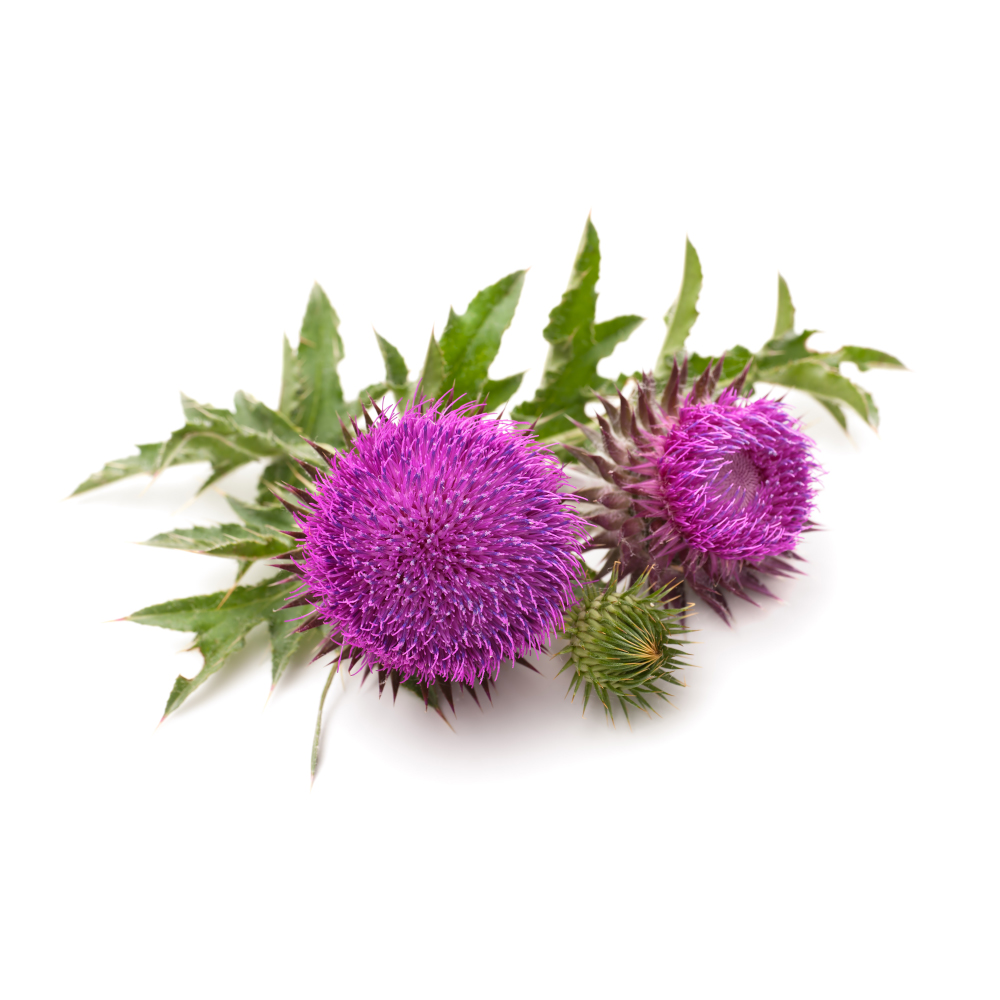
Milk thistle (Silybum marianum) — the premier liver-protective herb, used for fatty liver, detoxification, cholesterol and metabolism.
What Is Milk Thistle?
Milk thistle originated from the Mediterranean. It’s most useful for treating liver dysfunctions and promoting lactation in females (hence the name).
This thorny herb contains a series of bitter-tasting chemicals that work to stimulate the production of bile in the liver and the release of bile into the duodenum. Its seed extract (silymarin) protects and stabilises liver cells through antioxidant, anti-inflammatory and anti-fibrotic actions, which then leads to its long list of proposed benefits for the health of the liver and metabolism. This includes fatty liver disease, diabetes, and high cholesterol.
Milk thistle is often described as the best-known antidote for Amanita phalloides (death cap) poisoning — but the clinically used antidote is intravenous silibinin (Legalon SIL), a pharmaceutical purified from the herb, not the oral seed or a tea (see Pharmacology & Research).
What Is Milk Thistle Used For?
Milk thistle is mainly used as a liver tonic for those with metabolic conditions, weak digestion, or high cholesterol. It’s also used in acute conditions for dyspepsia, upset stomach, indigestion, or liver toxicity to certain drugs or mycotoxins. In females, milk thistle is popular for stimulating the flow of milk for nursing mothers.
Other conditions related to secondary effects of poor liver health such as eczema, psoriasis, jaundice, and anorexia are also commonly treated with milk thistle.
Indications
- Amanita muscaria mushroom poisoning
- Anorexia nervosa
- Cancer topical use
- Chemotherapy supportive agent
- Chronic fatigue syndrome
- Chronic liver disease
- Chronic uterine problems
- Cirrhosis
- Constipation
- Dyspepsia
- Endometriosis
- Fatty liver
- Gallbladder dysfunctions
- Gastrointestinal pain and discomfort
- Improve liver detoxification
- Jaundice
- Liver conditions
- Metabolic syndrome
- Multiple sclerosis
- Nausea during pregnancy
- Nephroprotective and hepatoprotective
- Poor milk production
- Psoriasis
- Radiation damage in the liver
- Substance Abuse
- Toxicity due to environmental chemicals and drugs
- Viral Hepatitis
- Weak digestion
Contraindications
No absolute contraindications are established. As an Asteraceae (daisy family) plant it should be avoided by those with a known allergy to ragweed, chrysanthemum, marigold or daisies. Caution is warranted alongside drugs with a narrow therapeutic window (see Safety).
Traditional Uses
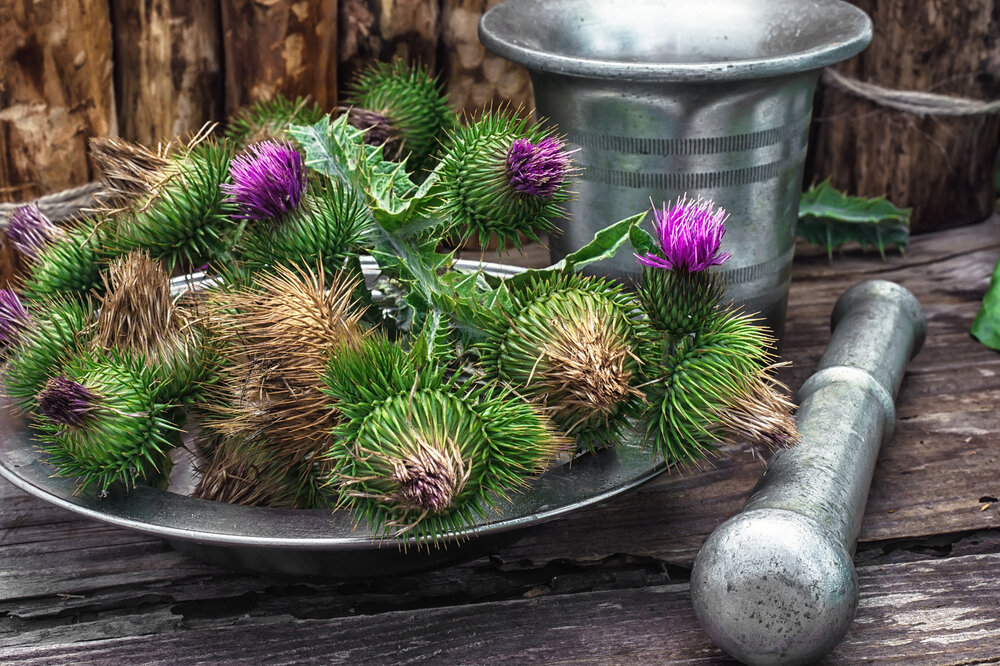
Milk thistle has been reportedly used since the 4th century BCE 33Reference 33ReviewThe review of natural products: the most complete source of natural product information (6th ed.) — reference text.
This herb was used in much the same way that blessed thistle (Carbenia benedicta) was used. This involved its use as a supplement for nursing mothers 35Reference 35Thistle (Milk) — historical herbal (traditional-use source)View study →.
In Europe, milk thistle was used as a liver tonic 31,34Reference 31ReviewMedical herbalism: The science and practice of herbal medicine — textbookReference 34ReviewPrinciples and Practice of Phytotherapy — textbook, and Gerard suggested that milk thistle is the best remedy for all melancholy diseases. This was a way of suggesting its benefits on the liver 35Reference 35Thistle (Milk) — historical herbal (traditional-use source)View study →. This is probably what milk thistle is most famous for, and it’s backed by modern evidence for fatty liver disease 1Reference 1Meta-analysisThe therapeutic effect of silymarin in the treatment of nonalcoholic fatty disease: a meta-analysis (PRISMA) of randomized control trials — meta-analysisView study →. In 19th-century Germany, its use for jaundice, hepatitis, and hemorrhoids 34Reference 34ReviewPrinciples and Practice of Phytotherapy — textbook boosted this herb to its current near-superstar status as a biliary and hepatoprotective remedy.
Dioscorides suggested its use against snake bites (the seeds), even in children. Some of its old folk use derived from the Saxons suggests it to fend off snakes if worn around the neck 35Reference 35Thistle (Milk) — historical herbal (traditional-use source)View study →.
Culpepper suggested milk thistle to be useful for curing and preventing infection during the plague, as well as to remove obstructions from the liver and spleen 35Reference 35Thistle (Milk) — historical herbal (traditional-use source)View study →.
One of the most common traditional uses of this herb is to remove the prickles of young plants, boil, and consume as a spring blood cleanser 34,35Reference 34ReviewPrinciples and Practice of Phytotherapy — textbookReference 35Thistle (Milk) — historical herbal (traditional-use source)View study →.
The common name “milk thistle” is usually traced to the white-veined leaves — folklore held that the white streaks were drops of the Virgin Mary’s milk — rather than to any galactagogue use 35Reference 35Thistle (Milk) — historical herbal (traditional-use source)View study →.
Botany
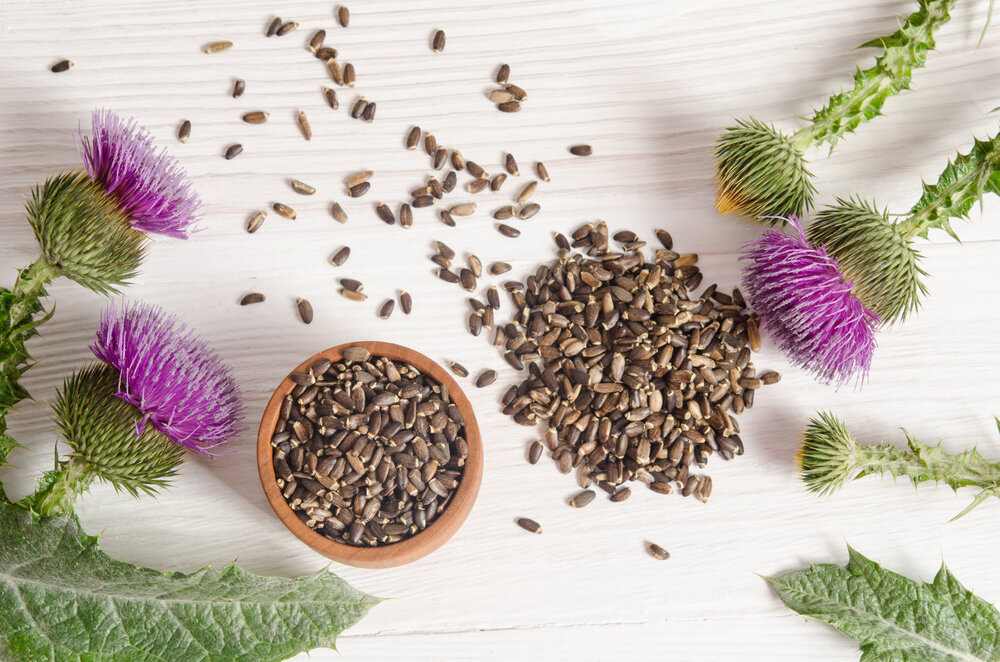
Milk thistle is a stout winter-annual or biennial thistle in the daisy family (Asteraceae), forming a rosette the first year and bolting to 3–6 ft (0.9–1.8 m) the second. Its large, glossy, spiny-margined leaves are boldly marbled with white veins — the “milk” of the name — and it bears solitary purple thistle heads guarded by sharp bracts. The seeds are the source of silymarin. It sits in the Cynareae (thistle) tribe alongside artichoke, cotton thistle and the common thistle.
Distribution
Milk thistle is native to the Mediterranean — southern Europe, North Africa and western Asia — and has spread worldwide. It is an aggressive colonizer of disturbed, sunny ground, forming tall dense stands that outcompete native vegetation and can accumulate nitrate levels toxic to livestock. It is listed as a noxious weed in California, Washington, Oregon and elsewhere, and is invasive in Australia. No conservation concern.
Growing Conditions
- Life cycle: winter-annual or biennial, hardy roughly USDA zones 5–9.
- Light: full sun.
- Water: dry-tolerant; thrives on lean, disturbed ground.
- Habit: a vigorous, spiny self-seeder — legally restricted as a noxious weed in several regions.
- Full cultivation detail lives on the companion farm-wiki grow guide for Silybum marianum (link to be added once that project’s public URL is confirmed).
Harvesting, Collection & Preparation
The active fraction, silymarin, is concentrated in the seed (fruit/achene) — it is reportedly not found in the leaves in meaningful amounts 32Reference 32ReviewSilybum marianum Monograph — practitioner monograph. Silymarin is also poorly water-soluble, so a tea or infusion is ineffective at delivering a clinical dose; the best-studied preparations are standardised extracts with 70% to 80% silymarin 32Reference 32ReviewSilybum marianum Monograph — practitioner monograph. (The sidebar lists roots and leaves among the parts used, a legacy detail — for the silymarin-based activity the seed is the relevant part.)

Phytochemistry
Absorption & Pharmacokinetics
The silymarin absorption rate varies between 20% and 50% in humans. It’s absorbed in the small intestine and peaks in the blood 2 hours after taking orally. The half-life is around 6 hours. 5-7% of what is absorbed gets excreted by the kidneys, most, however, is absorbed by the liver and is incorporated into bile. Here it then undergoes phase I and phase II metabolism 32Reference 32ReviewSilybum marianum Monograph — practitioner monograph.
The active fraction of the seed is silymarin, a complex of flavonolignans making up roughly 1.5–3% of the raw seed and concentrated to 70–80% in standardised extracts 32Reference 32ReviewSilybum marianum Monograph — practitioner monograph. Within that complex the dominant and most-studied molecule is silybin (silibinin), accompanied by silychristin, silydianin and isosilybin 30,32Reference 30ReviewLooking beyond silybin: the importance of other silymarin flavonolignans — reviewView study →Reference 32ReviewSilybum marianum Monograph — practitioner monograph.
Constituent Summary
The silymarin figure is percent of the raw seed; the individual flavonolignans are given as their share of the silymarin complex, which shifts with chemotype and extract 30Reference 30ReviewLooking beyond silybin: the importance of other silymarin flavonolignans — reviewView study →.
Flavonolignan5 compounds5 with data
Chemical Breakdown
Flavolignans 1.5-3%
- Silymarin. (Complex of at least seven flavolignans)
- Most biologically significant of this group appears to be Silybin (A, and B)
- Silydianin
- Silychristin
- Silymandin
- Isosilybin A and B
Flavonoids
- Quercetin
- Taxifolin
- Dehydrokaempferol
Lipids 20–30%
- Linoleic acid
- Oleic acid (30%)
- Palmitic acid (6%)
Sterols
- Cholesterol
- Campesterol
- Stigmasterol
- Sitosterol
Sugars
- Arabinose
- Rhamnose
- Xylose
- Glucose
Pharmacology & Research
Milk thistle is among the most heavily studied medicinal plants, with roughly a hundred registered clinical trials and thousands of preclinical papers, almost all of them on silymarin — the flavonolignan complex concentrated in the seed — rather than the whole herb. Despite that volume, the human evidence is uneven: the strongest and most consistent signal is in non-alcoholic fatty liver disease (NAFLD), where several randomised trials and meta-analyses show modest reductions in liver enzymes, alongside a growing glycaemic-control signal in type 2 diabetes 1,8Reference 1Meta-analysisThe therapeutic effect of silymarin in the treatment of nonalcoholic fatty disease: a meta-analysis (PRISMA) of randomized control trials — meta-analysisView study →Reference 8Meta-analysisSilymarin in type 2 diabetes mellitus: a systematic review and meta-analysis of randomized controlled trials — systematic review and meta-analysisView study →. Against that sit prominent null results — most notably a well-powered NIH trial in hepatitis C that found no benefit at higher-than-usual doses 25Reference 25RCTEffect of silymarin (milk thistle) on liver disease in patients with chronic hepatitis C unsuccessfully treated with interferon therapy: a randomized controlled trial — multicentre randomised controlled trialView study → — and a persistent gap between rich mechanistic data (antioxidant, anti-fibrotic, NF-κB modulation) and confirmed clinical outcomes. A recurring theme runs through the whole literature: silymarin is poorly water-soluble and erratically absorbed, so results depend heavily on the preparation, and a standardised-extract or phospholipid-complex result does not transfer to a milk thistle tea or raw seed 30Reference 30ReviewLooking beyond silybin: the importance of other silymarin flavonolignans — reviewView study →. On safety, silymarin’s main interaction concern is pharmacokinetic — it inhibits several drug-metabolising enzymes and transporters (CYP3A4, CYP2C9, UGTs, P-glycoprotein) in laboratory and human studies, with a measurable effect on oral nifedipine handling 26,27Reference 26ReviewDrug-drug interactions of silymarin on the perspective of pharmacokinetics — review (pharmacokinetics)View study →Reference 27RCTThe effect of silymarin on oral nifedipine pharmacokinetics — randomised crossover pharmacokinetic trialView study →.
- Best-supported: NAFLD/NASH — modest ALT/AST and steatosis improvement across multiple RCTs and meta-analyses 1,2,4Reference 1Meta-analysisThe therapeutic effect of silymarin in the treatment of nonalcoholic fatty disease: a meta-analysis (PRISMA) of randomized control trials — meta-analysisView study →Reference 2RCTA randomized trial of silymarin for the treatment of nonalcoholic steatohepatitis — randomised placebo-controlled trial (biopsy endpoint)View study →Reference 4RCTSilybin combined with phosphatidylcholine and vitamin E in patients with nonalcoholic fatty liver disease: a randomized controlled trial — randomised controlled trialView study →; glycaemic and lipid benefit in type 2 diabetes 8,9,10Reference 8Meta-analysisSilymarin in type 2 diabetes mellitus: a systematic review and meta-analysis of randomized controlled trials — systematic review and meta-analysisView study →Reference 9RCTThe efficacy of Silybum marianum (silymarin) in the treatment of type II diabetes: a randomized, double-blind, placebo-controlled clinical trial — randomised placebo-controlled trialView study →Reference 10Meta-analysisThe effects of silymarin supplementation on metabolic status and oxidative stress in patients with type 2 diabetes mellitus: a systematic review and meta-analysis of clinical trials — systematic review and meta-analysisView study →.
- Emerging, worth watching: intravenous silibinin as an adjunct in Amanita phalloides poisoning 19,21Reference 19Clinical trialLegalon SIL: the antidote of choice in patients with acute hepatotoxicity from amatoxin poisoning — clinical review (case series)View study →Reference 21Case reportChemotherapy of Amanita phalloides poisoning with intravenous silibinin — clinical case seriesView study →; prevention of anti-tuberculosis drug-induced liver injury 15,17Reference 15RCTA double-blinded randomized controlled trial of silymarin for the prevention of antituberculosis drug-induced liver injury — randomised placebo-controlled trialView study →Reference 17Meta-analysisProphylactic therapy of silymarin (milk thistle) on antituberculosis drug-induced liver injury: a meta-analysis of randomized controlled trials — meta-analysisView study →.
- Mechanistically thin: anticancer chemoprevention (preclinical only) and the traditional “liver detoxification” framing rest largely on cell-line and animal data 22,23Reference 22ReviewMolecular mechanisms of silibinin-mediated cancer chemoprevention with major emphasis on prostate cancer — review (mechanistic)View study →Reference 23In vitroProstate cancer chemoprevention by silibinin: bench to bedside — review; animal model / in vitroView study →.
- The caveat: near-total reliance on standardised silymarin extracts — poor oral bioavailability means teas and raw seed are unlikely to reproduce trial results, and no universal standardised dose is agreed 30Reference 30ReviewLooking beyond silybin: the importance of other silymarin flavonolignans — reviewView study →.
1. Fatty liver disease (NAFLD/NASH)
This is the strongest human signal for milk thistle. A 2017 meta-analysis of randomised trials found that silymarin significantly reduced aspartate transaminase (AST) and alanine transaminase (ALT) versus control in NAFLD patients, though effect sizes were modest and trials were heterogeneous 1Reference 1Meta-analysisThe therapeutic effect of silymarin in the treatment of nonalcoholic fatty disease: a meta-analysis (PRISMA) of randomized control trials — meta-analysisView study →. Supportive RCTs include a realistic-preparation study of silybin combined with phosphatidylcholine and vitamin E (the “Realsil” complex), which improved liver enzymes, insulin resistance and biopsy-scored fibrosis over 12 months 4Reference 4RCTSilybin combined with phosphatidylcholine and vitamin E in patients with nonalcoholic fatty liver disease: a randomized controlled trial — randomised controlled trialView study →, and smaller silymarin-plus-vitamin-E pilots showing enzyme and steatosis improvement 5Reference 5RCTEffect of silymarin plus vitamin E in patients with non-alcoholic fatty liver disease: a randomized clinical pilot study — randomised controlled trialView study →. The picture is more cautious when biopsy is the endpoint: a well-conducted RCT in biopsy-proven NASH found silymarin did not significantly reduce the histological activity score at the primary endpoint, though a per-protocol fibrosis benefit was suggested 2Reference 2RCTA randomized trial of silymarin for the treatment of nonalcoholic steatohepatitis — randomised placebo-controlled trial (biopsy endpoint)View study →, and a phase II multicentre trial in non-cirrhotic NASH likewise missed its histological primary endpoint even at 420–700 mg/day 3Reference 3RCTSilymarin in non-cirrhotics with non-alcoholic steatohepatitis: a randomized, double-blind, placebo controlled trial — randomised controlled trialView study →. Recent network and umbrella meta-analyses continue to rank silymarin among the better-supported nutraceuticals for NAFLD enzyme markers while noting the same heterogeneity and preparation variance 6,7Reference 6Meta-analysisEfficacy and safety of dietary polyphenol supplementation in the treatment of non-alcoholic fatty liver disease: a systematic review and meta-analysis — systematic review and meta-analysisView study →Reference 7Meta-analysisEffects of different natural products in patients with non-alcoholic fatty liver disease — a network meta-analysis of randomized controlled trials — network meta-analysisView study →.
Gap: Enzyme (ALT/AST) improvements are consistent but modest; the two best biopsy-endpoint trials were negative for histology, so a durable effect on steatohepatitis or fibrosis is not established.
2. Type 2 diabetes & glycaemic control
Milk thistle has a real, if small, glycaemic signal. A 2016 systematic review and meta-analysis of five RCTs concluded that silymarin significantly lowered fasting blood glucose and HbA1c in type 2 diabetes 8Reference 8Meta-analysisSilymarin in type 2 diabetes mellitus: a systematic review and meta-analysis of randomized controlled trials — systematic review and meta-analysisView study →. The most-cited single trial is a 2006 four-month double-blind RCT (n=51) in which silymarin 200 mg three times daily added to standard therapy reduced HbA1c, fasting glucose and lipid profile versus placebo 9Reference 9RCTThe efficacy of Silybum marianum (silymarin) in the treatment of type II diabetes: a randomized, double-blind, placebo-controlled clinical trial — randomised placebo-controlled trialView study →. Later meta-analyses extend the finding to broader metabolic markers — improvements in fasting glucose, HbA1c, insulin resistance and some lipid and oxidative-stress measures — while flagging that most trials are small, short and concentrated in a few research groups 10,11Reference 10Meta-analysisThe effects of silymarin supplementation on metabolic status and oxidative stress in patients with type 2 diabetes mellitus: a systematic review and meta-analysis of clinical trials — systematic review and meta-analysisView study →Reference 11Meta-analysisThe effects of silymarin on the features of cardiometabolic syndrome in adults: a systematic review and meta-analysis — systematic review and meta-analysisView study →. A 2024 RCT reported improvements in both glycaemic control and lipid profile, consistent with the earlier work 12Reference 12RCTEffect of silymarin on lipid profile and glycemic control in patients with type 2 diabetes mellitus — randomised controlled trialView study →.
Gap: The trial base is dominated by small studies, several from overlapping groups, with no large multicentre confirmation; durability and hard endpoints (not just glucose markers) remain untested.
3. Antioxidant
Antioxidant activity is silymarin’s best-characterised mechanism and underpins most of its proposed liver benefits. Preclinical work consistently shows that silymarin and silybin scavenge free radicals, raise intracellular glutathione, reduce lipid peroxidation and increase catalase activity, protecting hepatocytes from oxidative insult 13,14Reference 13ReviewRole of silymarin as antioxidant in clinical management of chronic liver diseases: a narrative review — reviewView study →Reference 14In vitroHepatoprotective mechanism of silymarin: no evidence for involvement of cytochrome P450 2E1 — in vitro / animal mechanistic studyView study →. Classic mechanistic studies established that this protection does not depend on inhibiting cytochrome P450 2E1, pointing instead to direct radical scavenging and membrane stabilisation 14Reference 14In vitroHepatoprotective mechanism of silymarin: no evidence for involvement of cytochrome P450 2E1 — in vitro / animal mechanistic studyView study →. In humans the antioxidant effect is inferred indirectly — through the improved liver-enzyme and oxidative-stress markers seen in the NAFLD and diabetes trials above — rather than measured as a standalone clinical outcome 10,13Reference 10Meta-analysisThe effects of silymarin supplementation on metabolic status and oxidative stress in patients with type 2 diabetes mellitus: a systematic review and meta-analysis of clinical trials — systematic review and meta-analysisView study →Reference 13ReviewRole of silymarin as antioxidant in clinical management of chronic liver diseases: a narrative review — reviewView study →.
Gap: The antioxidant mechanism is well mapped in vitro and in animals, but human evidence is a downstream inference from biomarker changes, not a directly measured clinical endpoint.
4. Drug-induced & toxic liver injury
Beyond mushrooms, silymarin has been tested as a prophylactic liver protectant during hepatotoxic drug therapy. The best evidence is in anti-tuberculosis treatment: a 2015 double-blind placebo-controlled RCT found that silymarin reduced the incidence of anti-TB drug-induced liver injury in the early weeks of therapy 15Reference 15RCTA double-blinded randomized controlled trial of silymarin for the prevention of antituberculosis drug-induced liver injury — randomised placebo-controlled trialView study →, and a separate RCT of a hepatoprotectant during anti-TB treatment reported similar protection 16Reference 16RCTPreventive use of a hepatoprotectant against anti-tuberculosis drug-induced liver injury: a randomized controlled trial — randomised controlled trialView study →. A 2019 meta-analysis of these trials concluded that prophylactic silymarin lowered the rate of anti-TB drug-induced liver injury, while cautioning about trial quality and heterogeneity 17Reference 17Meta-analysisProphylactic therapy of silymarin (milk thistle) on antituberculosis drug-induced liver injury: a meta-analysis of randomized controlled trials — meta-analysisView study →. Evidence in chemotherapy-associated hepatotoxicity is thinner and mixed: a 2025 triple-blind paediatric leukaemia RCT compared silymarin against a herbal infusion for reducing chemotherapy-induced liver enzyme rises, with modest and comparator-dependent results 18Reference 18RCTEfficacy of a traditional Persian fruit infusion versus silymarin in reducing chemotherapy-induced hepatotoxicity in pediatric ALL: a triple-blind randomized clinical trial — randomised controlled trialView study →.
Gap: The anti-TB signal is promising but rests on a handful of modest-sized trials; chemotherapy and other drug-injury settings lack consistent confirmation.
5. Amanita phalloides antidote
Milk thistle’s most dramatic use is as a rescue therapy in death-cap (Amanita phalloides) poisoning — but via intravenous silibinin (Legalon SIL / silibinin dihydrogen disuccinate), not the oral herb. Silibinin competitively blocks the hepatic transport (OATP) systems that carry amatoxins into hepatocytes and interrupts enterohepatic recirculation of the toxin 19Reference 19Clinical trialLegalon SIL: the antidote of choice in patients with acute hepatotoxicity from amatoxin poisoning — clinical review (case series)View study →. The clinical evidence is entirely observational — large case series and registries rather than randomised trials, which would be unethical in a lethal poisoning — but consistently associates early IV silibinin with lower mortality 19,21Reference 19Clinical trialLegalon SIL: the antidote of choice in patients with acute hepatotoxicity from amatoxin poisoning — clinical review (case series)View study →Reference 21Case reportChemotherapy of Amanita phalloides poisoning with intravenous silibinin — clinical case seriesView study →. A 2022 review of 40 years of reported amatoxin cases found IV silibinin among the therapies associated with better outcomes, while noting that the uncontrolled data cannot prove causation 20Reference 20Systematic reviewAmanitin intoxication: effects of therapies on clinical outcomes — a review of 40 years of reported cases — systematic review of reported casesView study →.
Gap: No randomised evidence exists or is feasible; benefit is inferred from uncontrolled case series, and this applies to pharmaceutical IV silibinin, not oral milk thistle preparations.
6. Anti-inflammatory & antifibrotic
Silymarin’s protective liver actions are mechanistically tied to inflammation and fibrosis pathways. In cultured human hepatic stellate cells, silybin exerts anti-inflammatory and anti-fibrogenic effects, suppressing stellate-cell activation that drives scarring 13Reference 13ReviewRole of silymarin as antioxidant in clinical management of chronic liver diseases: a narrative review — reviewView study →. Across cell and animal models silymarin inhibits NF-κB signalling and reduces TNF-α and nitric-oxide production, the same axis that links oxidative stress to hepatic inflammation 13,14Reference 13ReviewRole of silymarin as antioxidant in clinical management of chronic liver diseases: a narrative review — reviewView study →Reference 14In vitroHepatoprotective mechanism of silymarin: no evidence for involvement of cytochrome P450 2E1 — in vitro / animal mechanistic studyView study →. In animals, silymarin retards collagen accumulation in experimental biliary fibrosis, supporting a genuine antifibrotic action at the tissue level 23Reference 23In vitroProstate cancer chemoprevention by silibinin: bench to bedside — review; animal model / in vitroView study →. In humans these effects are visible only indirectly, through the enzyme and (weakly) histological changes in the NAFLD trials 2,4Reference 2RCTA randomized trial of silymarin for the treatment of nonalcoholic steatohepatitis — randomised placebo-controlled trial (biopsy endpoint)View study →Reference 4RCTSilybin combined with phosphatidylcholine and vitamin E in patients with nonalcoholic fatty liver disease: a randomized controlled trial — randomised controlled trialView study →.
Gap: Anti-inflammatory and antifibrotic actions are well demonstrated preclinically but have not translated into a clear, biopsy-confirmed antifibrotic benefit in controlled human trials.
7. Galactagogue (lactation)
The traditional use of milk thistle to promote breast-milk flow — long associated with its common name — has limited but real trial support. A small RCT in mothers of preterm newborns found that a silymarin preparation increased daily milk production versus placebo 28Reference 28RCTEvaluation of the galactogogue effect of silymarin on mothers of preterm newborns (<32 weeks) — randomised controlled trialView study →, and further randomised trials of a silymarin-phosphatidylserine-galega combination reported increased and more sustained milk volume in mothers of preterm infants 29Reference 29RCTThe long-term efficacy of a galactagogue containing silymarin-phosphatidylserine and galega on milk production of mothers of preterm infants — randomised controlled trialView study →. Because several of these studies use multi-ingredient galactagogue products, the specific contribution of milk thistle is hard to isolate.
Gap: The trials are few, small, and often test combination products, so the isolated galactagogue effect of milk thistle and its optimal dose remain uncertain.
9. Anticancer chemoprevention
Silibinin has an extensive preclinical anticancer literature, best developed in prostate cancer, where it modulates growth-factor signalling, cell-cycle arrest and angiogenesis in cultured cells and animal models 22,23Reference 22ReviewMolecular mechanisms of silibinin-mediated cancer chemoprevention with major emphasis on prostate cancer — review (mechanistic)View study →Reference 23In vitroProstate cancer chemoprevention by silibinin: bench to bedside — review; animal model / in vitroView study →. Reviews describe plausible chemopreventive mechanisms across several tumour types, and early-phase pharmacokinetic work has explored high-dose silibinin in prostate cancer patients 23Reference 23In vitroProstate cancer chemoprevention by silibinin: bench to bedside — review; animal model / in vitroView study →. However, this remains almost entirely bench and animal science: there are no controlled trials demonstrating that milk thistle or silibinin prevents or treats any human cancer.
Gap: Despite rich mechanistic data, human efficacy evidence is essentially absent; any anticancer use is investigational, not established.
Mechanisms
| Mechanism | Drives | Key compounds |
|---|---|---|
| Free-radical scavenging, glutathione ↑, lipid peroxidation ↓ | antioxidanthepatoprotective | silybin, silychristin |
| NF-κB ↓, TNF-α ↓, nitric oxide ↓ | anti-inflammatoryantifibrotic | silybin, isosilybin |
| Hepatic stellate-cell inhibition, collagen ↓ | antifibrotic | silybin |
| OATP transporter blockade (amatoxin/phalloidin uptake) | Amanita antidote | silybin (IV silibinin) |
| Insulin sensitisation, lipid & glucose modulation | glycaemic controlNAFLD | silymarin complex, silydianin |
| Membrane stabilisation, RNA-polymerase-I stimulation (hepatocyte regeneration) | hepatoprotective | silymarin complex |
Clinical trials
Milk thistle is unusually well-registered for a herb — roughly 100 silymarin trials appear on ClinicalTrials.gov, mostly in liver and metabolic disease — but the landmark NIH hepatitis-C RCT was a clear null, and the pivotal NASH biopsy trials missed their histological endpoints, so registration volume outpaces confirmed efficacy.
| Completed | Planned | Terminated | Preclinical |
|---|---|---|---|
| ~55 | ~15 | 4 | thousands |
Last checked: July 2026.
Clinical Applications
Milk thistle has undergone a lot of research for its actions on the liver. Its human evidence is strongest — though still modest — for fatty liver disease and for glycaemic markers in type 2 diabetes, where meta-analyses show improvements in liver enzymes and blood glucose 1,8Reference 1Meta-analysisThe therapeutic effect of silymarin in the treatment of nonalcoholic fatty disease: a meta-analysis (PRISMA) of randomized control trials — meta-analysisView study →Reference 8Meta-analysisSilymarin in type 2 diabetes mellitus: a systematic review and meta-analysis of randomized controlled trials — systematic review and meta-analysisView study →. It is well tolerated and is used as a supportive liver protectant, including as prophylaxis against anti-tuberculosis drug-induced liver injury 15,17Reference 15RCTA double-blinded randomized controlled trial of silymarin for the prevention of antituberculosis drug-induced liver injury — randomised placebo-controlled trialView study →Reference 17Meta-analysisProphylactic therapy of silymarin (milk thistle) on antituberculosis drug-induced liver injury: a meta-analysis of randomized controlled trials — meta-analysisView study →.
The reputation should be read with the null results in view: a rigorous NIH-funded RCT found no benefit in chronic hepatitis C even at high doses 25Reference 25RCTEffect of silymarin (milk thistle) on liver disease in patients with chronic hepatitis C unsuccessfully treated with interferon therapy: a randomized controlled trial — multicentre randomised controlled trialView study →, and the Cochrane review found no clear mortality or histology benefit in alcoholic/viral liver disease 24Reference 24Meta-analysisMilk thistle for alcoholic and/or hepatitis B or C virus liver diseases — Cochrane systematic review and meta-analysisView study →. Milk thistle’s mechanistic profile — antioxidant, anti-inflammatory, anti-fibrotic and membrane-stabilising — is well characterised, but on current evidence it is best positioned as a metabolic/fatty-liver support rather than a treatment for established viral hepatitis or cirrhosis.
Milk thistle’s bitter properties may still support conditions involving poor bile release or production, resulting in symptoms like indigestion, anorexia, and flatulence or bloating, and it remains a traditional herb for improving the flow of milk in new mothers — a use with small but genuine RCT support in preterm-infant mothers 28,29Reference 28RCTEvaluation of the galactogogue effect of silymarin on mothers of preterm newborns (<32 weeks) — randomised controlled trialView study →Reference 29RCTThe long-term efficacy of a galactagogue containing silymarin-phosphatidylserine and galega on milk production of mothers of preterm infants — randomised controlled trialView study →.
Safety & Pregnancy
Milk thistle is very well tolerated; its practical cautions are Asteraceae allergy and a pharmacokinetic interaction with drugs that have a narrow therapeutic window.
- Narrow-window drugs. Silymarin inhibits CYP2C9, CYP3A4, UGTs and P-glycoprotein — caution with warfarin, cyclosporine/tacrolimus and chemotherapeutics.
- Asteraceae allergy. People allergic to ragweed, chrysanthemums, marigolds or daisies can react; rare anaphylaxis reported.
- Very well tolerated. Adverse effects across trials are mild and gastrointestinal, at rates close to placebo.
Full safety & interactions detail
Milk thistle is very well tolerated: across the clinical trials the most common adverse effects are mild and gastrointestinal (loose stools, nausea, bloating), occurring at rates close to placebo 8,24Reference 8Meta-analysisSilymarin in type 2 diabetes mellitus: a systematic review and meta-analysis of randomized controlled trials — systematic review and meta-analysisView study →Reference 24Meta-analysisMilk thistle for alcoholic and/or hepatitis B or C virus liver diseases — Cochrane systematic review and meta-analysisView study →. Because milk thistle is an Asteraceae (daisy family) plant, people allergic to ragweed, chrysanthemums, marigolds or daisies can react to it, and rare anaphylaxis has been reported. The most clinically relevant concern is pharmacokinetic: silymarin can inhibit several drug-metabolising and transport pathways in laboratory and human pharmacokinetic studies (CYP2C9, CYP3A4, UGT enzymes and P-glycoprotein), so it may raise or lower levels of drugs cleared by these routes — a documented example is a change in oral nifedipine handling in a controlled human study 26,27Reference 26ReviewDrug-drug interactions of silymarin on the perspective of pharmacokinetics — review (pharmacokinetics)View study →Reference 27RCTThe effect of silymarin on oral nifedipine pharmacokinetics — randomised crossover pharmacokinetic trialView study →. This inhibition would generally tend to raise levels of drugs metabolised by those enzymes and reduce the activation of prodrugs — the opposite of an enzyme-inducing effect. Effects on most conventional medications appear modest in practice, but caution is warranted with drugs that have a narrow therapeutic window (e.g. warfarin, some immunosuppressants such as cyclosporine and tacrolimus, and chemotherapeutics) 26Reference 26ReviewDrug-drug interactions of silymarin on the perspective of pharmacokinetics — review (pharmacokinetics)View study →.
Not established for pregnancy; used deliberately in lactation. Milk thistle has not been formally assessed for safety in pregnancy, and human pregnancy data are lacking — it should be treated as “not established” rather than assumed safe. In lactation the position is different: silymarin preparations have been studied as galactagogues in mothers of preterm infants, with small randomised trials reporting increased milk volume and no serious adverse effects in mother or infant over the study periods 28,29Reference 28RCTEvaluation of the galactogogue effect of silymarin on mothers of preterm newborns (<32 weeks) — randomised controlled trialView study →Reference 29RCTThe long-term efficacy of a galactagogue containing silymarin-phosphatidylserine and galega on milk production of mothers of preterm infants — randomised controlled trialView study →. Even so, these were short trials of specific standardised products, so routine use should involve a clinician.
Dosage
In research, milk thistle is almost always given as a standardised extract titrated to a set silymarin dose (typically 70–80% silymarin), because the seed and any tea deliver silymarin too poorly and erratically to reproduce trial results. The doses below are the amounts trials actually used, cited to the research section.
| Indication | Preparation | Dose | Est. dried-herb equivalent | Source |
|---|---|---|---|---|
| NAFLD/NASH | Standardised silymarin extract | 140 mg 2–3×/day (~280–700 mg/day) | ~14–35 g seed | 1,3Reference 1Meta-analysisThe therapeutic effect of silymarin in the treatment of nonalcoholic fatty disease: a meta-analysis (PRISMA) of randomized control trials — meta-analysisView study →Reference 3RCTSilymarin in non-cirrhotics with non-alcoholic steatohepatitis: a randomized, double-blind, placebo controlled trial — randomised controlled trialView study → |
| NAFLD (phospholipid complex) | Silybin-phosphatidylcholine + vitamin E (Realsil) | ~94 mg silybin 2×/day | — (enhanced-absorption complex) | 4Reference 4RCTSilybin combined with phosphatidylcholine and vitamin E in patients with nonalcoholic fatty liver disease: a randomized controlled trial — randomised controlled trialView study → |
| Type 2 diabetes | Standardised silymarin extract | 200 mg 3×/day (600 mg/day) | ~30 g seed | 9Reference 9RCTThe efficacy of Silybum marianum (silymarin) in the treatment of type II diabetes: a randomized, double-blind, placebo-controlled clinical trial — randomised placebo-controlled trialView study → |
| Anti-TB liver protection | Standardised silymarin extract | 140 mg 3×/day (420 mg/day) | ~21 g seed | 15Reference 15RCTA double-blinded randomized controlled trial of silymarin for the prevention of antituberculosis drug-induced liver injury — randomised placebo-controlled trialView study → |
| Chronic hepatitis C (null result) | Standardised silymarin extract | 420–700 mg 3×/day (up to 2100 mg/day) | ~63–105 g seed (impractically high) | 25Reference 25RCTEffect of silymarin (milk thistle) on liver disease in patients with chronic hepatitis C unsuccessfully treated with interferon therapy: a randomized controlled trial — multicentre randomised controlled trialView study → |
| Lactation | Silymarin (± phosphatidylserine/galega) | ~420 mg/day silymarin | ~21 g seed (combination products confound) | 28,29Reference 28RCTEvaluation of the galactogogue effect of silymarin on mothers of preterm newborns (<32 weeks) — randomised controlled trialView study →Reference 29RCTThe long-term efficacy of a galactagogue containing silymarin-phosphatidylserine and galega on milk production of mothers of preterm infants — randomised controlled trialView study → |
| Amanita poisoning | Intravenous silibinin (Legalon SIL) | 5 mg/kg loading then 20 mg/kg/day IV | N/A — pharmaceutical IV, not oral herb | 19Reference 19Clinical trialLegalon SIL: the antidote of choice in patients with acute hepatotoxicity from amatoxin poisoning — clinical review (case series)View study → |
Est. dried-herb equivalent assumes dried seed ≈ 2% silymarin (mid-point of the 1.5–3% range). It is an order-of-magnitude guide only, not a conversion factor or a recommendation; because raw seed and tea deliver silymarin poorly, these whole-herb equivalents are theoretical and generally impractical. Enhanced-absorption complexes and IV silibinin cannot be back-converted and are marked ”—“/N/A.
Traditional Dosage
Western herbal practice uses the whole ground seed or a tincture, though these deliver less silymarin than a standardised extract.
| System | Preparation | Dose |
|---|---|---|
| Western herbal | Dried seed (ground), infusion/decoction | 12–15 g/day of seed |
| Western herbal | Tincture 1:5 (45% ethanol) | 4–9 mL/day |
| Western herbal | Standardised extract (70–80% silymarin) | 200–400 mg silymarin/day |
Synergy With Other Herbs & Nutrients
- Phospholipid (lecithin/phosphatidylcholine) complexation improves the absorption of silymarin — the basis of the silybin-phosphatidylcholine preparations used in NAFLD trials 4Reference 4RCTSilybin combined with phosphatidylcholine and vitamin E in patients with nonalcoholic fatty liver disease: a randomized controlled trial — randomised controlled trialView study →
- Fennel, caraway — traditional pairing for inadequate milk production
- Globe artichoke — traditional pairing for liver support and hypercholesterolaemia
References
- Zhong S, Fan Y, Yan Q, et al. (2017). The therapeutic effect of silymarin in the treatment of nonalcoholic fatty disease: a meta-analysis (PRISMA) of randomized control trials — meta-analysis. Medicine (Baltimore). https://pubmed.ncbi.nlm.nih.gov/29245314/
- Wah Kheong C, Nik Mustapha NR, Mahadeva S. (2017). A randomized trial of silymarin for the treatment of nonalcoholic steatohepatitis — randomised placebo-controlled trial (biopsy endpoint). Clin Gastroenterol Hepatol. https://pubmed.ncbi.nlm.nih.gov/28419855/
- Navarro VJ, Belle SH, D’Amato M, et al. (2019). Silymarin in non-cirrhotics with non-alcoholic steatohepatitis: a randomized, double-blind, placebo controlled trial — randomised controlled trial. PLoS One. https://pubmed.ncbi.nlm.nih.gov/31536511/
- Loguercio C, Andreone P, Brisc C, et al. (2012). Silybin combined with phosphatidylcholine and vitamin E in patients with nonalcoholic fatty liver disease: a randomized controlled trial — randomised controlled trial. Free Radic Biol Med. https://pubmed.ncbi.nlm.nih.gov/22343419/
- Aller R, Izaola O, Gómez S, et al. (2015). Effect of silymarin plus vitamin E in patients with non-alcoholic fatty liver disease: a randomized clinical pilot study — randomised controlled trial. Eur Rev Med Pharmacol Sci. https://pubmed.ncbi.nlm.nih.gov/26367736/
- Yang K, Chen J, Zhang T, et al. (2022). Efficacy and safety of dietary polyphenol supplementation in the treatment of non-alcoholic fatty liver disease: a systematic review and meta-analysis — systematic review and meta-analysis. Front Immunol. https://pubmed.ncbi.nlm.nih.gov/36159792/
- Liu H, Wang L, Chen C, et al. (2024). Effects of different natural products in patients with non-alcoholic fatty liver disease — a network meta-analysis of randomized controlled trials — network meta-analysis. Phytother Res. https://pubmed.ncbi.nlm.nih.gov/38886838/
- Voroneanu L, Nistor I, Dumea R, et al. (2016). Silymarin in type 2 diabetes mellitus: a systematic review and meta-analysis of randomized controlled trials — systematic review and meta-analysis. J Diabetes Res. https://pubmed.ncbi.nlm.nih.gov/27340676/
- Huseini HF, Larijani B, Heshmat R, et al. (2006). The efficacy of Silybum marianum (silymarin) in the treatment of type II diabetes: a randomized, double-blind, placebo-controlled clinical trial — randomised placebo-controlled trial. Phytother Res. https://pubmed.ncbi.nlm.nih.gov/17072885/
- Hadi A, Pourmasoumi M, Mohammadi H, et al. (2018). The effects of silymarin supplementation on metabolic status and oxidative stress in patients with type 2 diabetes mellitus: a systematic review and meta-analysis of clinical trials — systematic review and meta-analysis. Complement Ther Med. https://pubmed.ncbi.nlm.nih.gov/30477860/
- Soleymani S, Ayati MH, Mansourzadeh MJ, et al. (2022). The effects of silymarin on the features of cardiometabolic syndrome in adults: a systematic review and meta-analysis — systematic review and meta-analysis. Phytother Res. https://pubmed.ncbi.nlm.nih.gov/35016260/
- Ferdowsi S, Abbasi M, Aghajani M, et al. (2024). Effect of silymarin on lipid profile and glycemic control in patients with type 2 diabetes mellitus — randomised controlled trial. Phytother Res. https://pubmed.ncbi.nlm.nih.gov/39101762/
- Aghemo A, Alekseeva OP, Angelico F, et al. (2022). Role of silymarin as antioxidant in clinical management of chronic liver diseases: a narrative review — review. Ann Med. https://pubmed.ncbi.nlm.nih.gov/35635048/
- Miguez MP, Anundi I, Sainz-Pardo LA, Lindros KO. (1994). Hepatoprotective mechanism of silymarin: no evidence for involvement of cytochrome P450 2E1 — in vitro / animal mechanistic study. Chem Biol Interact. https://pubmed.ncbi.nlm.nih.gov/8194125/
- Luangchosiri C, Thakkinstian A, Chitphuk S, et al. (2015). A double-blinded randomized controlled trial of silymarin for the prevention of antituberculosis drug-induced liver injury — randomised placebo-controlled trial. BMC Complement Altern Med. https://pubmed.ncbi.nlm.nih.gov/26400476/
- Zhang S, Pan H, Peng X, et al. (2016). Preventive use of a hepatoprotectant against anti-tuberculosis drug-induced liver injury: a randomized controlled trial — randomised controlled trial. J Gastroenterol Hepatol. https://pubmed.ncbi.nlm.nih.gov/26243373/
- Tao L, Qu X, Zhang Y, et al. (2019). Prophylactic therapy of silymarin (milk thistle) on antituberculosis drug-induced liver injury: a meta-analysis of randomized controlled trials — meta-analysis. Can J Gastroenterol Hepatol. https://pubmed.ncbi.nlm.nih.gov/30733935/
- Ettehadi F, Ghasemi A, Hosseini M, et al. (2025). Efficacy of a traditional Persian fruit infusion versus silymarin in reducing chemotherapy-induced hepatotoxicity in pediatric ALL: a triple-blind randomized clinical trial — randomised controlled trial. Explore (NY). https://pubmed.ncbi.nlm.nih.gov/41072084/
- Mengs U, Pohl RT, Mitchell T. (2012). Legalon SIL: the antidote of choice in patients with acute hepatotoxicity from amatoxin poisoning — clinical review (case series). Curr Pharm Biotechnol. https://pubmed.ncbi.nlm.nih.gov/22352731/
- Tan JL, Stam J, van den Berg AP, et al. (2022). Amanitin intoxication: effects of therapies on clinical outcomes — a review of 40 years of reported cases — systematic review of reported cases. Clin Toxicol (Phila). https://pubmed.ncbi.nlm.nih.gov/36129244/
- Hruby K, Csomos G, Fuhrmann M, Thaler H. (1983). Chemotherapy of Amanita phalloides poisoning with intravenous silibinin — clinical case series. Hum Toxicol. https://pubmed.ncbi.nlm.nih.gov/6862461/
- Ting H, Deep G, Agarwal R. (2013). Molecular mechanisms of silibinin-mediated cancer chemoprevention with major emphasis on prostate cancer — review (mechanistic). AAPS J. https://pubmed.ncbi.nlm.nih.gov/23588585/
- Singh RP, Agarwal R. (2006). Prostate cancer chemoprevention by silibinin: bench to bedside — review; animal model / in vitro. Mol Carcinog. https://pubmed.ncbi.nlm.nih.gov/16637061/
- Rambaldi A, Jacobs BP, Gluud C. (2007). Milk thistle for alcoholic and/or hepatitis B or C virus liver diseases — Cochrane systematic review and meta-analysis. Cochrane Database Syst Rev. https://pubmed.ncbi.nlm.nih.gov/17943794/
- Fried MW, Navarro VJ, Afdhal N, et al. (2012). Effect of silymarin (milk thistle) on liver disease in patients with chronic hepatitis C unsuccessfully treated with interferon therapy: a randomized controlled trial — multicentre randomised controlled trial. JAMA. https://pubmed.ncbi.nlm.nih.gov/22797645/
- Wu JW, Lin LC, Tsai TH. (2009). Drug-drug interactions of silymarin on the perspective of pharmacokinetics — review (pharmacokinetics). J Ethnopharmacol. https://pubmed.ncbi.nlm.nih.gov/19041708/
- Fuhr U, Beckmann-Knopp S, Jetter A, et al. (2007). The effect of silymarin on oral nifedipine pharmacokinetics — randomised crossover pharmacokinetic trial. Planta Med. https://pubmed.ncbi.nlm.nih.gov/17968815/
- Peila C, Coscia A, Bertino E, et al. (2015). Evaluation of the galactogogue effect of silymarin on mothers of preterm newborns (<32 weeks) — randomised controlled trial. Pediatr Med Chir. https://pubmed.ncbi.nlm.nih.gov/26714778/
- Serrao F, Corsello M, Romagnoli C, et al. (2018). The long-term efficacy of a galactagogue containing silymarin-phosphatidylserine and galega on milk production of mothers of preterm infants — randomised controlled trial. Breastfeed Med. https://pubmed.ncbi.nlm.nih.gov/29148822/
- Selc M, Babelova A, et al. (2025). Looking beyond silybin: the importance of other silymarin flavonolignans — review. Front Pharmacol, 16, 1637393. https://pubmed.ncbi.nlm.nih.gov/40761399/
- Hoffmann, D. (2003). Medical herbalism: The science and practice of herbal medicine — textbook. Rochester, VT: Healing Arts Press. (Pg. 584)
- Powers J. (2014). Silybum marianum Monograph — practitioner monograph. JATMS, Vol 20(1).
- DerMarderosian A, Beutler JA. (2010). The review of natural products: the most complete source of natural product information (6th ed.) — reference text. St. Louis, MO: Wolters Kluwer Health / Facts and Comparisons.
- Bone K, Mills S. (2013). Principles and Practice of Phytotherapy — textbook. Elsevier Health. (Pg. 861–882)
- A Modern Herbal (1931). Thistle (Milk) — historical herbal (traditional-use source). Retrieved from http://botanical.com/botanical/mgmh/t/thistl11.html#mil