Materia Medica
Reishi
Ganoderma lucidum
Reishi (Ganoderma lucidum) — a revered immune-modulating mushroom used for longevity, immunity, inflammation and resilience.
What Is Reishi?
Reishi is a medicinal forest-grown fungus. It’s revered in traditional medical systems across Asia for its immune-modulating and longevity-promoting reputation.
Medicinal mushrooms are notorious for their complex effects on the immune system — often working in both directions (stimulation and inhibition), depending on what’s needed.
Reishi is no different — it’s one of the most important medicinal herbs for longevity and immune health in the world.
This saprophytic (tree-eating) fungus is often used for the prevention and treatment of immune-related illness — including cancer, autoimmunity, infection, inflammation, and allergic reaction.
Reishi is also used for anxiety, depression, insomnia, and as a general adaptogen for overall health and wellbeing.
What Is Reishi Used For?
Reishi has the unique ability to act bidirectionally on the immune system — which means it can increase immune activity and decrease immune activity. It appears it will push the immune system in whatever direction it needs to go. In patients with low immunity or cancer, reishi up-regulates the immune response.
However, in patients with hyperactive immune activity — such as autoimmune disease or allergic reaction — reishi has an opposite effect, toning down the immune response.
This is an effect not well understood to this day, but gives the mushroom an incredibly versatile set of benefits.
Traditionally, reishi is considered a shen tonic — which is used to calm the nerves, ease anxiety, and promote healthy sleep (without being directly sedative).
Most people use reishi as a general health and immune tonic. It’s used by people with known immune-related illness — such as frequent infection, autoimmunity, chronic inflammation, cancer, and more.
Others use the herb as a prophylactic against common infections like colds and flus, or to keep chronic viral infection at bay (such as herpes or shingles).
Traditional Uses
Traditional Chinese Medicine
In Traditional Chinese Medicine this fungus has been used for altitude sickness and is often combined with chrysanthemum, rhodiola, and safflower seed.
Taste
Sweet 31Reference 31A Materia Medica for Chinese Medicine: Plants, Minerals, and Animal Products. (Pg
Energy
Neutral 31Reference 31A Materia Medica for Chinese Medicine: Plants, Minerals, and Animal Products. (Pg
Channels
Heart, liver, lung 31Reference 31A Materia Medica for Chinese Medicine: Plants, Minerals, and Animal Products. (Pg
Actions
Tonifies the heart, calms and anchors the Shen, stops cough, stops wheezing, dislodges phlegm, tonifies the spleen, tonifies the Qi, tonifies blood 31Reference 31A Materia Medica for Chinese Medicine: Plants, Minerals, and Animal Products. (Pg
Safety
Suitable during pregnancy 31Reference 31A Materia Medica for Chinese Medicine: Plants, Minerals, and Animal Products. (Pg.
Dose
3-15 g decocted 20 mins 31Reference 31A Materia Medica for Chinese Medicine: Plants, Minerals, and Animal Products. (Pg
Considered to be warming, astringent, nourishing, detoxifying, and tonifying. Protects qi of the heart, used to repair a knotted, tight chest. Traditionally in this system, it was recommended to take this herb over long periods to reap the benefits of longevity.
The spores are suggested to contain high amounts of jing and considered an elixir of life 30Reference 30The fungal pharmacy: The complete guide to medicinal mushrooms and lichens of North America [Adobe Digital Editions version].
Other uses include Hashimoto’s disease, in foot baths for gout, altitude sickness prevention, and immune regulation. 30Reference 30The fungal pharmacy: The complete guide to medicinal mushrooms and lichens of North America [Adobe Digital Editions version].
Ayurveda
A related species — Ganoderma applanatum — has been used extensively in Ayurvedic systems in the pine region of India. Its uses include stopping excessive salivation in the mouth, as a styptic.
Other Historical Uses
Reishi has been used medicinally in Asian countries for at least 4000 years and is the most widely depicted mushroom in Japan, Korea, and China, which can be found on temples, tapestries, statues, and paintings.
Reishi’s rarity and subsequent value made it most accessible to the privileged like emperors and royalty. It has long been associated with longevity and was included in many ancient medical texts for this purpose.
Used to treat liver ailments, lung conditions, kidney disease, nerve pain, hypertension, gastric ulcers, and insomnia. The antler growth pattern is considered very rare and is the most desired for promoting sexual function in both men and women.
Other uses include its use as a means to ward off evil by hanging dried specimens over the door. Similarly, it has been placed on the graves of shamans to protect from evil souls or spirits.
Reishi has been used in nearly every format imaginable including tinctures, teas/decoctions, powdered preparations, brewed into beers and wines, and eaten raw.
Mycology
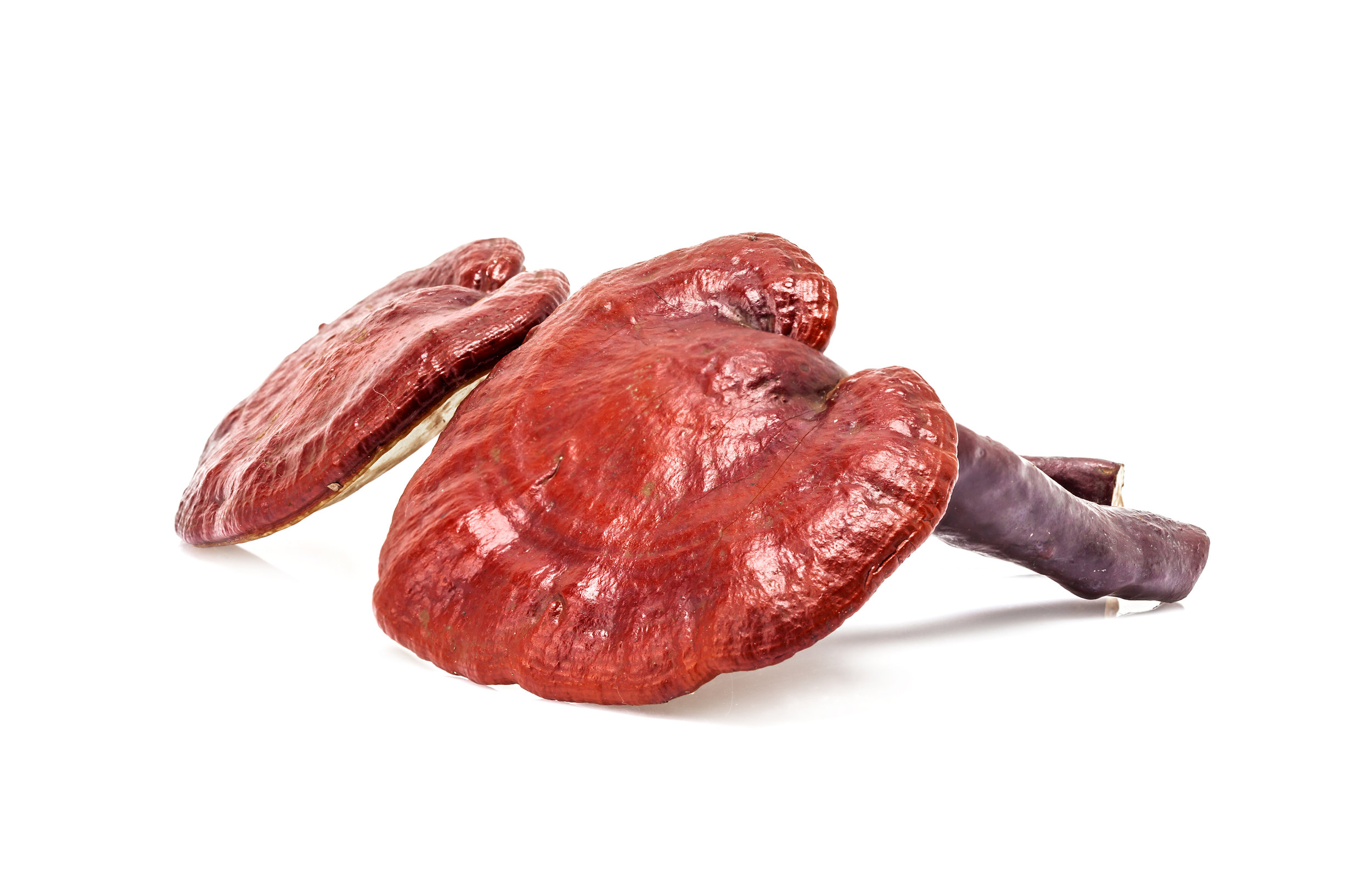
Reishi is a woody shelf fungus, and a strikingly beautiful one: its kidney- or fan-shaped bracket wears a hard, glossy, reddish-brown surface that looks as though it has been coated in varnish, marked with concentric bands, and it is often set on a lacquered side-stalk — a rarity among bracket fungi. Turn it over and there are no gills but a pale surface of fine pores, for reishi is a polypore. Too tough and corky to eat, the dried fruiting body is the part used, brewed or extracted as a tonic.
It lives as a wood-rotter, decaying the stumps, logs and roots of dead and dying hardwood trees. One point of identity is worth knowing: much of the “reishi” of East Asian tradition is now recognised as a separate species, Ganoderma lingzhi, distinct from the true European–American G. lucidum, though both go by the name reishi.
Distribution
Reishi and its close relatives grow on hardwood in temperate and tropical forests across Asia, Europe and North America. The true Ganoderma lucidum belongs to European and North American woodlands, while the celebrated medicinal lingzhi of China, Korea and Japan is the sister species G. lingzhi — a distinction only recently untangled, since several look-alike varnished bracket fungi were long lumped under one name.
Cultivation
- One of the world’s major cultivated medicinal mushrooms, grown on inoculated hardwood logs buried in shady, moist ground, or on supplemented sawdust bags for faster indoor yields.
- After the spawn colonises the wood (a few weeks at around 25–30 °C), fruiting is driven by warmth, very high humidity, fresh air and indirect light.
- The amount of fresh air shapes the fungus: still, high-CO₂ air produces branched “antler” forms, while good airflow gives the flat, varnished shelf.
- Log-grown conks are slower to form but thicker and more richly coloured than sawdust-grown ones.
- Full cultivation detail lives on the companion farm-wiki grow guide for Ganoderma lucidum (link to be added once that project’s public URL is confirmed).
Harvesting, Collection & Preparation
Both the mycelium, fruiting body, and spores are used medicinally. The red and purple varieties are considered the most valuable. These phenotypes are also thought to be the most potent in their effects 30Reference 30The fungal pharmacy: The complete guide to medicinal mushrooms and lichens of North America [Adobe Digital Editions version].
The spores can be either taken raw or can be cracked. This basically involves the germination, then drying of the spores and is suggested to provide stronger medicinal effects after this germination process has taken place.
Another, much more expensive way of ingesting the spores it to run it through a supercritical CO2 extractor. This method creates a product that is roughly equivalent to 20-40 of the raw spore capsules 30Reference 30The fungal pharmacy: The complete guide to medicinal mushrooms and lichens of North America [Adobe Digital Editions version].
A mushroom oil can also be extracted from the fruiting body waxes, can be used as is topically, or added to lotions and salves.
Cosmetically it’s useful as a sunscreen due to its radio-protective effects, as well as in anti-aging creams, and to remove warts 30Reference 30The fungal pharmacy: The complete guide to medicinal mushrooms and lichens of North America [Adobe Digital Editions version].
As with most hard polypores, chop the fungus into strips (better when wet or a saw may have to be used), and crumble into small pieces.
Decoct in water, then strain and freeze the leftover mush, doing this will cause the cell walls to burst and allow more constituents to be extracted during the next process. Next, after it has been frozen for 24 hours or so, de-thaw, and mix with 95% alcohol for at least 2 weeks.
In the end, strain, and combine with the decoction made earlier to a standardized amount.
Pharmacology & Research
Reishi is one of the most heavily investigated medicinal fungi, with a literature that spans thousands of in vitro and animal reports, roughly a dozen human trials, and two Cochrane systematic reviews. Despite that volume, the human evidence tier is modest: most controlled trials are small, several are open-label, and the two Cochrane reviews (cancer; cardiovascular risk factors) both concluded the data are too limited or too low in quality to be definitive 1,2Reference 1Meta-analysisGanoderma lucidum (Reishi mushroom) for cancer treatment — systematic review, meta-analysisView study →Reference 2Meta-analysisGanoderma lucidum mushroom for the treatment of cardiovascular risk factors — systematic review, meta-analysisView study →. The most interesting human signals are immunological — polysaccharide extracts raise natural-killer-cell activity in cancer patients and appear to improve quality of life and cancer-related fatigue 3,9,10Reference 3Clinical trialEffects of Ganopoly (a Ganoderma lucidum polysaccharide extract) on the immune functions in advanced-stage cancer patients — clinical trialView study →Reference 9RCTA randomised, double-blind and placebo-controlled study of a Ganoderma lucidum polysaccharide extract in neurasthenia — randomised controlled trialView study →Reference 10Clinical trialSpore powder of Ganoderma lucidum improves cancer-related fatigue in breast cancer patients undergoing endocrine therapy: a pilot clinical trialView study → — while the cardiovascular and glycaemic claims that dominate marketing have largely failed in placebo-controlled testing 2,7Reference 2Meta-analysisGanoderma lucidum mushroom for the treatment of cardiovascular risk factors — systematic review, meta-analysisView study →Reference 7RCTA double-blind, randomised, placebo-controlled trial of Ganoderma lucidum for the treatment of cardiovascular risk factors of metabolic syndrome — randomised controlled trialView study →. A recurring caveat runs through the whole file: activity swings widely with the preparation (fruiting body vs. mycelium vs. spores), the extract chemistry (triterpene-rich ethanol extracts vs. water-soluble polysaccharides), and the strain, so a result in one form rarely transfers cleanly to another.
- Best-supported: immune modulation (raised NK activity in patients) and adjunctive cancer support (better tumour response and quality of life alongside chemo/radiotherapy in a Cochrane meta-analysis) — both from human trials, though low in quality 1,3,4Reference 1Meta-analysisGanoderma lucidum (Reishi mushroom) for cancer treatment — systematic review, meta-analysisView study →Reference 3Clinical trialEffects of Ganopoly (a Ganoderma lucidum polysaccharide extract) on the immune functions in advanced-stage cancer patients — clinical trialView study →Reference 4Clinical trialEffects of water-soluble Ganoderma lucidum polysaccharides on the immune functions of patients with advanced lung cancer — clinical trialView study →.
- Emerging, worth watching: cancer-related fatigue and general wellbeing (small RCTs in breast cancer, neurasthenia and fibromyalgia) 9,10,13Reference 9RCTA randomised, double-blind and placebo-controlled study of a Ganoderma lucidum polysaccharide extract in neurasthenia — randomised controlled trialView study →Reference 10Clinical trialSpore powder of Ganoderma lucidum improves cancer-related fatigue in breast cancer patients undergoing endocrine therapy: a pilot clinical trialView study →Reference 13RCTGanoderma lucidum improves physical fitness in women with fibromyalgia — randomised controlled trialView study →, and lower-urinary-tract symptoms via 5α-reductase inhibition 11,12Reference 11RCTRandomised clinical trial of an ethanol extract of Ganoderma lucidum in men with lower urinary tract symptoms — randomised controlled trialView study →Reference 12RCTEffect of an extract of Ganoderma lucidum in men with lower urinary tract symptoms: a double-blind, placebo-controlled, randomised dose-ranging study — randomised controlled trialView study →.
- Mechanistically thin: neuroprotection, most antiviral claims, and the broad “anti-inflammatory” label rest on isolated constituents in cell lines, not the whole herb in people 17,18,20,23Reference 17In vitroAnti-hepatitis B activities of ganoderic acid from Ganoderma lucidum — in vitro and mouse studyView study →Reference 18In vitroPossible mechanism underlying the antiherpetic activity of a proteoglycan isolated from the mycelia of Ganoderma lucidum — in vitroView study →Reference 20In vitroGanoderterpene A, a new triterpenoid from Ganoderma lucidum, attenuates LPS-induced inflammation via suppressing MAPK and TLR-4/NF-κB pathways in BV-2 cells — in vitroView study →Reference 23In vitroThe anti-Alzheimer’s disease effects of ganoderic acid A by inhibiting ferroptosis-lipid peroxidation via NRF2/SLC7A11/GPX4 signalling — in vitroView study →.
- The caveat: the headline cardiovascular and blood-sugar benefits did not hold up in placebo-controlled human trials 2,7Reference 2Meta-analysisGanoderma lucidum mushroom for the treatment of cardiovascular risk factors — systematic review, meta-analysisView study →Reference 7RCTA double-blind, randomised, placebo-controlled trial of Ganoderma lucidum for the treatment of cardiovascular risk factors of metabolic syndrome — randomised controlled trialView study →, and no dose is standardised across preparations.
1. Immunomodulation
This is reishi’s strongest human signal, though “strongest” is relative. In advanced-stage cancer patients, 12 weeks of Ganopoly (a water-soluble polysaccharide fraction, 1800 mg three times daily) raised natural-killer-cell activity and shifted several cytokines, suggesting a genuine immunostimulatory effect in vivo 3Reference 3Clinical trialEffects of Ganopoly (a Ganoderma lucidum polysaccharide extract) on the immune functions in advanced-stage cancer patients — clinical trialView study →. A parallel open-label study in advanced lung cancer found enhanced NK activity but no change in mean T-cell subsets and no objective tumour response 4Reference 4Clinical trialEffects of water-soluble Ganoderma lucidum polysaccharides on the immune functions of patients with advanced lung cancer — clinical trialView study →. Mechanistically, the effect is attributed to the beta-glucans, which engage pattern-recognition receptors on innate immune cells; a systematic review of fungal beta-glucan RCTs supports immune-parameter changes while noting heterogeneous designs 14Reference 14Systematic reviewEffects of fungal beta-glucans on health — a systematic review of randomised controlled trialsView study →. Traditionally described as “bidirectional” (stimulating in immunodeficiency, calming in autoimmunity), that dual behaviour is real in cell models but has not been cleanly demonstrated in controlled human autoimmune trials.
Gap: the human trials are small, mostly open-label, and use proprietary polysaccharide extracts — the immune-marker changes are consistent but their clinical meaning (fewer infections, better outcomes) is unproven.
2. Cancer adjunctive support
The 2016 Cochrane review pooled five randomised trials (373 patients) of G. lucidum given alongside conventional chemotherapy or radiotherapy. Patients receiving reishi were more likely to respond to treatment (relative benefit in tumour response), showed enhanced immune function, and reported better quality of life — but the authors rated the methodological quality as poor and concluded reishi should not be used as a first-line or sole treatment 1Reference 1Meta-analysisGanoderma lucidum (Reishi mushroom) for cancer treatment — systematic review, meta-analysisView study →. A 2023 systematic review of medicinal-mushroom supplements in cancer reached the same cautious position: possible supportive benefit, weak evidence 29Reference 29Systematic reviewMedicinal mushroom supplements in cancer: a systematic review of clinical studies — systematic reviewView study →. Preclinical work is extensive: ganoderic acid A enhances oxaliplatin’s tumour suppression and T-cell cytotoxicity in a colon-cancer mouse model 22Reference 22AnimalGanoderic acid A enhances tumour-suppression function of oxaliplatin via inducing the cytotoxicity of T cells — mouse modelView study →, and triterpene fractions trigger apoptosis in multiple cancer cell lines 15Reference 15ReviewAnticancer effects of Ganoderma lucidum: a review of scientific evidence — reviewView study →.
Gap: every positive human result is as an adjunct to standard therapy, in small low-quality trials — there is no evidence reishi treats cancer on its own, and response/QoL benefits need confirmation in adequately powered blinded trials.
3. Antioxidant
Human data are genuinely mixed. A controlled crossover supplementation study found that Lingzhi transiently raised plasma antioxidant capacity after ingestion, but four weeks of supplementation did not consistently improve a panel of oxidative-stress, CHD-risk and DNA-damage biomarkers 6Reference 6Clinical trialGanoderma lucidum (“Lingzhi”), a Chinese medicinal mushroom: biomarker responses in a controlled human supplementation study — controlled clinical trialView study →. A later randomised, double-blind, placebo-controlled crossover trial of a triterpenoid- and polysaccharide-enriched extract in healthy volunteers reported improved total antioxidant status over six months 5Reference 5RCTTriterpenoids and polysaccharide peptides-enriched Ganoderma lucidum: a randomised, double-blind, placebo-controlled crossover study of antioxidation and hepatoprotective efficacy in healthy volunteers — randomised controlled trialView study →. Preclinically the effect is robust and reproducible — extracts raise intracellular glutathione and inhibit lipid peroxidation across many models — and is generally attributed to phenolic and triterpene content.
Gap: the acute rise in plasma antioxidant capacity is real but short-lived, and it has not translated into consistent improvement in hard oxidative-damage biomarkers in people.
4. Hepatoprotective
Reishi protects the liver convincingly in animals and, more tentatively, in humans. In rats, ethanolic extract dose-dependently blunted carbon-tetrachloride-induced rises in ALT/AST and restored antioxidant enzymes, performing comparably to silymarin 16Reference 16AnimalAmelioration of CCl₄-induced oxidative stress and hepatotoxicity by Ganoderma lucidum in Long Evans rats — animal modelView study →; isolated ganoderic acid likewise protected mice against CCl₄- and BCG/LPS-induced liver injury 17Reference 17In vitroAnti-hepatitis B activities of ganoderic acid from Ganoderma lucidum — in vitro and mouse studyView study →. The one human signal comes from the six-month healthy-volunteer RCT above, which reported improved liver-function markers alongside the antioxidant effect 5Reference 5RCTTriterpenoids and polysaccharide peptides-enriched Ganoderma lucidum: a randomised, double-blind, placebo-controlled crossover study of antioxidation and hepatoprotective efficacy in healthy volunteers — randomised controlled trialView study →; a 2023 mechanistic review catalogues protective effects across NAFLD, alcohol- and toxin-induced injury models 28Reference 28ReviewGanoderma lucidum: novel insight into hepatoprotective potential with mechanisms of action — reviewView study →. The mechanism centres on antioxidant defence and suppression of inflammatory signalling in hepatocytes.
Gap: the strong data are all animal toxin-challenge models; human evidence is a single trial in healthy people, not in patients with liver disease — and, paradoxically, reishi powder has itself been linked to fatal hepatitis (see Safety).
5. Fatigue, wellbeing & quality of life
Several small trials point the same way. A multicentre RCT in 132 patients with neurasthenia found that Ganopoly (1800 mg three times daily, 8 weeks) significantly reduced the sense of fatigue and improved wellbeing versus placebo 9Reference 9RCTA randomised, double-blind and placebo-controlled study of a Ganoderma lucidum polysaccharide extract in neurasthenia — randomised controlled trialView study →. A pilot RCT in 48 breast-cancer patients on endocrine therapy reported that reishi spore powder improved cancer-related fatigue and quality-of-life scores and lowered inflammatory markers over 4 weeks 10Reference 10Clinical trialSpore powder of Ganoderma lucidum improves cancer-related fatigue in breast cancer patients undergoing endocrine therapy: a pilot clinical trialView study →. A separate RCT in 64 women with fibromyalgia found improved aerobic endurance, flexibility and velocity after 6 weeks of 6 g/day 13Reference 13RCTGanoderma lucidum improves physical fitness in women with fibromyalgia — randomised controlled trialView study →.
Gap: all three are small and short, two are pilot-scale, and outcomes are subjective questionnaires — the direction is consistent but the effect sizes and durability are unestablished.
6. Benign prostatic hyperplasia (LUTS)
Two 2008 double-blind, placebo-controlled RCTs from the same Japanese group tested a reishi ethanol extract selected for strong 5α-reductase inhibition in men with lower urinary tract symptoms. A dose-ranging study identified 6 mg/day as the effective dose 12Reference 12RCTEffect of an extract of Ganoderma lucidum in men with lower urinary tract symptoms: a double-blind, placebo-controlled, randomised dose-ranging study — randomised controlled trialView study →, and a confirmatory trial found that dose significantly improved the International Prostate Symptom Score (by ~2.1 points) versus placebo, without affecting prostate volume, PSA or urine flow, and with no major adverse effects 11Reference 11RCTRandomised clinical trial of an ethanol extract of Ganoderma lucidum in men with lower urinary tract symptoms — randomised controlled trialView study →.
Gap: modest symptomatic benefit from one research programme using a specific 6 mg extract — not replicated independently, and the effect is small.
7. Anti-inflammatory
The anti-inflammatory label rests almost entirely on isolated triterpenes in cell models. The lanostane triterpene ganoderterpene A suppressed nitric-oxide production in LPS-activated microglia by inhibiting MAPK and TLR-4/NF-κB signalling (IC₅₀ ~7 μM) 20Reference 20In vitroGanoderterpene A, a new triterpenoid from Ganoderma lucidum, attenuates LPS-induced inflammation via suppressing MAPK and TLR-4/NF-κB pathways in BV-2 cells — in vitroView study →, and lucidone D reduced inflammatory mediators in LPS-stimulated macrophages while showing sedative activity in mice 21Reference 21In vitroAnti-inflammatory, anti-nociceptive and sedative-hypnotic activities of lucidone D extracted from Ganoderma lucidum — in vitro and mouse studyView study →. These map a plausible mechanism — downregulation of NF-κB-driven cytokine production — that also underlies the hepatoprotective and immunomodulatory effects.
Gap: these are single-compound, cell-line results at micromolar concentrations; there is no whole-herb human anti-inflammatory trial, so this is a mechanism, not a demonstrated clinical effect.
9. Glycaemic control
Preclinical work is encouraging — polysaccharides (notably ganoderan B and C) lower blood glucose in hyperglycaemic animal models — but the human test failed. In an 84-participant double-blind RCT, 3 g/day of reishi (with or without Cordyceps) for 16 weeks had no significant effect on HbA1c or fasting plasma glucose in people with type 2 diabetes and metabolic syndrome 7Reference 7RCTA double-blind, randomised, placebo-controlled trial of Ganoderma lucidum for the treatment of cardiovascular risk factors of metabolic syndrome — randomised controlled trialView study →.
Gap: the best human trial was null; the positive glycaemic data are all animal, so the traditional anti-diabetic claim is not supported in people at the doses tested.
10. Cardiovascular risk factors
This is where marketing and evidence diverge most. The 2015 Cochrane review of reishi for cardiovascular risk factors found the trials too few and too small to draw conclusions, with no convincing effect on blood pressure or lipids 2Reference 2Meta-analysisGanoderma lucidum mushroom for the treatment of cardiovascular risk factors — systematic review, meta-analysisView study →. A controlled crossover trial in patients with borderline hypertension/hyperlipidaemia (1.44 g/day, 12 weeks) found reishi well tolerated but without significant cardiovascular or metabolic benefit 8Reference 8RCTStudy of potential cardioprotective effects of Ganoderma lucidum (Lingzhi): results of a controlled human intervention trial — randomised controlled trialView study →, and the metabolic-syndrome RCT above was likewise null 7Reference 7RCTA double-blind, randomised, placebo-controlled trial of Ganoderma lucidum for the treatment of cardiovascular risk factors of metabolic syndrome — randomised controlled trialView study →.
Gap: multiple placebo-controlled human trials are null or inconclusive — the antihypertensive/anti-cholesterol claims are not supported by the controlled evidence.
11. Neuroprotective
The neuroprotective story is the thinnest, resting on one constituent in neuronal cell lines. Ganoderic acid A protected HT22 neurons against amyloid-β(25–35) toxicity via the ERK/MAPK pathway 24Reference 24In vitroGanoderic acid A alleviates Aβ25-35-induced HT22 cell apoptosis through the ERK/MAPK pathway — in vitroView study → and, in a separate cell model, reduced ferroptosis and lipid peroxidation by activating NRF2/SLC7A11/GPX4 signalling 23Reference 23In vitroThe anti-Alzheimer’s disease effects of ganoderic acid A by inhibiting ferroptosis-lipid peroxidation via NRF2/SLC7A11/GPX4 signalling — in vitroView study →. Both are mechanistic, in vitro-only reports framed around Alzheimer’s disease.
Gap: no animal-behaviour or human cognitive data exist — this is entirely cell-line, single-compound work and should be read as a hypothesis.
Mechanisms
| Mechanism | Drives | Key compounds |
|---|---|---|
| β-glucan → pattern-recognition receptors (Dectin-1/TLR), ↑ NK & cytokine activity | immunomodulationcancer adjunctive support | beta-glucans |
| NF-κB ↓, MAPK ↓, TLR-4 ↓ (cytokine/NO suppression) | anti-inflammatoryhepatoprotectiveimmunomodulation | ganoderterpene A, lucidone D |
| Antioxidant defence: ↑ glutathione, ↓ lipid peroxidation | antioxidanthepatoprotective | ganoderic acid, ergosterol-derived sterols |
| Pro-apoptotic / chemo-sensitising in tumour cells | cancer adjunctive support | ganoderic acid A |
| 5α-reductase inhibition | benign prostatic hyperplasia (LUTS) | triterpene fraction (ethanol extract) |
| Viral entry/replication blockade (HBV, HSV) | antiviral | ganoderic acid, mycelial proteoglycan |
| NRF2/SLC7A11/GPX4 activation, anti-ferroptosis | neuroprotective | ganoderic acid A |
| Platelet-aggregation & fibrinolytic effects (adenosine, protease) | (safety-relevant — bleeding risknot an efficacy claim) | adenosine |
Clinical trials
Reishi has a real but thin clinical footprint: registered human trials exist (roughly 15 completed and several recruiting on ClinicalTrials.gov, mostly small), but the two Cochrane reviews judged the completed body of work too low in quality to be conclusive, and the flagship metabolic-syndrome and cardiovascular trials were null.
| Completed | Planned | Terminated | Preclinical |
|---|---|---|---|
| ~15 | ~8 | 1 | thousands |
Last checked: July 2026.
Phytochemistry
Reishi’s pharmacology is carried by two great families of molecules. The bitter lanostane triterpenes — above all the ganoderic acids (with ganoderic acid B a well-studied member) — drive much of the antiviral, hepatoprotective and cardiotonic activity, while the beta-glucan polysaccharides account for the immune-modulating and antitumour effects [30]. A supporting cast of sterols led by ergosterol rounds out the profile.
Constituent Summary
Amounts are % of dried fruiting body unless noted; triterpene and glucan content swing widely with strain, substrate and the part used (fruiting body vs. mycelium vs. spores), so read the figures as representative.
Triterpene9 compounds1 with data
Polysaccharide3 compounds1 with data
Other1 compoundno data
Compounds by Anatomy
Fruiting Body
Carbohydrates, amino acids (including adenosine), steroids (ergosterols), protease, lysosomes, lipids, triterpenes, alkaloids, vitamins B2 and C, minerals (zinc, manganese, iron, copper, germanium), beta-glucans (up to 40.6%), 30Reference 30The fungal pharmacy: The complete guide to medicinal mushrooms and lichens of North America [Adobe Digital Editions version].
Mycelium
Sterols, alkaloids, lactones, erogone, polysaccharides, and triterpenoids.
Spores
choline, triterpenes, betaine, palmitic acid, stearic acid, ergosta-7,22-dien-3β-ol, tetracosanoic acid, behenic acid, nonadecanoic acid, ergosterol, beta-sitosterol, pyrophosphatidic acid, hentriacontane, tetracosane, ganodermasides (A and B) 30Reference 30The fungal pharmacy: The complete guide to medicinal mushrooms and lichens of North America [Adobe Digital Editions version].
Species Specific Breakdown
Ganoderma tsugae
3 α-acetoxy-5α-lanosta-8,24-dien-21-oic acid, 2β,3α,9α-trihydroxy-5α-ergosta-7,22-dien, 3alpha-acetoxy-16alpha-tsugarioside B and C, ganoderic acid C2, ganoderic acid B, lucidone A, and glycans (various) 30Reference 30The fungal pharmacy: The complete guide to medicinal mushrooms and lichens of North America [Adobe Digital Editions version].
Ganoderma applanatum
Ergosterol (and its peroxide), ergosta-7,22-dien-3b-ol, ergosta-7,22-dien-3-one, β-D-glucan, fungisterol, alnusenone, friedelin, triterpenoids (including ganoderenic, furanoganoderic, ganoderic acids), applanoxidic acids (A, B, C, and D), lanostandoid triterpenes E-H, lucidone A, ganoderma aldehyde, 3 linoleic acid steryl esters. To compare with G. lucidum, ganoderenic acid, and ganoderic acid is found in both 30Reference 30The fungal pharmacy: The complete guide to medicinal mushrooms and lichens of North America [Adobe Digital Editions version].
Clinical Applications
Reishi is used as a supportive agent for cancer, autoimmune conditions, cardiovascular dysfunctions, respiratory dysfunctions, viral and bacterial infection, and hypertension. It’s rarely used on its own, but makes for a great addition to herbal formulations.
Dosage
In research, reishi is almost always given as a standardised extract — a water-soluble polysaccharide fraction, a triterpene-enriched extract, or (for prostate symptoms) a highly concentrated 5α-reductase-selective ethanol extract — so the trial doses below are not interchangeable with each other or with whole-herb powder.
| Indication | Preparation | Dose | Est. dried-herb equivalent | Source |
|---|---|---|---|---|
| Immunomodulation (advanced cancer) | Ganopoly water-soluble polysaccharide extract | 1800 mg × 3/day (5.4 g/day) | — (proprietary fraction; no marker % to back-convert) | 3,4Reference 3Clinical trialEffects of Ganopoly (a Ganoderma lucidum polysaccharide extract) on the immune functions in advanced-stage cancer patients — clinical trialView study →Reference 4Clinical trialEffects of water-soluble Ganoderma lucidum polysaccharides on the immune functions of patients with advanced lung cancer — clinical trialView study → |
| Neurasthenia / fatigue | Ganopoly polysaccharide extract | 1800 mg × 3/day, 8 wk | — (proprietary extract) | 9Reference 9RCTA randomised, double-blind and placebo-controlled study of a Ganoderma lucidum polysaccharide extract in neurasthenia — randomised controlled trialView study → |
| Cancer-related fatigue (breast cancer) | Spore powder | as trialled, 4 wk | — (spore fraction) | 10Reference 10Clinical trialSpore powder of Ganoderma lucidum improves cancer-related fatigue in breast cancer patients undergoing endocrine therapy: a pilot clinical trialView study → |
| Metabolic syndrome / glycaemia | Ground fruiting body | 3 g/day, 16 wk (null result) | ~3 g dried fruiting body | 7Reference 7RCTA double-blind, randomised, placebo-controlled trial of Ganoderma lucidum for the treatment of cardiovascular risk factors of metabolic syndrome — randomised controlled trialView study → |
| Cardiovascular (borderline HTN/lipids) | Lingzhi extract | 1.44 g/day, 12 wk (no benefit) | order-of-magnitude ~1–3 g dried herb | 8Reference 8RCTStudy of potential cardioprotective effects of Ganoderma lucidum (Lingzhi): results of a controlled human intervention trial — randomised controlled trialView study → |
| Antioxidant / hepatoprotective (healthy) | Triterpene + polysaccharide-enriched extract | 225 mg/day, 6 mo | — (concentrated extract; no marker %) | 5Reference 5RCTTriterpenoids and polysaccharide peptides-enriched Ganoderma lucidum: a randomised, double-blind, placebo-controlled crossover study of antioxidation and hepatoprotective efficacy in healthy volunteers — randomised controlled trialView study → |
| BPH / LUTS | Ethanol extract (5α-reductase-selective) | 6 mg/day, 12 wk | — (highly concentrated; not convertible) | 11,12Reference 11RCTRandomised clinical trial of an ethanol extract of Ganoderma lucidum in men with lower urinary tract symptoms — randomised controlled trialView study →Reference 12RCTEffect of an extract of Ganoderma lucidum in men with lower urinary tract symptoms: a double-blind, placebo-controlled, randomised dose-ranging study — randomised controlled trialView study → |
| Fibromyalgia (physical fitness) | Ground fruiting body | 6 g/day, 6 wk | ~6 g dried fruiting body | 13Reference 13RCTGanoderma lucidum improves physical fitness in women with fibromyalgia — randomised controlled trialView study → |
Estimates only, not conversion factors or recommendations: where a whole fruiting-body powder was used (3–6 g/day) the “equivalent” is the dose itself; for proprietary polysaccharide/triterpene extracts and the 6 mg 5α-reductase extract, no validated marker % exists to back-convert, so the equivalent is left ”—” rather than inventing a ratio.
Traditional Dosage
Western herbal and Traditional Chinese Medicine use the whole fruiting body rather than a titrated extract; these whole-herb doses are not interchangeable with the research-extract doses above.
| System | Preparation | Dose |
|---|---|---|
| Western herbal | 1:2 liquid extract | 30–60 mL/week |
| Traditional Chinese Medicine | Dried fruiting body, decocted ~20 min | 3–15 g/day 31Reference 31A Materia Medica for Chinese Medicine: Plants, Minerals, and Animal Products. (Pg |
Safety & Pregnancy
Reishi is generally well tolerated, but concentrated powders have been linked to serious liver injury and its antiplatelet activity raises bleeding risk around anticoagulants and surgery.
- Hepatotoxicity. Powdered reishi has been linked to liver injury, including fatal fulminant hepatitis — decoctions have a longer safety record than concentrated powders.
- Bleeding risk. Reishi inhibits platelet aggregation and may add to anticoagulant / antiplatelet drugs.
- Blood pressure. May add to antihypertensive and ACE-inhibitor medications.
- Interactions partly unassessed. Pharmacokinetic (CYP450) interactions are not well characterised in humans.
- Well tolerated. Usual complaints are mild, transient digestive upset, dizziness and dry mouth.
Full safety & interactions detail
Reishi is generally well tolerated in trials, with the most common complaints being mild, transient digestive upset, dizziness and dry mouth. Two clinically important signals deserve attention. First, hepatotoxicity: while reishi is studied as a liver-protective agent, powdered reishi preparations have been linked to liver injury, including a case of fatal fulminant hepatitis in patients who switched from traditionally boiled Lingzhi to powder form 27Reference 27Case reportFatal fulminant hepatitis associated with Ganoderma lucidum (Lingzhi) mushroom powder — case reportView study → — decocted/water forms have a longer safety record than concentrated powders and extracts. Second, bleeding risk: reishi inhibits platelet aggregation in healthy volunteers and in patients with atherosclerotic disease 25Reference 25In vitroExperimental and clinical studies on the inhibitory effect of Ganoderma lucidum on platelet aggregation — human and in vitro studyView study →, and mushroom-derived fibrinolytic proteases show antithrombotic activity 26Reference 26In vitroScreening, isolation and purification of a fibrinolytic protease from Ganoderma lucidum and evaluation of its antithrombotic activity — in vitro and in vivoView study →, so it may add to the effect of anticoagulant and antiplatelet drugs. The traditional caution about combining reishi with ACE-inhibitor medications is reasonable given its blood-pressure-lowering and ACE-inhibitory constituents, but the anticoagulant interaction is the higher-priority warning.
Scope of this assessment: interactions have been evaluated only partially. Additive effects with anticoagulant/antiplatelet drugs and with antihypertensives are supported by mechanism and human platelet data, but pharmacokinetic (CYP450) interactions have not been well characterised in humans and should be treated as not assessed.
There are no controlled human safety studies of reishi in pregnancy or lactation. Although one Traditional Chinese Medicine reference lists it as suitable during pregnancy 31Reference 31A Materia Medica for Chinese Medicine: Plants, Minerals, and Animal Products. (Pg, this is a traditional-use classification, not a safety assessment, and reishi’s documented antiplatelet activity 25Reference 25In vitroExperimental and clinical studies on the inhibitory effect of Ganoderma lucidum on platelet aggregation — human and in vitro studyView study → is a theoretical concern around delivery. Absence of reported harm is not evidence of safety; avoid or use only under professional supervision.
Synergy
For altitude sickness: Combines well with rhodiola for this purpose.
It has been suggested that vitamin C helps absorb this mushroom, however, more research is needed to confirm this. Pineapple and ginger may also increase the absorption of reishi constituents.
References
- Jin X, Ruiz Beguerie J, Sze DM, et al. (2016). Ganoderma lucidum (Reishi mushroom) for cancer treatment — systematic review, meta-analysis. Cochrane Database Syst Rev. https://pubmed.ncbi.nlm.nih.gov/27045603/
- Klupp NL, Chang D, Hawke F, et al. (2015). Ganoderma lucidum mushroom for the treatment of cardiovascular risk factors — systematic review, meta-analysis. Cochrane Database Syst Rev. https://pubmed.ncbi.nlm.nih.gov/25686270/
- Gao Y, Zhou S, Jiang W, et al. (2003). Effects of Ganopoly (a Ganoderma lucidum polysaccharide extract) on the immune functions in advanced-stage cancer patients — clinical trial. Immunol Invest. https://pubmed.ncbi.nlm.nih.gov/12916709/
- Gao Y, Tang W, Dai X, et al. (2005). Effects of water-soluble Ganoderma lucidum polysaccharides on the immune functions of patients with advanced lung cancer — clinical trial. J Med Food. https://pubmed.ncbi.nlm.nih.gov/16117607/
- Chiu HF, Fu HY, Lu YY, et al. (2017). Triterpenoids and polysaccharide peptides-enriched Ganoderma lucidum: a randomised, double-blind, placebo-controlled crossover study of antioxidation and hepatoprotective efficacy in healthy volunteers — randomised controlled trial. Pharm Biol. https://pubmed.ncbi.nlm.nih.gov/28183232/
- Wachtel-Galor S, Tomlinson B, Benzie IF (2004). Ganoderma lucidum (“Lingzhi”), a Chinese medicinal mushroom: biomarker responses in a controlled human supplementation study — controlled clinical trial. Br J Nutr. https://pubmed.ncbi.nlm.nih.gov/14756912/
- Klupp NL, Kiat H, Bensoussan A, et al. (2016). A double-blind, randomised, placebo-controlled trial of Ganoderma lucidum for the treatment of cardiovascular risk factors of metabolic syndrome — randomised controlled trial. Sci Rep. https://pubmed.ncbi.nlm.nih.gov/27511742/
- Chu TT, Benzie IF, Lam CW, et al. (2012). Study of potential cardioprotective effects of Ganoderma lucidum (Lingzhi): results of a controlled human intervention trial — randomised controlled trial. Br J Nutr. https://pubmed.ncbi.nlm.nih.gov/21801467/
- Tang W, Gao Y, Chen G, et al. (2005). A randomised, double-blind and placebo-controlled study of a Ganoderma lucidum polysaccharide extract in neurasthenia — randomised controlled trial. J Med Food. https://pubmed.ncbi.nlm.nih.gov/15857210/
- Zhao H, Zhang Q, Zhao L, et al. (2012). Spore powder of Ganoderma lucidum improves cancer-related fatigue in breast cancer patients undergoing endocrine therapy: a pilot clinical trial. Evid Based Complement Alternat Med. https://pubmed.ncbi.nlm.nih.gov/22203880/
- Noguchi M, Kakuma T, Tomiyasu K, et al. (2008). Randomised clinical trial of an ethanol extract of Ganoderma lucidum in men with lower urinary tract symptoms — randomised controlled trial. Asian J Androl. https://pubmed.ncbi.nlm.nih.gov/18097505/
- Noguchi M, Kakuma T, Tomiyasu K, et al. (2008). Effect of an extract of Ganoderma lucidum in men with lower urinary tract symptoms: a double-blind, placebo-controlled, randomised dose-ranging study — randomised controlled trial. Asian J Androl. https://pubmed.ncbi.nlm.nih.gov/18097503/
- Collado-Mateo D, Pazzi F, Domínguez-Muñoz FJ, et al. (2015). Ganoderma lucidum improves physical fitness in women with fibromyalgia — randomised controlled trial. Nutr Hosp. https://pubmed.ncbi.nlm.nih.gov/26545669/
- Vlassopoulou M, Yannakoulia M, Pletsa V, et al. (2021). Effects of fungal beta-glucans on health — a systematic review of randomised controlled trials. Food Funct. https://pubmed.ncbi.nlm.nih.gov/33876798/
- Yuen JW, Gohel MD (2005). Anticancer effects of Ganoderma lucidum: a review of scientific evidence — review. Nutr Cancer. https://pubmed.ncbi.nlm.nih.gov/16351502/
- Johra FT, Hossain S, Jain P, et al. (2023). Amelioration of CCl₄-induced oxidative stress and hepatotoxicity by Ganoderma lucidum in Long Evans rats — animal model. Sci Rep. https://pubmed.ncbi.nlm.nih.gov/37336915/
- Li YQ, Wang SF (2006). Anti-hepatitis B activities of ganoderic acid from Ganoderma lucidum — in vitro and mouse study. Biotechnol Lett. https://pubmed.ncbi.nlm.nih.gov/16786250/
- Li Z, Liu J, Zhao Y (2005). Possible mechanism underlying the antiherpetic activity of a proteoglycan isolated from the mycelia of Ganoderma lucidum — in vitro. J Biochem Mol Biol. https://pubmed.ncbi.nlm.nih.gov/15715944/
- Hijikata Y, Yamada S, Yasuhara A (2007). Herbal mixtures containing the mushroom Ganoderma lucidum improve recovery time in patients with herpes genitalis and labialis — clinical trial (herbal mixture). J Altern Complement Med. https://pubmed.ncbi.nlm.nih.gov/18047445/
- Kou RW, Gao YQ, Xia B, et al. (2021). Ganoderterpene A, a new triterpenoid from Ganoderma lucidum, attenuates LPS-induced inflammation via suppressing MAPK and TLR-4/NF-κB pathways in BV-2 cells — in vitro. J Agric Food Chem. https://pubmed.ncbi.nlm.nih.gov/34666484/
- Feng X, Wang Y (2019). Anti-inflammatory, anti-nociceptive and sedative-hypnotic activities of lucidone D extracted from Ganoderma lucidum — in vitro and mouse study. Cell Mol Biol. https://pubmed.ncbi.nlm.nih.gov/31078150/
- Song Z, Wang C, Ding F, et al. (2023). Ganoderic acid A enhances tumour-suppression function of oxaliplatin via inducing the cytotoxicity of T cells — mouse model. Anticancer Agents Med Chem. https://pubmed.ncbi.nlm.nih.gov/36330648/
- Lu Q, Shao N, Fang Z, et al. (2025). The anti-Alzheimer’s disease effects of ganoderic acid A by inhibiting ferroptosis-lipid peroxidation via NRF2/SLC7A11/GPX4 signalling — in vitro. Chem Biol Interact. https://pubmed.ncbi.nlm.nih.gov/40054827/
- Shao N, Lu Q, Ouyang Z, et al. (2024). Ganoderic acid A alleviates Aβ25-35-induced HT22 cell apoptosis through the ERK/MAPK pathway — in vitro. Metab Brain Dis. https://pubmed.ncbi.nlm.nih.gov/39625499/
- Tao J, Feng KY (1990). Experimental and clinical studies on the inhibitory effect of Ganoderma lucidum on platelet aggregation — human and in vitro study. J Tongji Med Univ. https://pubmed.ncbi.nlm.nih.gov/2098581/
- Kumaran S, Palani P, Nishanthi R, et al. (2011). Screening, isolation and purification of a fibrinolytic protease from Ganoderma lucidum and evaluation of its antithrombotic activity — in vitro and in vivo. Med Mycol J. https://pubmed.ncbi.nlm.nih.gov/21788727/
- Wanmuang H, Leopairut J, Kositchaiwat C, et al. (2007). Fatal fulminant hepatitis associated with Ganoderma lucidum (Lingzhi) mushroom powder — case report. J Med Assoc Thai. https://pubmed.ncbi.nlm.nih.gov/17621752/
- Ahmad MF, Ahmad FA, Zeyaullah M, et al. (2023). Ganoderma lucidum: novel insight into hepatoprotective potential with mechanisms of action — review. Nutrients. https://pubmed.ncbi.nlm.nih.gov/37111092/
- Narayanan S, de Moraes AR, Cohen L, et al. (2023). Medicinal mushroom supplements in cancer: a systematic review of clinical studies — systematic review. Curr Oncol Rep. https://pubmed.ncbi.nlm.nih.gov/36995535/
- Rogers, R. D. (2011). The fungal pharmacy: The complete guide to medicinal mushrooms and lichens of North America [Adobe Digital Editions version].
- Hempen, C. H., & Fischer, T. (2009). A Materia Medica for Chinese Medicine: Plants, Minerals, and Animal Products. (Pg. 436-437).
- Peng, X. R., Liu, J. Q., Wang, C. F., Li, X. Y., Shu, Y., Zhou, L., & Qiu, M. H. (2015). Influence of cultivation substrate on antioxidant activities and triterpenoid profiles of the fruiting body of Ganoderma lucidum. (Triterpenoid content ~37.4–47.6 mg/g dry fruiting body across cultivars/substrates.)