
Materia Medica
Saw Palmetto
Serenoa repens
Saw palmetto (Serenoa repens) — a male tonic berry used for benign prostatic hyperplasia, fertility and testosterone support.
What Is Saw Palmetto?
Saw palmetto is a member of the palm family of plants and is characterized by its razor-sharp, serrated leaf margins.
The berries of saw palmetto are a popular remedy in both modern, and traditional medical systems for benign prostatic hyperplasia, and a list of other male reproductive conditions.
What Is Saw Palmetto Used For?
Saw palmetto is best known — and best supported — for benign prostatic hyperplasia (BPH) and its lower urinary tract symptoms, though even there the strongest trials are mixed and any benefit appears specific to the standardised liposterolic extract (see the research section below). Traditionally it’s used more broadly as a male tonic: for varicocele, fertility, sperm motility and morphology, and to support testosterone, and as an aphrodisiac for low libido. These are long-standing traditional and mechanistic uses, not claims backed by controlled trials. It’s also used topically and internally for male-pattern hair loss, where it shows a real but weaker-than-finasteride effect.
A note on prostate cancer: saw palmetto inhibits 5α-reductase in prostate cancer cell lines in the lab, but there is no clinical evidence that it treats prostate cancer — cancer should be ruled out before long-term use, not treated with the herb. Outside the male reproductive system, it has traditional use for urinary tract infections and respiratory catarrh.
Traditional Uses
In traditional medical systems, the berry of saw palmetto has generally been associated with the prostate gland. 15Reference 15Principles and Practice of Phytotherapy (2nd ed.).
Other traditional uses include respiratory complaints, especially in the presence of chronic catarrh, genitourinary infections and inflammation, inflammation of the breast or testes, and as an aphrodisiac for both males and females. 15Reference 15Principles and Practice of Phytotherapy (2nd ed.).
The Eclectics described saw palmetto as “the old man’s friend” for its ability to treat chronic respiratory conditions and problems with the prostate. 15Reference 15Principles and Practice of Phytotherapy (2nd ed.).
The British herbal pharmacopeia lists saw palmetto as a diuretic, urinary antiseptic, endocrine agent, and anabolic agent useful for cystitis (chronic or subacute), prostatic hypertrophy, genito-urinary catarrh, testicular atrophy, and sex hormone disorders 16Reference 16British Herbal Pharmacopoeia.
Botany
Saw palmetto (Serenoa repens) is a low, clumping fan palm of the palm family (Arecaceae) and the only member of its genus. Rather than climbing on a tall trunk, it sprawls: its woody stems creep and branch along the ground, so a single plant slowly builds into a broad, thicket-forming clump.
Its rounded, fan-shaped leaves are split into stiff pointed segments and ride on petioles lined with fine sharp teeth — the “saw” of the common name, and a good field cue when identifying it.
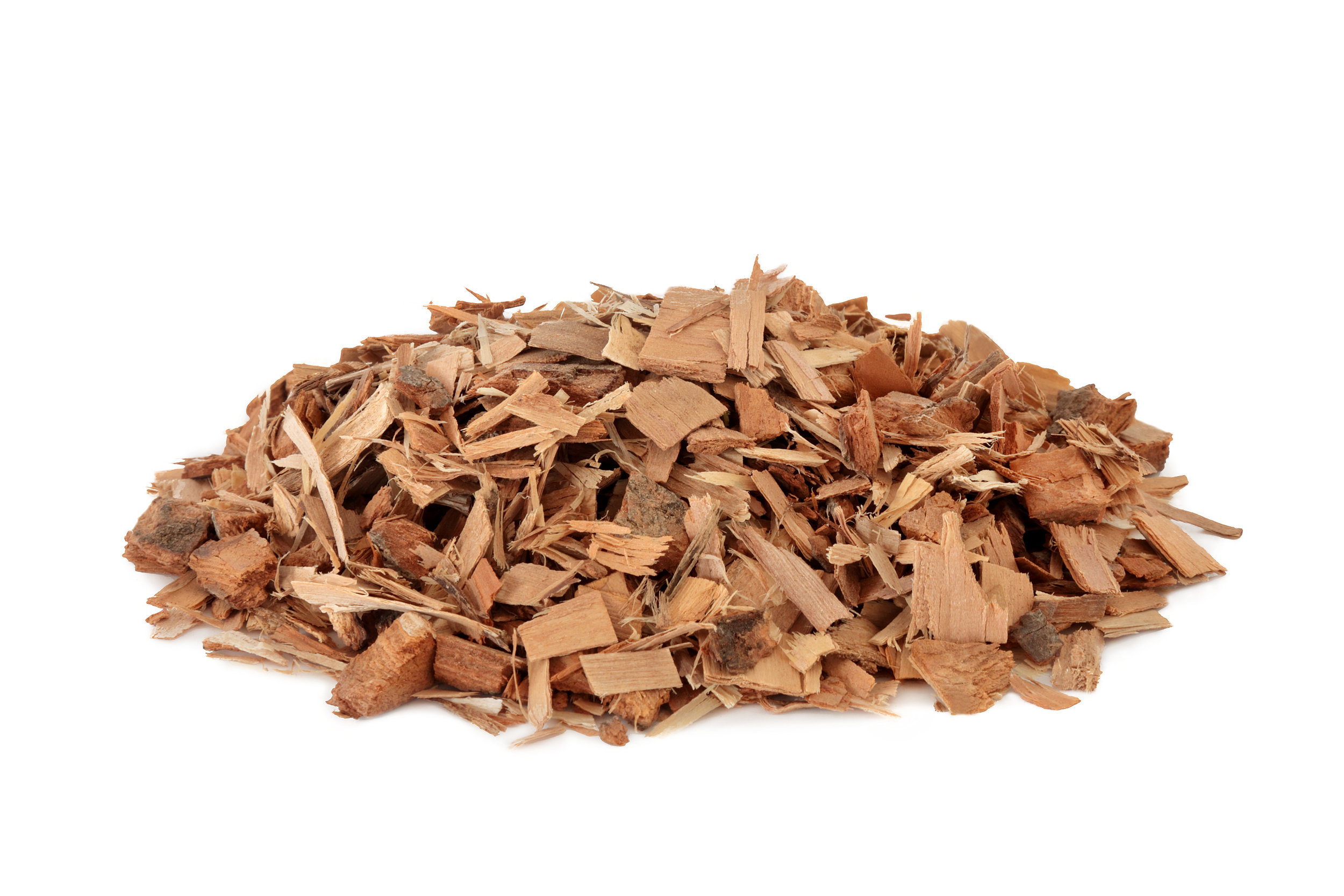
The medicinal part is the fruit: a fleshy drupe, often called a berry, that ripens from green through yellow-orange to a deep blue-black in late summer and fall. These ripe, oily berries are what herbalists collect and process.
Distribution
Saw palmetto is a plant of the southeastern United States, most abundant across Florida and extending up the Atlantic coast into South Carolina and westward along the Gulf into Louisiana. It carpets pine flatwoods, scrub and coastal sands, often as the dominant groundcover.
Growing Conditions
- Thrives in the warm, humid southeastern US (roughly USDA zones 8–11); tender where hard frosts are common.
- Prefers full sun to part shade, and does best in sandy, well-drained soils.
- Very drought- and heat-tolerant once established, and resilient to fire and salt spray.
- Extremely slow-growing and long-lived, spreading by creeping stems into wide clumps over many years.
- Full cultivation detail lives on the companion farm-wiki grow guide for Serenoa repens (link to be added once that project’s public URL is confirmed).
Constituents
Free fatty acids (lauric, myristic, palmitic, and oleic acids), triglycerides, diglycerides, monoglycerides, phytosterols (mainly beta-sitosterol), fatty alcohols, lipase, flavonoids, and polysaccharides, methyl and ethyl esters (contribute to the berries’ characteristic scent and flavor), 15Reference 15Principles and Practice of Phytotherapy (2nd ed.).
Liposterolic Extract
A liposterolic extract which is commonly used today contains 85% to 95% fatty acids, and 0.2% - 0.4% sterols. The flavonoid content is likely to fluctuate depending on the extraction method and is suggested to be highest in the 90% ethanol extract 15Reference 15Principles and Practice of Phytotherapy (2nd ed.).
Harvesting, Collection & Preparation
Saw palmetto extracts are generally made from the dried berries and extracted using 90% ethanol, hexane, or supercritical carbon dioxide. Modern extractions often target the liposterolic extract due to much of the latest research pointing at this fraction as having the highest medicinal value 15Reference 15Principles and Practice of Phytotherapy (2nd ed.).
The higher ethanol extracts will have the highest liposterolic extraction rates and are recommended for use medicinally 15Reference 15Principles and Practice of Phytotherapy (2nd ed.).
Pharmacology & Research
Saw palmetto is one of the most heavily studied medicinal plants for a single indication — benign prostatic hyperplasia (BPH) — and that literature is unusual for an herb in being dominated by human randomised controlled trials rather than preclinical work, including two large, well-conducted, NIH-funded RCTs 1,2Reference 1RCTSaw palmetto for benign prostatic hyperplasia — randomized controlled trialView study →Reference 2RCTEffect of increasing doses of saw palmetto extract on lower urinary tract symptoms — a randomized trialView study →. The honest headline is that those two rigorous trials, and the Cochrane review pooling all extracts, found saw palmetto no better than placebo for urinary symptoms 1,2,3Reference 1RCTSaw palmetto for benign prostatic hyperplasia — randomized controlled trialView study →Reference 2RCTEffect of increasing doses of saw palmetto extract on lower urinary tract symptoms — a randomized trialView study →Reference 3Meta-analysisSerenoa repens for benign prostatic hyperplasia — systematic review and meta-analysisView study →. A modest positive signal survives only when analysis is restricted to one specific standardised preparation — the hexanic liposterolic extract sold as Permixon 4,5Reference 4Meta-analysisEfficacy and safety of hexanic lipidosterolic extract of Serenoa repens (Permixon) in LUTS due to BPH — systematic review and meta-analysis of randomized controlled trialsView study →Reference 5Meta-analysisEfficacy and safety of a hexanic extract of Serenoa repens (Permixon) for LUTS/BPH — systematic review and meta-analysis of randomised controlled trials and observational studiesView study → — which makes preparation the single most important caveat on this whole page: a tea, a whole-berry powder, or an unstandardised capsule cannot be assumed to behave like the extract that was trialled. Beyond the prostate, a small placebo-controlled trial and comparative studies support a weaker-than-finasteride effect in male-pattern hair loss 11,12,13Reference 11RCTA randomized, double-blind, placebo-controlled trial of botanically derived inhibitors of 5α-reductase in androgenetic alopecia — RCTView study →Reference 12RCTComparative effectiveness of finasteride vs Serenoa repens in male androgenetic alopecia: a two-year study — randomized comparative studyView study →Reference 13Treatment of male androgenetic alopecia with topical products containing Serenoa repens extract — comparative studyView study →, and the mechanistic basis across all uses — partial 5α-reductase inhibition plus anti-inflammatory and pro-apoptotic activity in prostate tissue — is reasonably well mapped 7,8,9Reference 7In vitroInhibition of androgen metabolism and binding by a liposterolic extract of Serenoa repens in human foreskin fibroblasts — in vitroView study →Reference 8In vitroSerenoa repens (Permixon) inhibits the 5α-reductase activity of human prostate cancer cell lines without interfering with PSA expression — in vitroView study →Reference 9RCTSerenoa repens treatment modifies bax/bcl-2 index expression and caspase-3 activity in prostatic tissue — randomized controlled trialView study →.
- Best-supported: BPH/LUTS symptom relief, but only for the standardised hexanic extract (Permixon) and even then modest — the two largest rigorous RCTs were null 1,2,4,5Reference 1RCTSaw palmetto for benign prostatic hyperplasia — randomized controlled trialView study →Reference 2RCTEffect of increasing doses of saw palmetto extract on lower urinary tract symptoms — a randomized trialView study →Reference 4Meta-analysisEfficacy and safety of hexanic lipidosterolic extract of Serenoa repens (Permixon) in LUTS due to BPH — systematic review and meta-analysis of randomized controlled trialsView study →Reference 5Meta-analysisEfficacy and safety of a hexanic extract of Serenoa repens (Permixon) for LUTS/BPH — systematic review and meta-analysis of randomised controlled trials and observational studiesView study →.
- Emerging, worth watching: male androgenetic alopecia — one small placebo-controlled RCT plus comparative data, consistently weaker than finasteride 11,12,13Reference 11RCTA randomized, double-blind, placebo-controlled trial of botanically derived inhibitors of 5α-reductase in androgenetic alopecia — RCTView study →Reference 12RCTComparative effectiveness of finasteride vs Serenoa repens in male androgenetic alopecia: a two-year study — randomized comparative studyView study →Reference 13Treatment of male androgenetic alopecia with topical products containing Serenoa repens extract — comparative studyView study →.
- Mechanistically thin: anti-inflammatory and antiproliferative activity is real in vitro and in prostate tissue but has no dedicated clinical outcome trial 7,8,9Reference 7In vitroInhibition of androgen metabolism and binding by a liposterolic extract of Serenoa repens in human foreskin fibroblasts — in vitroView study →Reference 8In vitroSerenoa repens (Permixon) inhibits the 5α-reductase activity of human prostate cancer cell lines without interfering with PSA expression — in vitroView study →Reference 9RCTSerenoa repens treatment modifies bax/bcl-2 index expression and caspase-3 activity in prostatic tissue — randomized controlled trialView study →.
- The caveat: effect is preparation-specific. Generic “saw palmetto” ≠ the liposterolic extract used in positive studies; whole berry, tea, and non-standardised products are essentially untested 3,14Reference 3Meta-analysisSerenoa repens for benign prostatic hyperplasia — systematic review and meta-analysisView study →Reference 14A phytochemical comparison of saw palmetto products using gas chromatography and 1H NMR metabolomic profilingView study →.
1. Benign prostatic hyperplasia & LUTS
BPH is a non-cancerous enlargement of the prostate that obstructs urine flow; saw palmetto has been promoted for its lower urinary tract symptoms (LUTS) for decades. The strongest evidence is also the most deflating: the STEP trial randomised 225 men to 320 mg/day extract or placebo for one year and found no difference in symptom scores or urinary flow 1Reference 1RCTSaw palmetto for benign prostatic hyperplasia — randomized controlled trialView study →, and the larger CAMUS trial escalated to three times the standard dose (up to 960 mg/day) in 369 men and still found no benefit over placebo 2Reference 2RCTEffect of increasing doses of saw palmetto extract on lower urinary tract symptoms — a randomized trialView study →. The 2012 Cochrane review, pooling trials of all extract types, concluded saw palmetto is not more effective than placebo for urinary symptoms or flow 3Reference 3Meta-analysisSerenoa repens for benign prostatic hyperplasia — systematic review and meta-analysisView study →. The counter-current comes from meta-analyses restricted to the hexanic liposterolic extract Permixon, which report modest reductions in nocturia and improvements in flow versus placebo and comparability to tamsulosin 4,5Reference 4Meta-analysisEfficacy and safety of hexanic lipidosterolic extract of Serenoa repens (Permixon) in LUTS due to BPH — systematic review and meta-analysis of randomized controlled trialsView study →Reference 5Meta-analysisEfficacy and safety of a hexanic extract of Serenoa repens (Permixon) for LUTS/BPH — systematic review and meta-analysis of randomised controlled trials and observational studiesView study →; a network meta-analysis places it between placebo and alpha-blockers 6Reference 6Meta-analysisClinical efficacy of Serenoa repens versus placebo versus alpha-blockers for LUTS/BPE — systematic review and network meta-analysis of randomized placebo-controlled trialsView study →. Mechanistically the extract is a weak, non-competitive 5α-reductase inhibitor — lauric acid, oleic acid and myristic acid contribute this activity 7Reference 7In vitroInhibition of androgen metabolism and binding by a liposterolic extract of Serenoa repens in human foreskin fibroblasts — in vitroView study → — and in a controlled study of men awaiting surgery it shifted the prostatic bax/bcl-2 ratio and raised caspase-3, evidence of a genuine pro-apoptotic effect on prostate tissue 9Reference 9RCTSerenoa repens treatment modifies bax/bcl-2 index expression and caspase-3 activity in prostatic tissue — randomized controlled trialView study →.
Gap: The two most rigorous, adequately powered, dose-escalated RCTs are both null 1,2Reference 1RCTSaw palmetto for benign prostatic hyperplasia — randomized controlled trialView study →Reference 2RCTEffect of increasing doses of saw palmetto extract on lower urinary tract symptoms — a randomized trialView study →; the positive data are preparation-specific (Permixon) and partly industry-associated, so efficacy cannot be generalised to teas, whole-berry powders, or unstandardised capsules.
2. Androgenetic alopecia
Male-pattern hair loss shares its core mechanism with BPH — conversion of testosterone to dihydrotestosterone (DHT) by 5α-reductase — which is the rationale for testing a botanical 5α-reductase inhibitor against it. The first placebo-controlled, double-blind trial of botanically derived 5α-reductase inhibitors (a formulation including beta-sitosterol and saw palmetto) reported improvement in roughly 60% of treated men versus far fewer on placebo, though the sample was small 11Reference 11RCTA randomized, double-blind, placebo-controlled trial of botanically derived inhibitors of 5α-reductase in androgenetic alopecia — RCTView study →. A two-year open-label study of 100 men found oral saw palmetto 320 mg/day produced hair-growth improvement in 38% of patients versus 68% on finasteride 1 mg — a real but distinctly weaker effect than the pharmaceutical 12Reference 12RCTComparative effectiveness of finasteride vs Serenoa repens in male androgenetic alopecia: a two-year study — randomized comparative studyView study →, and topical saw palmetto preparations have shown comparable directionality in smaller comparative work 13Reference 13Treatment of male androgenetic alopecia with topical products containing Serenoa repens extract — comparative studyView study →.
Gap: Only one small placebo-controlled RCT exists; the larger comparison was open-label and unblinded, and every head-to-head shows saw palmetto underperforming finasteride. No long-term or standardised-dose efficacy data.
3. Anti-inflammatory / antiproliferative
This is the mechanistic engine behind the prostate effects rather than a standalone clinical indication. The liposterolic extract inhibits both cyclooxygenase and 5-lipoxygenase pathways in vitro, and beta-sitosterol and the free fatty acids are the implicated components 8Reference 8In vitroSerenoa repens (Permixon) inhibits the 5α-reductase activity of human prostate cancer cell lines without interfering with PSA expression — in vitroView study →. In human prostate cancer cell lines, Permixon inhibits 5α-reductase activity without altering PSA expression 8Reference 8In vitroSerenoa repens (Permixon) inhibits the 5α-reductase activity of human prostate cancer cell lines without interfering with PSA expression — in vitroView study →, and the controlled prostate-tissue study noted above demonstrates pro-apoptotic and anti-proliferative shifts (bax/bcl-2, caspase-3) in men taking the extract 9Reference 9RCTSerenoa repens treatment modifies bax/bcl-2 index expression and caspase-3 activity in prostatic tissue — randomized controlled trialView study →. The androgen-binding data are older but consistent: a liposterolic extract inhibited both androgen metabolism and receptor binding in human fibroblasts 7Reference 7In vitroInhibition of androgen metabolism and binding by a liposterolic extract of Serenoa repens in human foreskin fibroblasts — in vitroView study →.
Gap: All of this is in vitro or ex vivo tissue work; there is no trial measuring an inflammatory clinical endpoint, and constituent-level anti-inflammatory activity does not establish a whole-body anti-inflammatory effect at ingested doses.
Mechanisms
| Mechanism | Drives | Key compounds |
|---|---|---|
| 5α-reductase inhibition (weak, non-competitive, type I & II) | BPH/LUTSandrogenetic alopecia | lauric acid, oleic acid, myristic acid |
| Androgen metabolism & receptor-binding inhibition | anti-androgen activity | beta-sitosterol |
| COX / 5-lipoxygenase inhibition | anti-inflammatory | β-sitosterol, free fatty acids |
| ↑ bax/bcl-2, ↑ caspase-3 (pro-apoptotic in prostate epithelium) | BPH — prostate volume | liposterolic fraction |
Clinical trials
Unusually for a botanical, saw palmetto has a large registered-trial base on ClinicalTrials.gov — 28 studies (19 completed, 6 active/recruiting/not-yet-recruiting, 3 status-unknown, 0 terminated), including the two NIH-funded RCTs above, both null — spanning BPH/LUTS, androgenetic alopecia, chronic prostatitis, and prostate cancer; no programme has been formally terminated for safety.
| Completed | Planned/active | Terminated | Preclinical |
|---|---|---|---|
| 19 | 6 (+3 status-unknown) | 0 | ~30+ |
Last checked: July 2026.
Phytochemistry
The medicinal value of saw palmetto sits in its lipophilic (“liposterolic”) fraction: the standardised extracts used in nearly all clinical trials are defined by a minimum total fatty-acid content (typically 80–95%) 15Reference 15Principles and Practice of Phytotherapy (2nd ed.). The dominant free fatty acids are oleic acid (~30–35%), lauric acid (~26–32%), myristic acid (~10–12%), palmitic acid (~8.5–9.2%), and linoleic acid (~4.3–6%), reported here as proportions of the total fatty-acid fraction 14Reference 14A phytochemical comparison of saw palmetto products using gas chromatography and 1H NMR metabolomic profilingView study →. These occur both as free acids and esterified into mono-, di-, and triglycerides, alongside long-chain fatty alcohols.
Riding on the fatty-acid fraction is a much smaller but pharmacologically important pool of phytosterols, chiefly β-sitosterol. Sterols make up only about 0.2–0.4% of the liposterolic extract 15Reference 15Principles and Practice of Phytotherapy (2nd ed.), yet β-sitosterol is consistently around 0.4% of well-characterised CO₂ extracts 14Reference 14A phytochemical comparison of saw palmetto products using gas chromatography and 1H NMR metabolomic profilingView study → and is implicated in the berry’s anti-inflammatory and anti-androgenic activity. Minor flavonoids and polysaccharides are also present, the flavonoid content shifting with extraction solvent.
Constituent Summary
Fatty-acid figures are share of the total fatty-acid fraction of a standardised liposterolic extract; sterol figures are share of whole extract. Values vary with extraction method (ethanol, hexane, or supercritical CO₂) and source. Browse a class to see related compounds, or any compound for its full profile.
Fatty acid5 compounds5 with data
Lipid5 compounds1 with data
Sterol2 compounds2 with data
Flavonoid1 compoundno data
Polysaccharide1 compoundno data
Clinical Applications
The confirmed 5-alpha-reductase inhibitory activity of saw palmetto is thought to be the major reason it’s so useful for benign prostatic hyperplasia. It’s well regarded for this condition, as well as male infertility, likely due to a different mechanism.
Dosage
In research, saw palmetto is almost always given as a standardised liposterolic extract titrated to a set fatty-acid content — not as whole berry, tea, or tincture.
| Indication | Preparation | Dose | Est. dried-herb equivalent | Source |
|---|---|---|---|---|
| BPH / LUTS | Standardised liposterolic extract (e.g. Permixon), ~85–95% fatty acids | 320 mg/day (160 mg ×2) | ~2.5–3 g dried berry* | 1,4Reference 1RCTSaw palmetto for benign prostatic hyperplasia — randomized controlled trialView study →Reference 4Meta-analysisEfficacy and safety of hexanic lipidosterolic extract of Serenoa repens (Permixon) in LUTS due to BPH — systematic review and meta-analysis of randomized controlled trialsView study → |
| BPH / LUTS (dose-escalation) | Standardised extract | up to 960 mg/day (3× standard) — no added benefit | ~7.5–9 g dried berry* | 2Reference 2RCTEffect of increasing doses of saw palmetto extract on lower urinary tract symptoms — a randomized trialView study → |
| Androgenetic alopecia | Oral standardised extract | 320 mg/day | ~2.5–3 g dried berry* | 12Reference 12RCTComparative effectiveness of finasteride vs Serenoa repens in male androgenetic alopecia: a two-year study — randomized comparative studyView study → |
*Est. dried-herb equivalent assumes a ~10:1 berry-to-extract concentration typical of liposterolic extracts. It is a rough guide, not a conversion factor or a recommendation, and real ratios vary by method — the trials used the standardised extract, so the whole-berry equivalents are illustrative only.
Traditional Dosage
Western herbal and pharmacopoeial texts use the whole berry or a liquid extract. These traditional doses are not interchangeable with the standardised-extract doses trialled above.
| System | Preparation | Dose |
|---|---|---|
| Western herbal | Liquid extract (1:2) | 15–30 mL / week (~2–4 mL/day) |
| Western herbal | Dried berry (decoction) | 1–2 g three times daily |
| Western herbal (BHP) | Standardised for genito-urinary use | per BHP monograph 16Reference 16British Herbal Pharmacopoeia |
Safety & Pregnancy
Saw palmetto is well tolerated, with adverse-event rates similar to placebo in the large trials. The main precautions are to exclude prostate cancer before long-term use, watch for rare bleeding/hepatic case reports, and avoid it in pregnancy given its hormonal activity.
- Avoid in pregnancy. Hormonal (anti-androgenic) activity and no plausible indication for use in pregnancy or lactation.
- Exclude prostate cancer first. Symptom relief could delay diagnosis of an underlying malignancy.
- Rare hepatic/bleeding reports. Isolated case reports of bleeding and cholestatic hepatitis — caution with anticoagulants or liver disease.
- Anti-androgen stacking. May theoretically add to the effect of finasteride/dutasteride or other anti-androgens.
- Adulteration risk. Products cut with cheaper oils (olive, palm) — use a standardised, verified extract.
- Otherwise well tolerated. Trial adverse-event rates matched placebo; mild GI upset most common.
Full safety & interactions detail
Saw palmetto is well tolerated: across the large randomised trials, adverse-event rates were similar to placebo, with mild gastrointestinal upset the most common complaint and no signal of serious harm 1,2Reference 1RCTSaw palmetto for benign prostatic hyperplasia — randomized controlled trialView study →Reference 2RCTEffect of increasing doses of saw palmetto extract on lower urinary tract symptoms — a randomized trialView study →. Notably — and unlike finasteride — saw palmetto did not significantly change serum PSA in the large placebo-controlled trials 1,2Reference 1RCTSaw palmetto for benign prostatic hyperplasia — randomized controlled trialView study →Reference 2RCTEffect of increasing doses of saw palmetto extract on lower urinary tract symptoms — a randomized trialView study →, so it does not mask PSA-based screening the way pharmaceutical 5α-reductase inhibitors do; nonetheless, prostate cancer should be excluded before long-term use so that symptomatic relief does not delay diagnosis of an underlying malignancy. Because the extract has weak anti-androgen activity it may theoretically add to the effect of finasteride/dutasteride or other anti-androgens, though no clinically significant interaction has been demonstrated. Isolated case reports describe bleeding and cholestatic hepatitis, so caution is reasonable in people on anticoagulants/antiplatelets or with liver disease, though no consistent interaction has been established in trials. Product adulteration with cheaper fatty oils (olive, palm) is a documented quality problem, making a standardised, verified extract important 14Reference 14A phytochemical comparison of saw palmetto products using gas chromatography and 1H NMR metabolomic profilingView study →.
Scope note: interactions were only partially assessed in this research — the anti-androgen additive effect is mechanistic, and the bleeding/hepatic signals rest on case reports, not trials. No systematic drug-interaction study was found.
Avoid. Saw palmetto has hormonal (anti-androgenic, possibly estrogenic) activity and is used almost exclusively in men; its safety in pregnancy and lactation has not been established in any clinical study, and its mechanism raises a theoretical concern for fetal hormonal development. There is no plausible indication for its use in pregnancy. This is precautionary, not a finding of harm.
References
- Bent, S., Kane, C., Shinohara, K., et al. (2006). Saw palmetto for benign prostatic hyperplasia — randomized controlled trial. New England Journal of Medicine. https://pubmed.ncbi.nlm.nih.gov/16467543/
- Barry, M. J., Meleth, S., Lee, J. Y., et al. (2011). Effect of increasing doses of saw palmetto extract on lower urinary tract symptoms — a randomized trial. JAMA. https://pubmed.ncbi.nlm.nih.gov/21954478/
- Tacklind, J., Macdonald, R., Rutks, I., Stanke, J. U., & Wilt, T. J. (2012). Serenoa repens for benign prostatic hyperplasia — systematic review and meta-analysis. Cochrane Database of Systematic Reviews. https://pubmed.ncbi.nlm.nih.gov/23235581/
- Novara, G., Giannarini, G., Alcaraz, A., et al. (2016). Efficacy and safety of hexanic lipidosterolic extract of Serenoa repens (Permixon) in LUTS due to BPH — systematic review and meta-analysis of randomized controlled trials. European Urology Focus. https://pubmed.ncbi.nlm.nih.gov/28723522/
- Vela-Navarrete, R., Alcaraz, A., Rodríguez-Antolín, A., et al. (2018). Efficacy and safety of a hexanic extract of Serenoa repens (Permixon) for LUTS/BPH — systematic review and meta-analysis of randomised controlled trials and observational studies. BJU International. https://pubmed.ncbi.nlm.nih.gov/29694707/
- Russo, G. I., Scandura, C., Di Mauro, M., et al. (2021). Clinical efficacy of Serenoa repens versus placebo versus alpha-blockers for LUTS/BPE — systematic review and network meta-analysis of randomized placebo-controlled trials. European Urology Focus. https://pubmed.ncbi.nlm.nih.gov/31952967/
- Sultan, C., Terraza, A., Devillier, C., et al. (1984). Inhibition of androgen metabolism and binding by a liposterolic extract of Serenoa repens in human foreskin fibroblasts — in vitro. Journal of Steroid Biochemistry. https://pubmed.ncbi.nlm.nih.gov/6708534/
- Habib, F. K., Ross, M., Ho, C. K., Lyons, V., & Chapman, K. (2005). Serenoa repens (Permixon) inhibits the 5α-reductase activity of human prostate cancer cell lines without interfering with PSA expression — in vitro. International Journal of Cancer. https://pubmed.ncbi.nlm.nih.gov/15543614/
- Vela-Navarrete, R., Escribano-Burgos, M., Farré, A. L., et al. (2005). Serenoa repens treatment modifies bax/bcl-2 index expression and caspase-3 activity in prostatic tissue — randomized controlled trial. Journal of Urology. https://pubmed.ncbi.nlm.nih.gov/15643230/
- Gerber, G. S., Kuznetsov, D., Johnson, B. C., & Burstein, J. D. (1998). Saw palmetto (Serenoa repens) in men with lower urinary tract symptoms — clinical trial of urodynamic and voiding effects. Urology. https://pubmed.ncbi.nlm.nih.gov/9609640/
- Prager, N., Bickett, K., French, N., & Marcovici, G. (2002). A randomized, double-blind, placebo-controlled trial of botanically derived inhibitors of 5α-reductase in androgenetic alopecia — RCT. Journal of Alternative and Complementary Medicine. https://pubmed.ncbi.nlm.nih.gov/12006122/
- Rossi, A., Mari, E., Scarno, M., et al. (2012). Comparative effectiveness of finasteride vs Serenoa repens in male androgenetic alopecia: a two-year study — randomized comparative study. International Journal of Immunopathology and Pharmacology. https://pubmed.ncbi.nlm.nih.gov/23298508/
- Wessagowit, V., Tangjaturonrusamee, C., Kootiratrakarn, T., et al. (2016). Treatment of male androgenetic alopecia with topical products containing Serenoa repens extract — comparative study. Australasian Journal of Dermatology. https://pubmed.ncbi.nlm.nih.gov/26010505/
- Booker, A., Suter, A., Krnjic, A., et al. (2014). A phytochemical comparison of saw palmetto products using gas chromatography and 1H NMR metabolomic profiling. Journal of Pharmacy and Pharmacology. https://pubmed.ncbi.nlm.nih.gov/24417505/
- Bone, K., & Mills, S. (2013). Principles and Practice of Phytotherapy (2nd ed.). Edinburgh: Elsevier Health Sciences.
- British Herbal Medicine Association. (1983). British Herbal Pharmacopoeia. Bournemouth, UK: BHMA.