
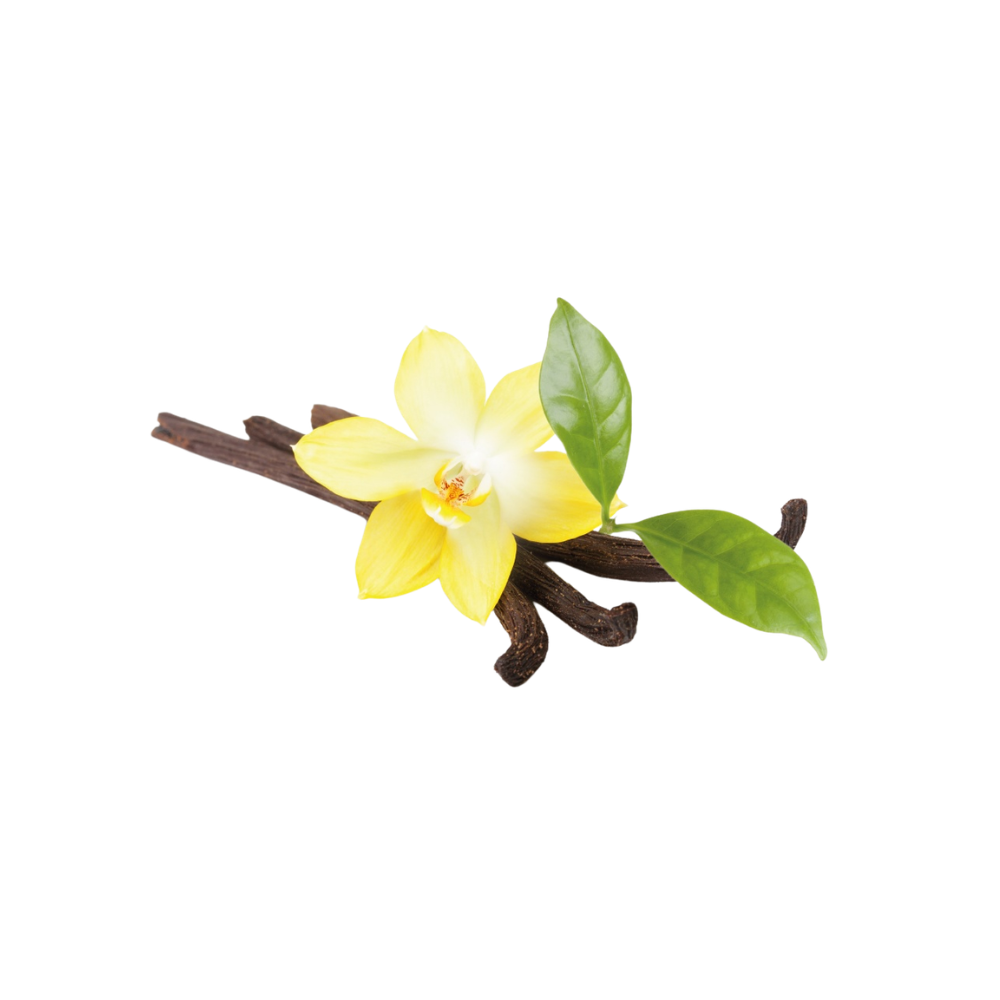
Materia Medica
Vanilla
Vanilla planifolia
Vanilla (Vanilla planifolia) — an aromatic orchid whose cured pods offer antioxidant and mood-lifting properties beyond their flavour.
What Is Vanilla?
Vanilla is one of the most well known herbs on earth, and can be found in a wide variety of culinary products, and perfumes. The sweet, balsamic flavor unique only to vanilla is desired all around the world.
Vanilla is a type of orchid, which grows as a vine and can reach massive lengths (up to 25m) to climb up into the rainforest canopy. Its flower is beautiful, but short lived, only lasting a day or 2. After it flowers, it takes roughly 8 or 9 months for seed pod to ripen, where it’s then harvested and cured to then be used as is or extracted.
It originates from Mexico and South America, and has been used by the indigenous cultures in this region for a very long time. The vanilla pod, was often mixed with cacao, and sometimes other herbs to make a beverage referred to as chocolatyl, which was used in ceremonies, and daily activities to promote sexual vigor, and stamina, as well as to energize and sharpen the mind. A famous Aztec emperor Moctezuma was reported to consume as much as 50 cups of chocolatyl a day. He was known for his success with women, and is suggested that the immense amount of chocolatyl he consumed on a daily basis was at least partly responsible for this.
Vanilla is used today as a flavouring agent to reduce the amount of sugar needed, or for its own characteristic flavor. It’s also used to treat low libido, increase sexual desire, fevers, and for digestive complaints such as bloating and intestinal gas.
Vanilla is a very expensive crop, due to the difficult growing requirements, and amount of time needed to produce it. Since it’s so expensive, synthetic vanilla is also commonly used, but likely does not contain any of the medicinal actions associated with vanilla, and should be avoided at all costs. Vanilla may be expensive, but its flavour is so intense, that only a very small amount of it’s needed to deliver the desired flavour or effects.
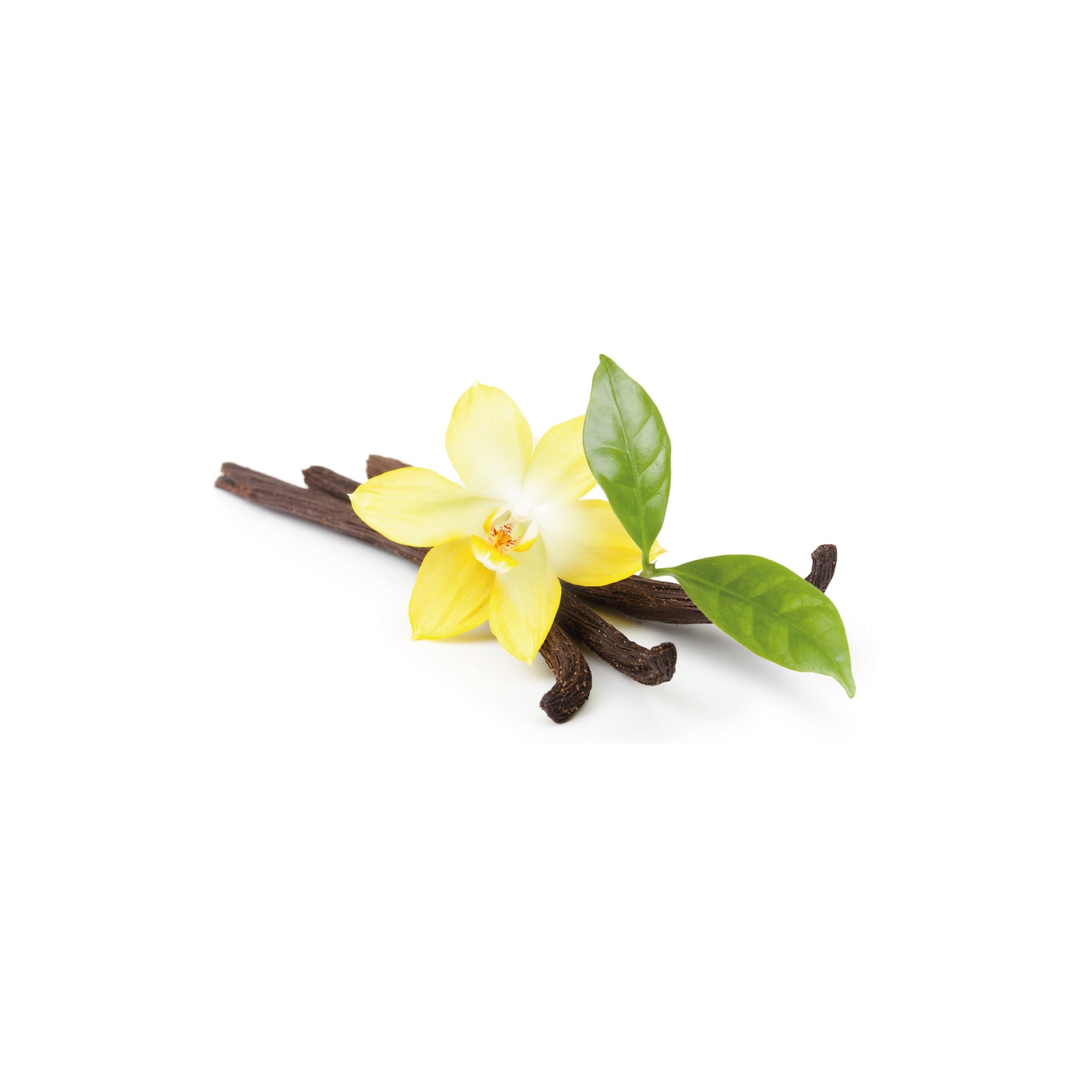
What Is Vanilla Used For?
Vanilla is used as a flavouring agent, and mild carminative.
Traditional Uses
Vanilla has always been commonly consumed with cacao and sometimes other herbs such as allspice, chili, or honey to make the beverage known as “chocolatyl”. This rich and medicinal beverage was used as an aphrodisiac, provide energy and build stamina. The famous Aztec emperor Moctezuma supposedly consumed as much as 50 cups of chocolatyl a day. This was often considered the reason for his success with women. He was known for maintaining a large harem of women throughout his life.
Botany
Vanilla stands apart from almost everything else in the herbal cabinet: it is a climbing orchid, one of very few orchids used as food or medicine at all, drawn from the largest family of flowering plants on earth. The plant is a long-lived tropical vine that hauls itself up through trees on thick, fleshy, still-green stems — reaching as much as 25 m in length — throwing out clinging aerial roots at the joints and carrying thick, waxy leaves along its length. Its flowers are the pale yellow-green of a typical orchid and last only a day.
What the practitioner works with is neither leaf nor flower but the cured pod — the familiar dark, wrinkled “vanilla bean,” roughly 5 inches long and finger-slim, with a mature vine yielding on the order of a hundred pods a season. Picked green and unripe, the pod is worked through a long curing process (some 8–9 months from flowering to a ripe, cured bean) that darkens it and draws out its aroma; only then does it become the fragrant material used in flavouring and traditional preparations.
The plant’s biology explains its cost and scarcity. Each flower opens for a single day and, away from the orchid’s native home, has no insect able to pollinate it, so growers pollinate every flower by hand — lifting the small partition inside the flower and pressing pollen onto the receptive surface, bloom by bloom, morning after morning.
Distribution
Vanilla is native to the tropical forests of Mexico and Central America, home to the orchid and the specialized bee that once pollinated it. It is now grown across the tropics as a cultivated crop, with Madagascar and the island of Réunion — the source of “Bourbon” vanilla — supplying most of the world’s beans.
Growing Conditions
- A tender tropical orchid vine — it needs warmth year-round and cannot tolerate frost; grown outdoors only in true tropical/subtropical climates or under glass.
- Grows in part to full shade, mimicking the dappled light of the forest understory rather than open sun.
- Wants consistently moist but never soggy, well-drained conditions with high humidity; it climbs, so it needs a tree, post or trellis.
- Outside its native range it must be hand-pollinated flower by flower to set pods, since its natural bee pollinator is absent — the main reason vanilla is so labour-intensive and costly.
- Full cultivation detail lives on the companion farm-wiki grow guide for Vanilla planifolia (link to be added once that project’s public URL is confirmed).
Harvesting, Collection & Preparation
Vanilla is not an easy crop to grow, and requires very specific conditions to flower and thrive. Due to these difficult growing requirements, and long growth period (8-9 months after flowering), it’s quite an expensive herb. It’s fortunate however that the scent and flavor profile of this herb are quite intense, and not a lot is required to deliver its desired flavor and effects. This is why it’s still a common and affordable addition to many culinary compositions such as ice cream and baked goods. Pure, CO2 extracted vanilla however is one of the most expensive products used in aromatherapy 30Reference 30The Complete Guide to Aromatherapy (2nd ed.).
The fresh vanilla pods do not actually smell like vanilla, the chemicals must be allowed to partially ferment and allow the enzymes inside the pods to break apart the glucose and vanillin molecules where they then become volatile compounds which then evaporate into the air, resulting in a scent.
Extraction of this herb generally requires tincturing, and supercritical carbon dioxide extraction processes.
Phytochemistry
Vanilla’s aroma is built from roughly 150 individual volatiles, so no single molecule fully defines it — but the cured pod is overwhelmingly dominated by the phenolic aldehyde vanillin (4-hydroxy-3-methoxybenzaldehyde), the marker compound that makes up the great majority of the extractable phenolics. It is accompanied by smaller amounts of 4-hydroxybenzaldehyde, vanillic acid and vanillyl alcohol 30,31Reference 30The Complete Guide to Aromatherapy (2nd ed.)Reference 31Effects of killing conditions of vanilla (Vanilla planifolia, Andrews) pods during the curing process on aroma composition of pod ethanol extractView study →. For the most accurate picture of vanilla’s health effects the whole-pod extract should be studied further, rather than vanillin alone.
Constituent Summary
Approximate share of the dry weight of the cured pod; figures vary widely with curing (killing) method, cultivar and origin 31Reference 31Effects of killing conditions of vanilla (Vanilla planifolia, Andrews) pods during the curing process on aroma composition of pod ethanol extractView study →.
Phenolic acid4 compounds4 with data
Cured beans also yield trace, discrete orosensory molecules — notably 5-(4-hydroxybenzyl)vanillin and americanin A — that coat the palate with a velvety mouthfeel; their role is sensory rather than pharmacological, and they are not quantified here as a share of dry weight 28Reference 28In vitroIdentification of novel orosensory active molecules in cured vanilla beans (Vanilla planifolia) — in vitroView study →.
Be warned about synthetic vanillin and other adulterants such as tonka bean.
Clinical Applications
Vanilla is not commonly used in herbal medicine. It’s most often used as a flavouring agent. Vanilla may be useful for improving the flavour of herbal formulas. It’s used occasionally in herbal medicine for its antimicrobial and carminative actions.
Pharmacology & Research
The research literature on vanilla is almost entirely a literature on vanillin — the single phenolic aldehyde that dominates the cured pod — rather than on whole-pod extract, and it sits firmly at the preclinical tier: cell-culture and rodent studies, with one small human trial in sickle cell disease as the sole therapeutic exception 1Reference 1RCTIn vivo action of Vanillin on delay time determined by magnetic relaxation — placebo-controlled clinical trialView study →. The most consistent and mechanistically coherent signals are anti-inflammatory (NF-κB and COX-2 suppression) 5,6,7Reference 5In vitroRe-evaluation of cyclooxygenase-2-inhibiting activity of vanillin and guaiacol in macrophages stimulated with lipopolysaccharide — in vitroView study →Reference 6In vitroElucidation of the anti-inflammatory effect of vanillin in LPS-activated THP-1 cells — in vitroView study →Reference 7In vitroAnti-neuroinflammatory effects of vanillin through the regulation of inflammatory factors and NF-κB signaling in LPS-stimulated microglia — in vitroView study →, antioxidant 10,11Reference 10In vitroEvaluation of antioxidant activity of vanillin by using multiple antioxidant assays — in vitroView study →Reference 11In vitroAntioxidant properties of ethyl vanillin in vitro and in vivo — animal modelView study →, and neuroprotective 12,13,14,15,16Reference 12AnimalThe beneficial effect of vanillin on 6-hydroxydopamine rat model of Parkinson’s disease — animal modelView study →Reference 13AnimalVanillin mitigates the MPTP-induced α-synucleinopathy in a mouse model of Parkinson’s disease — animal modelView study →Reference 14AnimalNeuroprotective effect of vanillin on hypoxic-ischemic brain damage in neonatal rats — animal modelView study →Reference 15AnimalVanillin, 4-hydroxybenzyl aldehyde and 4-hydroxybenzyl alcohol prevent hippocampal CA1 cell death following global ischemia — animal modelView study →Reference 16In vitroNeurosupportive role of vanillin on rotenone-induced neurotoxicity in SH-SY5Y neuroblastoma cells — in vitroView study →, each replicated across independent groups and models. A genuinely distinct thread — vanillin binding covalently to sickle haemoglobin and delaying its polymerisation — has the only human data, though on a laboratory endpoint rather than clinical outcomes 1,2,3Reference 1RCTIn vivo action of Vanillin on delay time determined by magnetic relaxation — placebo-controlled clinical trialView study →Reference 2In vitroVanillin, a potential agent for the treatment of sickle cell anemia — in vitro / crystallographyView study →Reference 3AnimalAnti-sickling effect of MX-1520, a prodrug of vanillin: an in vivo study using rodents — animal modelView study →. The overriding caveat is one of translation: orally ingested vanillin is largely oxidised and degraded in the upper gastrointestinal tract, which is precisely why a prodrug (MX-1520) had to be engineered to make it systemically active 3,27Reference 3AnimalAnti-sickling effect of MX-1520, a prodrug of vanillin: an in vivo study using rodents — animal modelView study →Reference 27AnimalToxicology study of vanillin on rats via oral and intra-peritoneal administration — animal modelView study → — so effects shown by injection or in a test tube do not transfer cleanly to vanilla eaten, drunk, or taken as a tincture.
- Best-supported: anti-inflammatory signalling (NF-κB/COX-2 ↓ across human and murine cell lines) 5,6,7Reference 5In vitroRe-evaluation of cyclooxygenase-2-inhibiting activity of vanillin and guaiacol in macrophages stimulated with lipopolysaccharide — in vitroView study →Reference 6In vitroElucidation of the anti-inflammatory effect of vanillin in LPS-activated THP-1 cells — in vitroView study →Reference 7In vitroAnti-neuroinflammatory effects of vanillin through the regulation of inflammatory factors and NF-κB signaling in LPS-stimulated microglia — in vitroView study →, direct radical scavenging 10,11Reference 10In vitroEvaluation of antioxidant activity of vanillin by using multiple antioxidant assays — in vitroView study →Reference 11In vitroAntioxidant properties of ethyl vanillin in vitro and in vivo — animal modelView study →, and neuroprotection in rodent Parkinson’s and ischaemia models 12,13,14,15Reference 12AnimalThe beneficial effect of vanillin on 6-hydroxydopamine rat model of Parkinson’s disease — animal modelView study →Reference 13AnimalVanillin mitigates the MPTP-induced α-synucleinopathy in a mouse model of Parkinson’s disease — animal modelView study →Reference 14AnimalNeuroprotective effect of vanillin on hypoxic-ischemic brain damage in neonatal rats — animal modelView study →Reference 15AnimalVanillin, 4-hydroxybenzyl aldehyde and 4-hydroxybenzyl alcohol prevent hippocampal CA1 cell death following global ischemia — animal modelView study →.
- Emerging, worth watching: vanillin’s covalent anti-sickling effect on haemoglobin S — the one indication with human trial data 1,2,3Reference 1RCTIn vivo action of Vanillin on delay time determined by magnetic relaxation — placebo-controlled clinical trialView study →Reference 2In vitroVanillin, a potential agent for the treatment of sickle cell anemia — in vitro / crystallographyView study →Reference 3AnimalAnti-sickling effect of MX-1520, a prodrug of vanillin: an in vivo study using rodents — animal modelView study → — and metabolic effects in diabetic rats 20,21Reference 20AnimalVanillin improves glucose homeostasis and modulates metabolic activities linked to type 2 diabetes in fructose-streptozotocin induced diabetic rats — animal modelView study →Reference 21AnimalVanillin modulates activities linked to dysmetabolism in psoas muscle of diabetic rats — animal modelView study →.
- Mechanistically thin: aphrodisiac and carminative uses (the page’s headline traditional claims) rest on ethnobotanical anecdote and constituent-level inference, with no controlled data in either humans or animals.
- The caveat: virtually all evidence uses isolated vanillin, not whole cured pod, and oral vanillin is poorly bioavailable — a standardised medicinal preparation and dose does not exist.
1. Anti-sickling
This is the one indication where vanilla’s marker compound reaches human testing, and the dietary-vanillin approach to sickle cell anaemia has its own review literature 4Reference 4ReviewDietary management of sickle cell anaemia with vanillin — reviewView study →. Vanillin reacts covalently with sickle haemoglobin (Hb S), forming a Schiff-base adduct near the α-chain that shifts the oxygen-equilibrium curve leftward and directly inhibits deoxygenation-induced polymerisation — shown by HPLC, oxygen-equilibrium curves and X-ray crystallography of the deoxyhaemoglobin–vanillin complex 2Reference 2In vitroVanillin, a potential agent for the treatment of sickle cell anemia — in vitro / crystallographyView study →. In a double-blind, placebo-controlled trial of 30 sickle cell patients, oral vanillin over 8 weeks increased the polymerisation delay time roughly 1.6-fold and reduced sickled-cell counts by about 25% on a surrogate laboratory assay 1Reference 1RCTIn vivo action of Vanillin on delay time determined by magnetic relaxation — placebo-controlled clinical trialView study →. Because plain oral vanillin is rapidly degraded in the gut, a prodrug (MX-1520) was engineered and prolonged survival under hypoxia in transgenic sickle mice 3Reference 3AnimalAnti-sickling effect of MX-1520, a prodrug of vanillin: an in vivo study using rodents — animal modelView study →.
Gap: The human data are one small, decades-old trial measuring a laboratory polymerisation endpoint, not clinical crises or haemoglobin outcomes; the therapeutic form is an engineered prodrug, not vanilla, and whether culinary vanilla delivers any meaningful vanillin dose systemically is untested 1,3Reference 1RCTIn vivo action of Vanillin on delay time determined by magnetic relaxation — placebo-controlled clinical trialView study →Reference 3AnimalAnti-sickling effect of MX-1520, a prodrug of vanillin: an in vivo study using rodents — animal modelView study →.
2. Anti-inflammatory
Vanillin suppresses the canonical NF-κB inflammatory axis. In lipopolysaccharide-stimulated murine macrophages it inhibited NF-κB activation and COX-2 gene expression, outperforming eugenol and guaiacol in the same assay 5Reference 5In vitroRe-evaluation of cyclooxygenase-2-inhibiting activity of vanillin and guaiacol in macrophages stimulated with lipopolysaccharide — in vitroView study →; in human THP-1 monocytes it lowered TNF-α, IL-1β, IL-6 and IL-8, blocked the NF-κB/AP-1 pathway and the NLRP3 inflammasome, and activated the antioxidant Nrf2/HO-1 pathway 6Reference 6In vitroElucidation of the anti-inflammatory effect of vanillin in LPS-activated THP-1 cells — in vitroView study →. Comparable effects appear in LPS-stimulated microglia 7Reference 7In vitroAnti-neuroinflammatory effects of vanillin through the regulation of inflammatory factors and NF-κB signaling in LPS-stimulated microglia — in vitroView study → and in a rodent model of acute lung injury, where vanillin inhibited ERK1/2, p38 and NF-κB signalling 9Reference 9AnimalVanillin protects lipopolysaccharide-induced acute lung injury by inhibiting ERK1/2, p38 and NF-κB pathway — animal modelView study →. The oxidised metabolite vanillic acid shares the NF-κB-suppressing activity 8Reference 8In vitroVanillic acid inhibits inflammatory mediators by suppressing NF-κB in lipopolysaccharide-stimulated mouse peritoneal macrophages — in vitroView study →.
Gap: Entirely cell-culture and rodent; no human anti-inflammatory trial, and the concentrations used in vitro may exceed what oral vanilla could plausibly deliver to tissue 6Reference 6In vitroElucidation of the anti-inflammatory effect of vanillin in LPS-activated THP-1 cells — in vitroView study →.
3. Antioxidant
The picture is method-dependent rather than uniformly strong. Vanillin showed potent activity in ORAC, ABTS and oxidative-haemolysis-inhibition assays — stronger than ascorbic acid and Trolox in ABTS — yet essentially none in DPPH and galvinoxyl radical assays, because it scavenges via a self-dimerisation mechanism rather than simple hydrogen donation 10Reference 10In vitroEvaluation of antioxidant activity of vanillin by using multiple antioxidant assays — in vitroView study →. In a comparative series, vanillyl alcohol and vanillic acid outperformed vanillin in classic radical assays, while ethyl vanillin — a synthetic analogue — raised plasma antioxidant capacity when fed to mice 11Reference 11In vitroAntioxidant properties of ethyl vanillin in vitro and in vivo — animal modelView study →. This antioxidant capacity is the presumed engine behind the hepatoprotective and neuroprotective findings below.
Gap: The strongest numbers are in-vitro chemistry, the results diverge sharply by assay, and the one in-vivo demonstration used a synthetic analogue (ethyl vanillin), not the pod’s native compound 10,11Reference 10In vitroEvaluation of antioxidant activity of vanillin by using multiple antioxidant assays — in vitroView study →Reference 11In vitroAntioxidant properties of ethyl vanillin in vitro and in vivo — animal modelView study →.
4. Neuroprotective
Vanillin is protective across several independent rodent models, consistently via antioxidant and anti-inflammatory mechanisms. In 6-hydroxydopamine and MPTP mouse/rat models of Parkinson’s disease it preserved striatal dopamine, reduced apoptosis, and modulated Wnt/β-catenin and GSK-3β signalling 12,13Reference 12AnimalThe beneficial effect of vanillin on 6-hydroxydopamine rat model of Parkinson’s disease — animal modelView study →Reference 13AnimalVanillin mitigates the MPTP-induced α-synucleinopathy in a mouse model of Parkinson’s disease — animal modelView study →. In neonatal hypoxic-ischaemic rats it reduced infarct volume and protected the blood-brain barrier 14Reference 14AnimalNeuroprotective effect of vanillin on hypoxic-ischemic brain damage in neonatal rats — animal modelView study →, and in gerbils it prevented hippocampal CA1 death after global ischaemia — an effect shared by the related molecules 4-hydroxybenzyl alcohol and 4-hydroxybenzaldehyde 15Reference 15AnimalVanillin, 4-hydroxybenzyl aldehyde and 4-hydroxybenzyl alcohol prevent hippocampal CA1 cell death following global ischemia — animal modelView study →. In vitro, it protected dopaminergic SH-SY5Y cells against rotenone by preserving mitochondrial membrane potential 16Reference 16In vitroNeurosupportive role of vanillin on rotenone-induced neurotoxicity in SH-SY5Y neuroblastoma cells — in vitroView study →.
Gap: Broad and replicated but all preclinical, dosed by injection or gavage at levels (20–80 mg/kg) far above dietary exposure; no human neuroprotection data exist 12,14Reference 12AnimalThe beneficial effect of vanillin on 6-hydroxydopamine rat model of Parkinson’s disease — animal modelView study →Reference 14AnimalNeuroprotective effect of vanillin on hypoxic-ischemic brain damage in neonatal rats — animal modelView study →.
5. Hepatoprotective
In carbon-tetrachloride-poisoned rats, vanillin pretreatment blunted the rise in plasma ALT and AST, inhibited hepatic lipid peroxidation and protein-carbonyl formation, restored catalase, superoxide dismutase and glutathione, lowered TNF-α, IL-1β and IL-6, and reduced necrosis on histology 17Reference 17AnimalEvaluation of the antioxidant, anti-inflammatory and hepatoprotective properties of vanillin in carbon tetrachloride-treated rats — animal modelView study →. The effect is a clean read-out of vanillin’s combined antioxidant and anti-inflammatory activity in a single organ.
Gap: One toxin model in one species; no dose-ranging in other injury models (alcohol, drug-induced) and no human liver data 17Reference 17AnimalEvaluation of the antioxidant, anti-inflammatory and hepatoprotective properties of vanillin in carbon tetrachloride-treated rats — animal modelView study →.
6. Antidiabetic
In fructose–streptozotocin type-2-diabetic rats, oral vanillin (150–300 mg/kg, 5 weeks) lowered blood glucose, cholesterol and triglycerides, raised insulin and improved pancreatic β-cell morphology, while restoring tissue glutathione and antioxidant enzymes and inhibiting carbohydrate-digesting enzymes 20Reference 20AnimalVanillin improves glucose homeostasis and modulates metabolic activities linked to type 2 diabetes in fructose-streptozotocin induced diabetic rats — animal modelView study →. Parallel studies from the same group reported improved glucose handling and reduced oxidative and purinergic dysfunction in diabetic skeletal muscle 21Reference 21AnimalVanillin modulates activities linked to dysmetabolism in psoas muscle of diabetic rats — animal modelView study →.
Gap: A coherent metabolic story but confined to one rodent model and largely one research group; no independent replication and no human trial 20,21Reference 20AnimalVanillin improves glucose homeostasis and modulates metabolic activities linked to type 2 diabetes in fructose-streptozotocin induced diabetic rats — animal modelView study →Reference 21AnimalVanillin modulates activities linked to dysmetabolism in psoas muscle of diabetic rats — animal modelView study →.
7. Antimicrobial
Vanillin has measurable antibacterial activity — the most likely basis for vanilla’s traditional role as a preservative and mild carminative. It disrupts membrane integrity and energy metabolism in Escherichia coli O157:H7 22Reference 22In vitroAntibacterial mechanism of vanillin against Escherichia coli O157:H7 — in vitroView study →, and a literature review documents activity, often synergistic with antibiotics, against multidrug-resistant ESKAPE pathogens 23Reference 23ReviewAntibacterial effects of vanilla ingredients provide novel treatment options for infections with multidrug-resistant bacteria — reviewView study →.
Gap: In-vitro only, at concentrations relevant to food preservation rather than systemic infection; no evidence that ingested vanilla achieves antibacterial levels anywhere but the gut lumen 22,23Reference 22In vitroAntibacterial mechanism of vanillin against Escherichia coli O157:H7 — in vitroView study →Reference 23ReviewAntibacterial effects of vanilla ingredients provide novel treatment options for infections with multidrug-resistant bacteria — reviewView study →.
8. Antidepressant
Rodent behavioural work suggests a mood effect mediated partly through smell. In mice, oral vanillin reduced immobility in the tail-suspension test, though the forced-swim result did not reach significance 18Reference 18AnimalEvaluation of antidepressant activity of vanillin in mice — animal modelView study →; in a rat model of chronic stress and olfactory bulbectomy, vanillin raised brain serotonin and dopamine and eased depression-like behaviour via the olfactory pathway 19Reference 19AnimalVanillin-induced amelioration of depression-like behaviors in rats by modulating monoamine neurotransmitters in the brain — animal modelView study →.
Gap: Animal behavioural models only, with mixed within-study results, and the proposed olfactory mechanism means the “dose” is as much aroma as ingestion — hard to translate to a defined preparation 18,19Reference 18AnimalEvaluation of antidepressant activity of vanillin in mice — animal modelView study →Reference 19AnimalVanillin-induced amelioration of depression-like behaviors in rats by modulating monoamine neurotransmitters in the brain — animal modelView study →.
9. Anticancer
The evidence is genuinely mixed and should be read cautiously. Orally administered vanillin reduced lung metastases of 4T1 mouse breast cancer cells and inhibited MMP-9-driven invasion in vitro at non-cytotoxic concentrations 24Reference 24In vitroVanillin suppresses in vitro invasion and in vivo metastasis of mouse breast cancer cells — animal modelView study →, and in triple-negative breast cancer cells it induced ferroptosis via the KLF2/GPX4 axis 25Reference 25In vitroVanillin restrains proliferation of triple negative breast cancer cells by inducing ferroptosis via the KLF2/GPX4 axis — in vitroView study →. But in azoxymethane-treated rats, high-dose intraperitoneal vanillin increased pre-cancerous aberrant crypt foci in the colon — a co-carcinogenic signal — while oral vanillin had no effect either way 26Reference 26AnimalVanillin differentially affects azoxymethane-injected rat colon carcinogenesis and gene expression — animal modelView study →.
Gap: The anti-metastatic data are promising but preclinical, and the opposing colon finding means the net effect is dose-, route- and tissue-dependent and unresolved; nothing supports vanilla as a cancer therapy 24,26Reference 24In vitroVanillin suppresses in vitro invasion and in vivo metastasis of mouse breast cancer cells — animal modelView study →Reference 26AnimalVanillin differentially affects azoxymethane-injected rat colon carcinogenesis and gene expression — animal modelView study →.
10. Vasorelaxant
In a single ex-vivo study, vanillin relaxed pre-contracted rat mesenteric resistance arteries in a concentration-dependent, endothelium-independent manner, apparently by inhibiting extracellular Ca²⁺ influx rather than acting through nitric oxide, potassium channels or COX 29Reference 29AnimalVanillin induces relaxation in rat mesenteric resistance arteries by inhibiting extracellular Ca²⁺ influx — animal modelView study →.
Gap: One ex-vivo artery preparation; no whole-animal blood-pressure data, no human data, and no established relevance to any way vanilla is actually consumed 29Reference 29AnimalVanillin induces relaxation in rat mesenteric resistance arteries by inhibiting extracellular Ca²⁺ influx — animal modelView study →.
Mechanisms
| Mechanism | Drives | Key compounds |
|---|---|---|
| NF-κB ↓, COX-2 ↓, NLRP3 ↓ | anti-inflammatoryhepatoprotectiveneuroprotective | vanillin, vanillic acid |
| Radical scavenging (ORAC/ABTS), Nrf2/HO-1 ↑ | antioxidanthepatoprotective | vanillin, vanillyl alcohol, ethyl vanillin |
| Covalent Schiff-base binding to haemoglobin S | anti-sickling | vanillin |
| Dopamine preservation, Wnt/β-catenin ↑, mitochondrial protection | neuroprotective | vanillin, 4-hydroxybenzyl alcohol |
| Extracellular Ca²⁺-influx inhibition | vasorelaxant | vanillin |
| Membrane disruption / energy-metabolism interference | antimicrobial | vanillin |
Clinical trials
Only one therapeutic efficacy trial in humans exists — the 8-week placebo-controlled sickle-cell polymerisation study 1Reference 1RCTIn vivo action of Vanillin on delay time determined by magnetic relaxation — placebo-controlled clinical trialView study →; the vanilla entries otherwise in registries test vanilla odour as a calming aroma in preterm infants (one completed, two terminated) rather than vanilla as an ingested medicine, and one oral vanillin–wheat-germ COVID formula remains unpublished with unknown status.
| Completed | Planned | Terminated | Preclinical |
|---|---|---|---|
| 1(+ aroma studies) | 0 | 2(aroma) | ~28 |
Last checked: July 2026.
Dosage
In research, vanilla is almost never given as a whole-herb preparation — nearly every study administers isolated vanillin, frequently by injection, so these are compound doses, not vanilla doses.
| Indication | Preparation | Dose | Est. dried-herb equivalent | Source |
|---|---|---|---|---|
| Anti-sickling | Oral vanillin (isolated) | Not stated precisely; 8-week course | — (assay endpoint; oral vanillin poorly absorbed) | 1Reference 1RCTIn vivo action of Vanillin on delay time determined by magnetic relaxation — placebo-controlled clinical trialView study → |
| Neuroprotective (PD) | Vanillin i.p./oral, rat | 20 mg/kg/day × 7 d | ~1.4 g pod/kg at ~1.4% vanillin — illustrative only | 12Reference 12AnimalThe beneficial effect of vanillin on 6-hydroxydopamine rat model of Parkinson’s disease — animal modelView study → |
| Neuroprotective (ischaemia) | Vanillin i.p., neonatal rat | 20–80 mg/kg | — (injected, not oral) | 14Reference 14AnimalNeuroprotective effect of vanillin on hypoxic-ischemic brain damage in neonatal rats — animal modelView study → |
| Antidiabetic | Vanillin oral, rat | 150–300 mg/kg/day × 5 wk | ~11–21 g pod/kg at ~1.4% vanillin — illustrative only, implausible as food | 20Reference 20AnimalVanillin improves glucose homeostasis and modulates metabolic activities linked to type 2 diabetes in fructose-streptozotocin induced diabetic rats — animal modelView study → |
| Antidepressant | Vanillin oral, mouse | 10 & 100 mg/kg | — | 18Reference 18AnimalEvaluation of antidepressant activity of vanillin in mice — animal modelView study → |
Est. dried-herb equivalent assumes cured pod ≈ 1.4% vanillin (midpoint of the 1–2% figure). These are back-of-envelope illustrations of how far rodent medicinal doses sit above realistic vanilla intake — not a conversion factor and not a dose recommendation. Where the route was injection, no oral equivalent is meaningful (”—”).
Traditional Dosage
Traditional herbal use is as a flavouring and mild carminative rather than a dosed medicine; whole-herb figures are sparse and not pharmacopoeially fixed.
| System | Preparation | Dose |
|---|---|---|
| Western herbal | Liquid extract 1:2 | 40–50 mL (per existing page sidebar; no time unit stated) |
| Western herbal | Tincture 1:5 | Not specified in a verifiable primary/pharmacopoeial source |
| Culinary/traditional | Cured pod / vanilla extract | Small flavouring amounts; no medicinal dose established |
Safety & Pregnancy
Vanilla and its main compound vanillin are widely eaten and recognised as safe at culinary amounts; medicinal-dose safety is unstudied, and the practical cautions are allergy, adulteration and unstudied interactions.
- Food-safe. Vanilla and vanillin are widely consumed and GRAS; a rat study found no organ toxicity even at high oral and intraperitoneal doses.
- Allergy. Contact and ingestion allergy is documented — dermatitis, mouth ulceration or nausea; pod handlers develop “vanillism.”
- Adulteration. Most commercial “vanilla” is synthetic vanillin, and coumarin-rich tonka bean is a genuine safety concern.
- Unstudied interactions. No human interaction studies exist; medicinal (not culinary) quantities are best avoided with anticoagulant or immunomodulatory regimens until studied.
Full safety & interactions detail
Vanilla and its curing product vanillin are widely consumed as food and are generally recognised as safe at culinary amounts; a rat toxicology study found no toxic effect on blood, kidney or liver even at high oral and intraperitoneal doses (150–300 mg/kg), though the highest injected dose caused transient sedation 27Reference 27AnimalToxicology study of vanillin on rats via oral and intra-peritoneal administration — animal modelView study →. Contact and ingestion allergy to vanilla is documented and can present as dermatitis, mouth ulceration or nausea; people handling cured pods (“vanillism”) are the classic case. No human drug-interaction studies exist, but because vanillin and vanillic acid suppress inflammatory signalling and vanillin binds haemoglobin, medicinal (not culinary) quantities are best avoided alongside anticoagulant or immunomodulatory regimens until studied 1,2Reference 1RCTIn vivo action of Vanillin on delay time determined by magnetic relaxation — placebo-controlled clinical trialView study →Reference 2In vitroVanillin, a potential agent for the treatment of sickle cell anemia — in vitro / crystallographyView study →. Beware adulteration: most commercial “vanilla” flavour is synthetic vanillin, and tonka bean — a coumarin-rich adulterant — is a genuine safety concern.
Scope note: no human or animal drug-interaction study on vanilla or vanillin was identified, and vanilla is regulated as a flavouring (GRAS) rather than an approved herbal medicine — the cautions above are precautionary inferences from mechanism, not tested interactions.
Not specifically researched. Vanilla as a culinary flavouring has a long history of apparently safe use in pregnancy, and no adverse effect is expected from food-level amounts. Therapeutic or high-dose vanilla/vanillin has not been evaluated in pregnancy or lactation, so medicinal doses should be avoided on a precautionary basis — the absence of reports is not evidence of safety.
Synergy
Traditional use of this herb suggests synergy with the botanical Theobroma cacao (chocolate).
The combined effects as an aphrodisiac have been well tried and tested throughout the years. Vanilla exerts most of its aphrodisiac effects through the limbic system of the brain, while cacao’s are more physical, exerting actions on the CNS, and through the inhibition of tryptophan breakdown.
References
- García AF, Cabal C, Losada J, et al. (2005). In vivo action of Vanillin on delay time determined by magnetic relaxation — placebo-controlled clinical trial. Hemoglobin. https://pubmed.ncbi.nlm.nih.gov/16114181/
- Abraham DJ, Mehanna AS, Wireko FC, et al. (1991). Vanillin, a potential agent for the treatment of sickle cell anemia — in vitro / crystallography. Blood. https://pubmed.ncbi.nlm.nih.gov/2001455/
- Zhang C, Li X, Lian L, et al. (2004). Anti-sickling effect of MX-1520, a prodrug of vanillin: an in vivo study using rodents — animal model. British Journal of Haematology. https://pubmed.ncbi.nlm.nih.gov/15180869/
- Aruoma OI, et al. (1992). Dietary management of sickle cell anaemia with vanillin — review. Free Radical Research Communications. https://pubmed.ncbi.nlm.nih.gov/1483585/
- Murakami Y, Hirata A, Ito S, et al. (2007). Re-evaluation of cyclooxygenase-2-inhibiting activity of vanillin and guaiacol in macrophages stimulated with lipopolysaccharide — in vitro. Anticancer Research. https://pubmed.ncbi.nlm.nih.gov/17465205/
- Zhao D, Jiang Y, Sun J, et al. (2019). Elucidation of the anti-inflammatory effect of vanillin in LPS-activated THP-1 cells — in vitro. Journal of Food Science. https://pubmed.ncbi.nlm.nih.gov/31264720/
- Kim ME, Na JY, Park YD, et al. (2019). Anti-neuroinflammatory effects of vanillin through the regulation of inflammatory factors and NF-κB signaling in LPS-stimulated microglia — in vitro. Applied Biochemistry and Biotechnology. https://pubmed.ncbi.nlm.nih.gov/30097802/
- Kim MC, Kim SJ, Kim DS, et al. (2011). Vanillic acid inhibits inflammatory mediators by suppressing NF-κB in lipopolysaccharide-stimulated mouse peritoneal macrophages — in vitro. Immunopharmacology and Immunotoxicology. https://pubmed.ncbi.nlm.nih.gov/21250779/
- Guo T, Su Z, Wang Q, et al. (2019). Vanillin protects lipopolysaccharide-induced acute lung injury by inhibiting ERK1/2, p38 and NF-κB pathway — animal model. Future Medicinal Chemistry. https://pubmed.ncbi.nlm.nih.gov/31538519/
- Tai A, Sawano T, Yazama F, et al. (2011). Evaluation of antioxidant activity of vanillin by using multiple antioxidant assays — in vitro. Biochimica et Biophysica Acta. https://pubmed.ncbi.nlm.nih.gov/21095222/
- Tai A, Sawano T, Yazama F (2011). Antioxidant properties of ethyl vanillin in vitro and in vivo — animal model. Bioscience, Biotechnology, and Biochemistry. https://pubmed.ncbi.nlm.nih.gov/22146718/
- Abuthawabeh R, Abuirmeileh AN, Alzoubi KH (2020). The beneficial effect of vanillin on 6-hydroxydopamine rat model of Parkinson’s disease — animal model. Restorative Neurology and Neuroscience. https://pubmed.ncbi.nlm.nih.gov/32986633/
- Rani L, Mondal AC (2024). Vanillin mitigates the MPTP-induced α-synucleinopathy in a mouse model of Parkinson’s disease — animal model. Journal of Integrative Neuroscience. https://pubmed.ncbi.nlm.nih.gov/39344237/
- Lan XB, Wang Q, Yang JM, et al. (2019). Neuroprotective effect of vanillin on hypoxic-ischemic brain damage in neonatal rats — animal model. Biomedicine & Pharmacotherapy. https://pubmed.ncbi.nlm.nih.gov/31310955/
- Kim HJ, Hwang IK, Won MH (2007). Vanillin, 4-hydroxybenzyl aldehyde and 4-hydroxybenzyl alcohol prevent hippocampal CA1 cell death following global ischemia — animal model. Brain Research. https://pubmed.ncbi.nlm.nih.gov/17945203/
- Dhanalakshmi C, Manivasagam T, Nataraj J, et al. (2015). Neurosupportive role of vanillin on rotenone-induced neurotoxicity in SH-SY5Y neuroblastoma cells — in vitro. Evidence-Based Complementary and Alternative Medicine. https://pubmed.ncbi.nlm.nih.gov/26664453/
- Makni M, Chtourou Y, Fetoui H, et al. (2011). Evaluation of the antioxidant, anti-inflammatory and hepatoprotective properties of vanillin in carbon tetrachloride-treated rats — animal model. European Journal of Pharmacology. https://pubmed.ncbi.nlm.nih.gov/21777577/
- Shoeb A, Chowta M, Pallempati G, et al. (2013). Evaluation of antidepressant activity of vanillin in mice — animal model. Indian Journal of Pharmacology. https://pubmed.ncbi.nlm.nih.gov/23716889/
- Xu J, Xu H, Liu Y, et al. (2015). Vanillin-induced amelioration of depression-like behaviors in rats by modulating monoamine neurotransmitters in the brain — animal model. Psychiatry Research. https://pubmed.ncbi.nlm.nih.gov/25595338/
- Salau VF, Erukainure OL, Olofinsan KO, et al. (2024). Vanillin improves glucose homeostasis and modulates metabolic activities linked to type 2 diabetes in fructose-streptozotocin induced diabetic rats — animal model. Archives of Physiology and Biochemistry. https://pubmed.ncbi.nlm.nih.gov/34752171/
- Salau VF, Erukainure OL, Olofinsan KA, et al. (2021). Vanillin modulates activities linked to dysmetabolism in psoas muscle of diabetic rats — animal model. Scientific Reports. https://pubmed.ncbi.nlm.nih.gov/34548565/
- Chen P, Liu Y, Li C, et al. (2023). Antibacterial mechanism of vanillin against Escherichia coli O157:H7 — in vitro. Heliyon. https://pubmed.ncbi.nlm.nih.gov/37662745/
- Maisch NA, Bereswill S, Heimesaat MM (2022). Antibacterial effects of vanilla ingredients provide novel treatment options for infections with multidrug-resistant bacteria — review. European Journal of Microbiology & Immunology. https://pubmed.ncbi.nlm.nih.gov/36149764/
- Lirdprapamongkol K, Sakurai H, Kawasaki N, et al. (2005). Vanillin suppresses in vitro invasion and in vivo metastasis of mouse breast cancer cells — animal model. European Journal of Pharmaceutical Sciences. https://pubmed.ncbi.nlm.nih.gov/15854801/
- Wang J, Zhang L, Yang Q, et al. (2025). Vanillin restrains proliferation of triple negative breast cancer cells by inducing ferroptosis via the KLF2/GPX4 axis — in vitro. Cytotechnology. https://pubmed.ncbi.nlm.nih.gov/40741604/
- Ho KL, Chong PP, Yazan LS, et al. (2012). Vanillin differentially affects azoxymethane-injected rat colon carcinogenesis and gene expression — animal model. Journal of Medicinal Food. https://pubmed.ncbi.nlm.nih.gov/23216109/
- Ho K, Yazan LS, Ismail N, et al. (2011). Toxicology study of vanillin on rats via oral and intra-peritoneal administration — animal model. Food and Chemical Toxicology. https://pubmed.ncbi.nlm.nih.gov/20807560/
- Schwarz B, Hofmann T (2009). Identification of novel orosensory active molecules in cured vanilla beans (Vanilla planifolia) — in vitro. Journal of Agricultural and Food Chemistry. https://pubmed.ncbi.nlm.nih.gov/19298044/
- Choi S, Haam CE, Oh EY, et al. (2022). Vanillin induces relaxation in rat mesenteric resistance arteries by inhibiting extracellular Ca²⁺ influx — animal model. Molecules. https://pubmed.ncbi.nlm.nih.gov/36615485/
- Battaglia, S. (2003). The Complete Guide to Aromatherapy (2nd ed.). Brisbane, Australia: The International Centre of Holistic Aromatherapy.
- Pardio, V. T., Mariezcurrena, M. D., Waliszewski, K. N., Sánchez, V., & Janczur, M. K. (2009). Effects of killing conditions of vanilla (Vanilla planifolia, Andrews) pods during the curing process on aroma composition of pod ethanol extract. International Journal of Food Science and Technology, 44(12), 2417-2423. doi:10.1111/j.1365-2621.2009.02043.x