
Materia Medica
African Dream Herb
Entada rheedii
African Dream Herb (Entada rheedii) is a tropical climbing vine whose large sea-bean seeds are used traditionally as an oneirogen to induce vivid, memorable dreams.
What is African Dream Herb?
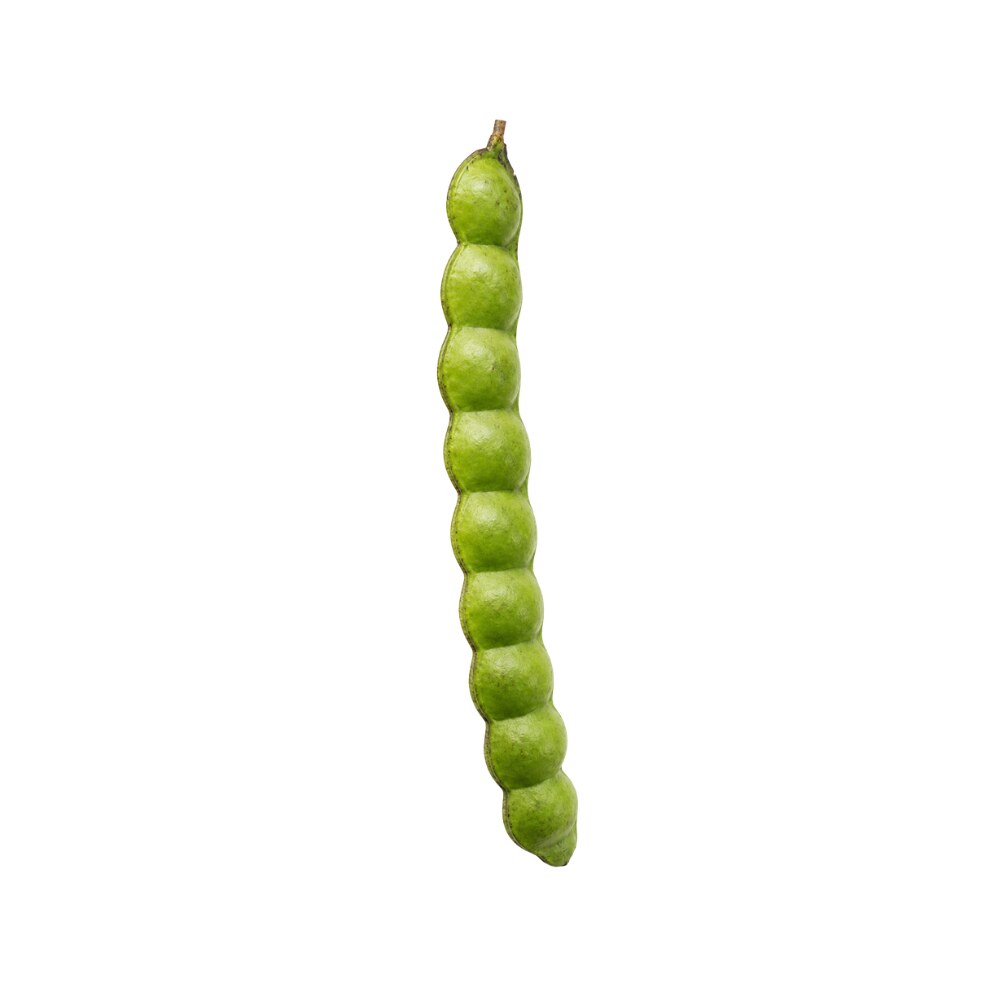
African Dream Herb is a large woody climbing vine (Entada rheedii) native to tropical Africa and parts of Asia and Australia. It produces enormous seed pods containing hard, disc-shaped “sea beans” that can drift across oceans. The inner flesh of the seed is the part traditionally used, and the plant is best known as an oneirogen — a dream enhancer.
Traditional & Modern Uses
In several African traditions the seed is used to induce vivid and meaningful dreams, sometimes as part of practices intended to facilitate communication with the ancestral or spirit world. The inner seed material is shredded and may be smoked, brewed as a tea, or eaten before sleep. The hard seed shells are also worn as protective amulets. Contemporary interest centres on its reputation for promoting lucid and memorable dreaming.
Botany
African Dream Herb is a giant woody climbing liana in the legume family (Fabaceae), best known for producing some of the largest seed pods of any plant — pods running several meters long that split into segments, each holding a single hard, disc-shaped “sea bean” seed. The thick, durable seed coat is built to survive lengthy immersion in seawater; in the wild, germination typically requires the coat to be abraded by sand, waves or debris during ocean transport, a process that can take months to years.
Distribution
Entada rheedii is native to the tropical and subtropical Old World — tropical Africa, Madagascar, South and Southeast Asia, and Australasia (Queensland) — and does not occur natively in the Americas. Its wide, naturally disjunct range is largely explained by ocean-current seed dispersal: pods fall into rivers, drift to the coast, and the buoyant, waterproof seeds can cross entire oceans before washing up and taking root on a distant tropical beach. No invasive or noxious-weed status has been documented for the species.
Growing Conditions
- Grows as a tropical/subtropical woody liana, full sun.
- Not frost-tolerant; suited to roughly USDA zone 10–12 as a perennial.
- Full cultivation detail lives on the companion farm-wiki grow guide for Entada rheedii (link to be added once that project’s public URL is confirmed).
Phytochemistry
The seeds of Entada rheedii are characterised by two unusual classes: the sulphur-bearing thioamides entadamide A and entadamide B, and triterpenoid (echinocystic-type) saponins, of which rheedeioside A and rheedeioside B are the species-distinguishing markers. Accompanying these are the phytosterols stigmasterol and β-sitosterol, the flavonols quercetin, kaempferol and isorhamnetin, and phenolics such as phaseoloidin. The compounds responsible for the seed’s reputed dream-enhancing effects have not been established.
Constituent Summary
The literature on this species is thin and almost no quantitative data has been published, so amounts are given as No Data throughout; profiles vary with provenance and plant part. † marks the rheedeiosides, the Entada rheedii–characteristic saponins. The middle column gives the constituent type.
Phenolic acid1 compoundno data
Flavonoid3 compoundsno data
Pharmacology & Research
The formal literature on Entada rheedii itself is small — a handful of phytochemical papers on the seed kernel and no pharmacological trial in humans or animals that tests the plant as it is actually used. Most of what is written about “Entada” pharmacology comes from two different species that share several of the same constituents: Entada phaseoloides (the Chinese/Dai and Ayurvedic “gila nut”, Entadae Semen) and Entada africana (a West African tree used for the liver). That cross-species borrowing is the single most important caveat here: entadamide A, phaseoloidin and the triterpene saponins do appear in E. rheedii, so the mechanistic findings are plausibly relevant, but effect sizes, doses and preparations do not transfer cleanly from one species to another — and none of these studies used the shredded seed, smoked or taken before sleep, that defines the herb’s traditional use. The one signal unique to E. rheedii — mild antiproliferative and antioxidant activity of its species-specific saponins — is in-vitro only, and the celebrated dream-enhancing effect has never been formally studied.
- Best-supported: anti-inflammatory activity, from a 5-lipoxygenase-inhibiting thioamide (entadamide A) and NO/cytokine-suppressing saponins — but the direct trials used E. phaseoloides and E. africana, not the dream herb 1,9,10Reference 1In vitroSynthesis of entadamide A and entadamide B isolated from Entada phaseoloides and their inhibitory effects on 5-lipoxygenase — in vitroView study →Reference 9AnimalExperimental evaluation of anti-inflammatory effect of topical application of Entada phaseoloides seeds as paste and ointment — animal modelView study →Reference 10In vitroTriterpene saponins with anti-inflammatory activity from the stems of Entada phaseoloides — in vitroView study →. Antioxidant activity of the E. rheedii–specific saponins is shown in the actual species, in vitro 2,8Reference 2In vitroRheediinosides A and B, two antiproliferative and antioxidant triterpene saponins from Entada rheedii — in vitroView study →Reference 8Nutritional characterization of an underutilized legume Entada rheedii Spreng. seeds and validation of its folklore usesView study →.
- Emerging, worth watching: NLRP3-inflammasome suppression in gout and psoriasis models by Entada constituents 11,12Reference 11AnimalPhaseoloidin, a homogentisic acid glucoside from Entada phaseoloides, suppresses gout inflammation via NLRP3 inflammasome — mouseView study →Reference 12AnimalEntadamide A-β-D-glucopyranoside attenuates psoriatic dermatitis by restoring keratinocyte homeostasis and suppressing neutrophil extracellular traps — mouseView study →, and AMPK-mediated antidiabetic effects of the total saponins 15,16Reference 15AnimalAntidiabetic effect of total saponins from Entada phaseoloides (L.) Merr. in type 2 diabetic rats — animal modelView study →Reference 16In vitroEntada phaseoloides extract suppresses hepatic gluconeogenesis via activation of the AMPK signaling pathway — in vitroView study →.
- Mechanistically thin: the herb’s signature oneirogenic (dream-enhancing) reputation rests on tradition alone — no efficacy study exists, and the only CNS-relevant lead is a speculative IDO/kynurenine mechanism inferred from two E. rheedii tryptophan derivatives 5,23Reference 5In vitroTwo new tryptophan derivatives from the seed kernels of Entada rheedei: effects on cell viability and HIV infectivity — in vitroView study →Reference 23AnimalEffect of seeds of Entada phaseoloides on chronic restraint stress in mice — animal modelView study →.
- The caveat: almost everything is preclinical and cross-species. There is no human trial, no standardised extract, and no quantitative marker data for E. rheedii (constituent amounts are largely unpublished).
1. Anti-inflammatory
This is the most replicated activity across the genus, though the strands sit at different distances from the dream herb. The mechanistic root is old: synthetic entadamide A and entadamide B — sulphur-bearing thioamides first isolated from Entada seeds and present in E. rheedii — inhibited 5-lipoxygenase in cultured cells, which is what first flagged them as a possible new anti-inflammatory class 1Reference 1In vitroSynthesis of entadamide A and entadamide B isolated from Entada phaseoloides and their inhibitory effects on 5-lipoxygenase — in vitroView study →. Downstream work on E. phaseoloides stem saponins showed the aglycone entagenic acid and its glycosides suppress nitric-oxide production and the cytokines TNF-α, IL-1β, IL-6 and IL-8 in LPS-stimulated macrophages (IC50 ~20–25 µM) 10Reference 10In vitroTriterpene saponins with anti-inflammatory activity from the stems of Entada phaseoloides — in vitroView study →, and a topical seed paste reduced adjuvant-induced paw swelling in rats about as well as diclofenac ointment 9Reference 9AnimalExperimental evaluation of anti-inflammatory effect of topical application of Entada phaseoloides seeds as paste and ointment — animal modelView study →. More recent studies extend the mechanism to the NLRP3 inflammasome: phaseoloidin suppressed gout inflammation in mice by blocking caspase-1/IL-1β maturation 11Reference 11AnimalPhaseoloidin, a homogentisic acid glucoside from Entada phaseoloides, suppresses gout inflammation via NLRP3 inflammasome — mouseView study →, and entadamide A-β-D-glucopyranoside eased imiquimod-induced psoriasis in mice 12Reference 12AnimalEntadamide A-β-D-glucopyranoside attenuates psoriatic dermatitis by restoring keratinocyte homeostasis and suppressing neutrophil extracellular traps — mouseView study →. A separate body of work on the West African tree E. africana shows bark and leaf fractions inhibit iNOS and pro-inflammatory cytokines in microglia and other models 13,14Reference 13In vitroEntada africana fraction CH2Cl2/MeOH 5% inhibits inducible nitric oxide synthase and pro-inflammatory cytokine gene expression induced by lipopolysaccharide in microglia — in vitroView study →Reference 14In vitroAnti-inflammatory potential of phenolic compounds isolated from Entada africana Guill. & Perr. used in the Republic of Benin — in vitroView study →. The through-line is coherent, but note how little of it is the dream herb dosed as a dream herb.
Gap: No study tested E. rheedii itself for anti-inflammatory effect beyond a screening-level assay 8Reference 8Nutritional characterization of an underutilized legume Entada rheedii Spreng. seeds and validation of its folklore usesView study →, and none used an oral seed preparation — the evidence is a cross-species mechanistic mosaic, not a validated indication for this plant.
2. Antioxidant
This is one of the few indications with data in the actual species. The two E. rheedii–characteristic saponins, rheediinoside A and rheediinoside B, isolated from the seed kernel, showed moderate antioxidant activity alongside their cytotoxicity in vitro, with rheediinoside B the more active of the pair 2Reference 2In vitroRheediinosides A and B, two antiproliferative and antioxidant triterpene saponins from Entada rheedii — in vitroView study →. A 2024 nutritional characterisation of E. rheedii seeds — which also found them protein- and starch-rich and low in tannin — reported “promising anti-radical” activity for the seed 8Reference 8Nutritional characterization of an underutilized legume Entada rheedii Spreng. seeds and validation of its folklore usesView study →. Indirectly, a chronic-restraint-stress study in mice (using E. phaseoloides) found the seed extract restored the antioxidant enzymes glutathione and superoxide dismutase and lowered lipid peroxidation in the hippocampus, consistent with an in-vivo antioxidant action for the genus 23Reference 23AnimalEffect of seeds of Entada phaseoloides on chronic restraint stress in mice — animal modelView study →. The flavonols quercetin and kaempferol present in the seed are plausible contributors.
Gap: All of it is in-vitro radical-scavenging or animal-tissue enzyme data — no human antioxidant biomarker study, and no dose at which a person eating the seed would reach these effects.
3. Antidiabetic
The strongest whole-animal evidence in the genus is for blood-glucose control, but it is entirely in E. phaseoloides. Total saponins from the seed lowered fasting blood glucose and serum insulin, improved lipid profiles and reduced oxidative stress in high-fat-diet/streptozotocin type-2-diabetic rats over 21 days, approaching metformin as a comparator 15Reference 15AnimalAntidiabetic effect of total saponins from Entada phaseoloides (L.) Merr. in type 2 diabetic rats — animal modelView study →. A follow-up mechanistic study showed the total saponins suppress hepatic gluconeogenesis by activating the AMPK pathway (raising phosphorylation of AMPK, ACC and Akt/GSK3β) in hepatocytes and HepG2 cells 16Reference 16In vitroEntada phaseoloides extract suppresses hepatic gluconeogenesis via activation of the AMPK signaling pathway — in vitroView study →. The 2024 E. rheedii nutritional screen also reported anti-diabetic activity for the dream-herb seed, but only at a preliminary assay level 8Reference 8Nutritional characterization of an underutilized legume Entada rheedii Spreng. seeds and validation of its folklore usesView study →.
Gap: The robust dose-response data are for a different species; for E. rheedii there is only a screening signal, no in-vivo glucose study, and no human data.
4. Analgesic
Two rat studies from the same group tested topical E. phaseoloides seed formulations against complete-Freund’s-adjuvant arthritis: a paste and an ointment both significantly raised pain thresholds, comparable to diclofenac sodium 17Reference 17AnimalAnti-nociceptive effect of Entada phaseoloides seeds formulation after topical application in arthritic Wistar rats — animal modelView study →, paralleling the anti-inflammatory paw-swelling result 9Reference 9AnimalExperimental evaluation of anti-inflammatory effect of topical application of Entada phaseoloides seeds as paste and ointment — animal modelView study →. Separately, an ethanol leaf extract of E. africana showed analgesic and anti-inflammatory activity in rodent models 18Reference 18AnimalAnalgesic, anti-inflammatory, and heme biomineralization inhibitory properties of Entada africana ethanol leaf extract — animal modelView study →, and the traditional record for E. phaseoloides seed explicitly includes analgesic and antipyretic use 12Reference 12AnimalEntadamide A-β-D-glucopyranoside attenuates psoriatic dermatitis by restoring keratinocyte homeostasis and suppressing neutrophil extracellular traps — mouseView study →.
Gap: The analgesic data are topical, in a different species, in arthritic rats — a long way from an oral E. rheedii seed. No nociception study exists for the dream herb, and the preparation mismatch caps confidence.
5. Antiproliferative
Cell-line cytotoxicity is the best-characterised activity unique to E. rheedii. The species-specific rheediinoside saponins showed moderate antiproliferative potency against glioblastoma (T98G), epidermoid (A431), prostate (PC3) and melanoma (B16-F1) lines 2Reference 2In vitroRheediinosides A and B, two antiproliferative and antioxidant triterpene saponins from Entada rheedii — in vitroView study →, and a novel lactose-binding lectin (“entadin”) purified from the seed was cytotoxic to cancer cell lines 20Reference 20In vitroBiochemical characterization of lactose-binding Entadin lectin from Entada rheedii seeds with cytotoxic activity against cancer cell lines — in vitroView study →. In E. phaseoloides, an n-butanol seed fraction induced apoptosis in HepG2 hepatocellular-carcinoma cells through mitochondrial depolarisation 19Reference 19In vitroN-butanol fraction of Entada phaseoloides ethanol extract inhibits hepatocellular carcinoma HepG2 cell proliferation by inducing apoptosis — in vitroView study →, and synthetic entadamide A derivatives have been engineered for activity against MCF-7 breast-cancer cells 21Reference 21In vitroDesign and synthesis of entadamide A derivatives targeting breast cancer: insights into in silico, in vitro and in vivo modelsView study →.
Gap: Every result is in cultured cells; potencies are moderate, there is no in-vivo tumour model for the whole herb, and cytotoxicity to cancer lines does not by itself imply a safe or useful therapy.
6. Antimicrobial & wound-healing
A single, self-contained rat study carries this indication: total tannins from E. phaseoloides (a fraction ~76% tannin) accelerated wound closure, promoted fibroblast proliferation and migration, and showed direct inhibitory activity against Staphylococcus aureus (MBC ~1.5 mg/mL) 22Reference 22AnimalWound-healing promoting effect of total tannins from Entada phaseoloides (L.) Merr. in rats — animal modelView study →. The wound-healing effect was attributed jointly to the antibacterial action and the pro-proliferative effect of the tannins.
Gap: One study, one species, a tannin fraction rather than the whole seed, and a topical wound context unrelated to how E. rheedii is used. Treat as a lead, not an established property.
7. Antidepressant / anti-stress
This is the closest the literature comes to the herb’s real-world reputation as a sleep- and mind-active plant, and it is thin. In mice, a methanolic E. phaseoloides seed extract reduced immobility in the forced-swim test (an antidepressant-like readout) during 28 days of chronic restraint stress, restored antioxidant enzymes, and down-regulated endoplasmic-reticulum-stress and apoptosis genes (GRP78, GRP94, CHOP, caspase-12) in the hippocampus 23Reference 23AnimalEffect of seeds of Entada phaseoloides on chronic restraint stress in mice — animal modelView study →. Separately — and more speculatively — two tryptophan derivatives isolated from E. rheedii seed (tryptorheedei A and B) appear to inhibit indoleamine 2,3-dioxygenase (IDO); because IDO gates the kynurenine pathway that feeds serotonin and melatonin synthesis and modulates brain glutamate and dopamine, the authors proposed this could underlie the plant’s reported neuropsychiatric effects 5Reference 5In vitroTwo new tryptophan derivatives from the seed kernels of Entada rheedei: effects on cell viability and HIV infectivity — in vitroView study →.
Gap: The behavioural data are in the wrong species; the IDO link is a mechanistic hypothesis from an in-vitro HIV assay, not a CNS or sleep study. The oneirogenic/dream-enhancing effect that the herb is actually known for has never been tested — it is documented only as traditional use.
Mechanisms
| Mechanism | Drives | Key compounds |
|---|---|---|
| 5-Lipoxygenase ↓ | anti-inflammatory | entadamide A, entadamide B |
| NO ↓, COX/cytokine ↓, NLRP3 inflammasome ↓ | anti-inflammatoryanalgesicanti-gout | phaseoloidin, entagenic acid |
| AMPK ↑ → hepatic gluconeogenesis ↓ | antidiabetic | triterpene saponins (fraction) |
| Antioxidant-enzyme restoration (GSH, SOD ↑; lipid peroxidation ↓) | antioxidantanti-stress | quercetin, kaempferol |
| Mitochondrial apoptosis / cytotoxicity | antiproliferative | rheediinoside B, entadin lectin |
| IDO ↓ → kynurenine/serotonin pathway (speculative) | CNS / anti-stress | tryptorheedei A |
Clinical trials
No registered clinical trials were identified for Entada rheedii or any Entada species (ClinicalTrials.gov returns zero records) — the evidence base is entirely preclinical and, for the dream herb specifically, largely phytochemical.
| Completed | Planned | Terminated | Preclinical |
|---|---|---|---|
| 0 | 0 | 0 | ~25 |
Last checked: July 2026.
Dosage
No human dose has ever been established for Entada rheedii: no pharmacopoeia (WHO, ESCOP, EMA/HMPC, Commission E) lists the species, and every reported research dose used a different Entada species and/or a non-oral route, so none translates to the shredded seed taken before sleep.
| Indication | Preparation | Dose | Est. dried-herb equivalent | Source |
|---|---|---|---|---|
| Antidiabetic | Total saponins, E. phaseoloides seed (oral, rat) | 25–100 mg/kg/day × 21 d | — (animal mg/kg; no human marker %, not translatable) | 15Reference 15AnimalAntidiabetic effect of total saponins from Entada phaseoloides (L.) Merr. in type 2 diabetic rats — animal modelView study → |
| Anti-inflammatory | Seed paste/ointment, E. phaseoloides (topical, rat) | applied to inflamed paw | — (topical, not an oral dose) | 9Reference 9AnimalExperimental evaluation of anti-inflammatory effect of topical application of Entada phaseoloides seeds as paste and ointment — animal modelView study → |
| Analgesic | Seed paste/ointment, E. phaseoloides (topical, rat) | applied topically | — (topical) | 17Reference 17AnimalAnti-nociceptive effect of Entada phaseoloides seeds formulation after topical application in arthritic Wistar rats — animal modelView study → |
| Anti-stress / antidepressant | Methanolic seed extract, E. phaseoloides (oral, mouse) | 100–200 mg/kg/day | — (animal mg/kg) | 23Reference 23AnimalEffect of seeds of Entada phaseoloides on chronic restraint stress in mice — animal modelView study → |
| Anti-inflammatory (mechanistic) | Saponins / entagenic acid (in vitro) | IC50 ~20–25 µM | — (cell assay) | 10Reference 10In vitroTriterpene saponins with anti-inflammatory activity from the stems of Entada phaseoloides — in vitroView study → |
Every row above is a different species and/or a non-oral route; a dried-herb equivalent cannot be back-calculated because there is no human marker dose and no published constituent % for E. rheedii*. These are research doses, not recommendations.*
Traditional Dosage
Traditional use is described only qualitatively — the softened inner seed is taken in small, unmeasured amounts, and no authoritative dose range exists.
| System | Preparation | Dose |
|---|---|---|
| Southern/East African traditional (Zulu, Xhosa & others) | Inner seed flesh shredded, then smoked, brewed as a tea, or eaten shortly before sleep as an oneirogen | Not standardised — small amounts of the softened inner seed |
| African folk / topical | Seed material applied externally; hard shells worn as amulets | Not a measured internal dose |
Safety & Pregnancy
Formal toxicology for Entada rheedii is essentially absent, so safety cannot be assumed; the main practical cautions are possible gut irritation from its saponins and a reasonable wariness about combining a sleep-active herb with other sedatives.
- No toxicology exists. No human study, toxicity assay, or pharmacopoeial monograph covers the species — unstudied, not proven safe.
- Sedative combinations. Used as a sleep-active oneirogen, so caution is reasonable with sedatives or other CNS depressants, though no interaction has been measured.
- Saponin gut irritation. The saponin-rich seed and bark may irritate the gut in large oral doses 10Reference 10In vitroTriterpene saponins with anti-inflammatory activity from the stems of Entada phaseoloides — in vitroView study →.
- No CYP/interaction data. Cytochrome-P450 data sometimes cited belong to E. africana, a different species — none exists for the dream herb itself 25Reference 25In vitroEnzyme kinetic and in silico characterization of cytochrome P450 2E1 inhibition by hydro-ethanolic extract of Entada africana and its protective role in acetaminophen-induced hepatotoxicity — in vitro / in silicoView study →.
Full safety & interactions detail
Formal safety and toxicology data for Entada rheedii are essentially absent — no human study, no acute or chronic toxicity assay, and no pharmacopoeial monograph (WHO, ESCOP, EMA/HMPC, Commission E) covers the species. Because the seed and bark are rich in triterpene saponins, large oral quantities may cause gastrointestinal irritation, the expected class effect of saponins 10Reference 10In vitroTriterpene saponins with anti-inflammatory activity from the stems of Entada phaseoloides — in vitroView study →. The seed is used traditionally as a sleep-active oneirogen, so caution is reasonable when combining with sedatives or other CNS depressants, though no interaction has actually been measured. Isolated E. rheedii constituents (tryptorheedei A and B) were non-toxic to human PBMC and TZM cells in vitro, but this says nothing about whole-seed safety at ingested doses 5Reference 5In vitroTwo new tryptophan derivatives from the seed kernels of Entada rheedei: effects on cell viability and HIV infectivity — in vitroView study →. Cytochrome-P450 data sometimes attributed to “Entada” comes from E. africana, a botanically distinct West African tree, not the dream herb 25Reference 25In vitroEnzyme kinetic and in silico characterization of cytochrome P450 2E1 inhibition by hydro-ethanolic extract of Entada africana and its protective role in acetaminophen-induced hepatotoxicity — in vitro / in silicoView study → — no interaction, CYP or drug study has been done on E. rheedii itself.
No reproductive, developmental or lactation study has been conducted on Entada rheedii, and its saponin content plus centrally active reputation give no basis to assume safety. Avoidance in pregnancy and breastfeeding is a precaution from absence of data, not from a demonstrated harm.
References
- Ikegami, F., et al. (1989). Synthesis of entadamide A and entadamide B isolated from Entada phaseoloides and their inhibitory effects on 5-lipoxygenase — in vitro. Chemical & Pharmaceutical Bulletin. https://pubmed.ncbi.nlm.nih.gov/2805174/
- Nzowa, L. K., et al. (2010). Rheediinosides A and B, two antiproliferative and antioxidant triterpene saponins from Entada rheedii — in vitro. Phytochemistry. https://pubmed.ncbi.nlm.nih.gov/19896681/
- Sugimoto, S., et al. (2011). Medicinal plants of Thailand. I: structures of rheedeiosides A–D and cis-entadamide A β-D-glucopyranoside from the seed kernels of Entada rheedei. Chemical & Pharmaceutical Bulletin. https://pubmed.ncbi.nlm.nih.gov/21467675/
- Sugimoto, S., et al. (2012). Medicinal plants of Thailand. II: chemical studies on the seed kernels of Entada rheedei Sprengel. Journal of Natural Medicines. https://pubmed.ncbi.nlm.nih.gov/22146972/
- Nzowa, L. K., et al. (2013). Two new tryptophan derivatives from the seed kernels of Entada rheedei: effects on cell viability and HIV infectivity — in vitro. Fitoterapia. https://pubmed.ncbi.nlm.nih.gov/23537889/
- Xing, S., et al. (2015). Intestinal bacterial metabolism and anti-complement activities of three major components of the seeds of Entada phaseoloides — in vitro. Journal of Natural Medicines. https://pubmed.ncbi.nlm.nih.gov/25398297/
- Sugimoto, S., et al. (2018). Biological activity of Entada phaseoloides and Entada rheedei — review. Journal of Natural Medicines. https://pubmed.ncbi.nlm.nih.gov/29124496/
- Rawat, P., et al. (2024). Nutritional characterization of an underutilized legume Entada rheedii Spreng. seeds and validation of its folklore uses. Natural Product Research. https://pubmed.ncbi.nlm.nih.gov/36840636/
- Dawane, J. S., et al. (2011). Experimental evaluation of anti-inflammatory effect of topical application of Entada phaseoloides seeds as paste and ointment — animal model. North American Journal of Medical Sciences. https://pubmed.ncbi.nlm.nih.gov/22361498/
- Xiong, H., et al. (2015). Triterpene saponins with anti-inflammatory activity from the stems of Entada phaseoloides — in vitro. Fitoterapia. https://pubmed.ncbi.nlm.nih.gov/25759122/
- Jiang, Y. J., et al. (2026). Phaseoloidin, a homogentisic acid glucoside from Entada phaseoloides, suppresses gout inflammation via NLRP3 inflammasome — mouse. Phytomedicine. https://pubmed.ncbi.nlm.nih.gov/41579591/
- Zhang, Z. H., et al. (2026). Entadamide A-β-D-glucopyranoside attenuates psoriatic dermatitis by restoring keratinocyte homeostasis and suppressing neutrophil extracellular traps — mouse. Journal of Ethnopharmacology. https://pubmed.ncbi.nlm.nih.gov/41833762/
- Owona, B. A., et al. (2013). Entada africana fraction CH2Cl2/MeOH 5% inhibits inducible nitric oxide synthase and pro-inflammatory cytokine gene expression induced by lipopolysaccharide in microglia — in vitro. BMC Complementary and Alternative Medicine. https://pubmed.ncbi.nlm.nih.gov/24089706/
- Codo Toafode, N. M., et al. (2022). Anti-inflammatory potential of phenolic compounds isolated from Entada africana Guill. & Perr. used in the Republic of Benin — in vitro. Frontiers in Pharmacology. https://pubmed.ncbi.nlm.nih.gov/35847017/
- Zheng, T., et al. (2012). Antidiabetic effect of total saponins from Entada phaseoloides (L.) Merr. in type 2 diabetic rats — animal model. Journal of Ethnopharmacology. https://pubmed.ncbi.nlm.nih.gov/22212505/
- Zheng, T., et al. (2016). Entada phaseoloides extract suppresses hepatic gluconeogenesis via activation of the AMPK signaling pathway — in vitro. Journal of Ethnopharmacology. https://pubmed.ncbi.nlm.nih.gov/27742409/
- Dawane, J. S., et al. (2013). Anti-nociceptive effect of Entada phaseoloides seeds formulation after topical application in arthritic Wistar rats — animal model. Journal of Clinical and Diagnostic Research. https://pubmed.ncbi.nlm.nih.gov/24551628/
- Ezenyi, I. C., et al. (2014). Analgesic, anti-inflammatory, and heme biomineralization inhibitory properties of Entada africana ethanol leaf extract — animal model. Journal of Basic and Clinical Physiology and Pharmacology. https://pubmed.ncbi.nlm.nih.gov/24197769/
- Zhang, L., et al. (2014). N-butanol fraction of Entada phaseoloides ethanol extract inhibits hepatocellular carcinoma HepG2 cell proliferation by inducing apoptosis — in vitro. Journal of B.U.ON. https://pubmed.ncbi.nlm.nih.gov/24965399/
- Naik, S., et al. (2020). Biochemical characterization of lactose-binding Entadin lectin from Entada rheedii seeds with cytotoxic activity against cancer cell lines — in vitro. ACS Omega. https://pubmed.ncbi.nlm.nih.gov/32685806/
- Bhulakshmi, S., et al. (2026). Design and synthesis of entadamide A derivatives targeting breast cancer: insights into in silico, in vitro and in vivo models. European Journal of Medicinal Chemistry. https://pubmed.ncbi.nlm.nih.gov/41172646/
- Su, X., et al. (2017). Wound-healing promoting effect of total tannins from Entada phaseoloides (L.) Merr. in rats — animal model. Burns. https://pubmed.ncbi.nlm.nih.gov/28040363/
- Barua, C. C., et al. (2020). Effect of seeds of Entada phaseoloides on chronic restraint stress in mice — animal model. Journal of Ayurveda and Integrative Medicine. https://pubmed.ncbi.nlm.nih.gov/30635249/
- Shen, H. P., et al. (2015). Quality standard study on Entadae Semen (phaseoloidin and entadamide A-O-β-D-glucopyranoside content). China Journal of Chinese Materia Medica. https://pubmed.ncbi.nlm.nih.gov/26390638/
- Kouam, A. F., et al. (2025). Enzyme kinetic and in silico characterization of cytochrome P450 2E1 inhibition by hydro-ethanolic extract of Entada africana and its protective role in acetaminophen-induced hepatotoxicity — in vitro / in silico. Journal of Ethnopharmacology. https://pubmed.ncbi.nlm.nih.gov/40714060/