Materia Medica
Asian Ginseng
Panax ginseng
Asian ginseng (Panax ginseng) — a classic qi tonic and adaptogen supporting energy, the endocrine system, cognition and heart health.
What Is Asian Ginseng?
Asian ginseng is a very useful herb. It acts as a regulator for the endocrine system, offering long-term secondary benefits on the cardiovascular and neurological systems.
It’s considered a Qi tonic in traditional Chinese medicine.
Ginseng works from the top down as an adaptogen. It primarily supports the metabolic, reproductive, neurological, and cardiovascular systems.
The main drawback is cost: ginseng is slow to grow and the wild plant was nearly harvested to extinction, so the market now runs on cultivated root.
What Is Asian Ginseng Used For?
Ginseng is mainly used as an adaptogen to increase energy, regulate blood glucose levels, and improve the ability to respond to and resist stress. It’s a popular adjunctive therapy with cancer therapies to increase energy, and alongside metabolic syndrome or diabetes to help with glucose regulation in both type I and type II diabetics.
Ginseng is and always has been a popular herb for male-specific problems, especially those associated with age. Erectile dysfunction, cognitive decline, low libido, male infertility, and cardiovascular disease are all common uses for ginseng, especially in Asia where the plant originates.
Some of the more modern uses of ginseng revolve around its use as a cognitive performance enhancer. The ginsenosides prevalent in the plant have been well studied for use in nootropic formulas. As a result, we are beginning to see an increase in the use of ginseng for this application.
Traditional Uses
Western Herbal Medicine
In western herbal medicine, it’s used as a mild stomachic, tonic, and stimulant for anorexia and digestive complaints. It was also useful for mental exhaustion 39Reference 39Principles and Practice of Phytotherapy.
The British herbal pharmacopeia lists ginseng as a thymoleptic, sedative, demulcent, stomachic, an aphrodisiac. It’s indicated for neurasthenia, neuralgia, insomnia, and hypotonia. 41Reference 41A Materia Medica for Chinese Medicine: Plants, Minerals, and Animal Products. (Pg.
The eclectics used ginseng for cerebral anemia, asthma, convulsions, paralysis, and urinary gravel. 39Reference 39Principles and Practice of Phytotherapy.
The Traditional Uses Included
Prostration, heart conditions, asthma, cold limbs, poor circulation, digestive complaints, anxiety, neuralgia, low libido, fatigue, liver disease, infertility. 39,42,43Reference 39Principles and Practice of PhytotherapyReference 42British Herbal PharmacopoeiaReference 43ReviewAlternative Medicine Review : A Journal Of Clinical Therapeutic, 14(2), 172-6.
Traditional Chinese Medicine
Asian ginseng has an extensive history of use in the traditional Chinese medical system where its primary purpose was to tonify Qi, promote longevity, and generate fluid. (see below for more). 39Reference 39Principles and Practice of Phytotherapy.
Pin Yin
Ren Shen
Taste
Sweet, bitter 41Reference 41A Materia Medica for Chinese Medicine: Plants, Minerals, and Animal Products. (Pg
Energy
Warm 41Reference 41A Materia Medica for Chinese Medicine: Plants, Minerals, and Animal Products. (Pg
Channels
Spleen, lung, heart 41Reference 41A Materia Medica for Chinese Medicine: Plants, Minerals, and Animal Products. (Pg
Actions
Tonifies Qi, generates fluids, tonifies the lungs, and stomach, strengthens the spleen, calms the spirit (shen) 39,41Reference 39Principles and Practice of PhytotherapyReference 41A Materia Medica for Chinese Medicine: Plants, Minerals, and Animal Products. (Pg.
Indications
Collapsed Qi.
Dose
1-10g decocted for 3 hours or more 41Reference 41A Materia Medica for Chinese Medicine: Plants, Minerals, and Animal Products. (Pg.
Contraindications
Hot conditions (use American ginseng instead), acute inflammatory conditions 40Reference 40Medical herbalism: The science and practice of herbal medicine, yin deficiency with heat or fire, damp-heat, ascendant liver yang with hypertension 41Reference 41A Materia Medica for Chinese Medicine: Plants, Minerals, and Animal Products. (Pg.
Botany
Panax ginseng is one of the genuine ginsengs — a member of the ivy family (Araliaceae) and of the small genus Panax, which it shares with American ginseng (P. quinquefolius) and notoginseng / sanqi (P. notoginseng). This matters because the marketplace is crowded with plants that borrow the name “ginseng” without belonging to the genus at all — Siberian “ginseng” (Eleutherococcus), Indian “ginseng” (ashwagandha), Brazilian and Peruvian “ginsengs” — none of which are true Panax. When an herbalist reaches for Asian ginseng, botanical identity, not the common name, is the thing that counts.
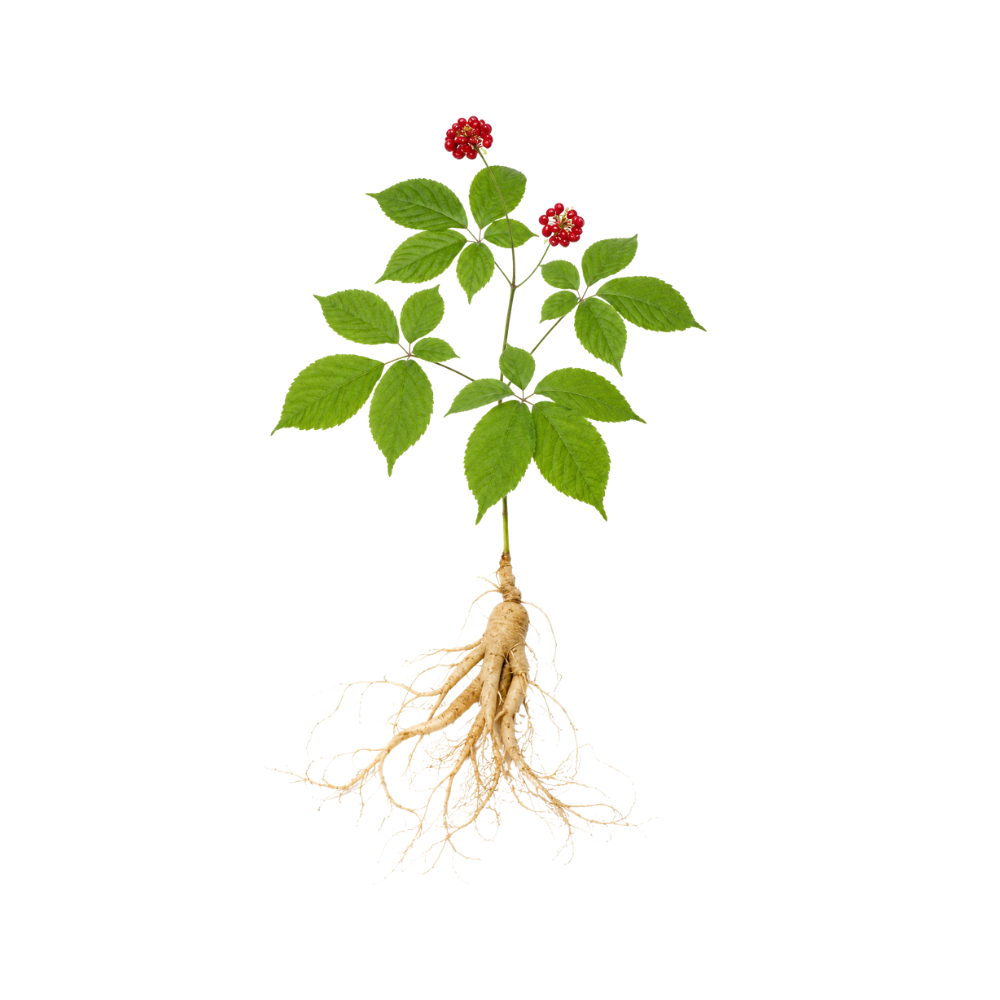
The plant itself is modest and unmistakable: a single upright stem, ankle- to knee-high, crowned by a tidy ring of long-stalked, hand-shaped compound leaves, with a short stalk pushing up through the middle to hold a rounded head of tiny flowers that give way to a tight cluster of vivid scarlet berries in late summer.
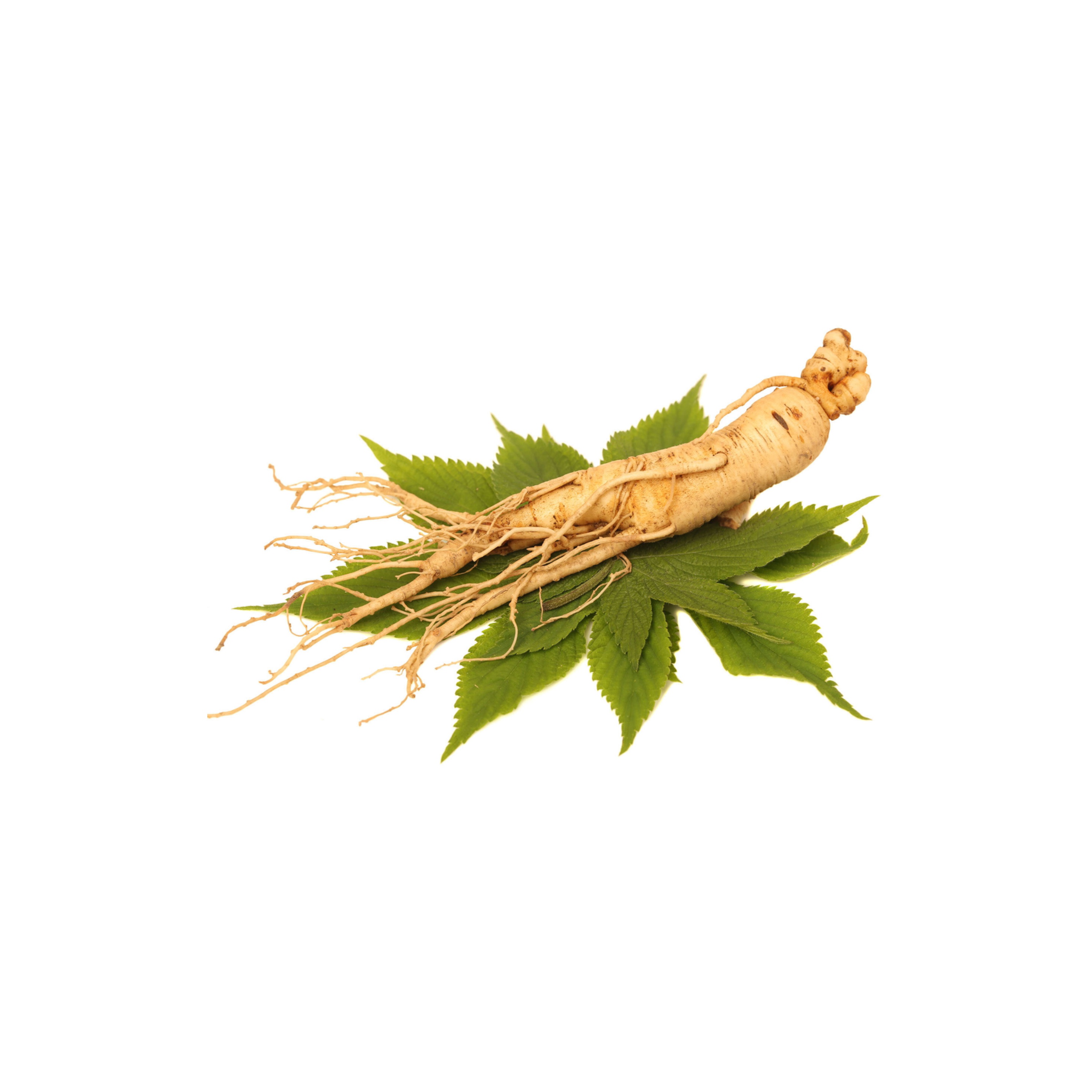
The root is the medicinal part — a pale, fleshy, tapering taproot that thickens and forks slowly over many years, sometimes into the branched, vaguely human silhouette that gave ginseng its lore. It is this aged root, not the leaf or berry, that is dried and used, and because meaningful root mass only comes with time, quality is tied to age in a way few other herbs share.
Distribution
Asian ginseng is a shade-dwelling forest perennial native to Northeast China, Korea and the Russian Far East. Wild plants are now scarce and protected — nearly all root in commerce is cultivated — so wild-harvested Manchurian or Korean ginseng should be treated as the rare, ethically fraught exception rather than the norm.
Growing Conditions
- A cool-climate woodland crop: it wants deep shade (roughly 70–90% shade under canopy or cloth), not open sun.
- Prefers rich, moist but well-drained forest soil high in organic matter, with cold winters and mild summers.
- Extremely slow — expect several years (often 4–6+) before roots reach harvestable size.
- Grow from cultivated, stratified seed or roots; never plant wild-dug stock, which is rare and legally protected in much of its range.
- Full cultivation detail lives on the companion farm-wiki grow guide for Panax ginseng (link to be added once that project’s public URL is confirmed).
Harvesting, Collection & Preparation
Due to some serious over-harvesting of ginseng from the wild, the majority of ginseng root on the market is farmed ginseng. Although generally regarded as weaker than wildcrafted ginseng, the chemical makeup is similar and is an acceptable substitute.
Farming ginseng is no easy venture, and thus the cost of the root is still quite expensive despite large-scale farms. Cultivation requires a substantial amount of labor, and the roots must be at least four years old before any profit can be made.
There are a lot of stories around ginseng wildcrafters from the past. Many of which describe the ability for ginseng to hide from foragers. It’s an extremely modest plant, with even the oldest herbs only growing four leaflets. They seemed to blend right into the surrounding foliage, and often a forager could be standing in an entire plot of ginseng and not even notice.
Pharmacology & Research
Panax ginseng is among the most heavily investigated botanicals in the world: PubMed returns hundreds of human trials and dozens of systematic reviews and meta-analyses, and over 200 registered clinical trials list it as an intervention. Despite that volume, the evidence is more equivocal than the herb’s reputation suggests — the strongest, most replicated human signals are modest reductions in fasting blood glucose and a consistent (if small) anti-fatigue effect, with erectile dysfunction and memory close behind. Much of the literature is limited by short trial duration, small samples, heterogeneous and often proprietary extracts (G115, Korean Red Ginseng, Cereboost), and frequent conflation of Asian ginseng with American ginseng (Panax quinquefolius), whose ginsenoside profile and clinical effects differ. Read every result below with the preparation in mind: a standardised-extract finding does not transfer to a decoction or whole-root powder.
- Best-supported: modest lowering of fasting blood glucose in meta-analysis 1,2Reference 1Meta-analysisThe effect of ginseng (the genus Panax) on glycemic control — systematic review and meta-analysis of randomised controlled trialsView study →Reference 2Meta-analysisThe efficacy of ginseng (Panax) on human prediabetes and type 2 diabetes mellitus — systematic review and meta-analysisView study →; a small but consistent reduction in fatigue 4,5,6Reference 4Systematic reviewGinseng as a treatment for fatigue — systematic reviewView study →Reference 5Meta-analysisEfficacy of ginseng supplements on fatigue and physical performance — meta-analysis of RCTsView study →Reference 6Meta-analysisGinseng and ginseng herbal formulas for symptomatic management of fatigue — systematic review and meta-analysisView study →.
- Emerging, worth watching: improvement in erectile function 8,9Reference 8Systematic reviewGinseng for erectile dysfunction — a Cochrane systematic reviewView study →Reference 9Systematic reviewRed ginseng for treating erectile dysfunction — systematic reviewView study → and in memory (though not global cognition) 11,13Reference 11Meta-analysisEffects of ginseng on cognitive function — systematic review and meta-analysis of RCTsView study →Reference 13Meta-analysisCognitive benefits of ginseng — systematic review and meta-analysis of MMSE and ADAS-cog changesView study →; reduced inflammatory and vascular markers 25,26Reference 25Meta-analysisThe effect of ginseng supplementation on CVD risk factors — systematic review and dose-response meta-analysisView study →Reference 26Meta-analysisEffects of ginseng consumption on cardiovascular health biomarkers in adults — systematic review and meta-analysis of RCTsView study →.
- Mechanistically thin: the classic “adaptogenic” HPA-axis story rests largely on animal work and mechanism, with little direct human confirmation 30Reference 30AnimalAnti-stress effects of Ginkgo biloba and Panax ginseng — a comparative study (animal model)View study →.
- The caveat: most trials are short, small, and use different standardised extracts; blood-pressure and lipid effects are neutral-to-null overall, and several “ginseng” trials actually used American ginseng.
1. Glycemic control
This is Asian ginseng’s most robust human signal. A systematic review and meta-analysis of 16 randomised controlled trials (n≈770 for fasting glucose) found ginseng significantly reduced fasting blood glucose versus control (mean difference −0.31 mmol/L), though it did not significantly change fasting insulin, HbA1c, or insulin resistance (HOMA-IR) overall; most trials were short (two-thirds under 12 weeks) and enrolled people with relatively good baseline glycemic control, which likely blunted the measurable effect 1Reference 1Meta-analysisThe effect of ginseng (the genus Panax) on glycemic control — systematic review and meta-analysis of randomised controlled trialsView study →. A later meta-analysis focused on prediabetes and type 2 diabetes (20 RCTs) reported significant reductions in fasting glucose, total cholesterol, IL-6 and HOMA-IR, with clearer benefit at doses of ≥2 g/day 2Reference 2Meta-analysisThe efficacy of ginseng (Panax) on human prediabetes and type 2 diabetes mellitus — systematic review and meta-analysisView study →. Acute dosing also matters: a single 200–400 mg dose of the G115 extract lowered blood glucose during a sustained mental-effort task 3Reference 3RCTSingle doses of Panax ginseng (G115) reduce blood glucose levels and improve cognitive performance during sustained mental activity — RCTView study →.
Gap: effects are small, mostly on fasting glucose rather than HbA1c, and trials are short with heterogeneous extracts — no long-term outcome data on diabetic complications.
2. Fatigue
Fatigue reduction is a consistent, if modest, finding across several syntheses of human trials. A meta-analysis of 12 RCTs (630 participants) found a statistically significant effect on fatigue reduction (standardised mean difference 0.34) and some benefit for physical performance 5Reference 5Meta-analysisEfficacy of ginseng supplements on fatigue and physical performance — meta-analysis of RCTsView study →. A broader systematic review concluded that both Asian and American ginseng may reduce fatigue, particularly in people with chronic illness 4Reference 4Systematic reviewGinseng as a treatment for fatigue — systematic reviewView study →, and a 2023 systematic review and meta-analysis of ginseng and ginseng formulas reached a similar conclusion for symptomatic fatigue management 6Reference 6Meta-analysisGinseng and ginseng herbal formulas for symptomatic management of fatigue — systematic review and meta-analysisView study →. In the cancer setting specifically, a review of trials in cancer-related fatigue found suggestive but limited evidence, with American ginseng (Wisconsin) carrying much of the positive signal 7Reference 7Systematic reviewGinseng and cancer-related fatigue — systematic review of clinical trialsView study →.
Gap: effect sizes are small-to-moderate, outcome scales are heterogeneous, and part of the positive evidence comes from American rather than Asian ginseng.
3. Erectile dysfunction
A 2022 Cochrane systematic review of nine placebo-controlled RCTs concluded that ginseng has only a trivial effect on erectile function by the IIEF-15 instrument (mean difference 3.52) and rated the certainty of evidence as low 8Reference 8Systematic reviewGinseng for erectile dysfunction — a Cochrane systematic reviewView study →. An earlier meta-analysis of seven RCTs of Korean Red Ginseng was more favourable, reporting a significant benefit (risk ratio 2.40) but noting uniformly low methodological quality 9Reference 9Systematic reviewRed ginseng for treating erectile dysfunction — systematic reviewView study →. The often-cited early trial found an overall efficacy of 60% with Korean Red Ginseng versus 30% with placebo or trazodone, with improvements in rigidity, girth and libido 10Reference 10RCTClinical efficacy of Korean red ginseng for erectile dysfunction — randomised controlled trialView study →. The direction of effect is consistent; the magnitude and certainty are not.
Gap: trials are small, short, mostly from a single region, and methodologically weak; the pooled effect may not be clinically meaningful.
4. Cognition & memory
The cognitive picture is split by domain. A 2024 meta-analysis of 15 RCTs (671 participants) found ginseng significantly improved memory (standardised mean difference 0.19, larger at high doses) but had no significant effect on global cognition, attention or executive function 11Reference 11Meta-analysisEffects of ginseng on cognitive function — systematic review and meta-analysis of RCTsView study →. The 2010 Cochrane review found no convincing evidence of benefit in healthy adults or people with impairment, citing poor study quality 12Reference 12Systematic reviewGinseng for cognition — Cochrane systematic reviewView study →, and a 2025 meta-analysis restricted to MMSE and ADAS-cog outcomes in memory-impaired populations reported limited effects 13Reference 13Meta-analysisCognitive benefits of ginseng — systematic review and meta-analysis of MMSE and ADAS-cog changesView study →. In Alzheimer’s disease specifically, meta-analysis found inconsistent results 14Reference 14Meta-analysisGinseng for Alzheimer’s disease — systematic review and meta-analysis of RCTsView study →, though one 12-week open-label RCT using 4.5 g/day Panax ginseng powder showed improvement on ADAS-cog and MMSE that waned after discontinuation 15Reference 15RCTPanax ginseng enhances cognitive performance in Alzheimer disease — randomised open-label trialView study →. Some of the sharpest acute cognitive data actually come from American ginseng (Cereboost-type extracts) in healthy young adults 16Reference 16RCTAcute and chronic effects of American ginseng (Cereboost) on mood and cognition in healthy young adults — randomised placebo-controlled trialView study →.
Gap: benefit appears confined to memory rather than overall cognition, trials are short and heterogeneous, and several positive acute studies used American ginseng.
5. Immune / cold & flu
The best Asian-ginseng immune trial is a randomised, placebo-controlled study of the standardised G115 extract (100 mg for 12 weeks) as an adjuvant to influenza vaccination: influenza and common-cold cases fell to 15 in the ginseng group versus 42 on placebo, with higher antibody titres 17Reference 17RCTEfficacy and safety of the standardised ginseng extract G115 for potentiating influenza vaccination — randomised placebo-controlled trialView study →. Much of the wider “ginseng prevents colds” literature, however, is based on North American ginseng (Panax quinquefolius): a 4-month RCT of a poly-furanosyl-pyranosyl-saccharide-rich extract reduced the number of verified colds 18Reference 18RCTEfficacy of a North American ginseng extract for preventing upper respiratory tract infections — randomised controlled trialView study →. Earlier work described immunomodulatory effects of Panax ginseng extracts on immune-cell activity 19Reference 19Immunomodulatory effects of two extracts of Panax ginseng C.AView study →.
Gap: the strongest cold-prevention evidence is for American, not Asian, ginseng; the Asian-ginseng data centre on a single vaccination-adjuvant trial.
6. Cancer chemoprevention
Ginseng’s cancer-prevention signal comes almost entirely from Korean observational epidemiology. A prospective cohort in a ginseng-cultivation area found lower non-organ-specific cancer risk among regular users 20Reference 20ObservationalNon-organ-specific cancer prevention of ginseng — prospective cohort study in KoreaView study →, supported by nested case-control analyses reporting odds ratios around 0.5 21Reference 21ObservationalEpidemiological study on cancer prevention by ginsengView study →. The Kangwha cohort found significantly lower all-cause mortality among male ginseng users (hazard ratio 0.90) but not among women 22Reference 22ObservationalAssociation between ginseng intake and mortality — Kangwha cohort studyView study →, and a recent Korean multi-centre cohort examined ginseng tea and liver-cancer risk 23Reference 23ObservationalGinseng tea consumption and liver cancer risk — prospective Korean multi-centre cancer cohort studyView study →. These are consistent but observational: residual confounding (diet, socioeconomic status, health-seeking behaviour) cannot be excluded, and there are no chemoprevention RCTs.
Gap: entirely observational and geographically concentrated; no randomised evidence and plausible confounding.
7. Cardiovascular risk factors
On blood pressure, the pooled evidence is reassuringly neutral rather than beneficial: a meta-analysis of 17 RCTs (n=1381) found no significant effect on systolic, diastolic or mean arterial pressure, with a non-significant trend toward improvement in dysmetabolic subgroups — importantly countering the old concern that ginseng raises blood pressure 24Reference 24Meta-analysisThe effect of ginseng (genus Panax) on blood pressure — systematic review and meta-analysis of RCTsView study →. Where ginseng does move markers is inflammation and vascular function: a 2025 dose-response meta-analysis of 70 studies reported reduced high-sensitivity CRP 25Reference 25Meta-analysisThe effect of ginseng supplementation on CVD risk factors — systematic review and dose-response meta-analysisView study →, a 2024 meta-analysis found favourable shifts in several cardiovascular biomarkers 26Reference 26Meta-analysisEffects of ginseng consumption on cardiovascular health biomarkers in adults — systematic review and meta-analysis of RCTsView study →, and a Korean Red Ginseng RCT improved arterial stiffness in hypertensive subjects 27Reference 27RCTEffect of Korean red ginseng on arterial stiffness in subjects with hypertension — randomised controlled trialView study →. Lipid effects are inconsistent — one meta-analysis found modest improvement 28Reference 28Meta-analysisEfficacy of Panax ginseng supplementation on blood lipid profile — meta-analysis and systematic review of RCTsView study → while another found no significant change in total cholesterol, triglycerides, LDL or HDL 29Reference 29Meta-analysisThe efficacy of ginseng supplementation on plasma lipid concentration in adults — systematic review and meta-analysisView study →.
Gap: blood-pressure and lipid effects are neutral-to-null overall; the positive signals are on surrogate inflammatory/vascular markers, not hard outcomes.
8. Adaptogenic / stress resistance
The adaptogen concept — that ginseng improves non-specific resistance to stress via the hypothalamic-pituitary-adrenal (HPA) axis — is mechanistically coherent but thinly supported in humans. The direct experimental evidence is largely preclinical, including a comparative animal study of anti-stress effects 30Reference 30AnimalAnti-stress effects of Ginkgo biloba and Panax ginseng — a comparative study (animal model)View study →. Human data lean on quality-of-life and well-being endpoints that overlap with the fatigue and cognition literature rather than on dedicated stress-response trials.
Gap: the HPA-axis mechanism is demonstrated mainly in animals; robust human trials with physiological stress endpoints are lacking.
9. Menopausal symptoms
Evidence here is limited and mixed. A systematic review of double-blind RCTs found no consistent effect of Korean Red Ginseng on hot-flash frequency, with only isolated positive findings 31Reference 31Systematic reviewGinseng for managing menopausal woman’s health — systematic review of double-blind, randomised, placebo-controlled trialsView study →. A small RCT (500 mg twice daily, 4 weeks) reported improved Female Sexual Function Index scores in postmenopausal women with sexual dysfunction 32Reference 32RCTThe effect of ginseng on sexual dysfunction in menopausal women — double-blind randomised controlled trialView study →, but another RCT in genitourinary syndrome of menopause found no significant difference from placebo on objective measures such as vaginal maturation index and pH 33Reference 33RCTThe effect of Panax ginseng on genitourinary syndrome in postmenopausal women — randomised, double-blind, placebo-controlled trialView study →.
Gap: trials are few, small and short; subjective sexual-function endpoints improve while objective urogenital measures do not.
Mechanisms
| Mechanism | Drives | Key compounds |
|---|---|---|
| HPA-axis modulation, corticosterone regulation | adaptogenicanti-fatigue | ginsenoside Rb1, ginsenoside Rg1 |
| Enhanced insulin secretion & peripheral glucose uptake, ↓ intestinal glucose absorption | glycemic control | ginsenoside Rg1, ginsenoside Rb1 |
| Nitric-oxide–mediated vasodilation of corpus cavernosum | erectile function | ginsenoside Rg1 |
| Cholinergic support, neurotrophic/antioxidant CNS effects | memory | ginsenoside Rg1, ginsenoside Rg3 |
| NK-cell / macrophage activation, cytokine modulation | immunechemoprevention | polysaccharides, ginsenoside Rg1 |
| ↓ hs-CRP and inflammatory cytokines, improved endothelial function | cardiovascular risk factors | ginsenoside Rb1 |
Clinical trials
Ginseng is very heavily trialled — ClinicalTrials.gov lists 216 studies naming Panax ginseng as an intervention (122 completed, ~31 planned/ongoing, 9 terminated/withdrawn/suspended, and 54 of “unknown” status — mostly older registrations never updated), with no single dominant sponsored programme.
| Completed | Planned/ongoing | Terminated/withdrawn | Unknown status | Preclinical |
|---|---|---|---|---|
| 122 | ~31 | 9 | 54 | hundreds |
Last checked: July 2026.
Phytochemistry
Asian ginseng’s defining components are its triterpene glycosides — the dammarane saponins known as ginsenosides (or panaxosides) 40Reference 40Medical herbalism: The science and practice of herbal medicine. There are reportedly over 200 ginsenosides and non-saponin constituents in Panax ginseng 39Reference 39Principles and Practice of Phytotherapy, but the practical markers are a handful of major ones: the protopanaxatriol-type ginsenoside Rg1 and the protopanaxadiol-type ginsenoside Rb1 and ginsenoside Rd. These sit alongside immunomodulatory polysaccharides and characteristic polyacetylenes. As ginseng ages, total ginsenoside content rises significantly, which is one reason older, naturally harvested roots are generally preferred.
The Rg1:Rb1 ratio is also chemotaxonomically important: Panax ginseng has a high Rg1:Rb1 ratio, whereas American ginseng (Panax quinquefolius) has a low one (Rb1:Rg1 typically >5), so this ratio is used to tell the two species apart 45Reference 45ReviewRed ginseng monograph.
The ginsenosides are suggested to become activated by intestinal bacteria through deglycosylation and esterification 44Reference 44Proof of the mysterious efficacy of ginseng: metabolic activation of ginsenoside — deglycosylation by intestinal bacteria and esterification with fatty acid.
Protopanaxadiol (Rb1, Rb2, Rc, and Rd) and protopanaxatriol glycosides (Re, Rf, Rg1, and Rg2) are absorbed into blood or lymph and transported to target tissues to become esterified with stearic, oleic, or palmitic fatty acids 44Reference 44Proof of the mysterious efficacy of ginseng: metabolic activation of ginsenoside — deglycosylation by intestinal bacteria and esterification with fatty acid.
The ginsenoside content difference between American ginseng (Panax quinquefolium) and Asian ginseng (Panax ginseng) can be seen through a difference in the ginsenoside ratios of Rg1 and Rg2.
Asian ginseng also contains glycans, and a volatile oil 40Reference 40Medical herbalism: The science and practice of herbal medicine, as well as saponins, polysaccharides, amino acids, glutamine, arginine, and sesquiterpenes.
Panax ginseng inhibits CYP1A2, CYP2A6, CYP2C9, CYP2D6, CYP3A4 and UGT2B15 in vitro (Anderson et al., 2003) — the clinical significance of these interactions is uncertain.
Constituent Summary
Figures are mg/g of dried root for representative Korean Red Ginseng 45Reference 45ReviewRed ginseng monograph; ginsenoside content varies widely with age, cultivar, region and processing. † marks Rg1, whose ratio to Rb1 distinguishes P. ginseng (high) from American ginseng (low).
Saponin11 compounds5 with data
Carbohydrate1 compoundno data
Lipid1 compoundno data
Clinical Applications
The adaptogenic qualities of ginseng are useful for states of convalescence, and chronic fatigue, but should not be used with those who are already overstimulated, or are in the first or second stages of GAS.
The glucose regulating activities of ginseng make it useful for conditions like metabolic syndrome, and both type I and type II diabetes.
Dosage
In research, Asian ginseng is given both as whole dried root and as standardised extracts (notably G115 and Korean Red Ginseng). Because extracts are concentrated to a marker ginsenoside percentage, an mg-level extract dose and a gram-level root dose are not interchangeable — read each row with its preparation.
| Indication | Preparation | Dose | Est. dried-herb equivalent | Source |
|---|---|---|---|---|
| Glycemic control | Ginseng extract / root | median ~3 g/day (range 0.2–20 g/day) | ~3 g dried root (root itself used) | 1Reference 1Meta-analysisThe effect of ginseng (the genus Panax) on glycemic control — systematic review and meta-analysis of randomised controlled trialsView study → |
| Type 2 diabetes / prediabetes | Standardised extract | ≥2 g/day for clearer effect | ~2 g+ | 2Reference 2Meta-analysisThe efficacy of ginseng (Panax) on human prediabetes and type 2 diabetes mellitus — systematic review and meta-analysisView study → |
| Acute glucose / cognition | G115 standardised extract | 200–400 mg single dose | ~4 g dried root (rough; G115 ≈ 4% ginsenosides) | 3Reference 3RCTSingle doses of Panax ginseng (G115) reduce blood glucose levels and improve cognitive performance during sustained mental activity — RCTView study → |
| Cognition (Alzheimer’s) | Panax ginseng powder | 4.5 g/day, 12 wk | ~4.5 g (whole powder used) | 15Reference 15RCTPanax ginseng enhances cognitive performance in Alzheimer disease — randomised open-label trialView study → |
| Immune / flu vaccination | G115 standardised extract | 100 mg/day, 12 wk | ~2 g dried root (order-of-magnitude) | 17Reference 17RCTEfficacy and safety of the standardised ginseng extract G115 for potentiating influenza vaccination — randomised placebo-controlled trialView study → |
| Erectile dysfunction | Korean Red Ginseng | ~1.8–3 g/day | ~1.8–3 g (root used) | 9,10Reference 9Systematic reviewRed ginseng for treating erectile dysfunction — systematic reviewView study →Reference 10RCTClinical efficacy of Korean red ginseng for erectile dysfunction — randomised controlled trialView study → |
Estimates only, not conversion factors or recommendations: dried root is assumed to hold ~1–4% total ginsenosides, while standardised extracts (G115 ≈ 4% ginsenosides) are marker-concentrated, so mg-level extract doses back-convert to gram-level whole root only roughly.
Traditional Dosage
| System | Preparation | Dose |
|---|---|---|
| Western herbal | 1:2 liquid extract | 5–40 mL / week (≈ 0.7–5.7 mL/day) |
| Western herbal | Dried root | 0.5–3 g / day |
| Traditional Chinese Medicine | Decoction (decocted 3+ hours) | 1–10 g |
Safety & Pregnancy
Panax ginseng has a generally favourable safety profile — reactions are usually mild and transient — but it is mildly stimulating and carries several documented drug interactions.
- Generally well tolerated. Reported reactions are usually mild and transient — headache, sleep disturbance, gastrointestinal upset — with serious events rare.
- Overstimulation. Mildly stimulating — may cause insomnia or nervousness, especially at high doses or combined with caffeine or other stimulants.
- Drug interactions. Documented with warfarin (reduced anticoagulation), the MAO inhibitor phenelzine, and additive hypoglycaemia with antidiabetic drugs; in-vitro CYP450 inhibition of uncertain significance.
- Hypertension. Pooled trials show a neutral blood-pressure effect, but people with hypertension or a tendency to overstimulation should still monitor.
Full safety & interactions detail
Panax ginseng has a generally favourable safety profile; systematic reviews of adverse effects find that reactions are usually mild and transient (headache, sleep disturbance, gastrointestinal upset), with serious events rare 34,35Reference 34Systematic reviewPanax ginseng — systematic review of adverse effects and drug interactionsView study →Reference 35Systematic reviewSystematic review of randomised controlled trials evaluating the efficacy and safety of ginsengView study →. Because it can be mildly stimulating, it may cause overstimulation, insomnia or nervousness, especially at high doses or combined with caffeine or other stimulants 34Reference 34Systematic reviewPanax ginseng — systematic review of adverse effects and drug interactionsView study →. Clinically important interactions are documented: ginseng may reduce the anticoagulant effect of warfarin (shown in an RCT of American ginseng, and a reasonable class caution) 36Reference 36RCTAmerican ginseng reduces warfarin’s effect in healthy patients — randomised controlled trialView study →, and a case report describes an interaction with the MAO inhibitor phenelzine (headache, tremor, mania) 37Reference 37Interaction of ginseng with phenelzineView study →. Because ginseng can influence blood glucose, people taking antidiabetic medication should monitor for additive hypoglycemia 1,2Reference 1Meta-analysisThe effect of ginseng (the genus Panax) on glycemic control — systematic review and meta-analysis of randomised controlled trialsView study →Reference 2Meta-analysisThe efficacy of ginseng (Panax) on human prediabetes and type 2 diabetes mellitus — systematic review and meta-analysisView study →. It also inhibits several CYP450 enzymes in vitro, so caution is warranted with narrow-therapeutic-index drugs. The older blanket caution against use in hypertension is not supported by pooled trial data — meta-analysis found ginseng has a neutral effect on blood pressure 24Reference 24Meta-analysisThe effect of ginseng (genus Panax) on blood pressure — systematic review and meta-analysis of RCTsView study → — but people with hypertension should still monitor, as should anyone prone to overstimulation.
Scope of this assessment: interactions with warfarin (RCT, American ginseng), phenelzine (case report) and antidiabetic drugs (additive hypoglycemia) are documented; in-vitro CYP450 inhibition is characterised but its clinical significance is uncertain. Human pregnancy and lactation safety has not been formally studied.
Human pregnancy safety has not been established, and the reassurance in some traditional texts is not backed by controlled data. A whole-embryo culture study found the major ginsenoside Rb1 was teratogenic to rat embryos at high concentrations during organogenesis 38Reference 38AnimalAn in-vitro study of ginsenoside Rb1-induced teratogenicity using a whole rat embryo culture modelView study →. Given the absence of human safety data and this preclinical signal, ginseng is best avoided during pregnancy unless directed by a qualified practitioner; lactation safety has likewise not been formally studied.
References
- Shishtar, E., Sievenpiper, J. L., Djedovic, V., et al. (2014). The effect of ginseng (the genus Panax) on glycemic control — systematic review and meta-analysis of randomised controlled trials. PLoS One. https://pubmed.ncbi.nlm.nih.gov/25265315/
- Jovanovski, E., et al. (2022). The efficacy of ginseng (Panax) on human prediabetes and type 2 diabetes mellitus — systematic review and meta-analysis. Nutrients. https://pubmed.ncbi.nlm.nih.gov/35745129/
- Reay, J. L., Kennedy, D. O., & Scholey, A. B. (2005). Single doses of Panax ginseng (G115) reduce blood glucose levels and improve cognitive performance during sustained mental activity — RCT. J Psychopharmacol. https://pubmed.ncbi.nlm.nih.gov/15982990/
- Arring, N. M., et al. (2018). Ginseng as a treatment for fatigue — systematic review. J Altern Complement Med. https://pubmed.ncbi.nlm.nih.gov/29624410/
- Bach, H. V., et al. (2016). Efficacy of ginseng supplements on fatigue and physical performance — meta-analysis of RCTs. J Korean Med Sci. https://pubmed.ncbi.nlm.nih.gov/27822924/
- Zhou, S. J., et al. (2023). Ginseng and ginseng herbal formulas for symptomatic management of fatigue — systematic review and meta-analysis. J Integr Complement Med. https://pubmed.ncbi.nlm.nih.gov/36730693/
- Pergolizzi, S., et al. (2021). Ginseng and cancer-related fatigue — systematic review of clinical trials. Nutr Cancer. https://pubmed.ncbi.nlm.nih.gov/32691627/
- Lee, H. W., et al. (2022). Ginseng for erectile dysfunction — a Cochrane systematic review. World J Mens Health. https://pubmed.ncbi.nlm.nih.gov/34169686/
- Jang, D. J., Lee, M. S., Shin, B. C., et al. (2008). Red ginseng for treating erectile dysfunction — systematic review. Br J Clin Pharmacol. https://pubmed.ncbi.nlm.nih.gov/18754850/
- Choi, H. K., Seong, D. H., & Rha, K. H. (1995). Clinical efficacy of Korean red ginseng for erectile dysfunction — randomised controlled trial. Int J Impot Res. https://pubmed.ncbi.nlm.nih.gov/8750052/
- Wang, X., et al. (2024). Effects of ginseng on cognitive function — systematic review and meta-analysis of RCTs. Phytother Res. https://pubmed.ncbi.nlm.nih.gov/39474788/
- Geng, J., Dong, J., Ni, H., et al. (2010). Ginseng for cognition — Cochrane systematic review. Cochrane Database Syst Rev. https://pubmed.ncbi.nlm.nih.gov/21154383/
- Kim, S., et al. (2025). Cognitive benefits of ginseng — systematic review and meta-analysis of MMSE and ADAS-cog changes. Complement Med Res. https://pubmed.ncbi.nlm.nih.gov/40774237/
- Wang, Y., et al. (2016). Ginseng for Alzheimer’s disease — systematic review and meta-analysis of RCTs. Curr Top Med Chem. https://pubmed.ncbi.nlm.nih.gov/26268331/
- Lee, S. T., Chu, K., Sim, J. Y., et al. (2008). Panax ginseng enhances cognitive performance in Alzheimer disease — randomised open-label trial. Alzheimer Dis Assoc Disord. https://pubmed.ncbi.nlm.nih.gov/18580589/
- Bell, L., et al. (2022). Acute and chronic effects of American ginseng (Cereboost) on mood and cognition in healthy young adults — randomised placebo-controlled trial. Eur J Nutr. https://pubmed.ncbi.nlm.nih.gov/34396468/
- Scaglione, F., Cattaneo, G., Alessandria, M., & Cogo, R. (1996). Efficacy and safety of the standardised ginseng extract G115 for potentiating influenza vaccination — randomised placebo-controlled trial. Drugs Exp Clin Res. https://pubmed.ncbi.nlm.nih.gov/8879982/
- Predy, G. N., et al. (2005). Efficacy of a North American ginseng extract for preventing upper respiratory tract infections — randomised controlled trial. CMAJ. https://pubmed.ncbi.nlm.nih.gov/16247099/
- Scaglione, F., et al. (1990). Immunomodulatory effects of two extracts of Panax ginseng C.A. Meyer. Drugs Exp Clin Res. https://pubmed.ncbi.nlm.nih.gov/2100737/
- Yun, T. K., & Choi, S. Y. (1998). Non-organ-specific cancer prevention of ginseng — prospective cohort study in Korea. Int J Epidemiol. https://pubmed.ncbi.nlm.nih.gov/9698120/
- Yun, T. K. (2001). Epidemiological study on cancer prevention by ginseng. J Korean Med Sci. https://pubmed.ncbi.nlm.nih.gov/11748373/
- Yi, S. W., Sull, J. W., Hong, J. S., et al. (2009). Association between ginseng intake and mortality — Kangwha cohort study. J Altern Complement Med. https://pubmed.ncbi.nlm.nih.gov/19678784/
- Cho, Y. A., et al. (2026). Ginseng tea consumption and liver cancer risk — prospective Korean multi-centre cancer cohort study. J Cancer Prev. https://pubmed.ncbi.nlm.nih.gov/42079340/
- Komishon, A. M., et al. (2016). The effect of ginseng (genus Panax) on blood pressure — systematic review and meta-analysis of RCTs. J Hum Hypertens. https://pubmed.ncbi.nlm.nih.gov/27074879/
- (2025). The effect of ginseng supplementation on CVD risk factors — systematic review and dose-response meta-analysis. Br J Nutr. https://pubmed.ncbi.nlm.nih.gov/40923100/
- (2024). Effects of ginseng consumption on cardiovascular health biomarkers in adults — systematic review and meta-analysis of RCTs. Phytother Res. https://pubmed.ncbi.nlm.nih.gov/39387709/
- Rhee, M. Y., Kim, Y. S., Bae, J. H., et al. (2011). Effect of Korean red ginseng on arterial stiffness in subjects with hypertension — randomised controlled trial. J Altern Complement Med. https://pubmed.ncbi.nlm.nih.gov/21235416/
- Hernández-García, D., et al. (2019). Efficacy of Panax ginseng supplementation on blood lipid profile — meta-analysis and systematic review of RCTs. J Ethnopharmacol. https://pubmed.ncbi.nlm.nih.gov/31315027/
- Ziaei, R., et al. (2020). The efficacy of ginseng supplementation on plasma lipid concentration in adults — systematic review and meta-analysis. Complement Ther Med. https://pubmed.ncbi.nlm.nih.gov/31987252/
- Rai, D., Bhatia, G., Sen, T., & Palit, G. (2003). Anti-stress effects of Ginkgo biloba and Panax ginseng — a comparative study (animal model). J Pharmacol Sci. https://pubmed.ncbi.nlm.nih.gov/14737017/
- Lee, H. W., Choi, J., Lee, Y., et al. (2016). Ginseng for managing menopausal woman’s health — systematic review of double-blind, randomised, placebo-controlled trials. Medicine (Baltimore). https://pubmed.ncbi.nlm.nih.gov/27661038/
- Ghorbani, Z., et al. (2019). The effect of ginseng on sexual dysfunction in menopausal women — double-blind randomised controlled trial. Complement Ther Med. https://pubmed.ncbi.nlm.nih.gov/31331583/
- Yousefi, M., et al. (2021). The effect of Panax ginseng on genitourinary syndrome in postmenopausal women — randomised, double-blind, placebo-controlled trial. Complement Med Res. https://pubmed.ncbi.nlm.nih.gov/33730722/
- Coon, J. T., & Ernst, E. (2002). Panax ginseng — systematic review of adverse effects and drug interactions. Drug Saf. https://pubmed.ncbi.nlm.nih.gov/12020172/
- Shergis, J. L., Zhang, A. L., Zhou, W., & Xue, C. C. (2011). Systematic review of randomised controlled trials evaluating the efficacy and safety of ginseng. J Acupunct Meridian Stud. https://pubmed.ncbi.nlm.nih.gov/21704950/
- Yuan, C. S., Wei, G., Dey, L., et al. (2004). American ginseng reduces warfarin’s effect in healthy patients — randomised controlled trial. Ann Intern Med. https://pubmed.ncbi.nlm.nih.gov/15238367/
- Jones, B. D., & Runikis, A. M. (1987). Interaction of ginseng with phenelzine. J Clin Psychopharmacol. https://pubmed.ncbi.nlm.nih.gov/3597812/
- Chan, L. Y., Chiu, P. Y., & Lau, T. K. (2003). An in-vitro study of ginsenoside Rb1-induced teratogenicity using a whole rat embryo culture model. Hum Reprod. https://pubmed.ncbi.nlm.nih.gov/14507839/
- Bone K, Mills S. (2013). Principles and Practice of Phytotherapy. Elsevier health. China. (Pg. 628-648).
- Hoffmann, D. (2003). Medical herbalism: The science and practice of herbal medicine. Rochester, VT: Healing Arts Press. (Pg. 570).
- Hempen, C. H., & Fischer, T. (2009). A Materia Medica for Chinese Medicine: Plants, Minerals, and Animal Products. (Pg. 723-724).
- British Herbal Medicine Association. (1983). British Herbal Pharmacopoeia. Bournemouth, UK: Author.
- Panax ginseng. Monograph. (2009). Alternative Medicine Review : A Journal Of Clinical Therapeutic, 14(2), 172-6.
- Hasegawa H. (2004). Proof of the mysterious efficacy of ginseng: metabolic activation of ginsenoside — deglycosylation by intestinal bacteria and esterification with fatty acid. J Pharmacol Sci 95:153-157.
- So, S. H., Lee, J. W., Kim, Y. S., Hyun, S. H., & Han, C. K. (2018). Red ginseng monograph. Journal of Ginseng Research, 42(4), 549–561. (Representative Korean Red Ginseng ginsenoside content; Rg1:Rb1 ratio used to distinguish Panax ginseng from P. quinquefolius.)
- Lee, M. R., et al. Seasonal variation in ginsenoside content of Panax ginseng: total ginsenosides ranged ~1.37% (January) to ~4.26% (May) dry weight. (Quantitative HPLC survey of root ginsenoside levels.)