Materia Medica
Kava
Piper methysticum
Kava (Piper methysticum) — a Pacific root traditionally used to ease anxiety and promote calm and sociability, carrying a defining liver-safety caveat.
What Is Kava?
Kava is a tropical plant species from the islands of the Pacific Ocean.
The roots of the kava plant have a long history of use — primarily during ceremonies and celebrations, and to socialize with friends and family.
Active compounds in the kava root promote relaxation and a sense of well-being. Modern use centres on easing anxiety and encouraging deep conversation and rest.
Kava isn’t psychedelic, but it is a genuine relaxant. At higher doses it produces a mellow, sedate feeling that some liken to alcohol — but with clearer thinking. Measured against the clinical evidence its effects are best described as moderate rather than dramatic, and its most reliable use is easing everyday, situational anxiety.
The dose varies widely — from about 5 to 20 grams of dried root powder per serving (see Dosage, below).
What Is Kava Used For?
Kava has been used for centuries for one main purpose — to relax the mind. The benefits of these relaxing effects spill over into other applications, such as supporting sleep, easing stress and anxiety, relieving muscle tension, and simply unwinding after a long day.
Kava was used traditionally on Pacific islands like Vanuatu, Fiji, and Samoa during ceremonies — everything from visits of neighbouring tribes to weddings and funerals. In modern times people reach for it to ease anxiety, take the edge off stress, relax the muscles, lift the mood, and support sleep.
It’s worth being honest about how far the evidence stretches: kava’s strongest human support is for short-term, situational anxiety, where several controlled trials favour it. The picture for chronic, diagnosed anxiety is weaker — the largest and longest trial to date was null — and its traditional uses for sleep, pain, and muscle tension rest more on tradition and animal data than on human trials (see Pharmacology & Research, below).
Traditional Uses
The Pacific Islands
Most traditional use of kava comes from the islands of the Pacific Ocean. The plant was used during ceremonies to bolster the connection between the living and the dead, and to induce a state of meditation and focus. It featured at weddings, funerals, and as a way to show respect to neighbouring tribes — many strong bonds were formed over kava, including a brotherhood between two Pacific island cultures (Tonga and Samoa) that had spent generations at war beforehand. Kava and related species were used for so many purposes that the plant was considered something of a panacea in the region.
Some species are reserved only for medicinal use. In Vanuatu and Papua New Guinea, the root of Piper wichmannii is used to treat a wide range of disorders, but is known to cause severe side effects — including nausea, vomiting, dizziness, and a drunkenness that can last up to two days — so it’s reserved for local herbalists and not sold to the international public. In New Zealand, a related species (Piper excelsum, kawakawa) is used for cuts, bruises, and skin infections.
Kava goes by a different name on nearly every island it grows on — awa (Hawaii), ava (Samoa), yaqona (Fiji), sakau (Pohnpei), and malok / malogu (Vanuatu) among them.
Western Herbal Medicine
Traditional Western uses derive from the Pacific island traditions and are best read as historical, experiential indications rather than proven clinical effects. The main applications recorded in the Western herbal texts include neuralgia, dizziness, chronic bronchitis, cystitis, dysuria, rheumatism, anorexia, leucorrhoea, gonorrhoea, gout, and joint pain 27Reference 27A Clinical Guide to Blending Liquid Herbs: Herbal Formulations for the Individual Patient.
Kava Bars: Socialising With Kava
One of the most popular applications of the herb today is social. The relaxing, mildly euphoric profile of the plant, along with its rich ceremonial history, makes it well suited to group settings. Drinking kava commonly takes place in kava bars — a modern take on the traditional nakamals of the Pacific islands, where people hang out and sip professionally prepared kava for a few hours at a time, filling the social role of a bar without the harms of alcohol. There are now dozens of kava bars operating across the United States and Europe, including in most major cities.
Botany
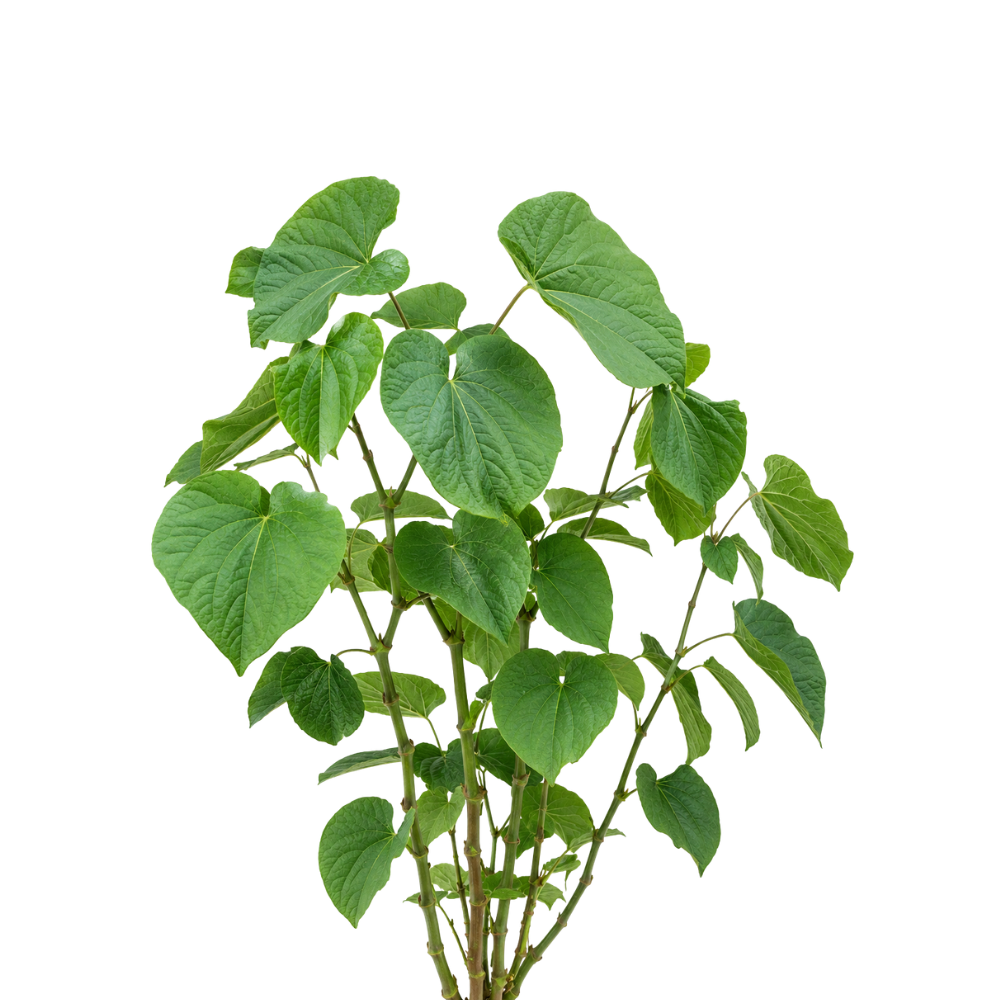
Kava (Piper methysticum) is a shrub in the pepper family, Piperaceae — a tropical relative of black pepper and betel. It grows as a tall, leafy perennial with heart-shaped leaves on jointed, knotty stems, but the part herbalists care about is underground: the root and rhizome are the medicinal material, prepared traditionally as a water-based beverage.
Botanically, kava is unusual. It is a sterile cultigen — a fully domesticated plant that flowers only rarely and sets no viable seed, so it exists only because people have propagated it from cuttings for thousands of years. There is no truly wild kava; it descends from the wild Pacific species Piper wichmannii.
For anyone working with kava, the cultivar distinction is practical, not academic. Traditional Pacific growers separate noble cultivars — the long-domesticated types selected for daily, well-tolerated use — from non-noble or “tudei” (“two-day”) cultivars, which have a heavier, longer-lasting effect and are traditionally avoided for regular use. Reputable kava is noble kava; the identity of the cultivar matters as much as the plant part.
Distribution
Kava is native to the Western Pacific and is essentially a creation of Oceanian agriculture, most likely first domesticated in northern Vanuatu. Carried between islands in cultivation over roughly three thousand years, it is now grown throughout Vanuatu, Fiji and the wider Polynesian and Melanesian island world, always as a tended crop rather than a wild plant.
Growing Conditions
- Strictly tropical: thrives in warm, humid, frost-free climates (roughly USDA zones 11–12) and will not survive cold.
- Prefers dappled shade to partial sun, like an understory plant, rather than harsh full-day exposure.
- Wants consistently moist but well-drained, fertile soil — it dislikes both drought and waterlogging.
- Propagated only by cuttings or root divisions; it sets no viable seed, so there is no growing it from seed.
- Full cultivation detail lives on the companion farm-wiki grow guide for Piper methysticum (link to be added once that project’s public URL is confirmed).
Phytochemistry
Kava’s activity is carried almost entirely by its kavalactones (kavapyrones) — six of which account for roughly 96% of the total. The two largest by share are kavain and dihydrokavain, followed by methysticin, dihydromethysticin, desmethoxyyangonin, and yangonin 23,25Reference 23Kavalactone content and chemotype of kava beverages prepared from roots and rhizomes of Isa and Mahakea varietiesView study →Reference 25ReviewKava MonographView study →.
Two smaller groups matter out of proportion to their size. The minor chalcones — flavokawain A, flavokawain B, and flavokawain C — carry kava’s emerging anticancer signal and are among the constituents implicated in its liver toxicity. And pipermethystine, a piperidine alkaloid concentrated in the leaves and stem peelings rather than the root, is a leading suspect in kava hepatotoxicity — one reason plant part and preparation matter so much (see Safety, below). Other flavonoids round out the profile 26,27Reference 26Medical Herbalism: The Science and Practice of Herbal MedicineReference 27A Clinical Guide to Blending Liquid Herbs: Herbal Formulations for the Individual Patient.
Total kavalactone content of the dried root varies from 3–20%, and the relative proportions of the six shift markedly between cultivars 23,25Reference 23Kavalactone content and chemotype of kava beverages prepared from roots and rhizomes of Isa and Mahakea varietiesView study →Reference 25ReviewKava MonographView study →. Commercial extracts are usually standardised to 30% kavalactones, with some preparations reaching 50–70% by weight. This chemotype variability is not academic: it changes both how strong a given preparation is and — because the flavokawains and pipermethystine track with plant part and cultivar — how risky it is.
Constituent Summary
Per-compound figures are % of total kavalactones (the six listed make up ~96%); the kavalactone fraction itself is 3–20% of dried root. Proportions vary substantially by cultivar/chemotype 23,25Reference 23Kavalactone content and chemotype of kava beverages prepared from roots and rhizomes of Isa and Mahakea varietiesView study →Reference 25ReviewKava MonographView study →. The chalcones and pipermethystine are minor by mass but disproportionately relevant to safety.
Phenylpropanoid6 compounds6 with data
Chalcone1 compound1 with data
Piperidine alkaloid1 compound1 with data
Pharmacology & Research
Kava (Piper methysticum) has one of the more mature clinical evidence bases of any anxiolytic herb: several placebo-controlled randomised trials and multiple meta-analyses, layered on decades of German mechanistic pharmacology from the 1960s–90s. The signal for short-term anxiety relief is real but has become more nuanced over time — early meta-analyses were clearly positive, yet the largest and longest trial to date, a 16-week phase III study in diagnosed generalised anxiety disorder, was null 1,2,5Reference 1Meta-analysisEfficacy of kava extract for treating anxiety — systematic review and meta-analysisView study →Reference 2Systematic reviewKava extract for treating anxiety — systematic reviewView study →Reference 5RCTKava for generalised anxiety disorder — a 16-week double-blind, randomised, placebo-controlled study [phase III RCT]View study →. Nearly all of kava’s activity traces to six lipophilic kavalactones, whose proportions shift markedly between cultivars, so a result obtained with one standardised extract does not automatically transfer to a tea, a tincture, or a different chemotype 8,23Reference 8ReviewKava — a comprehensive review of efficacy, safety, and psychopharmacology [review]View study →Reference 23Kavalactone content and chemotype of kava beverages prepared from roots and rhizomes of Isa and Mahakea varietiesView study →. The most interesting emerging thread is oncological — the minor chalcone constituents flavokawain A and B show antiproliferative activity in cell and mouse cancer models — but this is constituent-level, preclinical, and entangled with kava’s own hepatotoxicity story 16,17Reference 16In vitroFlavokawain A, a novel chalcone from kava extract, induces apoptosis in bladder cancer cells and suppresses tumor growth in mice [in vitro / mouse]View study →Reference 17In vitroFlavokawain A is a natural inhibitor of PRMT5 in bladder cancer [in vitro]View study →. Everything below should be read against that backdrop: a genuinely psychoactive plant with human data, but a narrow safety window that dominates its clinical profile.
- Best-supported: short-term relief of non-clinical and situational anxiety, backed by several placebo-controlled RCTs and positive meta-analyses 1,2,3,7Reference 1Meta-analysisEfficacy of kava extract for treating anxiety — systematic review and meta-analysisView study →Reference 2Systematic reviewKava extract for treating anxiety — systematic reviewView study →Reference 3RCTThe Kava Anxiety Depression Spectrum Study (KADSS) — a randomised, placebo-controlled crossover trialView study →Reference 7Meta-analysisKava for generalized anxiety disorder — a review and meta-analysis of current evidence [systematic review]View study →.
- Emerging, worth watching: flavokawain-driven anticancer activity in bladder and colon cancer models — cell-line and xenograft only 16,17Reference 16In vitroFlavokawain A, a novel chalcone from kava extract, induces apoptosis in bladder cancer cells and suppresses tumor growth in mice [in vitro / mouse]View study →Reference 17In vitroFlavokawain A is a natural inhibitor of PRMT5 in bladder cancer [in vitro]View study →.
- Mechanistically thin: neuroprotection after cerebral ischaemia and analgesia rest almost entirely on old rodent and synthetic-analogue work 13,15Reference 13AnimalExtract of kava and its methysticin constituents protect brain tissue against ischemic damage in rodents [animal model]View study →Reference 15Kavain analogues as potential analgesic agents [animal]View study →.
- The caveat: the strongest, most rigorous trial (phase III, diagnosed GAD, n=171) found no benefit over placebo, and effect estimates swing hard with extract type and cultivar 5,8Reference 5RCTKava for generalised anxiety disorder — a 16-week double-blind, randomised, placebo-controlled study [phase III RCT]View study →Reference 8ReviewKava — a comprehensive review of efficacy, safety, and psychopharmacology [review]View study →.
1. Anxiolytic
This is kava’s flagship indication and the only one with substantial human data. An early systematic review and meta-analysis of seven double-blind RCTs found kava extract superior to placebo, with a weighted mean reduction of about 9.7 points on the Hamilton Anxiety scale 1Reference 1Meta-analysisEfficacy of kava extract for treating anxiety — systematic review and meta-analysisView study →; a subsequent Cochrane review of 11 trials (645 participants) confirmed a smaller but significant benefit (weighted mean difference ~5 points on the Hamilton scale, n=345) and judged adverse events mild and infrequent over 1–24 weeks 2Reference 2Systematic reviewKava extract for treating anxiety — systematic reviewView study →. A reference-controlled trial found a 400 mg standardised extract (LI 150) as effective as the anxiolytics opipramol and buspirone in generalised anxiety 6Reference 6RCTKava-Kava extract LI 150 is as effective as opipramol and buspirone in generalised anxiety disorder — an 8-week randomised, double-blind multicentre RCT in 129 outpatientsView study →. Using the aqueous root extract the WHO had recommended studying, the Kava Anxiety Depression Spectrum Study (KADSS, a 3-week crossover RCT, n=60, 250 mg kavalactones/day) and a later 6-week RCT in diagnosed GAD (n=75, moderate effect size, Cohen d≈0.62) both reported significant anxiety reduction 3,4Reference 3RCTThe Kava Anxiety Depression Spectrum Study (KADSS) — a randomised, placebo-controlled crossover trialView study →Reference 4RCTKava in the treatment of generalized anxiety disorder — a double-blind, randomized, placebo-controlled studyView study →. The picture changed with the definitive test: a 16-week phase III RCT (n=171, 240 mg kavalactones/day) found no separation from placebo in diagnosed GAD 5Reference 5RCTKava for generalised anxiety disorder — a 16-week double-blind, randomised, placebo-controlled study [phase III RCT]View study →, and a 2018 meta-analysis of three placebo-controlled trials found effect sizes favouring kava (0.59–0.99) that did not reach statistical significance 7Reference 7Meta-analysisKava for generalized anxiety disorder — a review and meta-analysis of current evidence [systematic review]View study →. The mechanism most likely runs through positive allosteric modulation of GABA-A receptors by kavain, alongside monoamine oxidase-B inhibition and monoamine reuptake effects 8,9,10Reference 8ReviewKava — a comprehensive review of efficacy, safety, and psychopharmacology [review]View study →Reference 9In vitroKavain, the major constituent of the anxiolytic kava extract, potentiates GABA-A receptors — functional characteristics and molecular mechanism [in vitro]View study →Reference 10AnimalKavapyrone-enriched extract from Piper methysticum as modulator of the GABA binding site in different regions of rat brain [animal]View study →.
Gap: the largest, longest, most rigorous trial was null for diagnosed GAD — the human signal is strongest for short-term, situational, non-clinical anxiety, not chronic clinical disorder.
2. Sleep & sedation
Kava’s sedative reputation is old and traditionally grounded, but dedicated human insomnia trials are lacking. In sleep-disturbed rats, a kava extract shortened sleep latency and increased non-REM sleep in a manner compared to flunitrazepam, without the same REM suppression 14Reference 14AnimalEffects of kava-kava extract on the sleep-wake cycle in sleep-disturbed rats [animal]View study →. In the clinic, improved sleep tends to appear as a secondary outcome of anxiety trials rather than as a primary endpoint, so it is difficult to separate a direct hypnotic action from the downstream effect of reduced anxiety 8Reference 8ReviewKava — a comprehensive review of efficacy, safety, and psychopharmacology [review]View study →. The same GABA-A and sodium-channel actions that underlie the anxiolytic effect plausibly drive sedation 9,11Reference 9In vitroKavain, the major constituent of the anxiolytic kava extract, potentiates GABA-A receptors — functional characteristics and molecular mechanism [in vitro]View study →Reference 11In vitroGleitz, J., Beile, A., & Peters, T. (1995). (±)-Kavain inhibits veratridine-activated voltage-dependent Na⁺ channels in synaptosomes [in vitro]. Neuropharmacology. https://pubmed.ncbi.nlm.nih.gov/8532183/View study →.
Gap: no placebo-controlled RCT has tested kava against a validated insomnia endpoint; the human evidence is secondary and confounded by its anxiolytic effect.
3. Analgesic
Analgesic and local-anaesthetic effects of kavalactones were described in German rodent pharmacology from the 1960s, and interest has continued through medicinal-chemistry work on kavain analogues, several of which reduced writhing responses in mice 15Reference 15Kavain analogues as potential analgesic agents [animal]View study →. A 2022 study reported antinociceptive activity for kava dried extracts and synthetic kavain in acute rodent models 15Reference 15Kavain analogues as potential analgesic agents [animal]View study →. All of this is preclinical; the traditional use of kava for neuralgia, rheumatism, and toothache is consistent with a mild analgesic action but has never been tested in a controlled human pain trial.
Gap: no human analgesic trials — the evidence is entirely rodent and synthetic-analogue, and the effect sizes and doses do not translate to a defined oral human dose.
4. Anticonvulsant & antispasmodic
Kava’s pyrones show a reproducible profile of anticonvulsant, antispasmodic, and muscle-relaxant activity across a body of 1960s–90s animal work — dihydromethysticin and dihydrokavain suppressed electroshock seizures, and methysticin showed spasmolytic effects. Mechanistically this is well mapped: kavain and methysticin inhibit voltage-gated sodium channels in rat hippocampal neurons and synaptosomes, and reduce depolarisation-evoked calcium influx and glutamate release 11,12Reference 11In vitroGleitz, J., Beile, A., & Peters, T. (1995). (±)-Kavain inhibits veratridine-activated voltage-dependent Na⁺ channels in synaptosomes [in vitro]. Neuropharmacology. https://pubmed.ncbi.nlm.nih.gov/8532183/View study →Reference 12AnimalKava extract ingredients (+)-methysticin and (±)-kavain inhibit voltage-operated Na⁺-channels in rat CA1 hippocampal neurons [animal]View study →. These channel actions provide a coherent explanation for the antispasmodic and anticonvulsant effects and overlap with the sedative mechanism.
Gap: the entire case is preclinical and decades old; there is no human anticonvulsant or antispasmodic trial, and kava is not used clinically as an anticonvulsant.
5. Neuroprotective
Two rodent studies from the 1990s reported that kava extract and its constituent methysticin reduced infarct area in focal cerebral ischaemia models in mice and rats, an effect attributed to sodium/calcium channel modulation and reduced glutamate excitotoxicity 13Reference 13AnimalExtract of kava and its methysticin constituents protect brain tissue against ischemic damage in rodents [animal model]View study →. This is the sole basis for any neuroprotection claim — and it is worth stating plainly that it does not support the stronger idea, sometimes repeated, that kava can help treat or recover from a stroke. That extrapolates two animal experiments to a human clinical outcome that has never been tested.
Gap: animal-only, two studies, no human data — and the plant’s own hepatotoxicity risk makes it an unlikely neuroprotective agent regardless.
6. Anticancer
The most active emerging area, though it concerns kava’s minor chalcone constituents rather than the kavalactones responsible for its traditional effects. Flavokawain A induces Bax- and mitochondria-dependent apoptosis in human bladder cancer cells and suppressed tumour growth in mice 16Reference 16In vitroFlavokawain A, a novel chalcone from kava extract, induces apoptosis in bladder cancer cells and suppresses tumor growth in mice [in vitro / mouse]View study →, and a 2022 study identified it as a natural inhibitor of the arginine methyltransferase PRMT5 in bladder cancer 17Reference 17In vitroFlavokawain A is a natural inhibitor of PRMT5 in bladder cancer [in vitro]View study →. Flavokawain B shows cytotoxic and pro-apoptotic activity in colorectal cancer cell lines. Interest was seeded by epidemiological observations of unusually low cancer incidence in some kava-drinking Pacific populations, but that association is confounded and unproven.
Gap: cell-line and xenograft only, on isolated flavokawains that make up a small fraction of the root — the very compounds also implicated in kava’s liver toxicity — so this does not translate to kava as consumed.
Mechanisms
| Mechanism | Drives | Key compounds |
|---|---|---|
| GABA-A positive allosteric modulation | anxiolyticsedative | kavain, dihydromethysticin |
| Voltage-gated Na⁺ / Ca²⁺ channel block, glutamate release ↓ | anticonvulsantantispasmodicneuroprotectiveanalgesic | kavain, methysticin |
| MAO-B inhibition, noradrenaline & dopamine reuptake inhibition | anxiolyticmoodlimbic modulation | desmethoxyyangonin, yangonin |
| PRMT5 inhibition, Bax/mitochondrial apoptosis | anticancer (preclinical) | flavokawain A, flavokawain B |
Clinical trials
Kava has an unusually mature clinical record for a herb — roughly a dozen completed double-blind RCTs and several meta-analyses — but the picture is mixed rather than settled: short-term trials favour kava while the one large, long-duration phase III trial in diagnosed GAD was null 2,5,7Reference 2Systematic reviewKava extract for treating anxiety — systematic reviewView study →Reference 5RCTKava for generalised anxiety disorder — a 16-week double-blind, randomised, placebo-controlled study [phase III RCT]View study →Reference 7Meta-analysisKava for generalized anxiety disorder — a review and meta-analysis of current evidence [systematic review]View study →. No trial was terminated for safety, though the 2002 European/UK/Canadian regulatory withdrawals over hepatotoxicity effectively halted commercial development for years 19Reference 19ReviewKava hepatotoxicity — a clinical review [review]View study →.
| Completed | Planned | Terminated | Preclinical |
|---|---|---|---|
| ~12RCTs | 0identified | 0 | ~40+ |
Last checked: July 2026.
Dosage
Most of kava’s measured dosing comes from anxiety trials using standardised extracts reported in milligrams of kavalactones — not the loose dried-root powder people actually brew. The conversions below are rough, one-directional guides, not recommendations.
| Indication | Preparation | Dose | Est. dried-root equivalent | Source |
|---|---|---|---|---|
| Anxiety (GAD, short-term) | Aqueous root tablet, standardised | 120–240 mg kavalactones/day | ~1.5–8 g dried root | 4,5Reference 4RCTKava in the treatment of generalized anxiety disorder — a double-blind, randomized, placebo-controlled studyView study →Reference 5RCTKava for generalised anxiety disorder — a 16-week double-blind, randomised, placebo-controlled study [phase III RCT]View study → |
| Anxiety (non-clinical) | Aqueous extract (KADSS) | 250 mg kavalactones/day | ~3–8 g dried root | 3Reference 3RCTThe Kava Anxiety Depression Spectrum Study (KADSS) — a randomised, placebo-controlled crossover trialView study → |
| Generalised anxiety | Standardised ethanolic extract (LI 150) | 400 mg extract/day | order-of-magnitude ~1–3 g root-equivalent | 6Reference 6RCTKava-Kava extract LI 150 is as effective as opipramol and buspirone in generalised anxiety disorder — an 8-week randomised, double-blind multicentre RCT in 129 outpatientsView study → |
| Anxiety (meta-analysed) | WS 1490 standardised extract | ~210 mg kavalactones/day | ~3–7 g dried root | 1,2Reference 1Meta-analysisEfficacy of kava extract for treating anxiety — systematic review and meta-analysisView study →Reference 2Systematic reviewKava extract for treating anxiety — systematic reviewView study → |
Dried-root equivalents are back-converted on the rough assumption that dried root is ~3–8% kavalactones — an estimate for orientation, not a conversion factor or a dosing recommendation.
Traditional Dosage
| System | Preparation | Dose |
|---|---|---|
| Pacific Island / ceremonial | Aqueous cold-macerated peeled-root beverage | ~5–20 g dried root powder per serving |
| Western herbal | Tincture 1:5 (dried root) | 3–6 mL up to 3× daily |
| Western herbal | Liquid extract 1:2 | 3–6 mL/day |
Preparation
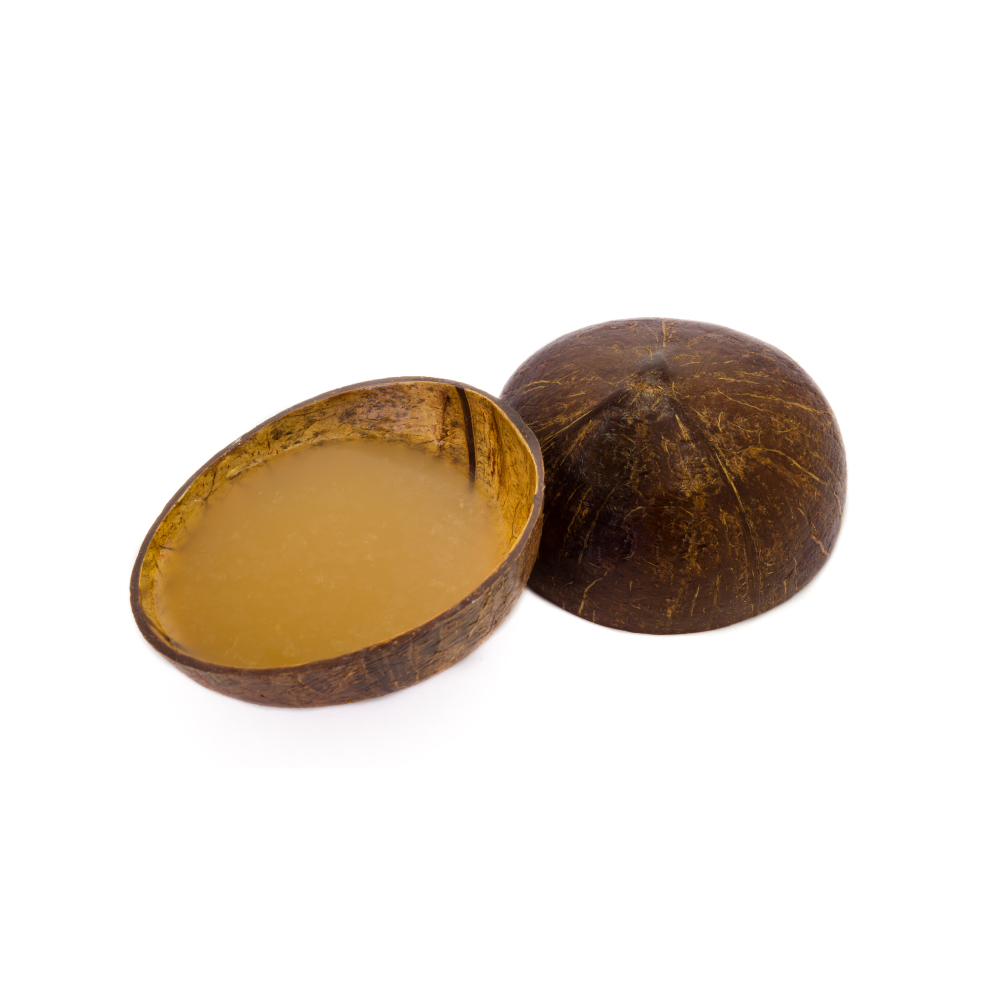
There are a few different ways to prepare kava root for drinking. You can use the traditional method — a large bowl, a strainer, and 15–20 minutes of hand-kneading the ground root in water — or more modern shortcuts like a shaker ball or instant (micronised) kava powders. Kava tinctures and capsules can also be taken directly, with no preparation required.
The method isn’t only about taste and strength — it bears directly on safety. Traditional aqueous extraction of peeled root carries the lowest risk. Ethanolic or acetonic extracts, and any product that includes the leaves or stem peelings, concentrate the constituents most associated with liver injury (see Safety, below).
Safety & Pregnancy
Kava has a genuinely useful anxiolytic effect but a narrow safety window: rare idiosyncratic liver injury dominates its profile, and it stacks with alcohol and other sedatives.
- Liver injury (rare, serious). Idiosyncratic hepatotoxicity — raised enzymes to acute liver failure — drove 2002 restrictions; avoid entirely in liver disease.
- Sedative & alcohol stacking. Additive CNS depression — never combine with alcohol, benzodiazepines or other sedatives.
- Preparation matters. Risk concentrates in ethanolic/acetonic extracts, aerial parts and the wrong cultivar; favour aqueous peeled-root noble cultivars.
- Dopaminergic caution. May dampen dopamine — care in Parkinson’s and with antipsychotic/dopaminergic drugs; impairs coordination, so don’t drive after use.
- Skin. Chronic heavy use causes a reversible scaly rash (kava dermopathy); allergic skin reactions occur.
Full safety & interactions detail
Kava’s defining safety concern is rare but potentially severe idiosyncratic hepatotoxicity — ranging from raised liver enzymes to acute liver failure — which led Germany, the UK, Canada and several other countries to restrict or ban kava products in 2002 19Reference 19ReviewKava hepatotoxicity — a clinical review [review]View study →. The liver injury has been reported with ethanolic and acetonic Western extracts and with products containing aerial plant parts, more than with the traditional aqueous root beverage; candidate culprits include the non-kavalactone constituents pipermethystine (concentrated in leaves and stem peelings) and the chalcone flavokavain B, plus possible mould contamination, rather than the kavalactones themselves 20,21,22,24Reference 20ReviewConstituents in kava extracts potentially involved in hepatotoxicity — a reviewView study →Reference 21In vitroIn vitro toxicity of kava alkaloid pipermethystine in HepG2 cells compared to kavalactones [in vitro]View study →Reference 22AnimalFlavokawains A and B in kava, not dihydromethysticin, potentiate acetaminophen-induced hepatotoxicity in C57BL/6 mice [animal]View study →Reference 24ReviewHerbal hepatotoxicity by kava — update on pipermethystine, flavokavain B, and mould hepatotoxins as primarily assumed culprits [review]View study →. Risk appears concentrated in the wrong plant part, wrong cultivar, wrong solvent, co-ingested alcohol, and pre-existing liver disease, so current expert guidance favours aqueous extracts of peeled root from a noble cultivar 8,19Reference 8ReviewKava — a comprehensive review of efficacy, safety, and psychopharmacology [review]View study →Reference 19ReviewKava hepatotoxicity — a clinical review [review]View study →. Separately, chronic heavy use causes a reversible scaly skin eruption (kava dermopathy); allergic and delayed-hypersensitivity skin reactions to kava have also been documented 8Reference 8ReviewKava — a comprehensive review of efficacy, safety, and psychopharmacology [review]View study →. Kava inhibits several cytochrome P450 enzymes and has additive central-nervous-system depressant effects, so it should not be combined with alcohol, benzodiazepines, or other sedatives, and caution is warranted with dopaminergic and serotonergic drugs 8Reference 8ReviewKava — a comprehensive review of efficacy, safety, and psychopharmacology [review]View study →. Reassuringly, the trials that specifically tracked it found no consistent signal for dependence, withdrawal, or liver-enzyme disturbance over the study periods 18Reference 18RCTKava for the treatment of generalized anxiety disorder RCT — analysis of adverse reactions, liver function, addiction, and sexual effects [randomised controlled trial]View study →.
Avoid entirely in pregnancy and breastfeeding, in anyone with liver disease, and alongside alcohol. Because kava can dampen dopamine signalling, use caution in Parkinson’s disease and with dopaminergic or antipsychotic medication 27Reference 27A Clinical Guide to Blending Liquid Herbs: Herbal Formulations for the Individual Patient. Kava can impair coordination and reaction time at higher traditional volumes, so don’t drive or operate machinery after use.
Kava’s safety in pregnancy and lactation has not been formally studied; the caution rests on traditional avoidance, its psychoactive kavalactone content, its documented hepatotoxic potential, and evidence that kavalactones pass into breast milk. With no controlled human safety data either way, avoid it during pregnancy and breastfeeding 8,19Reference 8ReviewKava — a comprehensive review of efficacy, safety, and psychopharmacology [review]View study →Reference 19ReviewKava hepatotoxicity — a clinical review [review]View study →.
References
- Pittler, M. H., & Ernst, E. (2000). Efficacy of kava extract for treating anxiety — systematic review and meta-analysis. J Clin Psychopharmacol. https://pubmed.ncbi.nlm.nih.gov/10653213/
- Pittler, M. H., & Ernst, E. (2003). Kava extract for treating anxiety — systematic review. Cochrane Database Syst Rev. https://pubmed.ncbi.nlm.nih.gov/12535473/
- Sarris, J., Kavanagh, D. J., Byrne, G., et al. (2009). The Kava Anxiety Depression Spectrum Study (KADSS) — a randomised, placebo-controlled crossover trial. Psychopharmacology (Berl). https://pubmed.ncbi.nlm.nih.gov/19430766/
- Sarris, J., Stough, C., Bousman, C. A., et al. (2013). Kava in the treatment of generalized anxiety disorder — a double-blind, randomized, placebo-controlled study. J Clin Psychopharmacol. https://pubmed.ncbi.nlm.nih.gov/23635869/
- Sarris, J., Byrne, G. J., Bousman, C. A., et al. (2020). Kava for generalised anxiety disorder — a 16-week double-blind, randomised, placebo-controlled study [phase III RCT]. Aust N Z J Psychiatry. https://pubmed.ncbi.nlm.nih.gov/31813230/
- Boerner, R. J., Sommer, H., Berger, W., et al. (2003). Kava-Kava extract LI 150 is as effective as opipramol and buspirone in generalised anxiety disorder — an 8-week randomised, double-blind multicentre RCT in 129 outpatients. Phytomedicine. https://pubmed.ncbi.nlm.nih.gov/12807341/
- Ooi, S. L., Henderson, P., & Pak, S. C. (2018). Kava for generalized anxiety disorder — a review and meta-analysis of current evidence [systematic review]. J Altern Complement Med. https://pubmed.ncbi.nlm.nih.gov/29641222/
- Sarris, J., LaPorte, E., & Schweitzer, I. (2011). Kava — a comprehensive review of efficacy, safety, and psychopharmacology [review]. Aust N Z J Psychiatry. https://pubmed.ncbi.nlm.nih.gov/21073405/
- Chua, H. C., Christensen, E. T., Hoestgaard-Jensen, K., et al. (2016). Kavain, the major constituent of the anxiolytic kava extract, potentiates GABA-A receptors — functional characteristics and molecular mechanism [in vitro]. PLoS One. https://pubmed.ncbi.nlm.nih.gov/27332705/
- Jussofie, A., Schmiz, A., & Hiemke, C. (1994). Kavapyrone-enriched extract from Piper methysticum as modulator of the GABA binding site in different regions of rat brain [animal]. Psychopharmacology (Berl). https://pubmed.ncbi.nlm.nih.gov/7701051/
- Gleitz, J., Beile, A., & Peters, T. (1995). (±)-Kavain inhibits veratridine-activated voltage-dependent Na⁺ channels in synaptosomes [in vitro]. Neuropharmacology. https://pubmed.ncbi.nlm.nih.gov/8532183/
- Magura, E. I., Kopanitsa, M. V., Gleitz, J., et al. (1997). Kava extract ingredients (+)-methysticin and (±)-kavain inhibit voltage-operated Na⁺-channels in rat CA1 hippocampal neurons [animal]. Neuroscience. https://pubmed.ncbi.nlm.nih.gov/9300426/
- Backhauss, C., & Krieglstein, J. (1992). Extract of kava and its methysticin constituents protect brain tissue against ischemic damage in rodents [animal model]. Eur J Pharmacol. https://pubmed.ncbi.nlm.nih.gov/1396990/
- Shinomiya, K., Inoue, T., Utsu, Y., et al. (2005). Effects of kava-kava extract on the sleep-wake cycle in sleep-disturbed rats [animal]. Psychopharmacology (Berl). https://pubmed.ncbi.nlm.nih.gov/15700178/
- Kormann, E. C., Amaral, P. de A., David, M., et al. (2012). Kavain analogues as potential analgesic agents [animal]. Pharmacol Rep. https://pubmed.ncbi.nlm.nih.gov/23406752/
- Zi, X., & Simoneau, A. R. (2005). Flavokawain A, a novel chalcone from kava extract, induces apoptosis in bladder cancer cells and suppresses tumor growth in mice [in vitro / mouse]. Cancer Res. https://pubmed.ncbi.nlm.nih.gov/15833884/
- Liu, S., Liu, Z., Piao, C., et al. (2022). Flavokawain A is a natural inhibitor of PRMT5 in bladder cancer [in vitro]. J Exp Clin Cancer Res. https://pubmed.ncbi.nlm.nih.gov/36199122/
- Sarris, J., Stough, C., Teschke, R., et al. (2013). Kava for the treatment of generalized anxiety disorder RCT — analysis of adverse reactions, liver function, addiction, and sexual effects [randomised controlled trial]. Phytother Res. https://pubmed.ncbi.nlm.nih.gov/23348842/
- Teschke, R. (2010). Kava hepatotoxicity — a clinical review [review]. Ann Hepatol. https://pubmed.ncbi.nlm.nih.gov/20720265/
- Olsen, L. R., Grillo, M. P., & Skonberg, C. (2011). Constituents in kava extracts potentially involved in hepatotoxicity — a review. Chem Res Toxicol. https://pubmed.ncbi.nlm.nih.gov/21506562/
- Nerurkar, P. V., Dragull, K., & Tang, C. S. (2004). In vitro toxicity of kava alkaloid pipermethystine in HepG2 cells compared to kavalactones [in vitro]. Toxicol Sci. https://pubmed.ncbi.nlm.nih.gov/14737001/
- Narayanapillai, S. C., Leitzman, P., O’Sullivan, M. G., et al. (2014). Flavokawains A and B in kava, not dihydromethysticin, potentiate acetaminophen-induced hepatotoxicity in C57BL/6 mice [animal]. Chem Res Toxicol. https://pubmed.ncbi.nlm.nih.gov/25185080/
- Wang, J., Qu, W., Bittenbender, H. C., & Li, Q. X. (2015). Kavalactone content and chemotype of kava beverages prepared from roots and rhizomes of Isa and Mahakea varieties. J Food Sci Technol. https://pubmed.ncbi.nlm.nih.gov/25694734/
- Teschke, R., Sarris, J., & Lebot, V. (2011). Herbal hepatotoxicity by kava — update on pipermethystine, flavokavain B, and mould hepatotoxins as primarily assumed culprits [review]. Dig Liver Dis. https://pubmed.ncbi.nlm.nih.gov/21377431/
- Ulbricht, C. (2002). Kava Monograph. Journal of Herbal Pharmacotherapy, 2(4), 65–91. doi:10.1300/J157v02n04_07
- Hoffmann, D. (2003). Medical Herbalism: The Science and Practice of Herbal Medicine. Rochester, VT: Healing Arts Press.
- Bone, K. (2003). A Clinical Guide to Blending Liquid Herbs: Herbal Formulations for the Individual Patient. Edinburgh: Churchill Livingstone.