
Materia Medica
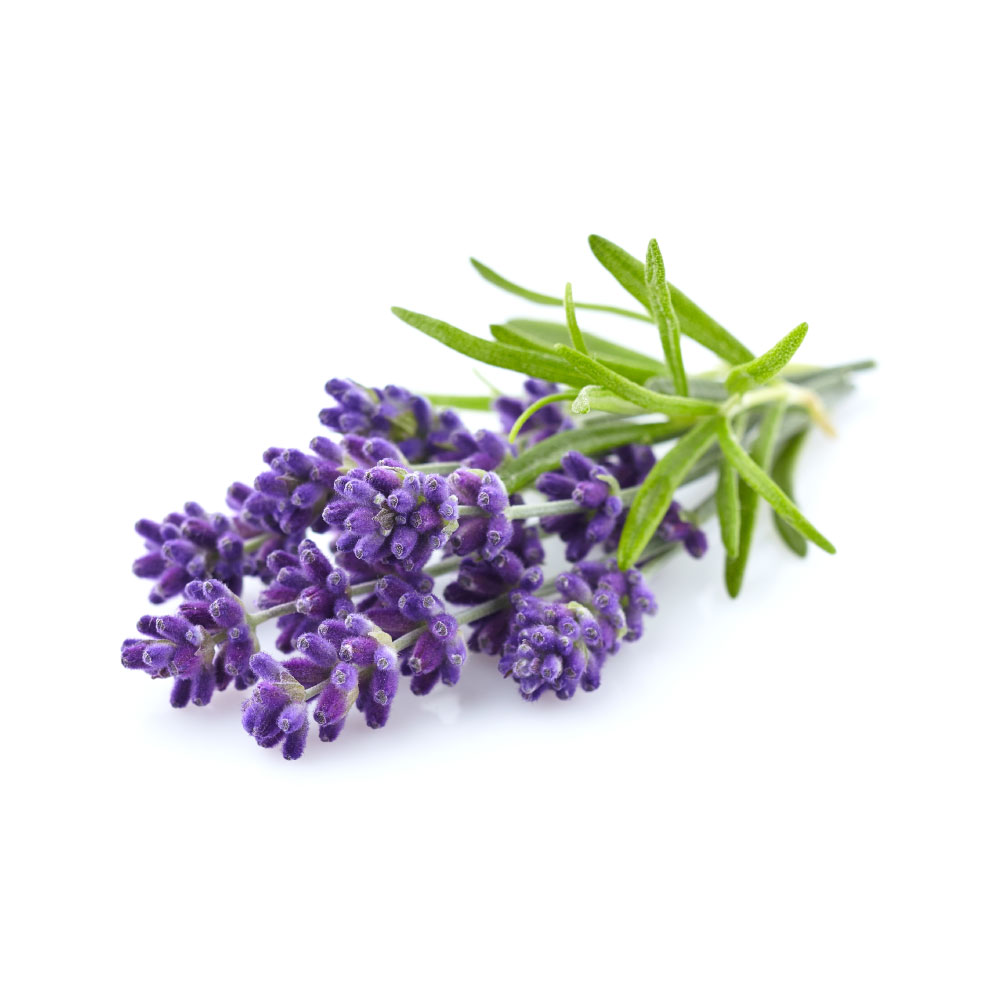
Lavender
Lavandula angustifolia
Lavender (Lavandula angustifolia) — a calming aromatic used for sleep and anxiety, and topically for bites, rashes and minor infections.
What Is Lavender?
Lavender is one of the most famous herbs known to man. It’s cultivated on a massive scale throughout Europe and North America and is a popular flavoring and aromatic agent for household products.
Medicinally lavender is best known for its ability to promote sleep. It’s often sold as aromatherapy, in salves and creams, and incense for this purpose.
Lavender essential oil can be used as a topical agent for insect bites, rashes, and infection.
What Is Lavender Used For?
Lavender is mainly used in topical applications for rashes, skin irritations, mild infections, sunburn, and insect bites. Internally it’s mainly used for anxiety-related conditions, GIT inflammation and discomfort, and insomnia.
Its best-supported use by a wide margin is anxiety — and specifically as a standardised oral essential-oil capsule (Silexan), not as the tea or the tincture (see the research section below). Sleep and low mood improve mostly as a knock-on effect of reduced anxiety rather than as primary effects. The topical, analgesic, antispasmodic and antimicrobial uses are traditional and mechanistically plausible but rest on animal, in-vitro or small aromatherapy trials, so they are best read as traditional uses rather than established ones.
Botany
English lavender is a semi-woody, evergreen-in-warm-climates perennial subshrub in the mint family (Lamiaceae) — the same aromatic family as sage, thyme, oregano, basil and holy basil — typically growing 1.5–3 ft tall with narrow, gray-green, fragrant leaves on square stems and purple flowers in terminal spikes from late spring into summer. The genus Lavandula holds roughly 47 species, most of them perennials or small shrubs; besides English lavender, other lavenders used medicinally include French lavender (L. stoechas) and Spanish lavender (L. dentata), though taxonomists dispute exactly which common name maps to which species.
Which lavender you have matters therapeutically. The clinically studied anxiolytic (the Silexan trials above) is true / English lavender, L. angustifolia, whose oil is high in linalool and linalyl acetate and low in camphor 32Reference 32Oil of lavender (Lavandula angustifolia Mill.). Spike lavender (L. latifolia) and the sterile hybrid lavandin (L. × intermedia) carry far more camphor and 1,8-cineole, giving a sharper, more stimulating and cheaper oil that is not interchangeable with true lavender for the calming use 33Reference 33ReviewBiological activities of lavender essential oil — review.
Distribution
Native primarily to the Mediterranean region of southern Europe. Despite the common name, English lavender is not native to England — it was so named for growing well in the English climate. It is a long-cultivated garden, culinary and perfumery herb worldwide, with no weed, invasive, or conservation-status concern documented.
Growing Conditions
- Life cycle: semi-woody perennial subshrub, hardy USDA zones 5–8.
- Light: full sun.
- Water: dry to medium; well-drained, alkaline soil is essential — root rot is the main failure mode in wet conditions.
- Habit: benefits from a spring shape-prune and a hard cutback (to ~8”) every 3 years to control size and promote vigorous new growth.
- Full cultivation details live on the companion farm-wiki grow guide for Lavandula angustifolia (link to be added once that project’s public URL is confirmed).
Phytochemistry
True lavender is, above all, a linalool/linalyl-acetate oil: these two monoterpenes together make up roughly 60–80% of the essential oil and carry most of the calming and antispasmodic activity 32,33Reference 32Oil of lavender (Lavandula angustifolia Mill.)Reference 33ReviewBiological activities of lavender essential oil — review. What sets Lavandula angustifolia apart from its coarser relatives (spike lavender and lavandin) is what it lacks — good lavender oil stays low in camphor (≤0.5%) and 1,8-cineole, so elevated levels of either flag adulteration or a different species 32Reference 32Oil of lavender (Lavandula angustifolia Mill.). Supporting volatiles include terpinen-4-ol, the ocimenes, lavandulyl acetate and a little caryophyllene 32,33Reference 32Oil of lavender (Lavandula angustifolia Mill.)Reference 33ReviewBiological activities of lavender essential oil — review.
Constituent Summary
Figures are the ISO 3515 composition limits for Lavandula angustifolia oil (share of essential oil); natural samples vary widely. † marks the compounds whose levels distinguish true lavender from spike lavender and lavandin — in true lavender they should stay low 32,33Reference 32Oil of lavender (Lavandula angustifolia Mill.)Reference 33ReviewBiological activities of lavender essential oil — review.
Monoterpene8 compounds7 with data
Sesquiterpene1 compoundno data
Anthocyanin1 compound1 with data
Pharmacology & Research
Lavender is one of the few medicinal plants with genuine randomised-controlled-trial evidence behind it — but almost all of it belongs to a single preparation. The oral lavender-oil softgel Silexan (a standardised steam-distilled Lavandula angustifolia essential oil, 80–160 mg/day) has been tested in more than a dozen placebo-controlled anxiety trials and pooled into meta-analyses, putting anxiety in a tier most herbs never reach 1,2,3,4,5,6,7Reference 1RCTSilexan, an orally administered Lavandula oil preparation, is effective in the treatment of ‘subsyndromal’ anxiety disorder — randomized, double-blind, placebo-controlled trialView study →Reference 2RCTLavender oil preparation Silexan is effective in generalized anxiety disorder — a randomized, double-blind comparison to placebo and paroxetineView study →Reference 3RCTA multi-center, double-blind, randomised study of the Lavender oil preparation Silexan in comparison to Lorazepam for generalized anxiety disorder — randomized controlled trialView study →Reference 4RCTEfficacy of Silexan in mixed anxiety–depression — a randomized, placebo-controlled trialView study →Reference 5RCTSilexan in generalized anxiety disorder: investigation of the therapeutic dosage range in a pooled data set — randomized controlled trialView study →Reference 6Meta-analysisEfficacy and safety of lavender essential oil (Silexan) capsules among patients suffering from anxiety disorders — network meta-analysisView study →Reference 7Meta-analysisEfficacy of Silexan in patients with anxiety disorders — a meta-analysis of randomized, placebo-controlled trialsView study →. Everything else — sleep, low mood, pain, spasm, microbial and neuroprotective effects — rests on inhaled aromatherapy trials of mixed quality or on animal and in-vitro work with the isolated monoterpenes linalool and linalyl acetate 11,12,13,14,15,16,17,18,19,20,21,22Reference 11ReviewEffect of the anxiolytic drug silexan on sleep — a narrative reviewView study →Reference 12Meta-analysisThe sleep-enhancing effect of lavender essential oil in adults — a systematic review and meta-analysisView study →Reference 13Meta-analysisEffects of aromatherapy on sleep quality in older adults — a meta-analysisView study →Reference 14RCTEffects of Silexan on the serotonin-1A receptor and microstructure of the human brain — a randomized, placebo-controlled PET studyView study →Reference 15In vitroExploring pharmacological mechanisms of lavender (Lavandula angustifolia) essential oil on central nervous system targets — in vitroView study →Reference 16AnimalAnxiolytic-like effect of lavender essential oil inhalation in mice: participation of serotonergic but not GABA-A/benzodiazepine neurotransmission — animal modelView study →Reference 17AnimalAnti-inflammatory activity of linalool and linalyl acetate constituents of essential oils — rat modelView study →Reference 18AnimalInvolvement of adenosine A1 and A2A receptors in (−)-linalool-induced antinociception — animal modelView study →Reference 19AnimalEffects of (−)-linalool in the acute hyperalgesia induced by carrageenan, L-glutamate and prostaglandin E2 — rat modelView study →Reference 20In vitroLinalyl acetate as a major ingredient of lavender essential oil relaxes the rabbit/rat smooth muscle — in vitro/animal modelView study →Reference 21In vitroStudies on the mode of action of the essential oil of lavender (Lavandula angustifolia) — in vitro smooth-muscle studyView study →Reference 22AnimalProtective effect of lavender oil on scopolamine-induced cognitive deficits in mice — animal modelView study →. The central caveat runs through the whole page: the clinical data are for a concentrated oral or inhaled essential oil, not for the 1:2 liquid extract or the dried-flower tea, and the results do not automatically transfer between those forms.
- Best-supported: oral Silexan reduces symptoms in generalised and subsyndromal anxiety across multiple RCTs and a meta-analysis, with efficacy comparable to low-dose lorazepam or paroxetine 1,2,3,4,5,6,7Reference 1RCTSilexan, an orally administered Lavandula oil preparation, is effective in the treatment of ‘subsyndromal’ anxiety disorder — randomized, double-blind, placebo-controlled trialView study →Reference 2RCTLavender oil preparation Silexan is effective in generalized anxiety disorder — a randomized, double-blind comparison to placebo and paroxetineView study →Reference 3RCTA multi-center, double-blind, randomised study of the Lavender oil preparation Silexan in comparison to Lorazepam for generalized anxiety disorder — randomized controlled trialView study →Reference 4RCTEfficacy of Silexan in mixed anxiety–depression — a randomized, placebo-controlled trialView study →Reference 5RCTSilexan in generalized anxiety disorder: investigation of the therapeutic dosage range in a pooled data set — randomized controlled trialView study →Reference 6Meta-analysisEfficacy and safety of lavender essential oil (Silexan) capsules among patients suffering from anxiety disorders — network meta-analysisView study →Reference 7Meta-analysisEfficacy of Silexan in patients with anxiety disorders — a meta-analysis of randomized, placebo-controlled trialsView study →.
- Emerging, worth watching: improvement in sleep and in co-occurring depressive symptoms — but so far mostly as a knock-on effect of reduced anxiety, not as a primary hypnotic or antidepressant 10,11,12,13Reference 10Meta-analysisBeneficial effects of Silexan on co-occurring depressive symptoms in patients with subthreshold anxiety — meta-analysisView study →Reference 11ReviewEffect of the anxiolytic drug silexan on sleep — a narrative reviewView study →Reference 12Meta-analysisThe sleep-enhancing effect of lavender essential oil in adults — a systematic review and meta-analysisView study →Reference 13Meta-analysisEffects of aromatherapy on sleep quality in older adults — a meta-analysisView study →.
- Mechanistically thin: anti-inflammatory, analgesic, antispasmodic and antimicrobial actions are real in animals and in vitro but have little or no controlled human data, and rest on the isolated constituents rather than a whole-herb preparation 17,18,19,20,21Reference 17AnimalAnti-inflammatory activity of linalool and linalyl acetate constituents of essential oils — rat modelView study →Reference 18AnimalInvolvement of adenosine A1 and A2A receptors in (−)-linalool-induced antinociception — animal modelView study →Reference 19AnimalEffects of (−)-linalool in the acute hyperalgesia induced by carrageenan, L-glutamate and prostaglandin E2 — rat modelView study →Reference 20In vitroLinalyl acetate as a major ingredient of lavender essential oil relaxes the rabbit/rat smooth muscle — in vitro/animal modelView study →Reference 21In vitroStudies on the mode of action of the essential oil of lavender (Lavandula angustifolia) — in vitro smooth-muscle studyView study →.
- The caveat: the strong anxiety evidence is specific to a standardised oral essential-oil capsule; it does not validate the tincture, the tea, or aromatherapy at the same strength.
1. Anxiety
This is the one indication where lavender reaches human-trial strength, and it is worth being precise about what was tested. The oral preparation Silexan (80 mg/day, a standardised soft-gel of L. angustifolia essential oil) beat placebo on the Hamilton Anxiety scale in subsyndromal (“subsyndromal”) anxiety 1Reference 1RCTSilexan, an orally administered Lavandula oil preparation, is effective in the treatment of ‘subsyndromal’ anxiety disorder — randomized, double-blind, placebo-controlled trialView study → and in diagnosed generalised anxiety disorder 2Reference 2RCTLavender oil preparation Silexan is effective in generalized anxiety disorder — a randomized, double-blind comparison to placebo and paroxetineView study →. A 2019 network meta-analysis and a 2023 meta-analysis of the pooled placebo-controlled trials confirmed a consistent, moderate anxiolytic effect 6,7Reference 6Meta-analysisEfficacy and safety of lavender essential oil (Silexan) capsules among patients suffering from anxiety disorders — network meta-analysisView study →Reference 7Meta-analysisEfficacy of Silexan in patients with anxiety disorders — a meta-analysis of randomized, placebo-controlled trialsView study →. In head-to-head trials Silexan was non-inferior to 0.5 mg lorazepam 3Reference 3RCTA multi-center, double-blind, randomised study of the Lavender oil preparation Silexan in comparison to Lorazepam for generalized anxiety disorder — randomized controlled trialView study → and comparable to paroxetine, while a dose-ranging pooled analysis found 160 mg/day added benefit in more severe anxiety 5Reference 5RCTSilexan in generalized anxiety disorder: investigation of the therapeutic dosage range in a pooled data set — randomized controlled trialView study →. It also reduced the somatic (physical) symptoms of anxiety 9Reference 9Meta-analysisTherapeutic effects of Silexan on somatic symptoms and physical health in patients with anxiety disorders — meta-analysisView study → and, notably, did not produce withdrawal or rebound when stopped abruptly 8Reference 8RCTSilexan does not cause withdrawal symptoms even when abruptly discontinued — randomized controlled trialView study → — a meaningful contrast with benzodiazepines. The honest limit: these results belong to one manufacturer’s standardised oral capsule; the anxiolytic dose is a concentrated swallowed essential oil, not the aromatherapy diffuser, the tea, or the 1:2 tincture in this monograph’s sidebar.
Gap: All positive anxiety data are for oral Silexan; there is no equivalent controlled evidence that the tincture or dried-flower tea delivers the same effect at the doses people actually use.
2. Sleep quality
Sleep improvement is real but largely downstream of the anxiolytic effect. In the Silexan trials, sleep disturbance improved as a secondary outcome, and a narrative review concluded the drug improves sleep chiefly by relieving the anxiety that disrupts it, rather than acting as a direct sedative 11Reference 11ReviewEffect of the anxiolytic drug silexan on sleep — a narrative reviewView study →. Separately, inhaled-lavender aromatherapy has been pooled in several meta-analyses reporting better subjective sleep quality in adults and older adults 12,13Reference 12Meta-analysisThe sleep-enhancing effect of lavender essential oil in adults — a systematic review and meta-analysisView study →Reference 13Meta-analysisEffects of aromatherapy on sleep quality in older adults — a meta-analysisView study → — but the constituent trials are small, unblinded by nature (the smell is obvious), and rated high risk of bias, so the effect size is uncertain. Objective (polysomnographic) confirmation is thin.
Gap: No trial shows lavender working as a primary hypnotic on objective sleep measures; the aromatherapy evidence is subjective and methodologically weak, and the oral-capsule benefit is secondary to anxiolysis.
3. Depressive symptoms
Lavender’s antidepressant signal is confined to depression that travels with anxiety. A 2023 meta-analysis found Silexan reduced co-occurring depressive symptoms in patients with subthreshold or generalised anxiety 10Reference 10Meta-analysisBeneficial effects of Silexan on co-occurring depressive symptoms in patients with subthreshold anxiety — meta-analysisView study →, and a dedicated RCT in mixed anxiety–depression showed benefit on both symptom clusters 4Reference 4RCTEfficacy of Silexan in mixed anxiety–depression — a randomized, placebo-controlled trialView study →. What is missing is any trial in primary major depressive disorder, where anxiety is not the driver.
Gap: The effect is on depressive symptoms secondary to anxiety; lavender has not been tested as a stand-alone antidepressant in diagnosed major depression.
4. Anti-inflammatory
The anti-inflammatory action is a constituent story. Linalool and linalyl acetate — together 60–80% of the oil — reduced carrageenan-induced paw oedema in rats, with linalool the more active of the two 17Reference 17AnimalAnti-inflammatory activity of linalool and linalyl acetate constituents of essential oils — rat modelView study →. Follow-up work traced part of this to suppressed nitric-oxide formation 31Reference 31In vitroPeana, A. T., et al. (2006). (−)-Linalool inhibits in vitro NO formation: probable involvement in the antinociceptive activity — in vitro/animal model. Life Sciences. https://pubmed.ncbi.nlm.nih.gov/16137709/View study → and adenosine-receptor signalling 18Reference 18AnimalInvolvement of adenosine A1 and A2A receptors in (−)-linalool-induced antinociception — animal modelView study →. These are reproducible rodent and in-vitro findings, but no controlled human trial has tested lavender for an inflammatory condition, and the doses are of isolated compounds, not the whole herb.
Gap: Entirely preclinical; the human relevance of oedema-model data at achievable topical or oral doses is unknown.
5. Analgesic
Lavender’s mild analgesic reputation has a defined mechanism in animals: linalool produced antinociception in rodent pain models through adenosine A1/A2A receptors 18Reference 18AnimalInvolvement of adenosine A1 and A2A receptors in (−)-linalool-induced antinociception — animal modelView study →, nitric-oxide modulation 31Reference 31In vitroPeana, A. T., et al. (2006). (−)-Linalool inhibits in vitro NO formation: probable involvement in the antinociceptive activity — in vitro/animal model. Life Sciences. https://pubmed.ncbi.nlm.nih.gov/16137709/View study →, and dampened glutamatergic signalling, and it blunted carrageenan-induced hyperalgesia 19Reference 19AnimalEffects of (−)-linalool in the acute hyperalgesia induced by carrageenan, L-glutamate and prostaglandin E2 — rat modelView study →. On the human side, inhaled-lavender aromatherapy has been trialled for procedural and post-operative pain with mixed, generally modest results, and is confounded by the difficulty of blinding an aroma. This is a plausible adjunct effect, not a demonstrated stand-alone analgesic.
Gap: Robust mechanism in rodents, but human evidence is limited to unblindable aromatherapy trials of variable quality; no data support the tincture as an analgesic.
6. Antispasmodic
The traditional use for cramping and colic maps onto real smooth-muscle pharmacology. Linalyl acetate, the oil’s other dominant monoterpene, relaxed isolated rat uterine smooth muscle 20Reference 20In vitroLinalyl acetate as a major ingredient of lavender essential oil relaxes the rabbit/rat smooth muscle — in vitro/animal modelView study →, and classic mode-of-action work showed lavender oil relaxes guinea-pig and rat smooth muscle preparations, consistent with a cyclic-AMP-mediated, non-specific spasmolytic effect 21Reference 21In vitroStudies on the mode of action of the essential oil of lavender (Lavandula angustifolia) — in vitro smooth-muscle studyView study →. This is coherent, mechanistically mapped evidence — but it is all ex-vivo tissue and animal work; no clinical trial has tested lavender for menstrual, gut, or other spasm.
Gap: Mechanism is well described in isolated tissue, but there is no human trial for any spasmodic condition, including the dysmenorrhoea use claimed in the clinical-applications section.
7. Antimicrobial
Lavender essential oil shows antibacterial and antifungal activity in vitro, which is the pharmacology behind its topical use for minor skin infections. The active fraction is again the monoterpenes — linalool and terpinen-4-ol disrupt microbial membranes at the concentrations reached in undiluted or lightly diluted oil. Here the preparation actually matches the use: topical essential oil is what the in-vitro data model, unlike the anxiety story. What is absent is any controlled clinical trial showing the oil clears or prevents a real skin infection in people.
Gap: Consistent in-vitro activity, but no controlled human evidence; clinical efficacy for skin infection remains inferred from petri-dish MICs.
8. Neuroprotective
The neuroprotective and pro-cognitive claims are the most preliminary. Lavender oil improved scopolamine-induced memory deficits and lowered oxidative-stress markers in rats 22Reference 22AnimalProtective effect of lavender oil on scopolamine-induced cognitive deficits in mice — animal modelView study →, and related Lavandula extracts protected neurons in ischaemia and 6-OHDA models. These are single-model animal studies with no human counterpart, and the effect is attributed variously to whole-oil, linalool, and minor constituents such as myrtenol.
Gap: Animal-model only, no clinical data; too early to call lavender neuroprotective in any human sense.
Mechanisms
| Mechanism | Drives | Key compounds |
|---|---|---|
| Voltage-gated Ca²⁺-channel inhibition → reduced presynaptic glutamate release | anxietyantispasmodic | linalool, linalyl acetate |
| 5-HT1A serotonin-receptor modulation (shown on human PET; benzodiazepine/GABA pathway not required in animal dissection studies) 14,15,16Reference 14RCTEffects of Silexan on the serotonin-1A receptor and microstructure of the human brain — a randomized, placebo-controlled PET studyView study →Reference 15In vitroExploring pharmacological mechanisms of lavender (Lavandula angustifolia) essential oil on central nervous system targets — in vitroView study →Reference 16AnimalAnxiolytic-like effect of lavender essential oil inhalation in mice: participation of serotonergic but not GABA-A/benzodiazepine neurotransmission — animal modelView study → | anxietydepressive symptoms | whole essential oil, linalool |
| Adenosine A1/A2A signalling + nitric-oxide suppression | analgesicanti-inflammatory | linalool |
| Eicosanoid/oedema pathway ↓ | anti-inflammatory | linalool, linalyl acetate |
| cAMP-mediated smooth-muscle relaxation | antispasmodic | linalyl acetate |
| Microbial membrane disruption | antimicrobial | linalool, terpinen-4-ol |
Clinical trials
Lavender is unusual among herbs in having a substantial registered and published trial programme, but it is almost entirely for the oral Silexan preparation in anxiety and related mood/sleep symptoms; other indications and other preparations remain preclinical.
| Completed | Planned | Terminated | Preclinical |
|---|---|---|---|
| 12+(Silexan anxiety/mood/sleep RCTs) | ongoing(e.g. PTSD) | 0identified | ~40+(constituent & animal studies) |
Last checked: July 2026.
Clinical Applications
Lavender is traditionally used topically for female conditions including dysmenorrhoea and PMS, on the basis of its antispasmodic and analgesic effects — though the human evidence here is limited to small aromatherapy/massage trials and isolated-tissue mechanism work 20,21Reference 20In vitroLinalyl acetate as a major ingredient of lavender essential oil relaxes the rabbit/rat smooth muscle — in vitro/animal modelView study →Reference 21In vitroStudies on the mode of action of the essential oil of lavender (Lavandula angustifolia) — in vitro smooth-muscle studyView study →. It’s also used topically for its antifungal and antibacterial effects, which rest on in-vitro activity of the oil rather than controlled clinical trials. Internally lavender is used for gastrointestinal complaints, including bloating, flatulence, and colic.
Lavender is best regarded as a nervine, but its mechanism is not the GABA story often repeated for it: the clearest mechanistic dissection found the anxiolytic effect depends on serotonergic (5-HT1A) transmission and was not blocked by flumazenil — i.e. it is not benzodiazepine/GABA-A-mediated — and human PET work points the same way 14,16Reference 14RCTEffects of Silexan on the serotonin-1A receptor and microstructure of the human brain — a randomized, placebo-controlled PET studyView study →Reference 16AnimalAnxiolytic-like effect of lavender essential oil inhalation in mice: participation of serotonergic but not GABA-A/benzodiazepine neurotransmission — animal modelView study →. Older claims that lavender reverses caffeine stimulation and inhibits acetylcholine release trace to isolated animal and in-vitro work and should not be read as established human effects.
Dosage
In research, lavender is almost always given as the standardised oral essential-oil softgel Silexan, dosed in milligrams — not as the dried-flower tea or the 1:2 tincture in the sidebar. Those preparations have not been shown to deliver the trialled effect.
| Indication | Preparation | Dose | Est. dried-herb equivalent | Source |
|---|---|---|---|---|
| Anxiety (GAD / subsyndromal) | Silexan standardised oral essential-oil softgel | 80 mg/day (up to 160 mg/day in more severe anxiety) | — (see note) | 1,2,5Reference 1RCTSilexan, an orally administered Lavandula oil preparation, is effective in the treatment of ‘subsyndromal’ anxiety disorder — randomized, double-blind, placebo-controlled trialView study →Reference 2RCTLavender oil preparation Silexan is effective in generalized anxiety disorder — a randomized, double-blind comparison to placebo and paroxetineView study →Reference 5RCTSilexan in generalized anxiety disorder: investigation of the therapeutic dosage range in a pooled data set — randomized controlled trialView study → |
| Mixed anxiety–depression | Silexan oral softgel | 80 mg/day | — | 4Reference 4RCTEfficacy of Silexan in mixed anxiety–depression — a randomized, placebo-controlled trialView study → |
| Sleep (secondary to anxiolysis) | Silexan oral softgel | 80 mg/day | — | 11Reference 11ReviewEffect of the anxiolytic drug silexan on sleep — a narrative reviewView study → |
| Sleep / anxiety (aromatherapy) | Inhaled essential oil (diffusion / inhalation) | varies by trial (drops of oil, timed inhalation) | not applicable (inhaled) | 12,13Reference 12Meta-analysisThe sleep-enhancing effect of lavender essential oil in adults — a systematic review and meta-analysisView study →Reference 13Meta-analysisEffects of aromatherapy on sleep quality in older adults — a meta-analysisView study → |
Silexan is a concentrated distilled essential oil dosed in milligrams; the essential oil is steam-distilled and concentrated roughly 50–100× by weight from the flower, so there is no valid marker-% back-conversion to a dried-flower weight. The “est. dried-herb equivalent” column is intentionally left ”—” rather than invented — these are research doses, not recommendations.
Traditional Dosage
Western herbal texts use the dried flower or a liquid extract. These traditional doses are not interchangeable with the standardised-extract doses trialled above.
| System | Preparation | Dose |
|---|---|---|
| Western herbal | Dried flower infusion (tea) | 1–2 tsp dried flower per cup, 1–3× daily |
| Western herbal | Liquid extract 1:2 | 15–30 mL / week |
| Western herbal | Tincture 1:5 (45%) | ~2–4 mL, up to 3× daily |
Safety & Pregnancy
Lavender is well tolerated taken orally or inhaled, with no withdrawal on stopping; the real cautions are topical — it is a recognised contact allergen and carries an unresolved paediatric endocrine signal with repeated skin use.
- Contact allergen. Topical lavender oil can sensitise, and its allergenicity rises sharply once oxidised on air exposure.
- Paediatric endocrine signal. Case reports link repeated topical lavender to gynecomastia/thelarche in children — unresolved, so avoid repeated skin use in prepubertal children.
- Well tolerated orally & inhaled. Low adverse-event rate (mostly mild “lavender burps”), and no withdrawal or rebound on abrupt discontinuation.
- Sedative combination. Additive CNS depression with pharmaceutical sedatives is a theoretical caution, not a demonstrated interaction.
- No contraceptive interaction. An RCT found oral Silexan did not reduce ethinylestradiol/levonorgestrel efficacy.
Full safety & interactions detail
Oral and inhaled lavender preparations are well tolerated in trials: the standardised oral essential oil Silexan showed a low adverse-event rate (mostly mild eructation/“lavender burps” and GI upset) and, importantly, produced no withdrawal or rebound on abrupt discontinuation 8Reference 8RCTSilexan does not cause withdrawal symptoms even when abruptly discontinued — randomized controlled trialView study →. The main documented risk is topical: lavender oil is a recognised contact allergen, and its allergenicity rises sharply once linalool oxidises on air exposure, so aged or oxidised oil is more sensitising than fresh. The most debated concern is endocrine — case reports have linked repeated topical lavender (and tea tree) oil to prepubertal gynecomastia and premature thelarche in children, supported by in-vitro estrogenic/anti-androgenic and steroidogenic-CYP activity of the oil and its constituents 23,24,25,28,30Reference 23Case reportPrepubertal gynecomastia linked to lavender and tea tree oils — case series with in-vitro endocrine assaysView study →Reference 24Prepubertal gynecomastia and chronic lavender exposure — report of three casesView study →Reference 25Case reportLavender products associated with premature thelarche and prepubertal gynecomastia — case reports and in-vitro endocrine-disruptor screeningView study →Reference 28In vitroEffect of essential-oil components on the activity of steroidogenic cytochrome P450 — in vitroView study →Reference 30Systematic reviewThe relationship between lavender and tea tree essential oils and pediatric endocrine disorders — systematic reviewView study →; however, an in-vivo uterotrophic assay of percutaneous lavender oil was negative and a formal toxicological reassessment judged linalool and linalyl acetate to lack meaningful endocrine potential at realistic exposures 26,27Reference 26AnimalUterotrophic assay of percutaneous lavender oil in immature female rats — animal model (negative)View study →Reference 27ReviewCritical assessment of the endocrine potential of linalool and linalyl acetate — in-vitro/in-vivo reviewView study →. The signal is unresolved but weighted toward caution for repeated skin application in prepubertal children. A dedicated RCT found oral Silexan did not reduce the efficacy of ethinylestradiol/levonorgestrel oral contraception 29Reference 29RCTNo interacting influence of the lavender oil preparation Silexan on oral contraception — randomized controlled trialView study →.
The traditional caution to avoid combining lavender with pharmaceutical sedatives is a reasonable theoretical concern (additive CNS depression), not a demonstrated interaction.
Scope note: interactions were only partially assessed in this research — a dedicated RCT ruled out an oral-contraceptive interaction 29Reference 29RCTNo interacting influence of the lavender oil preparation Silexan on oral contraception — randomized controlled trialView study →, but the sedative-synergy caution is theoretical and no systematic CYP/drug-interaction panel was found. The paediatric endocrine signal rests on case reports plus in-vitro assays, with negative in-vivo and reassessment data on the other side; it is unresolved, not settled.
Not established — avoid concentrated and oral preparations. Lavender’s safety in pregnancy has not been formally studied in controlled trials, and its constituents show measurable (if contested) endocrine activity in vitro, so the concentrated essential oil and oral Silexan should be avoided during pregnancy and lactation in the absence of safety data 23,25,27Reference 23Case reportPrepubertal gynecomastia linked to lavender and tea tree oils — case series with in-vitro endocrine assaysView study →Reference 25Case reportLavender products associated with premature thelarche and prepubertal gynecomastia — case reports and in-vitro endocrine-disruptor screeningView study →Reference 27ReviewCritical assessment of the endocrine potential of linalool and linalyl acetate — in-vitro/in-vivo reviewView study →. Culinary amounts of the dried flower and brief topical or aromatherapy use are generally regarded as low-risk, but this reflects traditional use and absence of reports rather than positive safety testing — the verdict is precautionary, not a finding of harm.
References
- Kasper, S., et al. (2010). Silexan, an orally administered Lavandula oil preparation, is effective in the treatment of ‘subsyndromal’ anxiety disorder — randomized, double-blind, placebo-controlled trial. International Clinical Psychopharmacology. https://pubmed.ncbi.nlm.nih.gov/20512042/
- Kasper, S., et al. (2014). Lavender oil preparation Silexan is effective in generalized anxiety disorder — a randomized, double-blind comparison to placebo and paroxetine. International Journal of Neuropsychopharmacology. https://pubmed.ncbi.nlm.nih.gov/24456909/
- Woelk, H., & Schläfke, S. (2010). A multi-center, double-blind, randomised study of the Lavender oil preparation Silexan in comparison to Lorazepam for generalized anxiety disorder — randomized controlled trial. Phytomedicine. https://pubmed.ncbi.nlm.nih.gov/19962288/
- Kasper, S., et al. (2016). Efficacy of Silexan in mixed anxiety–depression — a randomized, placebo-controlled trial. European Neuropsychopharmacology. https://pubmed.ncbi.nlm.nih.gov/26718792/
- Kasper, S., et al. (2017). Silexan in generalized anxiety disorder: investigation of the therapeutic dosage range in a pooled data set — randomized controlled trial. International Clinical Psychopharmacology. https://pubmed.ncbi.nlm.nih.gov/28379882/
- Yap, W. S., et al. (2019). Efficacy and safety of lavender essential oil (Silexan) capsules among patients suffering from anxiety disorders — network meta-analysis. Scientific Reports. https://pubmed.ncbi.nlm.nih.gov/31792285/
- Dold, M., et al. (2023). Efficacy of Silexan in patients with anxiety disorders — a meta-analysis of randomized, placebo-controlled trials. European Archives of Psychiatry and Clinical Neuroscience. https://pubmed.ncbi.nlm.nih.gov/36717399/
- Gastpar, M., et al. (2017). Silexan does not cause withdrawal symptoms even when abruptly discontinued — randomized controlled trial. International Journal of Psychiatry in Clinical Practice. https://pubmed.ncbi.nlm.nih.gov/28319423/
- von Känel, R., et al. (2021). Therapeutic effects of Silexan on somatic symptoms and physical health in patients with anxiety disorders — meta-analysis. Brain and Behavior. https://pubmed.ncbi.nlm.nih.gov/33638614/
- Bartova, L., et al. (2023). Beneficial effects of Silexan on co-occurring depressive symptoms in patients with subthreshold anxiety — meta-analysis. European Archives of Psychiatry and Clinical Neuroscience. https://pubmed.ncbi.nlm.nih.gov/35262795/
- Seifritz, E., et al. (2022). Effect of the anxiolytic drug silexan on sleep — a narrative review. The World Journal of Biological Psychiatry. https://pubmed.ncbi.nlm.nih.gov/36259937/
- Shen, H., et al. (2026). The sleep-enhancing effect of lavender essential oil in adults — a systematic review and meta-analysis. Holistic Nursing Practice. https://pubmed.ncbi.nlm.nih.gov/40600743/
- Xu, K., et al. (2024). Effects of aromatherapy on sleep quality in older adults — a meta-analysis. Medicine. https://pubmed.ncbi.nlm.nih.gov/39654196/
- Baldinger, P., et al. (2014). Effects of Silexan on the serotonin-1A receptor and microstructure of the human brain — a randomized, placebo-controlled PET study. International Journal of Neuropsychopharmacology. https://pubmed.ncbi.nlm.nih.gov/25522403/
- López, V., et al. (2017). Exploring pharmacological mechanisms of lavender (Lavandula angustifolia) essential oil on central nervous system targets — in vitro. Frontiers in Pharmacology. https://pubmed.ncbi.nlm.nih.gov/28579958/
- Chioca, L. R., et al. (2013). Anxiolytic-like effect of lavender essential oil inhalation in mice: participation of serotonergic but not GABA-A/benzodiazepine neurotransmission — animal model. Journal of Ethnopharmacology. https://pubmed.ncbi.nlm.nih.gov/23524167/
- Peana, A. T., et al. (2002). Anti-inflammatory activity of linalool and linalyl acetate constituents of essential oils — rat model. Phytomedicine. https://pubmed.ncbi.nlm.nih.gov/12587692/
- Peana, A. T., et al. (2006). Involvement of adenosine A1 and A2A receptors in (−)-linalool-induced antinociception — animal model. Life Sciences. https://pubmed.ncbi.nlm.nih.gov/16343551/
- Peana, A. T., et al. (2004). Effects of (−)-linalool in the acute hyperalgesia induced by carrageenan, L-glutamate and prostaglandin E2 — rat model. European Journal of Pharmacology. https://pubmed.ncbi.nlm.nih.gov/15336945/
- Koto, R., et al. (2006). Linalyl acetate as a major ingredient of lavender essential oil relaxes the rabbit/rat smooth muscle — in vitro/animal model. Journal of Cardiovascular Pharmacology. https://pubmed.ncbi.nlm.nih.gov/16891914/
- Lis-Balchin, M., & Hart, S. (1999). Studies on the mode of action of the essential oil of lavender (Lavandula angustifolia) — in vitro smooth-muscle study. Phytotherapy Research. https://pubmed.ncbi.nlm.nih.gov/10479772/
- Xu, P., et al. (2016). Protective effect of lavender oil on scopolamine-induced cognitive deficits in mice — animal model. Journal of Ethnopharmacology. https://pubmed.ncbi.nlm.nih.gov/27558947/
- Henley, D. V., et al. (2007). Prepubertal gynecomastia linked to lavender and tea tree oils — case series with in-vitro endocrine assays. New England Journal of Medicine. https://pubmed.ncbi.nlm.nih.gov/17267908/
- Diaz, A., et al. (2016). Prepubertal gynecomastia and chronic lavender exposure — report of three cases. Journal of Pediatric Endocrinology and Metabolism. https://pubmed.ncbi.nlm.nih.gov/26353172/
- Ramsey, J. T., et al. (2019). Lavender products associated with premature thelarche and prepubertal gynecomastia — case reports and in-vitro endocrine-disruptor screening. Journal of Clinical Endocrinology and Metabolism. https://pubmed.ncbi.nlm.nih.gov/31393563/
- Politano, V. T., et al. (2013). Uterotrophic assay of percutaneous lavender oil in immature female rats — animal model (negative). International Journal of Toxicology. https://pubmed.ncbi.nlm.nih.gov/23358464/
- Hareng, L., et al. (2024). Critical assessment of the endocrine potential of linalool and linalyl acetate — in-vitro/in-vivo review. Archives of Toxicology. https://pubmed.ncbi.nlm.nih.gov/37906319/
- Sharma, K., et al. (2024). Effect of essential-oil components on the activity of steroidogenic cytochrome P450 — in vitro. Biomolecules. https://pubmed.ncbi.nlm.nih.gov/38397440/
- Heger-Mahn, D., et al. (2014). No interacting influence of the lavender oil preparation Silexan on oral contraception — randomized controlled trial. Drugs in R&D. https://pubmed.ncbi.nlm.nih.gov/25319228/
- Hawkins, J., et al. (2020). The relationship between lavender and tea tree essential oils and pediatric endocrine disorders — systematic review. Complementary Therapies in Medicine. https://pubmed.ncbi.nlm.nih.gov/32147050/
- Peana, A. T., et al. (2006). (−)-Linalool inhibits in vitro NO formation: probable involvement in the antinociceptive activity — in vitro/animal model. Life Sciences. https://pubmed.ncbi.nlm.nih.gov/16137709/
- ISO 3515:2002. Oil of lavender (Lavandula angustifolia Mill.). International Organization for Standardization. (Gas-chromatographic composition limits.)
- Cavanagh, H. M. A., & Wilkinson, J. M. (2002). Biological activities of lavender essential oil — review. Phytotherapy Research, 16(4), 301–308.
- Missouri Botanical Garden Plant Finder — Lavandula angustifolia — [botanical/distribution reference]. https://www.missouribotanicalgarden.org/plantfinder/PlantFinderDetails.aspx?taxonid=281393