
Neuroprotective
Protects nerve cells from damage
Helps shield nerve and brain cells from damage and degeneration through antioxidant, anti-inflammatory and circulatory support. Of growing interest for memory, mood and healthy ageing, taken as long-term support.
How it works
Neuroprotective is not one mechanism but several overlapping ones. Each of these is its own herbal action — follow a link for the herbs strongest in that mechanism.
Neuroprotection is a modern, mechanistic action rather than a single traditional one — it names a herb’s ability to keep neurons alive and functioning under stress. Most neuroprotective herbs do not act through one pathway but through a convergence of several, and the strongest ones (ginkgo, the Huperzia firmoss, turmeric, tea) hit more than one at once. The routes below overlap and reinforce each other; the herb cards further down are scored by how strongly each herb drives them, not by how well studied it is.
The mechanistic backbone across almost every neuroprotective herb is antioxidant defence — scavenging the reactive oxygen species that damage neuronal membranes, proteins and DNA. On top of that shared base, the more specific neuroprotective mechanisms are what separate a genuinely protective herb from a merely antioxidant one: buffering glutamate excitotoxicity, quietening microglial neuroinflammation, protecting the mitochondria that power neurons, preserving the acetylcholine signalling that memory depends on, interfering with toxic amyloid aggregation, and promoting the neurotrophic growth factors (BDNF, NGF) behind repair and plasticity. These are the “different kinds” mapped above.
A recurring theme worth carrying into every card below: preparation and standardisation dominate potency. The human evidence is overwhelmingly for defined extracts — ginkgo’s EGb 761, standardised curcumin with a bioavailability enhancer, huperzine A isolated from firmoss — and those effects do not transfer cleanly to a tea or a crude powder. Where a herb’s protective reputation rests on tradition or preclinical models rather than trials, the potency score and the synopsis say so plainly.
Materia Medica
Herbs in the database with a neuroprotective action, ordered by the relative strength of the effect (potency), not by how well studied they are. The mechanism callout on each card names how that herb produces the action. None of this is a substitute for professional care.
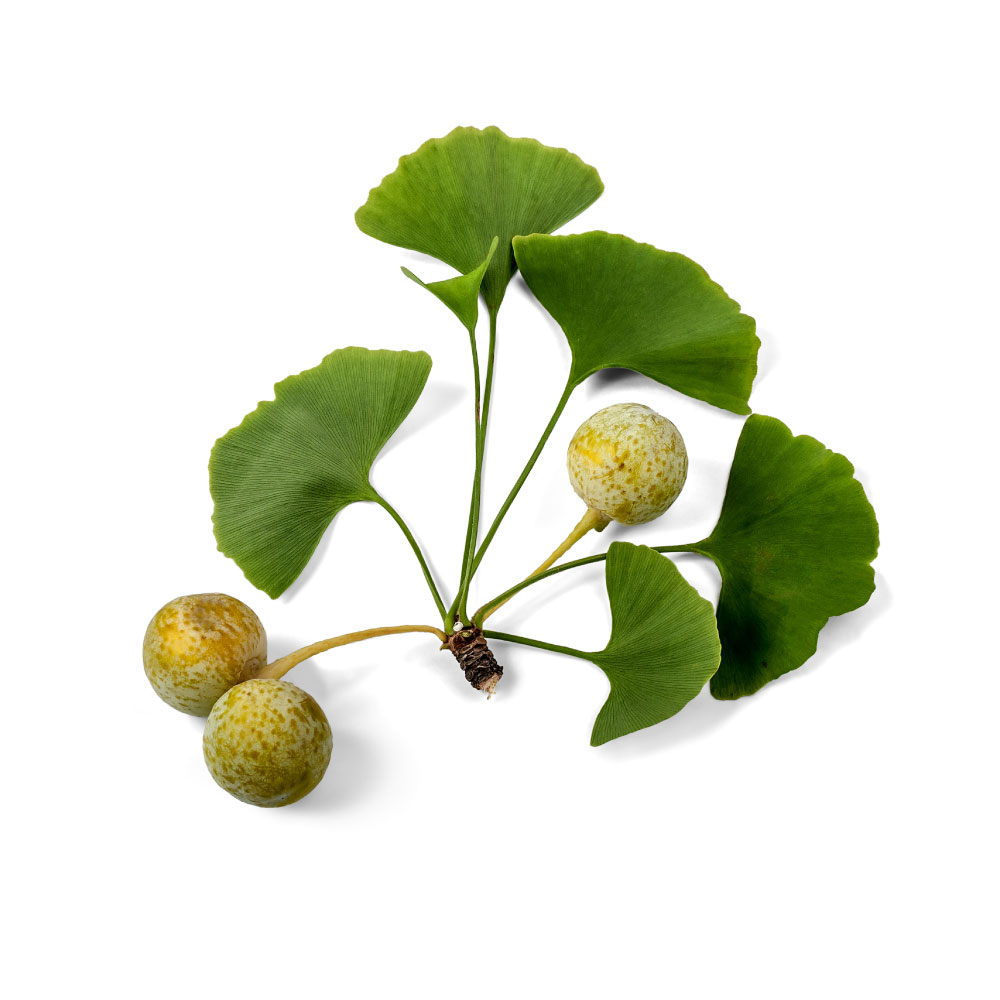 GinkgoGinkgo bilobafree-radical scavenging; mitochondrial-protective; anti-excitotoxicStrong
Ginkgo is the archetypal neuroprotective botanical and the most heavily human-trialled, but its effect is real-and-modest rather than powerful. The EGb 761 flavonol glycosides scavenge peroxyl/hydroxyl radicals and protect hippocampal neurons against beta-amyloid- and oxidative-stress-induced death in cell and animal models 9,10Reference 9In vitroPeroxyl radical scavenging activity of Ginkgo biloba extract EGb 761 — in vitro studyView study →Reference 10In vitroThe Ginkgo biloba extract (EGb 761) protects hippocampal neurons against cell death induced by beta-amyloid — in vitro studyView study →, while the sesquiterpene bilobalide adds GABAergic and mitochondrial protection against ischaemic injury. Effect is tied to the standardised extract, and the honest ceiling is important: ginkgo does not prevent dementia — the ~3,000-patient GEM trial was null 11,12Reference 11RCTGinkgo biloba for prevention of dementia: a randomized controlled trial — randomised controlled trialView study →Reference 12RCTGinkgo biloba for preventing cognitive decline in older adults: a randomized trial — randomised controlled trialView study →.
Full monograph →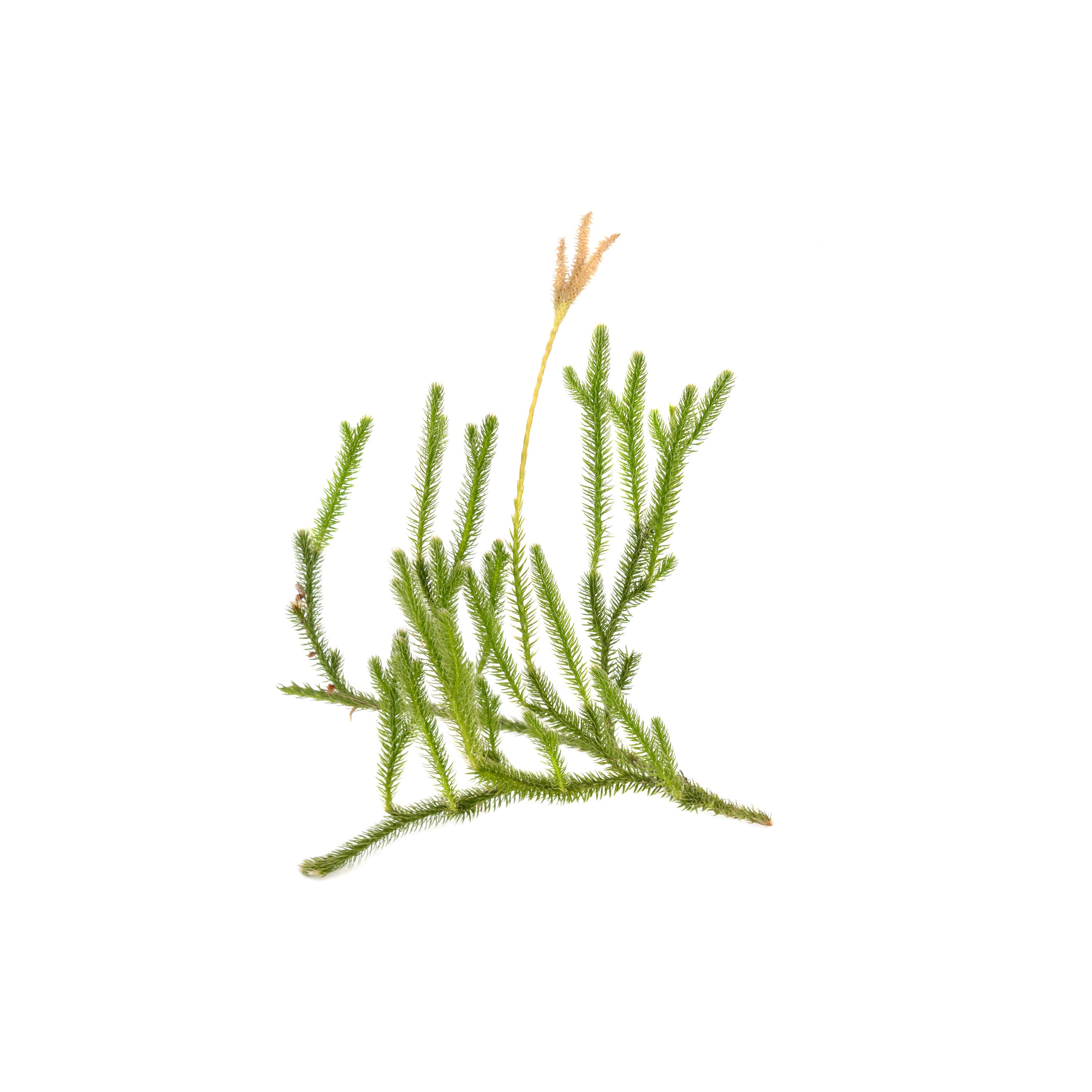 Chinese ClubmossHuperzia serrataanti-excitotoxic; anti-amyloid; anti-neuroinflammatoryModerate
Beyond enzyme inhibition, huperzine-A shows a consistent “non-cholinergic” protective profile: it antagonises the NMDA-receptor channel (anti-excitotoxic, relevant to seizure and nerve-agent injury) 2,3Reference 2AnimalColeman BR, Ratcliffe RH, Oguntayo SA, et al. (2008). [+]-Huperzine A treatment protects against N-methyl-D-aspartate-induced seizure/status epilepticus in rats — rat in vivo. Chem Biol Interact. https://pubmed.ncbi.nlm.nih.gov/18588864/View study →Reference 3In vitroThe NMDA receptor ion channel: a site for binding of huperzine A — in vitroView study →, shifts amyloid precursor protein processing away from the amyloidogenic route (↓ BACE1, ↑ ADAM10, ↓ Aβ) while up-regulating nerve growth factor 4,5Reference 4ReviewHuperzine A: is it an effective disease-modifying drug for Alzheimer’s disease? — reviewView study →Reference 5In vitroHuperzine A regulates the physiological homeostasis of amyloid precursor protein proteolysis and tau protein conformation — in vitro / in silicoView study →, and dampens neuroinflammation via α7-nicotinic receptor activation and NF-κB/IL-6/TNF-α suppression 6,7Reference 6AnimalHuperzine A ameliorates sepsis-induced acute lung injury by suppressing inflammation and oxidative stress via α7 nicotinic acetylcholine receptor — mouse in vivoView study →Reference 7In vitroHuperzine A protected against ferroptosis via activating PI3K/Akt signaling in lipopolysaccharide-induced acute lung injury — in vivo / in vitroView study →. Real and mechanistically coherent, but a secondary story rather than the headline: every one of these findings is animal or cell-line only — none of the neuroprotection has been shown in humans, and it is the isolated alkaloid, not the herb. Parkinson’s protection is thinner still (mouse MPTP model only) 8Reference 8AnimalHuperzine A injection ameliorates motor and cognitive abnormalities via regulating multiple pathways in a murine model of Parkinson’s disease — mouse in vivoView study →.
Full monograph →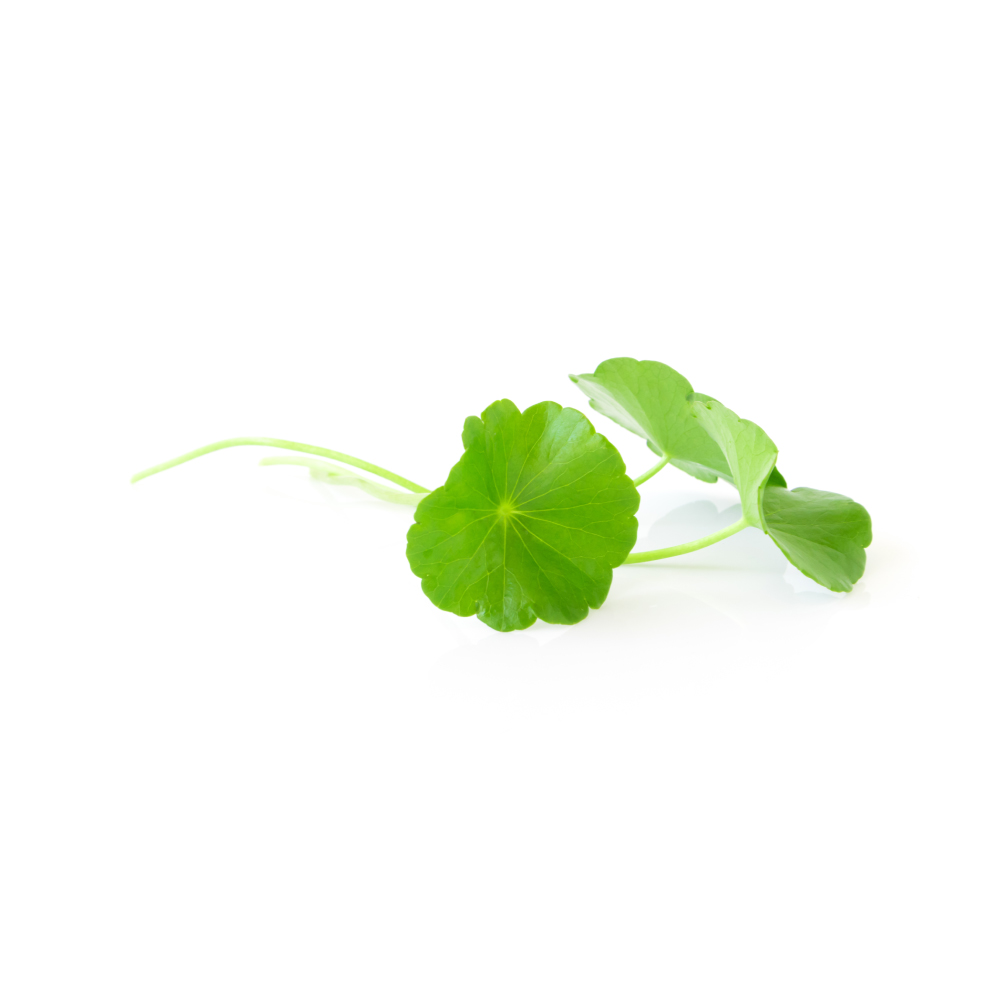 Gotu KolaCentella asiaticaanti-amyloid; mitochondrial-protective; NRF2/acetylcholinesterase-inhibitorModerate
Preclinical neuroprotection is a rich, active research area — especially for Alzheimer’s disease — but it stops at the animal boundary. Water extract improved memory and executive function in β-amyloid- overexpressing (5xFAD/Tg2576) mice, attenuated hippocampal mitochondrial dysfunction, reduced oxidative stress and activated NRF2 antioxidant genes 13,14Reference 13AnimalCentella asiatica improves memory and promotes antioxidative NRF2 signaling in 5XFAD mice — animal modelView study →Reference 14AnimalCentella asiatica attenuates hippocampal mitochondrial dysfunction and improves memory and executive function in β-amyloid overexpressing mice — animal modelView study →; asiatic acid is neuroprotective across cerebral-ischaemia, spinal-cord-injury, epilepsy and neurodegeneration models 15Reference 15ReviewNeuroprotective mechanisms of asiatic acid — reviewView study →, and the 2012 review attributes brain effects to acetylcholinesterase and tyrosinase inhibition, dendritic arborisation and raised Na⁺/K⁺-ATPase 16Reference 16ReviewCentella asiatica (L.) Urban: From traditional medicine to modern medicine with neuroprotective potential — reviewView study →. Capped at moderate: no human neuroprotection trial exists and human PK shows the parent glycosides are poorly absorbed, acting via acid metabolites 17,18Reference 17Clinical trialSafety and pharmacokinetics of standardized extract of Centella asiatica (ECa 233) capsules in healthy volunteers — phase 1 clinical trialView study →Reference 18Clinical trialPharmacokinetics and metabolomics of an orally modified formula of standardized Centella asiatica extract in healthy volunteers — clinical trialView study →.
Full monograph →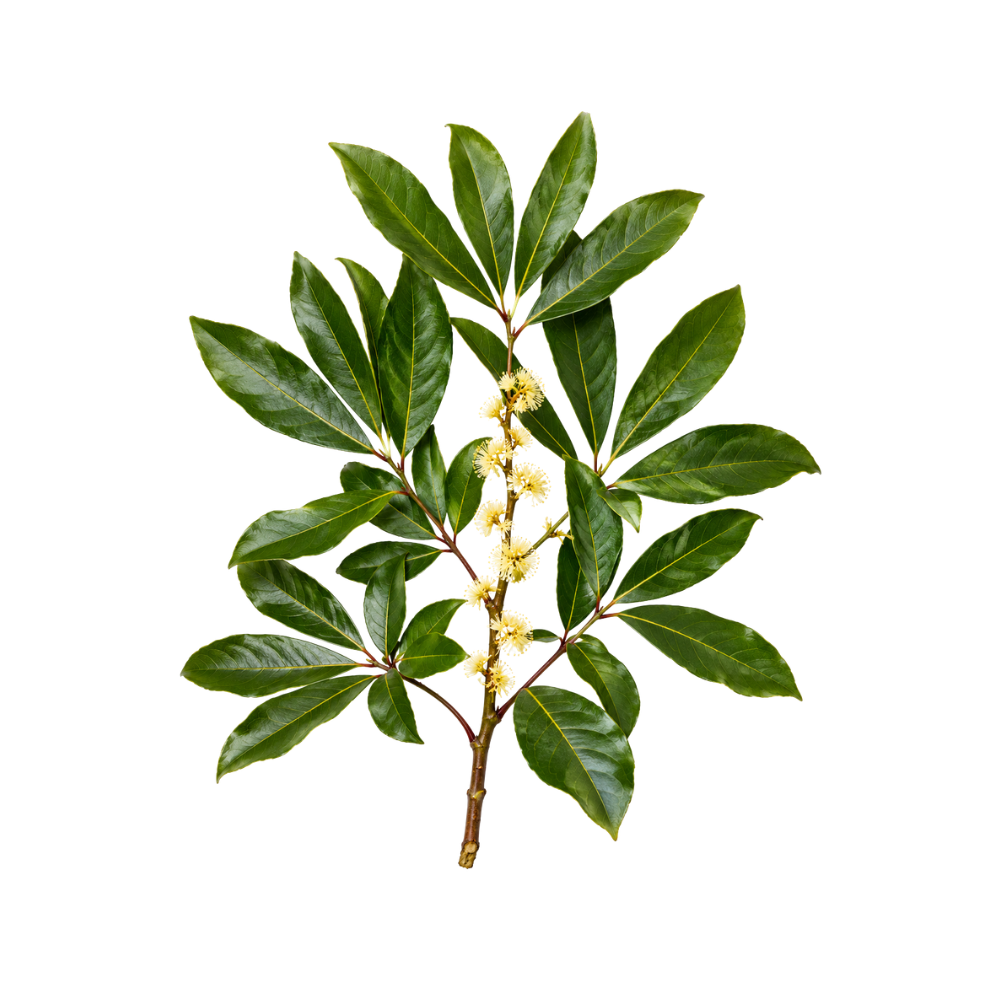 Muira PuamaPtychopetalum olacoidesneurotrophic (NGF-potentiating); anti-amyloid; free-radical scavengingModerate
Several preclinical strands converge. In a β-amyloid (Aβ1-42) mouse Alzheimer model, 14 days of oral POEE prevented cognitive impairment while reducing amyloid deposits, astrogliosis and CA1 neuron loss 23Reference 23AnimalThe Amazonian herbal Marapuama attenuates cognitive impairment and neuroglial degeneration in a mouse Alzheimer model — animal studyView study →; in rat hippocampal slices under oxygen-glucose deprivation (a stroke model) it preserved mitochondrial viability and blocked the free-radical rise 24Reference 24In vitroNeuroprotective effects of Ptychopetalum olacoides Bentham on oxygen and glucose deprivation-induced damage in rat hippocampal slices — in vitro studyView study →. Most distinctively, Japanese groups isolated clerodane-type diterpenoids from the bark that potentiate nerve growth factor and drive neurite outgrowth in PC12 cells 25,26Reference 25In vitroNovel NGF-potentiating diterpenoids from a Brazilian medicinal plant, Ptychopetalum olacoides — in vitro studyView study →Reference 26In vitroClerodane diterpenoids with NGF-potentiating activity from Ptychopetalum olacoides — in vitro studyView study → — a neuroregenerative signal separate from the AChE/antioxidant story. A genuine, mechanistically rich effect, but capped at moderate because there is no in-vivo confirmation the NGF diterpenoids act after oral dosing and no human data.
Full monograph →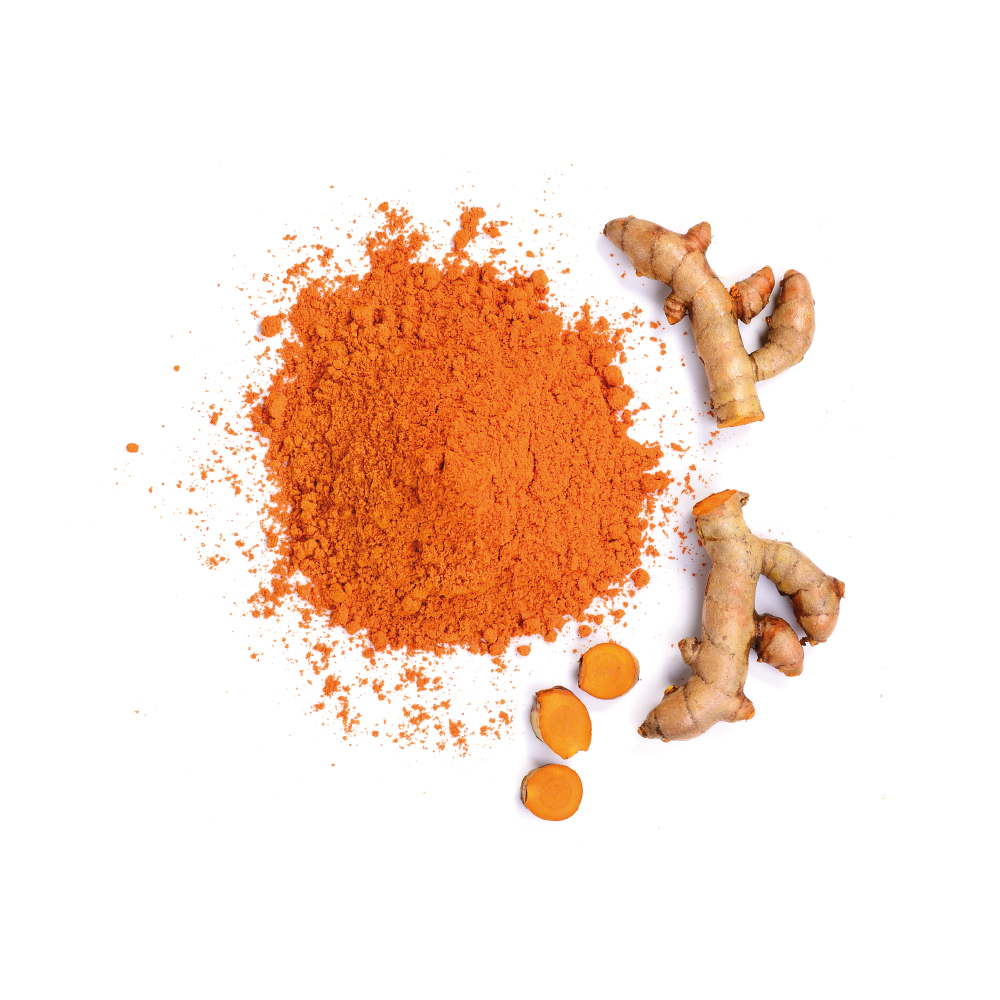 TurmericCurcuma longaanti-amyloid; anti-neuroinflammatory; Nrf2 antioxidantModerate
A single rigorous trial anchors this: an 18-month double-blind RCT (n=40 non-demented adults) of a bioavailable curcumin (Theracurmin, 90 mg twice daily) improved memory and attention versus placebo, with FDDNP-PET imaging suggesting reduced amyloid and tau accumulation in the amygdala and hypothalamus 30Reference 30RCTMemory and Brain Amyloid and Tau Effects of a Bioavailable Form of Curcumin in Non-Demented Adults: a double-blind, placebo-controlled 18-month randomized controlled trialView study →. Mechanistically plausible (anti-amyloid + anti-neuroinflammatory + Nrf2 antioxidant), but the potency ceiling is honest and low — one small trial of one proprietary bioavailable formulation, with exploratory imaging and no replication or dementia-incidence endpoint. Raw turmeric would not reach the plasma levels this used.
Full monograph →Ayahuasca VineBanisteriopsis caapiMAO-A inhibition; monoamine preservationMild
The neuroprotective tag rests almost entirely on reference 1Reference 1Composition, standardization and chemical profiling of Banisteriopsis caapi, a plant for the treatment of neurodegenerative disorders relevant to Parkinson’s diseaseView study →, which profiles and standardises Banisteriopsis caapi explicitly as “a plant for the treatment of neurodegenerative disorders relevant to Parkinson’s disease” — a monoaminergic-preservation rationale flowing from the same β-carboline MAO inhibition 1Reference 1Composition, standardization and chemical profiling of Banisteriopsis caapi, a plant for the treatment of neurodegenerative disorders relevant to Parkinson’s diseaseView study →. The monograph does not cite any neurogenesis, BDNF/neurotrophic, anti-excitotoxic or mitochondrial signal, so this is a framing-plus-mechanism inference, not a demonstrated neuroprotective effect; potency stays mild until the research section is built out.
Full monograph →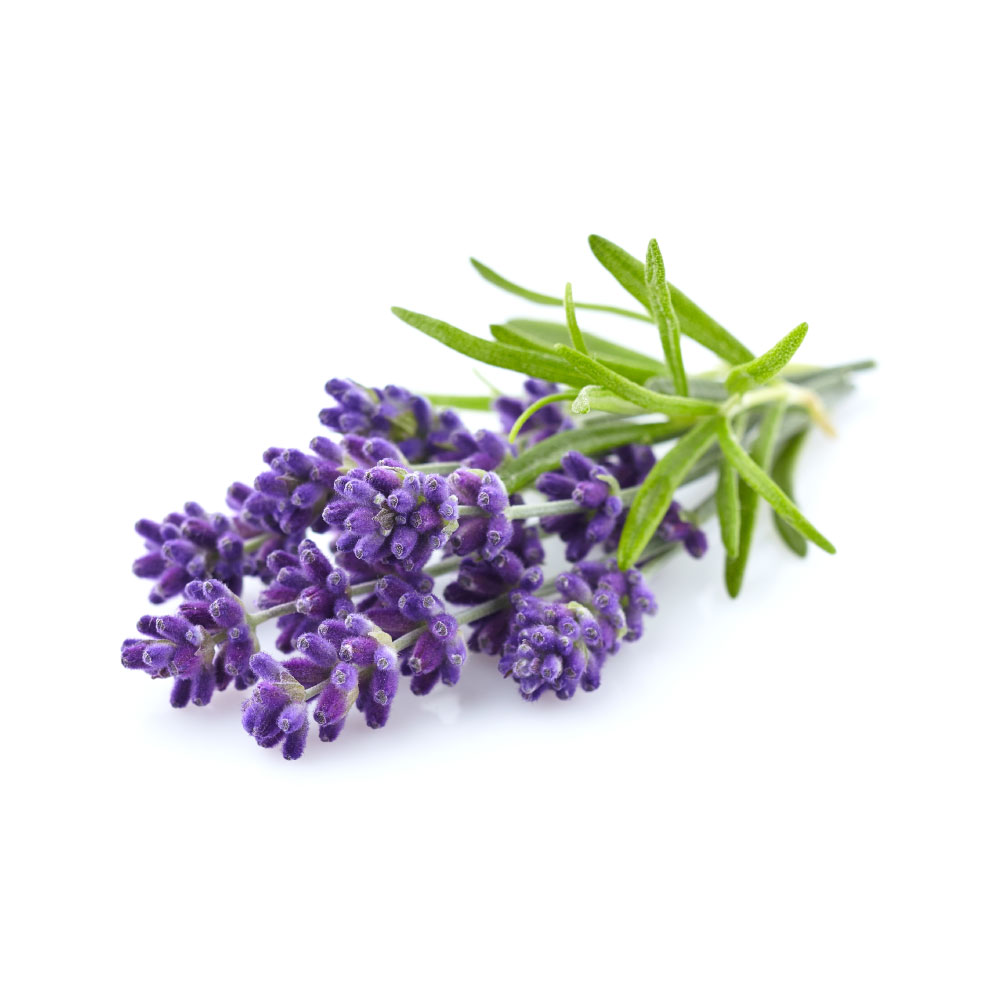 LavenderLavandula angustifoliaanti-oxidative; anti-amnesic (scopolamine model)Mild
The neuroprotective claim is the most preliminary lavender action. Lavender oil improved scopolamine-induced memory deficits and lowered oxidative-stress markers in rats 19Reference 19AnimalProtective effect of lavender oil on scopolamine-induced cognitive deficits in mice — animal modelView study →, and related Lavandula extracts protected neurons in ischaemia and 6-OHDA models, with the effect attributed variously to whole oil, linalool, and minor constituents such as myrtenol. Single-model animal studies with no human counterpart — too early to call lavender neuroprotective in any human sense.
Full monograph →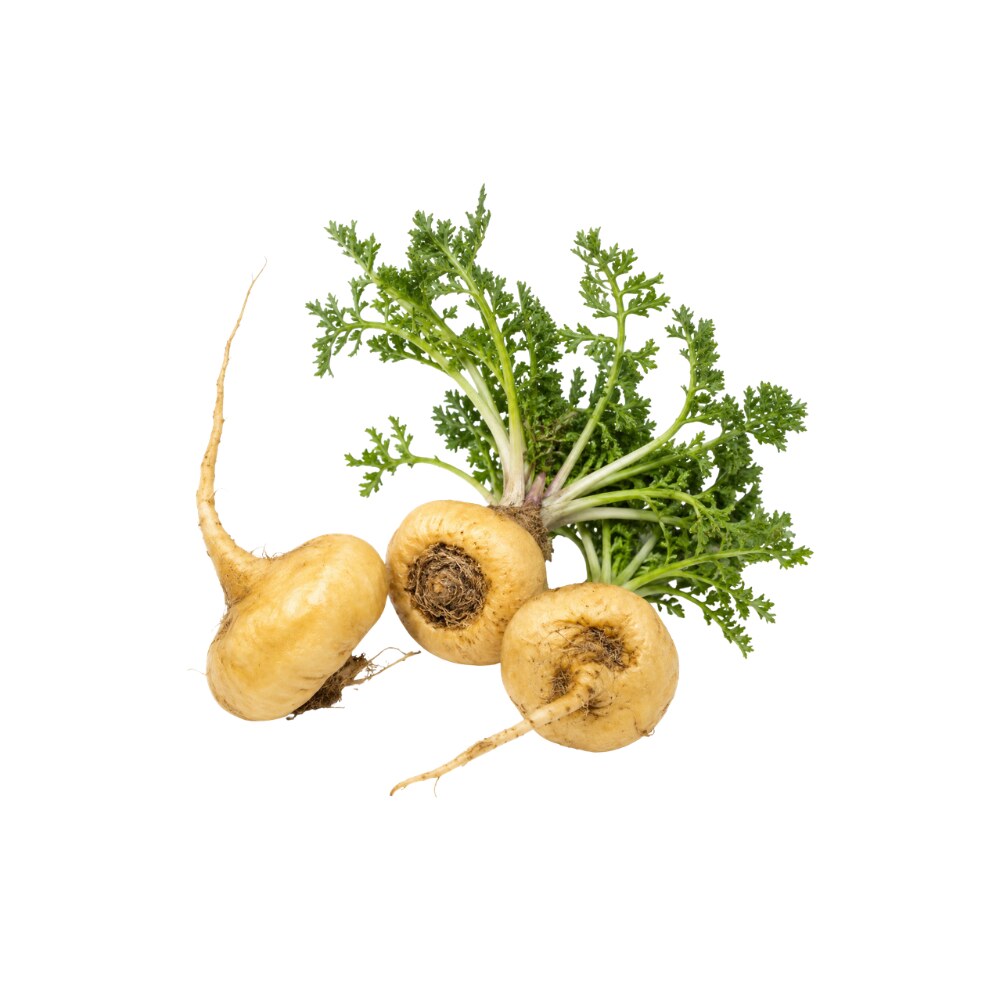 MacaLepidium meyeniiacetylcholinesterase inhibition; lipid-peroxidation (MDA) reductionMild
The neuroprotective tag is thin and entirely preclinical, tied specifically to black maca. Aqueous black-maca extract reversed ovariectomy-induced memory impairment in mice while lowering brain malondialdehyde and acetylcholinesterase (AChE) activity 20Reference 20AnimalAqueous extract of black maca (Lepidium meyenii) on memory impairment induced by ovariectomy in mice — animal modelView study →, and both aqueous and hydroalcoholic black-maca extracts corrected scopolamine-induced memory deficits, again via AChE inhibition 21Reference 21AnimalAqueous and hydroalcoholic extracts of black maca (Lepidium meyenii) improve scopolamine-induced memory impairment in mice — animal modelView study →. Reviews credit combined antioxidant + AChE-inhibitory activity and note black maca outperforms the other colours 22Reference 22ReviewEthnobiology and ethnopharmacology of Lepidium meyenii (Maca), a plant from the Peruvian highlands — reviewView study →. There are no human cognition trials and the mechanism is an induced-deficit rodent finding, so this is a mechanistically plausible but unproven action — and the yellow powder most people buy is not the form behind it.
Full monograph →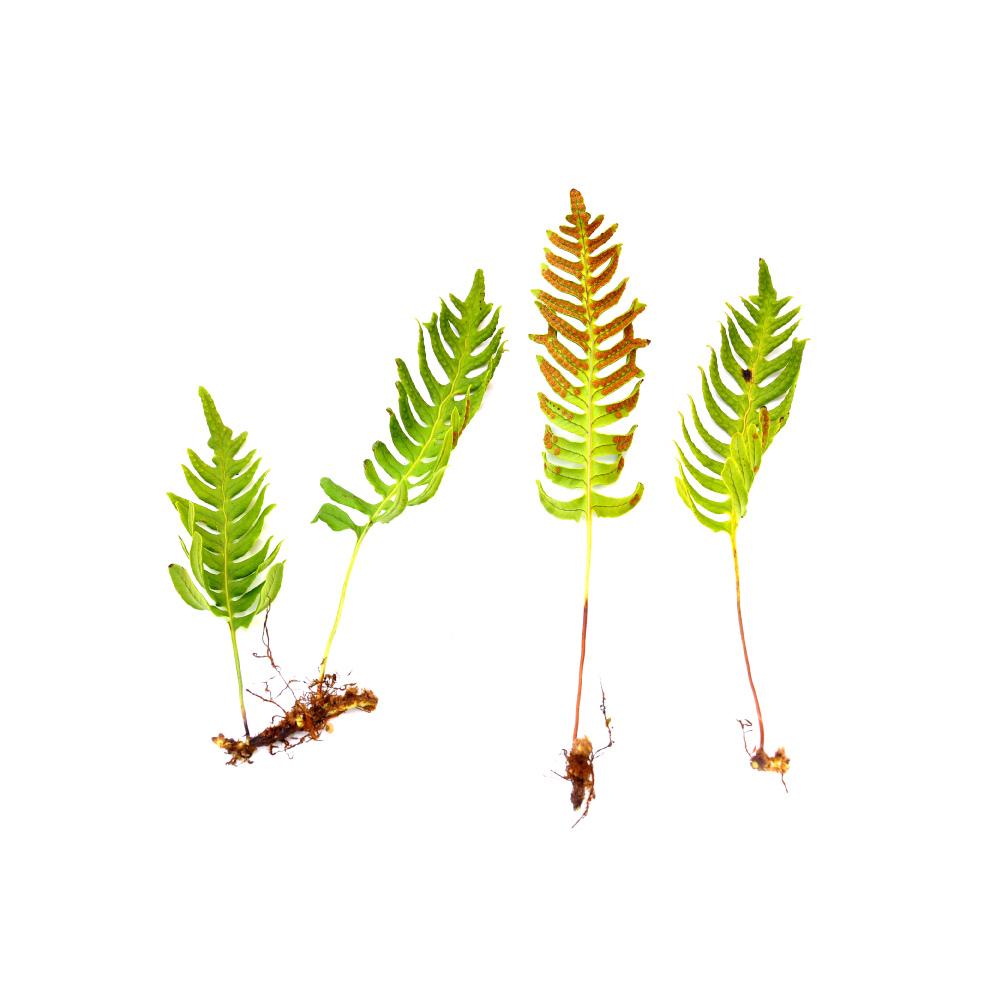 SamambaiaPolypodium leucotomossuperoxide-dismutase modulation; free-radical scavengingMild
The thinnest of the supported actions, and on a different preparation from the modern dermatologic extracts. Interest began with incidental cognitive reports in psoriasis patients on Anapsos, followed by a single small double-blind placebo-controlled pilot in 45 mild-to-moderate senile-dementia patients that examined cognition and cerebral haemodynamics 27Reference 27RCTDouble-blind, randomised, placebo-controlled pilot study with anapsos in senile dementia — randomisedView study →; the only mechanism is a rat study in which anapsos modulated Cu-Zn superoxide dismutase in a beta-amyloid degeneration model 28Reference 28AnimalEffects of anapsos on Cu-Zn-superoxide dismutase activity in an animal model of neuronal degeneration — animalView study →. Unreplicated since 2000, on the rhizome pharmaceutical rather than Fernblock — a preliminary signal, not an established action.
Full monograph → TeaCamellia sinensisantioxidant; anti-neuroinflammatoryMild
Mechanistically plausible but weakly substantiated for this herb as used. Green-tea extract and its catechins epicatechin and EGCG protected dopaminergic neurons in the 6-OHDA (Parkinson’s) model, attributed to an antioxidant and anti-inflammatory profile, with L-theanine possibly contributing 29Reference 29Neuroprotective properties of the standardised extract from Camellia sinensis (green tea) in the 6-OHDA model of Parkinson’s disease — animalView study →. This overlaps heavily with tea’s antioxidant and cognitive findings, but it is purely cell-culture and animal-model evidence — no human trials in Parkinson’s, Alzheimer’s or related disease — so potency stays mild.
Full monograph →Safety
Neuroprotective herbs are a mechanistically diverse group, so their cautions differ — but a few themes recur across the strongest ones.
- Bleeding / antiplatelet. Ginkgo antagonises platelet-activating factor and can add to the effect of anticoagulant or antiplatelet drugs (warfarin, aspirin, clopidogrel); it is usually stopped about two weeks before surgery.
- Cholinergic activity. Herbs (or their isolates) that inhibit acetylcholinesterase — huperzine A from firmoss, and the black-maca and gotu-kola AChE signals — can cause cholinergic side-effects (nausea, cramping, a slowed heart rate) and may interact with cholinergic or anticholinergic medication. Huperzine A crosses the blood–brain barrier and warrants particular care.
- MAO inhibition. The ayahuasca vine’s β-carbolines are reversible MAO-A inhibitors, carrying the classic MAOI interaction profile (tyramine-rich foods, SSRIs, sympathomimetics) — not a self-administered remedy.
- Liver. Gotu kola carries an idiosyncratic hepatotoxicity signal at chronic high doses, and high-dose bioavailable curcumin has rare idiosyncratic liver-injury reports — keep doses moderate and stop if liver symptoms appear.
- Preparation matters. Almost every genuine effect here is tied to a specific standardised extract (ginkgo’s EGb 761, a bioavailable curcumin, isolated huperzine A); crude powders and teas do not reproduce it, and some raw materials carry their own hazards.
Pregnancy & lactation
Most of these herbs are best avoided in pregnancy and lactation — not because harm is documented, but because adequate safety data are absent and several carry mechanisms that argue for caution: ginkgo’s antiplatelet activity and bleeding-risk signal, and the blood–brain-barrier-penetrant cholinergic action of huperzine A. Turmeric and tea are fine as culinary amounts, but the concentrated extracts behind their neuroprotective signals have not been assessed in pregnancy. Treat this as a precautionary avoid rather than assume safety.
References
- Wang, Y. H., Samoylenko, V., Tekwani, B. L., Khan, I. A., Miller, L. S., Chaurasiya, N. D., Rahman, M. M., Tripathi, L. M., Khan, S. I., Joshi, V. C., Wigger, F. T., & Muhammad, I. (2010). Composition, standardization and chemical profiling of Banisteriopsis caapi, a plant for the treatment of neurodegenerative disorders relevant to Parkinson’s disease. Journal of Ethnopharmacology, 128(3), 662-671. doi:10.1016/j.jep.2010.02.013
- Coleman BR, Ratcliffe RH, Oguntayo SA, et al. (2008). [+]-Huperzine A treatment protects against N-methyl-D-aspartate-induced seizure/status epilepticus in rats — rat in vivo. Chem Biol Interact. https://pubmed.ncbi.nlm.nih.gov/18588864/
- Gordon RK, Nigam SV, Weitz JA, et al. (2001). The NMDA receptor ion channel: a site for binding of huperzine A — in vitro. J Appl Toxicol. https://pubmed.ncbi.nlm.nih.gov/11920920/
- Qian ZM, Ke Y. (2014). Huperzine A: is it an effective disease-modifying drug for Alzheimer’s disease? — review. Front Aging Neurosci. https://pubmed.ncbi.nlm.nih.gov/25191267/
- Wongjaikam S, et al. (2024). Huperzine A regulates the physiological homeostasis of amyloid precursor protein proteolysis and tau protein conformation — in vitro / in silico. Biology (Basel). https://pubmed.ncbi.nlm.nih.gov/39056711/
- Su J, et al. (2024). Huperzine A ameliorates sepsis-induced acute lung injury by suppressing inflammation and oxidative stress via α7 nicotinic acetylcholine receptor — mouse in vivo. Int Immunopharmacol. https://pubmed.ncbi.nlm.nih.gov/39159557/
- Shi J, et al. (2024). Huperzine A protected against ferroptosis via activating PI3K/Akt signaling in lipopolysaccharide-induced acute lung injury — in vivo / in vitro. Eur J Pharmacol. https://pubmed.ncbi.nlm.nih.gov/39278310/
- Guo X, et al. (2023). Huperzine A injection ameliorates motor and cognitive abnormalities via regulating multiple pathways in a murine model of Parkinson’s disease — mouse in vivo. Eur J Pharmacol. https://pubmed.ncbi.nlm.nih.gov/37549727/
- Maitra I, et al. (1995). Peroxyl radical scavenging activity of Ginkgo biloba extract EGb 761 — in vitro study. Biochemical pharmacology. https://pubmed.ncbi.nlm.nih.gov/7786306/
- Bastianetto S, et al. (2000). The Ginkgo biloba extract (EGb 761) protects hippocampal neurons against cell death induced by beta-amyloid — in vitro study. The European journal of neuroscience. https://pubmed.ncbi.nlm.nih.gov/10886329/
- DeKosky ST, et al. (2008). Ginkgo biloba for prevention of dementia: a randomized controlled trial — randomised controlled trial. JAMA. https://pubmed.ncbi.nlm.nih.gov/19017911/
- Snitz BE, et al. (2009). Ginkgo biloba for preventing cognitive decline in older adults: a randomized trial — randomised controlled trial. JAMA. https://pubmed.ncbi.nlm.nih.gov/20040554/
- Matthews, D. G., et al. (2019). Centella asiatica improves memory and promotes antioxidative NRF2 signaling in 5XFAD mice — animal model. Antioxidants. https://pubmed.ncbi.nlm.nih.gov/31817977/
- Gray, N. E., et al. (2018). Centella asiatica attenuates hippocampal mitochondrial dysfunction and improves memory and executive function in β-amyloid overexpressing mice — animal model. Molecular and Cellular Neuroscience. https://pubmed.ncbi.nlm.nih.gov/30253196/
- Ding, L., et al. (2023). Neuroprotective mechanisms of asiatic acid — review. Heliyon. https://pubmed.ncbi.nlm.nih.gov/37180926/
- Orhan, I. E. (2012). Centella asiatica (L.) Urban: From traditional medicine to modern medicine with neuroprotective potential — review. Evidence-Based Complementary and Alternative Medicine. https://pubmed.ncbi.nlm.nih.gov/22666298/
- Songvut, P., et al. (2019). Safety and pharmacokinetics of standardized extract of Centella asiatica (ECa 233) capsules in healthy volunteers — phase 1 clinical trial. Planta Medica. https://pubmed.ncbi.nlm.nih.gov/30699457/
- Songvut, P., et al. (2021). Pharmacokinetics and metabolomics of an orally modified formula of standardized Centella asiatica extract in healthy volunteers — clinical trial. Scientific Reports. https://pubmed.ncbi.nlm.nih.gov/33767223/
- Xu, P., et al. (2016). Protective effect of lavender oil on scopolamine-induced cognitive deficits in mice — animal model. Journal of Ethnopharmacology. https://pubmed.ncbi.nlm.nih.gov/27558947/
- Rubio, J., et al. (2011). Aqueous extract of black maca (Lepidium meyenii) on memory impairment induced by ovariectomy in mice — animal model. Evid Based Complement Alternat Med. https://pubmed.ncbi.nlm.nih.gov/18955369/
- Rubio, J., et al. (2007). Aqueous and hydroalcoholic extracts of black maca (Lepidium meyenii) improve scopolamine-induced memory impairment in mice — animal model. Food Chem Toxicol. https://pubmed.ncbi.nlm.nih.gov/17543435/
- Gonzales, G. F. (2012). Ethnobiology and ethnopharmacology of Lepidium meyenii (Maca), a plant from the Peruvian highlands — review. Evid Based Complement Alternat Med. https://pubmed.ncbi.nlm.nih.gov/21977053/
- Figueiró, M., Ilha, J., Linck, V. M., et al. (2011). The Amazonian herbal Marapuama attenuates cognitive impairment and neuroglial degeneration in a mouse Alzheimer model — animal study. Phytomedicine. https://pubmed.ncbi.nlm.nih.gov/20739160/
- Siqueira, I. R., Cimarosti, H., Fochesatto, C., et al. (2004). Neuroprotective effects of Ptychopetalum olacoides Bentham on oxygen and glucose deprivation-induced damage in rat hippocampal slices — in vitro study. Life Sciences. https://pubmed.ncbi.nlm.nih.gov/15302233/
- Tang, W., Kubo, M., Harada, K., et al. (2009). Novel NGF-potentiating diterpenoids from a Brazilian medicinal plant, Ptychopetalum olacoides — in vitro study. Bioorganic & Medicinal Chemistry Letters. https://pubmed.ncbi.nlm.nih.gov/19095451/
- Tang, W., Hioki, H., Harada, K., et al. (2008). Clerodane diterpenoids with NGF-potentiating activity from Ptychopetalum olacoides — in vitro study. Journal of Natural Products. https://pubmed.ncbi.nlm.nih.gov/18821798/
- Álvarez, X. A., et al. (2000). Double-blind, randomised, placebo-controlled pilot study with anapsos in senile dementia — randomised. Methods Find Exp Clin Pharmacol. https://pubmed.ncbi.nlm.nih.gov/11196347/
- Fernández-Novoa, L., et al. (1997). Effects of anapsos on Cu-Zn-superoxide dismutase activity in an animal model of neuronal degeneration — animal. Methods Find Exp Clin Pharmacol. https://pubmed.ncbi.nlm.nih.gov/9151285/
- Bitu Pinto, N., da Silva Alexandre, B., Neves, K. R. T., et al. (2015). Neuroprotective properties of the standardised extract from Camellia sinensis (green tea) in the 6-OHDA model of Parkinson’s disease — animal. Evid Based Complement Alternat Med, 2015, 161092. https://pubmed.ncbi.nlm.nih.gov/26167188/
- Small GW, Siddarth P, Li Z, et al. (2018). Memory and Brain Amyloid and Tau Effects of a Bioavailable Form of Curcumin in Non-Demented Adults: a double-blind, placebo-controlled 18-month randomized controlled trial. Am J Geriatr Psychiatry. https://pubmed.ncbi.nlm.nih.gov/29246725/