
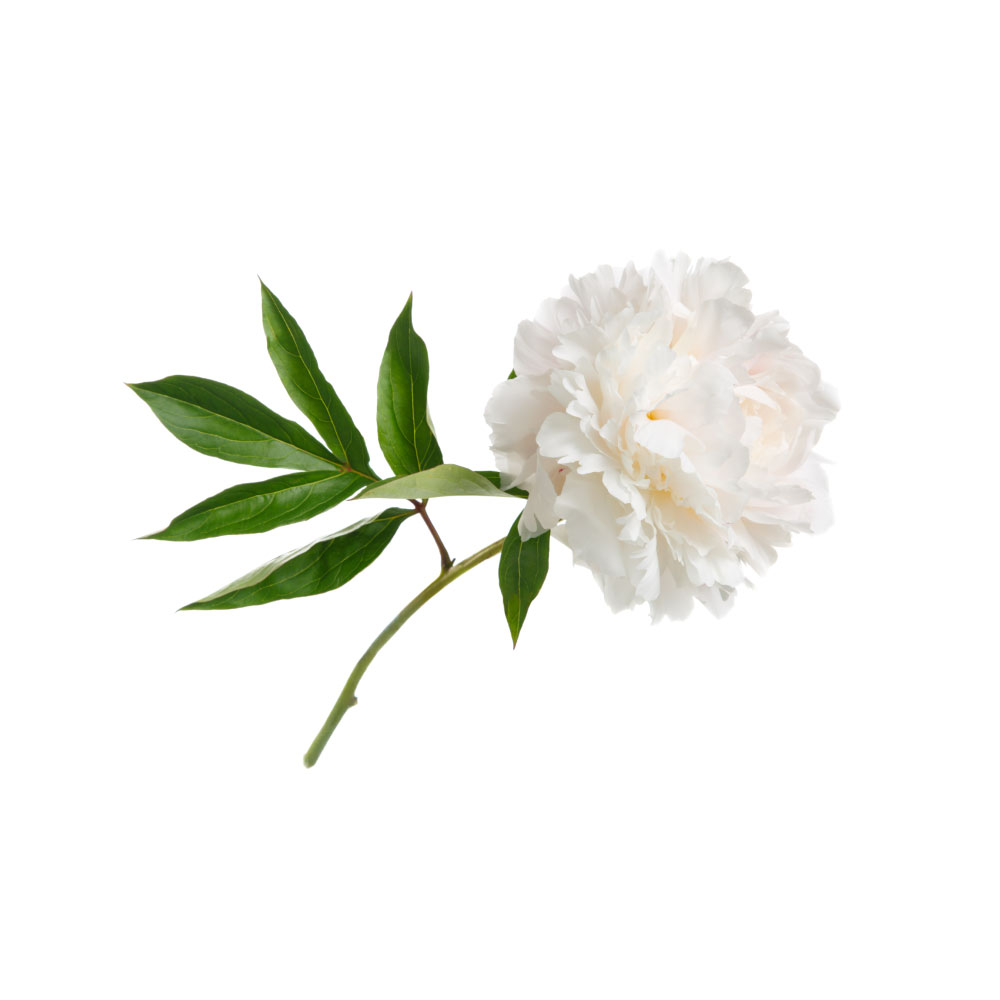
Materia Medica
Peony
Paeonia lactiflora
Peony (Paeonia lactiflora) — a cornerstone Chinese materia medica root whose standardised extract (total glucosides of paeony) has genuine trial evidence as an anti-inflammatory, immune-modulating adjunct in rheumatoid arthritis and autoimmune disease, alongside long traditional use as a women's and liver tonic.
What Is Peony?
Peony (Paeonia lactiflora) is one of the most important roots in the Chinese materia medica — used traditionally as a blood and liver tonic and a women’s remedy, and studied today mainly as an anti-inflammatory and immune-modulating agent 2,25Reference 2ReviewEfficacy, chemical constituents, and pharmacological actions of Radix Paeoniae Rubra and Radix Paeoniae Alba — reviewView study →Reference 25Chinese Herbal Medicine: Materia Medica (3rd ed.). Its name traces to Paeon, the physician of the gods in Greek myth, said to have healed the wounds of the gods with the plant.
Herbal medicine recognises three main forms, distinguished not by flower colour but by the root and how it is processed: white peony (Bai Shao — the peeled, boiled root of Paeonia lactiflora, the most common form), red peony (Chi Shao — the unpeeled, unprocessed root of P. lactiflora or P. veitchii), and tree-peony bark (Moutan, Cortex Moutan, from P. suffruticosa). They differ markedly in chemistry — most obviously in paeonol, which is low in white peony root but a major marker of tree-peony bark and red peony — and so are not interchangeable 2Reference 2ReviewEfficacy, chemical constituents, and pharmacological actions of Radix Paeoniae Rubra and Radix Paeoniae Alba — reviewView study →.
The load-bearing caveat runs through the whole modern literature: almost all of peony’s human clinical evidence comes not from the whole root but from total glucosides of paeony (TGP), a purified extract standardised to ≥40% paeoniflorin and licensed as an anti-inflammatory drug in China, or from the two-herb formula Shakuyaku-kanzo-to (peony + licorice). A result from these standardised preparations does not automatically transfer to a tincture or decoction of the raw root 3,6Reference 3Systematic reviewBenefits and safety of Tripterygium glycosides and total glucosides of paeony for rheumatoid arthritis: an overview of systematic reviews — systematic reviewView study →Reference 6Meta-analysisTotal glucosides of paeony for rheumatoid arthritis: a methodological and reporting quality evaluation of systematic reviews and meta-analyses — reviewView study →.
Traditional & Modern Uses
Peony is a cornerstone of the traditional Chinese materia medica, classically regarded as specific for the Liver — soothing constrained Liver energy and improving its function — and as one of the great blood-nourishing women’s tonics, especially when paired with licorice 25Reference 25Chinese Herbal Medicine: Materia Medica (3rd ed.). White peony (Bai Shao) and red peony (Chi Shao) are used somewhat differently: broadly, white peony to nourish blood and calm the Liver, red peony to cool and move blood. Compared with Angelica sinensis (dong quai), peony is favoured where a condition involves “heat,” while Angelica sinensis is used where it involves “cold” 25Reference 25Chinese Herbal Medicine: Materia Medica (3rd ed.).
In modern practice peony is used for PMS, polycystic ovary syndrome and other menstrual complaints, for muscle cramps, and — as the standardised TGP extract — as an add-on in autoimmune and inflammatory disease. It is rarely given alone, being considered more effective in combination, most famously with licorice in Shakuyaku-kanzo-to 20,21Reference 20In vitroBlocking effects of blended paeoniflorin or its related compounds with glycyrrhizin on neuromuscular junctions in frog and mouse — in vitro/animalView study →Reference 21RCTShakuyaku-kanzo-to (Shao-Yao-Gan-Cao-Tang) as treatment of painful muscle cramps in patients with lumbar spinal stenosis and its minimum effective dose — randomised controlled trialView study →.
Botany & Varieties
Peony is the type genus of the small family Paeoniaceae, which contains the single genus Paeonia and roughly thirty species (the family was historically lumped into the Ranunculaceae). Several species supply the medicinal root, the distinction being one of processing as much as species:
- Paeonia lactiflora (Chinese peony) — the main source of both white and red peony root
- Paeonia veitchii — a further source of red peony root
- Paeonia suffruticosa (tree peony) — the source of Moutan bark
- Paeonia obovata — an additional medicinal species
White peony root is peeled and boiled, red peony root is left unprocessed, and tree-peony bark is a separate drug again — so “peony” in the literature can mean chemically quite different material.
Phytochemistry
Peony’s signature compound is paeoniflorin, a monoterpene glycoside (pinane-type) that is both the chemical marker and the principal active of the root — the Chinese Pharmacopoeia sets a minimum of 1.6% paeoniflorin for white peony root (Radix Paeoniae Alba) 26Reference 26Pharmacopoeia of the People’s Republic of China, Vol. It is the main driver of the herb’s smooth-muscle-relaxant, antispasmodic and anti-inflammatory effects, and underlies the classic paeoniflorin–glycyrrhizin synergy with licorice at the neuromuscular junction 20Reference 20In vitroBlocking effects of blended paeoniflorin or its related compounds with glycyrrhizin on neuromuscular junctions in frog and mouse — in vitro/animalView study →. Its isomer albiflorin accompanies it and is notably more abundant in white than in red peony root 2Reference 2ReviewEfficacy, chemical constituents, and pharmacological actions of Radix Paeoniae Rubra and Radix Paeoniae Alba — reviewView study →.
The other notable actives are phenolic. Paeonol † (an acetophenone) carries anti-inflammatory and analgesic activity but is comparatively minor in white peony root, being concentrated instead in tree-peony bark (Moutan, P. suffruticosa) and red peony — so its presence and level help distinguish the peony forms 2Reference 2ReviewEfficacy, chemical constituents, and pharmacological actions of Radix Paeoniae Rubra and Radix Paeoniae Alba — reviewView study →. Astringent gallotannins, including pentagalloylglucose, make up much of the tannins fraction. Several galloyl- and benzoyl-substituted monoterpene glycosides — oxypaeoniflorin, 6’-O-galloylpaeoniflorin, 6’-O-galloylalbiflorin, 3’-O-galloylpaeoniflorin and 6’-O-benzoylpaeoniflorin — have been isolated from the root as androgen-receptor modulators 18Reference 18In vitroAndrogen modulators from the roots of Paeonia lactiflora (paeoniae radix) grown and processed in Nara prefecture, Japan — in vitroView study →.
Constituent Summary
Figures are percent of dried root (w/w). † paeonol differentiates the peony forms: low in white peony root but a major marker of tree-peony (Moutan) bark and red peony. Levels vary by species, processing (white vs. red) and grade.
Monoterpenes3 compounds1 with data
Phenolic Acids1 compound1 with data
Pharmacology & Research
Peony (Paeonia lactiflora) is one of the better-studied herbs in the Chinese materia medica, but almost the entire human evidence base rests on a single standardised preparation rather than the whole root: total glucosides of paeony (TGP), a purified root extract (≥40% paeoniflorin) that is licensed as an anti-inflammatory drug in China. On that preparation there is genuine randomised-controlled-trial and meta-analytic evidence — chiefly as a disease-modifying adjunct in rheumatoid arthritis and for blunting the liver toxicity of conventional antirheumatics — though reviewers repeatedly flag the underlying trials as small, China-based, and methodologically weak 3,6Reference 3Systematic reviewBenefits and safety of Tripterygium glycosides and total glucosides of paeony for rheumatoid arthritis: an overview of systematic reviews — systematic reviewView study →Reference 6Meta-analysisTotal glucosides of paeony for rheumatoid arthritis: a methodological and reporting quality evaluation of systematic reviews and meta-analyses — reviewView study →. A second body of human data comes from the two-herb formula Shakuyaku-kanzo-to (peony + licorice, TJ-68) for muscle cramps and androgen excess, which cannot be attributed to peony alone. Everything else — antioxidant, neuroprotective, antidepressant activity — is preclinical, resting on paeoniflorin in cell and rodent models. The load-bearing caveat throughout: a result obtained with a standardised glucoside extract does not automatically transfer to a 1:2 tincture or a decoction of the raw root.
- Best-supported: TGP as an add-on in rheumatoid arthritis (multiple RCTs and meta-analyses, improved ACR responses and inflammatory markers) 3,4Reference 3Systematic reviewBenefits and safety of Tripterygium glycosides and total glucosides of paeony for rheumatoid arthritis: an overview of systematic reviews — systematic reviewView study →Reference 4Meta-analysisClinical safety of total glucosides of paeony adjuvant therapy for rheumatoid arthritis treatment: a systematic review and meta-analysis — meta-analysisView study →; TGP reducing methotrexate/leflunomide liver toxicity in RA (multicentre RCTs) 8,9Reference 8RCTReduced hepatotoxicity by total glucosides of paeony in combination treatment with leflunomide and methotrexate for patients with active rheumatoid arthritis — randomised controlled trialView study →Reference 9RCTTotal glucosides of paeony can reduce the hepatotoxicity caused by methotrexate and leflunomide combination treatment of active rheumatoid arthritis — randomised controlled trialView study →.
- Emerging, worth watching: TGP add-on in Sjögren’s syndrome and psoriasis (small RCTs plus meta-analyses) 12,13,14Reference 12RCTClinical and immunological consequences of total glucosides of paeony treatment in Sjögren’s syndrome: a randomised controlled pilot trial — randomised controlled trialView study →Reference 13Meta-analysisCombined use of total glucosides of paeony and hydroxychloroquine in primary Sjögren’s syndrome: a systematic review — meta-analysisView study →Reference 14Meta-analysisAdd-on effects of total glucosides of paeony on conventional therapies for psoriasis: a systematic review and meta-analysis of randomised controlled trials — meta-analysisView study →; paeoniflorin’s antioxidant/gut–liver effects in fatty-liver models 10,11Reference 10AnimalPaeoniflorin protects against NAFLD through antioxidant, anti-inflammatory effects and restoration of gut microbiota homeostasis — mouse in vivoView study →Reference 11AnimalPaeoniflorin alleviates metabolic dysfunction-associated steatotic liver disease by inhibiting hepatic lipogenesis and inflammation — mouse in vivoView study →.
- Mechanistically thin: antidepressant and neuroprotective activity (rodent/cell only) 22,23Reference 22AnimalPaeoniflorin ameliorates chronic stress-induced depression-like behavior in mice model by affecting ERK1/2 pathway — mouse in vivoView study →Reference 23AnimalThe ghrelin/growth hormone secretagogue receptor system is involved in the rapid and sustained antidepressant-like effect of paeoniflorin — animal modelView study →; anti-androgenic use, which mostly rests on the peony–licorice combination and older, small studies 15,16Reference 15Clinical trialEffect of TJ-68 (shakuyaku-kanzo-to) on polycystic ovarian disease — human clinical studyView study →Reference 16AnimalEffect of paeoniflorin, glycyrrhizin and glycyrrhetic acid on ovarian androgen production — rat in vivoView study →.
- The caveat: human data are overwhelmingly on the TGP glucoside extract or the SKT combination, not on tincture or decoction; trial quality is graded low; there is no standardised whole-herb dose.
1. Rheumatoid arthritis
This is peony’s strongest human indication, and it is really the indication of total glucosides of paeony (TGP) used as an add-on to conventional antirheumatics rather than the root itself. An overview of systematic reviews covering roughly 7,000 participants found that TGP improved ACR20/50/70 response rates, swollen- and tender-joint counts, ESR and CRP when added to standard therapy, and reduced the incidence of hepatotoxicity 3Reference 3Systematic reviewBenefits and safety of Tripterygium glycosides and total glucosides of paeony for rheumatoid arthritis: an overview of systematic reviews — systematic reviewView study →. A meta-analysis focused on safety reached similar conclusions for TGP as adjuvant therapy 4Reference 4Meta-analysisClinical safety of total glucosides of paeony adjuvant therapy for rheumatoid arthritis treatment: a systematic review and meta-analysis — meta-analysisView study →, and a representative RCT of TGP plus leflunomide reported a higher total effective rate than leflunomide alone (97.5% vs 85.0%) 5Reference 5RCTClinical observation on effects of leflunomide and total glucosides of paeony on rheumatoid arthritis — randomised controlled trialView study →. The honest counterweight: a formal appraisal rated the methodological quality of these reviews as critically low on AMSTAR-2 with low GRADE certainty 6Reference 6Meta-analysisTotal glucosides of paeony for rheumatoid arthritis: a methodological and reporting quality evaluation of systematic reviews and meta-analyses — reviewView study →, and an animal meta-analysis confirms the cytokine-lowering mechanism but underscores how much of the base is preclinical 7Reference 7Meta-analysisEffects of total glucosides of paeony on serum inflammatory cytokines in animal models of rheumatoid arthritis: a systematic review and meta-analysis — animal model, systematic reviewView study →. paeoniflorin is the presumed active.
Gap: trials are almost all China-based, open-label or small, and test the standardised TGP extract as an adjunct — there is no high-quality RCT of whole-root tincture or decoction as monotherapy.
2. Hepatoprotective
Two multicentre randomised trials give this a real human footing, though in a narrow context: in patients with active RA on methotrexate plus leflunomide — a combination that reliably raises liver enzymes — adding TGP significantly reduced the incidence and severity of hepatotoxicity 8,9Reference 8RCTReduced hepatotoxicity by total glucosides of paeony in combination treatment with leflunomide and methotrexate for patients with active rheumatoid arthritis — randomised controlled trialView study →Reference 9RCTTotal glucosides of paeony can reduce the hepatotoxicity caused by methotrexate and leflunomide combination treatment of active rheumatoid arthritis — randomised controlled trialView study →, one enrolling 268 patients 9Reference 9RCTTotal glucosides of paeony can reduce the hepatotoxicity caused by methotrexate and leflunomide combination treatment of active rheumatoid arthritis — randomised controlled trialView study →. Mechanistically, paeoniflorin protects rodent liver against high-fat-diet steatosis (NAFLD/MASLD) through antioxidant and anti-inflammatory action and restoration of gut-microbiota balance 10,11Reference 10AnimalPaeoniflorin protects against NAFLD through antioxidant, anti-inflammatory effects and restoration of gut microbiota homeostasis — mouse in vivoView study →Reference 11AnimalPaeoniflorin alleviates metabolic dysfunction-associated steatotic liver disease by inhibiting hepatic lipogenesis and inflammation — mouse in vivoView study →. A pharmacology review collates the broader hepatoprotective profile of the root 2Reference 2ReviewEfficacy, chemical constituents, and pharmacological actions of Radix Paeoniae Rubra and Radix Paeoniae Alba — reviewView study →.
Gap: the solid human evidence is specifically about protecting against drug-induced liver enzyme rises in RA; general hepatoprotection (fatty liver, fibrosis) is animal-only, and the marketed preparation is TGP, not the crude root.
3. Anti-inflammatory
Anti-inflammatory activity is the through-line under most of peony’s autoimmune indications and is the best-characterised mechanism. TGP and paeoniflorin suppress NF-κB signalling and downstream COX-2, and lower pro-inflammatory cytokines (TNF-α, IL-1β, IL-6) while nudging regulatory-T-cell/Th17 balance; the crude-root analgesic effect appears to be mediated partly through adenosine A1 receptors 1Reference 1ReviewAnti-inflammatory and immunomodulatory effects of Paeonia lactiflora Pall., a traditional Chinese herbal medicine — reviewView study →. An animal-model meta-analysis confirms consistent reductions in serum inflammatory cytokines in experimental RA 7Reference 7Meta-analysisEffects of total glucosides of paeony on serum inflammatory cytokines in animal models of rheumatoid arthritis: a systematic review and meta-analysis — animal model, systematic reviewView study →, and a comparative review maps the same activity across white and red peony root 2Reference 2ReviewEfficacy, chemical constituents, and pharmacological actions of Radix Paeoniae Rubra and Radix Paeoniae Alba — reviewView study →.
Gap: as a standalone claim this is preclinical/mechanistic — the human read-out is indirect, arriving through the RA, Sjögren’s and psoriasis trials rather than a dedicated inflammation endpoint.
4. Autoimmune sicca syndrome
In primary Sjögren’s syndrome (the autoimmune sicca — dry eyes and dry mouth — disorder), a randomised, double-blind, placebo-controlled pilot trial (n=45) found TGP improved patient-reported symptom indices and some immunological measures over 24 weeks 12Reference 12RCTClinical and immunological consequences of total glucosides of paeony treatment in Sjögren’s syndrome: a randomised controlled pilot trial — randomised controlled trialView study →. A later systematic review and meta-analysis of TGP combined with hydroxychloroquine reported improvements in sicca symptoms, immunoglobulin levels and inflammatory markers 13Reference 13Meta-analysisCombined use of total glucosides of paeony and hydroxychloroquine in primary Sjögren’s syndrome: a systematic review — meta-analysisView study →. Activity is consistent with peony’s paeoniflorin-driven immunomodulation.
Gap: samples are small, the meta-analysis pools TGP with hydroxychloroquine so the independent contribution of peony is hard to isolate, and again the preparation is TGP.
5. Antioxidant
Antioxidant activity is well replicated at the preclinical level and is the plausibility bridge to peony’s hepatoprotective and anti-ageing claims. paeoniflorin activates the Nrf2/antioxidant-response pathway, raises endogenous antioxidant-enzyme activity and lowers lipid peroxidation in liver and other tissue models 10Reference 10AnimalPaeoniflorin protects against NAFLD through antioxidant, anti-inflammatory effects and restoration of gut microbiota homeostasis — mouse in vivoView study →, and the pattern recurs across the pharmacology literature for both white and red peony root 2Reference 2ReviewEfficacy, chemical constituents, and pharmacological actions of Radix Paeoniae Rubra and Radix Paeoniae Alba — reviewView study →.
Gap: there is no human study measuring an antioxidant endpoint for peony; the score reflects consistent but entirely preclinical (cell and rodent) evidence.
6. Antispasmodic
Peony’s smooth-muscle-relaxant and antispasmodic reputation has a clear mechanism and a supporting cramp trial, but almost always as the two-herb Shakuyaku-kanzo-to (peony + licorice) combination rather than peony alone. Classic work showed paeoniflorin, together with glycyrrhizin from licorice, blocks transmission at the neuromuscular junction in frog and mouse preparations — the pharmacological basis of the peony–licorice synergy 20Reference 20In vitroBlocking effects of blended paeoniflorin or its related compounds with glycyrrhizin on neuromuscular junctions in frog and mouse — in vitro/animalView study →. A randomised trial in patients with painful muscle cramps from lumbar spinal stenosis found Shakuyaku-kanzo-to effective and defined a minimum effective dose 21Reference 21RCTShakuyaku-kanzo-to (Shao-Yao-Gan-Cao-Tang) as treatment of painful muscle cramps in patients with lumbar spinal stenosis and its minimum effective dose — randomised controlled trialView study →, and the crude root carries analgesic activity in animal pain models 1Reference 1ReviewAnti-inflammatory and immunomodulatory effects of Paeonia lactiflora Pall., a traditional Chinese herbal medicine — reviewView study →. albiflorin accompanies paeoniflorin in the root.
Gap: the cramp evidence is for the combination formula (and licorice’s glycyrrhizin carries its own hypokalaemia/hypertension risk), so the antispasmodic effect cannot be credited to peony as a solo herb.
7. Psoriasis
A 2025 systematic review and meta-analysis of randomised trials found that adding TGP to conventional psoriasis therapies (e.g. acitretin, narrow-band UVB) improved efficacy and reduced adverse events versus conventional therapy alone 14Reference 14Meta-analysisAdd-on effects of total glucosides of paeony on conventional therapies for psoriasis: a systematic review and meta-analysis of randomised controlled trials — meta-analysisView study →. The direction is consistent with peony’s paeoniflorin-mediated anti-inflammatory and immunomodulatory activity.
Gap: strictly an adjunct effect from Chinese RCTs with the usual quality caveats; no evidence for peony (or TGP) as standalone psoriasis treatment.
8. Antiandrogenic
Peony’s use for hyperandrogenism and PCOS is long-standing but thinly evidenced, and most of it involves the peony–licorice pairing. An early open study of Shakuyaku-kanzo-to (TJ-68) in 34 women with polycystic ovarian disease reported significantly reduced serum testosterone 15Reference 15Clinical trialEffect of TJ-68 (shakuyaku-kanzo-to) on polycystic ovarian disease — human clinical studyView study →, and in rats paeoniflorin plus glycyrrhizin lowered ovarian androgen production 16Reference 16AnimalEffect of paeoniflorin, glycyrrhizin and glycyrrhetic acid on ovarian androgen production — rat in vivoView study →. Mechanistic support includes androgen-receptor-binding gallotannins isolated from peony root — notably pentagalloylglucose 18Reference 18In vitroAndrogen modulators from the roots of Paeonia lactiflora (paeoniae radix) grown and processed in Nara prefecture, Japan — in vitroView study → — a review placing peony among plant-derived anti-androgens 17Reference 17ReviewAn update on plant derived anti-androgens — reviewView study →, and cell work showing paeoniflorin downregulates CYP17A1 to curb testosterone over-secretion in theca cells 19Reference 19In vitroPaeoniflorin extract reverses dexamethasone-induced testosterone over-secretion through downregulation of cytochrome P450 17A1 expression in primary murine theca cells — in vitroView study →.
Gap: the one human study is small, old and uncontrolled, uses the combination formula, and the page’s earlier claim that peony is a “reliable aromatase inducer” is not supported — the data point to reduced androgen synthesis, not aromatase induction.
9. Neuroprotective
Neuroprotective and antidepressant activity is entirely preclinical. paeoniflorin reduced depression-like behaviour in chronically stressed mice via ERK1/2 signalling 22Reference 22AnimalPaeoniflorin ameliorates chronic stress-induced depression-like behavior in mice model by affecting ERK1/2 pathway — mouse in vivoView study → and produced rapid antidepressant-like effects through the ghrelin/GHS-R system in rodents 23Reference 23AnimalThe ghrelin/growth hormone secretagogue receptor system is involved in the rapid and sustained antidepressant-like effect of paeoniflorin — animal modelView study →, and it promoted clearance of a mutant androgen receptor in a model of spinal-and-bulbar muscular atrophy 24Reference 24In vitroPaeoniflorin eliminates a mutant AR via NF-YA-dependent proteolysis in spinal and bulbar muscular atrophy — in vitro/mouseView study →.
Gap: no human trials of any kind for mood or neurodegeneration; these findings are hypothesis-generating and do not yet justify clinical claims.
Mechanisms
| Mechanism | Drives | Key compounds |
|---|---|---|
| NF-κB ↓, COX-2 ↓, TNF-α/IL-1β/IL-6 ↓ | anti-inflammatoryrheumatoid arthritissicca syndromepsoriasis | paeoniflorin, paeonol |
| Treg/Th17 rebalancing, immunomodulation | rheumatoid arthritisautoimmune conditions | paeoniflorin (as TGP) |
| Nrf2 ↑, antioxidant enzymes ↑, lipid peroxidation ↓ | antioxidanthepatoprotective | paeoniflorin |
| Neuromuscular acetylcholine blockade (with glycyrrhizin) | antispasmodicmuscle cramp | paeoniflorin, albiflorin |
| CYP17A1 ↓, ovarian/adrenal steroidogenesis, androgen-receptor binding | antiandrogenic | paeoniflorin, pentagalloylglucose |
| ERK1/2 and ghrelin/GHS-R signalling | antidepressantneuroprotective | paeoniflorin |
Clinical trials
Registered human trials do exist — mostly China-based and testing TGP or paeoniflorin as an add-on in autoimmune and dermatological conditions (rheumatoid arthritis, psoriasis, ankylosing spondylitis, vitiligo, oral lichen planus) plus a Japanese Kampo trial of TJ-68 for muscle cramps — but nearly all use the standardised extract rather than whole-root tincture or decoction, and one autoimmune-hepatitis paeoniflorin trial was withdrawn.
| Completed | Planned | Terminated | Preclinical |
|---|---|---|---|
| ~6 | ~1 | 0(1 withdrawn) | hundreds |
Last checked: July 2026.
Dosage
In research, peony is almost never given as the whole root but as total glucosides of paeony (TGP) — a standardised glucoside extract (≥40% paeoniflorin) — or as the two-herb formula Shakuyaku-kanzo-to. These are research doses, not recommendations, and they do not translate to a whole-root tincture or decoction.
| Indication | Preparation | Dose | Est. dried-herb equivalent | Source |
|---|---|---|---|---|
| Rheumatoid arthritis (adjunct) | Total glucosides of paeony (TGP) capsules | 1.8 g/day (typically 600 mg × 3) | not a whole-root equivalent — TGP is a concentrated glucoside extract | 4,5Reference 4Meta-analysisClinical safety of total glucosides of paeony adjuvant therapy for rheumatoid arthritis treatment: a systematic review and meta-analysis — meta-analysisView study →Reference 5RCTClinical observation on effects of leflunomide and total glucosides of paeony on rheumatoid arthritis — randomised controlled trialView study → |
| Hepatoprotection in RA (MTX+LEF) | Total glucosides of paeony (TGP) | 1.8 g/day | as above — extract, not whole root | 9Reference 9RCTTotal glucosides of paeony can reduce the hepatotoxicity caused by methotrexate and leflunomide combination treatment of active rheumatoid arthritis — randomised controlled trialView study → |
| Sjögren’s syndrome (adjunct) | Total glucosides of paeony (TGP) | 0.6 g twice daily (1.2 g/day) | — (proprietary glucoside extract; no reliable ratio) | 12Reference 12RCTClinical and immunological consequences of total glucosides of paeony treatment in Sjögren’s syndrome: a randomised controlled pilot trial — randomised controlled trialView study → |
| Muscle cramps | Shakuyaku-kanzo-to (peony + licorice, granule) | 2.5–7.5 g/day of the combined formula | — (combination formula; not attributable to peony alone) | 21Reference 21RCTShakuyaku-kanzo-to (Shao-Yao-Gan-Cao-Tang) as treatment of painful muscle cramps in patients with lumbar spinal stenosis and its minimum effective dose — randomised controlled trialView study → |
| Polycystic ovarian disease | Shakuyaku-kanzo-to (TJ-68) | 7.5 g/day | — (combination formula) | 15Reference 15Clinical trialEffect of TJ-68 (shakuyaku-kanzo-to) on polycystic ovarian disease — human clinical studyView study → |
TGP is a purified glucoside extract standardised to ≥40% paeoniflorin; back-converting its 1.8 g/day dose to whole root on the pharmacopoeial ≥1.6% root-marker basis gives an implausibly large root weight, which confirms these are concentrated-extract doses and should not be read as whole-herb guidance. No defensible mg-to-gram ratio exists for the proprietary extracts, so equivalents are left ”—”.
Traditional Dosage
Traditional Western and Chinese practice use the whole root — as a liquid extract, or decocted — rather than the standardised glucoside extract of the trials.
| System | Preparation | Dose |
|---|---|---|
| Western herbal | 1:2 liquid extract | 25–75 mL/week |
| Traditional Chinese medicine | Decoction of dried root (Bai Shao / Chi Shao) | ~6–15 g/day dried root |
Safety & Pregnancy
Peony root and its standardised extract (total glucosides of paeony, TGP) are generally well tolerated, the main effect being mild, dose-related digestive upset; notably TGP is hepatoprotective rather than hepatotoxic.
- Licorice-combination caution. In Shakuyaku-kanzo-to it is licorice’s glycyrrhizin — not peony — that drives hypokalaemia, fluid retention and raised blood pressure.
- Traditionally cautioned in pregnancy. Not formally studied; cautioned on theoretical uterine grounds (see below).
- Anticoagulant caution unproven. The commonly repeated warning about combining peony with anticoagulants lacks direct clinical interaction data.
- Well tolerated. The most common effect is mild, dose-related GI upset (loose stools) that is usually transient.
- Liver-protective, not hepatotoxic. TGP reduced methotrexate/leflunomide liver-enzyme rises in trials.
Full safety & interactions detail
Peony root and its standardised extract (total glucosides of paeony, TGP) are generally well tolerated; the most common adverse effect in clinical trials is mild, dose-related gastrointestinal upset such as loose stools or diarrhoea, which is usually transient 4Reference 4Meta-analysisClinical safety of total glucosides of paeony adjuvant therapy for rheumatoid arthritis treatment: a systematic review and meta-analysis — meta-analysisView study →. Notably, TGP has hepatoprotective rather than hepatotoxic activity — in randomised trials it reduced the liver-enzyme rises caused by methotrexate and leflunomide in rheumatoid-arthritis patients 8,9Reference 8RCTReduced hepatotoxicity by total glucosides of paeony in combination treatment with leflunomide and methotrexate for patients with active rheumatoid arthritis — randomised controlled trialView study →Reference 9RCTTotal glucosides of paeony can reduce the hepatotoxicity caused by methotrexate and leflunomide combination treatment of active rheumatoid arthritis — randomised controlled trialView study →. The main practical cautions are theoretical or extrapolated rather than well documented: peony is often given with licorice (Shakuyaku-kanzo-to), and it is licorice’s glycyrrhizin — not peony — that drives the hypokalaemia, fluid retention and raised blood pressure seen with that combination 20,21Reference 20In vitroBlocking effects of blended paeoniflorin or its related compounds with glycyrrhizin on neuromuscular junctions in frog and mouse — in vitro/animalView study →Reference 21RCTShakuyaku-kanzo-to (Shao-Yao-Gan-Cao-Tang) as treatment of painful muscle cramps in patients with lumbar spinal stenosis and its minimum effective dose — randomised controlled trialView study →. A commonly repeated caution about combining peony with anticoagulants is not supported by direct clinical interaction data.
Not established — traditionally cautioned. Peony’s safety in pregnancy and lactation has not been formally studied. It is a component of several traditional gynaecological formulas, but is also traditionally cautioned in pregnancy on the theoretical grounds of uterine activity, and human safety data are absent. Because it is not researched in this setting, avoid or use only under professional supervision — the absence of reports is not evidence of safety.
References
- He, D. Y., & Dai, S. M. (2011). Anti-inflammatory and immunomodulatory effects of Paeonia lactiflora Pall., a traditional Chinese herbal medicine — review. Front Pharmacol. https://pubmed.ncbi.nlm.nih.gov/21687505/
- Tan, Y. Q., Chen, H. W., Li, J., & Wu, Q. J. (2020). Efficacy, chemical constituents, and pharmacological actions of Radix Paeoniae Rubra and Radix Paeoniae Alba — review. Front Pharmacol. https://pubmed.ncbi.nlm.nih.gov/32754038/
- Luo, J., et al. (2019). Benefits and safety of Tripterygium glycosides and total glucosides of paeony for rheumatoid arthritis: an overview of systematic reviews — systematic review. Chin J Integr Med. https://pubmed.ncbi.nlm.nih.gov/31385219/
- Liu, B., et al. (2021). Clinical safety of total glucosides of paeony adjuvant therapy for rheumatoid arthritis treatment: a systematic review and meta-analysis — meta-analysis. BMC Complement Med Ther. https://pubmed.ncbi.nlm.nih.gov/33771151/
- Zhao, Y. X., et al. (2006). Clinical observation on effects of leflunomide and total glucosides of paeony on rheumatoid arthritis — randomised controlled trial. Zhongguo Zhong Xi Yi Jie He Za Zhi. https://pubmed.ncbi.nlm.nih.gov/16689008/
- Zhu, X., et al. (2020). Total glucosides of paeony for rheumatoid arthritis: a methodological and reporting quality evaluation of systematic reviews and meta-analyses — review. Int Immunopharmacol. https://pubmed.ncbi.nlm.nih.gov/32871476/
- He, M., et al. (2024). Effects of total glucosides of paeony on serum inflammatory cytokines in animal models of rheumatoid arthritis: a systematic review and meta-analysis — animal model, systematic review. Front Pharmacol. https://pubmed.ncbi.nlm.nih.gov/38590641/
- Chen, Z., et al. (2013). Reduced hepatotoxicity by total glucosides of paeony in combination treatment with leflunomide and methotrexate for patients with active rheumatoid arthritis — randomised controlled trial. Int Immunopharmacol. https://pubmed.ncbi.nlm.nih.gov/23415907/
- Xiang, N., et al. (2015). Total glucosides of paeony can reduce the hepatotoxicity caused by methotrexate and leflunomide combination treatment of active rheumatoid arthritis — randomised controlled trial. Int Immunopharmacol. https://pubmed.ncbi.nlm.nih.gov/26292180/
- Wang, X. L., et al. (2026). Paeoniflorin protects against NAFLD through antioxidant, anti-inflammatory effects and restoration of gut microbiota homeostasis — mouse in vivo. Front Microbiol. https://pubmed.ncbi.nlm.nih.gov/41909260/
- Wei, S. Z., et al. (2026). Paeoniflorin alleviates metabolic dysfunction-associated steatotic liver disease by inhibiting hepatic lipogenesis and inflammation — mouse in vivo. Inflammation. https://pubmed.ncbi.nlm.nih.gov/41746510/
- Zhou, Y., et al. (2016). Clinical and immunological consequences of total glucosides of paeony treatment in Sjögren’s syndrome: a randomised controlled pilot trial — randomised controlled trial. Int Immunopharmacol. https://pubmed.ncbi.nlm.nih.gov/27517517/
- Zhang, A., et al. (2023). Combined use of total glucosides of paeony and hydroxychloroquine in primary Sjögren’s syndrome: a systematic review — meta-analysis. Immun Inflamm Dis. https://pubmed.ncbi.nlm.nih.gov/37904705/
- Li, Z., et al. (2025). Add-on effects of total glucosides of paeony on conventional therapies for psoriasis: a systematic review and meta-analysis of randomised controlled trials — meta-analysis. Front Pharmacol. https://pubmed.ncbi.nlm.nih.gov/40046738/
- Takahashi, K., & Kitao, M. (1994). Effect of TJ-68 (shakuyaku-kanzo-to) on polycystic ovarian disease — human clinical study. Int J Fertil Menopausal Stud. https://pubmed.ncbi.nlm.nih.gov/8012442/
- Takeuchi, T., Nishii, O., Okamura, T., & Yaginuma, T. (1991). Effect of paeoniflorin, glycyrrhizin and glycyrrhetic acid on ovarian androgen production — rat in vivo. Am J Chin Med. https://pubmed.ncbi.nlm.nih.gov/1897494/
- Grant, P., & Ramasamy, S. (2012). An update on plant derived anti-androgens — review. Int J Endocrinol Metab. https://pubmed.ncbi.nlm.nih.gov/23843810/
- Washida, K., et al. (2009). Androgen modulators from the roots of Paeonia lactiflora (paeoniae radix) grown and processed in Nara prefecture, Japan — in vitro. Chem Pharm Bull (Tokyo). https://pubmed.ncbi.nlm.nih.gov/19721258/
- Ong, M., et al. (2019). Paeoniflorin extract reverses dexamethasone-induced testosterone over-secretion through downregulation of cytochrome P450 17A1 expression in primary murine theca cells — in vitro. J Ethnopharmacol. https://pubmed.ncbi.nlm.nih.gov/30195059/
- Kimura, M., et al. (1984). Blocking effects of blended paeoniflorin or its related compounds with glycyrrhizin on neuromuscular junctions in frog and mouse — in vitro/animal. Jpn J Pharmacol. https://pubmed.ncbi.nlm.nih.gov/6521072/
- Takao, Y., et al. (2015). Shakuyaku-kanzo-to (Shao-Yao-Gan-Cao-Tang) as treatment of painful muscle cramps in patients with lumbar spinal stenosis and its minimum effective dose — randomised controlled trial. Kobe J Med Sci. https://pubmed.ncbi.nlm.nih.gov/27363396/
- Tang, M., et al. (2021). Paeoniflorin ameliorates chronic stress-induced depression-like behavior in mice model by affecting ERK1/2 pathway — mouse in vivo. Bioengineered. https://pubmed.ncbi.nlm.nih.gov/34872456/
- Zhang, Y., et al. (2021). The ghrelin/growth hormone secretagogue receptor system is involved in the rapid and sustained antidepressant-like effect of paeoniflorin — animal model. Front Neurosci. https://pubmed.ncbi.nlm.nih.gov/33664648/
- Tohnai, G., et al. (2014). Paeoniflorin eliminates a mutant AR via NF-YA-dependent proteolysis in spinal and bulbar muscular atrophy — in vitro/mouse. Hum Mol Genet. https://pubmed.ncbi.nlm.nih.gov/24549037/
- Bensky, D., Gamble, A., & Kaptchuk, T. J. (2004). Chinese Herbal Medicine: Materia Medica (3rd ed.). Seattle: Eastland Press.
- Chinese Pharmacopoeia Commission. (2020). Pharmacopoeia of the People’s Republic of China, Vol. I: Paeoniae Radix Alba. Beijing: China Medical Science Press.