Materia Medica
Rhubarb
Rheum palmatum
Rhubarb (Rheum palmatum) — a bitter, anthraquinone-rich rhizome used as a laxative and astringent for the digestive tract, with a large Chinese human evidence base in acute pancreatitis.
What Is Rhubarb?
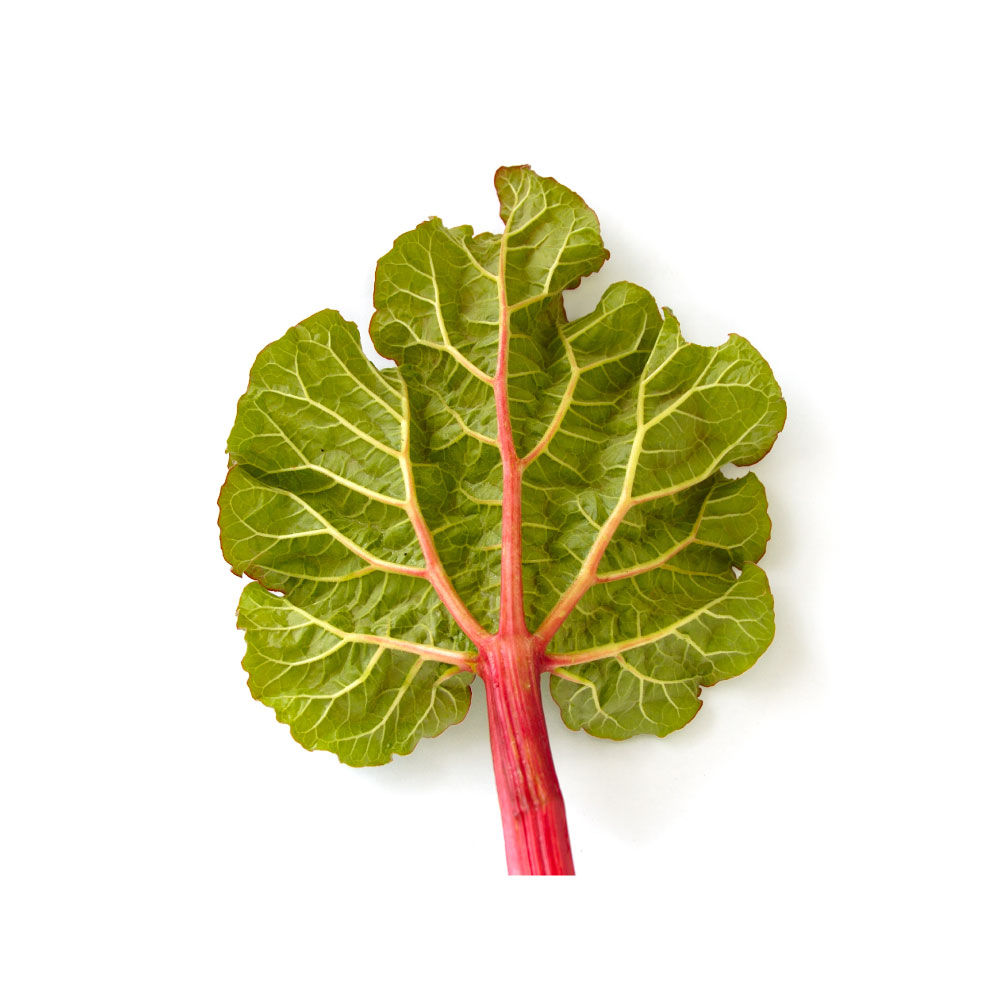
Three species of rhubarb are used medicinally — Rheum palmatum, R. tanguticum and R. officinale — native to western China and Tibet and cultivated across temperate zones. The medicinal part is the dried rhizome and root, not the brightly coloured leaf stalks eaten in pies and soups.
Rhubarb rhizome has a strongly bitter flavour, driven largely by its high anthraquinone content. These same anthraquinones give the herb its dose-dependent laxative action, while a substantial pool of astringent tannins accounts for its opposite, stool-binding effect at small doses.
In small doses rhubarb is used as a bitter to stimulate bile flow and digestion, and to check mild diarrhoea; at larger doses the anthraquinones drive a purgative laxative effect. Because it is a stimulant laxative, it is meant for short-term use only — see Safety.
Traditional & Modern Uses
Rhubarb rhizome has been valued in both Western and Chinese practice as a bitter digestive and a dose-dependent bowel regulator — astringent and stool-binding in small doses, cathartic in large ones.
Western Herbal Medicine
Rhubarb was used traditionally as a mild stimulating tonic to the digestive mucous membrane, liver and gall ducts. In smaller doses it was considered a hepatic and bitter; larger doses were used as a cathartic 27Reference 27Medical Herbalism: The Science and Practice of Herbal Medicine.
Traditional Chinese Medicine
Pinyin: Dà Huáng
Taste: Bitter 28,29Reference 28Introduction to Chinese Materia Medica (3rd ed., ppReference 29An Illustrated Chinese Materia Medica
Energy: Cold 28,29Reference 28Introduction to Chinese Materia Medica (3rd ed., ppReference 29An Illustrated Chinese Materia Medica
Channels: Spleen, stomach, large intestine, liver, heart 29Reference 29An Illustrated Chinese Materia Medica
Actions: Purges heat and accumulations, loosens the bowels, promotes blood circulation, drains fire, removes blood stasis and invigorates blood 28,29Reference 28Introduction to Chinese Materia Medica (3rd ed., ppReference 29An Illustrated Chinese Materia Medica.
Indications: Constipation due to heat accumulation, accumulation in the intestine, abdominal pain, damp-heat jaundice, blood-heat haemorrhage, red eyes, sore throat, intestinal abscesses, swellings, sores and ulcers 28Reference 28Introduction to Chinese Materia Medica (3rd ed., pp.
Botany & Varieties
Rhubarb belongs to the Polygonaceae (buckwheat family), which holds around 1,200 species across roughly 48 genera. Other notable members include Rumex crispus (yellow dock) and Fagopyrum esculentum (buckwheat).
Habitat & Distribution
Although various species of rhubarb are cultivated worldwide, the medicinal species are native to northern/western China and Tibet, where they grow in cool, high-altitude terrain.
Harvesting & Preparation
Rhubarb grows quickly, can reach up to ~3 m in a season and dies back to the soil each winter; it is easy to cultivate in both shady and sunny positions. Processing materially changes the herb’s action: raw (“sheng”) rhubarb is the most purgative, while steamed, wine-processed and charred forms shift the anthraquinone/tannin balance toward the astringent, less-purgative end — so the same root can purge or bind depending on how it was prepared 7Reference 7AnimalPharmacokinetics and pharmacodynamics of rhubarb anthraquinones extract in normal and disease rats — animal, in vivoView study →.
Phytochemistry
Rhubarb’s pharmacology is driven by two opposing groups of phenolics. The laxative action comes from its anthraquinones — chiefly rhein, emodin, aloe-emodin, chrysophanol and physcion — which occur both free and as glycosides and stimulate colonic motility roughly 8–14 hours after ingestion 6,7Reference 6AnimalEffect of ethanol extracts of three Chinese medicinal plants with laxative properties on ion transport of the rat intestinal epithelia — animal, in vivoView study →Reference 7AnimalPharmacokinetics and pharmacodynamics of rhubarb anthraquinones extract in normal and disease rats — animal, in vivoView study →. In a representative free-anthraquinone extract of R. palmatum, rhein, emodin and aloe-emodin dominated the profile (~43%, ~27% and ~15% of the extract respectively), with chrysophanol, physcion and the dianthrone glycoside sennoside A present at lower levels 7Reference 7AnimalPharmacokinetics and pharmacodynamics of rhubarb anthraquinones extract in normal and disease rats — animal, in vivoView study →.
Counterbalancing the purgative anthraquinones is a substantial pool of tannins — gallotannins and catechin-derived compounds such as gallic acid and catechin. R. palmatum root is unusually tannin-rich (around 11%, versus roughly 4–7% in other rhubarb species) 26Reference 26A Modern Herbal — Rhubarbs. https://www.botanical.com/botanical/mgmh/r/rhuba14.html (R. palmatum tannin content ~11% vs ~4–7% in other species)View study →. This astringent fraction explains why small doses bind the stool and check diarrhoea, while larger doses let the anthraquinones drive a laxative effect.
Constituent Summary
Figures are share of a representative free-anthraquinone extract (anthraquinones) or share of dried root (tannins); both vary widely with species, growing region and processing. Browse a class to see related compounds, or any compound for its full profile.
Anthraquinone8 compounds6 with data
Tannin1 compound1 with data
Phenolic acid1 compoundno data
Flavanol1 compoundno data
Phenolic1 compoundno data
Mineral1 compoundno data
Pharmacology & Research
Rhubarb (Rheum palmatum and its close relatives R. tanguticum and R. officinale) is unusual among Western materia medica in having a genuinely large human evidence base — but almost all of it comes from Chinese hospital trials of the crude drug (“Da Huang”) used as an adjunct in acute illness, not from the small-dose bitter and laxative that Western herbalists actually reach for. The strongest signal by far is in acute pancreatitis, where several meta-analyses of randomised trials show crude rhubarb added to standard care shortens hospital stay and reduces complications 1,2,3Reference 1Meta-analysisRhubarb combined with trypsin inhibitor for severe acute pancreatitis: A systematic review and meta-analysis — systematic review, meta-analysis of RCTsView study →Reference 2Meta-analysisAdd-on effect of crude rhubarb to somatostatin for acute pancreatitis: A meta-analysis of randomised controlled trials — meta-analysis, RCTView study →Reference 3Meta-analysisMeta-analysis of efficacy of rhubarb combined with early enteral nutrition for the treatment of severe acute pancreatitis — meta-analysis, RCTView study →. Its laxative action is mechanistically settled and now supported by a double-blind placebo-controlled trial of a rhein-standardised extract 5Reference 5RCTConstipation mitigation by rhubarb extract in middle-aged adults is linked to gut microbiome modulation: A double-blind randomised placebo-controlled trial — randomised, placebo-controlled RCTView study →. Everything else — nephroprotection, anti-inflammatory and anticancer activity, hepatoprotection — rests on the isolated anthraquinones rhein and emodin in animal and cell models, where the results are consistent but preclinical. The recurring caveat throughout is preparation: anthraquinone and tannin content swing widely with species, growing region and processing (raw vs. steamed vs. charred), so a dose that purges in one batch binds in another.
- Best-supported: adjunctive crude rhubarb in acute pancreatitis (multiple meta-analyses of RCTs) 1,2,3Reference 1Meta-analysisRhubarb combined with trypsin inhibitor for severe acute pancreatitis: A systematic review and meta-analysis — systematic review, meta-analysis of RCTsView study →Reference 2Meta-analysisAdd-on effect of crude rhubarb to somatostatin for acute pancreatitis: A meta-analysis of randomised controlled trials — meta-analysis, RCTView study →Reference 3Meta-analysisMeta-analysis of efficacy of rhubarb combined with early enteral nutrition for the treatment of severe acute pancreatitis — meta-analysis, RCTView study →; laxative action, now with a human RCT 5,6Reference 5RCTConstipation mitigation by rhubarb extract in middle-aged adults is linked to gut microbiome modulation: A double-blind randomised placebo-controlled trial — randomised, placebo-controlled RCTView study →Reference 6AnimalEffect of ethanol extracts of three Chinese medicinal plants with laxative properties on ion transport of the rat intestinal epithelia — animal, in vivoView study →.
- Emerging, worth watching: rhein for diabetic and chronic kidney disease (animal meta-analysis + strong mechanism) 8,9Reference 8Meta-analysisA significant association between rhein and diabetic nephropathy in animals: A systematic review and meta-analysis — systematic review, animal modelView study →Reference 9AnimalRhein reverses Klotho repression via promoter demethylation and protects against kidney and bone injuries in mice with chronic kidney disease — mouse, in vivoView study →; emodin’s anti-inflammatory effect on pancreatitis-associated lung injury 11Reference 11AnimalEmodin attenuates severe acute pancreatitis-associated acute lung injury by suppressing pancreatic exosome-mediated alveolar macrophage activation — rat, in vivoView study →.
- Mechanistically thin: anticancer, antimicrobial and neuroprotective claims rest on isolated constituents in vitro or single animal studies 16,17,19Reference 16In vitroAnticancer potential of emodin — review, in vitroView study →Reference 17In vitroAloe emodin exerts potent anticancer effects in MIAPaCa-2 and PANC-1 human pancreatic adenocarcinoma cell lines through activation of both apoptotic and autophagic pathways — in vitroView study →Reference 19AnimalRhubarb attenuates blood-brain barrier disruption via increased zonula occludens-1 expression in a rat model of intracerebral haemorrhage — animal, in vivoView study →.
- The caveat: most human data is crude rhubarb as an adjunct in hospitalised patients; anthraquinone/tannin content varies widely by species, region and processing, so effect and dose are not transferable between preparations.
1. Acute pancreatitis (adjunct)
This is rhubarb’s strongest human indication. Three independent meta-analyses of randomised trials each found that adding crude rhubarb to conventional therapy improved outcomes: combined with a trypsin inhibitor it lowered mortality and shortened hospital stay across 16 RCTs (912 patients) 1Reference 1Meta-analysisRhubarb combined with trypsin inhibitor for severe acute pancreatitis: A systematic review and meta-analysis — systematic review, meta-analysis of RCTsView study →; combined with somatostatin it cut total complications (risk ratio 0.55) and APACHE II scores across 19 RCTs (1,161 patients) 2Reference 2Meta-analysisAdd-on effect of crude rhubarb to somatostatin for acute pancreatitis: A meta-analysis of randomised controlled trials — meta-analysis, RCTView study →; and combined with early enteral nutrition it shortened ICU and hospital stay across 11 RCTs (724 patients) 3Reference 3Meta-analysisMeta-analysis of efficacy of rhubarb combined with early enteral nutrition for the treatment of severe acute pancreatitis — meta-analysis, RCTView study →. A representative single RCT (n=126) showed the rhubarb-plus-enteral-nutrition group recovered bowel function fastest and had the shortest ICU stay, alongside lower IL-6 and C-reactive protein 4Reference 4RCTEfficacy of rhubarb combined with early enteral nutrition for the treatment of severe acute pancreatitis: a randomised controlled trial — randomised, RCTView study →. The mechanism is plausibly a combination of restored gut motility, reduced bacterial translocation and dampened systemic inflammation. The honest limits: rhubarb is always an add-on rather than a standalone treatment, nearly all trials are Chinese and of variable methodological quality, and the preparation is crude rhubarb (decoction or nasogastric slurry), not a bitter tincture.
Gap: No trial tests rhubarb against placebo alone or reports it as monotherapy, and trial quality (blinding, allocation concealment) is generally low — so the effect size is likely inflated.
2. Laxative
The purgative action is the best-understood thing rhubarb does. Its anthraquinones — chiefly rhein, emodin and aloe-emodin, occurring free and as glycosides such as sennoside A — stimulate colonic motility and inhibit water/electrolyte reabsorption, an effect that typically takes 8–14 hours to appear 6,7Reference 6AnimalEffect of ethanol extracts of three Chinese medicinal plants with laxative properties on ion transport of the rat intestinal epithelia — animal, in vivoView study →Reference 7AnimalPharmacokinetics and pharmacodynamics of rhubarb anthraquinones extract in normal and disease rats — animal, in vivoView study →. In a rat model, an ethanol extract of R. palmatum directly altered Na⁺ and Cl⁻ transport across the ileal epithelium, confirming a secretory component to the laxative effect 6Reference 6AnimalEffect of ethanol extracts of three Chinese medicinal plants with laxative properties on ion transport of the rat intestinal epithelia — animal, in vivoView study →. Human evidence now exists: a 30-day double-blind, placebo-controlled trial of a rhein-standardised rhubarb extract (12.5 and 25 mg rhein/day, mostly women, mean age 58) improved stool frequency and consistency and was well tolerated even at the higher dose, with changes tracking a shift in gut microbiota 5Reference 5RCTConstipation mitigation by rhubarb extract in middle-aged adults is linked to gut microbiome modulation: A double-blind randomised placebo-controlled trial — randomised, placebo-controlled RCTView study →. Because R. palmatum root is also unusually tannin-rich (~11%), small doses bind the stool and check diarrhoea while larger doses let the anthraquinones drive a purge — the classic dose-dependent reversal.
Gap: The one oral RCT was small and skewed female; there are no head-to-head trials against standard laxatives, and stimulant-laxative use raises the separate long-term-safety questions covered in Safety.
3. Nephroprotective
Rhein, rhubarb’s signature anthraquinone, is one of the more actively researched natural compounds in kidney disease. A systematic review and meta-analysis of animal studies concluded there is a significant association between rhein and improved outcomes in diabetic nephropathy models 8Reference 8Meta-analysisA significant association between rhein and diabetic nephropathy in animals: A systematic review and meta-analysis — systematic review, animal modelView study →. Mechanistically, in an adenine-induced CKD mouse model rhein reversed loss of the anti-ageing protein Klotho by demethylating its promoter, protecting both kidney and bone 9Reference 9AnimalRhein reverses Klotho repression via promoter demethylation and protects against kidney and bone injuries in mice with chronic kidney disease — mouse, in vivoView study →. The one controlled clinical-style trial is veterinary: in cats with naturally occurring CKD, a Chinese rhubarb supplement (alone and with benazepril) was tested for slowing progression, the herb having documented antifibrotic properties attributed to TGF-β inhibition 10Reference 10RCTThe effect of Chinese rhubarb, Rheum officinale, with and without benazepril on the progression of naturally occurring chronic kidney disease in cats — randomised controlled trial (veterinary)View study →. In people, the evidence remains indirect — a registered trial of rhubarb plus an ACE inhibitor for diabetic kidney disease was terminated (see Clinical trials).
Gap: No completed human RCT demonstrates a renal benefit; the strongest data are animal models and an isolated constituent (rhein) rather than the whole herb.
4. Anti-inflammatory
Rhubarb’s anti-inflammatory activity is largely the story of emodin. In animal models of severe acute pancreatitis with associated acute lung injury, emodin reduced inflammatory damage by suppressing NF-κB signalling, NLRP3-inflammasome activation and macrophage pyroptosis, in part by altering exosome-mediated cross-talk between the pancreas and lung 11Reference 11AnimalEmodin attenuates severe acute pancreatitis-associated acute lung injury by suppressing pancreatic exosome-mediated alveolar macrophage activation — rat, in vivoView study →. This mechanistic thread plausibly underpins the clinical pancreatitis benefit above, and the same NF-κB/NLRP3 axis is invoked in rhubarb’s hepatoprotective work 15Reference 15AnimalRhubarb free anthraquinones improved mice non-alcoholic fatty liver disease by inhibiting NLRP3 inflammasome — mouse, in vivoView study →. The evidence is coherent and mechanistically detailed but entirely preclinical — cell lines and rodents, using isolated emodin or anthraquinone fractions rather than the whole herb.
Gap: No human anti-inflammatory endpoint has been measured directly; the effect is inferred from animal models and a single constituent.
5. Gastrointestinal hemostasis
Rhubarb has a traditional and now trial-tested role in upper gastrointestinal bleeding. A systematic review and meta-analysis of 14 RCTs (1,493 patients) found that a rhubarb powder solution sprayed onto the bleeding site under gastroscope improved haemostasis in acute non-variceal upper GI bleeding compared with norepinephrine solution 12Reference 12Meta-analysisSpraying rhubarb powder solution under gastroscope in the treatment of acute non-variceal upper gastrointestinal bleeding: A systematic review and meta-analysis of randomised controlled trials — systematic review, meta-analysis, RCTView study →. Separately, a large retrospective propensity-matched study (n=368) reported that rhubarb improved gastrointestinal function in critically ill patients with acute gastrointestinal injury, consistent with its known effects on the intestinal barrier and peristalsis 13Reference 13ObservationalEffect of rhubarb on gastrointestinal dysfunction in critically ill patients: A retrospective study based on propensity score matching — observational, cohortView study →. The astringent tannin fraction is the plausible basis for the topical styptic effect.
Gap: The bleeding trials use rhubarb as a locally sprayed powder during endoscopy — this does not transfer to oral or tincture use — and the critically-ill data are observational, not randomised.
6. Hepatoprotective
Rhubarb’s liver effect is real but genuinely two-edged. In mice with non-alcoholic fatty liver disease, rhubarb free anthraquinones reduced hepatic inflammation by inhibiting the NLRP3 inflammasome 15Reference 15AnimalRhubarb free anthraquinones improved mice non-alcoholic fatty liver disease by inhibiting NLRP3 inflammasome — mouse, in vivoView study →. But a metabolomic study in rats made the paradox explicit: the same R. palmatum extract was hepatoprotective at lower doses and hepatotoxic at higher ones, a pattern recognition problem the authors flagged directly 14Reference 14AnimalHepatotoxicity or hepatoprotection? Pattern recognition for the paradoxical effect of the Chinese herb Rheum palmatum L. in treating rat liver injury — rat, in vivoView study →. This dose-dependence, plus the genotoxicity questions around emodin and aloe-emodin discussed in Safety, means “hepatoprotective” is only accurate within a narrow dose window.
Gap: No human liver-endpoint trial exists, and the protective-versus-toxic threshold is defined only in rodents — so the safe therapeutic margin in people is unknown.
7. Anticancer
Rhubarb’s anthraquinones are cytotoxic to cancer cells in culture. Emodin induces apoptosis and cell-cycle arrest across multiple cancer cell lines through several signalling pathways 16Reference 16In vitroAnticancer potential of emodin — review, in vitroView study →, and aloe-emodin triggered apoptosis, autophagy, sub-G1 arrest and mitochondrial-membrane collapse in human pancreatic adenocarcinoma cell lines 17Reference 17In vitroAloe emodin exerts potent anticancer effects in MIAPaCa-2 and PANC-1 human pancreatic adenocarcinoma cell lines through activation of both apoptotic and autophagic pathways — in vitroView study →. These are consistent in vitro findings for isolated molecules, but the concentrations used, the lack of any whole-herb or in vivo tumour data of quality, and emodin’s own genotoxicity 18Reference 18ReviewIs emodin with anticancer effects completely innocent? Two sides of the coin — reviewView study → all argue for treating this as a lead for drug development rather than a use for the herb.
Gap: All data are cell-line based with isolated constituents; there is no animal tumour model of quality or any human data, and the active molecules are themselves flagged for genotoxic risk.
8. Antimicrobial
Rhubarb has documented in vitro antimicrobial activity — against bacteria, against the amoeba Entamoeba histolytica 24Reference 24In vitroAnti-amebic effects of Chinese rhubarb (Rheum palmatum) root against Entamoeba histolytica — in vitroView study →, and against cariogenic (tooth-decay) organisms 25Reference 25In vitroIn vitro anti-cariogenic activity of dichloromethane fraction from Rheum undulatum — in vitroView study → — consistent with its long traditional use for intestinal infection and “damp-heat”. The anthraquinones and tannins are the presumed actives. This remains laboratory-stage: there are no clinical trials of rhubarb as an antimicrobial, and in vitro potency rarely predicts effect at the concentrations achievable in the gut or bloodstream.
Gap: Evidence is entirely in vitro and often uses related Rheum species or solvent fractions rather than the whole root; no clinical antimicrobial data exist.
9. Neuroprotective
A single rat study reported that rhubarb attenuated blood–brain-barrier disruption after intracerebral haemorrhage, apparently by increasing expression of the tight-junction protein zonula occludens-1 19Reference 19AnimalRhubarb attenuates blood-brain barrier disruption via increased zonula occludens-1 expression in a rat model of intracerebral haemorrhage — animal, in vivoView study →. It is a plausible, mechanistically specific finding, but it is one animal study with no replication and no human follow-up. The page’s own suggestion that this could aid delivery of nervines or nootropics is speculation, not evidence.
Gap: One unreplicated rat study; no dose-finding, no other models, no human data.
Mechanisms
| Mechanism | Drives | Key compounds |
|---|---|---|
| Colonic motility stimulation (prostaglandin-mediated) + inhibited Na⁺/Cl⁻ reabsorption | laxative | rhein, sennoside A |
| Tannin protein-binding / astringency | antidiarrhoealgastrointestinal hemostasis | gallic acid, catechin |
| NF-κB ↓, NLRP3 inflammasome ↓, pyroptosis ↓ | anti-inflammatoryacute pancreatitishepatoprotective | emodin, aloe-emodin |
| TGF-β1 ↓, Klotho ↑, renal fibrosis ↓ | nephroprotective | rhein |
| Apoptosis induction, cell-cycle arrest, mitochondrial disruption | anticancer | emodin, aloe-emodin |
| Zonula occludens-1 (tight junction) ↑ | neuroprotective (BBB) | anthraquinone fraction |
Clinical trials
Registered human trials exist but most study multi-herb Traditional Chinese Medicine formulas containing rhubarb rather than the herb alone; the standout pure-rhubarb entries are a completed functional-constipation trial and a terminated diabetic-kidney-disease trial of rhubarb plus an ACE inhibitor (NCT00672451), while the large pancreatitis evidence base is published trials rather than currently registered ones.
| Completed | Planned | Terminated | Preclinical |
|---|---|---|---|
| ~2 | ~3 | 1(NCT00672451) | 200+ |
Last checked: July 2026.
Dosage
In research, rhubarb is used in two very different ways: as a rhein-standardised extract dosed to a set milligram of rhein for constipation, and as crude drug (decoction or nasogastric slurry) added to standard hospital care for acute pancreatitis. These are research doses, not recommendations.
| Indication | Preparation | Dose | Est. dried-herb equivalent | Source |
|---|---|---|---|---|
| Functional constipation | Rhein-standardised rhubarb extract, oral, 30 days | 12.5–25 mg rhein/day | ~0.3–0.6 g dried root/day (rough) | 5Reference 5RCTConstipation mitigation by rhubarb extract in middle-aged adults is linked to gut microbiome modulation: A double-blind randomised placebo-controlled trial — randomised, placebo-controlled RCTView study → |
| Severe acute pancreatitis (adjunct) | Crude rhubarb decoction / nasogastric slurry, add-on to standard care | ~15–30 g crude drug/day, divided | ~15–30 g dried root/day (crude drug used directly) | 1,2,3,4Reference 1Meta-analysisRhubarb combined with trypsin inhibitor for severe acute pancreatitis: A systematic review and meta-analysis — systematic review, meta-analysis of RCTsView study →Reference 2Meta-analysisAdd-on effect of crude rhubarb to somatostatin for acute pancreatitis: A meta-analysis of randomised controlled trials — meta-analysis, RCTView study →Reference 3Meta-analysisMeta-analysis of efficacy of rhubarb combined with early enteral nutrition for the treatment of severe acute pancreatitis — meta-analysis, RCTView study →Reference 4RCTEfficacy of rhubarb combined with early enteral nutrition for the treatment of severe acute pancreatitis: a randomised controlled trial — randomised, RCTView study → |
| Upper GI bleeding | Rhubarb powder solution sprayed at bleeding site under gastroscope | Topical, per-procedure | — (not an oral dose) | 12Reference 12Meta-analysisSpraying rhubarb powder solution under gastroscope in the treatment of acute non-variceal upper gastrointestinal bleeding: A systematic review and meta-analysis of randomised controlled trials — systematic review, meta-analysis, RCTView study → |
The dried-herb equivalent is an estimate on a stated assumption, not a conversion factor or recommendation. The constipation back-conversion assumes rhein is the dominant anthraquinone in a root of ~4% total anthraquinone content — highly approximate given batch and species variance. The pancreatitis trials use crude drug directly, so the “equivalent” is simply the reported crude-drug weight.
Traditional Dosage
Traditional Western and Chinese practice uses the whole dried root as a tincture or decoction, dose-dependent in direction: small doses bind and stimulate bile, large doses purge.
| System | Preparation | Dose |
|---|---|---|
| Western herbal | Liquid extract 1:2 | 10–30 mL/week |
| Western herbal (low “bitter” dose) | Dried root / low-dose tincture | Small doses to stimulate bile and check diarrhoea; large doses as a cathartic |
| Traditional Chinese Medicine (Da Huang) | Decoction of dried root | ~3–15 g/day (added late to the decoction; longer cooking reduces potency) |
Safety & Pregnancy
Rhubarb root is a stimulant anthraquinone laxative meant for short-term use only; prolonged or high-dose use risks potassium depletion, and the leaf blades are outright poisonous.
- Short-term use only. Prolonged or high-dose use causes potassium depletion that can potentiate cardiac glycosides (e.g. digoxin) and antiarrhythmics.
- Leaves are poisonous. The leaf blades must never be eaten — only the rhizome/root is medicinal.
- Avoid in pregnancy & lactation. Theoretical uterine stimulation; anthraquinone metabolites pass into breast milk.
- Oxalate load. Avoid in people prone to calcium-oxalate kidney stones.
- Chronic use. Produces benign, reversible melanosis coli; faster transit can reduce absorption of co-administered drugs.
Full safety & interactions detail
Rhubarb root is a stimulant (anthraquinone) laxative and should be used short-term only. As with all anthranoid laxatives, prolonged or high-dose use can cause electrolyte loss — particularly potassium depletion — which may potentiate cardiac glycosides (e.g. digoxin) and antiarrhythmic drugs, and its accelerated intestinal transit can reduce absorption of co-administered medications 21Reference 21ObservationalAnthranoid laxative abuse — a risk for colorectal cancer? — review, observationalView study →. Chronic use produces melanosis coli, a benign reversible pigmentation of the colon; a causal link to colorectal cancer has been raised but is not established, and formal genotoxicity assessment of the anthranoids emodin and aloe-emodin found no convincing evidence of carcinogenic risk from ordinary laxative use 21,22,23Reference 21ObservationalAnthranoid laxative abuse — a risk for colorectal cancer? — review, observationalView study →Reference 22ReviewAssessment of the genotoxic risk from laxative senna products — reviewView study →Reference 23ReviewMelanosis coli: A comprehensive review — reviewView study →. The root also contains oxalate: while serious oxalate toxicity is classically associated with the leaf blades (not the medicinal root or edible stalks), oxalosis has been documented with Rheum species, so avoid in people prone to calcium-oxalate kidney stones 20Reference 20ReviewRhubarb and oxalosis (Rheum species) — reviewView study →. Rhubarb leaves are poisonous and must never be eaten.
Drug interactions here are pharmacodynamic (potassium loss potentiating cardiac glycosides/antiarrhythmics, and reduced absorption via faster transit) rather than CYP450-mediated; no dedicated CYP450 interaction study for rhubarb was identified. These cautions matter mainly with prolonged or high-dose use, not occasional small bitter doses.
Stimulant anthraquinone laxatives are generally contraindicated in pregnancy because of a theoretical risk of reflex uterine stimulation and, in TCM, rhubarb’s strong “blood-moving” and purgative action is a traditional caution in pregnancy. Anthraquinone metabolites also pass into breast milk and may cause loose stools in the infant, so it is best avoided during lactation. These are precautionary positions based on pharmacology and traditional contraindication rather than dedicated human trials.
References
- Hu, J., et al. (2018). Rhubarb combined with trypsin inhibitor for severe acute pancreatitis: A systematic review and meta-analysis — systematic review, meta-analysis of RCTs. Phytotherapy Research. https://pubmed.ncbi.nlm.nih.gov/29672966/
- Zhou, Y., et al. (2016). Add-on effect of crude rhubarb to somatostatin for acute pancreatitis: A meta-analysis of randomised controlled trials — meta-analysis, RCT. Journal of Ethnopharmacology. https://pubmed.ncbi.nlm.nih.gov/27693773/
- Chen, X., et al. (2020). Meta-analysis of efficacy of rhubarb combined with early enteral nutrition for the treatment of severe acute pancreatitis — meta-analysis, RCT. JPEN Journal of Parenteral and Enteral Nutrition. https://pubmed.ncbi.nlm.nih.gov/32187391/
- Wan, B., et al. (2014). Efficacy of rhubarb combined with early enteral nutrition for the treatment of severe acute pancreatitis: a randomised controlled trial — randomised, RCT. Scandinavian Journal of Gastroenterology. https://pubmed.ncbi.nlm.nih.gov/25225951/
- Neyrinck, A. M., et al. (2022). Constipation mitigation by rhubarb extract in middle-aged adults is linked to gut microbiome modulation: A double-blind randomised placebo-controlled trial — randomised, placebo-controlled RCT. International Journal of Molecular Sciences. https://pubmed.ncbi.nlm.nih.gov/36499011/
- Tsai, J. C., Tsai, S., & Chang, W. (2004). Effect of ethanol extracts of three Chinese medicinal plants with laxative properties on ion transport of the rat intestinal epithelia — animal, in vivo. Biological & Pharmaceutical Bulletin. https://pubmed.ncbi.nlm.nih.gov/14758025/
- Li, P., et al. (2017). Pharmacokinetics and pharmacodynamics of rhubarb anthraquinones extract in normal and disease rats — animal, in vivo. Biomedicine & Pharmacotherapy. https://pubmed.ncbi.nlm.nih.gov/28475921/
- Hu, H. C., et al. (2019). A significant association between rhein and diabetic nephropathy in animals: A systematic review and meta-analysis — systematic review, animal model. Frontiers in Pharmacology. https://pubmed.ncbi.nlm.nih.gov/31920660/
- Zhang, Q., et al. (2017). Rhein reverses Klotho repression via promoter demethylation and protects against kidney and bone injuries in mice with chronic kidney disease — mouse, in vivo. Kidney International. https://pubmed.ncbi.nlm.nih.gov/27692562/
- Hanzlicek, A. S., et al. (2014). The effect of Chinese rhubarb, Rheum officinale, with and without benazepril on the progression of naturally occurring chronic kidney disease in cats — randomised controlled trial (veterinary). Journal of Veterinary Internal Medicine. https://pubmed.ncbi.nlm.nih.gov/24773179/
- Hu, Q., et al. (2022). Emodin attenuates severe acute pancreatitis-associated acute lung injury by suppressing pancreatic exosome-mediated alveolar macrophage activation — rat, in vivo. Acta Pharmaceutica Sinica B. https://pubmed.ncbi.nlm.nih.gov/36213542/
- Liu, J. T., et al. (2020). Spraying rhubarb powder solution under gastroscope in the treatment of acute non-variceal upper gastrointestinal bleeding: A systematic review and meta-analysis of randomised controlled trials — systematic review, meta-analysis, RCT. Complementary Therapies in Medicine. https://pubmed.ncbi.nlm.nih.gov/32951726/
- Zhang, X., et al. (2018). Effect of rhubarb on gastrointestinal dysfunction in critically ill patients: A retrospective study based on propensity score matching — observational, cohort. Chinese Medical Journal. https://pubmed.ncbi.nlm.nih.gov/29722333/
- Wang, J. B., et al. (2011). Hepatotoxicity or hepatoprotection? Pattern recognition for the paradoxical effect of the Chinese herb Rheum palmatum L. in treating rat liver injury — rat, in vivo. PLoS ONE. https://pubmed.ncbi.nlm.nih.gov/21915343/
- Wu, C., et al. (2022). Rhubarb free anthraquinones improved mice non-alcoholic fatty liver disease by inhibiting NLRP3 inflammasome — mouse, in vivo. Journal of Translational Medicine. https://pubmed.ncbi.nlm.nih.gov/35765026/
- Hsu, S. C., & Chung, J. G. (2012). Anticancer potential of emodin — review, in vitro. BioMedicine. https://pubmed.ncbi.nlm.nih.gov/32289000/
- Du, Y., et al. (2019). Aloe emodin exerts potent anticancer effects in MIAPaCa-2 and PANC-1 human pancreatic adenocarcinoma cell lines through activation of both apoptotic and autophagic pathways — in vitro. Journal of B.U.ON. https://pubmed.ncbi.nlm.nih.gov/31128032/
- Akkol, E. K., et al. (2021). Is emodin with anticancer effects completely innocent? Two sides of the coin — review. Cancers. https://pubmed.ncbi.nlm.nih.gov/34073059/
- Wang, Y., et al. (2016). Rhubarb attenuates blood-brain barrier disruption via increased zonula occludens-1 expression in a rat model of intracerebral haemorrhage — animal, in vivo. Experimental and Therapeutic Medicine. https://pubmed.ncbi.nlm.nih.gov/27347045/
- Barceloux, D. G. (2009). Rhubarb and oxalosis (Rheum species) — review. Disease-a-Month. https://pubmed.ncbi.nlm.nih.gov/19446684/
- Siegers, C. P., et al. (1993). Anthranoid laxative abuse — a risk for colorectal cancer? — review, observational. Gut. https://pubmed.ncbi.nlm.nih.gov/8174962/
- Brusick, D., & Mengs, U. (1997). Assessment of the genotoxic risk from laxative senna products — review. Environmental and Molecular Mutagenesis. https://pubmed.ncbi.nlm.nih.gov/9020301/
- Yang, N., et al. (2020). Melanosis coli: A comprehensive review — review. Gastroenterología y Hepatología. https://pubmed.ncbi.nlm.nih.gov/32094046/
- Espinosa, A., et al. (2020). Anti-amebic effects of Chinese rhubarb (Rheum palmatum) root against Entamoeba histolytica — in vitro. Journal of Microbiology, Immunology and Infection / related. https://pubmed.ncbi.nlm.nih.gov/32258515/
- Song, J. H., et al. (2006). In vitro anti-cariogenic activity of dichloromethane fraction from Rheum undulatum — in vitro. Archives of Pharmacal Research. https://pubmed.ncbi.nlm.nih.gov/16833017/
- Grieve, M. (1931). A Modern Herbal — Rhubarbs. https://www.botanical.com/botanical/mgmh/r/rhuba14.html (R. palmatum tannin content ~11% vs ~4–7% in other species).
- Hoffmann, D. (2003). Medical Herbalism: The Science and Practice of Herbal Medicine. Rochester, VT: Healing Arts Press.
- Yang, J., Huang, H., Zhu, L.-J., & Chen, Y. (2013). Introduction to Chinese Materia Medica (3rd ed., pp. 148–150).
- Wu, J. N. (2005). An Illustrated Chinese Materia Medica. New York: Oxford University Press (pp. 552–553).