
Materia Medica
Schisandra
Schisandra chinensis
Schisandra (Schisandra chinensis), the five-flavour berry — a liver-protective adaptogen with the best human data for muscle strength and menopausal symptoms.
What Is Schisandra?
Schisandra is known in Chinese medicine as the 5-flavour berry — sour, sweet, salty, bitter and pungent.
In traditional Chinese medicine, schisandra is used as a tonic for the liver, skin, and endocrine systems.
Modern herbal medicine values this herb for its ability to stimulate the liver — supporting the metabolism of hormones, metabolic byproducts, or xenobiotic compounds. It’s also used for lung conditions like asthma, and as a traditional adaptogen for stress and focus.
What Is Schisandra Used For?
Schisandra is mainly used to increase liver detoxification and as a hepatoprotective. It’s also used to relax spasms in the lungs such as with bronchitis or asthma, and — mostly as part of fixed adaptogen combinations — to support stress tolerance and cognitive performance.
The clearest human evidence for the herb on its own is actually elsewhere: two placebo-controlled trials found improved muscle strength in older adults, and one small trial found relief of menopausal symptoms (see the research section below). The hepatoprotective, antioxidant and anti-inflammatory activity it is best known for rests overwhelmingly on laboratory and animal work.
Traditional Uses
Traditional Chinese Medicine
Pinyin: Wu Wei Zi
Taste: Sour and sweet, with salty, pungent, and bitter overtones. 28Reference 28The Ancient Wisdom of the Chinese Tonic Herbs
Energy: Warm 28,29Reference 28The Ancient Wisdom of the Chinese Tonic HerbsReference 29An Illustrated Chinese Materia Medica (pp
Channels: Lung, kidneys, heart 29Reference 29An Illustrated Chinese Materia Medica (pp
Treasures: Jing, Qi, Shen 28Reference 28The Ancient Wisdom of the Chinese Tonic Herbs
Actions: Astringes the lung, nourishes kidney, promotes fluid production, stops sweating, eases the mind 29Reference 29An Illustrated Chinese Materia Medica (pp.
Indications: Chronic cough due to lung deficiency 29Reference 29An Illustrated Chinese Materia Medica (pp.
Cautions: Do not use during the early stages of a cough or rash, as well as with excess heat patterns 29,30Reference 29An Illustrated Chinese Materia Medica (ppReference 30A Clinical Guide to Blending Liquid Herbs: Herbal Formulations for the Individual Patient (pp.
Chinese herbalist Ron Teeguarden in The Ancient Wisdom of the Chinese Tonic Herbs lists the fruit of Schisandra chinensis as entering all twelve meridians, with a warm energy. He reports it contains all 5 flavours: sour and sweet with salty, pungent, and bitter overtones. It addresses all three of the “treasures” jing (life energy), Qi (force), and Shen (soul), making it one of the quintessential supertonic herbs of the Chinese medicinal herbs.
Since this herb possesses all of the 5 flavours, it thus contains all 5 of the elemental energies as well (fire, wood, earth, metal, and water). Due to its ability to tone all of these elemental energies, as well as all 3 of the treasures (jing, Qi, and Shen), this herb is used in much the same way as the highly esteemed Ginseng or Ganoderma. 28Reference 28The Ancient Wisdom of the Chinese Tonic Herbs.
Although this herb has beneficial effects throughout the body, its main action is often considered to be through improving the Qi of the kidneys. This as such has a powerful effect on the reproductive organs of both men and women. 28Reference 28The Ancient Wisdom of the Chinese Tonic Herbs.
Shisandra fruit has a long history of use in China, especially by those who practice the art of beauty. For this purpose schisandra was esteemed for its beauty enhancing qualities. There are a lot of stories around its usage for beauty enhancement and its ability to provide vitality to the skin. One such story involves a man named Huai Nan Gong who took shisandra regularly for over 16 years. His skin was described as that of “a Jade girl” which was a huge compliment in ancient China. It has been said that Huai Nan Gong was able to keep dry in water and unburned in fire. This is obviously not an accurate ability of schisandra but draws a connection to the significant distinction schisandra had on protecting the skin from the elements, increasing the recoverability of skin from damage, and providing radiance through an improvement of the overall health of the skin and body. 28Reference 28The Ancient Wisdom of the Chinese Tonic Herbs.
In China, this herb was used most often on a regular basis to improve memory, beauty, overall strength and vitality, to purify the blood, sharpen the mind, detoxify the liver and as an aphrodisiac and astringent. One of its main actions however, was considered to be through its ability to rejuvenate the kidneys 28Reference 28The Ancient Wisdom of the Chinese Tonic Herbs. This organ is seen a little differently in traditional Chinese medicine than it’s in western medicine. It’s considered the source of Jing (life) energy in Chinese medicine which is responsible for all processes of life, especially sexual health. When the kidneys are strong, Jing is maintained and the body is considered strong and much more resistent to disease and fatigue, and our sexual function is greatly improved.
The ancient Taoists of China often used this herb for its ability to strengthen life, and ability to empower the mind and aid in developing their spiritual power. Master Sung Jin Park considered it to be one of the quintessential herbal substances of the world. 28Reference 28The Ancient Wisdom of the Chinese Tonic Herbs.
Botany
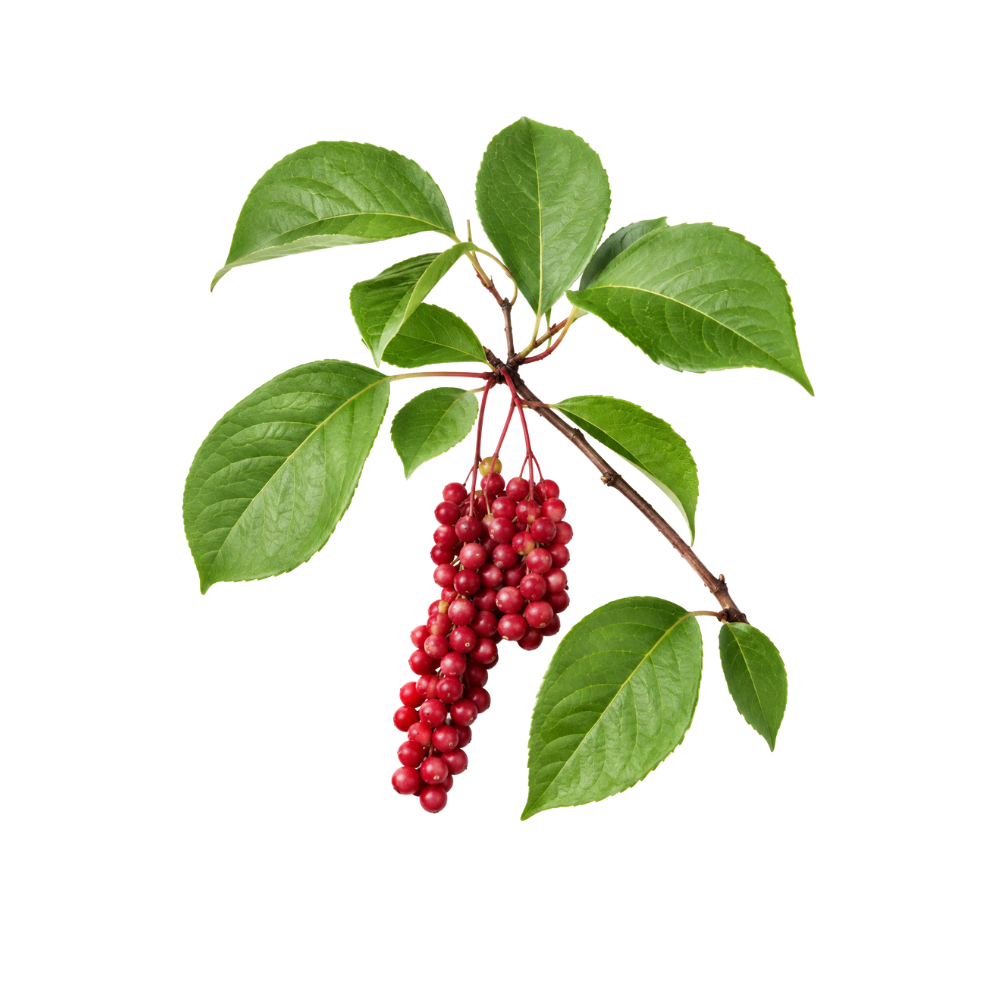
Schisandra (Schisandra chinensis, family Schisandraceae — a small family once folded into Magnoliaceae) is a deciduous, twining woody vine of temperate East Asia. The medicinal part is the small, glossy scarlet berry, which grows in dangling grape-like clusters — the “five-flavour berry,” wu wei zi, so named because a single fruit is said to carry all five tastes: sweet, sour, salty, bitter and pungent. The vine is usually dioecious, with male and female flowers on separate plants, so only pollinated female vines bear the red berry clusters that are harvested.
An important distinction for anyone sourcing the herb: traditional Chinese medicine recognises two official schisandra species, and they are not interchangeable. Northern schisandra — Schisandra chinensis — is bei wu wei zi, while southern schisandra — the separate species Schisandra sphenanthera — is nan wu wei zi. They are listed as distinct botanical origins in the pharmacopoeia, so a product’s exact species matters.
Distribution
Schisandra is native to the cool temperate forests of northeastern Asia — northeastern China, the Russian Far East, Korea and Japan. Most commercial berry supply still comes from this region and from cultivation within it.
Growing Conditions
- Prefers partial shade to full shade with rich, moist, well-drained soil; a cool-climate woodland vine, cold-hardy to roughly USDA zone 4.
- Grow it as a climber on a trellis, fence or arbour — the twining stems reach 20–30 ft and need support much like a grapevine.
- Usually dioecious, so you need both a male and a female plant nearby for the female to set its red berry crop; a lone vine generally will not fruit.
- Berries ripen in late summer to early autumn in dangling scarlet clusters — the harvested “five-flavour berry.”
- Full cultivation detail lives on the companion farm-wiki grow guide for Schisandra chinensis (link to be added once that project’s public URL is confirmed).
Harvesting, Collection & Preparation
There are considered to be two varieties of schisandra, Northern, and Southern.
Northern schisandra is usually determined to be the superior variety 28Reference 28The Ancient Wisdom of the Chinese Tonic Herbs, and the northern/southern split is not just geographic: the two chemotypes carry materially different lignan content, so preparation and provenance change the herb’s chemistry 31Reference 31The growth characteristics and lignans contents of Schisandra chinensis fruits from different cultivation regionsView study →. This herb is primarily cultivated in the provinces of Jilin and Liaoning, and southern China 29Reference 29An Illustrated Chinese Materia Medica (pp.
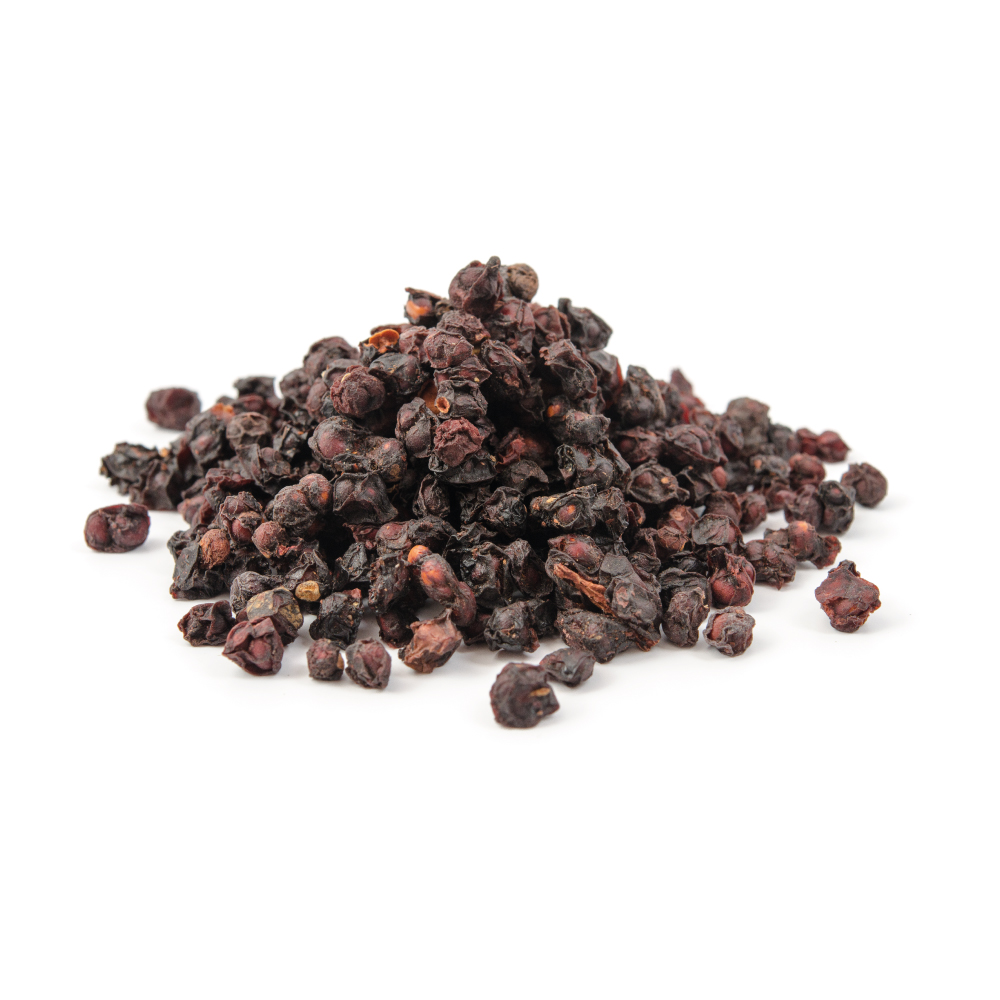
The best schisandra in shops can be described as dried, dark purple-red berries with some pinkish tone still present. If they’re too dark with no pinkish overtone and don’t have a pleasant sweet-sour aroma, it’s likely too old or not of high quality. 28Reference 28The Ancient Wisdom of the Chinese Tonic Herbs.
Pharmacology & Research
Schisandra chinensis has a large but lopsided evidence base: several hundred laboratory and animal papers — dominated by its dibenzocyclooctadiene lignans (schisandrin/schisandrol A, schisandrin A and B, gomisin A, the triterpenoid schizandronic acid) — sitting on top of only a handful of small human trials. The strongest signal is hepatoprotection, where a 2025 systematic review and meta-analysis of 54 animal studies found large, consistent reductions in liver-enzyme markers 1Reference 1Meta-analysisEfficacy of Schisandra chinensis in liver injury: a systematic review and preclinical meta-analysis — systematic review, meta-analysis of animal studiesView study →, but no mono-herb human liver RCT yet exists. The most solid human data are actually for muscle strength in older adults, where two randomised placebo-controlled trials point the same way 8,9Reference 8RCTEffect of Schisandra chinensis Baillon extracts and regular low-intensity exercise on muscle strength and mass in older adults: a randomized, double-blind, placebo-controlled trial — randomised controlled trial (NCT03402308)View study →Reference 9RCTEffect of Schisandra chinensis extract supplementation on quadriceps muscle strength and fatigue in adult women: a randomized, double-blind, placebo-controlled trial — randomised controlled trialView study →, and for menopausal symptoms, where one small RCT was positive 18Reference 18RCTA randomized, double-blind, placebo-controlled trial of Schisandra chinensis for menopausal symptoms — randomised controlled trialView study →. Nearly all of the classic “adaptogen” clinical evidence comes from fixed combinations with Rhodiola and Eleutherococcus rather than Schisandra alone 13,15,16Reference 13ReviewEvidence-based efficacy of adaptogens in fatigue, and molecular mechanisms related to their stress-protective activity — reviewView study →Reference 15AnimalAdaptogens exert a stress-protective effect by modulation of expression of molecular chaperones — animal (mouse) study of ADAPT-232 (Schisandra + Rhodiola + Eleutherococcus)View study →Reference 16Meta-analysisPlant adaptogens — history and future perspectives — systematic review / meta-analysisView study →. Throughout, results are extract- and lignan-specific — a standardised ethanolic extract result does not transfer to a berry decoction or tea, and the northern/southern chemotype split changes lignan content substantially.
- Best-supported: hepatoprotection against chemical/oxidative liver injury (deep, consistent preclinical base) 1,2Reference 1Meta-analysisEfficacy of Schisandra chinensis in liver injury: a systematic review and preclinical meta-analysis — systematic review, meta-analysis of animal studiesView study →Reference 2AnimalSchisandrol B protects against acetaminophen-induced acute hepatotoxicity in mice via activation of the NRF2/ARE signaling pathway — animal (mouse) studyView study →; skeletal-muscle strength in older adults (two human RCTs) 8,9Reference 8RCTEffect of Schisandra chinensis Baillon extracts and regular low-intensity exercise on muscle strength and mass in older adults: a randomized, double-blind, placebo-controlled trial — randomised controlled trial (NCT03402308)View study →Reference 9RCTEffect of Schisandra chinensis extract supplementation on quadriceps muscle strength and fatigue in adult women: a randomized, double-blind, placebo-controlled trial — randomised controlled trialView study →; broad antioxidant activity via Nrf2/ARE signalling 2,7Reference 2AnimalSchisandrol B protects against acetaminophen-induced acute hepatotoxicity in mice via activation of the NRF2/ARE signaling pathway — animal (mouse) studyView study →Reference 7In vitroSchisandrin A alleviates UVB-induced photoaging via AMPK/Nrf2-mediated antioxidant and autophagy pathways — in vitro and mouse studyView study →.
- Emerging, worth watching: benefit in metabolic (MASLD/MASH) liver disease 4,5Reference 4In vitroSchisandra chinensis lignans and polysaccharides alleviate MASH via ASAH1-mediated regulation of hepatic ceramide homeostasis — in vivo mouse and in vitro studyView study →Reference 5ReviewSchisandra chinensis Fructus and its active metabolites for the treatment of metabolic dysfunction-associated steatotic liver disease — reviewView study →, neuroprotection via anti-ferroptosis 19Reference 19In vitroSchisandrin B ameliorates Alzheimer’s disease by suppressing neuronal ferroptosis and ensuing microglia M1 polarization — animal (mouse) and in vitro studyView study →, and menopausal symptom relief from a single positive RCT 18Reference 18RCTA randomized, double-blind, placebo-controlled trial of Schisandra chinensis for menopausal symptoms — randomised controlled trialView study →.
- Mechanistically thin: anticancer and anti-HCV claims rest on cell-line and single-compound work 21,22Reference 21In vitroA homogeneous polysaccharide from Fructus Schisandra chinensis induces mitochondrial apoptosis through the Hsp90/AKT signalling pathway in HepG2 cells — in vitro studyView study →Reference 22In vitroA Schisandra-derived compound schizandronic acid inhibits entry of pan-HCV genotypes into human hepatocytes — in vitro studyView study →; most “adaptogen”/anti-fatigue human data are for multi-herb combinations, not Schisandra alone 13,15Reference 13ReviewEvidence-based efficacy of adaptogens in fatigue, and molecular mechanisms related to their stress-protective activity — reviewView study →Reference 15AnimalAdaptogens exert a stress-protective effect by modulation of expression of molecular chaperones — animal (mouse) study of ADAPT-232 (Schisandra + Rhodiola + Eleutherococcus)View study →.
- The caveat: no standardised dose, wide preparation and chemotype variance, and a genuinely important CYP3A drug-interaction risk (see Safety) that the whole-herb enthusiasm tends to skip over.
1. Hepatoprotective
Liver protection is Schisandra’s deepest and most consistent research theme. A 2025 systematic review and preclinical meta-analysis pooling 54 animal studies reported large reductions in alanine aminotransferase (standardised mean difference ≈ −4.7) and other injury markers, attributing the effect to combined anti-inflammatory, antioxidant and anti-apoptotic mechanisms 1Reference 1Meta-analysisEfficacy of Schisandra chinensis in liver injury: a systematic review and preclinical meta-analysis — systematic review, meta-analysis of animal studiesView study →. Mechanistically, the lignan schisandrol B protects against acetaminophen-induced liver injury in mice by activating the NRF2/ARE pathway that governs glutathione synthesis and detoxification 2Reference 2AnimalSchisandrol B protects against acetaminophen-induced acute hepatotoxicity in mice via activation of the NRF2/ARE signaling pathway — animal (mouse) studyView study →, and a lignan-enriched fruit extract restores hepatic glutathione regeneration capacity in rats 3Reference 3AnimalEnhancement of hepatic glutathione regeneration capacity by a lignan-enriched extract of fructus schisandrae in rats — animal (rat) studyView study →. Newer work extends this to metabolic liver disease: Schisandra lignan and polysaccharide fractions eased metabolic steatohepatitis (MASH) in mice by restoring ASAH1-mediated ceramide clearance 4Reference 4In vitroSchisandra chinensis lignans and polysaccharides alleviate MASH via ASAH1-mediated regulation of hepatic ceramide homeostasis — in vivo mouse and in vitro studyView study →, a direction summarised in a 2026 MASLD review 5Reference 5ReviewSchisandra chinensis Fructus and its active metabolites for the treatment of metabolic dysfunction-associated steatotic liver disease — reviewView study →. Direct human evidence remains indirect — a combination drink (with ginseng and Liriope) lowered AST/ALT in athletes under high-intensity training 6Reference 6RCTEffect of Saengmaeksan (Liriope, Panax ginseng, Schisandra chinensis) on fatigue, liver function and immunity combined with high-intensity training — randomised controlled trial (combination)View study → — but no placebo-controlled trial of Schisandra alone in a liver-disease population has been published.
Gap: the human liver evidence is a single small combination-product trial; every mono-herb result is in rodents, and the effective clinical dose and extract standard are undefined.
2. Antioxidant
Antioxidant activity is the mechanistic engine behind most of Schisandra’s other effects rather than a stand-alone clinical indication. Its lignans repeatedly activate the Nrf2/ARE transcriptional programme — raising glutathione, superoxide dismutase and downstream antioxidant enzymes while lowering lipid-peroxidation markers — in liver 2Reference 2AnimalSchisandrol B protects against acetaminophen-induced acute hepatotoxicity in mice via activation of the NRF2/ARE signaling pathway — animal (mouse) studyView study →, skin 7Reference 7In vitroSchisandrin A alleviates UVB-induced photoaging via AMPK/Nrf2-mediated antioxidant and autophagy pathways — in vitro and mouse studyView study → and neuronal models. In UVB-stressed keratinocytes and mice, schisandrin A increased SOD and glutathione and cut MDA accumulation through AMPK/Nrf2 signalling 7Reference 7In vitroSchisandrin A alleviates UVB-induced photoaging via AMPK/Nrf2-mediated antioxidant and autophagy pathways — in vitro and mouse studyView study →. The honest limit is the human translation: in a 12-week randomised trial in older adults, Schisandra extract improved muscle strength but produced no measurable change in circulating antioxidant or anti-inflammatory biomarkers 8Reference 8RCTEffect of Schisandra chinensis Baillon extracts and regular low-intensity exercise on muscle strength and mass in older adults: a randomized, double-blind, placebo-controlled trial — randomised controlled trial (NCT03402308)View study →, so the systemic antioxidant effect seen in cells and animals has not yet been demonstrated in people.
Gap: strong and reproducible in vitro/animal signalling, but the one human trial to measure antioxidant biomarkers found no change — direct systemic antioxidant benefit in humans is unproven.
3. Muscle strength & anti-sarcopenia
This is, unexpectedly, where Schisandra’s best human data sit. In a randomised, double-blind, placebo-controlled trial, 45 post-menopausal women taking 1000 mg/day of Schisandra extract for 12 weeks showed significantly increased quadriceps strength and lower resting blood lactate versus placebo 9Reference 9RCTEffect of Schisandra chinensis extract supplementation on quadriceps muscle strength and fatigue in adult women: a randomized, double-blind, placebo-controlled trial — randomised controlled trialView study →. A second RCT in 54 adults over 50 (1 g/day extract for 12 weeks alongside light walking) found greater knee-extensor strength gains (right knee +10.2 Nm) than placebo, with no adverse events — though muscle mass did not change 8Reference 8RCTEffect of Schisandra chinensis Baillon extracts and regular low-intensity exercise on muscle strength and mass in older adults: a randomized, double-blind, placebo-controlled trial — randomised controlled trial (NCT03402308)View study →. A 2026 meta-analysis of 11 preclinical studies supports a biological basis, showing improved muscle weight, fibre cross-sectional area and grip strength in animal atrophy models 10Reference 10Meta-analysisEffects of schisandra extract on muscle atrophy: a systematic review and meta-analysis of preclinical studies — meta-analysis of animal studies. https://pubmed.ncbi.nlm.nih.gov/41982662/View study →. The consistent caveat across both trials is that strength rose while mass, and inflammatory/antioxidant markers, did not — pointing to a functional or neuromuscular effect rather than hypertrophy.
Gap: two small trials from a single research region, strength-only (no mass change), and the mechanism for a strength-without-mass effect is unresolved.
4. Anti-inflammatory
Schisandra’s anti-inflammatory activity is carried mainly by schisandrin B, which suppresses NF-κB–driven signalling across several tissues. In LPS-induced acute lung injury it acts by targeting the adaptor protein MyD88 upstream of NF-κB 11Reference 11In vitroSchisandrin B protects against LPS-induced inflammatory lung injury by targeting MyD88 — in vitro and mouse (in vivo) studyView study →, and in a mouse model of atopic dermatitis both the Schisandra stem extract and schisandrin B improved skin-barrier proteins and lowered IgE and mast-cell cytokines (IL-4, IL-6, TNF-α), again through NF-κB modulation 12Reference 12AnimalThe stem of Schisandra chinensis and Schisandrin B alleviated DNCB-induced atopic dermatitis in mice by inhibiting the NF-κB pathway — animal (mouse) modelView study →. The pattern is coherent and repeated, but entirely preclinical — and, as noted above, the one human trial to look for anti-inflammatory biomarker changes found none 8Reference 8RCTEffect of Schisandra chinensis Baillon extracts and regular low-intensity exercise on muscle strength and mass in older adults: a randomized, double-blind, placebo-controlled trial — randomised controlled trial (NCT03402308)View study →.
Gap: consistent NF-κB suppression in animals and cells, but no human anti-inflammatory endpoint has been shown; the human biomarker data are null.
5. Adaptogenic & anti-fatigue
Schisandra is one of the three “classic” adaptogens alongside Rhodiola rosea and Eleutherococcus senticosus, and the clinical literature on stress and fatigue is real — but overwhelmingly about the combination, not Schisandra alone. Reviews of adaptogen trials describe reduced fatigue, improved endurance and cortisol reductions of roughly 14–30% 13,14Reference 13ReviewEvidence-based efficacy of adaptogens in fatigue, and molecular mechanisms related to their stress-protective activity — reviewView study →Reference 14ReviewSystem-level, molecular and cellular mechanisms of selected plant adaptogens — reviewView study →, and the mechanism traces to induction of stress-response chaperones: schisandrin B stimulates Hsp70 expression and modulates the HPA axis and SAPK/JNK–FOXO–NF-κB stress pathways 14Reference 14ReviewSystem-level, molecular and cellular mechanisms of selected plant adaptogens — reviewView study →. A fixed extract combination (ADAPT-232, containing Schisandra, Rhodiola and Eleutherococcus) increased molecular-chaperone expression and stress tolerance in mice 15Reference 15AnimalAdaptogens exert a stress-protective effect by modulation of expression of molecular chaperones — animal (mouse) study of ADAPT-232 (Schisandra + Rhodiola + Eleutherococcus)View study →, and a meta-analysis of adaptogen trials reported benefits in chronic fatigue and cognitive impairment 16Reference 16Meta-analysisPlant adaptogens — history and future perspectives — systematic review / meta-analysisView study →; the historical Russian research on Schisandra specifically is summarised by Panossian and Wikman 17Reference 17ReviewPharmacology of Schisandra chinensis Bail.: an overview of Russian research and uses in medicine — reviewView study →. The limiting fact is attribution — very little of this efficacy has been tested with Schisandra as a single agent.
Gap: the human anti-fatigue/stress signal is genuine but almost always from multi-herb formulas; mono-Schisandra clinical adaptogen data are sparse.
6. Menopausal symptom relief
One randomised, double-blind, placebo-controlled trial tested a Schisandra chinensis extract (BMO-30) in women aged 40–70 with menopausal complaints. Over the treatment-and-follow-up period, total Kupperman Index scores fell significantly more with Schisandra than placebo (p = 0.042), with the clearest benefit for hot flushes, sweating and heart palpitations, and no safety concerns among the 36 completers 18Reference 18RCTA randomized, double-blind, placebo-controlled trial of Schisandra chinensis for menopausal symptoms — randomised controlled trialView study →. It is a small, single, unreplicated study, but a cleanly designed positive one.
Gap: a single RCT with ~36 completers and no independent replication; the standardised extract used is proprietary and not directly comparable to whole-berry preparations.
7. Neuroprotective & cognitive
Preclinical neuroprotection is an active and mechanistically interesting area. In triple-transgenic Alzheimer’s mice and neuronal cell models, schisandrin B suppressed neuronal ferroptosis via the GSK3β/Nrf2/GPX4 axis (with FSP1 support) and dampened the downstream M1 microglial inflammation, improving cognition and pathology 19Reference 19In vitroSchisandrin B ameliorates Alzheimer’s disease by suppressing neuronal ferroptosis and ensuing microglia M1 polarization — animal (mouse) and in vitro studyView study →. This dovetails with the adaptogen literature, where cognitive and mood benefits are reported for Schisandra-containing formulas in reviews of mental and behavioural applications 20Reference 20ReviewAdaptogens in mental and behavioral disorders — reviewView study →. As with the other actions, the human cognitive data are combination-based rather than mono-herb.
Gap: promising anti-ferroptosis mechanism, but confined to animal/cell models; no mono-Schisandra human cognitive trial.
8. Anticancer
Anticancer activity is documented at the cell and animal level across several tumour types. A purified Schisandra fruit polysaccharide (SCP-0-1) induced mitochondrial apoptosis in HepG2 liver-cancer cells through the Hsp90/AKT pathway 21Reference 21In vitroA homogeneous polysaccharide from Fructus Schisandra chinensis induces mitochondrial apoptosis through the Hsp90/AKT signalling pathway in HepG2 cells — in vitro studyView study →, and schisandrin B has shown antiproliferative and pro-apoptotic effects in renal, hepatic, glioma and breast cancer models in more recent work. All of it is preclinical; there is no human oncology evidence, and the active fractions (polysaccharides, individual lignans) differ from what a whole-berry preparation delivers.
Gap: entirely cell-line and animal data, with different active fractions than the whole herb; no clinical cancer evidence exists.
Mechanisms
| Mechanism | Drives | Key compounds |
|---|---|---|
| NRF2/ARE activation ↑ (glutathione, SOD ↑) | hepatoprotectiveantioxidant | schisandrol B, schisandrin A |
| NF-κB ↓, MyD88 ↓, HMGB1/TLR4 ↓ | anti-inflammatoryhepatoprotective | schisandrin B |
| GSK3β/Nrf2/GPX4 ↑ (anti-ferroptosis) | neuroprotective | schisandrin B |
| Hsp70/Hsp16 induction, HPA-axis modulation | adaptogenicanti-fatigue | schisandrin B |
| ASAH1 ↑ / ceramide clearance | metabolic (MASH) hepatoprotection | lignan & polysaccharide fractions |
| Mitochondrial apoptosis via Hsp90/AKT | anticancer | polysaccharides |
| CYP3A4 / P-glycoprotein inhibition | drug interactions (see Safety) | schisandrin A, deoxyschizandrin |
Clinical trials
A small number of registered human trials exist — mostly of Schisandra-containing combinations, with only a few testing the single herb (muscle strength, knee osteoarthritis, menopausal/metabolic endpoints); the great majority of the evidence base remains preclinical.
| Completed | Planned | Terminated | Preclinical |
|---|---|---|---|
| ~14(mostly combinations; ≥3 mono-herb) | ~6 | 0identified | several hundred |
Last checked: July 2026.
Phytochemistry
Schisandra’s signature compounds are its dibenzocyclooctadiene lignans — the “schisandrins” and “gomisins.” Schisandrin (schisandrol A) is the most abundant, with schisandrin B, schisandrin A, gomisin A and gomisin N filling out a lignan complex that totals only a few percent of the dried berry but carries the hepatoprotective, antioxidant and liver-enzyme-modulating activity 2,31Reference 2AnimalSchisandrol B protects against acetaminophen-induced acute hepatotoxicity in mice via activation of the NRF2/ARE signaling pathway — animal (mouse) studyView study →Reference 31The growth characteristics and lignans contents of Schisandra chinensis fruits from different cultivation regionsView study →. Schisandrol B is singled out in the research as a key hepatoprotective lignan 2Reference 2AnimalSchisandrol B protects against acetaminophen-induced acute hepatotoxicity in mice via activation of the NRF2/ARE signaling pathway — animal (mouse) studyView study →, and schisandrin B as the workhorse anti-inflammatory and neuroprotective lignan 11,19Reference 11In vitroSchisandrin B protects against LPS-induced inflammatory lung injury by targeting MyD88 — in vitro and mouse (in vivo) studyView study →Reference 19In vitroSchisandrin B ameliorates Alzheimer’s disease by suppressing neuronal ferroptosis and ensuing microglia M1 polarization — animal (mouse) and in vitro studyView study →. The lignan schisantherin A is named repeatedly in recent mechanism work, while anwuligan is the CYP2C19-relevant lignan behind part of the herb’s interaction profile 25Reference 25In vitroMechanism-based inactivation of CYP2C19 by anwuligan resulting in changes in pharmacokinetic properties of amitriptyline — in vitro / pharmacokinetic studyView study →. The triterpenoid schizandronic acid shows antiviral activity against hepatitis C 22Reference 22In vitroA Schisandra-derived compound schizandronic acid inhibits entry of pan-HCV genotypes into human hepatocytes — in vitro studyView study →, and immune-active polysaccharides round out the fruit 21Reference 21In vitroA homogeneous polysaccharide from Fructus Schisandra chinensis induces mitochondrial apoptosis through the Hsp90/AKT signalling pathway in HepG2 cells — in vitro studyView study →.
Constituent Summary
Figures are share of dried fruit; schisandrin is the most abundant single lignan, and total lignans typically reach only a few percent, varying with cultivation region and the northern/southern variety 31Reference 31The growth characteristics and lignans contents of Schisandra chinensis fruits from different cultivation regionsView study →.
Lignan10 compounds2 with data
Triterpene2 compoundsno data
Polysaccharide1 compoundno data
Clinical Applications
Schisandra is best understood as a hepatoprotective and adaptogenic tonic whose reputation rests mostly on preclinical work. Its deepest and most consistent research theme is protecting the liver against chemical and oxidative injury — but that evidence is animal and cell-based; the only human liver data so far come from a combination product, not the herb alone. Where it has genuine mono-herb human evidence is more surprising: two placebo-controlled trials found improved muscle strength in older adults, and one small trial found relief of menopausal symptoms. The anticancer and anti-HCV findings are laboratory signals from isolated compounds (and, for HCV, from a different species) and should not be read as clinical uses.
Dosage
In research, Schisandra is almost always given as a proprietary standardised extract rather than as whole berry, tea, or tincture — and none of the trials reported a marker-lignan percentage or extract-to-herb ratio, so the doses below are not directly comparable to traditional whole-herb amounts.
| Indication | Preparation | Dose | Est. dried-herb equivalent | Source |
|---|---|---|---|---|
| Muscle strength (older women) | Schisandra chinensis extract | 1000 mg/day, 12 wk | — (proprietary extract, no marker % given) | 9Reference 9RCTEffect of Schisandra chinensis extract supplementation on quadriceps muscle strength and fatigue in adult women: a randomized, double-blind, placebo-controlled trial — randomised controlled trialView study → |
| Muscle strength (adults >50) | Schisandra chinensis extract (SCe) | 1 g/day, 12 wk | — (extract ratio not stated) | 8Reference 8RCTEffect of Schisandra chinensis Baillon extracts and regular low-intensity exercise on muscle strength and mass in older adults: a randomized, double-blind, placebo-controlled trial — randomised controlled trial (NCT03402308)View study → |
| Menopausal symptoms | Standardised extract (BMO-30) | as per BMO-30, 6 wk treatment | — (proprietary, no ratio) | 18Reference 18RCTA randomized, double-blind, placebo-controlled trial of Schisandra chinensis for menopausal symptoms — randomised controlled trialView study → |
| Fatigue / liver (with training) | Saengmaeksan combination drink | 770 mL total (110 mL doses) | — (multi-herb, not attributable) | 6Reference 6RCTEffect of Saengmaeksan (Liriope, Panax ginseng, Schisandra chinensis) on fatigue, liver function and immunity combined with high-intensity training — randomised controlled trial (combination)View study → |
The est. dried-herb equivalent is left blank throughout because every trial used a proprietary extract with no stated marker-lignan percentage or extract-to-herb ratio; back-converting would require inventing a ratio. The research doses are standardised extracts and are a guide to what was studied, not a recommendation or a conversion factor for whole berry.
Traditional Dosage
Western herbal and traditional Chinese texts use the whole berry or a liquid extract. These traditional doses are not interchangeable with the standardised-extract doses trialled above.
| System | Preparation | Dose |
|---|---|---|
| Western herbal | Liquid extract (1:2) | 20–50 mL / week |
| Western herbal | Dried fruit (decoction/tea) | ~1.5–6 g/day |
| Traditional Chinese medicine (Wu Wei Zi) | Dried fruit, decocted | ~1.5–6 g/day |
Safety & Pregnancy
Schisandra is generally well tolerated in trials, but its most important and often-overlooked risk is a pharmacokinetic drug interaction: its lignans inhibit CYP3A and P-glycoprotein and can raise blood levels of narrow-therapeutic-index drugs. It is also traditionally oxytocic and should be avoided in pregnancy.
- Major CYP3A interaction. Lignans inhibit CYP3A / P-glycoprotein — can raise levels of tacrolimus and other narrow-therapeutic-index drugs; use only under supervision.
- Avoid in pregnancy. Traditionally classified as an oxytocic / emmenagogue (uterine-stimulant) herb.
- CYP2C19 interaction. The lignan anwuligan inactivates CYP2C19 and alters amitriptyline pharmacokinetics preclinically.
- Check the species. Several interaction/antiviral findings come from S. sphenanthera (Wuzhi), not S. chinensis.
- TCM cautions. Avoid in the early stages of a cough or rash and in “excess heat” patterns.
- Otherwise well tolerated. The muscle-strength RCTs reported no adverse events over 12 weeks.
Full safety & interactions detail
Schisandra is generally well tolerated in trials — the muscle-strength RCTs reported no adverse events over 12 weeks 8,9Reference 8RCTEffect of Schisandra chinensis Baillon extracts and regular low-intensity exercise on muscle strength and mass in older adults: a randomized, double-blind, placebo-controlled trial — randomised controlled trial (NCT03402308)View study →Reference 9RCTEffect of Schisandra chinensis extract supplementation on quadriceps muscle strength and fatigue in adult women: a randomized, double-blind, placebo-controlled trial — randomised controlled trialView study → — but its most important, and most often overlooked, risk is a pharmacokinetic drug interaction. Schisandra lignans inhibit the cytochrome P450 3A (CYP3A) enzyme system and P-glycoprotein, and a Schisandra sphenanthera preparation (Wuzhi) has been used deliberately in renal transplant patients to raise blood levels of the CYP3A substrate tacrolimus 23,24Reference 23Clinical trialWuzhi tablet (Schisandra sphenanthera extract) is a promising tacrolimus-sparing agent for renal transplant recipients who are CYP3A5 expressers: a two-phase prospective study — human prospective clinical studyView study →Reference 24AnimalEffect of tacrolimus on the pharmacokinetics of bioactive lignans of Wuzhi tablet (Schisandra sphenanthera extract) and the potential roles of CYP3A and P-gp — pharmacokinetic (rat) studyView study →; the same mechanism can unpredictably increase exposure to other narrow-therapeutic-index drugs, and a 2025 case report links a multi-ingredient Schisandra tablet to severe intracranial haemorrhage via CYP3A-mediated coagulation disruption 26Reference 26Case reportSevere intracranial hemorrhage secondary to hemorrhagic diathesis following the use of a tablet containing Schisandra chinensis — case reportView study →. A related lignan (anwuligan) inactivates CYP2C19 and alters the pharmacokinetics of amitriptyline in preclinical work 25Reference 25In vitroMechanism-based inactivation of CYP2C19 by anwuligan resulting in changes in pharmacokinetic properties of amitriptyline — in vitro / pharmacokinetic studyView study →. Anyone taking immunosuppressants, anticoagulants, or other CYP3A/CYP2C19-metabolised medicines should treat Schisandra as an active interacting agent and use it only under professional supervision. Traditional Chinese sources also caution against use in the early stages of a cough or rash and in “excess heat” patterns 29,30Reference 29An Illustrated Chinese Materia Medica (ppReference 30A Clinical Guide to Blending Liquid Herbs: Herbal Formulations for the Individual Patient (pp.
Scope note: a clinically important CYP3A4/P-glycoprotein interaction is well documented (tacrolimus, and by extension other CYP3A substrates), with CYP2C19 interaction shown preclinically — this is the single most important safety fact for the herb. Several of the antiviral and CYP3A findings come from the related species Schisandra sphenanthera (Wuzhi) rather than S. chinensis; species should be checked before applying them.
Avoid during pregnancy and breastfeeding. Schisandra is traditionally classified as an emmenagogue and oxytocic (uterine-stimulant) herb, and its use in pregnancy has not been assessed in controlled human safety studies; given the documented uterine activity and the absence of safety data, avoidance is the appropriate default. Safety during lactation has likewise not been established. This is a precautionary default resting on the traditional oxytocic classification, not a tested toxicology finding.
References
- Zhang, L., et al. (2025). Efficacy of Schisandra chinensis in liver injury: a systematic review and preclinical meta-analysis — systematic review, meta-analysis of animal studies. Frontiers in Pharmacology. https://pubmed.ncbi.nlm.nih.gov/40832608/
- Jiang, Y., Fan, X., Wang, Y., Chen, P., Bi, H., et al. (2016). Schisandrol B protects against acetaminophen-induced acute hepatotoxicity in mice via activation of the NRF2/ARE signaling pathway — animal (mouse) study. Acta Pharmacologica Sinica, 37(3), 382–389. https://pubmed.ncbi.nlm.nih.gov/26806302/
- Ko, K.-M., Mak, D. H. F., Li, P.-C., Poon, M. K. T., & Ip, S.-P. (1995). Enhancement of hepatic glutathione regeneration capacity by a lignan-enriched extract of fructus schisandrae in rats — animal (rat) study. Japanese Journal of Pharmacology, 69(4), 439–442. https://pubmed.ncbi.nlm.nih.gov/8786649/
- Wang, Y., et al. (2025). Schisandra chinensis lignans and polysaccharides alleviate MASH via ASAH1-mediated regulation of hepatic ceramide homeostasis — in vivo mouse and in vitro study. Phytomedicine. https://pubmed.ncbi.nlm.nih.gov/41207267/
- Li, X., et al. (2026). Schisandra chinensis Fructus and its active metabolites for the treatment of metabolic dysfunction-associated steatotic liver disease — review. Food Bioscience. https://pubmed.ncbi.nlm.nih.gov/42210926/
- Kim, H., et al. (2023). Effect of Saengmaeksan (Liriope, Panax ginseng, Schisandra chinensis) on fatigue, liver function and immunity combined with high-intensity training — randomised controlled trial (combination). Medicine & Science in Sports & Exercise (proceedings). https://pubmed.ncbi.nlm.nih.gov/37425492/
- Chen, Y., et al. (2026). Schisandrin A alleviates UVB-induced photoaging via AMPK/Nrf2-mediated antioxidant and autophagy pathways — in vitro and mouse study. Journal of Biological Chemistry / Photochem. https://pubmed.ncbi.nlm.nih.gov/41801672/
- Park, S., et al. (2021). Effect of Schisandra chinensis Baillon extracts and regular low-intensity exercise on muscle strength and mass in older adults: a randomized, double-blind, placebo-controlled trial — randomised controlled trial (NCT03402308). American Journal of Clinical Nutrition, 113(6). https://pubmed.ncbi.nlm.nih.gov/33710261/
- Cho, Y.-H., et al. (2020). Effect of Schisandra chinensis extract supplementation on quadriceps muscle strength and fatigue in adult women: a randomized, double-blind, placebo-controlled trial — randomised controlled trial. Journal of the International Society of Sports Nutrition. https://pubmed.ncbi.nlm.nih.gov/32260466/
- Liu, J., et al. (2026). Effects of schisandra extract on muscle atrophy: a systematic review and meta-analysis of preclinical studies — meta-analysis of animal studies. https://pubmed.ncbi.nlm.nih.gov/41982662/
- Zhao, B., et al. (2023). Schisandrin B protects against LPS-induced inflammatory lung injury by targeting MyD88 — in vitro and mouse (in vivo) study. Phytomedicine, 108, 154489. https://pubmed.ncbi.nlm.nih.gov/36270224/
- Kim, J., et al. (2026). The stem of Schisandra chinensis and Schisandrin B alleviated DNCB-induced atopic dermatitis in mice by inhibiting the NF-κB pathway — animal (mouse) model. Allergy. https://pubmed.ncbi.nlm.nih.gov/41685331/
- Panossian, A., & Wikman, G. (2009). Evidence-based efficacy of adaptogens in fatigue, and molecular mechanisms related to their stress-protective activity — review. Current Clinical Pharmacology, 4(3), 198–219. https://pubmed.ncbi.nlm.nih.gov/19500070/
- Todorova, V., et al. (2026). System-level, molecular and cellular mechanisms of selected plant adaptogens — review. Frontiers in Nutrition. https://pubmed.ncbi.nlm.nih.gov/41901106/
- Panossian, A., Wikman, G., Kaur, P., & Asea, A. (2009). Adaptogens exert a stress-protective effect by modulation of expression of molecular chaperones — animal (mouse) study of ADAPT-232 (Schisandra + Rhodiola + Eleutherococcus). Phytomedicine, 16(6–7), 617–622. https://pubmed.ncbi.nlm.nih.gov/19188053/
- Liao, L.-Y., et al. (2021). Plant adaptogens — history and future perspectives — systematic review / meta-analysis. Nutrients. https://pubmed.ncbi.nlm.nih.gov/34445021/
- Panossian, A., & Wikman, G. (2008). Pharmacology of Schisandra chinensis Bail.: an overview of Russian research and uses in medicine — review. Journal of Ethnopharmacology, 118(2), 183–212. https://pubmed.ncbi.nlm.nih.gov/18515024/
- Park, J.-Y., & Kim, K.-H. (2016). A randomized, double-blind, placebo-controlled trial of Schisandra chinensis for menopausal symptoms — randomised controlled trial. Climacteric, 19(6), 574–580. https://pubmed.ncbi.nlm.nih.gov/27763802/
- Zhang, X., et al. (2025). Schisandrin B ameliorates Alzheimer’s disease by suppressing neuronal ferroptosis and ensuing microglia M1 polarization — animal (mouse) and in vitro study. Phytomedicine, 143, 156780. https://pubmed.ncbi.nlm.nih.gov/40382817/
- Panossian, A. (2013). Adaptogens in mental and behavioral disorders — review. Psychiatric Clinics of North America, 36(1), 49–64. https://pubmed.ncbi.nlm.nih.gov/23538076/
- Chen, Y., Shi, S., Wang, H., Li, N., Su, J., Chou, G., & Wang, S. (2016). A homogeneous polysaccharide from Fructus Schisandra chinensis induces mitochondrial apoptosis through the Hsp90/AKT signalling pathway in HepG2 cells — in vitro study. International Journal of Molecular Sciences, 17(7), 1015. https://pubmed.ncbi.nlm.nih.gov/27367669/
- Qian, X., Zhang, X., Zhao, P., Jin, Y., Qi, Z., et al. (2016). A Schisandra-derived compound schizandronic acid inhibits entry of pan-HCV genotypes into human hepatocytes — in vitro study. Scientific Reports, 6, 27268. https://pubmed.ncbi.nlm.nih.gov/27252043/
- Chen, P., et al. (2017). Wuzhi tablet (Schisandra sphenanthera extract) is a promising tacrolimus-sparing agent for renal transplant recipients who are CYP3A5 expressers: a two-phase prospective study — human prospective clinical study. Drug Metabolism and Disposition, 45(11). https://pubmed.ncbi.nlm.nih.gov/28864749/
- Qin, X.-L., et al. (2014). Effect of tacrolimus on the pharmacokinetics of bioactive lignans of Wuzhi tablet (Schisandra sphenanthera extract) and the potential roles of CYP3A and P-gp — pharmacokinetic (rat) study. Phytomedicine, 21(3), 241–246. https://pubmed.ncbi.nlm.nih.gov/24462213/
- Sun, Y., et al. (2026). Mechanism-based inactivation of CYP2C19 by anwuligan resulting in changes in pharmacokinetic properties of amitriptyline — in vitro / pharmacokinetic study. Chemical Research in Toxicology. https://pubmed.ncbi.nlm.nih.gov/41968488/
- Author(s) (2025). Severe intracranial hemorrhage secondary to hemorrhagic diathesis following the use of a tablet containing Schisandra chinensis — case report. Revista Médica de Chile. https://pubmed.ncbi.nlm.nih.gov/41021848/
- Zhou, J., et al. (2026). New strategy to quantify hepatic cytochrome P450 3A activity with deoxyschizandrin as an in vivo probe — in vivo (rat) pharmacokinetic study. Drug Metabolism and Disposition. https://pubmed.ncbi.nlm.nih.gov/41780174/
- Teeguarden, R. (2000). The Ancient Wisdom of the Chinese Tonic Herbs. New York, NY: Warner Books.
- Wu, J. N. (2005). An Illustrated Chinese Materia Medica (pp. 574–575). New York: Oxford University Press.
- Bone, K. (2003). A Clinical Guide to Blending Liquid Herbs: Herbal Formulations for the Individual Patient (pp. 405–408). Edinburgh: Churchill Livingstone.
- Kim, J.-S., et al. (2022). The growth characteristics and lignans contents of Schisandra chinensis fruits from different cultivation regions. Applied Biological Chemistry, 65, 47. https://doi.org/10.1186/s13765-022-00746-2