
Materia Medica
Thyme
Thymus vulgaris
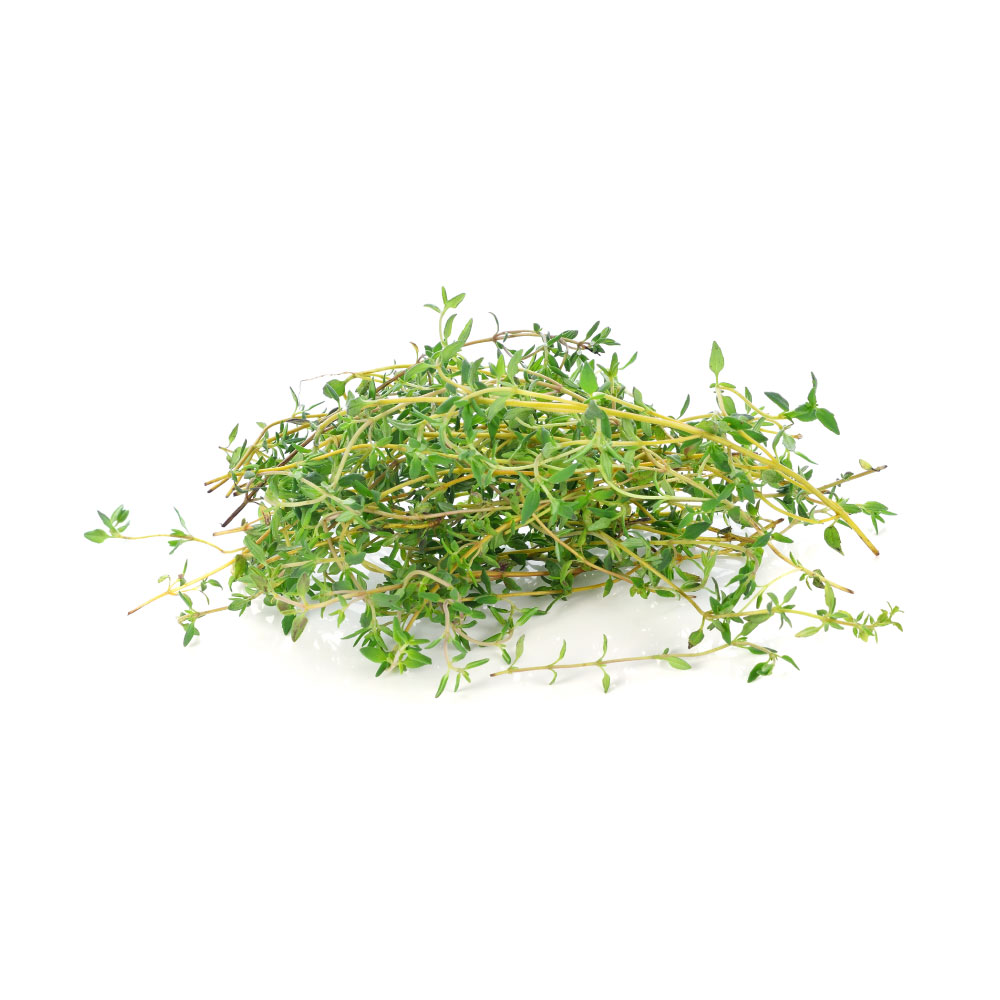
Thyme (Thymus vulgaris) — an antimicrobial aromatic herb used for respiratory infections, coughs and urinary tract infections.
What Is Thyme?
Thyme is a small aromatic shrub native to the Mediterranean region and widely used as both a culinary spice and medicinal herb. The leaves contain volatile oils rich in thymol and related compounds responsible for the plant’s distinctive fragrance and strong antimicrobial activity.
Traditionally, thyme has been valued for respiratory infections, coughs, stagnant mucus conditions, digestive weakness, and microbial imbalance. It became especially important in European herbal medicine as an antiseptic herb for the lungs and upper respiratory tract.
Modern research has focused largely on thyme’s essential oils and their antibacterial, antifungal, antioxidant, and expectorant properties.
How Is Thyme Used?
Thyme is commonly prepared as teas, tinctures, syrups, steam inhalations, gargles, infused oils, and essential oils.
Traditional use centers primarily around respiratory complaints including coughs, bronchial congestion, sore throat, sinus irritation, and infections associated with thick stagnant mucus.
The herb is also used for digestive weakness, bloating, and urinary tract irritation due to its warming aromatic and antimicrobial properties.
Topically, diluted thyme preparations have historically been used for fungal infections, wounds, and microbial skin conditions.
Because thyme combines antimicrobial and expectorant actions, it frequently appears in cough syrups and respiratory formulas alongside herbs such as licorice, elecampane, mullein, or eucalyptus.
Traditional Uses
Western Herbal Medicine
In Western herbal medicine, thyme is regarded as an antimicrobial, aromatic stimulant, expectorant, and antispasmodic herb.
Traditional indications include coughs, bronchitis, respiratory congestion, sore throat, indigestion, urinary tract infections, and sluggish digestion.
The herb was historically valued both as a medicine and preservative due to its strong antiseptic properties.
Thyme is especially associated with cold, damp respiratory conditions involving mucus stagnation.
Traditional European Folk Medicine
Traditional European folk medicine used thyme extensively for coughs, chest infections, digestive complaints, and protection during infectious outbreaks.
Steam inhalations, herbal wines, and syrups containing thyme were common household remedies for respiratory illness.
Traditional Mediterranean Uses
Mediterranean traditions widely used thyme as both food and medicine to support digestion, preserve food, and reduce microbial spoilage.
The herb’s warming and drying nature made it useful for damp and sluggish constitutions.
Indications
Thyme is primarily indicated for respiratory and microbial conditions.
Common traditional and modern indications include:
- Cough
- Bronchial congestion
- Respiratory infections
- Sore throat
- Sinus congestion
- Thick mucus
- Urinary tract infections
- Indigestion
- Bloating
- Fungal infections
- Mild microbial skin conditions
Clinically, thyme is most commonly used for acute respiratory infections and productive coughs.
Botany
Common thyme is a low, woody-based evergreen perennial subshrub in the mint family (Lamiaceae), forming a foliage mound 6–12 in (15–30 cm) tall of numerous wiry stems clad in tiny, linear, revolute (down-rolled) gray-green leaves.
The leaves are intensely aromatic from thymol-rich volatile oils, peaking just before bloom; small pale lilac-to-white flowers appear in early summer and are highly attractive to bees.
Thyme exists as several distinct chemotypes, each with an essential oil dominated by a different monoterpene — most commonly thymol, carvacrol, linalool or geraniol 24Reference 24ReviewThymus spp.: from botany to pharmacology — chemical composition and biological activities (thymol/carvacrol/linalool/geraniol chemotypes) — reviewView study →. This matters medicinally: the thymol- and carvacrol-dominant oils are the strongly antimicrobial “red” thyme, while the linalool- and geraniol-dominant types are much gentler and better tolerated on skin and mucous membranes 24Reference 24ReviewThymus spp.: from botany to pharmacology — chemical composition and biological activities (thymol/carvacrol/linalool/geraniol chemotypes) — reviewView study →. A commercial “thyme oil” can therefore vary widely in both potency and irritancy depending on its chemotype and origin 24Reference 24ReviewThymus spp.: from botany to pharmacology — chemical composition and biological activities (thymol/carvacrol/linalool/geraniol chemotypes) — reviewView study →.
Close relatives include creeping thyme (Thymus serpyllum), and the wider Lamiaceae holds oregano, marjoram, sage and rosemary.
Distribution
Common thyme is native to southern Europe, from the western Mediterranean to southern Italy. A staple culinary herb now cultivated worldwide, it thrives on dry, lean, well-drained soils in full sun and can escape locally around gardens in warm-temperate regions, but it is not a listed noxious or invasive weed and has no conservation concern.
Growing Conditions
- Life cycle: woody evergreen perennial subshrub, hardy USDA zones 5–9.
- Light: full sun.
- Water: drought-tolerant; needs lean, sharply-drained soil and dislikes wet feet.
- Habit: low mound; harvest aerial parts during flowering for peak oil content.
- Full cultivation detail lives on the companion farm-wiki grow guide for Thymus vulgaris (link to be added once that project’s public URL is confirmed).
Pharmacology & Research
Thyme has a large, lopsided literature: hundreds of preclinical papers on its essential-oil phenols (thymol, carvacrol) versus a much smaller but genuinely useful body of human data. The strongest clinical evidence — a systematic review with meta-analysis and two large placebo-controlled trials — is for fixed thyme combinations (thyme + ivy, thyme + primrose) in acute bronchitis and productive cough, not for thyme taken alone 1,2,3Reference 1Meta-analysisHerbal Medicine for Cough: a Systematic Review and Meta-AnalysisView study →Reference 2RCTEvaluation of efficacy and tolerability of a fixed combination of dry extracts of thyme herb and primrose root in adults with acute bronchitis — double-blind, placebo-controlled, randomised multicentre trialView study →Reference 3RCTEfficacy and tolerability of a fluid extract combination of thyme herb and ivy leaves vs placebo in acute bronchitis — randomised, double-blind, placebo-controlled trialView study →. Almost everything else — antibacterial, antifungal, antioxidant, anti-inflammatory activity — rests on in vitro and animal work on the isolated phenols, so it is mechanistically plausible but clinically unproven. The single largest caveat runs through the whole file: Thymus vulgaris is sold as thymol-, carvacrol-, linalool- and geraniol-dominant chemotypes whose oils differ so much that a result in one preparation may not transfer to another 14Reference 14ReviewPlants belonging to the genus Thymus as antibacterial agents: from farm to pharmacy — reviewView study →.
- Best-supported: thyme-containing syrups shorten acute cough and bronchitis in placebo-controlled trials and a meta-analysis 1,2,3Reference 1Meta-analysisHerbal Medicine for Cough: a Systematic Review and Meta-AnalysisView study →Reference 2RCTEvaluation of efficacy and tolerability of a fixed combination of dry extracts of thyme herb and primrose root in adults with acute bronchitis — double-blind, placebo-controlled, randomised multicentre trialView study →Reference 3RCTEfficacy and tolerability of a fluid extract combination of thyme herb and ivy leaves vs placebo in acute bronchitis — randomised, double-blind, placebo-controlled trialView study →; a broad, replicated antibacterial action of thymol/carvacrol in vitro 14,15Reference 14ReviewPlants belonging to the genus Thymus as antibacterial agents: from farm to pharmacy — reviewView study →Reference 15In vitroQuercetin and carvacrol act synergistically to inhibit Candida albicans biofilms in vitro via membrane disruption and oxidative stressView study →.
- Emerging, worth watching: anti-inflammatory and mucus-regulatory effects in airway models 7,8,9Reference 7AnimalBronchipret syrup containing thyme and ivy extracts suppresses bronchoalveolar inflammation and goblet-cell hyperplasia in experimental bronchoalveolitis — rat in vivo studyView study →Reference 8In vitroAnti-inflammatory and mucus-regulatory activities of a fixed combination of thyme and primula extracts — in vivo and in vitroView study →Reference 9In vitroThyme extract increases mucociliary-beating frequency in primary cell lines from COPD patients — in vitroView study →; small inhalation RCTs in COPD and COVID-19 symptom relief 18,19,20Reference 18RCTEffects of thyme oil on respiratory symptoms, hemodynamic parameters and vital signs in COPD patients — randomised controlled trialView study →Reference 19RCTEffects of aromatherapy with thyme oil on disease symptoms and hemodynamic parameters in COVID-19 patients — randomised controlled trialView study →Reference 20RCTEffect of thyme-ivy syrup on antiviral immune response in mild COVID-19 — prospective, open-label, randomised pilot studyView study →.
- Mechanistically thin: antioxidant and antifungal claims rest on cell-line and constituent-level data with no human trials in thyme’s usual forms 15,17,21Reference 15In vitroQuercetin and carvacrol act synergistically to inhibit Candida albicans biofilms in vitro via membrane disruption and oxidative stressView study →Reference 17AnimalProtective effects of thyme leaf extract against particulate-matter-induced pulmonary injury in mice — animal modelView study →Reference 21In vitroFunctional enhancement of fermented dairy-based tarhana with Thymus vulgaris: phytochemical characterisation and in vitro antioxidant/antidiabetic potentialView study →.
- The caveat: the human wins belong to thyme combinations, not thyme monopreparations, and chemotype variation makes dose and effect hard to standardise 3,14Reference 3RCTEfficacy and tolerability of a fluid extract combination of thyme herb and ivy leaves vs placebo in acute bronchitis — randomised, double-blind, placebo-controlled trialView study →Reference 14ReviewPlants belonging to the genus Thymus as antibacterial agents: from farm to pharmacy — reviewView study →.
1. Cough & acute bronchitis
This is thyme’s best-evidenced use, and the evidence is specifically for fixed combinations. A 2015 systematic review and meta-analysis of RCTs for cough in upper-respiratory infection pooled four trials of ivy/primrose/thyme products and found a clear benefit in cough resolution (relative ratio 1.40, 95% CI 1.23–1.60), rating the evidence strong 1Reference 1Meta-analysisHerbal Medicine for Cough: a Systematic Review and Meta-AnalysisView study →. That signal is anchored by two large double-blind, placebo-controlled Phase IV trials in adults with acute bronchitis and productive cough: a thyme–ivy fluid extract (Bronchipret, n=361) and a thyme–primrose dry-extract tablet (n=361), both cutting bronchitis-severity scores and speeding recovery versus placebo over ~11 days 2,3Reference 2RCTEvaluation of efficacy and tolerability of a fixed combination of dry extracts of thyme herb and primrose root in adults with acute bronchitis — double-blind, placebo-controlled, randomised multicentre trialView study →Reference 3RCTEfficacy and tolerability of a fluid extract combination of thyme herb and ivy leaves vs placebo in acute bronchitis — randomised, double-blind, placebo-controlled trialView study →. A 2024 randomised, triple-blind trial added thyme syrup (20 mg/kg three times daily) to standard care in 60 children with asthma exacerbation and found a significant reduction in cough versus placebo 4Reference 4RCTThymus vulgaris ameliorates cough in children with asthma exacerbation — randomised, triple-blind, placebo-controlled clinical trialView study →. Real-world observational data on a thyme/ivy extract (BNO 1200) in 305 pharmacies are consistent 5Reference 5ObservationalEffectiveness and tolerability of the thyme/ivy herbal fluid extract BNO 1200 for acute cough — observational pharmacy-based studyView study →, and a 2025 open-label trial compared single-ivy against two herbal combinations in acute bronchitis 6Reference 6RCTEfficacy and Safety of a Single Ivy Extract Versus Two Herbal Extract Combinations in Acute Bronchitis — multi-center, randomised, open-label clinical trialView study →.
Gap: the trials test thyme combined with ivy or primrose — there is no comparably powered placebo-controlled trial of a thyme monopreparation, so the herb’s solo contribution is inferred, not measured.
2. Antimicrobial
Thyme’s traditional reputation as an antiseptic maps onto a large and consistent in vitro literature: the phenols thymol and carvacrol disrupt bacterial membranes and show broad activity against Gram-positive and Gram-negative species, summarised across the genus in a 2015 review 14Reference 14ReviewPlants belonging to the genus Thymus as antibacterial agents: from farm to pharmacy — reviewView study →. Recent work keeps extending this — carvacrol acts synergistically with quercetin against Candida-associated and bacterial biofilms in vitro 15Reference 15In vitroQuercetin and carvacrol act synergistically to inhibit Candida albicans biofilms in vitro via membrane disruption and oxidative stressView study →, and thyme enrichment suppressed microbial spoilage organisms in a fermented dairy matrix 21Reference 21In vitroFunctional enhancement of fermented dairy-based tarhana with Thymus vulgaris: phytochemical characterisation and in vitro antioxidant/antidiabetic potentialView study →. The important limit is preparation and route: these are culture-dish and food-preservation results at oil-level concentrations, whereas thyme is used clinically as a tea, tincture or diluted gargle. No controlled trial shows thyme clearing a systemic bacterial infection in humans.
Gap: essentially all antibacterial data are in vitro or in food/topical models; the leap to internal clinical antimicrobial efficacy at drinkable doses is unproven.
3. Anti-inflammatory
The anti-inflammatory activity is where the respiratory use starts to look mechanistically coherent. In a rat model of LPS-induced bronchoalveolitis, a thyme–ivy syrup reduced airway leukocyte infiltration and goblet-cell hyperplasia and inhibited leukotriene production in human neutrophils 7Reference 7AnimalBronchipret syrup containing thyme and ivy extracts suppresses bronchoalveolar inflammation and goblet-cell hyperplasia in experimental bronchoalveolitis — rat in vivo studyView study →; a thyme–primula combination similarly showed anti-inflammatory and mucus-regulatory effects in vivo and in vitro 8Reference 8In vitroAnti-inflammatory and mucus-regulatory activities of a fixed combination of thyme and primula extracts — in vivo and in vitroView study →. Isolated thymol attenuated Klebsiella-induced acute lung injury in mice, dampening leukocyte infiltration and oxidative stress 16Reference 16AnimalThymol attenuates Klebsiella pneumoniae-induced lung injury — in vivo mouse and in silico studyView study →, and a thyme leaf extract protected against particulate-matter lung injury in mice 17Reference 17AnimalProtective effects of thyme leaf extract against particulate-matter-induced pulmonary injury in mice — animal modelView study →. The recurring molecular theme is suppression of NF-κB signalling and downstream mediators (COX-2, leukotrienes, pro-inflammatory cytokines). One human pharmacokinetic study confirms thymol is systemically absorbed after oral dosing, which is what makes these constituent-level effects biologically relevant to swallowed preparations rather than purely theoretical 13Reference 13Systemic availability and pharmacokinetics of thymol in humans — clinical pharmacokinetic trialView study →.
Gap: the in vivo data are animal models of induced injury; no human trial isolates an anti-inflammatory endpoint for thyme, so the effect is inferred from preclinical mechanism plus the combination-product cough trials.
4. Antispasmodic & bronchodilator
This action is the proposed engine behind thyme’s use for spasmodic, productive cough. In isolated rat trachea, thyme extract relaxed airway smooth muscle and inhibited endothelin-induced contraction — an effect carried by the whole extract rather than thymol alone 11Reference 11AnimalThyme extract, but not thymol, inhibits endothelin-induced contractions of isolated rat trachea — ex vivoView study →. A companion study using extracts with high versus very low thymol content showed thymol modulates but does not solely account for the antispasmodic and ciliary-clearance activity, part of which is β2-receptor mediated 10Reference 10Impact of thymol in thyme extracts on antispasmodic action and ciliary clearance — animal ex vivo studyView study →. Essential oil of an Ethiopian Thymus species produced concentration-dependent tracheal relaxation with a defined mechanism 12Reference 12In vitroTracheal relaxant and antimicrobial effects of the essential oil of an Ethiopian thyme species — in vitro / ex vivoView study →. Separately, thyme extract raised mucociliary beat frequency in airway cells from COPD patients, linking the relaxant action to improved mucus clearance 9Reference 9In vitroThyme extract increases mucociliary-beating frequency in primary cell lines from COPD patients — in vitroView study →.
Gap: all direct airway-relaxation evidence is ex vivo or in vitro; there is no human spirometry trial of thyme as a bronchodilator, and the effect appears to need whole-extract or standardised-phenol preparations.
5. Antioxidant
Thyme extracts and their phenols are reliable radical scavengers in vitro, and the activity is reproducible across assays (DPPH, ABTS) and correlates with total phenolic content 21Reference 21In vitroFunctional enhancement of fermented dairy-based tarhana with Thymus vulgaris: phytochemical characterisation and in vitro antioxidant/antidiabetic potentialView study →. Animal data are supportive but indirect: thyme leaf extract limited oxidative lung injury in mice 17Reference 17AnimalProtective effects of thyme leaf extract against particulate-matter-induced pulmonary injury in mice — animal modelView study → and Thymus linearis showed cardioprotective, antioxidant effects against induced myocardial injury in rats 23Reference 23AnimalCardioprotective potential of Thymus linearis against induced myocardial ischemia — rat in vivo studyView study →. The mechanism is constituent-level — rosmarinic acid, thymol and the flavones apigenin and luteolin all contribute — but the endpoint is always a biomarker, not a clinical outcome.
Gap: no human study measures an antioxidant clinical endpoint for thyme; the claim is a well-replicated in vitro/animal property, not a demonstrated benefit.
6. Antifungal
Thyme oil and its phenols inhibit fungal growth in vitro, with carvacrol and thymol disrupting the fungal membrane and inducing oxidative stress. Carvacrol acted synergistically with quercetin to cut Candida albicans biofilm biomass by roughly 80% at sub-inhibitory concentrations in a 2026 study 15Reference 15In vitroQuercetin and carvacrol act synergistically to inhibit Candida albicans biofilms in vitro via membrane disruption and oxidative stressView study →, consistent with the herb’s traditional topical use for fungal skin conditions. As with the antibacterial data, potency is reported at essential-oil concentrations far above what a tea or tincture delivers.
Gap: activity is in vitro and formulation-dependent; there is no controlled clinical trial of thyme for a human fungal infection, and the whole-herb preparations most people use are far more dilute than the tested oils.
7. Oral & dental antiplaque
Thymol is a long-standing component of antiseptic mouthrinses, and a 2015 meta-analysis found an essential-oil mouthrinse significantly reduced gingivitis and plaque versus control 22Reference 22Meta-analysisMeta-analysis of the effect of an essential-oil-containing mouthrinse on gingivitis and plaqueView study →. The evidence is real and human — but it belongs to a fixed four-ingredient rinse (thymol with eucalyptol, menthol and methyl salicylate), so it speaks to thymol-as-antiseptic in a specific commercial product, not to Thymus vulgaris preparations. Thymol also features in chlorhexidine–thymol dental varnishes tested for caries control.
Gap: the human data are for a multi-ingredient thymol rinse, not for thyme herb; crediting thyme for the mouthrinse result overstates the preparation match.
Mechanisms
| Mechanism | Drives | Key compounds |
|---|---|---|
| Membrane disruption, efflux/permeability loss | antimicrobialantifungal | thymol, carvacrol |
| NF-κB ↓, COX-2 ↓, leukotriene ↓ | anti-inflammatorycough/bronchitis | thymol, luteolin, apigenin |
| β2-adrenoceptor–linked airway relaxation, ↑ ciliary beat frequency | antispasmodicbronchodilatorsecretolytic | whole extract, thymol |
| Radical scavenging (DPPH/ABTS), ↓ lipid peroxidation | antioxidant | rosmarinic acid, thymol, apigenin, luteolin |
Clinical trials
Registered human trials exist and are weighted toward respiratory and oral-health uses, but most test thyme in combination products or as inhaled/topical adjuncts rather than a standardised thyme monopreparation; the strongest published evidence remains the combination-product bronchitis trials.
| Completed | Planned | Terminated | Preclinical |
|---|---|---|---|
| ~14 | ~3 | 0(1 withdrawn) | Hundreds |
Last checked: July 2026.
Phytochemistry
Thyme’s antiseptic power comes from its essential-oil phenols. Thymol is the dominant component of the common (thymol-chemotype) oil — typically around 20–55% — with its isomer carvacrol reinforcing the strongly antimicrobial, antioxidant action 14,24Reference 14ReviewPlants belonging to the genus Thymus as antibacterial agents: from farm to pharmacy — reviewView study →Reference 24ReviewThymus spp.: from botany to pharmacology — chemical composition and biological activities (thymol/carvacrol/linalool/geraniol chemotypes) — reviewView study →. These sit in a monoterpene matrix of p-cymene, γ-terpinene, linalool and 1,8-cineole, in proportions that swing dramatically between the plant’s many chemotypes 14,24Reference 14ReviewPlants belonging to the genus Thymus as antibacterial agents: from farm to pharmacy — reviewView study →Reference 24ReviewThymus spp.: from botany to pharmacology — chemical composition and biological activities (thymol/carvacrol/linalool/geraniol chemotypes) — reviewView study →.
The water-soluble fraction adds rosmarinic acid, the flavones apigenin and luteolin, and astringent tannins, which contribute to thyme’s use in coughs and sore throats 24Reference 24ReviewThymus spp.: from botany to pharmacology — chemical composition and biological activities (thymol/carvacrol/linalool/geraniol chemotypes) — reviewView study →.
Constituent Summary
Figures are share of leaf essential oil for the common thymol chemotype. † marks a chemotype-defining compound — Thymus vulgaris is sold as thymol-, carvacrol-, linalool- and geraniol-dominant chemotypes whose oils differ markedly 14,24Reference 14ReviewPlants belonging to the genus Thymus as antibacterial agents: from farm to pharmacy — reviewView study →Reference 24ReviewThymus spp.: from botany to pharmacology — chemical composition and biological activities (thymol/carvacrol/linalool/geraniol chemotypes) — reviewView study →.
Monoterpene6 compounds4 with data
Phenolic acid1 compoundno data
Tannin1 compoundno data
Dosage
Thyme’s human trial evidence is almost entirely for fixed combination products (thyme + ivy, thyme + primrose), which give no thyme-only marker %, so a whole-herb equivalent generally can’t be back-calculated. Traditional whole-herb doses are given separately.
Research doses
| Indication | Preparation | Dose | Est. dried-herb equivalent | Source |
|---|---|---|---|---|
| Acute bronchitis / productive cough | Thyme–ivy fluid extract (Bronchipret) | 5.4 mL three times daily, ~11 days | — (proprietary combination; no thyme-only marker %) | 3Reference 3RCTEfficacy and tolerability of a fluid extract combination of thyme herb and ivy leaves vs placebo in acute bronchitis — randomised, double-blind, placebo-controlled trialView study → |
| Acute bronchitis / productive cough | Thyme–primrose dry-extract tablet | 1 tablet three times daily, ~11 days | — (proprietary combination) | 2Reference 2RCTEvaluation of efficacy and tolerability of a fixed combination of dry extracts of thyme herb and primrose root in adults with acute bronchitis — double-blind, placebo-controlled, randomised multicentre trialView study → |
| Cough in childhood asthma exacerbation | Thyme powder syrup | 20 mg/kg every 8 h, 1 week | ≈1.2–1.4 g/day whole herb for a 20 kg child (dose is already whole-herb powder) | 4Reference 4RCTThymus vulgaris ameliorates cough in children with asthma exacerbation — randomised, triple-blind, placebo-controlled clinical trialView study → |
| COPD / COVID-19 symptom relief | Thyme essential oil, inhaled | 3× daily aromatherapy inhalation, 5 days | — (inhaled oil, not ingested herb) | 18,19Reference 18RCTEffects of thyme oil on respiratory symptoms, hemodynamic parameters and vital signs in COPD patients — randomised controlled trialView study →Reference 19RCTEffects of aromatherapy with thyme oil on disease symptoms and hemodynamic parameters in COVID-19 patients — randomised controlled trialView study → |
The dried-herb equivalent is an estimate on a stated assumption, not a conversion factor or recommendation. The combination-trial extracts give no thyme-only marker %, so a whole-herb weight cannot be back-calculated (left blank); the paediatric trial dosed thyme powder directly, so the equivalent is the dose itself.
Traditional Dosage
| System | Preparation | Dose |
|---|---|---|
| Western herbal | Dried herb infusion (tea) | 1–2 g dried herb per cup, 1–3 cups daily |
| Western herbal | Tincture 1:5 (45% ethanol) | 2–6 mL, up to three times daily |
| Western herbal | Liquid extract 1:2 | 20–40 mL/week (the sidebar figure) |
| Western herbal | Essential oil | diluted only, very small amounts; not neat internally |
Steam inhalations are also commonly used during respiratory infections.
Safety & Pregnancy
Thyme is well tolerated as a herb at culinary and ordinary tea, tincture and syrup doses; the real risk vector is the concentrated essential oil, which can burn skin and mucous membranes and is toxic taken internally undiluted.
- Well tolerated as herb. Culinary and ordinary tea, tincture and syrup doses; combination cough products showed good tolerability.
- Essential oil is the risk. Toxic taken internally undiluted, and can irritate or burn skin and mucous membranes if applied neat.
- Pregnancy caution. Thymol-rich preparations best avoided in pregnancy on theoretical uterine-stimulation grounds.
- Lamiaceae allergy. Possible in people sensitised to mint-family plants such as oregano, sage or mint.
- Interactions not assessed. No dedicated drug-interaction study of thyme herb; treat as not formally assessed rather than cleared.
Full safety & interactions detail
Thyme is well tolerated at culinary and ordinary tea, tincture and syrup doses, and the fixed thyme-combination cough products used in controlled trials reported good tolerability with no serious adverse events 3,5Reference 3RCTEfficacy and tolerability of a fluid extract combination of thyme herb and ivy leaves vs placebo in acute bronchitis — randomised, double-blind, placebo-controlled trialView study →Reference 5ObservationalEffectiveness and tolerability of the thyme/ivy herbal fluid extract BNO 1200 for acute cough — observational pharmacy-based studyView study →. The concentrated essential oil is a different material: taken internally undiluted or applied neat to skin it can irritate or burn mucous membranes and skin, and internal use of the neat oil should be avoided outside professional supervision. Allergic reactions are possible in people sensitised to other Lamiaceae (mint-family) plants such as oregano, sage or mint.
Scope note: no dedicated human drug-interaction study of thyme herb was identified, and no clinically significant cytochrome-P450 interaction has been established at normal doses — but this reflects absence of evidence rather than a cleared interaction profile; treat interactions as not formally assessed.
Culinary use of thyme as a food or spice is regarded as safe, but concentrated medicinal doses and the essential oil have not been evaluated for safety in pregnancy or lactation and are traditionally avoided; thymol-rich preparations are best avoided during pregnancy on the theoretical basis of possible uterine stimulation. This is a precautionary position, not a finding of harm — dedicated pregnancy safety studies of thyme preparations were not identified.
References
- Wagner, L., Cramer, H., Klose, P., et al. (2015). Herbal Medicine for Cough: a Systematic Review and Meta-Analysis. Forschende Komplementärmedizin. https://pubmed.ncbi.nlm.nih.gov/26840418/
- Kemmerich, B. (2007). Evaluation of efficacy and tolerability of a fixed combination of dry extracts of thyme herb and primrose root in adults with acute bronchitis — double-blind, placebo-controlled, randomised multicentre trial. Arzneimittelforschung. https://pubmed.ncbi.nlm.nih.gov/17966760/
- Kemmerich, B., Eberhardt, R., Stammer, H. (2006). Efficacy and tolerability of a fluid extract combination of thyme herb and ivy leaves vs placebo in acute bronchitis — randomised, double-blind, placebo-controlled trial. Arzneimittelforschung. https://pubmed.ncbi.nlm.nih.gov/17063641/
- Eskandarpour, E., et al. (2024). Thymus vulgaris ameliorates cough in children with asthma exacerbation — randomised, triple-blind, placebo-controlled clinical trial. Allergologia et Immunopathologia. https://pubmed.ncbi.nlm.nih.gov/38186189/
- Kardos, P., et al. (2021). Effectiveness and tolerability of the thyme/ivy herbal fluid extract BNO 1200 for acute cough — observational pharmacy-based study. Current Medical Research and Opinion. https://pubmed.ncbi.nlm.nih.gov/34340607/
- Kardos, P., et al. (2025). Efficacy and Safety of a Single Ivy Extract Versus Two Herbal Extract Combinations in Acute Bronchitis — multi-center, randomised, open-label clinical trial. Pharmaceuticals. https://pubmed.ncbi.nlm.nih.gov/40430571/
- Seibel, J., et al. (2015). Bronchipret syrup containing thyme and ivy extracts suppresses bronchoalveolar inflammation and goblet-cell hyperplasia in experimental bronchoalveolitis — rat in vivo study. Phytomedicine. https://pubmed.ncbi.nlm.nih.gov/26598916/
- Seibel, J., et al. (2018). Anti-inflammatory and mucus-regulatory activities of a fixed combination of thyme and primula extracts — in vivo and in vitro. Pulmonary Pharmacology & Therapeutics. https://pubmed.ncbi.nlm.nih.gov/29698781/
- Nabissi, M., et al. (2018). Thyme extract increases mucociliary-beating frequency in primary cell lines from COPD patients — in vitro. Biomedicine & Pharmacotherapy. https://pubmed.ncbi.nlm.nih.gov/30021361/
- Begrow, F., et al. (2010). Impact of thymol in thyme extracts on antispasmodic action and ciliary clearance — animal ex vivo study. Planta Medica. https://pubmed.ncbi.nlm.nih.gov/19809973/
- Engelbertz, J., et al. (2008). Thyme extract, but not thymol, inhibits endothelin-induced contractions of isolated rat trachea — ex vivo. Planta Medica. https://pubmed.ncbi.nlm.nih.gov/18729040/
- Rehman, N.U., et al. (2021). Tracheal relaxant and antimicrobial effects of the essential oil of an Ethiopian thyme species — in vitro / ex vivo. Frontiers in Pharmacology. https://pubmed.ncbi.nlm.nih.gov/33883992/
- Kohlert, C., et al. (2002). Systemic availability and pharmacokinetics of thymol in humans — clinical pharmacokinetic trial. Journal of Clinical Pharmacology. https://pubmed.ncbi.nlm.nih.gov/12092740/
- Nabavi, S.M., et al. (2015). Plants belonging to the genus Thymus as antibacterial agents: from farm to pharmacy — review. Food Chemistry. https://pubmed.ncbi.nlm.nih.gov/25466031/
- Kannan, S., et al. (2026). Quercetin and carvacrol act synergistically to inhibit Candida albicans biofilms in vitro via membrane disruption and oxidative stress. Microbial Pathogenesis. https://pubmed.ncbi.nlm.nih.gov/42385849/
- Amarni, M., et al. (2026). Thymol attenuates Klebsiella pneumoniae-induced lung injury — in vivo mouse and in silico study. Journal of Biochemical and Molecular Toxicology. https://pubmed.ncbi.nlm.nih.gov/42333772/
- Lee, J.K., et al. (2025). Protective effects of thyme leaf extract against particulate-matter-induced pulmonary injury in mice — animal model. Antioxidants. https://pubmed.ncbi.nlm.nih.gov/41300500/
- Öner, U., et al. (2025). Effects of thyme oil on respiratory symptoms, hemodynamic parameters and vital signs in COPD patients — randomised controlled trial. Holistic Nursing Practice. https://pubmed.ncbi.nlm.nih.gov/40262016/
- Öner, U., et al. (2024). Effects of aromatherapy with thyme oil on disease symptoms and hemodynamic parameters in COVID-19 patients — randomised controlled trial. Explore. https://pubmed.ncbi.nlm.nih.gov/38129231/
- Dauth, S., et al. (2025). Effect of thyme-ivy syrup on antiviral immune response in mild COVID-19 — prospective, open-label, randomised pilot study. Frontiers in Medicine. https://pubmed.ncbi.nlm.nih.gov/41200104/
- Altun, S.K., et al. (2026). Functional enhancement of fermented dairy-based tarhana with Thymus vulgaris: phytochemical characterisation and in vitro antioxidant/antidiabetic potential. Journal of the Science of Food and Agriculture. https://pubmed.ncbi.nlm.nih.gov/42332374/
- Araujo, M.W.B., et al. (2015). Meta-analysis of the effect of an essential-oil-containing mouthrinse on gingivitis and plaque. Journal of the American Dental Association. https://pubmed.ncbi.nlm.nih.gov/26227646/
- Arshad, L., et al. (2022). Cardioprotective potential of Thymus linearis against induced myocardial ischemia — rat in vivo study. Pakistan Journal of Pharmaceutical Sciences. https://pubmed.ncbi.nlm.nih.gov/35228189/
- Salehi, B., et al. (2019). Thymus spp.: from botany to pharmacology — chemical composition and biological activities (thymol/carvacrol/linalool/geraniol chemotypes) — review. Phytotherapy Research, 33(9), 2337–2356. https://pubmed.ncbi.nlm.nih.gov/31006899/