
Materia Medica
Zizyphus
Ziziphus spinosa
Zizyphus (Ziziphus spinosa) — a calming Chinese seed used to nourish the heart and spirit and to relieve insomnia and restless sleep.
What Is Zizyphus?
Zizyphus is a traditional Chinese medicinal seed best known under the name Suan Zao Ren. It comes from the sour jujube plant, a spiny shrub or small tree in the buckthorn family.
The seed is one of the classic calming herbs of Traditional Chinese Medicine and is most closely associated with insomnia, restless sleep, irritability, palpitations, and nervous exhaustion.
Unlike heavy sedatives, zizyphus is traditionally regarded as a nourishing calmative. It is used where sleep disturbance arises from depletion, agitation, or an unsettled spirit rather than from simple overstimulation alone.
How Is Zizyphus Used?
Zizyphus is most commonly prepared as a decoction, powder, capsule, extract, or component of traditional Chinese formulas.
The seed is traditionally used for insomnia, restless sleep, dream-disturbed sleep, anxiety, palpitations, irritability, and night sweating. It is often chosen when poor sleep is accompanied by nervous weakness, emotional strain, or a sense of internal restlessness.
In Chinese medicine, the seed is frequently dry-fried before use and combined with herbs that nourish blood, calm the spirit, or support the heart and liver.
Zizyphus is usually used as part of a formula rather than as a standalone herb, especially in traditional practice.
Traditional Uses
Traditional Chinese Medicine
In Traditional Chinese Medicine, zizyphus seed is known as Suan Zao Ren.
It is considered sweet, sour, and neutral, with affinity for the Heart, Liver, Gallbladder, and Spleen channels. Traditional actions include nourishing Heart and Liver blood, calming the spirit, supporting sleep, and reducing excessive sweating.
Common traditional indications include insomnia, irritability, palpitations, anxiety, night sweats, dream-disturbed sleep, and restlessness associated with deficiency.
Zizyphus is especially used when the nervous system feels depleted rather than simply tense or overstimulated.
Western Herbal Medicine
Zizyphus is less established in classical Western herbal medicine but is used by modern practitioners familiar with Chinese materia medica as a gentle sleep-support and nervine herb.
It is most often compared to calming restorative herbs such as skullcap, passionflower, oats, and lemon balm, though its traditional framework is specifically Chinese.
Indications
Zizyphus is primarily indicated for sleep disturbance and nervous system depletion.
Common traditional and modern indications include:
- Insomnia
- Restless sleep
- Dream-disturbed sleep
- Difficulty staying asleep
- Anxiety
- Irritability
- Palpitations associated with nervous tension
- Night sweats
- Nervous exhaustion
- Emotional restlessness
- Deficiency-related agitation
Clinically, the herb is most commonly used for insomnia with restlessness, irritability, or depleted nervous energy.
Botany
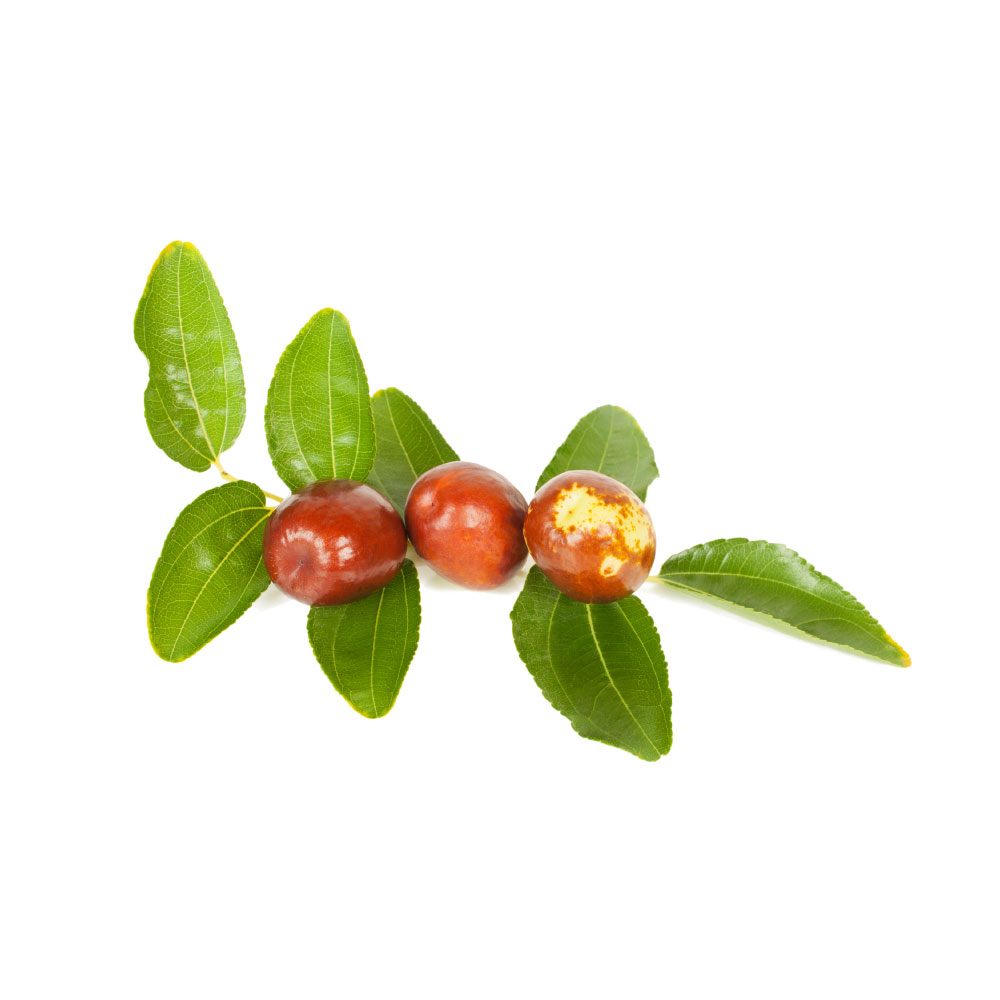
Sour jujube is a spiny, deciduous shrub or small tree in the buckthorn family (Rhamnaceae), native to China and temperate Asia. Its slender branches bear paired thorns and small, glossy, three-veined leaves, and it produces small, sour, red-brown fruits — each with a single hard stone.
The medicinal part is that stone’s seed: suan zao ren, the “sour jujube seed,” one of the classic calming, sleep-supporting herbs of Chinese medicine.
Keeping the identity straight matters here. Sour jujube (Ziziphus jujuba var. spinosa, often written Ziziphus spinosa) is the wild, spiny, sour-fruited form; its close relative Ziziphus jujuba is the cultivated sweet jujube — the “red date” or Chinese date eaten as dried fruit. They are the same species complex, but the herb tradition uses the seed of the sour wild form, not the sweet edible date, so “jujube seed” on a label should mean suan zao ren specifically.
Distribution
Sour jujube grows wild across northern and temperate China and into neighbouring parts of temperate Asia, favouring dry, sunny hillsides and open scrub. The seed used medicinally is gathered from these wild and semi-wild stands.
Growing Conditions
- Hardy deciduous shrub/small tree suited to roughly USDA zones 6–9.
- Thrives in full sun and tolerates poor, dry, rocky soils once established.
- Notably drought-tolerant, reflecting its native dry-hillside habitat.
- Distinctly spiny (paired stipular thorns), so site it away from paths and handle with care.
- Full cultivation detail lives on the companion farm-wiki grow guide for Ziziphus spinosa (link to be added once that project’s public URL is confirmed).
Pharmacology & Research
Zizyphus seed (Suan Zao Ren, Ziziphi Spinosae Semen) has a large traditional-use record for sleep but a much smaller modern evidence base, and almost all of the clinical literature tests it inside multi-herb Chinese formulas — chiefly Suanzaoren decoction — rather than as the single herb the monograph describes. The one genuinely single-herb human study is a small feasibility RCT (n=12) that found a real but preliminary signal for sleep quality 1Reference 1RCTMedicinal seeds Ziziphus spinosa for insomnia: A randomized, placebo-controlled, cross-over, feasibility clinical trial — [randomised, double-blind, placebo-controlled crossover RCT]View study →; the formula-level meta-analyses are larger and mostly positive but consistently rated low-to-moderate in methodological quality 2,3,4,5Reference 2Meta-analysisThe Herbal Medicine Suanzaoren (Ziziphi Spinosae Semen) for Sleep Quality Improvements: A Systematic Review and Meta-analysis — [systematic review and meta-analysis]View study →Reference 3Meta-analysisZao Ren An Shen for insomnia: a systematic review with meta-analysis — [systematic review with meta-analysis]View study →Reference 4Meta-analysisSuanzaoren Decoction for the treatment of chronic insomnia: a systematic review and meta-analysis — [systematic review and meta-analysis]View study →Reference 5Meta-analysisChinese herbal medicine for insomnia: A systematic review and network meta-analysis — [systematic review and network meta-analysis]View study →. The mechanistic work is where the herb is strongest and most specific: three separate marker compounds — the flavone C-glycoside spinosin, the saponin jujuboside A, and the alkaloid sanjoinine A — each independently potentiate sleep and reduce anxiety in animals through GABA-A and serotonergic (5-HT1A) pathways 11,12,14,15,16,9Reference 11AnimalSpinosin, a C-glycoside flavonoid from semen Zizhiphi Spinozae, potentiated pentobarbital-induced sleep via the serotonergic system — [mouse in vivo study]View study →Reference 12AnimalPotentiating effect of spinosin, a C-glycoside flavonoid of Semen Ziziphi spinosae, on pentobarbital-induced sleep may be related to postsynaptic 5-HT(1A) receptors — [rat in vivo study]View study →Reference 14AnimalSanjoinine A isolated from Zizyphi Spinosi Semen augments pentobarbital-induced sleeping behaviors through the modification of GABA-ergic systems — [mouse in vivo study]View study →Reference 15AnimalGABA and 5-HT systems are implicated in the anxiolytic-like effect of spinosin in mice — [mouse in vivo study]View study →Reference 16AnimalAnxiolytic-like effects of sanjoinine A isolated from Zizyphi Spinosi Semen: possible involvement of GABAergic transmission — [mouse in vivo study]View study →Reference 9AnimalJujuboside A in ameliorating insomnia in mice via GABAergic modulation of the PVT — [mouse in vivo study]View study →. Read the whole picture as a herb with deep traditional grounding, coherent and replicated preclinical pharmacology for sedation and anxiolysis, and thin but non-zero direct human data — with the important caveat that effect sizes and doses reported for isolated compounds or decoctions do not transfer cleanly to a dry-fried whole seed taken as a decoction. Two comprehensive reviews of Ziziphi Spinosae Semen survey this full phytochemical, pharmacological and toxicological picture 31,32Reference 31ReviewPhytochemical, pharmacological, pharmacokinetic and toxicological characteristics of Ziziphi Spinosae Semen: a review — [review]View study →Reference 32ReviewBotanical and Traditional Uses and Phytochemical, Pharmacological, Pharmacokinetic, and Toxicological Characteristics of Ziziphi Spinosae Semen: A Review — [review]View study →.
- Best-supported: sleep improvement — a small single-herb RCT plus multiple formula-level meta-analyses point the same way, though most trials test decoctions, not the seed alone 1,2,3Reference 1RCTMedicinal seeds Ziziphus spinosa for insomnia: A randomized, placebo-controlled, cross-over, feasibility clinical trial — [randomised, double-blind, placebo-controlled crossover RCT]View study →Reference 2Meta-analysisThe Herbal Medicine Suanzaoren (Ziziphi Spinosae Semen) for Sleep Quality Improvements: A Systematic Review and Meta-analysis — [systematic review and meta-analysis]View study →Reference 3Meta-analysisZao Ren An Shen for insomnia: a systematic review with meta-analysis — [systematic review with meta-analysis]View study →; and anxiolysis, reproducibly demonstrated for spinosin and sanjoinine A via GABA-A/5-HT1A mechanisms in animals 15,16Reference 15AnimalGABA and 5-HT systems are implicated in the anxiolytic-like effect of spinosin in mice — [mouse in vivo study]View study →Reference 16AnimalAnxiolytic-like effects of sanjoinine A isolated from Zizyphi Spinosi Semen: possible involvement of GABAergic transmission — [mouse in vivo study]View study →.
- Emerging, worth watching: neuroprotective and pro-cognitive signals for spinosin and jujuboside A in Alzheimer’s-model animals 18,19,20Reference 18AnimalAmeliorating effect of spinosin, a C-glycoside flavonoid, on scopolamine-induced memory impairment in mice — [mouse in vivo study]View study →Reference 19AnimalNeuroprotective Effects of Spinosin on Recovery of Learning and Memory in a Mouse Model of Alzheimer’s Disease — [mouse in vivo study]View study →Reference 20AnimalJujuboside A promotes Aβ clearance and ameliorates cognitive deficiency in Alzheimer’s disease through activating Axl/HSP90/PPARγ pathway — [mouse in vivo (APP/PS1) study]View study →, and an antidepressant signal for jujuboside A 23,24Reference 23AnimalAntidepressant effect of Jujuboside A on corticosterone-induced depression in mice — [mouse in vivo study]View study →Reference 24AnimalJujuboside A alleviates visceral pain and depression comorbidity and modulates the P2X7R-BDNF signaling axis — [rat in vivo study]View study →.
- Mechanistically thin: hepatoprotective, cardioprotective, metabolic and anticancer activity — each rests on a small number of isolated-compound animal or cell studies with no human data 27,28,25,29Reference 27AnimalHepatoprotective functions of jujuboside B — [mouse/rat in vivo study]View study →Reference 28In vitroJujuboside A through YY1/CYP2E1 signaling alleviated type 2 diabetes-associated fatty liver disease by ameliorating hepatic lipid accumulation, inflammation, and oxidative stress — [mouse in vivo and in vitro study]View study →Reference 25AnimalSpinosin and 6‴‑Feruloylspinosin protect the heart against acute myocardial ischemia and reperfusion in rats — [rat in vivo study]View study →Reference 29In vitroJujuboside A induces bladder cancer cell apoptosis by inhibiting ATP1A2-mediated mitochondrial energy metabolism regulation — [in vitro cell-line study]View study →.
- The caveat: there is no standardised single-herb extract in the trials, the strongest human data come from multi-herb formulas, and the preclinical work uses purified constituents at doses and routes (often injected) that a dry-fried seed decoction will not reproduce.
1. Sedative / sleep-promoting
This is the herb’s core indication and its best-evidenced. The only trial of the single herb — a randomised, double-blind, placebo-controlled crossover feasibility study in Melbourne (n=12, encapsulated granules 2 g/day for 4 weeks) — found a statistically significant improvement in sleep quality on the Pittsburgh Sleep Quality Index versus placebo (t = −2.276, df = 10, 95% CI −3.3 to −0.04, p = 0.046), with parallel gains in diary-reported total sleep time, sleep efficiency and sleep-onset latency; the authors frame it explicitly as feasibility, not proof of efficacy 1Reference 1RCTMedicinal seeds Ziziphus spinosa for insomnia: A randomized, placebo-controlled, cross-over, feasibility clinical trial — [randomised, double-blind, placebo-controlled crossover RCT]View study →. The larger human evidence tests Zizyphus inside formulas: a meta-analysis of nine Suanzaoren trials found significant subjective sleep-quality improvement versus placebo (standardised mean difference −0.58) and a ~2.7-point drop in insomnia severity at 4 weeks 2Reference 2Meta-analysisThe Herbal Medicine Suanzaoren (Ziziphi Spinosae Semen) for Sleep Quality Improvements: A Systematic Review and Meta-analysis — [systematic review and meta-analysis]View study →, and multiple systematic reviews of Suanzaoren decoction and related formulas report benefit comparable to benzodiazepines with fewer adverse events, while uniformly flagging low study quality and high risk of bias 3,4,6,7,8Reference 3Meta-analysisZao Ren An Shen for insomnia: a systematic review with meta-analysis — [systematic review with meta-analysis]View study →Reference 4Meta-analysisSuanzaoren Decoction for the treatment of chronic insomnia: a systematic review and meta-analysis — [systematic review and meta-analysis]View study →Reference 6Systematic reviewEfficacy and safety of Suanzaoren decoction for primary insomnia: a systematic review of randomized controlled trials — [systematic review of randomised controlled trials]View study →Reference 7Systematic reviewChinese herbal medicine for insomnia: a systematic review of randomized controlled trials — [systematic review of randomised controlled trials]View study →Reference 8Meta-analysisSuanzaoren Formulae for Insomnia: Updated Clinical Evidence and Possible Mechanisms — [systematic review and meta-analysis of RCTs, with animal-model mechanisms]View study →. The mechanism is well mapped: spinosin shortens sleep latency and lengthens NREM/slow-wave sleep in rodents through serotonergic (5-HT1A) signalling 11,12,13Reference 11AnimalSpinosin, a C-glycoside flavonoid from semen Zizhiphi Spinozae, potentiated pentobarbital-induced sleep via the serotonergic system — [mouse in vivo study]View study →Reference 12AnimalPotentiating effect of spinosin, a C-glycoside flavonoid of Semen Ziziphi spinosae, on pentobarbital-induced sleep may be related to postsynaptic 5-HT(1A) receptors — [rat in vivo study]View study →Reference 13AnimalAugmentative effect of spinosin on pentobarbital-induced loss of righting reflex in mice associated with presynaptic 5-HT1A receptor — [mouse in vivo study]View study →, jujuboside A promotes sleep via GABAergic modulation of the paraventricular thalamus and by supporting prefrontal mitochondrial function 9,17Reference 9AnimalJujuboside A in ameliorating insomnia in mice via GABAergic modulation of the PVT — [mouse in vivo study]View study →Reference 17AnimalJujuboside A improves insomnia by maintaining mitochondrial homeostasis in prefrontal neurons — [mouse in vivo study]View study →, and sanjoinine A augments pentobarbital sleep by increasing GABA-A-mediated chloride influx 14Reference 14AnimalSanjoinine A isolated from Zizyphi Spinosi Semen augments pentobarbital-induced sleeping behaviors through the modification of GABA-ergic systems — [mouse in vivo study]View study →. EEG/EMG recording confirms spinosin raises NREM sleep and shifts c-Fos activity in sleep-regulatory nuclei 10Reference 10AnimalSpinosin enhances non-rapid eye movement sleep and alters c-Fos expression in sleep-wake regulatory brain regions in mice — [mouse in vivo (EEG/EMG) study]View study →.
Gap: only one small single-herb RCT exists; every larger positive result is a multi-herb decoction, and no trial standardises the seed to its marker compounds or its dry-fried whole-seed form.
2. Anxiolytic
The anxiolytic signal is preclinical but internally consistent and mechanistically specific. Spinosin (2.5–5 mg/kg orally) increased open-arm time in the elevated plus maze, time in the light compartment of the light/dark box, and central entries in the open field without sedating locomotion — and both effects were abolished by the GABA-A antagonist flumazenil and the 5-HT1A antagonist WAY-100635, pinning the action to those two receptor systems 15Reference 15AnimalGABA and 5-HT systems are implicated in the anxiolytic-like effect of spinosin in mice — [mouse in vivo study]View study →. Sanjoinine A produced the same pattern in mice at 2 mg/kg and directly increased chloride influx and GABA-A subunit expression in cultured neurons, again without the locomotor suppression that diazepam caused 16Reference 16AnimalAnxiolytic-like effects of sanjoinine A isolated from Zizyphi Spinosi Semen: possible involvement of GABAergic transmission — [mouse in vivo study]View study →. Jujuboside A also reduces anxiety-like behaviour in insomnia-model mice 17Reference 17AnimalJujuboside A improves insomnia by maintaining mitochondrial homeostasis in prefrontal neurons — [mouse in vivo study]View study →. No single-herb human anxiety trial exists, and traditional use frames the herb for restlessness and irritability tied to depletion rather than as a standalone anxiolytic.
Gap: all direct evidence is rodent behavioural pharmacology on isolated compounds; there is no human anxiety trial and no data on whether an oral whole-seed preparation reaches anxiolytic exposures.
3. Neuroprotective / cognitive
A cluster of animal studies suggests the seed’s constituents support memory and resist neurodegeneration, though this is not a traditional use of the herb. Spinosin reversed scopolamine-induced memory deficits in mice through 5-HT1A-linked ERK/CREB signalling 18Reference 18AnimalAmeliorating effect of spinosin, a C-glycoside flavonoid, on scopolamine-induced memory impairment in mice — [mouse in vivo study]View study → and, in an Aβ-injection Alzheimer’s model, reduced hippocampal malondialdehyde and amyloid accumulation while restoring BDNF 19Reference 19AnimalNeuroprotective Effects of Spinosin on Recovery of Learning and Memory in a Mouse Model of Alzheimer’s Disease — [mouse in vivo study]View study →. Jujuboside A promoted amyloid-β clearance and improved cognition in APP/PS1 mice via an Axl/HSP90/PPARγ pathway 20Reference 20AnimalJujuboside A promotes Aβ clearance and ameliorates cognitive deficiency in Alzheimer’s disease through activating Axl/HSP90/PPARγ pathway — [mouse in vivo (APP/PS1) study]View study →, and both the whole seed and jujuboside B were neuroprotective against Aβ toxicity in a C. elegans model dependent on the daf-16/sir-2.1 longevity pathways 22Reference 22AnimalMetabolomic insights into the neuroprotective actions of Ziziphi spinosae semen and jujuboside B against Aβ-induced toxicity — [C. elegans in vivo study]View study →. Suanzaoren decoction reduced ferroptosis and synaptic damage in AD-model mice through DJ-1/Nrf2 signalling 21Reference 21AnimalSuanZaoRen decoction alleviates neuronal loss, synaptic damage and ferroptosis of AD via activating DJ-1/Nrf2 signaling pathway — [mouse in vivo (APP/PS1) study]View study →.
Gap: entirely preclinical, spans several models and compounds without a unifying human endpoint, and often uses injected or intracerebroventricular dosing that oral seed use cannot replicate.
4. Antidepressant
The antidepressant evidence rests on one constituent in rodent models. Jujuboside A (10–30 mg/kg for three weeks) reduced immobility in the tail-suspension and forced-swim tests and normalised open-field behaviour in corticosterone-induced depression, with restoration of hippocampal BDNF/TrkB/CREB signalling; the effect was lost in BDNF-knockdown mice, tying it to that pathway 23Reference 23AnimalAntidepressant effect of Jujuboside A on corticosterone-induced depression in mice — [mouse in vivo study]View study →. In a separate rat model of visceral-pain-with-depression comorbidity, jujuboside A relieved depressive-like behaviour by suppressing P2X7R-driven neuroinflammation and raising BDNF 24Reference 24AnimalJujuboside A alleviates visceral pain and depression comorbidity and modulates the P2X7R-BDNF signaling axis — [rat in vivo study]View study →.
Gap: two rodent studies of a single isolated saponin, no human data, and no evidence the compound reaches these levels from an oral seed preparation.
5. Hepatoprotective
Liver protection is documented only for isolated saponins in animal disease models. Jujuboside B reduced liver injury (lower ALT/AST, less necrosis) in sepsis-model (cecal ligation and puncture) animals by dampening TNF-α, IL-1β and nitric oxide and boosting endogenous antioxidant capacity 27Reference 27AnimalHepatoprotective functions of jujuboside B — [mouse/rat in vivo study]View study →. Jujuboside A alleviated diabetes-associated fatty liver disease in db/db mice and cultured hepatocytes by restraining YY1/CYP2E1 signalling, cutting hepatic lipid, inflammation and oxidative stress 28Reference 28In vitroJujuboside A through YY1/CYP2E1 signaling alleviated type 2 diabetes-associated fatty liver disease by ameliorating hepatic lipid accumulation, inflammation, and oxidative stress — [mouse in vivo and in vitro study]View study →.
Gap: isolated-compound animal and cell work in specific disease models; no human data and no traditional hepatoprotective use to anchor it.
6. Cardioprotective
The cardiac signal is preclinical and compound-level. Spinosin and 6‴-feruloylspinosin (5 mg/kg, injected before coronary occlusion) reduced myocardial infarct size, enzyme release and cardiomyocyte apoptosis in a rat ischaemia-reperfusion model 25Reference 25AnimalSpinosin and 6‴‑Feruloylspinosin protect the heart against acute myocardial ischemia and reperfusion in rats — [rat in vivo study]View study →. Jujuboside A attenuated sepsis-induced cardiomyopathy in mice by suppressing inflammation and regulating autophagy 26Reference 26AnimalJujuboside A attenuates sepsis-induced cardiomyopathy by inhibiting inflammation and regulating autophagy — [mouse in vivo study]View study →.
Gap: single-compound rodent studies using injected dosing; no oral, whole-herb, or human evidence.
7. Antidiabetic / metabolic
One study underpins this. In db/db diabetic mice and high-glucose/fatty-acid-stimulated hepatocytes, jujuboside A improved hyperglycaemia and reduced hepatic lipid accumulation, inflammation and oxidative stress through YY1/CYP2E1 signalling — the same pathway implicated in its fatty-liver effect 28Reference 28In vitroJujuboside A through YY1/CYP2E1 signaling alleviated type 2 diabetes-associated fatty liver disease by ameliorating hepatic lipid accumulation, inflammation, and oxidative stress — [mouse in vivo and in vitro study]View study →.
Gap: a single isolated-compound study; the metabolic benefit has not been shown for the whole seed or in humans.
8. Anticancer
The anticancer evidence is the thinnest — a single in vitro study. Jujuboside A induced apoptosis in bladder-cancer cells by inhibiting ATP1A2-mediated mitochondrial energy metabolism 29Reference 29In vitroJujuboside A induces bladder cancer cell apoptosis by inhibiting ATP1A2-mediated mitochondrial energy metabolism regulation — [in vitro cell-line study]View study →; narrative reviews list additional cytotoxic effects for spinosin in cell lines 30Reference 30ReviewThe pharmacology, pharmacokinetics, and toxicity of spinosin: A mini review — [review]View study →.
Gap: cell-line data only, one tumour type, no animal or human evidence; this is a research lead, not a use.
Mechanisms
| Mechanism | Drives | Key compounds |
|---|---|---|
| GABA-A potentiation (↑ chloride influx) | sedativeanxiolytic | sanjoinine A, jujuboside A |
| Serotonergic 5-HT1A modulation | sedativeanxiolyticpro-cognitive | spinosin |
| BDNF/TrkB/CREB upregulation | antidepressantneuroprotective | jujuboside A |
| Aβ clearance (Axl/HSP90/PPARγ; DJ-1/Nrf2) | neuroprotective | jujuboside A, jujuboside B |
| Antioxidant + NF-κB/cytokine ↓ | hepatoprotectivecardioprotective | jujuboside A, jujuboside B |
Clinical trials
Registered trials on ClinicalTrials.gov are almost all of Suanzaoren decoction or related multi-herb formulas rather than the single herb — several are completed (e.g. NCT01913418, NCT06452953, NCT01267539) — while the only published single-herb human study is a small feasibility RCT 1Reference 1RCTMedicinal seeds Ziziphus spinosa for insomnia: A randomized, placebo-controlled, cross-over, feasibility clinical trial — [randomised, double-blind, placebo-controlled crossover RCT]View study →; no single-herb Phase II/III programme exists.
| Completed | Planned | Terminated | Preclinical |
|---|---|---|---|
| ~6(mostly formula) | 0single-herb | 0 | ~25+ |
Last checked: July 2026.
Phytochemistry
The sedative reputation of zizyphus seed (Suan Zao Ren) rests on two classes of compounds. The first are dammarane-type saponins, the jujubosides, of which jujuboside A and jujuboside B are the principal markers. The second are flavone C-glycosides, led by spinosin, its feruloyl ester 6‴-feruloylspinosin, and its relative swertisin. Jujuboside A and spinosin together serve as the official quality markers for the seed. The seed also carries cyclopeptide alkaloids such as sanjoinine A and pentacyclic triterpene acids including betulinic acid and oleanolic acid.
Constituent Summary
Amounts are given in mg per gram of dried seed (mg/g) and reflect ranges measured across cultivars; content varies considerably with germplasm, harvest and processing (roasting). A dagger (†) marks jujuboside A and spinosin, the two compounds used as official quality markers to standardise the seed.
Flavonoids3 compounds1 with data
Saponins2 compounds2 with data
Alkaloids1 compoundno data
Dosage
In research, Zizyphus is almost always given either as a concentrated encapsulated extract or, more often, as one herb inside a multi-herb decoction — so the trial doses below are not directly comparable to whole-seed traditional amounts, and are listed in their own table.
| Indication | Preparation | Dose | Est. dried-herb equivalent | Source |
|---|---|---|---|---|
| Sleep / insomnia (single herb) | Encapsulated granules (concentrated extract) | 2 g granules/day, 4 weeks | ~10–20 g dried seed (assuming a ~5–10:1 granule concentration) | 1Reference 1RCTMedicinal seeds Ziziphus spinosa for insomnia: A randomized, placebo-controlled, cross-over, feasibility clinical trial — [randomised, double-blind, placebo-controlled crossover RCT]View study → |
| Sleep / insomnia (formula) | Suanzaoren decoction (multi-herb) | Zizyphus typically 12–18 g within the decoction | — (formula context, not attributable to the seed alone) | 2,4Reference 2Meta-analysisThe Herbal Medicine Suanzaoren (Ziziphi Spinosae Semen) for Sleep Quality Improvements: A Systematic Review and Meta-analysis — [systematic review and meta-analysis]View study →Reference 4Meta-analysisSuanzaoren Decoction for the treatment of chronic insomnia: a systematic review and meta-analysis — [systematic review and meta-analysis]View study → |
The estimated dried-herb equivalent is a rough guide from a stated assumption about granule concentration — not a conversion factor or a recommendation. The trial did not report a marker percentage, so treat it as order-of-magnitude only.
Traditional Dosage
In Traditional Chinese Medicine the seed is used as a decoction, most often dry-fried (roasted) before use and combined into a formula rather than taken alone; roasted seed is generally preferred for sleep and calming applications.
| System | Preparation | Dose |
|---|---|---|
| Traditional Chinese Medicine | Dried seed, decoction (often dry-fried) | 9–18 g/day |
| Western herbal (modern) | Dried seed decoction / powder | 6–15 g/day |
Safety & Pregnancy
Zizyphus seed is regarded as a very safe, food-grade seed with no significant toxicity at normal doses; its main practical caution is that its sedative action can add to other CNS depressants.
- Very safe, food-grade seed. Long record of use with no significant toxicity at normal doses; only minor adverse events in trials.
- Additive sedation. Its GABA-A/serotonergic action may add to sedatives, hypnotics, benzodiazepines, alcohol or other CNS depressants — combine cautiously.
- No interaction studies. No CYP450 or human herb-drug interaction data have been generated.
- Pregnancy & lactation. Not formally assessed — use only under professional guidance.
Full safety & interactions detail
Zizyphus seed is regarded as a very safe, food-grade seed with a long record of use and no significant toxicity at normal doses; a systematic review of medicinal-seed safety did not attribute serious adverse events to it, in contrast to several other seeds reviewed 33Reference 33Systematic reviewSafety of medicinal and edible herbs from seed sources for human consumption: A systematic review — [systematic review]View study →. In the single-herb feasibility RCT it was well tolerated, with only minor adverse events over four weeks at 2 g/day 1Reference 1RCTMedicinal seeds Ziziphus spinosa for insomnia: A randomized, placebo-controlled, cross-over, feasibility clinical trial — [randomised, double-blind, placebo-controlled crossover RCT]View study →, and formula-level meta-analyses consistently report fewer adverse events than benzodiazepines 2,3Reference 2Meta-analysisThe Herbal Medicine Suanzaoren (Ziziphi Spinosae Semen) for Sleep Quality Improvements: A Systematic Review and Meta-analysis — [systematic review and meta-analysis]View study →Reference 3Meta-analysisZao Ren An Shen for insomnia: a systematic review with meta-analysis — [systematic review with meta-analysis]View study →. Its principal practical caution is pharmacodynamic: because its sedative action is mediated through GABA-A and serotonergic pathways 11,14,15Reference 11AnimalSpinosin, a C-glycoside flavonoid from semen Zizhiphi Spinozae, potentiated pentobarbital-induced sleep via the serotonergic system — [mouse in vivo study]View study →Reference 14AnimalSanjoinine A isolated from Zizyphi Spinosi Semen augments pentobarbital-induced sleeping behaviors through the modification of GABA-ergic systems — [mouse in vivo study]View study →Reference 15AnimalGABA and 5-HT systems are implicated in the anxiolytic-like effect of spinosin in mice — [mouse in vivo study]View study →, it may add to the effect of sedatives, hypnotics, benzodiazepines, alcohol, or other CNS depressants, so combine cautiously and under guidance. No specific herb-drug pharmacokinetic (CYP450) interaction has been demonstrated in humans, and human interaction studies have not been done.
For regulatory context, the seed is well codified in the Chinese Pharmacopoeia, but no European herbal monograph has been finalised — the European Pharmacopoeia Commission was unable to complete a Ziziphi spinosae semen monograph and the EMA/HMPC has not issued a recommendation 34Reference 34ReviewExperimental and Clinical Pharmacology of Ziziphus jujuba Mills — [review]View study →.
Safety in pregnancy and lactation has not been formally assessed for Zizyphus seed; no clinical or reproductive-toxicity data specific to the herb were identified, so its safety cannot be inferred from its food-grade status alone. Traditional Chinese practice uses it within formulas during pregnancy in some contexts, but this does not substitute for safety data, and use should be guided by a qualified practitioner.
References
- Shergis, J. L., et al. (2021). Medicinal seeds Ziziphus spinosa for insomnia: A randomized, placebo-controlled, cross-over, feasibility clinical trial — [randomised, double-blind, placebo-controlled crossover RCT]. Complementary therapies in medicine. https://pubmed.ncbi.nlm.nih.gov/33385511/
- Yang, M., et al. (2023). The Herbal Medicine Suanzaoren (Ziziphi Spinosae Semen) for Sleep Quality Improvements: A Systematic Review and Meta-analysis — [systematic review and meta-analysis]. Integrative cancer therapies. https://pubmed.ncbi.nlm.nih.gov/37014010/
- Birling, Y., et al. (2021). Zao Ren An Shen for insomnia: a systematic review with meta-analysis — [systematic review with meta-analysis]. Sleep medicine. https://pubmed.ncbi.nlm.nih.gov/32045853/
- Liu, X. X., et al. (2022). Suanzaoren Decoction for the treatment of chronic insomnia: a systematic review and meta-analysis — [systematic review and meta-analysis]. European review for medical and pharmacological sciences. https://pubmed.ncbi.nlm.nih.gov/36459033/
- Li, W., et al. (2025). Chinese herbal medicine for insomnia: A systematic review and network meta-analysis — [systematic review and network meta-analysis]. Medicine. https://pubmed.ncbi.nlm.nih.gov/40826721/
- Xie, C. L., et al. (2013). Efficacy and safety of Suanzaoren decoction for primary insomnia: a systematic review of randomized controlled trials — [systematic review of randomised controlled trials]. BMC complementary and alternative medicine. https://pubmed.ncbi.nlm.nih.gov/23336848/
- Yeung, W. F., et al. (2013). Chinese herbal medicine for insomnia: a systematic review of randomized controlled trials — [systematic review of randomised controlled trials]. Sleep medicine reviews. https://pubmed.ncbi.nlm.nih.gov/22440393/
- Zhou, Q. H., et al. (2022). Suanzaoren Formulae for Insomnia: Updated Clinical Evidence and Possible Mechanisms — [systematic review and meta-analysis of RCTs, with animal-model mechanisms]. Frontiers in pharmacology. https://pubmed.ncbi.nlm.nih.gov/29479317/
- Wang, M., et al. (2025). Jujuboside A in ameliorating insomnia in mice via GABAergic modulation of the PVT — [mouse in vivo study]. Journal of ethnopharmacology. https://pubmed.ncbi.nlm.nih.gov/40354840/
- Zhao, W., et al. (2025). Spinosin enhances non-rapid eye movement sleep and alters c-Fos expression in sleep-wake regulatory brain regions in mice — [mouse in vivo (EEG/EMG) study]. Sleep & breathing = Schlaf & Atmung. https://pubmed.ncbi.nlm.nih.gov/39934412/
- Wang, L. E., et al. (2008). Spinosin, a C-glycoside flavonoid from semen Zizhiphi Spinozae, potentiated pentobarbital-induced sleep via the serotonergic system — [mouse in vivo study]. Pharmacology, biochemistry, and behavior. https://pubmed.ncbi.nlm.nih.gov/18466960/
- Wang, L. E., et al. (2010). Potentiating effect of spinosin, a C-glycoside flavonoid of Semen Ziziphi spinosae, on pentobarbital-induced sleep may be related to postsynaptic 5-HT(1A) receptors — [rat in vivo study]. Phytomedicine : international journal of phytotherapy and phytopharmacology. https://pubmed.ncbi.nlm.nih.gov/20171860/
- Wang, L. E., et al. (2012). Augmentative effect of spinosin on pentobarbital-induced loss of righting reflex in mice associated with presynaptic 5-HT1A receptor — [mouse in vivo study]. The Journal of pharmacy and pharmacology. https://pubmed.ncbi.nlm.nih.gov/22221104/
- Ma, Y., et al. (2007). Sanjoinine A isolated from Zizyphi Spinosi Semen augments pentobarbital-induced sleeping behaviors through the modification of GABA-ergic systems — [mouse in vivo study]. Biological & pharmaceutical bulletin. https://pubmed.ncbi.nlm.nih.gov/17827733/
- Liu, J., et al. (2015). GABA and 5-HT systems are implicated in the anxiolytic-like effect of spinosin in mice — [mouse in vivo study]. Pharmacology, biochemistry, and behavior. https://pubmed.ncbi.nlm.nih.gov/25449359/
- Han, H., et al. (2009). Anxiolytic-like effects of sanjoinine A isolated from Zizyphi Spinosi Semen: possible involvement of GABAergic transmission — [mouse in vivo study]. Pharmacology, biochemistry, and behavior. https://pubmed.ncbi.nlm.nih.gov/19101585/
- Zhang, Z., et al. (2025). Jujuboside A improves insomnia by maintaining mitochondrial homeostasis in prefrontal neurons — [mouse in vivo study]. Brain research bulletin. https://pubmed.ncbi.nlm.nih.gov/40334994/
- Jung, I. H., et al. (2014). Ameliorating effect of spinosin, a C-glycoside flavonoid, on scopolamine-induced memory impairment in mice — [mouse in vivo study]. Pharmacology, biochemistry, and behavior. https://pubmed.ncbi.nlm.nih.gov/24582850/
- Xu, F., et al. (2020). Neuroprotective Effects of Spinosin on Recovery of Learning and Memory in a Mouse Model of Alzheimer’s Disease — [mouse in vivo study]. Biomolecules & therapeutics. https://pubmed.ncbi.nlm.nih.gov/29925225/
- Zhang, M., et al. (2019). Jujuboside A promotes Aβ clearance and ameliorates cognitive deficiency in Alzheimer’s disease through activating Axl/HSP90/PPARγ pathway — [mouse in vivo (APP/PS1) study]. Theranostics. https://pubmed.ncbi.nlm.nih.gov/30128052/
- Long, Q., et al. (2024). SuanZaoRen decoction alleviates neuronal loss, synaptic damage and ferroptosis of AD via activating DJ-1/Nrf2 signaling pathway — [mouse in vivo (APP/PS1) study]. Journal of ethnopharmacology. https://pubmed.ncbi.nlm.nih.gov/38160863/
- Liu, J., et al. (2026). Metabolomic insights into the neuroprotective actions of Ziziphi spinosae semen and jujuboside B against Aβ-induced toxicity — [C. elegans in vivo study]. Journal of ethnopharmacology. https://pubmed.ncbi.nlm.nih.gov/41483858/
- Li, H., et al. (2022). Antidepressant effect of Jujuboside A on corticosterone-induced depression in mice — [mouse in vivo study]. Biochemical and biophysical research communications. https://pubmed.ncbi.nlm.nih.gov/35780581/
- Liu, J., et al. (2026). Jujuboside A alleviates visceral pain and depression comorbidity and modulates the P2X7R-BDNF signaling axis — [rat in vivo study]. Phytomedicine : international journal of phytotherapy and phytopharmacology. https://pubmed.ncbi.nlm.nih.gov/41547067/
- Gu, M., et al. (2020). Spinosin and 6‴‑Feruloylspinosin protect the heart against acute myocardial ischemia and reperfusion in rats — [rat in vivo study]. Molecular medicine reports. https://pubmed.ncbi.nlm.nih.gov/31545438/
- Wang, Z., et al. (2023). Jujuboside A attenuates sepsis-induced cardiomyopathy by inhibiting inflammation and regulating autophagy — [mouse in vivo study]. European journal of pharmacology. https://pubmed.ncbi.nlm.nih.gov/36502962/
- Kim, C., et al. (2023). Hepatoprotective functions of jujuboside B — [mouse/rat in vivo study]. Journal of natural medicines. https://pubmed.ncbi.nlm.nih.gov/36064835/
- Zhang, W., et al. (2024). Jujuboside A through YY1/CYP2E1 signaling alleviated type 2 diabetes-associated fatty liver disease by ameliorating hepatic lipid accumulation, inflammation, and oxidative stress — [mouse in vivo and in vitro study]. Chemico-biological interactions. https://pubmed.ncbi.nlm.nih.gov/39059604/
- Zhu, M., et al. (2026). Jujuboside A induces bladder cancer cell apoptosis by inhibiting ATP1A2-mediated mitochondrial energy metabolism regulation — [in vitro cell-line study]. Cancer biology & therapy. https://pubmed.ncbi.nlm.nih.gov/41533486/
- Kuang, X., et al. (2022). The pharmacology, pharmacokinetics, and toxicity of spinosin: A mini review — [review]. Frontiers in pharmacology. https://pubmed.ncbi.nlm.nih.gov/36193419/
- Liu, M. H., et al. (2025). Phytochemical, pharmacological, pharmacokinetic and toxicological characteristics of Ziziphi Spinosae Semen: a review — [review]. Frontiers in pharmacology. https://pubmed.ncbi.nlm.nih.gov/39679366/
- He, S. R., et al. (2020). Botanical and Traditional Uses and Phytochemical, Pharmacological, Pharmacokinetic, and Toxicological Characteristics of Ziziphi Spinosae Semen: A Review — [review]. Evidence-based complementary and alternative medicine : eCAM. https://pubmed.ncbi.nlm.nih.gov/32695210/
- Yuan, L., et al. (2025). Safety of medicinal and edible herbs from seed sources for human consumption: A systematic review — [systematic review]. Integrative medicine research. https://pubmed.ncbi.nlm.nih.gov/41322721/
- Rodríguez Villanueva, J., & Rodríguez Villanueva, L. (2017). Experimental and Clinical Pharmacology of Ziziphus jujuba Mills — [review]. Phytotherapy research : PTR. https://pubmed.ncbi.nlm.nih.gov/28084039/