
Walk into any supplement shop and you’ll find a wall of herbs promising more endurance, more strength, and faster recovery. Some of that is real. A lot of it is marketing.
This is a full rewrite of a post I first published in 2019. Since then I’ve gone back through the actual human research, and the honest picture is more interesting than the hype: a handful of these herbs genuinely move the needle, several are traditional remedies riding on surprisingly thin evidence, and one or two are simply overhyped.
Before we start, two things worth saying plainly:
- Caffeine is the only compound on this list that’s genuinely proven. It reliably improves endurance, strength, power, and sprint performance across a huge body of research — the International Society of Sports Nutrition gives it a formal thumbs-up at roughly 3–6 mg per kg of bodyweight taken about an hour before exercise [1]. Most “energy herbs” (guarana, yerba maté, tea) work because they contain it.
- The strongest natural performance aids aren’t herbs at all. Creatine [20] and dietary nitrate from beetroot [21] have far more evidence behind them than most of the plants below — they’re just not botanicals, so they sit outside a herbal guide like this one. If raw performance is all you care about, start there.
With that framing, here’s how the herbs actually stack up.
The Herbs, Ranked By Evidence
This chart is an editorial evidence score for athletic use specifically — a ranking of how strong the current human research is, not a promise that a herb will work for you, and not a measure of how large the effect is. Click any herb to jump to its section.
- Proven — strong clinical evidence and/or approval
- Promising — human evidence, still incomplete
- Shaky — plausible or early-stage
- Unsupported — no real clinical support, or actively counterproductive
The sections below group the herbs by what people actually reach for them to do — energy, endurance, strength, and recovery.
Energy & Stimulation
This is the category with the most real evidence — because it runs on caffeine, the one herbal ergogenic that’s genuinely proven [1]. The two herbs below are, functionally, caffeine-delivery plants with a few extras. That’s not a knock — it’s just worth knowing you’re buying caffeine, and that the effective dose (~3–6 mg/kg) and your own caffeine tolerance matter far more than which plant it came from.
1. Guarana (Paullinia cupana)
Bottom line — A genuinely effective pre-workout — but the benefit is the caffeine, not a unique guarana compound.
Best for: pre-workout energy and focus · How: standardised to a known caffeine dose, ~45–60 min before training
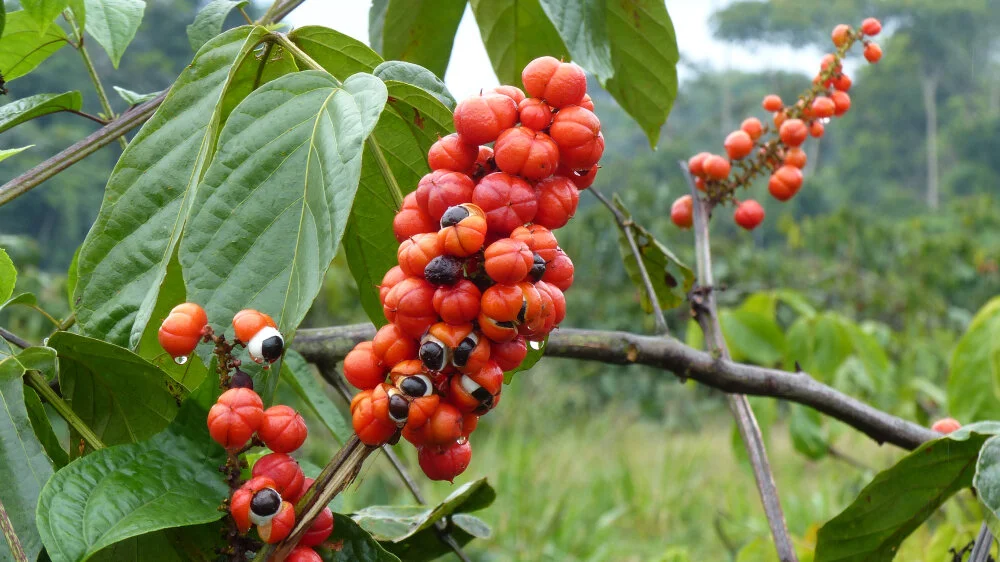
Guarana seeds are one of the most caffeine-dense plant materials on earth — roughly 2–8% caffeine by weight, versus about 1–3% for coffee beans. That’s the whole story of why it works as a pre-workout: it’s caffeine, and caffeine is the best-proven ergogenic aid there is [1].
Where the marketing overreaches is everything beyond the caffeine. You’ll see guarana described as “protecting the heart” and improving cardiac contractile force — I included versions of that claim in the original post, and it isn’t supported by human evidence. The cardiovascular literature on guarana is mostly about caffeine-driven increases in heart rate and blood pressure, not a protective effect.
So treat guarana as what it is: a convenient, slow-releasing caffeine source. Dose it by its caffeine content, not by grams of powder, and don’t stack it on top of coffee and a pre-workout without doing the math.
2. Yerba Maté (Ilex paraguariensis)
Bottom line — A gentler, longer caffeine source with a genuinely interesting extra: it nudges fat-burning during exercise.
Best for: sustained daytime energy; fat oxidation during steady-state work · How: tea through the day, or ~1 g pre-exercise
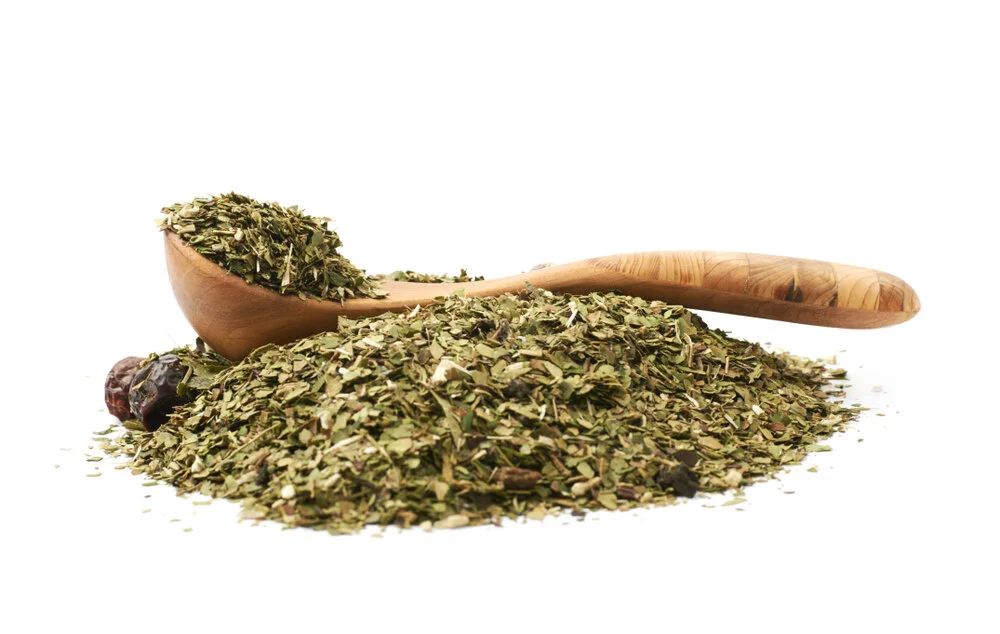
Yerba maté is another caffeine plant, this time paired with theobromine and a large dose of polyphenols. Many people find its energy smoother and longer than coffee — plausibly from the theobromine and the way it’s sipped, though that “no jitters” reputation is more experiential than proven.
The more interesting finding is metabolic. In a controlled trial, about 1 gram of yerba maté before exercise raised fat oxidation and energy expenditure by over 20% at submaximal intensities [2]. That’s a genuine, measured effect — but note the honest limit: it shifts fuel use, and hasn’t been shown to improve actual performance numbers like power output or time-trial speed. Useful for steady-state and body-composition goals; not a demonstrated power booster.
Endurance & Oxygen
This is the adaptogen category — herbs claimed to raise your capacity for aerobic work. It’s also where the gap between reputation and evidence is widest. Rhodiola has the cleanest data; cordyceps is genuinely mixed; eleuthero and Panax ginseng are mostly running on lore.
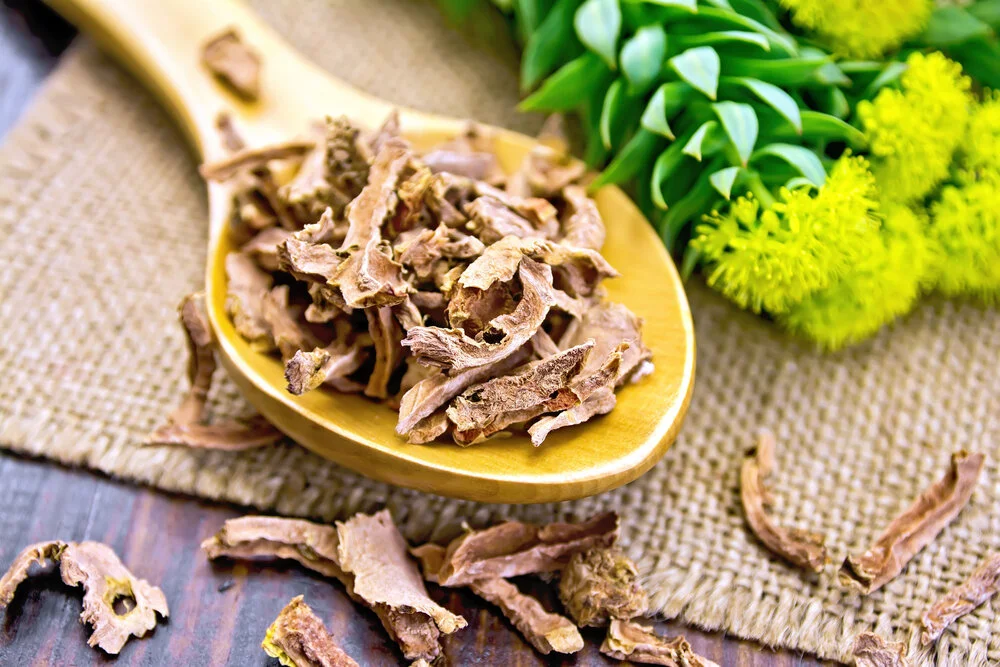
3. Rhodiola (Rhodiola rosea)
Bottom line — The best-supported adaptogen for endurance — mainly by making hard efforts feel easier, from a single dose before training.
Best for: acute endurance, lowering perceived effort · How: ~200 mg (≈3 mg/kg), about 1 hour before exercise
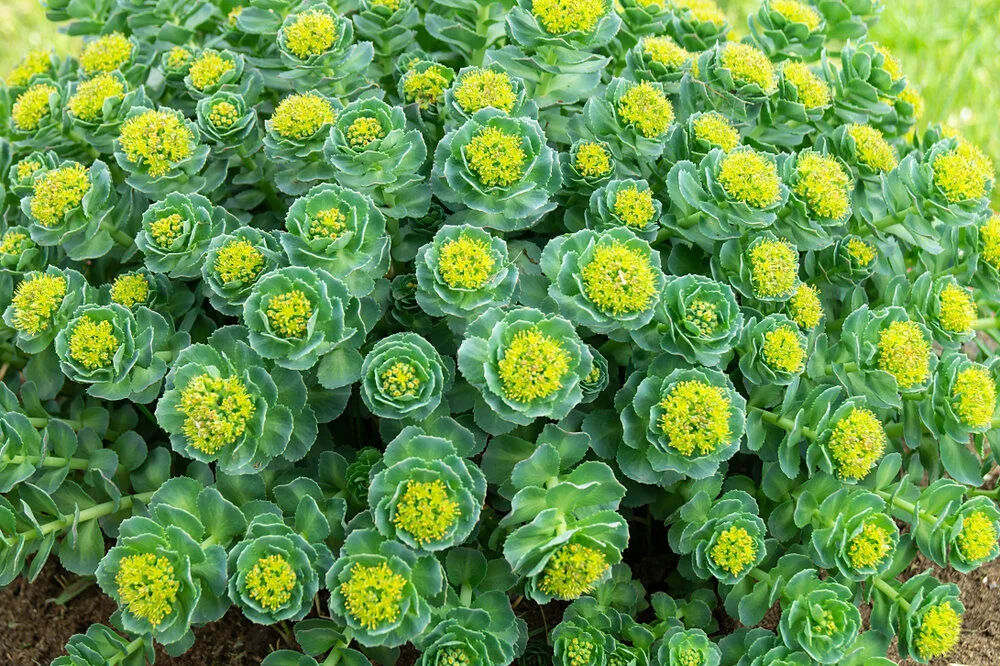
Rhodiola is the standout of the adaptogen group. In a well-cited crossover trial, a single acute dose improved time-to-exhaustion and lowered perceived exertion — and, tellingly, four weeks of daily loading didn’t add anything on top of that acute effect [8]. A later study found an acute 3 mg/kg dose produced a faster 6-mile time trial and lower heart rate, though it didn’t move perceived exertion in that trial [9].
So the realistic read is: a modest but real acute benefit, best taken before a hard session rather than loaded for weeks. It won’t rebuild your engine — it takes the edge off the effort so you can hold a bit more.
4. Cordyceps (Ophiocordyceps / Cordyceps militaris)
Bottom line — Real but genuinely mixed — helps aerobic capacity in untrained and older people, with far less to show in trained athletes.
Best for: aerobic capacity in less-trained individuals · How: daily, long-term; look for C. militaris or fermented Cs-4
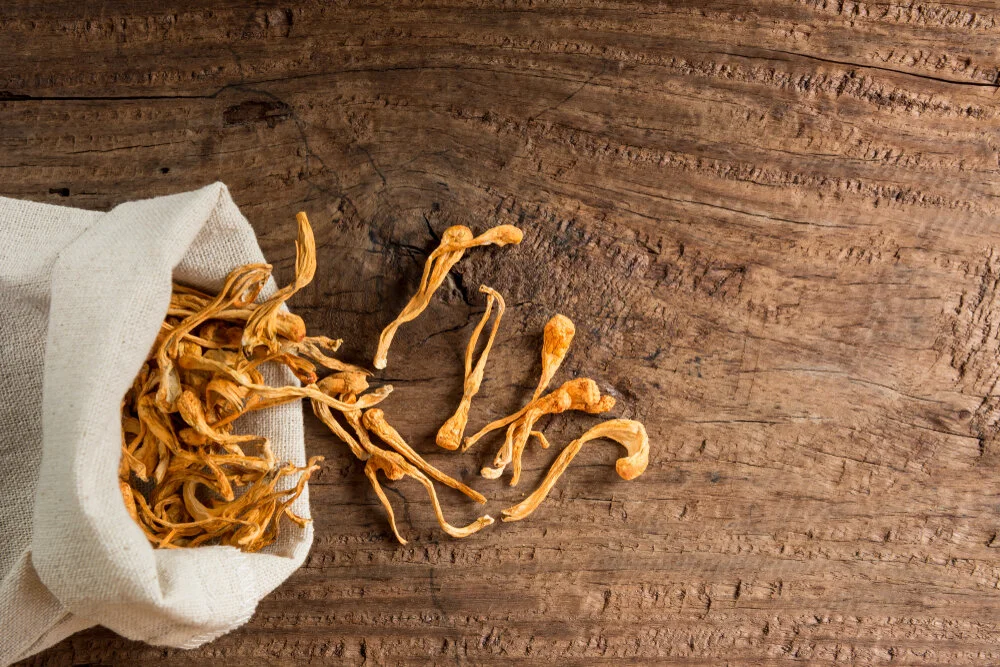
First, a naming correction I got wrong before: the wild “caterpillar fungus” is now Ophiocordyceps sinensis, and almost nothing sold in a bottle is actually that — commercial products are cultivated Cordyceps militaris or the fermented mycelium Cs-4.
The human evidence is a real split. In healthy older adults, 3 g/day of Cs-4 improved VO₂max and metabolic threshold [10], and a C. militaris blend improved high-intensity exercise tolerance [11]. But trials in trained cyclists have generally found no benefit — the fitter you already are, the less it seems to do.
And the legendary “proof” — the 1993 Chinese women’s distance-running world records often credited to cordyceps — is not evidence. That team was later caught in a doping scandal, so those times tell us nothing about the mushroom. Cordyceps is a reasonable experiment if you’re building a base; just keep expectations grounded and pick a properly identified product.
5. Eleuthero / Siberian Ginseng (Eleutherococcus senticosus)
Bottom line — The famous “Soviet Olympic secret” — but the better-designed trials mostly come up empty.
Best for: debatable; some endurance signal at higher doses · How: 800–1,200 mg/day if you try it
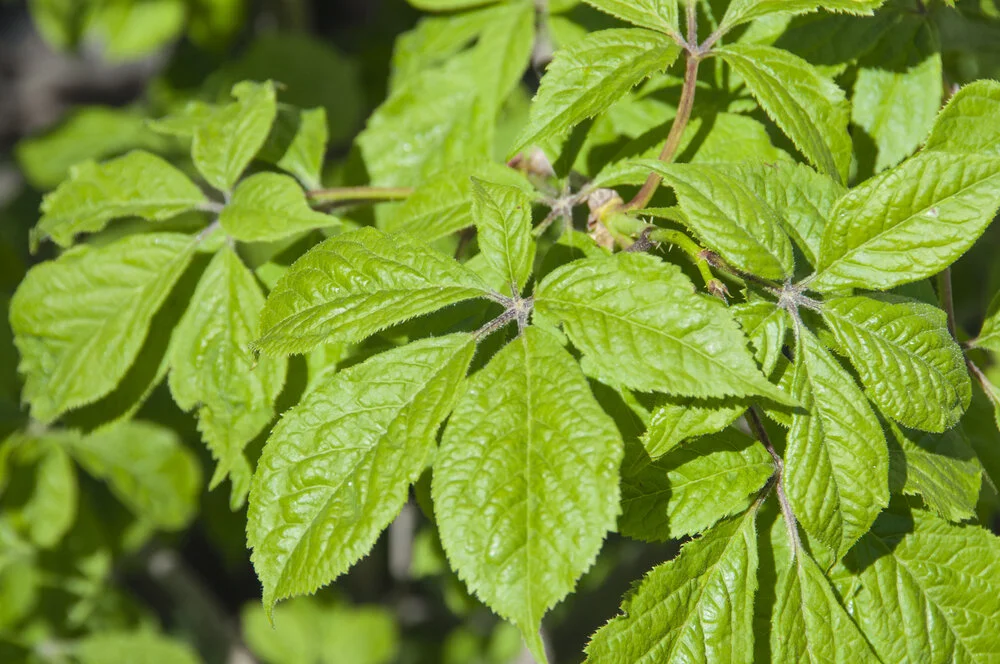
Eleuthero is wrapped in a great story: the adaptogen Soviet athletes supposedly used to dominate. The trouble is the story is doing most of the work. The controlled evidence genuinely conflicts — one eight-week trial at 800 mg/day reported improved endurance, VO₂ and fat oxidation [12], but a well-designed cycling study at 1,200 mg/day found no effect on fuel use or 10 km time-trial performance [13], and a review concluded there’s no consistent benefit [14].
I’ve kept eleuthero on the list because people search for it, but I’ve moved it from “proven adaptogen” to “shaky.” If it helps you, it likely helps subtly; don’t expect the Olympic-legend version.
6. Panax Ginseng (Panax ginseng)
Bottom line — A revered tonic — but for actual athletic performance, well-controlled trials are largely negative.
Best for: general vitality claims; not a demonstrated ergogenic · How: —
Panax ginseng gets a mention in almost every “herbs for athletes” article, including my original one. But when you look specifically at performance, the rigorous evidence deflates. Reviews of the controlled human trials conclude that an ergogenic benefit “remains to be demonstrated” — the positive results cluster in poorly controlled or animal studies, while well-designed RCTs show no reliable effect on VO₂max, work capacity, or fatigue [19].
None of that means ginseng is useless as a general tonic — it just means the specific “it’ll make you a better athlete” claim isn’t backed. I’d rather be honest about that than pad the list.
Strength, Muscle & Hormones
This is the most marketing-heavy category on the list, so it needs the most skepticism. One herb here has decent RCT support (ashwagandha), one has a single intriguing study (ecdysterone), and the rest are traditional or overstated — including a popular claim I flatly got wrong last time.
7. Ashwagandha (Withania somnifera)
Bottom line — The best-evidenced herb for the strength-and-recovery crowd — real RCT support, with the caveat that the trials are small and often industry-linked.
Best for: strength, VO₂max, recovery, and reduced muscle damage · How: ~300–600 mg/day of a standardised extract (e.g. KSM-66)
If you only add one herb from this article for the gym, ashwagandha is the defensible pick. Unlike most of this list, it has actual randomised trials aimed at athletic outcomes. In resistance-trained protocols, 600 mg/day for eight weeks produced larger gains in bench-press and leg strength, more muscle size, and lower markers of exercise-induced muscle damage than placebo [4]. A separate trial in athletic adults found a meaningful bump in VO₂max over 12 weeks [3], and a 2021 systematic review and meta-analysis concluded it outperforms placebo for strength, VO₂max, and recovery in both men and women [5].
The honest asterisks: the trials are small, and many come from groups affiliated with a specific branded extract — so treat the size of the effect cautiously even though the direction is consistent. It’s also thyroid-active and best avoided in pregnancy (see safety). But as herbs go, this is the strongest strength-and-recovery story here.
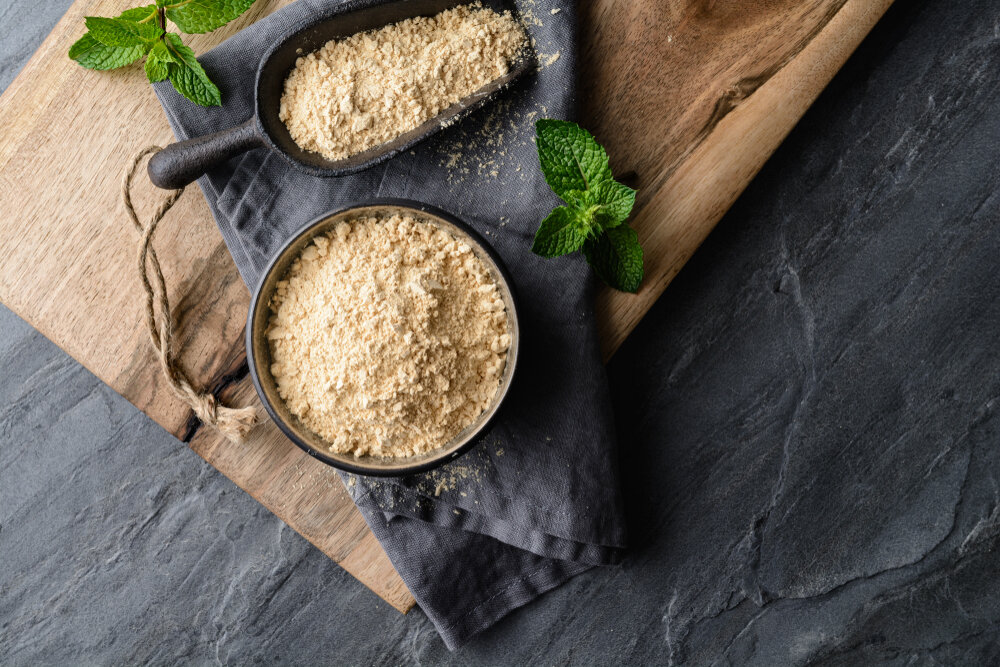
A clean product-style shot of ashwagandha (Withania somnifera) root and its pale powder. Ideally in the same lighting/style as the other herb photos so the set reads as one system. Alt text: “Ashwagandha root and powder.”
8. Ecdysterone (from Spinach & Quinoa)
Bottom line — One genuinely eye-catching human trial — but it’s largely a study of one, and it’s on the doping authorities’ radar.
Best for: strength / muscle (early evidence) · How: dietary sources (spinach, quinoa); supplements often under-deliver
Ecdysterone is the compound doing the heavy lifting behind a lot of “insect protein” and suma hype — but the one credible human study used spinach-derived ecdysterone, not any exotic source. In a 10-week resistance-training trial, supplemented groups gained significantly more muscle mass and one-rep-max bench strength than placebo [17].
That’s a striking result — striking enough that the researchers recommended ecdysterone be considered for the WADA prohibited list, and the anti-doping world has been studying it as a “non-conventional anabolic agent.” Two cautions before you get excited: it’s essentially a single study awaiting independent replication, and many commercial ecdysterone products contain far less than the label claims. Competitive athletes should also be aware of its anti-doping status.
9. Maca (Lepidium meyenii)
Bottom line — A great nutritive root and a real libido/energy herb — but it does not raise testosterone, and its performance evidence is thin.
Best for: perceived energy, libido, general nutrition · How: 1.5–5 g/day, consistently
Here’s the claim I most need to correct from the original post. I framed maca as supplying the building blocks for testosterone and muscle. That’s wrong. Maca is non-hormonal — controlled trials consistently show it doesn’t change serum testosterone or other sex hormones [16]. Its better-supported effects are on libido, mood, and perceived energy.
On athletic performance specifically, the evidence is slim. The one cycling trial in trained men was a small pilot: 40 km time-trial times improved versus the riders’ own baseline, but not versus placebo — while sexual desire did improve versus placebo [15]. So maca is a worthwhile, nutrient-dense Andean food with a genuine libido signal, and it may help how energetic you feel. Just don’t buy it as a testosterone or strength aid — that part was never true.
10. Suma / Brazilian Ginseng (Pfaffia paniculata)
Bottom line — The “Russian secret” — but there are no controlled human performance studies of suma at all.
Best for: traditional tonic use · How: —
Suma, sometimes marketed as “Brazilian ginseng” or (grandiosely) as a natural rival to anabolic steroids, is a genuine adaptogenic tradition. But the ergogenic story traces back to Soviet-era animal and test-tube work on its ecdysteroids and pfaffic acid — not human trials. When you go looking for a controlled study of suma improving strength or endurance in people, there simply isn’t one.
I’m keeping it because readers ask about it, but honestly: this is tradition and anecdote, not evidence. If the ecdysterone angle is what interests you, the spinach research above is the only place it’s actually been tested in humans.
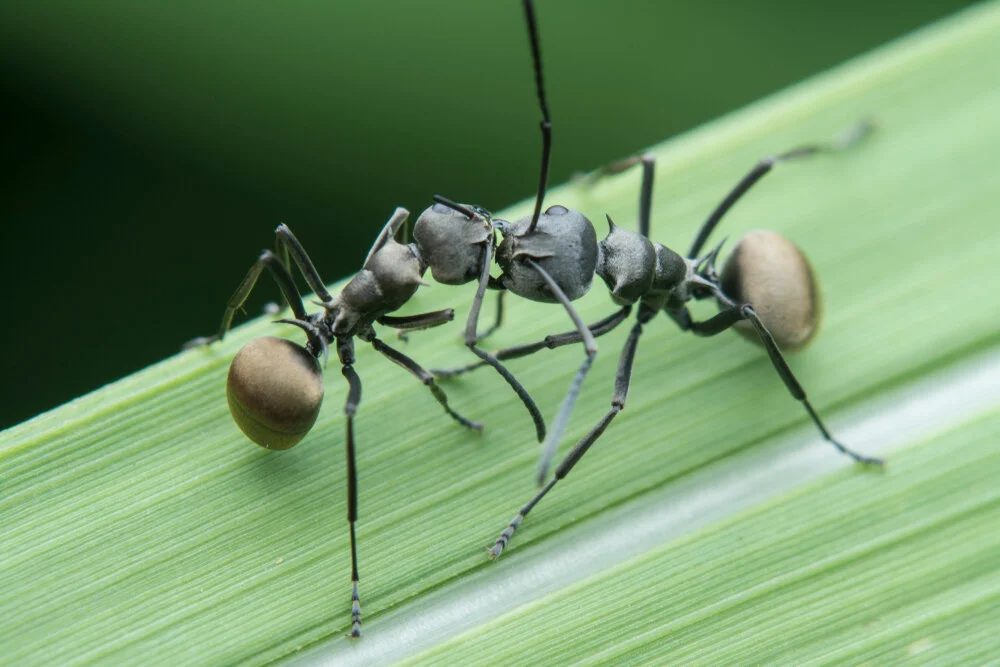
11. Black Ant (Polyrhachis spp.)
Bottom line — An interesting traditional tonic with no human performance research to back the muscle claims.
Best for: traditional tonic use; nutritional zinc/protein · How: —
Black ant isn’t a plant, but it’s used like a tonic herb, so it stays on the list. It’s genuinely high in zinc and protein, and it does contain ecdysterone — but those are compositional facts, not evidence of an athletic effect. There is no human study of black ant itself for muscle or performance, and the “insect growth hormone transfers its anabolic effects to humans” pitch is an extrapolation, not a finding. As above, the only human ecdysterone data comes from spinach, which doesn’t validate the ant.
Fine as a traditional, mineral-rich tonic; not something I’d sell anyone on for gains.
Recovery & Anti-Inflammatory
Recovery is where herbs quietly earn their keep — less about a single big session and more about how you feel and perform the next day. Two of these (tart cherry, ginger) have solid, sober evidence; the third (cannabis) is thin but comes with a rule athletes must not ignore.
12. Tart Cherry (Prunus cerasus, Montmorency)
Bottom line — One of the better-evidenced natural recovery aids — faster strength recovery and less soreness after hard sessions.
Best for: recovery, muscle soreness (DOMS), sleep · How: concentrate or juice, several days around a hard bout
Tart cherry is the recovery herb with the cleanest data. In marathon runners, Montmorency cherry juice taken for five days before and two days after the race sped the recovery of muscle strength and lowered inflammation and oxidative-stress markers [6]. A 2021 meta-analysis of 14 studies found a moderate benefit for strength recovery and a smaller one for soreness [7].
Two honest limits: it’s a recovery aid, not a performance booster — it helps you bounce back, not go faster on the day — and blunting exercise-induced inflammation isn’t always desirable (some of that inflammation drives adaptation). Best saved for congested race/competition periods rather than everyday training.
A fresh, appetising shot of tart (Montmorency) cherries, ideally with a glass of the dark concentrate. Same styling as the other herb photos. Alt text: “Montmorency tart cherries and juice concentrate.”
13. Ginger (Zingiber officinale)
Bottom line — A small but real reducer of post-exercise muscle soreness — as long as you take it daily, not just after a workout.
Best for: muscle soreness / DOMS · How: ~2 g/day, consistently
Ginger is a modest, believable win. In two randomised trials, 2 g/day of ginger for 11 straight days cut next-day muscle pain from eccentric exercise by roughly a quarter versus placebo [18]. The important nuance: the benefit came from consistent daily use — a single dose taken only after a workout didn’t do much.
It’s not dramatic, and it won’t make you stronger. But as a cheap, food-grade anti-inflammatory that genuinely takes a little edge off soreness, it’s an easy one to like.
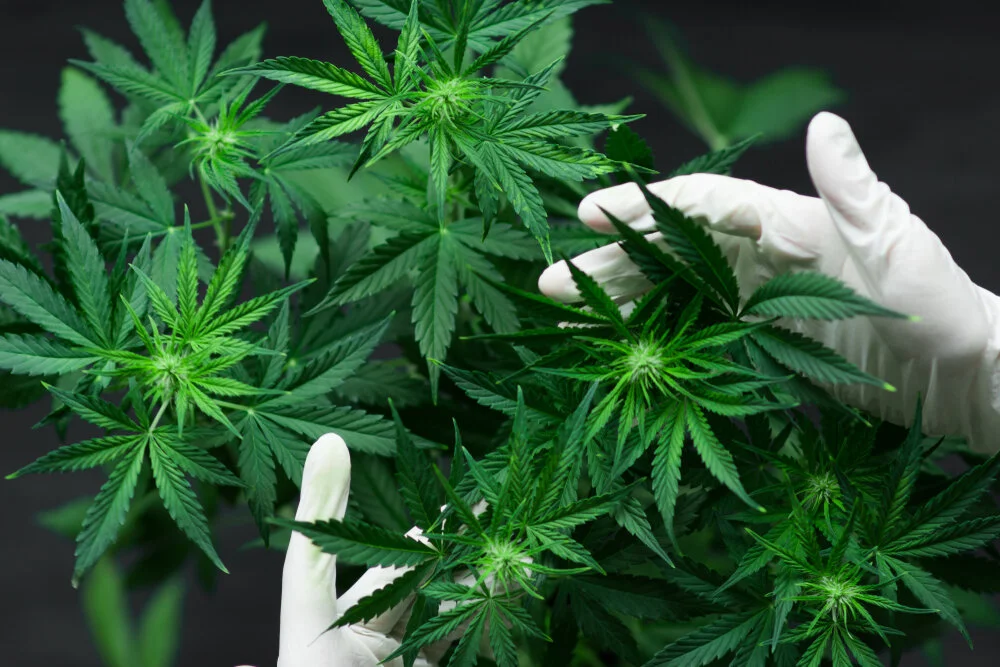
14. Cannabis / CBD (Cannabis sativa)
Bottom line — Popular for recovery, thin on proof — and carrying an anti-doping rule every competitive athlete has to know.
Best for: subjective recovery, sleep, pain · How: topical or oral CBD; mind the testing rules
Cannabis earns its athletic reputation mainly through topical and oral CBD for muscle relaxation, pain, and sleep — and I’ll be straight that I overstated this before. The recovery evidence is preliminary and mechanistic; there’s no high-quality trial establishing that CBD meaningfully speeds recovery. It’s plausible and many athletes like it, but “incredible muscle relaxant that speeds recovery” oversells what’s actually been shown. And smoking anything, obviously, won’t help your performance.
The part that isn’t optional to know is the anti-doping status. Under the WADA rules, THC is prohibited in competition (with a urinary threshold of 150 ng/mL), while CBD itself was removed from the prohibited list in 2018 and is permitted [22, 23]. The catch: many CBD products are contaminated with enough THC to trigger a positive test. If you’re tested, only use CBD that’s been third-party verified as THC-free.
This has become especially relevant with the rise of CBD oils — worth reading if you’re weighing one up.
How To Put This Together
A left-to-right training-day timeline in three zones. Pre-workout (proven lever — caffeine): guarana, yerba maté. Daily base (build over weeks): ashwagandha, rhodiola, cordyceps. Post-workout / hard blocks (recovery): tart cherry, ginger, topical CBD. Colour the three zones and drop each herb into its slot; grey out the “traditional / unproven” herbs (suma, black ant, panax ginseng) in a side note.
If I had to compress the whole list into practical advice:
- Want an energy boost before training? That’s caffeine — from guarana, yerba maté, coffee, or a measured supplement. Everything else in the “energy” category is a footnote to it.
- Training for strength and recovery? Ashwagandha is the one herb here with real RCT support, and tart cherry or ginger genuinely help you bounce back from hard sessions.
- Chasing endurance? Rhodiola before a hard effort is the best-supported adaptogen; cordyceps is worth a try if you’re not already highly trained.
- And remember the honest ceiling: none of these rival creatine or dietary nitrate for raw performance, and none of them replace the real foundations — training, a nutrient-dense diet, hydration, and sleep.
- Watch your total caffeine. Guarana and yerba maté are stimulants — stacking them with coffee or a pre-workout can tip you into jitters, a racing heart, and wrecked sleep. Dose by caffeine content, not grams.
- Adaptogens are a slow build, not a pre-workout. Ashwagandha, cordyceps, and eleuthero work over weeks of consistent use — don’t expect an instant hit.
- Ashwagandha is thyroid-active and best avoided in pregnancy; use care if you take thyroid, sedative, or immunosuppressant medication.
- Cannabis and ecdysterone carry anti-doping risk. If you compete, verify products are THC-free (for CBD) and check the current status of ecdysterone before use.
- Black ant is an insect product. Skip it if you have insect or shellfish allergies.
- Talk to a professional if you take medication. Stimulant and adaptogenic herbs can interact with blood-pressure, thyroid, stimulant, and psychiatric drugs.
Final Thoughts: Herbs For Athletic Performance
The honest version of this list is shorter and quieter than the original. Caffeine is the one proven lever. Ashwagandha, tart cherry, ginger, and rhodiola are real, if modest, and worth using well. Cordyceps and ecdysterone are interesting experiments. And a few long-standing favourites — suma, black ant, Panax ginseng — turn out to be tradition and marketing more than evidence.
That’s not a disappointing conclusion, it’s a useful one: it tells you where to spend your money and where not to. Herbs won’t out-perform good programming, food, and sleep — but the handful that hold up can make the edges a little better.
If you think there’s an important herb we’ve missed, I’d love to hear about it.
Author:
The Sunlight Experiment
References:
- Guest, N. S., et al. (2021). International Society of Sports Nutrition position stand: caffeine and exercise performance. Journal of the International Society of Sports Nutrition, 18(1), 1. Link
- Alkhatib, A. (2014). Yerba Maté (Ilex paraguariensis) ingestion augments fat oxidation and energy expenditure during exercise at various submaximal intensities. Nutrition & Metabolism, 11, 42. Link
- Choudhary, B., et al. (2015). Efficacy of Ashwagandha (Withania somnifera) in improving cardiorespiratory endurance in healthy athletic adults. Ayu, 36(1), 63–68. Link
- Wankhede, S., et al. (2015). Examining the effect of Withania somnifera supplementation on muscle strength and recovery: a randomized controlled trial. Journal of the International Society of Sports Nutrition, 12, 43. Link
- Bonilla, D. A., et al. (2021). Effects of Ashwagandha (Withania somnifera) on physical performance: systematic review and Bayesian meta-analysis. Journal of Functional Morphology and Kinesiology, 6(1), 20. Link
- Howatson, G., et al. (2010). Influence of tart cherry juice on indices of recovery following marathon running. Scandinavian Journal of Medicine & Science in Sports, 20(6), 843–852. Link
- Hill, J. A., et al. (2021). Tart cherry supplementation and recovery from strenuous exercise: a systematic review and meta-analysis. International Journal of Sport Nutrition and Exercise Metabolism, 31(2), 154–167. Link
- De Bock, K., et al. (2004). Acute Rhodiola rosea intake can improve endurance exercise performance. International Journal of Sport Nutrition and Exercise Metabolism, 14(3), 298–307. Link
- Noreen, E. E., et al. (2013). The effects of an acute dose of Rhodiola rosea on endurance exercise performance. Journal of Strength and Conditioning Research, 27(3), 839–847. Link
- Chen, S., et al. (2010). Effect of Cs-4 (Cordyceps sinensis) on exercise performance in healthy older subjects: a double-blind, placebo-controlled trial. Journal of Alternative and Complementary Medicine, 16(5), 585–590. Link
- Hirsch, K. R., et al. (2017). Cordyceps militaris improves tolerance to high-intensity exercise after acute and chronic supplementation. Journal of Dietary Supplements, 14(1), 42–53. Link
- Kuo, J., et al. (2010). The effect of eight weeks of supplementation with Eleutherococcus senticosus on endurance capacity and metabolism in human. Chinese Journal of Physiology, 53(2), 105–111. Link
- Eschbach, L. C., et al. (2000). The effect of Siberian ginseng (Eleutherococcus senticosus) on substrate utilization and performance during prolonged cycling. International Journal of Sport Nutrition and Exercise Metabolism, 10(4), 444–451. Link
- Goulet, E. D., & Dionne, I. J. (2005). Assessment of the effects of Eleutherococcus senticosus on endurance performance. International Journal of Sport Nutrition and Exercise Metabolism, 15(1), 75–83. Link
- Stone, M., et al. (2009). A pilot investigation into the effect of maca supplementation on physical activity and sexual desire in sportsmen. Journal of Ethnopharmacology, 126(3), 574–576. Link
- Shin, B. C., et al. (2010). Maca (L. meyenii) for improving sexual function: a systematic review. BMC Complementary and Alternative Medicine, 10, 44. Link
- Isenmann, E., et al. (2019). Ecdysteroids as non-conventional anabolic agent: performance enhancement by ecdysterone supplementation in humans. Archives of Toxicology, 93(7), 1807–1816. Link
- Black, C. D., et al. (2010). Ginger (Zingiber officinale) reduces muscle pain caused by eccentric exercise. The Journal of Pain, 11(9), 894–903. Link
- Bahrke, M. S., & Morgan, W. P. (2000). Evaluation of the ergogenic properties of ginseng: an update. Sports Medicine, 29(2), 113–133. Link
- Kreider, R. B., et al. (2017). International Society of Sports Nutrition position stand: safety and efficacy of creatine supplementation in exercise, sport, and medicine. Journal of the International Society of Sports Nutrition, 14, 18. Link
- Wong, T. H., Sim, A., & Burns, S. F. (2022). The effects of nitrate ingestion on high-intensity endurance time-trial performance: a systematic review and meta-analysis. Journal of Exercise Science & Fitness, 20(4), 335–347. Link
- U.S. Anti-Doping Agency (USADA). Marijuana FAQ. Link
- World Anti-Doping Agency (WADA). The Prohibited List. Link
Justin Cooke
Clinical herbalist and the writer behind The Sunlight Experiment — an evidence-based pharmacopoeia of herbs, supplements, and the chemistry behind them.