
Materia Medica
Erva Tostao
Boerhavia diffusa
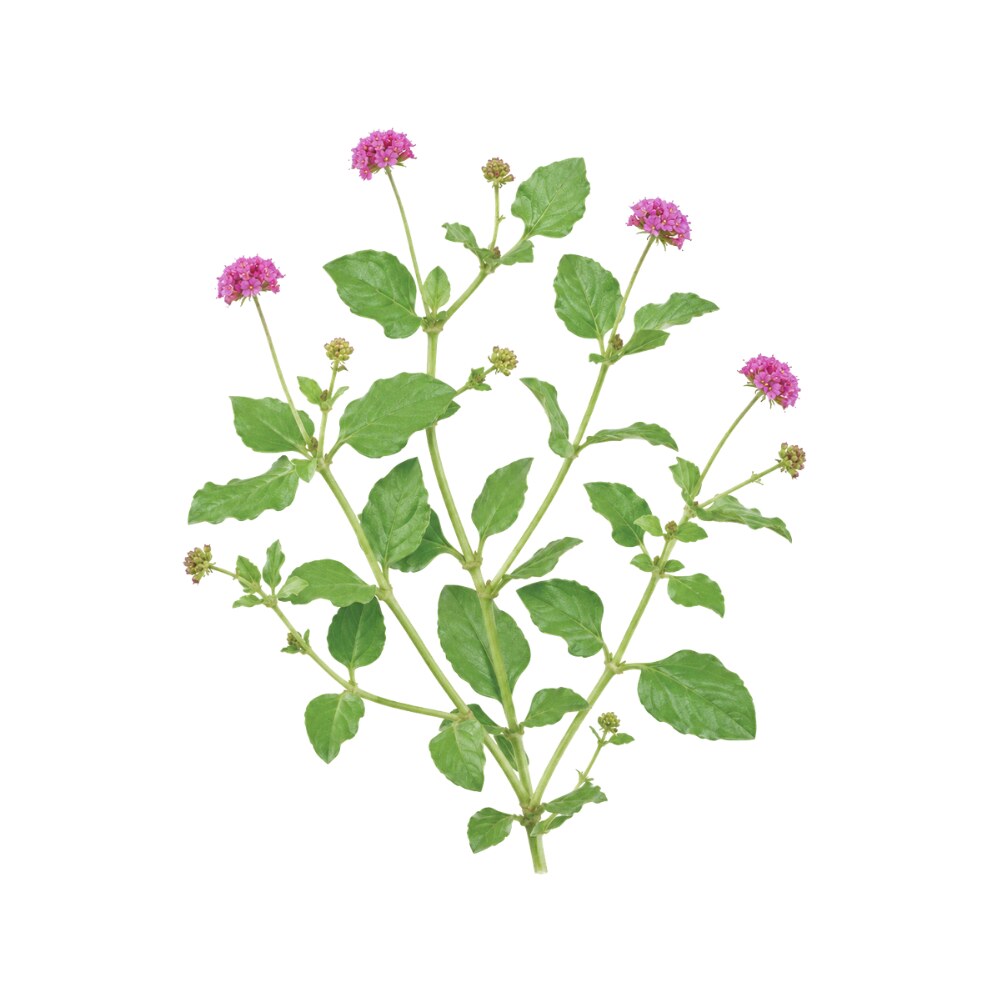
Erva tostao (Boerhavia diffusa) — a tropical herb (punarnava in Ayurveda) traditionally used as a diuretic and tonic for the liver and kidneys.
What Is Erva Tostao?
Erva tostão is Boerhavia diffusa, a sprawling tropical herb in the four-o’clock family (Nyctaginaceae) found across the tropics of Asia, Africa and the Americas. The plant carries a dual identity: in Ayurveda it is punarnava (“that which renews”), a classical rasayana used for centuries as a diuretic and anti-oedema tonic, while under its Portuguese name erva tostão it survives as a diuretic and depurative in Brazilian and wider Amazonian folk medicine. Its deepest and best-documented tradition is the Ayurvedic one. Though rodent and cell studies range across the whole plant, the root is what nearly all of the traditional and pharmacological record is built on — it concentrates the herb’s signature chemistry.
Almost everywhere it is used, erva tostão is taken as the dried or decocted root rather than a tea — a bitter, mildly warming tonic given as ongoing, low-dose support for the kidneys and liver rather than as an acute-symptom remedy. Root and leaf are not interchangeable: the root carries the diuretic, hepatic and anti-inflammatory reputation, whereas the fresh leaf turns up separately in Amazonian pain-relief use.
What the evidence actually amounts to is worth stating plainly. The research base is large — roughly 130 indexed studies — but almost entirely preclinical, dominated by rodent and cell-line work, with no registered controlled human trials of the herb as a single-agent treatment for any indication 1,2Reference 1ReviewPhytochemical, therapeutic, and ethnopharmacological overview for a traditionally important herb: Boerhavia diffusa Linn — review, BioMed research international, 2014, 808302. https://pubmed.ncbi.nlm.nih.gov/24949473/View study →Reference 2ReviewEthnomedicinal values of Boerhaavia diffusa L. as a panacea against multiple human ailments: a state of art review — review, Frontiers in chemistry, 11, 1297300. https://pubmed.ncbi.nlm.nih.gov/38033469/View study →. The most consistent signals are antioxidant, nephroprotective and hepatoprotective activity, a coherent cluster since much of the organ protection is downstream of the same free-radical scavenging 16,20,22Reference 16AnimalAntioxidant activity and hepatoprotective property of leaf extracts of Boerhaavia diffusa Linn against acetaminophen-induced liver damage in rats — rat in vivo, Food and chemical toxicology : an international journal published for the British Industrial Biological Research Association, 48(8-9), 2200-5. https://pubmed.ncbi.nlm.nih.gov/20553784/View study →Reference 20AnimalAntioxidant effect of Boerhavia diffusa L. in tissues of alloxan induced diabetic rats — rat in vivo, Indian journal of experimental biology, 42(10), 989-92. https://pubmed.ncbi.nlm.nih.gov/15511002/View study →Reference 22In vitroPotent antioxidant and genoprotective effects of boeravinone G, a rotenoid isolated from Boerhaavia diffusa — in vitro, PloS one, 6(5), e19628. https://pubmed.ncbi.nlm.nih.gov/21625488/View study →. Paradoxically, the herb’s single most famous traditional use — as a diuretic — is the least directly evidenced, resting on tradition and indirect renal data rather than any measured study of urine output.
How Is Erva Tostao Used?
Erva tostão is used almost entirely as the dried or decocted root, taken as a bitter, mildly warming tonic for the kidneys and liver rather than as a short-course remedy. The dried root is taken as a powder or capsule at 1–3 g twice daily, or as a stronger decoction — 15–20 g of root simmered down and dosed as 30–40 mL two to three times daily. Traditionally this is framed as ongoing, low-dose support for fluid balance and liver function (reflecting the “hepatic,” “diuretic” and “tonic” action tags) rather than an acute-symptom herb, and — per the Safety section — is generally kept to modest doses, since higher intakes (over roughly 5 g/day) may compound the effect of diuretic or blood-pressure medication.
Root and leaf are not interchangeable in practice: the dosing above applies to the root, which is what nearly all of the traditional and pharmacological record is built on, while fresh-leaf preparations (e.g. leaf juice) turn up separately in traditional pain-relief use and are dosed informally rather than to a set gram amount.
Traditional Uses
Western Herbal Medicine
Under the Portuguese name erva tostão, the root is a folk remedy in Brazilian and wider South American herbal practice, used as a diuretic and depurative for fluid retention (oedema, ascites) and as a liver and kidney “cleansing” tonic. Fresh-leaf juice or decoction has separately been used in Amazonian folk medicine for pain relief, consistent with the mouse analgesic data described in the Pharmacology section 40Reference 40AnimalThe juice of fresh leaves of Boerhaavia diffusa L. (Nyctaginaceae) markedly reduces pain in mice — mouse in vivo, Journal of ethnopharmacology, 71(1-2), 267-74. https://pubmed.ncbi.nlm.nih.gov/10904173/View study →.
Traditional Chinese Medicine
Boerhavia diffusa has no documented history in Traditional Chinese Medicine — it is not a species native to or traditionally catalogued in the Chinese materia medica, and no TCM pattern-based indication or classical text reference for it was identified. Its traditional use is essentially confined to South Asian (Ayurvedic) and South American folk practice.
Ayurvedic Medicine
This is the herb’s deepest traditional lineage: as punarnava (“that which renews” or “brings back to life”), B. diffusa is a classical Ayurvedic rasayana used for centuries as a diuretic and anti-oedema herb, particularly for shotha (swelling/oedema) and ascites, and as a tonic for the liver and kidneys. It appears in classical formulations for jaundice-type liver complaints and urinary complaints, and — per the Pregnancy & Lactation note above — is traditionally cautioned against in pregnancy beyond the first trimester on account of possible uterine stimulation.
Indications
Grounded in the Pharmacology & Research findings above, with strength of evidence noted honestly:
- Fluid retention / oedema and mild hypertension — the herb’s headline traditional indication, but the evidence is indirect (nephroprotective and renal data, not a direct diuresis study) 11,12,13,14,15,44Reference 11AnimalEvaluation of the effect of Boerhavia diffusa on gentamicin-induced nephrotoxicity in rats — rat in vivo, Journal of Ayurveda and integrative medicine, 6(2), 95-103. https://pubmed.ncbi.nlm.nih.gov/26166999/View study →Reference 12AnimalSafety assessment and attenuation of cisplatin induced nephrotoxicity by tuberous roots of Boerhaavia diffusa — rat in vivo, Regulatory toxicology and pharmacology : RTP, 81, 341-352. https://pubmed.ncbi.nlm.nih.gov/27667768/View study →Reference 13AnimalBoerhavia diffusa attenuates podocyte injury in rats with adenine induced chronic kidney disease by enhancing nephrin expression — rat in vivo, Pakistan journal of pharmaceutical sciences, 37(1), 155-161. https://pubmed.ncbi.nlm.nih.gov/38741412/View study →Reference 14AnimalAqueous extract of Boerhaavia diffusa root ameliorates ethylene glycol-induced hyperoxaluric oxidative stress and renal injury in rat kidney — rat in vivo, Pharmaceutical biology, 49(12), 1224-33. https://pubmed.ncbi.nlm.nih.gov/21846174/View study →Reference 15AnimalProtective role of Boerhavia diffusa root extract in methotrexate-induced renal injury: evidence from oxidative stress, molecular, and immunohistochemical markers — rat in vivo, BMC complementary medicine and therapies, 26(1). https://pubmed.ncbi.nlm.nih.gov/42046059/View study →Reference 44In vitroEffect of indigenous plant extracts on calcium oxalate crystallization having a role in urolithiasis — in vitro, Urological research, 39(5), 345-50. https://pubmed.ncbi.nlm.nih.gov/21643743/View study →
- General kidney support, including as an adjunct where the kidneys are under chemical or metabolic stress — the best-supported use, based on a wide range of rodent nephroprotection models 11,12,13,14,15Reference 11AnimalEvaluation of the effect of Boerhavia diffusa on gentamicin-induced nephrotoxicity in rats — rat in vivo, Journal of Ayurveda and integrative medicine, 6(2), 95-103. https://pubmed.ncbi.nlm.nih.gov/26166999/View study →Reference 12AnimalSafety assessment and attenuation of cisplatin induced nephrotoxicity by tuberous roots of Boerhaavia diffusa — rat in vivo, Regulatory toxicology and pharmacology : RTP, 81, 341-352. https://pubmed.ncbi.nlm.nih.gov/27667768/View study →Reference 13AnimalBoerhavia diffusa attenuates podocyte injury in rats with adenine induced chronic kidney disease by enhancing nephrin expression — rat in vivo, Pakistan journal of pharmaceutical sciences, 37(1), 155-161. https://pubmed.ncbi.nlm.nih.gov/38741412/View study →Reference 14AnimalAqueous extract of Boerhaavia diffusa root ameliorates ethylene glycol-induced hyperoxaluric oxidative stress and renal injury in rat kidney — rat in vivo, Pharmaceutical biology, 49(12), 1224-33. https://pubmed.ncbi.nlm.nih.gov/21846174/View study →Reference 15AnimalProtective role of Boerhavia diffusa root extract in methotrexate-induced renal injury: evidence from oxidative stress, molecular, and immunohistochemical markers — rat in vivo, BMC complementary medicine and therapies, 26(1). https://pubmed.ncbi.nlm.nih.gov/42046059/View study →
- General liver support, particularly against chemical/toxin-related liver stress — well-replicated in animal liver-injury models, though several results come from multi-herb Ayurvedic formulas rather than the herb alone 16,17,18,19Reference 16AnimalAntioxidant activity and hepatoprotective property of leaf extracts of Boerhaavia diffusa Linn against acetaminophen-induced liver damage in rats — rat in vivo, Food and chemical toxicology : an international journal published for the British Industrial Biological Research Association, 48(8-9), 2200-5. https://pubmed.ncbi.nlm.nih.gov/20553784/View study →Reference 17AnimalAntioxidant and Hepatoprotective Potential of Swaras and Hima Extracts of Tinospora cordifolia and Boerhavia diffusa in Swiss albino Mice — rat in vivo, Pharmacognosy magazine, 13(Suppl 3), S658-S662. https://pubmed.ncbi.nlm.nih.gov/29142429/View study →Reference 18AnimalHepatoprotective effects of ethanolic extract of Boerhaavia diffusa against oxaliplatin induced hepatotoxicity in albino rats — rat in vivo, Pakistan journal of pharmaceutical sciences, 32(5), 1927-1932. https://pubmed.ncbi.nlm.nih.gov/31813854/View study →Reference 19AnimalValidation, quantification, and molecular docking of isolated eupalitin 3-O-β-D-galactopyranoside in Boerhavia diffusa Linn for hepatoprotective and immunomodulatory activity — rat in vivo, Scientific reports, 16(1). https://pubmed.ncbi.nlm.nih.gov/41912552/View study →
- Adjunctive antioxidant/anti-inflammatory support — the most heavily replicated activity across the whole research base, but entirely preclinical 16,20,22Reference 16AnimalAntioxidant activity and hepatoprotective property of leaf extracts of Boerhaavia diffusa Linn against acetaminophen-induced liver damage in rats — rat in vivo, Food and chemical toxicology : an international journal published for the British Industrial Biological Research Association, 48(8-9), 2200-5. https://pubmed.ncbi.nlm.nih.gov/20553784/View study →Reference 20AnimalAntioxidant effect of Boerhavia diffusa L. in tissues of alloxan induced diabetic rats — rat in vivo, Indian journal of experimental biology, 42(10), 989-92. https://pubmed.ncbi.nlm.nih.gov/15511002/View study →Reference 22In vitroPotent antioxidant and genoprotective effects of boeravinone G, a rotenoid isolated from Boerhaavia diffusa — in vitro, PloS one, 6(5), e19628. https://pubmed.ncbi.nlm.nih.gov/21625488/View study →
- Blood sugar support, as an adjunct in insulin-resistance or metabolic contexts — consistent rodent glucose-lowering data, with no human confirmation 6,7,8,9,10Reference 6AnimalAntidiabetic activity of Boerhaavia diffusa L.: effect on hepatic key enzymes in experimental diabetes — rat in vivo, Journal of ethnopharmacology, 91(1), 109-13. https://pubmed.ncbi.nlm.nih.gov/15036478/View study →Reference 7AnimalAntidiabetic effect of Boerhavia diffusa: effect on serum and tissue lipids in experimental diabetes — rat in vivo, Journal of medicinal food, 7(4), 472-6. https://pubmed.ncbi.nlm.nih.gov/15671692/View study →Reference 8AnimalAntihyperglycaemic and renoprotective effect of Boerhaavia diffusa L. in experimental diabetic rats — rat in vivo, Journal of complementary & integrative medicine, 8. https://pubmed.ncbi.nlm.nih.gov/22754925/View study →Reference 9AnimalRenal Protective Effect of Boeravinone B against Diabetic Nephropathy Rats via Inhibition of The Inflammatory and JAK2/STAT3 Signalling Pathway — rat in vivo, Cell journal, 26(6), 351-360. https://pubmed.ncbi.nlm.nih.gov/39154235/View study →Reference 10AnimalBoeravinone C ameliorates lipid accumulation and inflammation in diabetic kidney disease by activating PPARα signaling — mouse in vivo, Journal of ethnopharmacology, 342, 119398. https://pubmed.ncbi.nlm.nih.gov/39880066/View study →
These are preclinical, mechanism-supported indications rather than clinically proven ones — see the Evidence by Indication table above for the strength behind each.
Botany
Punarnava is a low, ground-hugging herb in the four-o’clock family — a botanical cousin of the garden Mirabilis — that lives most of its life as a mat of thin, forking stems radiating outward across open soil. The stems are typically flushed reddish-purple and thickened at each joint, and they carry pairs of small, rounded leaves; overhead the plant scatters minute pink-purple blooms on wiry stalks, but its visible top is almost an afterthought.
The centre of gravity, herbally speaking, lies underground. Punarnava builds a stout, spindle-shaped root with a woody crown, and it is this root — not the leaf or flower — that is the principal part gathered and worked with in the Ayurvedic tradition, where the plant’s very name evokes renewal and its reputation is as a promoter of urinary flow and a mover of retained fluid.
The genus is a notorious tangle: Boerhavia diffusa shades into Boerhavia coccinea and Boerhavia repens, and much older herbal and commercial material has circulated under blurred names. For anyone matching a monograph to a specimen, the working root is the identity that counts.
Distribution
Punarnava is a plant of the warm world, scattered right across the tropics and subtropics with no single agreed birthplace — it is claimed as native somewhere between Africa, the Arabian Peninsula and tropical Asia, and is the familiar punarnava of the Indian subcontinent. Everywhere else it turns up as an opportunist, colonising roadsides, wasteland and cultivated ground, and it has spread its sticky fruits well into the Americas, the Pacific and the southern edge of the United States.
Growing Conditions
- Thrives in warm, frost-free climates; treat it as a tender perennial in the tropics and subtropics and as an annual where winters bite.
- Wants full sun to light part-shade and does well in poor, disturbed or sandy ground — it is a natural coloniser of open soil.
- Tolerates seasonal drought once established; the stout root carries it through dry spells.
- Spreads readily and self-sows from clinging fruits, so give it room or contain it if you don’t want a sprawling mat.
- Full cultivation detail lives on the companion farm-wiki grow guide for Boerhavia diffusa (link to be added once that project’s public URL is confirmed).
Pharmacology & Research
The research base for Boerhavia diffusa (punarnava / erva tostão) is large but almost entirely preclinical: roughly 130 indexed primary studies, overwhelmingly rodent and cell-line work, with no placebo-controlled human trials of the herb as a monotherapy for any indication 1,2Reference 1ReviewPhytochemical, therapeutic, and ethnopharmacological overview for a traditionally important herb: Boerhavia diffusa Linn — review, BioMed research international, 2014, 808302. https://pubmed.ncbi.nlm.nih.gov/24949473/View study →Reference 2ReviewEthnomedicinal values of Boerhaavia diffusa L. as a panacea against multiple human ailments: a state of art review — review, Frontiers in chemistry, 11, 1297300. https://pubmed.ncbi.nlm.nih.gov/38033469/View study →. The strongest and most internally consistent signals are antioxidant, nephroprotective and hepatoprotective activity — a coherent cluster, since much of the organ protection is downstream of the same free-radical scavenging 16,20,22Reference 16AnimalAntioxidant activity and hepatoprotective property of leaf extracts of Boerhaavia diffusa Linn against acetaminophen-induced liver damage in rats — rat in vivo, Food and chemical toxicology : an international journal published for the British Industrial Biological Research Association, 48(8-9), 2200-5. https://pubmed.ncbi.nlm.nih.gov/20553784/View study →Reference 20AnimalAntioxidant effect of Boerhavia diffusa L. in tissues of alloxan induced diabetic rats — rat in vivo, Indian journal of experimental biology, 42(10), 989-92. https://pubmed.ncbi.nlm.nih.gov/15511002/View study →Reference 22In vitroPotent antioxidant and genoprotective effects of boeravinone G, a rotenoid isolated from Boerhaavia diffusa — in vitro, PloS one, 6(5), e19628. https://pubmed.ncbi.nlm.nih.gov/21625488/View study →. The most interesting emerging chemistry sits in the root’s rotenoids (the boeravinones) and the alkaloid punarnavine, which carry the anticancer, anti-inflammatory and cardioprotective findings at the molecule level 25,27,30Reference 25AnimalBoeravinone B alleviates gut dysbiosis during myocardial infarction-induced cardiotoxicity in rats — rat in vivo, Journal of cellular and molecular medicine, 25(13), 6403-6416. https://pubmed.ncbi.nlm.nih.gov/34028176/View study →Reference 27In vitroPunarnavine, an alkaloid from Boerhaavia diffusa exhibits anti-angiogenic activity via downregulation of VEGF in vitro and in vivo — mouse in vivo, Chemico-biological interactions, 206(2), 204-13. https://pubmed.ncbi.nlm.nih.gov/24060680/View study →Reference 30AnimalChemoprotective effect of boeravinone B against 1,2-dimethyl hydrazine induced colorectal cancer in rats via suppression of oxidative stress and inflammatory reaction — rat in vivo, Journal of gastrointestinal oncology, 13(4), 1832-1841. https://pubmed.ncbi.nlm.nih.gov/36092334/View study →. Two honest caveats frame everything below: results are highly preparation-specific — a standardised ethanolic root extract, an aqueous leaf juice and an isolated boeravinone are effectively different drugs — and the herb’s single most famous traditional use, as a diuretic, is the least directly evidenced of all its activities.
- Best-supported: antioxidant activity across dozens of models 20,22Reference 20AnimalAntioxidant effect of Boerhavia diffusa L. in tissues of alloxan induced diabetic rats — rat in vivo, Indian journal of experimental biology, 42(10), 989-92. https://pubmed.ncbi.nlm.nih.gov/15511002/View study →Reference 22In vitroPotent antioxidant and genoprotective effects of boeravinone G, a rotenoid isolated from Boerhaavia diffusa — in vitro, PloS one, 6(5), e19628. https://pubmed.ncbi.nlm.nih.gov/21625488/View study →; nephroprotection against drug- and toxin-induced kidney injury 11,12Reference 11AnimalEvaluation of the effect of Boerhavia diffusa on gentamicin-induced nephrotoxicity in rats — rat in vivo, Journal of Ayurveda and integrative medicine, 6(2), 95-103. https://pubmed.ncbi.nlm.nih.gov/26166999/View study →Reference 12AnimalSafety assessment and attenuation of cisplatin induced nephrotoxicity by tuberous roots of Boerhaavia diffusa — rat in vivo, Regulatory toxicology and pharmacology : RTP, 81, 341-352. https://pubmed.ncbi.nlm.nih.gov/27667768/View study →; hepatoprotection in chemical liver-damage models 16,17Reference 16AnimalAntioxidant activity and hepatoprotective property of leaf extracts of Boerhaavia diffusa Linn against acetaminophen-induced liver damage in rats — rat in vivo, Food and chemical toxicology : an international journal published for the British Industrial Biological Research Association, 48(8-9), 2200-5. https://pubmed.ncbi.nlm.nih.gov/20553784/View study →Reference 17AnimalAntioxidant and Hepatoprotective Potential of Swaras and Hima Extracts of Tinospora cordifolia and Boerhavia diffusa in Swiss albino Mice — rat in vivo, Pharmacognosy magazine, 13(Suppl 3), S658-S662. https://pubmed.ncbi.nlm.nih.gov/29142429/View study →.
- Emerging, worth watching: boeravinone B and punarnavine as anticancer/antimetastatic leads 28,30Reference 28AnimalAnti-metastatic potential of Punarnavine, an alkaloid from Boerhaavia diffusa Linn — mouse in vivo, Immunobiology, 214(4), 245-55. https://pubmed.ncbi.nlm.nih.gov/19171408/View study →Reference 30AnimalChemoprotective effect of boeravinone B against 1,2-dimethyl hydrazine induced colorectal cancer in rats via suppression of oxidative stress and inflammatory reaction — rat in vivo, Journal of gastrointestinal oncology, 13(4), 1832-1841. https://pubmed.ncbi.nlm.nih.gov/36092334/View study →; RAAS-modulating cardioprotection 24,26Reference 24AnimalPolyphenol rich ethanolic extract from Boerhavia diffusa L. mitigates angiotensin II induced cardiac hypertrophy and fibrosis in rats — rat in vivo, Biomedicine & pharmacotherapy = Biomedecine & pharmacotherapie, 87, 427-436. https://pubmed.ncbi.nlm.nih.gov/28068633/View study →Reference 26AnimalMolecular Docking and Antihypertensive Activity of Eupalitin 3-O-β-D-galactopyranoside Isolated from Boerhavia diffusa Linn — rat in vivo, Pharmaceutics, 16(12). https://pubmed.ncbi.nlm.nih.gov/39771606/View study →; neuroprotective and antidepressant-like signals 41,42Reference 41AnimalBoeravinone B Protects Brain against Cerebral Ichemia Reperfusion Injury in Rats: Possible Role of Anti-inflammatory and Antioxidant — rat in vivo, Journal of oleo science, 70(7), 927-936. https://pubmed.ncbi.nlm.nih.gov/34193669/View study →Reference 42AnimalEvidence for involvement of the monoaminergic system in antidepressant-like activity of an ethanol extract of Boerhaavia diffusa and its isolated constituent, punarnavine, in mice — mouse in vivo, Pharmaceutical biology, 52(6), 767-74. https://pubmed.ncbi.nlm.nih.gov/24559436/View study →.
- Mechanistically thin: the diuretic action — the headline traditional use — rests on tradition and indirect renal data, not a direct diuresis study; antifibrinolytic use (via punarnavoside) rests on constituent-level inference.
- The caveat: everything is animal or in vitro. There is no standardised dose, and effects do not transfer across preparations (root vs leaf, extract vs whole powder vs isolated compound).
1. Antioxidant
Antioxidant activity is the most heavily replicated and most load-bearing property of the herb — it underpins most of the organ-protection findings. Across roughly forty rodent and cell studies, extracts restore endogenous antioxidant enzymes (superoxide dismutase, catalase, glutathione) and lower lipid-peroxidation markers in liver, kidney and cardiac tissue 16,20Reference 16AnimalAntioxidant activity and hepatoprotective property of leaf extracts of Boerhaavia diffusa Linn against acetaminophen-induced liver damage in rats — rat in vivo, Food and chemical toxicology : an international journal published for the British Industrial Biological Research Association, 48(8-9), 2200-5. https://pubmed.ncbi.nlm.nih.gov/20553784/View study →Reference 20AnimalAntioxidant effect of Boerhavia diffusa L. in tissues of alloxan induced diabetic rats — rat in vivo, Indian journal of experimental biology, 42(10), 989-92. https://pubmed.ncbi.nlm.nih.gov/15511002/View study →. At the molecule level the root rotenoid boeravinone G shows radical-scavenging and genoprotective activity in the nanomolar range via MAP-kinase and NF-κB modulation 22Reference 22In vitroPotent antioxidant and genoprotective effects of boeravinone G, a rotenoid isolated from Boerhaavia diffusa — in vitro, PloS one, 6(5), e19628. https://pubmed.ncbi.nlm.nih.gov/21625488/View study →, boeravinone B diminishes age-associated free-radical accumulation and extends lifespan in Caenorhabditis elegans 43Reference 43AnimalAge-induced diminution of free radicals by Boeravinone B in Caenorhabditis elegans — in vivo (C. elegans), Experimental gerontology, 111, 94-106. https://pubmed.ncbi.nlm.nih.gov/30004006/View study →, and methanolic extracts rank highest for combined antioxidant/anticancer effect in comparative metabolite profiling 21Reference 21In vitroLC-MS/HRMS Analysis, Anti-Cancer, Anti-Enzymatic and Anti-Oxidant Effects of Boerhavia diffusa Extracts: A Potential Raw Material for Functional Applications — in vitro, Antioxidants (Basel, Switzerland), 10(12). https://pubmed.ncbi.nlm.nih.gov/34943106/View study →. Every endpoint is a tissue biomarker or in-vitro assay.
Gap: No human biomarker study (e.g. plasma antioxidant capacity, oxidative-stress markers) has been done; potency is preparation-dependent and un-standardised.
2. Nephroprotective
This is the deepest whole-animal body of evidence and the mechanistic core of the traditional “kidney tonic” use. Aqueous and ethanolic root extracts blunt kidney injury across an unusually wide range of insults: gentamicin 11Reference 11AnimalEvaluation of the effect of Boerhavia diffusa on gentamicin-induced nephrotoxicity in rats — rat in vivo, Journal of Ayurveda and integrative medicine, 6(2), 95-103. https://pubmed.ncbi.nlm.nih.gov/26166999/View study →, cisplatin 12Reference 12AnimalSafety assessment and attenuation of cisplatin induced nephrotoxicity by tuberous roots of Boerhaavia diffusa — rat in vivo, Regulatory toxicology and pharmacology : RTP, 81, 341-352. https://pubmed.ncbi.nlm.nih.gov/27667768/View study →, methotrexate 15Reference 15AnimalProtective role of Boerhavia diffusa root extract in methotrexate-induced renal injury: evidence from oxidative stress, molecular, and immunohistochemical markers — rat in vivo, BMC complementary medicine and therapies, 26(1). https://pubmed.ncbi.nlm.nih.gov/42046059/View study →, adenine-induced chronic kidney disease (with restored podocyte nephrin expression) 13Reference 13AnimalBoerhavia diffusa attenuates podocyte injury in rats with adenine induced chronic kidney disease by enhancing nephrin expression — rat in vivo, Pakistan journal of pharmaceutical sciences, 37(1), 155-161. https://pubmed.ncbi.nlm.nih.gov/38741412/View study →, and ethylene-glycol hyperoxaluria 14Reference 14AnimalAqueous extract of Boerhaavia diffusa root ameliorates ethylene glycol-induced hyperoxaluric oxidative stress and renal injury in rat kidney — rat in vivo, Pharmaceutical biology, 49(12), 1224-33. https://pubmed.ncbi.nlm.nih.gov/21846174/View study →. The isolated rotenoids extend this — boeravinone C reduces lipid accumulation in diabetic kidney disease via PPARα 10Reference 10AnimalBoeravinone C ameliorates lipid accumulation and inflammation in diabetic kidney disease by activating PPARα signaling — mouse in vivo, Journal of ethnopharmacology, 342, 119398. https://pubmed.ncbi.nlm.nih.gov/39880066/View study →, and boeravinone B improves renal function by suppressing JAK2/STAT3 inflammatory signalling 9Reference 9AnimalRenal Protective Effect of Boeravinone B against Diabetic Nephropathy Rats via Inhibition of The Inflammatory and JAK2/STAT3 Signalling Pathway — rat in vivo, Cell journal, 26(6), 351-360. https://pubmed.ncbi.nlm.nih.gov/39154235/View study →. Effects are consistently framed as antioxidant/anti-inflammatory rather than a direct tubular mechanism.
Gap: All rodent; no controlled human renal-outcome data. The one clinical-flavoured study is an uncontrolled veterinary comparison in dogs 45Reference 45ObservationalComparative clinical evaluation of Boerhavia diffusa root extract with standard Enalapril treatment in Canine chronic renal failure — observational (dog), Journal of Ayurveda and integrative medicine, 6(3), 150-7. https://pubmed.ncbi.nlm.nih.gov/26604549/View study →.
3. Hepatoprotective
Hepatoprotection is well-replicated in chemical liver-injury models and aligns with the traditional use in jaundice. Leaf extracts reduce serum transaminase elevation and lipid peroxidation against acetaminophen 16Reference 16AnimalAntioxidant activity and hepatoprotective property of leaf extracts of Boerhaavia diffusa Linn against acetaminophen-induced liver damage in rats — rat in vivo, Food and chemical toxicology : an international journal published for the British Industrial Biological Research Association, 48(8-9), 2200-5. https://pubmed.ncbi.nlm.nih.gov/20553784/View study →; aqueous swaras/hima preparations cut paracetamol-induced necrosis 17Reference 17AnimalAntioxidant and Hepatoprotective Potential of Swaras and Hima Extracts of Tinospora cordifolia and Boerhavia diffusa in Swiss albino Mice — rat in vivo, Pharmacognosy magazine, 13(Suppl 3), S658-S662. https://pubmed.ncbi.nlm.nih.gov/29142429/View study →; and ethanolic extract limits oxaliplatin-induced hepatotoxicity and steatohepatitis 18Reference 18AnimalHepatoprotective effects of ethanolic extract of Boerhaavia diffusa against oxaliplatin induced hepatotoxicity in albino rats — rat in vivo, Pakistan journal of pharmaceutical sciences, 32(5), 1927-1932. https://pubmed.ncbi.nlm.nih.gov/31813854/View study →. The flavonoid eupalitin 3-O-β-D-galactopyranoside protects against galactosamine liver injury, with KEAP1/NF-κB docking supporting target engagement 19Reference 19AnimalValidation, quantification, and molecular docking of isolated eupalitin 3-O-β-D-galactopyranoside in Boerhavia diffusa Linn for hepatoprotective and immunomodulatory activity — rat in vivo, Scientific reports, 16(1). https://pubmed.ncbi.nlm.nih.gov/41912552/View study →. The mechanism is again antioxidant and anti-inflammatory rather than liver-specific.
Gap: No human liver-enzyme or NAFLD trial. Several hepatoprotective results come from multi-herb Ayurvedic formulations, not B. diffusa alone — so the herb’s isolated contribution is uncertain.
4. Anti-inflammatory
Anti-inflammatory activity is a through-line linking the renal, cardiac and anticancer findings, and the mechanism is mapped in detail at the molecule level. Root rotenoids suppress NF-κB, COX-2, and pro-inflammatory cytokines: boeravinone B reduces cardiac inflammatory injury after experimental myocardial infarction and limits cerebral ischemia-reperfusion injury via anti-inflammatory and antioxidant mechanisms 25,41Reference 25AnimalBoeravinone B alleviates gut dysbiosis during myocardial infarction-induced cardiotoxicity in rats — rat in vivo, Journal of cellular and molecular medicine, 25(13), 6403-6416. https://pubmed.ncbi.nlm.nih.gov/34028176/View study →Reference 41AnimalBoeravinone B Protects Brain against Cerebral Ichemia Reperfusion Injury in Rats: Possible Role of Anti-inflammatory and Antioxidant — rat in vivo, Journal of oleo science, 70(7), 927-936. https://pubmed.ncbi.nlm.nih.gov/34193669/View study →, while the alkaloid punarnavine modulates cytokine profiles in tumour-bearing mice 35Reference 35AnimalEffect of Punarnavine, an alkaloid from Boerhaavia diffusa, on cell-mediated immune responses and TIMP-1 in B16F-10 metastatic melanoma-bearing mice — mouse in vivo, Immunopharmacology and immunotoxicology, 29(3-4), 569-86. https://pubmed.ncbi.nlm.nih.gov/18075866/View study →. A phospholipid-complexed rotenoid-rich fraction gave 64% inhibition in a standard rodent inflammation assay versus 48% for the crude fraction, suggesting bioavailability limits the whole extract.
Gap: No dedicated human anti-inflammatory endpoint; whole-animal paw-oedema data are surprisingly sparse relative to the depth of the molecular mechanism work.
5. Antidiabetic
Glucose-lowering is consistent across alloxan- and streptozotocin-diabetic rodents. Aqueous leaf extract lowers blood glucose and raises hepatic hexokinase activity 6Reference 6AnimalAntidiabetic activity of Boerhaavia diffusa L.: effect on hepatic key enzymes in experimental diabetes — rat in vivo, Journal of ethnopharmacology, 91(1), 109-13. https://pubmed.ncbi.nlm.nih.gov/15036478/View study →; ethanolic extract reduces hyperglycaemia and restores renal antioxidant status comparably to metformin 8Reference 8AnimalAntihyperglycaemic and renoprotective effect of Boerhaavia diffusa L. in experimental diabetic rats — rat in vivo, Journal of complementary & integrative medicine, 8. https://pubmed.ncbi.nlm.nih.gov/22754925/View study →; and effects on serum/tissue lipids in one study exceeded glibenclamide 7Reference 7AnimalAntidiabetic effect of Boerhavia diffusa: effect on serum and tissue lipids in experimental diabetes — rat in vivo, Journal of medicinal food, 7(4), 472-6. https://pubmed.ncbi.nlm.nih.gov/15671692/View study →. Newer work attributes part of the effect to the boeravinones acting on renal PPARα and JAK2/STAT3 pathways in diabetic complications 9,10Reference 9AnimalRenal Protective Effect of Boeravinone B against Diabetic Nephropathy Rats via Inhibition of The Inflammatory and JAK2/STAT3 Signalling Pathway — rat in vivo, Cell journal, 26(6), 351-360. https://pubmed.ncbi.nlm.nih.gov/39154235/View study →Reference 10AnimalBoeravinone C ameliorates lipid accumulation and inflammation in diabetic kidney disease by activating PPARα signaling — mouse in vivo, Journal of ethnopharmacology, 342, 119398. https://pubmed.ncbi.nlm.nih.gov/39880066/View study →, plus in-vitro α-glucosidase and antiglycation activity.
Gap: Entirely rodent; no human glycaemic (HbA1c/fasting glucose) trial. Comparisons to sulfonylureas/metformin are model-specific and shouldn’t be read as clinical equivalence.
6. Cardioprotective
The cardiovascular signal is mechanistically coherent and maps onto the herb’s cardiovascular affinity. Polyphenol-rich ethanolic extract reduces angiotensin II-induced cardiac hypertrophy and fibrosis in rats 24Reference 24AnimalPolyphenol rich ethanolic extract from Boerhavia diffusa L. mitigates angiotensin II induced cardiac hypertrophy and fibrosis in rats — rat in vivo, Biomedicine & pharmacotherapy = Biomedecine & pharmacotherapie, 87, 427-436. https://pubmed.ncbi.nlm.nih.gov/28068633/View study →, with the same anti-hypertrophic effect reproduced in H9c2 cardiomyoblasts via oxidative-stress and NF-κB/TGF-β1 down-regulation 23Reference 23In vitroBoerhaavia diffusa L. attenuates angiotensin II-induced hypertrophy in H9c2 cardiac myoblast cells via modulating oxidative stress and down-regulating NF-κβ and transforming growth factor β1 — in vitro, The British journal of nutrition, 110(7), 1201-10. https://pubmed.ncbi.nlm.nih.gov/23591029/View study →. Boeravinone B lowers cardiac injury markers after experimental myocardial infarction 25Reference 25AnimalBoeravinone B alleviates gut dysbiosis during myocardial infarction-induced cardiotoxicity in rats — rat in vivo, Journal of cellular and molecular medicine, 25(13), 6403-6416. https://pubmed.ncbi.nlm.nih.gov/34028176/View study →, and the lignan liriodendrin is a calcium-channel antagonist in cardiac cells — a plausible basis for mild blood-pressure effects 3Reference 3In vitroConstituents of the roots of Boerhaavia diffusa LView study →. An isolated flavonoid glycoside, eupalitin 3-O-β-D-galactopyranoside, lowered systolic and diastolic pressure in hypertensive rats 26Reference 26AnimalMolecular Docking and Antihypertensive Activity of Eupalitin 3-O-β-D-galactopyranoside Isolated from Boerhavia diffusa Linn — rat in vivo, Pharmaceutics, 16(12). https://pubmed.ncbi.nlm.nih.gov/39771606/View study →.
Gap: No human blood-pressure or cardiac-outcome data. This is the biological basis for the sidebar’s blood-pressure caution — it is a plausibility signal, not a demonstrated clinical effect.
7. Anticancer
A large preclinical oncology literature spans whole extracts and isolated molecules, but stays entirely in animals and cell lines. The alkaloid punarnavine inhibits tumour angiogenesis (VEGF down-regulation) and reduces melanoma lung metastasis while extending survival in mice 27,28Reference 27In vitroPunarnavine, an alkaloid from Boerhaavia diffusa exhibits anti-angiogenic activity via downregulation of VEGF in vitro and in vivo — mouse in vivo, Chemico-biological interactions, 206(2), 204-13. https://pubmed.ncbi.nlm.nih.gov/24060680/View study →Reference 28AnimalAnti-metastatic potential of Punarnavine, an alkaloid from Boerhaavia diffusa Linn — mouse in vivo, Immunobiology, 214(4), 245-55. https://pubmed.ncbi.nlm.nih.gov/19171408/View study →; whole extract cut B16F10 melanoma metastasis by ~87–95% prophylactically and therapeutically 29Reference 29AnimalInhibitory effect of Boerhaavia diffusa on experimental metastasis by B16F10 melanoma in C57BL/6 mice — mouse in vivo, Life sciences, 76(12), 1339-49. https://pubmed.ncbi.nlm.nih.gov/15670614/View study →. Boeravinone B suppresses DMH-induced colorectal and DMBA/croton-oil skin carcinogenesis dose-dependently 30,31Reference 30AnimalChemoprotective effect of boeravinone B against 1,2-dimethyl hydrazine induced colorectal cancer in rats via suppression of oxidative stress and inflammatory reaction — rat in vivo, Journal of gastrointestinal oncology, 13(4), 1832-1841. https://pubmed.ncbi.nlm.nih.gov/36092334/View study →Reference 31AnimalChemoprotective Effect of Boeravinone B against DMBA/Croton Oil Induced Skin Cancer via Reduction of Inflammation — mouse in vivo, Journal of oleo science, 70(7), 955-964. https://pubmed.ncbi.nlm.nih.gov/34193671/View study →, and topical extract reduced DMBA skin-tumour incidence from 100% to 25–65% 32Reference 32AnimalChemopreventive action of Boerhaavia diffusa on DMBA-induced skin carcinogenesis in mice — mouse in vivo, Indian journal of physiology and pharmacology, 47(4), 459-64. https://pubmed.ncbi.nlm.nih.gov/15266960/View study →.
Gap: No clinical oncology data of any kind. Dramatic percent-reduction figures come from aggressive rodent models and do not forecast human efficacy.
8. Immunomodulatory
The immune data are genuinely bidirectional, which is the key nuance: the direction depends on the fraction. The alkaloid punarnavine is immunostimulant — raising WBC count, antibody response, NK activity and lymphocyte proliferation in mice 36Reference 36AnimalImmunomodulatory activities of Punarnavine, an alkaloid from Boerhaavia diffusa — mouse in vivo, Immunopharmacology and immunotoxicology, 31(3), 377-87. https://pubmed.ncbi.nlm.nih.gov/19555203/View study → — whereas the flavonoid eupalitin and the ethanolic root extract are immunosuppressive, inhibiting T-cell proliferation and NK cytotoxicity in vitro 33,34Reference 33In vitroImmunomodulation by ethanolic extract of Boerhaavia diffusa roots — in vitro, International immunopharmacology, 2(7), 987-96. https://pubmed.ncbi.nlm.nih.gov/12188040/View study →Reference 34In vitroImmunosuppressive properties of flavonoids isolated from Boerhaavia diffusa Linn — in vitro, International immunopharmacology, 5(3), 541-53. https://pubmed.ncbi.nlm.nih.gov/15683850/View study →. This split means “immune support” is an over-simplification; the whole-herb net effect is preparation- and dose-dependent and not established.
Gap: No human immune endpoints; the stimulant/suppressant contradiction has not been resolved in a whole-animal dose-response, so clinical direction is unpredictable.
9. Antimicrobial
Antimicrobial activity is real but scattered, mostly in vitro, and rarely at the whole-herb level. The standout findings are molecular: root boeravinone B inhibits the Staphylococcus aureus NorA efflux pump, lowering the ciprofloxacin MIC and reducing biofilm formation — a resistance-reversal role rather than direct bactericidal potency 38Reference 38In vitroBoeravinone B, A Novel Dual Inhibitor of NorA Bacterial Efflux Pump of Staphylococcus aureus and Human P-Glycoprotein, Reduces the Biofilm Formation and Intracellular Invasion of Bacteria — in vitro, Frontiers in microbiology, 8, 1868. https://pubmed.ncbi.nlm.nih.gov/29046665/View study → — and boeravinone H blocks hepatitis C virus entry into hepatoma cells 37Reference 37In vitroA plant-derived dehydrorotenoid: a new inhibitor of hepatitis C virus entry — in vitro, FEBS letters, 591(9), 1305-1317. https://pubmed.ncbi.nlm.nih.gov/28337741/View study →. Crude extracts show modest antifungal activity against dermatophytic Microsporum species 39Reference 39In vitroAntifungal activity of Boerhavia diffusa against some dermatophytic species of Microsporum — in vitro, Hindustan antibiotics bulletin, 45-46(1-4), 1-4. https://pubmed.ncbi.nlm.nih.gov/16281821/View study → and variable antibacterial effects.
Gap: No whole-animal infection-model efficacy for the herb alone at realistic doses; the most compelling results are isolated-compound, in-vitro, and target-specific.
10. Spasmolytic
This is a clean but narrow in-vitro story that supports the “antispasmodic” action tag. Bioassay-guided fractionation of a methanolic root extract isolated a series of non-prenylated rotenoids (boeravinones D, E, G and related compounds) that relax guinea-pig ileum and reduce intestinal motility, apparently through a direct action on smooth muscle 4,5Reference 4In vitroIsolation of new rotenoids from Boerhaavia diffusa and evaluation of their effect on intestinal motility — in vitro, Planta medica, 71(10), 928-32. https://pubmed.ncbi.nlm.nih.gov/16254824/View study →Reference 5In vitroSpasmolytic effects of nonprenylated rotenoid constituents of Boerhaavia diffusa roots — in vitro, Journal of natural products, 69(6), 903-6. https://pubmed.ncbi.nlm.nih.gov/16792408/View study →. Structure–activity work links the effect to specific substitutions on the rotenoid B and D rings.
Gap: All in vitro on isolated gut tissue — no whole-animal GI-motility study and no human data. The active rotenoids are root constituents, so leaf preparations may not carry this effect.
11. Analgesic
The analgesic evidence is small but consistent with traditional Amazonian use of the leaf. A lyophilised decoction and the fresh-leaf juice each produced ~47–50% inhibition of acetic-acid-induced writhing in mice, comparable to dipyrone, with the juice also raising hot-plate latency — pointing to a partly central, opioid-independent mechanism 40Reference 40AnimalThe juice of fresh leaves of Boerhaavia diffusa L. (Nyctaginaceae) markedly reduces pain in mice — mouse in vivo, Journal of ethnopharmacology, 71(1-2), 267-74. https://pubmed.ncbi.nlm.nih.gov/10904173/View study →. Notably, the same study found no anti-oedema effect against carrageenan, so the antinociception is not simply anti-inflammatory.
Gap: Two mouse studies only; no dose-response beyond a single dose, no human data, and the effect is tied specifically to the fresh leaf, not the root.
12. Diuretic
This is the herb’s most famous traditional indication — “punarnava” is classically a diuretic and anti-oedema rasayana — and paradoxically its least directly evidenced. This review found no controlled experimental study measuring urine output, natriuresis or a diuretic dose-response for B. diffusa. What exists is adjacent: the deep nephroprotective literature 11,12,13,14,15Reference 11AnimalEvaluation of the effect of Boerhavia diffusa on gentamicin-induced nephrotoxicity in rats — rat in vivo, Journal of Ayurveda and integrative medicine, 6(2), 95-103. https://pubmed.ncbi.nlm.nih.gov/26166999/View study →Reference 12AnimalSafety assessment and attenuation of cisplatin induced nephrotoxicity by tuberous roots of Boerhaavia diffusa — rat in vivo, Regulatory toxicology and pharmacology : RTP, 81, 341-352. https://pubmed.ncbi.nlm.nih.gov/27667768/View study →Reference 13AnimalBoerhavia diffusa attenuates podocyte injury in rats with adenine induced chronic kidney disease by enhancing nephrin expression — rat in vivo, Pakistan journal of pharmaceutical sciences, 37(1), 155-161. https://pubmed.ncbi.nlm.nih.gov/38741412/View study →Reference 14AnimalAqueous extract of Boerhaavia diffusa root ameliorates ethylene glycol-induced hyperoxaluric oxidative stress and renal injury in rat kidney — rat in vivo, Pharmaceutical biology, 49(12), 1224-33. https://pubmed.ncbi.nlm.nih.gov/21846174/View study →Reference 15AnimalProtective role of Boerhavia diffusa root extract in methotrexate-induced renal injury: evidence from oxidative stress, molecular, and immunohistochemical markers — rat in vivo, BMC complementary medicine and therapies, 26(1). https://pubmed.ncbi.nlm.nih.gov/42046059/View study →, reduction of oxalate excretion in hyperoxaluric rats 14Reference 14AnimalAqueous extract of Boerhaavia diffusa root ameliorates ethylene glycol-induced hyperoxaluric oxidative stress and renal injury in rat kidney — rat in vivo, Pharmaceutical biology, 49(12), 1224-33. https://pubmed.ncbi.nlm.nih.gov/21846174/View study →, and inhibition of calcium-oxalate crystallisation in vitro 44Reference 44In vitroEffect of indigenous plant extracts on calcium oxalate crystallization having a role in urolithiasis — in vitro, Urological research, 39(5), 345-50. https://pubmed.ncbi.nlm.nih.gov/21643743/View study → — renal effects that are consistent with, but do not demonstrate, diuresis. The score reflects strong traditional documentation resting on thin direct mechanism.
Gap: The central claim is essentially untested experimentally. A basic rodent diuresis/natriuresis study would be the single highest-value piece of missing evidence for this herb.
Mechanisms
| Mechanism | Drives | Key compounds |
|---|---|---|
| NF-κB ↓, COX-2 ↓, JAK2/STAT3 ↓, PPARα ↑, ROS scavenging, NorA efflux inhibition | anti-inflammatorynephroprotectiveanticancerantioxidantantimicrobial | boeravinone B, boeravinone C, boeravinone G, boeravinone H |
| VEGF/MMP ↓, NK-cell & antibody ↑, monoaminergic modulation | anticancer/antimetastaticimmunomodulatoryantidepressant-like | punarnavine |
| Ca²⁺-channel antagonism | cardiovascularspasmolytic | liriodendrin, syringaresinol |
| T-cell proliferation ↓, NK cytotoxicity ↓, BP ↓, Nrf2/KEAP1 modulation | immunosuppressionhepatoprotectiveantihypertensive | eupalitin |
| antifibrinolytic (constituent-level) | traditional menorrhagia use (unverified) | punarnavoside |
| general anti-inflammatory / membrane effects | supportivenon-specific | beta-sitosterol, ursolic acid |
Clinical trials
No registered controlled clinical trials of Boerhavia diffusa as a single-herb intervention were identified for any indication — the human evidence is limited to ethnobotanical surveys and one uncontrolled veterinary (canine) renal-failure comparison 45Reference 45ObservationalComparative clinical evaluation of Boerhavia diffusa root extract with standard Enalapril treatment in Canine chronic renal failure — observational (dog), Journal of Ayurveda and integrative medicine, 6(3), 150-7. https://pubmed.ncbi.nlm.nih.gov/26604549/View study →, and the evidence base is otherwise preclinical.
| Completed | Planned | Terminated | Preclinical |
|---|---|---|---|
| 0 | 0 | 0 | ~130 |
Last checked: July 2026.
Phytochemistry
The chemistry of Boerhavia diffusa (punarnava) centres on the root, whose signature markers are the alkaloid punarnavine and a family of rotenoids — the boeravinones (boeravinones A–H), of which boeravinone B is the best characterised, alongside the discrete rotenoids boeravinone C, boeravinone G and boeravinone H that carry specific pharmacological findings 1Reference 1ReviewPhytochemical, therapeutic, and ethnopharmacological overview for a traditionally important herb: Boerhavia diffusa Linn — review, BioMed research international, 2014, 808302. https://pubmed.ncbi.nlm.nih.gov/24949473/View study → — together with the rotenoid glycoside punarnavoside, an antifibrinolytic constituent. The root also yields the lignans liriodendrin, a calcium-channel antagonist 3Reference 3In vitroConstituents of the roots of Boerhaavia diffusa LView study →, and syringaresinol, the flavonol eupalitin (chiefly as its galactoside in the leaf), the phytosterol β-sitosterol and the triterpene ursolic acid. Together the alkaloid and rotenoids are regarded as responsible for the herb’s diuretic and anti-inflammatory actions, and the non-prenylated rotenoids underlie its spasmolytic activity on intestinal smooth muscle 4,5Reference 4In vitroIsolation of new rotenoids from Boerhaavia diffusa and evaluation of their effect on intestinal motility — in vitro, Planta medica, 71(10), 928-32. https://pubmed.ncbi.nlm.nih.gov/16254824/View study →Reference 5In vitroSpasmolytic effects of nonprenylated rotenoid constituents of Boerhaavia diffusa roots — in vitro, Journal of natural products, 69(6), 903-6. https://pubmed.ncbi.nlm.nih.gov/16792408/View study →.
Constituent Summary
Reported chiefly from the root, with eupalitin reported principally from the leaf, of Boerhavia diffusa. The phytochemical literature is qualitative and isolation-driven, so these constituents have been characterised structurally rather than quantified as a percentage of dry weight; all amounts are given as No Data. The middle column gives the constituent type.
Other alkaloid1 compoundno data
Isoflavonoid (rotenoid)5 compoundsno data
Flavonoid1 compound1 with data
Sterol1 compoundno data
Triterpene1 compoundno data
Dosage
There is no standardised or research-derived dose for Boerhavia diffusa: the evidence base is preclinical, no human dose-finding study exists, and the isolated-compound findings (boeravinones, punarnavine) do not transfer to whole-herb dosing. Doses therefore follow traditional and pharmacopoeial practice rather than a therapeutic target. One preparation caveat matters more here than for most herbs — root and leaf are pharmacologically different: the rotenoids that carry the spasmolytic and much of the anti-inflammatory and immunomodulatory activity concentrate in the root, whereas the analgesic and some antioxidant data come from the fresh-leaf juice. A dose or finding for one part should not be read across to the other.
Traditional Dosage
| System | Preparation | Dose |
|---|---|---|
| Ayurvedic / Western herbal | Dried root (powder or capsule) | 1–3 g twice daily |
| Ayurvedic / Western herbal | Root decoction | 15–20 g, taken as 30–40 mL two to three times daily |
Safety & Pregnancy
Boerhavia diffusa has a reassuring acute-toxicity picture in animals but no human safety data, so its cautions are precautionary: it may add to blood-pressure and diuretic drugs, and its immune effect is unpredictable.
- Blood-pressure lowering. May add to antihypertensive drugs — liriodendrin and eupalitin lower BP in animal models.
- Additive diuresis. High doses (over ~5 g/day) could compound pharmaceutical diuretics — risk of excess fluid and electrolyte loss.
- Unpredictable immune effect. Bidirectional (immunostimulant vs immunosuppressive) — caution with immune-modulating therapy.
- Human safety untested. No human data and no pharmacopoeial assessment; absence of reports is not evidence of safety.
- Reassuring animal toxicity. Rodent studies report no organ toxicity at the doses used.
Full safety & interactions detail
Boerhavia diffusa has a reassuring acute-toxicity picture in the animal literature — rodent studies report no organ toxicity at the doses used — but there is no human safety data, so every caution below is precautionary or extrapolated from preclinical pharmacology rather than demonstrated in people. The herb’s documented cardiovascular activity gives it a plausible blood-pressure-lowering effect: the lignan liriodendrin is a calcium-channel antagonist 3Reference 3In vitroConstituents of the roots of Boerhaavia diffusa LView study → and the flavonoid glycoside eupalitin 3-O-β-D-galactopyranoside lowered blood pressure in hypertensive rats 26Reference 26AnimalMolecular Docking and Antihypertensive Activity of Eupalitin 3-O-β-D-galactopyranoside Isolated from Boerhavia diffusa Linn — rat in vivo, Pharmaceutics, 16(12). https://pubmed.ncbi.nlm.nih.gov/39771606/View study →, so it may add to the effect of antihypertensive drugs. Combined with its traditional and preclinical renal use, high doses (over roughly 5 g/day) could plausibly compound the effect of pharmaceutical diuretics, risking excess fluid and electrolyte loss — though this additive interaction is a pharmacodynamic inference, not a documented clinical event. The herb’s immune activity is genuinely bidirectional: the root alkaloid punarnavine is immunostimulant 36Reference 36AnimalImmunomodulatory activities of Punarnavine, an alkaloid from Boerhaavia diffusa — mouse in vivo, Immunopharmacology and immunotoxicology, 31(3), 377-87. https://pubmed.ncbi.nlm.nih.gov/19555203/View study → while the flavonoid eupalitin and the ethanolic root extract are immunosuppressive 34Reference 34In vitroImmunosuppressive properties of flavonoids isolated from Boerhaavia diffusa Linn — in vitro, International immunopharmacology, 5(3), 541-53. https://pubmed.ncbi.nlm.nih.gov/15683850/View study →, so the net effect in someone on immune-modulating therapy is unpredictable. B. diffusa is not the subject of an EMA/HMPC or WHO monograph, so it lacks any formal pharmacopoeial safety assessment in the West.
Scope of this assessment. No human herb–drug interaction study exists; the antihypertensive-, diuretic- and immune-related cautions above are pharmacodynamic inferences from preclinical activity, not documented human interactions. No dedicated CYP450 interaction study was identified. The reassuring toxicity picture is animal-only — human safety is genuinely untested. Absence of reported problems is not evidence of safety.
Avoid (traditional caution — not experimentally assessed). Classical Ayurvedic practice cautions against use of punarnava in pregnancy beyond the first trimester, on the grounds of possible uterine stimulation; this is a traditional caution and has not been confirmed by any experimental reproductive-toxicity study of the herb. Gestational safety has not been formally evaluated, and lactation safety has no data at all. Given the absence of any assessment, treat the herb as one to avoid in pregnancy rather than reading the lack of harm reports as reassurance.
References
- Mishra S, Aeri V, Gaur PK, & Jachak SM (2014). Phytochemical, therapeutic, and ethnopharmacological overview for a traditionally important herb: Boerhavia diffusa Linn — review, BioMed research international, 2014, 808302. https://pubmed.ncbi.nlm.nih.gov/24949473/
- Das S, Singh PK, Ameeruddin S, et al (2023). Ethnomedicinal values of Boerhaavia diffusa L. as a panacea against multiple human ailments: a state of art review — review, Frontiers in chemistry, 11, 1297300. https://pubmed.ncbi.nlm.nih.gov/38033469/
- Lami N, Kadota S, Kikuchi T, & Momose Y (1991). Constituents of the roots of Boerhaavia diffusa L. III. Identification of Ca2+ channel antagonistic compound from the methanol extract — in vitro, Chemical & pharmaceutical bulletin, 39(6), 1551-5. https://pubmed.ncbi.nlm.nih.gov/1934177/
- Borrelli F, Milic N, Ascione V, et al (2005). Isolation of new rotenoids from Boerhaavia diffusa and evaluation of their effect on intestinal motility — in vitro, Planta medica, 71(10), 928-32. https://pubmed.ncbi.nlm.nih.gov/16254824/
- Borrelli F, Ascione V, Capasso R, Izzo AA, Fattorusso E, & Taglialatela-Scafati O (2006). Spasmolytic effects of nonprenylated rotenoid constituents of Boerhaavia diffusa roots — in vitro, Journal of natural products, 69(6), 903-6. https://pubmed.ncbi.nlm.nih.gov/16792408/
- Pari L, Amarnath Satheesh M (2004). Antidiabetic activity of Boerhaavia diffusa L.: effect on hepatic key enzymes in experimental diabetes — rat in vivo, Journal of ethnopharmacology, 91(1), 109-13. https://pubmed.ncbi.nlm.nih.gov/15036478/
- Pari L, Amarnath Satheesh M (2004). Antidiabetic effect of Boerhavia diffusa: effect on serum and tissue lipids in experimental diabetes — rat in vivo, Journal of medicinal food, 7(4), 472-6. https://pubmed.ncbi.nlm.nih.gov/15671692/
- Singh PK, Baxi D, Doshi A, & A V R (2011). Antihyperglycaemic and renoprotective effect of Boerhaavia diffusa L. in experimental diabetic rats — rat in vivo, Journal of complementary & integrative medicine, 8. https://pubmed.ncbi.nlm.nih.gov/22754925/
- Wen W, Sun J, Ma Y, et al (2024). Renal Protective Effect of Boeravinone B against Diabetic Nephropathy Rats via Inhibition of The Inflammatory and JAK2/STAT3 Signalling Pathway — rat in vivo, Cell journal, 26(6), 351-360. https://pubmed.ncbi.nlm.nih.gov/39154235/
- Cheng Z, Zhan H, Yuan H, et al (2025). Boeravinone C ameliorates lipid accumulation and inflammation in diabetic kidney disease by activating PPARα signaling — mouse in vivo, Journal of ethnopharmacology, 342, 119398. https://pubmed.ncbi.nlm.nih.gov/39880066/
- Sawardekar SB, Patel TC (2015). Evaluation of the effect of Boerhavia diffusa on gentamicin-induced nephrotoxicity in rats — rat in vivo, Journal of Ayurveda and integrative medicine, 6(2), 95-103. https://pubmed.ncbi.nlm.nih.gov/26166999/
- Karwasra R, Kalra P, Nag TC, Gupta YK, Singh S, & Panwar A (2016). Safety assessment and attenuation of cisplatin induced nephrotoxicity by tuberous roots of Boerhaavia diffusa — rat in vivo, Regulatory toxicology and pharmacology : RTP, 81, 341-352. https://pubmed.ncbi.nlm.nih.gov/27667768/
- Sadayan S, Raghavan V, Raj Thomson JE, Shankaranarayanan A, Anbumani S, & Subramanian M (2024). Boerhavia diffusa attenuates podocyte injury in rats with adenine induced chronic kidney disease by enhancing nephrin expression — rat in vivo, Pakistan journal of pharmaceutical sciences, 37(1), 155-161. https://pubmed.ncbi.nlm.nih.gov/38741412/
- Pareta SK, Patra KC, Mazumder PM, & Sasmal D (2011). Aqueous extract of Boerhaavia diffusa root ameliorates ethylene glycol-induced hyperoxaluric oxidative stress and renal injury in rat kidney — rat in vivo, Pharmaceutical biology, 49(12), 1224-33. https://pubmed.ncbi.nlm.nih.gov/21846174/
- Dinesh Kumar R, Lakshmanan G, Kalpana R, et al (2026). Protective role of Boerhavia diffusa root extract in methotrexate-induced renal injury: evidence from oxidative stress, molecular, and immunohistochemical markers — rat in vivo, BMC complementary medicine and therapies, 26(1). https://pubmed.ncbi.nlm.nih.gov/42046059/
- Olaleye MT, Akinmoladun AC, Ogunboye AA, & Akindahunsi AA (2010). Antioxidant activity and hepatoprotective property of leaf extracts of Boerhaavia diffusa Linn against acetaminophen-induced liver damage in rats — rat in vivo, Food and chemical toxicology : an international journal published for the British Industrial Biological Research Association, 48(8-9), 2200-5. https://pubmed.ncbi.nlm.nih.gov/20553784/
- Kaushik A, Husain A, Awasthi H, Singh DP, Khan R, & Mani D (2017). Antioxidant and Hepatoprotective Potential of Swaras and Hima Extracts of Tinospora cordifolia and Boerhavia diffusa in Swiss albino Mice — rat in vivo, Pharmacognosy magazine, 13(Suppl 3), S658-S662. https://pubmed.ncbi.nlm.nih.gov/29142429/
- Ain NU, Bano N, Beg AE, Hameed K, Fayyaz TB, & Sadaf R (2019). Hepatoprotective effects of ethanolic extract of Boerhaavia diffusa against oxaliplatin induced hepatotoxicity in albino rats — rat in vivo, Pakistan journal of pharmaceutical sciences, 32(5), 1927-1932. https://pubmed.ncbi.nlm.nih.gov/31813854/
- Aldawsari HM, Ameena K, Thasneem CK, et al (2026). Validation, quantification, and molecular docking of isolated eupalitin 3-O-β-D-galactopyranoside in Boerhavia diffusa Linn for hepatoprotective and immunomodulatory activity — rat in vivo, Scientific reports, 16(1). https://pubmed.ncbi.nlm.nih.gov/41912552/
- Satheesh MA, Pari L (2004). Antioxidant effect of Boerhavia diffusa L. in tissues of alloxan induced diabetic rats — rat in vivo, Indian journal of experimental biology, 42(10), 989-92. https://pubmed.ncbi.nlm.nih.gov/15511002/
- Sinan KI, Akpulat U, Aldahish AA, et al (2021). LC-MS/HRMS Analysis, Anti-Cancer, Anti-Enzymatic and Anti-Oxidant Effects of Boerhavia diffusa Extracts: A Potential Raw Material for Functional Applications — in vitro, Antioxidants (Basel, Switzerland), 10(12). https://pubmed.ncbi.nlm.nih.gov/34943106/
- Aviello G, Canadanovic-Brunet JM, Milic N, et al (2011). Potent antioxidant and genoprotective effects of boeravinone G, a rotenoid isolated from Boerhaavia diffusa — in vitro, PloS one, 6(5), e19628. https://pubmed.ncbi.nlm.nih.gov/21625488/
- Prathapan A, Vineetha VP, Abhilash PA, & Raghu KG (2013). Boerhaavia diffusa L. attenuates angiotensin II-induced hypertrophy in H9c2 cardiac myoblast cells via modulating oxidative stress and down-regulating NF-κβ and transforming growth factor β1 — in vitro, The British journal of nutrition, 110(7), 1201-10. https://pubmed.ncbi.nlm.nih.gov/23591029/
- A P, Varghese MV, S A, et al (2017). Polyphenol rich ethanolic extract from Boerhavia diffusa L. mitigates angiotensin II induced cardiac hypertrophy and fibrosis in rats — rat in vivo, Biomedicine & pharmacotherapy = Biomedecine & pharmacotherapie, 87, 427-436. https://pubmed.ncbi.nlm.nih.gov/28068633/
- Chen Y, Peng L, Shi S, Guo G, & Wen H (2021). Boeravinone B alleviates gut dysbiosis during myocardial infarction-induced cardiotoxicity in rats — rat in vivo, Journal of cellular and molecular medicine, 25(13), 6403-6416. https://pubmed.ncbi.nlm.nih.gov/34028176/
- Uoorakkottil I, Koottangodan R, Thajudheen KY, Alsheri SA, & Ahmed MM (2024). Molecular Docking and Antihypertensive Activity of Eupalitin 3-O-β-D-galactopyranoside Isolated from Boerhavia diffusa Linn — rat in vivo, Pharmaceutics, 16(12). https://pubmed.ncbi.nlm.nih.gov/39771606/
- Saraswati S, Alhaider AA, & Agrawal SS (2013). Punarnavine, an alkaloid from Boerhaavia diffusa exhibits anti-angiogenic activity via downregulation of VEGF in vitro and in vivo — mouse in vivo, Chemico-biological interactions, 206(2), 204-13. https://pubmed.ncbi.nlm.nih.gov/24060680/
- Manu KA, Kuttan G (2009). Anti-metastatic potential of Punarnavine, an alkaloid from Boerhaavia diffusa Linn — mouse in vivo, Immunobiology, 214(4), 245-55. https://pubmed.ncbi.nlm.nih.gov/19171408/
- Leyon PV, Lini CC, & Kuttan G (2005). Inhibitory effect of Boerhaavia diffusa on experimental metastasis by B16F10 melanoma in C57BL/6 mice — mouse in vivo, Life sciences, 76(12), 1339-49. https://pubmed.ncbi.nlm.nih.gov/15670614/
- Zhou C, Ou W, Xu Q, et al (2022). Chemoprotective effect of boeravinone B against 1,2-dimethyl hydrazine induced colorectal cancer in rats via suppression of oxidative stress and inflammatory reaction — rat in vivo, Journal of gastrointestinal oncology, 13(4), 1832-1841. https://pubmed.ncbi.nlm.nih.gov/36092334/
- Wang Z, Xiao S, Huang J, Liu S, Xue M, & Lu F (2021). Chemoprotective Effect of Boeravinone B against DMBA/Croton Oil Induced Skin Cancer via Reduction of Inflammation — mouse in vivo, Journal of oleo science, 70(7), 955-964. https://pubmed.ncbi.nlm.nih.gov/34193671/
- Bharali R, Azad MR, & Tabassum J (2003). Chemopreventive action of Boerhaavia diffusa on DMBA-induced skin carcinogenesis in mice — mouse in vivo, Indian journal of physiology and pharmacology, 47(4), 459-64. https://pubmed.ncbi.nlm.nih.gov/15266960/
- Mehrotra S, Mishra KP, Maurya R, Srimal RC, & Singh VK (2002). Immunomodulation by ethanolic extract of Boerhaavia diffusa roots — in vitro, International immunopharmacology, 2(7), 987-96. https://pubmed.ncbi.nlm.nih.gov/12188040/
- Pandey R, Maurya R, Singh G, Sathiamoorthy B, & Naik S (2005). Immunosuppressive properties of flavonoids isolated from Boerhaavia diffusa Linn — in vitro, International immunopharmacology, 5(3), 541-53. https://pubmed.ncbi.nlm.nih.gov/15683850/
- Manu KA, Kuttan G (2007). Effect of Punarnavine, an alkaloid from Boerhaavia diffusa, on cell-mediated immune responses and TIMP-1 in B16F-10 metastatic melanoma-bearing mice — mouse in vivo, Immunopharmacology and immunotoxicology, 29(3-4), 569-86. https://pubmed.ncbi.nlm.nih.gov/18075866/
- Manu KA, Kuttan G (2009). Immunomodulatory activities of Punarnavine, an alkaloid from Boerhaavia diffusa — mouse in vivo, Immunopharmacology and immunotoxicology, 31(3), 377-87. https://pubmed.ncbi.nlm.nih.gov/19555203/
- Bose M, Kamra M, Mullick R, Bhattacharya S, Das S, & Karande AA (2017). A plant-derived dehydrorotenoid: a new inhibitor of hepatitis C virus entry — in vitro, FEBS letters, 591(9), 1305-1317. https://pubmed.ncbi.nlm.nih.gov/28337741/
- Singh S, Kalia NP, Joshi P, et al (2017). Boeravinone B, A Novel Dual Inhibitor of NorA Bacterial Efflux Pump of Staphylococcus aureus and Human P-Glycoprotein, Reduces the Biofilm Formation and Intracellular Invasion of Bacteria — in vitro, Frontiers in microbiology, 8, 1868. https://pubmed.ncbi.nlm.nih.gov/29046665/
- Agrawal A, Srivastava S, & Srivastava MM (2003). Antifungal activity of Boerhavia diffusa against some dermatophytic species of Microsporum — in vitro, Hindustan antibiotics bulletin, 45-46(1-4), 1-4. https://pubmed.ncbi.nlm.nih.gov/16281821/
- Hiruma-Lima CA, Gracioso JS, Bighetti EJ, Germonsén Robineou L, & Souza Brito AR (2000). The juice of fresh leaves of Boerhaavia diffusa L. (Nyctaginaceae) markedly reduces pain in mice — mouse in vivo, Journal of ethnopharmacology, 71(1-2), 267-74. https://pubmed.ncbi.nlm.nih.gov/10904173/
- Yuan S, Zhang T (2021). Boeravinone B Protects Brain against Cerebral Ichemia Reperfusion Injury in Rats: Possible Role of Anti-inflammatory and Antioxidant — rat in vivo, Journal of oleo science, 70(7), 927-936. https://pubmed.ncbi.nlm.nih.gov/34193669/
- Dhingra D, Valecha R (2014). Evidence for involvement of the monoaminergic system in antidepressant-like activity of an ethanol extract of Boerhaavia diffusa and its isolated constituent, punarnavine, in mice — mouse in vivo, Pharmaceutical biology, 52(6), 767-74. https://pubmed.ncbi.nlm.nih.gov/24559436/
- Rathor L, Pandey R (2018). Age-induced diminution of free radicals by Boeravinone B in Caenorhabditis elegans — in vivo (C. elegans), Experimental gerontology, 111, 94-106. https://pubmed.ncbi.nlm.nih.gov/30004006/
- Yasir F, Waqar MA (2011). Effect of indigenous plant extracts on calcium oxalate crystallization having a role in urolithiasis — in vitro, Urological research, 39(5), 345-50. https://pubmed.ncbi.nlm.nih.gov/21643743/
- Oburai NL, Rao VV, & Bonath RB (2015). Comparative clinical evaluation of Boerhavia diffusa root extract with standard Enalapril treatment in Canine chronic renal failure — observational (dog), Journal of Ayurveda and integrative medicine, 6(3), 150-7. https://pubmed.ncbi.nlm.nih.gov/26604549/
Original notes (from the old site — sort into the sections above)
Indications:
Insert
Insert
Insert
Common Names:
- insert
Traditional Uses:
Western Herbal Medicine
Traditional Amazonian Medicine
Insert
Botanical Description:
Habitat Ecology, and Distribution:
Harvesting Collection, and Preparation:
Constituents:
Insert
Insert
Insert
Insert
Insert
Cautions:
Synergy:
Other Herbal Medicines
yada
yada
yada
References:
- insert