Materia Medica
Guarana
Paullinia cupana
Guarana (Paullinia cupana) — the Amazon's richest caffeine seed, used as a stimulating tonic for energy, focus and endurance.
What Is Guarana?
Guarana is a shrub found growing in the Amazon rainforest of South America. It’s a member of the Sapindaceae family of plants which includes such members as the maple tree, horse chestnut, and lychee.
The seeds of the guarana tree contain the highest known source of caffeine, which is the source of much of its actions medicinally.
Local indigenous populations in the region used guarana as a stimulant on long hunting trips, or in social settings. In the modern world, guarana is used as a tonic for the cardiovascular system, and as a stimulating adaptogen.
Guarana supplementation is popular among athletes and students for its ability to increase the threshold for mental and physical exhaustion.
What Is Guarana Used For?
Guarana contains a high amount of caffeine and is therefore used in a similar way to coffee. It’s a CNS stimulant useful for improving energy, increasing mental work capacity, and can be used in the treatment of altitude sickness.
Guarana is also an adaptogen, stimulating as it may be. It’s useful for mood and concentration, increasing the ability to resist stressful stimuli, treating cardiovascular conditions like atherosclerosis and hypertension, improves digestive tone, and is a popular weight loss supplement.
Traditional Uses
Traditional Amazonian Medicine
In the Amazon, various indigenous cultures have used this herb as a stimulant, astringent, analgesic, febrifuge, general tonic. It’s used for diarrhea, hypertension, migraines, neuralgia, dysentery, and more modernly to prevent cardiovascular disease 8Reference 8In vitroAntibacterial and antioxidant activities of ethanol extract from Paullinia cupana — in vitroView study →.
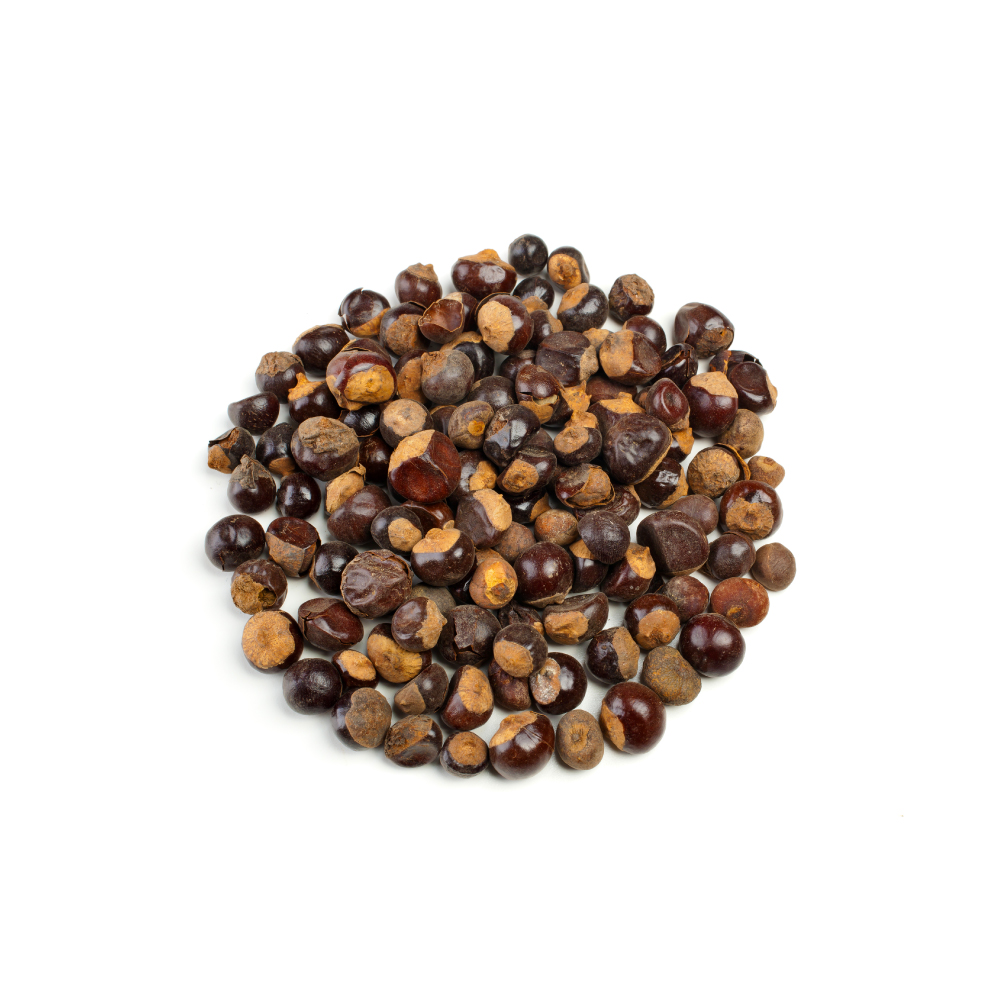
The Satere-Mawe Indians used a mortar and pestle to grind the seeds, then mixed with water to form a paste, which was then shaped into cylinders and sun-dried. This formed a sort of “stick” which was usually then smoked and could last upwards of a year and preserved the characteristics of the plant quite well.
A study conducted on the effects on health associated with long term consumption of guarana noticed a significantly higher prevalence of males ingesting guarana long term over females. These researchers suggested this may be due to the indications for guarana in this region (Maue Brazil) being as an aphrodisiac, and to decrease fatigue, combined with the labor-intensive work of fishing, and agricultural work most often conducted by males.
The Satere-Mawe are most often associated with this botanical historically and referred to the beverage as Çapó. This was drunk by women during their period, while pregnant, and after giving birth. The males consumed this beverage during festivals, in mourning, before hunting trips, and after their wives gave birth.
Jesuits
The Jesuit’s expedition into South America revealed the first reports of guarana to the outside world in 1669 when the missionary João Felipe Bettendorf recorded the use of the herb by the Satere-Mawe Indians 1Reference 1ReviewGuarana: revisiting a highly caffeinated plant from the Amazon — reviewView study →.
Botany
Guarana is Paullinia cupana, a climbing, woody perennial from the Amazon that sits firmly in the soapberry family, Sapindaceae — the same botanical company as horse chestnut (Aesculus), litchi and the soapberries themselves. Left wild it behaves as a tendrilled forest liana; under cultivation growers hold it back to a bushy shrub. It carries evergreen compound leaves and modest clusters of pale flowers, but everything about the plant points toward one structure: the fruit.
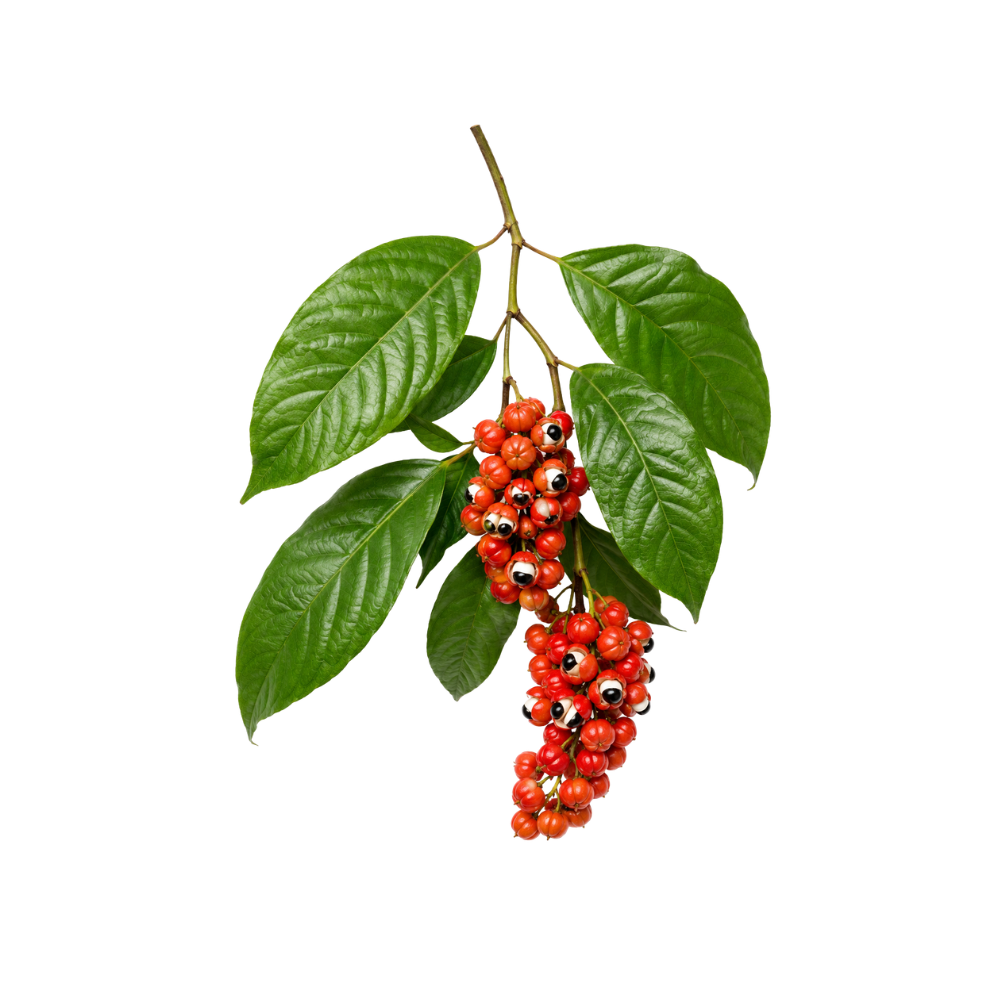
Those fruits ripen as small red-orange capsules that crack open on the branch to reveal a single shining black seed set in a ring of white flesh — an arrangement so much like a staring eye that it has anchored Indigenous stories about the plant for generations. The seed is the medicinal part, and it is what makes guarana notable: it is one of the most caffeine-dense seeds known, running well above coffee-bean levels by weight. Herbalists work with the ground seed as a slow, sustained stimulant.
Distribution
The plant belongs to the Amazon basin, with its centre of use and cultivation in Brazil — particularly Amazonas and Pará, and the town of Maués that is practically synonymous with the crop. It is a rainforest species of the warm, wet lowlands and is grown as a regional Amazonian crop rather than spreading on its own.
Growing Conditions
- Strictly tropical — it wants steady warmth (roughly 24–32 °C) and no frost; it will not tolerate a cold or dry season.
- Needs heavy, year-round rainfall and high humidity, the conditions of lowland Amazon rainforest.
- Prefers acidic, deep, well-drained soil rich in organic matter.
- Happy in full sun or light shade; give climbing forms support or prune to a manageable shrub.
- Full cultivation detail lives on the companion farm-wiki grow guide for Paullinia cupana (link to be added once that project’s public URL is confirmed).
Harvesting, Collection & Preparation
Guarana fruit, ripens at different times along the same inflorescence, which makes harvesting fairly labor intensive, as it needs to be hand-picked often to gather only the ripe berries. This can take up to 3 months to complete. The plants can start being harvested yearly after about year 3, and produces large amounts of seed from about year 6 and on 1Reference 1ReviewGuarana: revisiting a highly caffeinated plant from the Amazon — reviewView study →.
Guarana — like coffee (Coffea spp.), tea (Camellia sinensis), yerba maté (Ilex paraguariensis), and cacao (Theobroma cacao), which all contain similar xanthine alkaloids, are usually heated (roasted) and ground into a powder before use.
Guarana seeds are also sometimes fermented for a few days before retrieving the seeds from the fruit (very similar process to Theobroma cacao).
Mechanical processing usually skips this fermentation step and strips the seeds while fresh. The seeds are then dried once more in large pots, slowly over the course of a few hours, to avoid burning. This similarity in processing for botanicals containing the same xanthine alkaloids from various cultures around the world suggests the need for further investigation on what differences these plants contain without this heating process, in accordance with how they are traditionally used as stimulants.
In a patent outlined by Coca-Cola, the seeds are ground to a powder and extracted using 40-60% alcohol solution, and then concentrated through various processes. Separately, there exist methods by which the tannins are largely broken down, resulting in a concentrate with high caffeine, and low tannin. This process is used in the manufacture of energy drinks to avoid the brown color associated with its use, which is, in fact, a visual indication of the oxidation that has already occurred due to a complex hydrophobic interaction of tannin and caffeine 1Reference 1ReviewGuarana: revisiting a highly caffeinated plant from the Amazon — reviewView study →.
Pharmacology & Research
Guarana (Paullinia cupana) has a moderate and unusually lopsided evidence base: dozens of preclinical papers on the seed’s antioxidant, anti-platelet, anti-inflammatory and antitumour activity, set against a smaller cluster of human randomised controlled trials that mostly test one thing — whether the seed’s caffeine load translates into measurable cognitive or anti-fatigue benefit. The headline signal that survives meta-analysis is small: acute guarana speeds reaction time modestly but does not reliably improve accuracy 2Reference 2Meta-analysisEffect of guarana (Paullinia cupana) on cognitive performance — systematic review and meta-analysisView study →, and its most-studied clinical application, cancer-related fatigue, is genuinely contested — two meta-analyses of overlapping trials reach opposite conclusions 17,18Reference 17Meta-analysisGuarana as a dietary supplement for fatigue in cancer patients — systematic review with meta-analysisView study →Reference 18Meta-analysisNatural supplementation to treat cancer-induced fatigue: meta-analysis on guaraná — systematic review and meta-analysisView study →. Emerging preclinical work on hepatoprotection and cholesterol handling is mechanistically clean but has no human confirmation. Two caveats run through everything: guarana’s methylxanthine and polyphenol content varies several-fold with variety, roasting and fermentation 1Reference 1ReviewGuarana: revisiting a highly caffeinated plant from the Amazon — reviewView study →, and many “guarana” human trials actually test multi-ingredient formulas, so the plant’s independent contribution is often unresolved.
- Best-supported: acute stimulant and attention effects, backed by human RCTs and a meta-analysis, though the effect size is small and largely response-time not accuracy 2,3Reference 2Meta-analysisEffect of guarana (Paullinia cupana) on cognitive performance — systematic review and meta-analysisView study →Reference 3RCTImproved cognitive performance following guarana extract — randomised, placebo-controlled trialView study →; a consistent antioxidant signal across in vitro, animal and one human LDL-oxidation study 9,10Reference 9In vitroAntioxidant capacity and in vitro prevention of dental plaque by extracts and condensed tannins of Paullinia cupana — in vitroView study →Reference 10In vitroGuaraná effects on LDL oxidation in elderly people — in vitro and in vivo studyView study →.
- Emerging, worth watching: hepatoprotection against paracetamol and methotrexate toxicity in rodents 28,29Reference 28AnimalPreventive guarana powder mitigates acute paracetamol-induced hepatotoxicity in rats — animal modelView study →Reference 29AnimalPaullinia cupana seed extract ameliorates methotrexate-induced testicular dysfunction — mouse modelView study →; hypocholesterolemic activity via pancreatic-lipase and cholesterol-absorption inhibition 35Reference 35In vitroEffect of guarana seed powder on cholesterol absorption in vitro and in Caco-2 cells — in vitroView study →; antiplatelet/antithrombotic activity independent of caffeine 12,14Reference 12In vitroAnti-platelet aggregatory factors in guarana seeds — in vitroView study →Reference 14In vitroInhibition of platelet aggregation by aqueous guaraná extract — in vitro and in vivo (rabbit)View study →.
- Mechanistically thin: anticancer (in vitro cell lines plus one mouse metastasis model) 30,32Reference 30In vitroGuaraná presents in vitro antitumour activity in colorectal and breast cancer cell lines via AKT/mTOR/S6K and MAPK pathways — in vitroView study →Reference 32AnimalPaullinia cupana var. sorbilis reduces cell proliferation and increases apoptosis of B16/F10 melanoma lung metastases in mice — animal modelView study →; weight loss (mostly animal data or confounded ephedra/yerba-maté combinations) 33,36Reference 33AnimalEffect of guarana on lipid metabolism in obese rats: a lipidomics study — animal modelView study →Reference 36RCTShort-term metabolic and hemodynamic effects of ephedra and guarana combinations — randomised controlled trialView study →; neuroprotection (cell and rodent only) 37,38Reference 37AnimalGuarana ameliorates memory impairment and modulates acetylcholinesterase in hyperlipidemic rat brain — animal modelView study →Reference 38In vitroGuarana prevents β-amyloid aggregation, AGE generation and acrolein-induced cytotoxicity in neuronal-like cells — in vitroView study →.
- The caveat: no standardised extract or dose across trials, marked chemotype/processing variance 1Reference 1ReviewGuarana: revisiting a highly caffeinated plant from the Amazon — reviewView study →, and frequent multi-ingredient formulations that make guarana’s own effect hard to isolate.
1. Cognitive performance & alertness
Guarana’s stimulant reputation rests on its caffeine — the seed is the richest natural source known 1Reference 1ReviewGuarana: revisiting a highly caffeinated plant from the Amazon — reviewView study → — and human trials do detect acute effects, but they are modest. A 2023 systematic review and meta-analysis of eight placebo-controlled studies (328 participants, guarana 37.5–500 mg) found a faster response time for guarana versus placebo (Hedge’s g = 0.20) but no benefit on accuracy, and no dose-response relationship 2Reference 2Meta-analysisEffect of guarana (Paullinia cupana) on cognitive performance — systematic review and meta-analysisView study →. An early double-blind RCT (n=28) reported improved attention-task speed after a single 75 mg dried extract, with some evidence of reduced accuracy 3Reference 3RCTImproved cognitive performance following guarana extract — randomised, placebo-controlled trialView study →, and a randomised crossover trial around maximal-intensity cycling found cognitive effects comparable to an equivalent caffeine dose 5Reference 5RCTCognitive effects of guarana supplementation with maximal intensity cycling — randomised controlled trialView study →. Against these, a double-blind crossover trial directly comparing 500 mg guarana (130 mg caffeine) with low-dose caffeine found reaction time and heart-rate variability unaffected 6Reference 6RCTAcute guarana ingestion on mental performance and vagal modulation — randomised controlled trialView study →. A 2025 controlled study additionally assessed guarana alongside green tea on students’ intellectual performance 7Reference 7Effects of guarana and green tea consumption on students’ intellectual performance — controlled studyView study →. Interpretation is complicated because several of the strongest “guarana” cognition trials use vitamin/mineral complexes rather than the herb alone.
Gap: The pooled human effect is small and confined to reaction speed; there is no evidence guarana outperforms an equivalent dose of plain caffeine, and its non-caffeine “adaptogenic” cognitive claim is not supported by controlled data.
2. Antioxidant
This is guarana’s most consistent activity across study types. The ethanol seed extract shows strong radical-scavenging in vitro, attributed to its polyphenol fraction — catechol and the flavanols catechin and epicatechin 8Reference 8In vitroAntibacterial and antioxidant activities of ethanol extract from Paullinia cupana — in vitroView study →. Condensed tannins isolated from the seed scavenge DPPH radicals potently 9Reference 9In vitroAntioxidant capacity and in vitro prevention of dental plaque by extracts and condensed tannins of Paullinia cupana — in vitroView study →, and a tannin-rich, methylxanthine-free fraction retains both antioxidant and anti-inflammatory activity — showing the effect is polyphenol- rather than caffeine-driven 11Reference 11In vitroTNF-α inhibition, antioxidant effects and chemical analysis of guaraná seed powder — in vitroView study →. The one human-relevant signal: elderly habitual guarana consumers showed 27% lower LDL oxidation than non-consumers, with the extract also suppressing conjugated-diene and TBARS formation in vitro 10Reference 10In vitroGuaraná effects on LDL oxidation in elderly people — in vitro and in vivo studyView study →. Reported potency varies widely with origin and processing 1Reference 1ReviewGuarana: revisiting a highly caffeinated plant from the Amazon — reviewView study →.
Gap: The human data are limited to an ex vivo LDL-oxidation marker in an observational sample; no trial has shown that guarana’s antioxidant activity changes a clinical outcome, and sugary commercial guarana drinks are in fact pro-oxidant 16Reference 16AnimalWorsening of oxidative stress, DNA damage and atherosclerotic lesions with guarana soft drinks in LDLr-knockout mice — animal modelView study →.
3. Antiplatelet & cardiovascular
Guarana inhibits platelet aggregation through a mechanism that appears independent of caffeine. Aqueous extracts reduced ADP- and arachidonate-induced aggregation of human and rabbit platelets in vitro and in vivo, with the active material being water-soluble, heat-resistant and distinct from known xanthines 14Reference 14In vitroInhibition of platelet aggregation by aqueous guaraná extract — in vitro and in vivo (rabbit)View study →, and decreased platelet thromboxane synthesis in rabbit platelets 13Reference 13In vitroAn aqueous extract of guaraná decreases platelet thromboxane synthesis — animal/in vitroView study →. HPLC/MS fractionation identified catechin, epicatechin and their dimers — with only a small amount of caffeine — as the likely antiaggregatory factors 12Reference 12In vitroAnti-platelet aggregatory factors in guarana seeds — in vitroView study →. The observational Amazonian cohort linking habitual guarana intake to lower rates of hypertension, obesity and metabolic syndrome sits alongside this mechanistically 15Reference 15ObservationalHabitual intake of guaraná and metabolic morbidities — observational epidemiological studyView study →, as does the reduced LDL oxidation seen in habitual users 10Reference 10In vitroGuaraná effects on LDL oxidation in elderly people — in vitro and in vivo studyView study →.
Gap: All direct cardiovascular data are in vitro, animal or observational — no randomised trial has tested a cardiovascular endpoint. The epidemiological association is confounded, and guarana’s caffeine acutely raises blood pressure, so any net benefit likely requires tolerance and excludes people with uncontrolled hypertension.
5. Exercise performance
Two double-blind crossover RCTs suggest a small ergogenic effect. In endurance-trained cyclists, 500 mg guarana (130 mg caffeine) increased work performed in a 15-minute time trial versus placebo — an effect graded trivial-to-small and not significantly different from an equivalent caffeine dose, with lower perceived exertion the likely driver 26Reference 26RCTGuarana but not low-dose caffeine improves cycling time-trial performance — randomised controlled trialView study →. In under-17 soccer players, 3 g of seed powder improved intermittent-exercise capacity (Yo-Yo test) but not jump, sprint or agility 27Reference 27RCTAcute ingestion of guarana on soccer player performance — randomised controlled trialView study →.
Gap: Effects are small, inconsistent across performance domains, and appear centrally mediated (reduced perceived effort) rather than metabolic; there is no clear advantage over plain caffeine.
6. Anti-inflammatory
A tannin-rich, methylxanthine-free guarana fraction inhibited TNF-α in vitro alongside its antioxidant activity, indicating a polyphenol-driven anti-inflammatory action 11Reference 11In vitroTNF-α inhibition, antioxidant effects and chemical analysis of guaraná seed powder — in vitroView study →. In rodent models, guarana prevented rises in IL-1β and IL-6 during methotrexate toxicity 29Reference 29AnimalPaullinia cupana seed extract ameliorates methotrexate-induced testicular dysfunction — mouse modelView study → and blunted lipotoxicity-associated inflammation on a high-fat background 34Reference 34Lipotoxicity-associated inflammation is prevented by guarana — comparative animal studyView study →.
Gap: Entirely preclinical — no human anti-inflammatory endpoint has been measured, and the active fraction differs from the caffeine-rich material most people actually consume.
7. Hepatoprotective
Rodent data are consistent and mechanistically coherent. Guarana powder (300 mg/kg for seven days) before a toxic paracetamol dose in rats prevented serum ALT, AST and ALP elevations (by 44%, 29% and 24%), reduced necrotic liver area, preserved glutathione and modulated SOD and catalase 28Reference 28AnimalPreventive guarana powder mitigates acute paracetamol-induced hepatotoxicity in rats — animal modelView study →. A seed extract likewise ameliorated methotrexate-induced organ toxicity through antioxidant and anti-apoptotic pathways 29Reference 29AnimalPaullinia cupana seed extract ameliorates methotrexate-induced testicular dysfunction — mouse modelView study →.
Gap: Animal-only, using pre-treatment dosing against acute chemical injury; no human liver-protection data exist, and relevance to ordinary consumption is unestablished.
8. Anticancer
Preclinical antitumour activity is reproducible in cell lines. Guarana inhibited the AKT/mTOR/S6K and MAPK pathways and reduced colony formation in colorectal (HT-29) and breast (MCF-7) cancer cells without harming normal cells 30Reference 30In vitroGuaraná presents in vitro antitumour activity in colorectal and breast cancer cell lines via AKT/mTOR/S6K and MAPK pathways — in vitroView study →, and increased HT-29 sensitivity to oxaliplatin while up-regulating p53 and the Bax/Bcl-2 ratio 31Reference 31In vitroGuaraná increases oxaliplatin sensitivity of colorectal HT-29 cells — in vitroView study →. In vivo, guarana reduced proliferation and increased apoptosis of B16/F10 melanoma lung metastases in mice 32Reference 32AnimalPaullinia cupana var. sorbilis reduces cell proliferation and increases apoptosis of B16/F10 melanoma lung metastases in mice — animal modelView study →.
Gap: Confined to cell lines and one mouse metastasis model; the human oncology trials on guarana address fatigue, anorexia and hot flashes — symptom management — not antitumour efficacy 24,25Reference 24Clinical trialGuarana improves anorexia in patients with advanced cancer — phase II clinical trialView study →Reference 25Clinical trialPaullinia cupana for control of hot flashes in breast cancer patients — pilot clinical trialView study →.
9. Weight & metabolic
Mechanistic support is real but human evidence is confounded. In obese rats, guarana reduced body weight, white fat and hepatic steatosis by suppressing fatty-acid and triglyceride synthesis and increasing β-oxidation 33Reference 33AnimalEffect of guarana on lipid metabolism in obese rats: a lipidomics study — animal modelView study →; guarana seed powder inhibited pancreatic lipase and reduced cholesterol micellar solubilisation and Caco-2 absorption in vitro 35Reference 35In vitroEffect of guarana seed powder on cholesterol absorption in vitro and in Caco-2 cells — in vitroView study →. Human weight-loss data, however, come from combinations — caffeine-containing ephedra-guarana formulas that raised heart rate, blood pressure, glucose and insulin 36Reference 36RCTShort-term metabolic and hemodynamic effects of ephedra and guarana combinations — randomised controlled trialView study → — making guarana’s independent effect impossible to isolate.
Gap: Guarana-alone human weight-loss trials are absent; the positive human signal is inseparable from ephedra, yerba maté or green-tea co-ingredients, several of which carry their own cardiovascular risk.
10. Neuroprotective
In rodents with induced hyperlipidemia, guarana powder prevented memory impairment and normalised brain acetylcholinesterase activity while lowering total and LDL cholesterol 37Reference 37AnimalGuarana ameliorates memory impairment and modulates acetylcholinesterase in hyperlipidemic rat brain — animal modelView study →. In human neuronal-like cells, guarana prevented protein glycation, β-amyloid aggregation and acrolein-induced toxicity — hallmarks relevant to Alzheimer’s pathology 38Reference 38In vitroGuarana prevents β-amyloid aggregation, AGE generation and acrolein-induced cytotoxicity in neuronal-like cells — in vitroView study →.
Gap: Cell and rodent data only, at doses and disease models far removed from human use; no clinical cognitive-decline or neurodegeneration data exist.
11. Antimicrobial
The ethanol extract of guarana seeds showed antibacterial activity in vitro against both gram-negative and gram-positive organisms, notably Pseudomonas aeruginosa, Proteus mirabilis, Proteus vulgaris and Escherichia coli 8Reference 8In vitroAntibacterial and antioxidant activities of ethanol extract from Paullinia cupana — in vitroView study →.
Gap: A single in vitro report; no in vivo, spectrum-defining or clinical antimicrobial work, and no data on achievable tissue concentrations.
Mechanisms
| Mechanism | Drives | Key compounds |
|---|---|---|
| Adenosine A1/A2A receptor antagonism | CNS stimulationalertnessanti-fatigue | caffeine, theobromine, theophylline |
| Free-radical scavenging; ↑SOD, catalase, glutathione | antioxidanthepatoprotective | catechin, epicatechin, catechol |
| Platelet aggregation ↓, thromboxane A2 synthesis ↓ | antiplateletcardiovascular | catechins, catechin–caffeine complexes |
| TNF-α, IL-1β, IL-6 ↓ | anti-inflammatory | proanthocyanidins, catechin |
| AKT/mTOR/S6K and MAPK inhibition; ↑p53, Bax/Bcl-2 | anticancer (antiproliferativepro-apoptotic) | caffeine |
| Pancreatic lipase ↓, cholesterol absorption ↓, ↑fatty-acid β-oxidation | weightmetabolic | catechin, caffeine |
| Acetylcholinesterase modulation, anti-β-amyloid & anti-glycation | neuroprotective | polyphenols |
Clinical trials
Registered human trials do exist — the majority in cancer-related fatigue and metabolic/energy-drink contexts — but several were multi-ingredient formulations and the pivotal fatigue trials returned null results; one trial in neuroendocrine/gynaecologic cancer fatigue is currently recruiting.
| Completed | Planned | Terminated | Preclinical |
|---|---|---|---|
| ~14 | 2 | 0 | ~40+ |
Last checked: July 2026.
Phytochemistry
The defining feature of guarana is its purine-alkaloid load. Caffeine is the marker — guarana seed is the richest natural source known, roughly 4–5 times that of Coffea arabica — accompanied by smaller amounts of theobromine and theophylline. The seeds are dominated by caffeine, whereas all three xanthines occur in the bark, leaves, and flowers. Within the seed the aril is almost alkaloid-free, while the kernel and seed coat carry the high alkaloid concentration 8Reference 8In vitroAntibacterial and antioxidant activities of ethanol extract from Paullinia cupana — in vitroView study →.
The other major fraction is polyphenolic. Guarana seeds hold large amounts of condensed tannins (proanthocyanidins) built from catechin and epicatechin units, the compounds chiefly held responsible for the seed’s antioxidant activity 1Reference 1ReviewGuarana: revisiting a highly caffeinated plant from the Amazon — reviewView study →. Saponins are also present, but in small amounts 1Reference 1ReviewGuarana: revisiting a highly caffeinated plant from the Amazon — reviewView study →.
By weight, the seed comprises starch (~60 g/100g), tannin (8.5–9.5 g/100g), protein (7.5–8.5 g/100g), soluble sugars (~8 g/100g), reducing sugars (2.3–4.9 g/100g), caffeine (3.2–3.8 g/100g), fibre (2.4–3.2 g/100g), pentosan (0.2–0.6 g/100g), and ash (1.4–2.1 g/100g) 1Reference 1ReviewGuarana: revisiting a highly caffeinated plant from the Amazon — reviewView study →. The seed oil contains methyl benzenes, cyclic monoterpenes, sesquiterpenes, oleic acid, paullinic acid, and methoxyphenyl propene 1Reference 1ReviewGuarana: revisiting a highly caffeinated plant from the Amazon — reviewView study →.
Constituent Summary
Figures are g/100g of dried seed (or % of total tannin where noted); methylxanthine and polyphenol levels vary widely with origin, processing, and roasting/fermentation 1,40,9Reference 1ReviewGuarana: revisiting a highly caffeinated plant from the Amazon — reviewView study →Reference 40Theobromine, theophylline, and caffeine in 42 samples and products of guaraná (Paullinia cupana, Sapindaceae)Reference 9In vitroAntioxidant capacity and in vitro prevention of dental plaque by extracts and condensed tannins of Paullinia cupana — in vitroView study →.
Purine alkaloid3 compounds3 with data
Tannin2 compounds1 with data
Flavanol2 compounds2 with data
Saponin1 compound1 with data
Clinical Applications
Guarana is useful as a stimulating adaptogen to improve conditions like chronic fatigue, hypothyroidism, and debilitating conditions that have not reached convalescence. It’s useful as a source of caffeine for mental cognitive enhancement, in nootropic applications, and as a replacement for coffee.
Guarana is also useful for cardiovascular conditions if used long term. The initial spike in blood pressure and anxious side effects need to be overcome through adenosine receptor tolerance before these effects can be delivered. Therefore, guarana can be used as a cardioprotective against hypertension, angina, and atherosclerosis, but only in people that have not reached a high level of cardiovascular degeneration. Guarana is not recommended in those with significantly high blood pressure or who are suffering from severe CHF, COPD, or Angina.
Contraindications
- Hypertension
- Over-stimulation
- Anxiety
Dosage
In research, guarana is almost always given as a standardised seed extract or seed powder dosed to a set caffeine load rather than to a whole-herb weight; the doses below are the amounts each trial actually used.
| Indication | Preparation | Dose | Est. dried-herb equivalent | Source |
|---|---|---|---|---|
| Cognitive (acute) | Dried ethanolic extract (~12% caffeine) | 75 mg single dose | ~2 g seed | 3Reference 3RCTImproved cognitive performance following guarana extract — randomised, placebo-controlled trialView study → |
| Cognitive (acute) | Encapsulated extract | 500 mg (≈130 mg caffeine) | ~3 g seed | 6Reference 6RCTAcute guarana ingestion on mental performance and vagal modulation — randomised controlled trialView study → |
| Cognitive (acute) | Meta-analytic range | 37.5–500 mg (4.3–100 mg caffeine) | ~1–3 g seed | 2Reference 2Meta-analysisEffect of guarana (Paullinia cupana) on cognitive performance — systematic review and meta-analysisView study → |
| Exercise (endurance) | Encapsulated extract | 500 mg (≈130 mg caffeine) pre-exercise | ~3 g seed | 26Reference 26RCTGuarana but not low-dose caffeine improves cycling time-trial performance — randomised controlled trialView study → |
| Exercise (intermittent) | Seed powder | 3 g single dose | 3 g (as powder) | 27Reference 27RCTAcute ingestion of guarana on soccer player performance — randomised controlled trialView study → |
| Cancer-related fatigue | Dry / purified extract (PC-18) | 37.5–75 mg/day (or 7.5–12.5 mg PC-18 twice daily) | ~1–2 g seed (crude-extract rows only) | 19,21,22Reference 19RCTGuarana improves fatigue in breast cancer patients undergoing systemic chemotherapy — randomised controlled trialView study →Reference 21RCTPurified dry Paullinia cupana (PC-18) extract for chemotherapy-induced fatigue — two double-blind randomised trials (null)View study →Reference 22Clinical trialPurified dry extract of Paullinia cupana (PC-18) for chemotherapy-related fatigue in solid tumours — phase II clinical trialView study → |
| Cancer anorexia / hot flashes | Crude dry extract | 50 mg twice daily | ~1.3 g seed | 24,25Reference 24Clinical trialGuarana improves anorexia in patients with advanced cancer — phase II clinical trialView study →Reference 25Clinical trialPaullinia cupana for control of hot flashes in breast cancer patients — pilot clinical trialView study → |
| Mood (null) | Commercial preparation | 350 mg ×3/day, 5 days | ~2.6 g seed/day | 4Reference 4RCTEffects of a commercial guaraná product on psychological well-being, anxiety and mood — randomised placebo-controlled trial (null)View study → |
Est. dried-herb equivalent is a rough back-conversion assuming dried seed ≈ 4% caffeine and standardised extracts ≈ 12% caffeine — a guide only, not a conversion factor or a recommendation. Purified PC-18 doses are proprietary low-caffeine fractions whose whole-herb equivalent is not calculable and is left approximate.
Traditional Dosage
Traditional whole-herb doses come from the reference texts, not the trials, and are not interchangeable with the standardised-extract doses above.
| System | Preparation | Dose |
|---|---|---|
| Western herbal | Powdered seed | ~1–3 g/day (≈40–120 mg caffeine); keep total caffeine < ~400 mg/day |
| Western herbal | Liquid extract / tincture | Per practitioner; standardise to caffeine content |
| Traditional Amazonian | Grated seed “stick” in water (Çapó) | Consumed as a stimulant beverage through the day |
Safety & Pregnancy
Guarana is the richest natural source of caffeine known, so its main risks are those of a high caffeine load — insomnia, anxiety, palpitations, raised blood pressure, tachycardia and arrhythmia. People with uncontrolled hypertension, cardiac disease, arrhythmia or anxiety disorders should avoid it, and total caffeine intake should stay under ~400 mg/day.
- Cardiac & blood-pressure load. high caffeine can cause palpitations, raised blood pressure, tachycardia and arrhythmia
- Contraindicated conditions. avoid with uncontrolled hypertension, cardiac disease, arrhythmia or anxiety disorders
- Stimulant interactions. additive with other caffeine sources; delays phenytoin absorption and caffeine’s CYP1A2 interactions apply by extension
- Dose- and prep-dependent. keep total caffeine under ~400 mg/day; sugary commercial drinks are themselves pro-oxidant
Full safety & interactions detail
Guarana seed is the richest known natural source of caffeine (roughly 2.5–8% by weight, ~4–5× coffee) 1Reference 1ReviewGuarana: revisiting a highly caffeinated plant from the Amazon — reviewView study →, and its principal risks are those of a high caffeine load: insomnia, anxiety, palpitations, raised blood pressure, tachycardia and arrhythmia, with effects additive to other caffeine and stimulant sources. A controlled human study of ephedra-guarana combinations documented significant rises in heart rate, blood pressure, glucose and insulin plus reduced serum potassium, and such stimulant combinations have been linked to serious adverse events 36Reference 36RCTShort-term metabolic and hemodynamic effects of ephedra and guarana combinations — randomised controlled trialView study →. Effects are dose- and preparation-dependent: sugary commercial guarana soft drinks were pro-oxidant and worsened hypertension, atherosclerosis and hepatic and gastric damage in a dyslipidemic mouse model, effects attributed largely to the added sugar rather than the extract itself 16Reference 16AnimalWorsening of oxidative stress, DNA damage and atherosclerotic lesions with guarana soft drinks in LDLr-knockout mice — animal modelView study →. People with uncontrolled hypertension, cardiac disease, arrhythmia or anxiety disorders should avoid it, and total caffeine intake should be kept under ~400 mg/day.
Interactions (scope). Guarana’s interactions have been only partially studied. A rat pharmacokinetic study found guarana delayed the absorption of phenytoin (delayed Tmax, lower metabolite exposure) 39Reference 39AnimalImpact of Paullinia cupana extract on the pharmacokinetics of phenytoin in rats — animal modelView study →, and the controlled human trial above showed additive cardiovascular and metabolic effects when guarana was combined with ephedra 36Reference 36RCTShort-term metabolic and hemodynamic effects of ephedra and guarana combinations — randomised controlled trialView study →. Caffeine’s own well-documented interactions — with CYP1A2 inhibitors (e.g. fluvoxamine, ciprofloxacin), other stimulants, theophylline, lithium, clozapine and MAO inhibitors — apply by extension but have not been tested for guarana specifically. Absence of a reported interaction here is not evidence of safety.
Guarana has not been formally assessed for safety in pregnancy or lactation, and no controlled reproductive-safety data exist. Because its effect is driven by caffeine, which crosses the placenta and is excreted in breast milk, mainstream caffeine-in-pregnancy limits apply and high-caffeine botanicals are generally advised against. Caution is warranted and therapeutic doses are best avoided.
References
- Schimpl, F. C., et al. (2013). Guarana: revisiting a highly caffeinated plant from the Amazon — review. Journal of Ethnopharmacology. https://pubmed.ncbi.nlm.nih.gov/23981847/
- Hack, B., et al. (2023). Effect of guarana (Paullinia cupana) on cognitive performance — systematic review and meta-analysis. Nutrients. https://pubmed.ncbi.nlm.nih.gov/36678305/
- Kennedy, D. O., et al. (2004). Improved cognitive performance following guarana extract — randomised, placebo-controlled trial. Pharmacology Biochemistry and Behavior. https://pubmed.ncbi.nlm.nih.gov/15582012/
- Silvestrini, G. I., Marino, F., & Cosentino, M. (2013). Effects of a commercial guaraná product on psychological well-being, anxiety and mood — randomised placebo-controlled trial (null). Journal of Negative Results in Biomedicine. https://pubmed.ncbi.nlm.nih.gov/23706111/
- Gurney, T., et al. (2023). Cognitive effects of guarana supplementation with maximal intensity cycling — randomised controlled trial. British Journal of Nutrition. https://pubmed.ncbi.nlm.nih.gov/36146946/
- Talik, T. N., et al. (2024). Acute guarana ingestion on mental performance and vagal modulation — randomised controlled trial. Nutrients. https://pubmed.ncbi.nlm.nih.gov/38931247/
- Amaritei, V., et al. (2025). Effects of guarana and green tea consumption on students’ intellectual performance — controlled study. Nutrients. https://pubmed.ncbi.nlm.nih.gov/40290036/
- Basile, A., et al. (2005). Antibacterial and antioxidant activities of ethanol extract from Paullinia cupana — in vitro. Journal of Ethnopharmacology. https://pubmed.ncbi.nlm.nih.gov/16040216/
- Yamaguti-Sasaki, E., et al. (2007). Antioxidant capacity and in vitro prevention of dental plaque by extracts and condensed tannins of Paullinia cupana — in vitro. Molecules. https://pubmed.ncbi.nlm.nih.gov/17960098/
- Portella, R. L., et al. (2013). Guaraná effects on LDL oxidation in elderly people — in vitro and in vivo study. Lipids in Health and Disease. https://pubmed.ncbi.nlm.nih.gov/23391102/
- Machado, K. N., et al. (2021). TNF-α inhibition, antioxidant effects and chemical analysis of guaraná seed powder — in vitro. Food Chemistry. https://pubmed.ncbi.nlm.nih.gov/33799249/
- Subbiah, M. T., & Yunker, R. (2008). Anti-platelet aggregatory factors in guarana seeds — in vitro. International Journal for Vitamin and Nutrition Research. https://pubmed.ncbi.nlm.nih.gov/18791978/
- Bydlowski, S. P., et al. (1991). An aqueous extract of guaraná decreases platelet thromboxane synthesis — animal/in vitro. Brazilian Journal of Medical and Biological Research. https://pubmed.ncbi.nlm.nih.gov/1823256/
- Bydlowski, S. P., et al. (1988). Inhibition of platelet aggregation by aqueous guaraná extract — in vitro and in vivo (rabbit). Brazilian Journal of Medical and Biological Research. https://pubmed.ncbi.nlm.nih.gov/3228635/
- Krewer, C. da C., et al. (2011). Habitual intake of guaraná and metabolic morbidities — observational epidemiological study. Phytotherapy Research. https://pubmed.ncbi.nlm.nih.gov/21341338/
- Chisté, L. A., et al. (2019). Worsening of oxidative stress, DNA damage and atherosclerotic lesions with guarana soft drinks in LDLr-knockout mice — animal model. Oxidative Medicine and Cellular Longevity. https://pubmed.ncbi.nlm.nih.gov/31281596/
- de Araujo, D. P., et al. (2021). Guarana as a dietary supplement for fatigue in cancer patients — systematic review with meta-analysis. Supportive Care in Cancer. https://pubmed.ncbi.nlm.nih.gov/34146166/
- Maselli-Schoueri, J. H., et al. (2024). Natural supplementation to treat cancer-induced fatigue: meta-analysis on guaraná — systematic review and meta-analysis. Revista da Associação Médica Brasileira. https://pubmed.ncbi.nlm.nih.gov/39536249/
- de Oliveira Campos, M. P., et al. (2011). Guarana improves fatigue in breast cancer patients undergoing systemic chemotherapy — randomised controlled trial. Journal of Alternative and Complementary Medicine. https://pubmed.ncbi.nlm.nih.gov/21612429/
- da Costa Miranda, V., et al. (2009). Guaraná for postradiation fatigue and depression — randomised, double-blind pilot trial (null). Journal of Alternative and Complementary Medicine. https://pubmed.ncbi.nlm.nih.gov/19388866/
- Sette, C. V. M., et al. (2018). Purified dry Paullinia cupana (PC-18) extract for chemotherapy-induced fatigue — two double-blind randomised trials (null). Journal of Dietary Supplements. https://pubmed.ncbi.nlm.nih.gov/29190155/
- del Giglio, A. B., et al. (2013). Purified dry extract of Paullinia cupana (PC-18) for chemotherapy-related fatigue in solid tumours — phase II clinical trial. Journal of Dietary Supplements. https://pubmed.ncbi.nlm.nih.gov/24237188/
- Martins, S. P. dos S., et al. (2017). Dry guarana extract in head-and-neck tumour patients undergoing chemoradiotherapy — placebo-controlled, double-blind, randomised study. Journal of Dietary Supplements. https://pubmed.ncbi.nlm.nih.gov/27322597/
- Palma, C. G., et al. (2016). Guarana improves anorexia in patients with advanced cancer — phase II clinical trial. Journal of Dietary Supplements. https://pubmed.ncbi.nlm.nih.gov/25695932/
- Oliveira, S. S., et al. (2013). Paullinia cupana for control of hot flashes in breast cancer patients — pilot clinical trial. Einstein (São Paulo). https://pubmed.ncbi.nlm.nih.gov/24488380/
- Penna, E. M., et al. (2024). Guarana but not low-dose caffeine improves cycling time-trial performance — randomised controlled trial. International Journal of Sport Nutrition and Exercise Metabolism. https://pubmed.ncbi.nlm.nih.gov/37898479/
- Estrázulas, J. A., et al. (2024). Acute ingestion of guarana on soccer player performance — randomised controlled trial. Journal of the American Nutrition Association. https://pubmed.ncbi.nlm.nih.gov/38958672/
- Teixeira, C. D., et al. (2025). Preventive guarana powder mitigates acute paracetamol-induced hepatotoxicity in rats — animal model. Toxicology Reports. https://pubmed.ncbi.nlm.nih.gov/39989980/
- Aldhahrani, A. (2023). Paullinia cupana seed extract ameliorates methotrexate-induced testicular dysfunction — mouse model. Environmental Science and Pollution Research. https://pubmed.ncbi.nlm.nih.gov/36168017/
- Cadoná, F. C., et al. (2017). Guaraná presents in vitro antitumour activity in colorectal and breast cancer cell lines via AKT/mTOR/S6K and MAPK pathways — in vitro. Nutrition and Cancer. https://pubmed.ncbi.nlm.nih.gov/28569556/
- Cadoná, F. C., et al. (2016). Guaraná increases oxaliplatin sensitivity of colorectal HT-29 cells — in vitro. Anti-Cancer Agents in Medicinal Chemistry. https://pubmed.ncbi.nlm.nih.gov/26673759/
- Fukumasu, H., et al. (2008). Paullinia cupana var. sorbilis reduces cell proliferation and increases apoptosis of B16/F10 melanoma lung metastases in mice — animal model. Brazilian Journal of Medical and Biological Research. https://pubmed.ncbi.nlm.nih.gov/18392453/
- Liang, M. Y., et al. (2023). Effect of guarana on lipid metabolism in obese rats: a lipidomics study — animal model. China Journal of Chinese Materia Medica. https://pubmed.ncbi.nlm.nih.gov/37475078/
- Ruchel, J. B., et al. (2021). Lipotoxicity-associated inflammation is prevented by guarana — comparative animal study. Drug and Chemical Toxicology. https://pubmed.ncbi.nlm.nih.gov/31195840/
- Figueira, M. S., et al. (2022). Effect of guarana seed powder on cholesterol absorption in vitro and in Caco-2 cells — in vitro. Food Research International. https://pubmed.ncbi.nlm.nih.gov/36461218/
- Haller, C. A., Jacob, P., & Benowitz, N. L. (2005). Short-term metabolic and hemodynamic effects of ephedra and guarana combinations — randomised controlled trial. Clinical Pharmacology and Therapeutics. https://pubmed.ncbi.nlm.nih.gov/15961987/
- Ruchel, J. B., et al. (2017). Guarana ameliorates memory impairment and modulates acetylcholinesterase in hyperlipidemic rat brain — animal model. Physiology & Behavior. https://pubmed.ncbi.nlm.nih.gov/27720901/
- Bittencourt, L. da S., et al. (2014). Guarana prevents β-amyloid aggregation, AGE generation and acrolein-induced cytotoxicity in neuronal-like cells — in vitro. Phytotherapy Research. https://pubmed.ncbi.nlm.nih.gov/24840232/
- Alves, E., et al. (2026). Impact of Paullinia cupana extract on the pharmacokinetics of phenytoin in rats — animal model. Natural Product Research. https://pubmed.ncbi.nlm.nih.gov/39718445/
- Marx, F., Janzen, D. H., & Maga, J. A. (1991). Theobromine, theophylline, and caffeine in 42 samples and products of guaraná (Paullinia cupana, Sapindaceae). Economic Botany, 45(3), 425–427.