
Materia Medica
Tea
Camellia sinensis
Tea (Camellia sinensis) — green, black and white tea; an antioxidant stimulant used for focus, heart health and metabolism.
The Tea Plant Summary
Green tea, black tea, white tea, yellow tea, and puerh all come from the same plant (Camellia sinensis). The classification depends on how it’s processed more so than how it’s grown or what subspecies is used.
By going through varying levels of oxidation, the leaves change flavor, color, and chemistry. This is why black and green tea tastes so different from each other, and in fact, even have some differences in medicinal use.
Humans have used this plant for thousands of years. Its use dates back to at least the Shang dynasty in China 3000 years ago.
It has a wide range of health benefits from antioxidant, stimulant, cardioprotective and general tonic effects.
Aside from water, tea is the most popular drink in the world.
There are several varieties of tea, grown in many different countries around the world, but the vast majority of tea comes from the Assam variety in India or the sinensis variety in China.
Japan, Korea, and Taiwan are also large producers of tea, and each country has its own signature style of growing and preparing tea.
What Is Tea Used For?
Tea is primarily used as a low-dose, long term preventative rather than an actual medicinal treatment. Since tea should be brewed at lower temperatures, and for a short amount of time (if taste is the main desired outcome), the medicinal components in the brew are not in high supply. Therefore a gradual, long term dosing is necessary for any effect to take place.
The long term effects of tea mainly involve the prevention of age-related cardiovascular or neurological disease, as well as diabetes, obesity, and cancer.
In higher doses, the plant will be very bitter and high in the astringent, yet potent medicinal phytochemicals known as catechins, which have a wide range of effects. This form of tea is not pleasant to taste in any way but is useful as a medicine for both chronic and acute conditions.
Other uses of tea involve the concentrated extraction of L-Theanine from the shade grown species. This amino acid isomer has had a lot of research done recently to investigate the full range of cognitive enhancing, cancer-fighting, and cardiovascular toning capacity, where it has seen a lot of promise.
Traditional Uses
Traditional Chinese Medicine
The earliest clear reference to the medicinal use of tea was during the Tang dynasty (750 AD). Through the coming ages, tea became more popular, and in the 800s The Classic of tea (written by Lu Yu), was written, which incorporated both Taoism and Confucianism and outlined the ceremonies associated with tea’s consumption. In the 17th century tea found its way to Europe, where it was widely accepted, and although arriving to Europe around the same time as coffee, it dominated the market 40Reference 40Medical toxicology of drug abuse: synthesized chemicals and psychoactive plants.
Green tea is considered to prolong life and has been used to treat headache, body ache, indigestion, depression, low energy, obesity, and hair loss 40Reference 40Medical toxicology of drug abuse: synthesized chemicals and psychoactive plants.
Commonly used ceremonially in many cultures, as a form of meditation, or social events. Such ceremonies include the Chinese gongfu ceremony, Japanese tea ceremony using matcha tea (also called “the way of the tea”), or various other cultural versions of the ceremonial consumption of tea. The ceremony is often designed to produce both high quality tea extraction, as well as offering a form of meditation to lower stress, and promote awareness.
The flowers of Camellia sinensis have also been considered healthful since ancient times, though is less talked about today. Chinese folk remedies using tea flowers include inflammatory diseases 18Reference 18AnimalAnti-inflammatory effects of a polyphenols-rich extract from tea (Camellia sinensis) flowers in acute and chronic mice models — animalView study →.
Even in modern times tea is considered the most popular beverage in the world aside from water 8Reference 8ReviewGreen tea (Camellia sinensis) catechins and vascular function — reviewView study →.
(Green tea)
- Taste: Bitter and sweet 46Reference 46A materia medica for Chinese medicine: plants, minerals, and animal products.
- Energy: Cold 46Reference 46A materia medica for Chinese medicine: plants, minerals, and animal products.
- Channels: Heart, liver, Kidney, stomach, spleen 46Reference 46A materia medica for Chinese medicine: plants, minerals, and animal products.
- Direction: Descending
- Actions: Cools heat, drains damp-heat, drains fire 46Reference 46A materia medica for Chinese medicine: plants, minerals, and animal products.
- Contraindications: Cold or spleen deficiency 46Reference 46A materia medica for Chinese medicine: plants, minerals, and animal products.
(Black tea)
- Taste: Bitter and sweet 46Reference 46A materia medica for Chinese medicine: plants, minerals, and animal products.
- Energy: Warm 46Reference 46A materia medica for Chinese medicine: plants, minerals, and animal products.
Types of Tea
A Note Regarding Dosages of Tea
The most common way tea is used is for its flavor — the health benefits serve as an added bonus. Teas used in this way are brewed with water that has not yet boiled (around 80 C), for only a few seconds (2 minutes maximum).
When using this herb therapeutically — especially for the epicatechin content — the doses need to be much higher. Teas used in this way are brewed with hot water for long periods of time to extract as much of the medicinal compounds as possible. This provides a very bitter, astringent, and unpleasant taste.
The therapeutic dose of tea is very different from a normal cup of brewed tea. Many of the medicinal components of tea have poor solubility in water and a bitter taste. Short brewed teas tend to have a better flavor, but lack most of the medicinal components. Long steeps in boiling water or whole herb extracts will provide the most therapeutic benefit.
For advice on brewing tea for the best flavor, visit our guide to tea.
Botany
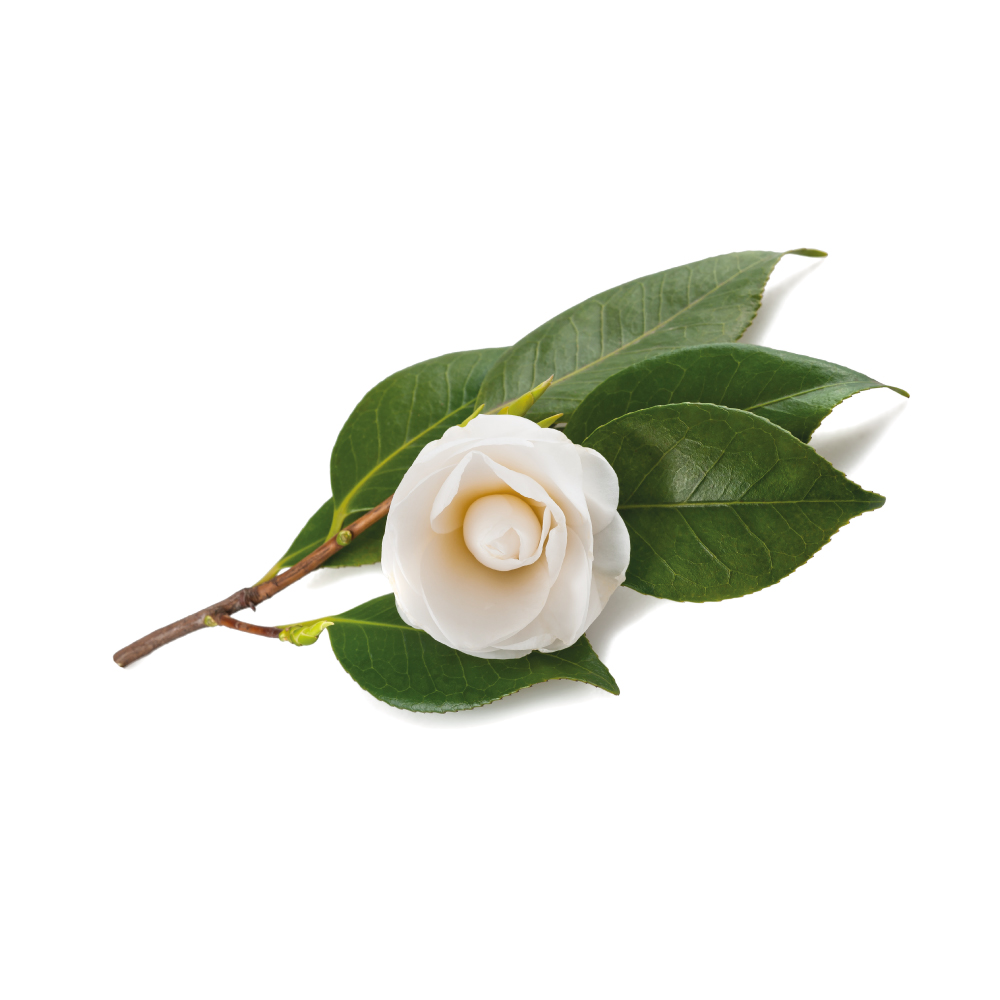
Camellia sinensis is a broadleaf evergreen of the tea family (Theaceae), a woody perennial with firm, glossy, leathery leaves and fragrant white blossoms centred on a tuft of golden stamens. Left to its own devices it will grow either as a bushy shrub of a few metres or, in its large-leaved form, as a modest tree; under cultivation it is cut back hard and maintained as a compact, repeatedly-flushing bush.
For the herbalist, the material is the youngest growth — the tender new leaves and the still-furled leaf buds of each fresh flush, harvested before they coarsen. Everything sold as “tea” begins here. What separates green from black, oolong and white is not the plant but what happens after picking: white tea is barely more than dried young buds, green tea is heat-fixed to halt oxidation, oolong is partly oxidised, and black tea is taken all the way through. One leaf, four traditions.
The species divides into two working varieties. The Chinese small-leaf type (var. sinensis) is the hardier, more compact plant favoured in cooler hill country; the Assam large-leaf type (var. assamica) is a bigger, more tender plant of the warm monsoon lowlands. Its ornamental cousins — the winter-flowering Camellia japonica and C. sasanqua — belong to the same genus but are grown for their flowers rather than their leaf.
Distribution
The tea plant is native to the monsoon belt of East and Southeast Asia — most likely wild across southwestern China, the Assam region of northeast India, and the forests of Indo-China. Long domestication has since spread it far beyond that cradle into every warm, acid-soiled, reliably-watered region that can hold it, from South Asia to the highlands of East Africa.
Growing Conditions
- Wants acidic soil (roughly pH 4.5–5.6), a warm, open, free-draining loam enriched with leaf mould.
- Prefers light dappled shade or partial sun over harsh full exposure, echoing its woodland-edge origins.
- Needs steady moisture and a long, humid growing season; it resents both drought and waterlogging.
- The Chinese small-leaf form tolerates light frost (about USDA zones 7–9); the Assam large-leaf form needs warmer, frost-free conditions.
- Full cultivation detail lives on the companion farm-wiki grow guide for Camellia sinensis (link to be added once that project’s public URL is confirmed).
Harvesting, Collection & Preparation
Camellia sinensis is usually grown between 300 and 2000 m in altitude, and tea grown at higher levels is generally considered to produce a better flavor. Other considerations are rainfall (200-230 cm/year), and temperature (10-24C) 44Reference 44Tea: a global history.
When preparing Camellia sinensis as an infusion (tea), it has been noted that higher temperatures (100C) have been shown to extract more of the polyphenol content from the leaves and buds 9Reference 9In vitroAntioxidant and antibacterial properties of green, black, and herbal teas of Camellia sinensis — in vitroView study →, however traditionally this has been frowned upon, as it’s considered to negatively affect taste, likely due to the increased absorption of such bitter constituents as tannins and xanthine alkaloids. Generally, tea should be infused with water at temperatures of between 50-80C to maintain the best possible flavor, although this varies mildly with different teas (ex black teas and puerh do well in higher steeping temperatures such as 90-100C). Steeping time also varies, but generally between 1-5 minutes is best.
Lighter, less oxidized teas such as green and white teas would be best on the lower end of this range — while darker, more oxidized teas like black and dark oolongs would do well with a longer steeping time.
However personal preference plays a significant role here as the infusion will become more bitter in flavor the longer it steeps.
Some cultures and traditions (such as gongfu tea ceremony) recommend steeping for only a few seconds but reuse the leaves many times.
If the health effects are considered most important, it may be beneficial to use higher water temperatures, higher infusions (standard medicinal infusion ratio for any herb is 1:20 for 5-30 mins) and longer extraction times to extract more of these constituents.
Tea brewed in this way will be bitter and astringent.
Pharmacology & Research
Tea (Camellia sinensis) has one of the largest human evidence bases of any botanical: several hundred randomised controlled trials and dozens of prospective cohorts and meta-analyses, dominated by green-tea and isolated-catechin work. Across cardiometabolic endpoints the picture is consistent but modest — small, reproducible reductions in blood pressure, LDL cholesterol and (less reliably) body weight and glycaemia, driven mainly by the flavanol catechins led by EGCG and, for mood and attention, by the amino acid L-theanine (usually paired with caffeine) 1,2,3,4,5,6,15,16Reference 1Meta-analysisEffect of green tea supplementation on blood pressure: a systematic review and meta-analysis of 24 randomised controlled trialsView study →Reference 2Meta-analysisGreen tea catechins and blood pressure: a systematic review and meta-analysis of randomised controlled trialsView study →Reference 3Meta-analysisEffect of green tea consumption on blood pressure: a meta-analysis of 13 randomised controlled trialsView study →Reference 4Meta-analysisEffect of green tea supplementation on blood pressure in adults: a GRADE-assessed systematic review and dose-response meta-analysis of 36 randomised controlled trialsView study →Reference 5Meta-analysisGreen tea intake lowers fasting serum total and LDL cholesterol in adults: a meta-analysis of 14 randomised controlled trialsView study →Reference 6Meta-analysisEffect of green tea consumption on blood lipids: a systematic review and meta-analysis of 31 randomised controlled trialsView study →Reference 15Meta-analysisEffects of tea (Camellia sinensis) or its bioactive compounds L-theanine or L-theanine plus caffeine on cognition, sleep, and mood in healthy participants: a systematic review and meta-analysis of randomised controlled trialsView study →Reference 16RCTThe combined effects of L-theanine and caffeine on cognitive performance and mood — randomised controlled trialView study →. The most interesting emerging signals are the large-cohort mortality associations and the neurocognitive effects of the theanine–caffeine pairing, both real but not yet proven causal 12,13,14,15Reference 12ObservationalTea consumption and all-cause and cause-specific mortality in the UK Biobank — prospective cohort studyView study →Reference 13Meta-analysisTea consumption and risk of all-cause, cardiovascular disease, and cancer mortality: a meta-analysis of thirty-eight prospective cohort datasetsView study →Reference 14ObservationalGreen tea consumption and cause-specific mortality: results from two prospective cohort studies in ChinaView study →Reference 15Meta-analysisEffects of tea (Camellia sinensis) or its bioactive compounds L-theanine or L-theanine plus caffeine on cognition, sleep, and mood in healthy participants: a systematic review and meta-analysis of randomised controlled trialsView study →. The dominant caveat runs through everything: results come overwhelmingly from concentrated extracts or purified constituents at doses well above a normal cup, catechin bioavailability is low and variable, and the same high-dose extracts carry a genuine (if rare) hepatotoxicity signal.
- Best-supported: small but replicated RCT-level reductions in blood pressure 1,2,3,4Reference 1Meta-analysisEffect of green tea supplementation on blood pressure: a systematic review and meta-analysis of 24 randomised controlled trialsView study →Reference 2Meta-analysisGreen tea catechins and blood pressure: a systematic review and meta-analysis of randomised controlled trialsView study →Reference 3Meta-analysisEffect of green tea consumption on blood pressure: a meta-analysis of 13 randomised controlled trialsView study →Reference 4Meta-analysisEffect of green tea supplementation on blood pressure in adults: a GRADE-assessed systematic review and dose-response meta-analysis of 36 randomised controlled trialsView study → and LDL/total cholesterol 5,6Reference 5Meta-analysisGreen tea intake lowers fasting serum total and LDL cholesterol in adults: a meta-analysis of 14 randomised controlled trialsView study →Reference 6Meta-analysisEffect of green tea consumption on blood lipids: a systematic review and meta-analysis of 31 randomised controlled trialsView study →, and strong in-vitro/in-vivo antioxidant activity confirmed by a human genoprotective trial 7,9Reference 7Clinical trialGenoprotective effects of green tea (Camellia sinensis) in human subjects: results of a controlled supplementation trialView study →Reference 9In vitroAntioxidant and antibacterial properties of green, black, and herbal teas of Camellia sinensis — in vitroView study →.
- Emerging, worth watching: lower all-cause and cardiovascular mortality in large cohorts 12,13,14Reference 12ObservationalTea consumption and all-cause and cause-specific mortality in the UK Biobank — prospective cohort studyView study →Reference 13Meta-analysisTea consumption and risk of all-cause, cardiovascular disease, and cancer mortality: a meta-analysis of thirty-eight prospective cohort datasetsView study →Reference 14ObservationalGreen tea consumption and cause-specific mortality: results from two prospective cohort studies in ChinaView study →, and acute cognition/attention gains from L-theanine plus caffeine 15,16Reference 15Meta-analysisEffects of tea (Camellia sinensis) or its bioactive compounds L-theanine or L-theanine plus caffeine on cognition, sleep, and mood in healthy participants: a systematic review and meta-analysis of randomised controlled trialsView study →Reference 16RCTThe combined effects of L-theanine and caffeine on cognitive performance and mood — randomised controlled trialView study →.
- Mechanistically thin: diuretic (rat-only) 30Reference 30AnimalOral diuretic activity of hot water infusion of Sri Lankan black tea (Camellia sinensis L.) in rats — animalView study → and neurodegenerative-disease neuroprotection (cell/animal only) 29Reference 29Neuroprotective properties of the standardised extract from Camellia sinensis (green tea) in the 6-OHDA model of Parkinson’s disease — animalView study →; anti-obesity and glycaemic effects shrink to marginal in the most rigorous analyses 19,22Reference 19Systematic reviewGreen tea for weight loss and weight maintenance in overweight or obese adults — systematic review (Cochrane)View study →Reference 22Meta-analysisEffect of green tea on glycemic control in patients with type 2 diabetes mellitus: a systematic review and meta-analysisView study →.
- The caveat: most efficacy data use standardised extracts or isolated catechins at doses far above a brewed cup; low catechin bioavailability and a rare high-dose hepatotoxicity signal limit direct translation to tea-as-beverage.
1. Antihypertensive
Blood-pressure lowering is tea’s most reproducible cardiovascular effect. Meta-analyses of randomised controlled trials converge on small reductions: roughly -1.2 to -2.1 mmHg systolic and -1.2 to -1.9 mmHg diastolic versus control 1,2,3Reference 1Meta-analysisEffect of green tea supplementation on blood pressure: a systematic review and meta-analysis of 24 randomised controlled trialsView study →Reference 2Meta-analysisGreen tea catechins and blood pressure: a systematic review and meta-analysis of randomised controlled trialsView study →Reference 3Meta-analysisEffect of green tea consumption on blood pressure: a meta-analysis of 13 randomised controlled trialsView study →. A 2025 GRADE-assessed dose-response meta-analysis of 36 RCTs found a systolic reduction of about -1.1 mmHg and concluded green tea is best positioned as a complementary rather than primary blood-pressure strategy, citing heterogeneity and no clear dose-duration relationship 4Reference 4Meta-analysisEffect of green tea supplementation on blood pressure in adults: a GRADE-assessed systematic review and dose-response meta-analysis of 36 randomised controlled trialsView study →. The signal is larger in people who start hypertensive (baseline systolic ≥130 mmHg) 2Reference 2Meta-analysisGreen tea catechins and blood pressure: a systematic review and meta-analysis of randomised controlled trialsView study →, and most trials used green-tea extract or catechin-enriched products rather than ordinary brewed tea.
Gap: Effects are small and driven by concentrated extracts; whether 2-3 cups of everyday tea meaningfully changes clinic blood pressure is not established.
2. Hypolipidemic
Green tea produces small, consistent reductions in total and LDL cholesterol across RCT meta-analyses, with HDL largely unchanged. A meta-analysis of 14 RCTs (1,136 subjects) found total cholesterol down ~7.2 mg/dL and LDL down ~2.2 mg/dL 5Reference 5Meta-analysisGreen tea intake lowers fasting serum total and LDL cholesterol in adults: a meta-analysis of 14 randomised controlled trialsView study →; a larger 31-trial analysis (3,321 subjects) reported total cholesterol -4.7 mg/dL and LDL -4.6 mg/dL, again with no HDL change 6Reference 6Meta-analysisEffect of green tea consumption on blood lipids: a systematic review and meta-analysis of 31 randomised controlled trialsView study →. The effect is attributed to catechins reducing cholesterol absorption and increasing faecal sterol and bile-acid excretion 8Reference 8ReviewGreen tea (Camellia sinensis) catechins and vascular function — reviewView study →. Reductions are modest and do not consistently scale with dose.
Gap: LDL changes are a few mg/dL — real but small — and clinical outcome benefit (versus a lab-value change) has not been shown directly.
3. Antioxidant
Tea’s antioxidant activity is its best-characterised mechanism. Green, oolong and black tea extracts scavenge free radicals in vitro and in vivo, with activity tracking total polyphenol content — highest in green (~23% polyphenol), lowest in black (~14%) 9Reference 9In vitroAntioxidant and antibacterial properties of green, black, and herbal teas of Camellia sinensis — in vitroView study →. EGCG is the single most active contributor. Crucially, this is one of the few tea mechanisms with direct human confirmation: a controlled supplementation trial found green tea reduced oxidative DNA damage in human subjects 7Reference 7Clinical trialGenoprotective effects of green tea (Camellia sinensis) in human subjects: results of a controlled supplementation trialView study →. Activity is present in both oxidised and unoxidised leaf, and the flowers are antioxidant as well 18Reference 18AnimalAnti-inflammatory effects of a polyphenols-rich extract from tea (Camellia sinensis) flowers in acute and chronic mice models — animalView study →.
Gap: Antioxidant capacity in a tube does not equal disease prevention; the low, variable plasma bioavailability of catechins limits how much of the in-vitro potency reaches tissues.
4. Cardioprotective (vascular & endothelial)
Beyond blood pressure and lipids, tea improves endothelial function and is associated with lower cardiovascular mortality. In randomised and controlled human studies, black-tea consumption reversed endothelial dysfunction (improved flow-mediated dilation) in coronary-artery-disease patients 11Reference 11RCTShort- and long-term black tea consumption reverses endothelial dysfunction in patients with coronary artery disease — randomised controlled trialView study →, and green-tea catechins improved forearm endothelial function with antiatherosclerotic effects in smokers 10Reference 10RCTGreen tea catechins improve human forearm endothelial dysfunction and have antiatherosclerotic effects in smokers — randomised controlled trialView study →. Large prospective cohorts reinforce this: in the UK Biobank (~498,000 adults) drinking ≥2 cups/day was associated with ~10-13% lower all-cause mortality 12Reference 12ObservationalTea consumption and all-cause and cause-specific mortality in the UK Biobank — prospective cohort studyView study →, and a 2024 meta-analysis of 38 cohort datasets (~1.96 million people) found CVD-mortality hazard ratios around 0.86 for highest versus lowest intake 13,14Reference 13Meta-analysisTea consumption and risk of all-cause, cardiovascular disease, and cancer mortality: a meta-analysis of thirty-eight prospective cohort datasetsView study →Reference 14ObservationalGreen tea consumption and cause-specific mortality: results from two prospective cohort studies in ChinaView study →. EGCG inhibits angiotensin-converting enzyme and improves nitric-oxide-mediated vascular tone 8Reference 8ReviewGreen tea (Camellia sinensis) catechins and vascular function — reviewView study →.
Gap: Mortality and outcome data are observational — confounded by overall lifestyle — and endothelial RCTs are short-term surrogate-marker studies, not hard-endpoint trials.
5. Cognitive / nootropic
The clearest cognitive effects come from L-theanine combined with caffeine, the two constituents that make tea psychoactive. Acute RCTs show the combination improves attention-switching speed and accuracy and reduces distractibility beyond caffeine alone 16Reference 16RCTThe combined effects of L-theanine and caffeine on cognitive performance and mood — randomised controlled trialView study →, and a 2025 systematic review and meta-analysis of RCTs found small-to-moderate benefits of theanine-plus-caffeine on cognition and mood in the first two hours after intake 15Reference 15Meta-analysisEffects of tea (Camellia sinensis) or its bioactive compounds L-theanine or L-theanine plus caffeine on cognition, sleep, and mood in healthy participants: a systematic review and meta-analysis of randomised controlled trialsView study →. A systematic review of green tea and brain function reached similar, if modest, conclusions 17Reference 17Systematic reviewGreen tea effects on cognition, mood and human brain function: a systematic reviewView study →. Theanine crosses the blood-brain barrier and increases alpha-band activity, consistent with “relaxed alertness.”
Gap: Benefits are acute and short-lived, measured mostly in healthy adults; effects on long-term cognition or dementia risk are unproven, and doses often exceed what one cup delivers.
6. Anti-inflammatory
The catechin EGCG suppresses NF-κB signalling and pro-inflammatory cytokine production, and other green-tea catechins modulate NADPH oxidases involved in oxidative stress 8Reference 8ReviewGreen tea (Camellia sinensis) catechins and vascular function — reviewView study →. Human trials of green-tea extract report reductions in inflammatory biomarkers (e.g. in obese hypertensive patients), usually alongside metabolic changes rather than as a standalone anti-inflammatory endpoint. A polyphenol-rich extract of Camellia sinensis flowers reduced acute and immune-mediated inflammation in mice 18Reference 18AnimalAnti-inflammatory effects of a polyphenols-rich extract from tea (Camellia sinensis) flowers in acute and chronic mice models — animalView study →.
Gap: Human anti-inflammatory data are secondary biomarker readouts bundled into cardiometabolic trials; no clinical trial tests tea as a treatment for an inflammatory disease.
7. Weight / anti-obesity
Green tea catechins (with caffeine) modestly increase energy expenditure and fat oxidation, but the clinical weight effect is small and inconsistent. A meta-analysis found catechins reduced body weight and aided weight maintenance by roughly 1.3 kg, with the effect blunted by high habitual caffeine intake 20Reference 20Meta-analysisThe effects of green tea on weight loss and weight maintenance: a meta-analysisView study →. The more conservative Cochrane review of RCTs (≥12 weeks) concluded green-tea preparations produce only small, non-significant weight loss of little clinical importance 19Reference 19Systematic reviewGreen tea for weight loss and weight maintenance in overweight or obese adults — systematic review (Cochrane)View study →. Caffeine appears necessary for much of the thermogenic effect.
Gap: Effects are marginal, caffeine-dependent, and largely absent in caffeine-habituated Western populations; not a reliable weight-loss intervention.
8. Antidiabetic (glycemic control)
Evidence is genuinely mixed. A meta-analysis of 17 RCTs found green tea significantly lowered fasting glucose (-0.09 mmol/L) and HbA1c (-0.30%), with fasting-insulin reductions in higher-quality trials 21Reference 21Meta-analysisEffect of green tea on glucose control and insulin sensitivity: a meta-analysis of 17 randomised controlled trialsView study →. However, a meta-analysis restricted to patients with type 2 diabetes found no significant effect on fasting glucose, fasting insulin, HbA1c or HOMA-IR 22Reference 22Meta-analysisEffect of green tea on glycemic control in patients with type 2 diabetes mellitus: a systematic review and meta-analysisView study →. EGCG, tannins and theaflavins improve insulin sensitivity in vitro and in animals 8Reference 8ReviewGreen tea (Camellia sinensis) catechins and vascular function — reviewView study →.
Gap: The benefit seen in mixed/healthy populations disappears in the group that matters clinically — established type 2 diabetics — so glycaemic use is not supported for treatment.
9. Anticancer / chemoprotective
Catechins inhibit cancer-cell proliferation in the laboratory, and epidemiology is suggestive but inconsistent. A large umbrella meta-analysis (113 studies, 26 cancer sites) found associations that varied by site and were mostly of low certainty 24Reference 24Meta-analysisTea drinking and risk of cancer incidence: a meta-analysis of prospective cohort studies and evidence evaluationView study →, and a meta-analysis of Asian cohorts linked highest green-tea intake to lower liver-cancer risk (RR ~0.88) though not at one cup/day 25Reference 25Meta-analysisGreen tea and liver cancer risk: a meta-analysis of prospective cohort studies in Asian populationsView study →. The Cochrane review concluded epidemiological evidence is insufficient and inconsistent and that limited RCT evidence does not establish a cancer-prevention benefit 23Reference 23Systematic reviewGreen tea (Camellia sinensis) for the prevention of cancer — systematic review (Cochrane)View study →.
Gap: Cohort findings are confounded (smoking, diet, hot-beverage temperature) and site-specific; no RCT demonstrates cancer prevention, and Cochrane rates the evidence low quality.
10. Anxiolytic
L-theanine is promoted for calm, but the trial record is split. A 4-week RCT in healthy adults (200 mg/day) reduced self-rated stress, anxiety-trait and improved sleep-quality scores 27Reference 27RCTEffects of L-theanine administration on stress-related symptoms and cognitive functions in healthy adults: a randomised controlled trialView study →. In contrast, an 8-week double-blind RCT of adjunctive L-theanine (450-900 mg/day) in generalised anxiety disorder found no benefit over placebo on the primary anxiety measure, with only a minor self-reported sleep-satisfaction difference 26Reference 26RCTL-theanine in the adjunctive treatment of generalised anxiety disorder: a double-blind, randomised, placebo-controlled trialView study →.
Gap: Positive results are in non-clinical, low-stress populations on subjective scales; the one rigorous clinical-anxiety trial was null.
11. Antimicrobial
Aqueous tea extracts inhibit bacteria in vitro, with activity highest in green and lowest in black tea and directed mainly at gram-positive organisms — attributed to catechin content 9Reference 9In vitroAntioxidant and antibacterial properties of green, black, and herbal teas of Camellia sinensis — in vitroView study →. One study reported synergistic activity of Camellia sinensis with Juglans regia against multidrug-resistant bacteria in vitro 28Reference 28In vitroSynergistic antimicrobial activity of Camellia sinensis and Juglans regia against multidrug-resistant bacteria — in vitroView study →.
Gap: Evidence is entirely in vitro; no clinical or even animal-infection data support tea as an antimicrobial in vivo.
12. Neuroprotective
Green-tea extract and its catechins epicatechin and EGCG protected dopaminergic neurons in the 6-OHDA (Parkinson’s disease) model, effects attributed to their antioxidant and anti-inflammatory profile 29Reference 29Neuroprotective properties of the standardised extract from Camellia sinensis (green tea) in the 6-OHDA model of Parkinson’s disease — animalView study →. L-theanine may contribute. This is mechanistically plausible and overlaps with the antioxidant and cognitive findings.
Gap: Purely cell-culture and animal-model evidence for neurodegenerative disease; no human trials in Parkinson’s, Alzheimer’s or related conditions.
13. Diuretic
A single study found hot-water infusion of Sri Lankan black tea produced mild, pharmacologically safe diuresis in rats via increased urinary sodium output, aldosterone inhibition, carbonic-anhydrase inhibition and a thiazide-like action; low-grown-elevation leaf was more active than high-grown 30Reference 30AnimalOral diuretic activity of hot water infusion of Sri Lankan black tea (Camellia sinensis L.) in rats — animalView study →.
Gap: One rat study only; the diuretic effect in humans is likely just caffeine’s, and no human data exist.
Mechanisms
| Mechanism | Drives | Key compounds |
|---|---|---|
| Free-radical scavenging, DNA protection | antioxidantcardioprotectiveneuroprotective | EGCG, epigallocatechin, epicatechin |
| NF-κB ↓, cytokine ↓, NADPH-oxidase modulation | anti-inflammatoryhypolipidemic | EGCG, catechin metabolites |
| ACE inhibition, ↑ nitric-oxide / endothelial function | antihypertensivecardioprotective | EGCG, epigallocatechin |
| ↓ cholesterol absorption, ↑ bile-acid/faecal sterol excretion | hypolipidemic | catechins |
| ↑ thermogenesis & fat oxidation (catecholamine-sparing) | weight / anti-obesity | catechins, caffeine |
| Adenosine antagonism + glutamate/GABA modulation, ↑ alpha activity | cognitive / nootropicanxiolytic | caffeine, L-theanine |
| ↑ insulin sensitivity, glucose-uptake signalling | antidiabetic | EGCG, theaflavins |
Clinical trials
An unusually large and mature human literature exists — dozens of completed RCTs plus registered ongoing and terminated programmes — though most target cardiometabolic surrogate markers rather than hard clinical endpoints, and several extract trials were stopped for recruitment or safety-monitoring reasons.
| Completed | Planned | Terminated | Preclinical |
|---|---|---|---|
| 60+ | ~4 | ~5 | hundreds |
Last checked: July 2026.
Phytochemistry
Tea’s chemistry is dominated by three signatures. The first is its flavanol catechins, led by EGCG (epigallocatechin-3-gallate) — the single most abundant and most active green-tea catechin — alongside epigallocatechin (EGC), epicatechin-3-gallate (ECG) and epicatechin (EC); together these carry most of tea’s antioxidant power. The second is the purine alkaloid caffeine (with minor theophylline), the stimulant fraction. The third is the relaxing amino acid L-theanine, which uniquely tempers caffeine’s edge. In oxidised (black) teas the catechins condense into the coloured polyphenols theaflavins and thearubigins, which then become the dominant phenolics 8,47Reference 8ReviewGreen tea (Camellia sinensis) catechins and vascular function — reviewView study →Reference 47Theaflavins, Thearubigins, and TheasinensinsView study →.
Catechins
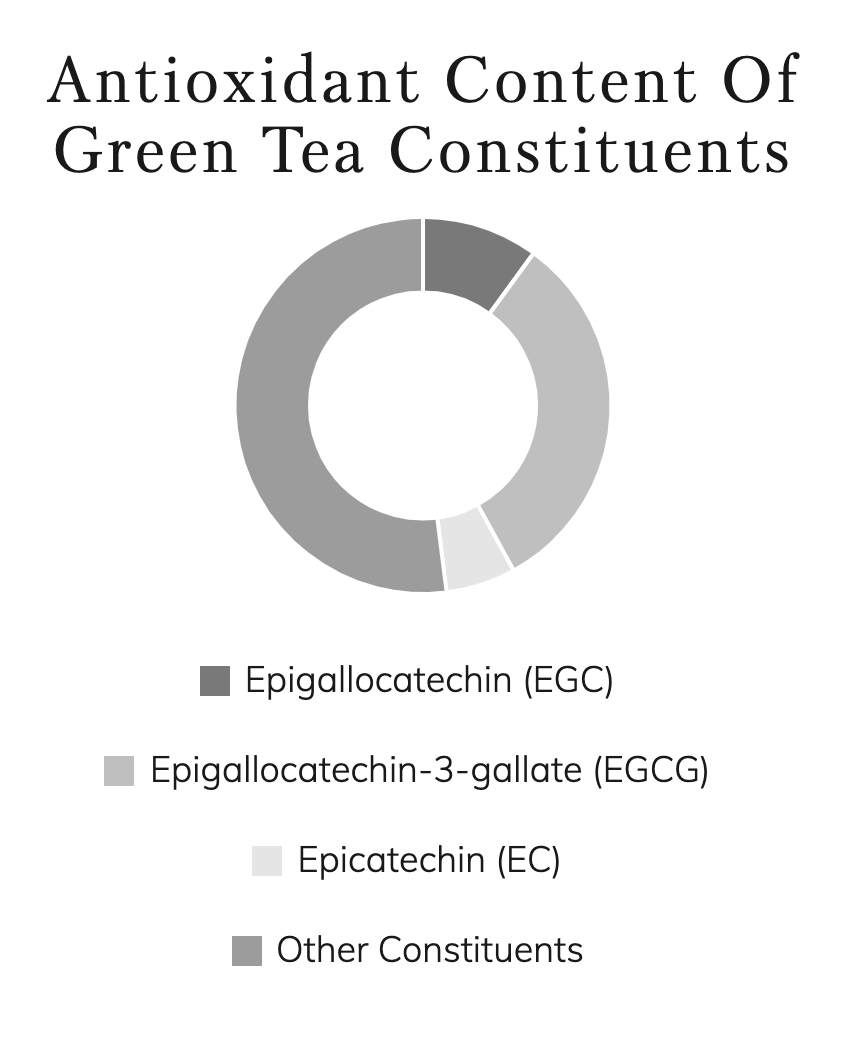
About 70% of green tea’s polyphenol content is catechins 8Reference 8ReviewGreen tea (Camellia sinensis) catechins and vascular function — reviewView study →. EGCG (Epigallocatechin-3-gallate) (EGCG) is one of the most abundant catechins in green tea and is considered one of the most active constituents of green tea as well, accounting for about 32% of the plant’s antioxidant profile (AP). One cup of green tea is suggested to contain 20-200mg of EGCG.
Other catechins contained in green tea include epicatechin ((-)-EC)(5-7% AP), epigallocatechin (EGC)(9-12% AP), and epicatechin-3-gallate (ECG)(9-12% AP). Comparatively, black tea generally has about 30% of the catechins found in green tea and is found mostly in the form of thearubigins, theaflavins, and other complex condensation products 8Reference 8ReviewGreen tea (Camellia sinensis) catechins and vascular function — reviewView study →.
Catechins are mostly absorbed in the intestine, specifically in the ileum and jejunum. Peak absorption is about 1.5-2.5 hours after consumption, however absorption is quite low (about 5% of consumed catechins will appear in blood plasma on average), however during microbial interaction in the colon, catechins are often broken down into compounds such as valerolactones, which are absorbed much later (about 7.5-13.5 hours later) 8Reference 8ReviewGreen tea (Camellia sinensis) catechins and vascular function — reviewView study →.
Generally, catechin metabolites have been shown to produce limited activity compared to their pure form. However, a select few of the metabolites are noted to have similar, higher, or a completely separate activity. These polyphenols have been discovered not to accumulate in blood plasma or urine, and have been suggested to be excreted via the biliary duct 45Reference 45Comparison of catechin profiles in human plasma and urine after single dosing and regular intake of green tea (Camellia sinensis). Catechins can also be found in red wines, grapes, apples, and chocolate 8Reference 8ReviewGreen tea (Camellia sinensis) catechins and vascular function — reviewView study →, as well as guarana (Paullinia cupana).
Caffeine
The caffeine content of Camellia sinensis varies from < 0.02.
The young leaves of the first shoots contain relatively high caffeine concentrations, whereas the stems and roots contain very little 40Reference 40Medical toxicology of drug abuse: synthesized chemicals and psychoactive plants.
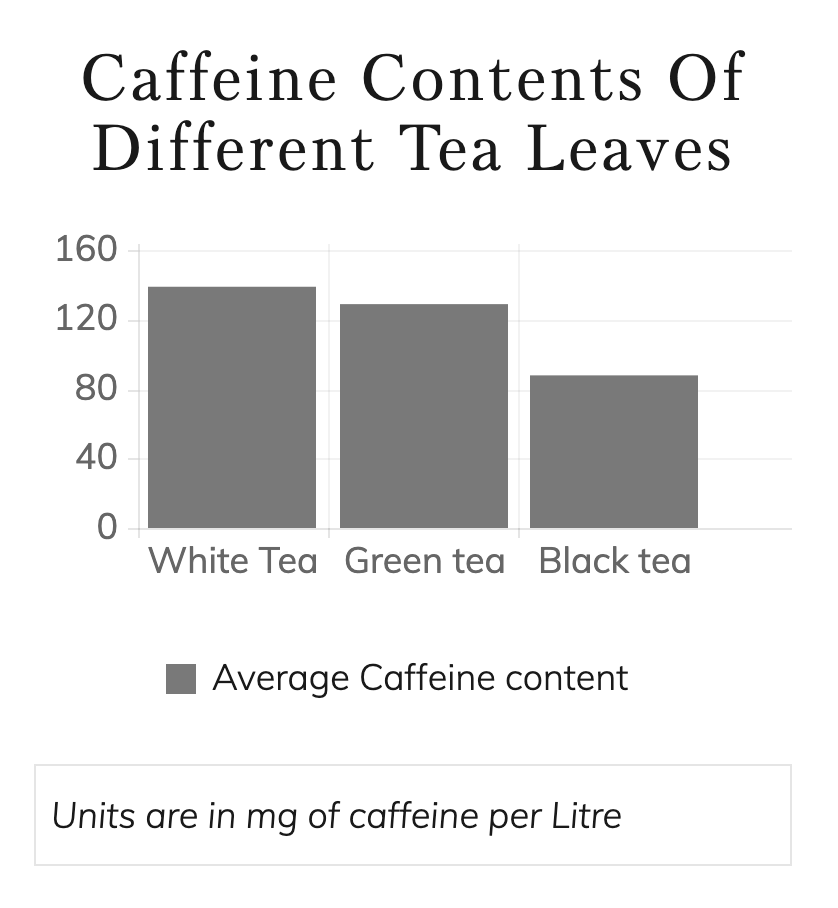
Caffeine Content by Type:
- White tea (140mg/L caffeine)
- Green tea (130 mg/L caffeine)
- Oolong, then black (89 mg/L caffeine)
Constituent Summary
Figures are share of the dried leaf unless noted and vary widely with cultivar, leaf age, processing and oxidation; catechins dominate green tea while theaflavins and thearubigins form during black-tea oxidation 8,47,48Reference 8ReviewGreen tea (Camellia sinensis) catechins and vascular function — reviewView study →Reference 47Theaflavins, Thearubigins, and TheasinensinsView study →Reference 48L-Theanine: A Unique Functional Amino Acid in Tea (Camellia sinensis L.) With Multiple Health Benefits and Food ApplicationsView study →.
Flavanol7 compounds7 with data
Tannin1 compoundno data
Phenolic acid1 compoundno data
Phenolic1 compound1 with data
Purine Alkaloid2 compounds1 with data
Amino Acid1 compound1 with data
Sterol1 compoundno data
Mineral1 compound1 with data
Comparing Different Types of Tea
Green Tea
Green tea leaves have a higher caffeine content than black tea leaves, and about the same (very slightly less) as white, though confusingly, the infusion is often recorded as the opposite.
Other comparisons include green tea’s higher quercetin, flavonoid (catechin), and kaempferol contents, than white and black teas, but has the lowest gallic acid 40Reference 40Medical toxicology of drug abuse: synthesized chemicals and psychoactive plants.
The chemical composition of green tea by dry weight is as follows: 15-20% proteins (enzymes), 1-4% amino acids, 5-7% carbohydrates, 5% minerals/trace elements and xanthic bases (caffeine, theophylline), pigments, sterols, vitamins, and volatile compounds, though these levels can vary greatly depending on growing conditions, strain, and processing techniques 40Reference 40Medical toxicology of drug abuse: synthesized chemicals and psychoactive plants.
Gyokuro is a specific style of tea that involves covering the tea plants in the shade for the final 2 weeks before harvest, this results in lowered catechin content in the leaves, while increasing theanine, and caffeine. This will result in less bitter tea and allows the sweetness of the leaves to appear more intense. The increased theanine may also provide psychological effects based on its pharmacology. Theanine is an amino acid and is mildly psychoactive. It has been regarded highly as a nootropic substance.
White Tea
White tea is considered semi-fermented (semi-oxidized) and contains about the same caffeine content as green (in the leaves and the infusion), and a similar catechin content as well 40,42,8Reference 40Medical toxicology of drug abuse: synthesized chemicals and psychoactive plantsReference 42The galloyl catechins contributing to main antioxidant capacity of tea made from Camellia sinensis in ChinaReference 8ReviewGreen tea (Camellia sinensis) catechins and vascular function — reviewView study →.
Black Tea
Black tea is considered fully-fermented (fully oxidized) and has higher gallic acid and higher caffeine in its infusion when compared to both green and white teas.
This information is controversial; however, in that caffeine is often listed as being highest in white tea, and lowest in black 40Reference 40Medical toxicology of drug abuse: synthesized chemicals and psychoactive plants.
It should be noted that because black tea is generally steeped hotter, and longer, this may play a role in why the caffeine content of this tea is usually recorded as higher.
This is why dry weight constituents, as well as average infusion levels of these chemicals, are equally important. For someone drinking green tea for its suggested lower caffeine content, but uses boiling water and prolonged steeping times, may, in fact, be receiving more caffeine instead of less.
For example, matcha (Japanese powdered green tea), is mixed into a solution, and the whole leaf is consumed including fiber and all of its constituents. This tea is often considered to have the highest caffeine content as a result of all of the components being consumed.
Caffeine (and other purine alkaloids) have a low solubility in water, and therefore when consumed as an infusion, avoid extracting a lot of the caffeine content in the leaves, and therefore less concentrations will be measured in the liquid.
As the temperature increases, it improves as a solvent and allows more caffeine to extract into solution, longer steeping times will also increase this.
When preparing black tea, the higher temperatures, and longer steeping times will directly affect the amount of caffeine in the final brew.
Due to the oxidization process black tea goes through, constituents like thearubigins, theaflavins, and other oxidized phenolic compounds, are included, and a relatively higher concentration of fluoride is noticed 40,42Reference 40Medical toxicology of drug abuse: synthesized chemicals and psychoactive plantsReference 42The galloyl catechins contributing to main antioxidant capacity of tea made from Camellia sinensis in China.
Puerh Tea
Puerh is a unique tea, with an extra fermentation process. This process is a true fermentation, compared to black or oolong tea’s oxidization process that is often referred to as fermentation misleadingly (because it’s not fermentation by definition).
There are generally two ways to go about fermenting puerh.
- “Cooked” puerh is a newer process developed to speed the process to a few months (rather than years), where the leaves are piled and cultured in a controlled environment.
- “Raw” puerh is the traditional method of aging the tea leaves (often in caves or other moderately humid locations), for decades.
Some consider the older the puerh, the better the flavor.
In a study investigating the organisms responsible for this fermentation 43Reference 43Structure and dynamics of the bacterial communities in fermentation of the traditional Chinese post-fermented pu-erh tea revealed by 16S rRNA gene clone library, researchers found a vast variety of organisms.
A few includes fungi such as Absidia, Arxula, Aspergillus, Blastobotrys, Cladosporium, Corynascus, Dictyuchus, Emericella, Eurotium, Eutypella, Gliocladium, Fusarium, Hypocrea, Leptosphaeria, Mucor, Neurospora, Penicillium, Peziza, Phanerochaete, Plectosphaerella, Pichia, Rhizopus, Saccharomyces, Septogloeum, Stemphylium, Syncephalastrum, Talaromyces, Trametes, and Trichoderma, as well as bacteria from such genera as, Actinoplanes, Streptomyces, Paenibacillus, and Bacillus.
The most dominant species were noted to be very closely related to Bacillus coagulans. The sample used in this study went through the “cooked” processing style 43Reference 43Structure and dynamics of the bacterial communities in fermentation of the traditional Chinese post-fermented pu-erh tea revealed by 16S rRNA gene clone library.
Due to this secondary fermentation that takes place during processing, by this massive variety of organisms, this tea has been reported to contain GABA 41Reference 41Pu-Erh tea and GABA attenuates oxidative stress in kainic acid-induced status epilepticus; some studies also report lovastatin-like compounds in fermented puerh, but the amounts and their clinical relevance are unestablished.
The color is more of a velvety red, and the flavor is much smoother as well. More research is needed to get a better idea of what changes are taking place under different cultures of microorganisms during fermentation, and how this changes the medicinal value of this amazing plant.
It would be interesting to see some research investigating what strains of bacteria and fungi produce higher GABA, or statin levels for a different medicinal benefit or flavor.
Clinical Applications
Tea is only used clinically in high doses and concentrations, not in the form commonly consumed as a leisure beverage. The catechin content is potently antioxidant and can be used for a wide range of conditions involving this mechanism.
Additionally, the L-Theanine content of tea, especially shade grown species taken in high doses such as a liquid extract or matcha green tea, is useful for treating neurological conditions, improving cognitive performance, and treating cardiovascular disease of different kinds.
Safety & Pregnancy
Tea is safe as an everyday beverage; the main hazards come from dose and concentration — caffeine effects, tannins reducing iron absorption, and a rare but serious hepatotoxicity signal from high-dose green-tea extracts.
- High-dose extract hepatotoxicity. Concentrated green-tea/EGCG extracts, especially on an empty stomach, are rarely linked to serious liver injury.
- Caffeine effects. Insomnia, jitteriness, palpitations and a transient blood-pressure rise in sensitive people.
- Drug & nutrient interactions. Reduces absorption of folic acid, nadolol and simvastatin; EGCG may antagonise the chemotherapy agent bortezomib.
- Iron absorption. Tannins reduce non-heme iron uptake — take tea away from meals and iron supplements.
- Pregnancy — limit caffeine. Higher maternal caffeine intake is linked to pregnancy loss; keep intake modest.
- Safe as a beverage. Everyday tea drinking is well tolerated.
Full safety & interactions detail
Tea is safe as an everyday beverage, and its main hazards come from dose and concentration rather than the plant itself. Its caffeine can cause insomnia, jitteriness, palpitations and a transient rise in blood pressure in sensitive people, and its tannins reduce non-heme iron absorption, so tea is best taken away from meals and iron supplements. The principal concentrated-form risk is hepatotoxicity: high-dose green-tea extracts, especially EGCG taken on an empty stomach, have been linked in case reports and pharmacopoeial review to rare but serious liver injury, with susceptibility partly genetic 31,32,33Reference 31ReviewUnited States Pharmacopeia (USP) comprehensive review of the hepatotoxicity of green tea extractsView study →Reference 32RCTHepatotoxicity with high-dose green tea extract: effect of catechol-O-methyltransferase and UGT1A4 genotypes — randomised controlled trialView study →Reference 33Case reportGreen tea extract: a potential cause of acute liver failure — case reportView study →. Green tea can also lower the bioavailability of some drugs and nutrients — including nadolol, simvastatin and folic acid — and EGCG may antagonise the chemotherapy agent bortezomib 35,36,37Reference 35ReviewOverview of green tea interaction with cardiovascular drugs — reviewView study →Reference 36Preclinical evaluation of the antitumor activity of bortezomib in combination with vitamin C or with epigallocatechin gallate, a component of green tea — animalView study →Reference 37RCTInfluence of green and black tea on folic acid pharmacokinetics in healthy volunteers: potential risk of diminished folic acid bioavailability — randomised crossoverView study →.
Because caffeine and the other purine alkaloids have low water solubility and extract incompletely during a short infusion, a cup of tea typically delivers roughly half the caffeine of a cup of coffee — but hotter water and longer steeps raise that considerably, and whole-leaf preparations (matcha) deliver the most. Chronically very high intakes — especially of brick or instant tea, which are high in fluoride — have been linked to skeletal fluorosis in case reports 38Reference 38Case reportSkeletal fluorosis from instant tea — case reportView study →.
Interactions assessed? Yes — documented human/preclinical interactions with the cardiovascular drugs nadolol, simvastatin and warfarin 35Reference 35ReviewOverview of green tea interaction with cardiovascular drugs — reviewView study →, with folic acid (~39% reduced absorption) 37Reference 37RCTInfluence of green and black tea on folic acid pharmacokinetics in healthy volunteers: potential risk of diminished folic acid bioavailability — randomised crossoverView study →, and EGCG antagonism of bortezomib 36Reference 36Preclinical evaluation of the antitumor activity of bortezomib in combination with vitamin C or with epigallocatechin gallate, a component of green tea — animalView study →; catechins also show broad weak in-vitro CYP inhibition of uncertain clinical significance 34Reference 34ReviewGreen tea extract and the risk of drug-induced liver injury — reviewView study →.
Caution — limit intake (caffeine). Moderate tea drinking is generally considered acceptable in pregnancy, but its caffeine crosses the placenta and higher maternal caffeine intake is associated in meta-analysis with increased risk of pregnancy loss, so intake should be kept modest and combined caffeine from all sources limited 39Reference 39Meta-analysisMaternal caffeine intake during pregnancy and risk of pregnancy loss: a categorical and dose-response meta-analysisView study →. Tea’s inhibition of folic-acid absorption is an additional reason for caution around conception and early pregnancy 37Reference 37RCTInfluence of green and black tea on folic acid pharmacokinetics in healthy volunteers: potential risk of diminished folic acid bioavailability — randomised crossoverView study →. Concentrated green-tea extracts have not been established as safe in pregnancy and are best avoided given the hepatotoxicity signal. Lactation has not been specifically studied beyond caffeine transfer into breast milk.
Dosage
In research, tea is almost always given as a standardised green-tea extract or an isolated constituent (catechins, or L-theanine with or without caffeine) titrated to a set dose — far more concentrated than an everyday brewed cup.
| Indication | Preparation | Dose | Est. dried-herb equivalent | Source |
|---|---|---|---|---|
| Antihypertensive | Green-tea extract / catechin-enriched beverage | Trials varied; commonly ~150-600 mg catechins/day, ≥8 wk | ~3-8 g dried green leaf/day (assuming ~8% catechins dry leaf) | 1,2,3,4Reference 1Meta-analysisEffect of green tea supplementation on blood pressure: a systematic review and meta-analysis of 24 randomised controlled trialsView study →Reference 2Meta-analysisGreen tea catechins and blood pressure: a systematic review and meta-analysis of randomised controlled trialsView study →Reference 3Meta-analysisEffect of green tea consumption on blood pressure: a meta-analysis of 13 randomised controlled trialsView study →Reference 4Meta-analysisEffect of green tea supplementation on blood pressure in adults: a GRADE-assessed systematic review and dose-response meta-analysis of 36 randomised controlled trialsView study → |
| Hypolipidemic | Green-tea extract or beverage | ~150-2500 mg catechins/day across trials | ~2-30 g dried leaf/day (wide; assumption ~8% catechins) | 5,6Reference 5Meta-analysisGreen tea intake lowers fasting serum total and LDL cholesterol in adults: a meta-analysis of 14 randomised controlled trialsView study →Reference 6Meta-analysisEffect of green tea consumption on blood lipids: a systematic review and meta-analysis of 31 randomised controlled trialsView study → |
| Antioxidant (genoprotection) | Green tea beverage | ~2-3 cups/day (supplementation trial) | ~4-6 g dried leaf/day | 7Reference 7Clinical trialGenoprotective effects of green tea (Camellia sinensis) in human subjects: results of a controlled supplementation trialView study → |
| Cognition (acute) | L-theanine + caffeine | 97-100 mg L-theanine + ~40-50 mg caffeine, single dose | not applicable (isolated constituents) | 15,16Reference 15Meta-analysisEffects of tea (Camellia sinensis) or its bioactive compounds L-theanine or L-theanine plus caffeine on cognition, sleep, and mood in healthy participants: a systematic review and meta-analysis of randomised controlled trialsView study →Reference 16RCTThe combined effects of L-theanine and caffeine on cognitive performance and mood — randomised controlled trialView study → |
| Anxiety/stress | L-theanine (isolated) | 200 mg/day, 4 wk (healthy); 450-900 mg/day (GAD, null) | not applicable (isolated constituent) | 26,27Reference 26RCTL-theanine in the adjunctive treatment of generalised anxiety disorder: a double-blind, randomised, placebo-controlled trialView study →Reference 27RCTEffects of L-theanine administration on stress-related symptoms and cognitive functions in healthy adults: a randomised controlled trialView study → |
| Weight/anti-obesity | Green-tea catechin + caffeine extract | ~270-1200 mg catechins/day, ≥12 wk | ~3-15 g dried leaf/day | 19,20Reference 19Systematic reviewGreen tea for weight loss and weight maintenance in overweight or obese adults — systematic review (Cochrane)View study →Reference 20Meta-analysisThe effects of green tea on weight loss and weight maintenance: a meta-analysisView study → |
| Glycemic control | Green tea / extract | ~450-900 mg catechins/day | ~6-11 g dried leaf/day | 21Reference 21Meta-analysisEffect of green tea on glucose control and insulin sensitivity: a meta-analysis of 17 randomised controlled trialsView study → |
The estimated dried-herb equivalent assumes dried green-tea leaf is roughly 8% catechins by weight — a rough midpoint that varies widely with cultivar, leaf age and processing. It is a guide, not a conversion factor or a recommendation. Isolated-constituent doses (L-theanine, theanine + caffeine) have no meaningful whole-leaf equivalent and are marked “not applicable.”
Traditional Dosage
Traditional use is as a brewed-leaf beverage; medicinal (bitter, astringent) preparations use hotter water and longer steeps to extract more of the catechin and alkaloid content.
| System | Preparation | Dose |
|---|---|---|
| Western herbal (beverage) | Dried-leaf infusion | 2-3 cups/day; ~2-3 g leaf per cup, 1-5 min, 50-90 °C |
| Western herbal (medicinal) | Strong infusion 1:20, hot water, long steep | 1 cup, 3× daily (bitter, astringent) |
| TCM (green tea — “cools heat / drains damp-heat”) | Infusion | Taken as beverage; cold-energy, contraindicated in cold/spleen-deficiency patterns |
Synergy
Suggested to have synergy with Juglans regia in use against Multi-drug-resistant bacteria 28Reference 28In vitroSynergistic antimicrobial activity of Camellia sinensis and Juglans regia against multidrug-resistant bacteria — in vitroView study →.
Tea For Taste
References
- Xu, R., Bai, Y., Yang, K., & Chen, G. (2020). Effect of green tea supplementation on blood pressure: a systematic review and meta-analysis of 24 randomised controlled trials. Medicine (Baltimore), 99(6), e19047. https://pubmed.ncbi.nlm.nih.gov/32028419/
- Peng, X., Zhou, R., Wang, B., et al. (2014). Green tea catechins and blood pressure: a systematic review and meta-analysis of randomised controlled trials. Eur J Nutr, 53(6), 1299-1311. https://pubmed.ncbi.nlm.nih.gov/24861099/
- Li, G., Zhang, Y., Thabane, L., et al. (2014). Effect of green tea consumption on blood pressure: a meta-analysis of 13 randomised controlled trials. Sci Rep, 4, 6251. https://pubmed.ncbi.nlm.nih.gov/25176280/
- Ghanbari, F., et al. (2025). Effect of green tea supplementation on blood pressure in adults: a GRADE-assessed systematic review and dose-response meta-analysis of 36 randomised controlled trials. Blood Press, 34(1). https://pubmed.ncbi.nlm.nih.gov/40497293/
- Zheng, X. X., Xu, Y. L., Li, S. H., et al. (2011). Green tea intake lowers fasting serum total and LDL cholesterol in adults: a meta-analysis of 14 randomised controlled trials. Am J Clin Nutr, 94(2), 601-610. https://pubmed.ncbi.nlm.nih.gov/21715508/
- Xu, R., Yang, K., Li, S., et al. (2020). Effect of green tea consumption on blood lipids: a systematic review and meta-analysis of 31 randomised controlled trials. Nutr J, 19(1), 48. https://pubmed.ncbi.nlm.nih.gov/32434539/
- Han, K. C., Wong, W. C., & Benzie, I. F. (2011). Genoprotective effects of green tea (Camellia sinensis) in human subjects: results of a controlled supplementation trial. Br J Nutr, 105(2), 171-179. https://pubmed.ncbi.nlm.nih.gov/20807462/
- Moore, R. J., Jackson, K. G., & Minihane, A. M. (2009). Green tea (Camellia sinensis) catechins and vascular function — review. Br J Nutr, 102(12), 1790-1802. https://pubmed.ncbi.nlm.nih.gov/19751534/
- Chan, E. W. C., Soh, E. Y., Tie, P. P., & Law, Y. P. (2011). Antioxidant and antibacterial properties of green, black, and herbal teas of Camellia sinensis — in vitro. Pharmacognosy Res, 3(4), 266-272. https://pubmed.ncbi.nlm.nih.gov/22224051/
- Oyama, J., Maeda, T., Kouzuma, K., et al. (2010). Green tea catechins improve human forearm endothelial dysfunction and have antiatherosclerotic effects in smokers — randomised controlled trial. Circ J, 74(3), 578-588. https://pubmed.ncbi.nlm.nih.gov/20134098/
- Duffy, S. J., Keaney, J. F. Jr, Holbrook, M., et al. (2001). Short- and long-term black tea consumption reverses endothelial dysfunction in patients with coronary artery disease — randomised controlled trial. Circulation, 104(2), 151-156. https://pubmed.ncbi.nlm.nih.gov/11447078/
- Inoue-Choi, M., Ramirez, Y., Cornelis, M. C., et al. (2022). Tea consumption and all-cause and cause-specific mortality in the UK Biobank — prospective cohort study. Ann Intern Med, 175(9), 1201-1211. https://pubmed.ncbi.nlm.nih.gov/36037472/
- Chung, M., et al. (2024). Tea consumption and risk of all-cause, cardiovascular disease, and cancer mortality: a meta-analysis of thirty-eight prospective cohort datasets. Epidemiol Health, 46, e2024051. https://pubmed.ncbi.nlm.nih.gov/38938012/
- Liu, J., Liu, S., Zhou, H., et al. (2017). Green tea consumption and cause-specific mortality: results from two prospective cohort studies in China. J Epidemiol, 27(2), 71-78. https://pubmed.ncbi.nlm.nih.gov/28135196/
- Sung, M., et al. (2025). Effects of tea (Camellia sinensis) or its bioactive compounds L-theanine or L-theanine plus caffeine on cognition, sleep, and mood in healthy participants: a systematic review and meta-analysis of randomised controlled trials. Nutr Rev. https://pubmed.ncbi.nlm.nih.gov/40314930/
- Owen, G. N., Parnell, H., De Bruin, E. A., & Rycroft, J. A. (2008). The combined effects of L-theanine and caffeine on cognitive performance and mood — randomised controlled trial. Nutr Neurosci, 11(4), 193-198. https://pubmed.ncbi.nlm.nih.gov/18681988/
- Mancini, E., Beglinger, C., Drewe, J., et al. (2017). Green tea effects on cognition, mood and human brain function: a systematic review. Phytomedicine, 34, 26-37. https://pubmed.ncbi.nlm.nih.gov/28899506/
- Chen, B. T., Li, W. X., He, R. R., et al. (2012). Anti-inflammatory effects of a polyphenols-rich extract from tea (Camellia sinensis) flowers in acute and chronic mice models — animal. Oxid Med Cell Longev, 2012, 537923. https://pubmed.ncbi.nlm.nih.gov/22900128/
- Jurgens, T. M., Whelan, A. M., Killian, L., et al. (2012). Green tea for weight loss and weight maintenance in overweight or obese adults — systematic review (Cochrane). Cochrane Database Syst Rev, (12), CD008650. https://pubmed.ncbi.nlm.nih.gov/23235664/
- Hursel, R., Viechtbauer, W., & Westerterp-Plantenga, M. S. (2009). The effects of green tea on weight loss and weight maintenance: a meta-analysis. Int J Obes (Lond), 33(9), 956-961. https://pubmed.ncbi.nlm.nih.gov/19597519/
- Liu, K., Zhou, R., Wang, B., et al. (2013). Effect of green tea on glucose control and insulin sensitivity: a meta-analysis of 17 randomised controlled trials. Am J Clin Nutr, 98(2), 340-348. https://pubmed.ncbi.nlm.nih.gov/23803878/
- Asbaghi, O., Fouladvand, F., Gonzalez, M. J., et al. (2021). Effect of green tea on glycemic control in patients with type 2 diabetes mellitus: a systematic review and meta-analysis. Diabetes Metab Syndr, 15(1), 23-31. https://pubmed.ncbi.nlm.nih.gov/33285391/
- Filippini, T., Malavolti, M., Borrelli, F., et al. (2020). Green tea (Camellia sinensis) for the prevention of cancer — systematic review (Cochrane). Cochrane Database Syst Rev, 3(3), CD005004. https://pubmed.ncbi.nlm.nih.gov/32118296/
- Abe, S. K., & Inoue, M. (2021). Tea drinking and risk of cancer incidence: a meta-analysis of prospective cohort studies and evidence evaluation. Adv Nutr, 12(4), 1200-1210. https://pubmed.ncbi.nlm.nih.gov/33002099/
- Huang, Y. Q., Lu, X., Min, H., et al. (2016). Green tea and liver cancer risk: a meta-analysis of prospective cohort studies in Asian populations. Nutrition, 32(1), 3-8. https://pubmed.ncbi.nlm.nih.gov/26412579/
- Sarris, J., Byrne, G. J., Cribb, L., et al. (2019). L-theanine in the adjunctive treatment of generalised anxiety disorder: a double-blind, randomised, placebo-controlled trial. J Psychiatr Res, 110, 31-37. https://pubmed.ncbi.nlm.nih.gov/30580081/
- Hidese, S., Ogawa, S., Ota, M., et al. (2019). Effects of L-theanine administration on stress-related symptoms and cognitive functions in healthy adults: a randomised controlled trial. Nutrients, 11(10), 2362. https://pubmed.ncbi.nlm.nih.gov/31623400/
- Farooqui, A., Khan, A., Borghetto, I., et al. (2015). Synergistic antimicrobial activity of Camellia sinensis and Juglans regia against multidrug-resistant bacteria — in vitro. PLoS One, 10(2), e0118431. https://pubmed.ncbi.nlm.nih.gov/25719410/
- Bitu Pinto, N., da Silva Alexandre, B., Neves, K. R. T., et al. (2015). Neuroprotective properties of the standardised extract from Camellia sinensis (green tea) in the 6-OHDA model of Parkinson’s disease — animal. Evid Based Complement Alternat Med, 2015, 161092. https://pubmed.ncbi.nlm.nih.gov/26167188/
- Abeywickrama, K. R. W., Ratnasooriya, W. D., & Amarakoon, A. M. T. (2010). Oral diuretic activity of hot water infusion of Sri Lankan black tea (Camellia sinensis L.) in rats — animal. Pharmacognosy Mag, 6(24), 271-277. https://pubmed.ncbi.nlm.nih.gov/21120027/
- Hu, J., Webster, D., Cao, J., & Shao, A. (2020). United States Pharmacopeia (USP) comprehensive review of the hepatotoxicity of green tea extracts. Toxicol Rep, 7, 386-402. https://pubmed.ncbi.nlm.nih.gov/32140423/
- Hakim, I. A., et al. (2023). Hepatotoxicity with high-dose green tea extract: effect of catechol-O-methyltransferase and UGT1A4 genotypes — randomised controlled trial. J Diet Suppl, 20(6), 850-869. https://pubmed.ncbi.nlm.nih.gov/36178169/
- Patel, S. S., Beer, S., Kearney, D. L., et al. (2013). Green tea extract: a potential cause of acute liver failure — case report. World J Gastroenterol, 19(31), 5174-5177. https://pubmed.ncbi.nlm.nih.gov/23964154/
- Teschke, R., Zhang, L., Melzer, L., et al. (2014). Green tea extract and the risk of drug-induced liver injury — review. Expert Opin Drug Metab Toxicol, 10(12), 1663-1676. https://pubmed.ncbi.nlm.nih.gov/25316200/
- Fogacci, F., Cicero, A. F. G., et al. (2015). Overview of green tea interaction with cardiovascular drugs — review. Curr Pharm Des, 21(9), 1157-1163. https://pubmed.ncbi.nlm.nih.gov/25312732/
- Bannerman, B., Xu, L., Jones, M., et al. (2011). Preclinical evaluation of the antitumor activity of bortezomib in combination with vitamin C or with epigallocatechin gallate, a component of green tea — animal. Cancer Chemother Pharmacol, 68(5), 1145-1154. https://pubmed.ncbi.nlm.nih.gov/21400028/
- Alemdaroglu, N. C., Dietz, U., Wolffram, S., et al. (2008). Influence of green and black tea on folic acid pharmacokinetics in healthy volunteers: potential risk of diminished folic acid bioavailability — randomised crossover. Biopharm Drug Dispos, 29(6), 335-348. https://pubmed.ncbi.nlm.nih.gov/18551467/
- Whyte, M. P., Essmyer, K., Gannon, F. H., & Reinus, W. R. (2008). Skeletal fluorosis from instant tea — case report. J Bone Miner Res, 23(5), 759-769. https://pubmed.ncbi.nlm.nih.gov/18179362/
- Li, J., Zhao, H., Song, J. M., et al. (2016). Maternal caffeine intake during pregnancy and risk of pregnancy loss: a categorical and dose-response meta-analysis. Am J Obstet Gynecol, 214(3), 335-343. https://pubmed.ncbi.nlm.nih.gov/26329421/
- Barceloux, D. G. (2012). Medical toxicology of drug abuse: synthesized chemicals and psychoactive plants. John Wiley & Sons.
- Hou, C. W. (2011). Pu-Erh tea and GABA attenuates oxidative stress in kainic acid-induced status epilepticus. J Biomed Sci, 18(1), 75.
- Zhao, C., Li, C., Liu, S., & Yang, L. (2014). The galloyl catechins contributing to main antioxidant capacity of tea made from Camellia sinensis in China. The Scientific World Journal, 2014, 863984.
- Zhao, M., Xiao, W., Ma, Y., et al. (2013). Structure and dynamics of the bacterial communities in fermentation of the traditional Chinese post-fermented pu-erh tea revealed by 16S rRNA gene clone library. World J Microbiol Biotechnol, 29(10), 1877-1884.
- Saberi, H. (2010). Tea: a global history. Reaktion Books.
- Fung, S. T., Ho, C. K., Choi, S. W., Chung, W. Y., & Benzie, I. F. (2013). Comparison of catechin profiles in human plasma and urine after single dosing and regular intake of green tea (Camellia sinensis). Br J Nutr, 109(12), 2199-2207.
- Hempen, C. H., & Fischer, T. (2009). A materia medica for Chinese medicine: plants, minerals, and animal products. Elsevier Health Sciences.
- Koch, W. (2019). Theaflavins, Thearubigins, and Theasinensins. In J.-M. Mérillon & K. G. Ramawat (Eds.), Bioactive Molecules in Food (pp. 1283-1319). Cham: Springer. doi:10.1007/978-3-319-78030-6_20
- Li, M. Y., Liu, H. Y., Wu, D. T., et al. (2022). L-Theanine: A Unique Functional Amino Acid in Tea (Camellia sinensis L.) With Multiple Health Benefits and Food Applications. Front Nutr, 9, 853846. doi:10.3389/fnut.2022.853846