
Materia Medica
Black Cohosh
Cimicifuga racemosa
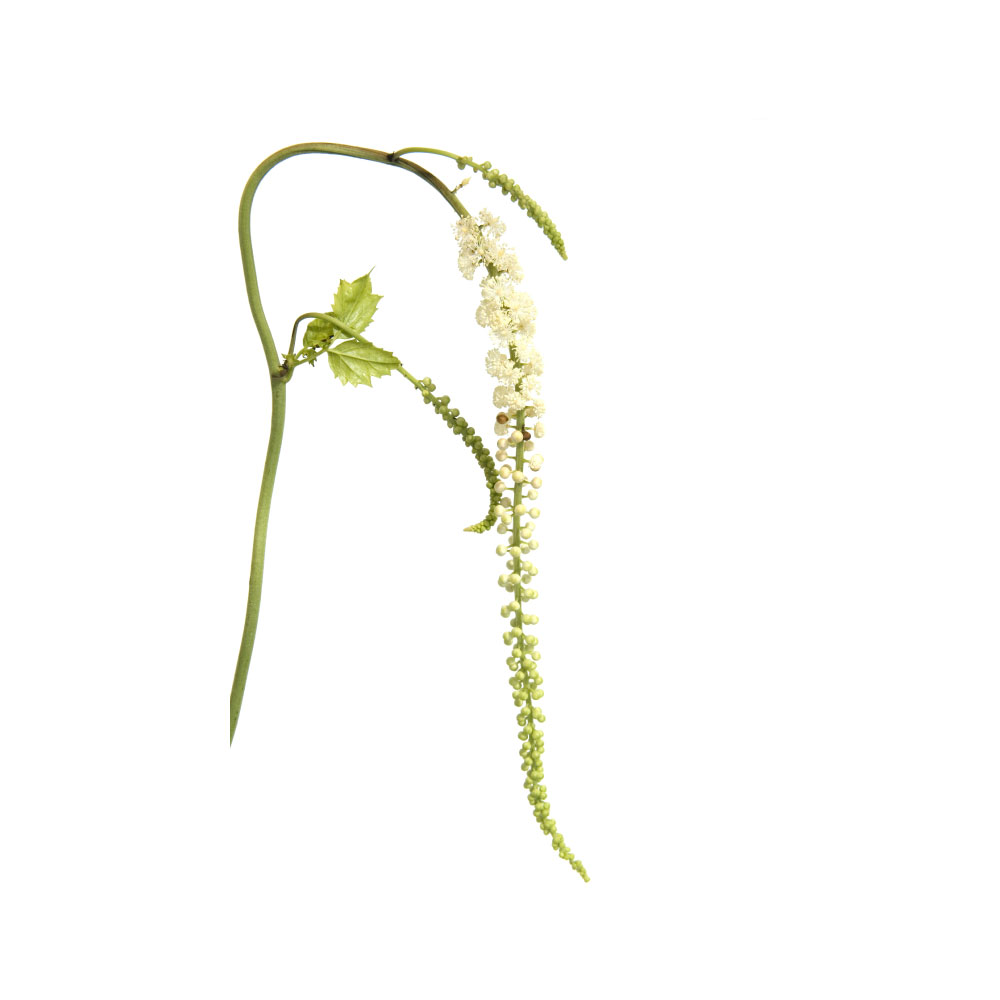
Black cohosh (Cimicifuga racemosa) — a key women's herb used to ease menopausal symptoms and hormonal complaints in Western herbal medicine.
What Is Black Cohosh?
Black cohosh is a perennial woodland herb native to eastern North America and one of the most widely used herbal remedies for menopause-related symptoms. The medicinal rhizome has a long history of use among Indigenous peoples of North America before later becoming established in Eclectic and Western herbal medicine.
Today, the herb is most commonly associated with hot flashes, night sweats, mood changes, and other menopausal symptoms, though it has also historically been used for menstrual discomfort, musculoskeletal pain, and nervous system tension.
Although often described as “estrogenic” in popular herbal literature, current evidence suggests black cohosh does not act like a classical phytoestrogen. Its effects appear more complex and may involve serotonergic, neuroendocrine, and anti-inflammatory pathways.
How Is Black Cohosh Used?
Black cohosh is most commonly used as a medium- to short-term herbal remedy during menopause and perimenopause.
The rhizome is typically prepared as tinctures, capsules, tablets, teas, or standardized extracts rich in triterpene glycosides. Standardized preparations are especially common in clinical and commercial use.
Traditional herbalists also used black cohosh for menstrual cramps, muscular tension, rheumatic pain, nervous irritability, and headaches associated with hormonal fluctuation.
Modern formulations frequently combine black cohosh with herbs such as chaste tree, dong quai, sage, or red clover in menopause-support formulas.
Traditional Uses
Western Herbal Medicine
In Western herbal medicine, black cohosh is regarded as a women’s reproductive tonic with particular affinity for menopause, menstrual discomfort, and neuro-muscular tension.
Traditional indications include hot flashes, night sweats, menstrual cramps, mood changes, irritability, headaches, and muscular pain associated with hormonal fluctuation.
Eclectic physicians additionally used the herb for rheumatic pain, neuralgia, coughs, and states of nervous agitation.
Traditional Indigenous Uses
Several Indigenous North American traditions used black cohosh for women’s health concerns, musculoskeletal pain, fatigue, and inflammatory conditions.
The rhizome was traditionally prepared as decoctions, poultices, or tinctures depending on the condition being treated.
Indications
Black cohosh is primarily indicated for menopausal and gynecological complaints.
Common traditional and modern indications include:
- Menopause
- Hot flashes
- Night sweats
- Perimenopausal symptoms
- Menstrual cramps
- Premenstrual irritability
- Hormonal headaches
- Nervous tension associated with menopause
- Muscular aches associated with hormonal fluctuation
Clinically, the herb is most commonly used during menopause and perimenopause.
Botany
Black cohosh is a tall woodland perennial in the buttercup family (Ranunculaceae), recognised in the wild by its airy spires of small creamy-white flowers held well above compound, sharply toothed foliage. The medicinal part is the knotted, blackish rhizome and its dark roots — the “black” in the common name — harvested from mature plants.
A naming point that matters at the point of purchase: this is the plant long sold as Cimicifuga racemosa, now botanically reclassified as Actaea racemosa. The two names refer to the same herb, and both appear on product labels and in older literature.
It should not be confused with blue cohosh (Caulophyllum thalictroides), an unrelated plant in a different family (Berberidaceae) with different chemistry and different traditional uses — the shared word “cohosh” reflects overlapping folk usage, not botanical kinship.
Distribution
Black cohosh is native to the rich hardwood forests of eastern North America, growing wild from southern Ontario and New England down through the Appalachians to Georgia and west to the Ozarks. Because nearly all commercial supply is dug from these wild stands and the plant is slow to recover, it is treated as an at-risk medicinal — a reason to favour cultivated or sustainably wild-crafted sources.
Growing Conditions
- Prefers dappled shade to full shade — a woodland-edge plant that wants only a couple of hours of gentle morning sun.
- Likes rich, moisture-retentive, humusy soil, much like its native forest floor.
- Cold-hardy across a wide range (roughly USDA zones 3–8) and long-lived once settled.
- Slow to establish from seed and slow to regenerate after the rhizome is harvested, so plan for patience.
- Full cultivation detail lives on the companion farm-wiki grow guide for Cimicifuga racemosa (link to be added once that project’s public URL is confirmed).
Pharmacology & Research
Black cohosh is one of the most heavily studied of all Western herbs, with dozens of randomised controlled trials, several meta-analyses, and a Cochrane systematic review — yet the evidence for its flagship use remains genuinely mixed rather than settled. Positive, well-powered meta-analyses conclude the herb modestly relieves menopausal vasomotor symptoms 1,3,4Reference 1Meta-analysisBlack cohosh extracts in women with menopausal symptoms: an updated pairwise meta-analysisView study →Reference 3Meta-analysisEfficacy of black cohosh-containing preparations on menopausal symptoms: a meta-analysis of randomised placebo-controlled trialsView study →Reference 4Meta-analysisReview & meta-analysis: isopropanolic black cohosh extract iCR for menopausal symptoms — an updateView study →, while the Cochrane review found insufficient evidence and two rigorous North American trials in breast-cancer populations were flatly negative 2,6,7Reference 2Systematic reviewBlack cohosh (Cimicifuga spp.) for menopausal symptoms — Cochrane systematic review of randomised controlled trialsView study →Reference 6RCTPhase III double-blind, randomised, placebo-controlled crossover trial of black cohosh for hot flashes (NCCTG N01CC1)View study →Reference 7RCTRandomised trial of black cohosh for hot flashes among women with a history of breast cancerView study →. Crucially, most of the strongest positive data cluster around a single standardised isopropanolic extract (iCR, marketed as Remifemin) whose trials are largely manufacturer-sponsored, so results do not transfer freely to teas, tinctures, or other extracts 4,31Reference 4Meta-analysisReview & meta-analysis: isopropanolic black cohosh extract iCR for menopausal symptoms — an updateView study →Reference 31ReviewHenneicke-von Zepelin, H. H. (2017). 60 years of Cimicifuga racemosa medicinal products: clinical research milestones — review. Wien Med Wochenschr. https://pubmed.ncbi.nlm.nih.gov/28155126/View study →. Contrary to popular belief the herb does not act as a classical phytoestrogen — its effects appear serotonergic, neuroendocrine, and anti-inflammatory 10,18,32Reference 10In vitroIn vitro serotonergic activity of black cohosh and identification of Nω-methylserotonin as a potential active constituentView study →Reference 18In vitroIsopropanolic extract of black cohosh stimulates osteoprotegerin production by human osteoblasts — in vitroView study →Reference 32In vitroHigh-content screening and mechanism-based evaluation of estrogenic botanical extracts (SERM-like activity of black cohosh) — in vitroView study → — and everything downstream of menopause (bone, mood, fertility, cancer) rests on preclinical or constituent-level work.
- Best-supported: modest relief of menopausal hot flashes and somatic symptoms, mainly with the standardised isopropanolic extract, though high-quality trials disagree 1,2,3,4Reference 1Meta-analysisBlack cohosh extracts in women with menopausal symptoms: an updated pairwise meta-analysisView study →Reference 2Systematic reviewBlack cohosh (Cimicifuga spp.) for menopausal symptoms — Cochrane systematic review of randomised controlled trialsView study →Reference 3Meta-analysisEfficacy of black cohosh-containing preparations on menopausal symptoms: a meta-analysis of randomised placebo-controlled trialsView study →Reference 4Meta-analysisReview & meta-analysis: isopropanolic black cohosh extract iCR for menopausal symptoms — an updateView study →.
- Emerging, worth watching: serotonergic and AMPK/metabolic mechanisms that may explain effects independent of estrogen 10,12Reference 10In vitroIn vitro serotonergic activity of black cohosh and identification of Nω-methylserotonin as a potential active constituentView study →Reference 12ReviewTreat more than heat — new therapeutic implications of Cimicifuga racemosa through AMPK-dependent metabolic effects — reviewView study →, and adjunct use with clomiphene in PCOS ovulation induction 13,14Reference 13RCTAdding Cimicifuga racemosa to clomiphene induction cycles in PCOS improves cycle outcomes and pregnancy rates — randomised trialView study →Reference 14Systematic reviewSystematic review of black cohosh for management of PCOS-related infertilityView study →.
- Mechanistically thin: bone protection, anti-inflammatory activity, and anticancer effects — all in vitro or animal only, several resting on the isolated triterpene actein at doses far above achievable exposure 19,20,22Reference 19In vitroActein isolated from black cohosh promotes the function of osteoblastic MC3T3-E1 cells — in vitroView study →Reference 20In vitroCimicifuga foetida and C. racemosa prevent postmenopausal osteoporosis by inhibiting osteoclast autophagy via CB2R and ERα — in vitro and ovariectomised-rat modelView study →Reference 22In vitroActein and a fraction of black cohosh potentiate antiproliferative effects of chemotherapy agents on human breast cancer cells — in vitroView study →.
- The caveat: extract-specific results, heavy industry sponsorship of positive menopause data, species/cultivar substitution (Actaea vs Cimicifuga), and a real if rare hepatotoxicity signal that sits over the whole herb.
1. Menopausal vasomotor symptoms
This is the herb’s defining and most-tested indication, and the evidence genuinely conflicts. A 2023 updated pairwise meta-analysis of 22 RCTs (n=2,310) found black cohosh extracts significantly improved overall menopausal symptoms and hot flashes versus placebo, though effect sizes were small (Hedges’ g ≈ 0.32 for hot flashes) 1Reference 1Meta-analysisBlack cohosh extracts in women with menopausal symptoms: an updated pairwise meta-analysisView study →. An earlier meta-analysis reported a 26% improvement in vasomotor symptoms but with significant heterogeneity between trials 3Reference 3Meta-analysisEfficacy of black cohosh-containing preparations on menopausal symptoms: a meta-analysis of randomised placebo-controlled trialsView study →, and a large industry review of the isopropanolic extract iCR reported efficacy comparable to low-dose transdermal estradiol 4Reference 4Meta-analysisReview & meta-analysis: isopropanolic black cohosh extract iCR for menopausal symptoms — an updateView study →. Against this, the 2012 Cochrane review of 16 RCTs (n=2,027, median 40 mg/day) found no significant difference from placebo in hot-flush frequency or symptom scores 2Reference 2Systematic reviewBlack cohosh (Cimicifuga spp.) for menopausal symptoms — Cochrane systematic review of randomised controlled trialsView study →, and two rigorous placebo-controlled trials — the NCCTG Phase III crossover trial (n=132) and a trial in breast-cancer survivors (n=85) — showed black cohosh was no better than placebo 6,7Reference 6RCTPhase III double-blind, randomised, placebo-controlled crossover trial of black cohosh for hot flashes (NCCTG N01CC1)View study →Reference 7RCTRandomised trial of black cohosh for hot flashes among women with a history of breast cancerView study →. A UK NICE network meta-analysis placed it above placebo but below transdermal hormone therapy 5Reference 5Meta-analysisVasomotor symptoms from natural menopause: a systematic review and network meta-analysis (NICE guideline)View study →. The most defensible reading: a modest, extract-dependent benefit that is easily lost in well-controlled trials.
Gap: the positive signal is concentrated in manufacturer-sponsored trials of one standardised extract; independent, high-quality trials are frequently null, and results do not generalise to teas or non-standardised products.
2. Menopausal mood & neuropsychological symptoms
Beyond hot flashes, black cohosh is credited with easing the irritability, low mood, and anxiety of the menopausal transition, and there is a plausible serotonergic rationale for this. The iCR review found the extract superior to placebo for neurovegetative and psychological symptoms, with the largest effect when combined with St John’s wort (Hypericum perforatum) 4Reference 4Meta-analysisReview & meta-analysis: isopropanolic black cohosh extract iCR for menopausal symptoms — an updateView study →, and a 2019 meta-analysis reported benefit for anxiety and depression across peri- and postmenopausal women 9Reference 9Meta-analysisEfficacy of herbal medicines on anxiety and depression in peri- and postmenopausal women: a systematic review and meta-analysisView study →. A prospective RCT versus fluoxetine (n=120) found black cohosh reduced Kupperman-index and vasomotor scores more than the SSRI, though fluoxetine did more for formal depression scores 8Reference 8RCTBlack cohosh and fluoxetine in postmenopausal symptoms: a prospective, randomised trialView study →. The important counterweight: the 2023 pairwise meta-analysis found no significant improvement in anxiety (g=0.19) or depressive symptoms (g=0.41) 1Reference 1Meta-analysisBlack cohosh extracts in women with menopausal symptoms: an updated pairwise meta-analysisView study →.
Gap: mood benefit is usually a secondary outcome inside menopause trials, is inconsistent, and the strongest signal requires co-administration of St John’s wort — making it hard to attribute to black cohosh alone.
3. PCOS & ovulation induction
A distinct, more recent line of human research tests black cohosh as an adjunct to clomiphene citrate for ovulation induction in polycystic ovary syndrome. A randomised trial (n=194) reported that adding Cimicifuga racemosa to clomiphene cycles improved endometrial thickness, hormone profiles, and clinical pregnancy rates (34.8% vs 17.2%) 13Reference 13RCTAdding Cimicifuga racemosa to clomiphene induction cycles in PCOS improves cycle outcomes and pregnancy rates — randomised trialView study →. A 2021 systematic review of the PCOS literature found three RCTs reporting improved pregnancy rates with black cohosh plus clomiphene and concluded short-term use appears safe — but flagged serious risk-of-bias concerns and a lack of high-quality evidence 14Reference 14Systematic reviewSystematic review of black cohosh for management of PCOS-related infertilityView study →. A separate clinical trial (n=100) found no difference in follicle number or endometrial thickness when black cohosh was added to clomiphene 15Reference 15Clinical trialCimicifuga racemosa with clomiphene for ovulation induction in PCOS: a clinical trialView study →.
Gap: the supporting trials are small, single-centre, and methodologically weak; black cohosh here is an add-on to a fertility drug, not a standalone treatment, and the null trial tempers the positive ones.
4. Anti-inflammatory
Chronic low-grade inflammation (“inflammaging”) rises after estrogen loss, and several mechanistic studies suggest black cohosh extracts blunt it. A 2025 study showed the Ze 450 extract reduced nitric oxide, IL-1, IL-6, iNOS, HIF-1α and mTOR in LPS-stimulated macrophages and shifted their metabolism from oxidative phosphorylation toward glycolysis 16Reference 16In vitroCimicifuga racemosa extract Ze 450 shifts macrophage immunometabolism and attenuates pro-inflammatory signalling — in vitroView study →. Bioactivity-guided fractionation earlier identified cimiracemate A as an anti-inflammatory constituent that suppresses LPS-induced TNF-α in human macrophages via MAPK and NF-κB modulation 17Reference 17In vitroIdentification of cimiracemate A as an anti-inflammatory constituent of black cohosh on human macrophages — in vitroView study →. These findings are coherent but confined to cell systems.
Gap: entirely in vitro; no clinical study has tested black cohosh as an anti-inflammatory agent, and the extracts used (e.g. Ze 450) are proprietary and manufacturer-supplied.
5. Bone / osteoporosis
Because postmenopausal women lose bone, black cohosh’s possible skeletal effect has drawn interest, with mixed preclinical results. In human osteoblasts in vitro, the isopropanolic extract raised osteoprotegerin secretion 3–5-fold and improved the OPG-to-RANKL ratio, an effect blocked by an estrogen-receptor antagonist 18Reference 18In vitroIsopropanolic extract of black cohosh stimulates osteoprotegerin production by human osteoblasts — in vitroView study →. The isolated triterpene actein stimulated osteoblastic MC3T3-E1 cells and protected them against oxidative mitochondrial damage in vitro 19Reference 19In vitroActein isolated from black cohosh promotes the function of osteoblastic MC3T3-E1 cells — in vitroView study →, and a 2025 study reported that C. racemosa attenuated bone loss in ovariectomised rats via CB2R and ERα signalling 20Reference 20In vitroCimicifuga foetida and C. racemosa prevent postmenopausal osteoporosis by inhibiting osteoclast autophagy via CB2R and ERα — in vitro and ovariectomised-rat modelView study →. However, a well-controlled FDA ovariectomised-rat study found black cohosh extract had no effect on bone mineral density, alone or with risedronate 21Reference 21AnimalBlack cohosh extract and risedronate coadministration on bone health in an ovariectomised rat modelView study →.
Gap: no human bone-outcome data exist; the animal evidence conflicts, and the Cochrane review specifically listed bone health as an unresolved question.
6. Anticancer (actein)
A body of cell-line work suggests the triterpene glycoside actein has antiproliferative activity, but this is constituent-level pharmacology, not a use of the herb. Actein preferentially inhibited breast-cancer cell growth, triggered ER-mediated calcium release, and modulated NF-κB and MEK pathways 23Reference 23In vitroActein induces calcium release in human breast cancer cells — in vitroView study →; it synergised with doxorubicin, 5-fluorouracil and paclitaxel against breast-cancer lines in vitro 22Reference 22In vitroActein and a fraction of black cohosh potentiate antiproliferative effects of chemotherapy agents on human breast cancer cells — in vitroView study →; and it inhibited colorectal-cancer cells and a xenograft via the PI3K/Akt pathway 24Reference 24In vitroActein antagonizes colorectal cancer by blocking PI3K/Akt pathways — in vitro and xenograft modelView study →. The authors themselves note actein is lipophilic with limited bioavailability, and no whole-herb or human oncology data exist.
Gap: confined to isolated actein at supra-physiological concentrations in cell and xenograft models; black cohosh is not used as an anticancer agent, and its hepatotoxicity signal makes high-dose use inadvisable.
Mechanisms
| Mechanism | Drives | Key compounds |
|---|---|---|
| 5-HT7 receptor binding, serotonin re-uptake inhibition | vasomotormood | Nω-methylserotonin |
| ERα / SERM-like & CB2R signalling (non-classical, tissue-selective) | bonevasomotor | actein, triterpene glycosides |
| NF-κB ↓, MAPK ↓, macrophage immunometabolic shift | anti-inflammatory | cimiracemate A |
| AMPK activation / metabolic modulation | metabolicoff-target repurposing | triterpene glycosides |
| ER IP3-receptor Ca²⁺ release, NF-κB & PI3K/Akt modulation | anticancer (constituent-level) | actein |
Clinical trials
A ClinicalTrials.gov search returned 27 registered records naming black cohosh: 14 completed, 1 actively recruiting, 1 active/not-recruiting, 2 terminated, 2 withdrawn, and 7 of unknown/unverified status. No trial is in the “not-yet-recruiting” (planned) state, and the single recruiting study is a broad multi-supplement anxiety/fibromyalgia trial that lists black cohosh only incidentally rather than a dedicated black-cohosh study. The registered clinical base is predominantly completed menopause/vasomotor studies, and the large preclinical literature still dwarfs it.
| Completed | Planned | Terminated | Preclinical |
|---|---|---|---|
| 14 | 0 | 2(+2 withdrawn) | ~40+ |
Last checked: July 2026.
Phytochemistry
Black cohosh’s characteristic actives are cycloartane-type triterpene glycosides — over forty have been described, with actein, 23-epi-26-deoxyactein (the compound most commercial extracts are standardised to) and cimicifugoside the best known 33,34Reference 33ReviewCimicifugae rhizoma (Black Cohosh)Reference 34HPLC determination of the triterpene glycosides actein, 23-epi-26-deoxyactein and cimicifugoside in Actaea/Cimicifuga species. These, together with the cimiracemosides, are widely held to carry the herb’s activity on menopausal symptoms, though the mechanism is debated and is not thought to be classically estrogenic 33Reference 33ReviewCimicifugae rhizoma (Black Cohosh).
The rhizome also supplies phenolic acids — ferulic acid, isoferulic acid and caffeic acid — the resin cimicifugin, and small, inconsistently reported amounts of the isoflavone formononetin 33,34Reference 33ReviewCimicifugae rhizoma (Black Cohosh)Reference 34HPLC determination of the triterpene glycosides actein, 23-epi-26-deoxyactein and cimicifugoside in Actaea/Cimicifuga species. Two smaller-abundance constituents carry much of the proposed activity: the tryptamine Nω-methylserotonin, a potent 5-HT7 ligand and serotonin re-uptake inhibitor behind the herb’s serotonergic effect 10Reference 10In vitroIn vitro serotonergic activity of black cohosh and identification of Nω-methylserotonin as a potential active constituentView study →, and the phenolic cimiracemate A, an anti-inflammatory constituent acting on macrophage NF-κB/MAPK signalling 17Reference 17In vitroIdentification of cimiracemate A as an anti-inflammatory constituent of black cohosh on human macrophages — in vitroView study →. Note the standing caution over rare hepatotoxicity flagged for this herb.
Constituent Summary
Commercial extracts are standardised to 23-epi-26-deoxyactein; absolute triterpene-glycoside content is only a few percent of the dried rhizome and varies by source 33,34Reference 33ReviewCimicifugae rhizoma (Black Cohosh)Reference 34HPLC determination of the triterpene glycosides actein, 23-epi-26-deoxyactein and cimicifugoside in Actaea/Cimicifuga species.
Triterpene glycoside4 compoundsno data
Tryptamine1 compoundno data
Phenolic1 compoundno data
Phenolic acid3 compoundsno data
Isoflavone1 compoundno data
Other1 compoundno data
Dosage
Most clinical trials dose a standardised extract rather than the whole rhizome, and because the extracts are proprietary and standardised only to a marker (23-epi-26-deoxyactein) at a few percent of the rhizome, a dried-herb equivalent can’t be reliably back-calculated. Traditional Western herbal doses are given separately below.
Research doses
| Indication | Preparation | Dose | Est. dried-herb equivalent | Source |
|---|---|---|---|---|
| Menopausal vasomotor symptoms | Standardised extract (median across RCTs) | ~40 mg extract/day, mean ~23 weeks | — (marker % not standardised across trials) | 2Reference 2Systematic reviewBlack cohosh (Cimicifuga spp.) for menopausal symptoms — Cochrane systematic review of randomised controlled trialsView study → |
| Menopausal vasomotor symptoms | Isopropanolic extract (iCR, Remifemin) | 40–128 mg drug equivalent/day, 3–6 months | — (proprietary) | 4,25Reference 4Meta-analysisReview & meta-analysis: isopropanolic black cohosh extract iCR for menopausal symptoms — an updateView study →Reference 25Meta-analysisSuspected black cohosh hepatotoxicity: no evidence by meta-analysis of randomised controlled trials for isopropanolic extractView study → |
| Hot flashes (breast-cancer survivors) | Capsule, C. racemosa | 20 mg twice daily | — | 6Reference 6RCTPhase III double-blind, randomised, placebo-controlled crossover trial of black cohosh for hot flashes (NCCTG N01CC1)View study → |
| PCOS ovulation induction (adjunct to clomiphene) | Tablet, C. racemosa | 20 mg/day (10 mg twice daily), 10 days/cycle | — | 13Reference 13RCTAdding Cimicifuga racemosa to clomiphene induction cycles in PCOS improves cycle outcomes and pregnancy rates — randomised trialView study → |
Dried-herb equivalents are left blank: trial doses are proprietary-extract milligrams standardised to a marker at only a few percent of the rhizome, with no consistent marker % reported across trials, so a whole-herb ratio would be misleading.
Traditional Dosage
Western herbal (Eclectic) practice used the whole rhizome, tincture or liquid extract — doses not interchangeable with the standardised-extract trial doses above.
| System | Preparation | Dose |
|---|---|---|
| Western herbal (Eclectic) | Dried rhizome/root | 1–2 g daily |
| Western herbal | Tincture 1:5 (ethanol) | 2–4 mL up to three times daily |
| Western herbal | Liquid extract 1:2 | 15–40 mL/week (matches sidebar) |
Black cohosh is generally used medium term rather than indefinitely, particularly when taken in concentrated extract form.
Safety & Pregnancy
Black cohosh is generally well tolerated short- to medium-term, but its one serious signal is rare, idiosyncratic liver injury — enough that several regulators mandate a hepatotoxicity caution. Formal drug-interaction data are lacking rather than reassuring.
- Rare liver injury. Idiosyncratic hepatotoxicity — cholestatic injury and subacute liver failure requiring transplant reported; avoid in existing liver disease.
- Watch for warning signs. Stop at any sign of liver dysfunction and use cautiously alongside hepatotoxic drugs.
- Interactions not assessed. No robust clinical interaction data — treat as inadequately studied rather than absent.
- Newer genotoxicity signal. An in-vitro aneugenic finding is still being characterised.
- Otherwise well tolerated. Usual complaints are mild gastrointestinal upset, headache, and dizziness.
Full safety & interactions detail
Black cohosh is generally well tolerated in short- to medium-term use, with the most common adverse effects being mild gastrointestinal upset, headache, and dizziness 26Reference 26Systematic reviewBlack cohosh (Cimicifuga racemosa): a systematic review of adverse eventsView study →. Its principal safety concern is rare but serious idiosyncratic hepatotoxicity: multiple case reports document drug-induced liver injury, including cholestatic injury and at least several cases of subacute liver failure requiring transplantation 28,29Reference 28Case reportSubacute liver failure secondary to black cohosh leading to liver transplantation — case reportView study →Reference 29Case reportCholestatic drug-induced liver injury associated with black cohosh — case reportView study →. Causality in these cases is generally rated only “possible” rather than probable, and meta-analyses of controlled trials of the standardised isopropanolic extract found no measurable effect on liver enzymes 25,27Reference 25Meta-analysisSuspected black cohosh hepatotoxicity: no evidence by meta-analysis of randomised controlled trials for isopropanolic extractView study →Reference 27Case reportUnited States Pharmacopeia review of the black cohosh case reports of hepatotoxicityView study →; nonetheless regulators in the EU, Australia, and Canada require a hepatotoxicity caution, so the herb should be avoided in existing liver disease, used cautiously alongside hepatotoxic drugs, and discontinued at any sign of liver dysfunction 27,30Reference 27Case reportUnited States Pharmacopeia review of the black cohosh case reports of hepatotoxicityView study →Reference 30ReviewReview of black cohosh-induced toxicity and adverse clinical effectsView study →. A 2025 toxicology review also reports an aneugenic genotoxicity signal for black cohosh extract in vitro, a newer concern still being characterised 30Reference 30ReviewReview of black cohosh-induced toxicity and adverse clinical effectsView study →. Because its mechanism is non-classically estrogenic and controlled trials have not shown stimulation of breast or endometrial tissue, it is often considered usable in hormone-sensitive settings, but this remains an area of caution rather than established safety 4Reference 4Meta-analysisReview & meta-analysis: isopropanolic black cohosh extract iCR for menopausal symptoms — an updateView study →.
Scope note: formal herb–drug interaction studies are lacking. Co-use with hepatotoxic medications is cautioned on mechanistic and case-report grounds, and in-vitro CYP signals exist, but no robust clinical interaction data are available — treat interactions as not adequately assessed rather than absent.
Avoid. Black cohosh has not been established as safe in pregnancy or lactation and is traditionally avoided owing to concerns about uterine and hormonal activity. No controlled safety data support its use in these settings, so absence of reported harm should not be read as evidence of safety. It should be used during pregnancy or breastfeeding only under qualified professional supervision, if at all.
References
- Sadahiro, R., et al. (2023). Black cohosh extracts in women with menopausal symptoms: an updated pairwise meta-analysis. Menopause. https://pubmed.ncbi.nlm.nih.gov/37192826/
- Leach, M. J., & Moore, V. (2012). Black cohosh (Cimicifuga spp.) for menopausal symptoms — Cochrane systematic review of randomised controlled trials. Cochrane Database Syst Rev. https://pubmed.ncbi.nlm.nih.gov/22972105/
- Shams, T., et al. (2010). Efficacy of black cohosh-containing preparations on menopausal symptoms: a meta-analysis of randomised placebo-controlled trials. Altern Ther Health Med. https://pubmed.ncbi.nlm.nih.gov/20085176/
- Castelo-Branco, C., et al. (2021). Review & meta-analysis: isopropanolic black cohosh extract iCR for menopausal symptoms — an update. Climacteric. https://pubmed.ncbi.nlm.nih.gov/33021111/
- Sarri, G., et al. (2017). Vasomotor symptoms from natural menopause: a systematic review and network meta-analysis (NICE guideline). BJOG. https://pubmed.ncbi.nlm.nih.gov/28276200/
- Pockaj, B. A., et al. (2006). Phase III double-blind, randomised, placebo-controlled crossover trial of black cohosh for hot flashes (NCCTG N01CC1). J Clin Oncol. https://pubmed.ncbi.nlm.nih.gov/16782922/
- Jacobson, J. S., et al. (2001). Randomised trial of black cohosh for hot flashes among women with a history of breast cancer. J Clin Oncol. https://pubmed.ncbi.nlm.nih.gov/11352967/
- Oktem, M., et al. (2007). Black cohosh and fluoxetine in postmenopausal symptoms: a prospective, randomised trial. Adv Ther. https://pubmed.ncbi.nlm.nih.gov/17565936/
- Shahmohammadi, A., et al. (2019). Efficacy of herbal medicines on anxiety and depression in peri- and postmenopausal women: a systematic review and meta-analysis. Post Reprod Health. https://pubmed.ncbi.nlm.nih.gov/31630610/
- Powell, S. L., et al. (2008). In vitro serotonergic activity of black cohosh and identification of Nω-methylserotonin as a potential active constituent. J Agric Food Chem. https://pubmed.ncbi.nlm.nih.gov/19049296/
- Wang, W., et al. (2016). Estradiol valerate and Remifemin ameliorate ovariectomy-induced decrease in a serotonin dorsal raphe–preoptic hypothalamus pathway in rats — animal model. Ann Anat. https://pubmed.ncbi.nlm.nih.gov/27562857/
- Drewe, J., Boonen, G., & Culmsee, C. (2022). Treat more than heat — new therapeutic implications of Cimicifuga racemosa through AMPK-dependent metabolic effects — review. Phytomedicine. https://pubmed.ncbi.nlm.nih.gov/35338990/
- Shahin, A. Y., & Mohammed, S. A. (2014). Adding Cimicifuga racemosa to clomiphene induction cycles in PCOS improves cycle outcomes and pregnancy rates — randomised trial. Gynecol Endocrinol. https://pubmed.ncbi.nlm.nih.gov/24592984/
- Fan, C. W., Cieri-Hutcherson, N. E., & Hutcherson, T. C. (2021). Systematic review of black cohosh for management of PCOS-related infertility. J Pharm Pract. https://pubmed.ncbi.nlm.nih.gov/33926292/
- Pourhoseini, S. A., et al. (2022). Cimicifuga racemosa with clomiphene for ovulation induction in PCOS: a clinical trial. Avicenna J Phytomed. https://pubmed.ncbi.nlm.nih.gov/35145891/
- Günther, M., et al. (2025). Cimicifuga racemosa extract Ze 450 shifts macrophage immunometabolism and attenuates pro-inflammatory signalling — in vitro. Biomed Pharmacother. https://pubmed.ncbi.nlm.nih.gov/40382826/
- Yang, C. L., et al. (2009). Identification of cimiracemate A as an anti-inflammatory constituent of black cohosh on human macrophages — in vitro. J Med Chem. https://pubmed.ncbi.nlm.nih.gov/19835377/
- Viereck, V., et al. (2005). Isopropanolic extract of black cohosh stimulates osteoprotegerin production by human osteoblasts — in vitro. J Bone Miner Res. https://pubmed.ncbi.nlm.nih.gov/16234977/
- Lee, Y. S., & Choi, E. M. (2014). Actein isolated from black cohosh promotes the function of osteoblastic MC3T3-E1 cells — in vitro. J Med Food. https://pubmed.ncbi.nlm.nih.gov/24552231/
- Hu, S. J., et al. (2025). Cimicifuga foetida and C. racemosa prevent postmenopausal osteoporosis by inhibiting osteoclast autophagy via CB2R and ERα — in vitro and ovariectomised-rat model. Phytomedicine. https://pubmed.ncbi.nlm.nih.gov/40680333/
- Inselman, A. L., et al. (2024). Black cohosh extract and risedronate coadministration on bone health in an ovariectomised rat model. Front Pharmacol. https://pubmed.ncbi.nlm.nih.gov/38689663/
- Einbond, L. S., et al. (2006). Actein and a fraction of black cohosh potentiate antiproliferative effects of chemotherapy agents on human breast cancer cells — in vitro. Planta Med. https://pubmed.ncbi.nlm.nih.gov/16988912/
- Einbond, L. S., et al. (2013). Actein induces calcium release in human breast cancer cells — in vitro. Fitoterapia. https://pubmed.ncbi.nlm.nih.gov/23939423/
- Yan, L., et al. (2021). Actein antagonizes colorectal cancer by blocking PI3K/Akt pathways — in vitro and xenograft model. Anticancer Drugs. https://pubmed.ncbi.nlm.nih.gov/33929996/
- Naser, B., et al. (2011). Suspected black cohosh hepatotoxicity: no evidence by meta-analysis of randomised controlled trials for isopropanolic extract. Menopause. https://pubmed.ncbi.nlm.nih.gov/21228727/
- Borrelli, F., & Ernst, E. (2008). Black cohosh (Cimicifuga racemosa): a systematic review of adverse events. Am J Obstet Gynecol. https://pubmed.ncbi.nlm.nih.gov/18984078/
- Mahady, G. B., et al. (2008). United States Pharmacopeia review of the black cohosh case reports of hepatotoxicity. Menopause. https://pubmed.ncbi.nlm.nih.gov/18340277/
- Lim, T. Y., et al. (2013). Subacute liver failure secondary to black cohosh leading to liver transplantation — case report. BMJ Case Rep. https://pubmed.ncbi.nlm.nih.gov/23833086/
- Brar, H. S., & Marathi, R. (2021). Cholestatic drug-induced liver injury associated with black cohosh — case report. BMJ Case Rep. https://pubmed.ncbi.nlm.nih.gov/33962922/
- Le, Y., et al. (2025). Review of black cohosh-induced toxicity and adverse clinical effects. J Environ Sci Health C Toxicol Carcinog. https://pubmed.ncbi.nlm.nih.gov/40503925/
- Henneicke-von Zepelin, H. H. (2017). 60 years of Cimicifuga racemosa medicinal products: clinical research milestones — review. Wien Med Wochenschr. https://pubmed.ncbi.nlm.nih.gov/28155126/
- Overk, C. R., et al. (2008). High-content screening and mechanism-based evaluation of estrogenic botanical extracts (SERM-like activity of black cohosh) — in vitro. Comb Chem High Throughput Screen. https://pubmed.ncbi.nlm.nih.gov/18473738/
- ESCOP (2011). Cimicifugae rhizoma (Black Cohosh). ESCOP Monographs, 2nd ed. Supplement.
- Avula, B., et al. HPLC determination of the triterpene glycosides actein, 23-epi-26-deoxyactein and cimicifugoside in Actaea/Cimicifuga species.