Materia Medica
Chanca Piedra
Phyllanthus niruri
Chanca piedra (Phyllanthus niruri) — the 'stone breaker' of Amazonian medicine, used for kidney and gall stones, the liver and viral infection.
What Is Chanca Piedra?
Chanca piedra is a small tropical herb widely used throughout South America, India, Southeast Asia, and other tropical regions for urinary, liver, and digestive conditions. Its Spanish common name, chanca piedra, translates to “stone breaker,” reflecting the plant’s longstanding association with kidney and gall stones.
The herb is best known in herbal medicine for urinary tract support and its traditional reputation for helping prevent or reduce stone formation. In practice, the human evidence points to a modest, subgroup-dependent effect on stone burden and stone-promoting urinary chemistry rather than the dissolving of established stones, and there is no clinical evidence for gallstones specifically. It is also widely used for liver protection, viral infections, digestive complaints, and inflammatory conditions.
Modern research has focused primarily on the plant’s effects on urinary stone formation, liver function, antioxidant activity, and antiviral potential.
How Is Chanca Piedra Used?
Chanca piedra is most commonly prepared as teas, decoctions, tinctures, capsules, or standardized extracts.
Traditional use centers primarily around urinary support, especially kidney stones, urinary irritation, and bladder discomfort. The herb is also widely used for liver congestion, gallbladder complaints, viral illness, digestive inflammation, and metabolic imbalance.
Because the plant is relatively mild and cooling, it is often used over longer periods during chronic urinary or hepatic conditions.
In Amazonian and South American herbalism, the whole aerial plant is commonly used rather than isolated constituents or extracts.
Traditional Uses
South American Herbal Medicine
In Amazonian and South American medicine, chanca piedra is regarded as a primary urinary and liver remedy.
Traditional indications include kidney stones, gallstones, bladder irritation, painful urination, liver congestion, digestive disturbance, fluid retention, and inflammatory pain conditions.
The herb is also widely used during viral illness and is traditionally considered cleansing, cooling, and protective to the urinary tract.
Ayurvedic Medicine
In Ayurvedic medicine, related Phyllanthus species are traditionally used for liver disorders, urinary irritation, jaundice, digestive inflammation, and excess heat conditions.
The herb is generally regarded as cooling and detoxifying, particularly for the liver and urinary system.
Western Herbal Medicine
Modern Western herbalism primarily uses chanca piedra for kidney stone prevention, urinary support, liver function, and gentle metabolic support.
The herb is commonly included in formulas targeting urinary irritation, gallbladder congestion, elevated cholesterol, and chronic inflammatory states.
Indications
Chanca piedra is primarily indicated for urinary and hepatobiliary conditions.
Common traditional and modern indications include:
- Kidney stones
- Gallstones
- Urinary irritation
- Bladder discomfort
- Liver congestion
- Viral infection
- General inflammatory pain
- Hypertension
- High cholesterol
- Digestive inflammation
- Fluid retention
- General liver support
The herb is especially associated with chronic urinary stone prevention and urinary tract support.
Botany
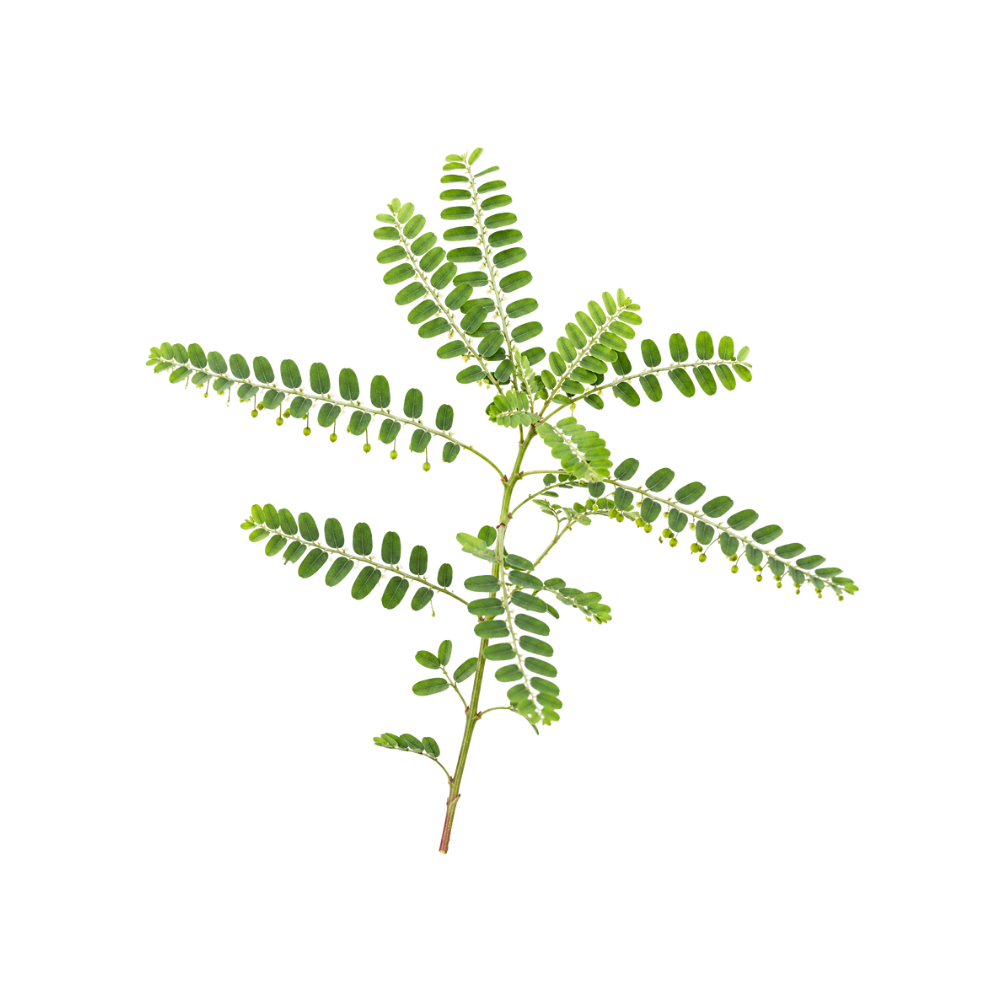
Chanca piedra (Phyllanthus niruri) is a small, erect annual herb of the family Phyllanthaceae (split from the old Euphorbiaceae). It grows to roughly 30–60 cm on slender, much-branched stems. What looks like a single pinnately compound leaf is actually a leafy branchlet bearing two rows of small oblong leaves — the habit behind the genus name Phyllanthus, “leaf-flower.” Tiny petal-less flowers and small three-lobed seed capsules develop beneath the branchlets, easy to miss unless you turn one over. Medicinal preparations typically use the aerial parts harvested during active growth.
One caveat matters for anyone matching the herb to the research: a large share of material sold and studied as “Phyllanthus niruri” — especially in India and Asia — is actually P. amarus or P. fraternus, the widespread Asian look-alikes, whereas true P. niruri is an American plant. The three are very similar, share vernacular names, and have historically been treated as synonyms, so the botanical name on a product or study is often unreliable — a distinction worth keeping in mind, since the species differ in chemistry.
Distribution
Phyllanthus niruri is native to tropical and subtropical America, from the Caribbean through northern and western South America, and is most abundant in the Amazon and other wet neotropical lowlands. (Older references that call it Asian in origin are outdated.)
From that native core it has become pantropical, naturalized across Africa, tropical Asia, Australia, Oceania and the warmer parts of North America. Throughout this range it behaves as a common weed of disturbed and cultivated ground — nursery pots, gardens, roadsides and waste places — favouring sunny, moist sites.
Growing Conditions
- Tender tropical annual; full sun; frost-free only (roughly USDA zones 10–12); self-seeds freely.
- Full cultivation detail lives on the companion farm-wiki grow guide for Phyllanthus niruri (link to be added once that project’s public URL is confirmed).
Phytochemistry
Chanca piedra is defined chemically by its lignans, above all phyllanthin and hypophyllanthin, which serve as the markers used to identify and standardise the herb. Running alongside them is a large pool of hydrolysable tannins — the ellagitannins geraniin and corilagin, the latter often proposed as an additional marker. These ellagitannins hydrolyse to smaller phenolics, ellagic acid and gallic acid, which appear as active markers in the antilithic and hepatoprotective work; the related repandusinic acid A is a potent α-glucosidase inhibitor in the water extract. The aerial parts also supply flavonoids such as quercetin, rutin and astragalin, and securinega-type alkaloids led by securinine.
Constituent Summary
Amounts come from extract analyses and are expressed either as mg per gram of extract (mg/g) or as a percentage of the extract, not of the raw herb; values swing widely with extraction solvent (lignans favour alcohol over water) and with plant source. Geraniin is chemically unstable and hydrolyses readily, which complicates its measurement. A dagger (†) marks phyllanthin and hypophyllanthin, the lignans used as identifying markers for the species.
Lignans2 compounds1 with data
Tannins4 compounds1 with data
Phenolic Acid1 compoundno data
Flavonoids3 compoundsno data
Alkaloids1 compoundno data
Pharmacology & Research
Chanca piedra is one of the better-studied Amazonian herbs, but the literature is lopsided 34,35Reference 34ReviewThe pharmacological potential of Phyllanthus niruri — reviewView study →Reference 35ReviewPhytochemistry and pharmacology of Phyllanthus niruri L. — reviewView study →: a genuinely deep preclinical base (calcium-oxalate crystallisation, liver protection, glucose and urate handling) sits on top of a small, mixed set of human trials clustered almost entirely around two indications — kidney stones and chronic hepatitis B. Both have real randomised data, and both are humbling: the stone trials show modest, subgroup-dependent benefit rather than the “stone breaker” reputation, and the best-conducted hepatitis B trials are outright negative despite decades of positive low-quality reports. Most of the remaining activity — antioxidant, anti-inflammatory, antidiabetic, lipid-lowering, anticancer — rests on animal models, cell lines, or the isolated tannin corilagin rather than the whole aerial herb people actually drink. Extract type matters enormously here: lignans partition into alcohol while the water-soluble ellagitannins dominate a tea or decoction, so a standardised-extract result rarely transfers cleanly to the traditional infusion.
- Best-supported: modest reduction in stone burden and normalisation of stone-promoting urinary chemistry (calcium, oxalate, urate) in humans 1,3,5Reference 1RCTPhyllanthus niruri normalizes elevated urinary calcium levels in calcium stone forming patients — randomized controlled trialView study →Reference 3ObservationalEffect of Phyllanthus niruri on metabolic parameters of patients with kidney stone — prospective cohortView study →Reference 5Meta-analysisPhyllanthus niruri herbal therapy for kidney stones — systematic review and meta-analysisView study →; consistent inhibition of calcium-oxalate crystal growth and aggregation across in vitro and animal models 7,8,9,10Reference 7In vitroPhyllanthus niruri inhibits calcium oxalate endocytosis by renal tubular cells — in vitroView study →Reference 8AnimalThe effect of Phyllanthus niruri on urinary inhibitors of calcium oxalate crystallization — rat model / in vivoView study →Reference 9In vitroEffects of an aqueous extract from Phyllanthus niruri on calcium oxalate crystallization — in vitroView study →Reference 10AnimalEffect of extract of Phyllanthus niruri on crystal deposition in experimental urolithiasis — rat model / in vivoView study →.
- Emerging, worth watching: deep, bioassay-guided hepatoprotective signals in animals 12,14Reference 12In vitroIn-depth hepatoprotective mechanistic study of Phyllanthus niruri — in vitro and in vivoView study →Reference 14AnimalPhyllanthus niruri standardized extract alleviates non-alcoholic fatty liver disease progression — rat model / in vivoView study →, and the constituent corilagin’s anti-tumour and anti-inflammatory activity in cell and xenograft work 18,30,31Reference 18In vitroCorilagin restrains NLRP3 inflammasome activation and pyroptosis through the ROS/TXNIP/NLRP3 pathway — in vitroView study →Reference 30In vitroCorilagin inhibits ovarian cancer cell growth through blocking TGF-β signaling pathways — in vitro and mouse xenograftView study →Reference 31In vitroCorilagin inhibits esophageal squamous cell carcinoma by inducing DNA damage and down-regulation of RNF8 — in vitro and mouse xenograftView study →.
- Mechanistically thin: antimicrobial (in vitro only) and anticancer claims (isolated compound, not the herb as used) rest on preparations far removed from the drunk tea or tincture.
- The caveat: the flagship antilithic effect is real but modest and partly subgroup-specific, there is no standardised human dose, and the abundant hepatitis B trial literature does not hold up under placebo control 25,27Reference 25Meta-analysisPhyllanthus species for chronic hepatitis B virus infection — Cochrane systematic review and meta-analysisView study →Reference 27RCTPhyllanthus niruri versus placebo for chronic hepatitis B virus infection — randomized controlled trialView study →.
1. Antilithic (kidney stone)
This is the herb’s signature use and its best-evidenced one, though the human results are more measured than the “stone breaker” name implies. A prospective randomised trial in 69 calcium-stone formers found P. niruri did not change stone voiding or pain overall, but significantly lowered urinary calcium in the hypercalciuric subgroup 1Reference 1RCTPhyllanthus niruri normalizes elevated urinary calcium levels in calcium stone forming patients — randomized controlled trialView study →. A larger randomised study in 150 patients after shock-wave lithotripsy found no overall stone-free advantage, but a real one for lower-pole (caliceal) stones (93.7% vs 70.8%, p=0.01) with no side effects 2Reference 2RCTCan Phyllanthus niruri affect the efficacy of extracorporeal shock wave lithotripsy for renal stones? A randomized, prospective, long-term study — RCTView study →. A 12-week prospective study in 56 stone formers reported reduced urinary oxalate in hyperoxaluric patients and reduced urinary uric acid in hyperuricosuric patients, alongside increased magnesium and potassium excretion and a drop in stone count 3Reference 3ObservationalEffect of Phyllanthus niruri on metabolic parameters of patients with kidney stone — prospective cohortView study →; a further trial combined the standardised extract with magnesium and vitamin B6 4Reference 4Clinical trialEfficacy of Phyllanthus niruri standardized extract combined with magnesium and vitamin B6 for uncomplicated nephrolithiasis — clinical trialView study →. A 2020 systematic review and meta-analysis pooled the controlled human data and concluded there is limited evidence for a modest reduction in stone size and number 5Reference 5Meta-analysisPhyllanthus niruri herbal therapy for kidney stones — systematic review and meta-analysisView study →, echoed by an earlier meta-analysis of medical expulsive therapy after lithotripsy that included a P. niruri arm 6Reference 6Meta-analysisMedical expulsive therapy as an adjunct to improve shockwave lithotripsy outcomes — systematic review and meta-analysisView study →. The mechanism is unusually well mapped: aqueous extract inhibits calcium-oxalate crystal endocytosis by renal tubular cells 7Reference 7In vitroPhyllanthus niruri inhibits calcium oxalate endocytosis by renal tubular cells — in vitroView study →, blunts crystal growth in a rat urolithiasis model 8Reference 8AnimalThe effect of Phyllanthus niruri on urinary inhibitors of calcium oxalate crystallization — rat model / in vivoView study →, reduces crystal growth and aggregation in human urine in vitro 9Reference 9In vitroEffects of an aqueous extract from Phyllanthus niruri on calcium oxalate crystallization — in vitroView study →, cuts calculus number and weight in rats while changing stone texture to a smoother, more fragile form 10Reference 10AnimalEffect of extract of Phyllanthus niruri on crystal deposition in experimental urolithiasis — rat model / in vivoView study →, and protects against oxalate-induced renal injury via ellagic acid 11Reference 11In vitroPhyllanthus niruri exerts protective effects against calcium oxalate-induced renal injury via ellagic acid — in vitro and animal modelView study →. Preparations here are aqueous — consistent with the traditional tea or decoction.
Gap: No adequately powered RCT shows reduced stone formation or recurrence as a primary endpoint; the human benefit is modest, subgroup-dependent, and demonstrated mostly on urinary chemistry and post-lithotripsy clearance rather than dissolving established stones.
2. Hepatoprotective
Liver protection is the deepest preclinical story after urolithiasis, but it remains preclinical. A bioassay-guided study characterised the aqueous extract against CCl₄ toxicity in liver cell lines and rats, normalising ALT/AST, restoring glutathione and superoxide dismutase, and lowering TNF-α, NF-κB, IL-6 and COX-2; activity tracked to corilagin, isocorilagin, gallic acid and quercetin among the phenolics 12Reference 12In vitroIn-depth hepatoprotective mechanistic study of Phyllanthus niruri — in vitro and in vivoView study →. A protein isolate protected mouse liver against CCl₄ damage via antioxidant restoration 13Reference 13AnimalProtein isolate from Phyllanthus niruri plays hepatoprotective role against carbon tetrachloride-induced liver damage — mouse / in vivoView study →. In a high-fat-diet rat model of non-alcoholic fatty liver disease, a 50% methanolic extract reduced hepatomegaly, fibrosis, ALT, cholesterol, LDL and insulin resistance, and inhibited α-glucosidase and pancreatic lipase in vitro, with ellagic acid and phyllanthin as marker compounds 14Reference 14AnimalPhyllanthus niruri standardized extract alleviates non-alcoholic fatty liver disease progression — rat model / in vivoView study →. The through-line is antioxidant defence and NF-κB/COX-2 down-regulation rather than a single target.
Gap: No completed, published human hepatoprotective trial. Registered NAFLD and alcoholic-liver-disease studies exist but have not reported results, so the effect is inferred entirely from animal and cell data.
3. Antioxidant
Antioxidant activity is well documented in vitro and, unusually, has a small human signal in the drunk preparation. In a randomised crossover study, healthy volunteers drinking P. niruri tea (5 g/750 mL) showed significantly raised plasma gallic acid and ascorbic acid, though erythrocyte catalase and superoxide dismutase activities were unchanged — a modest, marker-level effect 15Reference 15RCTAntioxidant effects of Phyllanthus niruri tea on healthy subjects — randomized crossover trialView study →. In diabetic rats, an aqueous leaf extract prevented the rise in kidney lipid peroxidation and the fall in SOD, catalase and glutathione peroxidase, with in vitro radical-scavenging potency near that of ascorbic acid 16Reference 16In vitroAqueous extract of Phyllanthus niruri leaves displays in vitro antioxidant activity and prevents oxidative stress in diabetic rat kidney — in vitro and animal modelView study →. The activity is attributed to the ellagitannins and flavonoids, and because the human data use a tea, the preparation matches traditional use.
Gap: The only human study is very small (n=5) and measured circulating antioxidant markers, not a clinical outcome; enzyme-level antioxidant defences were not shifted.
4. Anti-inflammatory / analgesic
The chloroform fraction of a methanol extract produced dose-dependent anti-inflammatory, antinociceptive and antipyretic effects in rodents — inhibiting acetic-acid writhing by 56-67%, reducing yeast-induced fever, and raising the pain threshold of inflamed tissue in the Randall-Selitto test while leaving thermal (hot-plate) pain unchanged, indicating a peripherally mediated action 17Reference 17AnimalThe anti-inflammatory and antinociceptive properties of the chloroform fraction from Phyllanthus niruri — rat / animal modelView study →. At the mechanistic level, corilagin restrains NLRP3 inflammasome activation and pyroptosis through the ROS/TXNIP/NLRP3 pathway in vitro 18Reference 18In vitroCorilagin restrains NLRP3 inflammasome activation and pyroptosis through the ROS/TXNIP/NLRP3 pathway — in vitroView study →, consistent with the NF-κB/COX-2 suppression seen in the liver work.
Gap: All efficacy data are from animal models and isolated fractions/compounds; no human anti-inflammatory or analgesic trial exists, and the active fraction is not the aqueous form typically consumed.
5. Antihyperuricemic
P. niruri lowers uric acid mainly by increasing its excretion. In hyperuricaemic rats, the methanol extract raised urinary uric acid excretion 1.7-fold and inhibited xanthine oxidase (IC₅₀ ~39 µg/mL in vitro); the lignans phyllanthin, hypophyllanthin and phyltetralin were weak xanthine-oxidase inhibitors but strong uricosurics, and phyllanthin’s effect was blocked by pyrazinamide — a signature of urate-transporter-mediated excretion 19Reference 19In vitroMechanisms of antihyperuricemic effect of Phyllanthus niruri and its lignan constituents — animal model and in vitroView study →. This aligns with the human stone-former data, where urinary uric acid fell in hyperuricosuric patients 3Reference 3ObservationalEffect of Phyllanthus niruri on metabolic parameters of patients with kidney stone — prospective cohortView study →.
Gap: No dedicated human gout or hyperuricaemia trial; the human evidence is a secondary finding in a stone-prevention study, and the dominant mechanism is uricosuric rather than xanthine-oxidase inhibition.
6. Antidiabetic / hypoglycaemic
Glucose-lowering activity is broad but mostly preclinical. An early controlled human study of the related P. amarus (a synonym applied to this material) reported significantly reduced blood glucose alongside diuretic and hypotensive effects over 10 days 20Reference 20Clinical trialDiuretic, hypotensive and hypoglycaemic effect of Phyllanthus amarus — controlled clinical trialView study →. In alloxan-diabetic rats, the methanol extract lowered blood glucose, suppressed post-prandial spikes, reduced haemoglobin glycation and increased liver glycogen, with in vitro inhibition of α-amylase and α-glucosidase 21Reference 21AnimalStudies on the possible mechanisms of antidiabetic activity of extract of aerial parts of Phyllanthus niruri — rat / animal modelView study →. A separate study identified corilagin and repandusinic acid A as potent α-glucosidase inhibitors (IC₅₀ ~0.9 and 1.9 µM) and showed increased glucose uptake in muscle cells 22Reference 22In vitroInvestigation of antidiabetic potential of Phyllanthus niruri using α-glucosidase, muscle glucose transport, liver glucose production and adipogenesis assays — in vitroView study →.
Gap: The single human study is small, decades old, and used a differently named preparation; modern evidence is entirely in vitro or in rodents, with no controlled trial in people with diabetes.
8. Hypolipidemic
Lipid-lowering activity is consistent in animals. In triton- and cholesterol-fed hyperlipidaemic rats, the extract lowered serum lipids and VLDL/LDL apoprotein levels, apparently by inhibiting hepatic cholesterol synthesis, increasing faecal bile-acid excretion and enhancing lecithin:cholesterol acyltransferase activity 23Reference 23AnimalLipid lowering activity of Phyllanthus niruri in hyperlipemic rats — animal modelView study →. The NAFLD rat model reinforced this, cutting total cholesterol (~48%) and LDL (~65%) and improving atherogenic ratios 14Reference 14AnimalPhyllanthus niruri standardized extract alleviates non-alcoholic fatty liver disease progression — rat model / in vivoView study →.
Gap: No human lipid data at all; both supporting studies are rodent models using methanolic or defined extracts rather than the whole herb.
9. Diuretic / hypotensive
The diuretic and blood-pressure effects rest largely on one small human study: mild hypertensives given a whole-plant preparation of P. amarus for 10 days showed increased 24-hour urine volume, raised urinary and serum sodium, and a significant fall in systolic blood pressure in non-diabetic subjects 20Reference 20Clinical trialDiuretic, hypotensive and hypoglycaemic effect of Phyllanthus amarus — controlled clinical trialView study →. This underpins the herb’s traditional urinary and cooling reputation but has not been replicated in a controlled modern trial.
Gap: A single small, old, differently named study; no dose-ranging, no placebo control, and no mechanistic follow-up in humans.
10. Antimicrobial
Antimicrobial activity is limited to the test tube. A crude methanolic extract showed activity against a panel of bacteria in vitro 28Reference 28In vitroAntimicrobial activity of crude methanolic extract from Phyllanthus niruri — in vitroView study →, and a leaf extract inhibited caries-causing oral bacteria in a dental in vitro study 29Reference 29In vitroAntimicrobial effect of leaves of Phyllanthus niruri and Solanum nigrum on caries-causing bacteria — in vitro studyView study →. These are screening-level findings.
Gap: No in vivo infection model and no clinical data; minimum inhibitory concentrations are generally high, and activity has not been shown for the aqueous forms people actually use.
11. Anticancer (corilagin)
The anticancer signal belongs to the isolated tannin corilagin, not to chanca piedra as consumed. Corilagin inhibited ovarian cancer cell growth and xenograft tumours by blocking TGF-β/Smad and ERK/AKT signalling, with relatively low toxicity to normal cells 30Reference 30In vitroCorilagin inhibits ovarian cancer cell growth through blocking TGF-β signaling pathways — in vitro and mouse xenograftView study →, and suppressed oesophageal squamous carcinoma by inducing DNA damage and down-regulating the E3 ligase RNF8, also sensitising tumours to cisplatin 31Reference 31In vitroCorilagin inhibits esophageal squamous cell carcinoma by inducing DNA damage and down-regulation of RNF8 — in vitro and mouse xenograftView study →.
Gap: Purified corilagin at micromolar concentrations is a drug-discovery lead, not evidence for the herb; there is no whole-herb, in vivo whole-organism, or human anticancer data, and the traditional preparation is not used this way.
Mechanisms
| Mechanism | Drives | Key compounds |
|---|---|---|
| Calcium-oxalate crystal growth/aggregation inhibition; GAG modulation | antilithic | aqueous ellagitannins, ellagic acid |
| Antioxidant defence (↑GSH, SOD, catalase; ↓lipid peroxidation) | hepatoprotectiveantioxidantnephroprotective | corilagin, gallic acid, quercetin |
| NF-κB ↓, COX-2 ↓, NLRP3 inflammasome ↓ | anti-inflammatoryhepatoprotective | corilagin, geraniin |
| Uricosuric transport + xanthine oxidase ↓ | antihyperuricemic | phyllanthin, hypophyllanthin |
| α-glucosidase / α-amylase inhibition | antidiabetic | corilagin, repandusinic acid A |
| ↓hepatic cholesterol synthesis, ↑bile-acid excretion | hypolipidemic | phenolic/tannin fraction |
| TGF-β/Smad, ERK/AKT blockade; DNA-damage induction | anticancer (constituent-level) | corilagin |
Clinical trials
Registered human trials exist but are sparse and mostly in liver disease: a completed diabetic-neuropathy study and a completed COVID-recovery combination study, alongside NAFLD, alcoholic-liver-disease and hepatitis-B-carrier trials that are unknown-status or not-yet-recruiting; the pivotal completed efficacy RCTs are the kidney-stone and the negative hepatitis B trials.
| Completed | Planned | Terminated | Preclinical |
|---|---|---|---|
| ~5 | 1 | 1(HBV RCT stopped for futility) | ~30+ |
Last checked: July 2026.
Dosage
In research, chanca piedra is given both as the traditional aqueous infusion and as capsules or standardised extracts, with the dose fixed by preparation rather than to a marker compound; the human stone and antioxidant studies below used aqueous or capsule forms close to the drunk herb.
| Indication | Preparation | Dose | Est. dried-herb equivalent | Source |
|---|---|---|---|---|
| Antilithic (urinary calcium) | Capsules (aqueous-type) | 450 mg three times daily (1.35 g/day) for 3 months | ~1.35 g/day dried herb (assuming capsule = dried powder) | 1Reference 1RCTPhyllanthus niruri normalizes elevated urinary calcium levels in calcium stone forming patients — randomized controlled trialView study → |
| Antilithic (post-lithotripsy) | “Uriston” P. niruri extract | 2 g daily for ≥3 months | order-of-magnitude ~2 g extract/day; whole-herb equivalent not derivable without a marker % | 2Reference 2RCTCan Phyllanthus niruri affect the efficacy of extracorporeal shock wave lithotripsy for renal stones? A randomized, prospective, long-term study — RCTView study → |
| Antilithic (metabolic) | Infusion (tea) | 12-week infusion (amount not standardised) | — | 3Reference 3ObservationalEffect of Phyllanthus niruri on metabolic parameters of patients with kidney stone — prospective cohortView study → |
| Antioxidant | Infusion (tea) | 5 g dried herb in 750 mL, single dose | ~5 g dried aerial parts | 15Reference 15RCTAntioxidant effects of Phyllanthus niruri tea on healthy subjects — randomized crossover trialView study → |
| Diuretic / hypotensive / hypoglycaemic | Whole-plant preparation (P. amarus) | 10-day course (amount not fully specified) | — | 20Reference 20Clinical trialDiuretic, hypotensive and hypoglycaemic effect of Phyllanthus amarus — controlled clinical trialView study → |
The dried-herb equivalents are rough back-conversions on a stated assumption — where a capsule or infusion uses the dried powder directly, mg ≈ dried-herb weight; proprietary “extract” doses give no marker %, so no whole-herb ratio can be derived. These are a guide, not a conversion factor, and never a dosing recommendation.
Traditional Dosage
Western herbalists use the whole aerial herb as a tea, tincture or liquid extract, taken consistently over several weeks during chronic urinary or hepatic conditions.
| System | Preparation | Dose |
|---|---|---|
| Western herbal | Liquid extract 1:2 | 20–40 mL/week |
| Western herbal | Tincture 1:5 | 2–5 mL, up to 3× daily |
| Western herbal | Dried herb infusion / decoction | 3–6 g daily |
Safety & Pregnancy
Chanca piedra is generally well tolerated, with no serious adverse events in human trials, but its measured effects on blood pressure, blood glucose and diuresis make drug interactions the main concern. Avoid in pregnancy and lactation, where safety is unstudied.
- Avoid in pregnancy & breastfeeding. No human data, and some Phyllanthus species show reproductive/embryo effects in animals.
- Additive drug effects. Can lower blood pressure and glucose and increase diuresis — caution with antihypertensive, antidiabetic and diuretic medication.
- Gout & lithium. Uricosuric and alters urinary mineral handling — monitor with gout medication or lithium.
- Species confusion. Products often mislabel P. amarus or P. fraternus as P. niruri, so chemistry can differ.
- Well tolerated. No serious adverse events in stone or hepatitis B trials; occasional mild gastrointestinal upset.
Full safety & interactions detail
Chanca piedra is generally well tolerated in the short-to-medium-term human studies conducted to date, with no serious adverse events reported across the kidney-stone and hepatitis B trials and no cytotoxicity, genotoxicity or hepato-renal toxicity in subchronic rodent testing 32Reference 32AnimalGenotoxicity, cytotoxicity and toxicological evaluation of whole plant extracts of Phyllanthus niruri — rat / animal modelView study →; toxicity screening in zebrafish embryos likewise found only low toxicity (LD₅₀ ~506 µg/mL) 33Reference 33Scale-up approach for supercritical fluid extraction of Phyllanthus niruri for safe enriched herbal extracts — zebrafish toxicity evaluationView study →. The most consequential effects for interaction risk are physiological rather than toxic: controlled human data show the herb can lower blood pressure and blood glucose and increase diuresis and sodium excretion 20Reference 20Clinical trialDiuretic, hypotensive and hypoglycaemic effect of Phyllanthus amarus — controlled clinical trialView study →, so it should be used cautiously alongside antihypertensive, antidiabetic or diuretic medication, where additive effects are plausible. Because it is uricosuric and alters urinary calcium, oxalate and magnesium handling 3,19Reference 3ObservationalEffect of Phyllanthus niruri on metabolic parameters of patients with kidney stone — prospective cohortView study →Reference 19In vitroMechanisms of antihyperuricemic effect of Phyllanthus niruri and its lignan constituents — animal model and in vitroView study →, people on gout medication or on lithium (renally cleared, diuretic-sensitive) warrant monitoring. Occasional mild gastrointestinal upset is the main reported tolerability issue.
Species discipline matters when reading this safety picture: P. niruri, P. amarus and P. urinaria are frequently conflated in the literature, and some of the human diuretic, hypotensive and hypoglycaemic data derive from material labelled P. amarus 20Reference 20Clinical trialDiuretic, hypotensive and hypoglycaemic effect of Phyllanthus amarus — controlled clinical trialView study → rather than P. niruri specifically.
No named cytochrome-P450 (CYP450) interaction has been experimentally demonstrated for chanca piedra; the cautions above are pharmacodynamic inferences from the herb’s measured hypotensive, hypoglycaemic and diuretic effects, not from co-administration or pharmacokinetic studies, which have not been performed.
Pregnancy and lactation safety have not been assessed in any human study, and traditional sources caution against use in pregnancy. Some Phyllanthus species have shown reproductive/embryo effects in animal screening, and the herb’s effects on blood glucose, blood pressure and diuresis add theoretical risk. Absence of harm reports here reflects absence of study, not demonstrated safety, so avoidance during pregnancy and breastfeeding is the appropriate default.
References
- Nishiura, J. L., et al. (2004). Phyllanthus niruri normalizes elevated urinary calcium levels in calcium stone forming patients — randomized controlled trial. Urol Res. https://pubmed.ncbi.nlm.nih.gov/15221244/
- Micali, S., et al. (2006). Can Phyllanthus niruri affect the efficacy of extracorporeal shock wave lithotripsy for renal stones? A randomized, prospective, long-term study — RCT. J Urol. https://pubmed.ncbi.nlm.nih.gov/16890682/
- Pucci, N. D., et al. (2018). Effect of Phyllanthus niruri on metabolic parameters of patients with kidney stone — prospective cohort. Int Braz J Urol. https://pubmed.ncbi.nlm.nih.gov/29617079/
- Cealan, A., et al. (2019). Efficacy of Phyllanthus niruri standardized extract combined with magnesium and vitamin B6 for uncomplicated nephrolithiasis — clinical trial. Med Pharm Rep. https://pubmed.ncbi.nlm.nih.gov/31086843/
- Dhawan, S., & Olweny, E. O. (2020). Phyllanthus niruri herbal therapy for kidney stones — systematic review and meta-analysis. Can J Urol. https://pubmed.ncbi.nlm.nih.gov/32333735/
- Schuler, T. D., et al. (2009). Medical expulsive therapy as an adjunct to improve shockwave lithotripsy outcomes — systematic review and meta-analysis. J Endourol. https://pubmed.ncbi.nlm.nih.gov/19245302/
- Campos, A. H., & Schor, N. (1999). Phyllanthus niruri inhibits calcium oxalate endocytosis by renal tubular cells — in vitro. Nephron. https://pubmed.ncbi.nlm.nih.gov/10095174/
- Freitas, A. M., et al. (2002). The effect of Phyllanthus niruri on urinary inhibitors of calcium oxalate crystallization — rat model / in vivo. BJU Int. https://pubmed.ncbi.nlm.nih.gov/12010223/
- Barros, M. E., et al. (2003). Effects of an aqueous extract from Phyllanthus niruri on calcium oxalate crystallization — in vitro. Urol Res. https://pubmed.ncbi.nlm.nih.gov/12599017/
- Barros, M. E., et al. (2006). Effect of extract of Phyllanthus niruri on crystal deposition in experimental urolithiasis — rat model / in vivo. Urol Res. https://pubmed.ncbi.nlm.nih.gov/16896689/
- Li, M. T., et al. (2022). Phyllanthus niruri exerts protective effects against calcium oxalate-induced renal injury via ellagic acid — in vitro and animal model. Front Pharmacol. https://pubmed.ncbi.nlm.nih.gov/36034880/
- Ezzat, M. I., et al. (2020). In-depth hepatoprotective mechanistic study of Phyllanthus niruri — in vitro and in vivo. PLoS One. https://pubmed.ncbi.nlm.nih.gov/31940365/
- Bhattacharjee, R., & Sil, P. C. (2007). Protein isolate from Phyllanthus niruri plays hepatoprotective role against carbon tetrachloride-induced liver damage — mouse / in vivo. Food Chem Toxicol. https://pubmed.ncbi.nlm.nih.gov/17175085/
- Al Zarzour, R. H., et al. (2017). Phyllanthus niruri standardized extract alleviates non-alcoholic fatty liver disease progression — rat model / in vivo. Nutrients. https://pubmed.ncbi.nlm.nih.gov/28718838/
- Colpo, E., et al. (2014). Antioxidant effects of Phyllanthus niruri tea on healthy subjects — randomized crossover trial. Asian Pac J Trop Med. https://pubmed.ncbi.nlm.nih.gov/24461523/
- Giribabu, N., et al. (2014). Aqueous extract of Phyllanthus niruri leaves displays in vitro antioxidant activity and prevents oxidative stress in diabetic rat kidney — in vitro and animal model. Evid Based Complement Alternat Med. https://pubmed.ncbi.nlm.nih.gov/24991228/
- Obidike, I. C., et al. (2010). The anti-inflammatory and antinociceptive properties of the chloroform fraction from Phyllanthus niruri — rat / animal model. J Diet Suppl. https://pubmed.ncbi.nlm.nih.gov/22432563/
- Luo, T., et al. (2022). Corilagin restrains NLRP3 inflammasome activation and pyroptosis through the ROS/TXNIP/NLRP3 pathway — in vitro. Oxid Med Cell Longev. https://pubmed.ncbi.nlm.nih.gov/36299604/
- Murugaiyah, V., & Chan, K. L. (2009). Mechanisms of antihyperuricemic effect of Phyllanthus niruri and its lignan constituents — animal model and in vitro. J Ethnopharmacol. https://pubmed.ncbi.nlm.nih.gov/19397979/
- Srividya, N., & Periwal, S. (1995). Diuretic, hypotensive and hypoglycaemic effect of Phyllanthus amarus — controlled clinical trial. Indian J Exp Biol. https://pubmed.ncbi.nlm.nih.gov/8786163/
- Okoli, C. O., et al. (2011). Studies on the possible mechanisms of antidiabetic activity of extract of aerial parts of Phyllanthus niruri — rat / animal model. Pharm Biol. https://pubmed.ncbi.nlm.nih.gov/21323477/
- Najari Beidokhti, M., et al. (2017). Investigation of antidiabetic potential of Phyllanthus niruri using α-glucosidase, muscle glucose transport, liver glucose production and adipogenesis assays — in vitro. Biochem Biophys Res Commun. https://pubmed.ncbi.nlm.nih.gov/28928090/
- Khanna, A. K., et al. (2002). Lipid lowering activity of Phyllanthus niruri in hyperlipemic rats — animal model. J Ethnopharmacol. https://pubmed.ncbi.nlm.nih.gov/12169400/
- Liu, J., et al. (2001). Genus Phyllanthus for chronic hepatitis B virus infection — systematic review. J Viral Hepat. https://pubmed.ncbi.nlm.nih.gov/11555193/
- Xia, Y., et al. (2011). Phyllanthus species for chronic hepatitis B virus infection — Cochrane systematic review and meta-analysis. Cochrane Database Syst Rev. https://pubmed.ncbi.nlm.nih.gov/21491412/
- Xia, Y., et al. (2013). Phyllanthus species versus antiviral drugs for chronic hepatitis B virus infection — Cochrane systematic review and meta-analysis. Cochrane Database Syst Rev. https://pubmed.ncbi.nlm.nih.gov/23633363/
- Baiguera, C., et al. (2018). Phyllanthus niruri versus placebo for chronic hepatitis B virus infection — randomized controlled trial. Complement Med Res. https://pubmed.ncbi.nlm.nih.gov/30372693/
- Ibrahim, D., et al. (2013). Antimicrobial activity of crude methanolic extract from Phyllanthus niruri — in vitro. Nat Prod Commun. https://pubmed.ncbi.nlm.nih.gov/23738462/
- Sunitha, J., et al. (2017). Antimicrobial effect of leaves of Phyllanthus niruri and Solanum nigrum on caries-causing bacteria — in vitro study. J Clin Diagn Res. https://pubmed.ncbi.nlm.nih.gov/28764202/
- Jia, L., et al. (2013). Corilagin inhibits ovarian cancer cell growth through blocking TGF-β signaling pathways — in vitro and mouse xenograft. BMC Complement Altern Med. https://pubmed.ncbi.nlm.nih.gov/23410205/
- Qiu, F., et al. (2019). Corilagin inhibits esophageal squamous cell carcinoma by inducing DNA damage and down-regulation of RNF8 — in vitro and mouse xenograft. Anticancer Agents Med Chem. https://pubmed.ncbi.nlm.nih.gov/30848215/
- Asare, G. A., et al. (2012). Genotoxicity, cytotoxicity and toxicological evaluation of whole plant extracts of Phyllanthus niruri — rat / animal model. Genet Mol Res. https://pubmed.ncbi.nlm.nih.gov/22290470/
- Hassim, N., et al. (2021). Scale-up approach for supercritical fluid extraction of Phyllanthus niruri for safe enriched herbal extracts — zebrafish toxicity evaluation. Sci Rep. https://pubmed.ncbi.nlm.nih.gov/34349152/
- Lee, N. Y., et al. (2016). The pharmacological potential of Phyllanthus niruri — review. J Pharm Pharmacol. https://pubmed.ncbi.nlm.nih.gov/27283048/
- Kaur, N., et al. (2017). Phytochemistry and pharmacology of Phyllanthus niruri L. — review. Phytother Res. https://pubmed.ncbi.nlm.nih.gov/28512988/