
Materia Medica
Couchgrass
Elytrigia repens
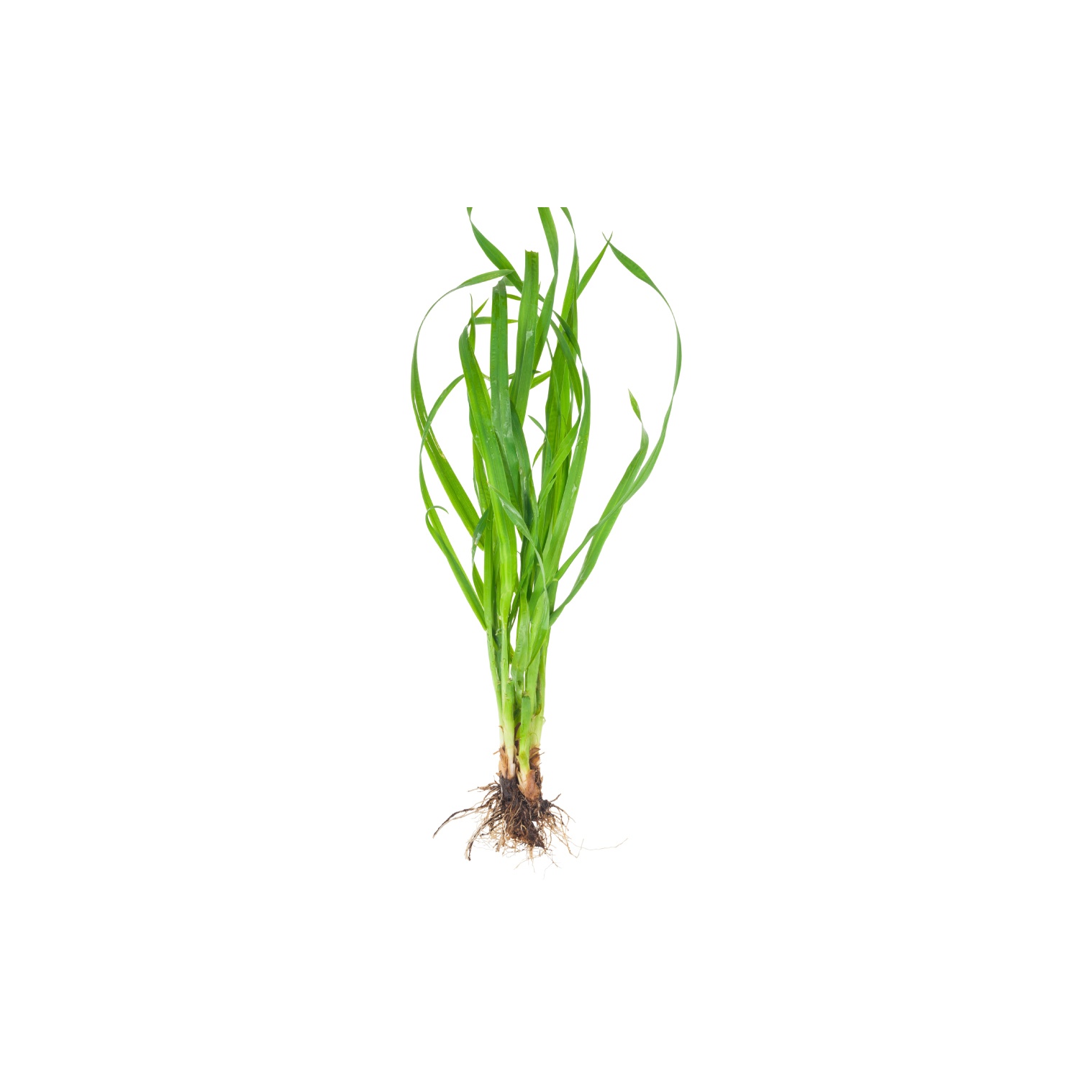
Couchgrass (Elymus repens) — a soothing demulcent rhizome used for urinary tract irritation, cystitis and inflammation.
What Is Couchgrass?
Couchgrass is considered a weed in most places. It can grow in both hot and cold, dry and wet, sunny or shady locations with ease and spreads quickly through millions of tiny seeds and tough creeping rhizomes.
Couchgrass roots are so tough they can even be found growing up through cement cracks in the ground.
It’s these tough creeping rhizomes that are used medicinally.
They contain a set of sugar compounds that sooth the mucosa throughout the body. This includes the urinary tract, respiratory tract, and gastrointestinal tract. This demulcent or soothing activity makes it useful for conditions involving inflammation, infection, or hyper-permeability.
These sugars are also responsible for its ability to treat gout and increase urine flow through osmotic pressure. As such, couchgrass is one of the most popular herbs for treating gout.
What Is Couchgrass Used For?
Couchgrass is mainly used to treat inflammation and infection of the urinary tract, kidney and bladder inflammation and calculi, prostatitis, gout, and rheumatism.
Traditional Uses
The British herbal pharmacopoeia lists Elytrigia repens (refers to Agropyron repens) as a diuretic for cystitis, urethritis, and prostatitis as well as BPH 22Reference 22British Herbal Pharmacopoeia.
Botany
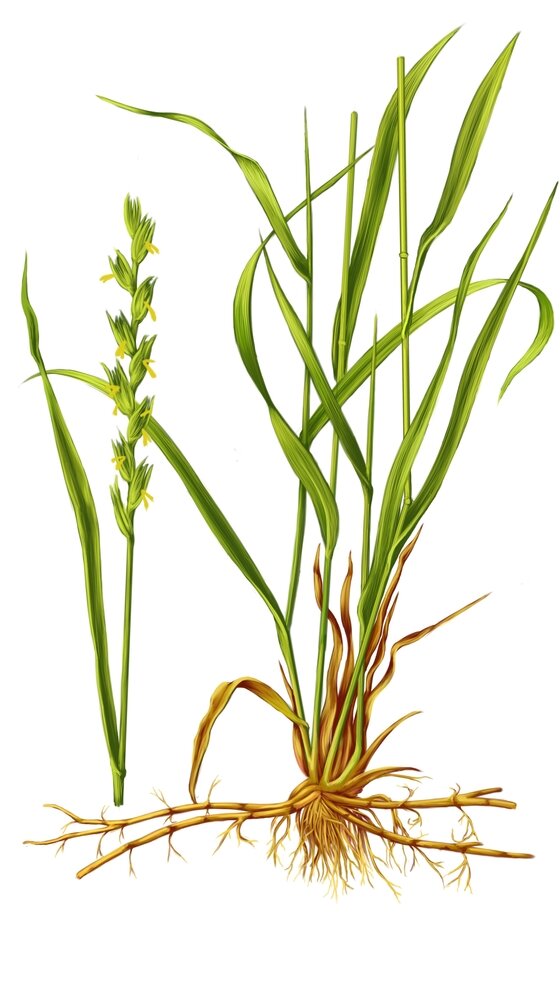
Couchgrass (Elytrigia repens) is a cool-season, rhizomatous perennial grass of the family Poaceae, growing to about a metre in loose but tough sod and tolerating soils from very acidic to very alkaline. Its accepted botanical name today is Elymus repens; the older names Elytrigia repens and Agropyron repens refer to the same plant.
The defining feature is its extensive system of long, creeping, white underground rhizomes, which push horizontally through the soil and throw up new shoots — letting it knit into a dense mat and colonise ground rapidly. That same white rhizome (the “twitch” or “couch” root) is the part harvested for medicine, so the trait that makes couchgrass such a pernicious weed is exactly what makes it useful.
Distribution
Elytrigia repens is native across Europe, North Africa and temperate Asia, and has been carried worldwide — largely as a contaminant of hay, straw and crop seed — to become abundantly naturalized in North America, southern Africa, South America, Australia and New Zealand.
It ranks among the world’s worst agricultural weeds and is regulated accordingly: a restricted noxious weed seed under USDA rules and a listed noxious weed in numerous US states.
Growing Conditions
- Hardy rhizomatous perennial grass (roughly USDA zones 3–9); full sun to fairly deep shade; unfussy about soil.
- Full cultivation detail lives on the companion farm-wiki grow guide for Elytrigia repens (link to be added once that project’s public URL is confirmed).
Phytochemistry
Couchgrass is a carbohydrate-driven demulcent. Its rhizome is roughly 10% carbohydrate, dominated by the inulin-related fructan triticin (3–8%) together with the sugar alcohols mannitol and inositol (~3% combined) and a comparable share of soothing mucilage (~10%) 20,21,22,24,25,26Reference 20Medical Herbalism: The Science and Practice of Herbal MedicineReference 21Potter’s New Cyclopaedia of Botanical Drugs and PreparationsReference 22British Herbal PharmacopoeiaReference 24Herbal Drugs and Phytopharmaceuticals (2nd ed.)Reference 25Encyclopedia of Common Natural Ingredients (2nd ed.)Reference 26Herbal Medicines. These sugars account for both the demulcent action and the osmotic diuresis behind its traditional use in gout. A very small volatile-oil fraction (0.01–0.05%), composed largely of the antibiotic agropyrene, plus the flavonoid tricin, vanillin and its glycoside, silicic acid and phenolcarboxylic acids round out the profile.
Constituent Summary
Figures are for the dried rhizome (Elytrigia repens) as percentages of dry weight; the essential-oil value is the oil’s share of the rhizome, not of the oil. Contents vary with provenance and season.
Fructan1 compound1 with data
Mucilage1 compound1 with data
Sugar Alcohol2 compounds2 with data
Other (volatile oil)1 compound1 with data
Flavonoid1 compoundno data
Phenolic Acid1 compound1 with data
Saponin1 compoundno data
Pharmacology & Research
Couch grass is a well-established traditional medicine with a thin modern evidence base: the bulk of the literature bearing its name is agronomic (it is a globally significant crop weed), and the medicinal studies that exist are dominated by phytochemical profiling, in-vitro assays, and a handful of rodent experiments rather than human trials 1Reference 1Systematic reviewElymus repens (L.) Gould phytochemistry, pharmacological activities and therapeutic potential — systematic reviewView study →. Its regulatory standing rests entirely on traditional use — the EMA/HMPC carries a herbal monograph and assessment report for the rhizome as a urinary-flushing agent rather than a clinically proven treatment 2Reference 2ReviewAssessment report on Agropyron repens (L.) PView study →. The most concrete human signal is in urinary-stone disease, where placebo-controlled trials of Agropyron-containing combination supplements have been completed, though not of the single herb 17,18Reference 17RCTClinicalTrials.gov NCT04695951View study →Reference 18RCTClinicalTrials.gov NCT04860492View study →. The most mechanistically credible finding is an in-vitro anti-adhesion effect against uropathogenic E. coli traced to a specific rhizome ester 4,5Reference 4In vitroHexadecyl coumaric acid ester from the rhizomes of Agropyron repens with antiadhesive activity against uropathogenic E. coli — in vitroView study →Reference 5In vitroAntiadhesion as a functional concept for protection against uropathogenic E. coli: in vitro studies with traditionally used plantsView study →. A recurring caveat runs through the whole file: the anti-inflammatory and antimicrobial activity sits in the essential oil, the antioxidant/enzyme-inhibition data come from hydroalcoholic extracts, yet the herb is used almost exclusively as an aqueous tea or 1:1 liquid extract — so several signals may not transfer to the preparation people actually take 3Reference 3Metabolic profile of Agropyron repens rhizome herbal tea by HPLC-PDA-ESI-MS/MS analysisView study →.
- Best-supported: diuretic/urinary-flushing use, backed by the EMA/HMPC traditional-use herbal monograph 2Reference 2ReviewAssessment report on Agropyron repens (L.) PView study →; antiurolithiatic use, backed by completed human RCTs on Agropyron-containing combination products 17,18Reference 17RCTClinicalTrials.gov NCT04695951View study →Reference 18RCTClinicalTrials.gov NCT04860492View study →.
- Emerging, worth watching: in-vitro anti-adhesion against uropathogenic E. coli via a rhizome coumaric-acid ester 4,5Reference 4In vitroHexadecyl coumaric acid ester from the rhizomes of Agropyron repens with antiadhesive activity against uropathogenic E. coli — in vitroView study →Reference 5In vitroAntiadhesion as a functional concept for protection against uropathogenic E. coli: in vitro studies with traditionally used plantsView study →; hypoglycaemic activity in diabetic rats plus α-glucosidase inhibition in vitro 8,9Reference 8AnimalHypoglycaemic effect of Triticum repens PView study →Reference 9In vitroAntioxidant, cytotoxic, and enzyme inhibitory activities of Agropyron repens and Crataegus monogyna — in vitroView study →.
- Mechanistically thin: the classic gout/uricosuria rationale rests on osmotic-diuresis inference from the herb’s sugar alcohols, not on any couch-grass-specific study.
- The caveat: almost no data come from the aqueous tea that is the herb’s actual dose form; single-herb efficacy is untested in humans, and there is no standardised extract.
1. Antiurolithiatic
This is the herb’s strongest human signal, and it is indirect. Two placebo-controlled trials of Renalof — a proprietary supplement combining Agropyron repens with mannitol and magnesium — have been completed for renal/ureteral calculi: a Phase 2 study of stones under 10 mm (n=155) and a double-blind study of upper-tract stone volume (n=82), with a third trial (Neorenal Forte, n=120) now recruiting for residual-fragment clearance 17,18,19Reference 17RCTClinicalTrials.gov NCT04695951View study →Reference 18RCTClinicalTrials.gov NCT04860492View study →Reference 19RCTClinicalTrials.gov NCT06651294View study →. A separate pediatric randomised study (n=50, single low-tier journal) reported large reductions in stone number and size with an Agropyron extract 1,16Reference 1Systematic reviewElymus repens (L.) Gould phytochemistry, pharmacological activities and therapeutic potential — systematic reviewView study →Reference 16RCTRole of Agropyron repens extract in treatment of renal calculus in the pediatric group — randomised studyView study →. Preclinical results are mixed and important: a combination formulation (with Herniaria, Equisetum, Sambucus) reduced calcium-oxalate crystal deposition in a rat nephrolithiasis model 7Reference 7AnimalAntiurolithiasic effect of a plant mixture (Herniaria glabra, Agropyron repens, Equisetum arvense, Sambucus nigra) in experimentally induced nephrolithiasis in rats — animal modelView study →, but an earlier study of the Agropyron infusion alone found no benefit on the main calcium-oxalate urinary risk factors in rats 6Reference 6AnimalEffect of Herniaria hirsuta and Agropyron repens on calcium oxalate urolithiasis risk in rats — animal modelView study →. The plausible mechanism is mechanical — increased urine flow flushing crystals — rather than a specific anti-crystallisation effect.
Gap: every positive human result is on a multi-ingredient product containing added mannitol and magnesium; the single-herb infusion was null in the one rat study that isolated it, so the herb’s independent contribution is unproven.
2. Diuretic & urinary flushing
Diuresis and “irrigation of the urinary tract” are the indications for which couch grass rhizome holds a formal EMA/HMPC herbal monograph as traditional use — meaning long-documented medicinal use rather than trial-demonstrated efficacy 2Reference 2ReviewAssessment report on Agropyron repens (L.) PView study →. The experimental support is modest and preclinical: the mechanism is attributed to osmotic diuresis from the rhizome’s sugar alcohols mannitol (~2–3%) and inositol, released together with the fructan triticin, plus mucilage-mediated soothing of the urinary epithelium 1,3Reference 1Systematic reviewElymus repens (L.) Gould phytochemistry, pharmacological activities and therapeutic potential — systematic reviewView study →Reference 3Metabolic profile of Agropyron repens rhizome herbal tea by HPLC-PDA-ESI-MS/MS analysisView study →. No controlled human trial has measured urine output from the herb itself.
Gap: the entire indication is traditional-use grade; there is no human diuresis RCT, and the osmotic rationale is extrapolated from the known pharmacology of the herb’s sugar alcohols, not measured for the whole-rhizome tea.
3. Antiadhesive (anti-UTI)
Rather than killing bacteria, couch grass appears to interfere with their attachment. Acetone and hydroalcoholic rhizome extracts significantly reduced adhesion of uropathogenic E. coli (UPEC) to human T24 bladder cells in vitro without any cytotoxicity, and bioassay-guided fractionation identified the active molecule as (E)-hexadecyl-3-(4-hydroxyphenyl)-acrylate, a hexadecyl ester of coumaric acid 4,5Reference 4In vitroHexadecyl coumaric acid ester from the rhizomes of Agropyron repens with antiadhesive activity against uropathogenic E. coli — in vitroView study →Reference 5In vitroAntiadhesion as a functional concept for protection against uropathogenic E. coli: in vitro studies with traditionally used plantsView study →. A later study of a four-herb German aqueous formulation (birch, Agropyron, goldenrod, restharrow) found the anti-adhesive activity — downregulation of type-1 fimbrial genes — came largely from birch/goldenrod dammaranes, with couch grass contributing to the traditional mixture rather than driving the effect 1Reference 1Systematic reviewElymus repens (L.) Gould phytochemistry, pharmacological activities and therapeutic potential — systematic reviewView study →. Clinically, only an uncontrolled multicentre post-marketing surveillance of an Agropyron fluid extract in UTI/irritable bladder has been reported 15Reference 15ObservationalFluid extract of Agropyron repens for urinary tract infections or irritable bladder: multicentric post-marketing surveillance — observational.
Gap: the anti-adhesion data are entirely in vitro, the active ester is a minor lipophilic constituent poorly extracted into tea, and no controlled trial has tested couch grass for UTI in people.
4. Antidiabetic / hypoglycemic
This is an emerging, non-traditional signal. In an in-vivo study the aqueous extract lowered blood glucose in both normal and streptozotocin-induced diabetic rats, with the effect strengthening over repeated dosing and appearing independent of insulin secretion — pointing to a non-insulin-dependent mechanism such as reduced hepatic glucose output 8Reference 8AnimalHypoglycaemic effect of Triticum repens PView study →. In vitro, hydroalcoholic extracts inhibited the carbohydrate-digesting enzymes α-amylase and α-glucosidase, mirroring the acarbose mechanism of blunting post-meal glucose spikes 9,10Reference 9In vitroAntioxidant, cytotoxic, and enzyme inhibitory activities of Agropyron repens and Crataegus monogyna — in vitroView study →Reference 10In vitroAntioxidant and antidiabetic properties of polyphenolic-rich extracts of Apium graveolens and Agropyrum repens — in vitroView study →. The activity is attributed to the herb’s phenolic acids and flavonoids including quercetin and tricin.
Gap: one rodent study plus in-vitro enzyme assays, no dose-response in disease-relevant models and no human data; this is not an established use of the herb.
5. Antioxidant
Couch grass extracts scavenge free radicals in standard assays (DPPH, reducing power), and the activity tracks the phenolic and flavonoid content — chiefly caffeic acid, its caffeoyl- and feruloylquinic esters, and flavonoids such as tricin, luteolin and rutin 9,11Reference 9In vitroAntioxidant, cytotoxic, and enzyme inhibitory activities of Agropyron repens and Crataegus monogyna — in vitroView study →Reference 11Chemical composition of couch grass and antioxidant activity in allergic contact dermatitisView study →. Metabolomic profiling of the rhizome tea confirms these phenolics carry into the aqueous preparation 3Reference 3Metabolic profile of Agropyron repens rhizome herbal tea by HPLC-PDA-ESI-MS/MS analysisView study →. The consensus in the review literature is that antioxidant capacity is not a therapeutic endpoint in itself but a plausible contributor to the herb’s anti-inflammatory and urinary-protective effects, since oxidative stress is a shared driver of those conditions 1Reference 1Systematic reviewElymus repens (L.) Gould phytochemistry, pharmacological activities and therapeutic potential — systematic reviewView study →.
Gap: in-vitro only, with no cellular or in-vivo confirmation that the antioxidant activity produces a clinical effect; assay values come from hydroalcoholic extracts richer in phenolics than a tea.
6. Anti-inflammatory
Anti-inflammatory activity has been reported since an early screening of Italian medicinal plants and is chemically rationalised by the rhizome’s phenolic acids, flavonoids, and the volatile-oil fraction 12Reference 12AnimalBiological screening of Italian medicinal plants for anti-inflammatory activity — animal modelView study →. The candidate mediators are hydroxycinnamic-acid derivatives and tricin-like flavones with documented anti-inflammatory properties, plausibly acting through antioxidant-linked suppression of pro-inflammatory signalling 1Reference 1Systematic reviewElymus repens (L.) Gould phytochemistry, pharmacological activities and therapeutic potential — systematic reviewView study →. The honest limit is that almost all of the evidence is general inflammation assays rather than mechanistic work identifying specific pathways or cytokines.
Gap: the data are old and non-specific, much of the activity sits in the essential oil rather than the tea, and no modern pathway-level study or human trial exists.
7. Gout / hyperuricemia
Couch grass has a long documentation in Western herbal medicine for gout and rheumatic complaints, and it remains a popular traditional remedy for them 1Reference 1Systematic reviewElymus repens (L.) Gould phytochemistry, pharmacological activities and therapeutic potential — systematic reviewView study →. The rationale is entirely mechanistic inference: the osmotic diuresis attributed to mannitol and the other sugar alcohols is presumed to increase urinary flow and, with it, uric-acid clearance. No study has measured serum urate, uric-acid excretion, or gout outcomes with couch grass in either animals or humans.
Gap: this indication rests on tradition plus a diuresis-to-uricosuria assumption; there is no direct evidence that the herb lowers urate or affects gout, so it is included only for its traditional standing.
Mechanisms
| Mechanism | Drives | Key compounds |
|---|---|---|
| Osmotic diuresis (tubular osmotic load, ↑ urine flow) | diureticurinary flushingantiurolithiaticgout | mannitol, inositol |
| Mucosal demulcency (soothing mucilage film) | urinary/mucosal soothingirritable bladder | mucilage, polysaccharides |
| Anti-adhesion vs type-1 fimbriae of uropathogenic E. coli | anti-UTI | hexadecyl coumaric-acid ester |
| α-amylase / α-glucosidase inhibition | antidiabetic | quercetin, phenolic acids |
| Phenolic radical scavenging (DPPH, reducing power) | antioxidantanti-inflammatory | caffeic acid, tricin |
| Antibacterial volatile action | anti-infective (adjuvant) | agropyrene |
Clinical trials
Registered human trials do exist — but all are on proprietary Agropyron repens-containing combination supplements (Renalof, Neorenal Forte) for urinary-stone disease, not on single-herb couch grass; two are completed and one (n=120) is currently recruiting 17,18,19Reference 17RCTClinicalTrials.gov NCT04695951View study →Reference 18RCTClinicalTrials.gov NCT04860492View study →Reference 19RCTClinicalTrials.gov NCT06651294View study →.
| Completed | Planned | Terminated | Preclinical |
|---|---|---|---|
| 2 | 0 | 0 | ~15 |
Last checked: July 2026.
Dosage
No single-herb human dose has been established in a trial; the human data are all on proprietary Agropyron-containing combination products for urinary stones.
| Indication | Preparation | Dose | Est. dried-herb equivalent | Source |
|---|---|---|---|---|
| Urinary stones (adjuvant) | Renalof (Agropyron + mannitol + magnesium), tablets | 325 mg twice daily (proprietary combination) | — (proprietary; no marker %) | 17,18Reference 17RCTClinicalTrials.gov NCT04695951View study →Reference 18RCTClinicalTrials.gov NCT04860492View study → |
| Renal calculus (paediatric) | Agropyron aqueous extract | not clearly standardised in source | — | 16Reference 16RCTRole of Agropyron repens extract in treatment of renal calculus in the pediatric group — randomised studyView study → |
These are proprietary-combination or animal doses, not conversion factors, and do not isolate the single herb.
Traditional Dosage
Standard British Herbal Pharmacopoeia ranges for the rhizome (confirm the exact figures against the source text before relying on them) 22Reference 22British Herbal Pharmacopoeia:
| System | Preparation | Dose |
|---|---|---|
| Western herbal (BHP) | Dried rhizome, decoction | ~4–8 g, 2–3× daily |
| Western herbal (BHP) | Liquid extract 1:1 (25% alcohol) | 4–8 mL, 3× daily |
| Western herbal (BHP) | Tincture 1:5 (40% alcohol) | 5–15 mL, 3× daily |
Safety & Pregnancy
Couch grass rhizome has a long, favourable traditional-safety record with no clearly documented serious adverse effects, though formal chronic, reproductive and interaction data are lacking. The main practical cautions are additive fluid and electrolyte loss with diuretics and keeping fluid intake ample.
- Favourable traditional record. Long use as a urinary tea with no clearly documented serious adverse effects.
- Diuretic interactions. Caution with potassium-depleting (loop/thiazide) diuretics; keep fluid intake ample and avoid where fluids must be restricted (e.g. cardiac/renal oedema).
- Formally unstudied. Chronic-toxicity, reproductive, genotoxicity and interaction studies have not been done — absence of harm is not proof of safety.
- Grass allergy. A theoretical Poaceae (grass) allergen source for grass-pollen-sensitised people.
Full safety & interactions detail
Couch grass rhizome has a long record of traditional use as a urinary tea with no clearly documented serious adverse effects, and the review literature characterises its historical safety profile as favourable 1Reference 1Systematic reviewElymus repens (L.) Gould phytochemistry, pharmacological activities and therapeutic potential — systematic reviewView study →. Because it is used as a diuretic, standard herbal practice advises caution when combining it with pharmaceutical diuretics — particularly potassium-depleting (loop and thiazide) diuretics, where additive fluid and electrolyte loss is plausible; adequate fluid intake is recommended alongside any urinary-flushing use, which is also why it is traditionally avoided where fluid intake must be restricted (e.g. significant cardiac or renal impairment with oedema). Formal safety data are limited: chronic-toxicity, reproductive, genotoxicity and dedicated herb–drug interaction studies have not been carried out, so absence of reported harm reflects lack of study rather than demonstrated safety 1Reference 1Systematic reviewElymus repens (L.) Gould phytochemistry, pharmacological activities and therapeutic potential — systematic reviewView study →. As a grass rhizome it is a theoretical source of Poaceae (grass) allergen for grass-pollen-sensitised individuals.
The safety of couch grass during pregnancy and breastfeeding has not been formally assessed, and reproductive-toxicity studies have not been conducted, so its use cannot be recommended in these groups for want of data 1Reference 1Systematic reviewElymus repens (L.) Gould phytochemistry, pharmacological activities and therapeutic potential — systematic reviewView study →. This is a precaution from absence of evidence, not a finding of harm; the traditional-use regulatory monograph for the rhizome likewise does not extend a recommendation to pregnancy or lactation 2Reference 2ReviewAssessment report on Agropyron repens (L.) PView study →.
Clinical Applications
The sugars, mucilage, and flavonoids of Agropyron repens makes it useful for treating conditions involving the mucus membranes. This includes the respiratory tract, gastrointestinal tract, and urinary tract mucosa. It has an affinity for the urinary tract, also offering support to damaged kidneys through osmotic diuretic action, urinary tract infections, kidney and bladder inflammation, prostatitis, and gout.
Couchgrass is also used to treat rheumatoid arthritis and gastrointestinal inflammation.
Synergy
The British herbal pharmacopoeia suggests Elytrigia is synergistic with Agathosma for cystitis, and hydrangeae in prostatic enlargement 22Reference 22British Herbal Pharmacopoeia.
References
- Zhakipbekov, K. S., Serikbayeva, E. A., Tleubayeva, M. I., et al. (2026). Elymus repens (L.) Gould phytochemistry, pharmacological activities and therapeutic potential — systematic review. International Journal of Molecular Sciences. https://pubmed.ncbi.nlm.nih.gov/42278456/
- European Medicines Agency, HMPC. Assessment report on Agropyron repens (L.) P. Beauv., rhizoma — traditional-use herbal monograph. https://www.ema.europa.eu/en/documents/herbal-report/draft-assessment-report-agropyron-repens-l-p-beauv-rhizoma-revision-1_en.pdf
- Bortolami, M., Di Matteo, P., Rocco, D., Feroci, M., & Petrucci, R. (2022). Metabolic profile of Agropyron repens rhizome herbal tea by HPLC-PDA-ESI-MS/MS analysis. Molecules. https://pubmed.ncbi.nlm.nih.gov/35956912/
- Beydokhti, S. S., Sendker, J., Brandt, S., & Hensel, A. (2017). Hexadecyl coumaric acid ester from the rhizomes of Agropyron repens with antiadhesive activity against uropathogenic E. coli — in vitro. Fitoterapia. https://pubmed.ncbi.nlm.nih.gov/28040531/
- Rafsanjany, N., Lechtenberg, M., Petereit, F., & Hensel, A. (2013). Antiadhesion as a functional concept for protection against uropathogenic E. coli: in vitro studies with traditionally used plants. Journal of Ethnopharmacology. https://pubmed.ncbi.nlm.nih.gov/23211661/
- Grases, F., Ramis, M., Costa-Bauzá, A., & March, J. G. (1995). Effect of Herniaria hirsuta and Agropyron repens on calcium oxalate urolithiasis risk in rats — animal model. Journal of Ethnopharmacology. https://pubmed.ncbi.nlm.nih.gov/7623486/
- Crescenti, A., Puiggròs, F., Colomé, A., et al. (2015). Antiurolithiasic effect of a plant mixture (Herniaria glabra, Agropyron repens, Equisetum arvense, Sambucus nigra) in experimentally induced nephrolithiasis in rats — animal model. Archivos Españoles de Urología. https://pubmed.ncbi.nlm.nih.gov/26634575/
- Eddouks, M., Maghrani, M., & Michel, J. B. (2005). Hypoglycaemic effect of Triticum repens P. Beauv. in normal and diabetic rats — animal model. Journal of Ethnopharmacology. https://pubmed.ncbi.nlm.nih.gov/16099613/
- Deveci, E., Tel-Çayan, G., Karakurt, S., & Duru, M. E. (2020). Antioxidant, cytotoxic, and enzyme inhibitory activities of Agropyron repens and Crataegus monogyna — in vitro. European Journal of Biology. https://doi.org/10.26650/EurJBiol.2020.0077
- Nicoară, E., Poșta, G., Micle, V., Ursu, O., & Rácz, G. L. (2019). Antioxidant and antidiabetic properties of polyphenolic-rich extracts of Apium graveolens and Agropyrum repens — in vitro. Revue Roumaine de Chimie. https://doi.org/10.33224/rrch/2019.64.10.10
- Petrova, A. P., Krasnov, E. A., Saprykina, E. V., et al. (2009). Chemical composition of couch grass and antioxidant activity in allergic contact dermatitis. Pharmaceutical Chemistry Journal. https://doi.org/10.1007/s11094-009-0231-1
- Mascolo, N., Autore, G., Capasso, F., Menghini, A., & Fasulo, M. P. (1987). Biological screening of Italian medicinal plants for anti-inflammatory activity — animal model. Phytotherapy Research. https://doi.org/10.1002/ptr.2650010107
- Koetter, U., Kaloga, M., & Schilcher, H. (1993/1994). p-Hydroxycinnamic acid esters from the rhizome of Agropyron repens, Parts I & II. Planta Medica. https://pubmed.ncbi.nlm.nih.gov/17235975/
- Weston, L. A., Burke, B. A., & Putnam, A. R. (1987). Isolation, characterization and activity of phytotoxic compounds from quackgrass (Agropyron repens). Journal of Chemical Ecology. https://pubmed.ncbi.nlm.nih.gov/24301884/
- Hautmann, C., & Scheithe, K. (2000). Fluid extract of Agropyron repens for urinary tract infections or irritable bladder: multicentric post-marketing surveillance — observational. Zeitschrift für Phytotherapie.
- Moohy Alosy, B. D., Thakir, E. M., & Khalaf, S. A. (2019). Role of Agropyron repens extract in treatment of renal calculus in the pediatric group — randomised study. Indian Journal of Forensic Medicine & Toxicology. https://doi.org/10.5958/0973-9130.2019.00231.7
- Efficacy and safety of Renalof (Agropyron repens) in the removal of calculi smaller than 10 mm — randomised placebo-controlled trial (Phase 2, n=155, completed). ClinicalTrials.gov NCT04695951. https://clinicaltrials.gov/study/NCT04695951
- Agropyron repens, mannitol and magnesium supplement for upper urinary tract stone volume — randomised, double-blind, placebo-controlled study (n=82, completed). ClinicalTrials.gov NCT04860492. https://clinicaltrials.gov/study/NCT04860492
- Neorenal Forte as adjuvant for elimination of residual fragments after lithotripsy — randomised placebo-controlled trial (n=120, recruiting). ClinicalTrials.gov NCT06651294. https://clinicaltrials.gov/study/NCT06651294
- Hoffmann, D. (2003). Medical Herbalism: The Science and Practice of Herbal Medicine. Healing Arts Press.
- Wren, R. C. (1956). Potter’s New Cyclopaedia of Botanical Drugs and Preparations.
- British Herbal Medicine Association. (1983). British Herbal Pharmacopoeia.
- Plants For A Future. Elytrigia repens (Couch Grass) — PFAF Plant Database. https://pfaf.org/user/plant.aspx?LatinName=Elytrigia+repens
- Bisset, N. G. (Ed.). (2001). Herbal Drugs and Phytopharmaceuticals (2nd ed.). Medpharm Scientific Publishers.
- Leung, A. Y., & Foster, S. (1996). Encyclopedia of Common Natural Ingredients (2nd ed.). Wiley.
- Newell, C. A., Anderson, L. A., & Phillipson, J. D. (1996). Herbal Medicines. Pharmaceutical Press.