
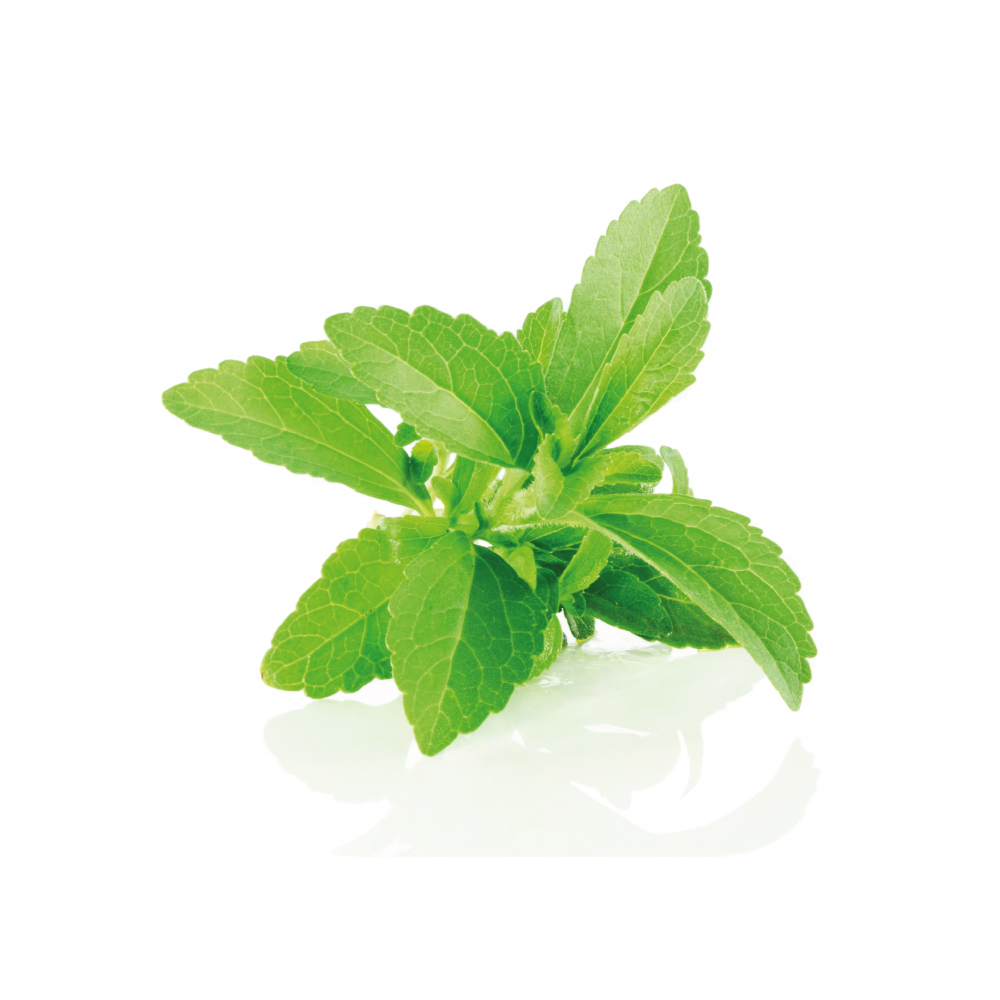
Materia Medica
Stevia
Stevia rebaudiana
Stevia (Stevia rebaudiana) — a non-caloric sweetener up to 200x sweeter than sugar that won't spike insulin; used for diabetes and weight control.
What Is Stevia?
Stevia rebaudiana contains a series of glycosides that are up to 200 times as sweet as sucrose (table sugar). Despite the intensity of the sweet flavor, stevia is considered a “non-caloric sweetener.” This means that the sweetening effects of stevia do not evoke an insulin response in the body.
In the developed world, overconsumption of sweeteners and carbohydrates has led to widespread diabetes and metabolic disorders all over the world. If insulin spikes too many times each day for several years, the body will begin to become resistant to its effects. This is the pathophysiology of type II diabetes. Food is eaten, and sugar goes into circulation, but the insulin can no longer drive the sugar into the cells to be used as energy. As a result, blood sugar levels rise, and the cells begin to starve for energy leaving us fatigued and at risk for much more severe health effects like cardiovascular disease or renal failure.
Stevia offers a multifaceted and unique approach to combatting these effects and is a popular treatment for diabetics and prophylactic for pre-diabetics or those at risk of developing the disease. The sweet glycosides can be used to replace sugar, eliminating much of the sugar and insulin spikes that follow a meal. Stevia also directly improves insulin sensitivity within the cells to ameliorate the effects of insulin resistance.
In a world ravaged by diabetes, stevia is likely to become a staple herb in every household.
What Is Stevia Used For?
Stevia is mainly used as a non-caloric sweetener for people with diabetes. The glycosides contained in the plant are up to 160 times sweeter than sucrose. These glycosides are also useful for regulating blood sugar on their own and can be used as a prophylaxis treatment for those at risk for diabetes or metabolic syndrome.
Traditional Uses
Stevia rebaudiana has traditionally been used by the Guarani Indians of Brazil and Paraguay as a treatment for diabetes and as a sweetener 36Reference 36The healing power of rainforest herbs: A guide to understanding and using herbal medicinals (pp.
The Guarani Indians of Paraguay have used it to sweeten their yerba mate (Illex paraguariensis), another traditional infusion of various Amazonian peoples. They have also used Stevia leaves to sweeten other teas, and have used it medicinally as a cardiotonic, and for heartburn, obesity, and hypertension 36Reference 36The healing power of rainforest herbs: A guide to understanding and using herbal medicinals (pp.
Once the Europeans learned of this herb through its “discovery” by Spain’s conquistadores sometime in the 16th century, it became a popular herb throughout Europe and Asia as a sweetener 36Reference 36The healing power of rainforest herbs: A guide to understanding and using herbal medicinals (pp.
Botany
Stevia is a modest little composite in the daisy family whose whole reputation rests on one organ: the leaf. Run a fresh leaf across your tongue and it floods the palate with a clean, lingering sweetness far out of proportion to the plant’s unassuming looks — a sweetness reckoned at roughly two to three hundred times that of table sugar.
Above ground it is a bushy, knee-high subshrub — many-branched, slightly woody at the base, soft and green above. The leaves are small and narrow with a few coarse teeth near the tip and sit in opposite pairs up the stems; they are the part harvested and dried. Toward the end of the season the plant scatters clusters of tiny white flower heads, barely wider than a match head, in the loose, brushy arrangement characteristic of its family. The stems and flowers carry little of the sweetness — it is the leaf, and the leaf almost alone, that matters.
To the Guaraní of its homeland it has long been ka’a he’ê, the “sweet herb,” dropped into bitter yerba maté and chewed on its own as a treat. That identity — a leaf you grow simply to taste something sweet, straight from the plant — is the heart of what stevia is.
Distribution
Stevia hails from a small pocket of subtropical South America, the highland border country of eastern Paraguay and neighbouring Brazil, where it grows in damp, sandy ground at the edges of grassland and hill terrain. From that narrow native range it has travelled the world as a cultivated crop, now raised on a large scale across East Asia and beyond while remaining, in the wild, a regional native.
Growing Conditions
- Wants full sun to light shade and warm, consistently moist but well-drained soil — it resents both drought and waterlogging.
- Tender and frost-intolerant: hardy only in roughly zones 9–11, so in colder climates it is grown as an annual, containerised, or overwintered under cover.
- Best started from cuttings or plugs rather than seed, since wild seed germinates poorly and unevenly.
- Pinch stems to keep the plant bushy and harvest leaves before flowering, when leaf sweetness peaks.
- Full cultivation detail lives on the companion farm-wiki grow guide for Stevia rebaudiana (link to be added once that project’s public URL is confirmed).
Harvesting, Collection & Preparation
Due to the well documented effects as a sweetener and its acceptable use in the food industry as such, low cost of production, and its positive impact on diabetes and various metabolic disorders, there is no doubt that this plant will need to be cultivated in mass amounts to be able to keep up with demand.
Issues with this involve Stevia’s reduced seed viability and low germination rate. This makes it challenging to produce this plant on a large scale by traditional means.
Vegetative propagation also poses a problem, as very specific habitat conditions are necessary to acclimatize the roots into the soil successfully. A third option, in vitro cultures or “plant tissue culture” offers a solution to these issues. In result of this, a group of researchers have developed an efficient micropropagation protocol for Stevia rebaudiana 34Reference 34Two-stage culture procedure using thidiazuron for efficient micropropagation of Stevia rebaudiana, an anti-diabetic medicinal herb.
They also noted that in vitro grown plants had a much higher stevioside content than in plants cultivated in vivo. This form of cultivation and propagation will likely be the norm for this botanical on large scale operations.
When it comes to harvesting this plant, it’s the leaves that are harvested and processed. This is because the steviol glycosides desired for the sweet flavor and medicinal attributes are mainly in the leaves 35Reference 35Agrobacterium mediated transient gene silencing (AMTS) in Stevia rebaudiana: insights into steviol glycoside biosynthesis pathway.
Currently, Stevia is being cultivated commercially in Brazil, Paraguay, Uruguay, parts of Central America, Israel, Thailand, and China 36Reference 36The healing power of rainforest herbs: A guide to understanding and using herbal medicinals (pp.
Pharmacology & Research
Stevia is one of the more heavily studied botanical sweeteners, but the literature divides sharply into two tiers: a solid body of human randomised controlled trials (RCTs) and meta-analyses on metabolic endpoints — glucose, blood pressure, appetite, body weight — and a much larger preclinical layer (cell and rodent work) covering antioxidant, anti-inflammatory, anticancer and antimicrobial activity. The strongest human signal is a modest reduction in fasting blood glucose across meta-analyses, though HbA1c and insulin are largely unchanged and the certainty of evidence is graded low 1,2,3Reference 1Meta-analysisEffect of stevia on blood glucose and HbA1C: a meta-analysis — systematic review, meta-analysisView study →Reference 2Meta-analysisEffect of steviol glycosides as natural sweeteners on glucose metabolism in adult participants — meta-analysisView study →Reference 3Meta-analysisEffect of the natural sweetener steviol glycoside on cardiovascular risk factors: a systematic review and meta-analysis of randomised controlled trialsView study →. Blood-pressure results are genuinely mixed: positive in two long trials using pharmacological stevioside doses, null at the intake levels people actually consume as a sweetener 5,6,7,8Reference 5RCTA double-blind placebo-controlled study of the effectiveness and tolerability of oral stevioside in human hypertension — randomised controlled trialView study →Reference 6RCTEfficacy and tolerability of oral stevioside in patients with mild essential hypertension: a two-year, randomised, placebo-controlled studyView study →Reference 7RCTInvestigation of the antihypertensive effect of oral crude stevioside in patients with mild essential hypertension — randomised controlled trialView study →Reference 8RCTApparent lack of pharmacological effect of steviol glycosides used as sweeteners in humans — randomised controlled trialView study →. A recurring caveat runs through all of it — effects depend heavily on preparation (whole-leaf extract vs purified steviol glycosides vs isolated stevioside), dose, and whether the comparator is placebo or sugar.
- Best-supported: modest fasting-glucose lowering in human meta-analyses 1,2,3Reference 1Meta-analysisEffect of stevia on blood glucose and HbA1C: a meta-analysis — systematic review, meta-analysisView study →Reference 2Meta-analysisEffect of steviol glycosides as natural sweeteners on glucose metabolism in adult participants — meta-analysisView study →Reference 3Meta-analysisEffect of the natural sweetener steviol glycoside on cardiovascular risk factors: a systematic review and meta-analysis of randomised controlled trialsView study →; substituting stevia for sugar avoids the postprandial glucose and insulin spikes of sucrose 9,10Reference 9RCTEffects of stevia, aspartame, and sucrose on food intake, satiety, and postprandial glucose and insulin levels — randomised controlled trialView study →Reference 10RCTEffects of aspartame-, monk fruit-, stevia- and sucrose-sweetened beverages on postprandial glucose, insulin and energy intake — randomised controlled trialView study →.
- Emerging, worth watching: appetite/energy-intake reduction in acute crossover trials 11,12Reference 11RCTEffects of stevia extract on postprandial glucose response, satiety and energy intake: a three-arm crossover trial — randomised controlled trialView study →Reference 12RCTStevia beverage consumption prior to lunch reduces appetite and total energy intake without affecting glycemia — randomised controlled trialView study →, and a small human nephroprotection/anti-inflammation signal in early-stage chronic kidney disease 27Reference 27RCTEffects of stevia on inflammatory markers, renal and hematological parameters in patients with stage I-III chronic kidney disease — randomised controlled trialView study →.
- Mechanistically thin: anticancer and antimicrobial claims rest almost entirely on cell-line and animal data with no human trials 24,26Reference 24In vitroAnti-cancer properties of Stevia rebaudiana; more than a sweetener — review (in vitro and in vivo)View study →Reference 26In vitroAntimicrobial potential of extracts from Stevia rebaudiana leaves against bacteria of importance in dental caries — in vitroView study →.
- The caveat: blood-pressure benefit appears only at high pharmacological stevioside doses (750-1500 mg/day), not at sweetener-level intake, where trials are null 5,6,7,8Reference 5RCTA double-blind placebo-controlled study of the effectiveness and tolerability of oral stevioside in human hypertension — randomised controlled trialView study →Reference 6RCTEfficacy and tolerability of oral stevioside in patients with mild essential hypertension: a two-year, randomised, placebo-controlled studyView study →Reference 7RCTInvestigation of the antihypertensive effect of oral crude stevioside in patients with mild essential hypertension — randomised controlled trialView study →Reference 8RCTApparent lack of pharmacological effect of steviol glycosides used as sweeteners in humans — randomised controlled trialView study →; HbA1c and insulin are generally unchanged 1Reference 1Meta-analysisEffect of stevia on blood glucose and HbA1C: a meta-analysis — systematic review, meta-analysisView study →.
1. Glycemic control
This is the most robust indication, though the effect is smaller than the traditional literature implies. A 2024 systematic review and meta-analysis (26 studies, n=1439) found stevia significantly reduced blood glucose (WMD -3.84 mg/dL), most in people with higher BMI, diabetes or hypertension, but with no significant effect on insulin or HbA1c and low-to-very-low certainty of evidence 1Reference 1Meta-analysisEffect of stevia on blood glucose and HbA1C: a meta-analysis — systematic review, meta-analysisView study →. A second 2024 meta-analysis of 12 RCTs (n=871) likewise reported a significant fasting-glucose reduction 2Reference 2Meta-analysisEffect of steviol glycosides as natural sweeteners on glucose metabolism in adult participants — meta-analysisView study →, consistent with an earlier meta-analysis 3Reference 3Meta-analysisEffect of the natural sweetener steviol glycoside on cardiovascular risk factors: a systematic review and meta-analysis of randomised controlled trialsView study → and a T2D-biomarker review 4Reference 4Meta-analysisEffect of steviol glycosides on human health with emphasis on type 2 diabetic biomarkers: a systematic review and meta-analysisView study →. Much of the acute benefit is sugar substitution: replacing a sucrose load with stevioside blunts the postprandial glucose and insulin rise without participants over-eating at the next meal 9,10Reference 9RCTEffects of stevia, aspartame, and sucrose on food intake, satiety, and postprandial glucose and insulin levels — randomised controlled trialView study →Reference 10RCTEffects of aspartame-, monk fruit-, stevia- and sucrose-sweetened beverages on postprandial glucose, insulin and energy intake — randomised controlled trialView study →. Mechanistically, cell and rodent studies show glucose-dependent insulinotropic action, enhanced insulin sensitivity, and modulation of GLUT transporters via the PI3K/Akt pathway 21,22,23Reference 21In vitroSteviol glycosides modulate glucose transport in different cell types — in vitroView study →Reference 22ReviewEffects and mechanisms of steviol glycosides on glucose metabolism: evidence from preclinical studies — reviewView study →Reference 23Meta-analysisEffect of stevia leaves on diabetes: a systematic review and meta-analysis of preclinical studies — animalView study →, but these are preclinical.
Gap: human effects are modest and confined mainly to fasting glucose; HbA1c and insulin are largely unchanged, and no trial shows stevia treating (rather than helping manage) diabetes.
2. Antihypertensive
The blood-pressure story is dose-dependent and the nuance matters. Two multicentre placebo-controlled RCTs using pharmacological stevioside doses were positive: Chan et al. (2000, n=106, 750 mg/day) reported sustained systolic and diastolic reductions over one year 5Reference 5RCTA double-blind placebo-controlled study of the effectiveness and tolerability of oral stevioside in human hypertension — randomised controlled trialView study →, and Hsieh et al. (2003, n=174, 1500 mg/day, 2 years) confirmed the effect and a fall in left-ventricular mass index 6Reference 6RCTEfficacy and tolerability of oral stevioside in patients with mild essential hypertension: a two-year, randomised, placebo-controlled studyView study →. But at doses matching ordinary sweetener use, trials are null: crude stevioside up to 15 mg/kg/day did not beat placebo 7Reference 7RCTInvestigation of the antihypertensive effect of oral crude stevioside in patients with mild essential hypertension — randomised controlled trialView study →, and steviol glycosides at 750 mg/day showed no antihypertensive effect in normotensive or diabetic subjects 8Reference 8RCTApparent lack of pharmacological effect of steviol glycosides used as sweeteners in humans — randomised controlled trialView study →. A 2015 meta-analysis found the pooled systolic effect non-significant (-2.98 mmHg) though diastolic pressure fell, with high heterogeneity 3Reference 3Meta-analysisEffect of the natural sweetener steviol glycoside on cardiovascular risk factors: a systematic review and meta-analysis of randomised controlled trialsView study →. The proposed mechanism is calcium-channel antagonism in vascular smooth muscle 5Reference 5RCTA double-blind placebo-controlled study of the effectiveness and tolerability of oral stevioside in human hypertension — randomised controlled trialView study →.
Gap: benefit is confined to high pharmacological doses far above sweetener intake; the pooled systolic effect is not statistically significant and heterogeneity is substantial.
3. Antioxidant
Antioxidant activity is well documented but preclinical. A 2023 systematic review and meta-analysis of animal models (24 articles, 104 individual studies) found stevia restored oxidative-stress markers (SOD, CAT, GSH, MDA) by roughly 65-85% across tissues, with the largest response in diabetic rats 17Reference 17Meta-analysisAntioxidant activity of leaf extracts from Stevia rebaudiana Bertoni: a systematic review and meta-analysis (animal models)View study →. Notably, whole-leaf extracts outperformed purified glycosides, and organic extracts outperformed aqueous or hydroalcoholic ones — meaning the sweet steviol glycosides are not the main antioxidant drivers; leaf polyphenols and flavonoids such as quercetin, apigenin, kaempferol and luteolin contribute 17Reference 17Meta-analysisAntioxidant activity of leaf extracts from Stevia rebaudiana Bertoni: a systematic review and meta-analysis (animal models)View study →.
Gap: no human study measures an antioxidant clinical endpoint, and the active preparation (whole-leaf/organic extract) is not the purified-glycoside sweetener most people consume.
4. Anti-inflammatory
Stevioside and its metabolite steviol suppress the NF-κB and MAPK inflammatory pathways. In THP-1 monocytes, stevioside inhibited LPS-induced TNF-α and IL-1β release and blocked IKKβ/NF-κB activation 19Reference 19In vitroAnti-inflammatory and immunomodulatory activities of stevioside and its metabolite steviol on THP-1 cells — in vitroView study →; in RAW264.7 macrophages and a mouse colitis model it lowered TNF-α, IL-6 and reactive oxygen species 18Reference 18In vitroStevioside, a diterpenoid glycoside, shows anti-inflammatory property against DSS-induced ulcerative colitis — in vitro and in vivo mouse studyView study →; and it dampened NF-κB/MAPK signalling in a mouse mastitis model 20Reference 20AnimalStevioside plays an anti-inflammatory role by regulating the NF-κB and MAPK pathways in S. aureus-infected mouse mammary glands — animal modelView study →. The one human hint comes from a small chronic-kidney-disease trial where stevioside reduced high-sensitivity C-reactive protein and ESR 27Reference 27RCTEffects of stevia on inflammatory markers, renal and hematological parameters in patients with stage I-III chronic kidney disease — randomised controlled trialView study →.
Gap: the mechanism is well mapped in cells and rodents, but there is no dedicated human anti-inflammatory trial — the only clinical signal is a secondary marker in one small study.
5. Weight & appetite
Because stevia is non-caloric, replacing sugar with it lowers the energy content of a food or drink — but whether that translates into eating less overall is mixed. Some acute crossover trials show reduced appetite and no rebound: a stevia preload lowered hunger without increasing later food intake 11Reference 11RCTEffects of stevia extract on postprandial glucose response, satiety and energy intake: a three-arm crossover trial — randomised controlled trialView study →, and a pre-lunch stevia beverage cut total energy intake without affecting glycaemia 12Reference 12RCTStevia beverage consumption prior to lunch reduces appetite and total energy intake without affecting glycemia — randomised controlled trialView study →; acute studies of alternative-sweetener blends report broadly consistent effects on postprandial appetite and intake 16Reference 16RCTImpact of acute consumption of beverages containing plant-based or alternative sweetener blends on postprandial appetite, food intake and metabolism — randomised controlled trialView study →. Others show full compensation: after a stevia-sweetened drink, participants ate more at the next meal, erasing the calories “saved” 10Reference 10RCTEffects of aspartame-, monk fruit-, stevia- and sucrose-sweetened beverages on postprandial glucose, insulin and energy intake — randomised controlled trialView study →. A 12-week RCT of daily stevia found no adverse effect on body weight or energy intake 13Reference 13RCTEffects of the daily consumption of stevia on glucose homeostasis, body weight, and energy intake: a randomised open-label 12-week trial — randomised controlled trialView study →, and in a 12-week head-to-head trial rebaudioside A did not raise body weight, unlike sucrose and saccharin 14Reference 14RCTA randomised controlled trial contrasting the effects of 4 low-calorie sweeteners and sucrose on body weight in adults with overweight or obesityView study →. A broader meta-analysis of non-nutritive sweeteners found no significant BMI benefit in RCTs 15Reference 15Meta-analysisNonnutritive sweeteners and cardiometabolic health: a systematic review and meta-analysis of randomised controlled trials and prospective cohort studiesView study →.
Gap: results are inconsistent — appetite effects appear acutely but energy compensation and null longer-term weight outcomes are common; stevia is best read as a sugar-replacement tool, not a weight-loss agent.
6. Anticariogenic
Unlike sucrose, steviol glycosides are non-fermentable by oral bacteria, so they do not feed acid production that drives tooth decay — the basis for stevia’s “non-cariogenic” classification 25Reference 25ReviewIs Stevia rebaudiana Bertoni a non-cariogenic sweetener? A reviewView study →. In-vitro work goes a step further: Stevia rebaudiana leaf extracts inhibited cariogenic Streptococcus and Lactobacillus strains in diffusion assays 26Reference 26In vitroAntimicrobial potential of extracts from Stevia rebaudiana leaves against bacteria of importance in dental caries — in vitroView study →, and a microbial caries model suggested reduced demineralisation 25Reference 25ReviewIs Stevia rebaudiana Bertoni a non-cariogenic sweetener? A reviewView study →. This is a preparation-relevant benefit, since stevia is taken orally.
Gap: all evidence is in-vitro or mechanistic; no clinical trial has measured caries incidence in people using stevia.
7. Nephroprotective
A single small clinical trial provides the only human data. In a prospective single-blind placebo-controlled study of 93 stage I-III chronic-kidney-disease patients, stevioside (250 mg twice daily) significantly reduced microalbuminuria, systolic and diastolic blood pressure, postprandial glucose, ESR and high-sensitivity CRP over nine months — and, tellingly, these gains reversed during a washout period 27Reference 27RCTEffects of stevia on inflammatory markers, renal and hematological parameters in patients with stage I-III chronic kidney disease — randomised controlled trialView study →. Animal studies support a nephroprotective effect.
Gap: the sole human trial is small and single-blind (not double-blind), and the reversal on washout, while biologically plausible, means the finding needs replication in a larger blinded trial before it can be relied on.
8. Anticancer
Antitumour activity is entirely preclinical. Reviews collate cell-line evidence that stevia derivatives inhibit proliferation and induce apoptosis across several tumour types, with some supporting rodent data 24Reference 24In vitroAnti-cancer properties of Stevia rebaudiana; more than a sweetener — review (in vitro and in vivo)View study →. Steviol and isosteviol are the constituents most often implicated.
Gap: there are no human studies; extrapolating cell-line cytotoxicity to any clinical anticancer use is not currently justified.
Mechanisms
| Mechanism | Drives | Key compounds |
|---|---|---|
| NF-κB ↓, TNF-α ↓, IKKβ ↓, MAPK modulation | anti-inflammatoryglycemic | stevioside, steviol |
| Glucose-dependent insulinotropic / insulin-sensitising action | glycemic control | stevioside, rebaudioside A |
| GLUT4 translocation via PI3K/Akt, ↓ hepatic gluconeogenesis | glycemic control | steviol glycosides |
| Calcium-channel antagonism in vascular smooth muscle | antihypertensive | stevioside |
| Free-radical scavenging, ↑ SOD/CAT/GSH | antioxidant | flavonoids, leaf polyphenols |
Clinical trials
Stevia has an unusually active human trial record for a sweetener — dozens of completed RCTs on glycaemia, appetite, gut microbiota and dental outcomes — though many registry entries use stevia only as a comparator or vehicle rather than the intervention of interest, so counts should be read loosely.
| Completed | Planned | Terminated | Preclinical |
|---|---|---|---|
| ~59 | ~16 | 2 | ~100+ |
Last checked: July 2026.
Phytochemistry
Stevia’s defining chemistry is a family of sweet ent-kaurene diterpene glycosides built on the aglycone steviol (ent-13-hydroxykaur-16-en-19-oic acid). The most abundant is stevioside, which makes up roughly 6–18% of the dried leaf and is higher in plants propagated in vitro 34Reference 34Two-stage culture procedure using thidiazuron for efficient micropropagation of Stevia rebaudiana, an anti-diabetic medicinal herb; the second marker, rebaudioside A, is prized for a cleaner sweetness and reaches a few percent of leaf 38Reference 38Stevia (Stevia rebaudiana Bertoni): Sweet medicine for a healthier worldView study →. Minor glycosides include steviolbioside and the dulcosides 36,38Reference 36The healing power of rainforest herbs: A guide to understanding and using herbal medicinals (ppReference 38Stevia (Stevia rebaudiana Bertoni): Sweet medicine for a healthier worldView study →. These glycosides are 150–300 times sweeter than sucrose yet non-caloric, and carry the anti-diabetic, antihypertensive and anti-inflammatory activity described above.
Beyond the sweet glycosides the leaf is rich in flavonoids (apigenin, quercetin, kaempferol, luteolin, isoquercitrin and others), phytosterols (β-sitosterol, stigmasterol, campesterol), labdane-related diterpenes (sterebins, kaurene), phenolic acids, coumarins (scopoletin, umbelliferone) and pigments 36Reference 36The healing power of rainforest herbs: A guide to understanding and using herbal medicinals (pp.
Constituent Summary
Glycoside percentages are share of the dried leaf and vary widely with cultivar, growing conditions and propagation method; the wider phytochemicals below are mostly reported qualitatively 34,36,38Reference 34Two-stage culture procedure using thidiazuron for efficient micropropagation of Stevia rebaudiana, an anti-diabetic medicinal herbReference 36The healing power of rainforest herbs: A guide to understanding and using herbal medicinals (ppReference 38Stevia (Stevia rebaudiana Bertoni): Sweet medicine for a healthier worldView study →.
Diterpene Glycoside4 compounds4 with data
Diterpene3 compounds1 with data
Flavonoid7 compoundsno data
Sesquiterpene1 compoundno data
Clinical Applications
Stevia’s clearest role is as a non-caloric sugar substitute. Replacing sugar with steviol glycosides removes the postprandial glucose and insulin spikes that drive metabolic disease 9,10Reference 9RCTEffects of stevia, aspartame, and sucrose on food intake, satiety, and postprandial glucose and insulin levels — randomised controlled trialView study →Reference 10RCTEffects of aspartame-, monk fruit-, stevia- and sucrose-sweetened beverages on postprandial glucose, insulin and energy intake — randomised controlled trialView study →, and human meta-analyses show a modest fasting-glucose reduction — though HbA1c and insulin are largely unchanged, so it helps manage rather than treat diabetes 1,2,3Reference 1Meta-analysisEffect of stevia on blood glucose and HbA1C: a meta-analysis — systematic review, meta-analysisView study →Reference 2Meta-analysisEffect of steviol glycosides as natural sweeteners on glucose metabolism in adult participants — meta-analysisView study →Reference 3Meta-analysisEffect of the natural sweetener steviol glycoside on cardiovascular risk factors: a systematic review and meta-analysis of randomised controlled trialsView study →. It is best used for prevention and glycemic management in diabetes and metabolic syndrome, not as a cure.
The anti-inflammatory effects of stevia (via TNF-α and NF-κB suppression) are well mapped in cells and rodents but not yet confirmed in a dedicated human trial 18,19Reference 18In vitroStevioside, a diterpenoid glycoside, shows anti-inflammatory property against DSS-induced ulcerative colitis — in vitro and in vivo mouse studyView study →Reference 19In vitroAnti-inflammatory and immunomodulatory activities of stevioside and its metabolite steviol on THP-1 cells — in vitroView study →.
Stevia lowers blood pressure only at high pharmacological stevioside doses (750–1500 mg/day), proposed to act through calcium antagonism in vascular smooth muscle 5,6Reference 5RCTA double-blind placebo-controlled study of the effectiveness and tolerability of oral stevioside in human hypertension — randomised controlled trialView study →Reference 6RCTEfficacy and tolerability of oral stevioside in patients with mild essential hypertension: a two-year, randomised, placebo-controlled studyView study →; at ordinary sweetener-level intake the antihypertensive effect is null 7,8Reference 7RCTInvestigation of the antihypertensive effect of oral crude stevioside in patients with mild essential hypertension — randomised controlled trialView study →Reference 8RCTApparent lack of pharmacological effect of steviol glycosides used as sweeteners in humans — randomised controlled trialView study →.
Dosage
In research, stevia is almost always given either as a purified steviol glycoside (stevioside or rebaudioside A) titrated to a fixed milligram dose, or — for metabolic and appetite endpoints — as a stevia-sweetened beverage at sweetener-level intake. These research doses do not map onto whole-leaf or tincture use.
| Indication | Preparation | Dose | Est. dried-herb equivalent | Source |
|---|---|---|---|---|
| Antihypertensive (positive) | Purified stevioside, capsules | 750 mg/day (250 mg t.i.d.), 1 yr | ~5–13 g leaf (assume stevioside ≈6–18% of dried leaf) | 5Reference 5RCTA double-blind placebo-controlled study of the effectiveness and tolerability of oral stevioside in human hypertension — randomised controlled trialView study → |
| Antihypertensive (positive) | Purified stevioside, capsules | 1500 mg/day (500 mg t.i.d.), 2 yr | ~8–25 g leaf (same assumption) | 6Reference 6RCTEfficacy and tolerability of oral stevioside in patients with mild essential hypertension: a two-year, randomised, placebo-controlled studyView study → |
| Antihypertensive (null) | Crude stevioside | up to 15 mg/kg/day | ~6–18 g leaf at 75 kg (same assumption) | 7Reference 7RCTInvestigation of the antihypertensive effect of oral crude stevioside in patients with mild essential hypertension — randomised controlled trialView study → |
| Glycemic (null, pharmacological) | Steviol glycosides (stevioside) | 750 mg/day (250 mg t.i.d.), 3 mo | ~5–13 g leaf | 8Reference 8RCTApparent lack of pharmacological effect of steviol glycosides used as sweeteners in humans — randomised controlled trialView study → |
| Nephroprotective | Purified stevioside | 500 mg/day (250 mg b.i.d.), 9 mo | ~3–8 g leaf | 27Reference 27RCTEffects of stevia on inflammatory markers, renal and hematological parameters in patients with stage I-III chronic kidney disease — randomised controlled trialView study → |
| Acute glycemic / appetite | Stevia-sweetened beverage | sweetener-level (≈240 ppm / single serving) | negligible as herb weight | 10,12Reference 10RCTEffects of aspartame-, monk fruit-, stevia- and sucrose-sweetened beverages on postprandial glucose, insulin and energy intake — randomised controlled trialView study →Reference 12RCTStevia beverage consumption prior to lunch reduces appetite and total energy intake without affecting glycemia — randomised controlled trialView study → |
Est. dried-herb equivalent is a rough back-conversion on the stated assumption that stevioside is ~6–18% of the dried leaf; it is an order-of-magnitude guide, not a conversion factor or a recommendation. Purified-glycoside doses do not map cleanly onto whole-leaf or tincture use.
Traditional Dosage
| System | Preparation | Dose |
|---|---|---|
| Western herbal | 1:2 liquid extract | 50–200 mL/week; typically dosed to taste as a sweetener |
| Western herbal | Dried leaf / infusion | small quantities to sweeten teas (to taste) |
| Guarani traditional | Fresh / dried leaf | added to yerba mate and other infusions as a sweetener; used for hyperglycemia and hypertension |
Safety & Pregnancy
Purified steviol glycosides are regarded as safe by the major regulators (JECFA, EFSA, US FDA GRAS); the main practical caution is additive blood-pressure and blood-glucose lowering at high pharmacological doses.
- Additive BP/glucose lowering. At high pharmacological doses — monitor those on antihypertensive or antidiabetic medication; take care if prone to hypotension or hypoglycemia.
- Whole-leaf unevaluated. Crude and whole-leaf stevia (unlike purified glycosides) has not had the same regulatory review and isn’t an approved food additive in the EU or US.
- Interactions unassessed. No formal pharmacokinetic (CYP450) drug-interaction studies were identified.
- Regulator-approved. Purified steviol glycosides are GRAS/EFSA/JECFA-accepted, with an acceptable daily intake of 4 mg/kg/day (steviol equivalents).
- Minor adverse effects. In trials only occasional abdominal fullness, epigastric pain or dizziness; long-term trials reported good tolerability.
Full safety & interactions detail
Purified steviol glycosides are regarded as safe by the major regulators (JECFA, EFSA, US FDA GRAS), with an acceptable daily intake of 4 mg/kg body weight/day expressed as steviol equivalents 33Reference 33ReviewSteviol glycosides from Stevia rebaudiana: an updated overview of their sweetening activity, pharmacological properties and safety — reviewView study →. Steviol glycosides are not absorbed intact — gut bacteria hydrolyse them to steviol, which is then absorbed and excreted, so the herb’s activity is inseparable from the gut microbiota 28,29,30Reference 28ReviewMicrobial hydrolysis of steviol glycosides — reviewView study →Reference 29In vitroImpact of steviol glycosides and erythritol on the human and Cebus apella gut microbiome — in vitroView study →Reference 30ReviewMetabolic fate in adult and pediatric population of steviol glycosides produced from stevia leaf extract by different production technologies — reviewView study →. In human trials at both sweetener-level and pharmacological doses, adverse effects have been minor and infrequent (occasional abdominal fullness, epigastric pain, dizziness), and long-term antihypertensive trials reported good tolerability 3,5,6Reference 3Meta-analysisEffect of the natural sweetener steviol glycoside on cardiovascular risk factors: a systematic review and meta-analysis of randomised controlled trialsView study →Reference 5RCTA double-blind placebo-controlled study of the effectiveness and tolerability of oral stevioside in human hypertension — randomised controlled trialView study →Reference 6RCTEfficacy and tolerability of oral stevioside in patients with mild essential hypertension: a two-year, randomised, placebo-controlled studyView study →. The clinically meaningful caution is additive blood-pressure and blood-glucose lowering at high stevioside doses: people on antihypertensive or antidiabetic medication should be monitored, and those prone to hypotension or hypoglycemia should use pharmacological doses with care 5,6Reference 5RCTA double-blind placebo-controlled study of the effectiveness and tolerability of oral stevioside in human hypertension — randomised controlled trialView study →Reference 6RCTEfficacy and tolerability of oral stevioside in patients with mild essential hypertension: a two-year, randomised, placebo-controlled studyView study →. Whole-leaf stevia and crude extracts (as distinct from purified glycosides) have not been through the same regulatory safety evaluation and are not approved as food additives in the EU or US.
Scope of this review: the additive blood-pressure/blood-glucose lowering above is documented at pharmacological doses, but formal pharmacokinetic (CYP450) drug-interaction studies were not identified — interactions beyond that additive pharmacodynamic effect are not assessed here.
Not established. Purified steviol glycosides within the acceptable daily intake are generally considered acceptable in pregnancy by regulators, but dedicated safety trials in pregnant or lactating women are lacking. Steviol crosses the placenta — steviol glucuronide has been detected in human amniotic fluid — so fetal exposure does occur, and the long-term consequences are unknown 31Reference 31Non-nutritive sweeteners in human amniotic fluid and cord blood: evidence of transplacental fetal exposureView study →. Observational data on non-nutritive sweeteners in pregnancy are mixed and cannot isolate stevia 32Reference 32ObservationalAssociation between consumption of non-nutritive sweeteners and gestational diabetes mellitus in Chilean pregnant women — cohortView study →. Whole-leaf / crude stevia preparations are not recommended in pregnancy because they are unevaluated.
References
- Zare, A. et al. (2024). Effect of stevia on blood glucose and HbA1C: a meta-analysis — systematic review, meta-analysis. Diabetes & Metabolic Syndrome. https://pubmed.ncbi.nlm.nih.gov/39098209/
- Bai, J. et al. (2024). Effect of steviol glycosides as natural sweeteners on glucose metabolism in adult participants — meta-analysis. Food & Function. https://pubmed.ncbi.nlm.nih.gov/38512280/
- Onakpoya, I. J., Heneghan, C. J. (2015). Effect of the natural sweetener steviol glycoside on cardiovascular risk factors: a systematic review and meta-analysis of randomised controlled trials. European Journal of Preventive Cardiology. https://pubmed.ncbi.nlm.nih.gov/25412840/
- Bundgaard Anker, C. C. et al. (2019). Effect of steviol glycosides on human health with emphasis on type 2 diabetic biomarkers: a systematic review and meta-analysis. Nutrients. https://pubmed.ncbi.nlm.nih.gov/31438580/
- Chan, P. et al. (2000). A double-blind placebo-controlled study of the effectiveness and tolerability of oral stevioside in human hypertension — randomised controlled trial. British Journal of Clinical Pharmacology. https://pubmed.ncbi.nlm.nih.gov/10971305/
- Hsieh, M. H. et al. (2003). Efficacy and tolerability of oral stevioside in patients with mild essential hypertension: a two-year, randomised, placebo-controlled study. Clinical Therapeutics. https://pubmed.ncbi.nlm.nih.gov/14693305/
- Ferri, L. A. F. et al. (2006). Investigation of the antihypertensive effect of oral crude stevioside in patients with mild essential hypertension — randomised controlled trial. Phytotherapy Research. https://pubmed.ncbi.nlm.nih.gov/16775813/
- Barriocanal, L. A. et al. (2008). Apparent lack of pharmacological effect of steviol glycosides used as sweeteners in humans — randomised controlled trial. Regulatory Toxicology and Pharmacology. https://pubmed.ncbi.nlm.nih.gov/18397817/
- Anton, S. D. et al. (2010). Effects of stevia, aspartame, and sucrose on food intake, satiety, and postprandial glucose and insulin levels — randomised controlled trial. Appetite. https://pubmed.ncbi.nlm.nih.gov/20303371/
- Tey, S. L. et al. (2017). Effects of aspartame-, monk fruit-, stevia- and sucrose-sweetened beverages on postprandial glucose, insulin and energy intake — randomised controlled trial. International Journal of Obesity. https://pubmed.ncbi.nlm.nih.gov/27956737/
- Farhat, G. et al. (2019). Effects of stevia extract on postprandial glucose response, satiety and energy intake: a three-arm crossover trial — randomised controlled trial. Nutrients. https://pubmed.ncbi.nlm.nih.gov/31842388/
- Stamataki, N. S. et al. (2020). Stevia beverage consumption prior to lunch reduces appetite and total energy intake without affecting glycemia — randomised controlled trial. Journal of Nutrition. https://pubmed.ncbi.nlm.nih.gov/32125421/
- Stamataki, N. S. et al. (2020). Effects of the daily consumption of stevia on glucose homeostasis, body weight, and energy intake: a randomised open-label 12-week trial — randomised controlled trial. Nutrients. https://pubmed.ncbi.nlm.nih.gov/33036155/
- Higgins, K. A., Mattes, R. D. (2019). A randomised controlled trial contrasting the effects of 4 low-calorie sweeteners and sucrose on body weight in adults with overweight or obesity. American Journal of Clinical Nutrition. https://pubmed.ncbi.nlm.nih.gov/30997499/
- Azad, M. B. et al. (2017). Nonnutritive sweeteners and cardiometabolic health: a systematic review and meta-analysis of randomised controlled trials and prospective cohort studies. CMAJ. https://pubmed.ncbi.nlm.nih.gov/28716847/
- Almiron-Roig, E. et al. (2023). Impact of acute consumption of beverages containing plant-based or alternative sweetener blends on postprandial appetite, food intake and metabolism — randomised controlled trial. Appetite. https://pubmed.ncbi.nlm.nih.gov/36849009/
- Papaefthimiou, M. et al. (2023). Antioxidant activity of leaf extracts from Stevia rebaudiana Bertoni: a systematic review and meta-analysis (animal models). Nutrients. https://pubmed.ncbi.nlm.nih.gov/37571265/
- Alavala, S. et al. (2019). Stevioside, a diterpenoid glycoside, shows anti-inflammatory property against DSS-induced ulcerative colitis — in vitro and in vivo mouse study. European Journal of Pharmacology. https://pubmed.ncbi.nlm.nih.gov/31075241/
- Boonkaewwan, C. et al. (2006). Anti-inflammatory and immunomodulatory activities of stevioside and its metabolite steviol on THP-1 cells — in vitro. Journal of Agricultural and Food Chemistry. https://pubmed.ncbi.nlm.nih.gov/16448183/
- Wang, Z. et al. (2014). Stevioside plays an anti-inflammatory role by regulating the NF-κB and MAPK pathways in S. aureus-infected mouse mammary glands — animal model. Inflammation. https://pubmed.ncbi.nlm.nih.gov/24858724/
- Rizzo, B. et al. (2013). Steviol glycosides modulate glucose transport in different cell types — in vitro. Oxidative Medicine and Cellular Longevity. https://pubmed.ncbi.nlm.nih.gov/24327825/
- Kang, Y. et al. (2025). Effects and mechanisms of steviol glycosides on glucose metabolism: evidence from preclinical studies — review. Molecular Nutrition & Food Research. https://pubmed.ncbi.nlm.nih.gov/40200650/
- Chowdhury, A. I. et al. (2022). Effect of stevia leaves on diabetes: a systematic review and meta-analysis of preclinical studies — animal. Food Science & Nutrition. https://pubmed.ncbi.nlm.nih.gov/36171777/
- Iatridis, N. et al. (2022). Anti-cancer properties of Stevia rebaudiana; more than a sweetener — review (in vitro and in vivo). Molecules. https://pubmed.ncbi.nlm.nih.gov/35209150/
- Ferrazzano, G. F. et al. (2015). Is Stevia rebaudiana Bertoni a non-cariogenic sweetener? A review. Molecules. https://pubmed.ncbi.nlm.nih.gov/26712732/
- Gamboa, F., Chaves, M. (2012). Antimicrobial potential of extracts from Stevia rebaudiana leaves against bacteria of importance in dental caries — in vitro. Acta Odontológica Latinoamericana. https://pubmed.ncbi.nlm.nih.gov/23230637/
- Rizwan, F. et al. (2025). Effects of stevia on inflammatory markers, renal and hematological parameters in patients with stage I-III chronic kidney disease — randomised controlled trial. Cureus. https://pubmed.ncbi.nlm.nih.gov/40821154/
- Renwick, A. G., Tarka, S. M. (2008). Microbial hydrolysis of steviol glycosides — review. Food and Chemical Toxicology. https://pubmed.ncbi.nlm.nih.gov/18550247/
- Mahalak, K. K. et al. (2020). Impact of steviol glycosides and erythritol on the human and Cebus apella gut microbiome — in vitro. Journal of Agricultural and Food Chemistry. https://pubmed.ncbi.nlm.nih.gov/31869223/
- Purkayastha, S. et al. (2020). Metabolic fate in adult and pediatric population of steviol glycosides produced from stevia leaf extract by different production technologies — review. Regulatory Toxicology and Pharmacology. https://pubmed.ncbi.nlm.nih.gov/32745585/
- Halasa, B. C. et al. (2023). Non-nutritive sweeteners in human amniotic fluid and cord blood: evidence of transplacental fetal exposure. American Journal of Perinatology. https://pubmed.ncbi.nlm.nih.gov/34500483/
- Campos, V. et al. (2024). Association between consumption of non-nutritive sweeteners and gestational diabetes mellitus in Chilean pregnant women — cohort. Nutrition. https://pubmed.ncbi.nlm.nih.gov/39299048/
- Orellana-Paucar, A. M. (2023). Steviol glycosides from Stevia rebaudiana: an updated overview of their sweetening activity, pharmacological properties and safety — review. Molecules. https://pubmed.ncbi.nlm.nih.gov/36770924/
- Singh, P., & Dwivedi, P. (2014). Two-stage culture procedure using thidiazuron for efficient micropropagation of Stevia rebaudiana, an anti-diabetic medicinal herb. 3 Biotech, 4(4), 431-437.
- Guleria, P., & Yadav, S. K. (2013). Agrobacterium mediated transient gene silencing (AMTS) in Stevia rebaudiana: insights into steviol glycoside biosynthesis pathway. PLoS One, 8(9), e74731.
- Taylor, L. (2005). The healing power of rainforest herbs: A guide to understanding and using herbal medicinals (pp. 214-216). New York: Square One Publishers.
- Mohd-Radzman, N. H., Ismail, W. I. W., Adam, Z., Jaapar, S. S., & Adam, A. (2013). Potential roles of Stevia rebaudiana Bertoni in abrogating insulin resistance and diabetes: a review. Evidence-Based Complementary and Alternative Medicine, 2013.
- Aswin Sakthivel, M., & Ramesh Kumar, S. (2025). Stevia (Stevia rebaudiana Bertoni): Sweet medicine for a healthier world. Journal of Agriculture and Food Research, 21, 101980. doi:10.1016/j.jafr.2025.101980