Materia Medica
Globe Artichoke
Cynara scolymus
Globe artichoke (Cynara scolymus) — a bitter liver and gallbladder tonic used for high cholesterol, metabolic syndrome and healthy digestion.
What Is Artichoke?
Originating from the Mediterranean, globe artichokes have since spread the world over. They’re used as both food and medicine.
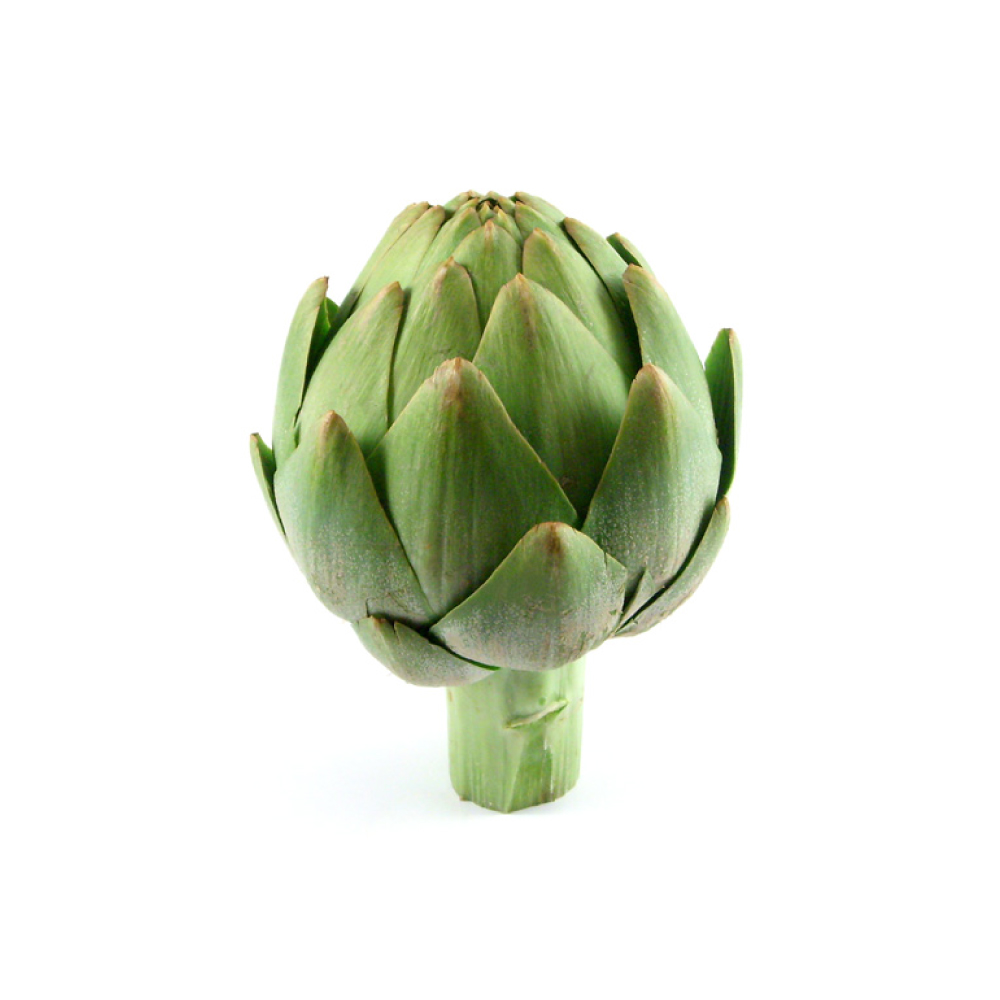
The unopened flowering bracts are harvested and eaten as a delicacy, while the leaves are mainly used as a bitter, and treatment for liver and gallbladder conditions.
The bitter principles stimulate the release of bile from the gallbladder, and cynarin, one of the main bioactive compounds in the plant protects the liver from metabolic dysfunction.
What Is Artichoke Used For?
Globe artichoke is mainly used for metabolic syndrome, diabetes, high cholesterol or hypertriglyceridemia. It’s also used as a digestive supportive, liver supportive, cardiosupportive, gallbladder deficiencies, and allergies.
Botany
The globe artichoke is a large, thistle-like herbaceous perennial in the daisy family (Asteraceae), forming a clump of coarse, silvery-green, deeply-lobed leaves 2–3 ft tall, from which flower stalks rise to 4–5 ft. The edible “artichoke” is the immature terminal flower bud — its fleshy bracts and receptacle — which, if left unharvested, opens into a violet-blue thistle flower. It is a domesticated form of the wild cardoon, and is now often treated taxonomically as Cynara cardunculus (Scolymus Group) rather than a separate species. Notable relatives include the cardoon and, across the wider family, milk thistle, safflower and chicory.
Distribution
The globe artichoke is a cultigen rather than a wild plant — a long-domesticated selection of the wild cardoon native to the Mediterranean basin (southern Europe and North Africa). It is now grown commercially wherever the climate is Mediterranean, notably Italy, Spain, France and coastal California, and can persist locally around plantings. It is not a listed noxious or invasive weed, and carries no conservation concern.
Growing Conditions
- Life cycle: tender herbaceous perennial (hardy USDA zones 7–10); grown as an annual in colder regions.
- Light: full sun.
- Water: steady moisture with rich, well-drained soil — a hungry, thirsty crop.
- Habit: large clump-former, 3–5 ft in flower; needs generous spacing.
- Full cultivation detail lives on the companion farm-wiki grow guide for Cynara scolymus (link to be added once that project’s public URL is confirmed).
Pharmacology & Research
Globe artichoke is unusual among Western herbs in having a genuine controlled-trial literature rather than tradition alone: its leaf extract (ALE) has been through more than a dozen randomised controlled trials and at least six RCT-level meta-analyses, concentrated on blood lipids, non-alcoholic fatty liver disease (NAFLD), functional dyspepsia and, more tentatively, blood pressure and glycaemia 1,2,3,4,8,18Reference 1Meta-analysisLipid-lowering activity of artichoke extracts — systematic review and meta-analysisView study →Reference 2Meta-analysisEffects of artichoke leaf extract supplementation or artichoke juice on lipid profile — systematic review and dose-response meta-analysis of randomised controlled trialsView study →Reference 3Artichoke and cardiometabolic health — systematic and meta-analytic synthesisView study →Reference 4Systematic reviewArtichoke leaf extract for treating hypercholesterolaemia — Cochrane systematic review (pub3)View study →Reference 8Meta-analysisTherapeutic potential of artichoke in the treatment of fatty liver — systematic review and meta-analysis of randomised controlled trialsView study →Reference 18Meta-analysisEffects of Cynara scolymus L. on glycemic indices — systematic review and meta-analysis of randomised clinical trialsView study →. The strongest and most consistent signal is lipid-lowering — pooled RCT data show meaningful drops in total and LDL cholesterol and triglycerides 1,2Reference 1Meta-analysisLipid-lowering activity of artichoke extracts — systematic review and meta-analysisView study →Reference 2Meta-analysisEffects of artichoke leaf extract supplementation or artichoke juice on lipid profile — systematic review and dose-response meta-analysis of randomised controlled trialsView study →. Emerging RCT evidence for fatty-liver disease is now the most active frontier 8,10,11Reference 8Meta-analysisTherapeutic potential of artichoke in the treatment of fatty liver — systematic review and meta-analysis of randomised controlled trialsView study →Reference 10RCTEfficacy of artichoke leaf extract in non-alcoholic fatty liver disease — pilot double-blind randomised controlled trialView study →Reference 11RCTArtichoke leaf extract reduces steatosis and decreases liver size in pre-bariatric patients (SteatoChoke) — randomised placebo-controlled trialView study →. The central caveat is preparation: almost every human trial used a standardised leaf extract (typically 600–1,800 mg/day, or standardised leaf tinctures), not the boiled edible head or a casual tea, and effect sizes are modest and heterogeneous across products and cultivars.
- Best-supported: lowering total and LDL cholesterol and triglycerides in mild-to-moderate hypercholesterolaemia 1,2,5,6Reference 1Meta-analysisLipid-lowering activity of artichoke extracts — systematic review and meta-analysisView study →Reference 2Meta-analysisEffects of artichoke leaf extract supplementation or artichoke juice on lipid profile — systematic review and dose-response meta-analysis of randomised controlled trialsView study →Reference 5RCTArtichoke leaf extract reduces plasma cholesterol in otherwise healthy hypercholesterolemic adults — randomised, double-blind, placebo-controlled trialView study →Reference 6RCTEfficacy of artichoke dry extract in patients with hyperlipoproteinemia — randomised, double-blind, placebo-controlled trialView study →; reducing liver enzymes and steatosis in NAFLD 8,9,10Reference 8Meta-analysisTherapeutic potential of artichoke in the treatment of fatty liver — systematic review and meta-analysis of randomised controlled trialsView study →Reference 9Meta-analysisEffects of Cynara scolymus L. supplementation on liver enzymes — systematic review and meta-analysisView study →Reference 10RCTEfficacy of artichoke leaf extract in non-alcoholic fatty liver disease — pilot double-blind randomised controlled trialView study →; easing functional dyspepsia 12,13Reference 12RCTEfficacy of artichoke leaf extract in functional dyspepsia — six-week placebo-controlled, double-blind, multicentre randomised trialView study →Reference 13Artichoke leaf extract reduces mild dyspepsia in an open studyView study →.
- Emerging, worth watching: anti-steatotic and liver-size effects confirmed by imaging in newer RCTs 10,11Reference 10RCTEfficacy of artichoke leaf extract in non-alcoholic fatty liver disease — pilot double-blind randomised controlled trialView study →Reference 11RCTArtichoke leaf extract reduces steatosis and decreases liver size in pre-bariatric patients (SteatoChoke) — randomised placebo-controlled trialView study →; a fasting-glucose signal without change in HbA1c or insulin resistance 18Reference 18Meta-analysisEffects of Cynara scolymus L. on glycemic indices — systematic review and meta-analysis of randomised clinical trialsView study →.
- Mechanistically thin: the blood-pressure claim (overall null; only a hypertensive subgroup responds) 19,20Reference 19Meta-analysisEffects of artichoke on blood pressure — systematic review and meta-analysisView study →Reference 20RCTThe effect of Cynara scolymus on blood pressure and BMI in hypertensive patients — randomised, double-blind, placebo-controlled clinical trialView study → and the traditional “diuretic/detox” framing, which has no controlled human backing.
- The caveat: results come from standardised leaf extracts, not the edible head or tea; products differ in cynarin/caffeoylquinic-acid content, and several meta-analyses report high heterogeneity.
1. Hypercholesterolemia (lipid-lowering)
This is artichoke’s best-evidenced use. A meta-analysis of 9 RCTs (702 subjects) found artichoke extract lowered total cholesterol by about 17.6 mg/dL, LDL by about 14.9 mg/dL and triglycerides by about 9.2 mg/dL, with no change in HDL, and a larger effect in people with higher baseline LDL 1Reference 1Meta-analysisLipid-lowering activity of artichoke extracts — systematic review and meta-analysisView study →. A later dose-response meta-analysis of 14 studies reproduced the direction and magnitude (TC, LDL and TG all down roughly 17 mg/dL) 2Reference 2Meta-analysisEffects of artichoke leaf extract supplementation or artichoke juice on lipid profile — systematic review and dose-response meta-analysis of randomised controlled trialsView study →, and a 2025 cardiometabolic synthesis again confirmed reductions in TC, LDL and TG 3Reference 3Artichoke and cardiometabolic health — systematic and meta-analytic synthesisView study →. Individual double-blind RCTs support this: 1,800 mg/day of a dry leaf extract cut cholesterol in hyperlipoproteinaemic patients 6Reference 6RCTEfficacy of artichoke dry extract in patients with hyperlipoproteinemia — randomised, double-blind, placebo-controlled trialView study →, and 1,280 mg/day lowered total cholesterol in otherwise-healthy hypercholesterolaemic adults 5Reference 5RCTArtichoke leaf extract reduces plasma cholesterol in otherwise healthy hypercholesterolemic adults — randomised, double-blind, placebo-controlled trialView study →. The Cochrane review that first assessed this indication was formally withdrawn in 2016 — for editorial-priority reasons, not because the evidence was overturned 4Reference 4Systematic reviewArtichoke leaf extract for treating hypercholesterolaemia — Cochrane systematic review (pub3)View study →. Mechanistically, artichoke extract inhibits hepatic cholesterol biosynthesis from acetate in cultured hepatocytes, an effect traced largely to luteolin 7Reference 7In vitroInhibition of cholesterol biosynthesis in primary cultured rat hepatocytes by artichoke extracts — in vitroView study →, and increases biliary cholesterol excretion via its choleretic action 15Reference 15RCTIncrease in choleresis by means of artichoke extract — randomised placebo-controlled double-blind crossover studyView study →.
Gap: effect sizes are modest and heterogeneous between products; trials are short (6–12 weeks) with no cardiovascular-outcome data, and the boiled edible head has not been shown to reproduce the extract’s effect.
2. Hepatoprotective & NAFLD
The historic “liver tonic” reputation now has controlled human support in the context of fatty-liver disease. A meta-analysis of 5 RCTs (333 NAFLD patients) found ALE significantly reduced ALT and AST alongside total cholesterol, LDL and triglycerides 8Reference 8Meta-analysisTherapeutic potential of artichoke in the treatment of fatty liver — systematic review and meta-analysis of randomised controlled trialsView study →, and a separate meta-analysis of 8 trials confirmed the fall in liver enzymes, most clearly in NAFLD and overweight subjects 9Reference 9Meta-analysisEffects of Cynara scolymus L. supplementation on liver enzymes — systematic review and meta-analysisView study →. A pilot double-blind RCT in 100 NAFLD patients reported reduced liver size, improved hepatic blood flow and lower ALT/AST on ultrasound and serology after two months of 600 mg/day 10Reference 10RCTEfficacy of artichoke leaf extract in non-alcoholic fatty liver disease — pilot double-blind randomised controlled trialView study →. A 2026 placebo-controlled trial in pre-bariatric patients used FibroScan to confirm reduced hepatic steatosis and liver volume within weeks — though, unusually, AST rose in that obese population, a signal worth noting 11Reference 11RCTArtichoke leaf extract reduces steatosis and decreases liver size in pre-bariatric patients (SteatoChoke) — randomised placebo-controlled trialView study →. The preclinical rationale is antioxidant and choleretic: cynarin and leaf polyphenols protect hepatocytes and support bile flow 7,15Reference 7In vitroInhibition of cholesterol biosynthesis in primary cultured rat hepatocytes by artichoke extracts — in vitroView study →Reference 15RCTIncrease in choleresis by means of artichoke extract — randomised placebo-controlled double-blind crossover studyView study →.
Gap: trials are short and mostly small/pilot-grade, endpoints are surrogate (enzymes, ultrasound/FibroScan) rather than biopsy, and the divergent transaminase response in obese patients 11Reference 11RCTArtichoke leaf extract reduces steatosis and decreases liver size in pre-bariatric patients (SteatoChoke) — randomised placebo-controlled trialView study → means the hepatic effect may not be uniform across populations.
3. Functional dyspepsia
Artichoke’s bitter, bile-stimulating action maps onto indigestion, and this is backed by a proper trial. A double-blind, placebo-controlled, multicentre RCT in 247 patients with functional dyspepsia found ALE (640 mg three times daily) produced significantly greater symptom improvement than placebo over six weeks, with better quality-of-life scores 12Reference 12RCTEfficacy of artichoke leaf extract in functional dyspepsia — six-week placebo-controlled, double-blind, multicentre randomised trialView study →. An earlier large open study (516 participants, 454 completers) had reported dose-dependent symptom relief 13Reference 13Artichoke leaf extract reduces mild dyspepsia in an open studyView study →, and a subset analysis extended the benefit to overlapping irritable-bowel symptoms 14Reference 14Artichoke leaf extract reduces symptoms of irritable bowel syndrome and improves quality of life — subset analysisView study →. The plausible mechanism is increased bile secretion (see Choleretic), which aids fat digestion and gastric emptying.
Gap: the pivotal evidence is a single rigorous RCT; the supporting studies are open-label or surveillance-grade and prone to placebo response, which runs high in dyspepsia.
4. Choleretic
The claim that artichoke stimulates bile is one of the few herbal choleretic effects measured directly in humans. In a randomised, placebo-controlled, double-blind crossover pilot (n=20), a single intraduodenal dose of standardised extract raised measured bile secretion by roughly 127% at 30 minutes and about 150% at 60 minutes versus placebo 15Reference 15RCTIncrease in choleresis by means of artichoke extract — randomised placebo-controlled double-blind crossover studyView study →. This choleresis underpins both the dyspepsia benefit (better fat digestion) and part of the cholesterol effect (greater biliary cholesterol excretion) 15Reference 15RCTIncrease in choleresis by means of artichoke extract — randomised placebo-controlled double-blind crossover studyView study →. The active principles are the caffeoylquinic acids, above all cynarin, concentrated in the leaf.
Gap: the direct human evidence is a single small pilot using an intraduodenal dose; the effect of ordinary oral dosing over time on bile dynamics is inferred rather than measured. This action is also the basis for the gallstone caution (see Safety).
5. Antioxidant
Artichoke is polyphenol-rich, and antioxidant activity is well demonstrated in the lab but only weakly in people. A meta-analysis of animal studies found extract supplementation raised superoxide dismutase, catalase, glutathione and glutathione peroxidase and lowered malondialdehyde (a lipid-peroxidation marker) in liver and plasma; the same review noted human trials showed no change or only slight improvement in antioxidant status 16Reference 16Meta-analysisThe antioxidant activity of artichoke (Cynara scolymus) — systematic review and meta-analysis of animal studiesView study →. In vitro, chlorogenic acid, caffeic acid and related caffeoylquinic acids scavenge reactive oxygen species and inhibit LDL oxidation in endothelial cells and monocytes 17Reference 17In vitroProtective properties of artichoke against oxidative stress induced in cultured endothelial cells and monocytes — in vitroView study →. A small RCT in rowers found leaf extract shifted redox markers modestly after exhaustive exercise [not scored separately here].
Gap: the convincing effects are in animals and cell systems; human data are limited and inconsistent, so the antioxidant label is mechanistically real but not clinically established.
6. Glycemic control
Evidence here is genuinely mixed rather than positive-with-caveats. A meta-analysis of 9 RCTs found artichoke significantly lowered fasting blood sugar (by about 5.3 mg/dL) but produced no significant change in fasting insulin, HOMA-IR or HbA1c 18Reference 18Meta-analysisEffects of Cynara scolymus L. on glycemic indices — systematic review and meta-analysis of randomised clinical trialsView study →. The 2025 cardiometabolic synthesis similarly reported reduced insulin and HOMA-IR but no effect on fasting glucose or HbA1c — a partly contradictory picture across pooled analyses 3Reference 3Artichoke and cardiometabolic health — systematic and meta-analytic synthesisView study →. The frequently repeated claim that chlorogenic acid regulates blood glucose by inhibiting glucose-6-phosphatase is constituent-level inference, not demonstrated for the whole herb in humans.
Gap: the glucose signal is small, endpoints disagree between meta-analyses, and there is no consistent effect on the markers (HbA1c, insulin resistance) that matter most for diabetes.
7. Endothelial function
Beyond lipids, artichoke may act directly on the vessel wall. In a small clinical trial, 20 mL/day of artichoke juice improved brachial flow-mediated vasodilation — a measure of endothelial function — in hyperlipaemic patients 21Reference 21Clinical trialArtichoke juice improves endothelial function in hyperlipemia — clinical trialView study →. The mechanism is mapped in human cells: leaf flavonoids up-regulate endothelial nitric-oxide synthase (eNOS), raising nitric-oxide production 22Reference 22In vitroFlavonoids from artichoke (Cynara scolymus L.) up-regulate endothelial-type nitric-oxide synthase gene expression in human endothelial cells — in vitroView study →, while cynarin, cyanidin and luteolin down-regulate the pro-inflammatory inducible NOS (iNOS) in coronary smooth-muscle cells 23Reference 23In vitroArtichoke, cynarin and cyanidin downregulate the expression of inducible nitric oxide synthase in human coronary smooth muscle cells — in vitroView study →. Extracts also blunt reactive-oxygen and oxidised-LDL damage in endothelial cells 17Reference 17In vitroProtective properties of artichoke against oxidative stress induced in cultured endothelial cells and monocytes — in vitroView study →.
Gap: the human evidence is one small, short juice study; the rest is cell-culture mechanism, so the vascular benefit is promising but not yet demonstrated at scale or with clinical endpoints.
8. Antihypertensive
The blood-pressure claim is the weakest of artichoke’s cardiometabolic uses. A meta-analysis of 8 RCTs found no overall effect on systolic or diastolic pressure; only a subgroup analysis restricted to hypertensive patients (and to 12-week interventions) showed reductions of a few mmHg 19Reference 19Meta-analysisEffects of artichoke on blood pressure — systematic review and meta-analysisView study →. A dedicated RCT in hypertensive patients on captopril found improvement in BMI but no clear added blood-pressure benefit from artichoke 20Reference 20RCTThe effect of Cynara scolymus on blood pressure and BMI in hypertensive patients — randomised, double-blind, placebo-controlled clinical trialView study →. The in vitro ACE-inhibition finding the page’s “mild ACE inhibitor” tag rests on is a single cell-free enzyme assay, not a clinical effect.
Gap: the pooled effect is null except in a post-hoc hypertensive subgroup; the mechanistic ACE claim is in vitro only, and no trial establishes artichoke as a stand-alone antihypertensive.
Mechanisms
| Mechanism | Drives | Key compounds |
|---|---|---|
| Hepatic cholesterol biosynthesis ↓ (de novo, upstream of HMG-CoA) | lipid-loweringhepatoprotective | luteolin, cynarin |
| Choleresis ↑ (bile secretion & flow) | cholereticdyspepsiacholesterol excretion | cynarin, caffeoylquinic acids |
| eNOS ↑ / iNOS ↓, nitric-oxide bioavailability | endothelialvasoprotective | luteolin, cyanidin |
| ROS scavenging, SOD/GSH ↑, LDL-oxidation ↓ | antioxidanthepatoprotective | chlorogenic acid, caffeic acid |
| Bitter-receptor stimulation (gastric & biliary secretion) | digestivedyspepsia | cynaropicrin |
Clinical trials
Artichoke has an active registered-trial base — around twenty completed human studies plus several recruiting or planned, mostly on lipids, NAFLD and cardiometabolic risk; two registrations were withdrawn (stopped before enrolment) and none terminated mid-study, and preclinical work is extensive.
| Completed | Planned | Terminated | Preclinical |
|---|---|---|---|
| ~20 | ~8 | 0(2 withdrawn) | ~50+ |
Last checked: July 2026.
Phytochemistry
The bitter taste of Cynara scolymus and most of its liver activity trace to its caffeoylquinic acids — above all cynarin (1,5-di-O-caffeoylquinic acid) and chlorogenic acid — concentrated in the green parts of the plant, with the highest levels in the leaves 25Reference 25The Healing Power of Rainforest Herbs: A Guide to Understanding and Using Herbal Medicinals. Cynarin is considered one of the plant’s principal biologically active constituents.
The characteristic bitterness is carried chiefly by the sesquiterpene lactone cynaropicrin, while the antioxidant and choleretic actions are reinforced by flavonoids such as luteolin and its glycoside scolymoside. Dried leaf is standardised on its phenolics: pharmacopoeial material should carry not less than ~0.8% chlorogenic acid, total mono-caffeoylquinic acids run roughly 0.5–4%, and commercial extracts are commonly set to 2.5–5% cynarin or 5–20% total caffeoylquinic acids 25Reference 25The Healing Power of Rainforest Herbs: A Guide to Understanding and Using Herbal Medicinals. Taylor (2005) additionally records caffeic acid, ferulic acid, inulin, cyanidol glucosides, the triterpene alcohols pseudotaraxasterol and taraxasterol, and a range of fatty acids 25Reference 25The Healing Power of Rainforest Herbs: A Guide to Understanding and Using Herbal Medicinals.
The fleshy flowering heads are also a rich source of nutrition: the cultivar ‘Capuanella’, for example, contains protein (3.08 g/100 g), amino acids (2.83 g/100 g, mainly asparagine), linoleic acid (44.20% of total fatty acids), and total phenols (425.46 mg/100 g) 26Reference 26Nutritional and metabolic profiling of the globe artichoke (Cynara scolymus L. ‘Capuanella’ heads) in province of Caserta, Italy. The majority of artichoke’s remedial actions are believed to be due to its polyphenolic antioxidants and high nutrient density 26Reference 26Nutritional and metabolic profiling of the globe artichoke (Cynara scolymus L. ‘Capuanella’ heads) in province of Caserta, Italy.
Constituent Summary
Phenolic figures refer to dried leaf (% dry weight) or, where noted, to standardised extracts; head/fatty-acid figures are for fresh flowering heads. Values vary widely with cultivar, tissue and growing conditions. “No Data” marks constituents recorded in the plant but without a reliable published figure.
Phenolic Acid7 compounds3 with data
Sesquiterpene Lactone2 compoundsno data
Flavonoid4 compounds1 with data
Anthocyanin1 compoundno data
Fructan1 compoundno data
Fatty Acid1 compound1 with data
Clinical Applications
The combination of ACE inhibitor, glucose-6-phosphatase inhibition, choleretic, and antioxidant value of artichoke makes it especially useful for conditions related to metabolic syndrome (diabetes, hypercholesterolemia, hypertriglyceridemia, and cardiovascular disease). Additionally, artichoke is useful for reducing toxic burden, and relieving dyspepsia.
Dosage
In research, globe artichoke is almost always given as a standardised leaf extract titrated to a set cynarin / caffeoylquinic-acid content — not the boiled edible head or a casual tea, which differ in phenolic content and are not equivalent.
| Indication | Preparation | Dose | Est. dried-herb equivalent | Source |
|---|---|---|---|---|
| Hypercholesterolemia | Standardised dry leaf extract | 1,800 mg/day | ~9–18 g dried leaf (assume 5–10:1 extract) | 6Reference 6RCTEfficacy of artichoke dry extract in patients with hyperlipoproteinemia — randomised, double-blind, placebo-controlled trialView study → |
| Hypercholesterolemia | Standardised dry leaf extract | 1,280 mg/day | ~6–13 g dried leaf (5–10:1) | 5Reference 5RCTArtichoke leaf extract reduces plasma cholesterol in otherwise healthy hypercholesterolemic adults — randomised, double-blind, placebo-controlled trialView study → |
| NAFLD | Standardised leaf extract | 600 mg/day | ~3–6 g dried leaf (5–10:1) | 10Reference 10RCTEfficacy of artichoke leaf extract in non-alcoholic fatty liver disease — pilot double-blind randomised controlled trialView study → |
| Functional dyspepsia | Commercial leaf extract | 640 mg × 3/day (1,920 mg/day) | ~10–19 g dried leaf (5–10:1) | 12Reference 12RCTEfficacy of artichoke leaf extract in functional dyspepsia — six-week placebo-controlled, double-blind, multicentre randomised trialView study → |
| Choleretic (acute) | Standardised extract, intraduodenal | 1.92 g single dose | — (non-oral route) | 15Reference 15RCTIncrease in choleresis by means of artichoke extract — randomised placebo-controlled double-blind crossover studyView study → |
| Endothelial function | Artichoke juice | 20 mL/day | — (juice, not extract) | 21Reference 21Clinical trialArtichoke juice improves endothelial function in hyperlipemia — clinical trialView study → |
Est. dried-herb equivalent assumes a drug:extract ratio of roughly 5–10:1 for standardised dry leaf extracts (the ratio is not stated in most trials); these are order-of-magnitude guides, not recommendations or fixed conversion factors. The intraduodenal and juice doses are not oral-extract-comparable and are left ”—”.
Traditional Dosage
| System | Preparation | Dose |
|---|---|---|
| Western herbal | Liquid extract (1:2) | 15–35 mL/week |
| Western herbal | Dried leaf infusion | 4–6 g dried leaf/day |
| Western herbal | Tincture (1:5, 45%) | 3–8 mL up to 3×/day |
Safety & Pregnancy
Artichoke leaf extract is well tolerated, with only mild gastrointestinal upset reported; the meaningful cautions are Asteraceae allergy and its bile-stimulating action, which contraindicates it in bile-duct obstruction and warrants care with gallstones.
- Biliary obstruction. Contraindicated in bile-duct obstruction; the cholagogue action can push gallstones into the ducts, so use caution with stones.
- Asteraceae allergy. Can cross-react in people allergic to daisies, ragweed, marigold or chrysanthemum.
- Drug additivity (theoretical). Plausibly additive with lipid-lowering and antihypertensive medication, but untested.
- Well tolerated. Adverse effects are mild and gastrointestinal — transient diarrhoea, cramping, nausea, heartburn.
Full safety & interactions detail
Artichoke leaf extract is well tolerated in trials; the reported adverse effects are mild and gastrointestinal — transient diarrhoea, abdominal spasm, nausea and heartburn — with allergic reactions also possible. Because artichoke belongs to the Asteraceae (Compositae) family, people allergic to daisies, ragweed, marigold or chrysanthemum can react to it. Its cholagogue action makes it a genuine risk in obstructive biliary disease: pharmacopoeial monographs contraindicate artichoke leaf in bile-duct obstruction and advise caution with gallstones, since stimulating bile flow can dislodge stones into the ducts. One recent RCT in obese pre-bariatric patients unexpectedly saw a rise in aspartate aminotransferase, so the usual liver-enzyme-lowering effect may not hold in every population 11Reference 11RCTArtichoke leaf extract reduces steatosis and decreases liver size in pre-bariatric patients (SteatoChoke) — randomised placebo-controlled trialView study →.
Interactions have not been systematically assessed here: no clinically demonstrated CYP450 or drug interaction was found in the reviewed literature, though an additive effect with lipid-lowering and antihypertensive medication is plausible in theory and untested — do not read either safety or a specific interaction into the absence of data.
Not established. The safety of artichoke leaf extract in pregnancy and breastfeeding has not been studied, and European (EMA/HMPC) and Commission E guidance does not recommend medicinal-strength use without professional advice. Culinary quantities of the edible head are a normal food; the concentrated leaf extract used therapeutically has no pregnancy safety data and should not be assumed safe from the absence of reports.
Synergy
A herbal formula, Boldocynara®, containing Cynara scolymus, Silybum marianum, Taraxacum officinale, and Peumus boldus, has been shown to produce positive effects on the abnormalities associated with metabolic syndrome 24Reference 24In vitroIn vitro inhibitory potential of Cynara scolymus, Silybum marianum, Taraxacum officinale, and Peumus boldus on key enzymes relevant to metabolic syndrome.
References
- Sahebkar A, Pirro M, Banach M, et al. (2018). Lipid-lowering activity of artichoke extracts — systematic review and meta-analysis. Critical Reviews in Food Science and Nutrition. https://pubmed.ncbi.nlm.nih.gov/28609140/
- Shahinfar H, Bazshahi E, Amini MR, et al. (2021). Effects of artichoke leaf extract supplementation or artichoke juice on lipid profile — systematic review and dose-response meta-analysis of randomised controlled trials. Phytotherapy Research. https://pubmed.ncbi.nlm.nih.gov/34569671/
- Jafari A, et al. (2025). Artichoke and cardiometabolic health — systematic and meta-analytic synthesis. Diabetes & Metabolic Syndrome. https://pubmed.ncbi.nlm.nih.gov/41270328/
- Wider B, Pittler MH, Thompson-Coon J, Ernst E. (2013). Artichoke leaf extract for treating hypercholesterolaemia — Cochrane systematic review (pub3). Cochrane Database of Systematic Reviews. https://pubmed.ncbi.nlm.nih.gov/23543518/ (Formally withdrawn in 2016 for editorial-priority reasons, not evidentiary — withdrawal notice: https://pubmed.ncbi.nlm.nih.gov/27195440/)
- Bundy R, Walker AF, Middleton RW, et al. (2008). Artichoke leaf extract reduces plasma cholesterol in otherwise healthy hypercholesterolemic adults — randomised, double-blind, placebo-controlled trial. Phytomedicine. https://pubmed.ncbi.nlm.nih.gov/18424099/
- Englisch W, Beckers C, Unkauf M, et al. (2000). Efficacy of artichoke dry extract in patients with hyperlipoproteinemia — randomised, double-blind, placebo-controlled trial. Arzneimittel-Forschung. https://pubmed.ncbi.nlm.nih.gov/10758778/
- Gebhardt R. (1998). Inhibition of cholesterol biosynthesis in primary cultured rat hepatocytes by artichoke extracts — in vitro. Journal of Pharmacology and Experimental Therapeutics. https://pubmed.ncbi.nlm.nih.gov/9732368/
- Kamel AM, et al. (2022). Therapeutic potential of artichoke in the treatment of fatty liver — systematic review and meta-analysis of randomised controlled trials. Journal of Medicinal Food. https://pubmed.ncbi.nlm.nih.gov/35763310/
- Moradi S, et al. (2021). Effects of Cynara scolymus L. supplementation on liver enzymes — systematic review and meta-analysis. International Journal of Clinical Practice. https://pubmed.ncbi.nlm.nih.gov/34383355/
- Panahi Y, Kianpour P, Mohtashami R, et al. (2018). Efficacy of artichoke leaf extract in non-alcoholic fatty liver disease — pilot double-blind randomised controlled trial. Phytotherapy Research. https://pubmed.ncbi.nlm.nih.gov/29520889/
- Holländer S, et al. (2026). Artichoke leaf extract reduces steatosis and decreases liver size in pre-bariatric patients (SteatoChoke) — randomised placebo-controlled trial. Journal of Clinical Lipidology. https://pubmed.ncbi.nlm.nih.gov/41274796/
- Holtmann G, Adam B, Haag S, et al. (2003). Efficacy of artichoke leaf extract in functional dyspepsia — six-week placebo-controlled, double-blind, multicentre randomised trial. Alimentary Pharmacology & Therapeutics. https://pubmed.ncbi.nlm.nih.gov/14653829/
- Marakis G, Walker AF, Middleton RW, et al. (2002). Artichoke leaf extract reduces mild dyspepsia in an open study. Phytomedicine. https://pubmed.ncbi.nlm.nih.gov/12587688/
- Bundy R, Walker AF, Middleton RW, et al. (2004). Artichoke leaf extract reduces symptoms of irritable bowel syndrome and improves quality of life — subset analysis. Journal of Alternative and Complementary Medicine. https://pubmed.ncbi.nlm.nih.gov/15353023/
- Kirchhoff R, Beckers C, Kirchhoff GM, et al. (1994). Increase in choleresis by means of artichoke extract — randomised placebo-controlled double-blind crossover study. Phytomedicine. https://pubmed.ncbi.nlm.nih.gov/23195882/
- Salekzamani S, Ebrahimi-Mameghani M, Rezazadeh K. (2019). The antioxidant activity of artichoke (Cynara scolymus) — systematic review and meta-analysis of animal studies. Phytotherapy Research. https://pubmed.ncbi.nlm.nih.gov/30345589/
- Zapolska-Downar D, Zapolski-Downar A, Naruszewicz M, et al. (2002). Protective properties of artichoke against oxidative stress induced in cultured endothelial cells and monocytes — in vitro. Life Sciences. https://pubmed.ncbi.nlm.nih.gov/12377270/
- Jalili C, Moradi S, Babaei A, et al. (2020). Effects of Cynara scolymus L. on glycemic indices — systematic review and meta-analysis of randomised clinical trials. Complementary Therapies in Medicine. https://pubmed.ncbi.nlm.nih.gov/32951745/
- Moradi M, et al. (2021). Effects of artichoke on blood pressure — systematic review and meta-analysis. Complementary Therapies in Medicine. https://pubmed.ncbi.nlm.nih.gov/33465383/
- Ardalani H, Moghadam Jafari A, Hassanpour Moghadam M, et al. (2020). The effect of Cynara scolymus on blood pressure and BMI in hypertensive patients — randomised, double-blind, placebo-controlled clinical trial. Complementary Medicine Research. https://pubmed.ncbi.nlm.nih.gov/31484191/
- Lupattelli G, Marchesi S, Lombardini R, et al. (2004). Artichoke juice improves endothelial function in hyperlipemia — clinical trial. Life Sciences. https://pubmed.ncbi.nlm.nih.gov/15581909/
- Li H, Xia N, Brausch I, et al. (2004). Flavonoids from artichoke (Cynara scolymus L.) up-regulate endothelial-type nitric-oxide synthase gene expression in human endothelial cells — in vitro. Journal of Pharmacology and Experimental Therapeutics. https://pubmed.ncbi.nlm.nih.gov/15123766/
- Xia N, Pautz A, Wollscheid U, et al. (2014). Artichoke, cynarin and cyanidin downregulate the expression of inducible nitric oxide synthase in human coronary smooth muscle cells — in vitro. Molecules. https://pubmed.ncbi.nlm.nih.gov/24662080/
- Villiger A, Sala F, Suter A, Butterweck V. (2015). In vitro inhibitory potential of Cynara scolymus, Silybum marianum, Taraxacum officinale, and Peumus boldus on key enzymes relevant to metabolic syndrome. Phytomedicine. Vol 22. 138–144.
- Taylor, L. (2005). The Healing Power of Rainforest Herbs: A Guide to Understanding and Using Herbal Medicinals. Garden City Park, NY: Square One Publishers.
- Roberta Dosi, Addolorata Daniele, Vincenzo Guida, Luigia Ferrara, Valeria Severino, Antimo Di Maro. (2013). Nutritional and metabolic profiling of the globe artichoke (Cynara scolymus L. ‘Capuanella’ heads) in province of Caserta, Italy. Australian Journal of Crop Science. Vol 17. 12. 1923–1934.