
Materia Medica
Elderberry
Sambucus nigra
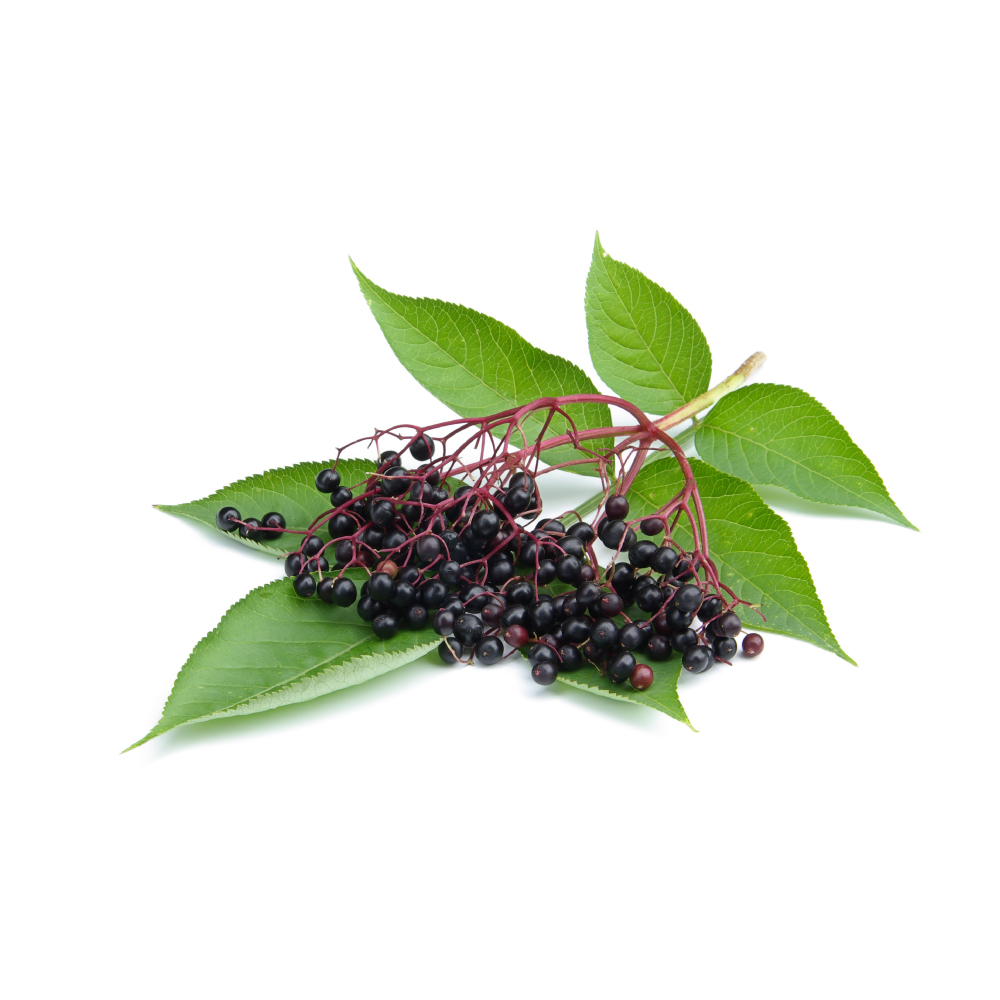
Elderberry (Sambucus nigra) — an antiviral berry used for influenza and upper respiratory infections, best at the first sign of a cold.
What Is Elderberry?
Elder is an invasive tree spread throughout most of the world.
It can be found in cold climates like Canada and Scandinavian countries, as well as tropical areas in Central and South America, Southeast Asia, and Australia.
Elder trees are even frequently found in remote areas like the Pacific Islands.
Elder’s best-known use is for the early stages of upper respiratory infection — colds and influenza — taken at the first sign of illness. Its antiviral reputation is narrow, tied to enveloped viruses like influenza, and the evidence behind it is real but mixed: several small trials found that standardised berry extract shortened and softened cold and flu symptoms, while the single most rigorous influenza trial found no benefit (see Pharmacology & Research).
What Is Elder Used For?
Elder is used mainly in the acute stage of respiratory infection. Laboratory work shows its flavonoids can bind to influenza virions and block them from entering host cells, which is the proposed basis for taking it early — though this is in vitro evidence, not a “unique” mechanism, and other flavonoid-rich plants behave similarly.
Elder also has a traditional reputation as a nervine used for nerve-related pain, but this rests on weak animal data (central depression/analgesia noted in a review of the fruit) rather than any clinical study, and should be read as traditional rather than established use.
Traditional Uses
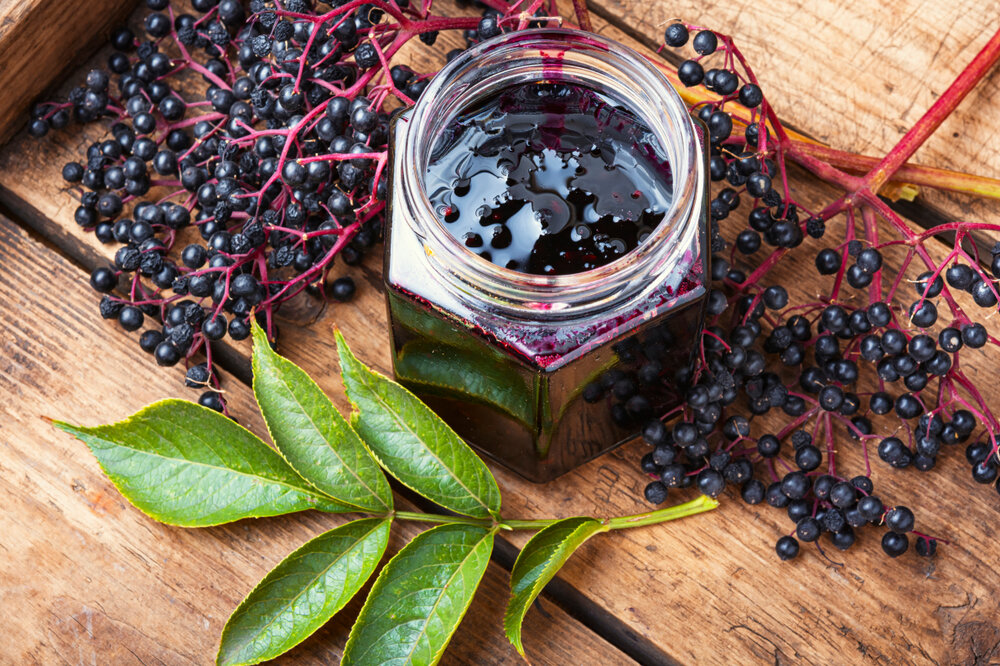
The use of elder dates back a very long time. Evidence of elder seeds, pollen, and dried fruits have been found at a Bronze Age archaeological site in Tuscany (Italy) 28Reference 28Palaeovegetational reconstruction based on pollen and seeds/fruits from a Bronze Age archaeological site in Tuscany (Italy), a Neolithic site in the French Alps 29Reference 29Plant economy during the Neolithic in a mountain context: the case of “Le Chenet des Pierres” in the French Alps (Bozel-Savoie, France), and the Durankulak site on the Black Sea coast of north-eastern Bulgaria.
Elder is used in Ayurvedic medicine, but not in depth. Its berries are used primarily as a diuretic and aperient, while the bark as a hydragogue, cathartic and anti-epileptic.
In traditional Chinese medicine, elder (known as “mao gu xiao”; Sambucus formosana or Sambucus chinensis) is used rarely to treat liver disease. It’s considered to be a warm bitter, useful for dispelling blood stasis.
In Indonesia, elder (Sambucus javanica) is used for pain relief, beri beri, and jaundice.
In Western herbal medicine, elder is most commonly used to treat sore throats and as a purgative or emetic. It’s also used to treat wounds (the leaves mainly), or as a diuretic (whole plant).
Elder was commonly combined with herbs like yarrow or boneset in the treatment of cold and flu.
Botany
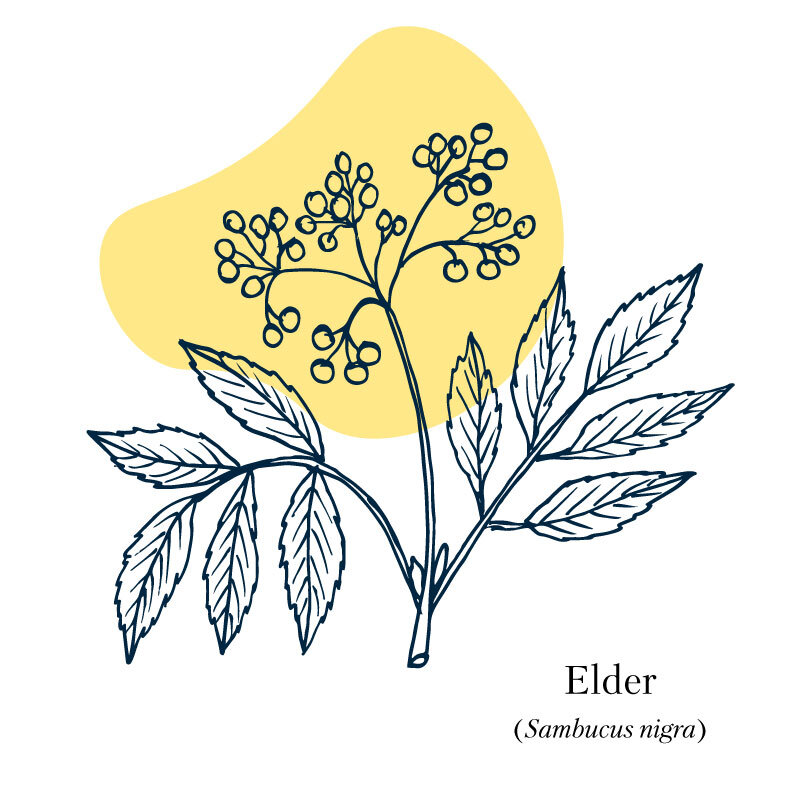
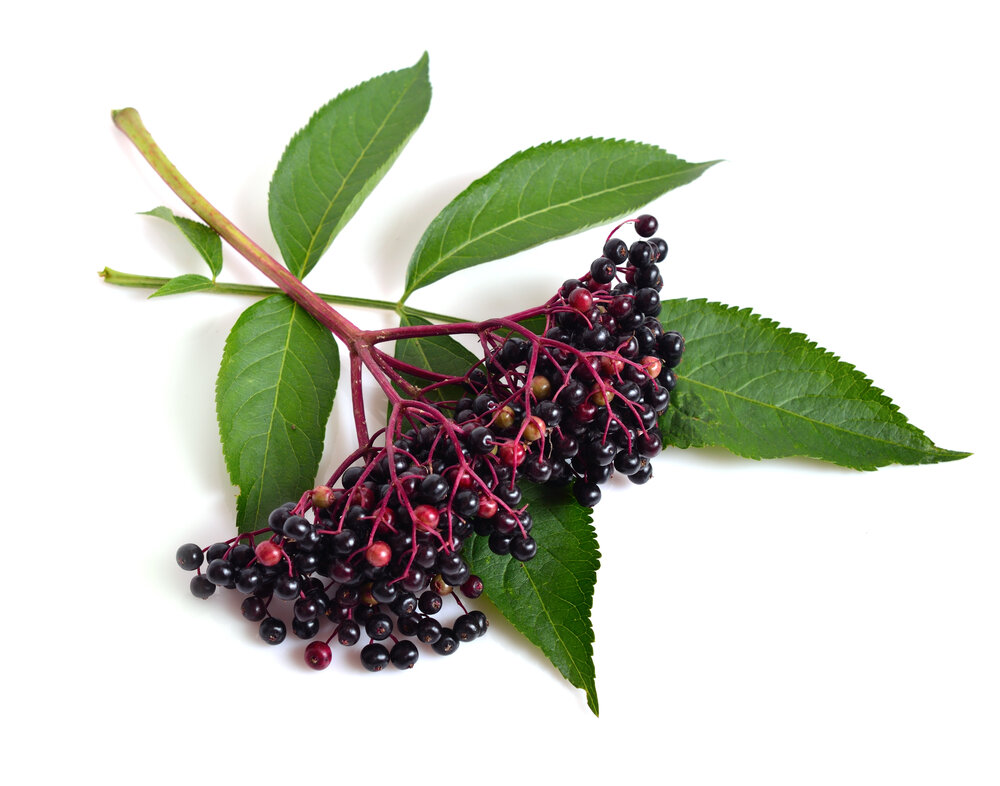
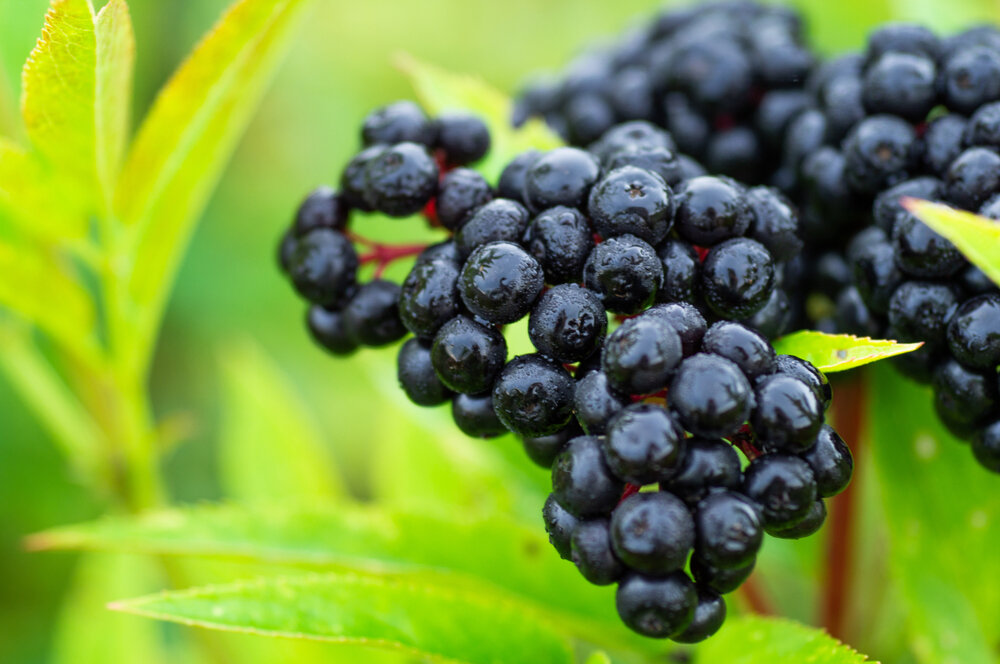
Elder belongs to the moschatel family (Adoxaceae), a group it shares with the viburnums; older herbals will still file it under the honeysuckle family. It grows as a sprawling deciduous shrub or small tree, sending up multiple stems clothed in pinnate leaves, then crowning itself in early summer with broad flat heads of creamy-white flowers that ripen to hanging bunches of near-black berries.
Its close kin matter to the practising herbalist, because not every elder is interchangeable — nor safe. European black elder (Sambucus nigra) and the North American elderberry (S. nigra subsp. canadensis, still often written S. canadensis) are the medicinally used flower-and-berry elders, treated as essentially interchangeable in most traditions. Red elder (Sambucus racemosa) bears red berries in a conical cluster rather than a flat cyme and is regarded as toxic. The Australian native elderberry is S. australasica, while the true “dwarf” or “white” elder — Sambucus ebulus — is a separate species that supplies much of the toxicology literature and should not be conflated with black elder. Across all elders the raw berries, leaves, bark and roots carry cyanogenic glycosides and need cooking; only the flowers and properly prepared ripe berries are used.
Distribution
Native to Europe, North Africa and western Asia, elder has spread far beyond its homeland and now grows wild across much of the temperate world, including naturalized stands throughout North America. Its close American counterpart covers a similar niche across the eastern and central United States.
Growing Conditions
- Thrives in full sun to partial shade, flowering and fruiting most heavily in full sun.
- Prefers moist to wet, humus-rich, well-drained soil but tolerates a wide range of ground.
- Cold-hardy through roughly USDA zones 5–8; a vigorous grower that can sucker and spread.
- Matures into a large multi-stemmed shrub (8–20 ft), so give it room or cut it back hard.
- Full cultivation detail lives on the companion farm-wiki grow guide for Sambucus nigra (link to be added once that project’s public URL is confirmed).
Phytochemistry
Elder fruit and flower carry several hundred compounds, but the medicinally important ones fall into a few families. The deep colour of the berry comes from anthocyanins — chiefly cyanidin-3-sambubioside and cyanidin-3-glucoside, which together with their 5-glucosides make up over 98% of total anthocyanin content. The dominant flavonol is quercetin-3-O-rutinoside (rutin), and the antiviral/emetic activity tracks to a set of ribosome-inactivating lectins such as nigrin b and the related ebulin 1 19,21,22Reference 19Investigation of anthocyanin profile of four elderberry species and interspecific hybridsView study →Reference 21Selection of elderberry (Sambucus nigra L.) genotypes best suited for the preparation of elderflower extracts rich in flavonoids and phenolic acids — chemical profilingView study →Reference 22ReviewDescription, distribution, activity and phylogenetic relationship of ribosome-inactivating proteins in plants, fungi and bacteria — review.
Flavonol glycosides (rutin plus the kaempferol and isorhamnetin rutinosides) account for ~90% of total flavonoids, and two caffeoylquinic acids — 5-O-caffeoylquinic acid (chlorogenic acid) and 1,5-di-O-caffeoylquinic acid — for ~70% of the phenolic acids. The fruit also supplies ~1% triterpenoids (notably ursolic acid), polyphenols, and vitamins A, B6 and C 18,21Reference 18Systematic reviewA systematic review on the sambuci fructus effect and efficacy profiles — systematic reviewView study →Reference 21Selection of elderberry (Sambucus nigra L.) genotypes best suited for the preparation of elderflower extracts rich in flavonoids and phenolic acids — chemical profilingView study →.
Constituent Summary
Anthocyanins and flavonols are given as mg per 100 g fresh fruit (cyanidin-3-glucoside equivalents); ranges are wide across genotype, ripeness and drying. RIP/lectin content is documented qualitatively. Entries marked No Data are reported without a figure 18,19,21,26Reference 18Systematic reviewA systematic review on the sambuci fructus effect and efficacy profiles — systematic reviewView study →Reference 19Investigation of anthocyanin profile of four elderberry species and interspecific hybridsView study →Reference 21Selection of elderberry (Sambucus nigra L.) genotypes best suited for the preparation of elderflower extracts rich in flavonoids and phenolic acids — chemical profilingView study →Reference 26ReviewEbulin from dwarf elder (Sambucus ebulus L.): a mini-reviewView study →.
Anthocyanin4 compounds2 with data
Flavonoid4 compounds1 with data
Phenolic Acid2 compounds1 with data
Triterpene1 compound1 with data
Pharmacology & Research
Elder (Sambucus nigra) has one of the larger clinical literatures among Western herbs used for acute respiratory infection, but the base is smaller and less consistent than its reputation suggests. Four small human trials, one meta-analysis and several systematic reviews address influenza and the common cold; the rest of the evidence — antioxidant, anti-inflammatory, cardiometabolic and antibacterial activity — is preclinical, dominated by in vitro work on the berry’s anthocyanins and a set of ribosome-inactivating lectins. The antiviral signal is real but contested: early placebo-controlled trials reported symptom relief three to four days faster than placebo 1,2,3Reference 1RCTRandomized study of the efficacy and safety of oral elderberry extract in the treatment of influenza A and B virus infections — randomized controlled trialView study →Reference 2RCTInhibition of several strains of influenza virus in vitro and reduction of symptoms by an elderberry extract during an outbreak of influenza B Panama — placebo-controlled, in vitroView study →Reference 3RCTElderberry supplementation reduces cold duration and symptoms in air-travellers: a randomised, double-blind placebo-controlled clinical trial — RCTView study →, a 2019 meta-analysis found a large pooled effect 4Reference 4Meta-analysisBlack elderberry (Sambucus nigra) supplementation effectively treats upper respiratory symptoms: a meta-analysis of randomized, controlled clinical trials — meta-analysisView study →, yet a well-powered 2020 emergency-room trial found no benefit and hinted at worse outcomes when elderberry was taken without oseltamivir 5Reference 5RCTElderberry extract outpatient influenza treatment for emergency room patients ages 5 and above: a randomized, double-blind, placebo-controlled trial — RCTView study →. Almost all positive data come from standardised, heat-processed berry extracts (Sambucol, Rubini, ProImmune-type preparations), so results do not transfer cleanly to home-brewed syrups, teas or raw fruit.
- Best-supported: shorter, milder influenza and cold episodes with standardised berry extract, from small RCTs and a meta-analysis 1,2,3,4Reference 1RCTRandomized study of the efficacy and safety of oral elderberry extract in the treatment of influenza A and B virus infections — randomized controlled trialView study →Reference 2RCTInhibition of several strains of influenza virus in vitro and reduction of symptoms by an elderberry extract during an outbreak of influenza B Panama — placebo-controlled, in vitroView study →Reference 3RCTElderberry supplementation reduces cold duration and symptoms in air-travellers: a randomised, double-blind placebo-controlled clinical trial — RCTView study →Reference 4Meta-analysisBlack elderberry (Sambucus nigra) supplementation effectively treats upper respiratory symptoms: a meta-analysis of randomized, controlled clinical trials — meta-analysisView study → — tempered by one null RCT 5Reference 5RCTElderberry extract outpatient influenza treatment for emergency room patients ages 5 and above: a randomized, double-blind, placebo-controlled trial — RCTView study →.
- Emerging, worth watching: anthocyanin-driven improvements in serum lipids and post-meal glucose handling, from small human pilots 11,13,14Reference 11RCTEffects of elderberry juice on fasting and postprandial serum lipids and low-density lipoprotein oxidation in healthy volunteers: a randomised, double-blind, placebo-controlled study — RCTView study →Reference 13RCTOne-week elderberry juice treatment increases carbohydrate oxidation after a meal tolerance test and is well tolerated in adults: a randomized controlled pilot study — RCTView study →Reference 14RCTA one-week elderberry juice intervention augments the fecal microbiota and suggests improvement in glucose tolerance and fat oxidation in a randomized controlled trial — RCTView study →.
- Mechanistically thin: anti-inflammatory and antibacterial claims rest on in vitro and ex vivo data only 8,9,15,16,17Reference 8In vitroInhibitory activity of a standardized elderberry liquid extract against clinically-relevant human respiratory bacterial pathogens and influenza A and B viruses — in vitroView study →Reference 9In vitroThe effect of Sambucol, a black elderberry-based natural product, on the production of human cytokines: IView study →Reference 15In vitroBiological screening of Italian medicinal plants for anti-inflammatory activity — in vitroView study →Reference 16In vitroInhibitory effects of Turkish folk remedies on inflammatory cytokines: interleukin-1α, interleukin-1β and tumor necrosis factor α — in vitroView study →Reference 17In vitroInhibition of proinflammatory activities of major periodontal pathogens by aqueous extracts from elder flower (Sambucus nigra) — in vitroView study →.
- The caveat: effects are tied to standardised heat-treated extracts; no standardised dose exists across products, and the one rigorous influenza RCT was negative 5Reference 5RCTElderberry extract outpatient influenza treatment for emergency room patients ages 5 and above: a randomized, double-blind, placebo-controlled trial — RCTView study →.
2. Antioxidant
The deep pigment of the berry is anthocyanin — chiefly cyanidin-3-glucoside and cyanidin-3-sambubioside — and these dominate elder’s antioxidant activity. In vitro, an elderberry extract incorporated into low-density lipoprotein made the LDL more resistant to copper- and peroxyl-radical-induced oxidation, though the same study noted prooxidant behaviour under some conditions 10Reference 10In vitroAntioxidant and prooxidant activities of elderberry (Sambucus nigra) extract in low-density lipoprotein oxidation — in vitroView study →. In a human trial, 2 weeks of spray-dried anthocyanin extract produced only a minor rise in serum antioxidant capacity at the dose tested 11Reference 11RCTEffects of elderberry juice on fasting and postprandial serum lipids and low-density lipoprotein oxidation in healthy volunteers: a randomised, double-blind, placebo-controlled study — RCTView study →. A separate 30-day human infusion study reported improved serum antioxidant capacity and thiol levels, but it used Sambucus ebulus (dwarf elder), a related but distinct species 12Reference 12Improved lipid profile and increased serum antioxidant capacity in healthy volunteers after Sambucus ebulus L. fruit infusion consumption — human intervention study (different species: dwarf elder)View study →.
Gap: robust in vitro activity, but the human antioxidant signal is small, short-term, and partly derived from a different Sambucus species.
3. Anti-inflammatory
Elder flower and berry preparations modulate inflammatory signalling in vitro and ex vivo. Early screening found anti-inflammatory activity in Sambucus nigra extracts 15Reference 15In vitroBiological screening of Italian medicinal plants for anti-inflammatory activity — in vitroView study →; Turkish folk-remedy testing showed elder flower and leaf extracts inhibited IL-1α, IL-1β and TNF-α 16Reference 16In vitroInhibitory effects of Turkish folk remedies on inflammatory cytokines: interleukin-1α, interleukin-1β and tumor necrosis factor α — in vitroView study →; and aqueous elder-flower extract suppressed proinflammatory activity of periodontal pathogens 17Reference 17In vitroInhibition of proinflammatory activities of major periodontal pathogens by aqueous extracts from elder flower (Sambucus nigra) — in vitroView study →. Paradoxically, standardised Sambucol increased production of inflammatory cytokines (notably TNF-α, up to ~45-fold) from healthy human monocytes, which the authors framed as immune activation rather than suppression 9Reference 9In vitroThe effect of Sambucol, a black elderberry-based natural product, on the production of human cytokines: IView study →. This tension is why a 2021 systematic review specifically examined — and found no evidence for — the concern that elderberry might trigger a harmful “cytokine storm” 6Reference 6Systematic reviewElderberry for prevention and treatment of viral respiratory illnesses: a systematic reviewView study →.
Gap: all data are in vitro / ex vivo with contradictory direction (suppression vs. stimulation), and no clinical inflammatory endpoint has been measured.
4. Cardiometabolic (lipids & glucose)
Several small human studies test whether the berry’s anthocyanins improve lipid and glucose handling. A randomised placebo-controlled trial found spray-dried elderberry extract exerted only a minor effect on serum lipids and antioxidant status at a low dose, with the authors suggesting higher nutritionally-relevant doses might be needed 11Reference 11RCTEffects of elderberry juice on fasting and postprandial serum lipids and low-density lipoprotein oxidation in healthy volunteers: a randomised, double-blind, placebo-controlled study — RCTView study →. A 30-day dwarf-elder (S. ebulus) infusion study reported meaningful drops in triglycerides, total cholesterol and LDL-C — but again in a different species 12Reference 12Improved lipid profile and increased serum antioxidant capacity in healthy volunteers after Sambucus ebulus L. fruit infusion consumption — human intervention study (different species: dwarf elder)View study →. Two recent crossover pilots of 100% elderberry juice in overweight adults reported increased carbohydrate oxidation after a meal and suggested improved glucose tolerance and shifts in the gut microbiota, though sample sizes were very small (9-11 analysed) 13,14Reference 13RCTOne-week elderberry juice treatment increases carbohydrate oxidation after a meal tolerance test and is well tolerated in adults: a randomized controlled pilot study — RCTView study →Reference 14RCTA one-week elderberry juice intervention augments the fecal microbiota and suggests improvement in glucose tolerance and fat oxidation in a randomized controlled trial — RCTView study →. In vitro, elderberry extract reduced reactive oxygen species and improved glucose uptake in hypertrophied adipocytes 20Reference 20In vitroElderberry (Sambucus nigra L.) fruit extract alleviates oxidative stress, insulin resistance, and inflammation in hypertrophied 3T3-L1 adipocytes and activated RAW 264.7 macrophages — in vitroView study →.
Gap: human data are limited to small pilots with mixed, dose-dependent results, and the clearest lipid effect comes from a different species (S. ebulus).
5. Antibacterial
A standardised elderberry liquid extract (Rubini) inhibited three Gram-positive and one Gram-negative respiratory pathogen, alongside influenza A and B, in broth micro-dilution and cell-culture assays 8Reference 8In vitroInhibitory activity of a standardized elderberry liquid extract against clinically-relevant human respiratory bacterial pathogens and influenza A and B viruses — in vitroView study →. The relevance is plausible — bacterial super-infection worsens influenza — but the finding rests on a single in vitro study of one commercial preparation.
Gap: one in vitro study, one product; no animal or human confirmation of an antibacterial effect in situ.
Mechanisms
| Mechanism | Drives | Key compounds |
|---|---|---|
| Flavonoid binding to viral haemagglutinin → blocks host-cell entry | antiviral | dihydromyricetin, quercetin |
| Free-radical scavenging / LDL-oxidation resistance | antioxidantcardiometabolic | cyanidin-3-glucoside, cyanidin-3-sambubioside |
| Cytokine modulation (IL-1, TNF-α, IL-6/8 — direction varies) | anti-inflammatoryimmune | anthocyanins, flavonol glycosides |
| Ribosome inactivation (N-glycosidase on rRNA) | antiviralemetic/toxicity | nigrin b, ebulin |
Clinical trials
Registered human trials exist and are ongoing — including completed influenza/cold efficacy trials (e.g. NCT03410862, NCT00375115), metabolic and immune-support studies (NCT05723497, NCT05435144), and several not-yet-recruiting functional-food trials — but no large confirmatory antiviral trial has resolved the contradiction between the positive early RCTs and the 2020 null result.
| Completed | Planned | Terminated | Preclinical |
|---|---|---|---|
| ~8 | ~3 | 1 | ~20+ |
Last checked: July 2026.
What’s the Deal with Elder’s Toxicity Claims?
A group of compounds found in elder called lectins are closely related to the common rat poison — ricin.
Lectins are essentially proteins that can bind with sugars. If lectins like ricin get into the cells, they can interact with our ribosomes (the organelle that does most of the manufacturing of proteins and various other compounds).
The common name given to lectins like ricin that stop the ribosomes from working is referred to as “Ribosome-Inactivating Proteins” or RIPs for short.
RIPs are also thought to be protective against viruses and predators, as well as a way for the plant to store nitrogen.
Several RIPs have been isolated from black elder 22,23,24Reference 22ReviewDescription, distribution, activity and phylogenetic relationship of ribosome-inactivating proteins in plants, fungi and bacteria — reviewReference 23ReviewRibosome-inactivating proteins — reviewReference 24Revising the taxonomic distribution, origin and evolution of ribosome inactivating protein genesView study →.
Similar lectin-compounds can be found in other medicinal plants with similar uses (antiviral), and limitations (emetic) — Phytolacca americana (Phytolacca antiviral protein or PAP).
There are three types of RIPs: Type 1, type 2, and type 3 23,24Reference 23ReviewRibosome-inactivating proteins — reviewReference 24Revising the taxonomic distribution, origin and evolution of ribosome inactivating protein genesView study →.
Both ebulin and ricin are type two RIPs.
How Elder Lectins Are Different from Ricin
Despite structural similarities, elder isn’t as toxic as ricin — and it’s not as toxic as we once thought.
The LD50 of ebulin 1 was 250 mg/kg, compared to ricin’s 0.023 µg/kg (intraperitoneal) and 0.0075 µg/kg (intravenous) 25Reference 25AnimalRicin toxicokinetics and its sensitive detection in mouse sera or feces using immuno-PCR — animal studyView study → — that’s a huge difference. You would essentially need more than 9000 times the dose of ebulin 1 compared to ricin to reach the same toxic dose.
There are some exceptions. Much of this toxicology comes from Sambucus ebulus (dwarf elder), not black elder, so black-elder toxicity is partly extrapolated.
RIPs such as ebulin f and SELfd are toxic and resist breakdown in the stomach — leading to gastrointestinal irritation and upset.
The solution to this problem is to heat it before using it. Heating makes these RIPs vulnerable to breakdown by pepsin in the stomach, neutralizing the toxic effects of ebulin f 26,27Reference 26ReviewEbulin from dwarf elder (Sambucus ebulus L.): a mini-reviewView study →Reference 27Isolation and molecular characterization of two lectins from dwarf elder (Sambucus ebulus L.) blossoms related to the Sam n1 allergen.
Dosage
In the trials, elder is almost always given as a standardised, heat-processed berry extract or syrup rather than raw fruit, and no single marker dose is shared across products 1,3,5Reference 1RCTRandomized study of the efficacy and safety of oral elderberry extract in the treatment of influenza A and B virus infections — randomized controlled trialView study →Reference 3RCTElderberry supplementation reduces cold duration and symptoms in air-travellers: a randomised, double-blind placebo-controlled clinical trial — RCTView study →Reference 5RCTElderberry extract outpatient influenza treatment for emergency room patients ages 5 and above: a randomized, double-blind, placebo-controlled trial — RCTView study →. Antiviral dosing was short and acute — begun at the first sign of illness and continued for about five days 1,5Reference 1RCTRandomized study of the efficacy and safety of oral elderberry extract in the treatment of influenza A and B virus infections — randomized controlled trialView study →Reference 5RCTElderberry extract outpatient influenza treatment for emergency room patients ages 5 and above: a randomized, double-blind, placebo-controlled trial — RCTView study →.
| Indication | Preparation | Dose | Est. dried-herb equivalent | Source |
|---|---|---|---|---|
| Antiviral (influenza) | Standardised berry syrup (Sambucol-type) | 15 mL four times daily × 5 days (adults) | — (proprietary syrup; no marker % given) | 1Reference 1RCTRandomized study of the efficacy and safety of oral elderberry extract in the treatment of influenza A and B virus infections — randomized controlled trialView study → |
| Antiviral (influenza) | Standardised berry extract | 15 mL (≈5.7 g extract) 2-4×/day × 5 days | — (proprietary; marker % not stated) | 5Reference 5RCTElderberry extract outpatient influenza treatment for emergency room patients ages 5 and above: a randomized, double-blind, placebo-controlled trial — RCTView study → |
| Antiviral (cold, travel) | Standardised membrane-filtered berry extract | per-protocol lozenge/capsule dosing before & during travel | — | 3Reference 3RCTElderberry supplementation reduces cold duration and symptoms in air-travellers: a randomised, double-blind placebo-controlled clinical trial — RCTView study → |
| Cardiometabolic (lipids) | Spray-dried anthocyanin extract | 400 mg powder (10% anthocyanins) t.i.d. ≈ 5 mL juice | ~a few grams fresh fruit-equivalent (assumption: 400 mg powder ≈ 5 mL juice, per source) | 11Reference 11RCTEffects of elderberry juice on fasting and postprandial serum lipids and low-density lipoprotein oxidation in healthy volunteers: a randomised, double-blind, placebo-controlled study — RCTView study → |
| Cardiometabolic (glucose) | 100% elderberry juice | twice daily × 1 week | — (whole juice; not standardised to marker) | 13,14Reference 13RCTOne-week elderberry juice treatment increases carbohydrate oxidation after a meal tolerance test and is well tolerated in adults: a randomized controlled pilot study — RCTView study →Reference 14RCTA one-week elderberry juice intervention augments the fecal microbiota and suggests improvement in glucose tolerance and fat oxidation in a randomized controlled trial — RCTView study → |
Est. dried-herb equivalent is a rough guide on a stated assumption, not a conversion factor or a recommendation. Most trials used proprietary standardised extracts with no published marker-to-whole-herb ratio, so equivalents are left ”—” rather than invented.
Traditional Dosage
These are whole-herb, tincture and infusion doses from the Western herbal reference texts — not the trial doses above, and not interchangeable with them.
| System | Preparation | Dose |
|---|---|---|
| Western herbal (Commission E / ESCOP — elder flower) | Dried flower infusion (tea) | ~10-15 g dried flower daily; 3-5 g per cup, 1-2× daily, taken hot |
| Western herbal | Liquid extract 1:2 (flower/berry) | ~3-8.5 mL/day (typical phytotherapy range) |
| Western herbal | Tincture 1:5 (25-45% ethanol) | ~5-15 mL/day |
| Western herbal | Standardised berry syrup | per manufacturer (commonly 10-15 mL up to 4×/day at first sign of cold) |
Safety & Pregnancy
Standardised, heat-processed elderberry extracts are well tolerated with a safety profile comparable to placebo; the real hazard is the raw plant, whose berries, leaves, bark and unripe fruit must be cooked to neutralise their cyanogenic glycosides and emetic ribosome-inactivating proteins.
- Raw plant is toxic. Unheated berries, leaves, bark, unripe fruit and seeds carry cyanogenic glycosides and emetic lectins — cook before use.
- Emetic if underdone. Nausea or vomiting means the dose is too high or the material was not adequately heated.
- Children most exposed. Dose conservatively and use only heated ripe-berry or flower preparations.
- Interactions unstudied. No dedicated interaction study; a post-hoc signal hints elderberry taken without oseltamivir may perform worse in flu.
- Prepared extracts well tolerated. No serious adverse events across trials, comparable to placebo.
Full safety & interactions detail
Standardised, heat-processed elderberry extracts have been well tolerated across clinical trials, with no serious adverse events reported and safety profiles comparable to placebo 1,3,5Reference 1RCTRandomized study of the efficacy and safety of oral elderberry extract in the treatment of influenza A and B virus infections — randomized controlled trialView study →Reference 3RCTElderberry supplementation reduces cold duration and symptoms in air-travellers: a randomised, double-blind placebo-controlled clinical trial — RCTView study →Reference 5RCTElderberry extract outpatient influenza treatment for emergency room patients ages 5 and above: a randomized, double-blind, placebo-controlled trial — RCTView study →. The main practical hazard is the raw plant: unheated berries, and especially the leaves, bark, unripe fruit and seeds, contain cyanogenic glycosides and heat-labile ribosome-inactivating proteins (e.g. ebulin f) that cause nausea, vomiting and diarrhoea — cooking or heating the material denatures these and neutralises the emetic effect 26Reference 26ReviewEbulin from dwarf elder (Sambucus ebulus L.): a mini-reviewView study →. Despite structural kinship to ricin, elder’s lectins are dramatically less potent (ebulin 1 oral LD50 ~250 mg/kg in mice, versus micrograms/kg for ricin), so properly prepared berry and flower preparations carry low systemic toxicity. A 2021 systematic review found no evidence that elderberry overstimulates the immune system or provokes a harmful “cytokine storm” 6Reference 6Systematic reviewElderberry for prevention and treatment of viral respiratory illnesses: a systematic reviewView study →.
Elder has no dedicated drug-interaction study. The older claim that it “decreases the effectiveness of morphine” has no located primary source and has been removed. The one interaction signal in the human literature runs the other way and is only hypothesis-generating: in the 2020 emergency-room trial, a post-hoc analysis suggested that elderberry taken without oseltamivir performed about two days worse than placebo — a finding to watch, not an established effect 5Reference 5RCTElderberry extract outpatient influenza treatment for emergency room patients ages 5 and above: a randomized, double-blind, placebo-controlled trial — RCTView study →. Beyond this, interactions with medications have not been formally assessed, and absence of reports is not evidence of safety.
Raw and unheated preparations are emetic: if nausea occurs, the dose is too high or the material was not adequately cooked. Small children are the group most exposed to this — dose conservatively and use only heated ripe-berry or flower preparations; the children enrolled in the influenza trial (ages 5-12) received half the adult dosing frequency 5Reference 5RCTElderberry extract outpatient influenza treatment for emergency room patients ages 5 and above: a randomized, double-blind, placebo-controlled trial — RCTView study →.
No clinical trial has assessed elderberry in pregnancy or lactation, so safety in these groups is not established. Cooked elder flower and ripe berry are widely consumed as food, but medicinal-strength extracts have not been studied in pregnant or breastfeeding people. Raw or unheated plant material — containing cyanogenic glycosides and emetic lectins — should be avoided.
References
- Zakay-Rones, Z., Thom, E., Wollan, T., & Wadstein, J. (2004). Randomized study of the efficacy and safety of oral elderberry extract in the treatment of influenza A and B virus infections — randomized controlled trial. Journal of International Medical Research, 32(2), 132-140. https://pubmed.ncbi.nlm.nih.gov/15080016/
- Zakay-Rones, Z., Varsano, N., Zlotnik, M., et al. (1995). Inhibition of several strains of influenza virus in vitro and reduction of symptoms by an elderberry extract during an outbreak of influenza B Panama — placebo-controlled, in vitro. Journal of Alternative and Complementary Medicine, 1(4), 361-369. https://pubmed.ncbi.nlm.nih.gov/9395631/
- Tiralongo, E., Wee, S. S., & Lea, R. A. (2016). Elderberry supplementation reduces cold duration and symptoms in air-travellers: a randomised, double-blind placebo-controlled clinical trial — RCT. Nutrients, 8(4), 182. https://pubmed.ncbi.nlm.nih.gov/27023596/
- Hawkins, J., Baker, C., Cherry, L., & Dunne, E. (2019). Black elderberry (Sambucus nigra) supplementation effectively treats upper respiratory symptoms: a meta-analysis of randomized, controlled clinical trials — meta-analysis. Complementary Therapies in Medicine, 42, 361-365. https://pubmed.ncbi.nlm.nih.gov/30670267/
- Macknin, M., Wolski, K., Negrey, J., & Mace, S. (2020). Elderberry extract outpatient influenza treatment for emergency room patients ages 5 and above: a randomized, double-blind, placebo-controlled trial — RCT. Journal of General Internal Medicine, 35(11), 3271-3277. https://pubmed.ncbi.nlm.nih.gov/32929634/
- Wieland, L. S., Piechotta, V., Feinberg, T., et al. (2021). Elderberry for prevention and treatment of viral respiratory illnesses: a systematic review. BMC Complementary Medicine and Therapies, 21(1), 112. https://pubmed.ncbi.nlm.nih.gov/33827515/
- Roschek, B. Jr., Fink, R. C., McMichael, M. D., Li, D., & Alberte, R. S. (2009). Elderberry flavonoids bind to and prevent H1N1 infection in vitro. Phytochemistry, 70(10), 1255-1261. https://pubmed.ncbi.nlm.nih.gov/19682714/
- Krawitz, C., Mraheil, M. A., Stein, M., et al. (2011). Inhibitory activity of a standardized elderberry liquid extract against clinically-relevant human respiratory bacterial pathogens and influenza A and B viruses — in vitro. BMC Complementary and Alternative Medicine, 11, 16. https://pubmed.ncbi.nlm.nih.gov/21352539/
- Barak, V., Halperin, T., & Kalickman, I. (2001). The effect of Sambucol, a black elderberry-based natural product, on the production of human cytokines: I. Inflammatory cytokines — in vitro. European Cytokine Network, 12(2), 290-296. https://pubmed.ncbi.nlm.nih.gov/11399518/
- Abuja, P. M., Murkovic, M., & Pfannhauser, W. (1998). Antioxidant and prooxidant activities of elderberry (Sambucus nigra) extract in low-density lipoprotein oxidation — in vitro. Journal of Agricultural and Food Chemistry, 46(10), 4091-4096. https://doi.org/10.1021/jf980296g
- Murkovic, M., Abuja, P. M., Bergmann, A. R., et al. (2004). Effects of elderberry juice on fasting and postprandial serum lipids and low-density lipoprotein oxidation in healthy volunteers: a randomised, double-blind, placebo-controlled study — RCT. European Journal of Clinical Nutrition, 58(2), 244-249. https://pubmed.ncbi.nlm.nih.gov/14749743/
- Ivanova, D., Tasinov, O., & Kiselova-Kaneva, Y. (2014). Improved lipid profile and increased serum antioxidant capacity in healthy volunteers after Sambucus ebulus L. fruit infusion consumption — human intervention study (different species: dwarf elder). International Journal of Food Sciences and Nutrition, 65(6), 740-744. https://pubmed.ncbi.nlm.nih.gov/24625072/
- Rust, B. M., Riordan, J. O., Carbonero, F. G., & Solverson, P. M. (2023). One-week elderberry juice treatment increases carbohydrate oxidation after a meal tolerance test and is well tolerated in adults: a randomized controlled pilot study — RCT. Nutrients, 15(9), 2072. https://pubmed.ncbi.nlm.nih.gov/37432227/
- Teets, C., Ghanem, N., Ma, G., et al. (2024). A one-week elderberry juice intervention augments the fecal microbiota and suggests improvement in glucose tolerance and fat oxidation in a randomized controlled trial — RCT. Nutrients, 16(20), 3555. https://pubmed.ncbi.nlm.nih.gov/39458549/
- Mascolo, N., Capasso, F., Menghini, A., & Fasulo, M. P. (1987). Biological screening of Italian medicinal plants for anti-inflammatory activity — in vitro. Phytotherapy Research, 1(1), 28-31. https://doi.org/10.1002/ptr.2650010107
- Yeşilada, E., Üstün, O., Sezik, E., et al. (1997). Inhibitory effects of Turkish folk remedies on inflammatory cytokines: interleukin-1α, interleukin-1β and tumor necrosis factor α — in vitro. Journal of Ethnopharmacology, 58(1), 59-73. https://pubmed.ncbi.nlm.nih.gov/9324006/
- Harokopakis, E., Albzreh, M. H., Haase, E. M., Scannapieco, F. A., & Hajishengallis, G. (2006). Inhibition of proinflammatory activities of major periodontal pathogens by aqueous extracts from elder flower (Sambucus nigra) — in vitro. Journal of Periodontology, 77(2), 271-279. https://pubmed.ncbi.nlm.nih.gov/16460254/
- Vlachojannis, J. E., Cameron, M., & Chrubasik, S. (2010). A systematic review on the sambuci fructus effect and efficacy profiles — systematic review. Phytotherapy Research, 24(1), 1-8. https://pubmed.ncbi.nlm.nih.gov/19548290/
- Mikulic-Petkovsek, M., Schmitzer, V., Slatnar, A., et al. (2014). Investigation of anthocyanin profile of four elderberry species and interspecific hybrids. Journal of Agricultural and Food Chemistry, 62(24), 5573-5580. https://pubmed.ncbi.nlm.nih.gov/24830391/
- Zielińska-Wasielica, J., Olejnik, A., Kowalska, K., Olkowicz, M., & Dembczyński, R. (2019). Elderberry (Sambucus nigra L.) fruit extract alleviates oxidative stress, insulin resistance, and inflammation in hypertrophied 3T3-L1 adipocytes and activated RAW 264.7 macrophages — in vitro. Foods, 8(8), 326. https://pubmed.ncbi.nlm.nih.gov/31398785/
- Christensen, L. P., Kaack, K., & Fretté, X. C. (2008). Selection of elderberry (Sambucus nigra L.) genotypes best suited for the preparation of elderflower extracts rich in flavonoids and phenolic acids — chemical profiling. European Food Research and Technology, 227(1), 293-305. https://doi.org/10.1007/s00217-007-0723-8
- Girbés, T., Ferreras, J. M., Arias, F. J., & Stirpe, F. (2004). Description, distribution, activity and phylogenetic relationship of ribosome-inactivating proteins in plants, fungi and bacteria — review. Mini Reviews in Medicinal Chemistry, 4(5), 461-476.
- Stirpe, F. (2004). Ribosome-inactivating proteins — review. Toxicon, 44(4), 371-383.
- Lapadula, W. J., Sánchez Puerta, M. V., & Juri Ayub, M. (2013). Revising the taxonomic distribution, origin and evolution of ribosome inactivating protein genes. PLoS One, 8(9), e72825. https://doi.org/10.1371/journal.pone.0072825
- He, X., McMahon, S., Henderson, T. D., Griffey, S. M., & Cheng, L. W. (2010). Ricin toxicokinetics and its sensitive detection in mouse sera or feces using immuno-PCR — animal study. PLoS One, 5(9), e12858. https://doi.org/10.1371/journal.pone.0012858
- Jiménez, P., Tejero, J., Cordoba-Diaz, D., Quinto, E. J., Garrosa, M., Gayoso, M. J., & Girbés, T. (2015). Ebulin from dwarf elder (Sambucus ebulus L.): a mini-review. Toxins, 7(3), 648-658. https://pubmed.ncbi.nlm.nih.gov/25723322/
- Jiménez, P., Cabrero, P., Basterrechea, J. E., Tejero, J., Cordoba-Diaz, D., & Girbés, T. (2013). Isolation and molecular characterization of two lectins from dwarf elder (Sambucus ebulus L.) blossoms related to the Sam n1 allergen. Toxins, 5(10), 1767-1779.
- Mariotti-Lippi, M., Bellini, C., & Mori, S. (2010). Palaeovegetational reconstruction based on pollen and seeds/fruits from a Bronze Age archaeological site in Tuscany (Italy). Plant Biosystems, 144(4), 902-908.
- Martin, L., Jacomet, S., & Thiebault, S. (2008). Plant economy during the Neolithic in a mountain context: the case of “Le Chenet des Pierres” in the French Alps (Bozel-Savoie, France). Vegetation History and Archaeobotany, 17(Suppl 1), S113-S122.